www.chesterzoo.org - 2019 ZOO REVIEW - chesterzoo.org 1 - Chester Zoo
←
→
Page content transcription
If your browser does not render page correctly, please read the page content below

2019 ZOO REVIEW

Annual Review of the North of
England Zoological Society

www.chesterzoo.org
                                chesterzoo.org 1
2019 ZOO REVIEW

    Contents
    Our trustees ..................................................................... ...4-5
    Chief executive’s and Chief operating officer’s review ........6-7
    Strategic direction .............................................................. 8-9
    Our people ........................................................................... 10
    Volunteering ........................................................................ 10
    Awards .................................................................................. 11
    Conserving species of Latin America ............................. ..... 12
    Conserving species of Africa ............................................. .. 13
    Conserving species of South Asia ................................... .... 14
    Conserving species of Madagascar and Mascarenes..........                                   15
    Conserving species of UK and Europe ........................ ....... 16
    Conserving species of South East Asia ............................. .. 17
    Conservation, breeding and management .................... ...... 18
    Wildlife health and wellbeing ........................................... .... 19
    Biodiversity surveys and monitoring ................................. .. 20
    Human-wildlife conflict ..................................................... .... 21
    Livelihoods and sustainable development ........................... 22
    Visitor and community engagement .................................... 23
    Discovery and Learning ....................................................... 24
    Maintaining a safe environment ..................................... .... 25
    Welcoming our visitors ................................................. .. 26-27
    Expedition 2019 .............................................................. 28-29
    Membership ................................................................... ..... 30
    PR.................................................................................... .... 31
    Thank you for your support ............................................. 32-33
    Our financial performance ..................................... ......... 34-35
    Highlights of the year .................................................. .... 36-37

2                                                               chesterzoo.orgI 23
                                                             chesterzoo.org
2019 ZOO REVIEW

                                                                      North of England Zoological Society

                                                                      Our Trustees
                                                                      Honorary Vice President                          Committees                     Advisors to
                                                                      The Hon Lady Jane Heber-Percy                    Trustee Nomination             the Trustees:
                                                                                                                       (Chair: Bruce Ursell)
                                                                                                                                                      Mr Brian Coles
                                                                      Chair of Trustees Bruce Ursell                   Audit and Risk Management      Dr Julian Chantrey
                                                                                                                       (Chair: Simon Venables)        Mr Michael Stanford
                                                                      Vice Chair (Mission Enabling) - Malcolm Ardron                                  Dr Thomas Webb
                                                                      Vice Chair (Mission Delivery) - William Beale    Ethical Review
                                                                                                                       (Chair: Prof Russell Newton)   Prof Richard Preziosi
                                                                                                                                                      Taiana Costa

                                                                      Trustees                                         Remuneration
                                                                                                                       (Chair: Bruce Ursell)
                                                                                                                                                      Dr Ian Dunbar

                                                                      Edwin Christmas
                                                                                                                       Strategic Development
                                                                      Russell Newton                                   (Chair: Malcolm Ardron)
                                                                      Richard Griffiths
                                                                      Angela Pinnington
                                                                      David Macdonald
                                                                      Penny Coates
    A note….Since writing this review, much has changed in the        Sandra Donnelly
                                                                                                                                                      Registered Company
                                                                                                                                                      No. 287902
    world due to the Covid-19 pandemic. Sadly, this will have         Simon Venables
    a significant impact on our future plans, but despite the         Lee Rawlinson                                                                   Registered Charity
    challenges we are confident that the Society has the resilience   Jen Carter                                                                      No. 306077

    to continue to be a global leader in PREVENTING EXTINCTION.

4                                                                                                                                                              chesterzoo.org 5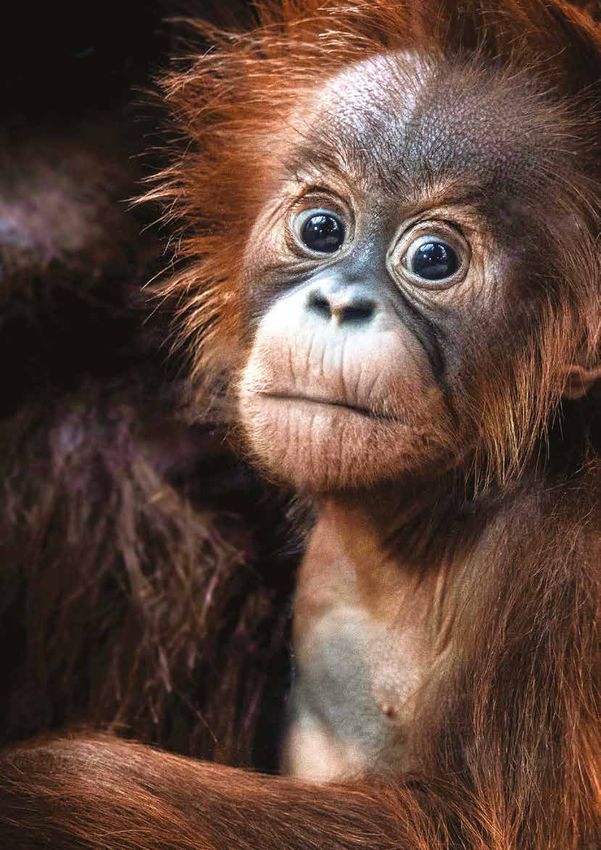
2019 ZOO REVIEW
We have achieved much that we feel Progressive zoos around the world have a pivotal part to
play in reconnecting people to nature, encouraging a respect
reflects on the dedication and skill and love of wildlife and empowering people to make positive
of our teams but to list just a few changes to protect it. This is vital, not only for wildlife but for
highlights of the year: all of us. We ultimately rely on clean water, clean air and a
healthy thriving environment in which we live. We cannot and
will not achieve this without radical changes if we want to
We opened the Madagascar zone, which includes our conserve the world in which we live.
first primate walk-though habitat featuring some of the
island’s most threatened species We recognise that the world has reached a critical milestone
and the future of the planet relies on the advocacy of us and
We carried out the world’s first radio tagging of a giant others to bring about real change in behaviour. 2019 marked a
year when we finally saw governments around the world begin
pangolin, one of the world’s most trafficked species.
to highlight the impacts of climate change, where we saw
Bruce Ursell, Chair of Trustees Dr Mark Pilgrim, Chief Executive Officer Jamie Christon, Chief Operating Officer young people campaign to protect their future and where we
We led the return to Rwanda of a group of Eastern black
saw major companies start to place climate change and the
rhino bred in European zoos. carbon agenda front and centre of their mission.
2019 was a very special year for Chester Zoo. For the first We bred and returned 4,000 Bermudian snails to Nonsuch
Island, Bermuda.
Chester Zoo supported this by eliminating two million pieces of
plastic from its operation, by championing Chester as the first
sustainable palm oil city in the world, by lobbying politicians on
time we attracted over 2 MILLION VISITORS and our society The Asiatic lions were given a fantastic new habitat the climate change emergency, by engaging with thousands of
school children and weaving conservation into the education
membership grew to 129,483; the highest it has ever been. Not only We saw our first ever successful treatment of an elephant
calf to survive EEHV, a result of our ground-breaking
curriculum, and by working around the world supporting
impactful programmes of change.
does this fund our work as a major conservation and education charity, research into this disease which is impacting heavily on
Asian elephant numbers, both in zoos and in the wild.
At the end of the year we created a Youth Board to support the
Trustees and Executive to connect with and mobilise the ideas
but it enables us to better communicate how we pursue our mission of We provided over 40,000 free education visits as part of
of a generation who are not usually regular zoo visitors but
amongst whom there is real concern for the direction in which
PREVENTING EXTINCTION, both in the zoo and around the world.
the 130,000 school visits most countries and populations have been travelling.
We were named in the Sunday Times list of Top 100 Not We are privileged and proud to lead this organisation and
for Profit Employers its mission in all its aspects. Our teams are dedicated to
The growth was all the more noteworthy given that these
preventing extinction as well as continuing to provide our
record figures were achieved whilst Monsoon Forest in visitors with a memorable and, hopefully enlightening,
Through our Conservation Scholars programme we
Islands, our largest ever investment, remained closed for experience. As a charity, we rely on our members and visitors
trained 30 PhD students from 11 universities
the whole of 2019 following the fire in December 2018. to join with us in helping us achieve our mission. We look
All plants and trees will be replaced, once building work forward to that support in 2020.
is complete, and then we can look forward to re-opening
this fantastic building in 2020.
Our increased visitor numbers delivered record income
for our mission, but the growth of the zoo of course led to
increased costs. We continue to progress with our Strategic
Development Plan which will reshape the zoo over time,
highlighting the “one plan” approach to conservation, working
in collaboration with others to save species, and our efforts
around the globe which focus on key geographical areas
of biodiversity.
As a major visitor attraction we really do recognise the
importance of our further development and investment. This
brings success to the local and sub-regional economy. Last
year we employed over 1,000 staff at our peak periods, with
over 200 volunteers.
6 chesterzoo.org 7
2019 ZOO REVIEW

    Strategic Direction
    Our Strategic Development Plan, formalised in 2017, moved
    ahead in earnest in 2019. Major developments completed
    included a new Madagascar walkthrough lemur habitat, situated
    in the heart of the zoo. Work began on a 17 acre animal holding
    and breeding centre to the north of the zoo site, which will allow
    the development of Grasslands starting in late 2020, and Forest
    zones which will follow later in the decade. The facility will allow
    the temporary movement of a number of key species into brand
    new homes during the development of their former habitats.

    Other key developments included a new
    facilities management building located
    alongside the A41, ready for occupation in
    early 2020. This will allow the refurbishment of
    the grade 2 listed stable block to complement
    the zoo’s heritage zone, located alongside
    The Oakfield.

    Later in 2019 the zoo team completed work
    on a new habitat for our group of Asiatic lions
    moving them away from their former home
    in the centre of the zoo. The combination
    of glazed indoor and outdoor elements
    enhanced this facility allowing a clear
    storyline to demonstrate our work with this
    endangered species.

    Not visible in 2019 was the vast amount of
    work done in the planning and detailed
    design for Grasslands which will begin in
    2020. Planning permission was granted
    in late 2019 for the multi-million pound
    reorganisation of the western side of the zoo,
    which will include a mixed species savannah,
    new indoor and outdoor space for African
    species, and a large restaurant. The plan also
    includes a site for overnight stays, a long-term
    aspiration of the society.

    On top of this, the development team worked
    hard to re-establish our world-leading indoor
    habitat, Monsoon Forest. Following the
    devastating fire in December 2018, significant
    progress has been made in stripping and
    rebuilding parts of the building. It is envisaged
    Monsoon Forest will re-open to our visitors in
    the summer of 2020.

8                                                          chesterzoo.org 9
2019 ZOO REVIEW
Our People
Chester Zoo is not only an inspiring and
developing space for animals, plants, and And the AWARD goes to...
our visitors, but is also a community of
talented and committed individuals all In 2019 we were proud to accept We also scooped some great awards,
working together to PREVENT EXTINCTION. numerous awards for our work. recognising the skills of our teams in
BIAZA awards were plentiful: their specialisms:
Over 1,000 people were employed by the zoo at peak season
(522 permanent, 54 fixed term and 470 seasonal).
Gold Award for Sustainability: Sustainable Palm Oil City Institute of Fundraising, National Awards: Winner,
2% 3% 1% Regional Campaign of the Year: Me, You and the Zoo Auction
1%
4% 30 Gold Award for Horticulture: Bumblebee abode garden
2% H&S - in house delivery
2% 64 Taste Cheshire Awards: Gold Award for Family Friendly
16% 337 H&S - external provider Silver Award for Education: Venue of the Year (The Oakfield)
1%
5% 399 Zap! sessions International educators training week
First aid Taste Cheshire Awards: Gold Award for Best Newcomer
Incident management Bronze Award for Education: Developing a conservation (The Oakfield)
274 curriculum
Role specific
152 World Host Ambassador Sandford Award: Granted by the Heritage Education Trust
CPD
Gold Award for Animal Husbandry, Care and Breeding: in recognition of our outstanding contribution to heritage
134 195 Preventing extinction - Javan green magpie education and learning within the historic environment
63% Management development
19
Gold Award for Animal Husbandry, Care and Breeding: North-West in Bloom: Winners: The Gold Medal; and Trophy
Developing captive husbandry protocols that facilitate in the Best Large Tourist Attraction category
Capital Development Finance conservation translocation
Collections IT We continue to invest in the skills Marketing Cheshire Annual Awards: Winner, Ethical,
Commercial Operators Marketing and knowledge of our teams and Silver Award for Animal Husbandry, Care and Breeding: Responsible and Sustainable Tourism Award
Creating dosing solutions for coral displays
Conservation Education & People Team
in 2019 delivered 1604 learning PRCA Awards: Crisis and Issues Management Award:
Equipment Science & Conservation
Directorate Site Operations
experiences for them. Bronze Award for Animal Husbandry, Care and Breeding: The Chester Zoo Fire (Monsoon Forest)
Hand-rearing of Caribbean flamingos using an egg-based diet
PRCA Awards: In-house Team of the Year Award Public
Gold Award for PR, Marketing, Digital and Events: Crisis Sector: Highly Commended
Volunteering
young people, we ran two Duke of communications during the Chester Zoo Monsoon Forest fire
Our volunteer programme went Edinburgh volunteering projects during
from strength to strength in 2019... the year. These supported young Gold Award for Exhibits:
people to develop their confidence Sumatra at Islands - a story of the wildlife trade
New volunteer roles were recruited and skills talking to visitors about our
to support new developments at conservation campaigns, whilst also Bronze Award for Research: Monitoring the impacts of
OUR VOLUNTEER VOLUNTEERS training them to enable them to make
the zoo, with visitor engagement management interventions in a captive troop of Sulawesi
PROGRAMME DONATED AN their own conservation campaign tools crested macaques
volunteers taking on key roles at the
CONTINUES TO AMAZING lemur walkthrough when it opened at to share with their peers.
SUPPORT OVER
27,891 Easter and at the Asiatic lions habitat Bronze Award for Research: Developing chytrid treatment
200
in the Autumn. In both locations they Over the summer we also worked with protocols for highly threatened salamanders
HOURS OF have supported visitors to engage in a small group of young volunteers,
THEIR TIME OVER the experiences, locate the animals referred from Ancora House a child Silver Award for Conservation: The Tequila splitfin
VOLUNTEERS and adolescent mental health unit in reintroduction programme
THE YEAR within their large habitats and provide
Chester. Participants worked through a
9% increase on 2018 information to visitors about the
species and their conservation. In the supportive training programme before Silver Award for Conservation: Action Indonesia: global
62
VOLUNTEERS Summer, volunteers also revived their taking on their volunteering roles in the species management plans for anoa, babirusa, banteng and
zoo. We also supported them to work
INTERACTED role interpreting our honeybee colonies Sumatran tiger
NEW WITH and engaged over 10,000 visitors with towards ASDAN qualifications. Several
VOLUNTEERS bee conservation. of our existing volunteers were trained Gold Trailblazing Award presented to Cat Barton, Field
RECRUITED 369,705 as Youth Champions to support our Conservation Manager, for her work on sustainable palm oil
VISITORS OVER Building on the pilot work conducted in younger volunteers with their training
AND TRAINED and in role.
DURING 2019 THE YEAR 2018 and our increasing work with
11% increase on 2018
10 chesterzoo.org 11
CONSERVING SPECIES OF                                                                                                                           CONSERVING SPECIES OF                                                                                 2019 ZOO REVIEW

LATIN AMERICA                                                                                                                                   AFRICA

In 2019 we achieved our long-held goal of setting up a European breeding
programme (EEP) for the Lake Titicaca frog. This once common frog is confined
to Lake Titicaca on the Peru / Bolivia border where it is now Critically Endangered.                                                            We coordinate the European breeding                               Gabon. This year an important MOU between Chester Zoo
Sixty frogs were brought from the USA with the plan to disperse them across                                                                     programme (EEP) for black rhinos
                                                                                                                                                                                                                  and the Uganda Wildlife Authority (UWA) was signed in which
                                                                                                                                                                                                                  the zoo will lead and implement a number of exciting initiatives
ten different zoos in Europe. We had an excellent start to the new breeding                                                                     and during 2019 we spearheaded the                                focussed on great apes, pangolins, black rhino, carnivores
programme when the frogs very quickly spawned on arrival at Chester Zoo.                                                                        largest ever translocation of rhinos                              and okapi between now and 2025. Our expanding work in
                                                                                                                                                                                                                  Gabon’s western coastal forest has revealed an incredible
                                                                                                                                                from Europe to Africa. This exciting                              diversity of wildlife including Western lowland gorilla,
In Brazil our support for long-standing work on Giant anteaters         Our work with the Bermudan Government has reached
                                                                                                                                                translocation was undertaken by                                   chimpanzee, forest elephant, giant pangolin and slender-
and Giant armadillos continued, with some startling facts               a milestone with the first ever reintroductions of Greater
about the threats these animals face; a 27 month survey                 Bermuda snails. A staggering 18,000 snails were sent back               the European Association of Zoos                                  snouted crocodiles; even marine turtles have been recorded
                                                                                                                                                                                                                  travelling up lagoons and into forest to lay their eggs. These
reported a staggering 558 Giant anteaters killed by traffic. A          to Bermuda for two separate conservation translocations                 & Aquaria (EAZA), the Rwanda                                      revelations have already influenced the issuing of local logging
new initiative of the project will start to look at rehabilitation of   during the year; a real testament to how we are directly acting
                                                                                                                                                Development Board (RDB) and African                               permits, with local communities now being increasingly
young anteaters whose mothers are killed.                               to prevent extinction. This paves the way for conservation
                                                                        translocations of Lesser Bermuda snail with plans already in            Parks, which manages Akagera National                             consulted.
In Bolivia news was more positive from our Andean bear                  place for 2020.                                                         Park in Rwanda, where the rhinos were                             In Uganda staff assisted the Giraffe Conservation Foundation
project, where camera-trapping has revealed a sighting of a
                                                                        We also had further success with our Bermuda skinks, rearing
                                                                                                                                                released. The five animals moved from                             (GCF) with their satellite tagging programme, which is now the
second bear cub in two years, a great sign that the animals
continue to live and reproduce in the area despite habitat loss         a further 7 youngsters during the year and increasing the               European zoos will bolster the original                           largest ever GPS satellite tagging project for giraffe. In the
                                                                                                                                                                                                                  zoo we welcomed another two calves to our Rothschild giraffe
and persecution. In the zoo, keepers were delighted that our            likelihood that we will be sending this Critically Endangered           animals released in 2017 from South                               herd, ‘Mburo’ born in March and ‘Karamoja’ born in May.
current pair of Brazilian giant otters successfully reared their        species back to Bermuda in the next few years.
                                                                                                                                                Africa. We continued our financial and                            Our okapi and mountain bongo populations in the zoo both
first pups.
                                                                        Excellent news from Mexico confirmed that the Tequila splitfin          practical support to combat poaching of                           benefitted from the arrival of new females.
                                                                        fish, still considered as extinct in the wild, is now thriving at the
Our national plant collection of Matucana cacti had a real                                                                                      rhinos and other wildlife in both eastern                         We expanded our survey and training work on butterflies,
boost during the year with the donation of more than 350                sites of earlier reintroductions and has established a strong and
                                                                        growing population in the springs that form the headwater of the        and southern Africa, providing finances,                          moths and beetles this year working in Kenya, South Africa
new specimens by cacti specialist Maurice Williams. These
cacti are confined to Peru and around half of the species               Teochitlan River. We are currently evaluating further candidate         equipment, advice and training.                                   and Tanzania, assisting local communities and governments
                                                                        species for release with our partners the Mexican Fish Ark.                                                                               to better understand these poorly known species. Finally
of Matucana are threatened with extinction; many of those
                                                                                                                                                                                                                  the arrival of three pairs of tiny bearded pygmy chameleons
donated to the zoo have details of their exact origins in the wild
                                                                        In Ecuador our field work on the ecology and conservation of            Following the milestone birth last year of chimpanzee ‘Stevie’,   at the zoo enabled our keepers to gain the skills required to
and so are particularly valuable for conservation. Also new to
                                                                        Ecuadorian Amazon parrot continued with work on roosting and            we were delighted to welcome another infant born into the         care for and breed these and similar species. Many are highly
the zoo this year was our first pair of Southern tamandua; a
                                                                        breeding sites. We also continue to work with our partners on           group, when ‘Annie’ was born in the summer to mum, ‘Alice’.       endemic to tiny regions of eastern and southern Africa and are
beautiful species of South American climbing anteater.
                                                                        societal change to hopefully reverse the plight of this parrot.         In the field our great ape work has focussed on Uganda and        becoming increasingly isolated and threatened in the wild.

12                                                                                                                                                                                                                                                          chesterzoo.org 13
CONSERVING SPECIES OF                                                                                           CONSERVING SPECIES OF                                                                                2019 ZOO REVIEW

SOUTH ASIA                                                                                                      MADAGASCAR
                                                                                                                & MASCARENES

We have scaled up our work on Asian           In Nepal we completed the delivery of our Darwin Initiative       The development of our Madagascar forest zone has allowed us to showcase our
                                              funded project aimed at strengthening tiger conservation
elephants in Assam, India, in an exciting     efforts by reducing human-tiger conflict in and around two
                                                                                                                major field programme in the 270 km2 Mangabe forest protected area in the east of
new partnership with the Wildlife             national parks in the Terai lowland region. This has been         the country where we continue to work with our partners, Madagasikara Voakajy.
Trust of India. Habitat fragmentation         successful in reducing predation of livestock by over 40%. To     As well as lemurs, Mangabe forest is the last stronghold of the golden mantella
                                              ensure that this continues long after the project has finished,
in this region has disrupted elephant         we carried out a consultation exercise with local communities
                                                                                                                frog. Fieldwork in January and February revealed 60% of potential breeding
migration routes and brought them into        and stakeholders.                                                 ponds occupied by golden mantellas with a higher percentage of ponds in good
conflict with people in areas adjacent                                                                          condition compared with the previous survey in 2017.
                                              In the zoo, our red pandas gave birth to twins in June,
to the Manas National Park. Using our         providing a significant boost to the conservation breeding
                                                                                                                Elsewhere in Madagascar we stepped up our work to restore        In the zoo we were successful in hatching two radiated
experience of finding practical solutions     programme for this threatened species from the Himalayas
                                                                                                                populations of an endemic fish, the pinstripe damba, to          tortoises for the first time following painstaking work to
to this problem from the long-running         and southwest China.
                                                                                                                Lake Tseny in the north of the country. Our team travelled       determine their exact temperature requirements. This is a
Assam Haathi project, we aim to                                                                                 there in April to carry out histopathology and parasitological   significant boost to conservation breeding efforts for this
                                                                                                                examinations on captive bred damba at the Andapa breeding        highly threatened species from the spiny forests of southern
reduce human-elephant conflict around
                                                                                                                facility. Results of this screening were used to produce a       Madagascar where it is threatened in the wild by illegal trade
Manas to allow elephant populations                                                                             disease risk analysis report for Madagasikara Voakajy to         and habitat loss.
to flourish. In its first year, the project                                                                     inform plans for captive management and potential future
                                                                                                                conservation translocations.                                     In Mauritius, we continued our efforts to support the population
has consulted with 60 villages across
                                                                                                                                                                                 of the echo parakeet. The first breeding attempt of released
the Manas landscape, erected 5 km of                                                                                                                                             birds in the Bambous Mountain region was recorded this
electric fencing to protect crops from                                                                                                                                           year, following releases between 2015 and 2017.The
                                                                                                                                                                                 population is currently estimated to number over 700 birds
elephants and engaged with officials
                                                                                                                                                                                 and in November 2019 the echo parakeet was downlisted to
at local and regional Government level                                                                                                                                           Vulnerable (from Endangered) by the IUCN. This is testament
to develop long-term strategies for                                                                                                                                              to the success of the conservation work that has been carried
                                                                                                                                                                                 out over many years by a number of organisations working in
enabling peaceful co-existence between
                                                                                                                                                                                 partnership, including Chester Zoo.
elephants and people.

14                                                                                                                                                                                                                         chesterzoo.org 15
Conserving species of                                                                                                                   CONSERVING SPECIES OF                                                                              2019 ZOO REVIEW

SOUTH EAST ASIA                                                                                                                         UK & EUROPE

There has been rewarding progress this year on our projects in the Philippines.                                                         We joined a partnership of 79 conservation organisations to produce the State
We launched the William Oliver Philippine Champion Award (honouring                                                                     of Nature report 2019 that highlights the continued plight of biodiversity in
posthumously a dedicated conservationist of wildlife in the Philippines and                                                             the UK. The report aims to inform forthcoming legislative change, such as the
long-time partner of the zoo). The six chosen recipients are already involved in                                                        Environment Bill and calls for urgent action to restore biodiversity.
the protection of ecosystems on the nation’s many islands and on the cusp of
launching 2-year projects.
                                                                                                                                        We joined a partnership of 79 conservation organisations        Our horticulture team produced 91 native black poplar trees,
                                                                                                                                        to produce the State of Nature report 2019 that highlights      ready for planting in winter 2019/20. This has doubled the
Our partners at the Katala Foundation in the Philippines lead        have been prevented from total extinction by the work of a few     the continued plight of biodiversity in the UK. The report      number grown in recent years, providing a significant boost to
conservation efforts on the Palawan population stronghold of         zoos including Chester. We spearheaded the release of these        aims to inform forthcoming legislative change, such as the      the local population.
the Critically Endangered Philippine cockatoo, and continued         two species with more than 2,000 snails.                           Environment Bill and calls for urgent action to
monitoring during 2019. The extreme drought has been                                                                                    restore biodiversity.                                           Following our support for the Vincent Wildlife Trust in their
taking its toll and despite record success in 2018, this year        Conservation breeding efforts in the zoo were significantly                                                                        efforts to reintroduce pine martens to mid Wales, surveys of
proved catastrophic with very poor breeding success.                 boosted this year with the birth of a male Sumatran orang-         We have been supporting a major initiative to restore the       200 transects for pine marten scats have found over 80 so far,
                                                                     utan to mum ‘Subis’, two Sulawesi crested macaques, two            lowland peatland habitats of northwest England. Most of this    providing evidence of their continued survival and dispersal.
A real high point of our South East Asia programme this year         litters of Asian short-clawed otters during the year, and          ‘mossland’ habitat has now disappeared as a result of decades
was the birth of a male Malayan tapir calf, the new habitat in       particularly pleasing, the first breeding for 13 years of our      of overexploitation and development, but some key areas have    On our own land around the zoo, camera traps and nocturnal
the zoo giving visitors unparalleled close-up views of mother        Sumatran Rhinoceros hornbills, which successfully reared two       been restored through re-wetting. In May we began exciting      surveys have revealed the presence of a number of nocturnal
and youngster as it grew during the year. Also particularly          chicks. This was especially satisfying as this was the pair that   new work with the North West Rare Plant Initiative, and its     mammals that are benefiting from our habitat creation and
noteworthy was the birth of seven Northern babirusa piglets          was rescued from the fire in Monsoon Forest in December            enthusiastic founder, Josh Styles. We assisted Josh with the    conservation. This year we recorded our first polecat on
during the year, making worthwhile all the hard work we have         2018. During the year our Aquarium team focussed activities        reintroduction of five locally rare peatland plant species to   the zoo estate (revealed by a camera trap). In the summer,
put into developing both a functioning breeding population           on the Parosphromenus Project, a breeding project for this         restored mossland sites with secure management.                 two large maternity roosts of soprano pipistrelles and brown
here in the zoo and support for the Action Indonesia                 highly threatened group of fish, with the zoo now keeping five                                                                     long eared bats were discovered, estimated at 200 and 50
programme and Global Species management programme.                   Endangered or Critically Endangered species of these fish          As well as plants, we are also helping to restore peatland      individuals respectively. To encourage more bats on site, the
                                                                     and successfully breeding three of them during 2019.               invertebrates at these sites. Several large heath butterflies   MECX Construction Corporate Group funded and helped
For the first time, we carried out reintroduction of two different                                                                      were captured under licence at Winmarleigh Moss and expert      install more than 70 bat boxes around the Chester Zoo estate.
species of Polynesian tree snails on the island of Huahine,                                                                             care from our invertebrate team led to over 150 caterpillars
French Polynesia. Both species are extinct in the wild and                                                                              being produced.

16                                                                                                                                                                                                                                               chesterzoo.org 17
2019 ZOO REVIEW

Our Specialisms                                                                                                                      Our Specialisms

Conservation Breeding and Management                                                                                                 Wildlife Health and Wellbeing
Conservation breeding and management is a core specialism that underpins the                                                         The health and wellbeing of our animals                              our two year old Asian elephant calf tested positive for EEHV
                                                                                                                                                                                                          during one of her thrice weekly blood tests. Our keepers
extensive animal and plant conservation work that we carry out.                                                                      is of paramount importance and during                                and veterinary team worked tirelessly to provide her with
                                                                                                                                     2019 Chester Zoo’s expert staff have                                 the very latest therapies available, including blood plasma
An important element of this management is the expertise          The interface of our conservation breeding and propagation         cared for over 35,000 animals of around                              transfusions, anti-viral medications and immune boosting
                                                                                                                                                                                                          treatments. After 14 days of highly intensive treatments
that we put into conservation planning. Many of the staff at      work and conservation management is never more obvious             600 species. Ensuring that every                                     Indali’s condition improved and she began the process of
Chester Zoo are acknowledged global leaders in this field         than when we are translocating individual animals and plants
and called upon to assist in planning the management of a         back to wild. These release programmes require the utmost
                                                                                                                                     animal receives the very best care is a                              recovery from the disease. This is a significant breakthrough
multitude of animals and plants. Rigorous planning is the         skill and care and are where our expertise in planning is          formidable task. For many animals we                                 in the treatment of EEHV.
essential pre-cursor to effective conservation action and         vitally important. This year we were involved more than            work with, very little is known about                                Our expertise in animal health and wellbeing has also been an
we plan in a consistent ‘one plan’ approach (with all actions     ever in these activities, returning Eastern black rhinoceros to
and options being considered as part of an overall holistic       Rwanda, tree snails to French Polynesia, Curlews to England,
                                                                                                                                     their biology or needs, so learning                                  important element of our field programme work and during the
strategy to save a species). We’ve been involved in planning      Great Orme cotoneaster to Wales, Greater Bermuda snails to         the skills to be able to care for them                               year we have provided support to health screening activities
                                                                                                                                                                                                          for some of our conservation translocation work on species
activities across all six of our geographic regions on such       Bermuda and several other programmes around the world.             appropriately is critical to our mission.                            such as greater Bermuda snails and pinstriped damba fish in
diverse species as hornbills, snails, newts, deer, doves, pigs,
primates, insects, and frogs.                                     Further afield our skills have been used in developing a
                                                                                                                                     This knowledge is often transferable to                              Madagascar. We delivered workshops in Indonesia to support
                                                                  project on pitcher plant (Nepenthes) conservation and              other species and animals in the wild.                               rescue centres in the region in dealing with the increasing
                                                                                                                                                                                                          number of reptiles and amphibians they are receiving due to
This year has seen a number of new exciting species arrive        propagation in Indonesia with our partner the Indonesian
                                                                                                                                                                                                          a change in the law. The workshop focused on building their
at Chester Zoo. These include Lake Titicaca frog, Red-            Institute of sciences (LIPI) and it is hoped that a greenhouse     This year proved to be a milestone in our work to combat
                                                                                                                                                                                                          skills and capacity in handling, restraint and care of reptiles
ruffed lemur, Crowned lemur, Red-bellied lemur, Great green       facility in Indonesia will form the centrepiece of this work. We   Elephant Endotheliotropic Herpes Virus (EEHV). We have
                                                                                                                                                                                                          and amphibians. Veterinary support and advice for wildlife
macaw, Bearded Pygmy chameleon, Southern tamandua,                have also been applying the same endocrinology skills that we      put huge effort over the last few years into understanding this
                                                                                                                                                                                                          conservation and especially orangutan issues continued
Liquorice gourami fish. Most of these species are threatened      use in the zoo for conservation management of our mammals          disease and developing effective treatments and prevention
                                                                                                                                                                                                          during 2019 with our continued support for the Orangutan
with extinction in the wild and are part of coordinated EAZA      to use in Kenya for the assessment of wildlife in the region.      for EEHV; this is critically important for safeguarding the future
                                                                                                                                                                                                          Veterinary Advisory Group (OVAG).
conservation breeding programmes.                                                                                                    of Asian elephants both in zoos and the wild. In March Indali

18                                                                                                                                                                                                                                                 chesterzoo.org 19
2019 ZOO REVIEW
Our Specialisms
Biodiversity Survey & Monitoring
Our Specialisms
The skills our staff acquire through working so closely with animals and plants
Human-Wildlife Conflict
are often perfect for application in the wild to survey and monitor wildlife. This We continue to take an evidence-based approach to finding practical solutions to
survey work is frequently the first part of the puzzle in determining how rare the complex problem of human-wildlife conflict to prevent extinction in the field.
species are and how their distributions are changing. Equally surveys give us the
opportunity to upskill many local partners who help us in the field so that they too As reported in the South Asia regional programme section, we with ensuring that people are provided with the means and
can carry out similar work and build their own expertise. have scaled up our work on Asian Elephants in India in order motivation to maintain electrical equipment beyond the lifetime
to increase our impact on elephant conservation by tackling of the project.
human-wildlife conflict in Assam. The north-eastern state
It has been a particularly busy year for trackers in Uganda. This intensive tagging is home to a variety of communities attempting to live in an In Mauritius we have continued our research into the causes
survey and monitoring work in Africa. A and monitoring often follows on from more environment where human-wildlife conflict (HWC) arises every of conflict between humans and flying foxes. As well as the
landmark was the first ever GPS and VHF extensive survey work and we have been day. As a result of human-elephant conflict, 3627 human lives more obvious link with fruit growers, we have also established
radio-tagging of a Giant pangolin in Uganda camera trapping in Uganda (more than 1 have been lost over the last eight years, as well as those of an important connection between the image of the bats in the
at the Ziwa White Rhino Reserve. Giant million images captured!) and Gabon with 628 elephants. We are working with the Wildlife Trust of India media and public opinion. We ran two workshops during the
pangolins have been an increasing focus more than 60 camera traps documenting (WTI) as part of their Manas Landscape project. They carried year to tackle these issues. The first was attended by back-
of our work in light of the massive illegal previously unrecorded Western lowland out a baseline survey of attitudes to elephants with 60 villages yard fruit growers who had not previously had the opportunity
trade in all pangolins and especially the lack gorilla populations. We have also been that revealed a high level of respect for the animals despite to share their experiences and concerns over fruit losses due
of information on distribution and status in expanding our survey and particularly field the challenges of conflict. During field visits over the year, to bats. The second was held with the media and attended by
African species. We were also involved skills training work for smaller animals with zoo conservationists were encouraged to see elephant proof journalists and media students which aimed to explore how the
in the largest ever GPS tagging project on butterfly, moth and beetle survey work in electric fencing that had been provided through our Darwin media present bats to the general public and to discuss ways in
giraffes, assisting our partner the Giraffe South Africa, Kenya and Tanzania Initiative projects in the past still fully maintained and effective. which NGOs and the media can work together more closely.
Conservation Foundation (GCF) to fit during 2019. The success of our approach would seem to be associated
20 chesterzoo.org 212019 ZOO REVIEW
Our Specialisms
Livelihoods and sustainable development Our Specialisms
Visitor and community engagement
Working to improve the livelihoods of Another Chester Zoo project funded by the Darwin Initiative
aims to boost the populations of Andean Bears in the Tarija
people living alongside wildlife often region of Bolivia through reductions in conflict with humans
goes hand-in-hand with conservation and habitat disturbance. Again, improving livelihoods of local
of species. This is especially important people is the key to its success and the project provided
Research on the positive impact of our walk-through exhibits on visitor
training and equipment for beekeeping to communities. The
in poorer regions of the world where first honey harvests were made by participating communities engagement with conservation was published in the Journal of Zoo &
poverty alleviation can reduce pressure and Tremarctos Honey was launched in Bolivia as a new Aquarium Research this year. Our results demonstrate the value of deeper level
on wildlife. This approach is at the output from the Human-Bear coexistence project! It is hoped
conversations that visitors have with zoo rangers and volunteers and showed a
that these sustainable alternative livelihood options will reduce
heart of our Living with Tigers project retaliation on bears that roam into cropland looking for food. positive change in attitudes towards pro-conservation themes as a result. This
In Nepal where we completed the research was been important in shaping how we designed and managed the
delivery of our three year Darwin interpretation of the lemur walk-through exhibit that opened during the year and
Initiative funded project. Through proves the value of having a continuous presence from staff and volunteers to
our workshops, growing more food engage visitors as they pass through.
to provide for families’ needs was
identified as a priority activity to reduce
Another way of sharing our work and building conservation The impact of our work on encouraging pro-conservation
people going into the community capacity is by engaging our field partners with our evaluative behaviours is a key focus and during 2019 we teamed up with
forests. The workshops develop skills approach to learning. We assisted a number of them in 2019 the leading US-based behaviour change experts ‘Rare’ to
to develop their own education strategies that will deliver prepare a motion to the World Conservation Congress in 2020
to enable to people to get higher yields
effective learning and behaviour change, including the HEAP that encourages the global conservation community to ‘think
from their crops to help with their own project in Malaysian Borneo and colleagues at the Grand big’ around this important topic.
food and to generate more income. Montagne nature reserve in Rodrigues.
22 chesterzoo.org 232019 ZOO REVIEW
Discovery and Learning
Our work in schools focused on supporting teachers to
deliver their own wildlife conservation focused curricula.
Alongside pedagogical experts and Ignite Teaching School
Alliance, we supported 23 schools to develop conservation-
focused projects, with a further 30 schools joining us
in September for training that will see them delivering
curriculum projects in 2020.
This brings the total number of schools zoo, at both the Blue Dot and New Scientist
we have worked with on a conservation Live events. At Blue Dot, the Zoo Rangers
curriculum to 84. In October, the amazing delivered their first large scale science show
work of some of these schools was celebrated inviting attendees to find out more about ‘poo
at the zoo when we hosted our first IgniteZoo science’ and the other scientific techniques we
Takeover Day. Pupils from 11 schools worked use to prevent extinction around the world.
with our Zoo Ranger team to prepare and
then deliver their own talks about conservation In our community engagement work
issues. On the evening of the Takeover Day we focused on developing our Wildlife
we hosted a debate event with RSA North and Connections campaign and supporting
colleagues from University of Manchester to communities in areas local to the zoo, such as
share the work we have done on conservation Blacon and Lache in Chester, to take action
curriculum with academics, educators and for UK wildlife. Our Wildlife Connections
conservationists and ask how we can all work Festival brought 2,375 people over two days
to make conservation in schools the norm. to enjoy music, storytelling and a whole
A position paper from these discussions variety of wildlife themed activities down at our
is expected in 2020, but some of the key nature reserve.
arguments for putting conservation into
school curricula were summarised in an open Internationally we continue to support a
letter from us and Ignite TSA to politicians in large number of our field partners with their
advance of the general election in December. education work. As part of our role leading
the Education Working Group of the Action
With large numbers of day visitors coming to Indonesia GSMPs, we led the first ever Action
the zoo, the Zoo Ranger team saw increased Indonesia day in August, through which 42
numbers participating in their daily programme organisations delivered activities focused
of talks, discover sessions, storytelling and on some of the less well-known Indonesian
other events. Supporting the Big Cats and species of anoa, babirusa and banteng and
Predators exhibitions and the opening of the ways in which they can be protected. Our
the new Madagascar area and Asiatic lions Head of Discovery and Learning travelled
habitat saw the team develop a range of new to Mauritius to support the Mauritian Wildlife
activities to entertain and support the learning Foundation to develop a new education
of our visitors throughout the year. In total,
222,914 visitors took part in 5,313 Zoo Ranger
strategy and members of the team visited
Hutan in Borneo and Big Life Foundation in 222,914 11
PUPILS FROM
activities during the year. Kenya to provide technical support on the
design and delivery of their education and 31,457 VISITORS TOOK PART IN
SCHOOLS INVOLVED IN THE
Alongside our scientists, we developed new
activities to showcase the science work of the
community programmes.
132,227 STUDENTS TAKING PART IN 78,047 5,313 FIRST EVENT IGNITEZOO
EDUCATIONAL VISITS ZOO-LED WORKSHOPS OUTREACH PARTICPATIONS ZOO RANGER ACTIVITIES TAKEOVER DAY
24 chesterzoo.org 252019 ZOO REVIEW
In 2019 our
visitors bought:
Welcoming our visitors 160,223
SOFT TOYS
Raising Awareness of Threatened 122,816
Big Cats – February 2019 CONFECTIONERY ITEMS
A pride of life-sized big cats including
lions, cheetahs, tigers and jaguars, 206,493
delighted our visitors between February
TOYS
and April 2019. Nearly 550,000 visitors
came to see them, whilst visiting the
zoo, who were also able to take part in
65,330
a number of Zoo Ranger led activities. FRIDGE MAGNETS
The opening of Madagascar – 14,532
April 2019 PERSONALISED ITEMS
A new 6000 m2 Madagascar habitat
opened in April bringing a taste of 32,756
the world’s most diverse island to the BRACELETS
UK, including the zoo’s first ever ‘walk
through’ primate experience. 28,604
BOOKS
“World First” Predator Exhibition –
May 2019
A never-seen-before exhibition
28,865
PENS
showcasing over 200 million years
of lost predator species highlighting
that extinction is a very real threat to
11,321
MUGS
animals on the planet today. Giant
animatronic mega-beasts included
a 12-foot-tall giant bear, a ferocious
36,934
KEYRINGS
sabre-toothed big cat, and a six-metre-
long Titanoboa snake. Over 400,000
visitors saw the animatronic hunters
659607
ICE CREAMS, INCLUDING
during the summer months. 123,211 scoops of Cheshire Farm Ice
Environmental
Cream and 110,737 of Wall’s Magnums
Lion habitat - October 2019
The zoo’s pride of Asiatic lions explored
their new home for the first time in
119874 BAGS OF CRISPS
29598
Management
October. Lionesses, Kumari & Kiburi,
and male, Iblis relocated to a new HOT CHILDREN’S MEALS
state-of-the-art conservation facility for
the world’s rarest lion species. 34,611 CHILDREN’S
SANDWICH BOXES The zoo has developed an
The Lanterns – December 2019
environmental management system
Showcasing much-loved animal
illuminations and characters from years
612007 HOT DRINKS
which is certified to ISO14001:2015
(approx. 208,106 litres) –
gone by, over 111,000 visitors journeyed this includes 55,000 cups of tea and is an internationally recognised
through nine unique worlds as part of
and independently audited to an
this year’s ‘The Lanterns’ experience.
New worlds transported guests from
79223 CHEESE BURGERS, environmental standard.
tropical dreamlands to a night sky
adventure all created by the zoo in
2463 VEGGIE BURGERS We have had success in achieving sustainable palm oil city
partnership with multi award-winning
outdoor arts producers, Wild Rumpus.
671 VEGAN BURGERS status for Chester, removing over 2 million of pieces of single
use plastic from our operation and ensuring that all of our
32961 HOTDOGS electricity used on site is sourced from renewable supplies.
Other environmental impacts being targeted, monitored and
145198 CUPS OF SLUSH worked on to improve include energy reduction, water, waste,
sustainable construction and procurement.
(49,367 litres)
26 chesterzoo.org 272019 ZOO REVIEW Wales Expedition 2019 In June 2019, we delivered our first annual expedition that focused on native species conservation. Zoo staff from all working areas of the zoo came together to form our largest ever expedition team. We collaborated with local conservation organisations including Record, the Wildlife Trusts, the Woodland Trust and Cambrian Wildwood, for two weeks of intense conservation action in mid-wales. Our expedition fulfilled three distinct objectives fundamental to wildlife conservation: wildlife recording, habitat management, and public engagement. Working with the Wildlife Trusts during week one, we took part in their Living Seas Project based around Aberystwyth, New Quay and Llanrhystud beaches. We collected data on marine mammal occurrence and behaviour, and on shoreline species prevalence and density. We recorded at least 38 species on the shores of the Welsh coast, including 13 types of brown, green and red seaweed (algae), eight molluscs, seven crustaceans and one fish species! Our mini bio-blitzes also recorded 80 species along the coastal path, a highlight being watching a peregrine falcon feeding on the cliffs. This data allows the Wildlife Trusts to monitor ongoing trends, and highlight areas in need of protection and conservation support. Any spare time we had during this week was spent beach cleaning when we removed nearly 2500 pieces of litter. We also ran a fantastic public event to celebrate World Oceans Day, welcoming over 700 people. We kick-started week two with an intense day of habitat management with the Woodland Trust in a site of ancient Welsh woodland, Cefn Coch, near Machynlleth, where invasive non-native rhododendron and western hemlock trees are choking out and taking away essential resources from native tree species. Working with the Summit to Sea Project, we carried out more surveys, trialled an exciting new walking route, and assisted with traditional construction techniques to build facilities to enable people to explore the Welsh countryside. We conducted baseline surveys to record wildlife. The data we gathered will help to inform future conservation action, including action to manage and protect priority species and habitats. 28 chesterzoo.org 29
2019 ZOO REVIEW
Our Campaigns and Partnerships
Membership
We ended 2019 with a record total of 129,483 members which is 14% increase
on the previous year. PR A month-by-month overview of the topics which featured in the media
each month.
Number of members over time
140000
JANUARY APRIL JULY OCTOBER
• Monsoon Forest aftermath • Grasslands plans • Malayan tapir calf born • Red panda cubs emerge
• Record zoo visitors announced • Zoo visitors witness • Zoo unveils new lion habitat
120000
• Lego/lions announced • Dusky pademelon born chimpanzee birth • Eastern bongo calf born
• Soccoro doves hatch • Six ring-tailed lemurs born • Meerkat pups emerge
100000 • Joy as Indali Hi Way
enters recovery phase
80000
60000
40000
20000
FEBRUARY AUGUST NOVEMBER
0
1/1/2012 1/1/2013 1/1/2014 1/1/2015 1/1/2016 1/1/2017 1/1/2018 1/1/2019
• Critically endangered
Madagascan tortoises
MAY • Red panda cubs born
• Trio of rock hyrax pups born
• Sumatran orangutan born
• The Lanterns opens,
hatch • 42,000 tickets given away • Zoo announces sleepover
• Lego big cats arrive to school children as part of Wildlife
Membership renewals were up significantly on the previous year. We have seen • Zoo cameras capture rare • Predators exhibition Connections festival
giant pangolins launches • Large heath caterpillars
large increases in March, April and August due to rolling monthly direct debit • Giraffe calf born destined for wild hatch
payment option. Of course where a large number of new sales are shown in 2018,
the renewal figure is reflected in the 2019 renewals. Our retention was at 61% at
the end of December 2019.
Renewed %
DECEMBER
65
• Asian short-clawed otter
60
MARCH pups born
• Indali Hi Way fights EEHV
SEPTEMBER • How zoo is bouncing back
55 a year after Monsoon
• Madagascar walk-through • Collared trogon chicks
opens JUNE hatch after parents rescued
Forest fire
50
Year • Giraffe calf born from illegal wildlife trade
2017
2018
• Black rhino introduced to
Rwanda
• Zoo gets go ahead for
Grasslands project
•
2M VISITORS
• Monorail closure
45 2019
announced FOR FIRST
• Zoo announces Lanterns
40 tickets to go on sale
• Bermuda snails
TIME IN
35
returned to wild ZOO’S HISTORY
ne
y
ry
st
r
ay
r
r
ch
er
ril
ly
be
ar
be
be
gu
ua
Ju
Ju
Ap
ob
M
ar
nu
em
em
em
Au
br
M
ct
Ja
Fe
pt
O
ov
ec
Se
N
D
30 chesterzoo.org 312019 ZOO REVIEW
Thank you With huge thanks to all our supporters:
At the start of 2019, we continued to be humbled by the sheer number of people
who wanted to demonstrate their support of our mission through generous Conservation Champions Trusts, Grants
donations following the fire in Monsoon Forest. Over 9,000 amazing donors Co-op & Major Gifts
helped raise over £260,000 for vital conservation work. This fund has already had Craghoppers Charles Brotherton Trust
a positive impact on the species represented within Monsoon Forest, and will MECX Group Eric & Dorothy Leach Charitable Trust
continue to do so for many years to come. Saputo Dairy UK Lord Leverhulme’s Charitable Trust
Rhino Products Ltd Marjorie Coote Animal Charity Trust
Marsh Christian Trust
We particularly want to highlight Katie Morrison from our sector influence to change consumer behaviour, cultivate a Corporate Champions Philip Barker Charity
elephant team, who held the year-long fundraiser My new audience of conservation ambassadors and supported us
Airbus Ronald & Kathleen Pryor Charity
Mammoth Year. Throughout 2019, Katie took on a different through funding, expertise and volunteering hours.
challenge every month, ranging from learning to crochet and Bank of America World Association of Zoos & Aquariums
going vegan all the way to the Three Peaks Challenge. Katie With legacies received in 2019 we have been able to build Darwin Escapes William Dean Countryside and Educational Trust
inspired friends, family, colleagues and zoo visitors to join her conservation capacity in the Philippines, boost existing MBNA
on this journey. programmes and scope brand new projects with our global
Incredible Individual Gifts
field partners.
2019 also saw the launch of Race for the Rainforest, the Corporate Supporters The Kershaw Family
brainchild of our local business community, which aims to Always stepping up to the challenge, all our supporters have 3D Squared Chris McDermott
engage companies and their employees with our sustainable come together over the past year to enable a wide range of Barclays Bank Professor and Mrs Verbov
palm oil campaign. After training and fundraising together, conservation initiatives. From kitting out our laboratories in
M&S Bank Lesley Wilks
participants will take part in the epic Borneo Ultra-Trail Africa, making homes for native bat populations, to concocting
Marathon™ in 2021, all to provide support for our cocktails to help fund the fight against EEHV; we are creating Stagecoach
reforestation work. a unique fundraising environment, full of playful curiosity and Sykes Cottages Ltd
inclusivity, which will safeguard our planet for generations Toyota Motor Manufacturing Ltd
We are grateful to new and existing corporate supporters, to come. To all those remembered with love through gifts in wills
who in 2019 shared our ambition and purpose, and used their and on the Chester Zoo Giving Tree, and to those who wish
Retail Partners
to remain anonymous: you’re incredible.
Charlie Bears
Joe Davies Ltd
Swarovski
Our corporate adopters, 51 Sustainable
Palm Oil City Champions and our
innovative corporate participators.
32 chesterzoo.org 332019 ZOO REVIEW
Financial Review 2019
The North of England Zoological Society
TRUSTEES’ REPORT AND
FINANCIAL STATEMENTS
Registered Charity Number 306077
Year ended 31st December 2019 Registered Company No. 00287902
2019 Income
The year ended 31st December 2019 was a record year for The North of England to be impacted by both increases in the number of employees
£0.4m £1.2m £0.4m
and the ongoing increases to the national living wage. Our
Zoological Society (the Society) in terms of zoo visitor numbers, income and average Full Time Equivalent (FTE) headcount for 2019 rose
£0.9m
expenditure on our charitable activities. to 618 from 579 in 2018. A third of these employees worked
directly in support of the Society’s charitable objectives, either
with our animal and plant collection or in education, science
Our underlying income rose to £47.4m (2018: £44.3m) whilst The Society’s trading subsidiary, Chester Zoo Enterprises
and research. In addition we benefitted from the hard work of
underlying expenditure rose to £43.4m (2018: £40.9m). These Limited, which provides retail and food & beverage offerings
a team of over 200 passionate volunteers. £12.7m
figures exclude exceptional income of £7.7m receivable from across the zoo site had a turnover of £12.7m in 2019 (2018:
insurers in respect of the Monsoon Forest fire (2018: £5.2m) and £12.0m) which includes the first full year of trading for The £19.8m
The chart [below right ] shows an analysis of 2019 expenditure
exceptional costs relating to the fire of £0.9m (2018: £5.5m). Oakfield gastro pub which opened in July 2018.
(excluding exceptional costs):
Having taken account of the net £6.8m increase in funds in Exceptional income of £7.7m reflects further income
Exceptional costs in relation to the fire in the Monsoon Forest
respect of these exceptional items the Society reported a recoverable from insurers in relation to the fire in the
were £0.9m (2018: £5.6m) and reflect professional costs £4.2m
£10.8m net increase in funds (2018: £3.0m increase in funds Monsoon Forest building. Of this amount £3.6m relates to
and reinstatement costs that are not covered by insurance,
after a net expense of £0.4m relating to exceptional items). the reinstatement of the building itself (in addition to £5.2m £7.8m
The comparative figure of £5.5m in 2018 included a £5.2m
recognised in 2018), £1.2m relates to contributions from
is impairment charge in relation to elements of the building
Incoming resources insurers to cover the cost of constructing buildings
structure and its fixtures and fittings which were damaged in
to house animals displaced by the fire and £2.8m relates
the fire. Admissions Fundraising
The bulk of the Society’s income comes from the zoo’s visitors to compensation for loss of income and increased costs
and members, in the form of admissions and other charges. of working. Memberships & adoptions Monorail
Capital expenditure
Visitor numbers reached a record 2,086,785 in 2019, up 6% Visitor donations & Gift Aid Events
from 1,969,768 in 2018 with over a third of those visits made An analysis of the sources of 2019 underlying income is Food & Beverage & Retail Other income
During 2019 the Society spent £20.4m on capital
by our members. Membership numbers increased by 14% to shown in the chart [opposite]:
expenditure (2018: £10.4m). Of this £5.8m related to the
129,483 (2018: 114,007) during the year.
rebuild of the Monsoon Forest and construction of buildings
Resources expended 2019 Expenditure
to house animals displaced by the fire. Other capital
Our winter Lanterns event attracted over 111,000 visitors and
projects included the opening of our new Madagascar zone,
we welcomed 132,000 education visitors, more than 42,000 of In 2019 the Society spent £43.4m (2018: £40.9m), excluding
completion of a new habitat for our Asiatic Lions, design
whom visited the zoo free of charge during the winter months capital expenditure and exceptional costs relating to the
and feasibility work on the Grasslands development, which
under an initiative launched in 2017. Monsoon Forest fire.
received planning permission in late 2019. Construction of an
off show facility that will allow for management and breeding of £11.8m
Total visitor related income for 2019, which includes Resources expended on our charitable activities, including the
our collection ahead of the planned Grasslands development,
admission fees and membership income, rose by 9% to costs of maintaining the animal and plant collection, the visitor
construction of a new maintenance facility and investment in
£30.6m (2018: £28.1m). facilities, science and education and our field conservation
new IT systems.
programmes, together with related support costs totalled
As a registered charity, the Society generates voluntary £31.3m (2018: £29.7m). In addition we spent £0.4m (2018: £25.6m
Borrowings, investments and reserves
income from visitor donations, Gift Aid, animal adoptions, £0.3m) generating our voluntary income.
grants, legacies and other donations. Donations and Gift £0.4m £5.7m
At the end of 2019 the Society had borrowed £12.1m and
Aid on general admission was consistent with prior year at Chester Zoo Enterprises Limited had costs of £11.8m (2018:
had £4.8m of cash reserves, including £1.7m of cash reserves
£2.9m (2018: £2.9m) reflecting a change in the mix of visitors, £10.9m), excluding £0.7m of rents paid to the Society (2018:
held in escrow for future funding of the defined benefit pension
with an increasing proportion of visits from the growing £0.7m), and it made an operating profit of £0.2m in 2019
scheme which was closed to future accrual in 2012. At 31
membership. Fundraising income, which includes animal (2018: £0.4m) which is donated to the Society.
December 2019 the Society had access to £7.9m of undrawn
adoptions, grants, legacies and other donations fell slightly to
borrowings and £3.1m of cash reserves.
£1.2m (2018: £1.3m). By far the biggest element of expenditure (2019: £18.1m,
Animal & plant collection Fundraising
2018 £16.3m) relates to our employees and the cost continues
Conservation & science & education Food beverage & retail
34 chesterzoo.org 35You can also read


