REFERENDUM 2018 This fall, British Columbians have a chance at electoral reform. But what are the impacts of proportional representation? - Health ...
←
→
Page content transcription
If your browser does not render page correctly, please read the page content below

NO. 3
                                                                                          VOL. 39
                                                                                   September 2018

HEALTH SCIENCES ASSOCIATION OF BRITISH COLUMBIA

                                  B.C. ATTORNEY GENERAL DAVID EBY. PHOTO: PROVINCE OF BRITISH COLUMBIA

REFERENDUM 2018
This fall, British Columbians have a chance at
electoral reform. But what are the impacts of
proportional representation?
Page 6
PRESIDENT’S REPORT

    AN OPPORTUNITY TO
    IMPROVE DEMOCRACY
      When this issue of The Report          ity of people. More voters feel
      goes to print, it will be just over    meaningfully represented by
      a month before referendum              those sitting around the table.
      ballots are mailed out to Brit-
                                             This leads to more consistent
      ish Columbians asking us if we
                                             policy over time. If we look
      would like to see our provincial
                                             back on the last three decades
      elections determined through
                                             of politics in British Columbia,
      a first-past-the-post system, or
                                             we see dramatic shifts in policy
      through proportional represen-
                                             depending on the government
      tation (PR). A second ballot
                                             elected. Without a centrist
      question will give British Colum-
                                             party, B.C.’s political arena is no-
      bians the opportunity to vote
                                             tably polarized. A newly-elected
      for one of three proportional
      representation models, should
                                             government spends much of its          “The wild swings of the
                                             time undoing the work of the
      PR be adopted.
                                             previous one, only to have its         pendulum that we witness
      This fall marks a pivotal oppor-
      tunity for us to make a positive
                                             own policy changes reversed
                                             when power is lost.
                                                                                    under our current first-
      reform to our voting system,
                                             The wild swings of the pen-
                                                                                    past-the-post system
      with significant evidence from
      numerous academic studies -
                                             dulum that we witness under            make it difficult to make
                                             our current first-past-the-post
      some spanning decades – iden-
                                             system make it difficult to make       progress.”
      tifying a correlation between
                                             progress. With proportional
      proportional representation
                                             representation, governments
      systems and improved social
                                             are empowered to build off the         HSA members adopted a 2018
      and economic outcomes.
                                             policy work of previous govern-        convention resolution in light
      While we may not have first-           ments, because that policy was         of the upcoming referendum
      hand experience with propor-           shaped together.                       calling on the union to sup-
      tional representation in B.C.,                                                port PR and educate members
                                             Throughout history, our provin-
      ample evidence from around the                                                on its benefits. We know that
                                             cial and federal electoral sys-
      world shows us that proportion-                                               for many across the province,
                                             tems have undergone significant
      al representation systems lead                                                supporting PR is a leap of faith.
                                             changes. Voting rights have
      to higher voter turnout, greater                                              It’s uncharted territory for B.C.,
                                             expanded over the course of
      voter satisfaction, lower income                                              which makes our educational ef-
                                             the twentieth century to include
      inequality, more women elected,                                               forts particularly important. The
                                             women, Asian immigrants, and
      lower national debt, and the list                                             more British Columbians come
                                             Indigenous peoples. We’ve re-
      goes on. These are some of the                                                to understand the benefits of
                                             formed political financing laws,
      reasons that over 80 per cent of                                              PR, the more motivated we will
                                             redistributed electoral boundar-
      OECD countries have chosen to                                                 become to bring about electoral
                                             ies, altered the voting age, and
      adopt a proportional represen-                                                reform. If you would like to join
                                             introduced new ways to vote.
      tation model.                                                                 HSA’s member outreach efforts,
                                             Proportional representation is
      Proportional representation            one more reform that makes             get in touch with our office. We
      models encourage cross-party           our system more inclusive, and         would love to work with you on
      collaboration. Politicians of dif-     ultimately, more democratic. It        this important opportunity to
      ferent political stripes have to       is one more step forward in the        improve our voting system.
      work together to develop legis-        strengthening of our political
      lation, and this results in policies   system.
      that benefit a greater major-

2
NEWS IN BRIEF

HSA A PROUD
PARTICIPANT
IN NEW WEST
SOLAR GARDEN
HSA has subscribed to a plot
of five solar panels in the City
of New Westminster’s urban
solar garden, located on the
rooftop of the Queensborough
Community Centre. It is the first
municipally-led, community
Solar PV (Photovoltaic) initiative
in Metro Vancouver. Through
investing in the project, HSA
will benefit from access to                                             MAUREEN STORY (RIGHT) WITH COLLEAGUES
renewable energy.

HSA MEMBERS                          HSA MEMBERS RECEIVE BC
INVITED TO                           HEALTH CARE AWARDS
COMPLETE
                                     THE BC HEALTH CARE AWARDS ARE PRESENTED BY THE HEALTH
NATIONAL                             EMPLOYERS ASSOCIATION OF BC TO RECOGNIZE THE AMAZING
PHARMACARE                           HEALTH TEAMS AND HEALTH CARE PROFESSIONALS WHO
                                     IMPROVE PUBLIC HEALTH CARE DELIVERY.
SURVEY
The federal government has           HSA would like to congratulate the project team from Sunny Hill
struck an advisory council to        Health Centre for Children awarded the Gold Apple level of the
examine the implementation of        Dianna Mah-Jones Award for its leadership in creating and deliv-
a national Pharmacare program        ering the International Seating Symposium, which most recently
in Canada. An online survey has      brought together 1100 participants from 26 countries to share
been launched, giving people         knowledge to improve the development of positioning and mobil-
across Canada the chance to          ity equipment.
weigh in on questions surround-
ing funding models, eligibility,     Congratulations to project team members: Maureen Story, Cathe-
and coverage.                        rine Ellens, Roslyn Livingstone, Bob Stickney, Jennifer Law, Lynore
                                     McLean, Sherylin Gasior, Kathie Marina, Marnie Eastman, Janice
A 2018 HSA convention resolu-
                                     Evans, Beth Ott, Kim Magnus, Veronica Atwill, Andy Brule, Pedro
tion directs the union to work
                                     Peralta Elgueta, Pablo Quintero, Todd Romer, Daphne O’Young,
with allies to “urge the federal
                                     Nicole Bruce, Sandy Lum, Aki Shigematsu
and provincial governments to
establish a comprehensive and
                                     Congratulations are also in order to the project team of the Re-
universal national Pharmacare
                                     sources and Needs Review Project of the Cumberland Community
program.” Members are encour-
                                     Dialysis Facility of Nanaimo Regional General Hospital for receiv-
aged to complete the survey
                                     ing the Dianna Mah-Jones Award of Merit. The project team’s cre-
and write to local MPs calling for
                                     ation of a patient-centred resource manual has improved access
a universal, accessible, single-
                                     to resources for kidney care patients, and innovative develop-
payer Pharmacare program.
                                     ments in dialysis screening have reduced test wait times.
HSA has examined research
produced by Canada’s leading         Congratulations to team members: Aimee Morry and Eileen Caro-
health economists and created        lan.
a guide to the survey to support
members on the major issues.         Dianna Mah-Jones was a long-time HSA member and a highly
                                     respected and caring occupational therapist at GF Strong Reha-
It can be found online at www.
                                     bilitation Centre. She was part of the therapy team at Vancouver
hsabc.org/news/members-
                                     Coastal Health for 35 years. She was well known across the region,
guide-national-pharmacare-
                                     province and nationally in the occupational therapy field. Dianna
survey.
                                     achieved many career goals over the years, notably the 2015 Out-
Complete the online survey at        standing Occupational Therapist of the Year from the Canadian
www.letstalkhealth.ca/pharma-        Association of Occupational Therapists BC. She and her husband
care by September 28.                were tragically killed at home in September 2017.

                                                                                                                3
NEWS IN BRIEF

    COMMUNITY SOCIAL SERVICE WORKERS RATIFY
    THREE-YEAR COLLECTIVE AGREEMENT
     WORKERS IN COMMUNITY                low-wage redress to address
     SOCIAL SERVICES HAVE                recruitment and retention issues
     RATIFIED A COLLECTIVE               in the sector, in addition to a         AGREEMENT HIGHLIGHTS
                                         two per cent wage increase per
     AGREEMENT, WITH 85.7                                                    •    Strong improvements to
                                         year.
     PER CENT OF VOTING                                                           occupational health &
     MEMBERS SUPPORTING                  The new agreement will come              safety including a Provincial
     RATIFICATION.                       into effect April 1, 2019 and            Occupational Health and Safety
                                         expire March 31, 2022.                   Council
     16,000 workers across the prov-
     ince will be covered under the      Kerry Hammell, a youth and          •    The restoration of statutory
     collective agreement, negoti-       family counsellor at John                holiday pay for part-time and
     ated by the Community Social        Howard Society, alongside staff          casual employees
     Services Bargaining Association     negotiator Sharon Geoghegan,
                                         represented 1,000 HSA mem-          •    An improved process to assist
     (CSSBA).                                                                     the parties in better labour
                                         bers at the bargaining table.
     The agreement provides signifi-     Ratification meetings took place         relations
     cant compensation increases for     at HSA sites across the province    •    Enhancements to health and
     workers in the general services     during the months of July and            welfare benefit plans to start
     and community living sub-           August.                                  closing the gap with the health
     sectors, allocating money for                                                sector
                                                                             •    The renewal of the labour
                                                                                  adjustment education fund
                                                                                  and funding for health and
                                                                                  safety and violence prevention
                                                                                  training

                                                             HSA DELEGATES IN COMMUNITY SOCIAL
                                                             SERVICES AT HSA’S BARGAINING PROPOSAL
                                                             CONFERENCE, MARCH 22, 2018.

    COMMUNITY HEALTH WORKERS VOTE TO SUPPORT NEW
    COLLECTIVE AGREEMENT
     COMMUNITY HEALTH SEC-               task force to investigate guar-    The vote announcement comes
     TOR WORKERS, INCLUDING              anteed hours and other issues,     after a tentative agreement
     1000 HSA MEMBERS, HAVE              and allocates additional funding   was reached in mid-June, the
     VOTED IN FAVOUR OF A                for the Enhanced Disability Man-   result of weeks of negotiations
                                         agement Program. Employees         between the Community Health
     TENTATIVE AGREEMENT
                                         covered in this agreement work     Bargaining Association (CBA),
     REACHED WITH HEALTH                 in mental health and addiction     and the Health Employers As-
     EMPLOYERS.                          services, community service        sociation of BC (HEABC).
     The three-year agreement will       agencies, health authorities,
                                                                            HSA members were represented
     take effect April 1, 2019 and       provide services to seniors, and
                                                                            at the bargaining table by staff
     expire March 31, 2022.              home care support services.
                                                                            negotiator Jessica Derynck and
     The new collective agreement        “Our members deliver critical      member representative Kather-
     brings in yearly wage increases     services to some of the most       ine Oliver, a child care assistant
     of two per cent in each of the      vulnerable British Columbians,”    at Thompson Nicola Family
     next three years in addition to     said HSA President Val Avery.      Resource Society.
     enhanced benefits, provisions       “This agreement is an important
     for improved scheduling, and        step forward for our members
     steps to address staff retention.   and the communities they
     It mandates the creation of a       serve.”

4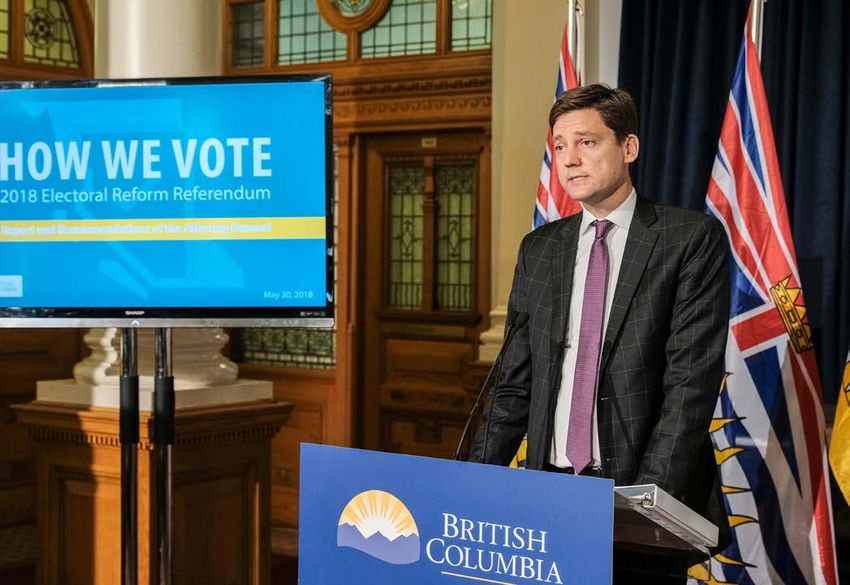
NEWS IN BRIEF

PETITION FOR PAID SICK LEAVE LAUNCHED
                                        more workers are properly clas-      and a 16-page self-help kit
                                        sified and protected under the       was introduced. Workers were
                                        ESA, and establishing a tempo-       required to complete the kit
                                        rary foreign worker registry.        before being permitted to file a
                                                                             complaint with the Employment
                                        For employees without a union,
                                                                             Standards Branch, resulting in
                                        protections provided in the
                                                                             a dramatic reduction in com-
                                        ESA are crucial to minimizing
                                                                             plaints filed.
                                        exploitative labour practices and
                                        providing a minimum standard         Legislative amendments in-
                                        of protections and benefits.         creased the number of occu-
                                                                             pations excluded from certain
                                        According to a recent survey
                                                                             provisions of the act or from the
                                        conducted by the BC Federa-
                                                                             act in its entirety, and protec-
                                        tion of Labour, 40 per cent of
                                                                             tions and benefits surrounding
                                        respondents did not have
                                                                             paid statutory holidays, over-
 THE BC FEDERATION OF                   access to any paid sick leave.
                                                                             time, and hours of work were
                                        When required to work while
 LABOUR (BC FED) HAS                                                         reduced. The Level the Playing
                                        sick, a worker’s health can
 LAUNCHED A NEW ONLINE                  become compromised and con-
                                                                             Field campaign seeks redress
 PETITION CALLING ON                                                         for some of these measures.
                                        tagious diseases are more likely
 THE PROVINCIAL GOV-                    to spread in the workplace. The
 ERNMENT TO AMEND THE                   BC Fed is calling on the govern-
 EMPLOYMENT STANDARDS                   ment to implement a minimum          To sign the BC Fed’s petition
 ACT (ESA) TO INCLUDE                   of 5 paid sick days per year for     on paid leave, visit:
 PAID SICK LEAVE FOR ALL                all employees.                       www.leveltheplayingfield.ca/
 EMPLOYEES IN BC.                       Benefits and protections in the      sick_leave_petition
 The petition is part of a broader      ESA were gutted when the BC
 “Level the Playing Field” labour       Liberal government came into         Or scan this
 rights campaign, which calls on        power in 2001. In addition, the      with your
 the provincial government to           then-Campbell government cur-
                                                                             phone’s
 make a broad range of reforms          tailed enforcement measures.
                                                                             camera or QR
 to the ESA, including eliminat-        Nearly half of all employment
                                        standards branches – respon-         app:
 ing exemptions to the minimum
 wage, strengthening the defini-        sible for education and enforce-
 tion of “employee” to ensure           ment of the act – were closed,

REPORT HIGHLIGHTS DISCREPANCIES BETWEEN
PUBLIC AND CONTRACTED-OUT LONG-TERM CARE
 On Aug. 1, the BC Seniors Advo-        of public facilities, $16 million    to en masse firing and rehiring,
 cate released a groundbreaking         would be saved annually and an       resident care may be affected.
 report revealing that patients at      additional 15,481 hospital bed
                                                                             Staff retention rates may be
 contracted-out long-term care          days would be created, accord-
                                                                             a factor impacting health
 facilities are 32 per cent more        ing to the report.
                                                                             outcomes. “Constantly chang-
 likely to visit an emergency
                                        Despite equal funding on             ing staff could also be prob-
 department, 34 per cent more
                                        average, private care facilities     lematic as continuity of care
 likely to be hospitalized, and 54
                                        pay lower wages than public          in nursing homes is proven to
 per cent more likely to die in a
                                        facilities. The report claims that   link with better health out-
 hospital bed, when compared
                                        most of these facilities receive     comes including lower rates of
 to rates of publicly operated fa-
                                        funding to pay higher wages          hospitalization,” according to a
 cilities. This is despite evidence
                                        than are actually paid out. In       press release from the Seniors
 that the residents of contract-
                                        public facilities with superior      Advocate.
 ed-out facilities are less frail and
                                        wages and benefits, staff turn-
 complex patients.
                                        over is low, suggests the report.
 If contracted facilities were          In cases in the private sector
 able to match the performance          where contract flipping leads

                                                                                                                 5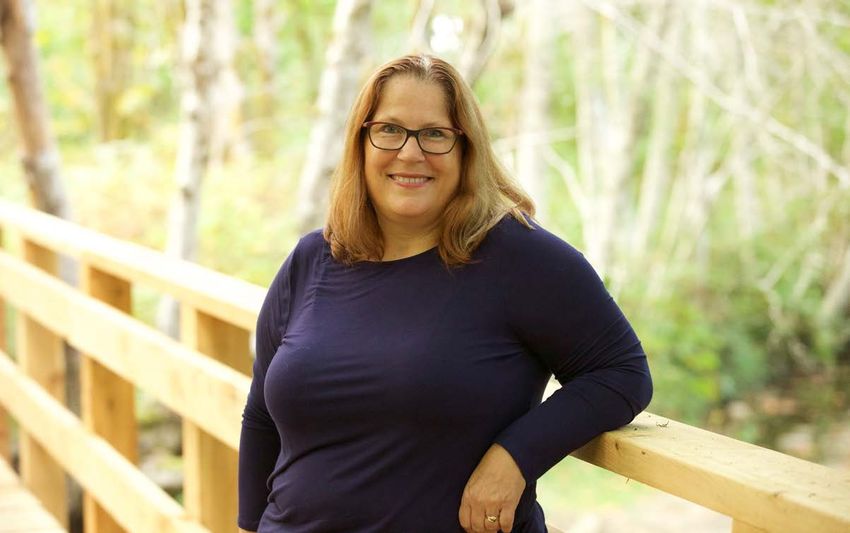
ABOUT THE
                                                                                           PROVICE-WIDE
                                                                                           REFERENDUM

                                                                                           Registered voters will receive a
                                                                                           voter package in the mail with
                                                                                           a mail-in ballot between Oct. 22
                                                                                           and Nov. 2, and will have until
                                                                                           Nov. 30 to vote. Any Canadian
                                                                                           citizen 18 years of age or older
                                                                                           who has resided in B.C. for at
                                                                                           least six months prior to Nov.
                                                                                           30 will be eligible to vote, but
                                                                                           may need to update contact
                                                                                           information with Elections B.C.
                                                                                           in order to receive a ballot.
                                                                                           Contact Elections BC at 1-800-
                                                                                           661-8683 to find out if you are
                                                                                           registered to vote.

    HSA MEMBER PATRICIA GARTNER WITH HER HUSBAND CHRIS LAURIE. GARTNER
        IS A VOLUNTEER WITH WITH FAIR VOTE SOUTH OKANAGAN-SIMILKAMEEN.

    PROPORTIONAL REPRESENTATION:
    A MORE DEMOCRATIC WAY TO DO POLITICS
    BETWEEN OCT. 22 AND NOV. 30, BRITISH COLUMBIANS WILL BE ASKED VIA MAIL-IN BALLOT IF
    THEY SUPPORT ADOPTING A SYSTEM OF PROPORTIONAL REPRESENTATION. THREE SYSTEMS
    HAVE BEEN PROPOSED: MIXED-MEMBER PROPORTIONAL, RURAL-URBAN PROPRTIONAL, OR
    DUAL-MEMBER PROPORTIONAL.

    BY SAMANTHA PONTING                  post (FPTP) or proportional          “They are all good systems,”
    HSA COMMUNICATIONS                   representation.                      says Tony Hodgson, president of
                                                                              Vote PR BC, the official pro-PR
                                         In a second question, voters
    If a party gets 40 per cent of                                            campaign of B.C.’s upcoming
                                         will be asked which one of
    the votes, it should receive 40                                           referendum. “They all preserve
                                         three models of proportional
    per cent of the seats. This is the                                        the number of MLAs in each
                                         representation they prefer
    central feature of a proportional                                         region of the province. And they
                                         should a PR system be adopted:
    representation (PR) electoral                                             all allow voters to vote directly
                                         Dual-Member Proportional,
    system. While there are different                                         for the individual candidate.”
                                         Mixed-Member Proportional, or
    models of PR that achieve            Rural-Urban Proportional.            As mandated by a 2018
    this, all variations of PR seek                                           convention resolution, HSA
    to create a more direct link         With each of these PR models,
                                                                              actively supports changing
    between who voters vote for          all British Columbians would
                                                                              B.C.’s FPTP election system to a
    and who gets elected.                still have a local MLA. The
                                                                              PR system, and is encouraging
                                         government has also set a five
    Over 90 countries in the world                                            members to engage in
                                         per cent threshold for parties,
    use a form of proportional                                                referendum campaigns
                                         meaning that in order to obtain
    representation, including                                                 supporting PR.
                                         a seat in the legislature, a party
    Germany, Switzerland, Croatia,       would need to receive at least       One member engaged in the
    Chile, Italy, and New Zealand. 80    5 per cent of the popular vote.      campaign for electoral reform
    per cent of OECD countries use       This would ensure that parties       is Patricia Gartner. Following
    one, making Canada a bit of an       with a voice at the table would      an 18-year career practicing
    anomaly when it comes to our         be there by virtue of having a       family law in Nelson, B.C.,
    voting system.                       fair amount of support among         Gartner relocated to Peachland
    This fall, a province-wide           voters in the province.              and became an acute care
    referendum will ask B.C.                                                  social worker at Penticton
                                         These considerations
    voters which electoral system                                             Regional Hospital. This fall, she
                                         make all three proportional
    the province should use for                                               is volunteering with Fair Vote
                                         representation choices strong
    its elections: first-past-the-                                            South Okanagan-Similkameen.
                                         options for B.C. voters.

6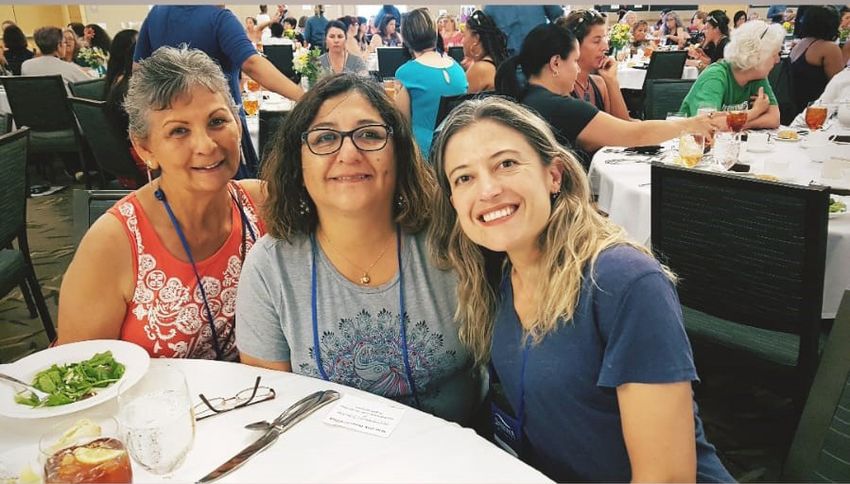
INTERGENERATIONAL INTERVIEW

THREE THINGS YOU CAN DO
TO PROMOTE PROPORTIONAL                          harder to make policies that         are more vulnerable to
REPRESENTATION:                                  disproportionately affect one        boundary manipulations – also
                                                 group of people.”                    known as gerrymandering. And
                                                                                      it encourages strategic voting,
1.   Sign an HSA pledge to vote card,            “You get policies that prevent
                                                                                      whereby a voter does not vote
     and encourage 5 other HSA                   as much income inequality that
                                                                                      for their first-choice candidate.
     members in your workplace to sign.          otherwise might be generated.
                                                 You get polices that address the     The voters “have to decide
                                                 health care needs of a broad         whether they are going to vote
2.   Register for a PR webinar. Visit
                                                 section of the population.”          for somebody they like less and
     www.hsabc.org for information on
                                                                                      maybe even dislike significantly
     webinar opportunities.                      He said that PR leads to greater
                                                                                      in order to prevent the worst
                                                 voter satisfaction, which in turn
                                                                                      outcome for them,” explained
3.   Help educate! Share HSA’s social            results in more satisfaction with
                                                                                      Hodgson.
                                                 democracy and a higher voter
     media posts. Take a selfie with your
                                                 turnout. In a 55-year study          This can give a lot of decision-
     pledge card.
                                                 conducted by world-renowned          making authority to polls – and
                                                 political scientist Arend Liphart,   we all know polls can be wrong.
                                                 Liphart found that voter turnout     But perhaps the most glaring
                                                 was higher by 7.5 per cent in        flaw in the FPTP system is that
                                                 countries with proportional          it delivers skewed election
             “I’m volunteering because I think
                                                 representation.                      results. It is commonplace for
             there’s a number of positive
             aspects of PR that I want to        PR also leads to more                a party to win the majority
             make sure the voting public         diverse legislatures and a           of the power with a minority
             knows about, so that people are     greater portion of women in          of voter support. In Ontario’s
             motivated to vote and so that       government. The same study           2018 election, Progressive
             people are making informed          concludes that there were,           Conservative candidate Doug
             decisions,” she said.               on average, eight per cent           Ford received 40.5 per cent of
                                                 more women represented               the vote and 61 per cent of the
             “With the FPTP winner-take-all                                           seats at Queen’s Park.
                                                 in parliamentary bodies in
             approach, each election you
                                                 countries with PR. When              But we don’t have to look as
             see how it ignores half or more
                                                 parties are able to put multiple     far as Ontario to see such stark
             of the voters in that particular
                                                 candidates forward in a              discrepancies. In the 2001 B.C.
             campaign.”
                                                 single riding, more balanced         provincial election, the B.C.
             She says the current system         representation is likely.            Liberals won 57.6 per cent of
             leads to the ruling party                                                the vote, but took 97 per cent
                                                 One myth about proportional
             ignoring beneficial policy                                               of the seats – all but two. The
                                                 representation is that it leads
             proposals from other parties.                                            Greens, with 12.4 per cent of the
                                                 to an increase in the number
             “Proportional representation                                             popular vote, were shut out of
                                                 of elections. But according a
             would allow for a more                                                   the legislature completely.
                                                 53-year research study by York
             collaborative approach to policy
                                                 University Associate Professor       In more severe circumstances,
             setting,” Gartner said.
                                                 Dennis Pilon, countries with         FPTP delivers “wrong winner”
             “I think the NDP and the            a PR system do not have              elections – when the party
             Greens in BC have shown             more frequent elections than         winning the popular vote
             how successful a coalition          countries with FPTP systems.         doesn’t become the ruling party.
             government can be.”                                                      This happened in B.C.’s 1996
                                                 The downfalls of winner-take-        election, and it happened in the
             According to Hodgson, research
                                                 all systems                          2016 U.S. election, resulting in
             suggests that proportional
             representation systems –            Unlike PR, BC’s first-past-the-      a “wrong winner” victory for
             whereby parties collaborate to      post system is a winner-take-all     Donald Trump.
             create policy – actually produce    approach. For those voters           Proportional representation
             better social outcomes.             whose chosen candidate loses,        can help address some of the
                                                 their views aren’t likely to be      problems that arise in FPTP
             “Canada was the top ranked
                                                 represented in the legislature       elections.
             OECD country on the UN
                                                 by the local representative,
             Human Development index.                                                 When the facts are laid out, it’s
                                                 according to Hodgson.
             And in the last 20 years,                                                easy to get excited about the
             we’ve been overtaken by             “The MLA is not really               upcoming referendum and the
             eight OECD countries that all       accountable to those voters          possibility it holds for a fairer
             use proportional voting,” he        because they’ve already              way of doing politics. HSA will
             explained.                          withheld their support and it’s      be working with members on
                                                 had no effect. The MLA has           a pledge to vote drive, among
             With PR, because everyone
                                                 still been elected and still gets    other educational initiatives.
             has a seat at the table, policies
                                                 power,” he said.                     If you are interested in joining
             are more likely to address the
             concerns of a wider range of        There are some other problems        HSA’s referendum efforts, please
             society, he said. “It becomes       with a FPTP system. Elections        contact Sam at sponting@
                                                                                      hsabc.org.
                                                                                                                          7
CANCERANDWORK.CA
    COMPREHENSIVE WEBSITE A LEADING RESOURCE FOR
    EMPLOYERS, HEALTH PRACTITIONERS, PATIENTS

     BY SAMANTHA PONTING
     HSA COMMUNICATIONS                 20 years experience in the field,   the world of return to work,
                                        she has collected a wealth of       these are important disciplines
     “It’s probably one of the most     expertise on the subject of         in terms of guiding assessment,
     comprehensive websites of its      cancer and work. At BC Cancer,      rehabilitation, and treatment,”
     kind in oncology to help support   she has been leading return to      said Parkinson.
     cancer survivors with returning,   work groups since 2012. In 2014,
                                                                            “It is kind of a funnel for global
     remaining, and finding work,”      she authored a 74-page manual
                                                                            information as well,” she ex-
     said HSA member Maureen            called “Cancer and Returning
                                                                            plained. “We engaged in writing
     Parkinson, the co-lead for the     to Work: A Practical Guide for
                                                                            an amazing amount of new
     CancerAndWork.ca project.          Cancer Patients.”
                                                                            material to fill in the gaps that
     CancerAndWork.ca, a partner-       The project was put into mo-        weren’t being addressed glob-
     ship between BC Cancer (BCC)       tion when Christine Maheu, a        ally.” She said that unlike many
     and McGill University, was des-    registered nurse and associate      other websites, CancerAnd-
     ignated a Leading Practice by      professor at McGill University,     Work.ca wasn’t created strictly
     the Health Standards Organiza-     approached Parkinson to do a        in-house. “We knew enough to
     tion this past July for being a    research study on the BC Can-       want to link to the best in the
     practice that has “demonstrated    cer return to work groups. Then     world and the best in Canada in
     a positive change, is people-      a grant opportunity with the        order to give the best advice.”
     centred, safe, and efficient.”     Canadian Partnership Against
                                                                            The site provides a wide variety
                                        Cancer (CPAC) presented itself,
     It contains 450 pages of con-                                          of tools and resources for can-
                                        “and we decided, why don’t we
     tent developed by the core                                             cer survivors, healthcare profes-
                                        throw a hat in and go for it,”
     team and 27 expert writers in                                          sionals, and employers. Its user-
                                        explained Parkinson. “And on
     partnership with the de Souza                                          friendly design directs visitors
                                        the fly we put together a core
     Foundation’s information tech-                                         to most relevant content based
                                        team.”
     nology team. It surveyed 150                                           on the type of user. For cancer
     stakeholders, including cancer     They were awarded the grant,        survivors, it provides tools and
     survivors, heath care providers,   and “there went a fantastic but     strategies for topics such as
     and employers across Canada        hectic two years full of team-      returning to work, assessment
     on desired content.                building learning experience,”      of work abilities, and promoting
                                        said Parkinson.                     wellbeing at work.
     Parkinson is the only vocational
     and rehabilitation counsellor      They brought together profes-       Parkinson said the project has
     working in a cancer setting in     sionals from across the health      been a massive collaborative ef-
     a hospital in Canada, and with     science professions. “I think in    fort, with many contributors and

8
advisors largely volunteering. “I     Promoting human rights               tants, “the small employers and
     am very proud of the fact that                                             medium-sized employers may
                                           A major asset of the website
     we did a lot with very little.”                                            not have the benefit of that
                                           is the support it provides to
                                                                                expertise,” explained Parkinson,
     She compared the site to Can-         employers who have little expe-
                                                                                and CancerandWork.ca seeks to
     cerAndCareers.org, a U.S.-based       rience accommodating employ-
                                                                                fill in the knowledge gap.
     website that receives $2 million      ees with disabilities or long-term
     in annual funding. She said that      illnesses. Parkinson stressed        It outlines for employers their
     CancerAndWork.ca was cre-             that a supportive, accommodat-       duty to reasonably accommo-
     ated with a grant for $290,000,       ing employer is fundamental to       date those with a disability, lists
     which even included the cost of       a cancer survivor’s successful       employers’ responsibilities, and
     French language translation.          return to work.                      defines key legal terms, includ-
                                                                                ing “disability” and “undue
      “A lot of people did this off the    Not all employers are educated
                                                                                hardship.”
     side of the desk…It’s very much       on their duty to accommodate
     a labour of love.”                    workers with disabilities, includ-   “This is a way of giving a Coles
                                           ing long-term illnesses. A survey    Notes in human rights and
     According to Parkinson, many          conducted by CPAC revealed           directing them to the right
     people in the health care field       that without expertise from          sources to guide them,” said
     understood that there was a           occupational health nursing or       Parkinson.
     gap in resources. “There was          in-house expertise in accom-
     desperate need for information,                                            Likewise, the website helps can-
                                           modation, employers require
     she said. “Everybody was just                                              cer survivors understand their
                                           information on accommodation.
     so keen to help out in terms of                                            own rights within legislation.
     creating this.”                       While larger employers may
                                                                                When it comes to return to
                                           have resources to hire consul-
                                                                                work, “some employers move
                                                                                mountains to make this happen
                                                                                and be successful, and sadly,
                                                                                rarely but sadly, some employ-
                                                                                ers put mountains in people’s
               HOW HEALTH CARE PROFESSIONALS                                    way,” said Parkinson.
                CAN ASSIST CANCER SURVIVORS
                                                                                However, when employers are
                                                                                flexible, emotionally supportive,
Parkinson says health care professionals – particularly in the rehabilita-
                                                                                and foster a trusting environ-
tion professions – are very helpful in quantifying the effects of cancer
                                                                                ment where work challenges
treatment and its impact on work abilities. This is useful for predicting       can be discussed openly, a suc-
readiness to return to work, understanding the supports a patient will          cessful return to work is more
need, and providing rehabilitation and psychological support. There             likely.
are some additional ways a health care professional can support a
patient with cancer, according to Parkinson.
                                                                                THANK YOU TO ALL HSA
 •    Check-in with cancer patients to see if they have any work                MEMBERS WHO MADE THIS
      concerns in early assessment.                                             RESOURCE A REALITY:
 •    Translate assessments for patients. How does a symptom impact
                                                                                MAUREEN PARKINSON,
      the patient’s ability to do work?
                                                                                TAMMY LEE, DR. DOUGLAS
 •    Encourage patients to communicate regarding function. Patients
                                                                                OZIER, MELANIE MCDONALD,
      should be encouraged to reference abilities, not just symptoms,           DR. AMANDA K. LAMARRE,
      when applying for government and insurance supports and                   AND AMY RAPPAPORT.
      communicating with employers.
 •    Make no assumptions about how treatment impacts an individual.
 •    Ask patients what they need, what challenges they are facing,
      and how they would like support.
 •    Direct patients to helpful resources.
 •    Encourage cancer survivors to stay in contact with their
      workplace while on leave from work.

                                                                                                                      9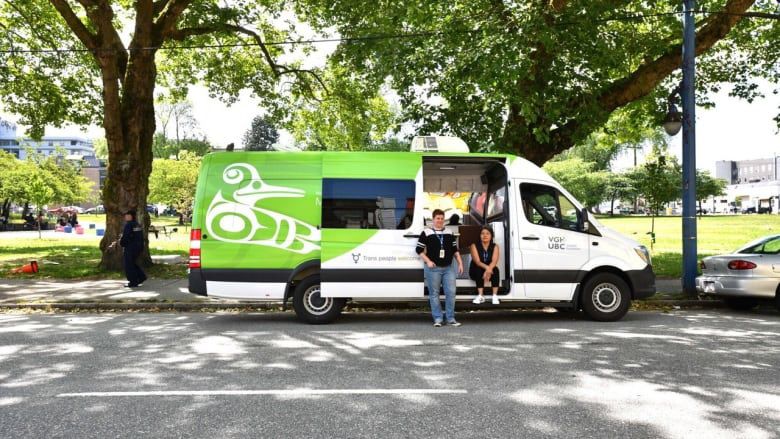
CONVENTION 2018

 SOLIDARITY
 ACROSS BORDERS
     HSA members share stories
     from the Summer Institute for
     Union Women
     This past July, HSA provided scholarships to three HSA members to attend
     the 37th annual Western Regional Summer Institute for Union Women
     (SIUW), a five-day conference held at Sonoma State University in California,
     sponsored by the AFL-CIO. The institute brings together 150 activists from
     unions, worker centres, and community organizations to develop leader-
     ship and community organizing skills, share knowledge, and build bonds
     of solidarity. This year’s theme was “The RESISTERhood—Working Womxn
     Organizing for Collective Power.”
     HSA scholarship winners Brooke Carter, a medical laboratory technologist
     from Royal Jubilee Hospital, and Carol Guerra, an advocate at Kettle Friend-
     ship Society, share their own reflections on the conference.

                                                            HSA SCHOLARSHIP WINNERS BROOKE CARTER,
                                                            CAROL GUERRA, AND GLADYS OSAWAMICK

10                                                          SOLIDARITY ACTION IN SUPPORT OF HYATT REGENCY
                                                            HOTEL HOUSEKEEPERS IN SANTA ROSA, CA.
SUMMER INSTITUTE FOR UNION WOMEN
For me, the whole experience was memorable from beginning to end. I met two wonderful sisters from HSA whom I
had the pleasure of sharing the whole experience with.
The energy at the conference was inspiring. So many women who shared the same values and visions made it an abso-
lute bonding experience. The highlight for me was the action that took place at the Hyatt Regency Hotel. It was a very
emotional day for me. We were all there fighting for our sisters.
At one point, four housekeeping employees came out during their break to thank us and it almost brought me to tears.
They were so thankful for our support. It was a hot day and we did a lot of chanting with placards. It clearly demon-
strated how the power of the people united can make a change.
We wouldn’t be there if we weren’t for HSA. HSA allowed us to be there to support our sisters in their struggles. That,
in itself, just goes to show how important collective action is.
There was one point where the assistant manager was given a petition and he said, “No, I can’t take it.” We started
chanting stronger and louder, and he came back and said, “Ok, I will take that.” That was probably the highlight of my
whole stay there –being able to be a part of that. And if it wasn’t for HSA, I would have never experienced such an
important action. It was remarkable.
- CAROL GUERRA, ADVOCATE AT KETTLE FRIENDSHIP SOCIETY
This July, I had the privilege of being granted a scholarship by HSA to attend SIUW in Sonoma, California. This five-day
conference included working women participants from many professions, travelling from British Columbia, Washing-
ton, Oregon, and even as far as Japan. Many participants were leaders in their organizations, or aspiring to be, and
many more were looking to strengthen contacts and gain skills. Some were still simply seeking recognition in belong-
ing to a profession.
The days were long and productive. I was in classes or group activities every day from 8:30am to 9:30pm. These in-
cluded core courses, workshops, plenaries, and affinity group meetings.
My core course was called “Building Inclusive Organizations,” in which we spent a lot of time unpacking concepts of
privilege and intersectionality. The end goal was to recognize areas of improvement in our own interactions, and to
cultivate a sense of belonging in our organizations to ensure that everyone always has a voice.
My workshop itinerary included “Bargaining for the Collective Good” and “Researching Your Organization,” which each
provided useful tools for navigating the balancing of interests between employer and organized workforce, in a way
that common goals can be realized.
Affinity Groups provided safe spaces for intersectional conversations, and mentoring circles provided support to aspir-
ing leaders from those who have paved the way.
The Institute was held in what is known as “language Justice,” meaning that participants were free to express them-
selves fully in either English or Spanish, and translation equipment was available. This was truly an enjoyable experi-
ence.
An impactful activity was when, during an afternoon, we all traveled in several busloads to join a job action in support
of local hotel staff who had been organizing underground for a year. They faced safety issues and were undercompen-
sated and overworked, and they were demanding a contract.
After spending most of the week exploring some of the unearned privilege that I sometimes take for granted, I was
able to leverage it in a meaningful way as part of a throng of powerful, diverse folk demanding fair treatment for de-
serving staff. Our action attracted the attention of journalists and city councillors.
Overall, it was a pleasure to spend time with so many fantastic women – including aircraft mechanics, longshore work-
ers, boilermakers, teachers, health care workers, sex workers, domestic workers, and managers – to learn their stories,
share mine, and experience a level of hopefulness for the future that feels a bit rare sometimes. I left realizing that the
only thing I care about now is the type of community that we can create for each other and those entering the work-
ing world very soon.
With everything that is happening on both sides of our border at the policy level and at the grassroots, we’re expe-
riencing different situations that either challenge us or bless us. In the face of new boycotts, trade tariffs, and other
power shifts, there is always a labour perspective to apply: solidarity across borders is always the answer.
- BROOKE CARTER, MEDICAL LABORATORY TECHNOLOGIST AT ROYAL JUBILEE HOSPITAL
11
PHOTOS: BROOKE CARTER
AND CAROL GUERRARemembering a worker’s hero
PHOTOS: RON POGUE PHOTOGRAPHY
THIS JULY MARKED THE 100TH ANNIVERSARY OF GINGER GOODWIN’S
MURDER. A REENACTMENT OF HIS FUNERAL TOOK PLACE IN
CUMBERLAND, AND HSA WAS THERE.
On July 27, 1918, in the mountains near Cumberland, B.C., a gunshot rang out. Its echoes continue to be heard.
On that July day, Special Constable Dan Campbell – a disgraced former member of the B.C. Provincial Police – led a
search party into the mountains near Cumberland, B.C. to track down labour organizer, socialist, and conscientious ob-
jector, Albert “Ginger” Goodwin.
Born in England in 1887, Albert Goodwin—later nicknamed “Ginger” because of his red hair—first started working in the
mines at the age of 12. By the age of 15 he had participated in his first picket line, and by 1906, he had moved to Cape
Breton, N.S., where he continued to mine coal.
In 1909, a particularly brutal strike involving the United Mine Workers of America solidified his commitment to labour
activism and socialist perspectives after witnessing first-hand the brutal treatment of fellow workers and their fami-
lies. Goodwin and many others ended up moving west to find work, with Goodwin eventually settling in Cumberland in
1910 to take a job in the Number 5 mine. The Cumberland coal mines were particularly dreadful, with over 170 fatalities
already on record by that point. Number
5 mine was the gassiest of them all.
When the big strike of 1912-14 broke out in the mines up and down Vancouver Island, Ginger Goodwin was already a
member of the Socialist Party of Canada (SPC) and the United Mineworkers of America, but he became more formally
involved at that time, mentored by Joseph Naylor who worked at Number 7 mine.
After the strike ended in 1914, Goodwin, along with many others were left unemployed and blacklisted by company
owners. Goodwin moved to Trail, where he took a job at the Consolidated Mining and Smelting Company and continued
organizing with a renewed passion against the backdrop of WWI and the role of the smelter in war time production.
When the highly unpopular 1917 Military Service Act, which led to conscription, was introduced, Goodwin showed up for
his medical examination but was classified as temporarily unfit for service due to his ill health. However, when Goodwin
successfully led the first-ever strike at the smelter approximately a month after this classification, he received a notice for
re-examination only 11 days later and was deemed “fit” for service.
Goodwin was targeted because of his politics and strength as an organizer. He took refuge in the mountains and men
like Dan Campbell saw it as their personal mission to track him and other conscientious objectors down.
On the day of Goodwin’s funeral, August 2, workers in Cumberland and Vancouver downed their tools and did not go to
work. In Cumberland, the biggest funeral procession ever witnessed in the community accompanied Goodwin to his final
resting place, while in Vancouver, workers came together in what is considered Canada’s first general strike.
This piece was written by the Cumberland Museum & Archives. It has been edited for length.
www.minersmemorial.ca | www.cumberlandmuseum.ca
12OCCUPATIONAL HEALTH AND SAFETY
Michelle Apps, social worker, Vancouver Community Mental Health Services
HOW MY OH&S COMMITTEE IS
ADDRESSING VIOLENCE RISKS FACING
FRONTLINE WORKERS
BY MICHELLE APPS
HSA MEMBER
maintaining positive connec- ICMT work spaces, examines
tions to health care through historical data in regards to
I AM A SOCIAL WORKER providing primary care, mental violence, gives a comparison to
ON THE WOMEN’S INTEN- health care, and support with a similar program, provides a
finding and maintaining housing. policy review, and includes the
SIVE CASE MANAGEMENT
As ICMT staff often work alone feedback from an ICMT staff
TEAM (ICMT), AND I HAVE
in the community, we can be ex- survey.
BEEN SITTING ON THE posed to high levels of different
VANCOUVER COMMUNITY Some of the actions that came
types of violence almost daily,
MENTAL (VCH) HEALTH from the violence risk assess-
including verbal aggression.
ment include ensuring that staff
SERVICES’ JOINT OCCU-
Last fall, a Violence Risk As- have taken the violence preven-
PATIONAL HEALTH AND sessment Tool was sent out to tion program, and organizing
SAFETY (JOHS) COMMIT- Intensive Case Management violence prevention course
TEE SINCE I STARTED WITH Team employees to survey and refreshers on an annual basis.
VCH IN FEBRUARY 2017. assess the levels of violence that
This report is useful in that it
We meet monthly and have we experience in our work-
gives ICMT staff and leadership
representatives present from place. From that feedback and
clear examples and direction
different unions and disciplines. expertise, along with input from
in regards to preventing and
the Violence Assessment team
The ICMTs are multidisciplinary mitigating risk of violence in our
members from the Intensive
outreach-based teams working workplaces, making our work
Case Management teams, a
with people living in Vancou- safer for us and for our clients. I
report entitled “Violence Risk
ver’s Downtown Eastside with would recommend that all joint
Assessment Final Report” was
mental health and substance occupational health and safety
drafted in conjunction with
use disorders. As staff, we go committees undertake a vio-
VCH’s Workplace Health depart-
out into the community to meet lence risk assessment with their
ment. Workplace Health sup-
with our clients in their homes, teams to incorporate important
ports VCH staff in preventing
on the street, or in shelters. feedback from all frontline staff.
workplace illness and injuries.
We work with our clients to This thorough report includes
support them in making and an environment assessment of
13MUSIC THERAPY
THE BURNABY CENTRE FOR MENTAL
“IT’S OFTEN THE BUY-IN TO
STAY IN RECOVERY”
MUSIC THERAPY AS A TOOL FOR REHABILITATION
BY SAMANTHA PONTING music therapist at the Burnaby
HSA COMMUNICATIONS Centre for Mental Health and
Addictions, and teaches part-
time at Capilano University in
MOST PEOPLE ASSUME the music therapy program.
MUSIC THERAPY IS EITHER
Kirkland describes music
A SING-ALONG OR RELAX- therapy as the use of “music-
ATION, ACCORDING TO centred experiences as agents
HSA MEMBER AND MUSIC for change. It’s based on musical
THERAPIST KEVIN KIRK- experiences and the therapeutic
LAND. relationship.”
“That is part of what you do, but In the field of mental health
just a small part.” and addictions, music therapy
is used as a tool for self-
When Kirkland first graduated
expression and processing life
with a bachelor’s degree in
experiences. It is often coupled
music, he was among those who
with counselling, which is in
didn’t know much about music
the scope of practice for music
therapy. “I hadn’t heard of music
therapists.
therapy but I had seen books in
the library on it,” said Kirkland. Music therapy is “a blend of
insight and capabilities,” accord-
Upon graduation, he launched
ing to Kirkland. “And it’s a fun
into a career teaching piano and
way into opening up and talking
music theory, but hated it. After HSA MEMBER KEVIN KIRKLAND
about issues.” The approaches
working a job in the admitting
used are often based on a cli-
department of a hospital, he felt
ent’s interests.
inspired to combine his love of training, and it’s often the buy-in
music with health care. For some, this may involve to stay in recovery because they
playing music and engaging in like music and they come to the
He learned of a music therapy
a recording process. “A lot of cli- music studio. We have record-
program at Capilano University
ents are able to play music even ing software and guitars and
in North Vancouver and decided
though they have had no formal drums and instruments.” And
to audition. He now works as a
14MUSIC THERAPY
L HEALTH AND ADDICTIONS (BCMHA) MUSIC STUDIO. THE BCMHA BAND.
when clients enter the studio facing their communities. He been used in geriatrics, pal-
and engage with the recording spoke of one client in recovery liative care, and in children’s
software, they may walk away who used rap to write about health. But Capilano University
with a new skill. drinking, overdose deaths, and is increasingly applying mu-
suicide on his nation’s reser- sic therapy to adult and teen
In the program Rap and Re-
vation. The lyrics served as a mental health, including the
covery, Kirkland uses rap as a
springboard into a group dis- treatment of drug addiction and
therapeutic tool. “Clients write
cussion surrounding the legacy early psychosis.
personally meaningful lyrics
of residential schools and the
about their lives, or mental For employers participating in
impacts of intergenerational
Capilano University’s music ther-
apy internship program, a music
therapist is sometimes brought
“Music therapy is used as a tool for self- in to supervise a student, since
expression and processing life experiences.” one may not exist at the facility.
For mental health facilities that
accept student interns in music
health, or the recovery process, colonial violence. therapy for the first time, reac-
and record it to a beat, and tions are very positive.
“Six months in and he did not
turn it into an .mp3. They have “They would go, ‘oh my God, we
have a relapse,” said Kirkland.
a product that they can listen have to have a music therapist.
For him, this speaks to the suc-
back to.” The client may some- This works really well. How do
cesses of the Rap and Recovery
times engage in a discussion we do this? How do we create a
program.
with the music therapist about job?’” said Kirkland.
their lyrics. Expanding opportunities for As an HSA member, Kirkland is
Kirkland said music therapy music therapy particularly interested in creat-
has made a major contribution Kirkland said he would like to ing unionized job positions for
to some peoples’ lives. “I think see an increased awareness by music therapists in BC. “How
the most successes are with health facilities and decision- do we create positions that are
those who are probably on the makers about what music unionized and not just always
cusp of not succeeding, but therapy is and how it can work contracted? We’ve had discus-
they like music so much that in particular health settings. sions with facilities who are
they stay engaged with it, and “There are areas of practice that looking to hire and what kind
that becomes the focus of their are newer and emerging,” said of parameters are best for that,
sobriety.” Kirkland. and how to create an HSA posi-
“Whether they have a relapse ton for it.”
“Riverview Hospital had several
or not, they come back to music music therapists. It’s established
and they are able to stay with in mental health there but not
it,” he said. so much in general in Vancouver
Kirkland has had clients who use or in BC.”
rap to write about social issues Traditionally, music therapy has
15MEMBER PROFILE
STRENGTHENING
HEALTH SERVICES
FOR INDIGENOUS
PEOPLES
AN INTERVIEW WITH CHARLENE HELLSON
Aboriginal Wellness Program Coordinator,
Vancouver Coastal Health
CHARLENE HELLSON
BEGAN HER WORK about VCH’s newly launched and trans people in the DTES.
WITH VANCOUVER mobile health van in the Down- Why is this initiative impor-
COASTAL HEALTH’S (VCH) town Eastside (DTES), and why tant?
ABORIGINAL HEALTH it’s important for Indigenous
Indigenous women – we are one
DEPARTMENT IN OCTOBER, peoples to have culturally safe
of the most vulnerable popula-
2017. AS COORDINATOR care that can meet them where
tions in Canada. We experi-
OF THE ABORIGINAL they’re at.
ence racism and sexism and we
WELLNESS PROGRAM, experience domestic violence
SHE IS INTEGRAL TO THE What do you enjoy most about
and murder at a higher rate than
WORK OF HER TEAM. your work?
the rest of the Canadian popula-
I enjoy the small team I work tion. This is a result of past and
She coordinates and chairs with. We have a critical analy- ongoing colonization. And so
team meetings, provides sup- sis of colonization and how it we see an overrepresentation of
port to therapists, and repre- impacts Indigenous people. We Indigenous women in the DTES,
sents her team at the regional all have a commitment together who comprise 30 per cent of its
mental health substance use to decolonize in our healing population.
directors’ meetings and op- practices.
erational managers’ meetings. Like many of us, Indigenous
She supports clients through I enjoy supporting the groups. I women in the DTES have ex-
guiding them through intake don’t facilitate them but I help perienced sexual violence and
procedures and taking intake with food preparation. And we have chronic health care issues.
requests. had a burning ceremony in the Personal histories of trauma
spring for the grief and loss have created vulnerability that
Hellson has a wealth of experi- group. puts them at great risk. It is
ence in health and community critical that they have culturally
social services. She has worked The burning ceremony is a
safe care that can meet them
in Indigenous mental health for ceremony where you feed the
where they’re at. Many Indig-
over 15 years, previously at Al- spirits of the loved ones who’ve
enous women are not going
berta Health Services and then moved on to the spirit world.
to walk into a hospital willingly
at Vancouver’s Women Against It’s a very healing ceremony,
unless they absolutely have
Violence Against Women and it was beautiful to witness
to. They don’t want to experi-
(WAVAW) Rape Crisis Centre. the west coast ceremony. It was
ence stigma, they don’t want to
Hailing from Calgary, Alberta, conducted by the Musqueam,
experience racism. Indigenous
Hellson is Blackfoot. but many Coast Salish peoples
Women in the DTES are strug-
do this ceremony. It was an
She spoke to HSA about VCH’s gling with their lives and they
amazing ceremony to support
new Cultural Safety Training don’t need to add another layer
and to witness.
and how health services can of humiliation.
transform to more effectively VCH now operates a mobile It’s important to note that
meet the needs of Indigenous health van to provide on-the- women in the DTES have each
peoples. She also spoke to us spot health services to women
16INDIGENOUS HEALTH SERVICES
other. There’s such a strong
community, and they become
family to each other. And they
can encourage each other to
connect with the mobile health
van. I know that the word is go-
ing to spread very quickly. In the
Indigenous community we call it
the moccasin telegram.
We know that if your health is
good, then you feel better about
yourself. That has major impacts
and has a ripple effect through-
out your whole life and for your VANCOUVER COASTAL HEALTH’S NEW MOBILE HEALTH VAN,
loved ones as well. SERVICING THE DOWNTOWN EASTSIDE.
Can you speak to the health
disparity between Indigenous How can health professionals providers need to understand
and non-Indigenous people? be more effective in delivering that, meet it with compassion,
Why is it important that health health services to Indigenous and be reflective of what they
services take a decolonial lens patients? are bringing to that interaction.
to their work?
There’s a historical mistrust As Indigenous people, we see
Of course we see health dispari- of health care services on the doctors, physicians, social work-
ties. It is a really wide gap in all Indigenous experience of health ers, psychiatrists, and nurses
areas of health. We are a small care. It has been unfortunate – as healers. Our concept of a
percentage of the community very scary and harmful. I think healer is someone who is kind
and yet we are overrepresented that what health care provid- and compassionate. And when
with chronic health issues, acute ers need to understand is that we don’t experience that, we
health issues, and especially there is a historical context. withdraw and we avoid health
mental health issues. And it all Each Indigenous individual who care until it’s too late. We end
originates from the impacts of enters into health care carries up in the hospital anyway with
colonization and the historical historical trauma and it’s going chronic or terminal health is-
trauma that ensued from that, to manifest in that health care sues.
which we all carry today. interaction.
Do you have any further advice
And so I think that health care
for fellow HSA members?
I would encourage staff who
would like to learn more to con-
nect with the cultural coordi-
nator and take in the cultural
safety training. It is powerful and
it will help transform practice.
We do have a cultural safety
policy (for VCH) that will be
signed off by Patty Daly (chief
medical health officer and the
vice president, public health
for VCH), so it is going to be
policy to deliver culturally safe
services. Aboriginal Health pro-
vides Indigenous Cultural Safety
training for VCH staff, which is
headed by Jennifer-Lee Koble
and was created by Riel Dupuis-
Rossi, one of our therapists at
the Aboriginal Wellness Pro-
gram. A pilot has been launched
at VGH to train health care pro-
viders. We’re training frontline
staff, and we are hoping to really
impact services, transform care,
and create culturally safe care
for Indigenous people across
HSA MEMBER CHARLENE HELLSON the health continuum.
17COMMUNITY BENEFITS AGREEMENT
PUBLIC POLICY AND THE UNION
ADVANTAGE
NEW COMMUNITY BENEFITS AGREEMENT
SUPPORTS WORKERS’ RIGHTS, LOCAL
COMMUNITIES
BY SAMANTHA PONTING
and training of these groups. Pattullo Bridge replacement
HSA COMMUNICATIONS project and the four lane expan-
Over the past 20 years, CBAs
sion of the Trans-Canada High-
have emerged across North
THE PROVINCIAL GOVERN- way between Kamloops and
America. They are agreements
MENT HAS ANNOUNCED Alberta. The province is starting
between government and
with two projects and looking
THAT SELECT MAJOR contractors that seek to maxi-
to expand the model to other
PUBLIC INFRASTRUCTURE mize the social and economic
public infrastructure projects,
PROJECTS WILL PROCEED benefits of a project. They can
such as hospitals.
UNDER A NEWLY ESTAB- generate greater fairness in hir-
LISHED COMMUNITY BEN- ing, increase economic opportu- Newly-created crown corpora-
nities for workers, and strength- tion BC Infrastructure Benefits
EFITS AGREEMENT (CBA).
en local economies through Inc. (BCIB) will be responsible
The CBA will create increased ensuring that local communities for hiring the projects’ con-
opportunities for Indigenous receive direct benefits from a struction workers, who will be
peoples, women, apprentices, public infrastructure project. unionized with the correspond-
and local workers through pro- ing trade union in that jurisdic-
The BC government’s new CBA
visions that prioritize the hiring tion. With the BCIB serving as a
will apply to Metro Vancouver’s
18MENTAL HEALTH AND ADDICTIONS
PHOTOS: CURTEOUSY OF COMMUNITY BENEFITS COALITION OF BC
unionized employer, the workers Until that cultural shift happens, equity
contracted for a project are en-
sured good wages and benefits. measures are crucial to increasing
Any contractor, union or non- retention rates for women in the trades.
union, may bid on the work
and supervise the project. The
province will manage the proj-
ect’s payroll and supply workers. a major part in denying women and may help them establish a
This model marks a major step employment opportunities. And career in the trades.
forward for the province’s con- when women do find work, they
In her role as coordinator for the
struction workers. are often the first to be laid off,
BC Centre for Women and the
she said. “Its viewed that she
The BCIB will prioritize hiring Trades, Brynjolfson is working
may miss more time or won’t be
qualified Indigenous workers, with industry partners to create
as dedicated because her family
women in the trades, and lo- a cultural change in the con-
may come first, or if she has a
cal workers – defined as those struction industry, whereby di-
sick child then she has to go
within a 100 km radius, in most versity and inclusion are valued.
tend to them and leave work.”
circumstances. The CBA will Until that cultural shift happens,
also maximize apprenticeship Brynjolfson knows first-hand equity measures are crucial to
opportunities, as part of a strat- how difficult it is for women increasing retention rates for
egy for addressing the prov- to succeed in the trades. She women in the trades.
ince’s skilled trades shortage. worked in the trades for 20
She said the CBA will benefit
years, specializing as an electri-
For women who wish to pursue local workers, too. “Apprentices
cian in commercial, high-volt-
careers in the trades, the CBA and women who are getting
age, and industrial work.
will help put them on a path into their trade now have the
to success. Currently, only four “There’s stereotypes that are opportunity to work in their
percent of tradespeople in BC put on women’s backs that communities and be trained in
are women. don’t allow them to just learn their communities rather than
their craft, be an apprentice, have to travel for work. So it’s
According to the BC Centre for
and become a journey at their beneficial that way.”
Women and the Trades Co-
craft,” she said. “If you’re always
ordinator Sandra Brynjolfson, Because jobs will be created at
laid off, it’s hard to finish your
women can face difficulty find- the local level, local economies
apprenticeships, hard to get the
ing and keeping jobs. “Believe will also benefit.
hours, hard to get the roof over
it or not, some companies just
the head and the food on the
out-and-out don’t hire women.”
table.”
Brynjolfson, who is also the
Brynjolfson said CBA’s priority
co-chair of Build Together, the
hiring and training measures
women’s caucus of BC Building
will keep women on the job site
Trades, said discrimination plays
19You can also read


