RISK CHANGING - The American ...
←
→
Page content transcription
If your browser does not render page correctly, please read the page content below
CHANGING
  RISK
 THE

PARADIGM
FOR U.S. DIPLOMATS

         JANUARY 2021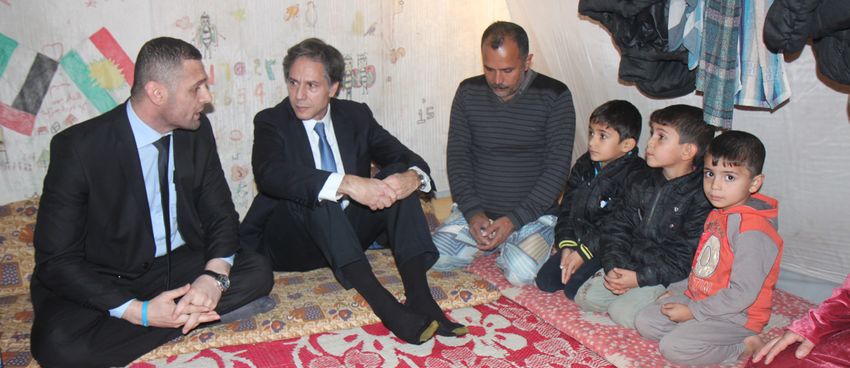
CONTENTS

  4 5                                 9 13
Project        Executive            The Problem   The Need for
Participants   Summary                            Congressional
Advisory                                          Assistance
Group

15 19 25 28
Remedies       Appendix A:          Appendix B:   Appendix C:
               Draft text for       Project       Table of
               amended 22           Supporters    Abbreviations
               U.S.C. Chapter
               58, Subchapter III
               Section 4831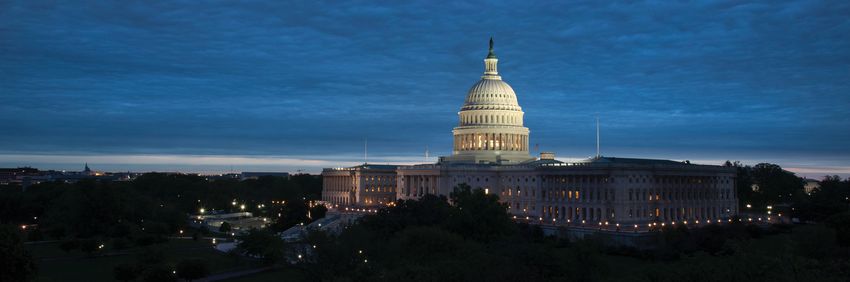
PROJECT PARTICIPANTS
                                                Project Director

                                         The Honorable Gregory Starr

                            American Academy of Diplomacy Support Team

                               Ambassador Ronald E. Neumann, President

                                      Maria Reissaus, Program Director

                                   Destiny Clements, Program Associate

                             Una Chapman Cox Foundation Support Team

                             Ambassador Lino Gutierrez, Executive Director

                                   Nicole Brzozowski, Program Manager

                                                Advisory Group

                        Dr. Graeme Bannerman               Ambassador Thomas Miller

                   The Honorable Eric Boswell              Ambassador Ronald Neumann

                    Ambassador Ryan Crocker                Ambassador Richard Olson

            Ambassador James Cunningham                    Ambassador Anne Patterson

                Ambassador Gerald Feierstein               Ambassador Charles Ray

                  Ambassador Jeffrey Feltman               The Honorable Gregory Starr

                      Ambassador Robert Ford               Ambassador Francis X. Taylor

                   Ambassador Lino Gutierrez               Dr. Michael Van Dusen

                    Ambassador Hugo Llorens                Ambassador Jacob Walles

             Ambassador Deborah McCarthy

Page 4 • Changing the Risk Paradigm for U.S. Diplomats
EXECUTIVE SUMMARY

T
           he State Department’s current risk aversion at higher-threat
           posts obstructs the performance of the most basic functions
           of a diplomat abroad — to influence host governments,
           explain, defend, and advance U.S. policies and objectives, and
to correctly analyze political, social, and economic developments as
well as the effectiveness of U.S. government programs. Each of these
functions demands first-hand contacts and observations. Working
only by telephone or an occasional meeting inside secure walls is not
a substitute for developing the continuing contacts necessary with
local officials and populations. In short, the formulation and execution
of national security policy is hindered by the lack of access to foreign
contacts at higher-threat missions.
U.S. diplomatic and USAID development officers are rarely allowed to
travel to meet sources, colleagues, or counterparts in less than fully
secured areas or make unscheduled moves. Our U.S. military partners
and members of the intelligence community are not encumbered by
similar restrictions. Requests by Foreign Service Officers to discreetly
meet with subjects and sources or to review remote programs are too
often denied, and the ability to observe and report on a country they are
expected to know with a high level of expertise is severely limited.
Effective diplomacy to meet national interests requires a method to
engage more broadly even in high-threat locations. We believe it is
possible; but progress requires change in three simultaneous areas.

                                                  Changing the Risk Paradigm for U.S. Diplomats • Page 5
1. The language and structure of the Accountability
Review Board (ARB) requirement in the Omnibus
Diplomatic Security Act of 1986 must change.
The law is widely interpreted within the Foreign Service as creating an overriding
requirement to find someone at fault when a security incident involves serious injury
or loss of life. A broad selection of former ambassadors and assistant secretaries
have reported that ambassadors, deputies, and regional security officers believe
decisions to allow travel outside the mission that result in death or serious injury
would be judged in terms of their accountability with the presumption that someone
erred in their judgment. Too frequently, the decision is to avoid risk by denying
travel or requiring an unattainable level of security. Technological advances, such
as videoconferencing or teleconferencing can supplement traditional meetings;
however, they are not a substitute for face-to-face meetings that build personal
relations and trust with foreign contacts, without which real understanding of
sensitive issues is not possible. This is particularly true when sensitivities concern
internal foreign political concerns.
The U.S. military, intelligence agencies, FBI and Drug Enforcement Agency each have
different requirements for managing accountability and risk. The Academy does not
equate the levels of acceptable risk for Foreign Service Officers abroad to the levels
of risks acceptable for U.S. military assets engaged in combat operations. However,
Foreign Service Officers are frequently assigned to high-threat diplomatic missions
abroad. Currently, embassies are hampered by an out-of-date accountability process
that essentially is at odds with the current requirement to take reasonable risks in the
performance of duty.
The Academy recommends a reformulation of the law to put in place a system similar
to that of other national security agencies. The new system would utilize an internal
review process to evaluate precautions taken against known risks and then evaluate
the decision and identify any lessons learned in a report to the Secretary of State.
The Secretary would, in turn, inform Congress of the results. The review would focus
on whether reasonable actions were taken based on known risks at the time. This
would bring the process more in line with that used by the Department of Defense
(DoD) and the intelligence community (IC). Equally importantly, it would be a
tangible message to the officers of the U.S. Foreign Service that Congress understands
and supports the need to take reasonable risks in the performance of diplomatic
and foreign aid operations abroad. It would signal that Congress wants to assist in
developing a culture where the security of our personnel remains important, but the
priority must be implementing the foreign affairs and national security policies and
operations of the United States.
Page 6 • Changing the Risk Paradigm for U.S. Diplomats2. The Department of State must
identify best practices and new
techniques for operating in
high-threat locations.
Certain cadres of officers, to include political officers,
economic officers, consular officers, United States
Agency for International Development (USAID) field
and project officers, would receive required training
in advanced operational techniques and procedures
to allow them to operate as safely as possible while
accepting levels of increased risk. This will take a joint
effort by the Foreign Service Institute, the Diplomatic
Security Hard Skills Training Center (FASTC),
and other agencies to determine best practices.
Additionally, management-level officers at various
levels will require additional training in managing
threats and risk.
Changing the Risk Paradigm for U.S. Diplomats • Page 73. Culture: To fully benefit from the legal
changes and improved tactics and procedures,
the foreign affairs agencies will have to take
steps to change a culture of risk aversion that
has developed over the years.
Senior and mid-level officers, serving domestically and overseas, will
require improved education in identifying and managing threats
and risks while balancing the need to fulfill foreign affairs-related
goals and objectives. Decision makers responsible for approving
operations abroad that entail higher risk — typically deputy chiefs
of mission and regional security officers — must have more than
just new tools and training. They must also have confidence that
the foreign affairs institutions and Congress understand that the
highest priority is fulfilling major national security priorities, not
solely keeping people safe. Careful judgment of the importance
of individual policy objectives balanced against risk and threat
mitigation measures will always be necessary and never clear cut.
All aspects of the problem — importance of the goals, risk, and
mitigation — must be considered when judgments are made and
things go wrong.
Page 8 • Changing the Risk Paradigm for U.S. DiplomatsTHE PROBLEM
I
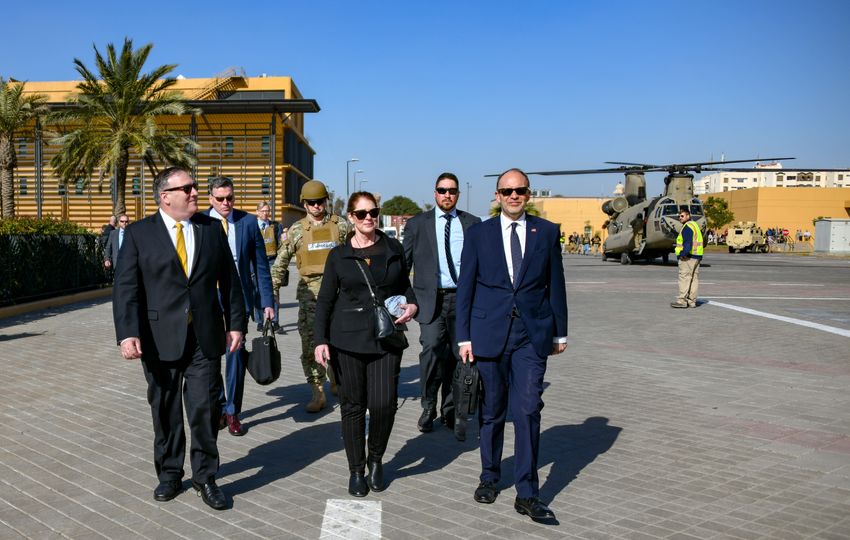
n late 2019 and early 2020, a small group of senior STATE DEPARTMENT
PHOTO
retired U.S. ambassadors, all members of the American
Academy of Diplomacy (AAD), engaged several members U.S. Secretary of
State Michael R.
of Congress and their staff in discussions on the growing Pompeo departs
level of risk intolerance experienced in U.S. missions abroad Erbil, Iraq on
with the consequence that American diplomats and aid January 9, 2019.
practitioners could not effectively fulfill their mandates.
Subsequent to these initial discussions, the Una Chapman
Cox Foundation agreed to fund an AAD project to examine
the issue of changing the risk paradigm for U.S. foreign affairs
agencies. AAD formed an advisory committee of senior
Foreign Service (retired) officers to guide the effort.
Changing the Risk Paradigm for U.S. Diplomats • Page 9By May 2020, the advisory group had agreed upon a project narrative that
effectively described the problem.
“The risk mitigation paradigm currently employed for State Department personnel and those of
other civilian U.S. government agencies at higher-threat posts is obstructing the performance
of the most basic functions of a diplomat abroad — to influence host governments and other
foreign interlocutors, to explain, defend, and advance U.S. policies and objectives, and to gain
the information and access needed to analyze political, social, economic, and programmatic
developments based on first-hand contacts and observations in a foreign country. Diplomacy is
an incremental business in which numerous contacts and observations contribute over time to
generate larger results. Diplomats are analysts, policy influencers, persuaders, and negotiators.
Executing their mission only by telephone or an occasional meeting inside secure walls is not a
substitute for developing the continuing contacts necessary with local officials and populations.
In short, the formulation and execution of national security policy is hindered by the lack of access
to foreign contacts at higher-threat missions. While acknowledging there are increased threats
and dangers for staff operating in high-threat countries, the security versus risk equation for
travel outside our missions is too heavily weighted toward eliminating risk to our personnel, often
preventing them from successfully fulfilling their mission.
With the aid of Congress, the Department has made great progress in replacing old, insecure,
and highly vulnerable facilities abroad with safe and secure embassies and consulates. The risk of
losing an entire diplomatic platform and suffering massive loss of life and heavy injuries has been
greatly reduced. Congress has generously funded additional security assets such as security officers,
armored vehicles, and bodyguards to enhance mobility and travel outside our secure platforms. The
Department has a remarkable record of conducting literally millions of moves outside the secure
perimeter at our highest-threat posts with few losses, albeit using helicopters or heavily armed and
armored convoys. Despite these successes, at high-threat posts Foreign Service and USAID officers
are rarely allowed to travel to meet sources, colleagues, or counterparts in less than fully secured
areas, nor allowed to move to unscheduled locations or travel outside of secured perimeters. The
ability to meet discreetly with subjects and sources or review remote programs is very limited,
as is the ability to observe and report on a country they are supposed to know with a high level
of expertise. This is not the case with our U.S. military partners or members of our intelligence
community.”
Page 10 • Changing the Risk Paradigm for U.S. DiplomatsThe AAD advisory group agreed that a major factor keeping STATE DEPARTMENT
PHOTO
diplomats cloistered is the language and structure of the
Accountability Review Board (ARB) requirement in the Deputy Secretary of
State Antony “Tony”
Omnibus Diplomatic Security Act of 1986. The law is widely Blinken speaks with
interpreted within the Foreign Service as possessing an residents during his
overriding requirement to find someone at fault if there is a tour of the Baharka
security incident involving serious injury or loss of life, i.e. Camp for Internally
Displaced Persons in
the first determination after identifying whether injury or Erbil, Iraq, on Nov. 23,
loss of life is a security issue is whether the security systems 2015
and security procedures for that mission were adequate and
who was accountable. Based on their previous experience
as ambassadors and assistant secretaries in the Department
of State, the advisory group members found that Chiefs
of Mission (COM), Deputy Chiefs of Mission (DCM), and
Regional Security Officers (RSO) believe decisions made to
allow travel outside the mission in high-threat environments
that result in death or serious injury would be judged in
terms of their accountability with the presumption that
someone erred in their judgment. Too frequently the decision
by COMs, DCMs, and RSOs is to avoid risk by denying a
travel request because the deciding officials feel compelled
to demonstrate the purpose of the travel outweighs the risk
of injury, something that is difficult to do when the request
is to travel outside the perimeter for normal diplomatic and
Changing the Risk Paradigm for U.S. Diplomats • Page 11programmatic activities as opposed to high-priority visits to
secured compounds using heavily protected convoys.
As the second major factor, the AAD advisory group strongly
believes the foreign affairs agencies will have to take steps to
change a culture of risk aversion that has taken hold within our
organizations. This will require both education and hard skills
training. Senior and mid-level officers, serving domestically and
in overseas positions, will require improved education in how
to identify and manage threats and risks while balancing the
need to fulfill foreign affairs-related goals and objectives. These
decision makers require new decision tools and confidence in
the foreign affairs institutions and Congress that the highest
priority is fulfilling national security priorities.
These two major themes were considered essential by the AAD
advisory group, but it was thought prudent to widen the group
of experts viewing the problem and possible solutions beyond
the initial advisory group. The project narrative was circulated
among additional Department of State retirees, senior retirees
from USAID, and former U.S. military generals with experience
in high-threat theaters working closely with U.S. diplomatic
missions. Without hesitation, those contacted signed on in
support of the project based on their first-hand observations
about the growing level of risk intolerance exhibited by
colleagues in the field and their own experiences. Appendix
B includes a list of approximately 50 senior U.S. government
officials who support this initiative. Additionally, three
organizations — The American Foreign Service Association
(AFSA), the American College of National Security Leaders
(ACNSL), and the USAID Alumni Association’s Board of
Directors — endorse the call to expand the risk paradigm and
amend the ARB process.
Page 12 • Changing the Risk Paradigm for U.S. DiplomatsTHE NEED FOR
CONGRESSIONAL
ASSISTANCE
PHOTO BY ARCHITECT OF THE CAPITOL
T
he Department of State and USAID cannot alter the
trajectory of growing risk intolerance at high-threat U.S.
diplomatic missions abroad by solely implementing
internal changes. Congressional assistance will be required.
AAD recommends that the ARB language, first promulgated as
part of the Omnibus Diplomatic Security Act of 19861, now stated
in law as Section 22 of USC 4831-48352, be amended. Originally
written when Congress had little confidence that the Department
of State was taking security threats and the need for security
countermeasures seriously, the law prescribes a very specific and
singular investigative method that must be utilized in any case
1 Public Law 99-399, Aug. 27, 1986, the Omnibus Diplomatic Security and Antiterrorism Act of
1986, 22 USC 4801, Title III – Performance and Accountability, Section 301 – Accountability Review,
Section 302 – Accountability Review Board, Section 303 – Procedures, Section 304 – Findings and
recommendations by a Board, Section 305 – Relation to other proceedings
2 United States Code Title 22 – Foreign Relations and Intercourse; Chapter 58 – Diplomatic Security;
Subchapter III – Performance and Accountability, Sections 4831-4835 (22 U.S.C.4831-4835, as amended,
2013
Changing the Risk Paradigm for U.S. Diplomats • Page 13of serious injury, loss of life, or significant destruction of property at or related to a U.S.
government mission abroad, if deemed a security incident. The ARB process, while
necessary at the time and useful for several decades thereafter, is now proving to have
consequences that are counterproductive to the activities of the Foreign Service.
As enacted, the references require one single specific investigative and evaluation process,
an ARB, for any security incident that results in loss of life, serious injury, or significant
destruction, with an implicit expectation that an error in judgment allowed for the security
incident and, therefore, someone must be held accountable. This conclusion is evident
from the name of the process, “the Accountability Review Board,” and the judgments of
a wide group of senior officers about the influence of the ARB process on accountability
and personnel recommendations. The effect over many years of implementation has been
to encourage a reluctance to take acceptable levels of risk in approving field operations
for Foreign Service Officers abroad. No other department or agency of the federal
government operating abroad has specific language in law that requires such a specific and
singular investigative response. The two other legs of the U.S. Foreign Affairs triad — the
Department of Defense (DoD) and the intelligence community (IC) — follow internally
developed investigative procedures when serious incidents occur that take into account
the need to accept levels of risk to their personnel in order to achieve success for necessary
operations.
AAD and the supporters of this recommendation do not equate the levels of acceptable
risk for Foreign Service Officers abroad to the levels of risks acceptable for U.S. military
assets engaged in combat operations. However, U.S. Foreign Service Officers are frequently
assigned to high-threat diplomatic missions abroad, often in conflict zones, with the full
support and understanding of the executive branch and Congress. While there are frequent
examples of Foreign Service Officers accompanying military combat personnel performing
civilian-political missions, the much larger issue is the need for individual Foreign
Service Officers to have greater movement and access to individuals and organizations in
various places in high-threat countries. Yet should there be a Foreign Service casualty, the
Department of State is mandated to activate an extensive and out-of-date accountability
process that has put senior Department of State officials authorizing such actions at odds
with the need to take reasonable risks in the performance of duty.
Congress itself recognized the incongruous nature of the law when the U.S. Foreign Service
was called to staff embassies and consulates in Afghanistan and Iraq. Understanding
that U.S. diplomats had a crucial role to play in these two war zones, Congress passed
amendments to the ARB legislation for limited exemptions from the requirement for
an ARB, stating that the process need not be used when serious security incidents —
serious injury, loss of life, or significant destruction of property — took place at these two
diplomatic missions during specific periods.
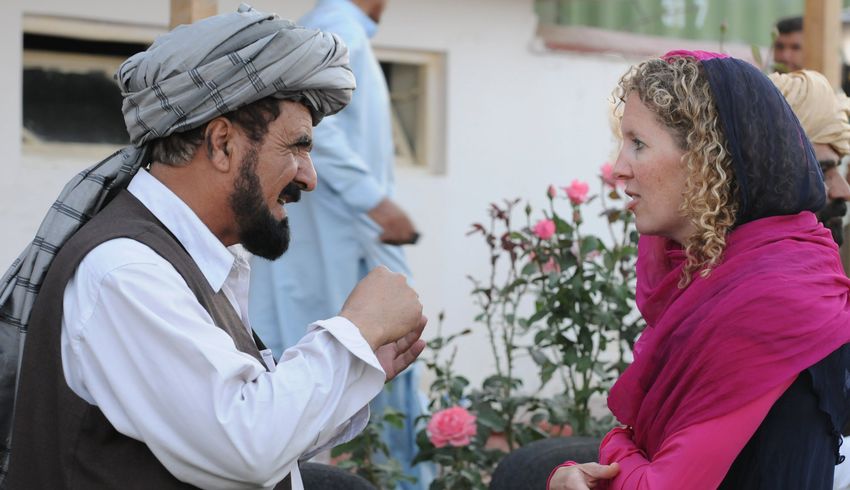
Page 14 • Changing the Risk Paradigm for U.S. DiplomatsPHOTO COURTESY OF AMBASSADOR ANNE PATTERSON
Foreign Service
REMEDIES
officer talks with an
Afhgan leader in the
Paktika province of
Afghanistan.
T
he Academy believes Congress should amend the language from Title III
of Public Law 99-399, the Diplomatic Security and Antiterrorism Act of
1986, now 22 USC 4831-4835, to direct the Secretary of State to develop
and use internal investigative procedures into the facts surrounding
serious security incidents; convene a high-level internal panel to evaluate the
investigation and the incident; and then provide a report of the incident to
the Secretary. The Secretary in turn would provide a report of the incident to
appropriate congressional committees. This would streamline the serious incident
investigation process to a model more in line with that used by DoD and IC. More
importantly, it would be a clear message to the officers of the U.S. Foreign Service
that Congress understands and supports the need to take reasonable risks in the
performance of diplomatic and foreign aid operations abroad. Replacing the ARB
language and process, both in name and substance, with methods more typically
found in the U.S. government will help reverse a trend toward risk intolerance by
Changing the Risk Paradigm for U.S. Diplomats • Page 15signaling that Congress wants to assist in to better balance the risk versus reward
developing a culture where the security of paradigm that currently skews toward
our personnel remains important, but the avoiding risk.
priority must be implementing the foreign
affairs and national security policies and To replace the current ARB process, AAD and
the supporters of this project suggest that
operations of the United States.
a leaner internal process as outlined below
Further, the Department of State, in should be the basis for moving forward.
consultation with others, must identify best The advisory group recommends the law
practices and new techniques on how to be amended to instruct the Department of
operate in high-threat locations. Certain State to institute an internal process specific
cadres of officers, to include political and to the Foreign Service, but with similarities
economic officers, consular officers, USAID to the processes used by DoD and IC when
field and project officers, should receive reviewing serious incidents. The internal
mandatory training in advanced operational process should include timely reporting
techniques that would allow them to better requirements; an inquiry and investigative
fulfill their missions at high-threat posts. phase; and a separate analysis and review
Advanced training, enhanced operational process with a report to the Secretary, with
procedures, and appropriate technical and a subsequent report to the chairmen of the
communications equipment would allow four foreign affairs committees of Congress.
them to operate as safely as possible while An internal Department of State process
accepting levels of increased risk. This will to investigate and review serious security
take a joint effort by the Foreign Service incidents should include:
Institute, the Diplomatic Security Hard Skills A. An initial requirement for
Training Center (FASTC), and other agencies an immediate report of the
to determine best practices. incident, followed within
three days by a more detailed
Senior Department officials and mid-level
report of the incident from the
Foreign Service Officers in management
mission involved.
positions will require additional training
in managing threats and risk — identifying B. An investigation of the
risks and weighing those risks against the incident by Diplomatic Security
imperative to conduct diplomacy and foreign (DS) using personnel trained in
aid programs in volatile and sometimes incident investigation as well
dangerous countries. The continuing as security operation abroad,
conduct of diplomatic and foreign aid but which must also include
programs must be given a higher priority and agents from the internal affairs/professional
emphasis relative to the general threat levels, responsibility unit. DS would produce a
Page 16 • Changing the Risk Paradigm for U.S. Diplomatsreport of the incident/report of inquiry/ posts with any/all relevant additional
investigation within 60 days. The report evidence and information (CCTV recordings,
must provide an account of what occurred; movement logs, interviews) would be made
evidence of who perpetrated the attack, if available for review and full consideration.
known or suspected; and whether applicable The voting committee members would
security procedures were followed. In the include:
event that the security incident was an
attack on a U.S. Diplomatic Compound, • The representative of the Under
motorcade, residence, or other facility, the Secretary of Management, the head of
report would determine if adequate security M/SS
countermeasures were in effect. If the attack • The Assistant Secretary responsible for
was on an individual or group of officers the region where the incident occurred
conducting an approved operation outside
the mission, the report would determine • The Assistant Secretary of Diplomatic
and report if a proper process was followed Security
in evaluating the requested operation and
weighing the risk of the operation. The report • The Assistant Secretary for the Bureau
would not seek to assign accountability for of Intelligence and Research
the incident unless there was an observation • The Assistant Secretary for Consular
that an official breached their duty. At Affairs
the discretion of the Secretary, additional
personnel can be assigned to the incident • An Assistant Secretary Representative
investigation team. from a United States government
(USG) agency if that agency was
C. A Serious Security Incident involved
Permanent Coordinating
Committee (SSI/PCC) would Other attendees (non-voting) at the SSI/PCC
be convened and chaired providing advice, additional information, or
by the head of the Office of counsel, would include:
Management, Strategy and
• The Department of State legal advisor
Solutions, (M/SS). The SSI/PCC would be
or deputy legal advisor
specifically charged with reviewing serious
security incidents resulting in deaths, serious • A representative of the Director
injury, or significant destruction of property. of National Intelligence (DNI), if
Submission of the DS Report of Investigation appropriate
along with all reporting from the diplomatic
Changing the Risk Paradigm for U.S. Diplomats • Page 17The SSI/PCC would receive all relevant Nothing in this process would preclude the
information on the incident, including Secretary of State from convening a follow-
all reporting from post or other sources, up public board of inquiry comprised of
the DS report, any pertinent intelligence notable persons to investigate any security
information, and receive a briefing from the incident if it was of such magnitude or
DS unit conducting the inquiry. The PCC significance that an internal process was
would determine: deemed insufficient to understand and
investigate the incident. All the materials
• If the account of the incident is fully gathered in the normal internal process
described would be provided to any Board of Inquiry
• If security systems and procedures the Secretary convenes.
pertinent to the incident were in place The Department of State,
and functioning within 90 days of the
• If there is evidence that anyone did completion of the report
not fulfill their duties, and if there is a to the Secretary of State,
need for anyone to be referred to the would provide a report of the
Director General for malfeasance or incident to the chairmen of
breach of duty the relevant congressional foreign affairs
committees.
• Whether there are relevant lessons or
outcomes that should be relayed to The Department of State Inspector General
other U.S. diplomatic missions and/or should not be a part of the incident
units within the Department of State investigation for security incidents but
would fulfill their mandated role through
• If there are follow-up measures the inspections or reviews to ensure the
Department or other agency involved Department follows the proper procedures
should take for addressing serious security incidents.
D. The SSI/PCC findings Nothing in this report or suggested
would be reported by M/SS, legislation should in any way alter the
along with a copy of the DS responsibility of the Department of Justice
incident investigation, in a to investigate and take appropriate action
report to the Secretary. At the regarding any such incident.
discretion of the Secretary,
the report would be provided to the Deputy The American Academy of Diplomacy, the
Secretary of State, the Under Secretary for Una Chapman Cox Foundation, and our
Political Affairs, the Under Secretary for supporters, in Appendix A, have provided a
Management, and the Deputy Secretary proposed amended text for Section 22 U.S.C.
or equivalent of any agency who had an 4831-4835, for consideration by relevant
employee or was otherwise substantially congressional personnel and committees.
involved in the incident.
Page 18 • Changing the Risk Paradigm for U.S. DiplomatsAPPENDIX A
Changing the Risk Paradigm for U.S. Diplomats • Page 19Draft Text for amended
22 U.S.C. Chapter 58, Subchapter III - PERFORMANCE AND
ACCOUNTABILITY
Section 4831 INVESTIGATION OF SERIOUS SECURITY INCIDENTS
(formerly Accountability Review Boards)
(a) In general (2) Department of Defense facilities and
personnel;
(1) Convening the Serious Security
Incident Investigation and The Secretary of State is not required
Permanent Coordinating Committee to convene a Security Incident
process; Inquiry in the case of an incident
described in paragraph (1) that
In any case of any serious security involves any facility, installation, or
incident involving loss of life, serious personnel from the Department of
injury, or significant destruction Defense with respect to which the
of property at, or related to, a Secretary has delegated operational
United States Government (USG) control of the overseas security
diplomatic mission abroad, and functions to the Secretary of Defense
in any case of a serious breach pursuant to Section 4805 of this
of security involving intelligence title. In any such case, the Secretary
activities of a foreign government of Defense shall conduct an
directed at a USG mission abroad, a appropriate inquiry. The Secretary of
Security Incident Inquiry (SII) into Defense shall report the findings and
the event shall be convened by the recommendations of such inquiry,
Department of State and a report and the action taken with respect
produced for the Secretary providing to such recommendations, to the
a full account of what occurred; Secretary of State and Congress.
whether security provisions
pertinent to the incident were in (b) Deadlines for convening a Serious
place and functioning; whether any Security Incident Investigation and
malfeasance or breach of duty took Permanent Coordinating Committee
place that materially contributed process:
to the outcome of the incident; and
relevant security improvements or (1) In general
follow-up measures that might be The Secretary of State shall
recommended. A Security Incident convene the Serious Security
Inquiry need not be convened where Incident investigation and then
the Secretary determines that a the subsequent Permanent
case clearly involves only causes Coordinating Committee process
unrelated to security. (SSI/PCC) not later than 60 days
after the occurrence of an incident
Page 20 • Changing the Risk Paradigm for U.S. Diplomatsdescribed in subsection (a)(1) of Section 4832. Security Incident Investigation
this section, except that such 60- and Permanent Coordinating Committee
day period may be extended for
one additional 60-day period if (a) The Serious Security Incident
the Secretary determines that the inquiry process will consist of two
additional period is necessary; distinct elements: a security inquiry
investigative phase, and a review
(2) Delay in cases involving intelligence panel phase conducted by high-level
activities Department of State officials.
With respect to breaches of security
involving intelligence activities, the (1) The security investigation
Secretary of State may delay the process will utilize Diplomatic
establishment of a SSI/PCC if, after Security resources and any other
consultation with the chairman of investigative personnel deemed
the Select Committee on Intelligence necessary. A Report of Investigation
of the Senate and the chairman of will be prepared at the conclusion
the Permanent Select Committee of the investigation which will
on Intelligence of the House of describe what, when, and where the
Representatives, the Secretary security incident occurred; who was
determines that the establishment involved; an accurate account of
of a SSI/PPC would compromise the casualties, injured, and damage
intelligence sources or methods. done; and a review of security
The Secretary shall promptly advise procedures in place at the time of
the chairman of such committees the attack.
of each determination pursuant (2) The Serious Security Incident
to this paragraph to delay the Permanent Coordinating Committee
establishment of a SSI/PPC. (SSI/PCC) will meet to review the
(c) Notification to Congress report, all other reporting relevant
Whenever the Secretary of State to the incident, and evidence
convenes an investigation and SSI/ available (such as video recordings).
PCC in response to a serious security The SSI/PCC will, upon completion
incident, the Secretary shall promptly of their review, provide a report
inform the chairman of the Committee to the Secretary of State on the
on Foreign Relations of the Senate and incident, outcomes, and any possible
the Chairman of the Foreign Affairs recommendations. The SSI/PCC will
Committee of the House. be primarily composed of Assistant
Secretary-level personnel in the
Department, and at a minimum
include:
Changing the Risk Paradigm for U.S. Diplomats • Page 21(A) The representative of the Under (2) The Serious Security Incident
Secretary to Management and inquiry process typically commences
chair of the SSI/PCC, the head upon reporting of the incident
of the Office of Management, from the diplomatic mission where
Strategy and Solutions (M/SS); the event transpired, followed by
detailed reporting within three days
(B) The Assistant Secretary that provides additional details and
responsible for the region where information.
the incident occurred;
(3) The Diplomatic Security Service
(C) The Assistant Secretary to shall assemble an investigative team
Diplomatic Security; to establish what occurred; report
(D) The Assistant Secretary for on evidence of who perpetrated
the Bureau of Intelligence and the attack, if known or suspected;
Research; and whether applicable security
procedures were followed. In the
(E) The Assistant Secretary for event the security incident was
Consular Affairs; an attack on a US Diplomatic
Compound, motorcade, residence,
(F) An Assistant Secretary-level
or other facility, the report shall
representative from any involved
determine if adequate security
USG agency;
countermeasures were in effect.
(G) Other personnel may be If the attack was on an individual
added as deemed necessary or or group of officers, employees,
appropriate. or family members conducting
operations or movements outside
Section 4833. Investigation and Inquiry the mission, the investigation must
Procedures determine whether proper security
briefings and procedures were
(a) Regarding requirements for an internal
in place and whether adequate
investigation, analysis, and reporting
consideration of threat and weighing
system for Serious Security Incidents as
of risk of the operation or movement
outlined in Section 4831:
took place.
(1) The Department of State shall
(4) If during the investigation, evidence
develop an internal investigative
comes to light that an employee
protocol to ensure the proper
did not fulfill their duties and this
investigation of security incidents
breach contributed in a material
described in Section 4831, which
fashion to the incident, the
shall be referred to as the Serious
investigative team shall include
Security Incident Investigation
these observations or reports in the
process, and shall be promulgated in
Report of Investigation.
relevant foreign affairs manuals.
Page 22 • Changing the Risk Paradigm for U.S. Diplomats(5) Confidentiality: During the of a foreign government directed at
investigative process, the a United States government mission
Department shall adopt such abroad and shall make written findings
procedures with respect to determining:
confidentiality as deemed necessary,
including procedures relating to the (1) If the incident abroad did constitute
conduct of closed proceedings or the a serious security incident as
submission and use of evidence in determined in Section 4831, and that
camera, to ensure in particular the the incident was security related;
protection of classified information (2) If the incident involved a diplomatic
relating to national defense, foreign compound, motorcade, residence,
policy, or intelligence matters. The or other mission facility, whether
DNI shall establish the level of the security systems, security
protection required for intelligence countermeasures, and security
information and for information procedures operated as intended,
relating to intelligence personnel and whether such systems worked
contained in the report. Members to materially mitigate the attack
of the SSI/PCC will respect these or were found to be inadequate to
measures, though the level of the mitigate the threat and attack;
classification of the final report to
the Secretary will be determined by (3) If the incident involved an individual
the SSI/PCC, taking into account the or group of officers conducting
material therein. an approved operation outside
the mission, the SSI/PCC would
Section 4834. Findings and determine and report if a valid
Recommendations by the SSI Permanent process was followed in evaluating
Coordinating Committee the requested operation and
(a) Findings weighing the risk of the operation.
The DS Report of Investigation, all The report would not seek to assign
evidence and reporting, and any other accountability for the incident
relevant information shall be provided unless there was a conclusion that
to the Serious Security Incident an official breached their duty.
Permanent Coordinating Committee (4) The impact of intelligence and
(SSI/PCC). The SSI/PCC shall information availability, and
examine the facts and circumstances whether the mission was aware
surrounding the serious injury, loss of the general operating threat
of life, or significant destruction of environment or any more specific
property at or relating to a United threat intelligence or information
States government mission abroad and took that into account in
or surrounding the serious breach of ongoing and specific operations;
security involving intelligence activities
Changing the Risk Paradigm for U.S. Diplomats • Page 23(5) Such other facts and circumstances Section 4835. Relation to Other Proceedings
that may be relevant to the
appropriate security management of (a) Nothing in this subchapter shall be
U.S. missions abroad. construed to create administrative
or judicial review remedies or rights
(A) Reporting findings of action not otherwise available by
The SII/PCC shall submit a report law, nor shall any provision of this
of the findings (which may be subchapter be construed to deprive
classified to the extent deemed any person of any right or legal defense
necessary by the committee) and, which would otherwise be available
if made, any recommendations to that person under any law, rule, or
to the Secretary of State. After regulation.
suitable consideration, and
within 90 days of receipt of the (b) Nothing in this process would
report, the Secretary of State preclude the Secretary of State
shall provide a report of the from convening a follow-up public
incident and findings to the board of inquiry made up of notable
chairmen of the Senate Foreign persons to investigate any security
Relations Committee and the incident if it was of such magnitude or
House Committee on Foreign significance that an internal process
Affairs. was deemed insufficient to understand
and investigate the incident. All the
(B) Personnel Recommendations materials gathered in the normal
Should the SII investigative internal process would be provided
team find reasonable cause to to any Board of Inquiry the Secretary
believe any individual described convenes.
in Section 4833 (b)(1)(C) has
breached the duty of that
individual or uncovers lesser
failures in performance related to
the incident, it shall be reported
to the SSI/PCC. If the SSI/PCC
members find reasonable cause
as well, it shall be reported to the
Director General of the Foreign
Service for appropriate action.
Page 24 • Changing the Risk Paradigm for U.S. DiplomatsAPPENDIX B
Changing the Risk Paradigm for U.S. Diplomats • Page 25AAD FS Risk Paradigm Change Project Supporters
As of December 20, 2020
Aarnes, Anne, USAID Feltman, Jeffrey D., Amb.
Allen, John R., Gen. USMC Ford, Robert S., Amb.
Arellano, Hilda M. “Bambi”, USAID Garber, Larry, USAID
Bever, James A., USAID Hammink, William P., USAID
Bodde, Peter W., Amb Hill, Christopher R., Amb.
Brownfield, William R., Amb. Jones, Deborah K., Amb.
Campbell, John F., Gen. U.S. Army Jones, Stuart E., Amb.
Connelly, Maura, Amb. Kennedy, Patrick J., Amb. (M)
Cohen, David, USAID Llorens, Hugo, Amb.
Crocker, Ryan C., Amb. McCarthy, Deborah, Amb.
Crowley, Christopher, USAID McChrystal, Stanley A., Gen. US Army
Cunningham, James B., Amb. McKinley, P. Michael, Amb.
Dunford, Joseph F., Gen. USMC McMaster, H.R., Lt. Gen. US Army
Eikenberry, Karl, Lt. Gen US Army/Amb. McNeill, Dan K., USArmy
Feierstein, Gerald M., Amb. Miller, Thomas J., Amb.
Page 26 • Changing the Risk Paradigm for U.S. DiplomatsMyers, Desaix “Terry”, USAID Sisson, Andrew, USAID
Neumann, Ronald E., Amb. Stall, Thomas H., USAID
Nicholson, John W. Jr., US Army Starr, Gregory B., Asst. Sec. DS
Olson, Richard G., Amb. Stephenson, James “Spike”, USAID
Patterson, Anne W., Amb Thomas-Greenfield, Linda, Amb.
Pickering, Thomas R., Amb. Van Egmond, Alan, USAID
Ray, Charles A., Amb. Votel, Joseph L., Gen. US Army
Rodriguez, David M., Gen US Army Walles, Jacob, Amb.
Romero, Peter F., Amb.
Groups that support
American Foreign Service Association
American College of National Security Leaders
USAID Alumni Association’s Board of Directors
Changing the Risk Paradigm for U.S. Diplomats • Page 27APPENDIX C
TABLE OF ABBREVIATIONS
AAD American Academy of Diplomacy
ACNSL American College of National Security Leaders
AFSA American Foreign Service Association
ARB Accountability Review Board
COM Chief of Mission
DCM Deputy Chief of Mission
DG Director General
DNI Director of National Intelligence
DoD Department of Defense
DS Diplomatic Security
IC Intelligence Community
M/SS Office of Management, Strategy and Solutions
ROI Report of Investigation
RSO Regional Security Officers
SII Security Incident Inquiry
SSI/PCC Serious Security Incident Permanent
Coordinating Committee
Page 28 • Changing the Risk Paradigm for U.S. Diplomats© Copyright 2021 American Academy of Diplomacy
1200 18th Street, NW, Suite 902
Washington, DC 20036
202.331.3721
www.academyofdiplomacy.orgYou can also read


