SARS-COV2, INACTIVATION, AND COMPOSTING - PATRICIA MILLNER APRIL 1, 2020
←
→
Page content transcription
If your browser does not render page correctly, please read the page content below

SARS-CoV2, Inactivation, and
       Composting

      Patricia Millner
       April 1, 2020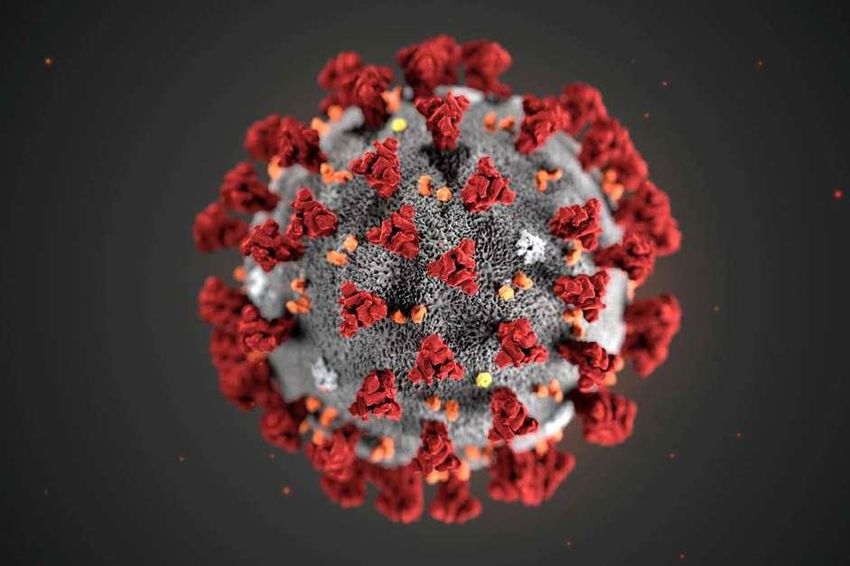
Disease name:
                      COVID-19

                                                                    Virus
                                                                    Technical
                                                                    name:
                                                                    SARS-CoV-2
                      • SARS-CoV-2 is a enveloped RNA virus
                      • Surface glycoprotein Spikes (virulence factor)
                      • Spikes fuse to ACE2 receptors on host cells to mediate
                        entry
                      • Virus replicates in cells
                      • Spike protein sequence is 98% identical to spike protein
                        of the bat coronavirus*

*Hu, D. 2018. Genomic characterization and infectivity of a novel SARS-like coronavirus in Chinese
            bats. Emerg Microbes Infect 7 (1):154. doi: 10.1038/s41426-018-0155-5.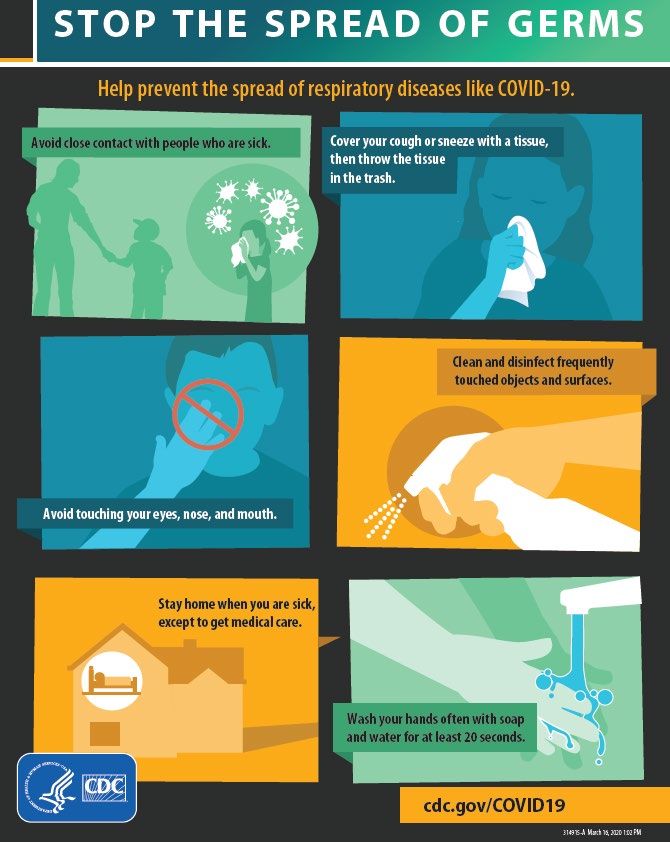
THE VIRAL CYCLE OF A CORONAVIRUS (FUNG ET AL. 2014)

Fung, To S. and Ding X. Liu. 2014. Coronavirus infection, ER stress, apoptosis and innate
immunity. Frontiers in Microbiology 5 (296). doi: 10.3389/fmicb.2014.00296.
Inactivation of the coronavirus that induces severe acute
respiratory syndrome, SARS-CoV.
Darnell et al. 2004. Journal of Virological Methods 121:85–91

       Temperature Effects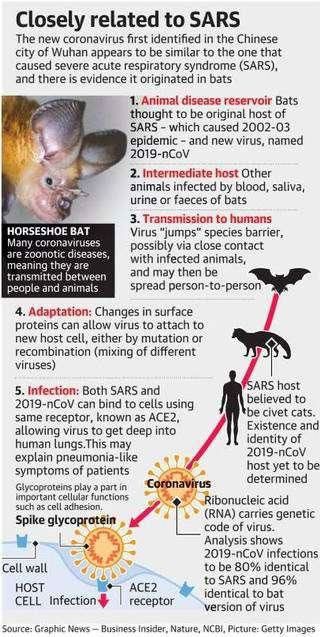
Log destruction values (D) reported at different
   temperatures for viruses in the genus Coronavirus

Data source studies from Annex 4, ANSES Opinion Request No 2020-SA-0037,
3-9-2020. https://www.anses.fr/en/system/files/SABA2020SA0037-1EN.pdf.
Linear model fit to log10 (D in hrs) according to temperature
Rabenau, H. et al. 2005. Stability and inactivation of SARS
coronavirus. Med Microbiol Immunol 194: 1–6.
DOI 10.1007/s00430-004-0219-0
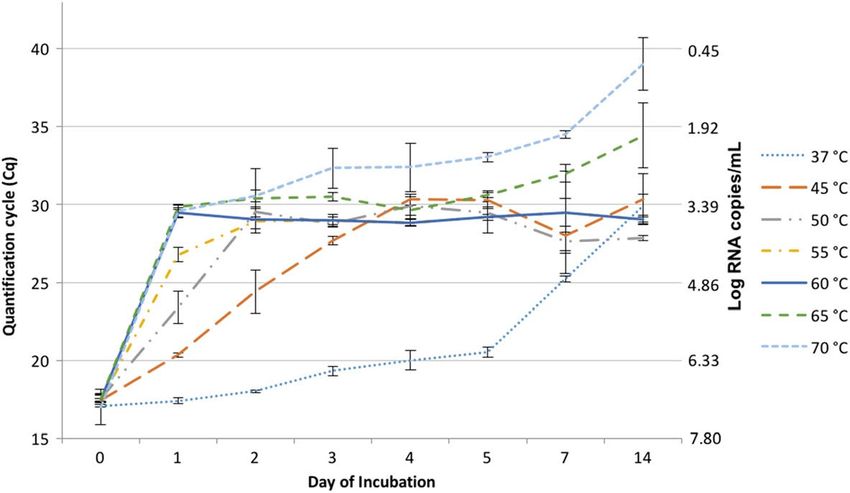
Effectiveness of composting as a biosecure disposal method for porcine
epidemic diarrhea virus (PEDV)-infected pig carcasses.
Vitosh-Sillman, S. et al. Porcine Health Management (2017) 3:22
DOI 10.1186/s40813-017-0068-z

Conclusions:
• Composting appears to be an effective disposal method for PEDV-infected
  piglet carcasses under the conditions examined.
• Time and high temperature of the compost cycle effectively degraded viral
  RNA in cell culture media should provide optimum stability.
• Complex compost material matrices collected from windrow sections
  yielded undetectable PEDV RNA by qRT-PCR after one 36-day compost
  cycle despite incomplete decomposition of soft tissue.
SARS-CoV-2 virus survival
      environmentally active and infectious for

              up to 3 hours in aerosols,
               up to 4 hours on copper,
            up to 24 hours on cardboard
     up to 72 hours on plastic and stainless steel

van Doremalen N, Bushmaker T, Morris DH et al. (2020)
Aerosol and Surface Stability of SARS-CoV-2 as
compared with SARS-CoV-1.
N. Engl. J. Med. doi: 10.1056/NEJMc2004973
https://www.nejm.org/doi/full/10.1056/NEJMc2004973
Food and SARS-CoV-2
ANSES Opinion Request No 2020-SA-0037, 3-9-2020.
https://www.anses.fr/en/system/files/SABA2020SA0037-1EN.pdf
• Main route of entry is the respiratory tract.
• “Possible contamination of foodstuffs of animal origin via an
infected animal has been ruled out”
• Infected food handlers can contaminate food
• Poor hygiene practices: coughing, sneezing and contact with
soiled hands.
• To date, no evidence suggesting contaminated food
leads to infection
• Respiratory tract may become infected during chewing
• NOTE: Cooking (e.g. internal food temp at 63°C for 4
min) inactivates coronaviruses in foods.
• Use good hygiene practices, during food prep and handling
• No sick employees allowed in food prep and servingUSCC Operations Guidance Relative to SARS-CoV-2 •Workers should wear OSHA recommended PPE when handling and mixing raw feedstocks. •Equipment used for feedstock material handling and mixing should not be used for curing, screening or loading of finished compost products. •Feedstock receiving and mixing should be downstream or physically separated from finished product storage. •Equipment buckets, tracks and tires should be steam cleaned or disinfected with an EPA approved sanitizer before entering any curing or finished product area. https://myemail.constantcontact.com/Early-Guidance-for-Our-Members--- Supporters.html?soid=1101444387855&aid=B9e0fzersiA
SARS-CoV-2 causes
Coronavirus Disease-19
(COVID-19)
You can also read


