SCOPING AND ASSESSMENT REPORT - MSME ACCESS TO FINANCE ECOSYSTEM IN AFRICA - SURVEY REPORT
←
→
Page content transcription
If your browser does not render page correctly, please read the page content below

SCOPING AND ASSESSMENT REPORT –
MSME ACCESS TO FINANCE ECOSYSTEM
IN AFRICA

SURVEY REPORT
2
SCOPING AND ASSESSMENT REPORT – MSME
ACCESS TO FINANCE ECOSYSTEM IN AFRICA

CONTENTS

INTRODUCTION                                                               3

PRINCIPLES FOR AND ELEMENTS OF MSME ACCESS
TO FINANCE ECOSYSTEMS                                                      4

2020 SMEFWG – QUESTIONNAIRE TO INFORM THE POLICY
FRAMEWORK FOR THE MSME FINANCING ECOSYSTEM IN
AFRICA                                                                     7

OVERVIEW OF RECENT MARKET AND POLICY
DEVELOPMENTS IN THE MSME FINANCING ECOSYSTEM                               9

REGULATORY AND MARKET ISSUE TO CONSIDER IN AFRICA                      26

BIBLIOGRAPHY                                                           27

ANNEXURE: 2020 SMEFWG – QUESTIONNAIRE TO
INFORM THE POLICY FRAMEWORK FOR THE MSME
FINANCING ECOSYSTEM IN AFRICA                                          29

ANNEX - GLOSSARY AND EXPLANATORY NOTES                                 34

ACKNOWLEDGMENTS
This survey report is a product of the African Financial Inclusion
Policy Initiative (AfPI) Expert Group and the SME Finance Working
Group (SMEFWG).

Authors and contributors:
From the AFI Management Unit - Ivan James Ssettimba (Head
Africa Regional Office), Nik Kamarun (Senior Policy Manager SME
Finance), Taty Azman (Policy Analyst). AFI is thankful to Hakima
El Alami (Chair of EGFIP, Bank Al-Maghrib), Dr. Emma Haiyambo
(Vice Chair EGFIP Bank of Namibia), Roelof Goosen (Independent
Consultant) and the SMEFWG members for their contributions.

We would like to thank AFI member institutions, partners and
donors for generously contributing to development of this
publication.

This report is financed through AFI’s Multi-Donor Financial
Inclusion Policy Implementation Facility (MD-PIF), with
participation of French Development Agency (AFD), the German
Federal Ministry of Economic Cooperation and Development (BMZ),
and the Ministry of Finance of the Grand Duchy of Luxembourg.

© 2020 (October), Alliance for Financial Inclusion. All rights reserved.       Shopping in a local market. Nigeria. (Photo by i_am_zews/Shutterstock)

3
SCOPING AND ASSESSMENT REPORT – MSME
ACCESS TO FINANCE ECOSYSTEM IN AFRICA

INTRODUCTION                                                and there is a lack of differentiated financial inclusion
                                                            policies for women-MSMEs. The AFI framework will
                                                            address these issues.

Micro, small and medium-sized                               In light of these realities, AFI is developing a policy
enterprises (MSMEs)1 are generally                          framework to enable members to enhance the MSME
                                                            financing ecosystem in Africa. The framework will
accepted as the most important engines
                                                            guide members to develop MSME financing policies
of innovation, growth, job creation                         and to identify best practices. The objective of this
and social cohesion in most emerging                        document is to provide a scope of what has to be
economies. In these economies, MSMEs                        addressed in such a framework and to assess what the
contribute on average more than 50                          most important elements are. In doing so, lessons from
percent of employment and 40 percent                        the global development community are taken into
of GDP and contribute significantly to                      consideration to incorporate into the framework for
                                                            Africa. This document and the Policy Framework are
poverty reduction.2 In addition, women
                                                            best read together for a better understanding.
account for a third of the formal
registered MSMEs in Africa.3 However,                       Globally, SME access to finance remains a high
MSMEs can only reach their full potential                   priority in terms of government policy responses and
if they operate in an environment                           interventions.7 These policies span a wide range of
where they have access to the finance                       elements, addressing increasing the reach of the credit
                                                            provider market (extending credit guarantee systems,
necessary to start, sustain and grow
                                                            increasing public support for equity finance instruments
their business.                                             and supporting digital forms of access to credit),
                                                            supporting the development of tools for increased
MSMEs face multiple hurdles in the effort to establish
                                                            efficiency of MSMEs (implementing online tools, dealing
and grow sustainable enterprises, with the lack of
                                                            with payment delays to MSMEs) and increasing non-
appropriate forms of finance often ranked as the most
                                                            financial support (increasing financial literacy and
serious constraint. In developing countries, credit
                                                            business skills).
to the private sector is well below the average than
in high-income countries, as a share of GDP and the
lack of a well-developed financial infrastructure4 pose
challenges for both credit providers and the enterprises
using the credit. The situation in Africa is particularly
challenging, in that the MSME finance gap (% of formal
MSMEs that cannot or can only partially access credit)
for sub-Saharan Africa is the highest in the developing
world (51 percent in 2017) according to the IFC’s
Closing Africa’s MSME Finance Gap.5 The informal sector
(where access to credit is typically severely restricted)
contributes an estimated 38 percent of sub-Saharan
Africa GDP (from the same report), with the implication
that the overall finance gap is probably higher. The        1	In the context of this document and the ensuing policy framework, the
                                                               term MSME is used in the same context as in AFI Guidance Note 36 SME
situation in MENA is somewhat less challenging, but            Finance Guideline Note. The term refers to formal enterprises that
there are still significant hurdles for MSME access to         have been registered by a recognized authority or agency. The definition
                                                               of these enterprises varies from country to country, so the survey
credit.                                                        relies on each country’s definition, preferably one set out by law or a
                                                               particular set of regulations.
                                                            2	G20/OECD (2015), G20/OECD High-level Principles on SME Financing
Women-owned MSMEs already have limited access
                                                            3	WEF (2018), Why women hold the keys to Africa’s future
to formal credit and other financial services and           4	Financial infrastructure refers to the framework and institutions for
are at greater risk of being further left behind and           financial services provided by regulated service providers, and includes
                                                               elements such as payment systems, credit information platforms and
marginalized. These MSMEs face specific challenges,            collateral registries.
such as the lack of collateral, low financial literacy,     5	IFC (2018), Closing Africa’s MSME Finance Gap
                                                            6	AFI (2017), Survey Report on SME Finance Policies for Micro, Small
the sociocultural environment, entrepreneurship skills         and Medium Enterprises (MSMEs) Owned by Women and Women
and lack of customized banking products.6 Many of              Entrepreneurs
                                                            7	OECD (2020), Financing SMEs and Entrepreneurs 2020 An OECD
policy responses and interventions are gender agnostic         Scoreboard
4
SCOPING AND ASSESSMENT REPORT – MSME
ACCESS TO FINANCE ECOSYSTEM IN AFRICA

There are also a number of threats that MSMEs are
facing because of the impact of climate change,
                                                            PRINCIPLES FOR AND
e.g. prolonged droughts in southern Africa affecting        ELEMENTS OF MSME
both water supply and hydro-electric power. Access
to finance would help build the resilience of these         ACCESS TO FINANCE
affected MSMEs to the deal with the impact of climate       ECOSYSTEMS
change.

Job creation is one of the major challenges facing
Africa in the coming years. An estimated 450 million        Creating an enabling environment for
young Africans will be joining the labour market by         the growth of MSMEs has been a major
2050, presenting a real challenge for the continent.8       focus of international development
For Africa to accommodate these job entrants and to         agencies and groups for well over
achieve its human capital potential, a vibrant private      a decade. The G20’s GPFI work has
sector is required. Countries on the continent can build
                                                            consistently focused on SME finance; the
on the already substantial contribution of MSMEs in the
private sector by active support and further developing
                                                            OECD has published extensively on most
the enabling ecosystem for MSMEs, with access to            aspects of MSME development; and the
finance ecosystem as a key component. While there has       World Bank Group, including the IFC,
been significant progress in the last decade to establish   have made significant contributions to
and enhance this ecosystem, much still needs to be          describe the framework and enabling
done to enable MSMEs in Africa to drive the required
                                                            ecosystems for MSMEs, including access
economic progress.
                                                            to finance.
                                                            The GPFI/IFC document SME Finance Policy Guide9
                                                            proposed a framework and highlighted some specific
                                                            elements within this framework. It has served as the
                                                            G20’s guideline for SME access to finance, with further
                                                            development over time. The framework is as follows:
                                                            > Regulatory and Supervisory Frameworks
                                                            > Financial Infrastructure
                                                            > Public Sector Interventions
                                                            > Women and SME Finance
                                                            > Agri-finance for SMEs

                                                            Some of the aspects highlighted in the framework
                                                            included enabling alternative forms of finance, the
                                                            importance of the payment system for SMEs and
                                                            focusing on improving SME capacity.

                                                            The G20/OECD High-level Principles for SME
                                                            Financing10 expands this framework. The G20 Finance
                                                            Ministers and Central Banks Governors requested the
                                                            OECD, together with other relevant international
                                                            organisations, to develop voluntary high-level
                                                            principles on SME financing to provide a framework for
                                                            government action on SME finance.

                                                            8	Proparco (2019), SME Finance in Africa – What’s New;
                                                            9   IFC (2011), SME Finance Policy Guide
                                                            10	G20/OECD (2015), G20/OECD High-level Principles for SME Financing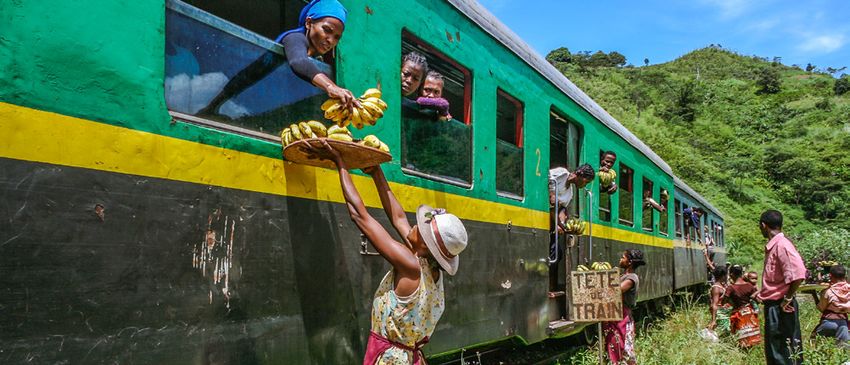
5
SCOPING AND ASSESSMENT REPORT – MSME
ACCESS TO FINANCE ECOSYSTEM IN AFRICA

        PRINCIPLES ENCOMPASS OF THE FOLLOWING FACTORS:

                   IDENTIFY                           STRENGTHEN                            ENABLE
           SME financing needs and              SME access to traditional            SMEs to access diverse
            gaps and improve the                     bank financing.                non-traditional financing
               evidence base.                                                      instruments and channels.

                   PROMOTE                                 DESIGN                           IMPROVE
          financial inclusion for SMEs           regulation that supports a           transparency in SME
           and ease access to formal          range of financing instruments            finance markets.
         financial services, including            for SMEs, while ensuring
              for informal firms.             financial stability and investor
                                                        protection.

                   ENHANCE                               ADOPT                            ENCOURAGE
            SME financial skills and            principles of risk-sharing       timely payments in commercial
               strategic vision.               for publicly-supported SME            transactions and public
                                                  finance instruments.                    procurement.

                                     DESIGN                                 MONITOR
                           public programmes for SME                   and evaluate public
                      finance, which ensure additionality,           programmes to enhance
                          cost-effectiveness and user-                    SME finance.
                                  friendliness.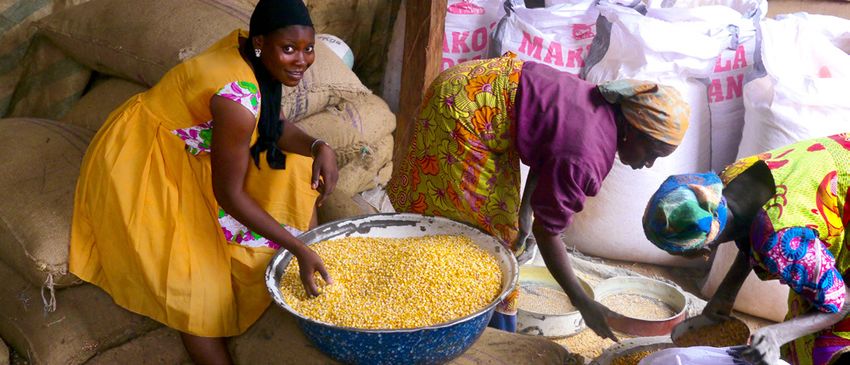
6
SCOPING AND ASSESSMENT REPORT – MSME
ACCESS TO FINANCE ECOSYSTEM IN AFRICA

AFI utilized the available frameworks to formulate
                                                                                                                 The AFI publication Inclusive
a guideline for AFI member countries, SME Finance                                                                Green Finance Policies for
Guideline Note (Guideline Note 36).11 This note                                                                  MSMEs14 deals with the
outlines a range of options and good practices to                                                                emerging fields of:
facilitate access to finance for small- and medium-sized                                                         >	the challenges posed by
enterprises. The note is aimed at regulators preparing                                                              climate change to MSMEs;
to plan, assess and implement policy and regulatory                                                                 and
measures to support access to finance for SMEs and                                                               >	inclusive green finance
follows the elements of the framework mentioned                                                                     policies and regulations for
                                                                                                                    MSMEs.
above. The note lists recommendations for the various
elements, making this a practical guide in terms of                                                              > View here
regulatory interventions. The note is informed by the
global SME landscape, so member countries should
customize their use of the note, based on their country                         The AFI publication Inclusive Green Finance Policies for
context.                                                                        MSMEs14 deals with the emerging fields of:

Recognizing that women entrepreneurs face                                       >	the challenges posed by climate change to MSMEs;
specific challenges, the AFI network have expressed                                and
commitment towards advancing women’s financial                                  >	inclusive green finance policies and regulations for
inclusion and halve the financial inclusion gender gap                             MSMEs.
across members’ jurisdictions by 2021, guided by the
10-point Denarau Action Plan.12                                                 This is done in the context of the AFI green finance
                                                                                framework of promotion, provision, protection and
AFI has also been one of the pioneers in addressing                             prevention, with the intention of using access to
the effects of climate change and championing                                   finance to help enable the transition to a sustainable
green finance, with its effect on sustainability                                and habitable environment.
and poverty reduction. This intention is captured
in the commitments contained in the Sharm El
Sheikh Accord.13 These commitments center around
strengthening the AFI network’s knowledge and                                   11 AFI (2019), SME Finance Guideline Note
                                                                                12 AFI (2016), Denarau Action Plan
awareness of the interlinkages between financial
                                                                                13 AFI (2019), Sharm El Sheihk Accord
inclusion, climate change and green finance.                                    14 AFI (2020), Inclusive Green Finance Policies for MSMEs

Kenyan vegetable farmer carrying a crate of spinach on her head. (Photo by boezie/iStock)
7
SCOPING AND ASSESSMENT REPORT – MSME
ACCESS TO FINANCE ECOSYSTEM IN AFRICA

2020 SMEFWG –                                                  Countries use diverse classes of providers to provide
                                                               access to finance for MSMEs. In all cases, banks and
QUESTIONNAIRE TO                                               microfinance institutions are enabled to act as credit

INFORM THE POLICY                                              providers.

FRAMEWORK FOR                                                                 Some countries (46 percent) allow
THE MSME FINANCING
ECOSYSTEM IN AFRICA                                            46 %           dedicated credit-providers, i.e. non-
                                                                              deposit taking institutions including
                                                                              credit unions, to provide credit to MSMEs.

                                                               The use of alternative sources is emerging (e.g. the
A survey among AFI SME Finance WG                              capital market), with established regulatory oversight
members was conducted to ascertain                             of such alternatives or being considered. Leasing and
the policy, regulatory, service provider                       factoring still appear to be in a nascent phase, but the
                                                               availability of these mechanisms for alternative finance
and user landscapes in the MSME access
                                                               seems to be growing, with 31 percent of respondents
to finance ecosystems. The survey                              indicating that these mechanisms are being offered in
questionnaire is presented in Annexure                         their jurisdictions.
1. The results of the survey confirmed
the general points of focus as described                       The market conduct of credit providers is regulated
                                                               through some form of a regulatory framework in all
in this document, as indicated with
                                                               the respondents’ countries. The structure of these
references to the survey in some of the                        frameworks varies between countries. It includes:
Sections of this document. Many of the
                                                               >	a general law prescribing market behavior of
members who completed the survey                                  providers;
indicating well-developed ecosystems.                          >	a specific set of requirements in an act relating to
However, there are also some areas                                credit providers or as part of acts specifying the role
where additional focus could prove to                             and responsibilities of different types of financial
be beneficial.                                                    service providers;
                                                               > the issuing of regulations by the regulator.
The importance of developing and using an MSME
access to finance policy was underscored by the vast           The market conduct regulatory framework in many
majority of respondents (79 percent) indicating that a         countries is further strengthened by a formal and
policy is in place or is in the process being developed.       independent dispute resolution mechanism that allows
In practically all cases (90 percent), oversight of the        MSMEs who are aggrieved by the conduct of a credit
policy and its implementation is done within a multi-          provider to lodge a complaint with a designated
institutional structure.                                       authority.

                The central bank/regulator was the             The credit infrastructure in countries is developing and
                institution carrying primary responsibility    creating a more enabling environment for sustainable

 30 %           for this policy in only 30 percent of cases,   access to credit and increasing the market reach of
                indicating that country-specific dynamics      credit providers. Credit information sharing through
                and mandates determine the multi-              credit bureaus, risk-sharing for credit providers
                institutional structure for this policy.       through credit guarantee schemes and the extension
                                                               of collateral through movable asset registries and
                                                               accompanying legal frameworks are used by the
Most countries use structured data to assess the access
                                                               majority of countries. Some respondents also reported
to finance situation in a country to ensure that the
                                                               the use of credit repositories (in conjunction with the
design of initiatives and the setting of priorities are
                                                               use of credit bureaus), as well as MSME credit rating
done on an informed basis. Countries use supply-
                                                               agencies. Interestingly, no country reported the use of
side data from credit providers, with 50 percent of
                                                               alternative data to inform the credit process for MSMEs.
countries using demand-side surveys to get to an overall
assessment. These surveys are done, or are intended to
be done, on a regular basis.
8
SCOPING AND ASSESSMENT REPORT – MSME
ACCESS TO FINANCE ECOSYSTEM IN AFRICA

Business development services are recognized as an                         It is clear from these figures that informality, and the
essential element in the development and enabling of                       associated difficulty with obtaining financial services
MSMEs, often in conjunction with access to finance.                        and contributing more directly to the economy, is a key
Such services are being used in most countries, with the                   element in the AFI network.
state playing a major role in providing these services in
more than half of the countries. An appropriate ministry                   Most countries recognized the importance of
or specifically established state agency often play a key                  gender equality and empowering the youth in MSME
role in business development, in conjunction with other                    development, but the importance of responding to
participants in the MSME space.                                            climate change and supporting green finance did not
                                                                           feature as strongly in the survey results.
The importance of addressing the informal MSME
market was highlighted by those respondents indicating
the relative importance of the informal sector in their
countries. Figures of 40 percent - 70 percent of MSMEs
were estimated to be informal, with an estimated
contribution to GDP of 40 percent - 60 percent by the
informal MSMEs.

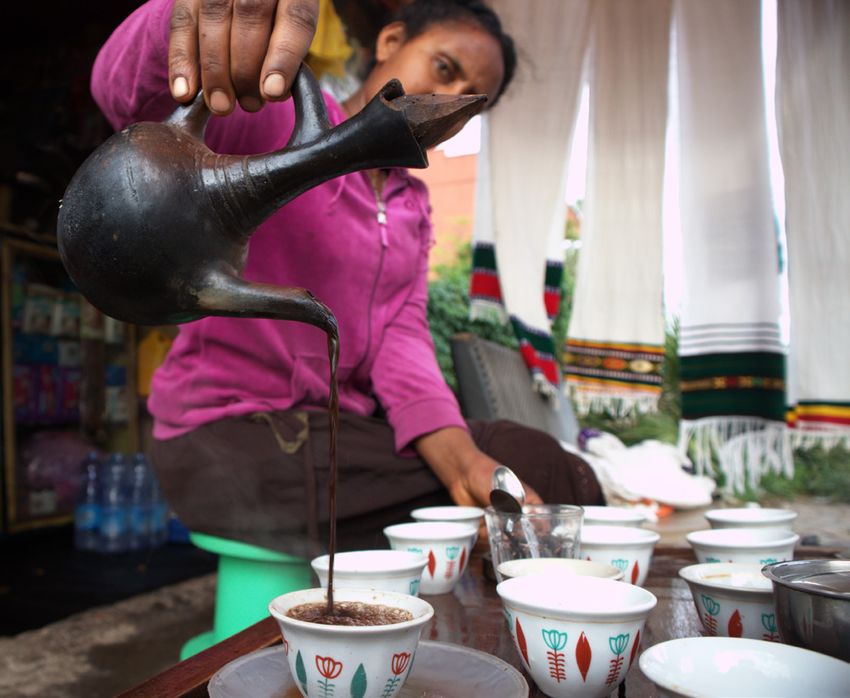
Traditional coffee shop. Ethiopia. (Photo by Stewart Innes/Shutterstock)
9
SCOPING AND ASSESSMENT REPORT – MSME
ACCESS TO FINANCE ECOSYSTEM IN AFRICA

OVERVIEW OF RECENT                                          Loan guarantee volumes continued to rise, with both
                                                            governments and private institutions involved in
MARKET AND POLICY                                           promoting the SME providing guarantees.

DEVELOPMENTS IN                                                                 About one-fourth of SMEs globally applied
THE MSME FINANCING
ECOSYSTEM                                                    25 %               for credit, showing that the majority of
                                                                                SMEs do not seek external financing.

                                                            This figure has remained stable over the past four to
                                                            five years, suggesting that the demand for credit has
MARKET DEVELOPMENTS                                         been relatively constant over the reference period. This
4.1.BANK LENDING REMAINS IMPORTANT, WITH SLOW               seemingly low level of demand is caused by some SMEs
GROWTH                                                      not needing or wanting to use external debt, but it is
The lingering consequences of the 2008 global financial     also the result of a lack of access or a belief that credit
crisis are still present in banks’ general risk aversion,   will not be provided.
with banks slowly re-entering the MSME credit market.
The MSME demand for access to finance is, therefore,        The European Investment Bank’s annual study Banking
developing into different sources. The OECD’s Financing     in Africa - financing transformation amid uncertainty16
SMEs and Entrepreneurs 2020 An OECD Scoreboard15            provides an overview of the issues that service
shows that SMEs globally are opting for alternative         providers face in the African market. The study is
finance instruments to a significant extent, while the      based on interviews conducted with banking groups of
growth in straight debt volumes (e.g. bank lending) has     various sizes and market focus across the continent and
been slower. This step towards financial diversification    provides a useful summary of these service providers’
is in line with the G20/OECD High-Level Principles on       perceptions of market conditions.
SME Financing mentioned above.
                                                            Overall, banks are planning to extend their loan
The use of a diverse range of alternative financing         activities, as could be expected. The manufacturing
instruments by SMEs globally, including asset-based         and agriculture sectors are the top focus areas, with
instruments, online alternative finance and venture         most banks (87 percent) of the respondents placing a
capital, continued to grow in the reporting period for      high priority to SME financing, although SMEs do not
the Financing SMEs and Entrepreneurs 2020 An OECD           yet constitute a large proportion of bank portfolios
Scoreboard publication:                                     in Africa. However, the banking groups identify some
                                                            specific constraints to lending to SMEs: a shortage of
>	Leasing and factoring volumes were up in a large
                                                            bankable projects, a lack of effective collateral, a
   majority of countries, in line with long-term trends.
                                                            lack of managerial capacity, informality and a high
   Growth in factoring accelerated;
                                                            default rate amongst SMEs. Most banks regard portfolio
>	Online alternative finance activities were up by 54      (loan) guarantees as important and necessary, but,
   percent;                                                 unfortunately, consider the available schemes as not
>	Venture capital investments rose by 20.9 percent;        adequately meeting their needs. In terms of their
>	Public listings on SME stock markets in 2018 were        own operational focus, banks mentioned credit risk
   down compared to 2017, but activities remained high      management and lending technology.
   from a long-term perspective.

On the other hand, both new lending to SMEs and the
outstanding value of SME loans grew only modestly
in 2018, with a significant drop in the growth rate of
these two indicators. The shift from short-term to
long-term SME lending continued, with long maturities
outweighing short maturities in most countries. More
than half of all new SME loans were of a maturity of
more than one year.
                                                            15	OECD (2020), Financing SMEs and Entrepreneurs 2020 An OECD
Loan guarantees schemes remain the most widespread              Scoreboard
                                                            16	EIB (2020), Banking in Africa - financing transformation amid
instrument to address market failure in MSME finance.           uncertainty;
10
SCOPING AND ASSESSMENT REPORT – MSME
ACCESS TO FINANCE ECOSYSTEM IN AFRICA

The reasons that banks mentioned that are holding                                    Banks report an increasing focus on establishing and
them back from lending more to SMEs are given in                                     deepening their digital banking services. Digital services
figure 1 below.                                                                      reduce the cost of intermediating with smaller clients
                                                                                     and provide deposit collection at a lower cost, as well
As can be seen, the major reason given is lack of                                    as relieving some pressure on branch networks to fulfil
collateral, followed by managerial capacity and lack                                 their client servicing mandate. A focus area is the
of information. The fact that banks did not consider                                 deployment of technology adapted to the context of
competition to be a constraint (only 2 percent                                       African countries to lower the cost of and reduce the
mentioned this) seems to indicate that there is                                      risks associated with providing loans to MSMEs.
significant scope for banks and other credit providers to
expand into the credit market in Africa.                                             Optimizing the level of competition within Africa’s
                                                                                     banking sectors is another challenge, as policymakers
                                                                                     must strike a balance between decreasing lending
 WAYS IN WHICH BANK LENDING TO MSMES CAN BE
                                                                                     margins (potentially reducing revenue) and ensuring
 SUPPORTED
                                                                                     financial stability (requiring higher levels of capital).
 >
   The lack of collateral suggests that portfolio
   guarantees could have an important role to play.
                                                                                     4.2. THE DIGITIZATION OF FINANCIAL SERVICES
 >
   The lack of managerial capacity (and the high                                     The trend towards digitization in financial service
   default rates) of SMEs suggest that capacity                                      providers take many forms and is ever-evolving:
   building for SMEs is an important lever to increase
                                                                                     >	The digitization of delivery and payment channels
   access to finance and productive use of such
                                                                                        (mobile and Internet banking, digital payments) is
   finance.
                                                                                        well-established.
 >
   The lack of information on SMEs suggests that
                                                                                     >	The use of mobile money, where Africa has been the
   building the capacity of the credit information
                                                                                        leader for more than a decade.
   industry (credit bureaus and others) could play an
   important role.                                                                   >	The increased digitization of services in banks and
                                                                                        other FSPs (e.g. automated processes and digital
 This requires better cooperation between
                                                                                        client support).
 commercial banks and policymakers to enhance the
 credit reporting systems. This cooperation is also                                  >	The incorporation of FinTechs in the products and
 required to establish and grow the use of collateral                                   services offered by FSPs.
 registries to enable greater levels of SME financial                                >	FinTechs offering services directly where regulations
 inclusion.                                                                             allow this.

  FIGURE 1: MAIN OBSTACLE TO SME LENDING, %

                                           4 2      37
                                     4                                                  Lack of collateral

                             7                                                         lack of managerial capacity of SME

                                                                                       Lack of information (financial or ID)

                                                                                       High default rate

                        12                                                             Lack of credit reference bureaus

                                                                                       Regulatory / legal barriers

                                                                                       Quality of asset portfolio
                                                                17
                                                                                       High competition
                                         17

  Source: EIB report Banking in Africa - financing transformation amid uncertainty
11
SCOPING AND ASSESSMENT REPORT – MSME
ACCESS TO FINANCE ECOSYSTEM IN AFRICA
The EIB report17 Banking in Africa - financing > About half of borrowers reported having repaid
transformation amid uncertainty confirms these trends a digital loan late, and a significant proportion
and acknowledges that these trends are present in the re¬port having defaulted. Fifty-six percent of
African banking industry and, in some cases, world- borrowers in Tanzania and 47 percent in Kenya have
leading. repaid a digital loan late; 31 percent in Tan¬zania and
12 percent in Kenya report having defaulted.
While the long-term effect of the COVID-19 pandemic is > The survey findings suggest that digital credit is
still busy plying out, it is clear that the virtual universal not widely used by the most vul¬nerable groups
response by banks and other FSPs to the pandemic has characterized by irregu¬lar cash flows, such as those
been an increased focus on digital financial services primarily receiving income through farming and
(DFS). In some cases, the additional take-up of these casual work.
services has been well above expectations. In all
> The results also indicate that better transparency
likelihood, the pandemic has given the growth of DFS
and consumer protection requirements are
a permanent boost and an increased focus on the
needed, and regula¬tors will need tools to monitor
development of DFS is likely to follow.
com¬pliance and consumer outcomes in this market.
The section Digitization in Africa: Channeling Funding
The G20 document20 Digital Innovation Can Improve
to SMEs by Matthew Gamser from the IFC in the
Financial Access for SMEs stresses the growing
publication SME Finance in Africa – What’s New18
importance of DFS in MSME access to finance. Process
emphasizes that the digitization is not restricted
automation, innovation in technology use and the
to retail clients and payments, but that it actively
sharing of data (from DFS) are identified as key issues.
extends into MSME access to finance as well. There
The potential contribution of digital services to improve
are numerous examples in east and west Africa of such
efficiencies (thereby reducing cost) and making
initiatives, and these are likely to grow significantly, for
access to such services far more widespread (thereby
example, digital credit providers in Kenya and Tanzania.
increasing reach) requires on-going support from all
Lessons and insights these developments are described stakeholders, including regulatory authorities.
in the CGAP/FSD Kenya publication A Digital Credit
The IFC in the publication Digital Access: The Future
Revolution Insights from Borrowers in Kenya and
of Financial Inclusion in Africa21 arrives at very similar
Tanzania.19 Digital credit in this study refers to loans
conclusions. It highlights the use of alternative data to
that are delivered and repaid digitally, typically over a
develop new credit products and the potential of DFS
mobile phone. These loans are:
to provide banking services to small-scale farmers and
> Instant. Digital lenders use digital data, such as digitizing the specific agricultural value chain in the
airtime top-ups, mobile phone call records, and app- process. The digitization of the cocoa value in Côte
based data (on smartphones), on potential borrowers d’Ivoire is described, showing that DFS could serve as
to make near-instant credit decisions. Disbursement an entry point for broader financial inclusion of the
also happens quickly because loans are delivered farming community.
digitally.
> Automated. From registration to application,
disbursement, and repayment, lender decisions and
actions are automated, based on pre-set parameters.
> Remote. Loan applications, disbursements, and
repayments are managed and con¬ducted remotely,
generally eliminating human interaction from the loan
process.
Some of the important insights are:
> Household and business needs dominate reasons
for borrowing. Digital borrowers report primarily
taking out loans for ordinary house¬hold needs (35 17 EIB (2020), Banking in Africa - financing transformation amid uncertainty
percent in Kenya, 37 percent in Tanzania) or for 18 Proparco (2019), SME Finance in Africa – What’s New
busi¬ness purposes (37 percent in Kenya, 31 percent 19 CGAP/FSD Kenya (2018), A Digital Credit Revolution Insights from
Borrowers in Kenya and Tanzania;
in Tanzania). 20 G20 (2019), Digital Innovation Can Improve Financial Access for SMEs
21 IFC (2018), Digital Access: The future of Financial Inclusion in Africa;12
SCOPING AND ASSESSMENT REPORT – MSME
ACCESS TO FINANCE ECOSYSTEM IN AFRICA
POLICY DEVELOPMENTS single facility that enables MSMEs to register with all
4.3.NATIONAL COORDINATION OF MSME applicable authorities and agencies as a one-stop-shop.
DEVELOPMENT, INCLUDING ACCESS TO CREDIT This type of approach is the outcome of a coordinated
MSME ecosystems are complex, with different approach and is in the interest of all stakeholders.
components falling under different governmental
Regulatory authorities are using the coordinating
domains and regulatory frameworks. Overarching
approach to extend the scope of their efforts to
MSME policies, therefore, require active coordination
improve the MSME access to finance ecosystem.
among the major stakeholders. In the absence of
The Central Bank of Egypt is an example of this, in
such a coordinating effort, component-based policy
that, their Nile Pioneers23 initiative involves the Nile
initiatives run the risk of not achieving the desired
University, the Financial Regulatory Authority and
impact, because of factors outside the scope of such
the Egyptian Banking Institute. This initiative has
individual policies. Many countries have established
evolved, aiming to enable SME lenders to understand
such coordinating structures, with the central bank and
the SME landscape and to assist the lenders to
other key members of financial services regulators of
engage in improving the capacity of MSMEs through
such structures.
business development centers, supported in part by
The survey conducted amongst AFI SME Finance WG the expertise from the University and the capacity of
members (refer Section 4 of this document) confirmed the Financial Regulatory Authority. This constitutes
that an overall MSME policy either exists or is in the a virtuous circle in the ecosystem, in that, improved
process of being formulated. In most cases, the Ministry capability within lenders will lead to improved capacity
of Trade/Commerce/Industry or similar holds the in MSMEs, resulting in business growth for both.
primary responsibility or the policy, but in a few cases, 4.4. THE USE OF DATA TO ENHANCE THE MSME ACCESS
it is the central bank (e.g. Morocco) or a coordinating TO CREDIT ECOSYSTEM
financial inclusion structure (e.g. Mexico with the
The availability and use of data are essential to inform
National Council for Financial Inclusion). Some countries
MSME access to finance policy and strategy, improve the
do include gender-specific issues in this policy (e.g.
effectiveness of the credit risk reporting infrastructure
Zimbabwe), which makes it easier to implement the
and inform the design of the credit products and service
policies in a gender-sensitive matter.
models offered by credit providers. The more complete,
accurate and relevant the data sets are, the better the
The OECD document Improving the business
ecosystem operates and develops.
environment for SMEs through effective regulation22
makes the point that it is key for MSME development
to make the interaction of MSMEs with the various 22 OECD (2018), Improving the business environment for SMEs through
effective regulation;
regulatory requirements as efficient and as simple
23 Oxford Business Group (2019), New lending initiatives increase access to
as possible. It has become best practice to set up a finance for Egypt’s SMEs;
Baker in shop selling traditional puffed and round bread on street of Cairo, Egypt. (Photo by Juan Alberto Casado/iStock)13
SCOPING AND ASSESSMENT REPORT – MSME
ACCESS TO FINANCE ECOSYSTEM IN AFRICA
It is important to collect and provide data that enables mechanisms in the country. In the case of Eswatini,
gender-specific and youth-specific insights, as such the realization that micro and informal businesses are
insights are necessary to effectively include these not being served by financial services providers (as
segments. indicated by the survey) led to the establishment of
business clinics – regular focus group discussions with
The G20/OECD High-level Principles for SME Financing24 such enterprises to keep track of their needs and to
are explicit on the use of informed evidence to guide what extent these are being met.
policies and strategies. As a first step in developing
a strategy for enhancing MSME access to finance, The WBG’s Enterprise Surveys27 covers most countries
governments should assess the extent to which and provides a ready-made basis for assessment
SMEs’ financing needs are met and where gaps exist. and cross-country comparison. These surveys are
This should be done in cooperation with relevant firm-level surveys of a representative sample of an
stakeholders, including central banks and financial economy’s private sector. The surveys cover a broad
supervisory authorities, financial services and research range of business environment topics, including
institutions and SME representatives. Efforts should access to finance, corruption, infrastructure, crime,
be placed on improving statistical information about competition, and performance measures. The survey
SME financing, particularly in developing economies, results are in the public domain. The European Bank
as a lack of reliable evidence constrains policy for Reconstruction and Development (EBRD) recently
design, implementation and assessment. The use launched an initiative28 to conduct MSME surveys,
of standardized data and measurement indicators, similar and compatible to the WBG’s enterprise surveys,
within and across countries, facilitate international in 40 countries in central Europe, Russia, Central
benchmarking and regulatory coordination, and can Asia, the Balkans, parts of the Middle East and North
shed light on outstanding financing gaps and issues. In Africa. Topics included in the questionnaire – such as
this regard, the AFI SME Financial Inclusion Indicators productivity, the adoption of technology and innovation,
Base Set25 should be populated and used, as this competition, the qualification of the workforce,
represents the consensus of AFI members on what the informality, access to financial services, infrastructure
most important indicators are and the sources of the and the impact of government regulations – will be
data to populate those indicators. comparable on a global scale. The survey will also
include a module on the green economy.
The supply-side of MSME finance is being addressed
by credit providers and regulatory authorities with
The AFI SME Finance Guideline
information regularly updated by the credit providers. Note29 similarly stresses the
Credit registries (see Section 3.8 below) are also importance of data in the SME
beginning to play a significant role in informing finance system, referencing
authorities of the take-up and portfolio quality of the AFI SME Financial Inclusion
MSME lending. To get a complete view of the state Indicators Base Set. It also
makes the connection between
of use/non-use of MSME access to finance, demand-
such data and the business
side information is also necessary. This typically advisory services to respond to
requires a survey to be undertaken. Some demand- the needs of SMEs.
side surveys exist and are being used, like the FinMark > View here
Trust FinScope MSME surveys,26 used by a number of
countries in Africa. The survey undertaken among AFI
Finance Working Group members (see Section 4 below),
indicated that an estimated 50 percent of AFI member
countries use demand-side surveys, including countries
such as Eswatini, Namibia, Zimbabwe, and Egypt. Such
surveys provide a perspective from the MSME sector
and highlight constraints and realities that could be
targeted by policy and regulatory interventions. For 24 GPFI (2015), G20/OECD High-level Principles for SME Financing
25 AFI (2015), Guideline Note 16: SME Financial Inclusion Indicators Base
example, Namibia used the demand-survey to formulate Set;
the MSME access to finance policy, based on the needs 26 http://finmark.org.za/_programme/data-for-financial-markets/
finscope/finscope-msme/
of the MSMEs as determined in the survey. This has led
27 https://www.enterprisesurveys.org/en/about-us
to the focus on business services for the development of 28 https://www.ebrd.com/news/2018/ebrd-eib-and-wbg-launch-new-
MSMEs and the strengthening of the dispute resolution enterprise-survey-in-over-40-countries.html
29 AFI (2019), SME Finance Guideline Note14
SCOPING AND ASSESSMENT REPORT – MSME
ACCESS TO FINANCE ECOSYSTEM IN AFRICA
4.5. REGULATORY FRAMEWORKS 4.6. INCREASED FOCUS IN ALTERNATIVE MECHANISMS
Regulatory frameworks are the essential maps to the FOR CREDIT ACCESS
MSME access to finance landscapes. The frameworks The continued slower than required growth in lending
define the classes of credit providers that can operate from banks and similar types of credit providers to the
in a market, under what conditions and under what MSME sector, due to mismatches in what banks can
prudential requirements. It is therefore essential to offer and what MSMEs require, has led to the increased
ensure that such frameworks enable a sufficiently broad use of alternative mechanisms for MSME financing, as
range of classes of credit providers to meet the needs mentioned in section 3.1 above.
of the market in a stable and sustainable manner.
The OECD publication New Approaches to SME and
Commercial banks typically have limited reach with Entrepreneurship Financing: Broadening the Range of
their branch networks skewed towards urban areas. Instruments31 provides an overview of these alternative
It is, therefore, necessary to enable other classes of mechanisms and has been used in international forums
financial service providers, i.e. non-bank financial discussing the issue of alternative financing:
service providers or NBFIs to establish a presence in the > Asset-based finance is a widespread form of finance
more rural areas. This is especially necessary to serve for SMEs, used to monetize the value of specific assets
rural areas and farming communities. Most countries and access working capital under more flexible terms
have established a microfinance regulatory framework than they could from conventional lending channels.
with this in mind, with appropriate levels of capital As firms obtain funding based on the value of specific
adequacy and regulatory compliance to allow for lower assets, including accounts receivables, inventory,
operational costs. In some countries, e.g. Ghana, this machinery, equipment and real estate, rather than
approach has been successfully refined by establishing on their own credit standing, asset-based finance can
second- (microfinance institutions) and third-tier serve the financing needs of start-up and small firms
(microcredit institutions) to serve the entire MSME (and that have difficulties in accessing traditional lending.
individual) markets in Ghana. In the forms of factoring and leasing, asset-based
finance is widely used in many countries.
The use of technology enables different types of credit
providers and different mechanisms for MSME access
to finance. The IFC publication Regulating Alternative
Finance: Results from a Global Regulator Survey30
mentions peer-to-peer/marketplace lending and
equity crowdfunding as two such developments with
significant potential. Whilst such developments hold
many promises, each also brings particular risks and 30 IFC (2019), Regulating Alternative Finance: Results from a Global
Regulator Survey;
regulatory challenges and should be included in the
31 OECD (2015), New Approaches to SME and Entrepreneurship Financing:
regulatory frameworks of countries. Broadening the Range of Instruments;
Vendors in a fresh food and grain market. Tamale, Ghana. (Photo by fivepointsix/Shutterstock)15
SCOPING AND ASSESSMENT REPORT – MSME
ACCESS TO FINANCE ECOSYSTEM IN AFRICA
> Factoring is defined as a type of supplier financing, Leasing typically requires initial down payments from
in which enterprises (sellers) sell their creditworthy the MSMEs. Research shows that companies without
accounts receivable at a discount (generally equal an established credit profile use leasing more often
to interest plus service fees) and receive immediate than well-established companies because leasing
cash from a specialized institution, or factor. In allows them to reduce their financing costs relative
other words, the factor buys the right to collect an to other options.32 The main reason for this is that
enterprise’s invoices from its customers, by paying the the lessor retains ownership of the asset, thereby
firm the face value of these invoices, less a discount. reducing the risk to the lessor.
The degree of regulation governing factoring varies From a public policy perspective, leasing incentivizes
between countries. There are four main regulatory formality in economies, where widespread informality
approaches: exists. Informal SMEs have limited access to formal
> countries with complete supervision, regulation and sources of finance, such as banks. Once a business
licensing of all factoring products and services (China); starts operating with leasing, it begins to establish a
credit profile that becomes part of the formal credit
> countries that require factoring service providers to
information system. This information then becomes
obtain a banking license and hence, compliance of
available to financial institutions, enabling MSMEs to
capital adequacy regulations (e.g. Mexico);
access additional financial services.33
> countries that require registration by the factor as
a financial institution, but do not regulate capital Leasing is used extensively in developed and larger
adequacy (e.g. Turkey); economies, but its use is evolving in emerging
> countries with no official regulation or governmental economies as well, with Brazil, Colombia and South
supervision, but in which membership to international Africa having active leasing markets. The survey
factoring associations is well-established (e.g. Russia). referred to earlier confirmed the use of leasing
in many AFI members’ countries, with use more
The survey conducted among AFI SME Finance WG widespread than for factoring.
members confirmed the use of factoring FI members’
countries, e.g. in Mexico, Eswatini, Costa Rica, > Debt securitization and covered bonds are
Bangladesh and Zimbabwe. instruments for the refinancing of banks and their
portfolio risk management. In essence, banks would
The Mexican DFI Nacional Financiera (NAFIN) has package and sell a portion of their loan book to raise
enabled the successful implementation of factoring. finance for further business activity. This market has
NAFIN’s program, in essence, links small and more risky developed significantly, although the global financial
suppliers with larger, creditworthy firms that buy from crisis slowed this development for a while. These are
them. Small firms can then use the receivables from important instruments to foster SME lending, as the
their larger clients to secure loans. Participating SMEs process of securitization draws in other funders that
must be registered with NAFIN and have an account are not necessarily engaged in the MSME market.
with a bank that has a relationship with the buying
enterprise. Following a factoring transaction, funds are > Crowdfunding has grown rapidly since the mid of
transferred directly to the MSME’s bank account and the 2000s, but it still represents a minor share of
the factor service provider (i.e. the bank) becomes the business financing. While the pace of technological
creditor. NAFIN requires that all factoring services are developments has enabled a rapid diffusion of
offered without additional collateral or service fees, at a crowdfunding, the regulatory environment has limited
maximum rate that is below commercial bank rates. The a broader adoption, especially for securities-based
sale of receivables and the transfer of funds are done crowdfunding (equity crowd-funding). With proper
electronically. Through this arrangement, around 7000 regulatory oversight and market development,
MSMEs per annum have benefitted from the scheme. there is no reason why this cannot become a more
significant mechanism for MSME access to finance.
> Leasing is a three-party arrangement, where one
party, the lessor, buys an asset from the supplier upon
request of the lessee (e.g. the MSME) and leases this
asset to the lessee for a certain period in exchange
for leasing payments. The total value of leasing 32 Sharpe and Nguyen (1995), Capital Market Imperfections and the
Incentive to Lease
payments may or may not amortize the cost of the
33 Al Sugheyer and others, IFC (2009), Leasing in development. Guidelines
leased asset. for emerging economies.16
SCOPING AND ASSESSMENT REPORT – MSME
ACCESS TO FINANCE ECOSYSTEM IN AFRICA
> Hybrid instruments combine debt and equity for listing or achieved sufficient trading to maintain
features into a single financing vehicle. These active markets. A key challenge is to achieve the right
techniques represent an appealing form of finance balance between greater flexibility and lower costs
for enterprises that are approaching a turning point for SMEs wanting to use this form of financing and due
in their life cycle. When the risks and opportunities diligence requirements to preserve market integrity
of the business are increasing, a capital injection and transparency and attract investors. India’s NSE
is needed, but these enterprises have limited or no Emerge34 is one of the more successful SME equity
access to debt financing or equity, e.g. young high- initiatives. It is part of the National Stock Exchange
growth companies. Governments can use one of the (NSE), aimed at SMEs and start-up companies. These
mechanisms that have been deployed in a country companies can get listed on NSE Emerge without
(see Section 3.7 below) to participate in these an Initial Public Offering (IPO) and with simplified
instruments, typically by establishing a fund or funds requirements. Over 200 companies have listed and
for a specific purpose, e.g. innovation funds. about a dozen have moved to the main board of the
NSE.
> Equity finance comprises all financial resources
that are provided to the firms in return for an > Venture capital and angel investing (private equity)
ownership interest. These include including public are typically targeting a small pool of high-growth
instruments, i.e. equity shares traded in some form potential companies, with the capacity for high
of a stock exchange, and private equity tools, which returns in a short timeframe. The two forms are
are relevant for the unlisted companies’ market. similar in some respects but are characterized by
Equity investors do not receive any security from different motivations, stage of investment, scale and
the investee company and their return is entirely operating models. Business angels invest their own
determined by the success of the entrepreneurial money, rather than collecting funds from a variety
venture. Equity financing is especially relevant for of investors, focus mainly on the seed and early
companies that have a high risk-return profile, such stage, contrarily to venture capitalists’ increasing
as new, innovative and high growth firms. Seed and focus on later stages, bring into the venture their
early stage equity finance can boost firm creation and own entrepreneurial skills and expertise, with a
development. more hands-on role in the company than venture
capitalists.
For decades, private market participants and
authorities have been encouraging the establishment
of public SME equity markets. However, many SME
exchanges have failed to attract sufficient companies 34 https://www1.nseindia.com/emerge/index_sme.htm
Market trader swiping a credit card on a pos machine. Nigeria. (Photo by i_am_zews/Shutterstock)17
SCOPING AND ASSESSMENT REPORT – MSME
ACCESS TO FINANCE ECOSYSTEM IN AFRICA
4.7. CONTINUED SUPPORT FROM DIRECT STATE -E
ncourage apexes to crowd in commercial local
PARTICIPATION funding by having this as one of their objectives.
Some form of direct state support is one of the
cornerstones for improving the MSME access to finance > Public Credit Guarantee Schemes
ecosystem. The IFC’s SME Finance Policy Guide35 Credit guarantee schemes are an essential
provides an overview of the mechanisms in use and component of the credit infrastructure (see Section
gives some guidelines for the use of these mechanisms: 3.8 below). State intervention is often required
to establish such a scheme and to ensure that it is
> State Banks adequately capitalized to meet its commitments. This
For state-owned banks to play a positive and involvement does not have to preclude co-investment
complementary role in the provision of credit to and co-ownership by other interested parties, e.g.
SMEs, the following are advisable: commercial banks. Governments can also directly
-L
egislation must specify clear mandates, relating to guarantee loans, especially in times of crises, as
identified gaps in MSME financing; happened in a few countries in the current COVID-19
pandemic. Such measures should only be applicable
- Sound governance structures with independent
for a short period and for a particular unforeseen
boards;
event.
- Clear performance criteria, preferably with a
defined exit if the objective has been met; > Government Procurement from SMEs
- The obligation to price loans according to risk, and The public sector can be a major buyer of goods and
to generate a positive return; services from SMEs. In some countries, government
- The ability to recruit and retain qualified staff. entities are encouraged to procure a percentage of
their required goods and services from MSMEs, with
There are many examples of successful state banks, some of these targets allocated to women-led MSMEs.
with Morocco’s Crédit Populaire du Maroc (CPM) being This procurement from MSMEs can more effectively
one such example. It has succeeded in serving SMEs link these enterprises to supply chain finance and
due to its proximity to clients and an effective to factoring through the contractual and payment
governance structure. It is one of the largest Moroccan relationship.
banks, accounting for one-fourth of the country’s
banking assets. SME finance has been a significant This procurement and development of the MSME
source of profits due to good credit quality, effective access to finance ecosystem is a key growth lever for
pricing, and an inexpensive funding base. A specific the MSMEs to extend their market reach and improve
law lays out the foundations for effective governance their operational maturity and sustainability.
by clearly defining the CPM’s mandate and establishing
MSMEs in some countries are often quite critical
checks and balances between the head office and its
of the promptness of payments from the public
cooperative members.
sector. Failure to pay on time increases the cost of
> Apexes and Other Wholesale Funding Facilities doing business and could put the MSME in financial
Second-tier funding facilities, or apexes, can be distress. It is therefore critical that the public sector
set up to manage and on-lend funds to financial institutions pay SMEs promptly. This should also set
institutions, and to accelerate the growth of sound the benchmark for business-to-business payments, as
SME retail capacity to expand access to finance. delays in such payments are equally problematic for
Guidelines include: MSMEs.
- Define the apex mission and objectives clearly with > SME Capacity and Business Skills
a focus on sustainable and responsible financial Business skills and management capacity are typically
institutions and SMEs; areas in which MSMEs require support. The EIB
-F
ocus on putting in place good governance and study referred to earlier identified these as major
professional management, with the instruments on constraints faced by banks in Africa in the process of
offer by the facility geared to market context; providing access to finance.
- Manage an apex portfolio based on performance,
which includes sufficient data to enable complete
reviews of financial institution portfolios and be
willing to act in the case of poor performance;
35 IFC (2011), SME Finance Policy Guide18
SCOPING AND ASSESSMENT REPORT – MSME
ACCESS TO FINANCE ECOSYSTEM IN AFRICA
Recommendations for public sector-supported It is common amongst MSMEs, particularly micro-
initiatives to improve MSME capacity and business enterprises, not to be aware of the services, finance
include: mechanisms and skills training that are available to
- Structure the interventions in such a manner that them. This is detrimental to the financial well-being
standardized content is optimized, but not at the of the MSMEs and the potential contribution to the
expense of required segment-specific content. economy that such enterprises can make. A program
of outreach and awareness, aimed at getting the
-F
ollow a “train the trainer” approach, so that the
information to the whole MSME segment, including
intervention can easily be scaled.
informal MSMEs, is therefore required. This campaign
- Coordinate the activities and roles of public and should focus on segments with specific needs, e.g.
private organizations in the capacity building women- and youth-led enterprises and should be
interventions. structured in such a manner that it is easily understood
- Benchmarking and program evaluation are not by all MSMEs.
simple, yet ongoing monitoring and evaluation is
critical to the effective use of interventions. 4.8.FURTHER DEVELOPMENT OF THE CREDIT
INFRASTRUCTURE
> Other Areas of State Involvement The credit infrastructure in a country is a key
The OECD’s Financing SMEs and Entrepreneurs 2020 component in the MSME access to finance ecosystem.
An OECD Scoreboard36 identifies a number of specific The extent to which this infrastructure is developed
areas (some already mentioned in this section) that plays a major role in making access possible, driving
are and will continue to benefit from public sector efficiencies and sustaining the viability of MSME finance.
involvement:
- Extending the reach and use of credit guarantee Credit guarantee schemes and credit information
volumes; systems are the two most used and required parts of
the infrastructural ecosystem. The WBG document SME
-P
ublic support for equity finance instruments;
Finance37 highlights the use of credit guarantee schemes
-R
egulatory approaches and targeted policies to (CGS). A CGS provides partial guarantees on loans to
support FinTech developments are becoming more borrowers by covering a share of the default risk of the
widespread; loan in exchange for a fee. It is widely used in most
- Initiatives to foster “open banking,” whereby developed and developing countries, particularly to
financial institutions are obliged to share their data alleviate financing constraints of MSMEs.
with third-party financial service providers, are
emerging;
-G
overnments are implementing online tools for SMEs
36 OECD (2020), Financing SMEs and Entrepreneurs 2020 An OECD
and entrepreneurs to find the appropriate financial Scoreboard
and business support. 37 WBG (2017), SME Finance
Local SMEs around the FCE train (Fianarantsoa - East Coast) during a stop in a railway station. Madagascar. (Photo by pierivb/iStock)You can also read


