Self-care of heart failure patients: practical management recommendations from the Heart Failure Association of the European Society of Cardiology ...
←
→
Page content transcription
If your browser does not render page correctly, please read the page content below
European Journal of Heart Failure (2020)                                                              POSITION PAPER
                                     doi:10.1002/ejhf.2008

Self-care of heart failure patients: practical
management recommendations from the
Heart Failure Association of the European
Society of Cardiology
Tiny Jaarsma1,2*, Loreena Hill3, Antoni Bayes-Genis4,
Hans-Peter Brunner La Rocca5, Teresa Castiello6, Jelena Čelutkienė7,
Elena Marques-Sule8, Carla M. Plymen9, Susan E. Piper10, Barbara Riegel11,
Frans H. Rutten12, Tuvia Ben Gal13, Johann Bauersachs14, Andrew J.S. Coats15,
Ovidiu Chioncel16, Yuri Lopatin17, Lars H. Lund18, Mitja Lainscak19,
Brenda Moura20, Wilfried Mullens21, Massimo F. Piepoli22,23, Giuseppe Rosano24,
Petar Seferovic25,26, and Anna Strömberg1,27
1 Department    of Health, Medicine and Caring Sciences, Linköping University, Linköping, Sweden; 2 Department of Nursing Science, Julius Center, University Medical Center
Utrecht, Utrecht University, Utrecht, The Netherlands; 3 School of Nursing and Midwifery, Queen’s University, Belfast, UK; 4 Heart Institute, Hospital Universitari Germans Trias i
Pujol, Badalona, Spain; and CIBERCV, Instituto de Salud Carlos III, Madrid, Spain; 5 Department of Cardiology, Maastricht University Medical Centre, Maastricht, The Netherlands;
6 Department of Cardiology, Croydon Health Service and Department of Cardiovascular Imaging, Kings College London, London, UK; 7 Clinic of Cardiac and Vascular Diseases,

Institute of Clinical Medicine, Faculty of Medicine, Vilnius University, Vilnius, Lithuania; 8 Department of Physiotherapy, University of Valencia, Valencia, Spain; 9 Cardiology
Department, Hammersmith Hospital, Imperial College Healthcare NHS Trust, London, UK; 10 Department of Cardiology, King’s College Hospital, London, UK; 11 School of
Nursing, University of Pennsylvania, Philadelphia, PA, USA; 12 Department of General Practice. Julius Center, University Medical Center Utrecht, Utrecht University, Utrecht,
The Netherlands; 13 Heart Failure Unit, Cardiology department, Rabin Medical Center, Petah Tikva and Sackler Faculty of Medicine, Tel Aviv University, Tel Aviv, Israel;
14 Department of Cardiology and Angiology, Hannover Medical School, Hannover, Germany; 15 IRCCS San Raffaele Pisana, Rome, Italy; 16 University of Medicine Carol

Davila/Institute of Emergency for Cardiovascular Disease, Bucharest, Romania; 17 Department of Cardiology, Cardiology Centre, Volgograd State Medical University, Volgograd,
Russia; 18 Department of Medicine Karolinska Institutet and Department of Cardiology, Karolinska University Hospital, Stockholm, Sweden; 19 Department of Internal Medicine,
General Hospital Murska Sobota, Faculty of Medicine, University of Ljubljana, Ljubljana, Slovenia; 20 Hospital das Forças Armadas and Cintesis- Faculdade de Medicina da
Universidade do Porto, Porto, Portugal; 21 Department of Cardiology, Ziekenhuis Oost-Limburg, Genk, Belgium; and Biomedical Research Institute, Faculty of Medicine and Life
Sciences, Hasselt University, Diepenbeek, Belgium; 22 Department of Cardiology, G. da Saliceto Hospital, Piacenza, Italy; 23 Institute of Life Sciences, Sant’Anna School of Advanced
Studies, Pisa, Italy; 24 Centre for Clinical and Basic Research, IRCCS San Raffaele Roma, Rome, Italy; 25 Faculty of Medicine, University of Belgrade, Belgrade, Serbia; 26 Serbian
Academy of Sciences and Arts, Belgrade, Serbia; and 27 Department of Cardiology, Linköping University, Linköping, Sweden

Received 2 June 2020; revised 14 September 2020; accepted 14 September 2020

Self-care is essential in the long-term management of chronic heart failure. Heart failure guidelines stress the importance of patient
education on treatment adherence, lifestyle changes, symptom monitoring and adequate response to possible deterioration. Self-care is
related to medical and person-centred outcomes in patients with heart failure such as better quality of life as well as lower mortality
and readmission rates. Although guidelines give general direction for self-care advice, health care professionals working with patients with
heart failure need more specific recommendations. The aim of the management recommendations in this paper is to provide practical
advice for health professionals delivering care to patients with heart failure. Recommendations for nutrition, physical activity, medication
adherence, psychological status, sleep, leisure and travel, smoking, immunization and preventing infections, symptom monitoring, and
symptom management are consistent with information from guidelines, expert consensus documents, recent evidence and expert opinion.
..........................................................................................................
Keywords                     Self-care •       Heart failure •         Lifestyle •      Patient education

*Corresponding author. University of Linköping, Faculty of Health Science, Kungsgatan 40, 60174 Norrkoping, Sweden. Tel: +46 11 363550, Fax: +46 11 363551, Email:
tiny.jaarsma@liu.se

© 2020 The Authors. European Journal of Heart Failure published by John Wiley & Sons Ltd on behalf of European Society of Cardiology.
This is an open access article under the terms of the Creative Commons Attribution-NonCommercial License, which permits use, distribution and
reproduction in any medium, provided the original work is properly cited and is not used for commercial purposes.
2                                                                                                                                                                                                                  T. Jaarsma et al.

Introduction                                                                                                                                                 (iii) self-care management (e.g. changing diuretic dose in response

                                                                          ................................................................................
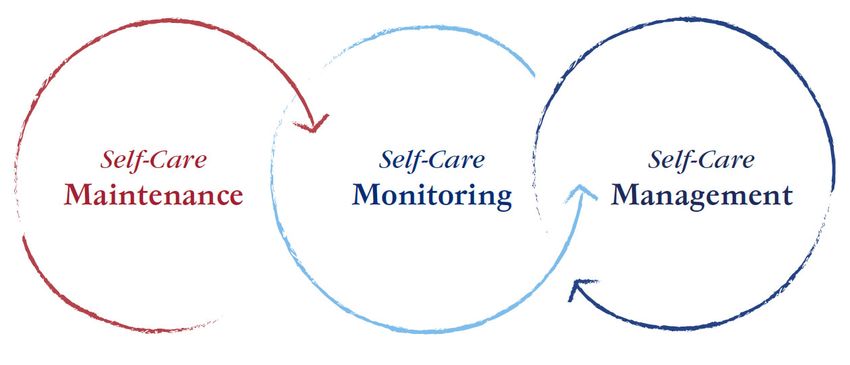
                                                                                                                                                             to symptoms) (Figure 1). For patients with HF it may be neces-
Self-care is essential for patients with heart failure (HF), and                                                                                             sary to regulate and adapt self-care during the disease trajectory,
improving self-care is a major focus of multidisciplinary HF man-                                                                                            e.g. during periods of deterioration, when comorbidities develop,
agement programmes worldwide. Self-care can be defined as a                                                                                                  or when the patient requires more advanced therapies. In fact, at
process of maintaining health through health promoting and pre-                                                                                              the time of writing this manuscript the world is fighting against
ventive practices.1 Patients with HF and more effective self-care                                                                                            the outbreak of COVID-19 (SARS-CoV-2 infection) by enforc-
behaviour have better quality of life and lower mortality and read-                                                                                          ing social isolation and distancing which has disproportionately
mission rates than those with lower levels of self-care.2,3                                                                                                  affected patients with HF. In these circumstances, self-care mainte-
   Multidisciplinary management programmes that focused on                                                                                                   nance, monitoring and management are even more important than
enhancing HF self-care significantly reduced HF and all-cause hos-                                                                                           usual to maintain HF stability and avoid deterioration of HF, which
pitalizations in patients with HF.4 This is confirmed in an indi-                                                                                            can lead to preventable contacts with the health care system, such
vidual patient data meta-analysis from 20 studies, representing                                                                                              as visits to the emergency room, visits to the general practitioner
5624 patients with HF, that found a beneficial effect of self-care                                                                                           and recurrent hospital admissions.
interventions on time to HF-related hospitalization or all-cause                                                                                                 Most guidelines state very general recommendations related to
death and HF-related hospitalization alone and HF-related quality                                                                                            self-care behaviours. This is due to the lack of evidence on the
of life.4                                                                                                                                                    effectiveness of separate self-care behaviours or on the effect of
   Although everyone (ill or healthy) is engaged in some level of                                                                                            very specific recommendations, for example how often a person
daily self-care, the need for self-care and the value of specific                                                                                            should weigh him/herself. At the same time there are several
guidance become more prominent once a person is diagnosed                                                                                                    research studies and guidance documents that can help clinicians
with a complex chronic syndrome such as HF. Misunderstandings,                                                                                               guide treatment and discuss decisions with patients.
misconceptions, and lack of knowledge all contribute to insufficient                                                                                             The aim of this paper is to summarise guideline recommenda-
self-care, and thus patient education is vital.5                                                                                                             tions, other relevant data and documents as well as expert opinion
   Self-care is an overarching concept formed of the three key                                                                                               related to HF self-care in order to provide practical management
concepts of (i) self-care maintenance (e.g. taking or adjusting med-                                                                                         guidance to health care professionals caring for patients with HF,
ication as prescribed, engaging in physical activity, and adhering to                                                                                        and to identify areas that require further research. This paper
a healthy diet), (ii) self-care monitoring (e.g. regular weighing), and                                                                                      serves as an update to previous

             Self-Care Maintenance: those                Self-Care Monitoring: the process of                                                                                      Self-Care Management response
             behaviours used by persons                  observing oneself for changes in signs                                                                                    to signs and symptoms when they
             with a chronic illness to maintain          and symptoms                                                                                                              occur
             physical and emotional stability.           • Shortness of breath /dyspnoea                                                                                           • Adjust diuretics
             • Restrict sodium when needed               • Oedema                                                                                                                  • Adjust other medications
             • Restrict fluids when needed               • Chest pain                                                                                                              • Adapt activity level
             • Limit/refrain from alcohol                • Decreased appetite /nausea                                                                                              • Adapt diet
             • When nutritionally deficient              • Fatigue, tiredness                                                                                                      • Ask for support
                consider food supplements                • Cough, wheezing                                                                                                         • Consult a health care professional
             • Vaccination                               • Thirst
             • Be physically active                      • Palpitation
             • Take medication as prescribed             • Dizziness
             • Recognize mood disturbances               • Activity level
             • Maintain healthy sleep                    • Weight
             • No smoking, no drugs                      • Pulse, blood pressure
             • Adapt travel and leisure if needed        • Need for support
                                                         • Nutritional status
                                                         • Fever, diarrhoea, vomiting
                                                         • Feelings of depression, low mood

    Figure 1 Self-care is an overarching concept based on three key concepts: (i) self-care maintenance (e.g. taking medication as prescribed,
    physical activity), (ii) self-care monitoring (e.g regular weighing), and (iii) self-care management (e.g. changing diuretic dose in response to
    symptoms).

            © 2020 The Authors. European Journal of Heart Failure published by John Wiley & Sons Ltd on behalf of European Society of Cardiology.
Self-care of heart failure patients 3
Heart Failure Association (HFA) recommendations on self-care team and receive optimized treatment, exercise advice, and
........................................................................................................................................................................
published in 2011.6 We have updated and reshaped the 2011 nutritional support.
document with research and recommendations published in
the past 10 years, developed sections on monitoring, travel Fluid and salt intake
and leisure, smoking, and expanded the document to reflect
patient preferences related to self-care. In general, advice • Fluid intake: Guidelines suggest that patients should limit fluid
related to self-care management is similar for patients with HF intake to 1.5–2 L in severe HF to relieve symptoms, and
with reduced ejection fraction (HFrEF), patients with HF with increase intake (and/or reduce diuretics) in hot and humid
mid-range ejection fraction (HFmrREF) and patients with HF with weather or in case of fluid loss.14,15 Very limited data with
preserved ejection fraction (HFpEF); however, when relevant, low level of evidence suggest that fluid restriction may reduce
we have added specific information for each ejection fraction the risk for HF hospitalization,16,17 whereas other reports
category in this version of the paper. The manuscript is orga- suggest it is not helpful for improving outcomes and is worse
nized in such a way that for each aspect of self-care, statements for patients’ quality of life.16 Fluid restriction is believed to
from guidelines and additional evidence are summarized, advice be especially important in patients with hyponatraemia, but
to patients provided, and professional attitudes outlined. Each in one observational study of hospitalized patients with HF
section concludes with recommendations for future research. and hyponatraemia, fluid restriction was not associated with
The recommendations are categorized into self-care behaviours a meaningful increase in serum sodium.18
that help to maintain stability, monitor for changes, and respond • Salt intake: There is no robust evidence for benefits of limiting
appropriately to symptoms. (We added a separate table (Table 1) salt intake in HF. In New York Heart Association (NYHA)
with advise to patients with heart failure regarding self-care, that class III–IV HF, ingesting >3 g salt per day was associated
can be found in the end of this paper). with increased risk of hospitalization and death19,20 whereas in
NYHA class I–II HF, an intake of 7.5% in the preceding
6–12 months or BMI4 T. Jaarsma et al.
supplementation is required. Intravenous iron has been found • Offer counselling to those who present with malnutrition or
........................................................................................................................................................................
to improve quality of life, peak oxygen consumption and alcohol dependency. Referral to nutritionist or dietician with
exercise capacity and to decrease HF readmissions.14,26–28 CV expertise should be offered to patients with cachexia,
Randomized controlled trials are ongoing investigating the morbid obesity, or unhealthy food intake. Consider referral
impact of intravenous iron supplementation on mortality and for support (addiction expertise) if the patient wishes to stop
hospitalizations.29 Whether increasing dietary iron supplemen- drinking alcohol.
tation has any benefits in HF remains unclear as oral treatment • Ask patients if they take any supplements (including vitamins)
was ineffective in increasing exercise capacity.30 and the rationale for it. Supplements have not been studied in
• Hyperkalaemia occurs in up to 40% of patients with chronic large randomized trials and the general recommendation is to
HF. Hyperkalaemia is associated with poorer outcomes and gain these micronutrients from a varied diet to prevent deple-
with hospitalization and mortality in patients with HF and tion. Some supplements might be expensive, some contain high
should be corrected. Hyperkalaemia can be iatrogenic, caused levels of sodium or potassium without the patient and health
by concurrent drugs and nutritional/herbal supplements.31 care provider knowing about it.
• Deficiencies of specific nutrients (e.g. selenium, coenzyme
Q10, zinc, iron, protein, thiamine) are associated with HF.32 Recommendations for future research
There is little evidence on the safe use of supplements.
Although inadequate intake and low plasma levels of micronu- • Weight management tailored for overweight patients with HF.
trients have been associated with adverse clinical outcomes, • Optimal fluid and salt management in patients with HF.
evidence supporting benefit from therapeutic repletion is • The need for micronutrient supplementation in patients with
limited. Thiamine (especially in alcoholics), and coenzyme HF.
Q10 have the most clinical trial data for supplementation.33,34 • Optimal dietary advice for cachectic patients
Other than in patients who are deficient in specific
micronutrients, there is no clear role for routine micronutrient
supplementation as a component of HF management.10,32 Optimize exercise tolerance and resume
sexual activity
Clinical practice and patients’ perspectives Current guidelines and evidence
Tailored advice for patients and their caregivers should be provided
considering their actual food and fluid intake, symptoms and • Exercise training may improve functional capacity, quality of life
current medication use. Severely ill patients with HF with low and reduce hospitalization.36
quality of life and decreased life expectancy should not be burdened • Guidelines recommend regular physical activity and/or exercise
with extensive lifestyle changes which may be of limited benefit. training, and specify that these are effective and safe in patients
with HF.14,25,37
Professional attitudes and behaviour • Extreme athleticism is associated with several distinct adverse
• Do not judge others for their lifestyle choices or behaviour. HF phenotypes, although direct causality is not established.38
• Educate the patient on a healthy, varied diet. This can be done • Sexual activity can be resumed for patients in NYHA class I
by a team member of the HF team and specialist consultation or II and for patients who are in NYHA class III or IV if their
of a dietician might be needed. condition is stable and optimally managed.39
• Because weight reduction may confer metabolic and functional
benefits, it is reasonable to recommend weight loss for selected Clinical practice and patients’ perspectives
patients, especially if young, functionally limited by overweight, Physical activity advice should incorporate patients’ views, prefer-
and morbidly obesity (e.g. BMI >35 kg/m2 ). However, weight ences, needs and values.
loss may be especially challenging for patients and caregivers
already managing chronic HF.10 Professional attitudes and behaviour
• Ask during every outpatient encounter about food intake.
It is reasonable for patients with HF to be screened for • Ask patients about physical activity and exercise tolerance as
unintentional weight loss at least annually, because of the strong part of routine clinical encounters.
association between cachexia and adverse clinical outcomes. It • Refer to an exercise-based cardiac rehabilitation programme.
is important to detect early weight loss and loss of appetite. • Support and be empathetic if a patient struggles or is scared
Research primarily focused on cancer patients found that of renewing exercise after diagnosis. Be aware that there are
identification of so-called ‘pre-cachexia’ and the provision of many different forms of exercise, and involve your patient in
tailored nutritional counselling, helped maintain nutritional selecting which might be best.
status, improve treatment tolerance and clinical outcomes.35 • When selecting the exercise modality, the patient’s preferences
Such findings might be applicable to a HF population. Consider and abilities, age, concomitant diseases, leisure and working
regular (twice yearly) blood tests to check for iron levels and habits, logistical restraints, and the availability of exercise train-
other micronutrients if history suggests this may be required.10 ing facilities and equipment should be taken into account.40 The
© 2020 The Authors. European Journal of Heart Failure published by John Wiley & Sons Ltd on behalf of European Society of Cardiology.Self-care of heart failure patients 5
EXPERT tool can be used for a standardized and yet individu- such as optimal time schedule, what to do in case of missed
........................................................................................................................................................................
alized training programme.41 dose, etc. This needs to be adapted to the needs of patients,
• Training protocols need to be adapted to each patient their level of understanding and their preferences. Consider
with regard to intensity (aerobic and anaerobic), type involving caregivers if the patient is agreeable and consents.
(endurance, resistance, and strength), method (continuous • Members of the HF team must be aware that several differ-
and interval), application (systemic, regional, and respiratory ent factors affect adherence,45 including polypharmacy asso-
muscle), control (supervised and non-supervised), and setting ciated with comorbidities, taking multiple doses per day, age,
(hospital/centre- and home-based).41 cognitive issues, patient’s understanding, addiction and poor
• Recognise problems with sexual activity, the relationship social support.50
between the patients’ sexual problems and HF and offer • Check if the patient understands the role of each medication in
pharmacological treatment for erectile dysfunction or spe- their treatment, ask if they are taking their medications and ask
cialist referral when necessary. Inform patients about energy if there are possible barriers for medication taking as a routine
consumption/exercise tolerance, and about the relationship part of each clinical encounter. Discussing pharmacy records
between sexual problems and HF. Consider to involve the part- (if patients collect their prescription) might be an option to
ner in these discussions. discuss possible barriers to adherence.
• Consider referral to other health care providers (e.g. psychol-
ogist, general practitioner, HF pharmacist) if necessary. Involve
Recommendations for future research
the multidisciplinary team in management plans in patients with
• Exercise programmes for specific HF populations such as complex comorbidities, including the general practitioner.
patients with HFpEF, the very elderly, cachectic or frail patients.
• Role of effects of telerehabilitation in promoting exercise Recommendations for future research
performance in patients with HF.
• Approaches to improve monitoring and improving medication
adherence including eHealth.
Optimize adherence to medication
Current guidelines and evidence
Optimize psychological status
• The reasons for non-adherence are multifactorial and effective Current guidelines and evidence
interventions include improving understanding of the benefits
of HF medication and self-care, as well as access and trust in • A lot of patients with HF symptoms (NYHA class II–IV) suf-
their provider and health system.42 fer from anxiety and depression. The rate of patients with
• Patients who are non-adherent have significantly increased HF and depressive symptoms escalates to nearly 70% during
rates of hospitalization and decompensation.43 hospitalization.51 Depressive symptoms and anxiety might have
• Guidelines recommend the provision of patient education with consequences for other self-care behaviours (e.g. exercise,
a particular emphasis on adherence and self-care.14 adherence), involvement in decision-making, and for family
• Depression,42 frailty44 and cognitive decline45,46 are clinical dynamics.52 Depression is an independent risk factor for
factors that can affect adherence. increased use of health care resources, with severe symptoms
• Family members and informal caregivers have an important role associated with increased mortality and hospitalizations.51,53
in improving adherence to self-care.47,48 • Good psychological support is important to both patients and
families.14
Clinical practice and patients’ preferences • Depression is associated with increased risk taking behaviour,
Many patients and family members demand and appreciate shared poor adherence and social problems.54
decision-making and health education. A respectful relationship is • A systematic review and meta-analysis of 19 randomized con-
needed to optimally address adherence.49 Polypharmacy should be trolled trials (3447 patients) demonstrated the benefit of
carefully assessed and priority (survival, quality of life, symptoms, exercise on wellbeing.55
side effects) should be discussed with patients and caregivers. In • Antidepressants are safe in patients with HF and are not asso-
patients with comorbidity, optimize drug use. For drugs with sim- ciated with increased mortality. However, there is inadequate
ilar pharmacodynamic actions, give preference to evidence-based evidence that the use of antidepressants effects significant
medication in target dose instead of combination therapy. improvement in depression or cardiac outcomes.56,57
• Interventions, such as Tai-Chi, yoga, meditation, relaxation, and
Professional attitudes and behaviour stress management may improve quality of life and psycholog-
ical status.58–60 Cognitive behavioural therapy has been found
• Avoid as much as possible polypharmacy. to decrease depressive symptoms in patients with HF.61,62
• Provide written and verbal information on indications, benefits, • Family-based education can improve quality of life at 3- and
dosing, effects and side effects and discuss practical issues 6-month follow-up.47
© 2020 The Authors. European Journal of Heart Failure published by John Wiley & Sons Ltd on behalf of European Society of Cardiology.6 T. Jaarsma et al.
Clinical practice and patients’ perspectives OSA is also regarded as one of the contributing comorbidities
........................................................................................................................................................................
Living with HF can be stressful and challenging, and patients often in HFpEF.
report mental distress such as anxiety and depression.63 • Positive pressure mask therapy (CPAP) may be considered in
HF and OSA. There is some evidence that the treatment of
OSA in patients with HF with CPAP can improve symptoms,
Professional attitudes and behaviour
cardiac function, biomarkers of CV disease and quality of
life, but the evidence for an improvement in mortality is
• Screen for anxiety and depression. Consider using self-
weak.65
reported questionnaires to assess mental health accurately
• Patients with HFrEF and predominantly central sleep apnoea
and identify problems.
should not receive adaptive servo-ventilation because it can
• Involve family (if agreed by the patient).64
lead to a higher death rate.71
• Regularly communicate information on disease, treatment
options and self-care (e.g. exercise) and motivate patients
to participate in non-pharmaceutical management, such as
Clinical practice and patients’ perspectives
exercise, mindfulness, etc.
• Consider referral for psychiatric/psychological input as Problems with sleeping should be part of clinical assessment, and
necessary. underlying causes, such as fluid overload, OSA or psychological
• Ask the patient about work and financial concerns aggravating problems such as anxiety and depression, should be diagnosed and
psychological responses; these could be remedied if the patient addressed with an intervention.
is eligible for benefits.
Professional attitudes and behaviour
Recommendations for future research • Be aware that insomnia may cause significant mental and
physical health problems. Routinely ask for the nature and
• Optimal screening for and management of depression and quality of sleep. Check if patients are feeling rested after sleep.
anxiety in patients with HF. • When patients describe sleep disorder, check if patients are
euvolaemic.
• Perform appropriate depression and anxiety scores and con-
sider referral for psychiatric/psychological input as necessary.
Optimize sleep • Consider asking the partner of the patients about sleep prob-
lems. They might report that the patient snores, has sleep
Current guidelines and evidence
apnoea or exhibits daytime sleepiness, although the latter may
be infrequent due to sympathetic stimulation.73
• Patients with HF often experience unsatisfactory and insuffi- • Where sleep-disordered breathing is suspected, perform a
cient sleep (in quality and time) due to periods of pulmonary formal sleep study to confirm the diagnosis and type of apnoea.
fluid overload resulting in orthopnoea, paroxysmal nocturnal • In the presence of OSA, provide advice on weight reduc-
dyspnoea and nocturia.65 tion/control (if relevant) and advocate for the regular use of
• Psychological problems (anxiety, depressive mood) and obe- CPAP for at least 6 h per night. Consider and carefully dis-
sity are commonly associated with insomnia in patients cuss the benefits and deleterious effect of sleep medication.
with HF. Benzodiazepines are generally discouraged due to the possibil-
• Studies suggest that almost 75% of patients with HF report ity of tolerance and addiction. In older adults, benzodiazepines
sleep disturbance and poor sleep quality, with 44% reporting can impair cognition, mobility, and driving skills and increase
restless sleep and 41% having trouble falling asleep. Moreover, the risk of falls. Antihistamines are safe but can cause daytime
39% experience early awakening and 32% have trouble return- sleepiness. There is no evidence regarding the use of melatonin
ing to sleep after early or brief night awakenings.66–68 in HF. Zopiclone is used more frequently and is generally con-
• Poor sleep quality may impact the ability of patients with HF to sidered safer than benzodiazepines.74,75
adequately perform self-care.69,70
• Sleep-disordered breathing affects over 50% of the patients
with HFrEF.65 As HF becomes more severe, the prevalence Recommendations for future research
of Cheyne–Stokes respiration with central sleep apnoea
(characterized by an oscillatory pattern of ventilation with • Effects and long-term clinical consequences of use of sleep
hyperventilation-induced hypocapnia) increases markedly.71 medications in patients with HF.
The other main type of sleep disorder prevalent in patients • Determinants of sleep quality in patients with HF and associa-
with HF is obstructive sleep apnoea (OSA). OSA is particularly tions with comorbidities.
common if the patient is overweight, diabetic, or has a large • Interaction of sleep quality in patients with HF and ability to
neck circumference or retro- or prognatism.72 Furthermore, self-care.
© 2020 The Authors. European Journal of Heart Failure published by John Wiley & Sons Ltd on behalf of European Society of Cardiology.Self-care of heart failure patients 7
Adapt travel and leisure than nine passengers (including the driver)] (group 2), drivers
........................................................................................................................................................................
in NYHA class I and II, driving licences may be issued or
Current guidelines and evidence
renewed provided that the LV ejection fraction is at least 35%.
Driving licences shall not be issued for professional driving
• Air travel: There is an increased incidence of CV events during or heavy vehicles to NYHA class III and IV. Other condi-
travel for persons who have existing CV disease,76 with cardiac tions such as syncope, arrhythmia and treatment should be
causes representing 8% of medical emergencies during air considered.
travel.77 Among cruise ship passengers, HF decompensation
represents approximately 4% of CV emergencies.78 Moreover,
Clinical practice and patients’ perspectives
patients with HF are at higher risk of developing deep vein
thrombosis and pulmonary emboli during long haul flights.79,80 Many patients with HF are keen to travel, both for business and
• Passengers with stable HF, without recent changes in symptoms leisure. Education, planning and access to timely review when
or medications, are usually able to tolerate air travel and the necessary are important to help avoid anxiety and ensure the
associated mild hypoxia.79,81,82 possibility of safe travel.
• For patients with stable HF including NYHA class III and IV, Professional attitudes and behaviour
hypoxia up to 1 h at rest produces no significant deleterious
• Inform and discuss medical and practical issues related to travel.
effects.81,83 Take care of pulmonary hypertension, even if the
• A clinicians advice regarding a patient’s fitness to drive should
NYHA class is low. Periods of up to 7 h (long haul) are
include consideration of the patient’s level of knowledge and
tolerated by those with mild to moderate stable HF (NYHA
insight into their medical condition, ability to manage the con-
class II).84 Severe decompensated HF poses serious challenges
dition, adherence to prescribed treatment and ability to modify
to air travel.85
driving activities to accommodate their medical condition.88
• Change in climate: Colder climates can increase peripheral
For patients in NYHA class I, II or III no restriction (if not
vascular resistance and thereby increase myocardial oxygen
complicated by syncope, arrhythmia or other diseases and
demand, making it easier to reach the ischaemic threshold
treatment) for driving is needed for private transportation. For
resulting in and worsening anginal symptoms for patients with
professional driving, additional rules apply (patients must be in
ischaemic cardiomyopathy.6
NYHA class I or II and LV ejection fraction ≥35%).87
• Altitude: Depending on NYHA class, patients may safely reach
high altitude of up to 3500 m (NYHA class I–II) or 3000 m
(NYHA class III). Being at high altitude, no greater intensity Recommendations for future research
than moderate physical activity is recommended. It is prudent
• Do HFrEF and HFpEF patients have similar physical adaptations
not to exceed an ascent rate of that recommended for healthy
to travel?
travellers (300–500 m/day when above 2500 m).86
• What are the effects of long-distance car/coach/air travel in
• Stay abroad: Travel also may be associated with a change in
patients with HF?
lifestyle related to food and alcohol intake and diuretic dose
may need adjustment to avoid decompensation.
• Gastro-intestinal upset is quite common when a patient is Immunization and preventing infections
exposed to alien bacterial flora, which, coupled with sweating Current guidelines and evidence
in hot climate, may cause dehydration. A practical individualized
advice might include to reduce or stop diuretics, drink an
• Influenza infection is an important trigger for CV events.89
additional 500–1000 mL of non-alcoholic drinks and if the body
• Patients with HF are vulnerable to viral infections (like the
weight is back to normal the patient can restart the usual
recent COVID-19).
medicines. Some patients might even be advised in case of
• Influenza vaccination is associated with a significant decrease in
weight loss and/or symptomatic hypotension, to temporary
all-cause mortality risk in patients with HF, as recently shown
reduce the doses of the diuretics and/or angiotensin-converting
in a meta-analysis of 179 158 patients which included patients
enzyme inhibitors/angiotensin receptor blockers/angiotensin
with HF.90
receptor–neprilysin inhibitors.
• Guidelines advise yearly immunization against influenza and a
• Driving: The Driving Licence Committee of the European
one-time only vaccination against pneumococcal disease.14
Union amended its Directive 2016/1106 of 7 July 201687 and
states that driving licences may be issued to or renewed for
applicants or drivers in NYHA class I, II, III (if stable) for Clinical practice and patients’ perspectives
motor cycles, passenger cars and other small vehicles with Importance of vaccination needs to be discussed in an open manner
or without a trailer (group 1). Driving licences shall not be and worries of patients and families should be discussed.
issued to or renewed for applicants or drivers in NYHA
class IV. Professional attitudes and behaviour
Related to professional driving or heavy vehicles [vehicles
over 3.5 t or vehicles designed for the carriage of more • Discuss benefits and possible barriers.
© 2020 The Authors. European Journal of Heart Failure published by John Wiley & Sons Ltd on behalf of European Society of Cardiology.8 T. Jaarsma et al.
• Advise on local immunization practice, routines, and reim- • Provide clear, concise, unambiguous, and non-judgemental
........................................................................................................................................................................
bursement. advice regarding the importance of cessation and offer specific
assistance (e.g. cognitive behavioural therapy and psychological
Recommendations for future research support) in initiating a cessation attempt.1,97
• Be aware that illicit drug use and smoking preclude heart
transplantation.
• Optimal intervention to protect patients with HF from infec- • Be aware that illicit drug use is often associated with signif-
tion and its complications. icant social issues (e.g. homelessness) with associated con-
comitant lack of adherence and engagement with health care
teams.
Refrain from smoking and drugs
Current guidelines and evidence
Recommendations for future research
• Professional HF guidelines recommend that patients should be
counselled to avoid smoking as well as illicit drug use.14,91 • Risks and prevalence of recreational drugs in patients
• Use of e-cigarettes is not advised as there is signifi- with HF.
cantly higher risk of CV diseases among dual users of
e-cigarettes + combustible cigarettes compared with smoking
alone.92 Self-care behaviour to monitor
• Waterpipe use exposes smokers to significantly higher levels
of heavier and more toxic polycyclic aromatic hydrocarbons
for changes
than cigarette smoking, as well as cardiorespiratory toxicants Deterioration of HF or development of new symptoms can be dev-
such as volatile organic compounds and heavy metals such as astating for patients, significantly affects quality of life and worsens
cadmium and lead that can injure the blood vessels and the outcomes. Numerous studies have investigated self-management,98
brain.93 but none specifically self-monitoring. No specific programme char-
• Cocaine, amphetamine, ‘ecstasy’, cannabis, lysergic acid diethy- acteristic is clearly associated with better outcomes.99 Still, most
lamide (LSD), psilocybin (‘magic mushrooms’), volatile sub- self-management programmes include self-monitoring.100 Monitor-
stance, narcotics, all can induce major acute changes in CV ing should include signs and symptoms of HF, of comorbidities and
function, and may also cause irreversible damage to the of side effects of medication.101
heart.25,94
Symptom monitoring (self-monitoring
Clinical practice and patients’ perspectives
and telemonitoring)
Although it seems obvious to professionals that patients with
Current guidelines and evidence
HF should not smoke or use illicit drugs and they may assume
that patients quit after their cardiac diagnosis, a lot of patients
with HF are active smokers (13–54% patients).95 Engaged, • Guidelines recommend monitoring of signs and symptoms
patient-centred smoking and drug cessation counselling requires of HF as an integral part of self-care.14 Monitoring may be
health professionals to listen to patients early in the process. undertaken by the patients themselves, in person by clinicians,
Patients desire honest, consistent, and pro-active discussions and by remote monitoring (with or without implanted devices)
actions.96 including structured telephone support.14
• Several meta-analyses have suggested clinical benefits from
Professional attitudes and behaviour remote monitoring.102 The TIM-HF2 study demonstrated
prognostic improvement in the context of a 24/7 support
• Ask patients about tobacco use, e-cigarette use, waterpipe system.103
(Hookah/Shisha/Hubble bubble) and use of recreational drugs • Monitoring using implantable devices may improve out-
as part of routine clinical encounters. comes. This includes remote monitoring of pulmonary
• Associated psychosocial issues often occur alongside drug artery pressure using the CardioMEMS device104 or multi-
abuse and should also be considered. parameter monitoring based on implantable cardioverter-
• Consider referral for support if the patient wishes to stop defibrillators.105
smoking or taking drugs.
• Become familiar with the principles and practice of cessation,
including the use and prescription of validated pharmacother-
apies in case of smoking cessation (nicotine replacement ther- Clinical practice and patients’ perspectives
apy, such as bupropion, varenicline) with caution for CV side Early detection of a deterioration in HF symptoms is important
effects and CV drug interactions. in order to prevent hospital admission and increased mortality.
© 2020 The Authors. European Journal of Heart Failure published by John Wiley & Sons Ltd on behalf of European Society of Cardiology.Self-care of heart failure patients 9
Patients should receive education in symptom monitoring at diag- necessary, e.g. from a family member, home care or the HF
........................................................
nosis, with a management plan discussed and agreed on how this team.
could be safely and effectively delivered in the future. Monitoring • Recognize changes and know how and when to contact a health
over the course of the patients’ lifetime can be done in a variety care professional.
of ways, with patient preference and resource availability directing • Call the HF team if you are acutely unwell with diarrhoea
choice. The current COVID-19 pandemic has ensured a renewed and/or vomiting that persists more than one day.
focus on remote monitoring. • Consider support by informal caregivers if the patients prefer.
An easy guidance to help patients with HF to monitor themselves • Consider using telemonitoring.
is depicted in Figure 2. The frequency of monitoring should depend
on clinical status and stability. The monitoring interval should be • Be aware that patients have different degrees of both health
short (e.g. days) if the clinical condition or medication has been literacy and technology and computer skills and that conse-
changed, but is needed for at least every 6 months for patients quently there is no single way a group of patients should be
with stable HF.106 However, evidence is lacking to support these monitored. Help patients to assess symptoms and to react
recommendations. appropriately. Consider the need to assess:
Professional attitude and behaviour ◦ Frequency (how often)
◦ Intensity (e.g. on scale 1–10)
• Arrange for reading support (e.g. reading the weighing scale ◦ Rate (on how many occasions during a time interval)
or monitoring equipment) and interpreting the results if ◦ Duration (how long)
Figure 2 Guidance for self-care monitoring and self-care management of patients with heart failure (HF). GP, general practitioner.
© 2020 The Authors. European Journal of Heart Failure published by John Wiley & Sons Ltd on behalf of European Society of Cardiology.10 T. Jaarsma et al.
◦ Pattern (mornings, after activities, etc.) HFrEF; however, up to date evidence shows that mortality ben-
........................................................................................................................................................................
◦ Specificity of the symptom (e.g. pain in the whole body, arms, efits are maintained despite worsening renal function.115
etc.).
Clinical practice and patients’ perspectives
• Telemonitoring may be considered to support patients in
Almost half of the patients with HF consider medication side effects
self-monitoring, though best practice is not yet defined. Sev-
to be a serious challenge caused by this disease and believe that
eral digital health applications are available to monitor symp-
health care professionals can prevent, alleviate, or control these
toms and patients may want to use them to keep track of
adverse reactions. Clear advice about rationale for use, possibility
their symptoms and share the data with health care profes-
of modification and shared decision-making can help to cope with
sionals. It should be an integral part of care, but the best
adverse effects, which highlights the importance of an open and
approach is not yet defined and may vary among patients
effective relationship between the patient and the health care
(Table 3).
professional.
Recommendations for future research Professional attitudes and behaviour
• Adjust the medication regimen in case of side effects, explain
• Transition from a face to face review with the HF team to joint the reasons and share with the patient an informed decision
virtual/face to face service. about how to cope with the side effect.
• Counsel all patients and their preferred caregivers to recognize
Monitor side effects, adverse effects and and act upon common side effects of HF medications.
• Advise patients to seek medical help immediately in case of
complications swelling lips or throat.
Current guidelines and evidence • Counsel patients on how to reduce risk of falls.
• Start HF medications at a low dose and increase in small steps
• Adverse effects and side effects of HF medications are doc- to improve tolerance.
umented as high as 10% in clinical trials and up to 17–22% • Rule out pulmonary congestion and heartburn as a cause of
in observational studies.107,108 Side effects commonly lead to cough prior to discontinuing angiotensin-converting enzyme
non-adherence to HF treatment, but up to one-third of patients inhibitors.
experiencing such problems do not inform their health care • Recommend patients not to skip the diuretic therapy when
providers.108 It can be difficult for both patients and health care they are away from home, but encourage them to choose the
professionals to separate disease symptoms from drug-related optimal timing of taking the diuretics according to their peak
side effects.109 urination and planned trip, for example, upon returning home.
• Professional HF guidelines strongly recommend education of • Help patients to document a history of side effects.
patients of the common side effects of HF medications.14,15 • Be aware that associated colleagues might need an explanation
Provision of information on adverse reactions is suggested, as in terms of worrisome blood pressure or renal function.
well as counselling about when to notify health care profession- • Report the adverse event in the patient’s records.
als about drug-related symptoms.
• Patients who report on side effects are described to have lower Recommendations for future research
general health perceptions, stronger general beliefs about
medication overuse, having neurotic personality, are more • Strategies to prevent and/or reduce the frequency of
often female and in higher NYHA functional class.108,110–112 drug-attributed side effects.
• The concern about medication-attributed hypotension is fre-
quently exaggerated among both patients and clinicians. Impor-
tantly, asymtomatic hypotension is no reason to reduce medi- Self-care Management behaviour
cation or to avoid up-titration in patients with HFrEF. On the
other hand, evidence suggests intensive blood pressure control Self-care behaviour to respond
in older persons compared with standard treatment does not appropriately to symptoms
exacerbate orthostatic hypotension and does not increase the Appropriate responses to symptoms include patients adjusting
risk of injurious falls.113 their diuretic dose, contacting a health care provider, and decreas-
• Initial data on the use of eHealth tools for patient ing activity level as well as fluid and salt intake.
self-monitoring show significant increases of positive changes
in medication use; however, currently there is little or no
evidence to support their effectiveness for identification of Current guidelines and evidence
side effects or improving patient satisfaction.114
• Renal function changes are often considered an adverse reac- • HF guidelines recommend diuretics to improve symptoms and
tion to renin–angiotensin–aldosterone system inhibitors in exercise capacity in patients with signs and/or symptoms of
© 2020 The Authors. European Journal of Heart Failure published by John Wiley & Sons Ltd on behalf of European Society of Cardiology.Self-care of heart failure patients 11
congestion, and they should likewise be considered to reduce significantly increase the risk of acute kidney injury and/or
........................................................................................................................................................................
the risk of hospitalization in these same patients.14 hyperkalaemia. One or more of these agents may need to be
• A flexible and individualized diuretic dosing regimen may temporarily stopped or its dose reduced during illness. Partic-
improve quality of life and help reduce emergency depart- ularly the diuretics and mineralocorticoid receptor antagonists
ment visits and HF-related hospitalizations in patients with migth need to be reduced/temporarily stopped (early).
HFrEF.116
• Despite the guideline recommendation to use the lowest
possible dose of diuretics and discontinue loop diuretics Recommendations for future research
if possible, little information is available on discontinu-
ing loop diuretics in contemporary treated patients with • Indication and consequence of flexible diuretic dosing
HF.117,118 strategies.
• Adjustment of diuretic therapy (often an increase) may improve • Decision-making about how to manage particular symptoms.
outcomes.104
Clinical practice and patients’ perspectives Concluding remarks
Reactions to symptoms need to be adapted to the individual This paper aimed to summarize practical recommendations that
patient. Due to changes in the patients’ condition (either HF can help to improve self-care behaviour in patients with HF.
related to other reasons) the medication regimen might need to be Self-care is very important to improve patient outcomes, including
changed (see part on side effects and medication), physical activity quality of life and lower mortality and readmission rates. How-
level and exercise training decreased, or a (temporary) change in ever, despite the obvious relationship between good self-care and
their sodium or fluid intake needed. positive health outcomes, many patients find it difficult to adhere
Furthermore, diuretic therapy is used to treat signs and/or to self-care advice, probably due to lack of motivation, ability
symptoms of congestion. or support. Health care professionals have an important role to
The goal of diuretic therapy is to achieve and maintain inform patients, teach skills, adapt information, support individual
euvolaemia with the lowest achievable dose. However, clinical needs and abilities and to engage with patients to make shared
assessment of euvolaemia may be difficult and many patients decisions.
remain congested despite increase in HF therapy.119 The dose Self-care is not meant to be synonymous with ‘doing it all by
of the diuretic must be adjusted according to individual needs yourself’. Informal caregivers, such as family or friends, can be
over time. A patient-directed flexible diuretic dosing schedule involved if the patient prefers in all aspects of self-care (mainte-
based on personalized variation in fluid-related signs and symp- nance, monitoring and management) and this should be recognized
toms is safe in patients with chronic HF. Some patients and by health care professionals. Materials and tools that can be used
families might not feel comfortable making decisions to change to support self-care are numerous and although the presentation
medications or lifestyle and need support from the health care of those is outside the scope of this document, we would like to
providers. specially mention the website ‘heartfailurematters.org’, that has a
dedicated section on self-care behaviour.120
Professional attitudes and behaviour Measurement of HF-related self-care behaviour is advised when
testing behavioural change interventions, for example with the
• Provide individualized information to support self-care man- 9-item European Heart Failure Self-care Behaviour scale121,122 or
agement to patients and caregivers. Patients may adjust diuretic the 29-item revised Self-Care of Heart Failure Index.123 These
therapy and/or alert their health care team in case of increasing questionnaires are valid and reliable to measure HF self-care
signs and symptoms (e.g. dyspnoea, oedema, hypotension), or behaviour and are available in several languages and used in research
a sudden unexpected weight gain of >2 kg in 3 days as a rule of studies and can be considered to use in clinical practices to
thumb; however, this may need to be tailored to the individual guide patient education. In addition, there is room to improve
patient. measurement of symptoms and factors related to self-care with
• In selected euvolaemic/hypovolaemic patients, the use of a valid and reliable instruments.
diuretic drug might be (temporarily) discontinued. In this paper we have reviewed the specific self-care behaviours
• In patients with severe generalized congestion, especially in needed for most patients with HF. However, most patients have
those with gut oedema, the effect of oral furosemide may several comorbidities that can affect the self-care behaviour
be altered due to inadequate gastro-intestinal absorption. A required (e.g. which diet to adapt, which symptoms to monitor)
change in diuretics or a switch to intravenous furosemide is and also affect their ability to change behaviour (e.g. depression
recommended in order to increase diuresis, reduce generalized might hinder physical activity and decrease adherence to medica-
congestion and gut oedema and re-establish gastro-intestinal tions) or to implement advice (e.g. in case of cognitive problems). In
absorption for oral diuretics. addition, factors for example cultural aspects, economic restraints,
• Renin–angiotensin–aldosterone system inhibitors and and access to care need to be considered when giving advice on
diuretic therapy continued during acute hypovolaemic illness self-care behaviours.124
© 2020 The Authors. European Journal of Heart Failure published by John Wiley & Sons Ltd on behalf of European Society of Cardiology.12 T. Jaarsma et al.
Table 1 Advise to patients with heart failure regarding self-care
Self-care maintenance
...........................................................................................................................................
Maintain optimal nutritional status
- If you have a body mass index >35 kg/m2 consider weight reduction since this might improve your functional capacity and quality of life. Please
consult a dietician if possible. The general recommendation is to promote healthy lifestyle and weight loss, preferring plant-based food (fruit,
vegetable, seeds, nut, legumes, whole grain cereals) over animal-based, processed foods and added sugar. Among animal-based aliments, fish
and fermented dairy should be preferred over meat, minimizing the intake of red meat.
- Unintentional weight loss may be a sign of deteriorating heart failure and impending cachexia and should be brought to your health care
providers’ attention.
- Avoid excess of salt intake, that is keepSelf-care of heart failure patients 13
Table 1 (Continued)
Self-care maintenance
...........................................................................................................................................
Adapt travel and leisure
- Plan travel and leisure activities according to symptom burden and physical capacity.
- Consider train travel instead of air travel if possible, depending on the length of travel.
- Wear compression stockings during travel when movement is curtailed.
- Discuss travel plans with the heart failure team.
- Ensure that appropriate travel insurance has been obtained.
- Take your medicines in the cabin luggage on the plane and the same amount also in the checked-in luggage, and ensure you have sufficient
quantities for the whole duration of the trip, carry a list of medication in English (dosages and the generic names) and of the device name if
relevant and obtain the list of medical centres at your destination treating patients with that same device.
- Monitor symptoms and adapt fluid intake and diuretic therapy according to humidity and altered salt intake in the diet.
- Be aware of adverse reactions to sun exposure with certain medication (such as amiodarone).
- Be aware that some airlines stipulate advance information in the case of ‘at-risk’ passengers.
- Consider local/national/international regulations related to driving with heart failure or/an implantable cardioverter-defibrillator.
- Patients in NYHA class IV are advised against driving.
Immunization and preventing infections
- Get immunization for influenza and pneumococcal disease.
Smoking and drug use
- Stop smoking (cigarettes, e-cigarettes, waterpipe).
- Do not use recreational drugs.
- Seek advice and support to stop smoking or using drugs. Encourage family members and friends to support you.
Self-care monitoring (Table 2)
- Monitor signs and symptoms of heart failure
- Monitor other symptoms such as deterioration of comorbidities and dehydration
- Monitor side effects
- Monitor response to self-care management behaviours
Self-care management
- Low blood pressure readings without symptoms are no reason for concern.
- Adjust diuretic dose according to the advice received by the heart failure management team, mainly relative to symptoms and weight variation.
- Do not hesitate to contact a health care professional if in need of support and advice.
- Ask your health care provider which strategy to apply for specific symptoms.
- Do not hesitate to contact a health care professional, e.g. your general practitioner or the heart failure team, when in doubt.
Acknowledgement AstraZeneca, Abbott, Medtronic, Daichii Sankyo; grants and per-
...................................................
sonal fees from Vifor, CvRX, Abiomed, Zoll, outside the submit-
We would like to thank Richard Mindham, member of the ESC
ted work. A.J.S.C. reports personal fees from AstraZeneca, Bayer,
Patient Forum for his comments and suggestions for this paper.
Boehringer Ingelhiem, Menarini, Novartis, Nutricia, Servier, Vifor,
Conflict of interest: L.H. reports personal fees from Novar-
tis, outside the submitted work. A.B.G. reports personal fees Actimed, Arena, Cardiac Dimensions, Corvia, CVRx, Enopace,
from Abbott, Novartis, Vifor Pharma, during the conduct of the ESN Cleer, Faraday, Gore, Impulse Dynamics, Respicardia, out-
study; grants from Roche Diagnostics, personal fees from Critical side the submitted work. O.C. reports grants from Servier,
Diagnostics, AstraZeneca, outside the submitted work. H.P.B.L.R. Novartis, Vifor, other from Boehringer, outside the submitted
reports grants and personal fees from Vifor Pharma, Novar- work. L.H.L. reports personal fees from Merck, Sanofi, Bayer,
tis. J.C. reports personal fees from Novartis, Servier, Grindex, Pharmacosmos, Abbott, Medscape, Myokardia; grants and per-
Boehringer Ingelheim, AstraZeneca; grants from Roche Diagnos- sonal fees from Vifor-Fresenius, AstraZeneca, Relypsa, Novartis,
tics, outside the submitted work. C.M.P. reports personal fees Mundipharma, Boehringer Ingelheim; grants from Boston Scientific,
from Novartis, Vifor Pharma, outside the submitted work. S.E.P. outside the submitted work. M.L. reports personal fees from
reports personal fees from Novartis, AstraZeneca, Vifor Pharma, Vifor-Fresenius, AstraZeneca, Relypsa, Bayer, Novartis, Boehringer
outside the submitted work. J.B. reports personal fees from Ingelheim, outside the submitted work. The other authors have
Novartis, BMS, Pfizer, Bayer, Servier, MSD, Boehringer Ingelheim, nothing to disclose.
© 2020 The Authors. European Journal of Heart Failure published by John Wiley & Sons Ltd on behalf of European Society of Cardiology.You can also read


