Standing Up for the Truth - Our Work in Turbulent Times - The Wiener Holocaust Library
←
→
Page content transcription
If your browser does not render page correctly, please read the page content below
Standing Up for the Truth
Our Work in Turbulent Times
Standing Up For The Truth                                                                                                            1950s
The Wiener Holocaust Library’s work through                                                                                          Gathering eyewitness
                                                                                                                                     accounts
Turbulent Times                                                                                                                      During the 1950s, over 1,300
                                                                                                                                     eyewitness accounts from
                                                                                                                                     Holocaust survivors and
1919                                      9-10 November                          1939                                                refugees from across Europe
                                                                                                                                     were collected by the Library.
Vor Pogromen? (Prelude
to Pogroms?) published
                                          1938                                   Dr Wiener moves the JCIO
                                                                                 and its collections to the UK.
                                          Kristallnacht
Horrified by the surge of
antisemitism in Germany                   The JCIO gathers accounts              1939–1945                                               1968
after the Second World War,               of the events.                                                                                 Acquiring collections on
                                                                                 The Second World War
Dr Alfred Wiener publishes                Mother and child passing by                                                                    the Roma genocide
                                                                                 During the war and the Holocaust,
this pamphlet warning of                  smashed shop windows in                                                                        The Library took accession
                                          Magdeburg after the November
                                                                                 the organisation collects evidence
the threat of right-wing                                                                                                                 of an important collection
                                          Pogrom, 1938.                          of anti-Jewish policies and the
antisemitism.                                                                                                                            of documents on the Nazi
                                          Wiener Holocaust Library Collections
                                                                                 actions of the Nazi regime and
Ali Mobasser
                                                                                 supplies evidence to the British                        genocide against the Roma
                                                                                 government.                                             and Sinti.
                                                                                                                                         Roma or Sinti girl imprisoned
                                                                                 Berlin 1945.
                                                                                                                                         in Auschwitz.
                                                                                 Wiener Holocaust Library Collections
                                                                                                                                         Wiener Holocaust Library Collections

               1925
               Hitler publishes
               Mein Kampf
               Dr Wiener starts to collect
                                                                                            1945–1949
                                                                                            The Nuremberg Trials
               information about the Nazis,
               which formed the basis of                                                    The Library assisted the prosecutors
               campaigns to undermine                                                       at the Nuremberg Trial.
               their activities.                                                            The Nuremberg Trials, 1945–1946.
               Advertisement for Hitler’s Mein                                              Wiener Holocaust Library Collections
               Kampf in a German street, 1930s.
               Wiener Holocaust Library Collections                                                     1946–1961
                                                                                                        The Library’s work continues
                            1933                                                                        Collecting, cataloguing, disseminating information
                            Adolf Hitler appointed chancellor of Germany                                about the Holocaust to academic and non-
                            Dr Wiener and his family flee Nazi Germany and settle                       academic communities; supporting restitution
                            in Amsterdam. Dr Wiener establishes the Jewish                              claims; providing evidence for trails and criminal
                            Central Information Office (JCIO) which collects and                        investigations eg. the Eichmann Trial.
                            disseminates information about the persecution of                           Dr Alfred Wiener, The Wiener Library, London. 1950s.
                            Jews in Nazi Germany.                                                       Wiener Holocaust Library Collections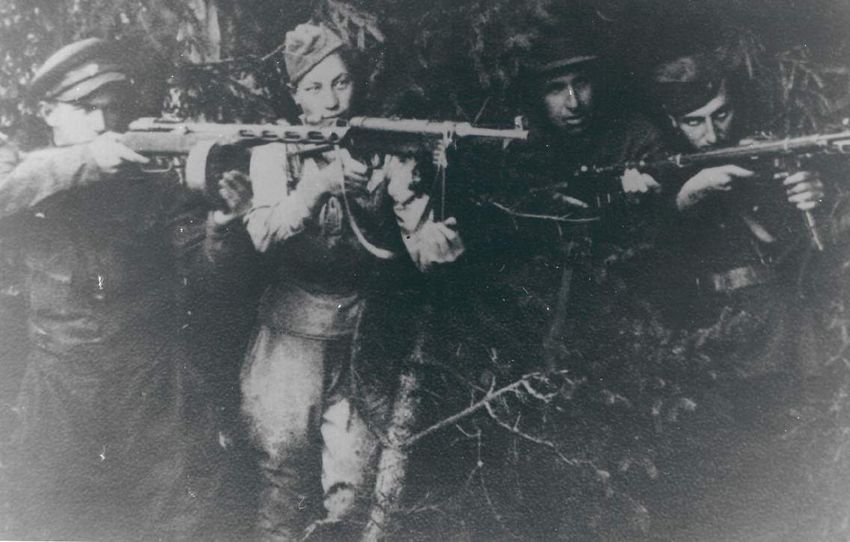
2011                                     2017
                                      The Wiener Library establishes           Pogrom: November 1938.
                                      itself at 29 Russell Square              Testimonies from Kristallnacht
                                      The opening of new                       The Library completed a project
                                      purpose-built archives                   to catalogue and transcribe its
                                      and an exhibition space.                 collection of 350 testimonies from
1989                                  International Tracing                    eyewitnesses to the November
                                                                               Pogrom of 1938.
Education and exhibitions             Service Archive
                                      The Library became the UK’s              Pogrom: November 1938. Testimonies
at the Library
                                                                               from Kristallnacht website.
                                      only access point to this digital
Director of the Library,
Professor David Cesarani,             collection.                              Outstanding Quality
                                                                                                                    4 March 2020
establishes educational                                                                                             The Holocaust Explained
                                                                               The Library was awarded
programming at the Library                                                     Designated Status by the Arts        The Library relaunches the
beginning with an exhibition             2013                                  Council England in recognition       popular online educational
and set of conferences                   The Wiener Library                    of the outstanding quality of        resource with updated
marking the reunification of             turns 80                              our collections, extensive public    content from our collections
East and West Germany.                   The Library celebrated its            engagement programme, and            and archives.
                                         80th anniversary year with            sensitive handling of a very
                                         a special exhibition covering         challenging subject matter.
                                         many significant moments
   1997–2004                             in its history.
   First Heritage
   Lottery Grant
   This grant was awarded to aid
   preservation and repackaging
   of Library holdings.

                                                     2015
           2005–2014                                 Refugee Family Papers:
                                                     An Interactive Map
                                                                                             2019                   2020
           Expanding the Library’s                                                           The Wiener             Partnership with University
                                                     Supported by the Heritage Lottery       Holocaust Library      of Huddersfield
           collections
                                                     Fund, the Library launched a new
           The Library’s collection remit                                                    The Wiener Library     The Library announced a
                                                     digital resource highlighting our
           was extended to include                                                           becomes                new partnership with the
                                                     collection of refugee family papers.
           comparative genocide                                                                                     University of Huddersfield to
                                                     Photographs and text from Louis                                support its academic work
           studies and outreach to the               Alexander Linton (formerly Ludwig
           decreasing numbers of former                                                                             but also to strengthen the
                                                     Alexander Liebermann)’s family.
           refugees and survivors who                                                                               impressive exhibition created
                                                                                                                    by the Holocaust Survivors’
           hold document collections of
           interest.
                                                       2016                                                         Friendship Association with the
                                                       £30,000 Grant awarded                                        University’s help and support.
           In 2014, Waging Peace donated                                                                            The partnership also saw the
           500 children’s drawings depicting           The Library was awarded a grant from the National
           the genocide in Darfur.                     Archives’ Cataloguing Grants Program to fund a               creation of a Wiener Holocaust
                                                       special project of cataloguing its own archive of            Library North.
           Ali Mobasser
                                                       correspondence and organisational papers.                    Wiener Holocaust Library North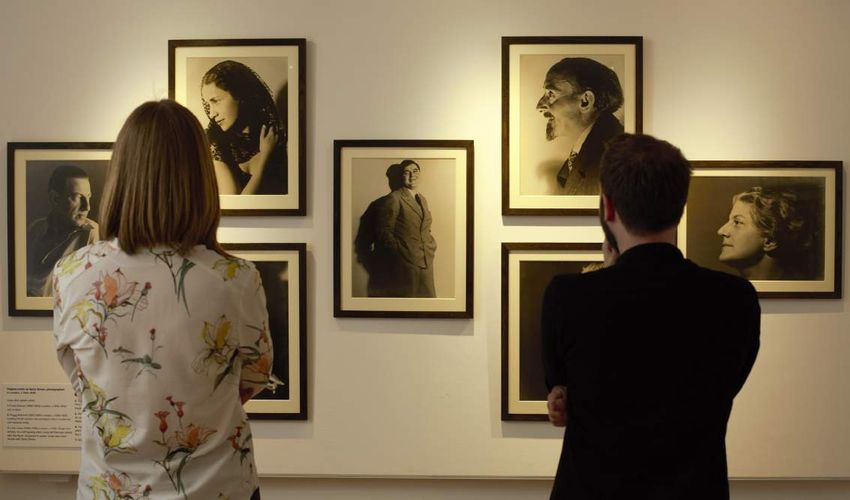
A Message from our Chair

Dear Friends,

Despite the uncertain times we are living
through, the Library has continued to grow
from strength to strength with a steadfast
resolve to continue to implement our
Strategic Priorities.
In this context, the Library’s work is as
important as ever, particularly when one           Anthony Landes
considers the impact the pandemic has              Chair of The Wiener
sadly had in exacerbating the already              Holocaust Library
alarming rise of nationalism, racism and
xenophobia. In these dangerous times and in line with our mission,
it is vital that our collections are put to the service of the future
requiring us to speak out when we have cause to do so.
The Board is so proud of all the Library has achieved this past year
and is grateful to all staff for their continued dedicated hard work
despite having to work within the constraints imposed on us all
by the Coronavirus pandemic.
I want to draw out some hugely important developments for
the Library. We are soon to launch our newly designed website
which will be at the centre of the Library’s Communications
Strategy. This will offer us much needed flexibility, all with a view
to raising the Library’s profile both nationally and internationally.
The Holocaust & Genocide Research Partnership is enormously
exciting for our research and outreach aspirations as has been the
re-launch of our The Holocaust Explained site making us a leading
voice in the education of the young. Working with Granta also
represents a fantastic opportunity for the Library to raise its profile.
My sincere thanks go to our Trustees for all the support and guidance
they have provided this last year both individually and collectively.
The Board also wishes to record its enormous thanks to our Patrons
for the continued ongoing valuable help they offer the Library.
Our gratitude also goes to all of our donors and this year we are
especially grateful to have received a legacy grant from the
Ernest Hecht Charitable Foundation which will be used to make
the significant impact Ernest envisaged for the Library.
Finally, I make no apology for highlighting our fundraising imperative.
Without the invaluable financial help from our community of
supporters we would not make the difference we do. We have important
plans ahead of us which we will not be able to realise without proper
long-term funding. If ever there was a time when that continued
financial support is required, then that is now.

With thanks,
Dear Friends,

One of the hardest things about this year has been that the
Coronavirus pandemic has kept us physically apart. The Wiener
Holocaust Library’s mission involves bringing people together.
We gather documents, photographs and stories; we talk, listen
and learn from each other about difficult and complex subjects;
we work to assemble evidence that can help to uncover the past.
We create opportunities for deep reflection, accurate interpretation,
                                                                            Dr Toby Simpson
and true understanding of the Holocaust and other genocides,
                                                                            Director of The Wiener
as our annual review demonstrates.                                          Holocaust Library
In 2019 we were proud to play a part in bringing people together in
a number of different ways, ranging from the rediscovery of one of
the most important Jewish women photographers of the twentieth
century, to relaunching a website that introduces the essential facts
of the Holocaust to learners in more than 175 countries, to shining
a light on subjects too often neglected, like the Nazi genocide of
the Roma and Sinti.
Our archive is based on collections of evidence that are often
scattered and fragmentary. The very nature of crimes of genocide –
committed in secret by regimes that seek to conceal and deny their
existence – leads to the dispersal and destruction of documents.
If it is not to be denied or forgotten, evidence must be systematically
and extensively collected, preserved, researched and exposed.
Our extraordinary Holocaust collections are therefore highly relevant
for anyone seeking to fight prejudice and discrimination today.
They have only grown in importance as fewer eyewitnesses remain
to tell their stories, and as new threats of denial and distortion
emerge on the far right and far left of the political spectrum.
This Annual Review looks to the future. With your help, we can
continue to play our vital role as Britain’s library of record of the
Holocaust and other genocides. By gathering together all of the
vitality, passion and skill of our staff, volunteers and supporters,
we will play our part in shaping a better and brighter future for us all.
You will read, for example, about how one of our researchers pieced
together the truth about Avigdor Cohnheim’s father through careful
research in our archive. We can only do this invaluable work with
your generous help, for which we offer our profound thanks.

Kind regards,

THE WIENER HOLOCAUST LIBRARY ANNUAL REVIEW 2019/20                                                   1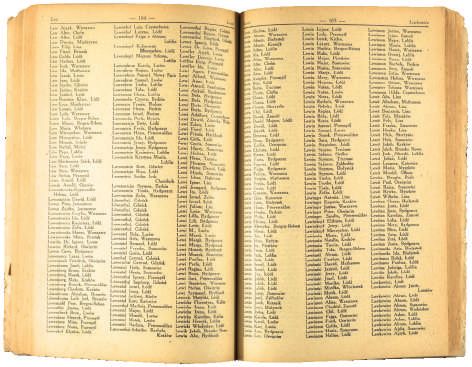
Collecting,
Sharing,
Preserving.
As the world’s oldest collection of material
relating to the Holocaust, The Wiener
Holocaust Library collects items which give
voice to those who can no longer speak,
forming a vital bridge between past and present.
Having direct access to primary documents is
irreplaceable. We preserve documents for future
generations. Digitisation enables us to share
collections with people around the world.

The Wiener Holocaust Library North
We are pleased to announce that we are creating
The Wiener Holocaust Library North collection at
the University of Huddersfield to broaden our reach
across the country. We hope that hosting this collection
at the University will benefit students and the general
public across the North of England. 2,000 books have
already been transferred to Huddersfield University
and will be made available once the University reopens,
including access to our vast digitised collections.
Former Library Director (1991–2015) Professor
David Cesarani's personal library of 1,453 books was
donated to the Library by his family. These books have
become the core collection of The Wiener Holocaust
Library North.
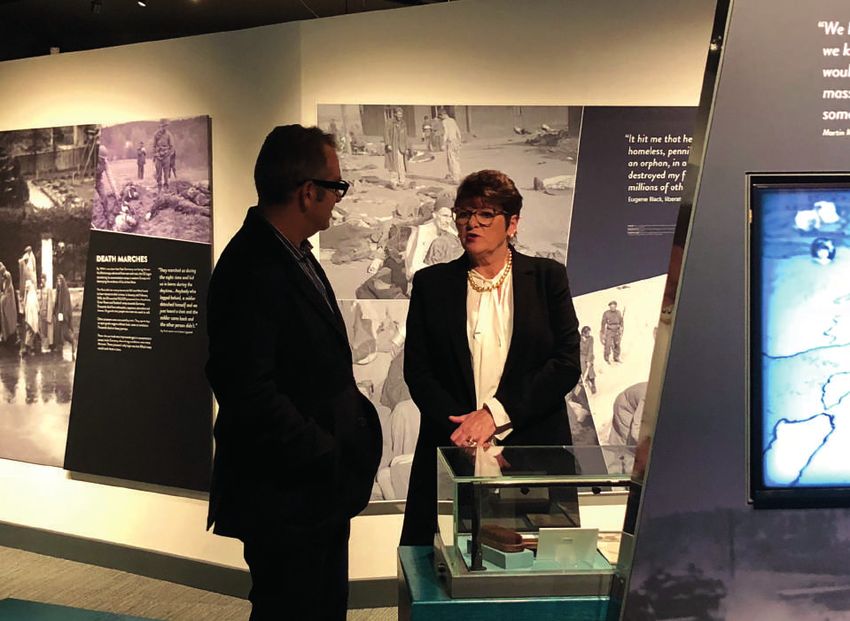
The Library will also establish a small reference          Main picture: Helena Bonham Carter CBE visited the Library in 2019
collection at the Holocaust Exhibition and Learning        to film an episode of the documentary series My Grandfather’s War.
                                                           Helena was so impressed by our work that she has since become a Patron.
Centre at the University. The reference collection will
support the Centre's growing collection of objects,        Above: Daniel Cesarani with some of his father’s personal collection.
photographs and archival materials relating to
Holocaust refugees and survivors who made the
North of England their home.

2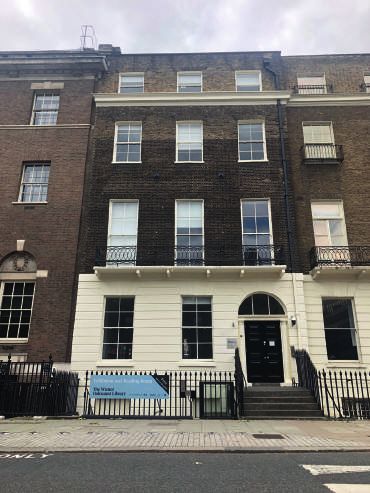
Building Our Collections
     Waging Peace                                             shown in the drawings directly contradict
                                                              the Government of Sudan’s version of events.
     The organisation Waging Peace campaigns against          In 2009, the International Criminal Court
     human rights abuses in Sudan, where protracted           accepted a number as contextual evidence
     conflicts and poor governance continue to blight the     to genocide.
     lives of citizens. In 2007, Waging Peace’s anonymous
     researcher gathered evidence and testimonies of          In 2020, for the first time, the Library displayed
     genocide from Darfuri refugees in refugee camps          some of these moving drawings in the
     in Chad. Giving paper and pencils to children aged       Reading Room.
     between six and eighteen years old, the researcher
     found that the majority of children drew pictures
     of attacks on their villages.
     In 2014, 500 of these drawings were donated to the
     Library. They bear witness to terrible crimes and we
     are pleased to be able to house them in a safe and
     accessible way in order to preserve them for future
     generations. The killings, bombings and looting

The annual stock check was carried
out 2–5 September 2019.
The Library now has accurate
information on how many books and
pamphlets we have in our archives.

     The Lewis Trust
     The Lewis Trust has generously supported the
     Library for a number of years by placing nationally
     and internationally important Holocaust-related
     materials within our archives. New items include
     an anti-British Nazi war propaganda pamphlet and
     a two-volume register that contains nearly 120,000
     names of Holocaust survivors.

     Leo Baeck Lodge Cataloguing Project
     The B’nai B’rith Leo Baeck (London) Lodge closed
     its doors in 2017, after 74 years of dedicated service
     to the local Jewish community. The Lodge was
     established by German-speaking refugees from
     central Europe during the Second World War.
     The Library and the Lodge have a long shared
     history as Dr Alfred Wiener was a member of              Top: Childrens’ drawings of attacks on their villages in Darfur.

     B'nai B'rith long before his forced migration from       Above: Register of Jewish Survivors (published in 1945) –
                                                              donated by the Lewis Trust.
     Germany. We are in the process of digitising this
     collection and it will be available to the public
     from 2021.

    THE WIENER HOLOCAUST LIBRARY ANNUAL REVIEW 2019/20                                                                           3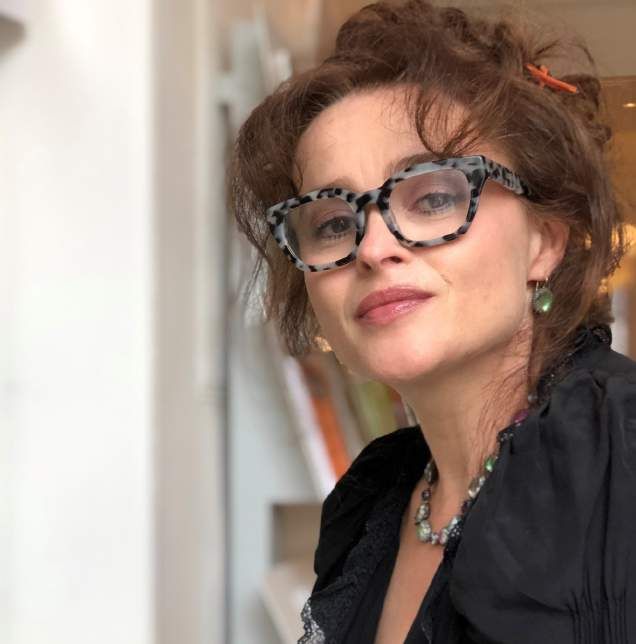
Relaunching the Library’s
educational website
The Holocaust Explained
Over the past two years, the Library
has been reviewing and revitalising
the content on our educational website,
The Holocaust Explained, adding unique
documents from the Library’s archive
alongside new interactive features.
Unique documents and accessible
content provide a reliable resource.

                                                      Left: Michael Rosen, Peter Briess
                                                      and Roxy Baker at The Holocaust
                                                      Explained relaunch in
                                                      March 2020.

Designed with the British school curriculum           In 2020, we uploaded three new sections to the
in mind, The Holocaust Explained aims to answer       website, including Life Before the Holocaust and
questions that students most often ask. The content   Resistance, Responses and Collaboration.
is clearly organised across nine easy-to-navigate
                                                      On 4 March 2020, we relaunched The Holocaust
topic areas. To help students working within
                                                      Explained with an event at the Library with special
GCSE and A-Level frameworks we have created
                                                      guest speakers acclaimed author Michael Rosen,
brand new educational resources including
                                                      granddaughter of the Library’s founder, Tamara
a general overview of the Holocaust, exploration
                                                      Finkelstein, and Peter Briess, a refugee who arrived
of pre-Nazi era life and material on childhood
                                                      in England at the age of seven from Czechoslovakia
in Nazi Germany. These resources include
                                                      and whose uncle, Erich Schulhof, features on
downloadable primary sources, worksheets,
                                                      the website.
a glossary, and teaching guidance.

4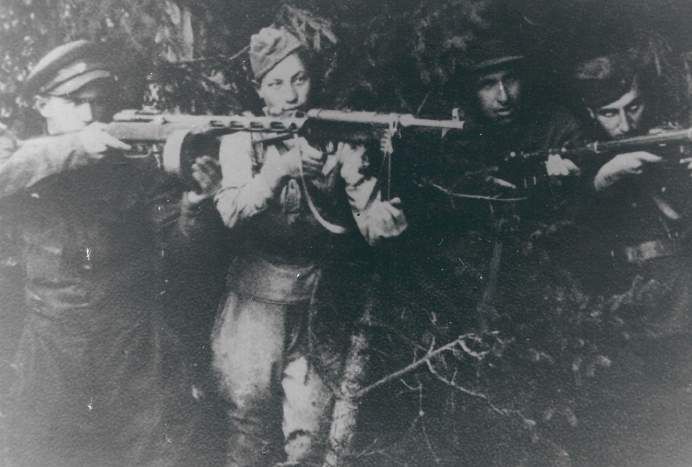
Resistance, Responses
                                               and Collaboration during
                                               the Holocaust
                                              This new section within The Holocaust Explained web
                                              resource examines how people, groups and countries across
                                              the world reacted to Nazi rule, oppression and persecution.
                                              The themes explored include opposition, non-conformity,
                                              individual responses, and the issue of collaboration and complicity.

                                                                                                From left: Philipp Manes’ diaries; Drawing by
                                                                                                Ramon Gärtner, who came to England in August
                                                                                                1939 via a Kindertransport flight; Portrait of Manes
                                                                                                drawn by fellow prisoner Arthur Goldschmidt, 1944;
                                                                                                Esther Pauline Lloyd’s diaries.
                                                                                                (All Wiener Holocaust Library Collections)

                                               Left: Prior to the war Emil (right) and Serla (left)
                                               Pilpel lived in Vienna with their two daughters,
                                               Fanni and Charlotte. In the late 1930s, Fanni
                                               and Charlotte managed to emigrate to England
                                               but, despite their best efforts, Emil and Serla
                                               were unable to follow them.

                                               Below: On 20 May 1942, Emil and Serla
                                               were deported to the Minsk Ghetto. Shortly
                                               afterwards, on 26 May 1942, they were
                                               murdered by the Einsatzgruppen. This Red
                                               Cross Telegram, sent on 10 May 1942, was the
                                               last communication that Fanni and Charlotte
                                               received from their parents.

Family collections
Throughout the website, we have used case studies,
documents and photographs taken from some of the
family collections that have been deposited in the                                                                  Above: This letter was sent by
Library. One of these collections belonged to                                                                       Emil in the hope of gaining
                                                                                                                    employment to the German-
the Pilpel Family.                                                                                                  Jewish Aid Committee in
                                                                                                                    England in 1938. Highlighting
                                                                                                                    his precarious situation, it states
                                                                                                                    that if he does not leave Austria
                                                                                                                    in six weeks, he will be placed in
                                                                                                                    a concentration camp.

THE WIENER HOLOCAUST LIBRARY ANNUAL REVIEW 2019/20                                                                                                   5
Portraits above, from left to right:
                                                     Gerty Simon, Lotte Lenya, Alexander

Exhibitions
                                                     Iolas, Peggy Ashcroft and Aneurin Bevan
                                                     photographed by Gerty Simon.
                                                     The Bernard Simon Collection. Wiener
                                                     Holocaust Library Collections

                                                     Right: The Library's Photo Archivist
                                                     cataloguing and preserving the original
Berlin/London: The Lost                              prints of Gerty Simon in 2019.

Photographs of Gerty Simon
May–October 2019                                     and Käthe Kollwitz. In the
                                                     1930s, as a refugee from
                                                     Nazism, Simon rapidly
The Wiener Holocaust Library’s summer 2019
                                                     re-established her studio in
exhibition showcased the remarkable work of
                                                     London, and photographed many significant
German Jewish photographer Gerty Simon and
                                                     individuals there, such as Peggy Ashcroft
featured many of her original prints from the        and Aneurin Bevan.
1920s and 1930s. The exhibition brought her life
and work to public attention for the first time      Highlighting the work of this innovative and
in eighty years.                                     largely forgotten photographer in the exhibition
                                                     and accompanying catalogue has been especially
In 2016, the Library received a private donation,    rewarding and, in 2021, a version of the exhibition
which included hundreds of Gerty Simon’s prints,     will be shown at the Villa Liebermann in Berlin.
along with documentary evidence of her life          The events series for the exhibition
and work.                                            was popular and included talks

Gerty Simon was a once-prominent photographer
                                                     by Michael Berkowitz, Deborah
                                                     Lewer and Jochen Hung.                     2,698
who captured many important political and artistic                                              visitors
figures in Weimar Berlin, including Lotte Lenya

6
Forgotten Victims: The Nazi The genocide carried out against the Roma and
Sinti of Europe by the Nazis and their collaborators
Genocide of the Roma and Sinti during the Second World War resulted in the murder
October 2019–March 2020 of as many as 500,000 people. Roma were targeted
for persecution and murder on ‘racial’ grounds, as
The Nazi genocide against the Roma and Jews were. Roma experienced arrests, deportation,
Sinti communities has been referred to as incarceration, forced and slave labour, maltreatment
‘the forgotten Holocaust’. This exhibition and murder in camps, and murder by mass shooting
utilised the Library’s archival collections across central and Eastern Europe.
on the Nazi genocide of the Roma and Sinti Forgotten Victims featured eyewitness accounts
to illuminate these under-researched to the Holocaust gathered by Library staff in
and often overlooked events. the 1950s, which include crucial evidence from
Roma survivors about their persecution and
accounts given by Jewish survivors of the
genocide perpetrated against the Roma.
In August 2020, the Library was pleased to launch
an online version of this exhibition with the United
Nations, further making our collections accessible
to those who may not be aware of this aspect of
Nazi persecution.
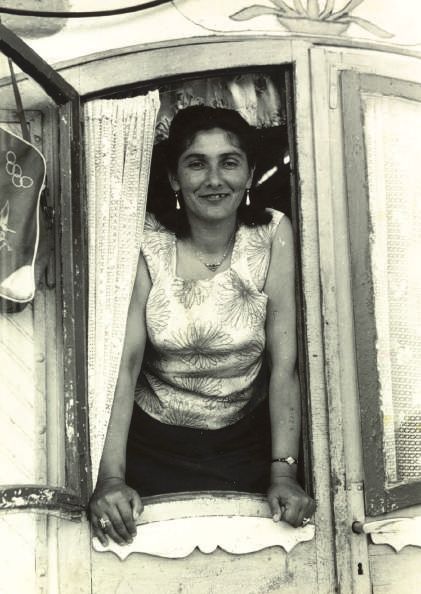
Left: Margarete Kraus, a Czech Roma, photographed
after the war by Reimar Gilsenbach. Her Auschwitz tattoo
is visible on her left arm.
Wiener Holocaust Library Collections
Above right: Unpublished
eyewitness accounts of the
Roma Genocide gathered
in the 1950s.
Right: August, a Sinti boy
(centre) and relatives, Germany
c. 1933–1937. August died
in Auschwitz.
© University of Liverpool,
GLS Add GA 1 2
Above: Dr Barbara Warnock, Senior Curator and
2,032
Head of Education at The Wiener Holocaust Library,
with Daniela Abraham, founder of the Sinti and
Roma Holocaust Memorial Trust.
visitors
THE WIENER HOLOCAUST LIBRARY ANNUAL REVIEW 2019/20 7Supporting Families
& Researching the Past
Family Research Support at
The Wiener Holocaust Library
In December 2011, the Foreign and
Commonwealth Office deposited the UK’s
digital copy of the International Tracing
Service (now called the Arolsen Archives)
at The Wiener Holocaust Library.
This unique archive contains over 30 million pages of
Holocaust-era documents relating to the fates of over
17.5 million people who were subject to incarceration,
forced labour and displacement during and after the
Second World War. The digital archive is available at
the Library to those who wish to examine documents Top: Following the Second World War, the ITS
researched and created maps which showed the
related to their own fate or to that of family members routes that death marches took.
during the war. Courtesy of Arolsen Archives
Above: The Library's Deputy Director and
Head of Research, Dr Christine Schmidt, published
an article on the history of early tracing efforts in
Britain. The publication is freely available online
at arolsen-archives.org.
NUMBER OF CASES RESEARCHED: EVENT DURING CORONAVIRUS PANDEMIC
2019 – 323 cases worked on The Library co-hosted an Online Archival Discovery
2020 – 249 individuals researched Workshop: Legions of the Lost with Professor Dan Stone.
During the Coronavirus pandemic, ITS researchers We welcomed postgraduate students and early career
have completed research into the experiences researchers to an online workshop focusing on the fate
of 131 Holocaust victims of Nazi concentration camp inmates who were killed
on the death marches in the final months of the war.
PAST MILESTONES
In February 2019, in partnership post-Brexit. The workshop provided Human Festival. Discovering Lost
with the Association of Jewish general information on family history Children after World War II combined
Refugees, the German and Austrian research resources available, as well a performance of a 1950s BBC
Embassies, Jewish Museum London, as offering the chance to consult with play about ITS’ efforts to trace lost
and the Jewish Genealogical researchers one-to-one. children after the Second World War,
Society of Great Britain, the Library In November 2019, the Library a lecture from Professor Dan Stone
hosted an over-subscribed workshop hosted an evening in partnership on the Child Search Branch of the
offering advice on how people can with The Holocaust Research ITS, and an introduction from ITS
search for documents supporting Institute, Royal Holloway, University researchers on accessing the latter’s
applications for European citizenship of London, as part of the Being now digitised archive.
8Reuniting Families ITS Archive Researchers at the
Library devote their time to helping
with the Truth individuals find out what happened
to family members during the
Second World War.
In 2019, Dr Rebecca Clifford (Swansea University),
who was researching child survivors of the
Holocaust for her book, came to the Library to use
the ITS and other records. Through her research,
Elise Bath, the Library’s Senior ITS Archive
Researcher, was connected with Vic (Avigdor)
Cohnheim, one of the child survivors who came
to Britain after the Holocaust.
Avigdor was born in 1941 and was deported, at the
age of two, to the Theresienstadt ghetto. He survived
and was taken to a children’s home in Windermere
in the Lake District in August 1945.
Growing up, he knew little about his family’s history.
Elise Bath was able to find dozens of documents,
including information about what happened to his
father. Paul Stock, Vic’s father, was a Jewish butcher,
who was at first arrested for allegedly selling meat
on the black market. In time, he was murdered in
Auschwitz.
The documents Elise found helped the family have
a fuller picture of Vic’s father and his fate, including
a never-before-seen physical description.
Above: Lingfield House, July 1952: from left: Rachel Oppenheimer, Alice Goldberger,
Berli Lazarus, Sylvia Grüner, Avigdor (Vic) Cohnheim.
Wiener Holocaust Library Collections
FUTURE MILESTONES
Family Research on New ITS event series
the Road in Britain
While the Library recognises that
In 2021, the Library will reach out the most effective family research
to family and other researchers consultations are built on one-on-one
throughout the UK in a series of relationships, we are eager to reach as
This information that you planned events that will take our many as possible who are interested
expertise ‘on the road’, including in exploring their own family histories.
folks have come up with is just
Belfast, Huddersfield, Cardiff In late 2020, we’ll launch a series of
amazing...and it’s cleared up
and other locations. Our popular events, which will include how to get
so much. It had been heavy
exhibition, Fate Unknown: The Search started researching in the ITS archive,
on my shoulders for seventy the ethics of family research, and
for the Missing After the Holocaust,
years or more. will travel throughout Britain, exploring family reunions.
Vic Cohnheim accompanied by academic lectures
and family archival workshops.
THE WIENER HOLOCAUST LIBRARY ANNUAL REVIEW 2019/20 9Making our
Voice Heard
The Wiener Holocaust Library is proud to work
with institutions both here in the UK and further
afield. The Library is represented on a number
of significant national and international bodies
focused on advancing Holocaust research,
education and commemoration.
Left: Dr Christine Schmidt, Above: Dr Barbara Warnock
Partner organisations Mayor of Camden, Councillor speaking at the AJR conference.
Maryam Eslamdoust, and the
European Holocaust Research Infrastructure Library’s Chair, Anthony Landes.
(EHRI). As a founding member of the European
Holocaust Research Infrastructure, the Library
participated in the international conference,
Holocaust Studies and its Social Setting in
Association of Jewish Refugees (AJR). Marking
Amsterdam in 2019. In Munich, in February 2020,
the 80th anniversary year of the Kindertransport,
the Library took part in the General Partners
more than 200 people took part in Remembering
Meeting to launch a new phase for EHRI, as it
& Rethinking: The International Forum on the
works to become a permanent institution.
Kindertransport at 80, on 15 and 16 April 2019
International Holocaust Remembrance Alliance at Lancaster House, London. This landmark event
(IHRA). In 2019, the Library was pleased to be asked was organised by the AJR and co-hosted by the
for representation on the UK Delegation to the IHRA, UK Special Envoy for Post-Holocaust Issues,
which is undertaken by Deputy Director and Head The Rt Hon. Lord Pickles. Both Dr Toby Simpson,
of Research, Dr Christine Schmidt. The Library the Library’s Director, and Dr Barbara Warnock,
participated in our first plenary, IHRA’s virtual Senior Curator and Head of Education, spoke
conference, in July 2020. at this important event.
10Closing our doors
On Monday 16 March 2020,
we closed the Library and the
building remained closed to the
public until 14 July due to the
ongoing Coronavirus pandemic.
This has been the longest closure
of the Library since its move to
Russell Square in 2011. A closure
on public health grounds is
unprecedented in the Library's
eighty-year history.
THE WIENER HOLOCAUST LIBRARY ANNUAL REVIEW 2019 11The effects of the Coronavirus pandemic have
been felt by organisations and charities across the
world, and the impact of the closure will be felt for
years to come. The difficulty in securing funding,
donations and grants will be a long-term financial
danger for the Library. As the diagram below
shows, the difference in visitor numbers, book and
document donations compared to last year is stark.
But during the Library’s forced closure, we forged
ahead despite the challenges and it hasn’t dampened
our ambitions or future plans for the Library.
Document donations
The Library continues to actively build and develop
its collections. Prior to the Coronavirus pandemic,
we were acquiring material at one of the fastest rates
in our history. We continue to welcome donations of
original material that documents the Holocaust and
Nazi era.
Below: Howard Falksohn, Senior Archivist,
helped Peter Briess, a German Jewish refugee,
to organise his family's document collection.
During these strange and worrying times,
the Library has necessarily restricted
meetings with members of the public.
Numbers of donated collections are
therefore much lower than previous years.
We want to assure potential donors that we
are still as interested as ever in acquiring
additional material for our collections.
Howard Falksohn,
Senior Archivist
MARCH–SEPTEMBER 2019 2020 Website
visitors
Visitor numbers to the Library 2103 393 Sept 19–Sept 20
Visitors to the Reading Rooms 1856 93 47.4%
on 2018
Events 77 32 (including online)
Requested items 1514 355 Online events
DONATIONS >1000
Photo collections 2 2 Page views
Document collections 30 7
Periodicals 2 0
events
Books 3065 32
5000
Pamphlets, manuscripts, 91 11 Page views
unpublished memoirs
12Working behind
closed doors
During the Library’s closure due
to the Coronavirus pandemic, staff
were busy continuing to bring our
collections to wider audiences.
Although we couldn’t welcome you into the Library
personally, we forged ahead with completing our
latest exhibition, Jewish Resistance to the Holocaust,
bringing a wide variety of virtual events to new
online audiences and we worked hard to make Above: Staff Zoom meeting.
our collections more accessible.
When we re-opened our doors in July, first to those
who wished to access our collections and books in
the Wolfson Reading Room and then to visitors to
our new exhibition, we were delighted that the
majority of the pre-booked viewing slots we
offered sold out almost at once.
Laura Schloemann, whose
Action Reconciliation Service
for Peace (ARSP) Internship
was affected by the worldwide
Coronavirus pandemic
My voluntary service, made
possible and coordinated by
the German organisation Action
Reconciliation Service for Peace (ARSP), was
to last for twelve months – in the end, I only
spent eight of them in London. In March,
I had to return to Berlin due to the worldwide
Coronavirus pandemic. I am very glad that
I was given the opportunity to gain an insight
into the Library’s work.
Above: online exhibitions, resources and events.
Jewish Resistance to the Holocaust
In August 2020, we launched Jewish Resistance to
the Holocaust. This exhibition draws on the Library's
unique archival collections to tell the story of the
Jewish men and women who resisted the Nazis
and their collaborators. The exhibition is
accompanied by a series of online events.
Above: Jewish Lithuanian partisan group,‘The Avengers’.
Background: Jewish partisan fighters in Soviet territories.
Both Wiener Holocaust Library Collections
THE WIENER HOLOCAUST LIBRARY ANNUAL REVIEW 2019/20 13The Library’s
future partnerships
The Wiener Holocaust Library has emerged
well from the challenges of 2020 in large
part because of the strong network of partners
we have built. We are pleased to report that 2019
was an exceptionally productive time in terms
of developing strategic partnerships that will
increase the Library's impact in future years.
I’m delighted that the Library is entering into
an ambitious partnership with two key higher
education institutions and another significant
charity in the field of Holocaust and Genocide
research and commemoration. We look forward
to pooling our strengths and reaching wider
Dr Christine Schmidt,
Deputy Director and audiences with research-led activities and
Head of Research opportunities throughout the UK and beyond.
Adam Soller
14Left: The Library's Chair,
Anthony Landes, with Lilian Black.
HGRP Progress Event, 2020.
Below: Dr Waitman Beorn
delivering the inaugural HGRP
lecture at the University of
Huddersfield, January 2020.
Ernest Hecht (above) was a close friend of the
Library who sadly died in 2018. Ernest supported
projects such as the translation of the Library’s
350 eyewitness accounts of the November Pogrom.
Ernest founded this independent publishing
house Souvenir Press in 1951, having come to
Britain on the Kindertransport.
In 2019, we were delighted to learn that through
his Foundation – the Ernest Hecht Charitable
Foundation – Ernest remembered the Wiener
Library with a profoundly generous grant. This
will be deployed to sponsor our partnership work,
acquisitions, exhibitions and fellowships for
Holocaust and Genocide talented young scholars.
Research Partnership (HGRP)
The Wiener Holocaust Library is embarking on
an exciting new partnership with the University
of Huddersfield, the Holocaust Research Institute
at Royal Holloway, University of London, and the
Holocaust Exhibition & Learning Centre run by the
Holocaust Survivors Friendship Association of Leeds. Granta Books and
The joint effort, called Holocaust and Genocide
The Wiener Holocaust Library
Research Partnership (HGRP), will seek to bridge In 2019 the publishing house Granta approached
the gap between cutting-edge research and public the Library with the idea of forming a partnership
knowledge and aim to be the leading voice in the UK to bring some of Alfred Wiener’s writings, and other
for research-led public engagement, education, and important undiscovered works in our collections,
heritage practice about the history and memory of to the attention of the English-speaking world.
the Holocaust and genocide.
In January 2021 we are proud to be launching our
In January 2020, Dr Waitman Beorn delivered an first collaborative publication with Granta Books.
inaugural lecture to mark the progress in the HGRP The Fatherland and the Jews: Two Pamphlets by
at the University of Huddersfield’s Holocaust Alfred Wiener, 1919 and 1924 consists of two seminal
Memorial Day event. His lecture centred on the works of German-Jewish thought that tackle a
latest scholarship on the crimes of the Wehrmacht still-urgent issue: the rise and spread of antisemitism
and its complicity in the Holocaust. and the necessity of an intellectual resistance.
THE WIENER HOLOCAUST LIBRARY ANNUAL REVIEW 2019/20 15Looking forward – Left: A new catalogue
of Sieg Maandag’s art,
by Karen Maandag and
2020 and beyond
Dawn Skorczewski.
The Digital Library
Testifying to The Truth
“We all bear witness.” In the 1950s, Dr Eva
Reichmann, the Library’s Director of Research,
embarked on an ambitious effort to collect
eyewitness accounts from those who had lived
through the Holocaust. This initiative resulted in
the gathering of more than 1,300 written reports
in seven different languages, collected at a time
when relatively few people were actively gathering
evidence of the Holocaust from the perspective Above: Dr Eva Reichmann c.1950s,
launched one of the earliest projects
of survivors. Above: AJR Information, London, to collect eye-witness testimonies
November 1954, featuring Eva to the Holocaust.
Thanks to funding given to the Library by Reichmann’s appeal. Both Wiener Holocaust Library Collections
The Department of Communities and Local
Government in 2015, we have been able to facilitate
a project to translate, fully catalogue and digitally
Refugee Map Redevelopment
preserve the unique collection of eyewitness
testimonies. Our new digital resource, Testifying The Library’s refugee family papers and audio
to The Truth, is currently accessible on-site in the testimonies are among the most valuable educational
Library’s Reading Room and will be available freely and research resources. In 2020, supported by
online next year. The launch of this project will see Designated Development Funding from Arts Council
the work started by Dr Reichmann in 1945 made England, we have continued to develop this online
fully accessible to the public. resource with the appointment of a new Project
Officer who will enhance the presentation of existing
material as well as digitise more collections.
Our new interactive map will help us to share the
837
important stories of Jewish refugees and their
1,223 translations
383 families who escaped Nazi antisemitic persecution by
emigrating from Germany and other Nazi-dominated
testimonies still to do
completed countries, including Poland, Austria and France.
Visitors to the site will be able to listen to extensive
clips from the AJR Refugee Voices audio-visual
archive as well as browse through photographs,
correspondence, and objects selected from the
Library’s vast collection of refugee family papers.
16The Fatherland
november
and the Jews
Two Pamphlets by Alfred Wiener,
1919 and 1924
alfred wiener
(1885–1964) was
a German Jew
who dedicated
Upcoming at the Library
much of his life
Alfred Wiener to documenting
Translated from the German by Ben Barkow antisemitism and
Death Marches and Sieg Maandag
racism in Europe,
and uncovering
Two seminal works of interwar German- the crimes of
Jewish thought that tackle a still-urgent issue Germany’s Nazi
- the rise and spread of antisemitism, and the
necessity of an intellectual resistance.
government.
the wiener
exhibitions
The first jointly curated exhibition by the
holocaust
A collaboration between the Wiener Holocaust library is Britain’s
Library and Granta Books. largest collection
of printed and
These two pamphlets, ‘Prelude to Pogroms?
archival material
covering the Holocaust and Genocide Research Partnership.
Alfred Wiener, 1953. © The Wiener Holocaust Library collections
Facts for the Thoughtful’ and ‘German Judaism Holocaust and
in Political, Economic and Cultural Terms’ mark
the first time that Alfred Wiener, the founder of
genocide.
ben barkow is
The two-part exhibition will be shown in
London at the Library and in Huddersfield at
the Wiener Holocaust Library, has been published a writer and
in English. Together they offer a vital insight into translator and was
the antisemitic onslaught Germany’s Jews were the director of the
subjected to as the Nazi party rose to power. Wiener Holocaust
Library from 2000
to 2019.
the Holocaust Exhibition and Learning Centre
original
in early 2021.
With an introduction by Ben Barkow.
JEWISH STUDIES £12.99 November B format 198 × 129mm PB
80pp All territories US, translation, serial and audio rights
978 1 78378 621 3
21
European Fascist Movements, 1919–1941
The Library is pleased to partner on the
AHRC-funded European Fascist Movements
project led by scholars at the University of
Above: The Fatherland and Liverpool and the University of Chester.
the Jews: The Pamphlets by
Alfred Wiener published We will launch an exhibition based on the
by Granta in early 2021. research of the project in summer 2021.
Exhibition on Antisemitism
In response to recent disturbing developments
related to the rise of antisemitism and racism,
the Library will stage an exhibition in autumn
Right: Ludwig Jacoby
search notice written by
2021 drawing upon our collections to explore
his daughter, Henny. the nature and development of antisemitism
Date unknown. historically and today.
Henny was the only
surviving member of her
immediate family. She ITS on the Road – Family Research
emigrated from Berlin to in Britain
Bohosudov (Mariaschein),
Czechoslovakia, in 1936 The Library will reach out to family and other
where she lived until 1938, researchers throughout the UK in a series of
when she left for England. events that will take our expertise ‘on the road’
to Belfast, Huddersfield, Cardiff and other
locations in the coming year.
New ITS event series
In autumn 2020, we’ll launch a series of events,
which will include how to get started researching
in the ITS archive, the ethics of family research,
and exploring family reunions.
Left: Eleanor Hess in Hastings,
England, 1947.
Eleanor Hess was born Irene
Eleonore Maria Hess in Munich
on 20 December 1923. She
came to Great Britain with her
mother, Gertrud, in 1939.
Julius Hess, her father, had
died previously on 19 June
1932. Her brother, Herbert,
born 31 May 1921 immigrated
to Brazil where he eventually
died in 1981. For a brief period,
Eleanor went to live with her
brother in the early 1950s.
She died in London c1999.
THE WIENER HOLOCAUST LIBRARY ANNUAL REVIEW 2019/20 17Our impact: 2019
Throughout this year we engaged and inspired a greater number of people from
a wider range of backgrounds than ever before. Here are some key statistics:
ORS
IS IT
V
2019 M 2020
0
EX
4,7 O
VISITORS: WEBSITE
RO
3
HI
BIT
USERS:
10,610 READING
2,705
ION VISITORS
Visitors
to the
111,000
Library
4
3,18 TS
N
EVE
PRESENTATIONS/
TALKS AT ACADEMIC
CONFERENCES
OR PUBLIC GROUPS
Education
and Outreach
Online
regional
1870
PEOPLE
users REACHED
WORKSHOPS
FOR SCHOOLS/
UNIVERSITIES EDUCATION/
OUTREACH
ACTIVITIES
THE HOLOCAUST EXPLAINED
(1 JAN–31 DEC 2019)
IN 2019, 459
SCHOOL AND UNIVERSITY
STUDENTS PARTICIPATED IN A WORKSHOP
OR TOUR GIVEN BY OUR STAFF
PAGE VIEWS USERS
1,662,741 1,153,304
just over just over
30% on 2018 38% on 2018
18Financial statistics
2019 2018
INCOME £ £
Donations and grants from individuals and charitable organisations 228,343 206,947
Legacies 51,667 500
Grant from The Wiener Library Endowment Trust 200,000 200,000
Grant from Association of Jewish Refugees 100,000 100,000
Sigrid Rausing Trust 100,000 –
Education and outreach* 11,067 20,159
Grant from the German Foreign Office 89,904 90,997
Grants from European Holocaust Research Infrastructure Fund* 65,716 52,066
International Tracing Service (ITS) grants* 76,033 8,000
Grant from B’nai B’rith Leo Baeck Lodge* 7,500 0
Other grants* 8,329 27,900
Other income 70,476 75,152
TOTAL 1,009,035 781,721
EXPENDITURE £ £
Running of the Library 638,928 619,540
Education and outreach programmes* 187,501 213,962
Digitisation 96,640 40,578
Communications, publicity, fundraising 68,347 81,488
International Tracing Service (ITS) archive* 118,255 76,970
TOTAL 1,109,671 1,032,538
Restricted Funds: Net Change in Available Grants (156,957) (144,005)
Unrestricted Funds: Net Change in Available Reserves 56,321 (106,812)
*This income is restricted and only available for purposes specified by the respective donors.
It is not available for use in the general operations of the charity.
THE WIENER HOLOCAUST LIBRARY ANNUAL REVIEW 2019/20 19UK show revives lost work of
photographer who fled Nazis.
Mark Brown, The Guardian
12.08.19
26.02.19 27.05.19
Press 2019–2020
24.05.19 13.06.19 06.08.19
Poignant pictures of a lost world.
Keren David, The Jewish Chronicle
2028.10.19
12.11.19
Insightful, provocative
and moving. 01.03.20
Deepali Foster,
UCL Pi Media
The usual omission of Romani narratives
in Holocaust representations is what
makes The Wiener Holocaust Library's
recent exhibit, Forgotten Victims:
The Nazi Genocide of the Roma and Sinti,
so significant. Sydnee Wagner, Prospect Magazine
Dec 19 24.01.20
HISTORY ON THE BOX
“You have two powerful men, both
of whom believe that God is on their
side – yet only one of them can win”
Having previously examined the collapse of monarchy in
Charles I: Downfall of a King, historian LISA HILTON tells
us about her follow-up BBC Four series, which traces the
tense days leading up to Charles I’s execution in 1649
Margarete Kraus, a Czech Roma woman, pictured
shortly after the war. Her Auschwitz camp Why did you decide to focus on the final In Charles’s case, he too believed that he
number tattoo is faintly visible on her left arm few days of Charles I’s reign? was God’s anointed and that no man had the
The Civil Wars were over and Charles had right to judge him or to try him. So you have
...the exhibition seeks
been defeated. Nonetheless, the idea of these two powerful men, both of whom
VISIT regicide was something that had simply believe in the same God, both of whom
never been done before, certainly in the believe that God is on their side, and yet of
A painful legacy history of Europe. Taking legal and public course only one of them can win.
to humanise the victims,
measures to execute a king in the name of
During the Second World War, as parliament, on behalf of the people, was Is it almost too hard for us to grasp how
many as 500,000 people from the completely revolutionary – it was the most revolutionary this was?
Roma and Sinti communities of radical act. There was no provision in the If an American president were to be in the
with moving photographs
Europe were murdered by the law for it, there was no public consensus for process of being impeached, and his
Nazis and their collaborators. it to happen, and yet happen it did. opponents decided to put him on trial for
Yet despite the shocking death So overall, we were interested in going his life and to apply the death penalty
toll, the relative lack of attention through how and why this drastic story upon him, according to the rules of their
of families and their loved
afforded the victims and their unravelled in such a tight timeframe [at the country, by lethal injection, I think it
plight has led historians such as turn of 1648 and 1649]. would be about that radical. It would be
Professor Eve Rosenhaft to that shocking.
describe the genocide as the Was it inevitable those facing down the That sounds like a bad joke, but it’s not.
It’s exactly the situation people were
ones shown throughout.
“forgotten Holocaust”. king ‘had’ to kill him?
In an effort to remedy this, No, it wasn’t inevitable. There could have confronted with in early 1649.
a new exhibition at The Wiener been other solutions. He could have
Holocaust Library – the world’s abdicated, he could have gone into exile, or The three-part series, which has the working
first institution devoted to he could have agreed to the terms that he’d title Charles I: To Kill a King, is scheduled to be
Holocaust studies – tells the been offered by parliament of becoming a broadcast on BBC Four in December
sort of figurehead monarch.
BBC History Magazine
stories of those who were
affected, using documents and Yet through a combination of
eyewitness accounts collected by Cromwell’s determination and
the library during the 1950s. Charles’s – you could say arro-
The display also examines the gance, you could say missteps,
you could say blind optimism –
WIENER HOLOCAUST LIBRARY COLLECTIONS/BRIDGEMAN
postwar lives of the Roma and
Sinti people, and the battles that these simply didn’t come about.
survivors (such as Margarete
Kraus, above) faced in order to Tell us about the motivations of
gain formal recognition for the the two main players, Oliver
persecution they suffered. Cromwell and Charles I.
Crucially, however, the Some experts believe that
exhibition seeks to humanise the Cromwell was absolutely motivat-
victims, with moving photo- ed by his piety, by his sense of
graphs of families and their loved communicating with his God and
ones shown throughout. believing that what he was doing
was Godly work. However, others
Forgotten Victims: The Nazi see him as much more of an
Genocide of the Roma and Sinti opportunist who was power-hun-
gry, who wanted to be at the apex of A coloured woodcut thought to depict the
→
The Wiener Holocaust Library, London / Until 11
March 2020 / Free entry / wienerlibrary.co.uk a new republican government. execution of Charles I on 30 January 1649
79
THE WIENER HOLOCAUST LIBRARY ANNUAL REVIEW 2019/20 21Appeal
Due to the Coronavirus pandemic, we need your support now more than ever.
The vital work we carry out is only possible because of you
and your help has never been more important.
The Library depends on donations to continue With rising intolerance throughout the world
our vital work. We would not have been able and the current crisis aggravating antisemitism,
to succeed in recent years without your help racism and xenophobia, our mission has never
and we now look for your continued support been more important. These are difficult times
but we are more determined than ever to face
in order for the Library to emerge strong from
these issues.
the pandemic.
A donation from you will give us the financial
The Library has inevitably felt the financial security to continue to reach out to our
uncertainty faced by many over the past few worldwide audience of more than two million
months and we anticipate difficult economic people in the coming years, giving them the
times ahead. opportunity to learn the lessons of the past.
Your support to the Library is vital, hugely appreciated, and will make a difference.
OUR KEY PRIORITIES ARE TO:
COLLECT PRESERVE SHARE
We will expand and We will look after We will further open
enhance our collections. our collections – many our collections to the
Britain ought to have of them fragile and world, digitising more of
a Holocaust archive to at risk – so that they our materials than ever
match the best in can speak to future before and making them
the world. generations. accessible online.
THIS IS HOW YOUR DONATION WILL MAKE AN IMPORTANT CONTRIBUTION:
£50 £250 £500 £1000 £5,000 £10,000 £25,000
buys one key supports us buys 85 preserves one allows for the funds the funds education
book from to work with specialist archival small family’s digitisation of research, design and outreach
an academic external paper folders for document hundreds of and delivery of work at schools
publisher or rare conservators to fragile historic collection in pages of original an exhibition and community
book specialist mend some of our pamphlets perpetuity documentation and events groups for a year
fragile holdings programme
Don’t forget, if you Gift Aid your donations The Wiener Holocaust Library
will receive an extra 25p for every £1 you donate.
22Support us
Donate now to help us continue our important work.
PLEASE TEAR THIS PAGE OUT AND RETURN IT TO US
The Wiener Holocaust Library is a registered charity dependent on donations
in order for its work to continue. This is a very precarious time financially for charities,
so please consider making a donation today, in order for the Library to continue offering
a vital learning resource to oppose antisemitism and other forms of prejudice.
However large or small, your support will make a difference.
For online donations, please visit www.wienerlibrary.co.uk/donate
I enclose a cheque / charity voucher for £ Payable to The Wiener Holocaust Library
I would like to pay £ by Visa / Mastercard / AMEX (delete as appropriate)
Card no.
Last 3 digits on the
Start date / Expiry date / CVC No. back or 4 digits on
the front (AMEX)
Gift Aid your donations and The Wiener Holocaust Library will receive an extra 25p for every
£1 you donate. Gift Aid is reclaimed by the charity from the tax you pay for the current year.
Your address is needed to identify you as a current UK taxpayer.
I am a UK taxpayer and understand that if I pay less Income Tax and/ or Capital Gains Tax than the
Please tick to confirm
amount of Gift Aid claimed on all my donations in that tax year it is my responsibility to pay any difference.
First name Last name
Address
Postcode Email
Telephone
Stay in touch
Please tick this box if you want to receive
our latest news, updates or our upcoming
Signature events and how you can support
The Wiener Holocaust Library in the future.
Please return this form to:
Freepost RSTE-SSXY-ZTLT, The Wiener Holocaust Library, 29 Russell Square, London WC1B 5DPThank you.
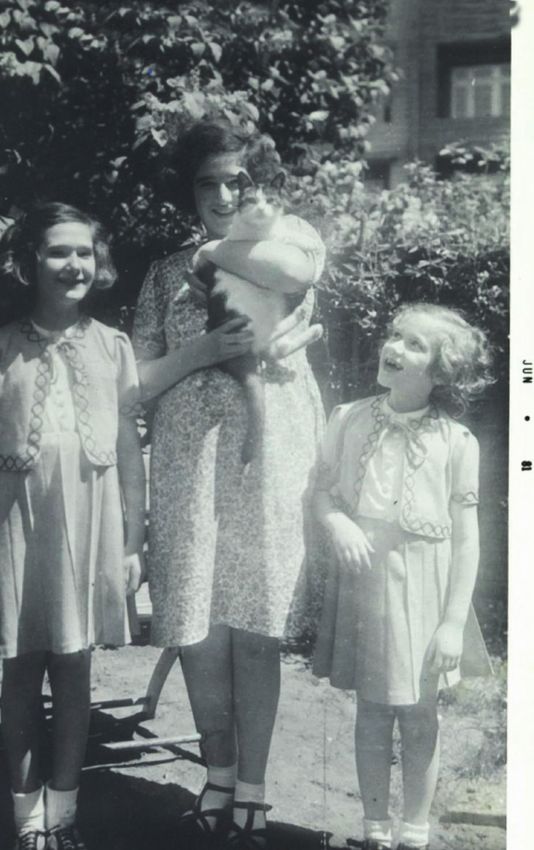
The Library's founder, Dr Alfred Wiener, had three daughters,
(left to right) Eva, Ruth and Mirjam. In 1943, the three girls
were imprisoned with their mother in Westerbork transit camp.
They were then deported to Bergen-Belsen concentration camp
in 1944. They were released on a rare prisoner exchange scheme
in 1945 and later reunited with their father. Dr Wiener's wife,
Margarethe, died following her release from Bergen-Belsen
due to illness contracted in the camp.
24We would like to extend our thanks to our
generous donors, friends and supporters
The ’45 Aid Society The Alan and Babette Sainsbury Emma Kane
The Andor Charitable Trust Charitable Fund David Lewis
Aspect Trust Salomon Oppenheimer Shahid Malik
Association of Jewish Refugees (AJR) Philanthropic Foundation Dr Gabriele Matzner-Holzer
The Pauline and Harold Berman Toni Schiff Memorial Fund The Rt Hon David Miliband Rabbi
Charitable Trust Ellen & Richard Schmidt the Baroness Neuberger DBE The
B’nai B’rith Leo Baeck (London) Sotheby’s
Lord Pannick QC
Lodge Trust Fund Helen & Anthony Spiro
Dame Esther Rantzen DBE
Colin & Sue Boswell Philippa & Jimmy Strauss
The Rt Hon Sir Malcolm Rifkind
Briess Family Charitable Trust Clare Ungerson
The Rt Hon Sir Bernard Rix QC
Sir Trevor & Lady Chinn The Weldon UK Charitable Trust
Jeremy Coller Foundation Rosie & Andreas Wesemann JOINT PRESIDENTS
Graham Davin Wiener Library Endowment Trust
Prof Alan Montefiore
Sir Mick and Lady Barbara Davis – Anthony Spiro
LEGACIES
The Davis Foundation
Manina Dicks Ernst Fraenkel TRUSTEES
Embassy of the Federal Republic Dr Lilian Furst
Anthony Landes
of Germany Jean Harff
Catherine Colloms
Peter and Leanda Englander Dr Harold Jarvis
Arend Dikkers
Ernest Hecht Charitable Foundation Andrey Kodin
Jonathan Glazer
The Barbara & Stanley Fink Gunter Lubowski
Frank Harding
Foundation Charles Regan
Ian Haworth
Lord Finkelstein OBE Gerry Sigler
Lizzie Marx
The Fraenkel Charitable Trust
PATRONS Prof Philip Spencer
The National Lottery Heritage Fund
Dr Yossi Beilin Dr Zoë Waxman
The Kobler Trust
Helena Bonham Carter CBE Andreas Wesemann
Kulturstiftung des Bundes
The Margarethe Charitable Trust Dr Colin Boswell
Sir Andrew Burns KCMG Jonathan
Pears Foundation We would like to thank our
Caplan QC
Rachel Charitable Trust Friends for their continued
Sir Mick Davis support to the Library.
Sigrid Rausing Trust
Prof Anthony Finkelstein CBE
The Roden Family We would also like to extend our
Rothschild Foundation Hanadiv Lord Finkelstein OBE
thanks to the many other individuals,
Europe The Rt Hon Dame Margaret Hodge volunteers and organisations who
The Alfred and Frances Rubens DBE MP support our work and those who wish
Charitable Trust Tamara Isaacs CB to remain anonymous.Standing Up For The Truth
Looking forwards
Autumn 2020 Winter 2020/21 Winter 2020/21
International Tracing Liberation & Death Marches Berlin/London: The Lost
Service (ITS) Event Series exhibition Photographs of Gerty Simon
The Library will be launching The first joint HGRP exhibition will The Library’s popular exhibition on the
a series of events, which will open to the public. German Jewish photographic artist,
include how to get started Following the Second World War, the Gerty Simon, will go on display at the Villa
researching in the ITS ITS researched and created maps Liebermann. This will be the first time in
archive, the ethics of family which showed the routes that death over eighty years that the work of Gerty
research, and exploring marches took. Simon will be on display in Berlin.
family reunions. Courtesy of Arolsen Archives
Gerty Simon, self-portrait
© The Bernard Simon Estate,
Wiener Holocaust Library Collections
Winter 2020/21 Winter 2020/21
The Wiener Holocaust Library Granta Books Publication
North will be officially opened The Fatherland and the Jews –
to the public two pamphlets by Dr Wiener,
1919 and 1924, will be published
The Holocaust and Genocide by Granta Books.
Research Partnership (HGRP) Dr Alfred Wiener.
will be launched Wiener Holocaust Library CollectionsYou can also read


