Stanford Research Park Handbook - 2021 Stanford Real Estate
←
→
Page content transcription
If your browser does not render page correctly, please read the page content below
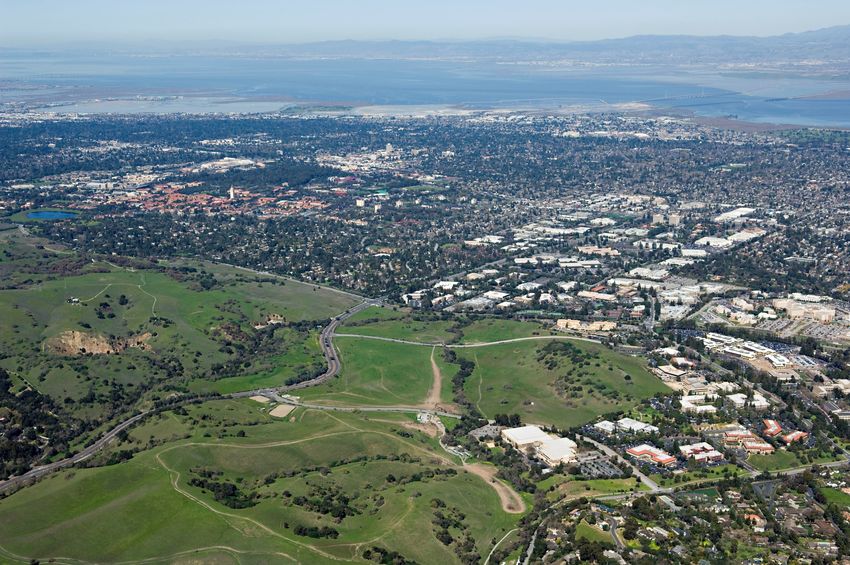
Stanford Research Park
Handbook

2021

Stanford Real Estate

                                                                          1
                                                                                            Confidential
 Confidential and proprietary. Do not distribute or reproduce without express permission from            and proprietary.
                                                                                              Stanford University.        Do Reserved.
                                                                                                                   All Rights not distribute or reproduce without
                                                                                                                                         © 2021
                                                                                            express permission from Stanford University. All Rights Reserved. © 2021
Welcome to Stanford Research Park
This Handbook summarizes the basic aspects of the relationship among Stanford
University, as ground lessor in the Stanford Research Park (SRP), you as our lessee, and
your tenants by addressing the typical questions that may arise in managing your asset.
Stanford Research Park is one of the world’s process, guidelines, and standards covering design,
premier university-affiliated research parks. For operations, and use.
over 70 years, Stanford University has supported
innovative companies in their pioneering research We are here to help. We thrive on collaboration
and development pursuits by providing modern and recommend that you contact us with any
facilities in a beautiful natural landscape and by questions. We will be happy to guide you on your
fostering connections with Stanford’s talent and projects, and we have a wealth of experience in SRP
resources. Our focus is on creating value and to share.
opportunity for this vibrant community of
innovators. We are grateful to you – our lessee and This Handbook is organized with individual chapters
tenant partners – for all you do to help create such below containing easy-to-use guidance.
an appealing environment.
I. Alterations to Buildings or Site: Design Review
Stanford Real Estate (SRE) is committed to Process, Design Guidelines and Special
preserving and enhancing the market value of Considerations
Stanford Research Park for decades to come. To II. Consents, Estoppels, Other Agreements and
assist with this goal, this Handbook provides lessees Encumbrances
and tenants with a common understanding of III. Operational Guidelines
IV. Prohibitions
Stanford Real Estate Contact us for more information.
Stanford University Design Review, Property Operations, Consents, Assignments,
Agreements, Encumbrances, and General Information:
415 Broadway, 3rd Floor
StanfordResearchPark@stanford.edu
Mail Code 8873
Redwood City, CA 94063 Commuter Transportation:
SRPGO@stanford.edu
Tel: (650) 724-7100
Tenant/employee programs, services, and amenities:
SRPconnects@stanford.edu
1
Confidential and proprietary. Do not distribute or reproduce without express permission from Stanford University. All Rights Reserved. © 2021I. Alterations to Buildings or Site: Design Review Process, Design
Guidelines, and Special Considerations
Alterations to buildings have a positive, long-lasting scope of the project and the zoning requirements –
effect on the market attractiveness of SRP and are Staff-level review, Minor Architectural Review,
highly encouraged. Any modification to your site Major Architectural Review, and for certain SRP
or buildings, such as expansion, demolition, sites, Site and Design Review at Planning &
renovation, new hazardous materials use, Transportation Commission.
modifications to exterior paint color, landscaping,
or other site improvements must be approved by Palo Alto will not accept a project application for
SRE. Please request our approval before you seek architectural review, signage and the like unless
any applicable approvals from the City of Palo Alto. SRE signs the City of Palo Alto Planning Review
We encourage you to contact us regarding your Application (PRA).
project at an early stage.
For zoning information affecting SRP, visit City of
Proposed alterations must comply with all Palo Alto and City of Palo Alto Planning and
applicable requirements in this Handbook and with Community Environment for more details.
your lease. If you are a tenant and not the building
owner/landlord, please obtain a letter of approval Design Review Process
for the proposed alterations from your landlord
before submitting to SRE. On ground leased
parcels, projects with no exterior aesthetic impacts The SRE team, including the University Architect,
often do not need to be approved by SRE unless conducts a formal Design Review, which results in
the proposed interior alterations involve new approval, comments, or proposed revisions
hazardous materials or otherwise require SRE’s generally within 10 business days after receipt of a
approval as described in your lease. complete submittal package. We may request a
meeting with you and your consultants to expedite
The Design Guidelines outlined in this Handbook our review. If a project cannot be approved as
are separate and distinct from the City of Palo submitted, we will send a letter with conditions
Alto's Zoning Ordinances. It is the responsibility of required to obtain SRE’s approval. SRE will confirm
each lessee and designated representative to its approval by sending a confirmation letter and
review and comply with all applicable codes and executing the City’s Planning Review Application as
regulations of the City of Palo Alto, State of “Property Owner,” which clears the way for
California, and other applicable government submittal to the City of Palo Alto for its
agencies. Alterations to any lands near creeks may architectural review and approval.
require review by the Department of Fish and
Game and the Santa Clara Valley Water District. At each stage of design – schematic design, design
Certain sites with a history of environmental development, and permit plan set/construction
releases or hazardous materials use may require documents – submit updated plans (i) for any
review by the Regional Water Quality Control proposed work that deviates in any material
Board or Department of Toxic Substances Control. respect from the plans approved by SRE, and (ii)
Review by SRE does not include an evaluation of prior to performing any other work not explicitly
code compliance, structural integrity, or other shown on the approved plans.
applicable regulations administered by government
agencies. The City of Palo Alto offers multiple Contact us for information on how to submit
pathways for Planning Approval depending on the materials or with any questions:
https://stanfordresearchpark.com/design-review
2
Confidential and proprietary. Do not distribute or reproduce without express permission from Stanford University. All Rights Reserved. © 2021Required Submittals
To initiate the Design Review process, please provide the following applications, plans and details (electronic
PDF file, half-size, to scale), as applicable:
Proposed Alterations Requirements
All Stanford Real Estate’s Design Review Submittal Form
All City of Palo Alto Planning Review Application
Project Statement Project goals, existing conditions analysis, site photographs, relevant details
Building Structure Structural plans including relevant details related to:
• Slab, foundation, building structure, structural calculations
• Vapor Intrusion Mitigation System (VIMS), vapor/moisture barriers
Exterior Building A well-developed set of architectural drawings with all pertinent detail such as:
Appearance
• Renderings, elevations, sections
• Change to building(s) (e.g., demolition and/or expansion square footage)
• Roof screens, roof penetrations, antenna, solar panels
• Changes to exterior aesthetics, including colored perspective drawings as
viewed from the street at pedestrian level
• Color/materials board representing all exterior finishes, materials, and colors
Site Site plan including all relevant details, such as:
• Site work (trenching, grading, excavation, backfill)
• Landscaping plans, plant inventory, tree removal and/or replacement plans,
certified arborist report with tree preservation or removal recommendations,
irrigation details
• Storm water/bio-retention basin installation, City-required exhibits for Storm-
water Pollution Prevention Agreement
• Parking (vehicular, bicycle)
• Site circulation (vehicular, bicycle, pedestrian)
• Site lighting
• Site furnishings
• Public art
Signage • Dimensions, materials, colors, lighting specifications, site location/context
Hazardous Materials Use • Environmental Questionnaire
• Hazardous Materials Business Plan or Inventory Form
• Plan Set Drawings, functional use map identifying chemical usage or change in
use of hazardous materials, including details regarding any subsurface work
(e.g., trenching); underground storage tank (UST) removal plans
• California Environmental Report Systems (CERS) report or update
Design Guidelines
environment and the community, while ensuring
Architectural Design improvements that are optimally useful to
SRE supports projects of high-quality architectural occupants and visitors in SRP. With all SRP projects,
design that achieve multiple important objectives we seek to enhance this unique, innovation-
for the long-term viability and versatility of the oriented community with amenities, public
built and natural environment. SRE encourages gathering spaces, and recreational facilities,
approaching design, construction, and operations including dining and fitness centers. We encourage
with the intention of reducing impacts on the creative architectural and landscape design that
3
Confidential and proprietary. Do not distribute or reproduce without express permission from Stanford University. All Rights Reserved. © 2021complements the existing character of SRP and environment and natural habitat. Our goal is to
preserves natural site features and established balance this interest with maintaining property
landscaping. We strive for a cohesive campus-like values and preserving improved sites for flexible
context, balanced with encouraging new redevelopment over time. SRE reserves the right to
innovative architectural expression. Optimal design approve the new planting of any native tree
strives for a harmonious scale relationship through species on a case-by-case basis. In taking into
volumetric moves, materials, massing, and forms, account which trees best complement the overall
and colors that are compatible within its context. design and the environmental conditions on a
Building composition should balance opacity and given site, we encourage planting a wide range of
the desire for natural light, taking into account native trees; however, we carefully scrutinize
climate responsiveness, the need for privacy by proposals for any Coast Redwoods, Coast Live
building occupants, and sensitivity to our Oaks, or Valley Oaks, as these species become
residential neighbors. The design of floor plates Protected Trees under the City’s Tree Preservation
should promote a culture of collaboration, allowing Ordinance, and thus limit the future flexible use
for maximum flexibility in layout configurations and development capacity of the developed sites.
and varied uses over time. Entry expression and
engagement of the street-edge are encouraged A regular maintenance program is required to
with welcoming lobbies, scaled, and detailed to protect the visual aspects of the landscape by
offer a sense of arrival. Priority is placed on orderly properly trimming trees and shrubs. Regular
and safe circulation for pedestrians, bicyclists, maintenance includes promptly removing and
shuttles, and vehicles. Convenient connections to replacing unsightly or dangerous dead or diseased
natural and planned landscapes and plaza areas, plants and trees with new plantings or landscaping,
walkways, external sidewalks, trails, and linkages controlling litter, and removing weeds. Consult
to other SRP amenities are encouraged. with SRE if landscaping activities (e.g., tree removal
or trimming, ground disturbance) are needed
Sustainability within 50 feet of the top of a creek bank.
Energy efficiency and water conservation should be
incorporated in the building and landscape design Screening
and operations. Rooftop equipment should be We require effective, attractive screening for any
located to reserve large areas for photovoltaic functional spaces such as waste management
panels and prevent noise and visual impacts to program containers, loading docks, utility yards,
neighbors. Substantial parking is to be located in a equipment storage areas, mechanical/electrical
below-grade parking garage, allowing for increased equipment or other equipment, duct work and
landscaped and pervious surface areas and ventilation/exhaust stacks, flues/vents, cooling
stormwater treatment. Sustainability initiatives towers and chillers, generators, transformers,
should extend beyond the building by storage tanks, and backflow prevention
incorporating strategies to reduce vehicle traffic, assemblies, whether located at grade or on the
including secure bicycle parking, shower facilities, roof. Screening devices and noise baffling are to
EV and carpool spaces, EV charging stations, and be included to mitigate any nuisance, hazard, or
passenger loading zones near entrances to support foreseeable negative impact to neighbors. SRE
vanpool and shuttle ridership. retains the right to require relocation, screening, or
other alterations to any such equipment if
Landscaping Design and Maintenance neighbor complaints arise.
SRE and the City share a common interest in
maintaining a diverse, healthy urban forest canopy, All major systems requiring large components
and in using pest- and drought-resistant, regional should be located in mechanical rooms completely
indigenous native plantings to reduce irrigation within the building. Alternately, with SRE’s express
water usage. We recognize the benefits that approval, systems might include an exterior
native trees provide to the quality of the location at or depressed below ground level as
4
Confidential and proprietary. Do not distribute or reproduce without express permission from Stanford University. All Rights Reserved. © 2021necessary to limit heights to a maximum 8 feet the site context, is allowed in setback areas.
above grade or be fully recessed into roof wells, Notwithstanding any allowance by the City of Palo
with allowances for future equipment. Mechanical Alto, no tenant signage will be allowed on the
equipment must be screened on all sides. If building façade or eyebrow unless the tenant is the
surface-mounted roof equipment is required, it primary occupant, and then only if the tenant’s
must be screened in a low-profile manner, and the campus exceeds 250,000 square feet. However, no
roof screen must be completely integrated with building façade signage will be allowed regardless
the overall architectural design of the building. All of tenant size on the side of the building that faces
equipment installed on site must meet the City’s any residential use. If applicable, SRE will consider
noise ordinance. Where the building site is conservatively sized signage near or over the main
adjacent to any residential development, we entry door of a building that is occupied by a single
require that an acoustical engineer be involved in tenant for wayfinding purposes. This signage is
the design of roof screens and the choice of meant to assist pedestrians in distinguishing one
mechanical equipment to avoid costly retrofitting tenant from another in a multi-tenant campus.
of non-compliant equipment. We further require Professional signage design is required, and
the acoustical engineer to certify that the lettering may be either raised or recessed.
completed project complies with the restrictions of Illuminated signs must have soft, concealed, non-
the Palo Alto noise ordinance. glare external lighting. Internal lighting, unfinished
or exposed aluminum edges, and signs using plastic
Other Site Planning Features or similar commercial sign materials are prohibited,
Walls are not permitted within the street-side as are signs that are glossy, reflective, flashing, or
setbacks, and any walls built onsite are limited to have moving parts. Vinyl or painted lettering is
strict height requirements. Chain link or other non- prohibited.
architectural fences are prohibited. Lighting design
should balance energy conservation with aesthetic, Leasing Signs
architectural, and safety factors. No direct glare or SRE permits one leasing sign per site along any
light spill from any source, internal or external, is major street frontage. Signs may be a maximum
to be visible from offsite or disturb adjacent width of 3 feet and a maximum height of 4 feet.
residential uses. All utility lines must be Signs may be printed on two sides and must have
underground, and utility equipment (transformers, no more than two legs. Signs must be
storage tanks, meters, backflow prevention professionally designed and produced, may not be
assemblies, etc.) must be screened from both illuminated, must be maintained in a professional
onsite and offsite sight lines. Mechanical manner, and must be removed promptly when the
equipment and auxiliary buildings should not be space has been leased.
located within 5 feet of property lines, and the
design of auxiliary buildings should be consistent Special Considerations
with the design of main buildings. Above-ground
backflow prevention assemblies must be visually Historic Preservation
unobtrusive and screened with plantings. Surface Proposed demolition or alteration of any building
drainage must be properly engineered to collect all 45 years or older must be approved in advance by
storm water onsite for discharge at approved SRE prior to any related discussion with or
points. To reduce storm water run-off, we submittal to the City of Palo Alto. SRE has
encourage the use of permeable surfaces where commissioned a historic evaluation framework for
appropriate. Portable storage containers and all SRP properties, which has been accepted by the
temporary structures may be used on a temporary City as the basis for individual property
basis only. reports. SRE has successfully guided a number of
projects through renovation and redevelopment
Monument Signs projects, exercising strategic oversight and offering
Attractive monument signage, scaled to relate to
5
Confidential and proprietary. Do not distribute or reproduce without express permission from Stanford University. All Rights Reserved. © 2021assistance in the consultant selection process, Pre-Construction Requirements
scope of work definition process, project planning All governmental approvals necessary to meet
and permitting process. Do not order any historic applicable laws must be secured in advance of
resource evaluation or submit any such evaluation starting construction. Copies of all approvals (e.g.,
to any entity without prior approval by SRE. We permits, resolutions, conditions of approval) must
seek to minimize the risk associated with historical be sent to SRE. Written notice to SRE is required 60
resource studies, as incomplete historic reports can days in advance of any ground disturbing activities
have unintended consequences to any individual (e.g., demolition, digging, trenching, grading). SRE
property or collection of properties in SRP. must approve permanent excavation and/or
removal of soil. SRE may elect to have its
Archeological Monitoring and Preservation archaeologist, biologist or environmental
SRP lands have been used by indigenous consultant inspect the site prior to or during
Californians, farmers, U.S. military, dairies, construction. Written notice to SRE is also required
manufacturers, inventors, and innovators. Thus, 10 business days prior to commencing construction
there are culturally sensitive and legally protected so that an appropriate Notice of Non-Responsibility
archaeological sites in SRP, the locations of which can be posted. Where excavation is necessary and
are confidential under state law. These sites can be the possibility exists of encountering existing
shallow, and although rare, it is possible that new underground utility lines, the Underground Service
objects of significance may be unearthed while Alert organization must be called (800-642-2444)
digging. Please contact SRE before you dig, as 2 days prior to commencement of excavation. All
archaeological preservation is required in SRP. reasonable precautions to safeguard existing trees
Stanford University retains the right of ownership and protect nesting birds must be taken during
over all archaeological objects found on our lands, construction. Copies of soil testing reports and
and this right also includes the ability to suspend confirmation of disposal site(s) related to approved
the construction activity while any discovered off-haul of associated soils must be sent to SRE
artifacts or suspected artifacts are investigated or within 30 days of disposal. For additional
removed. In the past, Stanford University has requirements regarding subsurface work, refer to
experienced losses at important archaeological the Hazardous Materials section below.
sites due to looting and so we appreciate your
assistance in keeping these sites safe and intact. If Post-Construction Requirements
you discover an object of archaeological interest, We may request a visit to view the completed
leave it in place, photograph it and contact SRE. alterations. Upon project completion, a notice of
completion must be filed for recordation and a
Biological Monitoring and Preservation copy must be delivered to SRE. One set of
SRP is home to several plant and animal species, electronic record drawings (as-builts) must be
some of which are protected by state and federal forwarded to SRE within 60 days of completion.
law. Development in certain areas – primarily
adjacent to creeks – requires advance assessment Maintenance
for biological preservation requirements to simplify A regular maintenance program is required to
the permit process. SRE may coordinate with the protect the high-quality aesthetics of your property
University biologist to conduct an initial onsite and maintain the building(s) in excellent, clean
assessment to identify any at-risk wildlife, such as condition. Occasionally, SRE may request the
nesting birds, and to recommend required removal or improvement of an existing eyesore or
mitigations. SRE appreciates your use of bird- defect to maintain the appeal of SRP.
friendly glass and design in your improvements to
minimize bird strikes.
6
Confidential and proprietary. Do not distribute or reproduce without express permission from Stanford University. All Rights Reserved. © 2021II. Consents, Estoppels, Other Agreements and Encumbrances
Subleases and Assignment Consents University has a strict policy of not inviting
potential litigants on our lands and requires a non-
and Estoppels negotiable release of liability from every single
SRP ground leases stipulate that lessees must occupant (tenant, subtenant of any tier).
obtain consent from SRE for all new subleases (of
any tier), sublease amendments, and ground lease In the consent agreement, SRE often lists any
assignments. In order to initiate the consent current, applicable site-specific or regional
process, provide the following items to us as soon environmental orders by name, address, date, and
as negotiations for a potential transaction reference number. We do this as a courtesy and
commence. Submit items to with the words “see for example” to help a
StanfordResearchPark@stanford.edu. prospective occupant or operator conduct a
thorough due diligence of the site prior to signing a
Consent to Subleases (of any tier) and Sublease lease. Because all occupants in Stanford Research
Amendments Park are sophisticated, we expect lessees, tenants
• Provide fully executed Sublease (with signature and subtenants have the resources available for
pages and exhibits attached) such due diligence, including hiring an
• Lessee’s Consent to Sublease (if sub-sublease, environmental consultant to assist with
sub-sub-sublease, etc.) understanding the pre-existing environmental
• Completed Environmental Questionnaire condition to the satisfaction of the prospective
• Tenant improvement work details, if applicable occupant or operation. The environmental orders
(scope of work, timing, etc.) can be found here:
Regional Water Quality Control Board (RWQCB):
Consent to Ground Lease Assignments https://geotracker.waterboards.ca.gov/
• Provide Assignment Agreement Department of Toxic Substances Control (DTSC):
• Information on the assignee, including https://www.envirostor.dtsc.ca.gov/public/
financials, company information, business plan,
planned improvements, etc. Estoppels
Occasionally, SRE will issue an estoppel to a lessee
Assuming the contemplated tenant sublease as part of a ground lease assignment or financing.
agreement and/or assignment agreement complies When requesting an estoppel, the lessee should
with the terms of the ground lease, SRE will provide the complete names of the parties to
prepare and distribute the consent documents to whom lessee is requesting the estoppel be certified
your designated representative. After SRE has and when the desired estoppel is needed. After
received all of the required documents and all SRE has received the request, any background
other parties’ signatures, SRE will date and sign the information/documents provided by lessee and
document last. Signatures may be executed in any factual information SRE can confirm without a
counterparts so long as signature pages are duty of inquiry, SRE will prepare the estoppel,
compiled into a single PDF file and delivered to subject to the provisions of the applicable lease.
StanfordResearchPark@stanford.edu.
Environmental Release Requirement Permitted Use Clauses (Use Clause
For each new occupant on Stanford Research Park Exceptions)
property, the form of consent contains a release of Since the 1950s, Stanford Research Park leases
liability for the pre-existing environmental have included “permitted use” clauses that restrict
condition benefitting Stanford University. The use of SRP lands to companies engaged in research
7
Confidential and proprietary. Do not distribute or reproduce without express permission from Stanford University. All Rights Reserved. © 2021and development (R&D), albeit some lease Importance of Permitted Use Restrictions
restrictions vary from others. Over the years, the When a lease contains a use restriction, either
R&D use clause restrictions have had the desired limiting the use to R&D or limiting the use to non-
effect of attracting tenants focused on R&D, in R&D (professional services), SRE considers this
medical, technology, automotive, life science and material consideration for entering into a lease.
other innovative industries. As SRP grew, and an Thus, the “whole company” core business of any
ecosystem comprised of R&D companies occupant must comply with the permitted uses
developed, Stanford University recognized the throughout the lease term. We are often asked if a
benefit of permitting a limited number of non-R&D research unit within a professional services firm
firms to provide essential professional services that can qualify as an R&D use, and our long-standing
support the core R&D community in SRP. SRE approach is that the whole company’s primary
considers exceptions to the permitted use function must be an R&D-focused business.
restriction clauses on a case-by-case basis. Therefore, a financial services firm, for example,
However, consistent with the SRP strategic plan, would not qualify as an R&D use even if it desired
R&D firms may not fall below 75% of total to locate its information technology team in a
tenancies measured by square footage. building in SRP that is subject to a lease with a use
restricted to R&D firms.
Use Definitions
Research & Development (R&D): A company Permitted Use Exceptions
qualifies as an R&D use when the core business We grant exceptions to R&D-restricted leases if the
(i.e., the whole company) is engaged in the total non-R&D uses do not exceed 25% of
engineering, product design, and development of tenancies in SRP. In consideration for any use
devices or products related to technologies. clause exception, the master lessee must agree to
Examples of R&D include commercial industries pay Stanford a “permitted use waiver surcharge”
related to computer software and hardware firms, amounting to 17% of the net base rental income
instrument analysis, robotics, artificial intelligence, received from the approved lessee during the
drug discovery, pharmaceuticals, biologics, term. The waiver only applies to the specific
therapeutics, biotechnology, genomics, approved occupant, and the waiver surcharge is
proteomics, microbiology, chemistry, medical paid to Stanford directly on a quarterly basis for
device, medical technology, and diagnostics. “R&D” the duration of the approved lease term. SRE’s
may include limited manufacturing, fabricating, determination whether to grant or deny a
processing, and assembling of prototypes, devices, permitted use clause exception is in SRE’s sole
compounds, or products, or related activities, discretion. An exception for a particular occupant
where such activities are incidental to research, is in no way a permanent exception for the specific
development, or evaluation. R&D companies may space. SRE reserves the right to deny an exception
include related administrative uses (i.e. finance, to future occupants in the same space. The
legal, human resources, management, marketing, guidelines do not constitute a waiver of SRE’s
sales, accounting, purchasing or corporate offices; rights to strictly enforce restrictive use clauses.
provisions of services to others onsite or offsite;
and related educational uses), provided such uses Review Process
remain ancillary to and supportive of the primary After receipt of a written request for a permitted
uses of “research and development” and are part use clause exception, we will convene a committee
of the same research and development firm. comprised of representatives from SRE and senior
academic and University leadership. The
Non-R&D (Professional Services): Examples of non- committee will determine whether to grant the
R&D uses (professional services) include law firms, request based on its review of the information
consulting firms, investment banks, venture capital provided, and its professional judgment as to
firms, accounting firms, real estate services, and whether granting such a request would be in the
co-working and office workplace solutions. best interests of SRP and Stanford University,
8
Confidential and proprietary. Do not distribute or reproduce without express permission from Stanford University. All Rights Reserved. © 2021taking into account the strategic plan of SRP representative. After SRE has received all of the
related to the balance of non-R&D and R&D uses. required documents and all other parties’
SRE’s decision whether to grant or deny a signatures, SRE will date and sign the document
permitted use clause exception will be based on an last. Signatures may be executed in counterparts
evaluation of whether the prospective occupant so long as signature pages are compiled into a
provides essential services to R&D occupants in single PDF file and delivered electronically to
SRP; offers synergy with Stanford University StanfordResearchPark@stanford.edu.
through an existing or potential relationship; and is
a leading firm in its field. If granted, the permitted Easements, Licenses, and Access
use clause exception will be narrowly defined to
include the specific amount of space, square
Agreements
footage, lease term and approved tenancy. Easements and licenses are commonly approved
When you contact us to discuss your permitted use when one party needs access to another party’s
proposal, please include the following information property to install, maintain, and repair utility lines
in your request: lessee’s name and building or gain access for a reasonable purpose. SRE must
address; square footage and lease term desired for provide written consent for the easement, license,
prospective occupant; and complete information or access agreement or before it is executed and
about the prospective occupant and its core whether or not it is recorded on title. Examples of
business that addresses the requirements. some types of easements include:
• Private easements between two lessees for
access rights between two properties for utility
Tri-Party Lender Agreements lines and ingress or egress access
SRE understands that lessees may desire to finance • Public utility easement to the City of Palo Alto
their leasehold positions and has a well-established for access to and maintenance of utility lines
practice of entering into tri-party agreements with
• Public access easement to the City of Palo Alto
lessees and their institutional lenders to facilitate
for sidewalks, bike paths, etc.
financing via deeds of trusts. Under no
circumstances, however, will Stanford University
Review Process
allow its fee interest to be encumbered or
To request an easement or license, contact SRE
compromise its rights under the existing ground
with a preliminary set of information:
lease. When a tri-party agreement is required,
• A description of where the work is proposed to
submit the documents below to
take place and the access pathway requested.
StanfordResearchPark@stanford.edu. Please
Include an aerial map of the property if
provide the following items to formally initiate
available with a depiction of the proposed
SRE’s tri-party agreement process:
easement or license area.
• The names of the grantor and grantee, which
• Loan agreement
would be parties to the easement or license.
• Current title report
• An aerial map of the property with the location
• Summary of the transaction, including purpose
of existing easements that may be relevant to
of loan, loan amount, assumed LTV%, loan
the proposed easement or license area.
term, amortization period, and interest rate
• Summary of assets used as security Assuming all parties agree to the proposed
• Summary of loans that will be repaid as a result easement or license agreement, SRE will prepare
of the proposed financing and distribute the easement or license form, as
• Estimated closing date forms for public easements granted to the City of
Palo Alto have been pre-negotiated and may not
Assuming all parties agree to the terms of the tri- be revised. The lessee must provide a legal
party agreement, SRE will prepare and distribute description, plat map from a licensed engineer, and
the tri-party agreement to your designated an updated title report for the properties affected
9
Confidential and proprietary. Do not distribute or reproduce without express permission from Stanford University. All Rights Reserved. © 2021by the easement or license. After SRE has received Once a complete package is submitted, if
the documents, SRE will sign and notarize the acceptable, SRE will issue a letter requiring lessee
easement and send it to the City of Palo Alto to be to enter into a separate binding agreement with
signed and recorded. Easements can have a long Stanford in connection with proposed alterations
lead time since the process requires multiple requiring the Stormwater Agreement, and lessee
stakeholders, such as lessees, attorneys, civil shall accept and fully perform all of Stanford’s
engineers, and the City of Palo Alto staff. obligations to comply with the Stormwater
Agreement and the relevant City ordinance,
Stormwater Agreements including any indemnities. SRE will prepare and
As part of the Bay Area region’s pollution distribute the Stormwater Agreement based on the
prevention program, storm water management City’s form and send to the City for review. Once
practices are required to mitigate impacts on the City approves the draft, and so long as lessee
overall water quality and flow. The City of Palo has executed the separate binding agreement with
Alto regulates storm water management in SRP, Stanford, SRE will execute the Stormwater
which is in the Santa Clara Valley Water District. Agreement to the City for signature and
Any new development or alteration that changes recordation. SRE will provide a recorded copy to
impervious surface area or material changes that the lessee to implement the requirements of the
affect stormwater runoff on a site may require a Stormwater Agreement. Lessee shall provide
Permanent Stormwater Pollution Prevention copies of the annual reports to SRE as confirmation
Measures Maintenance Agreement (“Stormwater of compliance with the terms of the Stormwater
Agreement”) issued by the Regional Water Quality Agreement.
Control Board (RWQCB) and implemented by the
City of Palo Alto. Stanford, as the fee owner of the Additional Resources
site, enters into the Stormwater Agreement with • City of Palo Alto’s Storm Water Pollution
the City, and requires lessees to agree in writing to Prevention Municipal Code (Chapter 16.11).
comply with the Stormwater Agreement • Valley Water (Santa Clara Valley Water District)
regulations. • City of Palo Alto Stormwater Guidelines
• Santa Clara Valley Urban Runoff Pollution
Review Process Prevention Fact Sheet
To initiate the Stormwater Agreement process, the • Construction Stormwater General Permit
lessee should submit the following items to SRE: (Regional Water Quality Control Board)
• Lessee entity name, Assessor Parcel Number
(APN) and address for project Post-Installation
• Description of improvements prepared by After the stormwater management system is
lessee and engineer installed, lessee will schedule an inspection with
• Legal property description, including plat map the City of Palo Alto to obtain approval of the
• Alterations which require a Stormwater stormwater management system. Post-inspection,
Agreement must include a completed Santa the Stormwater Agreement can be finalized.
Clara Valley Urban Runoff Pollution Prevention Although the Stormwater Agreement is between
Program Provision C.3 Data Form Stanford University and the City of Palo Alto, the
• Inspection process maintenance checklist lessee is responsible for fulfilling the obligations of
• Identification of entity responsible for the the Stormwater Agreement as stated in the
monitoring, maintenance and reporting consent letter. Lessee shall establish maintenance
requirements associated with the Stormwater and annual reporting processes to fulfill the
Agreement. obligations of the Agreement.
10
Confidential and proprietary. Do not distribute or reproduce without express permission from Stanford University. All Rights Reserved. © 2021III. Operational Guidelines
Adjacency to Neighboring Properties Noise: The City of Palo Alto’s Noise Ordinance
Palo Alto is a dynamic city that balances the needs requires decibel levels to remain below a certain
of its diverse residential neighborhoods with its level. Plan your site to locate mechanical
thriving business districts, including SRP. In equipment away from residences and maintain
addition, there are several housing communities equipment to minimize noise emissions. If you are
located within and adjacent to SRP boundaries. It hosting an event or planning construction or
is important to work together deliberately and maintenance that might exceed the maximum
consistently so that we may coexist in a respectful allowable decibels, inform the neighbors, and plan
and neighborly manner. We seek to maintain a schedule that minimizes impact.
cooperative relations with the residential
communities in the vicinity of SRP, and we Parking: Lessees are required to manage parking
recognize the importance of designing, developing, demand such that all employees and visitors park
operating, and maintaining buildings to avoid vehicles onsite. SRP employee and visitor parking
negative impacts on adjacent neighbors. If you is not permitted in residential neighborhoods.
become aware of complaints regarding operational
issues resulting from your building or site, we ask Commuter Transportation Programs
that you make efforts to respond within 2 business SRE provides extensive commuter transportation
days after becoming aware and diligently and services and support through SRPGO. We
continuously act to resolve the issues. encourage or require lessees to participate in
SRPGO to reduce traffic congestion, improve air
Requirements quality and reduce greenhouse gas emissions.
We ask that all lessees take reasonable measures SRPGO provides many services free of charge to
to minimize impacts to residential neighbors. This users. Occupants and their employees may opt
includes, but is not limited to, the following: into premium services for a fee. Through SRPGO,
commuters can optimize travel to and from SRP
Company Representative: Designate a using a wide range of available modes of
representative in your organization to liaise and transportation, including Caltrain shuttles, flexible
maintain cooperative relations with residential carpools, regional and local transit, commuter
neighbors. This representative should openly buses, and more.
communicate with neighbors, such as to provide
them with advance notice of activities that might The program features a trip planner that identifies
impact the neighborhood (e.g., construction traffic routes and modes around the Bay Area to and
and noise, after-hours corporate events) and from SRP, complimentary shuttles to and from the
provide copies of such notices to SRE. This downtown Palo Alto, access to subsidized carpools,
representative must respond to complaints and guaranteed rides home. Contact SRP’s
regarding construction or operational issues, Transportation Manager at SRPGO@stanford.edu
handle any issues that may arise, and keep SRE so that we can develop a customized program that
representatives apprised of issues of concern to meets your company’s commuter needs. Visit SRP
SRP or the City of Palo Alto. Transportation for more information. We are
eager to work with you to develop and support a
Light Spill: To minimize the effect of artificial light program to promote SRPGO within your
on residential neighbors, SRE requires that all organization.
neighborhood-facing windows be equipped with
mechanical shades that automatically close during Please provide to the team the following items:
designated nighttime hours. • Designate a Commuter Transportation liaison
11
Confidential and proprietary. Do not distribute or reproduce without express permission from Stanford University. All Rights Reserved. © 2021• Participate in monthly SRP Connects employer inventory form and functional use map; any
meetings to receive valuable updates on changes to a Hazardous Materials Business Plan
commuter transportation programs must be reported to SRE proactively and promptly.
• Coordinate participation in the annual SRE must also approve any plans related to the
commute survey permanent removal of any soil and any excavation
• Provide number of persons working at the work. Copies of any test results or reports related
premises upon Stanford’s annual request. to soil or groundwater investigations of any kind
• Promote Stanford Research Park’s commuter must promptly be provided to SRE. We may elect
transportation options and programs to all to monitor these activities. Our review and
occupants on an on-going basis. approval do not include an evaluation of
regulations administered by governmental
agencies.
Hazardous Materials
Some occupants in SRP use hazardous materials,
Additional Resources
and in doing so, must comply with all federal, state,
• Refer to the State of California’s Department of
and local government agencies’ requirements. For
Toxic Substances (DTSC) for hazardous waste
optimal environmental health and safety of the
management and cleanup standards.
community, we expect best management practices
and full compliance with all laws and regulations • Register electronically with the California
associated with hazardous materials, and their Environmental Protection Agency’s California
usage, handling, storage, disposal, and reporting Environmental Reporting System (CERS) for
obligations. We also expect occupants to prevent your hazardous materials business plan and
spills or other releases on the premises and report inventory reporting. This will trigger a
to the correct government agencies and SRE. notification to the Palo Alto Fire Department,
Notify SRE as soon as possible, and in all cases which will conduct the necessary inspections.
within 24 hours of a spill or other release, or an • If a spill or other release affects waterways
emergency repair. (creeks, streams, groundwater), refer to
Groundwater Protection Division of Region 2 of
Occupants who use hazardous materials are the Regional Water Quality Control Board
required to hire consultants to assist with • Determine if you need to report any spills or
hazardous materials compliance. If you use or plan other releases to DTSC, RWQCB or the
to use hazardous materials, you must comply with California Governor’s Office of Emergency
this Handbook, the lease, and all applicable laws. Services
We expect best practices related to mitigation • For air quality issues, refer to the Bay Area Air
measures to prevent or control releases. If you are Quality Management District
designing a facility for usage and storage of • City of Palo Alto Hazardous Materials Forms
hazardous materials, or changing the use, quantity, and Information
or storage of hazardous substances, please provide • City of Palo Alto Hazardous Materials
30 days’ notice to SRE. If you are planning to Disclosure
surrender your lease when hazardous materials are • County of Santa Clara Hazardous Materials
or have been in use during your tenancy (e.g., Compliance Division – for chemical
partial, or full facility closure), please refer to the assessments, storage, disposal, treatment
Hazardous Materials Facility Closure section below. options, etc.
• UNIDOC – for forms associated with specific
It is critical that lessees secure SRE approval of any hazardous material storage, management, and
changes to the use, quantity, or storage of processes.
hazardous materials. SRE must approve your
Hazardous Materials Business Plan (HMBP),
12
Confidential and proprietary. Do not distribute or reproduce without express permission from Stanford University. All Rights Reserved. © 2021inspections are very important to maintain SRP’s
consistency of operations.
Emergency Response
The Stanford Research Park Emergency Radio Preventing Trespassing
Network (SRP-ERN) is a collaborative effort by SRE To maintain the open and porous nature of SRP’s
and lessees to provide a resilient network for inter- overall landscape while preventing unwanted use,
company communication regarding mutual aid for we encourage you to post signage that gives
emergency situations, whether due to human, people the “right to pass by permission.” This is a
technological, or natural/environmental causes. first defense against prescriptive easements and
The network enhances lessees’ ability to trespassing. A prescriptive easement gives the
communicate their concerns about any public the right to use private property based on
hazards. Along with participating SRP lessees, longstanding “adverse use,” which can arise when
Stanford University and the City of Palo Alto are people pass through a property without
network members. permission, but the owner does not prevent it.
Contact SRE before you design and commission
The SRP-ERN utilizes encrypted communications, right-to-pass signage. We will advise you on the
which facilitates messaging between lessee approved language, location and posting
organizations that may be needed for mutual aid in requirements, and process for posting the signs.
cases of emergency response and day-to-day crime
fighting while restricting messaging to the Surrender
authorized lessee representatives. It is designed to As a lease termination date approaches, there are
handle sensitive encrypted voice messages a number of steps that we will take together to
regarding the status of lessees’ facilities before and transition the property to a new ownership and/or
after an emergency. The network radios operate occupant. Approximately 6 months prior to
without cellular or internet service. surrender, we will walk the property and premises
with your designated representative to identify any
Membership Process items that must be addressed as a condition of
All lessees and tenants are encouraged to join the surrender. Any new construction or exterior
SRP-ERN as members. Each participant must: installation not officially approved by SRE is subject
• Purchase a specific digital radio from a menu to to restoration requirements at lessee’s expense.
be provided
• Read the SRP-ERN Policy & Procedures Manual Inspection Process
• Schedule training with the SRP-ERN team Prior to our inspection, submit the following (as
• Submit a signed ERN Network Access applicable):
Agreement and ERN Signature • Name, phone number, and company name of
Acknowledgement contractors, including utilities, along with
• Participate in periodic Working Group respective account numbers
meetings and practice drills to help ensure • Copies of all current service contracts covering
operational readiness of the system. building systems and common area services,
last system inspection reports, and lists
(including related costs) of all outstanding
Inspections repair and replacement items recommended
On a periodic basis, we conduct inspections of by those current contractors
properties in SRP. Any lessees or tenants out of • Forwarding information for your company
conformity with maintenance, operational, (street address, phone number, contact, email)
regulatory, or standards of SRP will be notified of • Keys, codes, and other security access
the issue and requested to take action. These information
13
Confidential and proprietary. Do not distribute or reproduce without express permission from Stanford University. All Rights Reserved. © 2021• Building plans and other documents that investigations that may lead to testing of building
illustrate alterations made during the term components, soil, and groundwater, and possible
• Pro-rated estimate on property taxes with remediation. Notifications regarding, and copies
supporting documentation of, closure plans and reports for decommissioning
• Preferred format of deposit refund facilities (e.g., plating shops, maintenance shops,
• Recorded notice of lease termination labs, storage facilities, etc.) must be provided to
• Close-out hazardous material permits SRE 6 months prior to initiating closure activities.
We may send a representative to be present during
Hazardous Materials Facility Closure these activities. Immediately before surrender, we
When a lessee or tenant vacates its premises, will revisit the building with a representative from
closure actions must be coordinated with the your company to sign off on the items that were
applicable government agencies and with SRE. If required as a condition of surrender. Refer to the
you are no longer using equipment such as tanks, County of Santa Clara’s Hazardous Materials
sumps, conveyance pipelines, etc., we request Compliance Division for information about closure.
these items be removed from the property once
SRE approves the associated removal. Any
reported spills or releases may require additional
Cypermethrin, Cyfluthrin, Permethryn). Use of
rodenticides is prohibited. To reduce abundance of
IV. Prohibitions small mammal pests, trap animals and dispose of
them according to environmental regulatory
Drones guidelines. Secure trash to avoid attracting pests.
Launching, landing, or operating a remotely
operated aircraft (aka unmanned flying vehicle Tier II Hazardous Substances
(UFV)), including a rocket, weather balloon, model Refer to the City of Palo Alto’s ordinance that
aircraft, drone, or unmanned aircraft systems prohibits certain chemicals within 300 feet of
(UAS) from or on lands within the boundaries of residential, day care, and other sensitive receptor
SRP is prohibited. uses.
Matadero Creek Restrictions Contact the Stanford Real Estate Team at
Human use of the creek corridor is prohibited. All StanfordResearchPark@stanford.edu with any
trash and materials must be disposed of properly. questions.
Mobile Fueling
Mobile fueling services are prohibited within SRP
at any time except for diesel generator re-fueling.
Pest and Wildlife Control
No feeding or nurturing of feral animals or other
wildlife is permitted. Feral cat feeding stations or
support structures are prohibited throughout SRP.
Pesticides & Rodenticides
Pyrethrins, Imidacloprid, Fipronil must be used
with caution. The following pesticides are
prohibited within SRP: Metaldehyde, Disulfoton,
Carbaryl, Malathion, Pyrethroids (Bifenthrin,
14
Confidential and proprietary. Do not distribute or reproduce without express permission from Stanford University. All Rights Reserved. © 2021You can also read


