STATEMENT OF PERFORMANCE EXPECTATIONS - SPORT NZ GROUP - 1 JULY 2018 - 30 JUNE 2019 - HPSNZ
←
→
Page content transcription
If your browser does not render page correctly, please read the page content below
SPORT NZ GROUP

STATEMENT OF
PERFORMANCE
EXPECTATIONS
—
1 JULY 2018 – 30 JUNE 2019

1

CONTENTS
           INTRODUCTION                                                            PAGE 3

           KEY PRIORITIES IN 2018/19                                               PAGE 3

           OUTPUT CLASS 1:                                                         PAGE 16

           SPORT AND RECREATION
           PROGRAMMES
           OUTPUT CLASS 2:                                                         PAGE 21

           HIGH PERFORMANCE SPORT
           OUTPUT CLASS 3:                                                        PAGE 24

           HIGH PERFORMANCE SPORT
           NEW ZEALAND – PRIME MINISTER’S
           SPORT SCHOLARSHIPS
           MANAGING THE ORGANISATION                                              PAGE 26

           PROSPECTIVE FINANCIAL                                                  PAGE 27

           STATEMENTS (CONSOLIDATED)
           STATEMENT OF                                                            PAGE 31

           ACCOUNTING POLICIES

           Presented to the House of Representatives
           pursuant to section 44 of the Public Finance Act 1989.
                                                                    SPORT NEW ZEALAND GROUP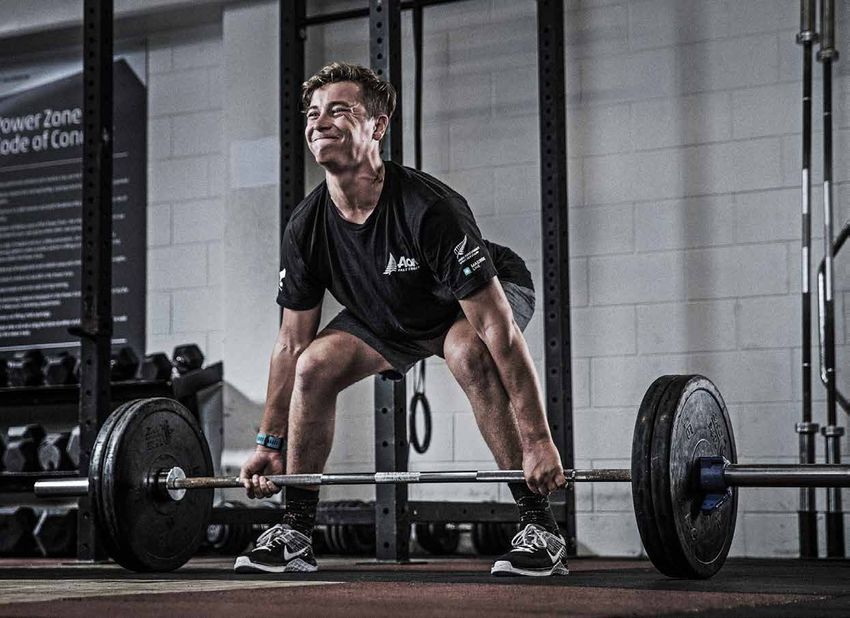
2

STATEMENT OF AUTHORISATION
This Statement of Performance Expectations
should be read with our Statement of Intent
1 July 2018 – 30 June 2022.
We are responsible for the prospective
financial statements and statement of
performance contained in this document.
We consider that these financial statements
and statement of performance fairly reflect
the organisation’s expected financial
position and performance results for the
year ending 30 June 2019, in accordance
with the Crown Entities Act 2004.
We authorise this Statement of
Performance Expectations on behalf of
Sport New Zealand Board:

SIR PAUL COLLINS
Chair, Sport NZ and High Performance Sport NZ
23 May 2018

JASON SHOEBRIDGE
Board member, Sport NZ
Chair, Audit Finance and Risk Committee
23 May 2018

STATEMENT OF PERFORMANCE EXPECTATIONS
3

INTRODUCTION                           This Statement outlines the performance expectations for the
                                       Sport NZ Group for the year ending 30 June 2019, covering
                                       service performance and prospective financial statements.
                                       The Sport NZ Group comprises the parent entity, Sport and
                                       Recreation New Zealand (Sport NZ), and its wholly-owned
                                       subsidiary High Performance Sport NZ Limited (HPSNZ).
                                       This Statement should be read in conjunction with the Sport NZ
                                       Group Statement of Intent 1 July 2018 – 30 June 2022 (SOI).

KEY PRIORITIES
IN 2018/19
SYSTEM LEADERSHIP
During the year, Sport NZ and          Across Government, we are looking to work collaboratively with other agencies to recognise
HPSNZ are looking to take a step       the value of sport and active recreation in supporting the achievement of wider Government
                                       outcomes. We will seek to do this through continued development of strong evidence and
change in our traditional leadership
                                       development of genuine cross-Government partnerships.
role by developing and enhancing
our leadership position in and         At a Local Government level, we will continue to identify key opportunities, risks and issues
                                       that influence quality participation at regional and local levels – for example, the quality
across a range of systems including
                                       and accessibility of council-owned spaces and places.
Government, Local Government,
our sport sector partners and          We will also continue to lead the sport sector in achieving a major shift in the fundamental
                                       approach to sport delivery through the education and adoption of our three strategic
international counterparts.            approaches: insights, physical literacy and locally-led development.
                                       HPSNZ is developing a 10-year strategic plan that enhances its vision of inspiring
                                       New Zealanders though more winners on the world stage and to ensure a sustainable
                                       high performance system across multiple Olympiads.
                                       Alongside our international counterparts, we will continue to explore opportunities for
                                       collaboration and partnerships that will further our mutual outcomes in regards to seeing
                                       greater levels of quality participation.
                                       The priorities listed below demonstrate what we expect to achieve as a result of some
                                       of this work.

                                                                                                              SPORT NEW ZEALAND GROUP
4
KEY PRIORITIES
IN 2018/19
YOUNG PEOPLE
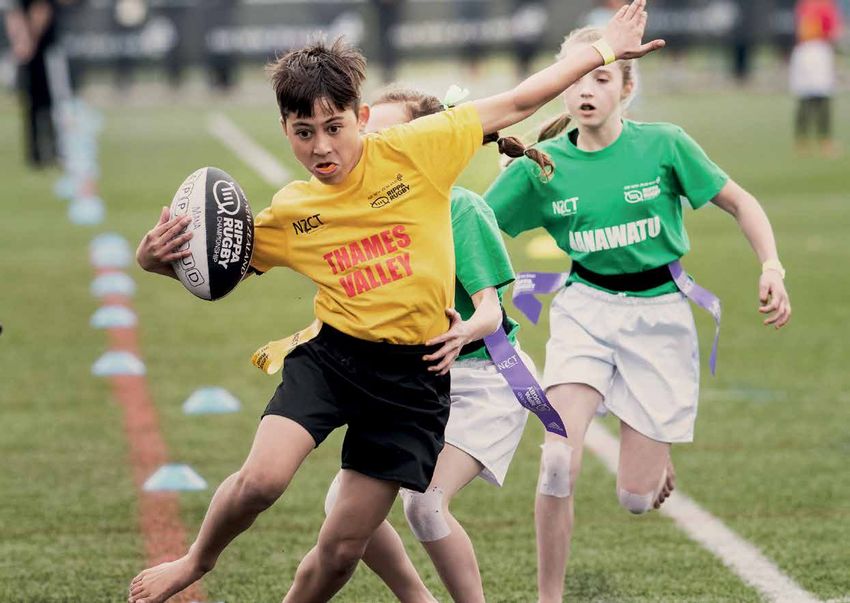
Young people are at the foundation of our Community Sport Strategy. We are building the
system to enable quality experiences for young people to participate and ultimately
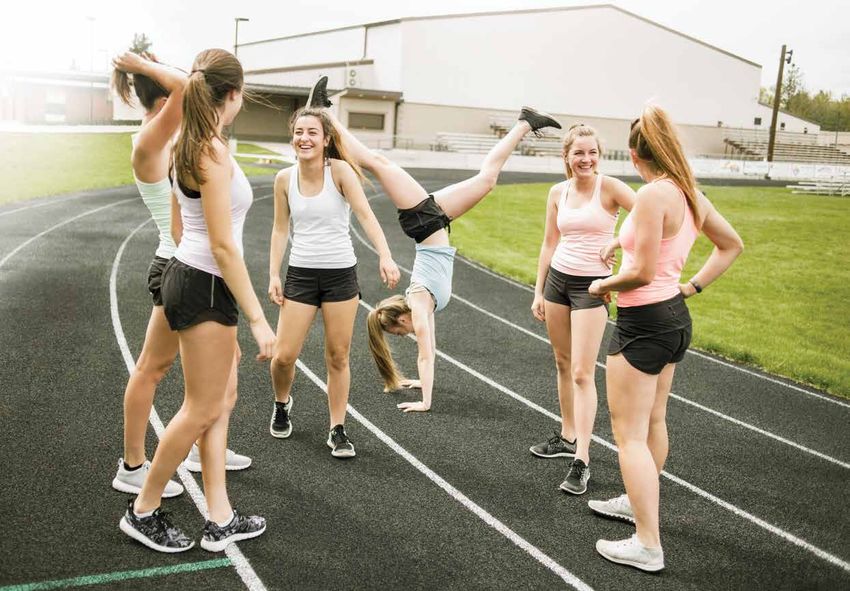
develop a life-long love of sport and recreation. We are particularly focused on girls 10-18
years, young people playing competitive sport and those in low participating communities.
We continue to take a system-led approach that will deliver quality experiences to
participants, which together will attract and support more people to participate at each
stage of their lives. Refer to ‘System Build’ below for our priorities in this area.
In 2018/19, this will include an expansion of Play.sport into a further two regions. It is
currently operating in Waitakere and Upper Hutt with a total of 45 schools involved.
Findings from the Year 2 evaluation of Play.sport demonstrate specifically that the pilot is
leading to improved prioritisation/embedding of physical activity, PE, and sport in the
schools’ culture, policies and processes (e.g. improved PE planning and practice) and
increased teacher confidence and practice (e.g. to design purposeful PE learning
experiences that reflect the Health and PE learning area).
STATEMENT OF PERFORMANCE EXPECTATIONS5
SYSTEM BUILD
To achieve the required level of Community Sport system improvements, we have prioritised
the development of three approaches and five system-build components:
THREE APPROACHES FOR LONG-TERM IMPACT
≠≠ I NSIGHTS APPROACH – through the development of surveys, data collection and
analytical techniques, we are supporting our partners to identify what New Zealanders
want and need in terms of participation and translating this into intelligence, to help the
sport system respond effectively.
≠≠ P HYSICAL LITERACY APPROACH – we are working to improve system understanding and
adoption of the National Physical Literacy Framework and to support partner capability in
delivering participation opportunities that are founded on the Physical Literacy approach.
≠≠ L OCALLY-LED DELIVERY APPROACH – supporting our partners to engage with local
communities, including those with lower socio-economic conditions or facing greater
barriers to participation which require the sport system to respond differently.
INSIGHTS APPROACH CS, TRENDS AND BEH
GRAPHI AVIO
A combination of facts, data, EMO OM M
UR
S
D LC UNITY
voice-of-the- participant, local LOCA
knowledge and analysis to help better
understand participants.
CY
RA
ITE
INS
PHYSICAL LITERACY APPROACH
LL
IGH
PHYSICA
TS
The motivation, confidence,
physical competence, knowledge
and understanding to choose
participating in physical activity
and sport for life.
LO
CAL RY
LY-L E D D ELIVE
LOCALLY-LED DELIVERY APPROACH
Local communities empowered to
make decisions and take action to
improve their lives and communities.
SPORT NEW ZEALAND GROUP6
KEY PRIORITIES
IN 2018/19
FIVE STRATEGIC PRIORITIES
To build the sport system through the provision of quality advice, guidance, tools,
training and investment.
INSIGHTS - a better informed sporting system
≠≠ Lead and make available information and knowledge that helps the sport system
understand the rapidly changing environment within which potential participants are
making decisions regarding their engagement (or not) with sport.
≠≠ Provide data and tools for the system to assist in understanding participants.
≠≠ Support our partners as they develop strategies to understand and target specific
trends and demographics.
PEOPLE – improved people capability
≠≠ Enhance our partners’ understanding of their future workforce needs and
take a proactive and coordinated approach to workforce planning, recruitment
and development.
≠≠ Implement opportunities for development and connectivity for those in critical
Community Sport roles at local, regional and national levels.
SPACES & PLACES – better spaces and places to participate in community sport
≠≠ Engage across the sport system, facilitating alignment and collaboration between all
those with an interest in the planning and development of sporting spaces and places,
including development of regional facility plans.
≠≠ Using the Sporting Facilities Framework, guide and influence investment into sport
and recreation spaces and places.
≠≠ Develop, and make more available, our space and place knowledge and resource base.
PARTNERS/PROVIDERS – increased capability of partners and providers
≠≠ Work with and invest in partners and providers who can make the biggest difference to
our sport system for the greatest number of people.
≠≠ Build long-term partnerships with the above partners. Partnership will focus on building
the partners’ impact on our five strategic priorities.
≠≠ Support our partners to utilise the participant (current and potential) knowledge
available to them and translate that into planning and delivery of relevant services and
products to their people.
≠≠ Bring our partners together to share learning and seek meaningful collaboration.
PATHWAYS – increased and improved opportunities to meet the needs of participants
≠≠ Promote system understanding that builds on the Physical Literacy approach and
develops pathways and opportunities for those wanting to participate in sport and
active recreation.
≠≠ Support our partners to incorporate the Physical Literacy approach and Talent plan into
their planning and delivery.
STATEMENT OF PERFORMANCE EXPECTATIONS7
ACTIVE NZ
The new annual Active NZ Year 1 Moving from a five-yearly to an annual survey enables us to better track our strategic
Participation Report was released progress and provide more regular intelligence to inform decision-making both within
Sport NZ and in the sector. For the first time, Active NZ captures participation data for
in mid-2018.
young people and adults in the same survey. Each year, Active NZ will survey at least 5,000
young people (5-17 years) and 20,000 adults (18+ years). In Year 1 of Active NZ (2017), a
sample size of 6,004 young people and 27,038 adults was achieved.
The survey backs up our strategic thinking behind our Young People Plan: that having fun is
the biggest motivator for young people to participate, whereas adults are more motivated by
physical wellbeing. The biggest barriers to both adults and young people participating
appears to be other commitments (which vary by life stage) taking priority or people being
too busy (for reasons which vary by life stage). Despite these challenges, two-thirds of
young people and three-quarters of adults, whether currently participating or not, want to
do more – and we have a responsibility to help meet the needs of different groups to break
down these barriers.
In 2018/19, we will develop a series of publications that take deeper dives into the data
across areas of importance. We will also continue to work with the sector to ensure they are
able to access the appropriate data for their own needs.
MEASURING PERFORMANCE
During 2017/18, measuring and A Performance Framework approved by the Board in December 2017 is largely complete,
reporting performance has been with measurement methodology and targets set.
a key organisational priority. Continuing into 2018/19, we are focused on:
≠≠ Ongoing refinement of the Performance Framework and bringing it to life as a core
tool for measuring performance and decision-making at Senior Leadership Team
and Board level
≠≠ Evaluating investment performance and impact to inform our decision-making
≠≠ Further developing our thinking in regards to Return on Investment measures
≠≠ Adopting Treasury’s Living Standards Framework, developing our own thinking on how
sport and recreation outcomes contribute, particularly in relation to the Human and
Social Capitals within the Framework, including the development of potential measures.
We will continue to work with Treasury as our thinking develops in this area.
SPORT NEW ZEALAND GROUP8
KEY PRIORITIES
IN 2018/19
WOMEN AND GIRLS IN SPORT
Increasing female involvement in Action needs to be taken which will:
sport and recreation at all levels is ≠≠ Remove barriers for women and girls to participate in sport and recreation, wherever
a key driver within New Zealand, and however they choose
recognising the power that sport ≠≠ Provide equitable access for women and girls in programming, training, coaching,
and gender balance has in positively administration, leadership and governance
changing our social, economic and ≠≠ Promote a welcoming environment for all women and girls to feel respected, confident
cultural future. and safe to participate
≠≠ Ensure that women and girls are visible and valued in sport and active recreation.
A New Zealand consortium led by Women in Sport Aotearoa and supported by Sport NZ, will
host the International Working Group on Women in Sport (IWG) in 2022 and the four-year
secretariat from August 2018 – this presents an opportunity to gain momentum with our
work in this area.
We are developing a strategic approach to Women and Girls in Sport to enhance leadership
in this area. As part of the approach, we will develop a framework for action (including
targets to measure progress), alongside learning from our international counterparts to
determine what levers will have the most powerful impact within New Zealand and develop a
prioritised work programme. We expect the strategic approach and framework to be develop
by December 2018.
MĀA-ORI PARTICIPATION
In response to the Ma-ori and ≠≠ Establish Te Tuara- – working Group that will develop a Ma-ori Participation Strategy
Community Sport Review, the ≠≠ Increase cultural capability of Sport NZ Board and staff
Sport NZ Board accepted all ≠≠ Review the Sport NZ kaupapa Ma-ori framework Te Whetu- Re-hua and He Oranga
recommendations in principle Poutama programme to ensure current and future relevance
and is committed to improving ≠≠ Develop genuine partnerships with Ma-ori, re-build trusting relationships with
its responsiveness to Ma-ori He Oranga Poutama providers, establish kaupapa-driven connections with key
Ma-ori Organisations.
Participation. In addition to the
appointment of a Toihautu- Principal Provide advocacy and guidance in cultural capability build for sector partners
≠≠
Advisor Ma-ori, the key success
factors to achieve this are:
STATEMENT OF PERFORMANCE EXPECTATIONS9
WORKING IN PARTNERSHIP WITH THE
MINISTRIES OF HEALTH AND EDUCATION
We continue to work closely with ≠≠ A workplan that identifies areas where it would be sensible for the three agencies to
both Ministries to explore and work collectively (this will complement the two-party workplans already in place)
implement collaborative approaches ≠≠ A cross-Government approach to physical activity
to areas of mutual benefit. Our ≠≠ Joint advice on the best intervention into education settings to incorporate improved
immediate focus is on agreeing: physical literacy and nutrition.
We will seek joint Ministerial support and implementation timeframes to be set by July 2018.
This work is complemented by initiatives resulting from our ‘The Value of Sport’ study, that
have been specifically tailored to align to the challenges of both Ministries. This work
demonstrates that:
≠≠ Physically active people have lower levels of non-communicable disease
≠≠ Physical activity can reduce the risk of depression, anxiety, suicide and dementia
≠≠ Tailored, quality physical activity has the potential to reduce health inequalities
≠≠ More physically active young people have better physical and mental health
≠≠ Physically active young people engage more in the classroom, stay in school longer,
and achieve better at school – in and out of the classroom
≠≠ Older people who are more physically active have fewer age-related health problems.
This value proposition aligns strongly with the human capital component of the Living
Standards Framework the Government is developing. This framework is already providing
a useful common focal point to ongoing engagement with the Ministries of Education
and Health.
We have been promoting the framework to the sport and recreation sector to enable it to
better understand and connect into Government in a more aligned manner, with a particular
emphasis on the education and health sectors.
We anticipate the combination of our tailored value proposition and the common emphasis
provided by the Living Standards Framework will enable a stronger and more productive
engagement across the sport, education and health sectors. This will build on existing
cross-sector engagement in Ministry of Health initiatives such as promotion of physical
activity guidelines, Healthy Families and Green Prescription, and the sport and education
partnership on Play.sport and Sport in Education.
WORKING IN PARTNERSHIP WITH
OUR INTERNATIONAL COUNTERPARTS
We are working closely with our international counterparts in Australia, England, Scotland,
Wales and Canada, who are facing the same problems with declining participation rates as
New Zealand, and we are proactively sharing information and best practice on initiatives to
help turn these rates around.
SPORT NEW ZEALAND GROUP10
KEY PRIORITIES
IN 2018/19
FUTURE STATE
We are in the process of determining Our work programme in 2018/19 includes undertaking a number of foundation reviews to
our future strategic direction, work better inform our thinking:
which will continue for the remainder ≠≠ I NTEGRITY REVIEW – globally, the integrity of sport is increasingly being called into
of 2018 and include several stages of question. While New Zealand has various initiatives in place to protect and promote
stakeholder consultation. the integrity of sport, the current international environment indicates a review is
needed to determine whether current measures are sufficient. The Integrity Review
will inform our future approach to protecting the integrity of New Zealand sport. It may
also identify areas where we can work with other Government agencies and the sport
sector to address areas of concern. Phase 1 of this review will be complete by December
2018. The scope and timing of Phase 2 will be agreed at that point.
≠≠ ISABILITY REVIEW – a key focus for the disability sport and recreation sector is to
D
provide quality support, opportunities and experiences for disabled people and their
wha-nau/families to participate. The Disability Review will help us gain a more informed
understanding of the disability sport and recreation sector by identifying who is active
in the sector, the make-up of the sector, how well the sector is aligned and connected,
and if there are gaps in both the sector’s and Sport NZ’s understanding or offering.
A Blueprint for the Future will be published in mid-to-late 2018.
≠≠ IWISPORT REVIEW – the Kiwisport Review will determine whether the objectives
K
of the Kiwisport Regional Partnership Fund remain fit for purpose in light of our
Community Sport Strategy, and in particular whether they align with the aims of
Sport NZ’s Young People Plan 2016-20 and improve the quality of experiences for
young people aged 5-18. Draft findings and recommendations will be presented to the
Sport NZ Board in October 2018, with final approval expected in December 2018.
≠≠ S ECONDARY SCHOOL REVIEW – the Secondary School Review will develop a better
understanding of the lives of New Zealand teenagers, and how their sport and
recreation needs might be met in the future. It will establish a series of key principles
for the delivery of sport and recreation that will be developed further during the next
year and shared with agencies responsible for providing these opportunities for young
people. Draft findings and recommendations will be presented to the Sport NZ Board in
October 2018, with final approval expected in December 2018.
Our new Active NZ Survey is providing us with valuable insights into current and possible
future participation trends. Work being done on our strategic approach to Women and Girls
in Sport and through our partnerships with the Ministries of Health and Education will help
to shape our future direction. We will also look to ensure that we are aligned with the Living
Standards Framework.
STATEMENT OF PERFORMANCE EXPECTATIONS11
HIGH PERFORMANCE SPORT
NEW ZEALAND (HPSNZ)
HPSNZ’s mission is to create a We aim to inspire, enrich and unite the nation by leading the high performance sport system
world-leading, sustainable high to achieve more winning on the world stage, thereby instilling national pride and shaping our
national identity.
performance sport system.
Under HPSNZ’s leadership, the New Zealand high performance sport system is experiencing an
unprecedented level of success. Recent success includes New Zealand’s best results in
Olympic, Winter Olympic and off-shore Commonwealth Games. Paralympic and non-Olympic
Sport success is also reaching new levels of performance. This demonstrates a strong systems
approach and collaboration with system partners such as National Sport Organisations
(NSOs), New Zealand Olympic Committee (NZOC) and Paralympics New Zealand.
HPSNZ STRATEGIC PRIORITIES
SYSTEM BUILD
Delivering New Zealand’s 2018 high performance success on the world stage is attributable
to HPSNZ’s 2017-2020 strategy and the following key strategic priorities:
Lead a highly effective high performance (HP) system that ensures resources are targeted
and prioritised to deliver performance outcomes
≠≠ Maximise high performance outcomes through optimal allocation of investment and
other resources to targeted podium potential sports and athletes.
≠≠ Drive for effectiveness and efficiency in the high performance system and HPSNZ
operations, ensuring maximum use of resource with minimal duplication.
≠≠ Implement an evidence-based approach to the monitoring and evaluation of
programmes and campaigns to ensure resources are enhancing performance.
≠≠ Ensure we retain, develop and attract people who can provide sustained
world-leading support.
≠≠ Lead the broader HP system through the delivery of initiatives to address system-wide
issues as well as connecting, sharing and informing NSOs, NZOC and Paralympics
New Zealand on high performance good practice.
Work in partnership to increase the stability and high performance capability of NSOs
≠≠ Enhance capability and capacity within sports to meet the changing requirements for
winning performance so they are increasingly self-reliant and support their athletes to
win consistently.
≠≠ Partner with Sport NZ to collectively enhance organisational development support to
prioritised HP NSOs in governance, leadership/management and finance to provide
stability to enable ongoing success.
≠≠ Work closely with NSOs to evaluate their HP programmes and identify opportunities to
impact performance.
≠≠ Provide consulting and expert technical support to targeted podium potential sports to
increase capability and athlete performance.
≠≠ Ensure world-class HP planning and preparation for targeted sports and medal
potential campaigns.
SPORT NEW ZEALAND GROUP12
KEY PRIORITIES
IN 2018/19
Partner with NSOs to build world-leading coaching and high performance
programme leadership
≠≠ Prioritise coaching and create the environment for HP coaches to provide athletes with
the coaching they need to win.
≠≠ Grow the coaching and leadership capability of coaches.
≠≠ Develop a collaborative HP coaching community that supports coaches, encourages
cross-sport learning and grows New Zealand’s coaching knowledge.
≠≠ Enhance individual and collective leadership capability to improve the connectedness
and performance sustainability of the New Zealand system.
≠≠ Support NSOs to build the environment to attract and retain the key HP people.
Deliver world-leading performance support for our athletes and coaches
≠≠ Work in partnership with NSOs to enable a positive impact on athlete and coach performance.
≠≠ Create, challenge and influence performance by providing world-leading performance
knowledge, experience and support.
≠≠ Deliver athlete-focused support to enable athletes to maximise their potential and
achieve at pinnacle events.
≠≠ Use innovative practices to go beyond existing knowledge.
≠≠ Achieve sustainable success by developing our people and monitoring their wellbeing,
creating specific pathways and ensuring robust recruitment and retention strategies.
Enhance the daily training and competition environments
≠≠ Provide an appropriate HP training, performance and recovery support environments to
meet the requirements of elite sport.
≠≠ Sustain a professional HP culture and immerse athletes in an HP environment.
≠≠ Create a world-leading HP environment in performance hubs where there is a critical
mass of targeted athletes.
≠≠ Partner with NZOC, Paralympics NZ and NSOs to create performance environments at
the Olympic and Paralympic Games.
Strengthen high performance athlete development systems
≠≠ Support NSOs to develop effective HP athlete development (HPAD) systems and
pathways to deliver the number and quality of athletes required to meet or exceed future
medal targets.
≠≠ Assist NSOs to ensure appropriate developmental experiences for pathway athletes,
including competition.
≠≠ Lead and support a better understanding of HPAD across the HP system, focused on
growing capability.
≠≠ Work collaboratively with Sport NZ to improve whole of sport pathway alignment.
STATEMENT OF PERFORMANCE EXPECTATIONS13
Lead an integrated and robust innovation, technology and knowledge programme to drive
increased performance
≠≠ Ensure resources are effectively allocated to develop and implement innovation and
technology solutions to improve athlete performance.
≠≠ Ensure a network of innovation expertise is harnessed to provide solutions to improve
athlete performance.
≠≠ In partnership with sports, coaches and athletes, develop and deliver applied innovation
projects to solve performance issues.
≠≠ Improve collective NSO capability in pinnacle event learning to enhance
decision-making and uncover cross-sport insights.
≠≠ Implement longitudinal tracking to uncover predictors of performance and enhance
learning for athletes and coaches.
These strategies are fundamental to HPSNZ’s leadership role in New Zealand’s HP sport
system. The programmes and tactics behind each strategy continue to develop as we adapt to
the changing international HP sport environment and respond to the evolving needs of NSOs.
WOMEN IN HIGH
PERFORMANCE SPORT
HPSNZ, in partnership with Representation of female high performance leaders, coaches and specialist staff is
Sport NZ and sector stakeholders, significantly lower than males. We are seeking to better understand the factors that
contribute to this and provide meaningful opportunities that support the growth of female
have committed to developing
numbers in the sector.
opportunities for women and girls
to contribute to the high
performance system.
SPORT NEW ZEALAND GROUP14
KEY PRIORITIES
IN 2018/19
HPSNZ KEY STRATEGIC
PRIORITIES 2018
HPSNZ has developed several MISSION: CREATING A WORLD-LEADING,
initiatives to supplement and SUSTAINABLE HIGH PERFORMANCE SPORT SYSTEM
enhance the HP strategic priorities,
summarised below:
KEY STRATEGIC PRIORITIES (STRATEGIC PLAN 2017-2020)
Lead a highly effective Work in partnership to Partner with NSOs Deliver world leading Enhance the Strengthen high Lead an integrated
high performance increase the stability to build world-leading performance support daily training performance athlete and robust innovation,
system that ensures and high performance coaching and high for our athletes and competition development systems technology and knowledge
resources are targeted capability of NSOs performance leadership and coaches environments programme to drive
and prioritised to deliver increased performance
performance outcomes
STRATEGIC DRIVERS 2018 PRIORITIES AND PROJECTS
OVERARCHING:
Develop a HP System 10 year blueprint to ensure more New Zealanders
are winning on the world stage
PEOPLE 1 Partner with targeted sports to enhance
robust evidence based tracking and 7 Challenge and support the system internally
and externally with targeted NSOs to deliver
learning systems to inform critical sustainable success for 2024/28
programme and campaign decisions for
CULTURE AND ENVIRONMENT Tokyo 2020 and beyond
8 Create and leverage effective partnerships
with industry, universities, commercial and
2 Lead the development of a NZ approach to
understand what it takes to win to better
philanthropy networks
PLANNING AND MONITORING
inform campaign preparation
9 Initiate a gender equity project that will
provide meaningful opportunities for women
3 Partner with NSO leaders in targeted
sports to increase numbers of HP coaches
in high performance
and develop environments that optimise
coaches’ preparation for Tokyo 2020 and
10 Develop recommendations on how athletes
can have authentic involvement, genuine
IMMERSION AND INTEGRATION Paris 2024 consultation and ability to impact in the HPSNZ
system and within NSOs
4 Partner with Sport NZ to support enhanced
NSO capability, stability and alignment
11 Review our current investment model (including
INNOVATION
carding, PEGs and PM scholarships criteria) to
5 Partner with targeted NSOs via a tailored
Engagement model utilising Performance
be sustainable towards 2028
Teams to ensure alignment and focus
12 Further develop and enhance the HPSNZ culture
by living our values and improving collaboration
INTELLIGENCE 6 Develop a national strategy for HPSNZ
hub networks
and communication with staff, contractors
and stakeholders
May be amended through the development of the 10 year blueprint
STATEMENT OF PERFORMANCE EXPECTATIONS15
WHAT WE INTEND
TO ACHIEVE AND HOW
Through building a world-leading The diagram below is an extension of our Outcome model, the lower ‘hemisphere’ depicts
sport system, we will achieve our the sport system attributes or parts we will work through (the ‘How’) to achieve the
outcomes and priorities we have identified in the top ‘hemisphere’ (the ‘What’).
strategic outcomes: more kids and
adults participating, more winners WHY – ENRICHING LIVES AND INSPIRING THE NATION
on the world stage.
ST SUCESSFUL SPORTI
MO NG
’S NA
LD TIO
R
MORE ADULTS
WO
N
MO
S
RE
KID
WI
RE
NN
MO
ERS
E N V I R O N syste m
T h e c o n t ex t s w i t h i n
d p h ysic al
ES
o p e r at e
OU RC
ial a n
the
MEN
RES
an c
T
Fin
TY
I N T Kn
ow L L I
VI
CT
E
a p le d g I G E
ts
E
ar
p
it s
p li e , N C
tio d E
ca a n CO NN n e cte
d
n CAPABILIT Y Con
Pe o p l e
and organisations
WO
ST EM
RLD
- L E A D IN G S P O R T SY
SPORT NEW ZEALAND GROUP16
OUTPUT CLASS 1:
SPORT AND RECREATION
PROGRAMMES
This Output refers to Sport NZ We intend to achieve: increased participation in sport and recreation by providing
and in particular our work investment, technical expertise, knowledge and information, and technical advice to
partner organisations and key stakeholders.
devoted to achieving more kids
and adults participating. How we will assess performance: by aggregating individual output results from the table
below across these main themes:
≠≠ Community Sport Strategy implementation.
≠≠ Stakeholder satisfaction levels.
≠≠ Partner capability.
We will also report progress across all Sport NZ 2018/19 Key Priorities reported above.
We use several methods of evaluation including surveys and case studies across
quantitative and qualitative aspects of our work.
PARTICIPATION
We will report annual progress We have redesigned the way we gather information about participation. Using our new
towards the participation outcome Active NZ Survey, we are collecting data on a continuous basis, so that we can continue to
track participation patterns. Additionally, for the first time we have been able to collect data
measures identified through
on both adults and young people in the same survey and understand how their participation
Outcomes 1, More kids and 2, interacts in the household.
More adults in the 2018-22
Results from the first year of the new survey will now form our baselines, and with more
Statement of Intent.
readily available data, we will be better informed to break down barriers and meet the
different needs of population groups. In the face of declining participation, it has become
even more important to understand how participant needs may be changing in New Zealand.
PROGRESS AGAINST THE COMMUNITY
SPORT STRATEGY 2015-20
The four tables below show how we will monitor progress of our Community Sport
Strategy by:
≠≠ understanding how our investment partners are embedding our three approaches.
≠≠ progress in building the sport system through quality support and opportunities.
≠≠ partners believing Sport NZ can improve on participation.
≠≠ partners understand Sport NZ strategic priority activities and are confident that
Sport NZ can deliver on these.
≠≠ looking to see direct improvements as a result of specific investments.
STATEMENT OF PERFORMANCE EXPECTATIONS17
EMBEDDING APPROACHES
The measures below tell us how
PRIORITY OUTCOME DESCRIPTION MEASURE BASELINE1 2018/19 TARGET
effective we have been in ensuring
our three approaches are being Insights Partners embedding the % of RSTs embedding the 100% 100%
embedded across our priority Insights approach by Insights approach
identifying participant
partners,1 and RSTs in particular. needs and wants % of Priority Partners 74% >74%
embedding the
Insights approach
Physical Partners embedding % of RSTs embedding the 80% >80%
Literacy the Physical Literacy Physical Literacy approach
approach by applying a
holistic approach to the % of Priority Partners 65% >65%
participant embedding the Physical
Literacy approach
Locally-led Partners embedding the % of RSTs embedding the 80% >90%
delivery Locally-led approach Locally- led approach
by enabling local
communities to % of Priority Partners 70% >70%
co-design sport and embedding the
active recreation to meet Locally-led approach
local needs
Locally-Led Approach case N/A Case studies
studies demonstrating demonstrate
how locally-led approach use, learnings,
is being used, the learnings and changes
over the year and the occurring
changes occurring
1. W
e have identified 33 partners who we are working more in-depth with. These are 14 Regional Sports Trusts (RSTs) for their ability to impact on
participation at regional and local level, 10 National Sports Organisations (NSOs) receiving Grow investment to impact on our target participant
groups (TPGs), 3 large NSOs, 2 National Recreation Organisations, 2 Disability Organisations and 2 Education partners.
SPORT NEW ZEALAND GROUP18
OUTPUT CLASS 1:
SPORT AND RECREATION
PROGRAMMES
BUILDING THE SYSTEM THROUGH PROVIDING
QUALITY SUPPORT AND QUALITY OPPORTUNITIES
PRIORITY OUTCOME DESCRIPTION MEASURE BASELINE1 2018/19 TARGET
Insights Impact on an Priority Partners Insights initiatives N/A Qualitative
informed sporting are having a positive impact on an evidence
system informed sporting system of impact
Sport NZ’s activity in the Insights 83% 80%
area has had a positive impact on
Priority Partners
People Impact on people Priority Partners People initiatives N/A Qualitative
capability are having a positive impact on evidence
people capability of impact
Sport NZ’s activity in the People 52% 50%
area has had a positive impact on
Priority Partners
Spaces & Impact on spaces Priority Partners Spaces & Places N/A Qualitative
Places and places to initiatives are having a positive impact evidence
participate in on spaces and places to participate in of impact
Community Sport sport and active recreation
Sport NZ's activity in the Spaces and 48% 55%
Places area has had a positive impact
on Priority Partners
Partners/ Impact on capability Priority Partners Partners/Providers N/A Qualitative
Providers of partners and initiatives are having a positive impact evidence
providers on partner and/or provider capability of impact
Sport NZ's activity in the Partners/ 91% >85%
Providers area has had a positive
impact on Priority Partners
Pathways Impact on Priority Partners Pathways N/A Qualitative
opportunities to initiatives are having a positive evidence
meet the needs of impact on opportunities to meet of impact
participants the needs of participants
Sport NZ's activity in the Pathways 48% 55%
area has had a positive impact on
Priority Partners
SPORT NZ’S ABILITY TO
IMPACT ON PARTICIPATION
2018/19
OUTCOME DESCRIPTION MEASURE BASELINE1
TARGET
Sport NZ’s Impact on ability % of Partners that believe the 78% 80%
to increase participation Community Sport Strategy is able to
improve participation
STATEMENT OF PERFORMANCE EXPECTATIONS19
KEY INITIATIVES FOR 2018/19
We will also monitor what we FOCUS AREA/
OUTCOME DESCRIPTION MEASURE BASELINE1 TARGET
have identified as key initiatives PRIORITY
for the business this year that Investment Sport NZ’s Service Sport NZ performance 69% 70%
and quality to Partners management services
we believe will help accelerate monitoring
building the sport system. processes
Stakeholder Sport NZ’s Sport NZ relationship quality 84% 80%
engagement relationship quality
Sport NZ staff interact in 73% overall 75%
a well organised and 20% RST overall
co-ordinated manner 30% RST
Active NZ Sport NZ’s External view of information 41% 45%
information quality provided: Sharing research,
information and knowledge of
relevance and interest
External view of information 45% 45%
provided: Providing enhanced
understanding of the sport,
recreation and physical
activity sector to inform
decision making
Secondary Sport NZ’s Service quality Sport NZ specialist services 80% 80%
Age & consultancy
Play.sport Teacher practice and % of staff who feel more 70%2 >70%
confidence in physical confident in setting up at least
education, sport and one PE learning opportunity as
active recreation a result of Play.sport
% of staff who feel more 45%2 >45%
confident in setting up 6-8 PE
learning opportunities as a
result of Play.sport
% Play.sport teachers thinking 75%2 >75%
differently about PE, physical
activity and sport
% of staff who feel Play.sport 85%2 >85%
has helped strengthen at least
one area of School Health and
PE planning
Competitive Sport NZ’s service How well partners rate Sport NZ’s 80% 80%
Sport quality: Coaching quality of service in the Coaching
Review and/or instructing area
How well partners rate 65% 65%
Sport NZ’s quality of service
in the Talent area
Cross Sport NZ’s Sport NZ Cross Government under TBD
Government Cross Government relationship quality – development
collaboration relationship quality overall quality
Effective Sport NZ is working Level of Ministerial satisfaction Satisfied Satisfied
Ministerial effectively with the Minister
relationship
SPORT NEW ZEALAND GROUP20
OUTPUT CLASS 1:
SPORT AND RECREATION
PROGRAMMES
FINANCIAL FORECAST
ESTIMATE BUDGET
2018 2019
$000 $000
Crown funding 19,151 19,151
Other operating revenue 57,765 53,862
Total Revenue 76,916 73,013
Less Expenses
- Sector investment 45,838 52,174
- Programme Management 4,843 5,279
- Technical Advice and Resources 12,247 15,090
- Policy Advice 1,814 2,133
- Knowledge and Information 1,272 1,628
- World cups office 285 0
Total Expenses 66,299 76,304
Net operating surplus / (deficit) 10,617 (3,291)
STATEMENT OF PERFORMANCE EXPECTATIONS21
OUTPUT CLASS 2:
HIGH PERFORMANCE
SPORT
HPSNZ is a subsidiary of Sport NZ We intend to achieve: more New Zealanders winning on the world stage at Olympic /
with a mandate to lead the high Paralympic Games and World Championships in targeted sports, by leading the HP sport
system in New Zealand, working in partnership with NSOs and key stakeholders to allocate
performance (HP) system in
resources, and provide support to impact NSO, coach and athlete performance.
New Zealand. It has responsibility
for achieving under two output In this second year of the Tokyo 2020 Olympic and Paralympic cycle, we have set targets
that reflect a strategic build-up over time to maximise performances at key pinnacle events.
expense appropriations: High
Performance Sport and Prime How we will assess performance: by aggregating individual output results from the tables
Minister’s Sport Scholarships. below across these main areas:
Performance expectations ≠≠ Progress across high performance programmes and campaigns, supported by strategic
against these appropriations investment and world leading high performance expertise
are detailed below. ≠≠ Stakeholder satisfaction levels
≠≠ Athlete and coaches enabled to perform.
We use several methods of evaluation including surveys and case studies across
quantitative and qualitative aspects of our work. Where available, we monitor NZ’s position
within the international environment, for example, virtual Olympic medal table.
KEY ACTIVITY OUTPUT DESCRIPTOR KEY INDICATOR
Investment High performance system At least 80% High Performance system key
to support programme goals are achieved, performance indicators achieved:
NSO high which include: Podium 2017: 89%
performance Performances, World Class 2016: 91%
initiatives Athletes, World Class Leaders, 2015: 89%
Coaches & Support Staff, World 2014: 86%
Class Planning & Execution, World
Class Daily Training Environments, At least 85% of total high performance funding
Athlete Development, Effective will be invested in high performance programmes
partnerships with National Sport and initiatives2
Organisations, New Zealand 2017/18: 94.4% (Forecast) $62.1 million
Olympic Committee, Paralympics 2016/17: 89.3% $57.3 million
New Zealand and HPSNZ 2015/16: 92.0% $58.6 million
2014/15: 92.2% $57.1 million
2013/14: 92.2% $55.5 million
2. P rogrammes and initiatives include: Investment to targeted sports, Performance Enhancement Grants, Technology and Innovation,
High Performance Events and direct costs associated with the provision of Technical Advice, Resources and Athlete Services to targeted
sports/athletes/coaches.
SPORT NEW ZEALAND GROUP22
OUTPUT CLASS 2:
HIGH PERFORMANCE
SPORT
CAPABILITY AND EXPERTISE
KEY ACTIVITY KEY OUTPUT KEY INDICATOR
Technical HPSNZ provides expert advice, – At least 80% partner satisfaction with quality
advice for high guidance and assistance to of consultancy provided3
performance national sport organisations to 2016/17: 93% (question revised from 2016/17)
expertise improve the delivery of their high 2015/16: 96%
performance programmes and 2014/15: 94%
athlete development
ATHLETE PERFORMANCE SUPPORT
KEY ACTIVITY KEY OUTPUT KEY INDICATOR
High HPSNZ directly supports athletes – At least 80% of coaches and athletes5 say
performance through the allocation of grants that HPSNZ support and training environment
athlete support and the provision of specialist and positively impacts performance
services expert services.4 2017: Athletes 89%, Coaches 86%
2016: = Athletes 83%, Coaches = 81%
2015: Athletes = 90%, Coaches = 93%
– Performance Enhancement Grants (PEGs)
allocated to at least 200 high performance
athletes
2017: 312
2016: 235
2015: 251
– 400 athletes receive funding and/or access to
services through the high performance system
2017: 527
2016: 596
2015: 5106
3. Partners receiving targeted investment.
4. For example, exercise physiology, biomechanics, strength and conditioning, nutrition, physiotherapy, massage, planning, athlete life,
and medical services.
5. 2 015 excludes responses from athletes who indicated that they seldom used HPSNZ services e.g. athletes that are located outside
of New Zealand.
6. Some HPSNZ past results are gathered on a calendar year basis.
STATEMENT OF PERFORMANCE EXPECTATIONS23
FINANCIAL FORECAST
ESTIMATE BUDGET
2018 2019
$000 $000
Crown funding 62,192 62,192
Other operating revenue 5,589 7,531
Total Revenue 67,781 69,723
Less Expenses
– Sector investment 43,093 46,186
– Infrastructure Investment 3,528 3,073
– Programme management 1,943 2,096
– Technical Advice and Resources 6,968 8,039
– HP Athlete Services 15,766 16,465
Total Expenses 71,298 75,859
Net operating surplus / (deficit) (3,517) (6,136)
SPORT NEW ZEALAND GROUP24
OUTPUT CLASS 3:
PRIME MINISTER’S
SPORT SCHOLARSHIPS
What we intend to achieve: the Prime Minister’s Sports Scholarships aim to increase
participation and achievement in sport and physical recreation by enabling talented
New Zealanders to pursue tertiary study to develop particular skills, while developing to
elite-level sport. Particular skills are those which contribute to the quality of New Zealand’s
sport performance at the elite level.
How we will assess performance:
We aggregate and monitor the results in the table below across these main perspectives:
≠≠ Efficient administration.
≠≠ Talent is developed (athletes, coaches, officials and support staff).
SECTOR INVESTMENT
KEY ACTIVITY KEY OUTPUT KEY INDICATORS
Investment High performance athletes, - Administration costs are less than 4% of the
coaches, officials and support total funding
personnel balance their sports 2016/17: 2.7%
development by pursuing 2015/16 3.6%
educational and personal
development opportunities - At least 300 athlete scholarships are awarded
2016/17: 312
2015/16: 394
- At least 100 coach, official and support team
scholarships are awarded
2016/17: 139
2015/16: 197
STATEMENT OF PERFORMANCE EXPECTATIONS25
FINANCIAL FORECAST
PRIME MINISTER'S SPORTS SCHOLARSHIPS
ESTIMATE BUDGET
2018 2019
$000 $000
Crown funding 4,250 4,250
Total Revenue 4,250 4,250
Less Expenses
– Sector investment 4,000 4,250
– Programme management 128 155
Total Expenses 4,128 4,405
Net operating surplus / (deficit) 122 (155)
SPORT NEW ZEALAND GROUP26
MANAGING THE
ORGANISATION
2018/19
PRIORITY OUTCOME DESCRIPTION MEASURE BASELINE1
TARGET
Organisational A workforce with the right % Turnover
effectiveness capacity and capability to (12 months rolling average)
and efficiency drive strategy – Sport NZ 14% 12%
– HPSNZ 19%7 15%
% of front line staff
– Sport NZ 63% 63%
– HPSNZ 90% 85%
Staff engaged to drive % Total Engagement
strategy – Sport NZ 68% 72%
– HPSNZ 81% 75%
Operate with financial Overhead Percentage
effectiveness and – Sport NZ 7.6% 7.5%
efficiency
– HPSNZ 6.2% 7.5%
Organisational Relationship quality Relationship quality
performance with Partners – Sport NZ 84% 80%
– HPSNZ (Targeted Sports) 97% 85%
Sport NZ’s Service Performance management
quality to Partners services
– Sport NZ 69% 70%
– HPSNZ (Targeted Sports) 86% 85%
Specialist services and
consultancy
– Sport NZ 80% 80%
– HPSNZ (Targeted Sports) 93% 85%
MANAGING RISK
Sport NZ Group has risk The Board receives regular reports of significant risks and risk management mitigation
management arrangements which actions and controls.
include the Board’s risk appetite, Staff have risk management resources including a risk management manual and policy.
corresponding risk registers and a Maintaining risk awareness is an ongoing activity which enhances risk management and
business continuity plan. includes risk management workshops.
7. B
aseline turnover for HPSNZ is high due to normal staff movement that occurs after a four year Olympic cycle, Rio 2016 being the most recent.
STATEMENT OF PERFORMANCE EXPECTATIONS27
PROSPECTIVE For the year ending 30 June 2019.
The following prospective financial statements represent the consolidated
FINANCIAL financial statements for the Sport NZ Group, comprising Sport NZ and its
subsidiary HPSNZ.
STATEMENTS
PROSPECTIVE STATEMENT OF COMPREHENSIVE REVENUE AND EXPENDITURE
For the year ended 30 June 2019
ESTIMATE BUDGET
2018 2019
$000 $000
REVENUE
Crown Funding 85,593 85,593
NZ Lottery Grants Board 58,426 56,402
Interest Received 1,653 1,861
Sundry Revenue 3,275 3,130
Total Operating Revenue 148,947 146,986
INVESTMENTS AND GRANTS
Investment consulting 903 706
Sector Investment 92,152 102,004
World Cups Office 132 0
Infrastructure Investment 3,516 3,000
Total Investments and Grants 96,703 105,710
COST OF SERVICES
Board members remuneration 223 242
Personnel costs 24,112 27,152
Professional and Technical services 7,878 8,109
Leased Property 1,002 1,032
Depreciation and amortisation 1,563 1,684
Other Operating Costs 10,244 12,639
Total Operating expenditure 45,022 50,858
Total Expenditure 141,725 156,568
Net operating surplus / (deficit) 7,222 (9,582)
Loss on disposal of assets 0 0
Net profit / (loss) 7,222 (9,582)
Other Revenue and Expenditure 0 0
Total Revenue and Expenditure 7,222 (9,582)
SPORT NEW ZEALAND GROUP28
PROSPECTIVE
FINANCIAL
STATEMENTS
PROSPECTIVE STATEMENT OF FINANCIAL POSITION
As at 30 June 2019
ESTIMATE BUDGET
2018 2019
$000 $000
ASSETS
CURRENT ASSETS
Cash and cash equivalents 1,003 890
Trade and other receivables 18,921 14,722
Prepayments 89 39
Investments 35,000 28,500
Total Current assets 55,013 44,151
NON-CURRENT ASSETS
Property, plant and equipment 3,618 3,463
Intangible assets 981 1,111
Rowing Loan 9 8
Total Non-current assets 4,608 4,582
Total Assets 59,621 48,733
LIABILITIES
CURRENT LIABILITIES
Trade and other payables 7,597 5,774
Revenue received in advance 563 949
Employee benefits 1,627 1,765
Provisions 23 22
Total Current liabilities 9,810 8,510
Net assets 49,811 40,223
Public equity 42,589 49,805
Total Revenue and Expenditure 7,222 (9,582)
Shareholder's Equity 49,811 40,223
STATEMENT OF PERFORMANCE EXPECTATIONS29
PROSPECTIVE STATEMENT OF CHANGES IN EQUITY
For the year ended 30 June 2019
GROUP
ESTIMATE 2018 BUDGET 2019
$000 $000
Opening Public equity 42,589 49,805
Total Revenue and Expenditure 7,222 (9,582)
Closing Public equity 49,811 40,223
SPORT NEW ZEALAND GROUP30
PROSPECTIVE
FINANCIAL
STATEMENTS
PROSPECTIVE STATEMENT OF CASH FLOWS
For the year ended 30 June 2019
ESTIMATE 2018 BUDGET 2019
$000 $000
CASH FLOWS FROM OPERATING ACTIVITIES
Cash inflows
Receipts from Crown revenue 85,593 85,593
– New Zealand Lotteries Grants Board 62,774 60,662
– Sundry revenue 4,149 3,330
Interest Received 1,099 1,799
Goods and services tax (net) 515 –
Total Cash inflows 154,130 151,384
Cash outflow
Payments to suppliers
– Sector investment 94,483 107,741
– Other payments 18,941 21,135
Total Payments to suppliers 113,424 128,876
Payments to employees 25,143 27,463
Total Cash outflows 138,567 156,339
Net cash inflow / (outflow) from operating activities 15,563 (4,955)
CASH FLOW FROM INVESTING ACTIVITIES
Cash inflows
Disposal of fixed assets 231 –
Investments maturing – 6,500
Total Cash inflows 231 6,500
Cash outflow
Purchase of property, plant and equipment 2,365 1,015
Purchase of intangible assets 452 643
Acquisitions of investments 24,000 –
Total Cash outflows 26,817 1,658
Net cash inflow / (outflow) from investing activities (26,586) 4,842
Net increase / (decrease) in cash held (11,023) (113)
Opening cash balance as at 1 July 12,026 1,003
Closing cash balance as at 30 June 1,003 890
STATEMENT OF PERFORMANCE EXPECTATIONS31
STATEMENT OF
ACCOUNTING
POLICIES
PURPOSE
The prospective financial information has been prepared to meet the Crown financial
reporting requirements of the Crown Entities Act 2004, to enable Parliament and other
readers of the prospective financial statements to evaluate Sport NZ Group’s financial
prospects and to assess actual financial results prepared in future reporting periods
against the prospective financial statements.
The information in these prospective financial statements may not be appropriate for
purposes other than those described.
REPORTING ENTITY
These prospective financial statements are for the Sport NZ Group for the year ending
30 June 2019. The Sport NZ Group comprises the parent entity, Sport and Recreation
New Zealand (trading as Sport NZ) and its wholly-owned subsidiary High Performance
Sport New Zealand Limited (HPSNZ).
Sport and Recreation New Zealand was established as a Crown entity on 1 January 2003
under the Sport and Recreation New Zealand Act 2002 (the Act) to “promote, encourage and
support physical recreation and sport in New Zealand”. Its functions are set out in section 8
of the Act, which include the functions of High Performance Sport New Zealand Limited.
The Sport NZ Group is designated as a public benefit entity (PBE), as is its
wholly-owned subsidiary HPSNZ, for the purposes of applying New Zealand PBE
financial reporting standards.
These prospective financial statements were approved by the Sport NZ Board on 23 May 2018.
BASIS OF PREPARATION
STATEMENT OF COMPLIANCE
The prospective financial statements of the Sport NZ Group have been prepared in
accordance with the requirements of the Crown Entities Act 2004, which includes the
requirement to comply with New Zealand generally accepted accounting practice
(‘NZ GAAP’) and Financial Reporting Standard 42.
MEASUREMENT BASE
The prospective financial statements have been prepared on a historical cost basis.
FUNCTIONAL AND PRESENTATION CURRENCY
The prospective financial statements are presented in New Zealand dollars and all values
are rounded to the nearest thousand dollars ($000). The functional currency of the Sport
NZ Group is the New Zealand dollar.
CONSOLIDATION
The prospective financial statements presented are those of the Sport NZ Group.
SPORT NEW ZEALAND GROUP32
STATEMENT OF
ACCOUNTING
POLICIES
SIGNIFICANT ACCOUNTING POLICIES
BASIS OF CONSOLIDATION
The consolidated prospective financial statements are prepared by adding together like items
of assets, liabilities, equity, income, and expenses on a line-by-line basis. All significant
intragroup balances, transactions, income, and expenses are eliminated on consolidation.
SUBSIDIARIES
The Sport NZ Group has consolidated HPSNZ in the Group prospective financial
statements, as a wholly-owned subsidiary of Sport NZ. Sport NZ has the capacity to
control their financing and operating policies to obtain benefits from their activities.
REVENUE
Revenue is measured at the fair value of consideration received or receivable.
Revenue from the Crown
Sport NZ Group is primarily funded through revenue received from the Crown, which is
restricted in its use for the purpose of Sport NZ Group meeting its objectives.
Revenue from the Crown is recognised as revenue when earned and is reported in the
financial period to which it is appropriated.
Revenue from the New Zealand Lottery Grants Board
Sport NZ receives annual Lotteries funding from the NZ Lottery Grants Board (LGB) who in
turn receive it from Lotto NZ, in accordance with section 279 of the Gambling Act 2003.
Sport NZ currently receives 20% of Lotto NZ net profits through this means. Revenue from
the NZ LGB is recognised in the same financial year as Lotto NZ’s net profits.
Grants and donations
Grants and donations are recognised as revenue when they become receivable unless there
is an obligation to return the funds if conditions of the grant are not met.
Interest
Interest income is recognised using the effective interest method. Interest income on an
impaired financial asset is recognised using the original effective interest rate.
SECTOR INVESTMENTS AND GRANTS (EXPENDITURE)
To meet its primary objectives, the Group provides funding to various organisations in the
sport and recreation sector. This expenditure is recognised as an expense in the statement
of comprehensive revenue and expense either as ‘sector investments’ or ‘infrastructure
investments’ when contracted requirements are met and an obligation to distribute funds
has arisen.
The Group must exercise judgement when recognising investment expenditure to determine
whether contracted requirements have been satisfied. This judgement will be based on the
facts and circumstances that are evident for each contract.
STATEMENT OF PERFORMANCE EXPECTATIONSYou can also read


