Statement of Strategic Intentions 2019-23 - B.35 - Ministry of Housing and Urban ...
←
→
Page content transcription
If your browser does not render page correctly, please read the page content below

STATEMENT OF STRATEGIC INTENTIONS ›› 2019–23
B.35

Statement of
Strategic Intentions
2019–23

MINISTRY OF HOUSING AND URBAN DEVELOPMENT

Presented to the House of Representatives pursuant
to Section 39 of the Public Finance Act 1989.

ISSN 2624 - 3555 (PRINT)

ISSN 2624 - 3563 (ONLINE)

Ministry of Housing and Urban Development
info@hud.govt.nz

FEBRUARY 2019

CROWN COPYRIGHT © 2019

This work is licensed under the Creative Commons Attribution 3.0 New Zealand
licence. In essence, you are free to copy, distribute and adapt the work, as long
as you attribute the work to the Crown and abide by the other licence terms.

To view a copy of this licence, visit http://creativecommons.org/licenses/by/3.0/nz/.
Please note that no departmental or governmental emblem, logo or Coat of Arms
may be used in any way which infringes any provision of the Flags, Emblems, and
Names Protection Act 1981. Attribution to the Crown should be in written form
and not by reproduction of any such emblem, logo or Coat of Arms.
STATEMENT OF STRATEGIC INTENTIONS ›› 2019–23

CONTENTS

Ministerial foreword                                      2
Chief Executive foreword                                  3
SECTION ONE
Why housing and urban development
matters for New Zealand                                   5
SECTION TWO
Strategic Intentions                                     14
SECTION THREE
Organisational development and health                    18

                                                                1
MINISTRY OF HOUSING AND URBAN DEVELOPMENT

                   MINISTERIAL FOREWORD

                   Our Government is passionate about housing – we believe that every
                   New Zealander should have a healthy, safe and affordable home.
                   The national housing crisis has hurt too many of our people. From families forced to live in cars with
                   their kids because they can’t afford the rent, to kids suffering from respiratory diseases from damp,
                   mouldy rental homes, to the generation locked out of home ownership by skyrocketing house prices.
                   The impact on children’s health and education from transience and substandard housing can have
                   life-long repercussions.
                   For years now housing has been split across government agencies, resulting in a fragmented policy
                   approach – and patchy outcomes. New Zealand needs one single, strong organisation to lead housing
                   across the public sector. That is why we have established the Ministry of Housing and Urban
                   Development.
                   Our Government has a bold and comprehensive plan to reform the housing sector – and the new
                   Ministry will drive this agenda. We are making the systems and structural changes we need to build
                   our way out of the housing crisis. We know housing is a driver of economic wellbeing and security,
                   mental health and social outcomes. Understanding this, and working to improve wellbeing, will be a
                   crucial part of the Ministry of Housing and Urban Development’s work.
                   One of New Zealand’s strengths is the wide variety of community organisations, local councils,
                   developers, builders, academics and commentators who care deeply about ensuring every New
                   Zealander has a warm, dry and secure home. I want the Ministry to be outward facing, drawing on
                   their knowledge and sharing ideas with the housing community.
                   The Ministry will have an important role establishing and monitoring the Housing and Urban
                   Development Authority. The Authority will speed up the building of more homes by cutting through
                   red tape to master plan large urban developments in areas such as Unitec in Auckland’s Mt Albert and
                   Porirua East in Wellington. These new developments will have a mix of public and community housing,
                   affordable KiwiBuild homes and open market homes for both ownership and rental. Such integrated
                   developments are essential if we want to build inclusive, thriving communities.
                   The Ministry will be developing new ways to finance the new infrastructure needed to build new
                   houses. Our Urban Growth Agenda is focused on reducing the cost drivers for housing, preparing our
                   urban areas for future growth, and reducing the cost of land and houses in our major centres.
                   The Ministry will be at the forefront of our Government’s commitment to end homelessness, reduce
                   child poverty and improve the wellbeing of all our people.
                   While we have huge challenges ahead to solve New Zealand’s deep-seated housing problems, it is also
                   a time of huge opportunity. We have urgent work ahead of us to make housing affordable and cities
                   more liveable. The new Ministry, using the expertise and skills of its people, will be at the very
                   forefront of this work.

                   MINISTERIAL STATEMENT OF RESPONSIBILITY
                   I am satisfied that the information on strategic intentions provided by the Ministry of Housing and
                   Urban Development is consistent with the policies and performance expectations of the Government.

                   Hon Phil Twyford
                   Minister of Housing and Urban Development
                   February 2019

2
STATEMENT OF STRATEGIC INTENTIONS ›› 2019–23

CHIEF EXECUTIVE FOREWORD

Tenā koutou. The Ministry of Housing and Urban Development was formed on
1 October 2018 to provide everyone in New Zealand with healthy, secure and
affordable homes that meet their needs, within thriving communities that
provide access to jobs, education, amenities and services. We have
incorporated these concepts into our purpose statement as an agency:
“thriving communities where everyone has a place to call home”.
Some New Zealand cities are among the least affordable to live in internationally. At the same time,
the public housing register has more than doubled in the past two years, and more people are
homeless or need government help to have a place to live. Māori and Pasifika are disproportionately
affected. As New Zealand’s population continues to grow, infrastructure and transport links are
critical to deliver more affordable, higher density housing. Without change, we will struggle to
maintain our standard of living.
These issues are complex. To create the communities that we want to exist now and in the future,
we need to do things differently from the past. This will sometimes be challenging.
Before the Ministry of Housing and Urban Development was established, no one government agency
had responsibility for the leadership and performance of the housing and urban development system.
The Ministry was created to take on this end to end system leadership role.
The system is not just about the regulations, controls or operations of government. The system
encompasses all of the participants, relationships and incentives that support and drive housing and
urban development in New Zealand. The Ministry of Housing and Urban Development’s focus is on
effecting change with and through the system.
Our intention is to create a platform for collective action across the system, informed by key
principles. It is important we work collaboratively with communities, iwi, other government agencies,
community groups, and the private sector. We must listen to communities, understand what they
want and need, and design solutions together.
We need to act with a sense of urgency: we have an ambitious work programme to deliver in the
short-term to address real needs now, as well as progressing fundamental system reforms in the
medium term, so our cities and communities can grow well over time.
As an organisation that is only five months old, we have made solid progress in delivering on the
Government’s housing and urban development priorities, building on work done by our predecessor
agencies. Alongside this, we have developed our initial organisational strategy: we have agreed our
purpose as an organisation and have identified four high-level outcomes to guide our work. These are
presented in this initial statement of strategic intentions, and we will refine them over time.
We have an opportunity to work with others to make a massive difference to issues fundamental to our
society. We are committed to doing so, and supporting others to do the same.
Nāku noa, nā

CHIEF EXECUTIVE’S STATEMENT OF RESPONSIBILITY
In signing this information, I acknowledge that I am responsible for the information on strategic
intentions provided by the Ministry of Housing and Urban Development. This information has been
prepared in accordance with sections 38 and 40 of the Public Finance Act 1989.

Andrew Crisp | Chief Executive
Ministry of Housing and Urban Development
February 2019

                                                                                                                3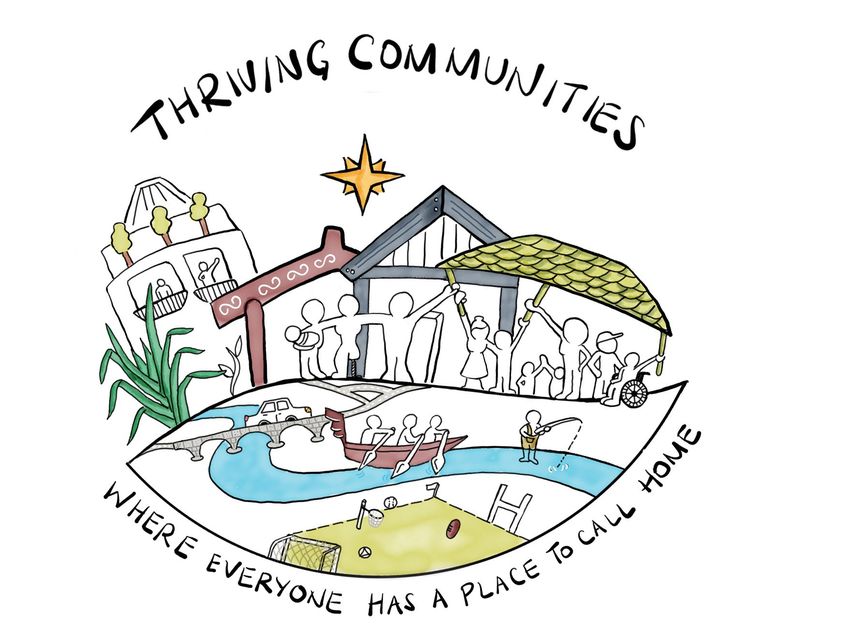
MINISTRY OF HOUSING AND URBAN DEVELOPMENT

                     Foundation Statement

                     As a new agency, operational from 1 October 2018, we have
                     developed our initial organisational strategy to underpin our work.
                     This foundation statement of strategic intentions reflects this
                     initial strategy, which we will refine and refresh over time.
                     A priority for 2019 will be undertaking future-focused work with
                     partners and stakeholders, to identify New Zealand’s future
                     housing and urban development needs and our role in addressing
                     these. We will then refresh our organisational strategy and
                     strategic intentions for the remainder of the four-year period.
SECTION ONE

WHY HOUSING AND URBAN DEVELOPMENT MATTERS
FOR NEW ZEALAND

Housing is a precondition for people to be able to live healthy, prosperous lives. Access
to suitable and affordable housing is an important factor in the overall wellbeing of
individuals, families and communities — it affects physical and mental health, education,
employment and incomes, social cohesion and intergenerational mobility. These
outcomes also affect communities, broader society and the functioning of the economy.

In New Zealand cities, housing is an integral part of a broader urban system that encompasses
infrastructure, transport options, green spaces, and access to jobs and to services. To attract and retain
skilled workers, and to be competitive, cities need to provide housing choices that meet people’s needs and
preferences for how they want to live, work and play, at different stages of their lives. At the same time,
cities need to balance different uses for productive land, and the effects of growth on the environment.
Ultimately, how our cities perform affects the living standards of everyone in New Zealand.
New Zealand towns and rural areas also face a range of challenges, including housing quality, declining and
changing populations, resilience against climate change, and funding of infrastructure. Regional economic
development, housing and community wellbeing are closely linked.
Housing is the major asset owned by many families, and underpins retirement savings and wealth
accumulation for a large proportion of society. The relative attractiveness of housing, compared with other
investments, affects the performance of New Zealand’s capital markets, the levels of investment in and
performance of the productive and tradeable sectors, and overall productivity and wealth generation.

                                                                                                              5
MINISTRY OF HOUSING AND URBAN DEVELOPMENT

    OUR HOUSING MARKET AND URBAN CENTRES ARE PERFORMING POORLY,
    WITH SIGNIFICANT SOCIAL IMPACTS
    The poor performance of New Zealand’s housing market is well recognised. In Auckland and other high-
    growth centres, not enough houses are being built to meet the demand from strong population growth,
    investment preferences and other factors. The houses that are built have steadily increased in size, despite
    decreasing household sizes, and are often not close to well-functioning public transport and amenities.
    The mismatch between supply and demand has been a long-running trend over recent decades, leading to
    the urban development failure New Zealand faces today. In addition, much of New Zealand’s existing housing
    stock is old, cold and damp, particularly in the private rental market. Poor quality housing has ongoing
    impacts on physical and mental health for families and individuals.
    The under-supply of housing, driven by uncompetitive land markets, and high infrastructure, development,
    and building costs, is contributing to high house prices relative to income. This has led to:
    ›› increasing rates of homelessness
    ›› declining home ownership (particularly for Māori and Pasifika)
    ›› increasing rents and a shortage of rental properties in urban centres
    ›› an increasing need for government housing assistance.
    High housing costs transfer wealth from younger and less wealthy people to existing homeowners and
    investors, who are generally richer and older. This restricts access to opportunity for younger and future
    generations.
    High housing costs also have significant social impacts including increased overcrowding and homelessness,
    and insufficient income to pay for food and other essentials. Housing costs have been a key driver of
    increased need for hardship assistance from government. Over time, inadequate housing can have
    cumulative impacts on physical and mental health, and on education and labour market outcomes.
    Addressing housing costs, availability and quality will be an important part of Government’s commitments
    to end homelessness, reduce child poverty, and improve wellbeing of children and young people in
    New Zealand.
    Māori and Pasifika are disproportionately affected by inadequate housing, with impacts across generations.
    More than half of those in severe housing deprivation identify as Māori or Pasifika.
    Māori face particular constraints on developing their land to realise their aspirations, including for
    papakainga housing. Pasifika households experience high rates of overcrowding (with related health risks),
    have lower median income than other groups, and can face challenges accessing housing suitable for large or
    multigenerational households.
    New Zealand’s economic performance and productivity are also affected by high housing costs and poor urban
    environments: it becomes harder for people to move to find employment and for employers to attract people
    with the skills they need. This reduces the scope of potential benefits arising from our urban areas, and also
    makes it difficult to resource important public services, such as schools and health care, in major cities.

6
STATEMENT OF STRATEGIC INTENTIONS ›› 2019–23
Households on public housing register, by priority (excluding transfer register)
12,000
10,000
8,000
6,000
4,000
2,000
0
June 16 Sept 16 Dec 16 March 17 June 17 Sept 17 Dec 17 March 18 June 18 Sept 18 Dec 18
Total Priority A Priority B
12-month rolling dwelling rents
(weekly, inflation-adjusted) 12-month rolling dwelling sales prices (inflation adjusted)
$700 $1,000,000
$900,000
$600
$800,000
$500 $700,000
$400 $600,000
$500,000
$300 $400,000
$200 $300,000
$200,000
$100
$100,000
0 0
1 Dec 1993
1 Oct 1995
1 Aug 1997
1 Jun 1999
1 Apr 2001
1 Dec 2004
1 Nov 1995
1 Oct 1997
1 Sept 1999
1 Aug 2001
1 Jul 2003
1 Jun 2005
1 May 2007
1 Apr 2009
1 Oct 2006
1 Mar 2011
1 Aug 2008
1 Jun 2010
1 Apr 2012
1 Feb 2014
1 Dec 2015
1 Oct 2017
1 Dec 1993
1 Feb 2013
1 Jan 2015
1 Dec 2016
Auckland Greater Hamilton Greater Tauranga Greater Wellington Queenstown-Lakes District
Home ownership rates by selected ethnic origin 1986–2013
80%
70%
60%
50%
40%
30%
20%
10%
0
1986 1991 1996 2001 2006 2013
European Total people Māori Pacific peoples
7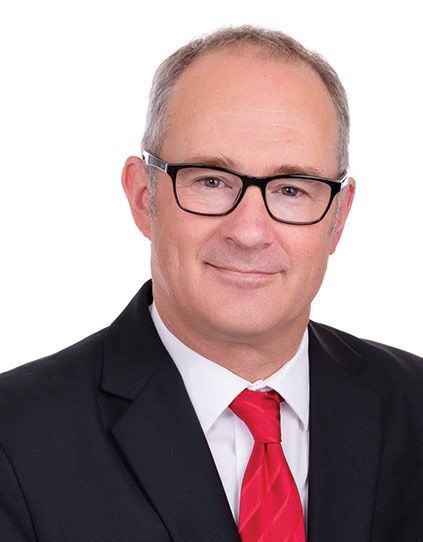
MINISTRY OF HOUSING AND URBAN DEVELOPMENT

    HOUSING AND URBAN DEVELOPMENT IS PART OF A COMPLEX SYSTEM
    New Zealand’s poor performing housing market and urban centres, and the flow on social impacts, are
    a consequence of a system that is not meeting New Zealanders’ needs. The system is not just about
    the regulations, controls or operations of central government, it is much wider than this.
    The system encompasses all of the participants, relationships and incentives that support and drive housing
    and urban development in New Zealand. It includes private sector players such as developers, the construction
    sector, financial institutions, and landlords, alongside iwi, local government, not-for-profit organisations which
    provide housing or social services, and every New Zealand household and property owner.
    To bring about enduring, positive change, the policy, regulatory, investment, and institutional settings that
    underpin housing and urban development need to perform much better as a system. For example, landowners
    and the development sector will not unlock new urban land, or realise urban redevelopment opportunities
    without regulatory and investment settings that encourage action and discourage speculation.
    This means we need to consider how all of the components that underpin the housing and urban
    development system work and interact. We need to find ways of improving the performance of each
    component and of the system as a whole. In some cases, this will mean a fundamental change in approach,
    such as moving to much greater off-site manufacturing of houses, or a more holistic approach to mental
    health services and housing provision.
    The diagram below shows elements of this system. To be effective the Ministry of Housing and Urban
    Development will need to put the system at the centre of our thinking.

                                       Tenancy rules                  Tax settings

           Building regulations and                                               Population growth
                 consent processes                                                and composition

           Construction sector                                                         Provision of social
                                                         BUILDING
         productivity and skills                                                       services and amenities
                                                         THRIVING
          Infrastructure funding
                                                       COMMUNITIES                    Consumer and investment
                   and provision                                                      preferences

                   Household incomes                                             Access to finance

                      Planning and land use rules                     Government funding

    TO CHANGE NEW ZEALAND’S FUTURE, WE WILL NEED TO TAKE
    A DIFFERENT APPROACH
    The status quo has created a combination of immediate and urgent problems (such as homelessness) as
    well as long-term, deep-seated problems that are fundamentally about how New Zealand grows over time.
    New Zealand’s population is projected to continue increasing, from around 4.9 million in 2018 to over
    6 million in 2043, significantly through migration. Auckland’s population is projected to increase by nearly
    a third over the same period, from around 1.6 million to 2.1 million. This is equivalent to building a new city
    the size of Christchurch within Auckland.
    If the status quo continues, more and more individuals and families will not be able to access affordable
    housing that meets their needs, and is close to transport and high-quality services. This will have a
    significant and detrimental effect on New Zealanders’ standard of living, rates of inequality, and the
    opportunities available to our children and grandchildren.

8
STATEMENT OF STRATEGIC INTENTIONS ›› 2019–23
The challenges New Zealand faces in housing and urban development will take years to resolve. Successful
solutions will need to balance the present interests of local communities with those of future generations.
It is critical we act decisively and with a sense of urgency now to set change in motion, to encourage difficult
public conversations about tradeoffs, equity and decision rights, and to create a better future for
New Zealand. The communities which New Zealanders experience in 20 years’ time will be determined
by our decisions and actions now.
THE MINISTRY OF HOUSING AND URBAN DEVELOPMENT WAS ESTABLISHED TO
PROVIDE SYSTEM LEADERSHIP
The Ministry of Housing and Urban Development was established to bring together fragmented
responsibilities and resourcing, and provide leadership and a single point of accountability for housing and
urban development within central government.
We have overall responsibility for the performance of the housing and urban development system. While we
have some direct levers, many others continue to sit with other central government agencies and players
beyond central government. Page 13 shows the agencies and players we need to work closely with.
The Ministry was legally established as a public service department from 1 August 2018, and has been
operational since 1 October 2018. It combines housing and urban development capability and functions from
the Ministry of Business, Innovation and Employment, the Ministry of Social Development and the Treasury.
The functions of the Ministry are outlined on page 12.
TO BE EFFECTIVE, WE NEED TO UNDERSTAND OUR ROLE WITHIN THE SYSTEM
We see our leadership role as having two dimensions, with strong links between them: shaping a platform
for change, and being responsible for stewardship/kaitiakitanga of the housing and urban development
system over the long-term.
Shaping a platform for change
We shape a platform for public, private and community action, to achieve the housing and thriving
communities that New Zealanders need now and in the future. As well as delivering and procuring directly,
we need to set the strategy and direction, inspire others and provide tools, levers, investment and
information to support their actions. We need to think and act regionally and locally, as well as nationally.
Our actions to do this will include continuing to develop key partnerships (for example with local
government), and delivering the Urban Growth Agenda system reforms to enable better urban planning and
competitive land markets. We will also continue to work urgently with community providers and groups to
deliver more public housing, and to reduce homelessness. We are already working with a range of iwi and
Māori groups to develop joint initiatives to increase Māori home ownership.
Stewardship/kaitiakitanga
We are responsible for system stewardship, working closely with significant partners. This means looking
beyond the immediate issues and government priorities to also consider future challenges and opportunities
for New Zealand, and plan for future consequences. We need to understand how each component of the
housing and urban development system is performing over time, where the interdependencies are, and what
different groups of New Zealanders are experiencing.
Discharging our system stewardship/kaitiakitanga responsibilities will include developing a sector strategy,
and ensuring the right institutional and governance arrangements are in place to support the housing
and urban development system to function better. We will also engage widely to understand different
perspectives, with the aim of building a broad consensus on future direction, to underpin change that
will endure.
9MINISTRY OF HOUSING AND URBAN DEVELOPMENT
WE ALSO NEED TO BE CLEAR ABOUT OUR APPROACH
We have developed some principles to guide us as an organisation and inform how we think about solutions
and problems. These principles are important to ensure that, across all groups within the Ministry, we
consistently devote our effort to where it will have the greatest effect and where we can leverage the
efforts of others within the system.
Principle Application
Long term, sustainable changes and solutions that ‘stick’ are key to addressing the
system breakdown that has occurred over a long period of time. Quick fixes will not last.
Long-term This principle is important to ensure that we focus beyond just the immediate issues
and short-term solutions. We need to create the fence at the top of the cliff, not just
the ambulance at the bottom.
We work to understand the complex interdependencies that housing and urban
development sits within. We enable the system to solve problems through
partnerships and coalitions that work across the system and reduce friction between
System-wide agencies. This makes it easier for the system to self-manage.
This is important to ensure that we do not create perverse or unintended outcomes,
unnecessarily duplicate the work of others, or miss important opportunities. We will
build evidence and a knowledge base across the system, that informs all our work.
People’s wellbeing and aspirations are at the centre of everything we do.
People-centred This means when we design policies and services, we start with the people who will
be affected. It also means taking care of those in immediate need.
Being a genuine Treaty of Waitangi partner is a core part of who we are, how we think
and how we act. We partner with whānau, hapū, iwi and other Māori entities in order
to achieve their aspirations.
As part of the Crown we are charged with operating as a Treaty partner and ensuring
Treaty-anchored the aspirations of whānau, hapu and iwi are enabled. Currently, Māori experience
significantly worse housing outcomes than other groups. If we improve outcomes for
Māori, we will improve them for all other system participants. All our people need the
capability and confidence to build effective relationships with Māori and fulfil our
obligations as a Treaty partner.
We recognise the importance of people’s deep connections to land and community,
and that identity arises from place. We respect mana whenua. We understand the
need for place-based and locally owned solutions.
Whenua-based This means we take into account that Māori identity arises from a relationship with
the land, and that effective solutions must respect place-based needs. It reminds
us to recognise the intergenerational, cultural, spiritual and emotional dimensions
of housing and urban development, as well as the economic and social. We need to
think locally as well as nationally.
10STATEMENT OF STRATEGIC INTENTIONS ›› 2019–23
CASE STUDY
HOUSING FIRST
Housing First is an example of our approach in
action. Housing First is a collective response to
homelessness in a community. It offers people
immediate access to housing and then wraps
around tailored support for as long as needed,
to help people remain housed, and address the
issues that led to their homelessness.
Our role in Housing First is to bring together
local health and social service providers,
housing providers, local government, iwi,
and other agencies to start a conversation
and develop a community response to
homelessness. No Housing First collective
or programme is the same because no
community or region is the same. We facilitate
the development of a fit-for-purpose
community programme around a series
of core Housing First principles.
The Ministry of Housing and Urban
Development currently funds Housing First
programmes across New Zealand including in
Auckland, Christchurch, Tauranga, Hamilton
and Rotorua, and is working to establish the
programme in several other regions.
There is a genuine partnership approach to
delivering Housing First with a focus on
collective impact. The Ministry brings together
local providers to work together with their
different strengths and expertise to resolve
homelessness, with a long-term, people-
centred and whenua-based approach. As with
most collaborative work, it is not always easy.
In Rotorua, it was important to balance the
skills of experienced providers who could act
quickly, with the desire of a community
seeking an iwi-led and kaupapa Māori
initiative. Collectively we navigated the
conversation, and the programme – a
partnership of LinkPeople, Lifewise and
Taumata o Ngāti Whakaue Trust was launched
on 10 October 2018, World Homelessness Day.
11MINISTRY OF HOUSING AND URBAN DEVELOPMENT
A RANGE OF FUNCTIONS SUPPORT OUR ROLE
To catalyse change and provide stewardship across the housing and urban development system, we have
six key functions, as set out below. There are close links between these functions.
System leadership and strategy
System leadership and stewardship is a key dimension of our role. To do this, we work in collaboration with
communities, other government agencies, iwi, and the not-for-profit and private sectors, to set system
strategy and implement work programmes to deliver on that strategy. We enable and empower others to
find solutions and succeed.
Policy advice
We provide the Government with strategic policy advice, to improve New Zealand’s housing and urban
development outcomes.
Monitoring system performance
We are responsible for the stewardship of New Zealand’s housing market and the performance of
New Zealand’s cities. We monitor and report on the performance of the system, so that we understand
the success of interventions and can target resources and efforts to where the system most needs them.
We monitor the performance of Housing New Zealand and Tāmaki Regeneration Company, and we will
monitor the Housing and Urban Development Authority once it is established.
Insights and data
We use insights and data to provide the evidence base that underpins our policy advice. We track how the
system is performing and share our evidence and insights with other system participants, to enable them
to make informed decisions.
Purchasing
We fund and partner in initiatives across the housing sector, to deliver more public and transitional housing
and services to tackle homelessness. This includes working with Housing New Zealand, Community Housing
Providers, developers, social service providers, local government and others.
We are also working with developers to deliver the KiwiBuild programme to provide eligible first home
buyers with access to fixed-price modest starter homes. (Note that the KiwiBuild Unit within the Ministry
will move to the new Housing and Urban Development Authority, once it is established).
Regulatory oversight
We register Community Housing Providers to provide a platform of common standards and requirements.
12STATEMENT OF STRATEGIC INTENTIONS ›› 2019–23
AS A SYSTEM LEADER, WE WORK CLOSELY WITH OTHERS
We need to work closely with various partners across and beyond the housing and urban sector. The table
below shows some of these partners and how we will work with them.
GOVERNMENT AGENCIES
Housing New Zealand provides public housing to eligible people with high housing need, and
administers government products to support home ownership. HNZ mixed tenure developments
also contribute to KiwiBuild delivery.
MfE has a role in urban planning and environmental management, providing a system-wide
perspective with the goal of creating sustainable, liveable cities.
MoT works to shape liveable cities with mode-neutral, integrated and connected transport
choices.
HUD and Te Puni KŌkiri work closely together to improve the quality and supply of housing for
Māori, and to support iwi and rŌpū Māori in their housing initiatives and aspirations. This includes
brokering partnerships between iwi and KiwiBuild.
DIA advises on the role local government can play in the pursuit of better urban development
integrated with smarter transport and infrastructure investment.
Treasury advises on the housing market, including funding, and housing-related tax settings.
Treasury also advises on institutional settings that support infrastructure investment decision-
making, and is responsible for establishing the new independent infrastructure entity.
MSD manages all applications for public housing, assesses housing need, administers income-
related rents for public housing tenants, delivers other social services, and provides
accommodation support to people in need living in the private rental market.
MBIE Tenancy Services provides information and resources to help tenants and landlords. MBIE
is also the building regulator as well as providing advice on building legislation and regulation.
There is a strong relationship between access to secure, affordable, warm and dry housing and
physical and mental health outcomes for adults and children.
TRC works in partnership with residents and businesses, mana whenua, local and central
government agencies, local service providers and the private sector to provide a platform
for successful regeneration in Tāmaki.
HOUSING AND URBAN Once established, the Authority will be responsible for leading urban development projects, both
DEVELOPMENT large and small, and managing public housing. HUDA will be the lead developer and drive delivery
AUTHORITY of KiwiBuild homes.
NEW INFRASTRUCTURE The new infrastructure entity will help plan investment and improve how infrastructure is
ENTITY coordinated and planned.
LOCAL AUTHORITY, COMMUNITY AND PRIVATE SECTOR
MĀORI/IWI To improve housing opportunities for Māori we are partnering with Māori, iwi and hapū groups,
post settlement governance entities, Māori land trusts and incorporations and urban Māori
authorities to provide housing services and to deliver the KiwiBuild programme.
COMMUNITY HOUSING CHPs are housing providers that have as one of their objectives the provision of public housing
PROVIDERS (CHPs) and/or affordable housing. We work with CHPs to grow the sector and we are responsible for
registering and regulating CHPs which provide public housing.
PRIVATE DEVELOPERS We work with private developers to deliver KiwiBuild housing, through de-risking suitable
developments, on-selling land for housing and undertaking major redevelopment projects.
LOCAL GOVERNMENT Local authorities (local, unitary and regional) have a number of key roles, including regulation,
(eg. building consents), funding (eg. transport infrastructure), service provision and responsibility
for spatial planning exercises.
MONITORING
Housing New Zealand Under the Crown Entities Act 2004 we are responsible for monitoring HNZ and TRC.
and Tamaki
Regeneration Company
Housing and Urban When it is established we will be responsible for monitoring the Housing and Urban
Development Authority Development Authority.
13SECTION TWO
STRATEGIC INTENTIONS
This section outlines our initial strategic intentions for the next four years. As a new
agency, we will refine these over time.
Our strategic intentions have been informed by our stewardship and system leadership role, as well as the
Government’s eight priorities for housing and urban development in New Zealand. Various agencies
contribute to these priorities, not only the Ministry of Housing and Urban Development.
THE GOVERNMENT’S PRIORITIES ARE:
1. building affordable housing through KiwiBuild, to support the creation of thriving, sustainable
communities that provide housing choices to meet a wide range of needs
2. establishing an urban development agency with the appropriate tools, so New Zealand cities can
make room for growth
3. increasing public housing supply
4. ending homelessness, supported by additional investment in transitional housing and Housing First
5. progressing the Urban Growth Agenda, to drive changes to the urban land and infrastructure
planning systems
6. modernising the residential tenancy rules to enable greater security of tenure and better reflect the
contemporary housing market
7. achieving equitable housing outcomes for Māori, with an immediate focus on addressing barriers to
building on Māori land, ensuring Māori benefit from KiwiBuild, and improving rural and substandard
housing. Other groups with poor housing outcomes, such as Pacific peoples and people with disabilities,
will also be a focus
8. managing demand for housing through changes to tax settings and rules on foreign ownership
of residential property.
14STATEMENT OF STRATEGIC INTENTIONS ›› 2019–23
OUR PURPOSE AND HIGH LEVEL OUTCOMES
As a new ministry, one of our first priorities was to establish our guiding purpose, and how we will
measure success.
The purpose of our organisation and the reason why our
people come to work every day is because we want to create
“thriving communities where everyone has a place
to call home.”
This means that:
›› we are focusing not just on housing, but on communities where people can live, work and play
›› we are seeking to achieve outcomes for everyone living in New Zealand, and we recognise that everyone
needs and deserves a home
›› we recognise that a home is not just a house – it is a place that is suitable, stable and secure, and
provides a foundation for people to pursue their aspirations.
We know this is an ambitious goal, and we will need to enable and drive fundamental shifts in the housing
and urban development system to achieve it. So we can track our progress, refine our approach and move
our focus to where it is most needed, we have established four high-level outcomes. Testing everything
we do against these outcomes will help us manage unintended consequences.
15MINISTRY OF HOUSING AND URBAN DEVELOPMENT
The table below shows our high-level outcomes, as well as the intermediate outcomes which will show we
are on track. Because we need to consider the whole system, the intermediate outcomes are not intended to
be sequential. The table also includes examples of the types of measures that we will use to track progress.
We will undertake further work to refine these measures. Our work will contribute directly to some of the
intermediate outcomes, and will enable others.
High-level Intermediate outcomes – we are on track to achieve our high-level outcomes
outcomes when we see:
›› Sustainable buildings, infrastructure, spaces and the natural environment are integrated in
New Zealand’s urban centres.
–– There are agreed strategic objectives for specific regions, which drive spatial planning.
–– Increase in the proportion of adults who said they could easily get to most of their local green
spaces.
–– Increase in the proportion of adults who feel safe when walking alone in their neighbourhood
after dark.
›› People have access to education, employment, amenities and services that meet their
Vibrant, physical, social and cultural needs.
flourishing –– Increase in the proportion of people who can access their place of employment within a
communities 30 minute car ride or 45 minute public transport ride.
›› Māori can enjoy the full use of their land.
–– Increase in the proportion of Māori land used for housing and community development.
›› Communities have appropriate spaces for businesses to operate and grow.
–– Increase in urban productivity.
›› People are able to rent or buy appropriate housing for their changing needs.
–– Increase in rental housing affordability.
–– Decrease in the time to house people from the public housing register.
–– Increase in home ownership.
›› Land is used efficiently, effectively and sustainably to provide homes for people across
generations.
Affordable –– Decrease in the price to cost ratio of residential housing.
homes for ›› Māori, whānau, hapū and iwi are empowered to realise their housing aspirations.
every –– Increase in Māori home ownership.
generation ›› Innovative solutions support scale, pace and quality.
–– Increase in the proportion of new builds using prefabrication or modular construction.
›› Everyone has access to a warm, safe and dry home with security of tenure appropriate to
their circumstances.
–– Decrease in the proportion of the population who are homeless.
–– Increase in the proportion of people who have lived in one house for at least the last five years.
–– Decrease in the proportion of children living in homes with cold, dampness or mould.
–– Increase in the diversity of supply of homes in communities.
›› People have access to the services they need to be able to sustain their housing.
Wellbeing –– Decrease in the proportion of tenancy tribunal applications due to rent arrears.
through –– Decrease in the proportion of people who have lived in five or more houses in the last five years.
housing
›› People have the opportunity to fully participate in the community.
–– Increase in the average adult score for sense of belonging to their neighbourhood.
–– Increase in the proportion of Māori who have visited their ancestral marae in the past 12 months.
›› Housing supply meets housing demand.
–– Decrease in the ratio of new households to new dwelling consents.
–– Decrease in average time taken to complete resource consents.
–– An increase in the proportion of people who are satisfied with the area in which they live.
›› Collaboration and effective partnerships shape the system.
–– Increase in stakeholder pulse check of perceived effectiveness of Ministry of Housing and Urban
Development relationships.
–– Increase in the number of people housed as a result of iwi partnerships.
A self- ›› Sector capability and capacity is continuously developing.
adjusting –– Increase in the quality assessment of local government’s housing and business development
system capacity assessments and future development strategies.
–– Decrease in cost per square metre of residential construction.
›› Future consequences are foreseen and planned for.
–– Information is accessible and used to inform decisions.
–– Increased local and national planning for responding to future environmental change.
16STATEMENT OF STRATEGIC INTENTIONS ›› 2019–23
OUR KEY DELIVERABLES FOR 2019
We have a number of key deliverables for 2019 against Government’s housing and urban development
priorities. The table below shows how these map against our high-level outcomes.
HIgh-level outcomes which the
Key deliverable for 2019
deliverable contributes to
Developing legislation to establish the Housing and Urban Vibrant, flourishing communities
Development Authority, and to enable complex development
Affordable homes for every
projects to be delivered at scale and pace.
generation
Supporting the transition of the KiwiBuild Unit, Housing Vibrant, flourishing communities
New Zealand and its subsidiary Homes.Land.Communities,
Affordable homes for every
into the Housing and Urban Development Authority.
generation
Delivering more affordable housing via the KiwiBuild programme. Affordable homes for every
generation
Progressing the Urban Growth Agenda with particular focus on Vibrant, flourishing communities
infrastructure funding and financing, the Hamilton-Auckland
Affordable homes for every
Corridor plan and national direction on quality intensification.
generation
Work will also continue to develop a partnership with Auckland
and Queenstown councils that focusses on urban growth, A self-adjusting system
transport pricing and options for wider reform of urban
development system settings.
Gazetting the Healthy Homes Regulations that aim to make rental Wellbeing through housing
homes warmer and drier.
Reforming the Residential Tenancies Act 1986 to improve security Wellbeing through housing
of tenure for renters. We are working to introduce a Bill to the
House by late 2019, subject to other legislative and drafting
priorities.
Developing a cross-agency, system level approach to ending Wellbeing through housing
homelessness.
Delivering 6,400 additional public housing places over four years. Wellbeing through housing
Working in partnership with providers and stakeholders to Wellbeing through housing
establish Housing First in Wellington and the Hutt Valley,
Rotorua, Whangarei, Northland, Nelson, Blenheim, Napier and
Hastings. Continuing to support Housing First programmes
operating in Auckland, Hamilton, Tauranga and Christchurch.
Continuing to support people who are homeless across the Wellbeing through housing
country through other initiatives such as Creating Positive
Pathways for ex-offenders.
Establishing a Māori Housing Unit that will make sure the Ministry Vibrant, flourishing communities
has the skills, knowledge and capability to work on Māori housing
Affordable homes for every
strategy, policy and investment. This includes navigating the
generation
Ministry and the wider government system for iwi or hapū groups
that want to work with us on housing and urban development. Wellbeing through housing
A self-adjusting system
In addition, we need to continue to build the Ministry to fulfil its system leadership role and strategic
intentions, as discussed in the organisational development and health section.
We are developing our medium term priorities, which will be informed by government priorities, our
organisational strategy, and working with partners and stakeholders.
17SECTION THREE
ORGANISATIONAL DEVELOPMENT AND HEALTH
To achieve our strategic intentions, we need to build capabilities that complement and
extend our existing functions and expertise. These capabilities may be in the form of
people, methodologies, systems and processes, or access to external expertise.
They include:
›› developing our partnership management capability, to identify and build strong partnerships
and alliances
›› developing the capability to apply system thinking
›› developing system governance capability to convene parts of the system to drive change
›› expanding the expertise, systems and processes needed for our strategic insights function
›› developing the capability and commercial nous to lead the delivery of spatial planning objectives
(working with local government) and to support the identification and assessment of large-scale
development projects
›› incorporating service design methodologies across our work, and developing the capability to co-design
solutions with others, including end users
›› building Māori capability across all our people so that we can be Treaty of Waitangi-anchored and
improve outcomes for Māori. This includes developing tikanga and te reo as well as our capability to work
effectively with Māori entities and networks and to bring a te ao Māori perspective to our work. It also
means supporting our Māori staff in their work.
18STATEMENT OF STRATEGIC INTENTIONS ›› 2019–23
We have approached our organisational development in three phases:
1. INITIAL ESTABLISHMENT FOCUS – GETTING UP AND RUNNING
Our initial focus from legal establishment on 1 August 2018 was on establishing basic systems, such as
information technology, property in Wellington and Auckland, and payroll.
We also prioritised developing a people plan and implementing core policies and processes, to ensure the
safety and wellbeing of our people.
Work is well underway on developing a positive safety and wellbeing culture and practices. Core policy and
processes have been put in place to ensure we manage our safety and wellbeing risks.
Our people plan has three priorities:
›› Belonging: ensuring our people feel a sense of connection to and belonging to the new ministry. Helping
our people to feel inspired by our purpose and be fully engaged with our new organisation.
›› Agile organisation: identifying how we work together, our functions, roles and capabilities, to ensure
that these are fit for purpose and we can respond well to change.
›› People excellence: processes that support our managers and people to be successful.
2. CORE ORGANISATIONAL FOUNDATIONS
In late 2018 and early 2019 we have focused on implementing strong core foundations for a successful
organisation, beyond basic systems. This has included developing the organisational purpose and high-level
outcomes indicated in these strategic intentions.
This foundational work has also included clarifying the ongoing leadership structure and resources
necessary to perform our system leadership role and achieve our strategic intentions.
We have focused on core people processes and policies, including recruitment, induction, performance and
remuneration, and capability development. In early 2019, we will develop a gender pay action plan to achieve
pay and employment equity.
We are conscious that our people have undergone significant change through the formation of the Ministry
of Housing and Urban Development, and are physically located across a range of sites and locations. The
organisation will continue to undergo structural and other changes as the Housing and Urban Development
Authority is established, and we continue to build our capabilities.
It will be important that we monitor and understand organisational health, and continue to support our
people through resilience and wellness tools. In 2019, we will run our first Ministry-wide engagement survey,
which will serve as a benchmark against other New Zealand public sector organisations and for ourselves
over time. In addition to measuring engagement levels, the survey will help us understand the cultural and
behavioural shifts that will be necessary to deliver on our strategic intentions and approach.
We have developed an internal governance model to ensure the Ministry is working effectively and
efficiently, planning strategically, and can lead across system stakeholders. We will continue to develop and
embed our governance model and risk management approach, so we are a safe, responsible, transparent and
learning organisation.
An Enterprise Risk Management Framework has been drafted for approval in early 2019. This is aligned to the
international standard for risk management. An Audit and Risk Committee will be established in the first
quarter of 2019 to provide independent advice to the Chief Executive on risk, internal controls and assurance
matters. We will be diligent in our risk management practices and regularly review the Ministry’s risk
management approach, risk appetite and maturity, to ensure good stewardship of the organisation.
19MINISTRY OF HOUSING AND URBAN DEVELOPMENT
3. NEXT STEPS: EMBEDDING FOUNDATIONS AND IMPLEMENTING OUR STRATEGIC
INTENTIONS AND APPROACH
By the end of 2020, we will have a comprehensive plan for organisational development. Our focus over
the next 12 months will be on:
›› developing our organisational operating model and recruiting to permanent leadership roles
›› implementing a plan to build the capabilities we need to achieve our strategic intentions, with a particular
focus on developing the Ministry as a bicultural organisation
›› continuing to build stakeholder relationships, with particular focus on iwi and Māori
›› developing a medium-term work programme informed by our strategic intentions and approach
›› securing a permanent location for all of our Wellington-based people
›› building our presence in Auckland to increase our ability to partner effectively, and considering how
we effectively engage and partner in other centres and regions
›› completing the transition to Ministry of Housing and Urban Development information technology
systems, in particular implementing a ministry-wide document management system.
20STATEMENT OF STRATEGIC INTENTIONS ›› 2019–23
21MINISTRY OF HOUSING AND URBAN DEVELOPMENT
22
HUD 4443You can also read


