Strategic Plan 2019 2023 - respond.ie High Park, Grace Park Road, Drumcondra, Dublin 9.
←
→
Page content transcription
If your browser does not render page correctly, please read the page content below

Respond
High Park,
Grace Park Road,
Drumcondra,
Dublin 9.
D09 N2N7

Tel: 01 8087700 / 051 840200

                               Strategic Plan 2019 - 2023
Email: info@respond.ie

respond.ie
                                                            Strategic Plan
                                                            2019 - 2023
Respond complies with The Governance Code for the Community,
Voluntary and Charitable Sector in Ireland and the Voluntary
Regulation Code for Approved Housing Bodies.

3

Contents

1                                                                    4
Introduction                                                         Key Issues and Challenges – Arising from this Review

1       Introduction                                             6   4.1     Main Roles and Functions of Respond            34
1.1     Respond                                              8               Older People, Vulnerable People and
                                                                     4.2                                                    34
                                                                             People With Special Needs
1.2     Context for Strategic Plan                          10
                                                                     4.3     Young People                                   36
        Methodology for production of
1.3                                                          11
        2019-2023 Strategic Plan                                     4.4.    Relationships with Tenants                     36

                                                                     4.5     Housing Maintenance and Estate Management      36

2                                                                    4.6
                                                                             Community Development and use of
                                                                             Community Facilities
                                                                                                                            37
History and Development of Respond, 1982-2017
                                                                     4.7     Potential New Projects and Initiatives         37
2.1     Provision of Social Housing                         14
                                                                     4.8     Concluding Comments                            38
2.2     Homelessness Services and Initiatives                15

2.3     Governance and Organisational Development            16
        Community Development and                                    5
2.4                                                          17      Strategic Direction for Respond 2019-2023
        Community Services
2.5     Development of Sustainable Communities               17      5.1     Introduction                                   42
2.6     High Levels of Innovation and Creativity            18       5.2     Vision Statement                               42
        Provision of Services for Older People and for               5.3     Mission Statement                              42
2.7                                                          19
        People with Special Needs
                                                                     5.4     Strategic Goals                                44

                                                                     5.4.1   Goal 1                                         44
3                                                                    5.4.2   Goal 2                                         46
Social Housing and Homelessness in Ireland - Current Situation
                                                                     5.4.3   Goal 3                                         48
3.1.1   Background                                          22       5.4.4   Goal 4                                         50
3.1.2   Advent of Housing Associations                      22       5.4.5   Goal 5                                         52
3.1.3   The 1990S and The Economic Crash                    23       5.4.6   Goal 6                                         54
3.1.4   Current Tenure in Ireland                           24       5.4.7   Goal 7                                         56
3.1.5   Social Housing Policy                               26
3.1.6   Homelessness                                        26

3.2     How we can Overcome Challenges for the Sector       27       6
                                                                     Guiding Principles and Core Values
3.2.1   Problems with Housing Assistance Payment            27
                                                                     6.1                                                    60
3.2.2   Speed Up Social Housing Delivery                    28
                                                                     6.2                                                    60
        Availability of Alternative Means of Financing
3.2.3                                                       30
        Social Housing Building
3.2.4   Value For Money and Tenant Participation             31
4         Introduction

building
homes,
improving
lives
Preface                                                      Respond has been a pioneer of social housing
                                                             development in Ireland, often putting emphasis on
Since its establishment in 1982 by Fr. Pat Cogan ofm         certain categories of acute need and always with
and other concerned citizens in Waterford City, Respond      support for tenants to lead fruitful lives in vibrant
has achieved a great deal in the provision of social         communities. In addition to housing and related
housing in Ireland and more recently in the development      work we currently provide quality Day Care services
of homelessness services. Housing and decent                 for older people, Early Education, Childcare,
accommodation in the areas in which people want to live      Family Support and Resettlement services through
are key and basic factors in improving people’s lives and    Respond Support.
in enhancing the overall health and well-being of society.
On every level the lack of housing or very insecure          More generally in advanced democracies, non-
accommodation can have a very detrimental and                government not-for-profit housing bodies are now
devastating impact on people. In this context Respond        the main providers of social and affordable housing.
is proud to be of service to many thousands of people        With appropriate support and cooperation from
in 2019 through providing some 4,502 houses and              central and local Government, housing associations
apartments, which are rented to people on low/modest         motivated by social equality, can set good
incomes, presently accommodating over 8,965 people,          housing standards, achieve high levels of tenant
and through the Family Hubs which provide transitional       satisfaction, deliver professional standards of housing
short-term accommodation for families and individuals as     management (including rent collection) and sustain a
they await more secure long-term accommodation.              valuable social asset.

Strategic Plan 2019 - 2023
5

In considering the next five years from 2019 to 2023      the next 5 years, by setting up at least 3 more Family
it is clear that there are significant challenges both    Hubs, by displaying innovation and imagination
in relation to housing and homelessness in Ireland        through devising new models and new arrangements
and in the ways that Respond might make its most          to tackle the housing and homelessness crisis and
effective contribution towards alleviating the current    through partnering and collaborating, in a practical
housing and homelessness crisis in Ireland. The           and meaningful way, with Government Departments,
nature of this crisis has been well-documented and is     local authorities, other Approved Housing Bodies,
reflected in the ways the numbers of people in social     builders and developers.
housing need have increased considerably over recent
years. It is also reflected in the shortage of housing    Respond is convinced that the current housing
supply, the sharp decline in the number of rental         and homelessness problems can be overcome. We
properties and the escalating rents being charged to      intend to play a significant role in ensuring that very
tenants in the private rental sector. Respond’s primary   substantial progress will have been made in reducing
challenge over the next five years will be to increase    housing lists and in providing decent housing and
its social housing stock by over 50% and to provide       accommodation for many thousands of people by the
more homelessness services (primarily through             time that this Strategic Plan concludes in 2023.
setting up more Family Hubs) whilst, at the same time,
maintaining its existing housing stock.                   We wish to thank the Directors of the company, the
                                                          management and staff and tenants throughout the
While general social housing needs will continue to       organisation for their considerable work they have
be our main focus during the period of this strategic     put into reviewing the present situation and the
plan, we think that the provision of housing for the      preparation of this strategic plan. We would like to
population requires a holistic approach. There is a       thank all of the stakeholders who met with the Board
tendency to view housing in an overly segmented way       and Stephen Rourke and contributed their views to
when in reality it is a continuum. What happens in one    the development of this strategy; the Department
segment of the market usually affects the market as a     of Housing, Community and Local Government,
whole and has implications for other segments. In our     the Housing Agency, Local Authorities, the Housing
view the concept of affordability is central and we are   Finance Agency, the Dublin Regional Homelessness
anxious to work with Government and other bodies to       Executive (DRHE) and the Health Service Executive
devise a methodology for, and pilot the provision of,     (HSE) for their continued support in achieving our
affordable housing.                                       targets for delivery of additional social housing
                                                          and providing homeless services. We would like
Over the course of the last 36 years, Respond has         to thank Stephen Rourke who conducted most
always risen to the challenges which have presented       of the consultations with staff, tenants and other
themselves at the national level and within various       stakeholders and prepared textual material. Also Rita
cities, towns and local communities in Ireland. It has    Burtenshaw for her input and ongoing work with
made a major contribution towards the provision of        the resident support team and finally Red Dog for
social housing in Ireland and has always been to the      designing our new corporate identity logo.
fore amongst Approved Housing Bodies.

This Strategic Plan spells out how Respond sees
its role over the next 5 years. We see Respond as
a body focussed on finding practical solutions,
delivering more homes for people that need them           John O’Connor               Declan Dunne
and maintaining comfortable homes for our existing        Chairperson                 Chief Executive Officer
tenants. We currently provide quality Day Care
services for older people, Early Education, Childcare,
Family Support and Resettlement services. Hence,          February 2019
the title of this document: ‘Building Homes Improving
Lives’. This is also the motto on our new logo – a
house within a stylized thumbprint – which represents
each person’s need for a home and for pathways to
the wider community.

In the current housing and homelessness crisis
Respond will ‘step up to the mark’ once again through
providing up to 2,500 new social housing units over
6

Introduction

    1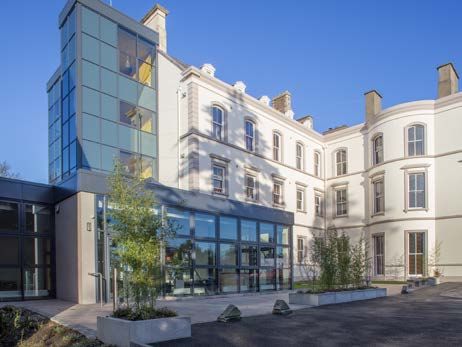
7
8         Introduction

1.1. Respond

Respond, one of Ireland’s leading Approved Housing Bodies
(AHBs), was formed in 1982 in Waterford by Fr. Pat Cogan
ofm and others who were very concerned about the lack
of suitable housing in Waterford City, especially for young
families and older people living in the city. Respond’s first
housing project was located in Larchville in Waterford City on
land provided by Waterford City Council – this housing project
was called Francis Court, it contained 15 houses for older
people along with a community space and it was officially
opened on 4th October 1983.

Since the time of its first housing project in Francis      appropriate services and, where necessary, provided
Court, Respond has developed into a major provider of       these services though Respond Support e.g. childcare,
social housing in Ireland. For a large number of years,     elder care, education.
Respond was the largest Housing Association (also
known as Approved Housing Bodies) in Ireland, as            Respond has aimed to be as relevant as possible in
reflected in the number of housing estates and housing      relation to the provision of housing, accommodation
units under its ownership and/or management. We are         and related services. In a similar way to getting directly
still amongst the three foremost Approved Housing           involved in building and managing 15 houses in Francis
Bodies in Ireland. At the start of 2019 there are a total   Court, Waterford City in 1982-83 for older people in
of 4,502 owned and/or managed by Respond and we             need of suitable housing. We have also been directly
have homes and estates in every county in the Republic      involved in providing accommodation and support
of Ireland.                                                 services for people who are homeless who have been
                                                            deeply affected by the housing and homelessness
Respond has made enormous strides in the period             crisis which has engulfed Ireland in recent years. In
from 1982 to 2019, evolving from a locally based            addition to a significant ramping-up and acceleration
Housing Association responding to housing needs             of work on new social housing projects/units in a range
in Waterford City to a significant provider of social       of locations across Ireland, Respond has opened up
housing across Ireland. It has been a noteworthy and        Family Hubs which provide transitional accommodation
remarkable journey for Respond and as well as the           for families who are homeless. The Family Hubs are
provision of housing it is also important to note that      a further reflection of the caring and compassionate
the Respond model of supports for people in social          nature of Respond which, from its establishment, has
housing also takes account of the fact that tenants         always tried to provide positive and practical responses
may have non-housing needs and requirements in              to the needs of people affected by the lack of suitable
their lives. We have tried to assist people to access       housing and accommodation.

Strategic Plan 2019 - 2023
9

   We will strive to
   contribute to an
    Ireland where
 everyone can have
 a home to call their
   own and where
individuals, families
and communities are
empowered to reach
 their full potential.
       Our Mission

                         -
                         Street party to celebrate the official
                         opening of 14 new social housing
                         developments in Moyglas, Lucan.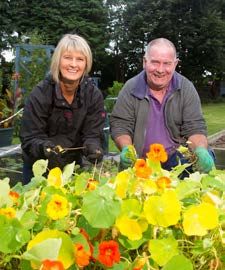
10        Introduction

1.2. Context for Strategic Plan                              There are many Government Departments, agencies
                                                             and organisations involved in tackling the current
Under its current Board of Directors Respond aims to         housing and homelessness crisis in Ireland. In
build upon the work which has taken place between            this context Respond wants to be sure that it is
1982 and 2018 and has developed a Strategic Plan             not duplicating existing services and that it is also
which will guide and direct the work of the organisation     complementing the work of other organisations/
between 2019 and 2023. This Strategic Plan will be           agencies whilst at the same time making its own
complemented by annual business plans and/or                 important and unique contributions to issues around
implementation programmes – these plans will provide         housing and homelessness in Ireland. There have been
the detail and the implementation mechanisms which           a number of important organisational developments
will be necessary to progress the ambitious goals and        within Respond in 2016 and 2019 (e.g. six new Directors
strategic objectives set out in this 2019 - 2023 Strategic   on the Respond Board, a new Chief Executive Officer
Plan for Respond. The Strategic Plan provides the vision     and other new senior managers) and there was a
and the framework within which Respond will operate          strong consensus about the need for a Strategic Plan
over the next five years and it will be a touchstone and     which would help to guide and direct the work and
a yardstick/benchmark against which progress can be          activities of Respond over the next five years. Respond
assessed on a regular and ongoing basis by the Board         Support providing special and community services, will
and management of Respond.                                   manage our activities in relation to Day Care services
                                                             for older people, Early Education, Childcare, and
Respond believes that it is a particularly important         Resettlement services.
time to produce this Strategic Plan. There are major
problems in Ireland in relation to the supply of housing.
It is estimated that at least 10,000 new social housing
units per year are needed, with approximately 100,000

                                                                                           38
people in need of social housing and 10,264 people
in emergency accommodation as of February 2019,
including 6,480 adults and 3,784 children. It is also
important to provide tailored support services for
children, families and older people. It is clear that
there are huge challenges for organisations in the
statutory, private, community/voluntary and Approved
Housing Bodies sectors concerning the building of                             A total of 38 strategic review
new houses, supports for people who are homeless                              and planning meetings took
and enabling people living in transitional and
                                                                               place in Waterford, Dublin,
precarious accommodation to access more permanent
                                                                                  Limerick and Galway.
accommodation.

                                                             -
                                                             Richard Vaughan Architect and Paschal Halley Architectural Technician,
                                                             two members of the Respond Property and Development Team

Strategic Plan 2019 - 2023
11
1.3. Methodology for Production of the • Interviews and consultations with external
2019 - 2023 Strategic Plan stakeholders with well informed and relevant views
and perspectives about issues concerning housing
The strategic planning process for the 2019 - 2023 and homelessness in Ireland. A total of 22 external
Strategic Plan for Respond commenced in June 2017. stakeholders were interviewed and these included
senior officials in Government Departments;
• Consultations with Respond tenants. Consultation Chief Executives and Directors of Services in local
meetings took place in 10 Respond housing estates authorities; Chief Executives and senior managers
across Ireland and these were attended by 130 in agencies such as the Housing Agency, Housing
tenants who gave their views about current Respond Finance Agency (HFA) Dublin Regional Homeless
services and ways in which Respond might improve Executive and the National Economic and Social
and enhance its work and its services into the future. Council; and Chief Executives in other significant
A total of 190 tenants from these 10 estates also Approved Housing Bodies.
completed a questionnaire concerning Respond
services and supports • Study visits. The purpose of these visits was to learn
from models of good practice in other places and
• Consultations with Respond staff. Meetings took to use this learning to inform the compilation of the
place with 102 staff members (out of a total staffing new Strategic Plan. Through this process, Respond
level of 130 people at the time). These meetings has brought learning from other jurisdictions into
took place on a group level and on an individual the efforts to increase housing supply and tackle
1-to-1 level. A total of 38 strategic review and homelessness within Ireland. A total of four study
planning meetings took place in Waterford, Dublin, visits took place: to London; to Belfast and Derry; to
Limerick and Galway. Staff were also consulted Scotland; and to Denmark.
and asked for their views/opinions about Respond
through a Survey Monkey questionnaire. This • Desk research. This looked at models of good
questionnaire was fully completed by 92 staff (i.e. practice and new or innovative approaches that
72% of all employees) have been developed in relation to the issues of
social housing and homelessness in Ireland and in
• Strategic review and planning activities involving the other countries around the world. Respond used
Board and senior management team in Respond. A its national and international linkages to identify
number of special Board meetings have taken place relevant models of good practice and to carry out
to consider various aspects of the Strategic Plan and a literature review of articles and other documents
a 2-day strategic review and planning workshop took relating to the provision of social housing.
place at which experts in housing policy and social
housing made presentations to the Board. Board
members participated in the study visits which were
organised to contribute towards the production of
the Strategic Plan.
“ The Strategic Plan provides the vision and
the framework within which Respond will
operate over the next five years and it will
be a touchstone and a yardstick/benchmark
against which progress can be assessed on
a regular and ongoing basis by the Board
and management of Respond.”12
History and
Development
of Respond,
1982-2019
213
14        History and Development of Respond, 1982-2019

2.1. Provision of Social Housing

Since its establishment in 1982, the main role and function of
Respond has been to provide housing for low income families
and individuals who, in the absence of rental housing being
provided by Respond, would have difficulty in accessing suitable
accommodation for themselves and their families. Characteristics
of the housing provided by Respond are that it is relatively
affordable; it involves long-term tenure (generally for the lifetime
of the tenant if the tenant decides to remain in their Respond
house/apartment); and Respond housing developments tend to
be centrally located and accessible to facilities and amenities such
as healthcare centres, schools, shops etc.

Feedback from Respond tenants who participated in          provided to tenants who may have concerns about
the strategic planning consultations would indicate        their tenancy and/or repairs and maintenance to their
that 92% of these tenants like living in their Respond     house or apartment. In addition, and differently to most
housing estates. This would suggest that Respond           other housing estates in Ireland, Respond housing
has done a good job in selecting the right locations       estates generally tend to have a community building
for their estates, in allocating houses/apartments         within which services such as childcare, youth work
within their estates and in maintaining and looking        and education may be provided and within which
after their estates.                                       local residents of these estates may organise their own
                                                           community events and activities. There are a total of
Respond has a housing presence within the 26 counties      86 community buildings and facilities within Respond
throughout the Republic of Ireland. Respond owns           housing estates.
and manages 4,502 housing units in 156 estates and
developments within these counties; and the 4,502          Whilst the majority of the housing provided by
housing units provide accommodation for 8,965              Respond is for families living in houses, Respond
people. It is evident that Respond has a noticeable        has also had a focus since its establishment on the
presence across the Republic of Ireland and this augurs    housing needs of older people who often require
well for future developments since Respond has built       smaller and more manageable accommodation
up relationships and contacts within every region in the   than a 3-4 bedroomed family home. From its
Republic of Ireland (with local authorities, developers,   establishment in 1982, Respond has played a major
builders, maintenance contractors and other service        role in the provision of accommodation for older
providers etc.). These are relationships which can         people, involving some relatively small developments
be developed and strengthened during the course            to much larger projects e.g. the recently opened
of the 2019-23 Strategic Plan as Respond strives to        housing development at Johns College in Waterford
significantly increase its housing stock.                  City which involves the provision of 57 apartments
                                                           for older people. At the end of 2017 a total of 1,664
Tenant Relations Officers and Technical Service Officers   people over the age of 55 were being accommodated
manage Respond estates. This ensures that the estates      by Respond using the Capital Assistance Scheme
are well maintained and that support and advice is         (CAS) funding mechanism.

Strategic Plan 2019 - 2023
15
2.2. Homelessness Services and Initiatives Respond has been an active partner in initiating and
managing a number of Family Hubs in the Dublin
In addition to providing long-term secure housing, region. The aims of the Family Hubs are to support
Respond has also been involved in providing families to move out of homelessness quickly and
shorter-term transitional housing for families who are to reduce the number of homeless families living
transitioning from homelessness to more permanent in hotels and bed-and-breakfasts by providing
housing solutions. Respond was involved in setting up transitional accommodation which include support,
two projects which provided emergency, temporary play areas and services for children, communal
accommodation for women and their children. In 2002, meeting places for residents, cooking facilities for
Respond set up Suaimhneas in Limerick City which the resident families and assistance in securing
provides accommodation and a range of support longer-term accommodation. Our experience to date
services to 6 mothers and their children who were indicates that families in Family Hubs have needed
experiencing homelessness. In 2012, as part of an ongoing support in relation to access to housing,
integrated development in Springfield, Tallaght, Respond mental health and a range of other issues. Respond is
opened up a facility named Cuan Álainn which provides one of the largest providers of Family Hubs in Ireland.
accommodation for 9 families in a communal residential It currently operates five Hubs accommodating and
building and self-contained apartments. supporting 52 families.
-
High Park, Dublin.16 History and Development of Respond, 1982-2019
2.3. Governance and the necessary policies and procedures in place which are
Organisational Development required when employing 155 people and when directly
delivering services to families with young children e.g.
Respond is a professional and well-regulated through the Family Hubs. In addition, there are 117 staff
organisation which strives to achieve the highest in Respond Support. Respond has good practices and
levels and standards of corporate governance and procedures for work which takes place with children
organisational effectiveness and efficiency. At the and vulnerable adults and the care and safety of the
governance level, the Board of Directors for Respond individual and of the family is always at the core of the
is comprised of people with a wide range of skills ways in which Respond and its staff go about their work.
and knowledge in relation to key relevant disciplines
such as planning and development, banking and At the executive management level, Respond is
financial services, architecture, legal affairs, community led by a CEO (Declan Dunne) who has a significant
development and social studies. The Respond Board set of experiences in the private sector, in the local
normally meets a minimum of 10 times a year. The work development sector and in the social housing sector.
of the Board is supported by four sub committees of Within the staff team, Respond is one of the few
the Board some of which contain members who are Approved Housing Bodies in Ireland with its own in-
not Directors. The Finance, Risk and Audit Committee house design team which enables Respond to develop
reviews financial performance, financial strategy, new housing projects/schemes to its own requirements/
audit/risk policies and makes recommendations to standards and to look after the maintenance of existing
the Respond Board around these matters. The other housing stock. This work is supported by the ongoing
committees deal with Development; Remuneration, contacts being made with Respond tenants by Tenant
Succession and Nominations; and a new committee Relations Officers, by Technical Services Officers and by
focussing on research, evaluation of service delivery, people in the centralised Customer Service Centre as well
innovation and advocacy. as by other employees providing essential support and
administrative services.
In 2016 the Board of Directors of Respond and
Respond Support companies undertook a joint review As it progresses to the next stage of its development,
of operations between the two companies with the Respond clearly recognises the need for optimum levels
assistance of an independent consultant. In accordance of transparency, openness and accountability both
with the outcome of this review both Boards have within the organisation (i.e. Board, staff, tenants, service
decided that our common purpose would be best users) and in relation to key external stakeholders (e.g.
served by one organisation made up of two companies Government Departments, local authorities, regulators).
under a single Board of Directors and Chief Executive. Respond believes that governance changes which have
It is considered that a unified structure will enable us to taken place (e.g. new Board members, new structures,
provide a more coherent, holistic and efficient service new appointments to key management positions,
and result in synergies while reducing operational costs. re-organisations at a number of different levels within
the organisation) have begun to bear some fruit. It is
Respond is fully compliant with the Governance Code intended that this transformative process of continual
for community, voluntary and charitable organisations and constant improvement to governance, oversight and
in Ireland, and with the Voluntary Regulation Code for management arrangements within Respond will continue
Approved Housing Bodies in Ireland. Respond also has during the lifespan of this Strategic Plan.
-
Board of Directors in 2017, L-R: Joseph O’Connor, Jill Jackman
(Company Secretary), Noel Kelly, Declan Dunne (CEO), Daniel
Vincent McCarthy, John O’Connor (Chair), Michael Dominick Anglim,
Cathleen Callanan, Brendan Cummins (Vice Chair)
Strategic Plan 2019 - 202317
2.4. Community Development located housing estates. Rather, it has also been
and Community Services about providing opportunities for tenants to become
more involved in the community in which they live
From the time of its establishment in 1982, Respond and for tenants to participate in education courses,
always believed that the work of Respond should training programmes and social activities. Through
involve more than the construction and management this approach Respond aimed to provide a holistic
of housing units. To a certain extent the provision and integrated range of supports to tenants living in
of housing was a means to an end; that end Respond housing units and estates.
being the alleviation of poverty and the creation
and development of strong families and strong 2.5. Development of Sustainable Communities
communities. The possibilities of creating strong
families and strong communities are enormously Respond strives to create a large number of viable
enhanced if the people within these families and and sustainable communities across Ireland. These
communities are living in homes which are solid, are communities where there is a decent standard
safe and in good locations surrounded by decent of housing and good community facilities. There
neighbours. Supporting communities through the is a certain quality of estate management (when
provision of specific services and supports for example dealing with issues like green/open spaces and
Day Care services for older people, Early Education, anti-social behaviour), where there is safety and
Childcare, Family Support and Resettlement services security for tenants, where there is a strong sense of
has been a key part of our work. It is in this context that neighbourliness and community spirit and support for
Fr. Pat Cogan and others involved in Respond placed those who need it. It is also notable that many of the
this emphasis on building housing units and housing Respond housing developments involve a mixture of
estates. They have also, however, desired to do more in social housing managed by Respond, local authority
enhancing the quality of life for Respond tenants. housing, private housing and special needs housing
(e.g. for people with disabilities perhaps living in group/
There are Respond community buildings in the large care homes).
majority of Respond housing estates which have over
15 housing units. These community buildings have There are other groups in Irish society which are
been used to deliver a range of services, courses and susceptible to stigma and discrimination and the
programmes as well as being a venue for community Respond model for integrated and inclusive living
activities and events e.g. family fun days, bingo, and could be extended to incorporate the provision of
activities for children. Childcare services take place in a accommodation for such groups. This model has also
number of the community buildings accessible for the involved access to adjacent childcare, youth services,
Respond tenants who avail of these childcare services. education and training programmes, day-care for the
It means that parents can drop off their own children elderly, homework and afterschool clubs. Therefore,
in their own estates as they participate in employment, this model of integrated living involves both the
education and training. integration of people living in different types of housing
arrangements (e.g. Respond tenants, local authority
These represent the ways in which the work of tenants, owner occupiers, housing for people with
Respond has not just been about the provision of good disabilities) and the access to services for Respond
quality housing in decent, well-maintained, centrally tenants and other adjoining residents.
-
Annie Harte at crèche in Tallaght18 History and Development of Respond, 1982-2019
2.6. High Levels of Innovation and Creativity • St. Francis Court in Clonmel, previously an army
barracks built in 1878, was renovated by Respond in
From its establishment in 1982, Respond has played a 2005 into housing for 17 older people.
pioneering role in a number of initiatives and projects
in which it has been the lead organisation. • Johns College, previously a Catholic seminary built
in 1807, was renovated by Respond in 2015 into
• Our very first housing project, the 15 unit Francis housing for 57 older people.
Court development in Waterford City, was a
forerunner to other housing projects for older • In relation to the issue of innovation and pioneering
people in that it not only included the provision work, Respond piloted two of the most significant
of 15 housing units in a very safe and secure government funding schemes for social housing
development but it also included a community i.e. the Capital Assistance Scheme and the Capital
building and supports provided by Respond Loan and Subsidy Scheme. In more recent times
volunteers in Waterford City. the Family Hubs in Ireland were opened and are
now being rolled out as a key transition strategy to
• The innovation evident in the Francis move homeless people out of hotels and bed and
Court development in 1983 has continued breakfasts into more permanent accommodation.
over the subsequent 36 years and there are
numerous instances of Respond transforming Recognition of Respond’s innovation and its
previously derelict or underused buildings pursuit of excellence is reflected in many awards
into fine housing projects, especially for which have been won by Respond over the last 36
older people. years – these include a Saint-Gobain National Trophy
in 2016 and the Irish Council for Social Housing for
• Shalom House in Youghal, previously a Protestant Best Large Project for Older People in Ireland in
Asylum built in 1838, was renovated by Respond 2017. In 2011, Respond received an Irish Council for
in 1992 as an ecumenical housing regeneration Social Housing award under the category ‘Traveller
scheme for 23 older people. Accommodation’ for its development in Ardrew
Meadows, Athy, Co Kildare.
“ Over the last 36 years, Respond has built
and is managing 1,091 self-contained
housing units for older people with
422 older persons living in supported
accommodation settings.”
Strategic Plan 2019 - 202319
2.7. Provision of Services for Older People examples across Ireland of Respond housing
and for People with Special Needs developments where there is a combination of family
homes, accommodation for older people and special
Respond has always had a particular focus on the needs housing.
housing needs and other support needs of older
people within Irish society. Their housing and • St. Francis Gardens in Blackpool, Cork City where
support needs can often be different to the housing Respond has partnered with Respond Support and
needs of the general population – they will often the Cope Foundation;
be seeking smaller accommodation; they will be
seeking energy efficient accommodation; they • Nethercross in Finglas, Dublin City where Respond
will be seeking safe and secure accommodation; has partnered with Respond Support and the HSE to
and they often welcome the opportunity to be in operate a Day Care Centre;
a complex where they can meet with other older
people. Over the last 36 years, Respond has built • La Verna in Baldoyle, County Dublin where Respond
and is managing 1,091 self-contained housing units has partnered with Respond Support and the HSE
for older people with 422 older persons living in and other service providers provide nursing care,
supported accommodation settings. The need for this social care and dementia care to over 100 people
type of housing is going to increase as the population each week.
of older people aged 65 and over increases. For
example, according to CSO data in 2016, the • Perhaps the largest single model of integrated
population aged 65 years and over increased by living and integrated development is Gleann na
102,174 to 637,567 (19.1%) since 2011. hEorna in Tallaght, Co. Dublin, a development
which comprises 204 housing units (127 homes for
Respond has also facilitated the provision of older people, 63 family homes, 14 local authority
accommodation for people with special needs and affordable homes) and also involves a health facility
people with disabilities, often in communal/group and accommodation managed in association with St.
care settings and in collaboration with relevant John of God Trust who provide support for people
service providers. There are some very interesting with special needs.
-
Eleanor Gaffney Horgan Respond Tenant Relations Officer and resident
Martin Hodgers at the community allotments in Waterford
1982
Respond was
established in 198220 Social housing and homelessness in Ireland - current situation and challenges for the sector 3
21
22        Social housing and homelessness in Ireland

3.1.1. Background

By 1940 some 41% the housing stock had been built by the
State and Local Authorities, benefiting a cross-section of the
population. By the 1960s the State began a policy of promoting
the private market in housing with cash grant supports for
mortgage lending with minimal regulatory requirements.
This began a situation whereby development land saw major
increases in price which has been largely unabated since.

In 1977, 70% of homes in Ireland were owner-occupied, 14%
in private rental and 16% of households had a local authority
tenancy. The fiscal constraints faced by governments in the
1980s led to serious cut-backs in social housing provision with
new build figures falling from 7,002 units in 1984 to 768 in 1989.

3.1.2. Advent of Housing Associations                      More recent changes to the funding model included
                                                           the development of a Capital Advance Leasing Facility
Following the well-established trend in other countries    (CALF) in 2011. CALF was developed with the aim
the latter part of the 20th century, partly in response    of ensuring greater supply of housing in changed
to the reduction in government expenditure on social       market conditions. CALF is a facility available to assist
housing directly, housing associations began to            Approved Housing Bodies fund up to 30% of the capital
appear in Ireland. Mostly they were small community-       cost enabling the AHB to access private or Housing
based organisations often with religious connections       Finance Agency (HFA) loan finance for the purchase,
and provided housing to the elderly and those with         and, in some cases, construction of units, that will then
special needs. By the early 1980s, approximately           be made available for social housing under the leasing
75 housing associations were registered with the           initiative. The Payment and Availability Agreement
Department of Housing with a total rented stock of         (PAA) is an ongoing payment to the AHB to facilitate
about 2,000 dwellings.                                     repayment of the mortgage to the respective funder

In contrast to housing associations, housing               A separate challenge has been identified by a number
cooperatives provided more general needs housing for       of the larger AHBs around the economic sustainability
low-income families. The Capital Assistance Scheme         of social housing over the lifetime of the properties
(CAS) in 1984 was the first specific funding mechanism     based on the current differential rent model, which is
for housing associations which resulted in a major         linked to tenants’ income and not related to the cost of
expansion of the activity of housing associations.         management, maintenance and long term component
                                                           replacement. This is an issue that will be discussed
The Plan for Social Housing (1991) sought to diversify     with Local Authorities and the Department of Housing,
the provision of social housing by encouraging and         Planning and Local Government.
facilitating housing associations. A Rental Subsidy
Scheme was developed in consultation with Respond,
who first piloted this scheme, which provided a
100% capital subsidy to housing associations via local
authorities. This included a continuous subsidy paid for
the upkeep and management of each unit. This scheme
marked the beginning of housing associations taking
on general needs housing.

Strategic Plan 2019 - 2023
23
3.1.3. The 1990s and the Economic Crash of the fundamental issues with RS. It is administered
by Local Authorities and does not have restrictions on
The immediate response to cuts in social housing employment thus removing the associated poverty
construction was a greater shift towards housing and employment traps. In return, the HAP tenant
allowances for private renters in order to accommodate pays a weekly contribution towards the rent to the
those in need of social housing. Rent Supplement (RS) local authority. This ‘rent contribution’ is based on the
was first introduced in 1977 as a short-term income household income. It is calculated in the same way as
support administered by the Department of Social the rent paid by a tenant of a local authority owned
Protection. In the absence of social housing benefit property. However, the designation of households in
it became a ‘de facto’ long-term housing support receipt of HAP as having their social housing need ‘met’
payment. It was long acknowledged that RS was fulfilling is problematic for a number of reasons. The combination
a function which it was never intended or designed to of increasing rents and record low supply has created
do, meeting long term housing needs in the absence an expensive and competitive rental market, making it
of social housing provision, and with the restrictions increasingly difficult for recipients of these payments to
on employment it was in fact causing poverty and have a fair chance of securing and retaining a home. In
employment traps. The Rental Accommodation Scheme addition, in the absence of security of tenure tenants in
(RAS) was introduced in 2004 as a way of addressing receipt of HAP are subject to the same volatility as every
some of the issues with the RS scheme and meeting other private rental sector tenant.
longer-term housing needs. Those who were in receipt
of RS longer than 18 months qualified to receive this The early 2000s saw a marked increase in social
payment. Under RAS the Local Authority finds housing housing construction though still relatively less than
for the tenant in the private rental market and pays before the 1980s. The economic crash of 2008 meant
the landlord a lower-than-market rent in return for social house building in Ireland essentially ‘fell off a
guaranteed tenancy. The Housing Assistance Payment cliff’, reaching its nadir in 2015, and is only beginning to
(HAP) was a more recent attempt to address some increase in very recent times.
Number of Social Housing Units Completed in Ireland 2000-2015
6,000
5,000
4,000
3,000
2,000
1,000
0
2000 2001 2002 2003 2004 2005 2006 2007 2008 2009 2010 2011 2012 2013 2014 2015
Source: Department of Housing, Planning and Local Government24 Social housing and homelessness in Ireland
3.1.4. Current Tenure In Ireland options. The Housing Agency reports that 21% of those
on the Social Housing Waiting List are on it for over 7
In total in 2016, approximately half a million households years and 47% are on the list for over 5 years. This does
were renting in Ireland. Renting from a local authority however vary from region to region.
was up 11% from 129,033 in 2011 to 143,178 in 2016.
The number of households which were rented either Figures from the most recent Social Housing Needs
from a private landlord or voluntary body rose by 2% Assessment (2018) show that of the 71,858 households
from 320,319 in 2011 to 326,493 in 2016. The number assessed as qualifying for housing support as of
of owner occupied households fell slightly between 11 June 2018 and that the four Dublin Authorities
2011 and 2016 (from 1,149,924 to 1,147,552) which, (Dublin City, Dún Laoghaire-Rathdown, Fingal and
allied to continued growth in rented accommodation, South Dublin) account for 43.4% of the national total.
has caused the overall home ownership rate to drop The majority (54.2%) of those who qualify for social
from 69.7% to 67.6%. Approved Housing Bodies account housing are unemployed and in receipt of social
for more than 30,000 homes across Ireland. In total, welfare payments/assistance, down 10,370 (-21%)
approximately 173,000 households are either in local since the previous assessment. Twenty-four percent
authority or AHB-owned housing units. The number of are in employment either full-time, part-time or self-
households on the Social Housing Waiting Lists were employed, an increase of almost 8% since 2017. Single
at 91,600, 85,799, and 71,858 for 2016, 2017, and 2018 person households are the predominant household
respectively. This fall in 2018 is mainly attributable grouping in need of social housing. Just under 60% of
to families being taken off the waiting list once households qualifying for social housing are currently
they receive housing subsidies such as the Housing in the private rental sector and over a quarter of all
Assistance Payment (HAP). Questions need to be asked households qualifying for support are waiting more
about the security and sustainability of such housing than seven years for a social housing.
71,858 households on the
social housing waiting list
21% 47%
7+ years 5+ years
Strategic Plan 2019 - 202325
Homelessness
in Ireland became
a major crisis in 2014
as the reduction in
social house building
and the rapid rise in
rents, particularly in
urban areas, began
to take its toll.
-
All hands together at a Sports Day
organised at Marquis Drive, Dungarvan26 Social housing and homelessness in Ireland
-
Ellen and Sydney playing hola hoop at Killure’s Sport’s Day, Waterford
3.1.5. Social Housing Policies recent figures, as of February 2018, show a total of
10,264 people homeless in Ireland. Nationally, there
Rebuilding Ireland – the Action Plan on Housing and are now 6,480 adults and 3,784 children in emergency
Homelessness was published in July of 2016 promising homeless accommodation, meaning more than one
to provide 47,000 new social homes by 2021. This third of people experiencing homelessness in Ireland
figure was later revised upwards to 50,000 homes. are children. An analysis of the figures in November
There is also a target to deliver 84,000 Housing 2018 indicated that the percentage increase in individual
Assistance Payment (HAP) tenancies. Part of the homelessness from January 2015 was 159%; the increase
approach of Rebuilding Ireland includes the proposal in child homelessness in this less than a four year period
to have 125,000 people in HAP tenancies. This costs is 340%. Sixty-five percent of families who are homeless
approximately €301m a year and by 2021, will cost the are headed by one parent. These homelessness figures
State €1 billion a year. Providing tenancies through HAP do not include an estimated 5,500 of the Traveller
will cost €32.9 billion over 30 years at current prices. population in need of adequate accommodation,
the over 5,138 refugees and asylum seekers in Direct
Provision centres, and the many thousands of ‘hidden
3.1.6. Homelessness
homeless’, some of whom are in domestic violence
Homelessness in Ireland became a major crisis in situations, in overcrowded or unsuitable accommodation
2014 as the reduction in social house building and the with no other choice. The rising problem of mortgage
rapid rise in rents, particularly in urban areas, began arrears has also led to fears that our homelessness
to take its toll. Nationally, rents have increased by an figures are only set to rise. Nearly 30,000 households
average of 75% since 2012. These massive increases are in arrears of 2 years or more and there is a risk that
are effectively pricing many low and middle-income a large number of these households could be rendered
families and individuals out of the market. The most homeless due to evictions.
Strategic Plan 2019 - 202327
3.2. How We Can Overcome Challenges again. The Family Hub model, developed by Respond,
for the Sector is predicated on the availability of HAP properties
which Hub managers and residents of Hubs report
3.2.1. Problems with Housing Assistance Payment are extremely hard to come by. Landlords by and
large prefer private tenants to HAP tenants making
Reliance on the private rental sector for social housing suitable accommodation in some ways out of reach
using the Housing Assistance Payment (HAP) is of families in emergency accommodation. In addition,
problematic. As mentioned, HAP tenancies are by after the significant expenditure by the State on HAP
their very nature insecure due to the limited security properties the State has no right to that property;
of tenure in the private rental sector. Some families HAP properties do not add to the national social or
who were homeless or in emergency accommodation affordable housing stock.
report tenancies of 4 or 5 years but the vast majority
are 2 year leases. Sixty percent of households on the HAP is expensive, insecure for families, brings little
Social Housing Waiting List are living in the private long-term benefit to the State which is paying the
rental sector. The combination of increasing rents very high market rents for the property and cannot
and record low supply has created an expensive and be classed as social housing in any meaningful sense.
competitive rental market, making it increasingly Families are looking to settle down, put down roots in
difficult for recipients of these payments to have a fair a community and have a sense of continuity especially
chance of securing and retaining a home. for their children. It is clear that the Irish taxpayer is
There is the real danger that when these tenancies not getting value for money with this scheme and it is
end that families could find themselves presenting equally clear that HAP does not represent a long-term
as homeless and back in emergency accommodation solution to those families who need secure housing.
-
College Mews which is part of Respond’s development of John’s College in Waterford is
specially designed housing for older people or people with specific health requirements28 Social housing and homelessness in Ireland
It is Respond’s view the State should begin to wean Government as per Rebuilding Ireland.
itself off the reliance on the HAP system. Social housing
that offers lifetime tenancies or ‘forever homes’ at • Securing the removal of the AHB sector from
a much more reasonable cost is the sustainable the Government balance sheet as measured by
solution to the housing and homelessness crisis. A vast Eurostat which is likely to prove a major constraint to
reduction in the use of HAP properties would bring investment into the future.
significant savings to the State which should be ring-
fenced for social housing delivery. • Encourage and incentivise Public Private
Partnerships (PPPs) which would bring in AHBs as
3.2.2. Speed up Social Housing Delivery direct partners with private developers.
A number of measures could assist AHBs such as • The rate of land price increases is still outstripping
Respond to build at greater scale: the Vacant Site Levy, which if increased further
would be a definite financial incentive for
• If state-owned land or serviced sites from Local landowners sitting on residentially zoned land
Authorities were provided to AHBs this would to either develop the lands themselves or to sell
reduce the overall build cost enabling AHBs to to those, such as AHBs, who would develop on
significantly increase their social house-building the land.
pipelines and plans.
• Greater use of compulsory purchase powers by the
• Restore Part V to its original 20%, it was reduced to State, as was done in the past, could mean that sites
10% for social housing in 2015. This would mean that are particularly well positioned for residential
that all new private developments would have to development could be built upon in this time of
have at least 20% social or affordable homes as emergency need.
part of the mix, subject to the need for same being
established by Local Authorities. There should be no • The development of a national affordable rental
option for developers to buy-out or in any other way housing scheme for AHBs and local authorities
secure a derogation from this obligation. Restoration working in concert.
to at least 20% social or affordable provision on
developed sites would also have a positive impact
on tenure mix, which is the stated policy of the
-
Dolores O’Brien, mother of 5, celebrates her new home
in Chanel Manor, Coolock, Co. Dublin
Strategic Plan 2019 - 202329 We need a national affordable rental housing scheme for AHBs and local authorities working in concert.
30            Social housing and homelessness in Ireland

The new National Development Plan Ireland 2040                3.2.3. Availability of Alternative Means of Financing
projects an increase in Ireland’s population by 1 million     for Social Housing Building
in the next 20 years. Given our ageing population and
smaller family sizes, the Government estimates that           The single greatest threat to AHB building programmes
Ireland will need 500,000 new homes over this period          is the recent recommendation to Eurostat by the Central
to effectively house our people. This has clear knock-        Statistics Office that housing associations should be
on implications for the figures for social housing new        classified as ‘on balance sheet’ thereby jeopardising
build and we can see that the necessity for social and        the current funding model. While Government has
affordable housing is only set to increase year on year.      promised that they will continue to support AHB
The future scenario also has implications for a new type      ambitions in relation to house-building, a fundamental
of housing for older people; sometimes called ‘retirement     shift to the funding model could represent a new and
villages’ the Government is aware and drawing up              existential risk to all Approved Housing Bodies.
plans for fully-serviced accommodation for older people
who can downsize from larger properties as they grow          The Department of Housing, Planning and Local
older but still stay in their communities. Elucidation of a   Government have recently announced a review of
scheme to incentivise downsizing and plans in large-          the current model of AHB funding which comprises
scale developments for serviced ‘independent living’          of a 30% CALF loan to be repaid, with the balance in
communities would assist the ageing population we             loans from the Housing Finance Agency at currently
currently have and that which we are expecting.               very attractive rates and a Payment and Availability
                                                              Agreement to maintain the property. This is the financial
Ireland 2040 also stipulates that 40% of new housing          model underpinning AHBs business plans into the next
should be built in the existing built-up areas of cities,     30 years. Any changes to this model that would reduce
towns and villages, on infill or brownfield sites.            payment to AHBs could pose a serious threat to all
Respond supports this target as well as policy that new       AHBs in Ireland.
developments should not be overly concentrated in the
Dublin area. Services and infrastructure will be key in       AHBs currently part-finance housing delivery via
any new developments to ensure social cohesiveness            the Housing Finance Agency (HFA) who offer loans
and community success. Respond will continue to               at extremely competitive rates. However, these low
highlight these issues and others in annual policy            interest rate levels are not set to stay into perpetuity and
papers and submissions.                                       Respond is aware of the need to develop other funding

-
Craig O’Rafferty pictured at a celebration of diversity and
remembrance located at Gleann na hEorna estate

                                                               500,000
                                                                      The new National Development Plan
                                                                      Ireland 2040 projects an increase in
                                                                       Ireland’s population by 1 million in
                                                                      the next 20 years. Given our ageing
                                                                          population and smaller family
                                                                        sizes, the Government estimates
                                                                       that Ireland will need 500,000 new
                                                                      homes over this period to effectively
                                                                                 house our people

Strategic Plan 2019 - 2023
31
“ We are conscious at all times that tenants’
rental income needs to be managed in
a way that provides clear benefit to the
tenant and demonstrates transparently
how their money is being spent.”
arrangements with pension funds, commercial banks As part of the planning for the Strategic Review, Board
and other financial vehicles to ensure that development and staff members of Respond, visited Scotland where
plans can be reliably financed into the future. tenant participation is the law. The Housing (Scotland)
Act of 2001 created a legal requirement for landlords
The Irish League of Credit Unions has been arguing in to actively develop and support tenant participation.
recent times for authorities to allow the billions they All Registered Social Landlords (RSLs) and local
have on deposit to be used to loan to the voluntary authorities in Scotland must have a tenant participation
and cooperative housing bodies in order to alleviate strategy which will enable ‘continuous improvement
the housing and homelessness crisis. The Central Bank in landlords’ performance in supporting and enabling
has recently published regulations which would allow tenants to participate’.
for Credit Union funding of social housing, which we
welcome. It remains to be seen how this will work in Tenant scrutiny is an important part of meeting
practice and what amounts can be invested. Respond the expectation to continuously improve landlord
is strongly of the view that there should be no changes participation performance. This involves adopting
to the AHB funding model without stress testing the a tenant-centred approach to landlord activities,
impact of any changes in consultation with the sector which delivers benefits to tenants, landlords and
to ensure there is no disruption in the supply of acutely communities alike. A tenant scrutiny practice guide
needed housing. for landlords and tenants has been produced to
help develop effective tenant scrutiny, and a tenant
3.2.4. Value for Money and Tenant Participation scrutiny training to understand the such activities
linked to the Scottish Social Housing Charter and
Respond is acutely aware of the necessity to provide related regulatory framework.
clear Value for Money to our funders but also and no
less importantly to our residents. We are conscious Aside from promoting good practice, the attendant
at all times that tenants’ rental income needs to be transparency in relation to costs in particular is meant
managed in a way that provides clear benefit to the to lead to greater value for money for the tenant and
tenant and demonstrates transparently how their the Scottish government and provide comfort for
money is being spent. Alongside this is the clear funders. Adopting this practice, on a staged basis, in
decision as taken by the Respond Board that tenants the Irish context would be a major step forward for
and service users should have the right and ability AHBs like Respond.
to be involved in decisions that affect them including
and up to participation at the highest levels of
decision-making.You can also read


