Student Handbook - Catch Training
←
→
Page content transcription
If your browser does not render page correctly, please read the page content below

Student Handbook

Student Handbook - Version 2.0         Page 1 of 21
August 2021

Contents

About Catch Training ...................................................................................................................................... 3
Our Core Values .............................................................................................................................................. 3
Finding Us ........................................................................................................................................................ 4
Lunch Options .................................................................................................................................................. 5
Our Trainers ..................................................................................................................................................... 5
Our expectation of you ................................................................................................................................... 5
Your safety ....................................................................................................................................................... 6
Your privacy ..................................................................................................................................................... 7
Fees and Refunds ........................................................................................................................................... 9
Access to your records ................................................................................................................................... 9
Continuous improvement ............................................................................................................................. 10
Assessment .................................................................................................................................................... 10
Re-assessment .............................................................................................................................................. 11
Language, literacy & numeracy skills ......................................................................................................... 12
Making complaints & appeals...................................................................................................................... 13
Recognition of your existing skills & knowledge ....................................................................................... 15
Legislative and Regulatory Responsibilities .............................................................................................. 18

 Student Handbook - Version 2.0                                                                                                   Page 2 of 21
 August 2021

Introduction                                   Our Core Values

This information booklet is designed to        Equality: Every single person is one of us.
provide you with information about the
services provided by the Catch Training        Fun: If we are not enjoying what we do, we
and our approach to providing you a safe,      will find a better way.
fair and supported environment to
                                               Integrity: To spend our energy providing
participate in training and assessment. This
                                               what people actually need to improve their
handbook does not provide you with
                                               lives, not ours.
specific information about a particular
course offered by Catch Training. This         Growth: We will constantly strive to better
information is contained in the Course         ourselves, our clients and our business.
Brochure which is supplied separately.

About Catch Training

Catch Training is an RTO providing high-
quality training to students in the greater
Sydney region. Catch Training has
modern, up to date facilities, and boasts a
team of qualified and dedicated Trainers.

Our mission

To become a leading provider of work skills
training courses on the East Coast of
Australia by providing entertaining,
engaging and effective training courses
and great customer service in a fun and
welcoming environment. Nothing we do
should ever become a chore.

 Student Handbook - Version 2.0                                            Page 3 of 21
 August 2021
Finding Us                                    Bus: Route 651 between Rouse Hill and
                                              Epping stops at Victoria Avenue which is a
We are located at:                            6 minute walk from our training centre on
                                              Hoyle Avenue. This bus can also take you
Catch Training – Blacktown                    to Castle Hill Metro station.

Blacktown Workers Club – 55 Campbell          Parking: Limited onsite parking is
Street, Blacktown NSW 2148                    available at Catch Castle Hill, both to the
                                              front and rear of the office. Please only
                                              park in bays marked Catch Training and
                                              avoid parking in our neighbours parking
                                              spots, as they may ask you to move.
                                              There is also free all day parking on Hoyle
                                              Avenue, but it can get busy, so we’d
                                              advise arriving nice and early to secure a
                                              spot.

                                              Catch Training – Campbelltown

                                              Campbelltown Colonial Motel
                                              20 Queen Street Campbelltown,
Public transport: - (1km away) 8-10min        NSW 2560
walk from Blacktown Station

Parking: Free all-day car parking at
Blacktown Workers Club is provided for
Catch Training students attending a
course. Enter the car park via Colo Lane.
Take the second entrance on the left into
the car park (the first entrance is staff
only).

Catch Training – Castle Hill                  Catch Training – St Mary’s
Unit 31, 9 Hoyle Avenue, Castle Hill,         1, 106–108 Queen St, St Marys, NSW, 2760
NSW, 2154

Train: It is a 15 – 20 minute walk to Hills
Showground Station on the Sydney Metro

 Student Handbook - Version 2.0                                           Page 4 of 21
 August 2021
Lunch Options                                    −   To be honest and respectful, which
                                                     includes not falsifying work or
All our training centres are situated within         information and not conducting
walking distance of a number of Cafes and            yourself in any way that may cause
take away restaurants. Students are also             injury or offence to others?
welcome to bring their own packed lunch.
                                                 −   To be responsible for your own
                                                     learning     and   development    by
Our Trainers
                                                     participating actively and positively
Our Trainer Assessors are qualified,                 and by ensuring that you maintain
dedicated professionals who have current             progress with learning modules.
industry experience and qualifications in a
                                                 −   To monitor your own progress by
range of industries. Their industry
                                                     ensuring that assessment deadlines
experience is continually up to date by
                                                     are observed.
participating in professional development
activities, therefore giving our students the    −   To utilise facilities and Catch Training
best practical industry experience.                  publications with respect and to
                                                     honour our copyrights and prevent our
At Catch Training we deliver a nationally
                                                     publication from being distributed to
accredited qualification via training face-to-
                                                     unauthorised persons.
face and in the workplace. When you study
with Catch Training, your Trainer Assessor       −   To respect other students and Catch
will be always there to assist you                   Training staff members and their right
throughout your course. You can either               to privacy and confidentiality.
attend a classroom training environment, or
receive job visits and even phone or email
your Trainer Assessor for advice which
means you get the support you need when
you need it.

Catch     Training     trainers    are    all
professionally qualified trainers and have
personal industry and job role experience.
Our trainers deliver their training in a way
that students will enjoy.

Our expectation of you

Catch Training expects you:

−   To contribute to learning in a
    harmonious and positive manner
    irrespective of gender, race, sexual
    preference, political affiliation, marital
    status, disability or religious belief.

−   To comply with the rules             and
    regulations of Catch Training.

 Student Handbook - Version 2.0                                              Page 5 of 21
 August 2021
Your safety                                    Electrical equipment

Catch Training is committed to providing       −   Electrical equipment that is not
you a safe environment in which to                 working should be reported to Catch
participate in training and assessment. We         Training staff.
are aware under the Work Health and
                                               −   Electrical work should only be
Safety Act 2011 of our responsibilities to
                                                   performed by appropriately licensed
maintain a safe environment.
                                                   or trained personnel. Students,
The following guidelines are provided as a         trainers and assessors should not
basis for safe practice in the training            undertake any task related to fixing
environment:                                       electrical equipment such as lighting
                                                   or electrical training aids
−   Know and observe details of
    emergency response and evacuation          Fire safety
    plans;
                                               −   Catch Training will undertake to
−   Do not undertake activities which may          communicate the procedures involved
    cause injury to self or others;                in evacuation and the location of fire
                                                   equipment to students at each facility
−   Be responsible for your own actions;           for each training and assessment
                                                   event; and to users of the office at
−   No smoking at the training and
                                                   least twice each year.
    assessment facilities or offices;
                                               −   All users of a training and assessment
−   Report all potential hazards, accidents        facility need to be familiar with the
    and near misses to the RTO staff;              location of all EXITS and fire
−   No consumption of alcohol within               extinguishers. Users will consult
    training and assessment facilities or          available maps to determine location.
    during the conduct of training and         −   It is the user's responsibility to
    assessment;                                    understand fire drill procedures
−   Keep training and assessment areas             displayed around the premises.
    neat and tidy at all times;                −   Users are asked to attend any
−   Seek assistance if you volunteer to lift       sessions on fire safety procedures
    items e.g. move furniture in a training        and the use of fire safety devices.
    area; and                                  First aid
−   Observe        hygiene     standards       −   Provision for first aid facilities are
    particularly in eating and bathroom            available where training is delivered.
    areas.
                                               −   All accidents must be reported to staff.

                                               −   The      accident     and      any     aid
                                                   administered must be recorded by
                                                   staff involved, in the injury register.

 Student Handbook - Version 2.0                                              Page 6 of 21
 August 2021
Lifting                                       harassment. All Catch Training staff
                                              members (including contractors) are aware
−   Students, trainers and assessors are      that discrimination and harassment will not
    encouraged not to lift anything related   be tolerated under any circumstances. In
    to the training and assessment            the event that discrimination and
    provided by Catch Training unless         harassment is found to have occurred
    they do so voluntarily and taking all     disciplinary action will be taken against any
    responsibility for any injury caused.     staff member who breaches this policy.
−   Never attempt to lift anything that is    Suspected criminal behaviour will be
    beyond your capacity.                     reported to police authorities immediately.
                                              Students should expect fair and friendly
−   Always bend the knees and keep the        behaviour from Catch Training staff
    back straight when picking up items.      members and we apply complaint handling
                                              procedures advocated by the Australian
−   If you have experienced back
                                              Human Rights and Equal Opportunity
    problems in the past do not attempt to    Commission (HREOC).
    lift heavy objects at all. Ask someone
    else to do it for you.                    Students who feel that they have been
                                              discriminated against or harassed should
Work & study areas                            report this information to a staff member of
−   Always ensure that all work areas are     Catch Training that they feel they can trust.
    clean and clear of clutter so as to       This will initiate a complaints handling
    avoid the danger of accident by           procedure which will be fair and
    tripping or falling over.                 transparent and will protect your rights as a
                                              complainant. Alternatively, if a student
−   Place all rubbish in the bins provided.   wishes to report an instance of
                                              discrimination or harassment to an agency
−   Ensure that bench spaces are left
                                              external to Catch Training, they are
    clean and tidy.
                                              advised to contact the HREOC Complaints
−   Do not sit or climb on any desks or       Info-line on 1300 656 419.
    tables.
                                              Your privacy

Your equity                                   Catch Training takes the privacy of
                                              students very seriously and complies with
                                              all legislative requirements. These include
                                              the Privacy Act 1988 and Australian
                                              Privacy Principles (effective from 12th
                                              March 2014).

                                              Here’s what you need to know:

                                              −   Catch Training will retain personal
                                                  information about you relating to your
                                                  enrolment with us. This includes your
Catch Training is committed to ensuring           personal details, your ethnicity and
that the training and assessment                  individual needs, your education
environment is free from discrimination and       background. We will also retain records

 Student Handbook - Version 2.0                                            Page 7 of 21
 August 2021
of you training activity and are required         persons such as your parents, you
    to do this in accordance with the                 need to authorise this access otherwise
    National Vocational Education and                 this access will be denied.
    Training Regulator Act 2011.
                                                  −   You have the right to access
−   Your personal information is retained             information that Catch Training is
    within our hard copy filling system and           retaining that relates to you. Further
    our computer systems. You information             instructions are provided on how to
    is collected via the enrolment form and           access records within the section titled
    through      your      completion     of          “Access to your records”.
    administrative related forms and based
    on your training outcomes. Hard copy          −   If you have concerns about how Catch
    files are secured in lockable filing              Training is managing your personal
    cabinets     which     are    monitored           information, we encourage you to
    throughout the day and secured in the             inform our staff and discuss your
    evening. Electronic data retained on              concerns. You are also encouraged to
    our computer systems is protected via             make a complaint directly to us using
    virus protection software and firewall            our internal complaint handling
    protection. Our data is backed up                 arrangements      outlined    in    this
    continuously to our server which is               handbook. Under the Privacy Act 1988
    secure.                                           (Privacy Act) you also have the right to
                                                      make a complaint to the Office of the
−   Catch Training is required by the                 Australian Information Commissioner
    National Vocational Education and                 (OAIC) about the handling of your
    Training Regulator Act 2011 to securely           personal information. You can find
    retain your personal details for a period         more information about making a
    of 30 years from the date your                    privacy complaint at the website.
    enrolment has completed. The purpose
    of this is to enable your participation in
    accredited training to be recorded for
    future reference and to allow you to
    obtain a record of your outcome if
    required.

−   In some cases we are required by law
    to make student information available
    to Government agencies such as the
    National    Centre      for   Vocational
    Education and Research or the
    Australian Skills Quality Authority. In all
    other cases Catch Training will seek the
    written permission of the student for
    such disclosure. Catch Training will not
    disclose your information to any person
    or organisation unless we have written
    instructions from you to do so. If you
    require your records to be accessed by

Student Handbook - Version 2.0                                                 Page 8 of 21
August 2021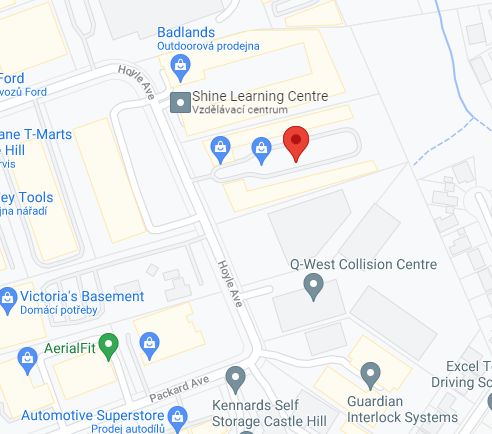
Fees and Refunds                                  -   Electronic  Funds      Transfer
                                                      (account details available on
Catch Training is entitled to charge fees             request)
for items or services provided to students        -   Cheque (Giving cheque to
undertaking a course of study. These                  trainers is not allowed. All
charges are generally for items such as               cheques need to be posted to PO
course materials or text books, student               Box).
services and training and assessment
services.                                      Transfers

Fees payable                                   Requests for transfers to alternate
                                               programs can be arranged if Catch
Fees must be paid prior to commencing          Training is advised in writing or via phone
training or by the due date on the invoice.    any time up to 2 working days prior to the
                                               program commencement date and there
A person will not be enrolled until all fees
have been paid.                                is availability on the selected program.
                                               Three transfers will be accepted without
Upon receipt of your payment, you will be      charge where Catch Training has been
issued with an electronic receipt and a        notified in writing or via phone at least 2
confirmation email with your enrolment.        working days prior to the scheduled
                                               commencement date. All subsequent
                                               transfers will attract an administration
Refunds                                        charge of $55.00 (incl. GST).

Students who cancel their enrolment prior      A refund will not be provided if the student
to 2 days before the commencement of a         has previously rebooked their face-to-
training program will be entitled to a full    face training.
refund of fees paid. Any cancellations of
courses made less than 2 days prior to
                                               Our Guarantee to Clients
the course will result in $25 fee.
                                               If for any reason Catch Training is unable
Students who cancel their enrolment after
                                               to fulfil its service agreement with a
a training program has commenced will
                                               student, Catch Training must issue a full
not be entitled to a refund of fees.
                                               refund for any services not provided. The
Rescheduling of a course booking is            basis for determining “services not
permitted free of charge before a training     provided” is to be based on the units of
program has commenced.                         competency completed by the student
                                               and which can be issued in a statement of
Rescheduling after a training program          attainment at the time the service is
has commenced will attract a $25               terminated.
reschedule fee.
                                               Access to your records
Payment method
                                               You are entitled to have access to your
Catch Training accepts payment for fees        student file and learning and assessment
using:                                         records on request. You may require these
    - Credit Card                              to monitor you progress with training or
                                               simply to go back and confirm something in

 Student Handbook - Version 2.0                                              Page 9 of 21
 August 2021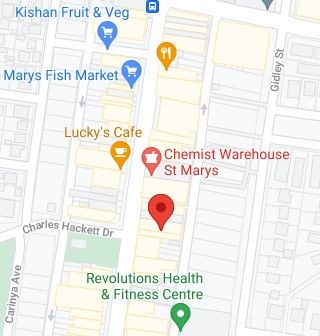
a previous training module. Whilst these           encouraged to provide feedback to Catch
records will be retained by Catch Training.        Training so we can improve our services in
Student      results,  qualifications  and         the future.
statement of attainments will be retained
for thirty years. You are welcome to have          Learner satisfaction survey
access anytime just ask your trainer and it        At the completion of your training, you will
will be organised immediately.                     be issued with a Satisfaction Survey. This
You can access hard copy records and               is a nationally consistent survey tool which
reports from our student management                is designed to collect feedback from
system, but only relating to you personally.       students about their experience with an
You can request this access using the              RTO and nationally recognised training.
Student Records Request Form. Access to            Your completion and return of this survey is
requested records during a work day will be        important to Catch Training for our ongoing
arranged as soon as possible and definitely        improvement of services and to enable us
within 24 hours. Students should note that         to report this information to our registering
these records cannot be taken away unless          authority. Your assistance in gathering this
a copy is requested. Where photocopies             survey data is greatly appreciated.
are requested, Catch Training reserves the
right to charge a one-off photocopy fee of
$10.00. There is no cost to simply view
records at our office.

Continuous improvement

Catch Training is committed to the
continuous improvement of our training and
assessment services, student services and
management systems. Central to this
commitment is our approach to continuous
improvement and the procedures we apply
to achieve systematic and sustained
                                                   Assessment
improvement.
                                                   At Catch Training assessment is
Suggesting improvements
                                                   conducted using a combination of Written
The primary method of reporting                    Knowledge Assessment, Research Tasks,
opportunities for improvement by students          Case Studies, Work Log Book, Supervisor
is via the continuous improvement
                                                   Feedback and Workplace Observation.
reporting procedure. This procedure allows
any person to raise a Continuous                   The following provides a brief explanation
Improvement Report for consideration by            of the primary assessment methods:
the Continuous Improvement Committee.
Often these reports will be generated after    −   Written Knowledge Assessment: The
an opportunity for improvement has been
                                                   student is required to provide a written
identified by a staff member or student. The
                                                   response to a range of questions relating
Continuous Improvement Report template
                                                   to required knowledge of the units of
is available on request. Students are

 Student Handbook - Version 2.0                                                 Page 10 of 21
 August 2021
competency. These would generally be supervisor is recorded into the
short answer response activities and may assessment record.
include other questioning methods − Workplace Observation: The student will
including multiple-choice. be observed performing specific tasks in
their day-to-day work activities. The
− Research Tasks: The student is required assessor will attend the workplace and
to undertake research within their own observe the student performing tasks
workplace and the available reference relevant to the units of competency being
material and provide a written response to assessed. The student will be briefed on
each question. These assessment these observation activities in events and
activities are usually short to medium is required to make arrangements to
answer response activities. The undertake these activities when the
responses provided by the student will assessor is in attendance at the
largely be specific to their workplace. workplace.
Re-assessment
− Case Study Response: The student is
required to provide a written response to a Students who are assessed as not yet
situation presented in a case study competent are to be provided with detailed
scenario. This will usually require the verbal and written feedback to assist them
student to consider carefully the situation to identify the gaps in their knowledge and
presented, undertake some research to skills to be addressed through further
inform their response and then to propose training. These students are to be provided
their recommended actions. with additional training and learning
support to target their specific gaps in
− Workplace Log book: The student is
knowledge and/or skills and prepare them
required to record details of their work
for additional assessment.
activity completed during the work
placement. These details are recorded It is the policy of Catch Training to provide
against specified tasks which are three opportunities for additional training
predesigned for the student to complete. and re-assessment at no additional cost to
This forms an important part of the the student or employer. Students who
assessment evidence as it often includes require additional training and re-
critical evidence that is otherwise difficult assessment after they have exhausted
for the assessor to observe. their three opportunities will be required to
pay a fee for additional training and re-
− Supervisor Feedback: The assessor will
assessment. Please refer to the current fee
periodically engage with workplace
schedule to identify the re-assessment fee.
supervisors to seek their feedback about
the student’s performance. This is Student’s requiring additional learning
undertaken as an interview with a duration support are to be brought to the attention of
of approximately 15 to 20 minutes. This Catch Training management so the
interview can be undertaken over the progress of the student can be monitored
phone or face to face. Feedback from a closely and additional support services can
Student Handbook - Version 2.0 Page 11 of 21
August 2021be applied well before it becomes − Negotiate an extension of time to
necessary to impose an additional fee for complete training programs if
re-assessment. Where students repeatedly necessary.
do not demonstrate competence following
significant learning and assessment
support, a student’s enrolment can be
determined through mutual agreement.
Language, literacy & numeracy skills
Language, literacy and numeracy skills are
critical to almost all areas of work. This is
particularly true in many vocations where
language, literacy and numeracy skills
influence the performance of workplace
tasks such as measuring, weighing and
comprehending written work instructions.
To support this approach Catch Training
will:
− Assess a student’s language, literacy
and numeracy skills during their
enrolment to ensure they have
adequate skills to complete the training;
− Support students during their study with
training and assessment materials and
strategies that are easily understood
and suitable to the level of the
workplace skills being delivered;
− Provide clear information to students
about the details of the language,
literacy and numeracy assistance
available. Catch Training generally
recommend the LLN training courses
provided by TAFE NSW. These
institutes have specialist teachers to
support the student’s development.
− Refer students to external language,
literacy and numeracy support services
that are beyond the support available
within Catch Training and where this
level of support is assessed as
necessary; and
Student Handbook - Version 2.0 Page 12 of 21
August 2021Making complaints & appeals occur between the persons involved, where
possible. Sometimes, it will not be possible
Catch Training is committed to providing a and in these cases you are encouraged to
fair and transparent complaints and come forward and inform us of your
appeals process that includes access to an concerns with the confidence that you will
independent external body if necessary. be treated fairly.
What is a complaint? Complaint and appeals handling
A complaint is negative feedback about Catch Training applies the following
services or staff which has not been principles to its complaints and appeals
resolved locally. A complaint may be handling:
received by Catch Training in any form and
does not need to be formally documented − A written record of all complaints and
by the complainant in order to be acted on. appeals is to be kept by Catch Training
Complaints may be made by any person including all details of lodgement,
but are generally made by students and/or response and resolution.
employers.
− A complainant or person lodging an
What is an appeal? appeal is to be provided an opportunity
to formally present his or her case at
An appeal is an application by a student for minimal or no cost.
reconsideration of an unfavourable
decision or finding during training and/or − Each complainant or person lodging an
assessment. An appeal must be made in appeal may be accompanied and/or
writing and specify the particulars of the assisted by a support person at any
decision or finding in dispute. Appeals must relevant meeting.
be submitted to Catch Training within 28
− The handling of a complaint or appeal
days of the student being informed of the
is to commence within 10 working days
assessment decision or finding.
of the lodgement of the complaint /
appeal and all reasonable measures
are taken to finalise the process as
soon as practicable.
− The complainant or person lodging an
appeal is to be provided a written
statement of the outcome, including
details of the reasons for the outcome.
− Catch Training shall maintain the
enrolment of the complainant or person
Early resolution of complaints & lodging an appeal during the complaint
appeals or appeals process.
In all cases, issues that arise during − Decisions or outcomes of the complaint
training and assessment that are the or appeals process that find in the
source of frustration or are in dispute favour of the student or otherwise shall
should be resolved at the time, as they be implemented immediately.
Student Handbook - Version 2.0 Page 13 of 21
August 2021− Complaints and appeals are to be protection agency in your state or
handled in the strictest of confidence. territory.
No Catch Training representative is to
− For complaints regarding
disclose information to any person
without the permission of Catch apprenticeships or traineeships please
Training Chief Executive Officer. contact the Australian Apprenticeships
Decisions to release information to third Centre in your state or territory.
parties are only to be done after the − For complaints regarding fraud against
complainant or person lodging the the visa system in relation to a student
appeal has given permission for this to please contact the Department of
occur. Immigration and Border Protection.
− Complaints and appeals are to be − For complaints regarding criminal
considered on the basis of procedural activity please contact the police in your
fairness and lead to opportunities for state or territory.
improvement as a Continuous
Improvement Report. − For complaints regarding non
accredited training you can contact a
− To lodge a complaint with Catch consumer protection organisation or
Training please complete a Complaints take legal advice.
and Appeals form which can be found
at: − If your complaint is about discrimination
http://www.catch.nsw.edu.au/studentin on the grounds of sex, disability, race or
formation/complaints-and-appeals/ age you can contact the Australian
Human Rights Commission.
− Please return the completed form to
catch@catch.nsw.edu.au or post it to − Unresolved complaints may be
PO Box 279, Beecroft, NSW, 2119. referred to the Australian Skills
Quality Authority. Students are to
Review by external agency be advised that ASQA will require
− Where the complainant or person the student to have exhausted all
lodging an appeal is not satisfied with avenues through Catch Training
the handling of the matter by Catch internal complaints handling
Training, they are to have the procedure before taking this option.
opportunity for a body that is − Unresolved Appeals in relation to
independent of Catch Training to consumer related issues may be
review his or her complaint or appeal referred to the Office of Fair
following the internal completion of Trading.
complaint or appeals process.
− Students who are not satisfied with the
process applied by Catch Training may
refer their grievance to the following
external agencies:
− For complaints regarding refunds
please contact the relevant consumer
Student Handbook - Version 2.0 Page 14 of 21
August 2021Recognition of your existing skills & − Any student is entitled to apply for
knowledge recognition in a course or qualification
in which they are currently enrolled.
In accordance with the requirements of the
Standards for Registered Training − Students may not apply for recognition
Organisations (RTOs) 2015, Catch for units of competence or a
Training provides the opportunity for qualification which are not included in
students to apply to have prior learning Catch Training scope of registration.
recognised toward a qualification or units of
− Whilst students may apply for
competence for which they are enrolled.
recognition at any time, they are
encouraged to apply before
commencing a training program. This
will reduce unnecessary training and
guide the student down a more efficient
path to competence.
− Students who are currently enrolled in
a training program are eligible to apply
for recognition in that program at no
What is recognition? additional charge.
Recognition involves the assessment of − Assessment via recognition is to apply
previously unrecognised skills and the principles of assessment and the
knowledge that an individual has achieved rules of evidence.
outside the formal education and training
system. Recognition assesses this − Recognition may only be awarded for
unrecognised learning against the whole units of competence.
requirements of a unit of competence, in
Forms of evidence for recognition
respect of both entry requirements and
outcomes to be achieved. By removing the Recognition acknowledges that workplace
need for duplication of learning, recognition skills and knowledge may be gained
encourages an individual to continue through a variety of ways including both
upgrading their skills and knowledge formal and informal learning or through
through structured education and training work-based or life experience.
towards formal qualifications and improved
employment outcomes. This has benefits Like assessment, recognition is a process
for the individual and industry. Most whereby evidence is collected and a
importantly, it should be noted that judgement is made by an assessor or
recognition is just another form of assessment team. The judgement is made
assessment. on evidence provided by candidates of the
skills and knowledge that they have
previously learnt through work, study, life
and other experiences, and that they are
Recognition guidelines
currently using. It also includes evidence to
The following guidelines are to be followed confirm a candidate’s ability to adapt prior
when an application for recognition is learning or current competence to the
received:
Student Handbook - Version 2.0 Page 15 of 21
August 2021context of the intended workplace or
industry.
Forms of evidence toward recognition may
include:
− Work records;
− Records of workplace training;
− Assessments of current skills;
− Assessments of current knowledge;
− Third party reports from current and
previous supervisors or managers;
− Evidence of relevant unpaid or
volunteer experience;
− Examples of work products;
− Observation by an assessor in the
workplace;
− Performance appraisal; or
− Duty statements.
Many of these forms of evidence would not
be sufficient on their own. When combined
together, with a number of evidence items,
the candidate will start to provide a strong
case for competence. Catch Training
reserves the right to require candidates to
undertake practical assessment activities
of skills and knowledge in order to satisfy
itself of a candidate’s current competence.
Student Handbook - Version 2.0 Page 16 of 21
August 2021What is national recognition? − Any student is entitled to apply for
national recognition in a course or
National recognition is the recognition of qualification in which they are currently
learning achieved through formal education enrolled.
and training. Under the Standards for
Registered Training Organisations (RTOs) − Students may not apply for national
2015, qualifications and statements of recognition for units of competence or
attainment issued by any RTO are to be qualification which are not included in
accepted and recognised by all other Catch Training scope of registration.
RTOs. National recognition allows a
− Whilst students may apply for national
student to be awarded a unit of
competency/module based on successful recognition at any time, they are
completion of the unit which has been encouraged to apply before
previously awarded. commencing a training program. This
will reduce unnecessary training and
guide the student down a more efficient
path to competence.
− The student does not incur any fees for
national recognition and Catch Training
does not receive any funding when
national recognition is granted.
− National recognition may only be
Evidence requirements awarded for whole units of
competence. Where a mapping guide
If you are seeking national recognition you
identifies a partial credit, this will not be
are required to present your statement of considered for national recognition and
attainment or qualification for examination applicants will be advised to seek
to Catch Training. These documents will recognition.
provide the detail of what units of
competence you have been previously
issued. You must provide satisfactory
evidence that the statement of attainment
or qualification is authentic, is yours and
that it has been issued by an Australian
RTO. Statements of attainment or
qualifications should be in the correct
format as outlined in the Australian
Qualifications Framework. You are
required to submit copies only which are
certified as a true copies of the original.
National recognition guidelines
The following guidelines are to be followed
in relation to national recognition:
Student Handbook - Version 2.0 Page 17 of 21
August 2021Legislative and Regulatory Section 29 of the WHS Act requires that
Responsibilities any person at a workplace, including
customers and visitors, must take
Catch Training is required to operate in reasonable care of their own health and
accordance with the law. This means we safety and that of others who may be
comply with the requirements of legislative affected by their actions or omissions.
and regulatory requirements. The following
legislation is a list of the Acts that Catch They must also cooperate with any actions
Training has recognised it has compliance taken by the person conducting business or
responsibilities to. They also represent undertaking to comply with the WHS Act
obligations to you as a student whilst and WHS Regulation.
training with Catch Training.
During your day-to-day work and when
participating in training, you will need to be
aware of the relevant legislation that may
impact on your conduct and behaviour.
The following is a summary of the
legislation that will generally apply to your
day-to-day work and training.
Work Health and Safety Act 2011
The main object of this Act is to provide for
a balanced and nationally consistent
framework to secure the health and safety
of workers and workplaces. The WHS Act
protects workers and other persons against Privacy Act 1988
harm to their health, safety and welfare The Privacy Act is supported by the
through the elimination or minimisation of Australian Privacy Principles which came
risks arising from work or from particular into effect on 12th March 2014. The object
types of substances or plant. of Australian Privacy Principles is to ensure
The WHS Act covers workers by providing businesses and government agencies
a nationally uniform work health and safety manage personal information in an open
laws. This includes employees, and transparent way.
contractors, sub-contractors, outworkers, Review the section within this handbook
trainees, work experience students, that relates to privacy protection. It
volunteers and employers who perform provides you with information about:
work.
− the kinds of personal information that
The WHS Act also provides protection for the entity collects and holds;
the general public so that their health and
safety is not placed at risk by work − how the entity collects and holds
activities. personal information;
Student Handbook - Version 2.0 Page 18 of 21
August 2021− the purposes for which the entity Forms of Discrimination Against
collects, holds, uses and discloses Women; and
personal information;
− to eliminate, so far as is possible,
− how an individual may access personal discrimination against persons on the
information about the individual that is ground of sex, marital status,
held by the entity and seek the pregnancy or potential pregnancy in the
correction of such information; areas of work, accommodation,
education, the provision of goods,
− how an individual may complain about facilities and services, the disposal of
a breach of the Australian Privacy land, the activities of clubs and the
Principles and how the entity will deal administration of Commonwealth laws
with such a complaint; and and programs; and
− whether the entity is likely to disclose − to eliminate, so far as possible,
personal information to overseas discrimination involving dismissal of
recipients. employees on the ground of family
responsibilities; and
Disability Discrimination Act 1992
− to eliminate, so far as is possible,
Sect 5 - Disability Discrimination
discrimination involving sexual
(1) For the purposes of this Act, a person harassment in the workplace, in
(discriminator) discriminates against educational institutions and in other
another person (aggrieved person) on the areas of public activity; and
grounds of a disability of the aggrieved
person if, because of the aggrieved − to promote recognition and acceptance
person’s disability, the discriminator treats within the community of the principle of
or proposes to treat the aggrieved person the equality of men and women.
less favourably than, in circumstances that
are the same or are not materially different,
the discriminator treats or would treat a
person without the disability.
For the purposes of subsection (1),
circumstances in which a person treats or
would treat another person with a disability
are not materially different because of the
fact that different accommodation or
services may be required by the person
with a disability.
Sex Discrimination Act 1984
Objects The objects of this Act are:
− to give effect to certain provisions of the
Convention on the Elimination of All
Student Handbook - Version 2.0 Page 19 of 21
August 2021Age Discrimination Act 2004 − promote equality before the law for all
persons, regardless of their race,
The objects of this Act are:
colour or national or ethnic origin, and
− to eliminate, as far as possible,
− make discrimination against people on
discrimination against persons on the
the basis of their race, colour, descent
ground of age in the areas of work,
or national or ethnic origin unlawful.
education, access to premises, the
provision of goods, services and Copyright Act 1968
facilities, accommodation, the disposal
of land, the administration of Copyright is a type of property that is
Commonwealth laws and programs founded on a person's creative skill and
and requests for information; and labour. It is designed to prevent the
unauthorised use by others of a work, that
− to ensure, as far as practicable, that is, the original form in which an idea or
everyone has the same rights to information has been expressed by the
equality before the law, regardless of creator.
age, as the rest of the community; and
Copyright is not a tangible thing. It is made
− to allow appropriate benefits and other up of a bundle of exclusive economic rights
assistance to be given to people of a to do certain acts with an original work or
certain age, particularly younger and other copyright subject-matter. These
older persons, in recognition of their rights include the right to copy, publish,
particular circumstances; and communicate (eg. broadcast, make
available online) and publicly perform the
− to promote recognition and acceptance copyright material.
within the community of the principle
that people of all ages have the same There is no general exception that allows a
fundamental rights; and work to be reproduced without infringing
copyright. Where a part of a work is copied,
− to respond to demographic change by: the issue is whether a substantial part of
that work has been reproduced and thus an
• removing barriers to older people
infringement has occurred. However, there
participating in society, particularly
is a 10% rule which applies in relation to fair
in the workforce; and
dealing copying for the purposes of
• changing negative stereotypes research or study. A reasonable portion of
about older people. a work may be copied for that purpose, and
a reasonable portion is deemed to be 10%
Racial Discrimination Act 1975 of a book of more than 10 pages or 10% of
the words of a work in electronic form.
This Act gives effect to Australia's
obligations under the International
Convention on the Elimination of All Forms
of Racial Discrimination. Its major
objectives are to:
Student Handbook - Version 2.0 Page 20 of 21
August 2021Fair Work Act 2009 − satisfying Fit and Proper Person
Requirements
The main objectives of this Act are to
provide a balanced framework for − satisfying the Financial Viability Risk
cooperative and productive workplace Assessment Requirements
relations that promote national economic
prosperity and social inclusion for all − notifying National VET Regulator of
Australians by: important changes
Providing workplace relations laws that are − cooperating with National VET
fair to working Australians, are flexible for Regulator
businesses, promote productivity and
− compliance with directions given by
economic growth for Australia's future
the National VET Regulator
economic prosperity and take into account
Australia’s international labour obligations; Standards for Registered Training
Ensuring a guaranteed safety net of fair, Organisations (RTOs) 2015
relevant and enforceable minimum terms
ASQA uses these Standards to ensure
and conditions through the National
nationally consistent, high-quality training
Employment Standards, modern awards
and assessment across Australia's
and national minimum wage orders;
vocational education and training (VET)
Enabling fairness and representation at system.
work and the prevention of discrimination
− Standard one - Responsive to industry
by recognising the right to freedom of
and learner needs.
association and the right to be
− Standard two – Quality assurance.
represented, protecting against unfair
− Standard three – Secure and accurate
treatment and discrimination, providing
certification.
accessible and effective procedures to
− Standard four – Accessible information
resolve grievances and disputes and
about services.
providing effective compliance − Standard five – Informed and protected
mechanisms. learners.
− Standard six – Fait complaints handling.
National Vocational Education and
− Standard seven – Effective governance
Training Regulator Act 2011
and administration.
This legislation provides that basis for the − Standard eight – Legal compliance.
regulation of Registered Training
Organisations in Australia. The legislation
provides the basis for the establishment of
the National VET Regulator who are the
registration authority for RTOs. An core
component of this legislation is that it
defines the condition for the registration of
an RTO which include:
− compliance with the VET Quality
Framework
Student Handbook - Version 2.0 Page 21 of 21
August 2021You can also read


