Suite 2 this is us: Trust each other Topic: HOW CAN I PLAN AND ADVOCATE - FOR HEALTH, SAFETY, WELLBEING AND PARTICIPATION IN THE RIGHT LIFESTYLE ...
←
→
Page content transcription
If your browser does not render page correctly, please read the page content below
Young Deadly Free: How to have healthy relationships—Teacher Resource 2020

Suite 2
this is us: Trust each other
Topic: HOW CAN I PLAN AND ADVOCATE
FOR HEALTH, SAFETY, WELLBEING AND
PARTICIPATION IN THE RIGHT LIFESTYLE
BEHAVIOURS FOR ME AND MY MOB?
lesson 1 Character analysis
Target age group: Lower, middle and upper secondary (Year 7–10)
Lesson duration: 45 minutes

Australian curriculum: This lesson plan supports a number of capabilities in the Australian Curriculum,
including Information and Communication Technology, Ethical Behaviour, Personal and Social
Competence and Intercultural Understanding.

Before commencing lessons
Before running any of these lessons please do the following:

1 Pre watch all three videos referred to in this package. https://www.youtube.com/playlist?list=PLu8z-
  jO5SOE8oNc6VyYkjkQqI3P0qD0u3
2 Ensure you read about and set up a group agreement with your class to maintain safety of students.
3 Ensure you read about and set up the anonymous question box .
4 Ensure you have completed and are up to date with your RAN-EC child protection training (SA only).
5 Read your schools procedure for dealing with disclosures of child sexual abuse.

Other training and support
Sexual health training: SHINE SA provide support for schools and training on delivering RSE. Find out more
here https://www.shinesa.org.au/support-for-schools/

A word about partnerships: While it is recognised that schools play an important role in the delivery of
RSE, given the personal and cultural aspects of sexual health, consider partnering with your local Aboriginal
community controlled health services (ACCHS) in the delivery of your program. Many ACCHSs have staff
who are trained in sexual health and experienced in delivering community education. This partnership may
be especially important if your school has limited Aboriginal staff. Alternatively, there may be local sexual
health teams in your area who employ Aboriginal staff or can provide specialist sexual health support.

Young Deadly Free: How to have healthy relationships—Teacher Resource 2020

LESSON 1
                                            Character analysis
Time required:                              Purpose
45 minutes
                                            •   Define what a Healthy Relationship is.
PREPARATION
                                            •   Understand the services and support needed to maintain a Healthy Intimate
• Video: This Is Us: Trust                      Relationship.
  Each Other https://youtu.
                                            •   Critically analyse the need to be informed and inform others of what is
  be/DWb5dehQqds
                                                available to help them have a Healthy Relationship.
• Read about yarning circles
                                            Learning goals
  https://www.qcaa.qld.edu.
  au/about/k-12-policies/                   In this lesson students will:
  aboriginal-torres-strait-                 • reflect on whether or not the behaviours in the This Is Us: Trust Each Other are
  islander-perspectives/                       desirable in a friend or someone you trust.
  resources/yarning-circles
                                            Procedure
• Print for each student
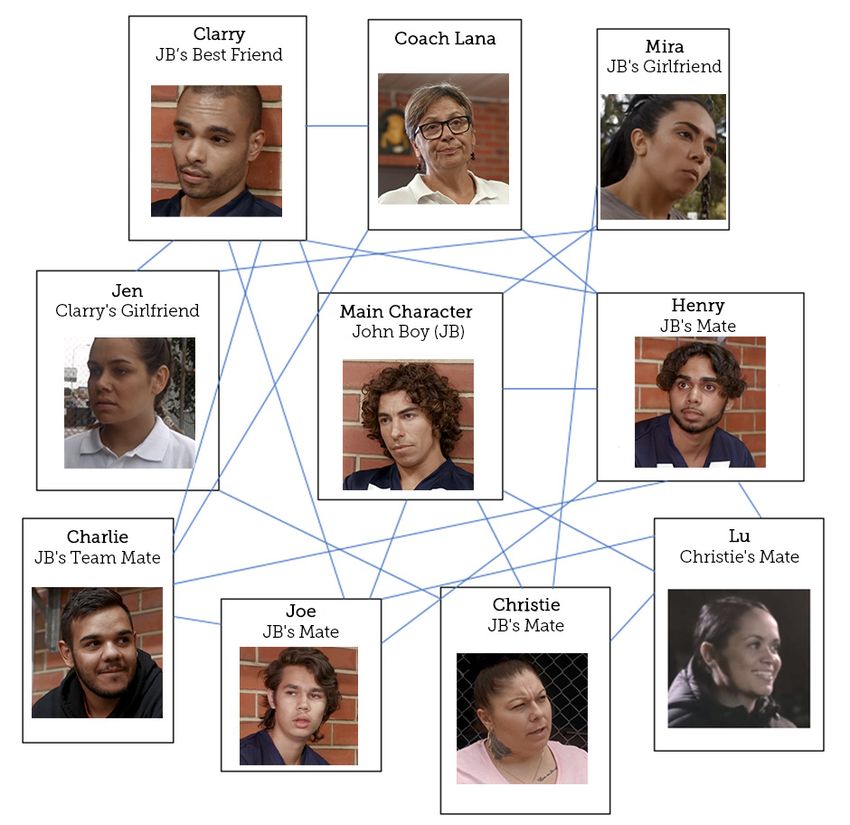
  Handout 2.1 Characters,                   1 Hand out the Handout 2.1 Characters, Roles, Behaviours Episode 2 and
  Roles, Behaviours Episode 2                 Handout 2.2 The Web of relationships in This Is Us.
• Print for each student                    2 Explain that they are to begin to fill in Handout 2.1 Characters, Roles,
  Handout 2.2 The Web of                      Behaviours Episode 2 as they watch the video.
  relationships in This Is Us               3 Explain that the whole class will work through Handout 2.1 Characters, Roles,
• What is Help-seeking? fact                  Behaviours Episode 2 together when the video is finished so it’s okay if they
  sheet https://www.lifeline.                 don’t get it all filled in.
  org.au/static/uploads/files/              4 Watch the video This Is Us: Trust Each Other https://youtu.be/DWb5dehQqds.
  what-is-help-seeking-                       Conduct a brief class discussion about the different types of relationships
  wfqyhtavxnmg.pdf                            they saw in the video: boyfriend, girlfriend, health worker, friends, best
                                              friend.
TAKE HOME MESSAGE
                                            5 Write their answers on the board.
By being aware of your                      6 Discuss the roles and behaviours that each character took on.
friends’ behaviours you can
                                            7 Discuss the concept of help-seeking.
understand them and make
                                              Teacher note: The following factsheet on help-seeking from Lifeline may
some choices about ways to
support them. Sometimes
                                              assist What is Help-seeking? https://www.lifeline.org.au/static/uploads/files/
supporting yourself and your                    what-is-help-seeking-wfqyhtavxnmg.pdf
friends means asking for help.              8 Ask students to identify who was able to seek help, who didn’t seek help but
It is important to make sure                  should have, and who supported their friends in seeking help.
you inform yourself about the
                                            9 Explain that while being a teenager is about finding independence and
kinds of help available around
                                              developing their own identity, it’s still very important that they are able to
you.
                                              identify people and places that they can seek help from. Everyone needs
                                              help sometimes.

							                                                                      2                                 This Is Us | Suite 2 Lesson 1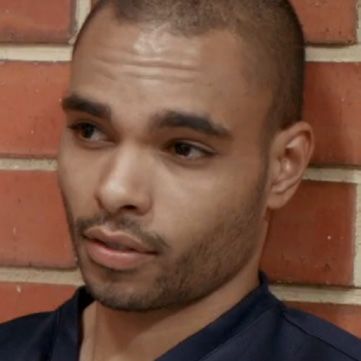
Young Deadly Free: How to have healthy relationships—Teacher Resource 2020

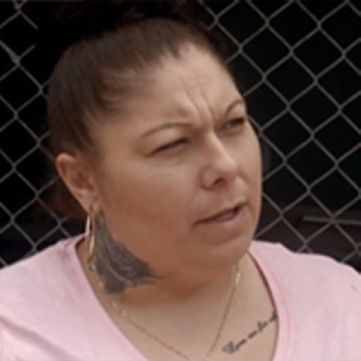
Handout 2.1 Characters, Roles and Behaviours episode 2

                                                                                 WHAT ROLE DID THIS      HOW COULD
                                                                                                       THIS CHARACTER
                                                                                  CHARACTER PLAY?
                                                                                                        HAVE HANDLED
                                           RELATIONSHIP TITLE
          CHARACTER                                                                WHAT TYPES OF        THE SITUATION
                                               TO OTHERS                                               DIFFERENTLY TO
                                                                                 BEHAVIOURS DID YOU
                                                                                                      GET THE HELP THEY
                                                                                        SEE?               NEEDED?

                Mira

             Christie

                 Jen

                  JB

               Clarry

               Henry

							                                                                      3                                This Is Us | Suite 2 Lesson 1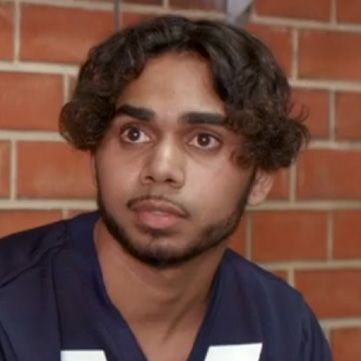
Young Deadly Free: How to have healthy relationships—Teacher Resource 2020

Handout 2.2 The web of relationships in This Is Us

							                                                                      4   This Is Us | Suite 2 Lesson 1
You can also read


