Sustainability Accounting Standards Board - Standards Board Meeting, Quarter 1, 2020, Public Meeting - SASB
←
→
Page content transcription
If your browser does not render page correctly, please read the page content below
g
                                                               tin
                                                           ee
                                                           M
                                                    a  rd
                                                 Bo
                                               s
                                            rd
Sustainability Accounting Standards Board

                                         da
Standards Board Meeting, Quarter 1, 2020, Public Meeting

                                      an
                                   St
Tuesday, February 25, 2020    20
                             20
                         25
                     b.

© SASB
                 Fe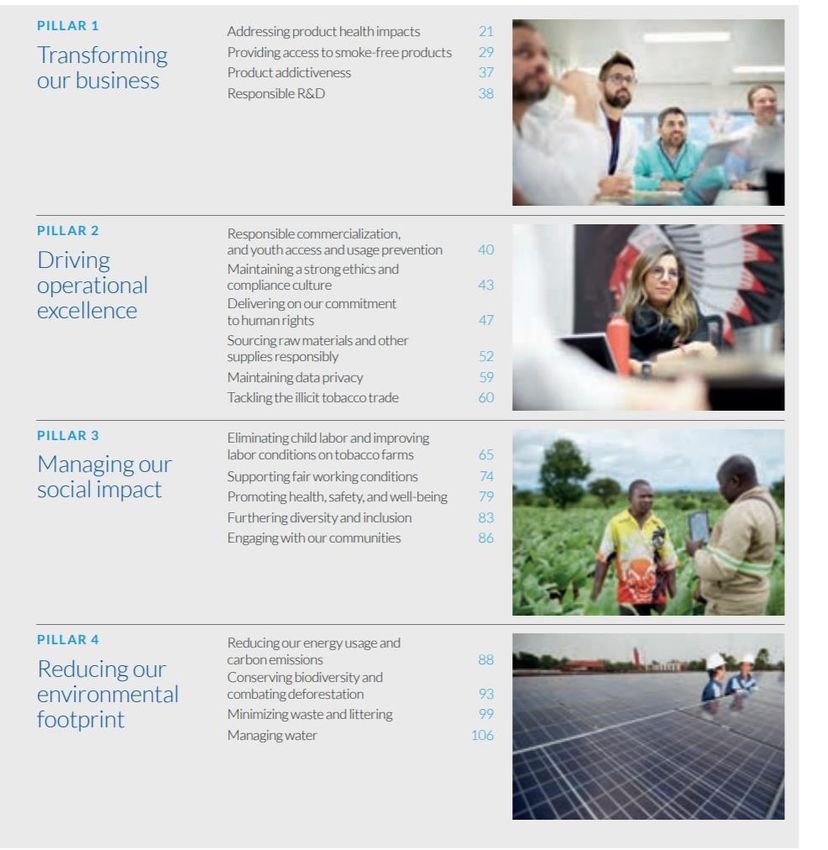
Fe
  b.
       25
            20
              20
                   St
                     an
                        da
                          rd
                               s
                                          Welcome & Agenda Overview

                                   Bo
                                      ard
                                                       M
                                                                      ee
                                                                        tin
                                                                           g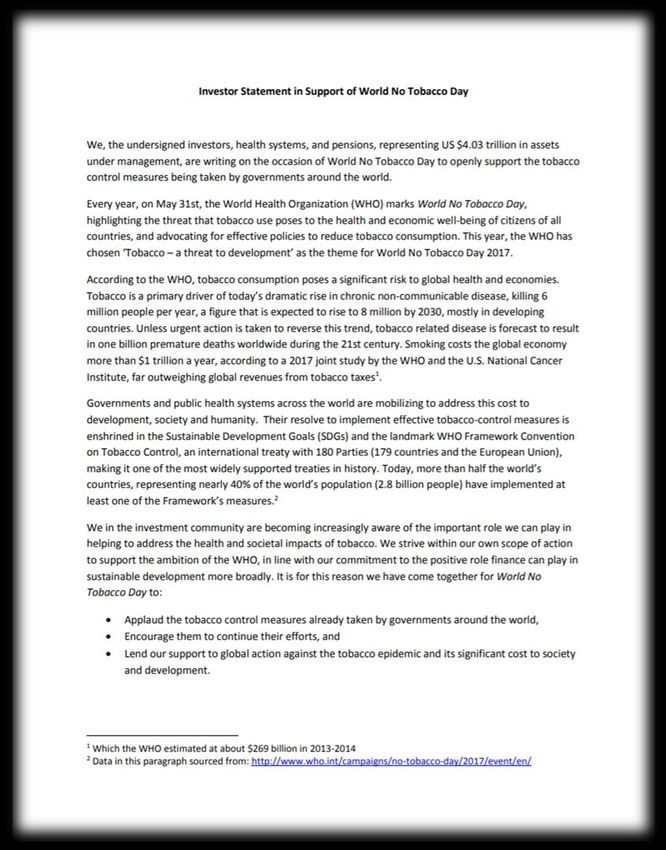
Objectives for Today’s Meeting

                                                                g
                                                               tin
                                                            ee
                                                        M
    1. New project proposals – seek Standards Board approval

                                                       rd
    2. Agenda planning & schedule

                                                        a
                                                     Bo
                                                 s
                                                rd
                                                da
                                       an
                                    St
                               20
                            20
                        25
                     b.
                  Fe

3                                   2/18/2020                        © SASB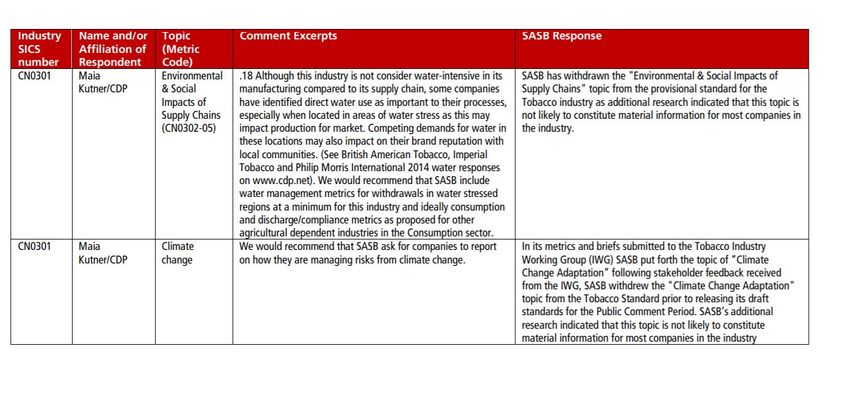
Agenda

                                                                                                                              g
                                                                                                                        tin
                                                                                                                  ee
                                                                                                             M
                                                                                                a      rd
                                                                                             Bo
                                                                                        s
                                                                                   rd
                                                                                da
                                                                       an
                                                                  St
                                                          20
                                                    20
                                            25
                                     b.

     For public meeting materials visit the Standards Board Meeting Calendar & Archive page. The meeting recording and outcomes will be posted on the same page after
    the meeting.
                               Fe

4                                                                   2/18/2020                                                                      © SASB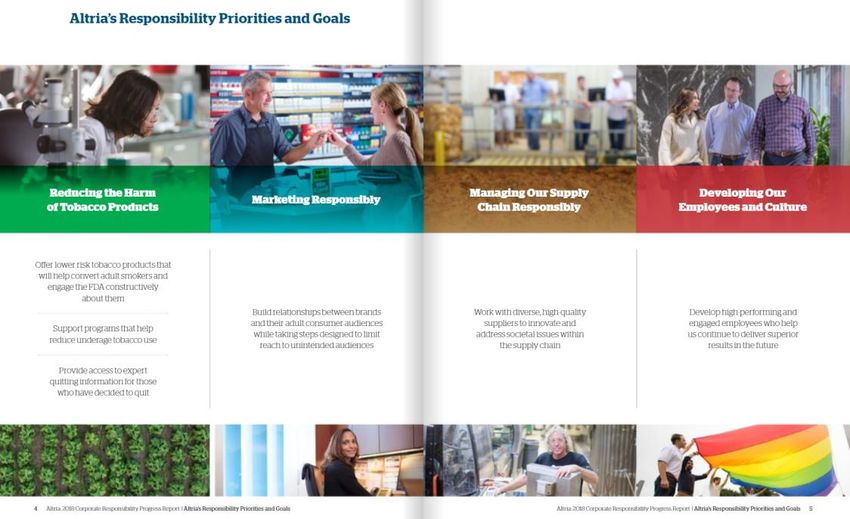
Standard-Setting Process Overview

                                                                                   g
                                                                              tin
                                                                          ee
                                                                       M
                                                                 a    rd
                                                              Bo
                                                          s
                                                         rd
                                                         da
                                                an
                                            St
                                  2    20                         2
Project screening – input from:   Research Program – objective:   Standard-Setting Agenda:
                                      20
• Market & public engagement      Conduct research and obtain     • Project determined to meet four criteria
• Standards Advisory Group        market input to determine if    • Prioritization informed by agenda
                                  25

• Standards Board                 standard setting should be         priorities (Sept. 2019 meeting)
• Staff research                  pursued (meets four criteria)   • Initiates standard-setting process
                           b.
                      Fe

  5                                          2/18/2020                                           © SASB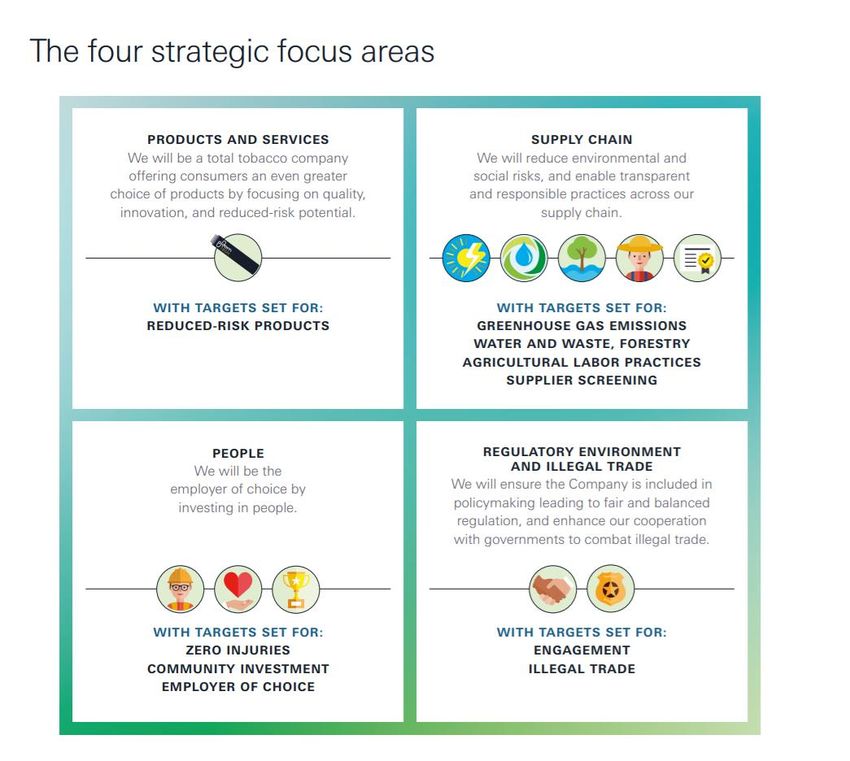
Criteria for Standard-Setting Projects (Agenda)

                                                                   g
                                                                  tin
                                                                  ee
                                                                        Scope/prevalence

                                                              M
Mission alignment

                                                             rd
‣ Is there an opportunity to                                           ‣ Is the issue pervasive,

                                                              a
  significantly improve                                                  including scope of industries

                                                           Bo
  communication by companies                                             or geographies impacted.

                                                       s
  to investors of decision-useful

                                                      rd
  sustainability information

                                                      da
                                                                         Capacity

                                             an
Feasibility                                                             ‣ Does Staff (and the Board)

                                          St
                                                                          have sufficient capacity to
‣ What is the likelihood that            20                               formally address the issue;
  there would be a proposed
                                     20
                                                                          and does the issue warrant
  solution to put to the Board in                                         prioritization of resources
                                    25

  a timely fashion.                                                       over alternatives.
                             b.
                        Fe

  6                                       2/18/2020                             © SASB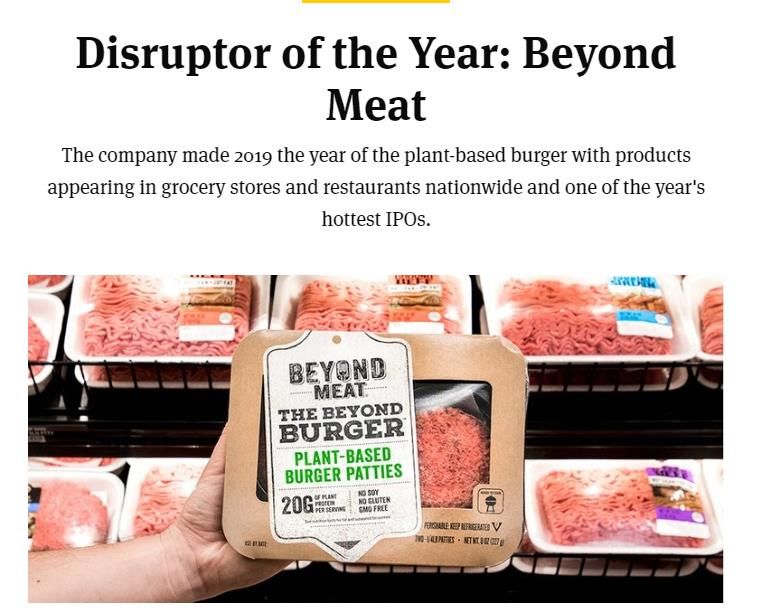
Agenda Prioritization

                                                                           g
                                                                        tin
                                                                        ee
    1. Governance Documents

                                                                  M
    2. Thematic Issue – materiality

                                                            a rd
    3. Thematic Issue – measurement

                                                         Bo
    4. Industry Standard: reevaluating existing content – materiality

                                                     s
                                                    rd
    5. Industry Standard: reevaluating existing content – measurement

                                                    da
    6. Industry Standard: evaluating new or emerging issues

                                           an
    7. Industry scope and structure issues, including new industry standards

                                      St
    8. Globalization             20
                             20
    9. Technical Protocol Issues
                        25

    10. Standards Application Guidance
                    b.

    11. Alignment
               Fe

7                                       2/18/2020                              © SASB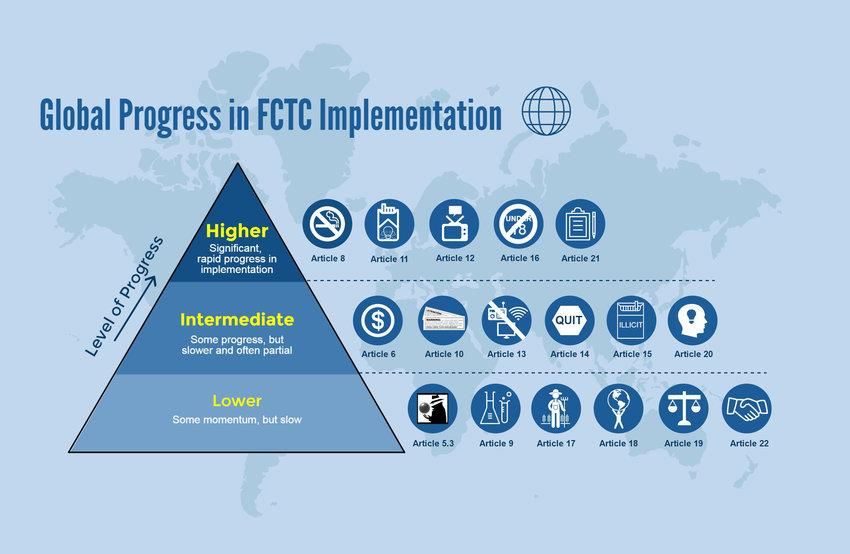
Agenda Prioritization

                                                                                                                         g
                                                                                                                    tin
                                                                                                             ee
                                                                                                         M
                                                                                             a      rd
                                                                                          Bo
                                                                 Alignment theme

                                                                                      s
                                           8. Globalization                                         11. Alignment

                                                                                 rd
                                                                             da
                Conceptual                        Practical                         Presentation                         Legal                 Technical

                                                                    an
                                                                 St
                                                                                                                                     3. Thematic Issue –
1. Governance Documents            7. Industry scope and
                                                                                                                                     measurement
2. Thematic Issue – materiality    structure issues, including
4. Industry Standard:
reevaluating existing content –
                                                        20
                                   new industry standards
                                   10. Standards Application
                                                                        10. Standards Application
                                                                        Guidance
                                                                                                         10. Standards Application
                                                                                                         Guidance
                                                                                                                                     5. Industry Standard:
                                                                                                                                     reevaluating existing
                                                 20
                                                                                                                                     content – measurement
materiality                        Guidance
                                                                                                                                     9. Technical Protocol Issues
6. Industry Standard: evaluating
                                         25

new or emerging issues
                                   b.
                                   Fe

   8                                                             2/18/2020                                                            © SASB
g
                                                       tin
                                                    ee
                                                M
Standard-Setting Project Proposals

                                          a  rd
                                       Bo
                                     s
   • Measuring Performance on Raw Materials Sourcing in

                                  rd
                               da
     the Apparel, Accessories & Footwear Industry

                           an
                        St
   • Supply Chain Management in the Tobacco Industry
                    20
                 20
            25
         b.
      Fe
g
                                              tin
                                           ee
Measuring Performance on Raw Materials Sourcing

                                         M
                                      rd
in the Apparel, Accessories & Footwear Industry

                                     a
                                  Bo
                                s
                              rd
                           da
                        an
                      St
                   20
                20
            25
          b.
       Fe
Measuring Performance on Raw Materials Sourcing in the
g
Apparel, Accessories & Footwear Industry Standard-Setting Project Proposal
tin
ee
Problem Statement
M
Market input and internal review suggest that the two metrics associated with the Raw Materials Sourcing disclosure
topic provide insufficient guidance that may result in inconsistent calculations and noncomparable disclosures. In
rd
addition, market input suggests that improvements to the completeness in which the metrics measure performance on
a
the topic, along with further alignment with existing industry approaches should be considered.
Bo
Proposed Project Scope & Anticipated Course of Action
s
Staff recommends that the Standards Board approve a standard-setting project to revise, clarify, and consider
rd
improvements to the following metrics (or at a minimum, the technical protocols for each metric):
da
• CG-AA-440a.1: Description of environmental and social risks associated with sourcing priority raw materials
• CG-AA-440a.2: Percentage of raw materials third-party certified to an environmental and/or social sustainability
an
standard, by standard
St
Criteria for Standard-Setting Project
20
Mission Alignment – Is there an opportunity to significantly improve communication by companies to investors of
decision-useful sustainability information?
20
Scope / Prevalence – Is the issue pervasive, including scope of industries or geographies impacted?
Capacity – Does Staff (and the Board) have sufficient capacity to formally address the issue; and does the issue warrant
25
prioritization of resources over alternatives.
Feasibility – What is the likelihood that there would be a proposed solution to put to the Board in a timely fashion.
b.
Fe
11 2/18/2020 © SASBResearch Agenda Prioritization
g
tin
ee
1. Governance Documents
M
2. Thematic Issue – materiality
a rd
3. Thematic Issue – measurement
Bo
4. Industry Standard: reevaluating existing content – materiality
s
rd
5. Industry Standard: reevaluating existing content – measurement
da
6. Industry Standard: evaluating new or emerging issues
an
7. Industry scope and structure issues, including new industry standards
St
8. Globalization 20
20
9. Technical Protocol Issues
25
10. Standards Application Guidance
b.
11. Alignment
Fe
12 2/18/2020 © SASBWhy Now? Industry Coalesces Around Sustainable Materials
g
tin
• The Year Ahead: Welcome to the Materials Revolution, January 2, 2020, Business of Fashion
ee
• More than Half of Polyester in Adidas’ Sneakers Will Be in Recycled This Year, January 21, 2020, Yahoo News
M
• Zara clothes to be made by 100% sustainable fabrics by 2025, July 17, 2019, The Guardian
a rd
• Gap commits to 100% sustainable cotton sourcing, June 7, 2019, Supply Chain Dive
Bo
• 60 Percent of Athleta’s Materials Are Now Made from Sustainable Fibers, April 18, 2019, Gap Inc. webpage
s
rd
• Walmart to use 100% sustainable cotton by 2025, April 17, 2019, fibre2fashion.com
da
• H&M pledges 100% Sustainable Cotton by 2020, April 1, 2019, Supply Chain Dive
an
St
The following companies have made commitments related to sustainable material use:
▪ H&M ▪ LVMH
20 ▪ Kering ▪ Tapestry TOTAL MARKET CAP
REPRESENTED:
20
▪ Inditex ▪ PVH ▪ VF Corp ▪ Lululemon
▪ Ralph Lauren
▪ Fast Retailing ▪ Gap ▪ Walmart $1.2T
25
▪ Nike ▪ Adidas ▪ Target ▪ Zalando (Germany)
b.
Fe
13 2/18/2020 © SASBCurrent SASB Disclosures on Raw Materials Sourcing
g
tin
ee
TOPIC: Raw Materials Sourcing
ACCOUNTING METRIC: Percentage of raw materials third-party certified to an environmental and/or social sustainability standard, by standard
M
In 2017 we sourced 17% of our cotton (Conventional, organic, recycled) as Better Cotton.
rd
In 2018, we are estimating that we sourced 33% of our cotton as Better Cotton. This was
a
calculated using the BCCU’s sourced in 2018 and assuming a 3% growth rate in PVH total
Bo
cotton consumption year over year. We also require that down used in our products be
certified by the Textile Exchange’s Responsible Down Standard (RDS) to ensure it has
been sourced responsibly
s
rd
Materials (FY18)
da
Rubber 92% environmentally preferred Polyester 19% recycled
an
Cotton 8% certified organic Corrugate 84% recycled EVA FoamMarket Input Highlights Three Key Concerns
g
tin
SASB has received the following feedback from a company and an industry-focused NGO on metric CG-AA-
ee
440a.1:
M
Excerpt from the Apparel, Accessories & Footwear industry standard:
Feedback that the definition of industry
rd
terms, such as “priority raw materials,” are
1.
a
not aligned with industry accepted terms,
Bo
and don’t account for materials that may
not be used in large quantities but may still
represent critical risks/opportunities to
s
rd
companies
da
an
ANTICIPATED RESEARCH
St
• Research textile industry standards intended to guide companies in their identification of “priority raw materials”
• Interview companies on internal processes for identifying “priority raw materials”
ANTICIPATED OUTCOME
20
20
• Determination on whether revisions to terms, such as “priority raw materials,” are necessary to improve completeness
• Determination on whether further alignment with an external standard may improve the completeness and comparability of SASB
25
disclosures, as well as the cost-effectiveness of the standard
b.
Fe
15 2/18/2020 © SASBMarket Input Highlights Three Key Concerns
g
tin
ee
SASB has received feedback from two companies and a third-party assurance provider on metric CG-AA-440a.2:
M
Excerpt from the Apparel, Accessories & Footwear industry standard:
a rd
Bo
2. Feedback that technical protocol
provides guidance that is inconsistent
s
with the metric title
rd
da
an
ANTICIPATED RESEARCH
St
• Research environmental and social sustainability standards for raw material certification in the textile industry
20
ANTICIPATED OUTCOME
20
• Revisions to technical protocol that cite certifications that are consistent with the metric title and facilitate comparable SASB
25
disclosures.
b.
Fe
16 2/18/2020 © SASBMarket Input Highlights Three Key Concerns
g
tin
ee
SASB has received feedback from two companies and a third-party assurance provider on metric CG-AA-440a.2:
M
Excerpt from the Apparel, Accessories & Footwear industry standard:
Feedback that the technical protocol does
rd
3. not provide complete guidance on the
a
calculation of the metric, specifically,
Bo
regarding integration of a waste factor, and
measuring the weight of finished products
s
rd
ANTICIPATED RESEARCH
da
• Research on industry standards intended to calculate sustainable material usage in the textile industry, such as the Corporate
Fiber & Materials Benchmark program.
an
ANTICIPATED OUTCOME
St
• Determination on whether further guidance is needed on:
20
1) Integrating a waste factor or loss rate into the metric calculation;
2) Measuring fiber weight in finished products; and
20
• Determination on whether further alignment with an external standard may improve the measurability of technical protocol,
25
completeness and comparability of SASB disclosures, and the cost-effectiveness of the standard.
b.
Fe
17 2/18/2020 © SASBProposed Project Characteristics
g
tin
ee
TIMELINE
• Estimated project timeline is 6-12 months
M
• Key phases:
rd
▪ Research on the aforementioned topics
a
▪ Company, investor & SME consultations
Bo
▪ Development of exposure draft
s
rd
▪ Public comment period
da
▪ Subsequent revisions
an
▪ Final proposal to the Standards Board
St
RESOURCES 20
20
• Consumer Goods Sector Lead
• Regular engagements with the Sector Committee (and full Board to a certain extent) throughout the project lifetime
25
b.
Fe
18 2/18/2020 © SASBMeasuring Sustainable Material Use in the Apparel, Accessories
g
& Footwear Industry
tin
Standard-setting Project Proposal
Recommendation
ee
M
Problem Statement
rd
Market input and internal review suggest that the two metrics associated with the Raw Materials Sourcing disclosure
a
topic provide insufficient guidance that may result in inconsistent calculations and noncomparable disclosures. In
Bo
addition, market input suggests that improvements to the completeness in which the metrics measure performance on
the topic, along with further alignment with existing industry approaches should be considered.
s
rd
Seeking the Board’s Approval on the Recommendation:
da
an
Staff recommends that the Standards Board approve a standard-setting project to revise, clarify, and consider
improvements to the following metrics (or at a minimum, the technical protocols for each metric):
St
• CG-AA-440a.1: Description of environmental and social risks associated with sourcing priority raw materials
• CG-AA-440a.2: Percentage of raw materials third-party certified to an environmental and/or social
sustainability standard, by standard
20
20
25
b.
Fe
19 2/18/2020 © SASBAppendix
Fe
b.
25
20
20
St
an
da
rd
s
Bo
ard
M
ee
tin
gKey Areas of Research & the Path Forward
g
tin
KEY AREAS OF RESEARCH
ee
• Research environmental and social sustainability standards for raw material certification
M
• Research the impact of loss rate on measuring raw materials, and methodologies for measuring raw materials in finished goods
• Research industry standards aimed at calculating sustainable material usage in the textile industry
rd
• Research the potential alignment between SASB metrics and the Textile Exchange’s Corporate Fiber & Materials
a
Benchmark Program
Bo
A POSSIBLE PATH FORWARD
s
rd
January 20, 2020
da
The Material Change Index (MCI) produced by the nonprofit Textile
Exchange, is part of that organization’s Corporate Fiber & Materials
an
Benchmark program, which enables participating companies to measure,
manage and integrate a preferred fiber and materials strategy into their
business. The index was created in part through the voluntary participation of
St
more than 170 companies, including major brands such as Adidas, C&A,
Gucci, IKEA, Inditex, Nike, Patagonia and Tchibo.
20
POTENTIAL BENEFITS OF ALIGNING WITH CFMB PROGRAM
20
• Already widely used by apparel companies (170), could alleviate reporting burden and improve cost-effectiveness
• CFMB’s requested metrics align closely with the SASB standard
25
• CFMB provides technical guidance that may improve comparability (i.e., waste factor integration and fiber uptake calculator)
b.
Fe
21 2/18/2020 © SASBg
tin
ee
M
Supply Chain Management in the Tobacco Industry
ard
Bo
s
rd
da
an
St
20
20
25
b.
FeSupply Chain Management in the Tobacco Industry
g
tin
Executive Summary Standard-Setting Project Proposal
ee
Problem Statement
Tobacco cultivation results in environmental and social externalities. Tobacco manufacturers monitor and
M
engage with their suppliers on these issues, and investors have indicated interest in disclosures on
rd
tobacco supply chain management. The Tobacco Industry Standard does not currently include any topics
a
or metrics on supply chain management and material sourcing.
Bo
Proposed Project Scope & Anticipated Course of Action
s
rd
Staff seeks Standards Board approval of a standard-setting project to reevaluate adding supply chain
da
management and/or material sourcing topic(s) and metric(s) to the Tobacco Industry Standard.
an
St
20Criteria for Standard-Setting Project
Mission Alignment - Is there an opportunity to significantly improve communication by companies to investors of
20
decision-useful sustainability information?
Scope / Prevalence – Is the issue pervasive, including scope of industries or geographies impacted?
25
Capacity – Does Staff (and the Board) have sufficient capacity to formally address the issue; and does the issue warrant
prioritization of resources over alternatives.
b.
Feasibility: What is the likelihood that there would be a proposed solution to put to the Board in a timely fashion.
Fe
23 2/18/2020 © SASBResearch Agenda Prioritization
g
tin
ee
1. Governance Documents
M
2. Thematic Issue – materiality
a rd
3. Thematic Issue – measurement
Bo
4. Industry Standard: reevaluating existing content – materiality
s
rd
5. Industry Standard: reevaluating existing content – measurement
da
6. Industry Standard: evaluating new or emerging issues
an
7. Industry scope and structure issues, including new industry standards
St
8. Globalization 20
20
9. Technical Protocol Issues
25
10. Standards Application Guidance
b.
11. Alignment
Fe
24 2/18/2020 © SASBKey stages of tobacco product lifecycle
g
tin
ee
M
rd
a
Bo
Product Product
s
Farming and
rd
manufacturing consumption Waste
curing
and distribution (consumers)
da
an
St
20
20
25
b.
Fe
25 2/18/2020 © SASBCurrent Tobacco Industry Standard addresses consumption
g
related ESG risks
tin
ee
Product
Product
M
Farming manufacturing
and
consumption Waste
and curing (consumers)
distribution
ard
Bo
s
rd
da
an
St
20
20
25
b.
Fe
26 2/18/2020 © SASBTobacco cultivation has recognized sustainability risks not
g
reflected in the standard
tin
ee
Product
Product
Farming manufacturing
M
and
consumption Waste
and curing (consumers)
distribution
a rd
Bo
Environmental Social
s
rd
da
Ecological impacts from Child labor, forced labor
an
agrochemical use
St
Agrochemical exposure
Deforestation
20
20
Green tobacco sickness
25
Source: Lecours N, Almeida GEG, Abdallah JM, et al. “Environmental health impacts of tobacco farming: a review of the literature.” Tobacco Control 2012;21:191-196; Boseley S. “Child labour
b.
rampant in tobacco industry.” The Guardian. June 25, 2018. https://www.theguardian.com/world/2018/jun/25/revealed-child-labor-rampant-in-tobacco-industry; U.S. OSHA “Recommended
Practices: Green Tobacco Sickness.” 2015. https://www.cdc.gov/niosh/docs/2015-104/pdfs/2015-104.pdf?id=10.26616/NIOSHPUB2015104
Fe
27 2/18/2020 © SASBGlobal tobacco treaty requires action on cultivation practices
g
tin
ee
The WHO Framework Convention on Tobacco Control (WHO FCTC)
M
is a global public health treaty adopted by 180+ parties covering over
90% of the world’s population; component of SDG 3.
ard
Bo
s
• ARTICLE 18 recognizes that Parties agree to have due regard to the protection of the
rd
environment and to health with respect to tobacco cultivation and
da
manufacture
an
• ARTICLE 17 requires Parties to promote, as appropriate, economically viable alternatives
St
for tobacco workers, growers, and possibly individual sellers.
20
20
25
b.
Fe
28 2/18/2020 © SASBGlobal investors recognize tobacco supply chain risks as a
g
material financial risk
tin
ee
M
May 31, 2017: Investor Statement in Support
of World No Tobacco Day
a rd
Undersigned investors, health systems, and
Bo
pensions, representing US $4.03T AUM
s
rd
da
Press Release
an
Managing director of the PRI, Fiona Reynolds,
St
added: “Aside from the obvious health issues,
20 investors are increasingly becoming aware of
the material financial risks around tobacco.
20
These include regulatory, litigation, and supply
chain risks.”
25
b.
Fe
29 2/18/2020 © SASBg
tin
ee
M
Historical Consideration of the Topic
rd
a
Bo
s
rd
da
an
St
20
20
25
b.
FeTopic withdrawn from Exposure Draft of the Provisional Standard
g
tin
Published January 2015
ee
Mid-2015 Response to
M
Public Comments
rd
“SASB has withdrawn the
a
Bo
‘Environmental & Social
Impacts of Supply
s
Chains’ topic from the
rd
provisional standard for the
da
Tobacco industry as
an
additional research
indicated that this topic is
St
not likely to constitute
20 material information for
most companies in the
20
industry.”
25
b.
Fe
31 2/18/2020 © SASBStakeholders expressed interest during consultations
g
tin
Input for revisions to the Provisional Standard
ee
December 2016 – Consultation with asset manager
M
• Companies should be disclosing broader social and environmental issues that are part of the
rd
tobacco supply chain.
a
• Forced labor, agricultural practices, green tobacco illness noted as topics for consideration
Bo
January 2017 – Consultation with Phillip Morris
s
rd
International
da
• All tobacco companies should demonstrate that they have assessed Environmental and
Social Impacts across their value chains
an
• Should disclose their most significant impacts and the corresponding measurement and
St
management approaches, including those due to labor practices in supply chains (e.g. child labor,
forced labor)
20
March 2017 – Consultation with investment analysts
20
broadly on agriculture industry
25
• “Origin and transparency” for any agricultural supply chain is a helpful, key theme for
investors.
b.
• Specifically noted issues of pesticide and changing climate and water stress for tobacco
Fe
32 2/18/2020 © SASBTopic proposed as Technical Agenda Item for Codified Standard
g
tin
Proposed May 2017
ee
M
a rd
Bo
“Add supply chain topic to the Tobacco industry standard. The
s
rd
suggested metrics for this topic relate to labor practices in
da
supply chains (e.g. child labor, forced labor), organizational
carbon footprint, and product waste”
an
St
20
20
25
b.
Fe
33 2/18/2020 © SASBStakeholders continue to express interest in the topic
g
tin
September 2017 – Deutsche Asset
ee
Management Tobacco Industry Report
January 2018 – Deutsche Asset Management Public Comment
to SASB
M
“There is a need to develop disclosures regarding social and
rd
environmental standards for tobacco cultivation and processing. This
a
was included in the provisional standards but not in the final exposure draft,
Bo
apparently as there was no clear evidence of company cost savings.”
Environmental and societal externalities are very large in the broad
s
agricultural sector and institutional investors have several engagement
rd
initiatives (including through PRI) asking companies to improve their
da
practices and policies. This shows investor interest, as the
environmental externalities of agricultural production have material
an
negative impacts on other aspects of an investors’ holdings.
St
As well, the UK Modern Slavery Act and California Transparency in Supply
Chains Act require investors (as listed companies) to publish steps taken to
20
ensure supply chains are free from slavery. Schroders (Aug 2016) concluded
that much tobacco production comes from countries with high modern slavery
20
risks plus MSCI 2015 found only 20% of listed tobacco companies have
programs to audit suppliers’ code of conduct compliance. This demonstrates
the need for improved disclosure of social practices in the tobacco
25
supply chain, including how companies address and manage Green
Tobacco Sickness
b.
Fe
34 2/18/2020 © SASBProject plan
g
tin
Staff Research & Market Consultation
ee
• Conduct market consultations to understand current perspectives on
M
the issue and the decision-usefulness of disclosures on this topic for
investors (Mission Alignment criterion)
rd
• Develop understanding of any evolving market and regulatory
a
perspectives on the issue
Bo
s
rd
da
Determine appropriate revisions for the
an
standard
• Determine appropriate GIC for topic and metrics
St
• If applicable, coordination with Human Capital Project
20
20
25
Staff resource: Food & Beverage analyst; support by associate analyst(s)
Estimated timeline: 6 months to one year to provide potential proposed revision to the Tobacco
b.
Industry Standard
Fe
35 2/18/2020 © SASBSupply Chain Management in the Tobacco Industry
g
tin
Recommendation / Discussion Questions
Standard-setting Project Proposal
ee
Problem Statement
M
Tobacco cultivation results in environmental and social externalities. Tobacco manufacturers monitor and
rd
engage with their suppliers on these issues, and investors have indicated interest in disclosures on
tobacco supply chain management. The Tobacco Industry Standard does not currently include any topics
a
Bo
or metrics on supply chain management and material sourcing.
s
Recommendation
rd
da
Staff seeks Standards Board approval of a standard-setting project to reevaluate adding supply chain
an
management and/or material sourcing topic(s) and metric(s) to the Tobacco Industry Standard.
St
20
20
25
b.
Fe
36 2/18/2020 © SASBAppendix
Fe
b.
25
20
20
St
an
da
rd
s
Bo
ard
M
ee
tin
gFragmented growers for a concentrated industry
g
tin
ee
Tobacco Growers Tobacco Manufacturers
M
rd
Small, independent tobacco farms, who
a
typically sell their crops to tobacco
Bo
merchants or to manufacturers under
s
contract
rd
da
an
Tobacco grown in 125+ countries
St
20 = 80%+ of total cigarette market share
20
25
b.
Fe
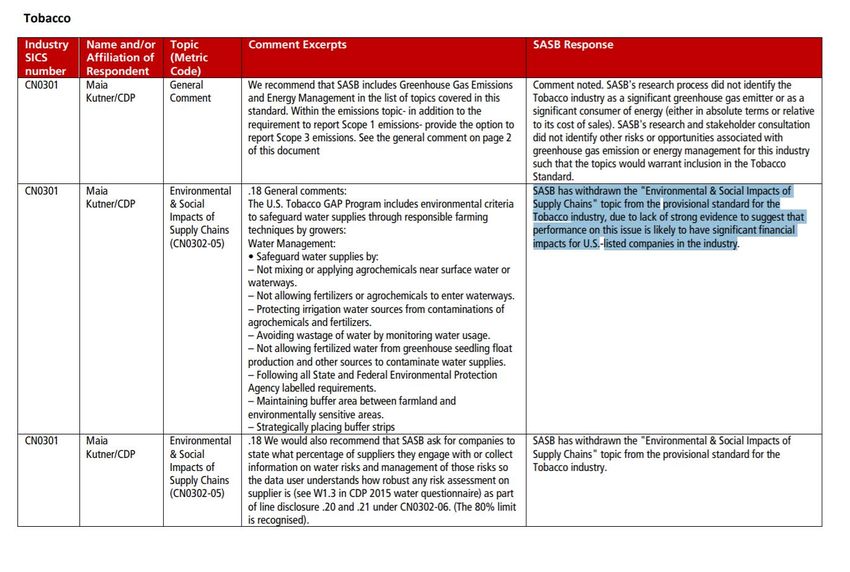
38 2/18/2020 © SASBPublic Comment on Exposure Draft to the Provisional Standards
g
tin
ee
M
rd
a
Bo
s
rd
da
an
St
20
20
25
b.
Fe
39 2/18/2020 © SASBPublic Comment on Exposure Draft to the Provisional Standards
g
(Contd.)
tin
ee
M
rd
a
Bo
s
rd
da
an
St
20
20
25
b.
Fe
40 2/18/2020 © SASBTobacco manufacturers have direct impact on growers
g
tin
ee
M
PMI: direct contracts with 21,000 tobacco farmers; 20 third-party suppliers representing 329,000
rd
farmers
a
Bo
BAT: 68% from 18 BAT leaf operations, which source from over 90,000 farmers; 32% from 20+
third-party suppliers, which source from over 260,000 farmers
s
rd
da
----
an
Good Agricultural Practices (GAP) programs commonplace in industry
St
20
20
25
b.
Fe
41 2/18/2020 © SASBTobacco manufacturers are managing and disclosing this topic
g
tin
ee
M
rd
a
Bo
s
rd
da
an
St
20
20
25
b.
Fe
42 2/18/2020 © SASBProgress on WHO FCTC article implementation has varied
g
tin
ee
M
rd
a
Bo
s
rd
da
an
St
20
20
25
b.
Fe
43 2/18/2020 © SASBFe
b.
25
20
20
St
Break until 12:45pm PT
an
da
rd
s
Bo
ard
M
ee
tin
gg
tin
ee
M
Research Project Proposals
rd
a
Bo
s
• Alternative Meat & Dairy
rd
da
an
St
20
20
25
b.
FeFe
b.
25
20
20
St
an
da
Alternative Meat and Dairy
rd
s
Bo
ard
M
ee
tin
gAlternative Meat and Dairy
g
tin
Executive Summary Research Project Proposal
ee
Problem Statement
Alternative meat and dairy products are growing as consumer demand for products with reduced environmental
M
impact increases & companies are adapting to this changing consumer preference. Alternative meat and dairy
rd
products are not currently addressed in the SASB Standards.
a
Proposed Project Scope & Anticipated Course of Action
Bo
Seeking approval to initiate a Research Project to establish an evidence-based view of the following:
s
1) The relevance of this trend for each of the Food and Beverage SICS industries
rd
2) How consumer demand for alternative meat and dairy products fits within the SASB’s General Issue
da
Categories within the Food and Beverage Sector
3) Whether to proceed to standard setting
an
St
20
Criteria for Standard-Setting Project
Mission Alignment - Is there an opportunity to significantly improve communication by companies to investors of
20
decision-useful sustainability information?
Scope / Prevalence – Is the issue pervasive, including scope of industries or geographies impacted?
25
Capacity – Does Staff (and the Board) have sufficient capacity to formally address the issue; and does the issue warrant
prioritization of resources over alternatives.
b.
Feasibility: What is the likelihood that there would be a proposed solution to put to the Board in a timely fashion.
Fe
47 2/18/2020 © SASBResearch Agenda Prioritization
g
tin
ee
1. Governance Documents
M
2. Thematic Issue – materiality
a rd
3. Thematic Issue – measurement
Bo
4. Industry Standard: reevaluating existing content – materiality
s
rd
5. Industry Standard: reevaluating existing content – measurement
da
6. Industry Standard: evaluating new or emerging issues
an
7. Industry scope and structure issues, including new industry standards
St
8. Globalization 20
20
9. Technical Protocol Issues
25
10. Standards Application Guidance
b.
11. Alignment
Fe
48 2/18/2020 © SASBAgenda
g
tin
ee
1) Evidence: Emerging Issue, Alignment with TCFD, Investor Interest, Standards Advisory Group Input
M
2) SASB Standards
rd
3) Proposed Project Overview
a
Bo
s
rd
da
an
St
20
20
25
b.
Fe
49 2/18/2020 © SASBEvidence
Fe
b.
25
20
20
St
an
da
rd
s
Bo
ard
M
ee
tin
gOverview of Alternative Meat and Dairy Products
g
tin
Consumer Demand
ee
Eating more plant-based foods and beverages for:
65% of Global Consumers 1) Health
M
2) Animal Welfare
rd
3) Environment
a
Bo
Products Reduced Environmental Impacts of Alternative Meat & Milk
s
rd
Impact Reduced Impact Reduced Impact
Plant Based (Meat) (Milk)
da
Land Use 47% - 99% 90-95%
an
Fermented
St
GHG Emissions 36% - 90% 75-90%
Cell Culture
20
Water Use 72% - 99% 45% - 90%
20
25
b.
Sources: FAIRR, “Appetite for Disruption”; FoodDive ,“Plant-based Eating Makes Consumers Feel Healthier, Study Says”; BBC “Climate Change: Which Vegan Milk is Best?”; Good Food
Institute “Plant-Based meat for a Growing World”
Fe
51 2/18/2020 © SASBConsumer Demand is Driving Growth for Alternative Meat
g
tin
European Plant Protein
ee
Market to reach $2.6B in
M
U.S. Grocery Store Sales of 2024 with a CAGR of 7.5%
Meat Substitutes $750M
rd
2019 → $7.2B by 2025
a
Bo
s
rd
da
14% of U.S.
an
Consumers
St
regularly use plant-
based alternatives,
86% of which are 20 Current CAGR 2029
NOT vegan or (2018/2019) (Next 5 years) (estimated)
20
vegetarian Global Plant-Based Meat Market $12.1B $140B
12%
25
Global Meat Market $945.7B 3.1% $1.4T
Sources: FAIRR, “Appetite for Disruption” MarketWatch, “Meat Market 2020 to Showing Impressive Growth by 2024 | Industry Trends, Share, Size, Top Key Players Analysis and Forecast
b.
Research”; Mordor Intelligence, “Europe Plant Protein Market – Growth, Trends and Forecast (2020-2025); Mordor Intelligence, “Protein Alternatives Market – Growth, Trends and Forecast
(2020-2025); PR Newswire “ Meat Substitutes Market Worth $3.5 Billion by 2026 - Exclusive Report by MarketsandMarkets; UK Investment Guides “Barclays Analysts Predict x10 Growth Of
Fe
Alternative Meat Market”
52 2/18/2020 © SASBConsumer Demand Drove Growth in Alternative Dairy Industry
g
tin
ee
M
Industry Example
a rd
U.S. Markets Percent Change in Sales Market Value
Bo
(2012-2017) (2017)
Alternative Milk 61% $2.11B
s
rd
Traditional Milk 15% $16.12B
da
an
St
20
20
25
b.
Sources: Bloomberg Terminal, Danone, Dean Foods, FAIRR “Plant-Based Profits: Investment Risks & Opportunities in Sustainable Food Systems”; Food Dive “Non-Dairy Milk Sales Surge as
Fe
Shoppers Sour on the Popular Cow-Based Alternative”
53 2/18/2020 © SASBCompanies are Acting Based on This Trend
g
tin
SASB Industries Companies Acting Based on Changing Consumer Demand
ee
Agricultural Products
M
Alcoholic Beverages
rd
a
Food Retailers & Distributors
Bo
s
rd
Meat, Poultry & Dairy
da
an
Non-Alcoholic Beverages
St
Processed Foods
20
20
25
Restaurants
b.
Tobacco
Fe
54 2/18/2020 © SASBAlignment With TCFD
g
tin
ee
M
rd
TCFD Implementation Recommendations for Agriculture, Food & Forest Products Group
a
1) Increasing efficiency by lowering level of carbon and water intensity per unit
Bo
2) Reducing inputs and residual waste
3) Developing new products and services with lower carbon and water intensity
s
rd
da
an
St
20
20
25
b.
Sources: FAIRR, “Appetite for Disruption”; FoodDive ,“Plant-based Eating Makes Consumers Feel Healthier, Study Says”
Fe
55 2/18/2020 © SASBThere is Evidence of Investor Interest in Alternative Meat
g
tin
ee
“KFC and the Beyond Nuggets and the extent to which you view this as sort of sustainable versus a short-
M
term be a very healthy lift but maybe less of the core part of the menu.”
rd
- Sara Senatore, AllianceBernstein, Yum Q3 2019 Earnings Call
a
Bo
“You guys started to test out the beyond plant-based burger in Canada. I'm wondering as the quarter
s
unfold, did you , I think that not having a meatless burger was a headwind to your sales. How are you
rd
thinking about that opportunity here.”
da
- Katherine Fogertey, Goldman Sachs, McDonalds Q3 2019 Earnings Call
an
St
“I wanted to follow up on Happy Little Plants launch that you guys discussed at the Analyst Day. I was curious
what type of retailer and foodservice interest you're seeing so far? And how you guys are thinking about the
20
contribution from this launch this year?”
20
- Rupesh Parikh, Oppenheimer & Co., Hormel Foods Corp Q4 2019 Earnings Call
25
b.
Fe
56 2/18/2020 © SASBInvestor Interest Has Grown Since 2016
g
tin
FAIRR, is a non-profit whose “mission is to build a global network of investors who are focused and engaged on
the risks linked to intensive animal production within the broader food system. FAIRR helps investors to exercise
ee
their influence as responsible stewards of capital to engage and safeguard the long-term value of their investment
M
portfolios..
rd
Phase 1: 16 global retailers/manufacturers & 36
a
Investors with $1.25T AUM
Bo
s
Phase 2: 16 global retailers/manufacturers &
rd
57 Investors with $2.3T AUM
da
an
Phase 3: 25 global retailer/manufacturers & 74
St
investors with $5.3T AUM
20
20
Phase 4: 25 global retailers/manufacturers & 88
investors with $11.2T in AUM
25
b.
Sources: FAIRR, “Appetite for Disruption”
Fe
57 2/18/2020 © SASBStandards Advisory Group Preliminary Engagement
g
tin
ee
Stakeholder Feedback
M
View that company strategy around this
rd
Food and Beverage Analyst trend could help mitigate risks and
a
create opportunities to capture market
Bo
share
s
Restaurant This trend was not a priority
Standards Advisory
rd
Group Workshop
da
(December 2019) Willing to engage with SASB on this
an
Industry Group trend (changing viewpoint from the
workshop)
St
20 Actively working with investors in this
20
Non-profit space & interested in engaging with
SASB
25
b.
Fe
58 2/18/2020 © SASBFe
b.
25
SASB Standards
20
20
St
an
da
rd
s
Bo
ard
M
ee
tin
gIndustry Standards Do Not Include Environmental Impacts of
g
Alternative Meat and Dairy Products Environmental
tin
Impacts of Alternative
SASB Industry Health/Nutrition Animal Welfare
ee
Products
Agricultural Products
M
rd
Alcoholic Beverages
a
Food Retailers & Disclosure Topic: Animal Care & Welfare
Bo
Distributors
Meat, Poultry & Dairy Disclosure Topic: Animal Care & Welfare
s
Disclosure Topic: Antibiotic Use in Animal
rd
Production
da
Non-Alcoholic Disclosure Topic: Health &
an
Beverages Nutrition
St
Processed Foods Disclosure Topic: Health &
Nutrition
20
20
Restaurants Disclosure Topic: Supply Chain
Management & Food Sourcing
25
Tobacco Disclosure Topic: Public Health
b.
Fe
60 2/18/2020 © SASBCompanies in Five Industries Have Strategies Related to
g
Environmental
Alternative Meat and Dairy Products
tin
Impacts of
SASB Industry Health/Nutrition Animal Welfare
ee
Alternative Products
Agricultural Products
M
rd
Alcoholic Beverages
a
Food Retailers & Disclosure Topic: Animal Care & Welfare
Bo
Distributors
Meat, Poultry & Dairy Disclosure Topic: Animal Care & Welfare
s
Disclosure Topic: Antibiotic Use in Animal
rd
Production
da
Non-Alcoholic Disclosure Topic: Health &
an
Beverages Nutrition
St
Processed Foods Disclosure Topic: Health &
Nutrition
20
20
Restaurants Disclosure Topic: Supply Chain Management &
Food Sourcing
25
Tobacco Disclosure Topic: Public Health
b.
Fe
61 2/18/2020 © SASBFe
b.
25
20
20
St
an
da
rd
Research Project Objectives
s
Bo
ard
M
ee
tin
gObjectives of a Research Project is to Answer Questions Related
g
to Scope of SASB Industries
tin
ee
Standard-Setting Criteria
M
Mission Alignment: Investors find this topic relevant
rd
Scope / Prevalence:
1) The relevance of this trend for each of the Food and Beverage SICS industries
a
2) How consumer demand for alternative meat and dairy products fits within the SASB’s General Issue Categories within the
Bo
Food and Beverage Sector
3) Whether to proceed to standard setting
s
rd
Capacity: Lead Analyst and Associate Analyst within the Food & Beverage Sector
da
Feasibility: SASB estimates that this research project will take between 9-12 months
an
St
Expected Outcomes
20
20
Identify applicable SICs industries and potential disclosure topics
25
Understand how this topic fits into SASB General Issue Categories
b.
Recommendation for Standard-Setting Project(s)
Fe
63 2/18/2020 © SASBAlternative Meat and Dairy
g
tin
Recommendation / Discussion Questions
Research Project Proposal
ee
Problem Statement
M
Alternative meat and dairy products are growing as consumer demand for products with reduced environmental
impact increases & companies are adapting to this changing consumer preference. Alternative meat and dairy
rd
products are not currently addressed in the SASB Standards.
a
Bo
Recommendation / Discussion Questions
s
SASB Staff recommends approval of a research project on this subject.
rd
da
1) Do you agree that the scope/prevalence as it relates to the SASB industries is the right focus area for this project?
an
• Defining the issue through the lens of industries and general issue categories
St
2) Do you agree that this should move forward as a Research Project?
20
20
25
b.
Fe
64 2/18/2020 © SASBAppendix
Fe
b.
25
20
20
St
an
da
rd
s
Bo
ard
M
ee
tin
gThis Issue Arose to Our Attention with the Increase in Media
g
Coverage of the Alternative Meat Industry
tin
ee
M
a rd
Bo
s
- NewsWeek
rd
da
an
- FoodDive
19. Beyond Meat
St
The terrifying images of the burning Amazon forests in 2019 marked
20 another setback in the battle to slow global warming and insatiable
demand for beef was blamed as a root cause of the fires…As
20
alternative proteins become ubiquitous, 2020 should be the year
diners can casually pair combating climate change with tasty
25
meals. - Financial Times
b.
Sources: Financial Times, “20 things to Watch in 2020”; FoodDive, “Disruptor of the Year: Beyond Meat”; NewsWeek, “Burger King Launches Three New Plant-Based Burgers Following
Impossible Whopper Success”; Starbucks, “Starbucks Commits to a Resource-Positive Future”
Fe
66 2/18/2020 © SASBRemaining Status Quo Can Increase Risk to Companies
g
Environmental/Supply Chain Risk
tin
ee
Industry Risk Effect
Meat, Poultry & Dairy & all downstream industries Restaurants putting downward pressure If JBS, a leading processor of beef, and other customers of
M
on meat, poultry & dairy producers → McDonald’s do not change practices, they could lose
McDonalds has committed to source business affecting revenue & their ability to operate
rd
deforestation-free beef
Meat, Poultry & Dairy & all downstream industries Increased GHG Emissions from Increase cost of revenue, cost of capital & capex (?)
a
production
Bo
Volatility in Supply & Price Risk
s
rd
Industry Risk Effect
da
Meat, Poultry & Dairy & all downstream industries African Swine Hormel Foods, which produces Spam, said on Thursday that African swine fever
Fever in China drove up pork costs, weighing on its quarterly earnings and contributing
an
to a cut in its full-year earnings and sales outlook.”
St
Pork prices are high, affecting restaurants bottom lines
Meat, Poultry & Dairy & all downstream industries Droughts, Floods Australia lost $72M and 43,000 cattle. Supply could decrease, profits could
Meat, Poultry & Dairy & all downstream industries
20 & Storms
Droughts &
decrease, prices to restaurants could increase
Feed costs are volatile and could be higher with flooding impacting grain supply
20
Floods for Egg producers
Restaurants; Food Retailers & Distributors; Process Poor management Lose market share (?) , reputation risk (?)
25
Foods of ESG impacts in
supply chain
b.
Sources: Financial Times, US Food and Restaurant Chains Hit by Rising Pork Prices; Bloomberg “Climate Change is Already Costing Meat and Dairy Producers a Lot” , Harvard Business
Review “A Look Inside the World’s Largest Beef Producer: Is JBS Slaughtering Cows – or the Environment?”
Fe
67 2/18/2020 © SASBAlternative Proteins and Milk Provide an Opportunity to Lessen
g
Environmental Impacts
tin
ee
Alternative vs. Conventional Meat Alternative vs. Conventional Milk
M
a rd
Bo
s
rd
da
an
St
20
20
25
b.
Sources: BBC, “Climate Change, Which Vegan Milk is Best”; Good Food Institute, “Plant-Based Meat for a Growing World”
Fe
68 2/18/2020 © SASBGrowth of Plant – Based Categories Exceeds Animal Based
g
Categories in 2019
tin
ee
Globally, meat substitutes share of
Dollar sales growth (%) in plant-based categories total meat/seafood purchases
M
compared to animal-based categories, year ending
April 2019
rd
a
Bo
s
rd
da
an
St
20
20
25
b.
Fe
69 2/18/2020 © SASBThe Meat & Poultry Industry
g
tin
Company Activity Impact
ee
Created own plant-based protein products
Investment
M
a rd
Bo
s
Disrupter IPO outperformed Uber & Lyft’s IPO, annual revenues expected to
rd
grow form $16M in 2016 to $200M by end of 2019
da
an
St
Founded in 2016, is now available in 17,000 restaurants including
Disrupter Burger King, and launched in U.S. Grocery Stores
20
20
September 2019, announced creation of Happy Little Plants, a
25
Creator plant-based food product line, already seeing interest from
retailers
b.
Sources: FAIRR. “Appetite for Disruption.” 2019. Greenbiz. “Rebekah Moses of Impossible Foods says it products are a climate mitigation tool.” 2019.
Fe
70 2/18/2020 © SASBProcessed Food Companies
g
Company
tin
Activity Impact
ee
Created own product line, Incogmeto, in 2019 to be
M
Investor launched in 2020.
a rd
Incubator 301 Inc. Invested in Beyond Meat and Kite Hill, a
Investor
Bo
plant-based dairy company.
s
rd
“To take the lead on this urgent issue [climate change], we’re
da
transforming our business to reduce GHG emissions, end
Creator
deforestation, reduce food loss and waste, improve soil health
an
and move toward offering more plant-based proteins.”
St
“By promoting plant-based alternatives and committing to
Creator and Investor sourcing 100% of our agricultural raw materials
20 sustainably, we will reduce our environmental impact and
provide people with more choice.”
20
Acquired Gardin which has 11% market share in
25
alternative meat industry and Pinnacle Foods which
Acquired
helped raise net sales by 35.7% and led to best single-
b.
day gain in share prices since 1989.
Sources: FAIRR. “Appetite for Disruption.” 2019.;Nestle. “Climate change leadership.”; “ Unilever. “More plant-based options.”
Fe
71 2/18/2020 © SASBFood Retailers
g
Company
tin
Activity Impact
ee
“The biggest impact we can make as individuals, for our health but also
that of the planet, is to eat more plants. At Tesco we’re making that easier
M
than ever by providing the widest and best range of plant-based options
available on the UK high street. We’ve turbo charged our innovative
rd
Creator
original Wicked Kitchen snacks and meals. For those looking for everyday
a
delicious meal swaps, we’re launching the exciting Tesco Plant Chef
Bo
range. To make these foods easier to find we will be launching dedicated
plant-based and vegetarian zones in stores.
s
rd
Launched a vegan sausage roll & total sales rose by 7.2% year-
da
on-year in 2018 to £1.03 billion, compared with £960 million in
Creator the previous year. Since the launch, the company’s share price
an
has enjoyed a record high, trading at £24 in July 2019 (vs. £10
same time last year)
St
20
Creator Created their own alternative protein line
20
25
b.
Sources: Tesco. “Tesco launches affordable new range of plant-based family favourites to cater for UK’s biggest food Trend.”, FAIRR. “Appetite for Disruption.” 2019.
Fe
72 2/18/2020 © SASBRestaurants
g
Company
tin
Activity Impact
ee
Seller Started selling the impossible whopper → Q3 2019 was the
strongest quarterly same-store sales growth since 2015. For a
M
store in St. Louis, sales increased by 28% and the number of
unique customers grew by 15% in 5 weeks in April 2019.
a rd
Bo
Started selling Impossible Sliders -> 4% increase in same-store
Seller
s
sales growth in 2 months
rd
da
an
“Our aspiration is to become resource positive – storing
more carbon than we emit, eliminating waste, and
Seller
St
providing more clean freshwater than we use…we will
expand plant-based options, migrating toward a more
20 environmentally friendly menu.”
20
First national fast food chain to introduce plant-based
chicken potions. KFC sold the equivalent of a week’s
25
Seller worth of popcorn chicken in beyond chicken nuggets
and wings in a day compared
b.
Sources: Restaurant Business. “Burger King St. Louis Sales Surged, Thanks to Impossible Whopper.”; CNBC, “Shares of Burger King’s Parent Fall after Tim Hortons’ Performance; Starbucks.
“Starbucks Commits to a Resource Positive Future.; Disappoints.”; Los Angeles Times, “Beyond Meat tests plant-based fried chicken in KFC trial.”
Fe
73 2/18/2020 © SASBNon-Alcoholic Beverages
g
Company
tin
Activity Impact
ee
Bought WhiteWave (producer of Silk) in 2016 after WhiteWave
Acquisition
M
had 19% CAGR from 2012-2015
a rd
Bo
Bought AdeS plant-based beverages from Unilever in 2017
s
Acquisition
Coca-Cola to expand offerings in Latin America
rd
da
an
Acquired Health Warriors, a plant-based protein bar company in
2018; created an accelerator program and collaborates with
St
Acquisition & Investment
Sophie’s Kitchen (a plant-based seafood company) and Torri Labs
20 (a plant-based beverage company)
20
Raised $225M in its most recent round of funding in 2019-2020.
25
R&D
Provides alternative milk to Starbucks
b.
Sources: Food Dive “Non-Dairy Milk Sales Surge as Shoppers Sour on the Popular Cow-Based Alternative”; Coca-Cola. “Coca-Cola Closes Acquisition of Ades Plant-Based Beverages.” Forbes, “PepsiCo
Continues Health Kick, Reveals First Startups For Its Accelerator Program.” PepsiCo. “Meet the Inaugural Class of PepsiCo's Nutrition Greenhouse North America.”; TechCrunch, “Plant-based milk substitute
Fe
market gets frothy with $225 million for Califia Farms.”
74 2/18/2020 © SASBFe
b.
25
Agenda Planning
20
20
St
an
da
rd
s
Bo
ard
M
ee
tin
gProject Pipeline – 2020 Project Timelines
g
tin
2020 Standards Board Meetings Q1
ee
Q32019 Q42019 Q1 Q2 Q3 Q4 2021
M
SR
rd
Tailings
a
Tobacco Supply Chain
Bo
Raw Material Sourcing
s
Content Moderation
rd
da
Plastics
Alternative Meat and Dairy
an
St
Human Capital
Rules of Procedure
20
20
Conceptual Framework
25
Standard- Staff Update
Research Project Other projects Board Decision Proposed Projects
b.
Setting Project (Optional)
Fe
Note: One or more standard setting projects may be proposed upon completion of a 2/18/2020 © SASB
research project.Standard-Setting Process Overview
g
tin
ee
M
rd
a
Bo
s
rd
da
an
St
Project screening – input from:
20
20
• Market & public engagement
• Standards Advisory Group
25
• Standards Board
• Staff research
b.
Fe
77 2/18/2020 © SASBExample Issues in Project Screening Stage*
g
tin
• Climate transition risk in Extractives, Transportation, and Infrastructure sectors
ee
• Climate physical risk in Extractives and Infrastructure sectors
M
• Climate risk and opportunity in bank loan portfolios
rd
• Scenario analysis metrics in Extractives sector
a
• Biodiversity metrics in Oil & Gas - Midstream industry
Bo
• GHG emissions in Multiline Retail and/or E-Commerce industries
s
• Aquaculture or fishing industry standard development
rd
• Data security metrics
da
• Customer privacy metrics
an
• Responsible use of AI and Big Data in technology
St
• E-Commerce industry structure
20
• Commercial Banks, Consumer Finance, and Investment Banks industry structure
20
• Apparel and textile manufacturing industry structure
• Access and affordability in Biotechnology & Pharmaceuticals industry
25
*Issues represent those in a staff preliminary research phase with no stated timeline on when, or if, such issues will develop into research and/or
b.
standard-setting projects or activities. SASB is receptive to unsolicited input from the public on these issues or any other issues in the SASB standards.
Fe
78 2/18/2020 © SASB2020 Standards Board Meetings*
g
tin
• June 22nd & 23rd
ee
M
• September 17th & 18th
rd
• December – TBD
a
Bo
Standards Board Meeting Calendar & Archive page contains full details of meeting dates and registration
s
rd
links to access live stream of the public meetings. Recordings and a summary of meeting outcomes are
da
available shortly after each meeting.
an
St
20
20
25
*Dates are tentative. Public Standards Board meetings are announced a minimum of 10 days prior to the meeting date.
b.
Fe
79 2/18/2020 © SASBg
tin
ee
M
a rd
Bo
s
rd
da
an
St
20
20
25
b.
Fe
80 2/18/2020 © 2014 SASB™ CONFIDENTIAL & PROPRIETARYYou can also read


