Tangaroa Ara Rau: Tangaroa the Atua of Human Movement - Ngā Pae o te Māramatanga
←
→
Page content transcription
If your browser does not render page correctly, please read the page content below
Tangaroa Ara Rau: Tangaroa the Atua
of Human Movement

                                                    ©
                                                     un
                                                       ive

          TE TAI AO:
                                                          rsi
                                                              ty
                                                                   of
                                                                      auc
                                                                         kla
                                                                            nd

          THE NATURAL ENVIRONMENT
                                                                               sch
                                                                                  ool
                                                                                      of   biolo
                                                                                                gical s
                                                                                                       ciences

          ngā Ākonga Report - 18INT01

          Benjamin Dimitrious Hanara
          (Ngāti Kahungunu, Ngāti Rangi)

          Dr Anne-Marie Jackson, University of Otago
          (Ngāti Whātua, Te Roroa, Ngāpuhi, Ngāti Wai, Ngāti Kahu)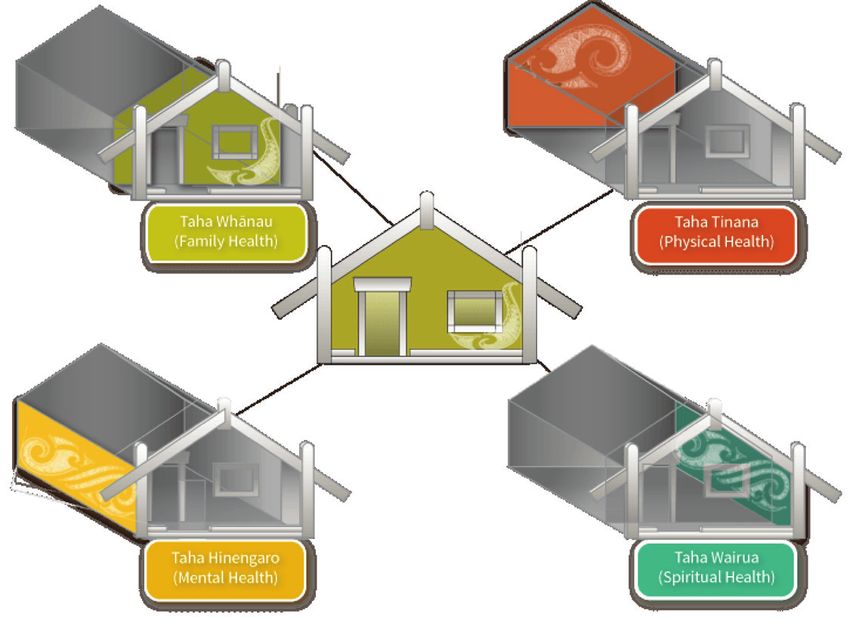
ABOUT NGĀ PAE O TE MĀRAMATANGA
Ngā Pae o te Māramatanga (NPM) is a Centre of Research Excellence, funded by the Tertiary Education Commission and hosted at
the Waipapa Marae Complex at the University of Auckland, comprising 21 research partners and conducting research of relevance
to Māori communities. Our vision is Māori leading New Zealand into the future. NPM research realises Māori aspirations for positive
engagement in national life, enhances our excellence in Indigenous scholarship and provides solutions to major challenges facing
humanity in local and global settings.

This internship report was produced by the authors as part of a NPM internship project under the supervision of the named supervisor and funded by Ngā Pae
o te Māramatanga. The report is the work of the named intern and researchers and has been published here as provided. It may not represent the views
of Ngā Pae o te Māramatanga. Any correspondence about the content should be addressed directly to the authors of the report. For more information on
Ngā Pae o te Māramatanga and its research, visit www.maramatanga.ac.nz
                       COPYRIGHT © 2019 NGĀ PAE O TE MĀRAMATANGA, HOSTED BY THE UNIVERSITY OF AUCKLAND
                                         COPYRIGHT DISCLAIMBER PRIVACY WWW.GOVT.NZ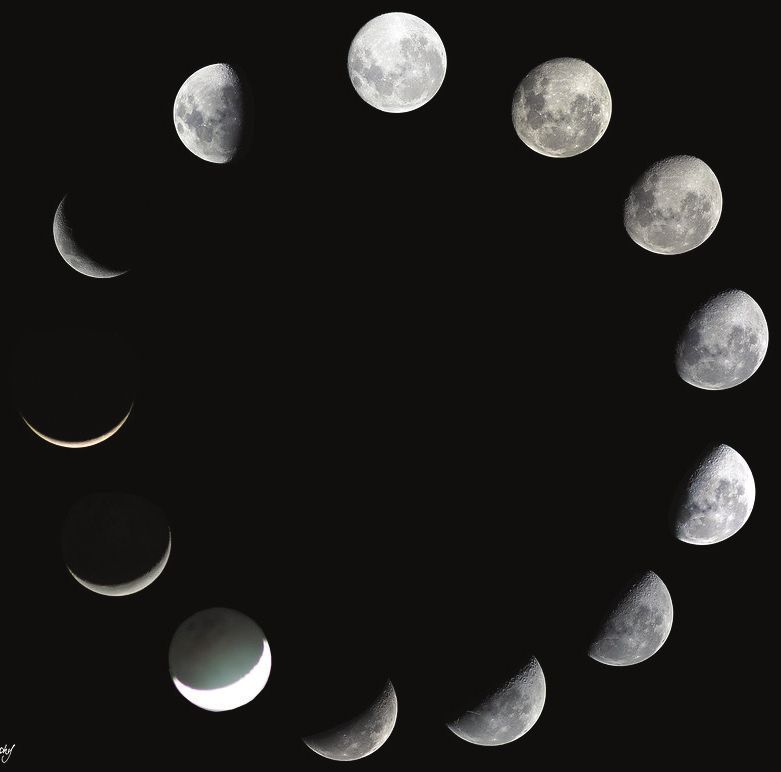
TE TAI AO:
                    THE NATURAL ENVIRONMENT
                    ngā Ākonga Report
                    Ngā Pae o te Māramatanga
                    2018-19, Summer Internship 18INT01
                    © NPM 2019
                    maramatanga.ac.nz/projects/project_publications

Tangaroa Ara Rau:
Tangaroa the Atua of Human Movement
Benjamin Dimitrious Hanara (Ngāti Kahungunu, Ngāti Rangi) & Anne-Marie Jackson (Ngāti Whātua, Te Roroa, Ngāpuhi, Ngāti Wai, Ngāti Kahu)

This research report has been titled Rākau-nui as an acknowledgement to the full moon phase in the Maramataka (Māori lunar
calendar). Rākau-nui also represents the collected journey to which this full report has been constructed from. The Maramataka is
a repository of ancient and traditional knowledge orally handed down throughout the generations by our forebears to ensure the
sustainability of a healthy environment and thus healthy people (Tawhai, 2013).

WHIRO - A New Beginning
This chapter is titled Whiro, which is the first day of the                Māori atua exist as personifications of the natural world.
Maramataka and represents the new moon. Like Whiro                     Māori atua are derived from Māori mythology, theology,
acknowledges a new beginning, this chapter highlights my               knowledge and history passed down as tradition through
beginning, and the importance of understanding our beginnings          generations (Heke, 2016). The domains they represent are
in kaupapa Māori research.                                             inherited by Māori and these environments become not only
                                                                       part of our culture, but part of our whakapapa. For me, atua are
                      I te taha o tōku Pāpā                            an almighty presence and offer a sense of Māori champions in
                   Ko Kahuranaki te maunga                             a world dominated by western philosophies on mythology. My
                     Ko Ngaruroro te awa                               research into Māori atua has grown over the years as I have been
                       Ko Omahu te marae                               given the opportunities to explore the world of atua as a means
                       Ko Takitimu te waka                             to positively impact Māori health and well-being. This includes
                  Ko Ngāti Hinemanu te hapū                            the creation of Te Wai Mātūturu, a health model based on the
                  Ko Ngāti Kahungunu te iwi                            domain and substance often affiliated to the great atua Tangaroa
      Ko Dimitrious Rangi Te Kapapi Te Kahurangi Hanara                (deity of the ocean). Following along my Tangaroa journey, I also
                      te ingoa o tōku Pāpā                             completed a Postgraduate dissertation that examined Tangaroa
                    I te taha o tōku Māmā                              within human movement titled, Mā te tai o Tangaroa, Mā te
                    Ko Marangai te marae                               Mauri o te wai: Tangaroa Atua of Human Movement. Through
                         Ko Aotea te waka                              this research I discovered an extreme passion and realisation that
                      Ko Ngāti Rangi te iwi                            Tangaroa is fundamental for life, sustenance, maintenance, and
        Ko Jessica Mary Hanara te ingoa o tōku Māmā                    creation. This led to the discovery of the Maramataka, otherwise
            Ko Georgia raua ko Rhian ōku tuāhine                       known as the Māori lunar calendar. Although separated by layers
                     Ko Taine tōku tuākana                             of atmosphere, Tangaroa and the moon have an extremely
          Ko Benjamin Dimitrious Hanara tōku ingoa                     significant relationship which the following report will seek to
          Nō Heretaunga ki Te Kauwae-a-Māui ahau                       examine.

    Above is an acknowledgement to my whakapapa (genealogy).
This whakapapa allows you, the reader, to familiarise yourself
with who I am before engaging with my writing. Whakapapa is             Corresponding Author:
an extremely important and fundamental aspect of what it is             Dr Anne-Marie Jackson, School of Physical Education, Sport & Exercise Sciences
                                                                        University of Otago, PO Box 56, Dunedin 9054, New Zealand
to be Māori. Whakapapa is not only a genealogical construct             Email: anne-marie.jackson@otago.ac.nz
of who we are and where we are from, but it narrates our life
through the people and places we come from (Roberts, 2013).             Ngā Pae o te Māramatanga’s (NPM) ngā Ākonga
More importantly, it is a cultural tool used in connecting us to        Series provides a platform for NPM Māori summer intern
the environment which in turn, spiritually denotes a relationship       research reports to be published online. The internships
to the atua (gods) who personify and represent these realms.            are an opportunity for Māori students to participate in a
                                                                        research project, gaining experience and skills alongside
Whakapapa therefore dictates our genealogical link back to our
                                                                        established Researchers. The ngā Ākonga series is
natural environment and therefore the atua that reside within
                                                                        published annually.
these domains.
                                                                                                  ngā Ākonga Series Report 2018-19 Summer                3
Cultures throughout the world although extremely different        Wai Mātūturu (Hanara, 2018) which I developed in explicitly
from one another have one thing in common which is crucial            incorporate Tangaroa. Te Wai Mātūturu comprises of four
to understanding life for that culture. This being the mystical       components and symbolises a body of water, each vital to
knowledge of history and cultural reality, granting understanding     understanding the relationship between Māori health, water
of the physical and meta-physical components of the world             and Tangaroa. This will be further discussed in the following
(Marsden, 2003; Campbell & Moyers, 2011). Embedded in these           chapter.
mythologies is the realm of the gods. Gods which personify and
represent all aspects of the world from land to the sea, to the
stars and the sky (Jordan, 1992; Te Ahukaramū, 2006). These
personifications grant us, the inhabitants of the domains, a
deeper understanding and chance to reflect on the reason and
purpose of life.
    Unlike Western cultures, Māori culture and mythology
are engrained with the knowledge and history of atua (Best,
1982). They exist to give meaning and a spiritual connectedness
between people and the environment. Atua are a key component
in what is known as the Māori worldview. The Māori worldview
is home for Māori knowledge, history, mythology and theology
(Schwimmer, 1966). The Māori worldview is steeped in tikanga
(customs) which is fundamental for being and living as Māori
(Mead, 2003); tikanga is often associated with the various
atua and the correct and right rules of engagement to them
in their respective realms. Thus a fundamental aspect of the
Māori worldview is the realm of atua. Hundreds of atua exist
                                                                       Fig. 1. Te Whare Tapa Whā framework
in Māori culture and personify the physical and meta-physical
environment. Key atua which are often acknowledged as
prominent figures in Māori culture include Ranginui (Sky Father)
and Papatūānuku (Earth Mother). These two atua are said to have       Maramataka
a long line of offspring who personify all aspects of the world (Te
Ahukaramū, 2006). The following are seven of these atua who           The Maramataka is the Māori conceptualisation of the lunar
are predominantly acknowledged through Māori mythology:               calendar and follows the moon through its eight phases
Tūmatauenga, (god of war, hunting, fishing), Tāwhirimātea             (Roberts, 2004). The Maramataka is an environmental aspect of
(god of wind, weather and storms), Tānemahuta (god of the             the world which as Māori help us understand the Māori world
forest and birds), Tangaroa (god of the sea and all it inhabits),     (Roberts, Weko & Frank, 2006). The word itself is translated to
Rongomātāne (god of peace and cultivation), Haumiatiketike            the turning of the moon, a literal representation of changing
(god of fernroot and uncultivated plants), and Rūaumoko (god          through its phases. According to Roberts, Weko & Frank (2006),
of earthquakes and seasonal change). The significance of atua         the Maramataka is divided into twelve lunar months, with each
allow Māori to connect not only to the physical components of         lunar month lasting 29.5 days. The first beginning in May-June.
the world, but also spiritually to the personifying atua and the      Each month is represented as the intertwining of the two. Each
spiritual world of Māori gods (Marsden, 2003).                        day of the month is detailed with the effects that the moon has
    Although all atua contribute a significant role in the Māori      on the day for harvesting and fishing which were crucial for
worldview, the key focus for this research is the acknowledgment      traditional Māori society in relation to heath and sustenance.
of Tangaroa as a key determinant of enhancing Māori health. I              Māori life was and is still very dependent on the Maramataka
discuss the specific aims and purpose of this research report in      (Clarke & Harris, 2017; Hikuroa, 2017). As 70-80% of the earth
further detail later in this chapter.                                 is saturated by water through oceans, seas, rivers and lakes, the
                                                                      Maramataka should be understood as a key effector to sustaining
Māori Health                                                          life. Māori utilised their understandings of the Maramataka to
                                                                      construct a schedule around harvesting, as certain periods and
Māori health is about acknowledging and improving the well-           phases favour the crops (Devonshire, 1997). This exhibits one
being of Māori people and the Māori culture by providing a world      prime example of how the Maramataka has been used in order
for Māori to be Māori. Māori health is holistic (Durie,1982).         to benefit one’s hauora.
Durie (1982) developed the health model Te Whare Tapa Whā
which is used in all levels of education and within the health
sector throughout New Zealand. Durie’s model is symbolised
by a wharenui (meeting house) of a marae (meeting grounds)
in order to depict the four components crucial to Māori
health: wairua (spiritual), tinana (physical), whānau (family
and relationships), and hinengaro (mental and emotional). This
figure exhibits the importance of each component in order to
maintain the stability of the wharenui, much like maintaining the
stability of our hauora (health).
    This research will also discuss a health model known as Te
4    Ngā Pae o te Māramatanga, New Zealand's Māori Centre of Research Excellence
Phases of the Moon Significance
Besides the Māori lunar calendar, general astrology exhibits eight The significance of this research is to address the need for more
key phases to the moon during the duration of the lunar calendar. Kaupapa Māori based research within health and education. With
These phases include waxing (growing) and waning (diminishing) the significance, this research aims to better help understand
of the moon through the calendar. Similar to the Maramataka, the connection between Māori and the environment in order
these phases are outlined to have a specific effect on not only to enhance and benefit all areas of hauora. This research
the environment, but to person’s self; this being spiritually, privileges the legitimisation of Māori knowledge and history in a
socially, physically and mentally (Durie, 1982; Roberts 2004; westernised world of health while recuperating and decolonising
Tasso & Miller, 1976). The moon acts on the inhabited water Māori mythology.
throughout the earth. It actions the tides and therefore, has a The significance of utilising the Maramataka invites a cultural
large effect on the water which essentially drains into the ocean understanding to the world and its processes. By adapting the
and seas. Although the change is not as significant as the rise or Maramataka with a westernised understanding of the phases of
drops of the oceans tides, it is important to understand that all the moon, this research attempts to administer a link between
water on earth is affected in some manner by the gravitational the environment and the people.
pull of the moon. Humans, similar to the world we live in, are
composed of roughly 70-80% water. In acknowledgement to this Aim & Purpose
we can determine the importance of water as an effector on our
health and well-being. Therefore, the phases of the moon are The aim of this research was to establish a link between the
bound to have an extreme significant effect on our hauora. Māori Maramataka and its environmental effects and the
The eight phases which I will discuss throughout this report westernised understandings of personal effects from the moon
are the following; New moon, waxing crescent, first quarter, examining its phases. The key question for this research project
waxing gibbous, full moon, waning gibbous, last quarter and is the following.
waning crescent. Similar to the days of the Maramataka,
each phase of the moon highlights a significant change in the • Why is the relationship between Tangaroa and the
environment and also to personal components such as one’s Maramataka important for Māori health?
own tinana (body), wairua (spirit), hinengaro (mentality) and
whānau (social) well-being. This research question will uncover and examine the
key purpose of this research which is to grant Māori a better
Tangaroa understanding of how the Maramataka not only effects the
world around them, but how it inevitably affects them and their
Tangaroa-whakamau-tai is the name of the atua of the oceans human body. The purpose is to also articulate the important role
and seas who reigns control over the water’s tides. Son of the of Tangaroa through each of these processes.
Sky Father and Earth Mother, Tangaroa was given control and
authority over the oceans and seas alongside all creatures which
inhabit these domains. This research acknowledges Tangaroa
due to the role he has as a controller of the tides which coincides
with the moon. According to Best (1982), Tangaroa was one of
three atua appointed guardianship and control over the seas.
The other two being Kiwa and Kaukau. Kiwa is the second most
common of these three atua as he is often represented through
the name Te-Moana-nui-a-Kiwa, or the great ocean of Kiwa.
Although Māori mythology acknowledges Tangaroa as one of
the prime controllers of the oceans, seas and tides, he also has
whakapapa which connects him to all bodies of water throughout
the world (Roberts, 2013). All these bodies inherently having a
connectedness with the phases and movement of the moon
whether big or small. Tangaroa has whakapapa to connect the
waters that rain down on our mountains and down through
our valleys, fresh waters that run through our land, water that
nourishes our soil, to the waters that we consume and comprise
80% of our human body.
Tangaroa is a crucial atua within this research as our planet is
inherited by his resounding domain. It is important to note that
atua are not limited to a creation of physical beings, but more of
a spiritual guardian of the domains they conquer (Te Ahukaramū,
2006). This spiritual connection being an exuberant reflection of
the connection between Māori and the environment.
ngā Ākonga Series Report 2018-19 Summer 5ŌUENUKU - Energy & Inspiration
The following chapter will discuss the key themes of Māori • Taha Hinengaro: Hinengaro is translated as the mind,
health, Tangaroa and the Maramataka and aligning literature therefore, this component of Te Whare Tapa Whā
within this research. This chapter is titled Ōuenuku – Energy and is about the mental emotional aspect of health and
Inspiration and pays tribute to one of the days of the Maramataka well-being. Alongside wairua, hinengaro is also a key
within the second phase of the moon. This phase reflects the component which influences personal identity. It
burst of energy that immediately follows after a new moon. This acknowledges the process of how one thinks, acts, and
chapter will expand on the discussion of Māori health and Māori expresses themselves in society (Durie, 1982).
health models, more specifically introducing Te Wai Mātūturu.
It will then explore the literature surrounding the Maramataka, • Taha Whānau: Whānau is a cultural understanding of
understanding the phases of the moon, and Tangaroa. family and extended relationships. Therefore, this aspect
of Te Whare Tapa Whā represents the social aspect of
Māori Health health and well-being. Whānau provides a fundamental
system of belonging within a community. Māori have
As briefly discussed, Māori health is about providing aligned their living within whānau institutions with the
acknowledgement and improving the overall well-being of Māori examples of iwi (tribe), hapū (sub-tribe), and marae
people and the Māori culture. This includes all things within the (Durie, 1982).
culture such as the knowledge, customs, tradition and language.
Māori health through this research is about acknowledging how Since the introduction of Te Whare Tapa Whā there have
the link between the westernised world and Māori worldview been a number of health frameworks emerging such as the
can be beneficial for the hauora of Māori people and culture. following: Te Pae Mahutonga (Durie, 1999) which symbolises the
Southern Cross as a model for modern health promotion, and Te
Hauora Wheke (Pere, 1991), a model for whānau health. These models
have influenced the emergence of developing health models,
Hauora is a Māori perspective on health. It is crucial to one of these being Te Wai Mātūturu.
acknowledge that hauora is first and foremost, a cultural
philosophical approach to understanding our well-being. There Te Wai Mātūturu
are several health models across public health and education
that are utilised to better understand the holistic nature of Māori Te Wai Mātūturu is a health model based around water for water
health. Many are also used to legitimise Māori culture within a (Hanara, 2018). This model was developed through a summer
westernised world of health. The philosophy as stated, envelops research internship by myself to promote water as the drink of
a view on health and well-being through four components. choice while acknowledging the overarching health benefits we
These being portrayed through Durie’s (1982) model, Te Whare can obtain from water. This model also identifies the importance
Tapa Whā. of the relationship between atua, environment, and Māori,
more specifically Tangaroa. Te Wai Mātūturu symbolises a
Te Whare Tapa Whā body of water and adheres to the gap in mainstream health of
frameworks which adopt an atua into delivering its message on
As introduced in the previous chapter, Te Whare Tapa Whā was hauora.
developed by Durie (1982) to express a Māori perspective on
health. The model itself symbolises a wharenui and expresses
the importance of all four walls to maintain its structural integrity. ←ki waho
This metaphorically represents the four components of health in
order to maintain and sustain positive and healthy well-being.
The four components are outlined below. ki roto →
←ki runga
• Taha Tinana: This aspects of Te Whare Tapa Whā
represents the role and importance of physical health. ki raro →
This includes the well-being of our physical body, taking
care of it, development and growth. Taha Tinana is
often a common expression and visual representation
of measuring the health of a person. However, it is
misconstrued as the most important as it is one of the
only components which has quantifiable variables. It is Fig. 2. Te Wai Mātūturu health model
equally important to the overall well-being of a person
as the following three components (Durie, 1982).
• Taha Wairua: This component of Te Whare Tapa Whā ‘Te Wai Ma’ refers to the concept of our wai being pure. Te Wai,
exhibits the importance of spirituality towards well- the water, Ma, to be pure. Mātūturu means that our waters are pure
being. Spiritual health determines key ideologies of how and authentic, tūturu. Te Wai Mātūturu therefore stands to represent
people decide to live providing meaning and purpose. our pure and authentic waters. There are four aspects to the model
Spirituality is a key component which influences personal which assesses and discusses overall the importance of water to
identity (Durie, 1982). health. The ripples in the model represents growth in all four aspects
of Te Wai Mātūturu for Māori health, physical activity, and nutrition.
6 Ngā Pae o te Māramatanga, New Zealand's Māori Centre of Research Excellence• Wai ki Runga: Wai ki runga represents the physical Tangaroa
component of hauora as a means of interaction on
and within water as a form of physical activity. This One of the many children of the primal atua Ranginui and
component is represented by the droplet which is yet to Papatūānuku is Tangaroa who reigns as atua over the sea (Best,
enter the water. Water provides a natural environment 1982). For Māori, Tangaroa is the equivalent of how Greeks
which Māori utilised as a tool to travel and settle. Since relate to Poseidon, or Romans relationship to Neptune (Jordan,
then, Māori have engaged in water-based activities as a 1992). Tangaroa has many roles according to Māori Mythology
tribute to ancestral and cultural history. These include (Best, 1982; Te Ahukaramū, 2006; Roberts et al, 2012; Heke,
things such as waka sailing and waka ama. Surfing, 2016). Best (1982) details the important role Tangaroa was given
swimming and diving are also notable activities which in control over the tides. As stated in Chapter one, Tangaroa was
provide support to maintaining positive health (Hanara, assigned the role alongside two other atua, one remaining as a
2018). prominent one within Māori culture as Kiwa (Best, 1982). For
this reason, Tangaroa has been utilised in this research due to
• Wai ki Raro: Wai ki Raro translates to waters beneath his relationship with the movements of the tides. It is also noted
and beneath waters. Therefore, this component of Te that Tangaroa is therefore associated towards representing a
Wai Mātūturu represents the nutritional aspect and role of kaitiakitanga over all sea creatures.
properties of water. Beneath waters inherently explores The following will detail the two main accounts of how
the nutritional properties which exist in our waters Tangaroa has been depicted throughout Māori mythology. The
from kaimoana to water in its purest form as drinking first being the telling of Tangaroa from the North Island. The
water. Waters beneath represents the waters beneath second being the Kai Tahu narrative of Takaroa (Ngāi Tahu dialect
our soil which nourish our plants, seeds and crops. This for Tangaroa).
component is crucial in acknowledging how water can As initially stated, Tangaroa in this first story is noted as the
create, maintain and sustain life. son of Ranginui and Papatūānuku. Brother of many, including
Rongomātāne (atua of Peace), Tānemahuta (atua of the
• Wai ki Roto: Wai ki Roto represents the waters within forest), Tāwhirimātea (atua of the winds), Haumiatiketike (atua
or inner waters. This aspect embodies the main idea of uncultivated foods), Rūaumoko (atua of earthquakes and
of identity, and more specifically cultural identity. It volcanoes) and Tūmatauenga (atua of war), Tangaroa and his
acknowledges the moana, our awa, and the water siblings rule and personify the respective realms of the world
which flows through our blood. For Māori, water is a key from the sea, forests, sky and beyond. Tangaroa was one of
component of our whakapapa often acknowledged in the many children involved and saw the repercussions of Tāne
our pepeha. As we are made up of roughly 70% water, separating Ranginui and Papatūānuku. This separation caused
knowing our waters essentially means to know who we conflict between the atua, more specifically to Tāwhirimātea
are, ko wai au. To know the waters of where we have who resented the thought of separating their parents. Tāwhiri
come from, nō wai au) (Hanara, 2018). expresses his rage through his control over the weather and
how it continues to beat down on the domains of his siblings
• Wai ki Waho: The final component of Te Wai Mātūturu is who remained with Papatūānuku. Some of this reflected on
Wai ki Waho which represents the complexities external Tangaroa as the rage caused a separation of the sea creatures
to water that impacts and effects it. This creates space as some fled to land and the others fled deep into the ocean.
in this model for an environmental component. Wai ki Other adaptations from this story include how rain personifies
Waho encourages a kaitiakitanga (guardianship) aspect the tears of Ranginui in his lust to reunite with Papatūānuku,
for us and especially for Māori. In order to allow water whereas the morning mist personifies the tears of Papatūānuku.
the ability to nourish our soil, our food resources and our According to Meredith (2006), humans as the descendants of
bodies, we must first reciprocate in a positive manner Tūmatauenga continue to hunt and gather fish which reflects
by looking after our water and maintaining them in its the continued battle between the brothers, a personification of
purest form. the continuing war between Tangaroa and Tūmatauenga. This
depicts how Māori interact within the realms of the natural
Te Wai Mātūturu was developed to not only express the world due to Māori mythology. The story of Tangaroa as an
importance of water as a tool for healthy living, but also offspring of Ranginui and Papatūānuku is an East Coast kōrero
acknowledges the importance of connecting to our atua as a (narrative) I grew up understanding from Ngāti Kahungunu.
means to benefit overall wellbeing. The next story aligns with the Kai Tahu kōrero (Dittmer,
1907). This story differs from the first mentioned and begins
Summary with Tangaroa as the initial husband of Papatūānuku rather
than a son and reflects the close relationship between land and
In regard to the selected topic for this research, acknowledging sea. Papatūānuku was seduced by Ranginui during the time she
Māori health is crucial as it creates the space to enhance Māori was with Tangaroa and this caused conflict between Tangaroa
health and hauora. Health models as explored above work and Ranginui. Ranginui was sent up into the sky and majority
to create a prominent presence of Māori culture, history and of Papatūānuku was sent to the other side of Tangaroa, this
knowledge within the world of Western perspective of health. This being reflective of how the moana (ocean) covers 70-80% of the
then works to validate, recuperate and legitimize Māori culture. earth and separates the land and sky. The beating of the waves
on shore is symbolic of Tangaroa crying for his previous partner
Papatūānuku (Dittmer, 1907).
ngā Ākonga Series Report 2018-19 Summer 7Summary Phases of the Moon
Tangaroa is an important figure in Māori mythology towards In general, there are 8 phases of the moon further split into two
understanding the environment around us. The kōrero categories. These being waxing seasons (growing of a new moon)
surrounding Tangaroa often portray why the world is like it is. He and waning seasons (diminishing of a new moon). The eight
also personifies sustenance and maintenance of life due to his phases of the moon include the following; New moon, waxing
domain surrounding a large majority of our world. Tangaroa has crescent, first quarter moon, waxing gibbous, full moon, waning
been adapted in this research as a key player in understanding gibbous, last quarter, waning crescent. Western philosophy has
the tides and the following section will discuss his relationship further constructed an understanding on how the moon phases
with the moon through the Maramataka. influence a human’s overall well-being through the rotation of
the moon. Zimecki (2006) explores the behavioural changes that
Maramataka occur through humans and animals during the moons phase
changes. Tasso & Miller (1976) also researched the effect of the
The Maramataka is a Māori monthly calendar which runs in moon on human behaviour. Owens & McGowan (2006) provide
accordance to the movements and phases of the moon (Roberts, a psychological insight to the moon and how it affects us. These
Weko & Frank, 2006). It has been noted as an ancient practice are just a few examples of how both Māori and Western research
for how Polynesians would structure their lives (Tawhai, 2013). acknowledge the extreme significance of the moon in relation to
For Māori, the Maramataka identified key moments throughout how we interact with the world.
the phases of the moon which would be ideal for practices Owens and McGowan (2006) explain and discuss the
such as fishing, eeling, planting and harvesting crops (Tawhai, phenomena of which the moon influences brain functioning
2013; Devonshire, 1977). These being crucial practices for the through its lunar phases. A large reason behind this being our
maintenance and sustenance for marae, iwi and hapū. Key body as well as our brains are comprised of roughly 85% water
activities outlined by the Stardome Observatory include some (Lieber, 1978). Therefore, the gravitational effects from the sun
of the following activities: Ploughing garden beds crayfishing, and the moon have an effect on us because of our biological
planting kumara, planting seed crops, boat fishing, rock fishing, make up. Zimecki (2006) also explores how the lunar phases
sailing, trapping and catching eels, collecting shellfish and staying of the moon further influence hormonal releases within the
indoors. All these things aligning with essential living for Māori body which effects how our body reacts to the changing of the
pre-European contact. moon. This also reflecting the significance of our biological make
Roberts, Weko & Frank (2006) detail how European up being primarily water, the key substance relating us to the
contact with Aotearoa saw a colonisation of Māori customs moon. As the moon governs and controls the water on earth
and protocols, one of these being the utilisation of the Māori which includes our bodies, it then has a role in controlling the
Maramataka. They also explain how the Maramataka provided energy which runs through our bodies. Energy also being a
consolidation between the spiritual connection of Māori with crucial influence on our behaviour and physiology. Furthermore,
the environment and physical interaction for sustenance. This Tasso & Miller (1976) presented research on criminal activity
aligning with Devonshire (1977) as it provides the basis of key throughout phases of the moon and found that the highest rates
horticultural and agricultural understandings for Māori, these occurred during a full moon. These examples explore the term
being a relationship with the environment. The teachings known as the ‘lunar effect’, which is understood as the effect of
and knowledge which Māori gained from the environmental the moon on human physiology and behaviour (Lieber & Agel,
connection with the moon and its influence on the people, land 1978). As mentioned, energy is a key component of which makes
and water was being traded for European tools such as watches, water the life source it is. The increase and decrease of energy
clocks and calendars based from the movements of the sun. In due to the moons gravitational effect on water is a factor which
turn, Māori practices were slowly becoming diminished with these examples signify by playing a key role in human behaviour.
the advancement of European technology. Losses from this
included the loss of connection with the movements of the Summary
moon, planets, stars and tides, not to mention awareness of
fishing, planting and harvesting methods (Ritchie, 2013). Akin to the Maramataka, western ways of thinking have also
It is crucial to note that the relationship between the questioned the effect of the moon on not only the environment,
environment and Māori is much deeper than just providing but its people. The 8 phases detailed above reflect key moments
a home. The environment exists as the personifying world of in the change of energy distribution throughout our body, similar
Māori atua (Marsden, 2003). Therefore, alongside the loss of to the Maramataka with the environment.
cultural knowledge goes with it the connection of Māori to atua.
The Maramataka consists of one full phase of the moon and
usually runs for a total of 30 days. Each day having its own unique
role within the many processes of Māori living (see Table 1).
Summary
The Māori Maramataka is about understanding the world
around us by connecting and learning about the world around us.
It is no mystery that there are much larger forces than ourselves
impacting how life runs through day to day processes, and the
Maramataka is an excellent example of how Māori acquired the
knowledge of undergoing many of these processes. It is also a
crucial tool in connecting Māori to the environment and our atua.
8 Ngā Pae o te Māramatanga, New Zealand's Māori Centre of Research ExcellenceARI-ROA - Plan of Action
The following chapter will outline the process of which this Method
research was undertaken. It is named after the day Ari-roa
from the Maramataka which is in the first quarter phase. This This research was undertaken by qualitatively examining Pūrākau
phase is faced with a challenge of momentum, therefore a plan of Māori text of the Maramataka and Tangaroa and comparing
of attack is made to understand succession through this phase. it with the understandings of westernised research surrounding
This chapter will first explore the key methodologies involved in the phases of the moon interacting with human physiology and
examining the key topic of Tangaroa and the Maramataka. It will behaviour. Through this, I constructed a table which highlights
then involve the development of a framework which examines the days of the Maramataka alongside their environmental
and identifies the relationship between the Maramataka and the effects, and the lunar phases alongside their behavioural effects.
environment and understanding our physiology and behavioural The following chapter is titled Ohua, named after the period of
manners throughout the lunar cycle. the Maramataka where in relation to behavioural gestures, we
reach creative action.
Methodologies
Kaupapa Māori Theory
Kaupapa Māori Theory is a critical methodology within this
research as it expresses traditional ways of thinking, acting, and
being Māori within research (Eketone, 2008). Kaupapa Māori
Theory was introduced by Smith (1997) to pierce the western
world of academia with a Māori lens. Kaupapa Māori Theory
therefore provides the space and validity for a Māori worldview
within academic research. This research adopts a Kaupapa Māori
Theory into its practice to provide a safe space for traditional
Māori knowledge. These being the knowledge of Tangaroa, the
Maramataka, hauora Māori and Māori health models.
Pūrākau
Pūrākau are cultural narratives which hold traditional and
fundamental knowledge of the Māori culture (Lee, 2005).
Pūrākau were for Māori, a form of pedagogy within whānau, hapū
and iwi institutions (Lee, 2005). They provide cultural insight
to understanding the world around us. The most traditional
form of Pūrākau for Māori was oratory. Nowadays, Pūrākau are
expressed through various forms such as written texts, waiata
(song), karakia (prayer), haka (traditional war dance), and kemū
(games). This research adopts Pūrākau as a key methodology
as it creates the space to examine cultural texts and history
in order to develop knowledge of the Māori worldview and
understanding its universe.
Atuatanga
Atuatanga is understood as everything and anything that has to
do with Māori atua. Rangiwai (2018c, p. 179) states atuatanga
is considered “all things atua”. Atuatanga provides the space for
the revitalisation of Māori atua within a westernised world of
academic research, education and health. Atua such as Tangaroa,
represent every physical and meta-physical component of the
world and universe. For Māori, the relationship between people
and the atua are crucial as they provide a link for us to exist in
a world we understand. Atua are not just supreme beings who
provide guardianship to our world and universe, they are physical
manifestations in our world and universe that we connect and
engage with. Atuatanga is critical in this research as it provides
acknowledgement to Tangaroa, the atua whose role coincides
with the Māori Maramataka.
ngā Ākonga Series Report 2018-19 Summer 9Days of the Maramataka Effects (environment) Phases of the Moon Behavioural Gestures
Whiro Unpleasant, moon enters new phase Blank canvas, new beginnings
Tirea Reasonable for crayfishing New Moon
Hoata Eeling, crayfishing and planting
Ōuenuku Planting and fishing go ahead Fresh energy and inspiration
Okoro Planting and fishing
Waxing Crescent
Tamatea-ngana Planting, eeling, fishing. Beware of weather
Tamatea-kai-ariki Planting. Weather improves
Huna No planting or fishing. Food is wary Momentum is challenged
Ari-roa Bad weather. Use to mark time
First Quarter
Maure Fine desirable day
Māwharu Favourable planting, fishing, crayfishing and eeling
Ohua Good to work, plant food Development and creative action
Hotu Unpleasant sea will be rough
Waxing Gibbous
Atua Bad day for fishing and planting
Turu Pleasant day to collect seafood
Rākau-nui Staple food found in the sea. Bountiful crops Peak energy, blessing and gratitude
Rākau-matohi Very good for fishing, vigorous plant growth
Full Moon
Takirau Fine weather, bountiful food but small
Oike Less favourable for planting food
Korekore-te-whiwhia Bad night on shore and sea Manifestation of release
Korekore-te-rawea Food is scarce, await the tide turn
Waning Gibbous
Korekore-hahani Weather improves, food is plentiful
Tangaroa-ā-mua Good for fishing, eeling and planting
Tangaroa-ā-roto Productivity for fishing and planting Prepare for readjustment and transition
Tangaroa-kiokio Excellent day for fishing
Last Quarter
Ōtāne Favourable day for eeling
Ōrongonui Favourable day for productivity in planting and fishing
Mauri Unfavourable, food is scarce, fish are restless Rest, restore, reflect and transform
Ōmutu Bad day, the moon is now darkened Waning Crescent
Mutuwhenua Bad day, night sky is now pitch black
Table. 1. The Maramataka aligned with Phases of the moon and their associated effects from Clarke & Harris (2017), Tasso & Miller (1976), and Zimecki (2006).
10 Ngā Pae o te Māramatanga, New Zealand's Māori Centre of Research Excellence,
stless Unpl
easa
re re nt s
. Fish a ro p s. abun eas
e for c and
abl danc
our aina
ble
and
y. St sca
nfav us t se as deve
ead
y cr
rce
U he
uns ws t lopm op
l is ado
soi s sh .
ent
es n d
rkn la
Da
Muriwhenua
Whiro
tu
Bo
Tirea
for
Ōmu
Wa
at a
i
un�
s..
nu
u
uri
ble
as
rop
ter
k
ful
ura
o
ell
nu
Ma
gc
nou
Ho
g
sea
.
as w
es
favo
n
on
ach
�
ue
rish
s fo
ma
Fresh
a
plan
and
kai
ro an
star
are
rest
pro
Ōr
tm
y tu
r ka
i
soil.
Ō
e to
ko
ay
g
kio glimpse
c�ng
e el
n ap
and
eas
ay fe fee
n
Tim s of
a-
an
rn.
imoa
io . M unc l
Wea
ect ert
O
The s
si�o a-k Ōt Abun
ate
s�ng
re
colle
refl or e sto dan ain
ty.
na.
ce
ry s
ther.
o
Tran
r
ki
of
m
wa ill pote
rgy w
harve
i-ari
ga
Ta
n e n�a
Tan lf, e l.
a
ul.
k
En
se
-
to rn .
tef
atea
ā-ro u
ret
igh
erg
gra
roa-
lh
Tam
y re
de
fee
of
be
a
v
g
for
Bra
elo
fres
Tan
ins
and
may
are
in a
pme
ge.
pira
no
hes a
Reflect
prep
chan
uris
nd b
Energy
�on.
nt
nd
hed.
ody
Tangaroa-ā-mua Huna
Energy
May f
d
on to
are ch
roun
y.
.
Ari-r
you
nerg
eel
oa
�
se a
a
Kore
alle
n
n
�e
wa
d
se e
tho
kore
m
nge
ya
ry.
o
lea
Ma
-hah e.
me
Pa
d.
anc pea
Re ure
abund k.
d
ani Ko rgy Cre
ntu
na an
ne a�v
her.
re of e
m
ity n
M
d.
y. pa
ko Beware �en ear
bod
t
te ba
Weat
āw
imoa
a
re- Ko ll as ed ce is
soil n
e
as we ish tre key.
w
t o r
u
ha
e-r re De ad
onsi
lly n
nt in
her t
in ka
. vel light
ak
plan
ps.
u
o
ko is f e opi ly,
aw
ru
Brain p
l
at a ng e
cro
o
O
Oh
with
e
urns
s
ng
ea r i nerg
y
�ng
m
e- y
Energ
c
y but
ik
dan
e
ve
r
te
ua
Ta
.
,
e
Ho
e
pro
ide
f
c
bun
o
-w
ar
o
R
al f
, im
Atua
kir
s sc
ds
tu
Rākau-nui
h
sa
ā
i
Turu
or
iw
r
w
me
e
wa
au
k
ath
gro
hia
ry,
o
a
c
we
od
u-m
Fo
atoh
i
ma
and y tu
soil
. to rn r
ent Re
nou oug
h.
rishm ul dev rish
ed s
d no
u n�f elo oils.
s an bou pm Seas
crop o a na, ent
of k
im aimo
e ka
Stapl ana
Fig. 3. Maramataka environmental and behavioural effects chart adapted from Clarke & Harris (2017), Tasso & Miller (1976), and Zimecki (2006).
ngā Ākonga Series Report 2018-19 Summer 11OHUA - Creative Action KOREKORE-TE-WHIWHIA: Manifestation of release
This chapter is titled Ohua, after a day in the Maramataka that The following chapter will examine in a narrative fashion, the
aligns with the fourth phase. This phase shows an increase relationships outlined in the previous chapter between the
in environmental productivity and calls for creative action. Maramataka, the environment and behavioural gestures. It
Therefore, this chapter will introduce two components of this is titled Korekore-te-whiwhia. This day of the Maramataka
research which allowed me to better grasp an understanding follows the full moon and therefore reflects a manifestation of
between the relationship of Tangaroa and the Maramataka. energy release. This chapter will be sectioned into 8 themes,
each aligning with the 8 phases of the lunar cycle; new moon,
Maramataka Table waxing crescent, first quarter, waxing gibbous, full moon,
waning gibbous, last quarter, waning crescent. Furthermore,
Table 1 shows the 30 days of the Maramataka and their aligning I will discuss the significance of Tangaroa and the Maramataka
environmental effects. It also parallels the lunar phases and towards benefitting Māori health.
their aligning behavioural influences drawn from a westernised
perspective. This table has been adapted from Clarke & Harris New Moon
(2017), Tasso & Miller (1976), and Zimecki (2006). Clarke & Harris
(2017) present their work on understanding the environmental The new moon brings with it a new story. The new moon itself
effects from the Maramataka for Māori. Clarke & Harris (2017) reflects its phase with the term ‘new’. This immediately identifies
and Zimecki (2006) discuss the physiological and psychological a key component which will be further reflected through the
effects from the moon during its calendar. [Refer Table 1 on page environment and behavioural changes. Table 1 and Figure 1
10]. both portray this phase of the moon as the first four days of the
Maramataka, Whiro to Ōuenuku. The Maramataka according
Maramataka Pinwheel to Roberts, Weko & Frank (2006) suggest that the environment
will be scarce in terms of kaimoana to align with the unpleasant
Following this table, I further developed a chart which can be seas. There will be a lack of planting and growth but as the days
used to identify key moments of the Maramataka and their go on, a slow development will occur. This inherently suggests
environmental effects and how it makes sense for certain that the current phase brings new beginnings. Regarding the
behavioural effects. The behavioural effects were acknowledged behavioural features, the way we may feel and behave coincides
and suggested as I analysed the comparisons between the with what the environment is going through. It is a fresh start
Maramataka effects above and behavioural gestures. I then and uncertainty may be present due to new beginnings offering
aligned them with energy flow and constructed ways of how a magnitude of unknown potential. Energy is at a level where it
energy within the environment may align with energy in our is scarce yet the potential for it is unfathomable. This can also
bodies. This figure has also been further adapted from Clarke & align with Tasso & Miller (1976) as they contend crime rate is
Harris (2017), Tasso & Miller (1976), and Zimecki (2006). lower than usual around this time. This just shows that due
The comparisons of environmental and behavioural effects to the minimal interaction between the moon and earth, the
influenced by the moon show the importance of understanding effects are being administered not only by the environment, but
how and why Māori connect so intimately with the environment. also by people. This is also supported by Zimecki (2006) as he
The following chapter will further explore these relationships acknowledges that human behaviour and physiology are subject
and inherently outline the importance of Tangaroa with to cosmic elements such as phases of the moon. These effects
understanding the Maramataka. [Refer Fig. 3 on page 11]. reflect how Tangaroa influences water on earth, with water
being a key carrier of energy for the environment and for the
people. The new moon effects the environment by offering a
new perspective and refreshment of potential much like it does
for human behaviour.
Waxing Crescent
This phase of the moon moves into a stage of development
and resulted growth. As the second phase of the moon, it is
inevitable that something comes of it as it has been preceded
by an unfathomable amount of potential. Figure 1 highlights the
abundancies which come to the seas and the soil as detailed by
Roberts, Weko & Frank (2006) in their work on the Maramataka.
This examines a restoration or refreshment of a previous scarce
energy. These being the energies that are carried via water through
the water ways and soil which align with the environmental effects
outlined in Table 1 and Figure 1. It is at this stage where Roberts,
Weko & Frank (2006) acknowledge the going forth of planting,
harvesting and fishing. On the behavioural aspect, this also brings
a new refreshment of energy through our bodies. Our body tissue
is nourished and with that comes a fresh flow of energy to the
brain, much like the environmental effects occurring. In saying
this, our bodies will react in a similar way by producing new
energy and with it, new thoughts, thought processes and other
12 Ngā Pae o te Māramatanga, New Zealand's Māori Centre of Research Excellencephysiological and psychological entities. This aligns with Owens Full Moon
& McGowan (2017) who describe the effects of the moon having
psychological effects on human, and human behaviour. The full moon is well and truly the stage of full abundancies and
Tangaroa throughout this phase is acknowledged as not only not only environmental (Roberts, Weko, & Frank, 2006). This
atua of the seas, but also an atua of whom possess energy and stage represented earth at its fullest saturation due to full effects
therefore, has a critical role in energy distribution. of the moon and its entire enormity (Zimecki, 2006). It brings
light to the night times and is said to be extremely favourable
First Quarter for fishing with vigorous plant growth (Roberts, Weko, & Frank,
2006). Environmentally, a full moon is ideal for fishing, planting
The third phase of the Maramataka sees a change in flow of and growing crops as the earth is at saturated due to the
energy as the first quarter passes. Like all components of the gravitational pull of the moon at its fullest. Energy is carried not
lunar cycle, the first quarter of the moon as expressed through only through the water ways, but the soil is nourished which in
the Maramataka has a large influence on quantity and quality turn causes the vigorous growth.
regarding environmental factors (Roberts, Weko, & Frank, 2006). Like the environment, human and animal behaviour acts in
Food is wary and planting is highly unfavourable for a large the same manner with the influence of flowing energy. As figure
portion of the phase, meaning there will be a significant decrease 1 details, energy flows thoroughly the body. Our brains, muscles
in environmental productivity supporting Roberts (2004) that the and other organs are fully replenished and nourished and
Maramataka has a significant role on horticultural and agricultural therefore, energy levels will be more significant in comparison to
productivity. It is outlined in Figure 1 that the days surrounding a new moon where the moon is at its darkest. As energy is at a
the first quarter of the Maramataka is where environmental peak, it is understood that behavioural and psychological activity
momentum is also challenged. Therefore, the quarterly phase is at a peak. Although energy flows strong through our body, it is
is a crucial indicator to pay special attention to not only energy also important to be aware that this is occurring and be cautious
flow, but overall health. This supports Zimecki, (2006) and Owens as to not clash with others in high energetic moments (Owens
& McGowan (2006) as they detail animal behaviour on earth will & McGowan, 2006). Owens & McGowan (2006) cover the issue
become increasingly tedious due to increase stress levels and of erratic behaviour due to the full moon effects. This in turn is
decrease energy levels. This stage as suggested in Table 1 and portrayed in the term ‘lunatic’ as it suggests erratic behaviour
Figure 1 for human behaviour suggest similar qualities as stated due to the lunar effect. This also aligns with Zimecki (2006) in
above. We may feel uneasy due to the decrease of energy flowing how the study showed peak criminal activity during a full moon.
through our body. Therefore, it is acknowledged as a crucial time Although this looks towards negative statistics, it supports the
to pay specific attention to one’s health. Considering the life idea of energy flow at its peak.
sustaining properties of water, it is easily understood to see how Tangaroa through the full moon is represented as an atua
and why the moon influences positive energy flow. The quarterly of peak energy. His domain not only feels the full effects of the
phase also has a critical role of representing Tangaroa as not only moon, but the land is also nourished due to the movements of
a carrier of energy, but the importance of paying attention to Tangaroa in synchronisation with tidal pulling.
health during the pits of energy flow.
Waning Gibbous
Waxing Gibbous
Come the turn of the full moon, this phase represents the
This stage of the lunar cycle is followed by the full moon. Therefore, beginning of the moon becoming once again, dark. This being the
there is a significant increase of environmental productivity in turn towards heading into a new moon. Throughout this phase
terms of food abundancies and plant fertility (Roberts, Weko, the environment experiences a drop-in quality and quantity in
& Frank, 2006). However, as Figure 1 states, the seas will turn terms of kai abundancies and soil efficiency (Roberts, Weko &
and become rough over the course of this phase due to the Frank, 2008). This being reflective of the moon beginning to
power increase from the moon becoming full. Regarding human decrease its effects on the world. All the energy that arrived with
behaviour, Roberts, Weko & Frank (2006) discuss the increase of the onset of the new moon has now been or is in the process of
an environmental flow of energy, energy will be on an increasing being released. On a behavioural aspect, this stage will reflect
development due to the effect of a larger moon. This being that this release of energy as we may start to feel the effects of
the moon is getting larger therefore increasing its influence on exhausting our energy stores. This stage is then critical in paying
human behaviour (Zimecki, 2006). Similar to the environmental attention to not only one’s self, but also to others. In terms of
factors, it is crucial to tread lightly and be aware of the incoming health, this stage will be useful as to represent the whānau aspect
full effects. It is here where patience is key as the full moon (Durie, 1985). As a collective both human and environmental,
approaches. Earth is soon to become hydrated with sustenance we all notice and feel that change in energy therefore, live and
and abundancies and it is important not to rush the process. As act together in accordance to these feelings (Tawhai, 2013).
stated, like the environment experiences a change in flow, the As the atua of the oceans, seas and tides, Tangaroa has a
body will in turn, experience this change. direct link to the flow of energy and therefore, the sustenance
Tangaroa is reflected through this phase as his domain and maintenance of hauora. This phase encourages us as Māori
starts to gain full potential. He can be noted as the key atua of to connect on a spiritual level with not only each other, but with
providing not only for aquacultural purposes, but for agricultural Tangaroa as to remain at peace with the changing of the tides.
and horticultural purposes as well. His domain not only becomes Again, this reassures the inter-dimensional relationship between
abundant with kaimoana, but his domain is a key instigator of people, the environment and atua.
providing nourishment to the soils which in turn, act as a source
of nourishment for us (Roberts, 2013).
ngā Ākonga Series Report 2018-19 Summer 13Last Quarter
As the final stages of the moon phases draw to a close, energy Tangaroa personifies the domain which covers 80% of the
is diminishing by the day. The last quarter is the last productive planet. This domain consisting of many components from the
phase for both agriculture and horticulture purposes and its tides, oceans, seas, and all that it inhabits.
days include Tangaroa a mua, Tangaroa a roto and Tangaroa Hauora Māori, Tangaroa and the Maramataka all reflect the
kiokioi (Hoeta, 2019). It sees the surge of a final burst of holistic view to which Māori look and understand their world.
productivity from the remaining flow of energy running through Tangaroa is the personifying atua of the ocean and seas and the
our water ways and soil. For Māori, it allowed one last phase Maramataka is a critical component of the movements of the
of environmental productivity such as fishing and harvesting oceans, seas and water ways. Considering our biological make
before a series of unfavourable weather (Hoeta, 2019). On the up is composed of 70-80% water, there has always been wonder
behavioural aspect, this phase gestures towards not only having on the effect on the moon towards human behaviour both
one last phase of productivity, but to also take time to reflect psychologically and physiology. Therefore, the Maramataka and
and be grateful. As Figure 1 states, energy may be feeling low Tangaroa should have a pivotal role in regard to Māori health,
and this is a sign to rest, reflect and prepare for change and the both as individuals and as a community. The knowledge within
transitioning of the new moon. Although opportunities may the Maramataka and the many kōrero of Tangaroa help to keep
arise, it is crucial to take note of where they may lead over the the Māori culture well and truly alive. The movements of the
following few days. In accordance with Zimecki (2006), Tasso & water should reflect how we as Māori interact with the natural
Miller (1976) and Owen & McGowan (2006), behavioural activity world.
creeps to a low heading into the new moon. This behavioural
feature gestures towards a link in productivity between both the
environment and humans.
Spiritually, this phase is a nod to Tangaroa as a means of
providing one last moment of favourable and fruitful conditions.
It is also a means to connect spiritually as a form of gratitude
to what the past lunar phase has brought through the previous
calendar.
Waning Crescent
The final phase of the Maramataka is surrounded by a series of
unfavourable and unsustainable conditions as darkness shadows
the land and sea (Roberts, Weko & Frank, 2006; Calendar, 2006).
These are the darkest nights as the moon completes its final
phase of the Maramataka (Calendar, 2006). The fish hide and
the soil is at an unsustainable state for productive plant growth.
In a similar fashion, behavioural gestures suggest our actions be
reflective of the environmental change. This also coheres with
Zimecki (2006) in the study where findings show low criminal
activity during a new moon. This being reflective of behavioural
activity lessening as the skies grow darker. This final phase serves
as time to rest and reflect. Energy will be significantly low, so it is
advised to rest and don’t exert any unnecessary energy.
As the world waits in darkness for the return of the moon lit
skies, energy for the environment and the people are at a low. As
much as we wait in patience for the return of energy, Tangaroa
does the same. The seas run quiet, the soils stay unproductive,
and we as inhabitants of the planet feel the wrath of this dark
time. So we wait…
Conclusion
The preceding sections all instigate their own journey with the
environment, with the people, and with Tangaroa. If we collate
these three themes, we gain insight on how they all link to
inspire and influence a Māori way of living, and Māori health.
First of all, in order to influence and inspire Māori living and
health, we must recap what we know which is that Māori health
or Hauora Māori, is a cultural perspective on health existing as
a multi-dimensional concept (Durie, 1982). Therefore, health
consists of multiple components as does the Maramataka and
Tangaroa.
The Maramataka is a system of phases which allow Māori to
construct ways to interact with the environment.
14 Ngā Pae o te Māramatanga, New Zealand's Māori Centre of Research ExcellenceYou can also read


