Ōtara-Papatoetoe Urban Ngahere - Action Plan 2021
←
→
Page content transcription
If your browser does not render page correctly, please read the page content below
Ōtara-Papatoetoe
Urban Ngahere
Action Plan 2021

                   1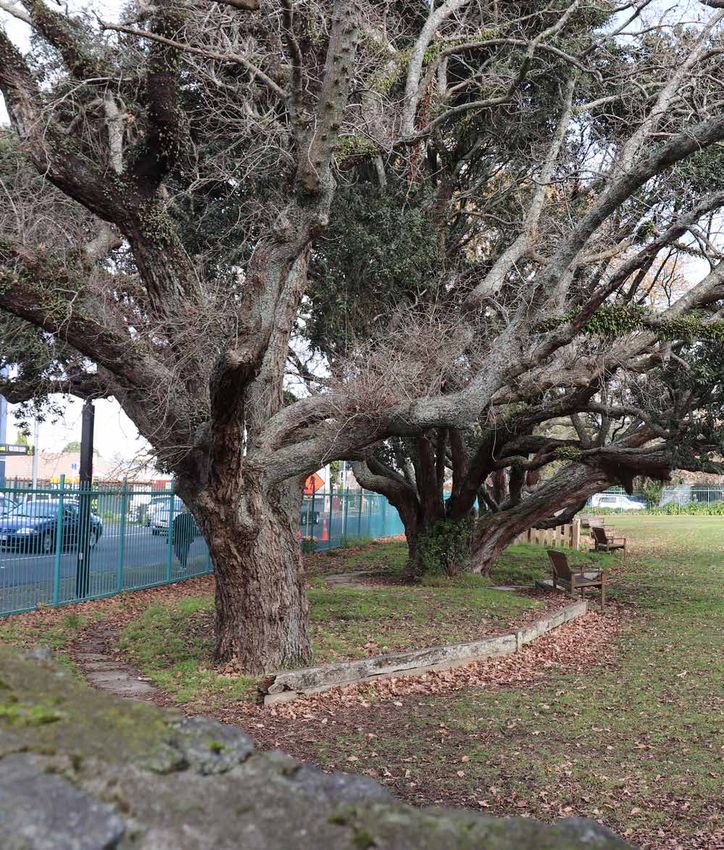
Contents
2    Introduction

10   The Whats, The Whys & The Whens

12   Tree Planting Principles

16   Partners

18   Goals

20   Objectives

24   Action Plans

30   References

32   Appendices
Introduction
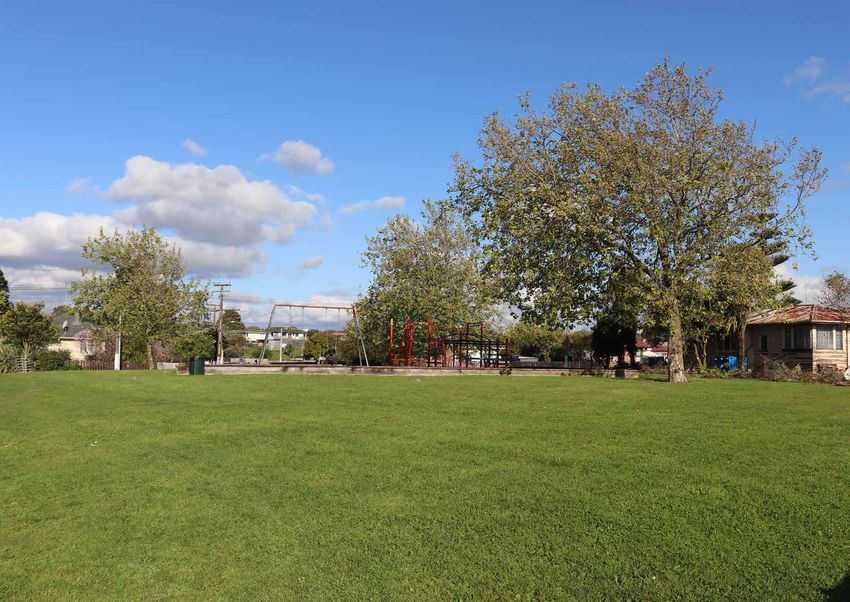
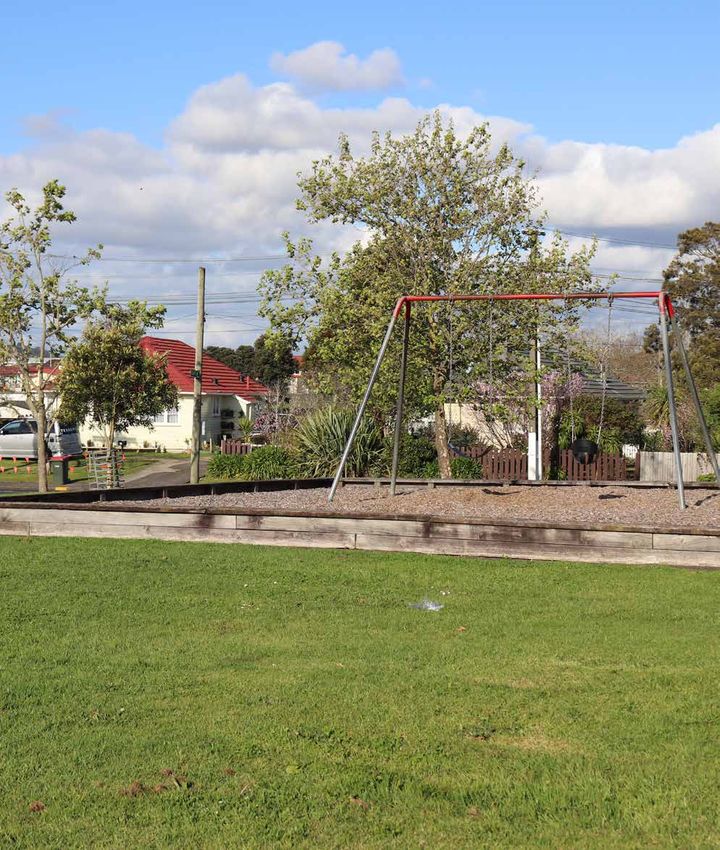
                   Image 1: Playground with no shade, Kurt Lane Reserve, Otara

                   The Ōtara-Papatoetoe Urban Ngahere Action Plan
                   is a positive step towards seeking to recognise
                   and replenish Tāmaki Makaurau’s urban ngahere.
                   It is the result of determined advocacy of the
                   Ōtara-Papatoetoe Local Board, community groups
                   and stakeholders.

                   We are proud to produce a                     This strategy has a stated target
                   localised urban ngahere action                to increase Tāmaki Makaurau’s
                   plan which is intended to deliver on          tree canopy cover from a
                   Auckland Council’s Urban Ngahere              regional estimate of 18 per cent
                   (Forest) Strategy1. We are also               (as assessed in 2013) to 30 per
                   committed to enhancing the urban              cent by 2050. The strategy also
                   ngahere and biodiversity within our           states an aim of having at least
                   local board area.                             15 per cent tree canopy cover in
                                                                 every local board area within this
                   We have developed the                         timeframe. Given the above, it is
                   Ōtara-Papatoetoe Local Board                  clear that a coordinated approach
                   Ngahere Action Plan to connect                to achieving the targets for both
                   our parks and open spaces. We                 local board areas and region-wide
                   will continue to explore planting             is necessary.
                   opportunities through these
                   corridors to increase biodiversity            With the extent of the urban
                   and will seek to encourage                    ngahere in the Ōtara-Papatoetoe
                   important community initiatives;              Local Board area having now been
                   such as native urban ngahere                  assessed, we understand the
                   regeneration, pollinator paths and            need for a large number of planting
                   the planting of fruiting species.             projects to be committed to in the
                                                                 short and medium term. This will
                   The Ōtara-Papatoetoe Local                    ensure that a flourishing urban
                   Board supported the development               ngahere can continue to develop
                   of a canopy analysis report to                into the future. Extensive national
                   address the pressures on the                  and international urban ngahere
                   urban ngahere and loss of tree                studies are in agreement about the
                   cover, and to meet the targets                benefits that the “lungs of a city”
                   set in Auckland’s Urban                       can bring to its inhabitants.
                   Ngahere Strategy1.

2                                                                                                      3
Introduction
                                                                            continued

    There are numerous benefits associated with having,
    developing and maintaining a flourishing urban ngahere.

    The Auckland’s Urban Forest Canopy                    There are many different influences
    Cover: State and Change (2013 –                       that can impact on our local natural
    2016/2018) report states that the                     environment and commitment to a
    Ōtara-Papatoetoe Local Board area                     well-considered tree planting action
    has 15 per cent canopy cover2; this is the            plan is required. For the betterment
    desired minimum local board target                    of our collective urban ngahere, the
    detailed in Auckland’s Urban Ngahere                  local board is pleased to make such
    (Forest) Strategy1 – please refer to the              a commitment.
    Ōtara-Papatoetoe Local Board LiDAR
    urban tree map below.                                 A coordinated action plan, along with an
                                                          effective long-term maintenance regime
    With a significant percentage of the                  and well considered tree protection
    local board area’s ‘suburban’ urban                   legislation, by-laws or policies will go a
    ngahere assessed as growing on private                long way towards protecting, enhancing
    land (which is subject to little, if any, tree        and maintaining a vibrant and essential
    protection legislation, by-laws or policies),         urban ngahere within the local board area.
    it is reasonable to assume that, since
    the data was last captured and with no
    coordinated tree planting plan in place,
    urban ngahere canopy coverage within the
    local board area will have declined.

    Map 1: Local Board urban tree map - canopy cover by percentage based on 2013 LiDAR

4                                                                                                      5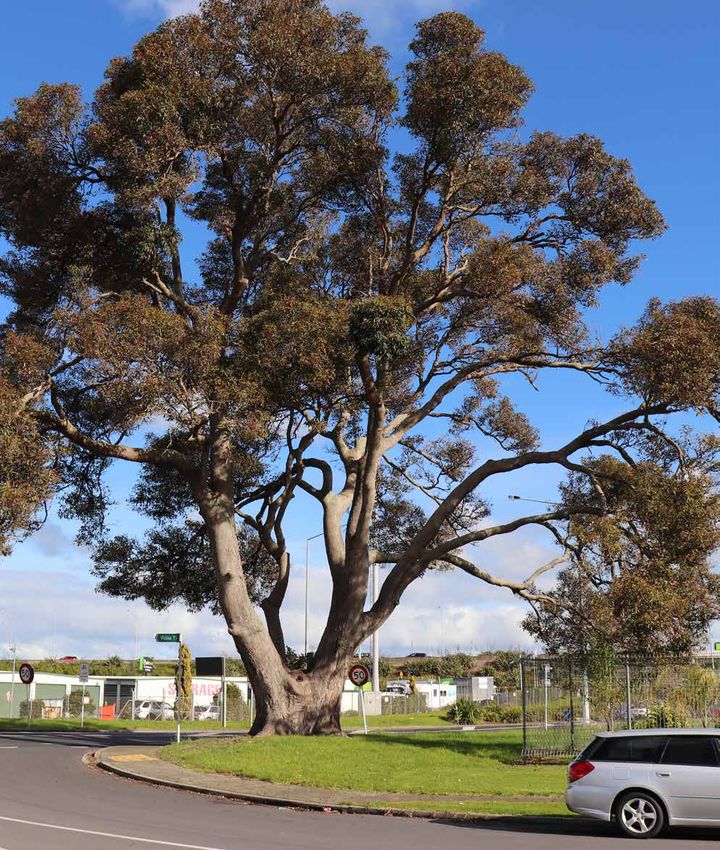
6 7
Urban Ngahere Strategy

            Objectives
            Knowing
            Tāmaki Makaurau needs to know the status of its urban
            ngahere, the extent, number, and distribution of trees as
            well as their size, health and condition. Understanding
            the social, environmental, economic, and cultural value of
            Tāmaki Makaurau’s ngahere and quantifying the benefits
            it provides will support better informed, strategic decision
            making about its management and growth.

            Growing
            Tāmaki Makaurau needs to grow its urban ngahere to
            increase and amplify the benefits trees provide and to
            address the inequity of where the ngahere is distributed
            across the region. By expanding and enriching its urban
            ngahere, Tāmaki Makaurau will maximise the social,
            environmental, economic and cultural benefits that trees,
            shrubs and other vegetation bring to an urban environment.

            Protecting
            Protecting existing urban ngahere is crucial to safeguarding
            the added values and benefits larger mature trees provide.
            Caring for saplings is critical for ensuring older trees are
            replenished before the end of their life, ensures our urban
            ngahere grows over time and publicly-funded planting
            is successful.

            Mechanisms
            Engage
            Engage with partners and stakeholders – with mana
            whenua, residents, private landowners, community
            organisations, network utility operators and the private
            sector to ensure the urban ngahere is well managed,
            its benefits are well recognised and that growing and
            protecting the urban ngahere on public and private
            land is widely supported.

            Manage
            Manage the city’s urban ngahere on public land through
            coordinated planning, strategic planting and smart,
            innovative urban design while facilitating best practice
            standards for work on and around trees through
            vegetation maintenance contracts.

8                                                                          9
The Whats,                         What is an urban ngahere action plan?

     The Whys &                         Why is an urban ngahere action plan needed?

                                        When does an urban ngahere action plan

     The Whens
                                        get implemented?

                                        This section provides details and answers to the
                                        ‘whats’, the ‘whys’ and the ‘whens’ of an effective
                                        urban ngahere action plan.

                  The What                             The Why                              The When

                  This urban ngahere action plan:      This urban ngahere action plan:      This urban ngahere action plan:
                  •   Is a road map that spells        •   Is needed as currently there     •   Outlines the requirements
                      out what steps are required          is no coherent tree planting         necessary to undertake
                      in order to achieve the stated       plan to support the promotion,       to develop a ten year tree
                      goals of the Ōtara-Papatoetoe        protection and enhancement           planting plan.
                      Local Board as they relate to        of the urban ngahere within
                                                                                            •   Provides timeframes per
                      the urban ngahere within the         the boundaries of the local
                                                                                                key actions that support
                      local board area boundaries.         board area.
                                                                                                the goals and objectives of
                  •   Details objectives and           •   Is required as a recent              the Ōtara-Papatoetoe Urban
                      actions that support the             high level assessment has            Ngahere Action Plan.
                      local board’s urban ngahere          identified tree canopy cover
                      protection, development              loss throughout the local
                      and maintenance goals.               board area.
                                                       •   Is necessary as a high level
                                                           assessment of the current
                                                           tree stock within the local
                                                           board boundaries revealed
                                                           vulnerabilities in the age
                                                           spread, condition, species
                                                           range and longevity of the
                                                           existing tree canopy cover.

10                                                                                                                            11
Tree Planting   With a portion of the local board area being coastline,
                     the presence of the motorway, and the suburbs
                     containing intensive residential lots; a range of

     Principles
                     planting principles are required in order to establish
                     new plantings that contribute long term to the
                     board’s overall urban ngahere canopy cover.
                     Examples of relevant tree planting principles are: planting the right tree
                     in the right place; having a preference for native species; ensuring urban
                     ngahere diversity; creating ecological corridors and connections; and
                     seeking to manage the whole lifecycle of urban trees.

                     Tree planting principles are to be             sequesters, ecosystem services)
                     developed in a manner that address             and 10 per cent exotic species
                     a range of issues (some being                  with cultural significance.
                     specific to the Ōtara-Papatoetoe           When selecting species of trees,
                     Local Board area) such as:                 the tree planting principles are to be
                     •   Salt tolerance                         supported by the Auckland Council
                                                                Indigenous Terrestrial and Wetland
                     •   Soil type
                                                                Ecosystems of Auckland (published
                     •   Structural form                        2017) report3. This document
                     •   Plant large where we can               identifies species that are part of
                     •   Heritage context                       the various terrestrial and wetland
                                                                ecosystems (and their variants)
                     •   Climate change species
                                                                that have been located through
                         susceptibility/effects resilience
                                                                Tāmaki Makaurau boundaries.
                     •   Availability of space above and
                         below ground                           It is important to consider the
                     •   Shading                                extension, and/or creation of
                     •   Leaf drop                              pollinator paths to help create
                                                                corridors for birds, and insects to
                     •   Future sight and view lines
                                                                move along. Selecting tree varieties
                     •   Visual amenity                         that provide flower sources for birds
                     •   Infrastructure conflict                and insects are important to help
                                                                build pathways for movement and to
                     •   Private property planting
                                                                build the extent of habitat to support
                         opportunities/assistance
                                                                increased biodiversity at a local
                     •   Pest and disease resistance            street and park scale.
                     •   Maintenance requirements
                     •   Increasing biodiversity                Consideration is to be given to large
                                                                trees that provide a diverse food
                     •   Bird and wildlife corridor creation/
                                                                source and habitat for native birds,
                         enhancement/linkages
                                                                as well as the maintenance of tall tree
                     •   Have a well-proportioned mix of        stumps that could provide nesting
                         saplings, semi mature and mature       opportunities for birds.
                         trees across the area
                     •   A species composition of 70 per        Where appropriate, adopting
                         cent native species and 30 per         the strategic principle of ‘native
                         cent exotic species. The exotic        first’ when seeking to plant with
                         species breakdown is as follows;       appropriate species in ecologically
                         10 per cent fruit-producing            relevant locations will assist in the
                         species, 10 per cent species           enhancement of biological diversity, as
                         with functional uses (i.e. carbon      well as aiding in ecological restoration.

12                                                                                                          13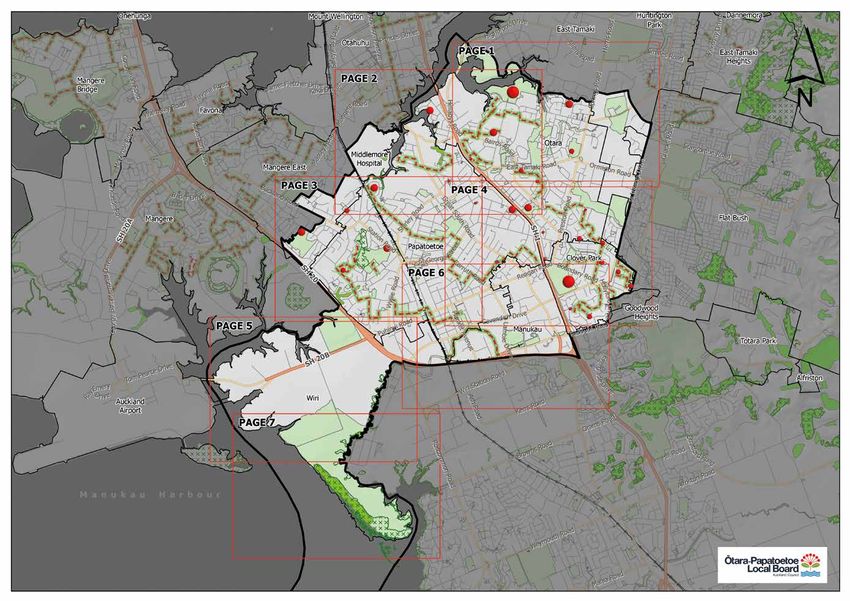
Tree Planting
Principles continued
The effectiveness of individual • Future open space We will work with the community,
species to remove carbon dioxide programmes and projects Auckland Council, Ministry for
from the atmosphere and store it Primary Industries and iwi to isolate
• Community Facilities renewal
as carbon as part of their overall incidents, prevent further spread
program (during assessment of
biomass over their lifetime is of pest trees, educate and plant a
seating areas, playgrounds and
considered to be an important tree diversity of tree species that are
rest areas) annually records the
planting principle. resilient to current disease to ensure
opportunity to plant new trees
the survival of our urban ngahere.
as part of the renewal upgrade
Planting platforms and
to existing assets
opportunities can be found in the Of equal importance is ensuring
body of this report, for example: • Green walls (i.e. amenity that we address ‘Seed to
plantings that can be installed Succession’ issues, with a focus
• High level ‘Suburb By Suburb
in planters/on fencing/on wires on ‘end of useful life’ timing (as
Planting Opportunities’
attached to sides of public/ Kew Gardens in the UK found out
• Survey Map; SEA and urban commercial buildings) in the 1987 storm, when they lost
ngahere cover (based on the a large number of over-mature
2013 LiDAR) • Privately owned land (as
specimens and did not have
planting in public spaces alone
When it comes to identifying sufficient middle age trees to carry
will not be able to achieve the
planting locations and options, them through), as well as providing
desired canopy cover change)
there are a wide range of bird and wildlife corridor creation
opportunities to consider: Where possible, consideration of and enhancement, along with
planting large grade specimens linking Significant Ecological
• Auckland Council sports fields, Areas (SEAs).
parks and reserves (i.e. Kohuora helps ensure we get ‘larger trees
Park; a large expanse of land faster’ so as to give rise to the
urban ngahere benefits sooner. A combination of the above
where trees are sparse) will ensure that, by introducing
• Auckland Transport land (i.e. Planting with a variety of species and maintaining a wide range
grass berms, footpath tree pits, is particularly important when of tree species, sizes and ages,
kerb build-outs, car parking addressing resilience issues such a future healthy, vibrant and
spaces, new street gardens) as pest and disease, and climate benefit-producing urban ngahere
change species vulnerabilities will be present for many years
• Public cemeteries (note that
A small species range could to come.
some countries are now using
trees as ‘headstones’) get decimated by a pest and/or
disease infestation (i.e. Dutch Elm As stated in Auckland’s Urban
• Government land (i.e. schools, Disease and Kauri Dieback), just Ngahere (Forest) Strategy¹
hospitals, fallow sites) as a cooler, dryer climate-loving – ‘Together, growing Tāmaki
species may suffer in the predicted Makaurau’s urban ngahere for
• NZTA land
warmer and more moist seasons a flourishing future.’
• Large planters along
that Tāmaki Makaurau is likely to
cycle lanes
face in the future.
Map 2: SEA and urban forest cover (based on 2013 LiDAR)
14 15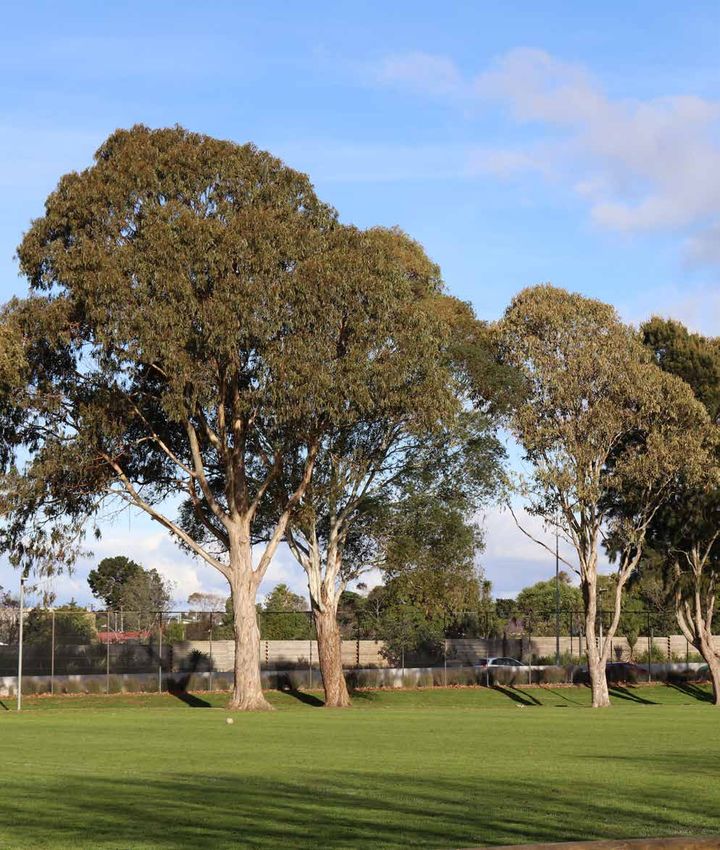
Partners   The results of this urban ngahere action plan will benefit not
                only the residents of the Ōtara-Papatoetoe Local Board area
                but also Tāmaki Makaurau’s community as a whole. Given
                this fact and the very relatable nature of planting a tree,
                creation of a viable and sustainable network of partners
                who can provide support in a myriad of ways is important;
                so much so that it is listed as one of the goals of this plan.

                Examples of those entities who                 •   Network Utility Operators (engage
                could partner in the deliverables of               regarding planting location
                this plan are:                                     restrictions around network
                                                                   assets, support Vector’s Overhead
                •   Church groups
                                                                   Improvement Program)
                •   Kainga Ora
                                                               •   Work with Panuku and Auckland
                •   Mana Whenua                                    Unlimited to develop and incorporate
                •   Enviro Schools                                 new planting opportunities within
                                                                   their new development and facility
                •   Other community volunteer groups               maintenance projects
                •   Local school/community groups to           •   National environmental entities
                    operate eco-sourced nurseries                  (Forest and Bird, Project Crimson,
                •   Private land owners (possible for              Trees That Count)
                    Auckland Council to fund the planting of   •   Nursery Association (gain support by
                    trees on private properties)                   way of quality production donation/
                •   Commercial land owners (possible               price reduction)
                    to install climbing green walls on/up      •   Government departments
                    sides of privately-owned buildings             (opportunity to plant large trees
                    where trees can’t be established)              for shading benefits in schools and
                •   Auckland Council’s Community                   hospitals, support from Department
                    Facilities department (by engaging             of Corrections to grow seedlings)
                    with and supporting the renewals           •   NZTA (discuss species used in
                    programme, create new planting                 motorway plantings and their
                    locations by undertaking the removal           future long term protection and
                    of noxious trees/plants)                       explore planting opportunities
                •   Auckland Transport (engage with the            on surplus land)
                    maintenance programme i.e. retire hard
                    stands to create new planting spaces)
                •   Healthy Waters (engage with the
                    revegetation program, assist in the
                    creation of educational rain gardens)

16                                                                                                        17
Goals Knowing,
Growing,
Protecting.
The goals of the Ōtara-Papatoetoe
Local Board in relation to the assessment,
protection, management and development
of the urban ngahere within the local board
area are as follows:
• To create sustainable • To increase public awareness
urban ngahere within the around the need to promote,
local board area that meets protect and enhance the urban
the needs of our community ngahere within the local
and surroundings board area
• To achieve 6 per cent increase • To create a network of partners
of tree canopy cover within the to support the development
local board area boundaries and maintenance of the urban
by 2030 ngahere within the local
board area
• To achieve 30 per cent tree
canopy cover within the local
board area boundaries by 2050
• To further enhance and amplify
efforts to establish corridors
of vegetation to link small and
large open space areas
18 19Objectives Knowing,
Growing,
Protecting.
In order to achieve the Ōtara-Papatoetoe Local
Board’s goals in relation to the assessment, protection,
management and development of the urban ngahere
within the local board area, the following objectives are
required to be undertaken:
• Research and compile a list of • Provide a report to the local
planting opportunities within the board that outlines the financial
road reserve, parks and reserves, requirements to support the
and commercial environments funding commitments of the
within the Ōtara-Papatoetoe Local 10 Year Tree Planting Plan
Board area
• Continue discussions with
• Develop a suitable species list of Auckland Council regarding current
small, medium and large trees to levels of tree protection rules and
be used in the identified list of their effectiveness as they relate to
planting opportunities the protection and enhancement of
the urban ngahere
• Develop an urban ngahere tree
planting promotional program that • Council’s Governing Body has
engages stakeholders and partners commenced discussions with
Central Government to highlight
• Review and set up an accurate
the need for change to the
tracking system of Auckland
Resource Management Act to
Council’s tree planting and
enable new or better rules to
maintenance practices
protect large trees of importance
• Auckland Council Call Centre can in Tāmaki Makaurau
be contacted on 09 301 0101 or
• Work with Auckland Council and
via the council website
the Ōtara-Papatoetoe Local
www.aucklandcouncil.govt.nz.
Board to collaboratively explore
They can log maintenance
the development of an advisory
requests to attend to newly
service for tree care to help provide
planted trees, to review a site for a
advice to customers on tree care
replacement tree planting, and to
and maintenance. Promote the
request that a new tree is planted
value of professional tree care and
• Develop a 10 Year Tree Planting work with national organisation to
Plan (supported by a suitable develop advisory service
funding framework)
• Engage with tree nursery suppliers
and develop a nursery ‘Growing
Plan’ that will service the 10 Year
Tree Planting Plan
20 21Objectives
continued
By implementing these objectives,
and in line with the stated goals, this
urban ngahere action plan intends
to ensure that:
• We engage with all stakeholders,
partners, schools & local
community groups so as to seek
support regarding the planting
& maintenance of future urban
forest plantings
• The right trees will be planted in
the right places
• The tree supply and planting
works will be cost effective
• We arrange annual tree
planting events
• We explore the options for
setting up a tree fund to help
with maintenance of large
notable trees in the local
board area
22 23Action Plans
Introduction
Tree planting ‘Action Plans’ will be developed to deliver on the
planting aspirations of the Ōtara-Papatoetoe Local Board. This will
involve site-specific assessments and consultation about planting
opportunities that exist within the board’s boundaries. New tree
planting will assist with the local board’s efforts on adaptation
and mitigation measures to help respond to climate change by
positively leveraging efforts to “become a low carbon community”
and implement the Action Plan.
To undertake the required activities that support the delivery
of the Action Plans, the following matters will be considered
and implemented:
Action
• Undertake a detailed assessment of planting opportunities
within the road reserves, parks and reserves, and commercial
environments to continue the greening of the Ōtara-Papatoetoe
Local Board area
• In accordance with the principles outlined in Auckland’s Urban
Ngahere (Forest) Strategy1, research and compile a ‘suitable
species list’ and ‘tree planting principles’ that will apply to all
identified planting opportunities
• Develop a detailed ‘Planting Opportunities List’ that will help to
deliver the goal of providing 30 per cent of tree canopy cover
within the Ōtara-Papatoetoe Local Board area by 2050
• Develop a 1 - 3, a 4 - 6 and a 7 - 10 Year Funding Framework to
deliver on the ‘Planting Opportunities List’
• Record metrics that reflect estimated tree canopy cover
percentage increase across the local board area post
completion of all identified planting opportunities, as well
as the estimated growth of existing trees up to 2050
24 25Action Plans
continued
Education
• Research, engage and enrol tree nursery suppliers regarding tree
stock production standards, current stock availability and species
selection for future plantings
• Undertake an assessment regarding the necessity for effective tree
protection to support the long term protection, management and
development of the urban ngahere
• Develop a promotional program that engages with identified
stakeholders, partners and the wider public
Planting
• Compile indicative tree supply and planting pricing (that includes 3
years post-planting maintenance, metrics assessments and reporting)
to deliver on the ‘Planting Opportunities List’
• Consider planting opportunities that include tree species that provide
flowers, nectar and fruit to help support biodiversity
• Discuss and confirm best practice tree planting and ongoing
maintenance methods with Auckland Council’s Community
Facilities department
Community Support
• Confirm with the Ōtara-Papatoetoe Local Board a funding
commitment for the 10 Year Tree Planting Plan and the 10 Year
Funding Framework
• Immediately post adoption of the Action Plan, implement Year 1
of the 10 Year Tree Planting Plan
• Encourage and support volunteers in the community to be enabled
to support the growth of the urban ngahere, working with contractors
and local volunteer groups to deliver outcomes, e.g. through
community grants
• Investigate opportunity to establish an annual resident scheme which
would allow residents to nominate heritage and notable trees in the
local board area
• Investigate opportunity to establish a contestable fund that would
support private property owners to maintain large heritage and
notable trees in their private property, enhancing bio-diversity in
the local board area
• Investigate opportunities to establish an initiative that would
provide the local board with a platform to acknowledge individuals
for their contributions to making reserves and private properties
pest plant free
26 27Action Plan Tree
Planting Flowchart Parks
Consult with In spring, Develop planting
stakeholders undertake field plan, consult
to establish an investigations with local board In mid summer, place
Review tree
annual process to confirm Consult with park users, members and order for large grade
canopy coverage
to determine where new community groups internal Council specimen trees
within local board
priority areas tree planting and/or local residents to stakeholders for winter planting
parks to identify
to investigate within local determine the types of to finalise tree program based on
the areas to be
new specimen board parks is trees they would like to numbers and results from park
assessed for new
tree planting feasible and see planted species for survey work and
tree planting
opportunities responds to planting in winter consultation process
in parks local needs program
Undertake late
autumn visit to
nurseries to review
planting stock to
Road Reserve ensure consistent
size and quality.
Consult with In spring, Develop planting
stakeholders undertake field Establish possible street plan, consult In mid summer, place
to establish an Review tree
Local board annual process canopy coverage
investigations tree planting numbers. with local board order for 35lt/45lt
Annual Growing to determine Review utility locations members and grade specimen trees
agrees to Implementation
to determine within the road where new to confirm plantings then consult for winter planting
priority areas corridor to identify tree planting are possible. Letter internal Council program based on
fund Growing & Assessment
Programme
to investigate the areas to be within the drop residents to gauge stakeholders results from street
new tree
Programme planting
field investigated
for new tree
road reserve support, meet residents to finalise tree survey work and
is feasible and to discuss options numbers and consultation process
opportunities planting responds to and species species for
in local streets local needs planting in winter
Audit work
quality and
confirm planting
has taken place
in the correct
Enrichment Planting locations in
accordance with
specifications
In spring, undertake field Review parks
investigations to determine management plans,
Consult with where enrichment planting
stakeholders Greenways plans Develop planting
can be undertaken within local and ecological Work with
to establish an board parks so as to increase plan, consult with
assessments. Review community
annual process to species diversity local board members
maps to create volunteer
determine priority and internal Council
ecological corridor coordinators
areas to investigate stakeholders. Refer
connections and to arrange for
new enrichment to ecological district
Complete In spring, undertake field biodiversity focus areas. community
tree planting details and ecosource
ongoing annual investigations to determine Identify ecological planting days
opportunities in local planting stock
reviews of the Growing parks and streets where enrichment planting districts and develop Undertake review
Program to establish total can be undertaken within the planting plans with of winter planting
species/numbers planted road reserve so as to increase details on tree types program and
and determine success rate species diversity and sizes to be planted develop annual
percentages. Provide progress report to update
reporting to local board on local board on
total plantings. Collate data areas planted,
to provide cumulative tree numbers
numerical/species type and species
success rates established
28 29References
Image 2: View of a streetscape in Papatoetoe
1. Auckland Council Research and Evaluation Unit. (2019, March).
Auckland’s Urban Ngahere (Forest) Strategy. https://www.
aucklandcouncil.govt.nz/plans-projects-policies-reports-bylaws/our-
plans-strategies/topic-based-plansstrategies /environmental-plans-
strategies/documents/urban-ngahere-forest-strategy.pdf
2. Golubiewski, N., Lawrence, G., Zhao, J., & Bishop, C. (2020). Auckland’s
Urban Forest Canopy Cover: State and Change (2013-2016/2018).
https://www.knowledgeauckland.org.nz/ publications/auckland-s-
urban-forest-canopy-cover-state-and-change-2013-20162018/
3. Singers, N. J., Osborne, B., Lovegrove, T., Jamieson, A., Boow,
J., Sawyer, J. W. D., & Webb, C. (2017). Indigenous terrestrial and
wetland ecosystems of Auckland. Auckland Council, Te Kaunihera o
Tāmaki Makaurau.
Auckland Council. (2017, April). Ōtara-Papatoetoe Greenways - Local
Paths Plan. https://www.aucklandcouncil.govt.nz/about-auckland-
council/how-auckland-council-works/local-boards/all-local-boards/
Documents/otara_papatoetoe_draft_greenways_plan.pdf
Auckland Council. (2017). Ōtara-Papatoetoe Local Board Plan 2017.
https://www.aucklandcouncil.govt.nz/about-auckland-council/how-
auckland-council-works/local-boards/all-local-boards/Documents/otara-
papatoetoe-local-board-plan-2017.pdf
Auckland Council. (2019). Local Development Initiative - Ngahere Work
Programme. Year 1: Knowing Phase. Urban Ngahere (Forest) Analysis
Report September 2019.
Wilcox, M. D. (2012). Auckland’s Remarkable Urban Forest. Auckland
Botanical Society.
30 31Appendices Potential Tree Planting Opportunities
Map 3: Ōtara-Papatoetoe Local Board area
32 33Appendices
Surveying and Data Collection
As outlined in the Action Plan Presence of playgrounds was to identify additional parks and
Tree Planting Flowchart, further selected as the main priority reserves that have no playgrounds Canopy Cover of all
detailed site investigations are target in the initial survey, as and low canopy cover. Parks with Playgrounds
required to be undertaken so as increased planting and tree
to confirm suitability of potential cover in these areas would Road reserve selection and street
Graph 1: Percentage canopy cover
of Ōtara-Papatoetoe playgrounds
8%
planting locations. These site likely provide measurable social tree planting followed a separate
investigations involve a variety and environmental benefits assessment. The street tree
of issues i.e. consultation with all to local communities enabling ground-truthing followed the 25% 0-20% Canopy Cover
relevant stakeholders, presence connections to nature. As the parks and reserves site surveys;
21-50% Canopy Cover
of underground services, visual first priority, parks and reserves streets were selected based on
amenity issues, plant species were assessed on the basis of the connectivity to parks and reserves 51-100% Canopy Cover
selection, future growth, form and presence of a playground; these previously identified, as well as 67%
site suitability. locations were then filtered further connectivity to ecological areas
by percentage of tree cover, with such as coastal environments
As part of the development of parks and reserves containing 0-15 and stands of native vegetation
the Action Plan’s structure of per cent canopy cover selected or SEAs. A further desktop
how to investigate potential tree next. A desktop review using aerial assessment based on 2013 LiDAR
planting opportunities, in the imagery, site observations and data for canopy cover identified
initial trial phase relating to site comments detailed in current, streets where canopy cover
investigations, it was decided to relevant Council data was further was low and streets where berm
prioritise ground-truthing surveys assessed to determine whether planting was feasible from an aerial
Ōtara-Papatoetoe 3000
Planting Opportunities
(information provided by direct trees within the selected parks and imagery perspective. Connectivity
observation) via a clear purpose reserves shaded playgrounds, with was the priority for streets; ground- Graph 2: Ōtara-Papatoetoe planting
Potential Number of Trees
opportunities for playgrounds,
to better utilise the available time a corresponding list of these sites truthing was used to identify
parks and road reserves
and resources. A spreadsheet then compiled for each local board. streets where canopy cover was
of Council parks and reserves low to non-existent and therefore
which contained variable site Ground-truthing was used to required berm planting, and,
characteristics (including land determine the extent of tree when canopy cover was present,
use and tree cover) was provided cover and whether new plantings whether infill planting was possible.
to assist in developing a list of had been provided that were not
sites in which to undertake the visible on aerial imagery. Surveys 779
initial investigations. As specified were expanded once on site to 145 571
in the Local Board Plan, parks determine if more trees could
and reserves were prioritised be planted within the parks and Playgrounds Parks Ripparian Road Reserve
for potential tree planting reserves outside of the immediate
Planting Location
investigations and were selected vicinity of the playground footprint
using the following criteria; to include open areas, park edges,
1. Is there a playground within the etc. Site observations during
park or reserve? ground-truthing identified the
need for more trees, especially on
2. Is the park or reserve’s overall hot sunny days when park users’
tree cover less than 10 per cent? crowded within the shaded areas
3. Is there shade from provided by tree canopy cover.
existing trees casting Further reviews, investigations and
over the playground? ground-truthing would be required
34 35Appendices
a) On-Site Data Capture Survey Form
36 37Appendices
b) Ōtara-Papatoetoe Tree Planting c) S
uburb by Suburb
Opportunities Map Tree Planting Opportunities
Map 4: Planting opportunity locations for the Ōtara-Papatoetoe Local Board area
38 39Appendices
c) S
uburb by Suburb c) S
uburb by Suburb
Tree Planting Opportunities (continued) Tree Planting Opportunities (continued)
40 41Appendices
c) S
uburb by Suburb
Tree Planting Opportunities (continued)
42 43Appendices
d) Ō
tara-Papatoetoe Park and Street Tree d) Ō
tara-Papatoetoe Park and Street Tree
Planting Opportunities Planting Opportunities (continued)
The following tables detail the total number of planting opportunities within parks with playgrounds, along
with possible planting sites within the road reserve.
Streets/Road Reserve Planting Opportunities
In respect to recommended species to be planted within parks with playgrounds, this determination will Potential
Name Tree Species
occur when site-specific assessments are being undertaken. The tree species detailed in the ‘Streets’ Planting Opportunities
table are a recommendation based on surrounding existing plantings. Alabaster Drive Fraxinus sp. 10
Allenby Road Prunus sp. 22
Parks/Playgrounds Planting Opportunities Ashton Avenue Lagerstroemia sp. 26
Ballance Avenue Metrosideros excelsa 19
Plantings Plantings Beaufort Place Myrsine australis 19
Name
Around Playgrounds Throughout Park Bond Street Metrosideros excelsa 3
Aorere Park 4 40 Brett Avenue Pittosporum tenuifolium 7
Billington Esplanade Reserve 6 20 Carruth Road Cordyline australis 26
Coombe Avenue Reserve 3 0 Charntay Avenue Sophora microphylla 15
Crown Park 4 0 Clendon Avenue Sophora chathamica 10
Derrimore Park 7 10 Clyde Road Brachychiton acerifolius 3
Dissmeyer Park 4 11 Cobham Crescent Sophora chathamica 17
East Tamaki Reserve 0 19 Coombe Avenue Pittosporum crassifolium 9
Fergusson Oaks Reserve 7 16 Coronation Road Ginkgo biloba 8
Ferndown Park 0 22 Courant Place Acer negundo 3
Flinders Park 7 9 Darnell Crescent Sophora microphylla 7
Hamill Reserve 5 20 Dawson Road Brachychiton acerifolius 7
Harwood Reserve 9 0 Dillon Crescent Sophora microphylla 9
Kimpton Park 3 23 Diorella Drive Acer negundo 1
Kohuora Park 4 32 Dissmeyer Drive Rhopalostylis sapida 2
Kurt-Elsa Park 8 0 Eccles Place Myrsine australis 6
Lappington Park 8 40 Elizabeth Avenue Michelia doltsopa 7
Lendenfield Reserve 2 6 Esperanto Road Sophora chathamica 26
Manukau Sports Bowl 11 70 Fairview Road Sophora microphylla 10
Mathews Park 5 20 Ferndown Avenue Sophora microphylla 19
Maxwell Park 0 4 Franich Street Sophora microphylla 9
Middlemore Park 7 20 Franklyne Road Radermachera sinica 9
Milton Park 0 14 Garrett Place Sophora microphylla 6
Ngati Otara Park 6 80 Gaye Crescent Acca sellowiana 22
Otamariki Park 12 0 Gifford Road Ulmus glabra 'Lutescens' 1
Othello Park 5 17 Gilbert Road Metrosideros excelsa 12
Pearl Baker Reserve 6 31 Grange Road Pittosporum crassifolium 7
Rotoma Park 0 0 Halcyon Place Cordyline australis 4
Sandbrook Reserve 3 38 Harwood Crescent Sophora chathamica 20
Sikkim Park 5 4 Haumia way Platanus x acerifolia 2
Waimate Park 4 0 Hillside Road Cordyline australis 21
Wintere Park 0 5 Israel Avenue Pittosporum crassifolium 19
Wiri Stream Reserve 0 40 Kingswood Road Sophora chathamica 2
44 45Appendices
d) Ō
tara-Papatoetoe Park and Street Tree e) Planting Examples
Planting Opportunities (continued)
Streets/Road Reserve Planting Opportunities continued Tree Pit Planting Park Planting
Potential
Name Tree Species
Planting Opportunities
Kudu Road Lagerstroemia sp. 31
Lappington Road Sophora chathamica 22
Lendenfeld Drive Fraxinus sp. 8
Lloyd Avenue Kunzea robusta 9
Lochinver Road Melicytus ramiflorus 17
Malaspina Place Fraxinus sp. 8
Margaret Road Fraxinus sp. 4
Maunu Road Prunus sp. 2
McCullough Avenue Myrsine australis 7
Milan Road Myrsine australis 17
Motatau Road Pittosporum crassifolium 11
Natalie Place Cordyline australis 13
Navigator Place Sophora chathamica 9
Omagh Avenue Pittosporum crassifolium 24
Oreti Place Metrosideros excelsa "Mistral" 4
Othello Drive Pittosporum crassifolium 20
Pah Road Sophora microphylla 9
Pembroke Street Metrosideros excelsa 26
Preston Road Pittosporum crassifolium 3 Berm Planting
Pulman Place Syagrus romanzoffiana 5
Rakaia Rise Alectryon excelsus 5
Raleigh Place Cordyline australis 5
Rongomai Road Rhopalostylis sapida 5
Sean Fitzpatrick Place Alectryon excelsus 9
Serenity Place Cordyline australis 7
Sidey Avenue Magnolia sp. 7
St George Street Prunus sp. 4
Stafford Avenue Metrosideros excelsa 4
Swaffield Road Ginkgo biloba 15
Tindall Crescent Sophora microphylla 10
Tutere Road Rhopalostylis sapida 13
Victoria Road Sophora chathamica 2
Waipapa Crescent Sophora microphylla 10
Wilmay Avenue Metrosideros excelsa 9
46 47Appendices
f) A
uckland Council Tree Planting
Request Process
New Tree Planting Request. Council Arboricultural
Customer to contact Auckland Contractor to contact customer
Council Call Centre – to establish nature of request.
09 301 0101 or register through Confirm location of new tree
the Auckland Council website Park tree. Request made
for a single tree to be in park then check on site
https://www.aucklandcouncil. whether location is suitable
govt.nz/report-problem/ planted in a local park
for a new tree to be planted.
Recommend species. Customer
Request to have to be contacted and advised on
multiple new trees planting time frame
planted in a street Council Arboricultural
The site is visited, Street tree. Request
with existing trees Contractor to contact
the customer made for a single tree
contacted to discuss Multiple tree Single tree to be planted in a street. customer to establish nature
request and an planting Call Centre planting Requests to go to of request. Confirm address of
estimate made of request request Community Facilities new planting site then confirm
number of trees to Arboricultural Contractor on site whether location is
Request to have suitable for a replacement tree
multiple new trees be planted for assessment
to be planted
planted in a street
with no trees
Replacement planting
list. Requests to replace
New tree added to planting
a tree that has not yet
list. Customer advised of
Undertake a detailed been replaced. Requests
outcome and time frame
planting feasibility to go to Community
when tree planting is likely
assessment to Facilities Arborist to add
to take place
determine if tree to replacement planting
planting is possible list for checking
and if a survey of Seek funding
residents is required from third party
i.e. resident funding,
private funding partner,
philanthropic
funding, etc
New tree planting request New tree planted by Council Contractor
Collate potential numbers is approved and funding is and recorded in Council database (annual
of trees required for new Seek funding from in place. Implement planting program between May and October).
planting project. Finalise Local Board through resident survey. Source Tree(s) added to new tree aftercare program.
costings for planting the LDI funding new tree stock. Arrange If a tree die(s) or is/are vandalised, Council
project implementation. program for tree planting to occur in Call Centre to be contacted to log a request
Seek funding next planting season for tree maintenance
Seek funding from
Auckland Transport,
Panuku, Auckland
Council volunteer
planting program, etc
48 49Appendices
g) L
ocal Board Overview Map
50 51Appendices
h) Suggestions For Public Planting Sites Please detail planting opportunities within parks and on streets under the following maps.
Refer to appendices C for larger maps of individual areas. Once completed,
please forward your suggestions to www.aucklandcouncil.govt.nz/report-problem.
1 1
2 2
3 3
4 4
5 5
52 53Appendices
h) Suggestions For Public Planting Sites
1 1
2 2
3 3
4 4
5 5
54 55Appendices
h) Suggestions For Public Planting Sites
1 1
2 2
3 3
4 4
5 5
56 57Appendices
h) Suggestions For Public Planting Sites
1
2
3
4
5
58 59Printed on paper made
from 100% recycled
post-consumer waste.
60You can also read


