TEACHING IN BIDYADANGA - Mathematical Association of Victoria
←
→
Page content transcription
If your browser does not render page correctly, please read the page content below

THE MATHEMATICAL                  THE COMMON
                                         DENOMINATOR
                                                                                                       2/21
       ASSOCIATION OF VICTORIA

TEACHING IN BIDYADANGA

                                  Daniel Steele. Image: part of the fishing experiences lessons involved students following
INSIDE                            directions and landmarks on maps to locate and save pretend turtle eggs.

 8
                                  Being hit in the face, figuratively and literally, by the humidity of Broome during the wet
     Mathematics Middle           season is something that stays with you. Having moved from inner-city Melbourne to
     Years Challenge              remote Australia with my wife, also a primary teacher, we were both struck by the orange-

 9
                                  crimson dirt, beautifully unique boab trees, and the lack of people around the streets.
     Aboriginal perspectives in
     mathematics education        Neither of us had even been to Western Australia before. So, the levels of excitement,

16
                                  nervousness, and uncertainty as we drove two hours south of Broome to our new home,
     VCE SACS:                    community, and school in Bidyadanga, didn’t really drop below ‘extremely high’. I’ll never
     Linear graphs                forget the moment we stepped out of the school’s minibus onto Teacher Street (yes, that

18
                                  was its name) spotted our house, the metre-high grass, and the school oval and buildings
     One minute with              just on the other side of our back fence. Excellent commute time to work, I’ll have you know!
     Dianne Siemon
                                                                                                            Continued on page 6
                                                                                           © The Mathematical Association of Victoria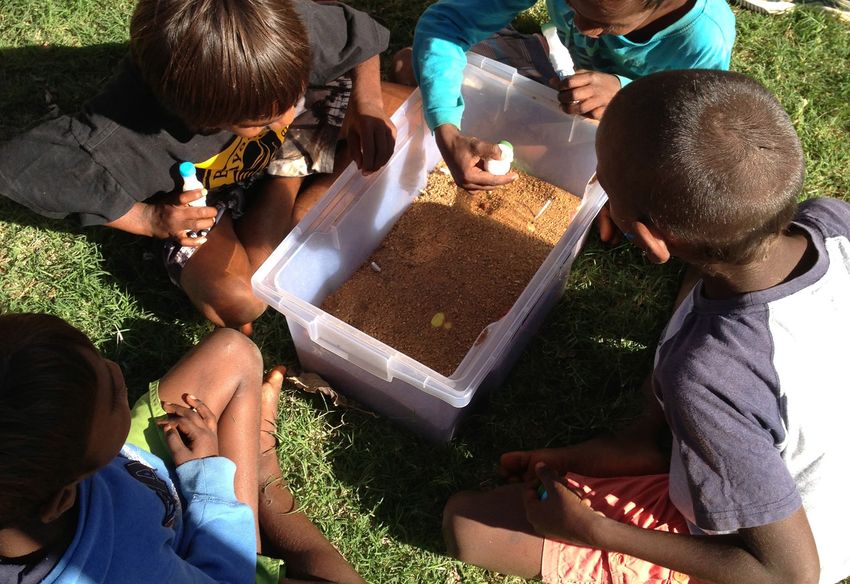
THE COMMON DENOMINATOR, TERM 2 2021

                                                     FROM THE PRESIDENT
                                                     Michael O'Connor

    THE COMMON                                                             This year will see           Korean Method for factorising. It is one of
    DENOMINATOR                                                            changes made to              many enlightenments that I have picked up
    The MAV’s magazine                                                     both the Australian          over a lifetime of practice. I like that it has a
    published for its members.                                             Curriculum P to 10           mnemonic device that aids in remembering
    _____________________________                                          and the VCE. As              what to do and in turn, helps the students
    Magazine 279, April 2021                                               always there will be         to learn. In his book, What Expert Teachers
                                                                           disagreements about          Do, John Loughran talks about the ‘need to
    The Mathematical Association of                  what should be ‘in’ the curriculum and             communicate and share our knowledge of
    Victoria, 61 Blyth Street                        what shouldn’t; how much, or how little,           practice in ways that extend beyond tips and
    Brunswick VIC 3056                               technology should be used; and whether             tricks as the sole measure or expectation of
                                                     or not the changes are useful in real life. In     classroom expertise’ (preface).
    ABN: 34 004 892 755                              a career spanning over thirty years these
    Tel: 03 9380 2399                                topics are as regular as clockwork. They           Factorisation and multiplication are, and
    Fax: 03 9389 0399                                are also a distraction from the teaching our       always will be, bedrock mathematical
                                                     students to the best of our ability.               experiences for our students, no matter
    office@mav.vic.edu.au                                                                               how that is expressed in the current written
    www.mav.vic.edu.au                               Mathematics, as a field of human endeavor,         curriculum. What we as teachers need is to
                                                     is ever growing. No one set of concepts and        share our experiences with each other and in
    Office hours:                                    skills definitively sets up students for success   so doing find the stories that give meaning
    8.30am – 5pm                                     or failure. Rather, it is how well connected       to the practices. Loughran describes this
    Monday to Friday                                 the ideas and skills are to one another that       as a move from professional development,
                                                     gives a picture of the whole. Eddie Woo            where teachers are told what to do, to
    President: Michael O’Connor                      likens it to how well we, as teachers, tell the    professional learning, which supports us in
    CEO: Peter Saffin                                story. The printed curriculum, is merely a         increasing our knowledge.
                                                     set of directions like the voice on Google
                                                     maps telling us when to turn left or right.        THE KOREAN METHOD
    The Common Denominator is edited
    and produced by Louise Gray,                     To take these directions and turn them into
                                                                                                        1.   Place the two numbers side by side, and
    Stitch Marketing.                                something vibrant, interesting and relatable
                                                                                                             then systematically extract common
                                                     means we need to pay attention to the
                                                                                                             prime factors row by row.
    Print Post Approved                              geography, the landmarks and the history.
    Publication No: PP100002988                                                                         2.   When all the common factors have
                                                     Recently I took a Year 7 class for an extra.
    _____________________________                                                                            been exhausted, draw up the H.
                                                     The lesson was to be on Lowest Common
    MAV publications including the website,          Multiples and Highest Common Factors. I               Common
    newsletters, journals and magazines,             took advantage of the opportunity to find           Prime Factors
                                                                                                                          24                     36
    may contain third party advertisements,
                                                     firstly, find out about the different ways that          2           12                     18
    content and links to third party sites. The
    Mathematical Association of Victoria             the students knew how to factorise whole                 2           6                       9
    does not make any representation as              numbers. They were actually quite adept,                 3           2                       3
    to the accuracy or suitability of any            with solid fundamentals. I next went on to
    of the information contained in those            showing them what is known as the Korean           3.   The Highest Common Factor is found
    materials or sites and does not accept any       Method for HCF and LCM. After the                       by multiplying the prime factors along
    responsibility or liability for the conduct or   lesson I wrote up my notes and passed them              the left vertical of the H.
    content of those advertisements, content         on to the teacher whose class it was. She had
    and sites and the offerings made by the          not seen it done that way before and was              Common
    third parties.                                                                                                        24                     36
                                                                                                         Prime Factors
                                                     quite interested in the technique.
    Third party advertisements and links                                                                      2           12                     18
    to other sites where goods or services           At the same time I was working on                        2           6                       9
    are advertised are not endorsements or
                                                     factorising quadratics with my Year 10s
    recommendations by the Mathematical                                                                       3           2                       3
    Association of Victoria of the third party       and on Diophantine Equations with Year 11
    sites, goods or services. MAV takes no           Specialist students. In both cases I referred      4. The Lowest Common Multiple is found
    responsibility for the content of the ads,       back to HCF and LCM and the Korean                    by following the L down the left side
    promises made, or the quality/reliability        Method. Serendipitously I had encountered             and along the bottom of the diagram.
    of the products or services offered in all       three different learning situations separated
    advertisements.                                  by five years in schooling all connected              Common
                                                                                                                          24                     36
                                                     by the same concept, and being able to              Prime Factors
    For more information about advertising
    with MAV email office@mav.vic.edu.au.            usefully employ the same technique.                      2           12                     18

    _____________________________                                                                             2           6                       9
                                                     The curriculum does not mandate the
                                                                                                              3           2                       3

2    © The Mathematical Association of Victoria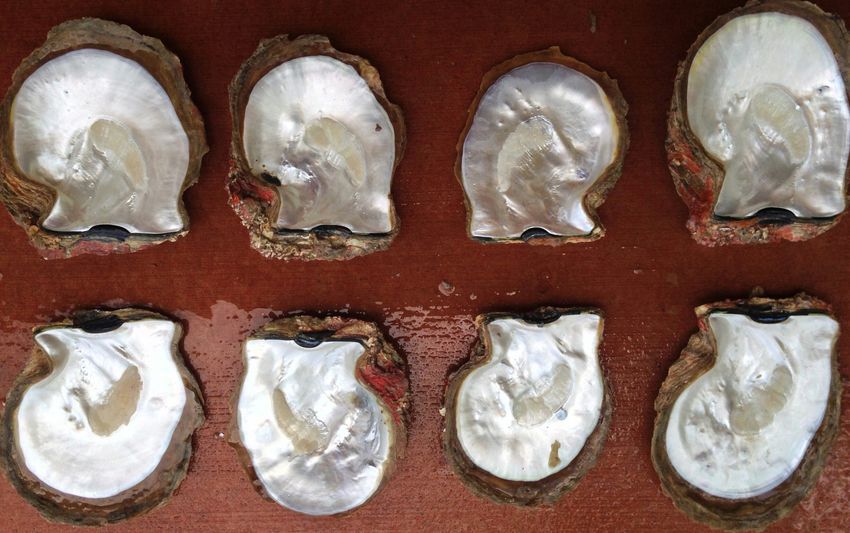
THE COMMON DENOMINATOR, TERM 2 2021

OAM: PETER MAHER
Jennifer Bowden

MAV congratulates Peter Maher, of
Penleigh and Essendon Grammar School
on being awarded the Order of Australia
in 2021. Peter has been a long time
supporter of MAV, and his OAM is well
deserved recognition of his dedication
to mathematics education and should be
celebrated widely.

In the Australia Day Honours 2021
Peter Maher was awarded the Order of
Australia for his contribution to education,
particularly mathematics. Since 1976,
Peter has taught at Penleigh and Essendon
Grammar School and has been the
Mathematics co-ordinator at the Boys’
Junior School Campus since 1981. Over
that time, Peter has guided the learning
of thousands of students and has led
professional development for hundreds of
teachers.

Peter is a very active member of The
Mathematical Association of Victoria,
conducting Year 5 MAV Games Days for
over a decade as well as judging the Maths
Talent Quest for many years. Penleigh and
Essendon Grammar School was one of the
first schools to be granted Maths Active
Schools status by the MAV in recognition
of its dynamic and highly successful
developmental program for both students
and teachers.

In recent years, Peter has been recognised
by the MAV for outstanding contributions
to mathematics education, and by the
Australasian Problem Solving Mathematical
Olympiad Committee for his contribution
to the teaching of problem solving.

Peter is the author of over 30 maths books
designed to improve the teaching of the        Peter has been a longstanding and active supporter of MAV. He has made a stellar contribution
subject in areas such as mental arithmetic,    to the Maths Talent Quest and MAV Games Days over many years. Penleigh and Esssendon
maths games, engaging homework tasks,          Grammar School are a MAV accredited Mathematics Active School.
problem solving and the use of calculators.

Peter’s passion for teaching mathematics
centers upon his belief in the need to
engage students through the presentation
of meaningful ‘life worthy’ activities, the
need to develop creative and original
problem solvers and the desire to
demonstrate the inherent beauty that lies
within the mathematics as a subject.

Congratulations to Peter on this well
                                                                                         THE MATHEMATICAL
deserved recognition of his service to                                                   ASSOCIATION OF VICTORIA
mathematics education.

                                                                                                      © The Mathematical Association of Victoria   3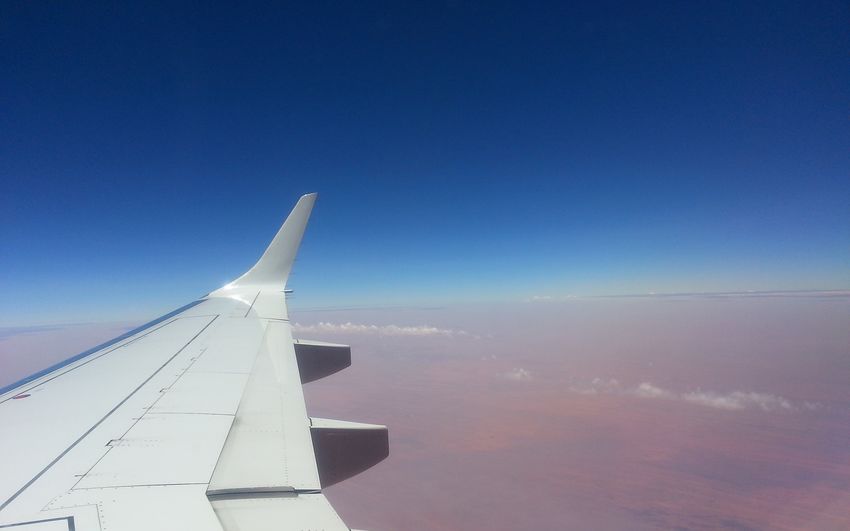
THE COMMON DENOMINATOR, TERM 2 2021

    MAV STRATEGIC PLAN
    MAV ‘s Board approved a new MAV                    outcomes in support of mathematics              that during this time members and maths
    Strategic Plan 2021 to 2023 in November            educators. This includes in teaching            educators across Victoria will be able to
    2020. The strategic plan has been                  and learning in mathematics education           access new services and opportunities,
    developed via a process of consultation and        and in support of students from various         alongside MAV’s already established
    analysis of the context in which the MAV           backgrounds from early childhood to the         programs, and that the plan will allow MAV
    operates, taking over a year of ongoing            senior secondary years.                         to stay current and at the forefront of your
    work to finalise.                                                                                  support at this important time in education.
                                                       The MAV Board is proud to launch this plan
    The four goals in the strategic plan identify      and looks forward to progress being made        If you want to find out more or have
    key areas of focus where MAV will work             over the coming three years. A summary of       questions, please contact Peter Saffin,
    to create a positive impact on educational         the plan is detailed below. It is anticipated   CEO, psaffin@mav.vic.edu.au.

     VISION                                               CONTEXT
     Valuing mathematics in society                       Education is changing, and MAV must          The mathematics curriculum needs to
                                                          lead the way in supporting mathematics       respond to these changes: from VCE and
     MISSION                                              educators to have the best impact            VCAL to the early years of school, and
     MAV provides a voice, leadership                     possible.                                    early childhood education.
     and professional support for
     mathematics education.

                                 Community engagement                                                     Collaboration
                  To provide increased value for all mathematics educators in To strategically develop and embed high profile
                  MAV’s community.                                            collaborations that support MAV in delivering products
      Objective

                                                                              and services that amplify the impact of the association’s
                                                                              work.

                  To expand MAV’s reach, grow MAV’s community of educators         To enhance benefits to educators and society by collaborating
                  through community building approaches, backed by improved        with partners aligned to MAV’s vision and mission.
    Strategic
     intent

                  and more targeted communications and engagement                  Collaboration allows MAV to expand influence and impact in
                  opportunities.                                                   delivering programs.

                  1.1 Review and strengthen the foundations required to build      2.1. Develop new and ongoing partnerships with key
                  a stronger mathematics educator community, ensuring MAV          stakeholders to provide sustainability, enhancement and
                  provides tangible and compelling value.                          expansion of MAV’s vision, programs and services.
                  1.2 Build a strong, engaged and sustainable community of         2.2 Develop deeper relationships with AAMT and affiliates
     Strategies

                  mathematics educators and evolve membership models for           to create new opportunities for the mathematics community
                  the future.                                                      in Victoria, nationally and for international events within
                  1.3 Focus on expanding MAV’s services in early childhood.        Australia.
                  1.4 Investigate opportunities for recognition of experienced     2.3. Engage with industry-related educational providers to
                  and accomplished mathematics educators.                          bridge the gap between mathematics education and the wider
                                                                                   workplace and society.

                  •   Increased membership                                   •          MAV’s voice and reputation is strengthened by expanded
                  •   Increased engagement with mathematics educator                    programs and active collaboration with key partners and
      Measures

                      community.                                                        stakeholders including:
                  •   New systems for community interaction are implemented.            AAMT and state-based affiliates, AMSI and AMT,
                  •   Approaches to membership and engagement evolving to               Industry, Universities and Principals across sectors.
                      include new models.

4    © The Mathematical Association of Victoria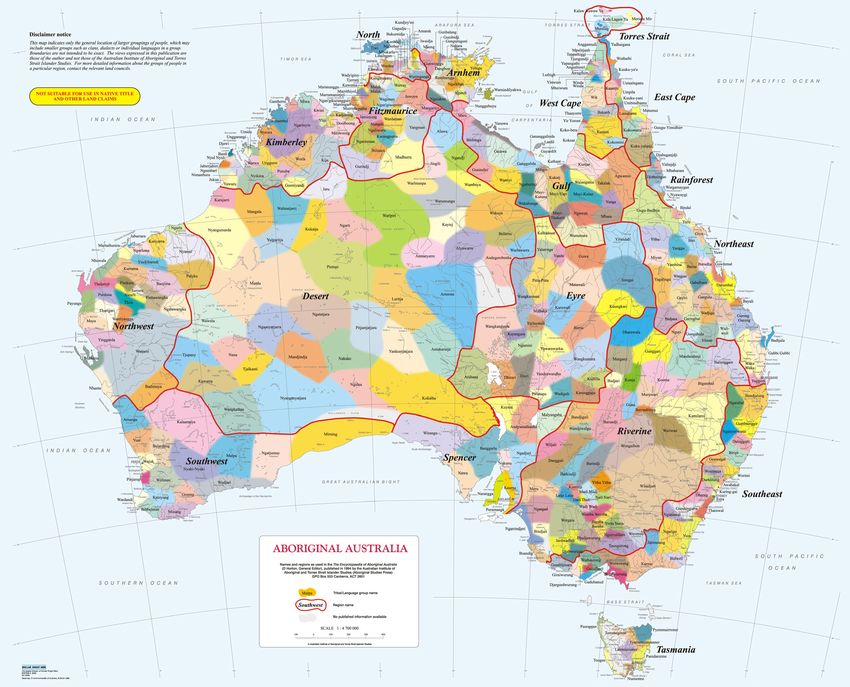
THE COMMON DENOMINATOR, TERM 2 2021

    Teachers require professional support           It is critical that students are prepared for         MAV must grow, evolve
    and resources to develop in students the        life after school, progression to further             and become a sustainable
    numeracy capabilities needed in their           study and for career pathways in a world
                                                                                                          organisation in a changing
    personal, professional and civic lives.         that is data and information rich and
                                                    technologically advanced.                             not-for-profit sector.

                                       Advocacy                                                     Operations and culture
              To strengthen MAV’s position as a key stakeholder in               To refine operations and resources to maximise efficiency,
              mathematics education through strategic advocacy and               enhance workplace culture and improve organisational
  Objective

              engagement with key stakeholders.                                  capacity.

              To ensure MAV is the prominent voice in mathematics            To maximise efficiency and prepare MAV’s skills, systems and
              education in Victoria, and nationally where appropriate. MAV’s culture for future opportunities in a changing not-for-profit
Strategic
 intent

              view must be heard and sought out on matters of importance sector.
              related to its mission and vision.

              3.1 Seek input and data from members to better represent           4.1 Align resources to strategic plan and programs to ensure
              their views and put forward a voice for educators.                 success.
              3.2 Strategically develop discussion and position papers to        4.2 Diversify MAV’s programs and services to reduce
 Strategies

              articulate and communicate MAV views to stakeholders.              dependence on face-to-face approaches.
              3.3. Actively engage with government and government                4.3 Develop values and behaviours, and use these to build and
              authorities to represent the interests of mathematics              strengthen MAV’s culture.
              educators, and seek funding for mathematics education
              initiatives on priority areas.
              3.4 Increase support to out of field teachers.

              •   Increased advocacy is evident.                                 •     Initiatives are delivered on time, to budget, and with
              •   Partners and stakeholder engagement around issues                    appropriate skilled staff and experts.
  Measures

                  increases.                                                     •     Delivery models evolve and respond to mathematics
              •   Members and educator views are accurately represented                educator needs.
                  to stakeholders.                                               •     MAV culture is strong and based on agreed values and
              •   Out of field teachers are better supported.                          behaviours.

                                                                                                           © The Mathematical Association of Victoria   5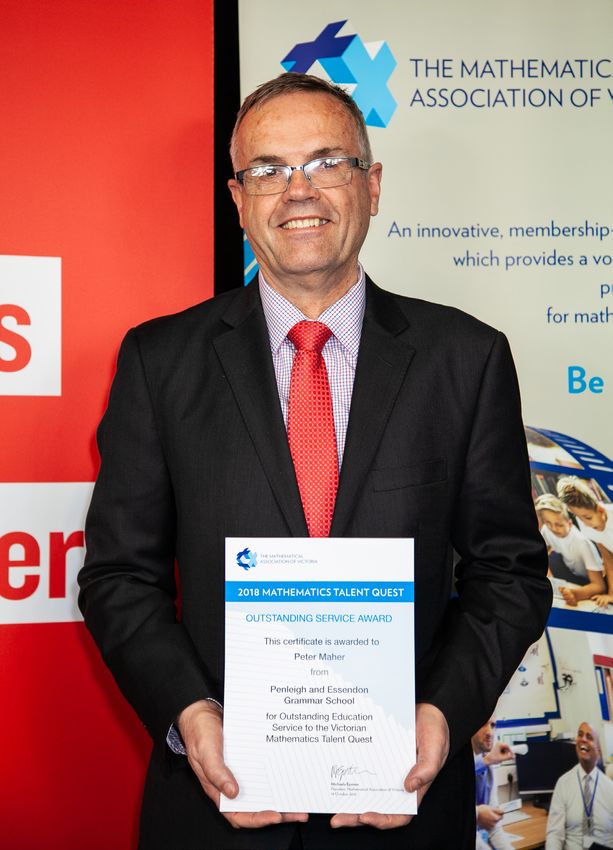
THE COMMON DENOMINATOR, TERM 2 2021

 TEACHING IN BIDYADANGA
 Daniel Steele - Assistant principal, Aldercourt Primary School                                                          CONT. FROM PAGE 1.

 Figure 1. The red landscape as we flew toward Bidyadanga.

 That first big moment of opening our                The simple answer? Making learning real,         A classic activity that came about from
 squeaky back gate, cautiously stepping over         applicable, engaging, and connected to           this was students using magnetic fishing
 two snakeskins that seemed just a bit too           their lives. We all use those buzz words         rods to try and catch fish. Before making a
 big, and strolling around the school grounds        ‘authentic’ and ‘real world’ often when          cast, they had to name the fish they were
 feels like it happened just yesterday. I can        talking about learning, but what can it really   after and how likely they were to get it.
 still vividly see the faces of the first bunch of   look like?                                       Within the learning experience we had
 kids from the community who came running                                                             younger students building and exploring
 up to suss out the new teachers.                    For us, it looked like teachers coming           the language of chance, while our older
                                                     together to share their collective knowledge     students went further, describing, writing
 No one piece of writing could cover the             of our kids, their families, and their lives.    and/or drawing successful and unsuccessful
 insights and lessons from those two life            We brainstormed and named students’ and          attempts as fractions and, where able, as
 changing years in Bidyadanga, but I’d like to       community interests, hobbies, and events:        percentages.
 share one key lesson that has shaped how            football, drumming, fishing, painting,
 I’ve taught, planned, and led mathematics           drawing, singing, camping. From there we         A more famous series of sessions involved
 learning since those days.                          started connecting these to bigger maths         Super Soakers. Yes, Super Soakers. Giving
                                                     concepts and ideas. We wanted to bring           students time to explore and test out the
 REAL WORLD LEARNING CAN BE                          learning to life through our students’ worlds    best techniques to pump and shoot out
 SIMPLE AND POWERFUL                                 and experiences.                                 the water, the kids had an epic battle to
                                                                                                      spray water the furthest. Estimating length,
 Within Bidyadanga, maintaining student              A love of fishing and tides could be used        measuring accurately, converting units,
 attendance was a critical focus. If kids            to channel deeper understandings of              comparing lengths, and sorting data ruled
 are not at school - or in our rooms but             negative and positive numbers for our older      supreme . . . amongst the laughter, smiles,
 completely disengaged - it’s hard to learn.         students. Graphing the tides, and types of       and slight chaos of learning. Plus, a cheeky
 In Bidgy, we faced a dilemma with student           fish within the waters over the course of a      water fight may have happened once or
 attendance dropping significantly each              year supported students to interpret data        twice. I cannot confirm or deny!
 Friday. This led us to ask the question, ‘How       and see a stronger purpose for collecting
 could we make school more enticing for kids         and graphing data, besides asking someone        Collaboration was critical with this work.
 on Fridays?’.                                       their favourite sport or colour.                 With teachers seeking to teach a series of

6 © The Mathematical Association of Victoria
THE COMMON DENOMINATOR, TERM 2 2021

Figure 2. Dot arrays are great, but pearl shells collected over the weekend work well too. They are also a terrific, hands-on way to explore number
facts, fact families and factors.
lessons to students spanning K – Year 7,              talk about personalised or point of need          FURTHER INFORMATION
we had to be able to tweak our ideas for              learning).
students’ needs and points of learning.                                                                 La Grange Remote Community School
Tapping into our collective knowledge of              While   content descriptors   help us             is situated in the Bidyadanga Aboriginal
both our students and the curriculum made             unpack   the various skills, knowledge  and       Community in the Kimberley region
this possible.                                        understandings    across  the three strands       on Karajarri (Gurri-jurri) country,
                                                      of mathematics, they aren’t three separate        approximately 200km south of Broome.
When we see our curriculum beyond                     checklists to run through day-in day-out.         Bidyadanga is the Karajarri language word
simply dot points to be ticked off, and               If teachers see our curriculum like this, it      for Emu. It means a place where an emu was
we remember it’s a developmental or                   can lead to us missing the authentic links        killed.
conceptual progression to support our                 across strands, other learning areas, and our
teaching and learning, we are better able             unique community of learners. Instead, let’s      The first European thought to have been
to make learning real and connected to our            focus on more immersive learning, where           seen by local Aboriginal people was the
students.                                             we combine our individual and collective          French explorer/navigator Baudin who
                                                      knowledge of our students and community,          sailed into what is now called La Grange Bay
This requires teachers to fight the                   alongside that piece of paper with the            in 1802.
temptation to always zoom in on those                 curriculum on it. When we do, the stage is
content descriptors that unpack each skill,                                                             When people from the Nyangumarta
                                                      set for some amazing opportunities and            (Nung-a-marda), Mangala (mung-a-lah),
knowledge, or understanding. It’s important           discoveries.
to zoom out to see how our students are                                                                 Juwaliny (ju-wah-li) and Yulparija (yew-l-
progressing in their proficiency of big               This was our approach in Bidyadanga.              pah  -jah) country moved from the desert
ideas – such as number patterns, additive             When we explicitly linked our students’           into  Bidyadanga, the Karajarri people
strategies, or fractions. The relatively new          lives to the curriculum, connections and          accommodated        these people into their
numeracy learning progressions can assist             relationships were strengthened. Student          country.   Community     members today still
leaders and teachers in making this shift.            engagement and attendance increased,              identify  as  being  from one or more of the
(This is also why you might have noticed              and, importantly, kids discovered and             language     groups.
states’ curricula moving from year levels             learned more - which is at the heart of this
to ‘stages’ or ‘levels’, alongside a lot more         whole teaching caper, right?

                                                                                                           © The Mathematical Association of Victoria   7
THE COMMON DENOMINATOR, TERM 2 2021

    MIDDLE YEARS MATHS CHALLENGE
    Ellen Corovic - Mathematics education consultant, The Mathematical Association of Victoria

    The Middle Years Maths Challenge                 years before the Pyramids were made an            to or about. Each community holds many
    (MYMC) is a Victorian Department of              aquaculture system to breed and trap eels         words to identify their person/culture/
    Education and Training funded project            at Budj Bim was created using just grass and      community. Therefore, Matt’s very practical
    proudly delivered by The Mathematical            stones!                                           advice was to use the terminology the
    Association of Victoria (MAV).                                                                     individual or community uses. Or if comes
                                                     In our current climate it’s easy to get           from references or written documentation,
    The purpose of MYMC is to provide                bogged down in memorising formulas and            use the same terminology in the source.
    proficiency-based student-interest               rote learning facts that we miss moments          Each individual may identify differently
    activities for inclusion in the Mathematics      where maths can be developed naturally.           therefore take the precedent that has been
    Curriculum Companion. To start the               By taking time to be curious, using informal      set. I am now more aware of the language of
    project, surveys of teachers and students        measurements and experimenting we can             Aboriginal and Torres Strait Islander identity
    were undertaken, along with data obtained        offer students genuine opportunities to           and more comfortable to use the language
    from MAV’s Maths Talent Quest to outline         work as mathematicians and develop their          appropriately.
    key areas of interest of students from Years     own tools for problem solving.                    —Ellen Corovic
    5 – 9. A great range of interests were           — Andrew Lorimer-Derham
    identified that have been linked to topics
    in the mathematics curriculum, in order          Length of history
    to ensure that the activities produced are       I really enjoyed investigating some of
                                                                                                        The MAV would love to hear how
    engaging and of high interest when used          the ongoing archaeological evidence of
                                                                                                        you are incorporating Australian and
    in the classroom. As part of this process        ancient Aboriginal and Torres Strait Islander
                                                                                                        Torres Strait Islander culture in your
    the curriculum was analysed and key              civilisations in Australia that continues to
                                                                                                        mathematics classroom. Email your
    connections to Koorie culture were also          be discovered and researched, showing
                                                                                                        story to Jen Bowden, jbowden@mav.vic.
    established. Altogether 70 activities will       their impressive and unparalleled length of
                                                                                                        edu.au.
    be trialled in classrooms, with a selection of   history.
    these tasks focused on Koorie culture.           — Mabel Chen

    MAV will trial these new tasks in Term 2. To     The journey of cloaks
    express your interest in being involved in       I learned something specific about their
    trials, please contact Peter Saffin,             culture. For example, I learned that the
     psaffin@mav.vic.edu.au to learn more.           Gunditjmara and Yorta Yorta communities
                                                     in Victoria made cloaks out of possum skins
    RECONCILIATION IN ACTION                         to keep warm, protecting them from the
                                                     rain and cold. They have been doing this for
    As part of the MYMC selected writers             thousands of years. Each person had their
    spent time with Matt Lillyst to gain deeper      own unique cloak right from birth. These
    insight into Aboriginal and Torres Strait        cloaks told the journey of the wearer. As the
    Islander culture. Matt worked closely with       person grew older, more possum pelts were
    the writers to ensure that each Koorie based     hunted and added to these cloaks. Artwork
    lesson stayed true to the cultural intent        was added to represent the individual’s
    outlined. Read about Matt’s experience on        life and community. Some possum cloaks
    page 9.                                          incorporated images of country, so these
                                                     could be read like topographic maps. They
    Here are some brief reflections and
                                                     were usually created as an aerial (bird’s eye)
    learnings from MYMC writers who
                                                     view.
    assisted in developing the Koorie focused
    mathematics tasks.                               —Judy Gregg
                                                     Language of identity
    Informal and curious
                                                     One of the first questions I wondered in the
    What I loved about working on the
                                                     beginning of the project was which words
    Indigenous Tasks was being able to take
                                                     to use to identify Aboriginal and Torres
    time to appreciate the genius of our first
                                                     Strait Islander’s as I was confused as to which
    nations people. While some Aboriginal
                                                     terms to use; Indigenous, Koorie, Koori,
    cultures may not have had formal number
                                                     Aboriginal, First Nation or Aboriginal and
    systems, the way they approached problem
                                                     Torres Strait Islander.
    solving was very mathematical. Taking time
    to observe and notice the world around           Matt provided his perspective and
    them, then building things and refining          highlighted that in Australia there are many
    them over time to solve problems. It’s           terms and they can be used interchangeably
    incredible to think that three-thousand          according to the community you are talking
8 © The Mathematical Association of Victoria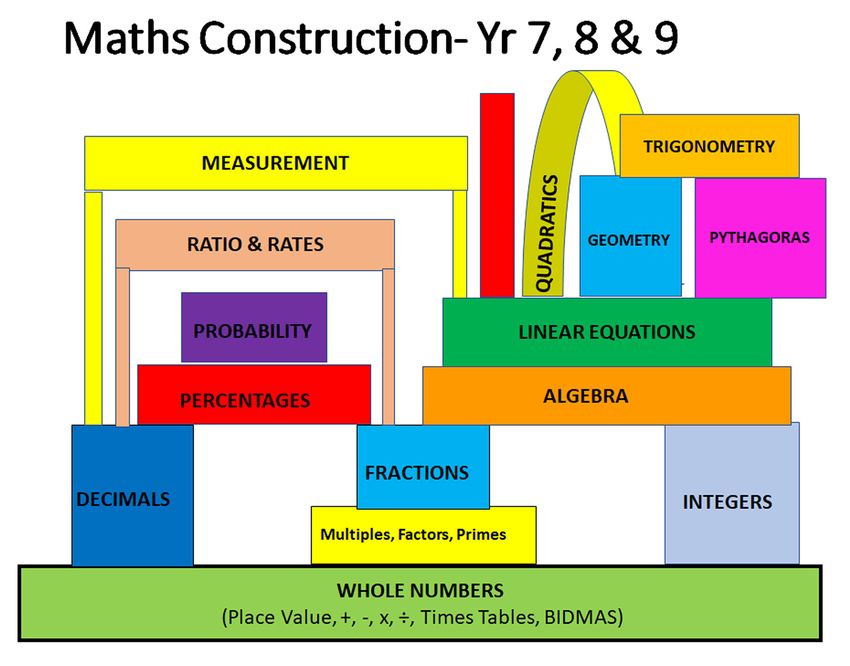
THE COMMON DENOMINATOR, TERM 2 2021

ABORIGINAL PERSPECTIVES
Mathew Lillyst - Professional practice leader Koorie literacy and numeracy, Victorian Department of Education and Training

The Aboriginal and Torres Strait Islander
histories and cultures cross-curriculum
priority is as equally exciting as it is daunting,
much like the journey towards reconciliation
in Australia. As stated by Reconciliation                                              CURRICULUM
Australia, ‘We all have a role to play when
it comes to reconciliation, and in playing
our part we collectively build relationships
and communities that value Aboriginal
and Torres Strait Islander peoples,
histories, cultures, and futures.’ Much like
reconciliation, embedding perspectives
in the classroom is not the sole work or
teachers or Aboriginal and Torres Strait
Islander communities – it is a collaborative
effort.
                                                          LOCAL
As a Gunditjmara man, I have been
                                                        KNOWLEDGE/                                                         EXISTING
privileged and fortunate to grow up
immersed in my culture. In my work as an                 RESEARCH                                                           UNITS
English teacher, the connections between
my cultural knowledge and the curriculum
came easily, even where a perspective was
not explicitly referenced in the syllabus. For
teachers who are new to or unfamiliar with           Figure 1.
the space, without this knowledge base to
draw on, it can be quite overwhelming.

In subjects such as English, the Humanities          There is a growing base of research
or the Arts, a general knowledge of                  exploring mathematics and Aboriginal
Aboriginal and Torres Strait Islander                knowledge systems, such as the work of Dr
histories and cultures is often enough for           Chris Matthews and the Aboriginal and
finding logical opportunities to embed               Torres Strait Islander Mathematics Alliance.
perspectives. For subjects such as Science           For the MYMC initiative, the lessons used
and Mathematics, the connections may                 cultural knowledge as a launching pad
seem a little obscure. However, working              for understanding abstract mathematical
collaboratively makes the problem-solving            concepts.
process exciting and authentic, as well as
                                                     For example, the Budj Bim cultural
embodying genuine reconciliation in action.
                                                     landscape was added to the UNESCO
This was very much the case for a joint              World Heritage list in 2019 for its cultural   Figure 2.
venture between the Mathematical                     significance and elaborate aquaculture
Association of Victoria and the Department           system. One aspect of the cultural aspects     The MYMC lesson used this perspective
of Education and Training. In developing             of the aquaculture system were eel traps       as a real-world context for investigating
the MYMC, there was a commitment                     (Figure 2) designed specifically to only       measurement and averages. Students
to develop a range of lessons that                   catch mature eels, allowing younger eels       were provided with a range of figures,
embedded Aboriginal perspectives. To                 to swim through so the population could        including average sizes for different eels,
begin the process, I brainstormed a list of          replenish. In Aboriginal culture, it is our    and then directed to work out the required
cultural concepts where I (in my limited             responsibility to look after Country. When     measurements for the traps. The lesson
mathematical expertise) could identify               it comes to things like food and hunting,      allowed students to meaningfully engage
potential connections to mathematics. A              you could only take what you need, at the      with an abstract mathematical idea,
group of mathematics teachers were able              right time of season. This would ensure that   while simultaneously providing a deeper
to look over the list and identify a variety         the food source, and the wider ecosystem       understanding of Aboriginal and Torres
of connections between the concepts and              affected by this food source, was looked       Strait Islander histories and cultures. For
the curriculum. These ideas were presented           after for future generations to use.           teachers beginning the journey, Figure 1
to the MAV writers who designed lessons                                                             may help navigate embedding perspectives
around these concepts.                                                                              in the curriculum. There is no right or wrong
                                                                                                    place to start, as each part of the process
                                                                                                    links back to another.
                                                                                                          © The Mathematical Association of Victoria   9
THE COMMON DENOMINATOR, TERM 2 2021

   ABORIGINAL PERSPECTIVES (CONT.)

   Figure 3. Aboriginal language map (image from https://mgnsw.org.au)

   Curriculum: Review existing curriculum           Other potential opportunities for              IMPORTANT WEBSITES TO VISIT
   descriptors that explicitly mention that         embedding perspectives in mathematics
   Aboriginal and Torres Strait Islander            include:                                       •   The Victorian Aboriginal Education
   histories and cultures. This is a logical                                                           Association Incorporated (VAEAI)
   starting point for anyone new to the space.      •   Comparing the different seasonal               website. VAEAI have a range of
                                                        calendars used by Aboriginal                   curriculum resources and Protocols
   Local knowledge/research: If you have a              communities (visit the Bureau of               documents to support you with
   thorough understanding of the curriculum,            Meteorology website)                           working with the community.
   researching the local community may                                                                 www.vaeai.org.au/documents
   provide insight into different cultural          •   Collating the archaeological data for
   concepts. These can then be aligned to a             sites such as Moyjil (Point Ritchie), or   •   The Victorian Curriculum and
   range of curriculum descriptors focusing on          midden sites in Victoria                       Assessment Authority (VCAA)
   the skill, rather than the Aboriginal concept.                                                      website. The VCAA developed
                                                    •   Researching the astronomy of cultural          presentations to support teachers with
   Existing units: Once you have developed              sites such as Wurdi Youang                     embedding Aboriginal perspectives
   a richer understanding of Aboriginal and                                                            across different domains.
                                                    •   Exploring the shapes and dimensions
   Torres Strait Islander perspectives, review                                                         https://victoriancurriculum.vcaa.vic.
                                                        of traditional tools/weapons
   existing course plans and outlines to                                                               edu.au
   identify opportunities to showcase those         •   Investigating the work and inventions
   perspectives.                                        of Aboriginal inventor David Unaipon.

10 © The Mathematical Association of Victoria
THE COMMON DENOMINATOR, TERM 2 2021
• The Aboriginal and Torres Strait the groups of Aboriginal communities in Strait Islander histories and cultures to learn
Islander Mathematics Alliance Victoria, while other regions use different directly from the local community. Inviting
(ATSIMA) website. ATSIMA facilitate collective terms. Ultimately, a conversation guest speakers, or organising excursions to
professional learning opportunities to with the community you’re working with will local cultural tours are meaningful learning
understand mathematics in Aboriginal help you navigate what is appropriate for opportunities. The community may not
knowledge systems, as well as working that area. be available to visit the school, in which
to improve outcomes for students. case there are several resources available
https://atsimanational.ning.com/about To the credit of the writers, their willingness online that provide some insight into the
to be vulnerable and ask potentially 500+ Aboriginal and Torres Strait Islander
From the beginning of the project, it embarrassing questions allowed us to have communities across Australia. Resources
was crucial to create a space for two-way honest and frank discussions. Although where the local community is sharing the
learning between myself and the writers. this may have been challenging, the cultural knowledge themselves are more
There are many complexities when it comes open and safe space allowed the two- powerful and authentic.
to things such as respectful terminology and way conversation to develop a shared
cultural appropriation, which often cannot understanding based on mutual respect A huge thank you to Kerryn Sandford and
be solved in a quick conversation. The and empathy. The process was very much a Kelli Dodman for championing the idea
writers were very kind, open and generous practical example of reconciliation – where to embed Aboriginal perspectives in the
throughout the process, which allowed us to the two cultures came together to learn MYMC. Thank you to MAV for being
have ongoing conversations where we could from each other, listen openly to each other, incredibly supportive in endorsing the
collaboratively navigate these complexities. and work together to find a way forward. project and allowing it to happen. Finally, a
very special thank you to the writers! Their
For example, one of our initial conversations To the general teaching population, the humility and respect allowed us to generate
focused on appropriate terminology, cultural concepts such as the eel traps some amazing mathematics lessons for
which is a complex discussion because mentioned above may not be common students. As an Aboriginal man, I am
of the diversity of the communities. First knowledge, mainly because these learning confident that reconciliation will become
Nations or Indigenous are collective terms opportunities were not available to teachers an easier process if we continue to share
to refer to both Aboriginal and Torres Strait through their schooling. our stories and experiences – learning from
Islander peoples, but they are not universally each other to enrich the learning experience
accepted across Australia. The term The richest way to develop a deeper
for students.
Koorie/Koori is used to collectively refer to understanding of Aboriginal and Torres
UPCOMING MAV EVENTS
For more information and to reserve your place at any of the events below, visit www.mav.vic.edu.au.
EVENT DAT E YEARS PRESENTER
MAV AGM 25/5/21 All Guest speaker:
Melbourne Associate Professor Stephen Davis
‘The Big Ideas’ to support learning intervention: tips for tutors and 30/6/21- F-6 Dr Paul Swan, Angela Rogers and
teachers 27/7/21 Dr Catherine Pearn
Virtual
What’s the glue that binds our mathematics curriculum together? 12/7/21 F-12 Various, including Dr Paul Swan,
Proficiencies, dispositions, content Wangaratta Andrew Lorimer-Derham and
Helen Haralambous
Building articulate mathematical thinkers with the proficiencies. 23/7/21 F-12 Various, including Dr Sharyn Livy,
Horsham Ellen Corovic and Thomas Moore
MAV Primary and early childhood conference: day for leaders 10/6/21 EY-6 Various
Virtual
MAV Primary and early childhood conference: day for teachers 11/6/21 EY-6 Various
Virtual
MAV Annual conference 2/12/21 and EY - VCE Various
3/12/21
© The Mathematical Association of Victoria 11THE COMMON DENOMINATOR, TERM 2 2021
STIMULATING THINKING
Jennifer Bowden – Education consultant, Mathematical Association of Victoria
A picture sparks 1000 maths concepts! Use this picture as a prompt to stimulate thinking. If you have other ideas for investigations or
lessons that could stem from the ideas here, add them to the conversation on our social channels. You can find us on Facebook,
@mathematicalassociationofvictoria and on Twitter, @mav_info.
FOUNDATION - YEAR 2 YEARS 3 AND 4 YEARS 5 AND BEYOND
• Estimate how many blocks are in this • There are two types of triangles in the • Most angles in the picture are right
picture. Without counting, share a picture. What are their specific names? angles, what other angles can you
strategy you could use to check your identify? Describe and measure them
estimate. • Explain how the two types of triangles with a protractor.
are similar and different. You may like
• Name at least four different 2D shapes to use a T-chart or Venn Diagram. • Choose one of the block faces in the
you can see in the picture. image. The block can make at least two
• In this picture you can only see one face different 3D shapes (for example a
• There are 6 different colours/shades of the block. Draw and name at least 2D equilateral triangle can be the face
in the picture. Classify the blocks by 5 of the 3D shapes to show all of their of a triangular prism and a triangular
colour? Display this representation on faces. pyramid). Name the two different 3D
a graph? shapes it could be and then draw the
• What fraction of the total image of
nets for each shape.
• The centre circle is made up of two shapes has not been painted and shows
hemispheres, one is yellow one is white. a wooden face? How can you prove • Create a pentagon using some the
Find a square that is made up of two this? 2D shapes in the picture. What other
other shapes. polygons can you create by combining
• Classify the shapes as regular or
the shapes in the picture.
• What other quadrilateral is made up irregular polygons. Draw an addition
of two other shapes? Name all of the three regular and irregular polygons • The pink square is half of the yellow
shapes? that are not in the image. rectangle. What fraction is the red
rectangle of the white rectangle?
• Who am I? Choose a 2D shape in • Estimate how many right angles are in
How can you prove this? What other
the picture. Describe it’s features to this picture. Without counting, share a
relationships between the 2D shapes
a classmate without mentioning its strategy you could use to check your
can be described using fractions?
colour or name. estimate.
• What is the formula for the area of a
• Choose one of the 2D shapes in the • Who am I? Choose a 2D shape in the
rectangle? If the longest side of the
picture and identify some objects in the picture and imagine what it may be
yellow rectangle is 5 cm what could its
real world that represent this shape. as a 3D block. Describe the features
area be?
of the block to a classmate without
• The shapes create an image like a mentioning its colour or name. • What is the formula for the volume of
jigsaw. Using 2D shapes can you draw
a rectangle? If the longest side of the
a similar picture that fits perfectly into a • Choose one of the 2D shapes in the
yellow rectangle is 5 cm what could its
large square. picture and imagine it as part of a 3D
volume be?
shape, identify some objects in the real
• Play a game of I Shape Spy with a family world that represent the 3D shape. • What could the area and volume of the
member without describe the shape
unpainted rectangle with a semicircle
you want but where the shape. For • Brainstorm twenty mathematical words
removed be? Write a formula for both
example, ‘I spy a shape that is above an that relate to the image. Share your
are area and the volume.
arch, next to a triangle, to the left of a brainstorm with your friends. Which
long rectangle and below a square’. words did you have in common? • Brainstorm twenty mathematical words
that relate to the image. Create a Venn
• Brainstorm twelve mathematical words
diagram with a friend that displays the
that relate to the image. Share your
vocabulary you have chosen.
brainstorm with your friends. Which
words did you have in common?
12 © The Mathematical Association of VictoriaTHE COMMON DENOMINATOR, TERM 2 2021
© The Mathematical Association of Victoria 13THE COMMON DENOMINATOR, TERM 2 2021
NOBLE PARK IS MATHS ACTIVE
Melissa Fraser - Maths learning specialist , Noble Park Secondary College
Noble Park Secondary College is a co-
educational school with 450 students. The
diverse community includes international
students, refugees and approximately 80%
of students with a language other than
English. In 2020, despite COVID-19,
the maths faculty enthusiastically set TIER 3
about gaining MAV accreditation as a
Mathematics Active School.
Noble Park Secondary College (NPSC)
aims to cater for all learners, challenge
high achievers and extend those that need
support. The school recently introduced the TIER 2
Galileo Program which enables students to
explore mathematical concepts in greater
depth and emphasises investigative and
problem solving skills. Students participate
in activities such as robotics in collaboration
with CS in Schools, a free, industry-
supported digital technology program
TIER 1
in conjunction with RMIT University
to integrate digital technology into the
curriculum to enable students to learn to TIER 3 Students lag behind their peers by one or more years, demonstrate very
code. weak progress on screening measures, and require intensive intervention.
NPSC delivers a comprehensive Numeracy
TIER 2 Students lag well behind their peers demonstrate weak progress on
Intervention Program providing intensive
screening measures, and require some form of intervention.
support to students identified as below
standard. The intervention program was
TIER 1 Students learn at roughly grade level or above, and are least likely to fall
developed by the maths team within
behind or need intervention.
an enquiry framework – to explore the
underlying reasons for poor achievement
in mathematics and develop strategies Figure 1.
to improve student outcomes. A
support model based on the Response to
Intervention (RTI) Model was developed
(see Figure 1). This involves support being
provided via a three-tier model where
students in Tier 1 (at or above the expected
level) are supported through teacher
differentiation, those in Tier 2 (below
expected level) are supported in class and
in small groups by a numeracy specialist
teacher and students in Tier 3 (significantly
below the expected level) are assisted by
the intervention specialist teacher both in
and out of class.
IDENTIFICATION OF STUDENTS
AND THEIR LEARNING NEEDS
Resources such as Key Maths, On Demand
testing, NAPLAN and PAT testing are
used to determine where students have
misunderstanding of mathematical
concepts and programs are designed to
target these areas.
Figure 2.
14 © The Mathematical Association of VictoriaTHE COMMON DENOMINATOR, TERM 2 2021
Students are provided with individual
work plans which often involve developing
number sense, understanding of place value
and multiplicative thinking. Determining the
student’s point of need (no matter the level
of the starting point) and working from this
helps the student build the mathematical
foundations required for further progress.
Students often work one-on-one with the
intervention teacher in the tailor made
program and staff have found working
with students in frequent, focused short
sessions very effective. Student progress
is monitored regularly and the program is
adjusted according to their learning needs
so that each student moves at their own
pace. This sense of achievement helps to
maintain enthusiasm and commitment
to the program. NPSC has developed an
interactive maths website with customised
videos which students can access to practise
and reinforce their number skills.
Figure 3.
Figure 2 was developed by Noble Park
Secondary College and identifies the TARGET NUMBER GAME This certainly started some great
foundational concepts required to build mathematics conversations!
Throughout the year all students are
further learning.
encouraged to participate in various maths Noble Park Secondary College has a
OUTCOMES challenges such as the Target Number passionate maths team whose enthusiastic
Game to promote mental maths skills. approach motivates students and engages
Feedback from students involved in the Students have to use the numbers provided them in the learning process. Our results
Numeracy Intervention Program show and the four standard operations to show significant growth in the percentage of
that they feel empowered following their generate the specified target number. students in Tier 1 over a year. This positive
involvement in the program: change occurred through collaboration
FAMILY MATHS CHALLENGE between teachers and the intervention
‘I like how we have a quick revision at the
The maths team connected with the team. We look forward to continuing the
beginning of each session’, ‘there are games
school community during remote maths conversations to engage students
involved and they teach techniques for each
learning and with the introduction of the both in and out of the classroom and
topic’, ‘ I’m more confident because there’s no
Family Maths Challenge. A problem was improve student outcomes further.
pressure and you feel that you can do it’.
presented each fortnight and students
When asked the question, ‘do you think you were encouraged to work with members
have improved in maths?’, a Year 7 student of their household to produce a solution. Noble Park Secondary College is
responded with this great feedback: The problems varied from designing a fair a Mathematics Active School. To
method for deciding the overall winner learn more about Maths Active
of a heptathlon, constructing a boat from Accreditation, visit www.mav.vic.
household items (according to given edu.au/Membership/Maths-Active-
specifications) and investigating the weight Schools.
the boat could support before capsizing The website outlines the process of
to surveying members of their households accreditation and shares criteria about
to gain responses to statements such as: what a Maths Active School looks like
100 is big, infinity is really big, people who are and attributes of maths active teachers,
100 hit their heads on the ceiling. students and the community.
The latest NAPLAN data shows the growth
achieved (see Figure 3).
THE MATHEMATICAL
ASSOCIATION OF VICTORIA
© The Mathematical Association of Victoria 15THE COMMON DENOMINATOR, TERM 2 2021
VCE SACS: LINEAR GRAPHS
Andrew Stewart
The good aspect of SACs is that there is proposed union requests for pay rises (desk
not only more time available to test student staff wanting more than cleaners, cleaners
understanding of key topics, but also time wanting more than desk staff or staying at
to explore activities that are not included current rates where both are paid the same
in examinations due to time constraints. wage).
These activities are presented as written
for the Trial Exam, but with a little careful
modification, could form the basis of
challenging tasks.
LINEAR PROGRAMMING
In most examinations, the linear
programming graph is provided with
the feasible region indicated. Given that
Figure 2.
student abilities in drawing graphs need
improving, why not combine them in a SAC
task?
Modified from 2016, Exam 2 Question 4
The motel on the island tropical resort that Figure 1.
Amy stays at have worked out the ideal
Notes
conditions for the motel to operate based
on the numbers of cleaning staff (x) and 1. The situation where both cleaners and
desk staff (y) working at the motel. These desk staff earn the same hourly wage (for
can be described by the four constraint example, C = 10x + 10y) means that the
inequations shown below: objective function has the same gradient as
the two negatively sloped lines (– 1).
Minimum cost would be any point on the
line x + y = 30 between x = 20 and x = 24. Figure 3.
Maximum cost would be any point on the
This activity offers great potential in a
line x + y = 60 between x = 40 and x = 48.
number of areas. Changing the constraints
In both these situations, students would offers a great opportunity to reshape the
have to supply a number of whole number feasible region to make it smaller or larger.
values for the numbers of staff required that Changing the limits on the smallest and
Activities greatest number of staff, together with
lie within the feasible region.
1. Construct the graph based on these changing the ratio limits on the number of
2. In a situation where the desk staff staff will make this happen. Using a mail
constraints.
are paid more than the cleaning staff, the merge document, each student could have
2. Identify the feasible region by shading gradient of the objective function will their own unique situation to explore and
the appropriate region on their graph. lie between –1 and 0. This means that resolve.
the minimum cost situation will occur at
3. Identify and label the coordinates of (20,10) and the maximum cost will occur at GRAPHING AND BREAK-EVEN
the corner points. (48,12). The green graphs shown in Figure ANALYSIS
2 use C = 5x + 10y and in this case have a
The completed graph with feasible region 2016, Exam 2 Question 2
gradient of –1/2.
shaded, is given (Figure 1). The corner
points are: Amy plans to stay in a motel in Noumea
3. In a situation where the desk staff are
that charges Australian dollars for her
paid less than the cleaning staff, the gradient
(20, 10), (40, 20), (48, 12), (24, 6). accommodation. The motel charges a
of the objective function will be less than –1.
cheaper rate per day when customers stay
4. Determine the solution to either (or This means that the minimum cost situation
after a certain number of days. A graph
both) a minimum cost (most likely business will occur at (24,6) and the maximum
showing the cost to stay at this motel over
situation) or maximum cost (coping cost will occur at (40,20). The red graphs
a period of days is given (Figure 4). It is
with a crisis) with appropriate objective shown (Figure 3) use C = 10x + 5y and in
plotted as a series of points because only
function(s). These could be framed in terms this case have a gradient of –2.
whole days are charged:
of management looking at the costs of
16 © The Mathematical Association of VictoriaTHE COMMON DENOMINATOR, TERM 2 2021
The points can be joined using two straight
lines that would have the relationship
between cost ($C) and number of days (n):
Activities
1. Determine the values of a, b and d,
showing all working.
2. Another motel that Amy considers for
her holiday charges an upfront cost of
$1500, but then only charges $30 per
day for stays up to 20 days long. The
equation that models this relationship
is C = 30n + 1500, 0 ≤ n ≤ 20. Add the
line for this equation to the graph in Figure 4.
Figure 4.
3. How long would Amy need to stay for
the price to be cheaper at the second
motel?
Answers
1. a = 10, b = 700, d = 80
2. See Figure 5.
3. Break-even (same cost) is 16 days, so it
cheaper at 17 or more days.
This activity offers great potential in a
number of areas. A new set of values for a, b
and d would change the starting graph, and
students could then explore, within given
limits of the upfront cost and daily charge
for the second motel, where the breakeven
situation occurs.
As an alternative, ask students to find an Figure 5.
upfront cost and daily charge that would
lead to a particular breakeven point.
There could be a fractional answer for the MAV produces VCE Trial Exams which
breakeven situation, requiring rounding you can find online at:
decisions to be made. The setting could www.mav.vic.edu.au/mav-shop
be relocated to an Australian resort town
(rural Victoria or Gold Coast or Kimberleys
for example), or some upmarket hotels in a
state capital city!
Again,using a mail merge document,
each student could have their own unique
situation to explore and resolve.
© The Mathematical Association of Victoria 17THE COMMON DENOMINATOR, TERM 2 2021
ONE MINUTE WITH DIANNE SIEMON
I'M.. with colleagues in a shared physical place AN EFFECTIVE EDUCATOR CAN...
where unplanned, incidental, but often
Dianne Siemon, an Emeritus Professor of serendipitous conversations can lead to Make a really important difference to young
Mathematics Education at RMIT University. a breakthrough or a new way of thinking people’s lives – by building trusting, caring
I’ve technically retired, but continue about something that you couldn’t possibly relationships and being passionate about
to pursue my research interests in the have imagined and certainly not achieved in their subject area. An effective educator
development of multiplicative thinking and a planned ‘zoom’. can help students realise the seemingly
mathematical reasoning. I enjoy supporting impossible and bring about lasting changes
PhD students and providing professional MY HOPES FOR 2021 ARE... in their beliefs about themselves and what
learning sessions on the big ideas in number they can achieve.
Apart from global action on climate change
and the use of formative assessment.
and a world free of wars, pandemics and MATHEMATICS EDUCATION IS
BEST PLACE I'VE EVER BEEN... other catastrophes, I hope teachers, schools, DEAR TO ME BECAUSE...
and educational systems can take some
For sheer ‘out of this world wonder’, it would time to take stock of what is really important Mathematics helps us understand the
be Yellowstone National Park in the depth in education – building and sustaining world around us, it is a way of knowing
of winter. For a deep sense of connection meaningful relationships that engender a that empowers our lives and creates
with people, place and culture, it would be love of learning and a sense of purpose. I opportunities. It is both beautiful and
Elcho Island in the Northern Territory. would like to see an imaginative, evidenced- challenging and there is always more work
based mathematics curriculum emerge to be done to understand how we come to
2020 TAUGHT ME... learn mathematics and how the teaching
from the current review that is aimed more
at building connections and understanding and learning of mathematics can be
To be patient – we can find ways to make
than isolated skill sets that have little improved to maximise access for all.
virtual learning viable, engage meaningfully
with colleagues, and ‘carry on’ with a relevance to the real world. I would like
ACADEMIA...
little more kindness and consideration of to see less summative assessment and a
others. However, 2020 has also made greatly enhanced public recognition of the Enables me to do what I love doing –
me appreciate something I realise I took incredible work that teachers do. teach, explore, research and write about
for granted and it is the value of working mathematics education, meet and work with
18 © The Mathematical Association of VictoriaTHE COMMON DENOMINATOR, TERM 2 2021
a diverse range of colleagues, visit schools, beliefs about mathematics and the teaching TEACHERS HAVE THE POWER TO...
work with teachers and educational systems, and learning of mathematics, and never
and contribute in a small way to making a giving up on trying to find ways to ensure Make students’ lives utterly miserable
difference in how mathematics is taught meaningful mathematics learning for all. or richly empowering and everything
and learnt. It has also enabled me to travel in-between. How we relate to students,
to interesting parts of the world, to get to I GET JOY FROM... the relationships we build and nurture, the
know and talk to the ‘heroes’ in our field, passion and care with which we go about
Witnessing those ‘ah-ah’ moments when
deepen my own knowledge and question our work all make a difference to students’
something makes sense to someone for the
my assumptions. experiences of learning mathematics.
first time, the pleasure someone else derives
THE SIMPLEST BUT MOST from learning mathematics or solving a THE BIGGEST CHANGE I'D LIKE TO
EFFECTIVE PIECE OF TEACHING challenging problem that they thought SEE IN EDUCATION IS...
WISDOM IS... they couldn’t do it, and the excitement of
teachers who have made a real difference to Whatever it takes to reduce inequity, racism,
There is no such thing as ‘best practice’, student outcomes. I also get joy from seeing and whatever else prevents students from
there is only what we know about effective family and friends, entertaining, beautiful achieving their very best for themselves and
practice in a given context at a particular scenery, an outstanding play, and of course those around them. A good first step would
time, but there is something we can learn fine wine. be a courageous, visionary mathematics
from being a reflective practitioner. This curriculum taught by qualified and well
means always asking questions, accepting I'D NEVER LEAVE HOME WITHOUT... supported teachers.
there are things we don’t know and doing I generally leave home with a sense of
something about that, reading, researching, optimism and anticipation for whatever it
experimenting, engaging with student’s is I’m about to do. Whether it’s to provide Who would you like to see profiled in
thinking, talking to colleagues, sharing a professional learning workshop, meet Common Denominator? Email
successes and failures and exploring the suggestions to office@mav.vic.edu.au.
people, play golf, or do the shopping.
reasons why, interrogating our deeply held
While you’re invested in others,
we’re invested in you.
1.99% 3.10%
3 year fixed rate1 Comparison Rate2
Per annum. Owner Occ.
LVR 80% or less.
Find out more
bankfirst.com.au
1300 654 822
Interest rate effective 5 January 2021. Interest is calculated
daily. Check website for current rates. 1. Credit criteria applies.
Minimum loan amount $50,000 and only available to owner
occupied loans with LVR 80% or less. Premier Package annual
fee of $390 applies. 2.Comparison rate calculated on a secured
loan amount of $150,000 for a term of 25 years. WARNING:
This comparison rate is true only for the example given and may
not include all fees and charges. Different terms, fees and other
loan amounts might result in a different comparison rate. Fees &
charges apply. T&Cs available upon request. Victoria Teachers
Limited. ABN 44 087 651 769. AFSL/Australian Credit Licence
Number 240 960.
© The Mathematical Association of Victoria 19You can also read


