Textiles - A Circular Life - October 5-8, 2015 Mumbai, India
←
→
Page content transcription
If your browser does not render page correctly, please read the page content below
Textiles - A Circular Life
    October 5-8, 2015 ~ Mumbai, India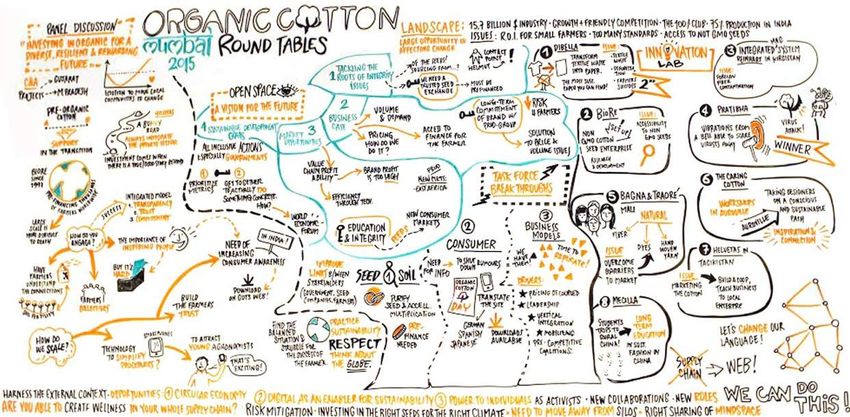
2025design                             Chetana Society                        Forest Stewardship Council®       Institute                             ROLPDAWEL GLOBAL NETWORKS
2030 Water Resources Group / IFC       Chetna Organic                         Forum for the Future              Mahima Purespun                       LTD
3I PUBLISHING PVT. LTD. - PRESS        Chetna Organic Agriculture Producer    Fusion Clothing Company           MANDALA APPARELS PVT LTD              SafeCity
Action for Social Advancement          Co                                     Get Changed!                      Mantis World                          Seed to Self
Action for Social Advancement (ASA)    China Water Risk                       Girdhar Enterprises               Marks and Spencer                     Self Reliant Initiatives through Joint
adidas Group                           Columbia Sportswear Company            GIST Advisory                     Mecilla Limited                       Action (SRIJAN)
adidas Technical Services (P) Ltd.     Control Union                          Global Organic Textile Standard   MODEBRANDS                            SIGHTMODE Ltd.
Aditya Birla Management Corpora-       Control Union Bangladesh               (GOTS)                            MQ Retail AB                          SKUNKFUNK
tion                                   Control Union Certifications           G-Star RAW                        Mr. Price Group                       Society of Dyers and Colourists
Adiv Pure Nature Products Pvt Ltd      Control Union India                    H&M                               Mr. Price Group                       Solidaridad
Adiv Pure Natureproduct                CottonConnect                          H&M Conscious Foundation          Neutral.com                           Sourcing Sustainably
Aga Khan Foundation                    CottonConnect South Asia               H&M Hennes & Mauritz              New Balance Athletic Shoe             SPECTRUM INTERNATIONAL PVT.
Aga Khan Rural Support Programme       Coyuchi, Inc.                          HELVETAS                          NewForesight                          LTD.
(India)                                CSR Consultancy Ltd.                   Helvetas Fairtrade                NIFT GANDHINAGAR                      Sree Santhosh Garments
Agrocel Industries Limited             DAILY COTTON MARKET REPORT             HELVETAS Swiss Intercooperation   Nike, Inc.                            Srijan
AGROCEL INDUSTRIES LTD.                Dibella India/PSP India                Hemp Fortex Industries Ltd.       NimkarTek Technical Services Pvt.     STAC Enterprise Pvt Ltd
Alliance for Bangladesh Worker         DuPont                                 HERD Foundation                   Ltd.                                  Stanley & Stella SA
Safety                                 DyStar India Private Limited           Hilaturas Ferre/Recover           No Nasties                            Stichting Bangladesh Accord Foun-
Anandi Enterprises                     EASTERN WARMTH INC                     Himalayan Wild Fibers             Noble EcoTech                         dation
Anubha Industries                      EastmanExports                         Hohenstein India                  Novozymes South Asia Pvt. Ltd.        Strength&Wellness
Appachi Eco-Logic                      ECODIS                                 Hohenstein Institute              Om Organic Cotton Private Limited     Suminter India Organics Limited
Apparel Resources                      EcoFarms India Ltd                     Hohenstein Institute America      OMAX Cotspin                          SUSTA INABLE SPINNING AND
Archroma India Pvt Limited             Ecosophia                              Horus Socc                        OneCert International                 COMMODITIES PVT LTD
Armstrong Spinning Mills (P) Ltd.,     Egedeniz Textile                       ICEA                              OrganiMark                            Sustainability Zara.com
Arvind                                 EILEEN FISHER                          Indian Inc                        Orimpex Textile                       Sustainable Apparel Coalition
Arvind Limited                         Entrepreneour                          Inditex                           Otto Group                            Sustainable Textiles Solutions,
Arvind Ltd                             Ernst & Young                          INTERNATIONAL TEXTILE MARKET      Outerknown                            DyStar
Asmara Apparels India                  Esquel Enterprises Limited             Ishika Exports                    Oysho                                 Swasti
Association pour la Transformation     Esquel Group                           ITOCHU CORPORATION                PACT Apparel                          Target
du Coton                               Ethical Fashion Forum & SOURCE         Jaydurga Ginning Mills            Pants to Poverty                      Tchibo
Aura Herbal Textiles Ltd               Platform                               Jockey Far East Limited           Patagonia                             Tchibo GmbH
Azureland Organic Co., Ltd.            European Union                         Jockey International, Inc.        Pearl Academy                         Terramor Organic Home
Better Cotton Initiative               Fabrikology                            Joy of Life                       Polygenta Technologies Ltd            TERSUS Solutions
beyond textiles Pvt. Ltd.              Fair Trade Certified                   Kering                            prAna                                 Textile Exchange
Bio Farmer Agriculture Commodity       Faircert Certification services Pvt.   KnowledgecottonApparel            Pratibha Syntex Ltd.                  The Rajlakshmi Cotton Mills (P) Ltd
Service Cooperative                    Ltd.                                   Kowa                              Pratima Agro & Paper Pvt Ltd          thinkstep India (PE International)
BIOCOTON                               Fairtrace SA                           Kowa India pvt Ltd                Prolana GmbH                          Timberland
bioRe Foundation                       Fairtrade Foundation                   kurkku                            PSP India                             Times/Mytravelfootprints
bioRe India                            Fairtrade India                        KUYICHI                           Puma Sports India                     Tissa Sahel S A R L
BioSustain Tanzania limited            Fairtrade International                Lenzing AG                        Pye Shirts                            Tommy Hilfiger Europe
biov8tion                              Far Eastern New Century                Lenzing Fibers                    RARE                                  Trucost Plc
Birla Cellulose - Aditya Birla Group   Fashion Institute of Technology        Loomstate                         RECYCTEX CO.                          Under the Canopy | Portico
Bloom Biotech                          Fast Forward Trending                  Luminous Energy Ltd               Reliance Industries Ltd               USAgain
BSR                                    Fibre2Fashion                          MADE-BY                           Remei AG                              Utrecht University
Burberry                               Filippa K                              Madura Fashion & Lifestyle        Research Institute of Organic Agri-   VF Corporation
C&A                                    Fjällräven                             MADURA GARMENTS                   culture FiBL                          VF Sourcing India
C&A Europe                             FLOCERT                                Maharudra Agriculture Research    RIGVEDA greater kailash               Virent
C&A Foundation                                                                                                                                        Welspun Global Brands Limited
C&A Sourcing International                                                                                                                            Woolworths

                                                 Attending Companies
Cambridge University                                                                                                                                  World Wildlife Fund
Carhartt                                                                                                                                              World Wildlife Fund India
Catholic Relief Services - USCCB                                                                                                                      Xinjiang Esquel Textile Co., Ltd
ChainPoint                                                                                                                                            Yandex
Attending Companies ...........................................................................................................................              2

Plenaries:
  The Big Picture/Future Cast ................................................................................................................                4
  China and India - Big Solutions, Progressive Ideas in the Largest Global Textile Markets ...........                                                        7
  Leading Through Action .....................................................................................................................               10
  A Good Hard Look at the Industry ....................................................................................................                      11
  The Environment, Climate and Agriculture ......................................................................................                            14
  Textiles – A Circular Life .......................................................................................................................         17

Breakout Sessions:
  Integrity 101 ..........................................................................................................................................    5
  Cotton 2040 ..........................................................................................................................................      5
  Harnessing the Power of Data to Sustain Growth ............................................................................                                 6
  How Constraints Drive Innovation ......................................................................................................                     6
  Animal Welfare .....................................................................................................................................        8
  Cellulosic Materials ..............................................................................................................................         8
  Speed Dating .......................................................................................................................................        9
  Government Regulations ....................................................................................................................                 9
  RPET In-depth Part I ..............................................................................................................................        12
  Synthetic Biobased Materials .............................................................................................................                 12
  Supply Chain Mapping .......................................................................................................................               13
  Preferred Color and Trend ..................................................................................................................
  Social Integrity Session .........................................................................................................................
                                                                                                                                                             13
                                                                                                                                                             15
                                                                                                                                                                  Table of Contents
  RPET In-depth Part II .............................................................................................................................        15
  Strengthening Integrity in India ..........................................................................................................                16
  Waste as Raw Material .......................................................................................................................              16

Organic Cotton Round Table ................................................................................................................                  18
Fashion Show ...........................................................................................................................................     19
Flavours of India ......................................................................................................................................     20
Our Speakers ...........................................................................................................................................     22
2015 Conference Sponsors ....................................................................................................................                24
Additional Information ............................................................................................................................          27
Plenary: The Big Picture/Future Cast
      Speaker: Pavan Sukhdev, Founder-CEO, GIST Advisory Private Ltd.

4•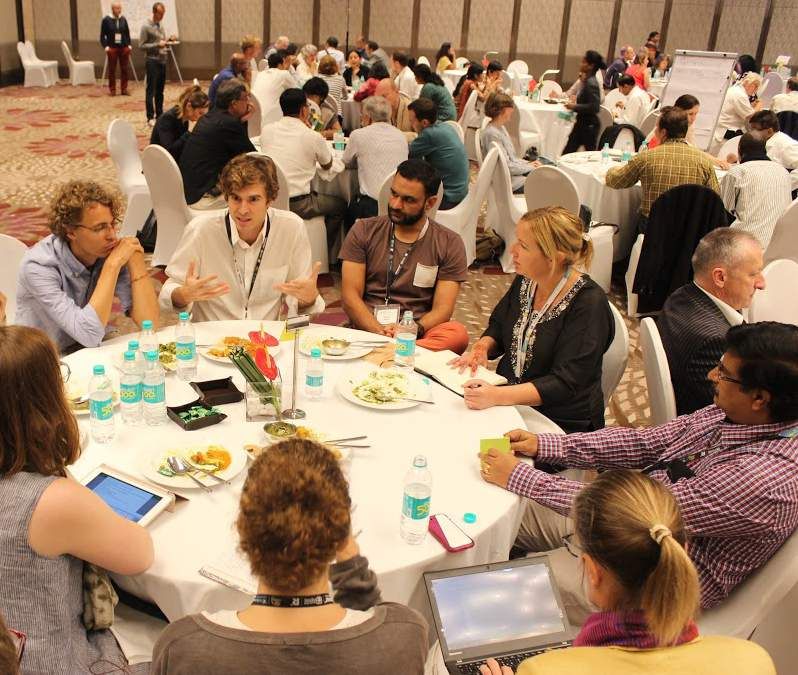
Integrity 101                                                                  Cotton 2040
     Speakers: Richard Cepeda, prAna; Sumit                                         Speakers: Charlene Collison, Forum for the
     Gupta, GOTS; Lee Tyler, Textile Exchange                                       Future; La Rhea Pepper, Textile Exchange;
                                                                                    Liesl Truscott, Textile Exchange; Sally Uren,
     Overview: The core principal of Integrity                                      Forum for the Future
     is to tell the truth. But how does one know
     what the truth is? The Integrity 101 breakout                                  Overview: Cotton 2040 took a look at the
     session answered this question through in-                                     future of cotton and discussed the need to
     depth discussion around certifications and                                     accelerate sustainable cotton. Cotton is an
     verification.                                                                  integral part of our lives, but there is a lack
                                                                                    of transparency which leads to many social,
     Verification provides:                                                         environmental and economic issues. It is
     • Real impact                                                                  estimated that sustainable cotton is only 4
     • Confidence in labeling (Labeling =                                           percent to 10 percent of the global cotton
         Making a promise to consumers)                                             market at the present time.
     • Back up for claims
     • Protects the brand                                Forum for the Future panelists identified six steps to significant change:
     • Reduces risk                                      1. Need for changes                    5. Sustain the transition
                                                         2. Diagnose the system                 6. Set the new rules of the new
     Attendees were introduced to the                    3. Create pioneering practices         mainstream
     fundamentals of certification, TE’s Standards,      4. Enable the tipping point
     the GOTS (Global Organic Textile Standard)
     as well as what it is like for a brand (prAna)      A few of the challenges plaguing the future of cotton, include:
     to work with certification on a daily basis.          • Younger generations moving to the city - leaving the family farms
     Attendees also gained hands on experience             • Ag land being converted to urban areas
     by drawing a supply chain to identify areas           • Price challenges of organic vs. conventional
     of risk to chain of custody, spotting errors in a     • Water scarcity
     fake transaction certificate, and identifying
     incorrect labeling in a GOTS exercise.                                       Four areas of collaborative action were
                                                                                  identified for creating the most change:
     To find out more about Integrity and                                         1. Building Skills
     Standards, visit: http://textileexchange.org/                                2. Building Demand
     standards-integrity.                                                         3. Building a Circular Economy for Cotton
                                                                                  4. Build a system of Transparency and
                                                                                  Traceability
     “Save the world one product
              at a time.”
       -Richard Cepeda, prAna                                                        “The future is already here...
                                                                                   it’s just not evenly distributed.”
                                                                                             -William Gibson

5•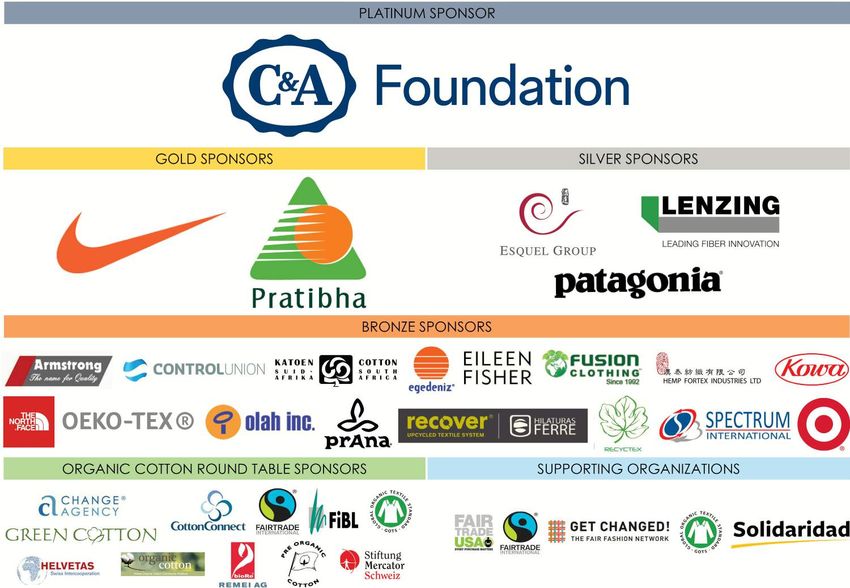
Harnessing the                                                                                   How Constraints
     Power of Data to                                                                                  Drive Innovation
      Sustain Growth                                                                                  Speakers: Jacqueline Jackson, Trucost;
                                                                                                      Richard Kinsman, CO2Nexus, Inc.; Elin Larsson,
     Moderator: Elayne Masterson, Esquel                                                              Filippa K; Alison Ward, CottonConnect
     Apparel
     Speakers: Hemant Bherwani, GIST Advisory;                                                       Overview: Some of the solutions presented
     Ben Ramsden, Pants to Poverty; Rajesh                                                           by the panel for how companies can use
     Singh, Thinkstep                                                                                constraints to drive innovation include
                                                                                                     building a system of Circular Design in which
     Overview: Attendees in this session had the                                                     fewer resources are used in the making of
     opportunity to learn how big data can map                                                       lifecycle of a garment and using CO2 in the
     a value chain and manage risk.                                         liquid state to replace water.

     Risk types include:                                                    In the next 10 years, it is estimated that water will be a world-wide
       • Human rights                                                       crisis. The constraints on water are scarcity and waste. It is said that the
       • Environmental                                                      textile industry number 2 polluting industry in the world when it comes
       • Health and Safety                                                  to waste water.
       • Community infrastructure
       • Labor Rights                                                       Elin Larrson of Filippa K shared the vision of their founder, “Inspired by
                                                                            my own needs and of those around me, I set out to build a brand that
     Some of the questions discussed were:                                  has substance and truth, not dependent on the superficial trends of
       • How can we capture all of the data and manage and simplify it to   the fashion industry.” Filippa Knutsson
         enable informed decision-making?
       • How does Big Data enable growth?                                                               What are the solutions?
       • What does is growth beyond financial?                                                          AWARENESS is needed to make changes
                                                                                                        happen.
     Core benefits of collective data                                                                   ENGAGEMENT - Dare to become more
     management, include:                                                                               innovative.
      • Value Chain Mapping                                                                             ACKNOWLEDGE the true cost of water.
      • Supply Chain Integration                                                                        VALUES drive business decisions - people do
      • PLM                                                                                             not leave their values at the door when they
      • Financial Performance                                                                           leave home.
      • Informed decision-making

                                                                                                         “The planet is like a space
                                                                                                        ship - what we have brought
                                                                                                          on our journey is what we
                                                                                                                   have.”

6•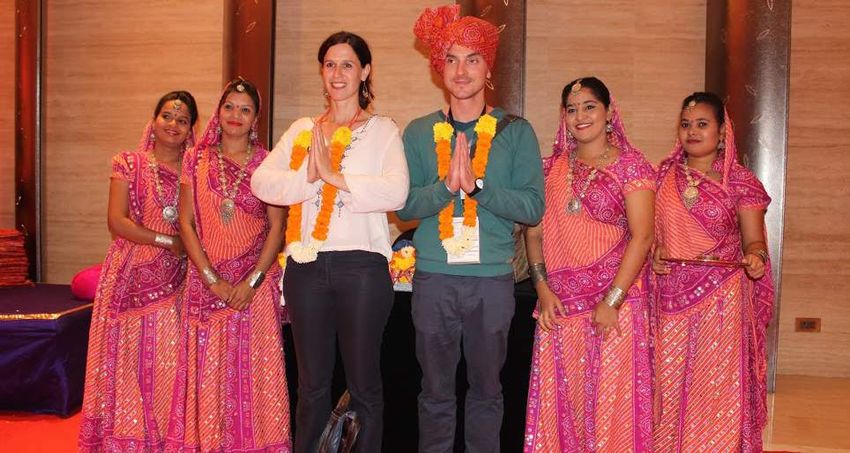
China and India - Big Solutions, Progressive Ideas in the Largest
                          Global Textile Markets
       Speakers: Shreyaskar Chaudhary, Managing Director & CEO, Pratibha Syntex; Leslie Johnston, Executive
           Director, C&A Foundation; Sam Moore, Managing Director, USA, Hohenstein Institute America

7•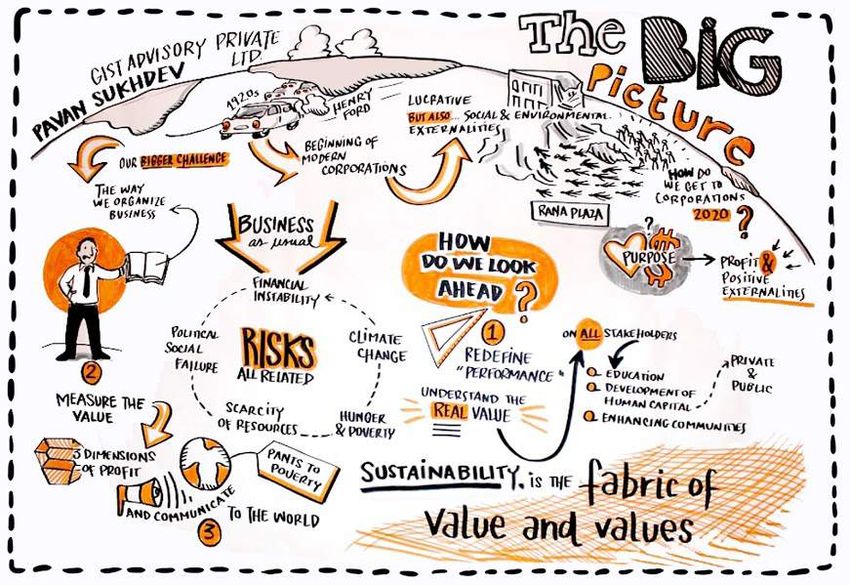
Animal Welfare                                                                                            Cellulosic
     Speakers: Madelene Ericsson, H&M; Anne
     Gillespie, Textile Exchange; Kjersti Kviseth,
     2025design
                                                                                                               Materials
                                                                                                      Moderator: Karla Magruder, Fabrikology
     Overview: Animal rights groups have been                                                         Speakers: Amanda Carr, Canopy; Lafcadio
     the driving force behind the development of                                                      Cortesi, Rainforest Action Network; Krishna
     animal fiber standards like the Responsible                                                      Manda, Lenzing; Sandeep Theng, FSC;
     Down Standard (RDS). With the foundational                                                       Shona Quinn, Eileen Fisher; Manohar
     understanding that all living beings have                                                        Samuel, Birla Cellulose - Aditya Birla
     their own inherent value and are not
     commodities, we as an industry must be                                                          Overview: Manmade Cellulosic Fibers
     committed to transparency and traceability                                                      are derived from cellulosic material such
     to ensure that these animals are not                                                            as cotton linter, tree pulp and bamboo.
     mistreated.                                                                                     It is dissolved in a solvent, run through a
                                                                            spinneret and then through a coagulation bath to form fibers.
     With regards to Down, the global standards currently being used
     are the Traceable Down Standard and Textile Exchange’s RDS.            Shona with Eileen Fisher pointed out three key issues with man-made
     To find out more about the RDS, visit the consumer site at http://     cellulosics: Traceability, Innovation, Forest Conservation
     ResponsibleDown.org.
                                                                            Overall Notes:
     Textile Exchange is in the second year of developing the Responsible    • FSC current standard only covers pulp, however there are steps
     Wool Standard (RWS) with an International Working Group (IWG).            in the supply chain that are not transparent. This is necessary so
     The RWS will include guidelines such as Carrying Capacity, Soil           that companies do not use pulp from old growth forests or from
     Management, Nutrition Management, and Pesticide Use.                      contested land.
                                                                             • Lenzing and Birla both use certified or controlled resources.
     After discussing the benefits and risks of using                        • 70-100 million trees are cut annually for fiber and materials
     animal fibers, the attendees in this session                                                    according to Canopy.
     were challenged to write an animal welfare                                                      •     50 percent of the viscose supply chain
     statement and policy and ensure that all                                                        have wood sourcing policies in place.
     operating procedures align to meet the
     policy.                                                                                        Top reasons to seek certification:
                                                                                                    •     Raise standards
                                                                                                    •     Create business benefits
                                                                                                    •     Connect with consumers
                                                                                                    •     Fight climate change
                                                                                                    •     Get ahead of government requirements
                                                                                                    •     Benefits both business and forest

                                                                                                     “You can’t solve issues without
                                                                                                      acknowledging that there is
                                                                                                              an issue.”

8•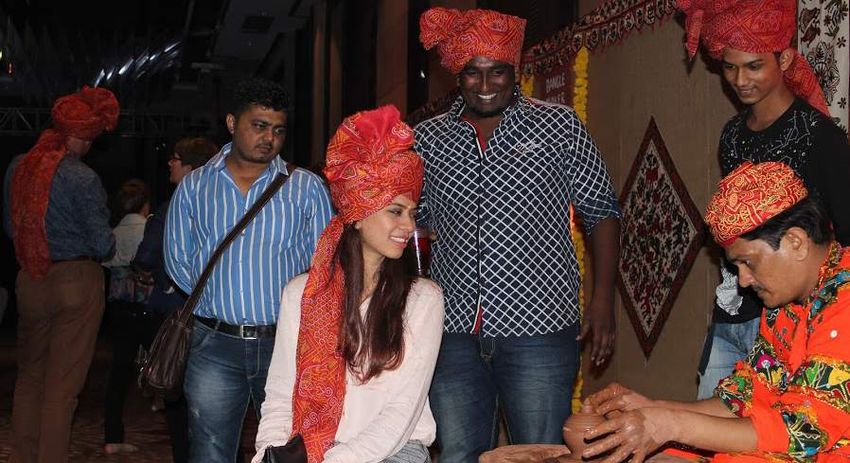
Speed Dating                                                           Government
                                                                               Regulations
     “Speed Dating” was a buyer/seller                                   Moderator: Adam Mott, VF Corporation
     networking session that allowed time for                            Speakers: Dr. Johann Hesse, Delegation of
     buyers and sellers to meet face-to-face.                            the European Union to India; Siddhartha
                                                                         Rajagopal, The Cotton Textiles Export
                                                                         Promotion Council (TEXPROCIL); Debra Tan,
                                                                         China Water Risk

                                                                          Overview: The speakers for the breakout
                                                                          session on Government regulations focused
                                                                          on future regulations from China, India, and
                                                                          the European Union respectively that will
                                                affect the textile supply chain. Some of the points made by each,
                                                include:

                                                China:
                                                 • 34 percent of China’s sower area is in a water scarce region.
                                                 • Finding the optimum water balance between agriculture and
                                                   industry is a challenge.
                                                 • Industries in China are focusing on converting from linear to
                                                   circular economies.

                                                India:
                                                  • The textile industry in the second largest employer with a market
                                                                              size of $115B in 2014 and an expected $350B
                                                                              by 2024.
                                                                              Current regulations include:
                                                                              • Standards and labels for consumer
                                                                              protection.
                                                                              • Laws against hazardous chemical use.

                                                                          European Union:
                                                                          • Regulations focus on responsible
                                                                          apparel supply chains (safety, living wages,
                                                                          no child labor, and environmental impacts).
                                                                          • Support for international policy dialog to
                                                                          stimulate the private sector on policy level
                                                                          initiatives.

9•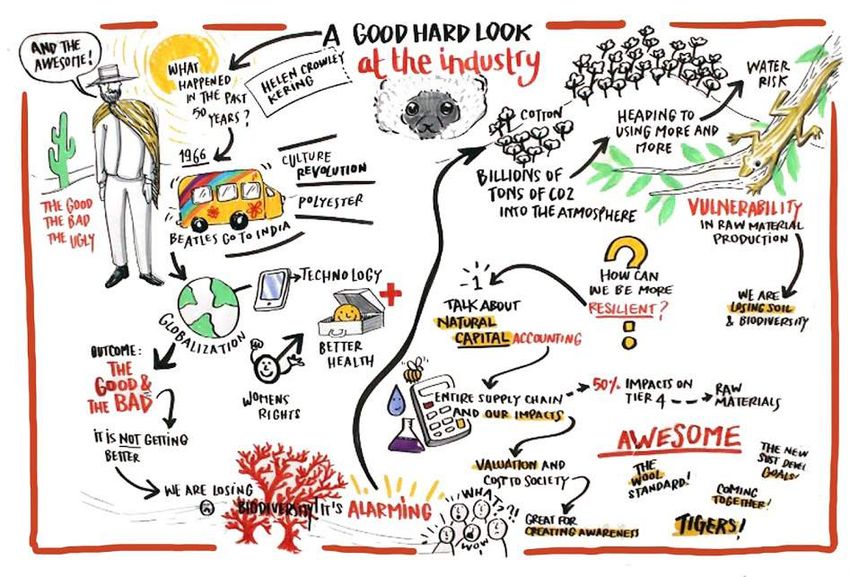
Plenary: Leading Through Action
      Speaker: La Rhea Pepper, Managing Director, Textile Exchange

10•
Plenary: A Good Hard Look at the Industry
Speaker: Helen Crowley, Head of Sustainable Sourcing Innovation, Kering
11•RPET In-depth Part I Synthetic Biobased
Materials
Speakers: Paolo Foglia, ICEA; Ashley Gill, Textile
Exchange; Balagurunathan Srinivasan, Anandi
Enterprises
Overview: Over the last several years, there has Moderator: Sophie Mather, biov8tion
been an increase in the pace of consumption, Speakers: Vijay Garg, Reliance Industries
and the pace of recycling must keep up. This
Ltd.; Ralph Lerner, Virent; Gowri S.
breakout session opened with clarifying what
the term “recycled” really means in comparison
Nagarajan, DuPont
with other similar terms that are often used
interchangeably. Recycle is to reprocess an item. Overview: Sophie Mather, moderator for the
For example, a recycled cotton shirt will have session, started by setting the scene with
the fibers “opened” to be spun again and used an overview of today’s biobased textiles
to make a new item. Reuse is to use the same landscape.
item but in a different way. For example, using an
old subway car as a bridge. The structure of the Following this, Ralph Lerner from Virent
subway car is unchanged, but it is being used for a new purpose. Upcycle is
provided insights into feedstock production for biobased materials.
similar to “reuse,” it involves making something of new, higher quality product
out of an older item. For example, taking an old sign and turning it into a
Virent has a bio-based aromatics process that can produce key
table. Downcycle is also similar to “reuse,” but involves making something of raw materials for bio-fibers which have demonstrated good results
lesser quality. For example, cutting up old shirts to be used as painting rags. at both pilot and demo scale. LCA studies showing significant
reductions in GHG emissions have been carried out by Life Cycle
There are presently five industry standards on recycled materials: Associates. Building on the demonstrated success of the Coke plant
• RIOS (paper, metal, plastics, rubber, glass, and textiles) bottles plans for scaling up the production of Bio-PX are underway.
• Taiwan Greenmark Deepening the focus on the feedstock production, Gowri Nagarajan
• SCS Recycled Content from DuPont shared an overview of the production of Sorona and
• RCS (TE’s Recycled Content Standard)
DuPonts work with biobased materials. Focusing in on the partnerships
• GRS (TE’s Global Recycled Standard)
needed for commercialisation highlighted by Gowri, Vijay Garg
The most used feedstock (or source material) for from Reliance shared the experience of Reliance in creating yarn,
RPET is post-consumer plastic bottles, frequently fabrics and finished goods from biobased
used for water. Water bottle consumption is at an feedstock focusing on the experiences of the
all time high, but there are still may countries that collaboration between DuPont and Reliance
do not have recycling programs which means to create a PTT based saree fabric.
most of this waste goes into the landfills instead
of recycling facilities. The speakers discussed The panel discussion was followed by a Q&A
some of the challenges with recycled polyester
session taking in a broad range of topics
being weaker fibers than virgin polyester and
the fact that 20 to 30 percent of the plastic is
ranging from pricing and integrity to the future
lost during the recycling process. Technology of biobased inputs in textiles.
has enabled many of these challenges to be With bio based fibres now included in the TE
overcome. Nearly 50 percent of all plastic in material strategy, it was promising to close
the EU goes to landfill, most of it is packaging. the session with positive feedback from the
In an LCA conducted by ICEA, recycling PET participants to an industry working group
resulted in less potential for contributing to global intended to elevate the learnings and cross
warming, lower consumption of energy, and collaborations with the textile industry.
other indicators when compared to the process
of virgin PET production.
12•Supply Chain Preferred Color
Mapping and Trend
Speakers: Joerg Diekmann, Hohenstein/ Moderator: Marci Zaroff, Portico
OEKO-TEX®; Dhawal Mane, Pratibha Speakers: Prasad Joshi, Archroma;
Syntex; Sanjeev Pandey, Welspun India Ltd.; Sambanthan Shanmugam, Novozymes; Ruth
Christina Raab, Made-by Hsia Isenstadt, Eileen Fisher; and Sarah Hayes,
Patagonia
Overview: This session provided attendees
with guidelines on mapping their supply Overview: Preferred color needs to be on
chains. According to speaker Christina trend. Attendees in the session learned how
Raab, 60% of environmental and social color and sustainability intersect and how to
impacts are up stream and are often out of incorporate trending colors while meeting RSL
sight. and sustainability goals.
Brands and companies will have to respond to Transparency and The important factors of any garment are style, quality, fit and color.
supply chain mapping is one strategy to achieve this. Preferred colors sometimes poses a challenge because the fastness
criteria is not the same for conventional and natural dyes. Having
The benefits of successful supply chain mapping can include: a chemist on the design team is best for a better understanding of
• Building trust with suppliers creating a stable supplier base. limitations where material and color selections are concerned.
• Developing a business case and demonstrating a value-add for
suppliers. This session featured designers from leading brands Eileen Fisher and
• Risk Management. Patagonia, sharing their company’s color needs, desires, processes
and perspectives. Next, speakers from Archroma and Novozymes
The audience was given the opportunity to join in a mapping exercise discussed preferred and innovative methods of sustainable dyeing
that walked them through the steps of: that use waste materials and/or less water and energy.
• How to draw a supply chain map?
• Why do you want to map a supply
chain?
• Who/What do you need to create the
supply chain map?
“Why do we need a reason
to do good?”
- Dhawal Mane, Pratibha
Syntex
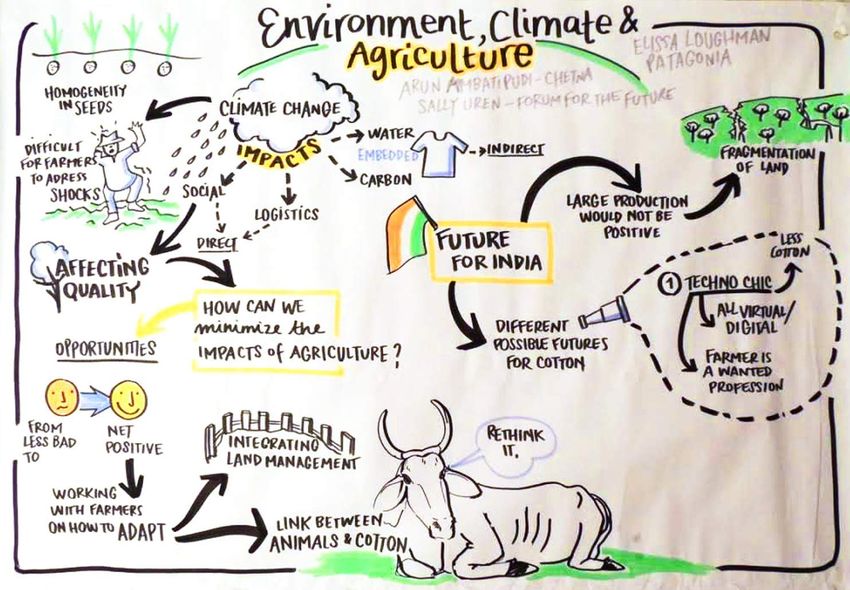
13•Plenary: The Environment, Climate and
Agriculture
Moderator: Elissa Loughman, Manager of Product Responsibility,
Patagonia
Speakers: Arun Ambatipudi, Chief Executive, Chetna Organic; Sally
Uren, CEO, Forum for the Future
14•Social Integrity RPET In-depth
Session Part II
Moderator: Amy Hall, Eileen Fisher Moderator: Karla Magruder, Fabrikology
Speakers: Andrea Bergstrom, International
HERproject; Mark Chubb, Alliance for Speakers: Makarand Kulkarni, Polygenta;
Bangladesh Worker Safety; Joseph Julian Fanny Liao, Far Eastern; Maria Vlahos, prAna
Kalathiparambil, Swasti Health Resource
Center; Rob Wayss, The Bangladesh Accord Overview: There are multiple forms of RPET
on Fire and Building Safety Recycling. B2B (bottle to bottle) recycling
takes used plastic bottles and recycles them
Overview: In recent years, tragic events into PET again suitable for bottles. B2F (bottle
involving textile factories have caught the to fiber) recycling takes used plastic bottles
eye of media and have forced the textile and recycles the PET into a form suitable for
industry to acknowledge the need to protect and empower workers fiber production. Chemical recycling is usually required to get quality
in their own supply chains. The speakers for this session are involved in similar to virgin PET. Even with chemical recycling, which is the most
projects to do just that. intensive, there are reductions in energy consumption and reductions
in CO2 emissions. If chemical recycling is not used, there may be
The areas of focus for these organizations, include: worker health, reductions in quality and require some adjustments to processing. For
education, safety, economy, and environment. By investing in and example, RPET from a less intensive recycling process may be more
providing specific trainings, factories benefit by an improvement in the yellow or may be more stiff and require more finishing. However, in
workers health and efficiency. some cases, the opposite is true. Some RPET requires shorter dyeing
times, even at the same temperature.
Perhaps the most notable incident that has brought about the
awareness of a need for change is the Rana Plaza collapse in 2013, There has been so much improvement in the quality of RPET has
which killed over 1,000 people. From this meant that companies are able to incorporate more and more RPET
tragedy, the Bangladesh Accord on Fire in their products. There remain some price
and Building Safety and the Alliance for differences but this can be overcome by
Bangladesh Worker Safety were respectively altering designs to create more interest with
formed to build a safe and healthy garment simple fabric.
industry in Bangladesh.
15•Strengthening Waste as Raw
Integrity in India Material
Moderator: La Rhea Pepper, Textile Moderator: Nicole Bassett, prAna
Exchange Speakers: Michael Kininmonth, Lenzing;
Speakers: Binay Choudhury, Control Union; Rahul Mahajan, Spartan Trends; Scott
Helmut Haelker, Remei; David Millar, C&A; Miller, Sustainable Apparel Coalition; Isaac
Mahesh Ramakrishnan, Arvind Ltd. Nichelson, Recovertex
Overview: This session took a look at ISOT Overview: Today 80 percent of waste from
Certification and supply chain integrity within the apparel and footwear industries goes to
India. One of the hot topics was availability the landfill. With the challenges involved in
of non-GMO seed in India. While the seed is recycling blended materials, it is critical that
available, it is difficult to find and often not waste be a consideration in the design stage.
of good quality.
The drive for innovation is coming from the supply chain. To reduce
Possible solutions discussed include: the amount of waste that goes to the landfill, the following next steps
• Testing at the farm gate level. need to happen:
• Engagement with government. • Creation of clear goals.
• Investment in seed research. • Government support.
• Engaging all stakeholders.
• Collective focus across the industry is a must!
For definitions involving waste terms, visit www.revolvewaste.com/
vocabulary.
16•Plenary: Textiles - A Circular Life
Speaker: Jason Clay, Senior Vice President, World Wildlife Fund
17•ORGANIC COTTON ROUND TABLE 2015 – NEW IDEAS DRIVE PROGRESS
Almost 200 producers, manufacturers, brands, retailers, and support Topics under discussion included: Tackling the roots of integrity issues,
organizations came together in Mumbai to share news and views on organic Examining the business case for producers, Market movements and
cotton. The sheer size of the gathering and the energy on the day left no opportunities, and he new Sustainable Development Goals.
doubt in our minds that the desire to grow a robust and resilient organic
cotton market is greater than ever. It was pleasing to see the value the OCRT EAT AND GREET – 14 COURSES OF DISCUSSION FOR LUNCH
provides the community. Lunchtime’s “Eat & Greet” provided an extensive menu of topics (15 in all).
“Diners” were encouraged to graze lightly across the suite of offerings or dig
“Having so many stakeholders from across the supply chain together in one in heartily where appetite dictated!
place is what makes the OCRT so unique, and the perfect opportunity for
inspiring change and collective action,” Lisa Emberson, OCRT Coordinator. TASK FORCE BREAKTHROUGH MEETINGS - SEED, BUSINESS MODELS &
CONSUMER ENGAGEMENT
MORNING ADDRESSES – VISIONS FOR SUCCESS After lunch, the three task force “breakthrough” meetings were run
The day flowed smoothly, with Simon Cooper, Partner in Change Agency, concurrently. The OCRT’s longstanding task forces on Seed and Soils, Business
acting as OCRT Master of Ceremonies. We opened with two morning Models, and Consumer Engagement have steadily been building over time.
addresses. First, Punit Lalbhai, Executive Director at Arvind, shared his vision Task force meetings allowed for strategic conversations to take place, which
for success, followed by Sally Uren, CEO at Forum for the Future, who got us help each task forces advisory group plan and prioritize action.
thinking systematically and collaboratively about creating a better future.
INNOVATION LAB – NEW THINKING WINS AWARDS
PANEL DISCUSSION – INVESTMENTS LONG ESTABLISHED AND NEW The finale of the day was the launch of the new Innovation Lab, developed
Then followed a Q&A with experts and investors, who excited us with news in collaboration with Change Agency and sponsored by Luminous Energy.
of recent investment in organic cotton from India to Pakistan to China. Eight shortlisted applicants pitched their ideas and the winning proposal, as
Alongside the new investors were pioneers in organic from Helvetas and decided by our judging panel (or “Dragons” for anyone familiar with the TV
bioRe, who continue to show us how innovation goes hand-in-hand with show “Dragons Den”!), received the OCRT Innovation Award 2015 along with
bold and visionary “early adoption” of ideas. a cash prize of $3,000 to put towards their project or donate to a favorite
cause. Congratulations to all finalists, our runner-up Sreeranga Rajan from
OPEN SPACE – OPENING UP FOR LEARNING AND REFLECTION Dibella and our winner Avinash Karmarkar from Pratibha! A deeper digest is
The ethos of the OCRT is to allow as much self-organized learning as possible. provided in the OCRT Summary report, which can be accessed here.
This years’ “Open Space” provided a “marketplace of enquiry, reflection
and learning, to bring out the best of both individuals and the whole.”
18•WHAT PEOPLE SAID ABOUT THE OCRT…
“Just want to say thanks for a fantastic OCRT. I really enjoyed being part of it!
Maeve Wadge, Director, Sourcing Sustainably
“It was a pleasure meeting you at the OCRT, Textile Exchange. It was one of
the better-managed events I have attended.”
Yogesh Gaikwad, Business Manager, Society of Dyers and Colorists
A HUGE thank you to all thought-starters, task force leaders, judging panelists, “I want to take this opportunity to thank you from the bottom of my heart,
OCRT partners, supporters, and friends: Thanks to you “The Whole of the to express my gratitude for the kind of platform that TE has offered. I have
OCRT was Greater than the Sum of its Parts.” made many friends as a result of the program. Overall, the event was a
grand success that allowed the participants to have their say and contribute
FULL OCRT HIGHLIGHTS, IN BOTH ANIMATION AND REPORT FORMAT, CAN BE to issues that really matter for the whole sustainability movement.”
ACCESSED HERE! Mani Chinnaswamy, Managing Partner, Appachi Eco-Logic
19•Fashion Show
Thank you to our Fashion Show
sponsor, Pratibha Syntex, for
making this night possible!
20•Flavours of India Thank you to our Flavours of India sponsor, Pratibha Syntex, for making this night possible!
Thank you to our esteemed panel of speakers!

         Arun            Nicole       Andrea     Hemant      Amanda     Richard    Shreyaskar     Binay       Mark
       Ambatipudi        Bassett     Bergstrom   Bherwani     Carr      Cepeda     Chaudhary    Choudhury    Chubb

          Jason         Charlene     Lafcadio     Helen         Jorg    Madelene     Paolo        Vijay       Ebru
           Clay         Collison      Cortesi    Crowley     Diekmann   Ericsson     Foglia       Garg      Gencoglu

         Ashley          Anne         Sumit       Helmut       Amy       Johann    Jacquelne       Leslie    Prasad
          Gill          Gillespie     Gupta       Haelker      Hall      Hesse      Jackson      Johnston     Joshi

           Julian         Michael    Richard     Makarand     Kjersti     Elin       Ralph        Fanny       Elissa
      Kalathiparambil   Kininmonth   Kinsman      Kulkarni    Kviseth   Larsson      Lerner        Liao     Loughman

22•
Karla Rahul Krishna Dhawal Elayne Sophie David Cheryl Scott
Magruder Mahajan Manda Mane Masterson Mather Millar Millard-Nutt Miller
Sam Adam Gowri Isaac Sanjeev Anirudh La Rhea Shona Christina
Moore Mott Nagarjan Nichelson Pandey Pangam Pepper Quinn Raab
Siddhartha Mahesh Ben Manohar Sambanthan Rajesh Balagurunathan Pavan Debra
Rajagopal Ramakrishnan Ramsden Samuel Shanmugan Singh Srinivasan Sukhdev Tan
Sandeep Liesl Lee Sally Maria Alison Rob Marci
Theng Truscott Tyler Uren Vlahos Ward Wayss Zaroff
23•24•
25•
The things you care
      about are the things
      we care about too.
      One billion dollars for education by the end of 2015 achieved. Four
      million dollars to communities every week. Over one million volunteer
      hours annually. 100% sustainable and traceable seafood by the end
      of 2015. And that’s just the beginning of the good you help us do
      every day. Learn more at target.com/corporateresponsibility.
      ©2015 Target Brands, Inc. Target and the Bullseye Design are registered trademarks of Target Brands, Inc. C-000129-04-009

26•
Conference photos can by accessed via this link: https://goo.gl/photos/ZLdJsWuvx1XhjAK4A
2015 TE Conference graphic recordings are available via this link: https://goo.gl/photos/1BxVAadFnVC8THEi9
Conference presentations are viewable by registered attendees only. Questions? Please contact Communications@TextileExchange.org.
Textile Exchange (TE), founded in 2002, is a global nonprofit organization that works closely with all sectors of the textile supply chain to find the
best ways to minimize and even reverse the negative impacts on water, soil, air, and the human population created by this $1.7 trillion industry.
TE accomplishes this by providing the knowledge and tools this industry needs to make significant improvements in three core areas: Materials,
Integrity and Supply Chain. A truly global organization, TE is headquartered in the United States with presence also in Europe, Latin America, India,
China and Africa. To learn more about Textile Exchange, visit: www.TextileExchange.org. Follow TE on Twitter at @TextileExchange.
The 2015 Textile Sustainability Conference and this Conference Summary are a result of a lot of hard work by too many people to name. Thank
you to all, most especially to TE members and attendees, who gave incredible input and made the conference so memorable.
Session note contributers: Sarah Arrell, Target Corp; Jon Curutchet, Skunkfunk; Elaine Delgado, New Balance; Alexander Ellebrecht, ChainPoint;
Saravanakumar Kandasamy, FLOCERT GmbH; Ferdi Kaygusuzer, Egedeniz; Elin Larsson, Flippa K; Elissa Loughman, Patagonia; Sophie Mather,
Biov8tion; Megan Meiklejohn, EILEEN FISHER; Courtney Merritt, Patagonia; Cheryl Millard-Nut, Nike, Inc.; Mahesh Nabadawewa, Control Union
Certifications; Prabha Nagarajan, Textile Exchange; Ann Radil, Nike, Inc.; Monica Ramesh, EILEEN FISHER; Claudia Richardson, Patagonia; Darius
Schwab, Tchibo; Ellie Skeele, Himalayan Wild Fibers; Lee Tyler, Textile Exchange; Frank Wei, CottonConnect; and several anonymous contributers.
Graphic recordings: Carlotta Cataldi
Join us in Hamburg, Germany - October 3-6, 2016.
27•You can also read


