The Cold Weather Plan for England
Protecting health and reducing harm
from cold weather
←
→
Page content transcription
If your browser does not render page correctly, please read the page content below
The Cold Weather Plan for England Protecting health and reducing harm from cold weather
The Cold Weather Plan for England: Protecting health and reducing harm from cold weather

About Public Health England
Public Health England exists to protect and improve the nation’s health and wellbeing,
and reduce health inequalities. We do this through world-class science, knowledge and
intelligence, advocacy, partnerships and the delivery of specialist public health
services. We are an executive agency of the Department of Health, and are a distinct
delivery organisation with operational autonomy to advise and support government,
local authorities and the NHS in a professionally independent manner.

Public Health England
133-155 Waterloo Road
Wellington House
London SE1 8UG
Tel: 020 7654 8000
http://www.gov.uk/phe
Twitter: @PHE_uk
Facebook: www.facebook.com/PublicHealthEngland

Prepared by: Shannon Katiyo, Dr Stephen Dorey, Dr Angie Bone
For queries relating to this document, please contact: extremeevents@phe.gov.uk

© Crown copyright 2015, 2017
You may re-use this information (excluding logos) free of charge in any format or
medium, under the terms of the Open Government Licence v3.0. To view this licence,
visit OGL or email psi@nationalarchives.gsi.gov.uk. Where we have identified any third
party copyright information you will need to obtain permission from the copyright holders
concerned.

Images: David Holt (Flickr Creative Commons), Bryan Pocius, Shutterstock and
Islington Council

Published October 20157
PHE publications gateway number: 2015382
NHS publications gateway number: 04153

This document is available in other formats on request. Please email
extremeevents@phe.gov.uk

                                                      2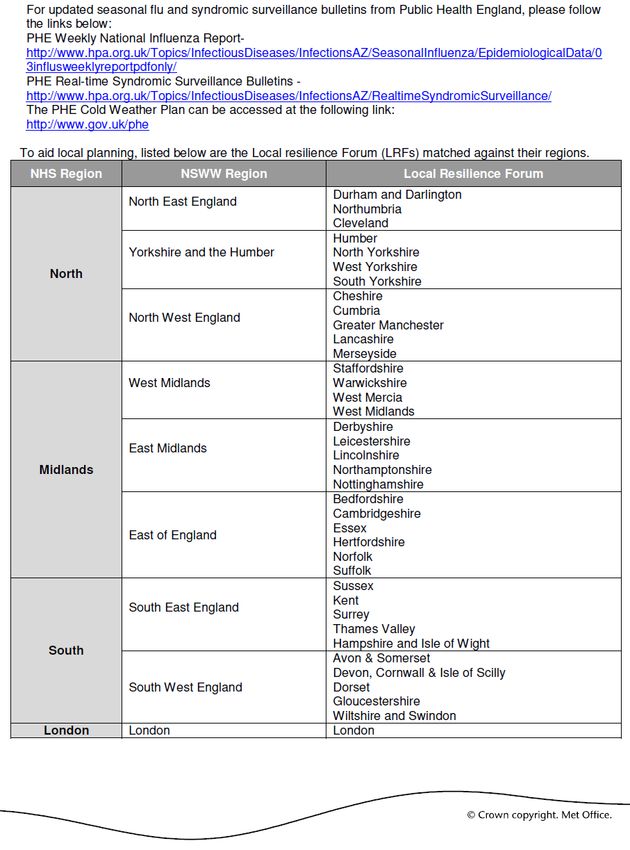
The Cold Weather Plan for England: Protecting health and reducing harm from cold weather

Foreword
Since the publication of the first Cold Weather Plan for England in 2011, the impact of cold
weather on health has been recognised. There are too many avoidable deaths each winter
in England primarily due to heart and lung conditions from cold temperatures rather than
hypothermia. The reasons more people die in winter are complex and interlinked with
inadequate heating and poorly insulated housing and health inequalities as well as
circulating infectious diseases, particularly flu and norovirus, and the extent of snow and ice.

The winter period not only sees a significant rise in deaths but also a substantial increase in
illnesses. The Cold Weather Plan for England therefore helps to raise awareness of the
harm to health from cold, and provides guidance on how to prepare for and respond to cold
weather. It is now clear that in an average winter, most of the health burden attributable to
cold occurs at relatively moderate mean outdoor temperatures (from 4-8°C depending on
region). This is why we must ensure our responses include year round and winter through
actions, as well as emergency responses to extreme winter weather, to protect the
vulnerable in our society, as described in this plan.

The Cold Weather Plan is complemented by new NICE Guidance on Excess winter deaths
and morbidity and the health risks associated with cold homes. Both documents offer
strategic and practical recommendations for the NHS, public health, social care and other
community organisations, to support vulnerable people who have health, housing or
economic circumstances that increase their risk of harm. Communities and civil society can
also help their neighbours, friends and relatives to protect against avoidable harm to health
in winter.

To inform and encourage action, the Public Health Outcomes Framework, first published in
January 2012, includes indicators to reduce excess winter deaths and address fuel poverty.
Strong local leadership and partnership working at all levels across sectors is therefore vital
to tackle the range of causes and reduce the number of ‘excess’ deaths that are observed
each winter.

Cold related deaths represent the biggest weather-related source of mortality. Although
temperatures are gradually rising with climate change, cold weather deaths are still
expected to be high by 2050, due to the ageing and increasing population. So we are going
to need the guidance in these pages to protect the public from the effects of cold for many
years to come.

Professor Dame Sally C Davies
Chief Medical Officer
Department of Health

                                                      3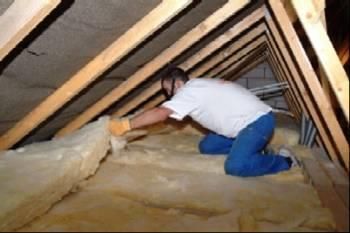
The Cold Weather Plan for England: Protecting health and reducing harm from cold weather

Contents
About Public Health England                                                                 2
Foreword                                                                                    3
List of abbreviations                                                                       5
Executive summary                                                                           6
Key public health messages                                                                 10
1. Why this plan is needed                                                                 11
Key public health messages                                                                 11
   1.1 The Cold Weather Plan                                                               13
   1.2 Who is the plan for?                                                                16
   1.3 The Cold Weather Plan and the health and social care system                         17
   1.4 The core elements of the plan                                                       18
2. Cold Weather meteorological services                                                    23
   2.1 The National Severe Weather Warning Service                                         24
   2.2 The Cold Weather Alert Service                                                      26
3. Summary of Cold Weather Plan levels and actions                                         32
   3.1 Using the action tables                                                             33
4. Monitoring and surveillance                                                             43
   4.1 Near real time monitoring and surveillance                                          43
   4.2 NHS activity monitoring                                                             43
   4.3 The Public Health Outcomes Framework                                                44
   4.4 Evaluation                                                                          44
5. Recommended next steps for the NHS and local authorities                                45
Appendix 1: The impact of cold weather on health                                           47
Appendix 2: Identifying vulnerable people                                                  48
  Opportunistic approaches                                                                 48
  Toolkits                                                                                 49
  Shared practice                                                                          50
  Key national documents of interest                                                       50
Appendix 3: Public health core messages                                                    52
  Level 1: Winter preparedness and action                                                  52
  Level 2: Alert and readiness                                                             52
  Level 3 and 4: Severe cold weather action/emergency                                      52
Acknowledgements                                                                           53
References                                                                                 55

                                                      4
The Cold Weather Plan for England: Protecting health and reducing harm from cold weather

List of abbreviations
A&E            Accident and emergency
CCGs           Clinical commissioning groups
CCS            Civil Contingencies Secretariat
CO             Cabinet Office
VCS            Voluntary and community sector
CWP            Cold weather plan
DCLG           Department for Communities and Local Government
DECC           Department of Energy & Climate Change
DH             Department of Health
EPRR           Emergency preparedness, resilience and response
EWD            Excess winter deaths
GP             General practitioner
HHSRS          Housing Health and Safety Rating System
HIV            Human immunodeficiency virus
HWB            Health and wellbeing board
JHWS           Joint health and wellbeing strategy
JSNA           Joint strategic needs assessment
LHRP           Local health resilience partnership
LPG            Liquid petroleum gas
LRF            Local resilience forum
LSHTM          London School of Hygiene and Tropical Medicine
MECC           Making Every Contact Count
NAP            National Adaptation Programme
NEA            National Energy Action
NICE           National Institute for Health and Care Excellence
NSWWS          National Severe Weather Warning Service
ONS            Office for National Statistics
PHOF           Public Health Outcomes Framework
PIRU           Policy Innovation Research Unit
PWS            Public Weather Service
RED            Resilience and Emergencies Division (DCLG)
SCG            Strategic co-ordination group
TIA            Transient ischaemic attack
WHHP           Warm Homes Healthy People

                                                      5
The Cold Weather Plan for England: Protecting health and reducing harm from cold weather
Executive summary
The Cold Weather Plan for England is a framework intended to protect the population
from harm to health from cold weather. It aims to prevent the major avoidable effects on
health during periods of cold weather in England by alerting people to the negative
health effects of cold weather, and enabling them to prepare and respond appropriately.
It recommends a series of steps to reduce the risks to health from cold weather for:
the NHS, local authorities, social care, and other public agencies
professionals working with people at risk
individuals, local communities and voluntary groups
The Cold Weather Plan has been published annually since 2011. This year’s plan
continues to build on the experience of developing and improving the ability of the health
and social care sector and its partners to deal with significant periods of cold weather.
Background
The cold weather alert service comprises five levels (Levels 0-4), from year-round
planning for cold weather, through winter and severe cold weather action, to a major
national emergency. Each alert level aims to trigger a series of appropriate actions
which are detailed in this plan. Detailed tables are available in the main body of the plan,
but a high-level summary is given in the table below. This is followed by key public
health messages to protect health in cold weather.
The plan is a good practice guide and the actions denoted within it are illustrative. It is a
collaborative plan supported by PHE, NHS England, the Local Government Association,
the Met Office and the Department of Health to protect and promote the health of the
population of England.
There are five key messages that are recommended to all local areas, especially in light
of any recent structural changes:
1. All local organisations should consider this document and satisfy themselves that the
suggested actions and Cold Weather Alerts are understood across the system, and that
local plans are adapted as appropriate to the local context.
2. NHS and local authority commissioners should satisfy themselves that the distribution
of Cold Weather Alerts will reach those that need to take action.
6The Cold Weather Plan for England: Protecting health and reducing harm from cold weather
3. NHS and local authority commissioners should satisfy themselves that providers
and stakeholders will take appropriate action according to the Cold Weather Alert
level in place and their professional judgements.
4. Opportunities should be taken for closer partnership working with the voluntary and
community sector to help reduce vulnerability and to support the planning and
response to cold weather.
5. Long-term planning and commissioning to reduce cold-related harm both within and
outside the home is considered core business by health and wellbeing boards and
should be included in joint strategic needs assessments and joint health and wellbeing
strategies.
7The Cold Weather Plan for England: Protecting health and reducing harm from cold weather
Summary cold weather actions for health and social care organisations and professionals, communities and individuals
Level 0 Level 1 Level 2 Level 3
Level 4
Year-round planning Winter preparedness and Severe winter weather Severe weather Major
action forecast – Alert and action incident –
All Year 1 November to 31 March Mean temperatures of 2°C
readiness Emergency
Mean temperatures of 2°C and/or and/or widespread ice and
heavy snow response
widespread ice and heavy snow
predicted with 60% confidence
1) Take strategic approach to reduction of EWDs 1) Communicate alerts and messages to 1) Continue level 1 actions. 1) Continue level 2 actions. Level 4 alert
Commissioners
and fuel poverty. staff/public/media. 2) Ensure partners can access advice 2) Ensure key partners are issued at national
of health and
2) Ensure winter plans reduce health 2) Ensure partners are aware of alert and make best use of available taking appropriate action. level in light of
cross-government
social care
inequalities. system and actions. capacity. 3) Work with partners to
3) Work with partners and staff on risk reduction 3) Identify which organisations are most 3) Activate business continuity ensure access to critical assessment of the
awareness (eg flu vaccinations, signposting vulnerable to cold weather and agree arrangements as required. services. weather
conditions,
for winter warmth initiatives). winter surge plans.
coordinated by the
Civil
1) Ensure organisation can identify and support 1) Ensure cold weather alerts are going to 1) Continue level 1 actions. 1) Continue level 2. Contingencies
most vulnerable. right staff and actions agreed and 2) Ensure carers receiving support and 2) Implement emergency and Secretariat (CCS)
organisations
2) Plan for joined up support with partner implemented. advice. business continuity plans; based in the
organisations. 2) Ensure staff in all settings are 3) Activate business continuity expect surge in demand in Cabinet Office.
Provider
3) Work with partners and staff on risk reduction considering room temperature. arrangements as required; plan for near future.
awareness (eg flu vaccinations, signposting 3) Ensure data sharing and referral surge in demand. 3) Implement local plans to All level 3
for winter warmth initiatives). arrangements in place. ensure vulnerable people responsibilities to
contacted. be maintained
1) Use patient contact to identify vulnerable 1) Identify vulnerable clients on caseload; 1) Continue level 1 actions. 1) Continue level 2 actions. unless advised to
Frontline staff –
and community
people and advise of cold weather actions; be ensure care plans incorporate cold risk 2) Consider prioritising those most 2) Implement emergency and the contrary.
care facilities
aware of referral mechanisms for winter reduction. vulnerable and provide advice as business continuity plans;
warmth and data sharing procedures. 2) Check room temperatures and ensure appropriate. expect surge in demand in
2) Ensure awareness of health effects of cold referral as appropriate. 3) Check room temperatures and near future.
and how to spot symptoms. 3) Signpost clients to other services using ensure urgent referral as 3) Prioritise those most
3) Encourage colleagues/clients to have flu ‘Keep Warm Keep Well’ booklet. appropriate. vulnerable.
vaccinations.
1) Be aware of emergency planning measures 1) Consider using a cold weather scenario 1) Continue level 1 actions. 1) Continue level 2 actions.
relevant to general practice. as a table top exercise to test business 2) Take advantage of clinical contacts 2) Expect surge in demand
GPs and their
2) Ensure staff aware of local services to continuity arrangements. to reinforce public health messages near future.
improve warmth in the home including the 2) Be aware of systems to refer patients to about cold weather and cold homes 3) Ensure staff aware of cold
identification of vulnerable individuals. appropriate services from other agencies. on health. weather risks and can
3) Signpost appropriate patients to other 3) When making home visits, be aware of 3) When prioritising visits, consider advise appropriately.
staff
services when they present for other reasons. the room temperature. vulnerability to cold as a factor in
decision making.
8The Cold Weather Plan for England: Protecting health and reducing harm from cold weather
Level 0 Level 1 Level 2 Level 3
Level 4
1) Engage with local statutory partners to agree 1) Test community emergency plans to 1) Activate the community emergency 1) Continue level 2 actions.
how VCS can contribute to local community ensure that roles, responsibilities and plan. 2) Ensure volunteers are Level 4 alert
resilience arrangements. actions are clear. 2) Activate the business continuity appropriately supported. issued at national
voluntary sector
Community and
2) Develop a community emergency plan to 2) Set up rotas of volunteers to keep the plan. 3) Contact vulnerable people level in light of
identify and support vulnerable neighbours. community safe in cold weather and 3) Continue to actively engage to ensure they are safe and cross-government
3) Agree arrangements with other community check on vulnerable people. vulnerable people known to be at well and support them to assessment of the
groups to maximise service for and contact 3) Actively engage with vulnerable people risk and check on welfare regularly. seek help if necessary. weather
with vulnerable people. and support them to seek help. conditions,
coordinated by the
Civil
Contingencies
1) CO will lead on co-ordinating cross- 1) Cold Weather Alerts will be sent by the 1) Continue level 1 actions. 1) Continue level 2 actions.
Secretariat (CCS)
government work; individual government Met Office to the agreed list of 2) DH will ensure that other 2) NHS England will muster based in the
departments will work with partners on winter organisations and Category 1 responders. government departments, mutual aid when requested Cabinet Office.
preparations. 2) PHE and NHS England will make advice particularly DCLG RED, are aware by local services.
2) DH, PHE and NHS England will look to available to the public and professionals. of the change in alert level and brief 3) Met Office will continue to
improve the CWP and the monitoring and ministers as appropriate. All level 3
3) NHS England will continue to hold health monitor and forecast
analysis of winter-related illness and deaths. responsibilities to
services to account for action and PHE 3) Government departments should temperatures in each area,
be maintained
3) PHE and NHS England will issue general will routinely monitor syndromic, influenza, cascade the information through including the probability of
unless advised to
National level
advice to the public and professionals and norovirus and mortality surveillance data. their own partner networks and other regions exceeding the
the contrary
work closely with other government frontline communication systems. level 3 threshold.
departments and other national organisations
that produce winter warmth advice.
1) Seek good advice about improving the energy 1) If you are receiving social care or health 1) Continue to have regular contact 1) Continue level 2 actions. Follow key public
efficiency of your home and staying warm in services ask your GP, key worker or other with vulnerable people and 2) Dress warmly; take warm health and
winter; have all gas, solid fuel and oil burning contact about staying healthy in winter neighbours you know to be at risk in food drinks regularly; keep weather alert
appliances serviced by an appropriately and services available to you. cold weather. active. If you have to go out, messages as
registered engineer. 2) Check room temperatures – especially 2) Stay tuned into the weather forecast take appropriate broadcast on the
2) Check your entitlements and benefits; seek those rooms where disabled or vulnerable ensure you are stocked with food precautions. media.
income maximisation advice and other people spend most of their time and medications in advance. 3) Check on those you know
services. 3) Look out for vulnerable neighbours and 3) Take the weather into account when are at risk.
Individuals
3) Get a flu jab if you are in a risk group help them prepare for winter. planning your activity over the
(September/October). following days.
9The Cold Weather Plan for England: Protecting health and reducing harm from cold weather
Key public health messages
Contact your GP or pharmacist if you think you, or someone you care for, might
qualify for a free flu jab. There are four flu leaflets: one general, one for
pregnancy and, one for people with learning disability, and one about children.
Free flu vaccinations are available for those who are at risk. For a full list see
the annual flu plan, available at:
https://www.gov.uk/government/collections/annual-flu-programme:
Keep your home warm, efficiently and safely:
heating your home to at least 18°C in winter poses minimal risk to your health
when you are wearing suitable clothing (see page 40 for full advice).
get your heating system and cooking appliances checked and keep your
home well ventilated
use your electric blanket as instructed and get it tested every three years.
Never use a hot water bottle with an electric blanket
do not use a gas cooker or oven to heat your home; it is inefficient and there
is a risk of carbon monoxide poisoning and this can kill
make sure you have a supply of heating oil or LPG or sold fuel if you are not
on mains gas or electricity – to make sure you do not run out in winter
10The Cold Weather Plan for England: Protecting health and reducing harm from cold weather
Key public health messages
Keep in the warmth by:
fitting draught proofing to seal any gaps around windows and doors
making sure you have loft insulation. And if you have cavity walls, make sure
they are insulated too
insulate your hot water cylinder and pipes
draw your curtains at dusk to help keep heat generated inside your rooms
make sure your radiators are not obstructed by furniture or curtains
Look after yourself:
food is a vital source of energy and helps to keep your body warm so have
plenty of hot food and drinks
aim to include five daily portions of fruit and vegetables. Tinned and frozen
vegetables count toward your five a day
stock up on tinned and frozen foods so you don’t have to go out too much
when it’s cold or icy
exercise is good for you all year round and it can keep you warm in winter
if possible, try to move around at least once an hour. But remember to speak
to your GP before starting any exercise plans
wear lots of thin layers – clothes made from cotton, wool or fleecy fibres are
particularly good and maintain body heat
wear good-fitting slippers with a good grip indoors and shoes with a good grip
outside to prevent trips, slips and falls
make sure you have spare medication in case you are unable to go out
Check if you are eligible for inclusion on the priority services register operated
by your water and power supplier.
Look after others:
check on older neighbours or relatives, especially those living alone or who
have serious illnesses to make sure they are safe, warm and well
Get financial support:
there are grants, benefits and sources of advice to make your home more
energy efficient, improve your heating or help with bills. It’s worthwhile
claiming all the benefits you are entitled to before winter sets in
11The Cold Weather Plan for England: Protecting health and reducing harm from cold weather
1. Why this plan is needed
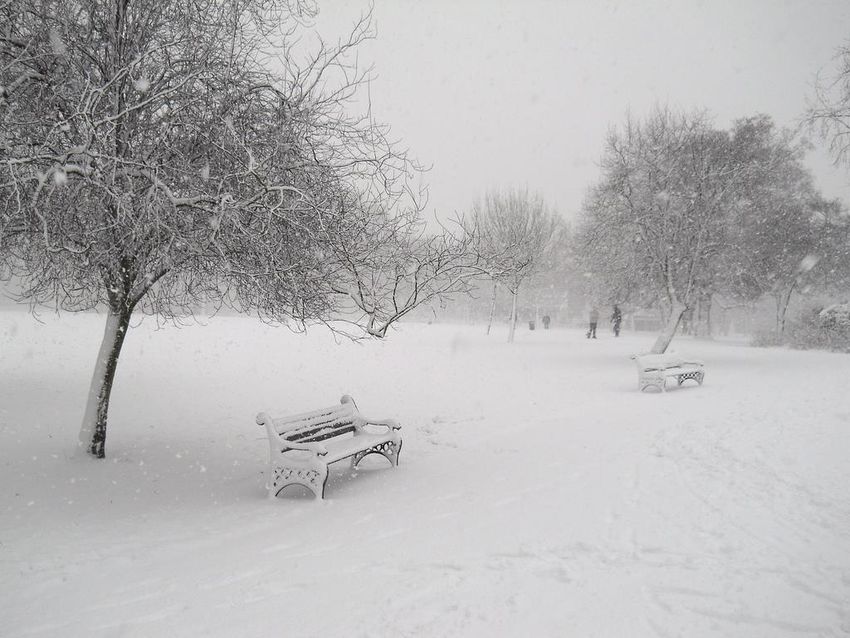
Although winter weather and snow can be fun for some, these weather conditions are
also associated with an increase in illness and injuries. Cold weather increases the risk
of heart attacks, strokes, lung illnesses, flu and other diseases. People slip and fall in the
snow or ice, sometimes suffering serious injuries. Some groups, such as older people,
very young children, and people with serious medical conditions are particularly
vulnerable to the effects of cold weather.
On average, there are around 25,000 excess winter deaths each year in England.1
Excess winter deaths are the observed total number of deaths in winter (December to
March) compared to the average of the number of deaths over the rest of the year.
Excess deaths are not just deaths of those who would have died anyway in the next few
weeks or months due to illness or old age. There is strong evidence that some of these
winter deaths are indeed ‘extra’ and are related to cold temperatures2 and living in cold
homes3 as well as infectious diseases such as influenza.4 In the recent past, the rate of
winter deaths in England was twice the rate observed in some northern European
countries, such as Finland.5 Even with climate change, cold related deaths will continue
to represent the biggest weather-related cause of mortality.6
Although there are several factors contributing to winter illness and death, in many
cases simple preventative action could avoid many of the deaths, illnesses and injuries
associated with the cold. Many of these measures need to be planned and undertaken
in advance of cold weather.
The Cold Weather Plan for England (CWP) aims to prevent avoidable harm to health, by
alerting people to the negative health effects of cold weather, and enabling them to
prepare and respond appropriately. The CWP also aims to reduce pressure on the
health and social care system during winter through improved anticipatory actions with
vulnerable people.
The plan sets out a series of actions to be taken by the NHS, social care and other
agencies throughout the year, to prepare for and respond to winter, so as to protect the
vulnerable. It also encourages local communities to support the most vulnerable in their
area, such as checking on them during severe weather and offering other support.
The Department of Health (DH) commissioned an independent evaluation of the CWP
from the Policy Innovation Research Unit, (PIRU). The aim of the evaluation was to
examine the effect of cold weather on health and health services; assess the extent to
which the CWP is implemented at the local level and whether it is reaching its target
groups; assess whether it is cost-effective; and recommend how it may be improved in
future years. The evaluation was undertaken from September 2012 to September 2013
12The Cold Weather Plan for England: Protecting health and reducing harm from cold weather
and is to be published soon; the findings have been incorporated in CWP since winter
2013-14.
In 2015, new NICE Guidance on Excess winter deaths and morbidity was published. It
highlights the health risks associated with cold homes. NICE also included pregnant
women as a vulnerable group so the CWP has been updated to include this. The CWP
is entirely consistent with the NICE recommendations, including the need for strategic
approaches, single point of contact services offering tailored solutions to which all who
come into contact with vulnerable people can refer. More information is included in the
CWP companion document ‘Making the Case’.
The Department for Energy and Climate Change also published a new strategy - Cutting
the cost of keeping warm: A fuel poverty strategy for England.7 It emphasises the role
the health and social care sector can play in tackling fuel poverty. The strategy is
underpinned by the fuel poverty target for as many fuel poor homes as reasonably
practicable to achieve an energy efficiency standard of Band C by 2030 - which became
law in December 2014.
1.1 The Cold Weather Plan
DH published the first CWP for England in November 2011 along with a companion
document ‘Making the Case: Why Cold Weather Planning is essential to Health and
Wellbeing’. The documents have been updated on an annual basis to date.
The CWP is composed of:
the CWP (focus on cold weather actions)
a series of action cards (taken from the plan and intended as aide memoires)
Making the Case: why long-term strategic planning for cold weather is essential to
health and wellbeing, which has combined elements of both previous supporting
documents to create one new document
The Keep Warm Keep Well booklet and a new Top Tips for Keeping Well leaflet are
aligned with the Cold Weather Plan and are specifically for the public.
In line with PHE communications policy, the CWP documents will be available in
electronic format only. PHE makes every effort to ensure materials published online are
available in accessible formats. Local partners may wish to print copies of the public-
facing material for clients they feel may benefit.
The CWP aims to support local areas prepare for, respond to and recover from periods
of cold weather through evidence based guidance and actions. Local areas are
13The Cold Weather Plan for England: Protecting health and reducing harm from cold weather
encouraged to promote and implement the CWP and raise awareness of the potential
impacts of cold weather and the actions that can be taken to protect health.
The plan is a good practice guide and the actions within it illustrative. Most of the actions
identified in the last edition have been carried forward into this one. Key changes
include:
confirmation of the preliminary findings of the 2012-2013 evaluation of the Cold
Weather Plan, indicating that the majority of the burden of cold-related ill-health
occurs at moderate outdoor winter temperatures (from 4-8ºC). These findings
require an increased emphasis on level 0 (year-round planning) and level 1
(winter preparedness and action) to protect ‘at-risk’ population groups, which has
already been incorporated in recent versions
consistency checking with the new NICE Guidance on Excess winter deaths and
morbidity and the health risks associated with cold homes leading to the inclusion of
pregnant women as an ‘vulnerable’ group. The Cold Weather Plan is entirely
consistent with the NICE recommendations, including the need for strategic
approaches, single point of contact services offering tailored solutions to which
all who come into contact with vulnerable people can refer.
reference to the Department for Energy and Climate Change’s new strategy - Cutting
the cost of keeping warm: A fuel poverty strategy for England which emphasises the
role the health and social care sector can play in tackling fuel poverty
updated advice on flu vaccination consistent with this year’s recommendations
publication of a new leaflet entitled ‘Top Tips for Keeping Well leaflet, in
collaboration with the Department for Work and Pensions. The leaflet is targeted at
pensioners in receipt of pension credit in England, Scotland and Wales. It will sit
alongside an updated Keep Warm Keep Well booklet.
As previously, the emphasis should be on:
a) increasing action at level 0 (year round planning) and level 1 (winter
preparedness and action).
This reflects findings from the evaluation of the CWP by the PIRU, which indicate that
most of the health burden from cold weather occurs before the current 2°C threshold for
alert level 2 or 3 is reached. This is because the negative health effects of cold weather
start to occur at relatively moderate mean outdoor temperatures (4-8°C depending on
region), and days at these temperatures occur much more frequently than days where
the temperature is 2°C or less.
Furthermore, it is clear that while actions taken by health and social care sector during
cold weather may relieve part of the health burden6, multi-agency action is required to
14The Cold Weather Plan for England: Protecting health and reducing harm from cold weather
address wider determinants of health, such as socioeconomic inequalities, fuel poverty
and housing energy efficiency.
b) the importance of a long-term strategic approach and aligning with the Public
Health Outcomes Framework
The CWP is only part of a wider response required to tackle excess winter deaths
(EWDs) and there is a strong argument for a multi-agency approach to reducing the
wider determinants of winter deaths and disease. This is not something that can be
tackled in the winter alone and requires a year-round strategic approach by HWBs,
directors of public health and commissioners to assess needs and to commission, plan
and implement interventions.
The Public Health Outcomes Framework (PHOF)8 sets out desired outcomes and
indicators to help local authorities and their partners understand how well public health is
being improved and protected. There are two indicators within the framework that are
directly related to this plan: fuel poverty and EWDs. However, action to reduce the harm
from cold can be linked to many more outcome framework indicators connected to the
wider determinants of health, such as poverty, educational achievement and social
isolation (see section 4 of Making the Case).
c) distinguishing between the health effects and interventions for cold
temperatures, and those for snow and ice
Cold temperatures predominantly affect older age groups, children and those with
chronic illnesses; the actions in this plan are primarily targeted at these groups. Health
effects are mostly “medical”; it is thought that about 40% of cold-related mortality is due
to cardiovascular disease and 33% to respiratory disease.
Heavy snow and ice have a smaller, but still important direct effect on health;
predominantly resulting in falls and injuries.9 The findings of the PIRU evaluation
indicate that most injuries relating to snow and ice occur in working age adults (ie those
who are out and about in these conditions). However, snow and ice may cause
significant disruption to the delivery of healthcare and other services, which will have an
indirect impact on health and wellbeing.
The plan endeavours to clarify these differences and to include information about the
National Severe Weather Warning Service (NSWWS) which provides warning with
regard to snow and ice, based on an assessment of likelihood and impact, and can be
defined at a more specific regional level, than the Cold Weather Alert system.
15The Cold Weather Plan for England: Protecting health and reducing harm from cold weather
1.2 Who is the plan for?
The plan is for health and social care services and other public agencies and
professionals who interact with those most at risk from the health effects of cold
weather.
Local health resilience partnerships (LHRPs) and local resilience forums (LRFs) will
have a critical role in preparing for, responding to, and recovering from, severe winter
weather at a local level, working closely with HWBs on longer-term strategic planning.
The plan aims to cover the spectrum of action from commissioning and planning to
emergency response. Both the main plan and the companion document will be of
interest to all professional groups. In general terms:
Level 0 “Year round planning” and the Making the Case companion document may be
more of relevance to public health professionals, HWBs, local authority chief executives
and elected members.
Level 1 “Winter preparedness and action” and the Making the Case companion
document will be of relevance to all professional groups, particularly front line health and
social care professionals.
Levels 2-4 “Severe winter weather is forecast through to national emergency” are more
reactive in nature and include snow and ice as well as severe cold weather and may be
particularly relevant to emergency planners and responders.
The plan is also intended to mobilise individuals and communities to help to protect their
neighbours, friends, relatives, and themselves against avoidable health problems in cold
weather. Broadcast media and alerting agencies may also find this plan useful.
At-risk groups include older people, the very young and people with pre-existing medical
conditions as well as those whose health, housing or economic circumstances put them
at greater risk of harm from cold weather.
Appendix 1 of this document and section 2 in Making the Case provide more information
on which groups may be at particular risk from cold weather. However, paraphrasing the
concept of proportionate universalism identified in the Marmot review Fair Society
Healthy Lives10, it is important not to focus only on those most at risk; actions should be
universal, but with a scale and intensity proportionate to the level of risk.
Appendix 2 provides some information on methods for identifying people who might
benefit from extra targeted support. It is recognised that identifying and supporting
people who may fall into these groups remains challenging, particularly if they are not
16The Cold Weather Plan for England: Protecting health and reducing harm from cold weather
already in receipt of services that might help identify them. Community and voluntary
groups, perhaps particularly those that may not consider themselves as ‘health’ or
‘social care’ organisations, can play a valuable role in reaching those not otherwise
supported (for more information see section 1.4.6).
1.3 The Cold Weather Plan and the health and social care system
The CWP builds on existing measures taken by DH, the NHS and local authorities to
protect individuals and communities from the effects of cold weather and encourage
community resilience. It outlines the key areas where public, independent and voluntary
and community sector health and social care organisations should work together to
maintain and improve integrated arrangements for planning and response in order to
deliver the best outcomes possible during cold weather. It is the responsibility of each
local area to ensure that preparedness and response plans are drawn up and tested.
The implementation of the Health and Social Care Act 2012 saw the abolition of primary
care trusts and strategic health authorities and the creation of a number of new bodies
including PHE, NHS England and clinical commissioning groups (CCGs). At a local
level, responsibility for public health transferred to local authorities.
DH is responsible for strategic leadership of both health and adult social care systems,
but no longer has direct management of most NHS systems. It is responsible for policy
decisions regarding excess winter morbidity and mortality.
NHS England provides national leadership for improving health care outcomes, directly
commissions primary care (specifically general practice services, dentistry, optometry
and pharmacy), some specialist services, and oversees CCGs. It is responsible for
assuring that the NHS is prepared for cold weather.
CCGs commission planned hospital care, rehabilitative care, urgent and emergency
care, most community health services, mental health and learning disability services.
NHS funded organisations, including commissioners and providers of NHS funded care,
must show they can deal with a significant incident or emergency. This programme of
work is referred to in the health community as emergency preparedness, resilience and
response (EPRR)
NHS Choices continues to provide reliable advice and guidance throughout the year on
how to keep fit and well. It includes information on winter health.
PHE provides national leadership and expert services to support public health, including
health surveillance. Preparing and publishing the CWP for England has been the
responsibility of PHE since 2013. PHE will prepare and publish the CWP and seek to
17The Cold Weather Plan for England: Protecting health and reducing harm from cold weather
ensure that is widely communicated using a variety of channels to ensure maximum
publicity.
PHE will make advice available to the public and health and social care professionals
across England in preparation for winter, and to regions, where severe cold weather
(including snow and ice) is forecast, via NHS Choices, and the websites of the Met
Office and PHE.
Local authorities (‘upper tier’ and unitary) are responsible for population health
outcomes, led by directors of public health and supported by PHE. They have a duty to
ensure that plans are in place to protect the health of their population as part of their
public health leadership role. Chief executives of local authorities and councillors,
especially those with portfolio responsibility for health, have important strategic overview
and scrutiny functions, as well as community engagement and decision-making roles.
These organisations are brought together to provide strategic co-ordination of
commissioning, planning and response at local level as per the Civil Contingencies Act
2004 and guidance issued by the Cabinet Office, DH and the Department for
Communities and Local Government (DCLG).
The local resilience forum (LRF) and strategic co-ordinating group (SCG) bring together
emergency planning and response arrangements run by local government and the NHS.
LHRPs have been established to bring together local health organisations to support
strategic planning. This will help to ensure that the health sector plays an effective, co-
ordinated role in multi-agency planning and response, based around the various
agencies’ and providers’ responsibilities at a local level.
HWBs act as forums for commissioners across the NHS, social care and public health
systems and are responsible for JSNAs and health and wellbeing strategies to inform
commissioning. Engagement of these boards in the long-term strategic preparation for
cold weather and aspects related to climate change mitigation and adaptation is critical,
in order to reduce the risks and harness opportunities to improve health, including
tacking poor quality housing.
1.4 The core elements of the plan
The CWP depends on having well co-ordinated arrangements for dealing with cold
weather in place before winter starts. The essential elements of effective cold-weather
planning include:
18The Cold Weather Plan for England: Protecting health and reducing harm from cold weather
1.4.1 Strategic planning and commissioning
Co-ordinated multi-agency long-term planning and commissioning for cold weather is
essential:
to protect people and infrastructure from the effects of cold weather and thus reduce
excess winter illness and death and the burden on health and social care
to support improved building design and increased energy efficiency which can
improve and protect health (thereby potentially reducing pressure on health
provision), reduce carbon emissions, and generate jobs in the local community
to tackle fuel poverty; including energy efficiency interventions in the home, income
maximisation and minimising energy costs
The Care Act 2014 requires that the suitability of accommodation is considered in
assessing wellbeing.11 Statutory guidance accompanying the Act describes suitable
accommodation as all places where people live, and that this will be safe, healthy and
suitable for the needs of a person. A healthy home would be dry, warm and insulated.
Housing is also identified as a crucial health-related service which is to be integrated
with care and support and health services to promote the wellbeing of adults and carers
and improve the quality of services offered.
The Act states that the best way to promote someone’s wellbeing will be through
preventative measures that allow people to live as independently as possible for as long
as possible. In light of the evidence of the impact on health and wellbeing of living in cold
and damp homes, the Act suggests local authorities may wish to consider the
opportunities to prevent the escalation of health and care and support needs through the
delivery or facilitation of affordable warmth measures to help achieve health and
wellbeing outcomes.
For all of these reasons, it is recommended that long-term, year-round planning and
commissioning to reduce cold-related harm both within and outside the home is
considered core business by HWBs and included in JSNAs and JHWSs.
1.4.2 Alert system (advance warning and advice over the winter)
A Cold Weather Alert service operates from 1 November to 31 March, based on Met
Office forecasts and data. This will trigger levels of response from the NHS, local
government and public health system, and communication of risks to the public.
Advice and information for the public and for health and social care professionals should
be available, particularly those working with at-risk groups. This includes both general
preparation and actions for cold weather and more specific advice when severe cold
weather (including snow and ice) is forecast.
19The Cold Weather Plan for England: Protecting health and reducing harm from cold weather
1.4.3 Winter preparedness and action, including severe cold weather
Local authorities, PHE and NHS England have a duty to plan and co-operate with
partner organisations to ensure that both in planning and response they work together
around risks, including preparation for cold weather, snow and ice. Organisations plan
and collaborate at local, regional and national levels as required.
Elements which local NHS, public health and social care organisations will oversee
include, but are not limited to:
For cold weather:
action to reduce exposure to low indoor temperatures
particular care for vulnerable population groups including partnership with voluntary
and community sector organisations
preparedness of the health and social care system – staff training and planning,
appropriate healthcare and the physical environment
For severe cold and snow and ice:
action to ensure that business continuity plans are in place and exercised in
partnership with provider organisations
work with partner agencies to ensure road and pavement gritting arrangements are in
effect to allow access to critical services
support for local voluntary and community sector organisations to activate community
emergency plans
1.4.4 Communicating with the public
Working with the media to get advice to people, both before the start of cold weather
and during a spell of severe cold weather is vital:
the Civil Contingencies Act 2004 provides a duty on category 1 responders to warn
and inform the public before, during and after an emergency
there should be a local cold weather-related health information plan – specifying what
is communicated, to whom, when, how and why
this should raise awareness of how exposure to severe cold and living in low indoor
temperatures affects health and what preventive action people can take, both
throughout the year and during cold weather to keep warm
attention should especially be given to ensuring that key public health messages
(Box 3.1 section 3) reach vulnerable groups and those who care for them (eg
caregivers of the chronically ill, parents of young children) in a suitable and timely
20The Cold Weather Plan for England: Protecting health and reducing harm from cold weather
way. Public health messages and advice on financial support and benefits can be
found in the Keep Warm Keep Well booklet on the www.gov.uk website
the Met Office is using hashtags #winterready for winter preparedness and
#weatheraware for levels 2-4, which will be supported by PHE, DH and other
government departments when appropriate in social media communications
1.4.5 Working with service providers
Service providers should be supported to reduce cold-related harm by, for example:
advising hospitals and care, residential and nursing homes to monitor indoor
temperatures and heat rooms appropriately to reduce the risk of cold-related illness
and death in the most vulnerable populations
supporting GPs, district nurses and social workers to identify vulnerable patients and
clients on their practice lists, by providing them with toolkits and sharing examples of
good practice
ensuring that health and social care organisations and voluntary and community
sector groups implement measures to protect people in their care and reduce cold-
related illness and death in those most at risk
exploring how other services that may have contact with vulnerable groups (eg fire
services undertaking home safety checks) should refer people to winter warmth
initiatives
ensuring midwives, health visitors, community health practitioners and school nurses
provide advice to parents with young or disabled children about the risk of exposure
to low indoor temperatures and heating homes appropriately and affordably
working with registered providers of housing to encourage wardens/caretakers to
keep an eye out for vulnerable tenants during cold weather, and to consider
measures to increase energy efficiency such as insulation, foil heat reflectors for
radiators and draught-proofing
considering the impact of cold weather on homeless people (in temporary
accommodation or sleeping on the streets) and planning in advance with providers
the point at which alternative daytime and night-time shelter or emergency housing
would be provided or access hours extended.
supporting staff to remain fit and well during winter, for example staff flu immunisation
programmes
1.4.6 Engaging the community
Community engagement is fundamental and may offer significant assistance in
identifying and supporting particularly vulnerable or marginalised individuals for example
by providing extra help where possible, to care for those most at risk, including isolated
older people and those with a serious illness or disability or helping ensure people are
claiming their entitlement to benefits (see Keep Warm Keep Well booklet).
21The Cold Weather Plan for England: Protecting health and reducing harm from cold weather
This support could come from the voluntary and community sector, faith groups, families
and others. It should be noted that:
the voluntary and community sector (VCS) covers a wide variety of organisations
from organisations with a very specialist focus on a specific condition or type of
provision, organisations who focus on a specific client group or community, broader-
based providers, emergency response organisations, campaigning organisations,
representative groups, community centres
this broad range of support different groups can provide should be considered at all
levels of planning and response, and it is important that they are involved at the
earliest opportunity, as trusted links take time to build
VCS providers that specialise in health and social care are vital and many of these
will already be well linked into the health and care system. However, the wider
voluntary and community sector (eg community centres, recreational groups, social
groups, parish councils in rural areas and neighbourhood forums in urban areas) can
also have an important role to play, particularly for example in reaching vulnerable
people not already engaged with statutory services. These organisations are much
less likely to be linked in with statutory bodies or providers and may need information
to understand their role and why cold weather planning and response is relevant to
them
the wider VCS can also be involved as a provider of resources. This could be
equipment (blankets, sleeping bags, stoves), facilities (emergency accommodation)
or people (volunteers, signposting)12
older people within communities can help identify those most vulnerable and should
be involved in the planning for cold weather. Strong links with local older people’s
forums are essential, providing them with information to help identify and support
those most at risk. Local infrastructure organisations and local umbrella bodies are a
good initial route into the local voluntary and community sector. They can
communicate messages, identify organisations that represent particular communities
and co-ordinate partnerships of sector bodies
1.4.7 Monitoring/evaluation
Near real-time surveillance will be undertaken by PHE, and ongoing evaluation
undertaken by PHE and other partners (see section 4).
22The Cold Weather Plan for England: Protecting health and reducing harm from cold weather
2. Cold Weather meteorological services
The Met Office is the UK’s national weather service. Its Public Weather Service (PWS)
provides forecasts for the public to help them make informed decisions about their day-
to-day activities. The National Severe Weather Warning Service is part of this, providing
advance notice of weather which could affect public safety.
Figure 2.1 Met Office service and notifications
Service Purpose Distribution Timing
General To enable the UK public to make
Web, TV,
weather informed decisions about their day- Every day
radio
forecast to-day activities
Provision of weather warnings to:
a) the public to alert in advance of
high impact weather and to prompt
National
consideration of actions they may Email, web,
Severe
need to take TV, radio,
Weather
print media, When required
Warning
b) Civil emergency authorities and Twitter, SMS,
Service
the MoD to trigger their plans to Facebook
(NSWWS)
protect the public from impacts in
advance of an event, and to help
them recover from any impacts
after the event.
Alert issued as soon as
agreed threshold has
To provide early warning of low
been reached and
temperature and or widespread
Cold when there is a change
ice/heavy snow to health and social Email,
Weather in alert level.
care organisations and Twitter, Web
Alerts
professionals registered with the
Issued between 1
service
November and 31
March.
To provide planning advice
throughout the winter period
Cold Twice a week (9am
relating to low temperatures or
Weather each Monday and
widespread ice/heavy snow to Email
Planning Friday from 1
health and social care
Advice November to 31 March.
organisations and professionals
registered with the service
23The Cold Weather Plan for England: Protecting health and reducing harm from cold weather
2.1 The National Severe Weather Warning Service
The Met Office’s National Severe Weather Warning Service (NSWWS) warns
organisations and the public about a range of high-impact weather events, including
rain, snow, wind, fog and ice. This service operates year round across the UK, and can
be found on the Met Office website.
A warning will be issued when snow and ice is forecast to cause an impact across a
number of sectors, including health. It is issued based on a combination of the impact of
the weather, and the likelihood of the weather happening. A NSWWS warning can be
issued up to five days in advance of the expected event.
Warning level
Warnings are based on a combination of:
likelihood – how likely the event is to occur
impact – the potential impact the expected conditions may have
Colour of warnings (impact matrix)
Warnings are given a colour depending on a combination of both the likelihood of the
event happening and the impact the conditions may have:
red
amber
yellow
An example of the matrix used to decide the warning colour is shown below. In this
case, an event with a high impact and medium likelihood would result in an amber
warning.
24The Cold Weather Plan for England: Protecting health and reducing harm from cold weather
Figure 2.2 Met Office NSWWS: Impact table for snow and ice
Very Low Low Medium High
Small amounts of More widespread Widespread snow Widespread deep snow with many
snow lying on snow lying on with a number of roads closed or impassable.
roads and roads and road closures, Roads likely to become impassable
pavements so pavements but others passable with high risk of drivers becoming
some slippery road networks only with care. stranded.
road surfaces generally open. BE PREPARED for Significant disruption to road, rail and
possible. Care needed with some disruption to air transport.
Traffic may move only localised road, rail and air Risk to personal safety.
Impact and generally slower travel disruption. transport with Expect significant disruption to normal
advice than normal. Problems mostly difficult driving day to day life as a result of transport
associated Take extra care confined to usual conditions likely issues, school closures etc.
with when walking, prone areas. and longer journey Avoid making unnecessary journeys.
SNOW cycling or driving Take extra care times.
in affected areas. when walking,
cycling or driving
in affected areas.
Journeys through
affected areas
may take longer
than usual.
Localised icy More widespread Widespread black N/A
stretches on icy stretches on ice, some roads It is extremely unlikely that widespread
some untreated untreated roads passable only with ice, on its own in the UK, would be
roads and and pavements care. sufficient to be considered “high
pavements are but road networks Possibility of road impact” by NSWWS.
possible. generally open. collisions and
Impact and
Take extra care Take extra care significant increase
advice
when walking, when walking, in slips & falls.
associated
with ICE cycling or driving cycling or driving
in affected areas. in affected areas.
Journeys through
affected areas
may take longer
than usual.
25The Cold Weather Plan for England: Protecting health and reducing harm from cold weather
NSWWS does not consider cold temperatures explicitly, but can provide information at a
more specific geographical level about snow or ice forecasts that the public and
emergency planners may find useful.
To receive NSWWS warnings directly, register with hazard manager.
2.2 The Cold Weather Alert Service
A Cold Weather Alert Service was established in 2011 in collaboration with DH and the
Met Office. It operates in England from 1 November to 31 March. During this period, the
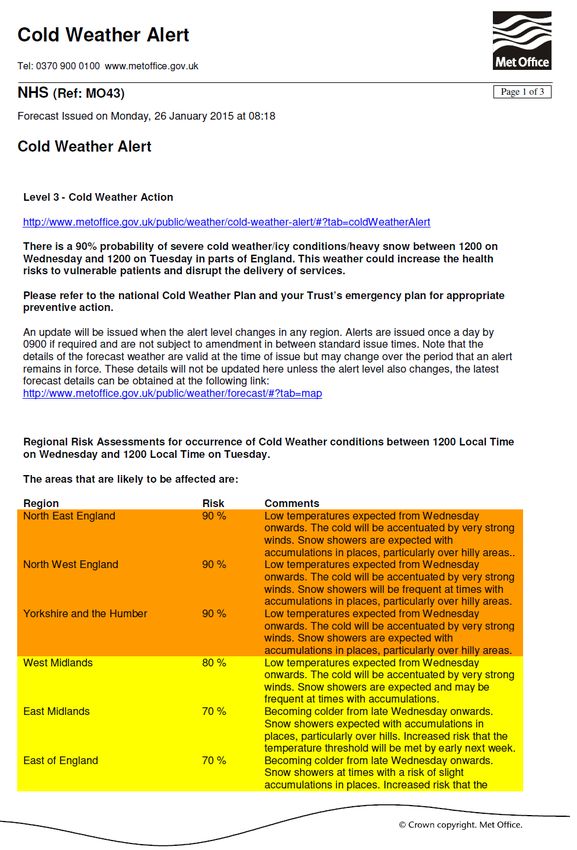
Met Office may forecast severe cold weather, as defined by forecasts of mean
temperatures of 2°C or less for at least 48 hours, and/or snow and ice.
The Cold Weather Alert service comprises five main levels (levels 0-4) outlined in Figure
2.3 and described in further detail below.
Figure 2.3: Cold Weather Alert levels
Level 0 Year-round planning
All year
Level 1 Winter preparedness and action programme
1 November to 31 March
Level 2 Severe winter weather is forecast – Alert and readiness
mean temperature of 2°C or less for a period of at least 48 hours and/or
widespread ice and heavy snow are predicted, with 60% confidence
Level 3 Response to severe winter weather – Severe weather action
Severe winter weather is now occurring: mean temperature of 2°C or less
and/or widespread ice and heavy snow.
Level 4 Major incident – Emergency response
Central Government will declare a Level 4 alert in the event of severe or
prolonged cold weather affecting sectors other than health
Cold Weather Alerts – definitions
Cold Weather Alert
An alert will be issued for ‘cold’ temperatures if there is a high likelihood (60% or more)
that the mean temperature is expected to be at or below 2C for a period of 48 hours in
one or more regions in the next five days. A level 2 will be issued when these conditions
are forecast and a level 3 when they are occurring.
26The Cold Weather Plan for England: Protecting health and reducing harm from cold weather
An alert for snow and ice will be issued when there is a high likelihood (60% or more)
that there will be snow or widespread ice affecting one or more regions in the next five
days, A level 2 will be issued when this weather is forecast and a level 3 when the snow
and ice is occurring. A NSWWS warning is highly likely to have been issued as well (see
section 2.1 above).
Heavy snow – Snow that is expected to fall for at least two hours. Geographic extent is
not considered, and sometimes the event can be quite localised, but the Met Office will
always try to indicate which area will be affected in the alert.
Widespread ice – Ice forms when rain falls on surfaces at or below zero; or already wet
surfaces fall to or below zero. The ice is usually clear and difficult to distinguish from a
wet surface. It usually forms in sheets. Warnings are issued when any depth of ice is
expected over a widespread area. Warnings will also be issued after a snowfall when
compacted snow is expected to cause an ice risk.
The term “widespread” indicates that icy surfaces will be found extensively over the area
defined by the Met Office in the alert.
The Met Office issues these alerts down to a county level, so either of the warnings
above could be issued even if only one county is likely to be affected.
Appendix 3 shows the core messages to be broadcast as official PHE warnings
alongside national and regional weather forecasts at different cold weather alert levels.
They may be expanded or otherwise refined in discussion with broadcasters and
weather presenters.
Level 0: Year-round planning to reduce harm from cold weather
This emphasises that year-round planning is required to build resilience and reduce the
impact of cold weather. This level of alert relates to those longer-term actions that
reduce the harm to health of cold weather when it occurs (eg housing and energy
efficiency measures, and long-term sustainable approaches to influence behaviour
change across health and social care professionals, communities and individuals).
These measures can also address other important health, sustainability and inequalities
issues, such as addressing fuel poverty, building community resilience, providing
employment opportunities, reducing carbon emissions, and the burden on health and
social care services (see Making the Case section 3.1).
27You can also read


