The data-driven supply chain - Preparing Australian retail for an emergence of data-driven collaboration - Telstra Labs
←
→
Page content transcription
If your browser does not render page correctly, please read the page content below
The data-driven
supply chain
Preparing Australian retail for an
emergence of data-driven collaboration.

Contents
     1. Executive summary                                                   04
     2. Introduction                                                        06
        Australia Post: Data driving functional capability                  08
     3. Our research                                                        10
        3.1.   Research questions and hypothesis                            10
        3.2.   Sample and method                                            11
        3.3.   Results and discussion                                       12
        3.3.1. Belief in business benefits                                  12
        3.3.2. Technology deployment                                        16
        3.3.3. Relationships with partners                                  17
        3.3.4. Barriers to adoption                                         21
        3.4.   Our research: Conclusions                                    28
        3.4.1. Collaborators need to align                                  28
        3.4.2. Data is the new oil but only when it can be used             28
        3.4.3. Data is a resource that needs securing                       28
        3.4.4. This vehicle needs extra drivers                             29
        3.4.5. Small businesses need allies                                 30
     Otto: Using predictive analytics to place inventory in the network     31
     Target USA: A systems led approach to data-driven retailing            32
     Linfox migrates its fleet to IoT                                       34
     4. New technologies connecting retail supply chains                    36
        4.1.	Instrumenting the data-driven supply chain:
              The Internet of Things and IoT networks                       37
        4.2.	Intelligent data-driven supply chain:
              Artificial Intelligence, Machine Learning and Deep learning   39
        4.3.	Retail supply chain collaboration:
              Blockchain and data exchanges                                 41
     5. Conclusion                                                          44
        5.1.   About the author                                             44
        5.2.   Acknowledgements                                             44
     6. References                                                          46

02                                                                          03
1. Executive summary

Technological advances are
transforming the world of supply
chain management, making data
easier to collect, interpret and
share. As a result, we are about to
see the emergence of supply chains
where data from every web search,
transaction and movement of stock,
trucks, team members and customers
will be captured and combined with
other data to better predict and
manage resources to satisfy customer
demands. The age of the data-driven
supply chain is here.
All those in the retail industry will need
to adapt quickly or risk losing out to
those organisations that are able to
                                             Many are already adopting the key            •	Recognise data as a resource that
leverage data to cut supply chain costs
                                             technologies required for the data-            only has value in use and needs
and compete more effectively. In this
                                             driven supply chain and are enjoying           to be shared
report, we explore the implications of
                                             generally positive relationships with
data-driven supply chains for Australian                                                  •	Assure the security of their data
                                             their supply chain partners. So what’s
businesses. What are the benefits? How
                                             holding them back?                           •	Align incentives between partners
ready are supply chain actors to adopt
                                                                                            so there is mutual benefit
a data-driven approach? And what are         Our research identifies a number
                                                                                            from collaboration.
some of the barriers to adoption?            of barriers that need to be removed
                                             before data-driven supply chains reach       The retail ecosystem as a whole
Our research, conducted in Australia
                                             their full potential. Our respondents        needs to bring in new data science
with a sample of retailers, logistics
                                             reported a reluctance to share data,         skills, and smaller businesses need
companies and manufacturers, shows
                                             the need to properly secure it, skills       to develop strategies to participate
there is a very strong appetite for a
                                             gaps in their businesses, challenges         in the data-driven supply chain or
data-driven approach to supply chain
                                             with technology, organisational issues       risk being relegated to low-value,
management. We discovered that their
                                             and issues relating to the alignment of      transactional relationships.
interest lies not only in the power of
                                             goals and processes as major obstacles
data to transform traditional supply                                                      We end with a look at what’s looming
                                             to deployment. But all these problems
chain KPIs like inventory turnover,                                                       on the technology horizon and
                                             are solvable. In this report, we also
delivery in full on time (DIFOT), defect                                                  how organisations can leverage
                                             feature case studies of businesses that
reduction, responsiveness and network                                                     these developments to realise the
                                             are successfully embracing a data-
optimisation, but also to more general                                                    extraordinary benefits promised
                                             driven approach, including German
business benefits like sustainable                                                        by the data-driven supply chain.
                                             retailer, Otto, Target USA, Australia Post
competitive advantage, improved
                                             and Linfox.
management of risk and loss, improved
margins, better informed business            From these case studies and our
decisions and agility.                       research, we conclude that there are a
                                             number of key issues to be addressed
                                             before data-driven supply chains
                                             can be widely adopted in Australia.
                                             In particular, organisations need to:

04                                                                                                                               05
2. Introduction
It has been said that data is the Of course, supply chains have existed Today, technological advances are Traditional retailers face competitive
new oil because it has the power since the earliest days of the retail about to usher us into a new era disruption from online, digital-native The 5G Journey · Massive machine-to-machine
to transform every industry. In our industry, but the concept of supply of supply chain management. The retailers like Amazon and Alibaba, who communications: 4G technologies
“5G” is actually an umbrella term are today facilitating IoT sensor
last report, Spacetime Marketing, chain management (SCM) only emerged ability to capture supply chain data are already masters of supply chain for the next major wave of cellular
we looked at the power of data to in the 1980s and has been defined as: will rise exponentially with 5.5 billion data. Both collect every customer click networks at scale, but 5G will
network technology. increase scale to support billions of
transform retail marketing. In this smartphones and 20 billion IoT (Internet and use it to predict buying patterns,
report, we look at the power of data “The management of upstream of Things) devices in the market by optimise the placement of inventory 5G will be a combination of devices without human intervention.
to transform an equally important and downstream relationships 2020.5 This means it will be possible in the network and maximise both the transformational technologies 5G will enable the new technologies
part of retail: the supply chain. to collect data not just on sales and speed and efficiency of delivery. Scott that will address specific use
with suppliers and customers cases. Whilst 1G, 2G, 3G and 4G
that improve efficiency, speed
production schedules between retailer Galloway6 has predicted that in the and reliability through a number
The supply chain is vital to the retail in order to deliver superior and manufacturer (as in the Walmart future Amazon will send consumers were primarily about voice and then
industry as it represents both a large of features:
customer value at less cost to and Proctor & Gamble case), but two boxes a week: one containing data, 5G will be about connecting
cost and a source of competitive everything with minimal delay, · A Distributed Cloud Architecture
advantage. Supply chain costs are all the supply chain as a whole.”2 also on the location and condition all the goods Amazon thinks you will
of goods throughout the supply chain. need and the other to return what faster speeds and at larger scale means resources can be allocated
the costs associated with warehousing, with billions of devices (via the from the cloud enabling a better
These devices will also capture data you don’t require, all based on data
transporting and handling goods Internet of Things). user experience
At the core of SCM is the theory of on everything from consumer and captured through interactions in the
from the point of manufacture to the
collaborative advantage3 - the idea that team member movements (both in supply chain. · Massive MIMO Antennas that
point of purchase. They have been It’s important to understand that
more value is created by collaboration and outside stores), stock levels in can focus the radio signal towards
calculated by the Reserve Bank1 to In this report, we look at how ready the journey from 4G to 5G will not
than by competition, and that when two consumers’ fridges and appliances, multiple users simultaneously,
represent 40% of retail selling prices. the Australian retail industry is to take be a step change. Rather, many
or more organisations pool resources the availability of consumers to receive increasing speeds and
As a result, any company in the supply advantage of the potential of such data- features that will eventually be
and skills, all will benefit. a delivery, and much more. reducing interference
chain that controls these costs can driven supply chains and how prepared collectively standardised as “5G” will
potentially improve profitability. In One of the earliest examples of Data storage is already being they are to compete with data-driven be incorporated into forthcoming
· New protocols and frame
other cases, a supply chain can also supply chain collaboration in action transformed through the increasing online competitors. What do retailers releases of 4G LTE standards and
structures, which will reduce
provide a competitive advantage by was between Walmart and Proctor & capacity and flexibility, and decreasing see as the benefits of deploying a will progressively be deployed by
latency for all services and improve
delivering goods to the right place more Gamble in the mid 1980s.4 Walmart cost of cloud computing. Wide data-driven supply chain? And what carriers such as Telstra alongside
reliability for mission-critical
quickly than rivals, thereby serving agreed to share point of sale data with adoption of cloud computing – in are the challenges involved in deploying 5G deployments.
IoT services
customers better. Proctor & Gamble and, in turn, Proctor combination with other technologies a data-driven approach (including for There will be three major
& Gamble agreed to ensure optimal like blockchain and data exchanges the human relationships that make any · Network Slicing, which enables
Organisations that are able to leverage benefits to 5G:
on-shelf inventory at Walmart. This – will mean information can be supply chain work)? a granular way to segment
data to cut supply chain costs and · Ultra-low latency: For mobile the network, allowing finely
resulted in increased sales, decreased shared by all parties, not just point-
compete more effectively will gain broadband services, 5G will grained performance and cost
inventory in the supply chain, lower to-point collaborators like retailers
the edge in the market. Today, it approximately halve latency, optimisation to be applied to
costs for Walmart and better market and manufacturers.
increasingly comes down to data – how which will greatly improve the individual applications, industries
intelligence for Proctor & Gamble. Since
it’s captured, stored and analysed – all Data analysis will also be transformed responsiveness of internet and customers
then, supply chain collaboration (SCC)
of which has been a key factor in the as autonomous or semi-autonomous applications. For mission-critical
has become a well-established practice
success of organisations as diverse as platforms allow businesses to discover · Network Function Virtualisation
in parts of the retail industry, with IoT applications, 5G will provide very
Wal Mart, Inditex, Amazon and Alibaba. deeper insights, make predictions, or enables the use of commodity
studies showing that it delivers benefits low latencies at very high reliability,
generate recommendations in virtual network infrastructure, which can
such as risk reduction, cost reduction, which will enable brand new
real time. Most of all, high-speed data rapidly adapt to the changing needs
access to complementary resources, industrial automation applications
networks will enable collaboration to of the network.
improved productivity, increased
take place at a pace that allows timely · Increased speeds: 5G will provide
competitive advantage and increased
business decisions. significantly faster data speeds
profitability over time.
and greater capacity, eventually
providing ten times the speeds
and capacity of 4G.
06 07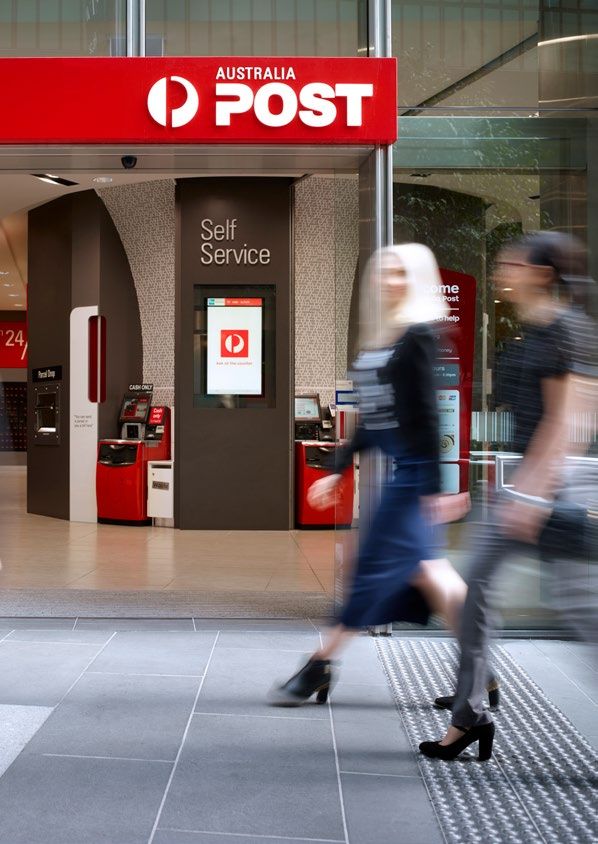
Australia Post: Data driving
functional capability

Australia Post has been around for        As both a retailer through its nationwide   Australia Post’s biggest challenge now
209 years, but the last seven have        network of Post Offices and a delivery      is how best to use data to drive change
seen some of the biggest changes in       organisation, the company is now            and improve collaboration. The recent
its history, with the number of parcels   looking very closely at its supply chain    launch of the Shipster platform is a
they deliver overtaking letters for the   and how it can better leverage data         prime example.
first time. There is no doubt this has    to improve the customer experience.
                                                                                      With Shipster, Australia Post is
been driven by Australia’s growing        It’s all about understanding what
                                                                                      essentially creating an ecosystem
appetite for online shopping – up a       the customer wants and aligning
                                                                                      of merchants and retailers involved in
whopping 19.2%7 last year alone.          their service offering to that.
                                                                                      online shopping. The aim is both to help
For the company, this new                 And the organisation understands
                                                                                      them grow their online businesses and
e-commerce world is presenting            that customers want choice, they
                                                                                      remove one of the biggest barriers to
both enormous opportunities – and         want convenience, and they want
                                                                                      that goal – shipping and shipping costs
challenges – as they move from their      everything now.
                                                                                      – by combining data from merchants,
traditional business model towards
                                          Like many big corporates, their legacy      consumers and logistics providers to
an omnichannel, on-demand future.
                                          systems and infrastructure have             get items where and when people want
                                          required major transformation. Beyond       them. Over a hundred retailers and
                                          that, however, they are now focusing        merchants are already onboard and
                                          on a number of key questions. What          another thousand are on the horizon.
                                          do customers want in-store? How do
                                                                                      So what next for Australia Post? Will
                                          retail systems connect to real-time
                                                                                      drones one day be delivering our mail?
                                          inventory? How does the customer
                                                                                      Nothing is being ruled out of the mix,
                                          want their parcel delivered: click and
                                                                                      it seems. Whether it’s an autonomous
                                          collect, online or physical? How can the
                                                                                      electric vehicle or a drone, the company
                                          customer get visibility of their order?
                                                                                      aims to continue leveraging data, and
                                          And how can the delivery network
                                                                                      evolving its business model to make
                                          be optimised to get a parcel to the
                                                                                      sure they can keep giving customers
                                          customer as quickly and efficiently
                                                                                      what they want, when and where they
                                          as possible?
                                                                                      want it.
                                          Data is the thread that runs through
                                                                                      Find out how another Australian
                                          all this, and the customer’s mobile
                                                                                      company, Linfox, is taking a new
                                          number is one simple data set that is
                                                                                      approach to data on page 34.
                                          proving very powerful, connecting into
                                          all the organisation’s internal data sets
                                          and systems. By having access to that
                                          data and knowing where an item is in
                                          the supply chain, the company allows
                                          their customers to say, ‘I want this item
                                          delivered here now, but in ten minutes
                                          time I want to change my preference,’
                                          and the supply chain has the flexibility
                                          and fluidity to keep up.

08                                                                                                                               09
3. Our research
3.1. Research questions Data-driven supply These are the technologies that are
and hypothesis chain framework facilitating large-scale data capture Data-driven supply chain framework
(IoT), automatic analysis (AA) and more
In our research, we sought to explore We hypothesised that readiness effective collaboration between supply
the phenomena of data-driven to adopt a data-driven supply chain partners (cloud, blockchain and
1. Belief that data-driven supply chains
will increase sales, margin and
supply chains and investigate three chain (DDSC) approach consists data exchanges). business efficiency through
Deployment of key technology
key questions: of three conditions. improvements in:
Thirdly, we hypothesised that for a Belief in
1. What are the key readiness factors First, there must be a belief in the
a. Data capture devices Technology a. Fullfilment (delivery in full,
DDSC approach to be implemented, (IoT, video, etc.) Business on time [DIFOT])
for the successful execution of a business benefits that DDSC can b. Automated data analysis tools Deployment
there must be strong relationships c. Platforms for collaboration Benefits b. Inventory (turnover, days supply,
carrying cost)
data-driven retail supply chain? deliver i.e. management must believe between the supply chain partners. (cloud, blockchain, etc.) c. Responsiveness (lead time, flexibility)
that an investment in DDSC can deliver The resulting framework builds on a
d. Quality (defects)
2. What are the current readiness levels e. Network optimisation
increased sales, margins or business recent review of academic studies
across retail, transport/logistics and
efficiency through measurable into supply chain collaboration by
2. Top management commitment
manufacturing businesses?
improvements in supply chain KPIs Ralston et al8 that found the three main
3. What gaps in readiness exist like fulfilment rates, inventory initiators of SCC are internal (belief),
between supply chain actors productivity, responsiveness, technological and relational.
(retail, transport/logistics and quality or network optimisation. Relationship
manufacturing) and between Strength
Secondly, the key technology
small and large organisations
elements of a DDSC must be adopted.
in these sectors?
Inter and intra company
a. Levels of trust
b. Risk and reward sharing
c. Common business language
Base: 200 decision makers/influencers responsible for supply chain operations strategies within Australia
Source: Forrester Research conducted the fieldwork for the quantitative part of the research on behalf of Telstra.
3.2. Sample and method Forrester Research conducted the An effort was made to ensure we
quantitative part of the research on received responses from all parts
We conducted both quantitative
behalf of Telstra. The data was gathered of the supply chain (retail, transport/
and qualitative research to answer
via an online survey during December logistics and manufacturing) and that
our research questions and test
2017 and January 2018. 200 responses both smaller businesses and larger
our hypotheses.
were received from supply chain businesses were represented.
professionals from around Australia.
10 11
“To what degree do you believe the following are benefits of your
organisation implementing a data-driven supply chain?”
(Showing percentage of respondents selecting “Strong benefit” or “Benefit”)
Accelerated inventory turnover 56% 39%
(reduced days’ supply, reduced carrying cost, improving
management of risks an loss)
Improved fullfilment 55% 39%
(on time and in full)
Reduction in number of defects
(damage during transport, wrong shipments, etc.)
leading to superior quality
58% 34%
Increased responsiveness through
reduced lead time/increased flexibility 58% 34%
through real-time data sharing within supply chain partner network
Improved network optimisation,
better placement of physical facilities 52% 36%
(stores, distribution centres) and stock held in them
Respondent profile:
Strong Benefit Benefit
Company HQ location Company size (in Australia) Base: 200 decision makers/influencers responsible for supply chain operations strategies within Australia
Source: Forrester Research conducted the fieldwork for the quantitative part of the research on behalf of Telstra.
1,000 or more employees 14%
Australia N=22
N=53
US N=21 500 to 999 employees 36%
When asked to rank these benefits, our “15-20% of complaints relate In general, retailers and transport/
respondents nominated improvements logistics companies were in lock-step,
in DIFOT (70%) and better utilisation of
to fresh products. Anecdotally but manufacturers ranked the benefits
Europe
250 to 499 employees 35% assets (including inventory) across the lettuce has a lifespan of differently. For example, while higher
N=37
Asia Pacific
excluding Australia
network (62%) as the most important. 2-3 days and a lack of visibility margins ranked as the number one
N=67 leads to participants holding general business benefit for retailers
Other (Canada, China, 100 to 249 employees 15% The interviews we conducted confirmed
and transport/logistics companies, it
Latin America, MEA) a belief that data-driven supply chains the stock at non-retail only ranked sixth with manufacturers.
would create positive outcomes in locations for over 24 hours, Likewise, while better-informed
terms of cost, visibility and agility, as
well as improving work practices in the limiting shelf life.” business decisions ranked number
one with manufacturers, it ranked
Target industries Level of decision-making supply chain.
“I suppose, over time, (data has) become only sixth with retailers and transport/
“….often when…something’s more important because once upon a logistics companies. And while
increased business agility was seen as
gone wrong or out of service time a logistics transport infrastructure
an important benefit by 62% of retailers
was locked and loaded for life, so it was
or your cost profile’s not right all about inventory. Nowadays, pretty and transport/logistics companies,
Manufacturing 35% 35% Decision maker for supply
32% 99% of the time, what much every part of the supply chain less than half of manufacturers shared
Transportation,
chain operations strategies
underpins that is the right is flexible… In the eighties, data was this view.
logistics and Influences decisions related
warehousing information not being in the more about making sure you ordered This disparity in ranking of business
to supply chain operations 68%
strategies the right stock. Nowadays every part benefits is probably a reflection of the
Retail right place.” of the supply chain is driven by some different planning horizons of retailers,
30%
data decision.” transport/logistics companies and
“Understocking and overstocking manufacturers. Manufacturers like
is costing us a small fortune.” “So the promise of data that is richer,
more connected is that we potentially to plan production as far in advance
“We’ve got (thousands of) products could respond in a more agile fit for as possible, to maximise efficiency,
Base: 200 decision makers/influencers responsible for supply chain operations strategies within Australia
that are shipped on the average of the purpose way that would scale both while retailers and transport/logistics
Source: Forrester Research conducted the fieldwork for the quantitative part of the research on behalf of Telstra.
average rather than the optimal of what up and down to match demand (while) companies are more concerned with
we actually could ship. So we see an maintaining service levels.” maximising demand opportunities as
enormous amount of ability to strip a they present themselves. The issue of
The qualitative phase of the research 3.3. Results and discussion supply chain deliverables and general huge amount of cost out of our supply There was also recognition across alignment has always been important
consisted of a number of semi- business performance. chain (using data).” the supply chain that DDSCs would in supply chain collaboration, and it will
structured interviews with retail supply 3.3.1. Belief in business benefits improve general business performance be important in deploying a data-driven
Traditional deliverables like inventory “Stock management should take up
chain professionals from Australia. Our survey respondents showed – delivering sustainable competitive supply chain because both require a
turnover, delivery in full on time (DIFOT), 10% of my time but it’s taking up 95%
The interviews were conducted an overwhelming belief that a data- advantage, improved management of coalition of the willing.
defect reduction, responsiveness and of it. It’s like playing catch-up football.”
between November 2017 and driven approach will deliver tangible risk and loss, improved margins, better
network optimisation were all seen
February 2018. business benefits in both traditional informed business decisions and agility.
as benefits of a data-driven approach.
However, the ranking of these benefits
was not consistent.
12 13
“Which of the following could be/are benefits of your organisation “Which of the following could be/are benefits of your organisation
implementing data-driven decisions?” implementing data-driven decisions?”
(Showing aggregate percentages of ranks) (Showing aggregate percentages of ranks)
All Manufacturing Transport/logistics Retail All Midsize (100 to 499) Enterprise (500+)
and warehousing
Creating a sustainable
65% 71% 61%
Creating a sustainable competitive advantage
65% 59% 78% 78%
competitive advantage
Improved management
Improved management 65% 77% 70% 70% 65% 64% 25%
of risk and loss of risk and loss
Improved margins 64% 42% 82% 82% Improved margins 64% 65% 24%
Make better-informed business 60% 81% 30% 30%
decisions using insights from big data Make better-informed business
60% 60% 36%
decisions using insights from big data
Reduced costs 46% 49% 50% 50%
Growth in revenue Reduced costs 46% 46% 60%
40% 38% 30% 30%
More efficient scaling 37% 51% 28% 28%
through automation Growth in revenue 40% 39% 40%
Increased business agility 36% 30% 62% 62%
More efficient scaling
37% 34% 16%
Improved data quality through automation
27% 33% 22% 22%
and consistency
Increased business agility 36% 36% 21%
Increased business efficiency 26% 19% 18% 18%
Strengthened channels/ Improved data quality
18% 9% 18% 18% 27% 28% 66%
partner network and consistency
Access to valuable data 16% 12% 12% 12%
that was not used before Increased business efficiency 26% 27% 46%
Strengthened channels/
Base: 200 decision makers/influencers responsible for supply chain operations strategies within Australia 18% 14% 64%
Source: Forrester Research conducted the fieldwork for the quantitative part of the research on behalf of Telstra. partner network
Access to valuable data
16% 15% 41%
that was not used before
Base: 200 decision makers/influencers responsible for supply chain operations strategies within Australia
Source: Forrester Research conducted the fieldwork for the quantitative part of the research on behalf of Telstra.
As well as recognition of the benefits, more advanced in their analysis of data large and smaller businesses.
there is both aspiration and action and 57% say that they already gather Smaller businesses are generally
among supply chain businesses more data and apply the learnings more less aspirational and have taken less
to actually implement a data- quickly than their competitors. action towards becoming data-driven This could be a reflection of both the supply chain negotiations. SMEs know general agreement that data-driven
driven approach in their operation. than large businesses, even though resources required to deploy a data- that data-driven supply chains will supply chains will deliver substantial
Retailers, transport/logistics and
For instance, 65% of our survey our research shows they have a bigger driven approach and the relative lack deliver tangible business benefits, but benefits, smaller businesses need to
manufacturers are broadly aligned
respondents aspire to become more belief in some of the core business of power enjoyed by small businesses don’t expect and are not preparing to find the resources to compete.
here. However, there is – perhaps
data-driven, 57% aspire to become benefits of becoming more data-driven. compared with large enterprises in be part of the ecosystem. If there is
unsurprisingly – a divergence between
14 15
“Thinking about your company’s operations, how much do you “What is your firm’s timeline for implementing t he
agree/disagree with the following statements?” following Internet of Things applications?”
(Showing percentage of respondents selecting “Strongly agree” or “Agree”) (Not all responses shown)
All Midsize (100 to 499) Enterprise (500+)
We want to become more Inventory management or warehouse
data-driven in our decision making
24% 41% 24% 26% 23% 56% management – tracking inventory levels 32% 24% 28%
and managing warehouse operations
We want to become more advanced Facility, smart building, and energy
in our ability to perform analytics
17% 40% 12% 28% 22% 52%
management – monitoring and remote management of 29% 36% 24%
building security, communication and HVAC systems
We gather more data, learn,
and optimise in a changing market 29% 28% 29% 22% 28% 34% Fleet management – monitoring and managing
faster than our competitors
the condition and location, and usage of vehicle fleets 28% 21% 30%
We measure process and decision (e.g. airplanes, taxis, buses and trucks)
outcomes so as to quickly refine our 18% 37% 14% 34% 22% 39%
analytics based on what we learn Supply chain management – managing supply
chain relationships including payment processing
19% 34% 31%
We want to get more
value from big data
15% 40% 13% 27% 16% 52%
Industrial asset management – monitoring and
We are good at ensuring managing the location, condition, and usage of 8% 38% 35%
analytic insights actually 18% 36% 14% 22% 22% 49% industrial equipment and machinery
create effective actions
Operational efficiency has been Upgrading chain of responsibility
7% 25% 43%
the greatest benefit from our data 18% 32% 16% 34% 20% 29% to comply with Australian legislation
and analytics investments
Customer order and shipment/delivery tracking –
monitoring, managing and reporting status
6% 38% 37%
Strongly agree Agree of order enabling customer visibility into the
status of orders and deliveries
Base: 200 decision makers/influencers responsible for supply chain operations strategies within Australia Smart, connected products – incorporating
Source: Forrester Research conducted the fieldwork for the quantitative part of the research on behalf of Telstra. connectivity and intelligence into products, in industrial, 2% 35% 38%
commercial and consumer markets
Planning to implement
Implemented/expanding Interested but no plans
within 12-24 months
3.3.2. Technology deployment 1. Technologies to collect data The good news from our study is that
at scale (IoT). these technologies are being adopted
The second part of our hypothesis was
across the supply chain and there are
that some key technologies need to be 2. Technologies to analyse it automatically
plans to increase adoption over the next In our interviews, we found a number There is also enthusiasm for a test-and- 3.3.3. Relationship with partners
deployed for an organisation to be ready or semi-automatically (AI).
12-24 months. Very few of our survey of IoT applications are being deployed learn approach to adopting technology.
for a data-driven supply chain. These The third part of our hypothesis was
3. Platforms on which to collaborate respondents were not interested in in the transport/logistics sector.
technologies come in three categories: “We’ve been trialling autonomous that relationships need to be strong
with the data. deploying these technologies.
“We’re doing lots of trials at the forklifts. The business case doesn’t for an organisation to be ready for
particularly stack up at this point, but data-driven supply chain. In this
moment with vision picking, to we know it’s coming … so we’re learning case, 63% of our survey respondents
capture a lot more information now what the implications (are) from reported having good or exceptional
via cameras – things like serial a safety point of view, what happens if relationships with their suppliers and
“What are your firm’s plans for the following technology concepts?” numbers and bar codes. the batteries die, how do you overrule customers. This would seem to be a
it, all those types of things – that’s solid platform on which to build supply
(Not all responses shown) One of our big sectors is the way that we sort of approach chain collaboration technology.
service logistics. So you might this technology.”
have the technician out fixing
Internet of Things 56% 26% 16% 3% something and (with vision
picking) be able to log in to the
Public and hybrid cloud big data services
(e.g. AWS, Azure) and data warehouse 35% 35% 24% 7%
DC, say this is the part that I
automation (e.g. Snowflake) need, to be able to see what
Large-scale predictive modelling,
they’re looking at and confirm
data mining, or other advanced analytics 33% 35% 24% 9%
it before shipping it out there.”
Planning to implement
Implemented/expanding Interested but no plans Not interested
within 12-24 months
Base: 200 decision makers/influencers responsible for supply chain operations strategies within Australia
Source: Forrester Research conducted the fieldwork for the quantitative part of the research on behalf of Telstra.
When we asked what type of that it is mainly IoT technology for
deployments were in place or under the collection of data for supply
consideration, the responses show chain management.
16 17
“Which of the following factors do you see as key operational improvement
of collaborating between your company and your supply chain partners?”
(Showing top three ranks)
Alignment on common goals
and shared (transparent) metrics 22% 16% 28%
Ability to share granular
transaction data frequently 22% 21% 14%
Ability to synchronise
master data 15% 22% 19%
Use of common business
language or semantic terms 15% 13% 15%
Transparency across the network of inventory
balances by location, labour, warehouse, and
transportation capacity, transparency of purchase 8% 19% 13%
and PO call offs to an agreed planning horizon
Transport order status and (final)
customer satisfaction 18% 9% 11%
Rank 1 Rank 2 Rank 3
Base: 165 decision makers/influencers responsible for supply chain operations strategies within Australia
Source: Forrester Research conducted the fieldwork for the quantitative part of the research on behalf of Telstra.
In our interviews, collaborative “I think (collaboration) means having a When we asked what data was
“How would you rate the strength of relationships between your company relationships were consistently long-term goal and both being focused currently being shared with suppliers
characterised as being founded on what you’re trying to achieve and and customers, a different picture
and your supply chain partners related to collaborative technology?”
on mutual benefit. there being benefit in that for both emerged. Data is indeed being shared,
of you versus each being year by year, but this mainly relates to having a
“When I meet with those hit a number and it’s all focused on delivery accepted or an invoice paid.
(collaborative) suppliers, I do what we need to achieve… Just that Strategically important data that could
Exceptional 27% ability to accept there’s two sides of the make the supply chain work more
get a sense, it was a genuine
story and we’re both here being willing efficiently – like sales information from
desire, for our businesses to share and learn from each other. retail point of sale systems or item
Good 36% to be successful and more And being open for us to try new things master data – are among the least likely
successful. And what that that might mean sometimes we actually to be shared. This implies an inherent
fail even if that might mean that we lack of trust between supply chain
Moderate strength 20%
looks like to me is they
don’t hit a result.” partners when it comes to sharing
understand what our strategy strategically valuable information.
is – they’re trying to present to
Weak 14%
us products that align to what
that forward strategy and
Poor 4% customer aspiration is.
So that, to me, says they’re
truly trying to make our
Base: 200 decision makers/influencers responsible for supply chain operations strategies within Australia
Source: Forrester Research conducted the fieldwork for the quantitative part of the research on behalf of Telstra. business successful.”
Where collaboration is being practised, respondents ranked the benefits “soft” actually “seeing the data that will help
a number of specific business benefits to “hard” i.e. they see the most benefit drive the supply chain more efficiently”.
occur. It was interesting that our survey in “aligning objectives” followed by
18 19“To what degree do you share data with your
partners across the supply chain?”
(Not all responses shown)
Find out how Otto is using predictive
customer analytics in the supply chain.
Sharing data about See the case study on page 31.
shipment; for example, ASNs 57% 29% 15%
Sharing purchase order, purchase order
acknowledgement, or goods receiving data
54% 39% 8% 3.3.4. Barriers to adoption
We have seen that actors in the retail
Sharing data about quality deliveries 49% 39% 13% supply chain understand the benefits
of a data-driven approach, have begun
deploying the necessary technology
Sharing inventory data with supply chain partners 43% 43% 14%
and claim good relationships with their
supply chain partners. According to our
Sharing customer data with supply chain partners 40% 47% 13% hypothesis, this would suggest there
is a degree of readiness to adopt the
data-driven supply chain, so what are
Sharing location master data like GLN 35% 52% 14% the barriers to deployment?
Sharing a perfect order
“How do we bridge that gap
30% 46% 25%
perfect delivery score card
between us seeming so
Sharing point-of-sale scan data
futuristic to people that they
30% 37% 34%
with supply chain partners don’t even know where to
start? You know, how do
Sharing data about yard slots for deliveries 10% 56% 35%
we bridge that gap, that
Sharing master data, for example, weight
practical reality of taking
5% 56% 40%
and cube for GTIN at unit, case or pallet level the next step to execution
(that) seems real?”
Shared with partners Share with selected Not shared
collaboratively partners, but not widely
Base: 200 decision makers/influencers responsible for supply chain operations strategies within Australia
Note: Percentage may not total 100 because of rounding
Source: Forrester Research conducted the fieldwork for the quantitative part of the research on behalf of Telstra.
The reluctance to share strategic Some retailers guard information Some in the third party logistics (3PL)
information was a theme of our jealously and infer in it a sense world challenged the retailer view
interviews. Some saw it as a deeply of competitive advantage. that data has intrinsic value. They
embedded cultural phenomenon were especially opposed to the idea
“We actually had a request from a big
that will be hard to break. that supply chain partners should be
(manufacturer) the other day where
charged a fee for access to it. They
“Our entire commercial and they want us to give them all our store
instead argued that, like many other
data and store sales so they can
legal system in Australia, New predict (demand). We don’t actually
resources, supply chain data really only
Zealand and probably other has value in use.
give that information, we hold that
parts of the Commonwealth pretty tight because, for us, it’s a “My view is that the value
are adversarial. Resolving competitive advantage.”
in the currency of data has
an issue, it’s not inquisitorial, Ironically, some retailers are still something to answer for. I think
it’s not data-driven … it’s all prepared to blame the manufacturer
or wholesaler when out of stocks occur
that we’re now realising that
adversarial. So the buying and during promotional periods. what the data can tell you is
selling relationship, whenever the real value, and by sharing
“One of the biggest problems was we
there’s two parties where would never get a proper forecast from it you’re going to maximise
one is providing a service the (retailer) and then there’d be the the value. And I think that
to another, you always get age-old ‘well, you should have had
ownership of data is the
the stock, we’ve had lost sales, etc.’”
to this adversarial position, biggest inhibitor too, not only
which is hard to break.” collaboration of course, but a
truly data-driven supply chain.”
20 21“What are the biggest challenges your firm faces in implementing
a data-driven supply chain strategy”
(Showing percentage of respondents selecting “ Very significant challenge,” “Significant challenge,” or “Challenge”)
Data security/data privacy 30% 36% 24%
Lack of capability to enable us to transform
data insights into business action
16% 46% 22%
Complexity of vendor
application installations
31% 25% 26%
Lack of budget 22% 38% 21%
Poor data quality 26% 32% 21%
Inadequate or missing
relevant internal skills
10% 20% 26%
Lack of business
C-level executive support
15% 19% 20%
Very significant challenge Significant challenge Challenging
Base: 200 decision makers/influencers responsible for supply chain operations strategies within Australia
Source: Forrester Research conducted the fieldwork for the quantitative part of the research on behalf of Telstra.
“Looking at the technical implementation of data capture and analysis tolls and technology,
how challenging is each element for its implementation in your organisation?”
(Showing percentage of respondents electing“ Very significant challenge,” “Significant challenge,” or “Challenge”)
Data security There are also concerns about the size Complexity of
of the ecosystem that could potentially technology deployments
The number one barrier seen by our
be sharing data. Many SMEs, in
survey respondents to adopting a DDSC Our survey respondents also saw
particular, may not have the security
approach was security of data. This practical problems in deploying Managing data capture
34% 27% 21%
measures in place to ensure a retail and movement
is not surprising given that we have a data-driven approach that related
ERP system is safe if made available
seen how importantly our respondents to the complexity of the technology.
for collaboration.
regarded data. When we asked specifically Analytics competency 26% 30% 26%
In our interviews, we also found “We’re very protective of about deploying data capture and
making sure that there’s no analysis tools, respondents cited
businesses conscious of a duty of care Analytics technology maturity 28% 28% 24%
major challenges as including
around data on behalf of their customers. way they can bring our systems the management of data capture
“The technology’s moving faster than down or that they can create and movement, the maturity of AI Complexity of integrating data,
analytics, and IoT software
19% 38% 22%
the social implications or the security viruses within our system by technology, integrating applications,
implications. We’re probably one of those governance of management and
sorts of organisations that need to make
giving them the access.” sharing of data, as well as the
Integrating enterprise and IoT data 21% 33% 21%
sure everything is protected. And we’re previously mentioned skills gaps.
quite conservative in our approach – if Skills gaps Data ownership and governance 16% 33% 22%
In our interviews, we heard that even
we don’t think that we can do it properly
The next most important barrier to when a retailer has the intention to
then we tend not to do it.”
adoption of DDSCs is a skills gap within collaborate, sometimes they simply do Data and insight sharing 15% 16% 21%
supply chain organisations. Supply not have the technological tools to do so.
chain organisations feel they simply do
not have the skills available to execute “I don’t think we’ve got the Basic network and
infrastructure data protocol issues
10% 15% 10%
on a data-driven approach. As we will tools to give our suppliers the
see later in the report, this is an issue
real transactional information
already being addressed by some
overseas retailers. and right forecast to Very significant challenge Significant challenge Challenging
collaborate properly.” Base: 200 decision makers/influencers responsible for supply chain operations strategies within Australia
Source: Forrester Research conducted the fieldwork for the quantitative part of the research on behalf of Telstra.
When we asked specifically about cloud of issues relating to operating across network design latency and the skills
deployment as a collaboration platform, multiple platforms, including managing gap previously noted.
our survey respondents cited a number compliance, security, support for apps,
22 23“Looking at the technical implementation of cloud collaboration technology,
how challenging is each element for its implementation in your organisation?”
(Showing percentage of respondents electing“ Very significant challenge,” “Significant challenge,” or “Challenge”)
“It’s a complex web of legacy stuff
that you’re trying to unravel while
Managing compliance levels across
you’re trying to bolt on the new.
35% 40% 20%
environments in the supply chain And, for me, I feel that’s the hardest
thing to work through.”
Privacy (e.g. unauthorised
access/data breaches/theft)
28% 30% 23% One of things our respondents
admired about Amazon was the
Application support issues (e.g. apps
13% 41% 21%
way innovation is baked in to their
not supported or badly supported in particular)
organisational process.
Network design – architecting hybrid cloud networks,
18% 31% 25% “What they do is implement
virtual private networking across different environments
straightaway and they then
Monitoring is a challenge 16% 32% 25%
assess the customer
experience. And if the
Security (e.g. app/data protection) 28% 31% 14%
customer experience is of
value and resonates and it is
Managing network performance/latency the right customer experience,
10% 26% 31%
between clouds and to/from cloud platforms
then they will quickly find
Lack of skilled employees to
the efficient (way to deploy it)
18% 21% 20%
manage collaborative cloud platforms
in the supply chain.”
Very significant challenge Significant challenge Challenging
Relational barriers
to collaboration
Base: 118 decision makers/influencers responsible for supply chain operations strategies within Australia
Source: Forrester Research conducted the fieldwork for the quantitative part of the research on behalf of Telstra. When we asked about barriers to
collaborating more with partners, a
non-technological factor was ranked
highest i.e. alignment on common goals.
This was closely followed by the lack
Some CEOs are simply philosophically “If there was a technology platform “It’s hard to compete (for) the of a common business language or data
opposed to holding data outside the that you could exchange information
building, which makes any kind of on, that you could collaborate on in
CEO’s attention when you’ve standards to facilitate data exchange.
data-based collaboration difficult. an easy way, then that would enable got Sales and Marketing It’s interesting that for this question,
you to, I think, manage a bigger pool promising the world and security was ranked lowest among the
“I’ve heard people come into of partners. But I don’t see that increasing sales by 10% is responses. This suggests there are
the business and say, ‘You’ve anywhere at the moment.”
going to deliver (more benefit)
major strategic alignment and data
harmonisation issues to be addressed
spent so much on servers and Organisational barriers than a 50% improvement before the issue of security can even
there’s other ways of doing Our interviews also uncovered a number in the supply chain.” be considered.
things now,’ but (the CEO is) of familiar organisational barriers in the
very protective of our way of innovation. Attracting funds for In the retail world, supply chain
infrastructure and that supply chain investments, especially managers are not used to building
when competing with other projects investment cases for transformative
probably can be a bit of that are seen to have a direct impact investments yet they need to assume
a barrier when you’re on revenue, was seen to be a problem. that role in the future.
sharing information.” “I suppose a lot of our time and “Supply chain managers are often in
attention is growing our store an influencer role and it’s quite new for
Others are looking forward beyond pure network. So therefore, the priority us to be seen as bringing value to the
cloud to data exchanges, which promise is market growth.” business other than the lens of lowest
the ability to share harmonised data cost to move. The concept of data
sets between partners. connectivity creating enterprise value
coming from a supply chain professional
would be foreign for most I suspect!”
There is also the problem of maintaining
legacy systems and investments while
simultaneously trying to transform.
24 25“Which of the following factors are barriers to collaboration
between your company and your supply chain partners?”
(Showing percentage of respondents electing “ Very significant challenge,” “Significant challenge,” or “Challenging, but manageable”)
Lack of alignment to common business goals, including risk
and reward sharing, for all parties in the value chain
29% 23% 26%
Lack of a common business language
or set of standards for data exchange
29% 20% 17%
Inability to share event or transaction data at a
sufficiently granular level, sufficiently frequently
23% 23% 23%
Lack of transparency of inventory,
transportation, storage, or labour capacity
26% 20% 17%
Lack of connectivity or
other technology issues
11% 29% 14%
Inability to synchronise master
data (for example GTIN and attributes)
17% 23% 11%
Concerns about data
integrity, security and privacy
14% 9% 23%
Very significant challenge Significant challenge Challenging, but manageable
Base: 35 decision makers/influencers responsible for supply chain operations strategies within Australia
Source: Forrester Research conducted the fieldwork for the quantitative part of the research on behalf of Telstra.
In our interviews, the idea of having In the upstream world of transport/ “I think gain share works
fewer but deeper relationships was logistics and manufacturing, there
seen as a way to facilitate collaboration. is also the issue of incentives to
if you have an honest cultural
collaborate. If supply contracts environment that says
“I very much favour a model are based on fixed fees for delivery ‘I respect the fact that both
where you’ve got a really core of KPIs, then there is often no of us have to make money
group that you’re building deep commercial reward for a partner who
may see opportunities to improve a
and that’s just the reality.’
relationships with and then process. Some of our respondents If you walk into every meeting
you’re topping up with anything said that sharing the rewards from and the first part of the
that they can’t service you on. improvements in the supply chain conversation is, ‘You guys are
is a way to change this.
Because I think it’s difficult for making a fortune,’ you sit there
them to get deep understanding “Sometimes you sit there and you go,
and think, ‘I don’t need to hear
‘I’d love to do all this work, but you
of your business and vice versa know what, I get no value if I do find this again. I have a right to
if you don’t have a smaller improvements.’ I think it will change make money and my job is
pool that you can grow over when you start the commercial to help you make money.’”
time with.” arrangement and say, ‘You know what,
if we could improve the supply chain
we’d both get a dollar each out of it.’”
26 273.4. Our research: Conclusions
3.4.1. Collaborators need to align 3.4.2. Data is the new oil but only 3.4.3. Data is a resource that
Collaboration requires a coalition of
when it can be used needs securing
the willing. Our research shows that Oil, generally thought to be the product Resources can be tangible (operand)
there appears to be no problem with of decaying organic material held in or intangible (operant). Vargo and
willingness to collaborate in the retail sedimentary rocks, has been with us Lusch introduced the idea that value
supply chain. The major barrier appears for millions of years. However, oil only is created when ‘operant’ resources
to be one of execution i.e. alignment became useful when we gained the are applied to ‘operand’ resources
between the parties on business ability to refine it in the nineteenth to create value. They used the
objectives. This is not surprising in the century. It was then that oil did indeed microprocessor as an example of
sense that supply chain organisations transform every industry especially an operand resource (silica) turned
have inherently different business by facilitating the development of the into something valuable through the
drivers e.g. a manufacturer generally motor car and the aeroplane. application of an operant resource
benefits from scale and would like as (knowledge). Data is an intangible or
much time as possible to respond to Likewise, data has been with us since
operant resource, but when deployed
changes in demand, whereas a retailer retail began. If we could take a time
in the supply chain it can be used to
generally benefits from its ability to machine back to the great markets
replace inventory, fixed assets, labour
respond to demand in the short term of ancient history, we would see
even physical locations through better
and therefore prefers short lead times transactions being made, customers
sensing of and responding to demand.
and flexible order quantities. being served, supplies being ordered
Data is therefore potentially as
and delivered, and invoices being paid
valuable as any of the tangible assets
As we saw in our interviews, alignment – all generating data. What’s changed
on a balance sheet and needs to be
on objectives can also be an issue in recent years is our ability to capture
protected accordingly.
internally with different departments and store data, analyse it and share it
within the same company often having with others – in other words, to make Overseas there have been a number
different and contradictory drivers it useful. of high profile attacks on retailers,
underlying their work. mainly targeting consumers’ personal
Our ability to turn data in to a usable
information. The retail supply chain is
Even though business drivers and resource mirrors the breakthrough in
arguably even more vulnerable because
objectives may be different, the oil refining in the nineteenth century.
of its interaction with large numbers of
competencies of an organisation and Unfortunately, our research shows that
SMEs who are less likely to have their
a supply chain are complementary. data may not yet be as usable as we
data protected.
Manufacturers, transport/logistics would like to think. Our respondents
companies and retailers are in the said: data is easy to collect but hard to The Australian government
business of combining to get goods and manage, there are problems making it conservatively estimated the cost of
information from point of production to compatible across different apps, the ransomware to the Australian economy
point of consumption and sometimes tools to analyse it are in some cases to be approximately A$1 billion per
back again. When competencies are immature, and the problems multiply year. It’s therefore not surprising that
complementary, the conditions exist when we attempt to share it across supply chain actors cite security as
for organisations to create something multiple platforms in the cloud. It their number one barrier to adopting
bigger than the sum of their individual seems we are not quite at the point of a data-driven supply chain. To remove
parts. This is the promise of the theory being able to use data to fuel our supply this barrier, supply chain businesses
of collaborative advantage9, which chain in the same way we can use should consult a trusted partner in
differs from the Porter’s theory of refined oil to fuel our cars. cyber security to ensure shared data
competitive advantage10 in attributing is protected and the benefits of data-
value creation to a network rather than Data needs to be accessible and useable.
driven collaboration are not lost.
an individual entity. Overseas we are seeing retail enterprise
systems being rewritten from the 3.4.4. This vehicle needs Likewise, the transition to data-driven long recognised the benefit of PhD
Aligning business objectives can ground up with exposed APIs to facilitate
extra drivers supply chains requires the traditional data scientists in their businesses.
be achieved through old-fashioned easy and quick access internally and skills of supply chain professionals, Traditional retail companies now also
talking or through facilitated design externally. We are also seeing the The Apollo space programme took men but it also needs mathematicians. It need to fill this skills gap. Forming
thinking sessions, but for it to be emergence of data exchanges that to the moon for the first time. Many of is mathematicians or data scientists closer ties with universities who have
operationalised incentives need to be facilitate the sharing of data between the men selected to be astronauts had who will interrogate the data and pipelines of PhD students and have
aligned. The coalition will not remain multiple supply chain players, as well as been fighter pilots or test pilots so were build the algorithms that turn supply post-doctoral students as potential
willing if one party takes the lion’s share the use of blockchain technology that highly skilled in flying. Unfortunately, chain data into useful business project resources may be a logical
of the spoils. For data-driven supply helps verify hands-offs between supply getting to the moon needed more information. Our research showed that first step.
chains to be adopted, it’s important the chain actors. These developments hold than just flying skills and today it these skills are in short supply in the
benefits of collaboration are shared the promise of overcoming current is acknowledged that without the Find out more about how
retail supply chain. Data science is
equitably11 and not just realised by one concerns with technology, making data contribution of mathematicians (many PhD-accredited data scientists
predominantly the domain of PhDs, an
party (usually the retailer). useful and assisting in the adoption of female), the journey to the moon could are transforming Target USA.
academic credential not traditionally
data-driven supply chains. not have been made. associated with the retail ecosystem. See the case study on page 32.
Online retailers like Amazon have
28 29You can also read


