THE DELTA APPROACH - delta management Preconditions for sustainable
←
→
Page content transcription
If your browser does not render page correctly, please read the page content below
THE
DELTA
APPROACH
                                     Preconditions for sustainable
                                      delta management

The Netherlands • Vietnam • USA • INDOnESIA • Mozambique • Bangladesh •
                 Colombia • Poland • Egypt • Myanmar

                                                                          1
THE
DELTA
APPROACH
			       Preconditions for sustainable delta management:
Introducing 12 building blocks inspired by 10 deltas

                                                            2
Nowhere on Earth are water related
                            challenges more pressing than in
                            river deltas. There’s fertile soil
                            and cities bustling with invaluable
                            human and economic activity, all
                            enabled by water. Water makes the
                            delta prosperous. But that same
                            water poses many risks: Flooded
                            river banks and coast lines can have
                            devastating effects, just like intense
                            rainfall and long periods of drought.
                            The world’s growth will happen in
                            urban regions, the majority of which
                            are deltas or riverine regions. The
                            increasing need for food and energy,
                            rising sea levels and increasingly
                            erratic patterns of rainfall and
                            drought demand a specific approach
                            for water safety and security in
                            our deltas.

Preparedness is key for a
safe and prosperous delta

                                                               3
Complex system                                             Improving awareness                                        New initiatives
As a vulnerable river delta itself, the Netherlands has    Thanks to our history, water is ingrained in the Dutch     I’m also constantly on the lookout for new
learned to deal with these risks in a specific way: By     national consciousness. It is very much a nationwide       opportunities to enhance water safety, tackle scarcity
embracing water. Water became our culture, our way         priority. But we need to sustain it, for water safety in   and boost security around the world. Since last year,
of life and we institutionalized this approach in our      the Netherlands is easily taken for granted. And there’s   the Dutch Risk Reduction Team stands ready to
governance, policies and investments. This is what         simply too much at risk to let that happen. Along with     advise governments on urgent water issues like flood
we call The Dutch Delta Approach. Simply stated,           raising and sustaining awareness, the Netherlands is       risks, water pollution and water supply, to prevent
the Delta Approach is the view that everywhere             currently improving transparency on water-related          disasters or to rebuild after disasters. The work of this
on Earth, water is a complex system and properly           expenses and optimising our systems of organisation        small group of Dutch experts is our contribution to a
managing it requires preparednessw, partnerships           and funding.                                               worldwide effort towards a more water resilient world.
and good governance. Preparedness is all about                                                                        The Netherlands is also initiating a global platform
giving water priority, by making it an increasingly        Working worldwide                                          on Water Security and Resilience. Our ambition is
important element of spatial and urban planning and        Since we experience water-related risks on a daily         a strong coalition of partners sharing a worldwide
development. Wherever necessary we give water the          basis, the Dutch can relate to the vulnerabilities of      responsibility. We invite countries, international
space it needs. Next, our focus turns to governance        other deltas in the world. We know what’s at stake.        organisations, cities and other stakeholders to
and partnerships: Between different levels of              I have made it my personal mission to make Dutch           join in a global effort, focusing on preventive
government and with businesses, communities and            expertise available across the globe as quickly as         action, long-term solutions, good governance and
experts, scientists and innovators.                        possible. Dutch experts work tirelessly in deltas with     innovative projects and financing. All crucial aspects
In the Netherlands we have created a national Delta        a wide variety of regional-specific issues. They’re        of our approach.
Programme to make our country safe and resilient           involved in the post-hurricane Sandy rebuilding in
for generations to come. The government finances           and around the state of New York. They were the            Get water to work for us
the programme through a dedicated fund. No matter          first to be on the ground when the United Kingdom          At the root of the Delta Approach is the knowledge that
who’s in charge, the Delta Programme’s long-term           suffered from floods last winter. And this spring          we can never take our safety, security and prosperity for
funding is guaranteed.                                     I visited Myanmar, a developing country with               granted. Relaxing our efforts to protect our people and
                                                           which we’re also collaborating on their pressing           our economies is not an option. We strongly believe that
                                                           delta issues.                                              safety, security and prosperity shouldn’t just be a national
                                                                                                                      affair. It is our responsibility to actively work with water,
                                                           Strengthening ties                                         towards a world where water works for us and not against
                                                           These close collaborations show that risks are shared      us. Towards a world that is safer and more prosperous,
                                                           worldwide, and so are the different solutions. The         thanks to water and not in spite of it.
                                                           Dutch programme Water Mondiaal (‘Water Global’) is
                                                           aimed at strengthening ties with 5 vulnerable river        What to do
                                                           deltas around the world: Bangladesh, Egypt, Indonesia,     This year the American state of California experienced
                                                           Mozambique and Vietnam. That’s neither just idealism       its third driest year on record. In the same year the
                                                           nor is it charity; it is smart policy, as water knows no   European countries of Bosnia and Serbia suffered from
                                                           borders. We are all in this together and together we       the worst rainfall and flooding in decades. We know
                                                           must build stronger and more resilient deltas. It is why   that the world will face more floods, droughts and
                                                           the Netherlands is eager to play a leading role to get     storms in the future. Rising sea levels and more erratic
 Melanie Schultz van Haegen                                those collaborations up and running. We want these         rainfall and drought bring increasing uncertainties.
 minister of Infrastructure and the Environment, Kingdom   programmes to align with projects run by international     We know what we need to do: Embracing the assets
 of The Netherlands, vice-chair High-level Expert and      organisations, like UNSGAB and UN Water, the OECD          of water, be prepared, form partnerships and execute
 Leadership Panel, UNSGAB                                  and the World Bank. But also within the European           good governance as our way of life, for better and
                                                           Union or the Asian Development Bank.                       more prosperous deltas.

                                                                                                                                                                         4
CONTENT
                                       6    The Delta Approach

                                       12   The Netherlands

                                       13   Bangladesh

                                       14   Indonesia

                                       15   Egypt

                                       16   USA
		   The Delta Programme can be seen
 as a next step in the evolution of    17   Myanmar
	Dutch water management
                                       18   Mozambique

                                       19   Poland

                                       20   Vietnam

                                       21   Colombia

                                       22   Contacts and partners

                                                                    5
THE                                                                                       Dutch water management is well known
                                                                                          internationally. Over centuries ‘The
                                                                                          Dutch’ have learnt how to protect their

DELTA                                                                                     Delta, making it an ever safer place
                                                                                          to live, while exploiting its potential to
                                                                                          the fullest. Dutch water management

APPROACH                                                                                  skills and knowledge is therefore being
                                                                                          exported all over the world by water
                                                                                          managers, engineers and scientists.
                                                                                          Can the Dutch way of managing the
                                                                                          Delta be seen as a characteristic and
                                                                                          recognisable approach? And if so,
                                                                                          can it be applied in other deltas? To
                                                                                          answer these questions let us first
                                                                                          take one step back to define what are
                                                                                          the main features of a Delta and what
                                                                                          they require in terms of management.
                                                                                          Next let us briefly summarise how the
                                                                                          Dutch Delta and its management have
                                                                                          evolved over time in order to arrive at
                                                                                          a description of the main characteristics
                                                                                          of the Dutch Delta Approach in 2014.

                                                                             Innovating
                                                                              tradition

DELTARES: ENABLING DELTA LIFE
Deltares is an independent, institute for applied research in the field of water,
subsurface and infrastructure. Throughout the world, they work on smart
solutions, innovations and applications for people, environment and society.
Main focus is on deltas, coastal regions and river basins. Deltares employs
over 800 people and is based in Delft and Utrecht in the Netherlands.
www.deltares.nl/en                                                                                                           6
What is a Delta? What are main Delta horizons larger than policy cycles, sophisticated protection and fresh water supply. In part these
Challenges? planning of deltas with care for long-term developments were planned actions, especially
In geological terms deltas are dynamic landforms that sustainability is required. those in water management, requiring and bringing
were created by the force of rivers, waves and tides. forward a high degree of organisation. Although
They are formed over thousands of years when global Discover the Dutch Delta Approach also spatial planning in the Netherlands is relatively
sea levels stabilised some six to eight thousand years Water management was the key driver for the organised, developments over the centuries are
ago and mostly located where a river drains into the development of the Dutch Delta. Marshlands were more autonomous. Due to the high protection levels
sea. They consist of complicated networks of rivers, drained and small-scale dike systems were erected (provided in recent decades) water management has
streams and small waterways, wetlands, estuaries in flood plains. Later also existing shallow lakes become of lesser influence on spatial planning.
and coastal barrier islands. Deltas host high-value were turned into polders using novel drainage Delta management is not new! It has been core
ecosystems, which provide a high biodiversity. techniques, such as windmills and steam engines. business in the Netherlands for centuries. Given this
In anthropogenic terms worldwide deltas provide To offer safe investment and settlement conditions, historical perspective the Dutch Delta Approach can
a home to a growing number of people (currently embankments along rivers have been enforced and be described as the water management of the Delta,
over half a billion) attracted by the presence of coastal protection with dams and barriers has been aimed at sustaining and promoting its spatial and
highly productive arable land, marine and freshwater improved over time, often triggered by major flood economic development.
resources and often energy resources. Mega cities, hazards. Spatial developments and water management The Dutch Delta Approach has been continuously
ports, industries and agricultural hotspots continue to are closely entangled in the Dutch Delta: the safe under development itself. It went from fighting and
grow in deltas. It may be clear that this often leads to delta and its excellent (water) infrastructure further controlling the hydrological variability on a small to
competing claims and pressures. stimulated economic developments and vice versa, a large scale. Strategies to protect the delta against
Large concentrations of people and the presence of the increased number of people living and economic hazards were at the beginning mostly based on single
high economic activities call for adequate protection activity in the delta was calling for increasing flood purpose (safe settlements, dry feet, enough water)
against flooding. At the same time the dynamics
of water and sediments should not be constrained
too much since ecosystems need these dynamics
to preserve their diversity. And coastal zones and
estuaries need sediments to be better protected
against erosion. The drainage of soft peat and clay but
also fossil fuel and groundwater exploitation can lead DELTA PRESSURES
to subsidence. In this way increasing the vulnerability
of the delta, its assets and people to flooding.
CHARGE
HARGE
Due to climate change and sea level rise, the number
and intensity of flood hazards will increase and
CREASED DR FALL
RI DIS T
SU se TORMS
salt intrusion and droughts will pose an increasing
TS
GH
AT NC VER C
DIS
N
threat to deltas around the world. The challenge is
TH
OU
USI PME
N
TE GR N
to maintain the Delta’s integrity also under these
MMER RAI
O
CHA OW
S
ER
GE
IO OSI
continuing climatic and anthropogenic pressures.
O
REME
ON
RISE
V
IN NT EL
N
LA ER
It is clear that this is not a matter of water RI
V
en
N
IAL E
management alone, but also requires joint effort of
DE
CREASED
CREASED
ORE VEL
ORE T
R
M /int
X
public and private sectors involved in the economic
CLIMA T
BSIDE
M /E
LE
development of the delta. Since alterations due to
I
ORE
PU
T
different natural and anthropogenic pressures in
SEA
SAL
DE
PO
SU
SP
IN
M
deltas do happen at different paces, and within time
7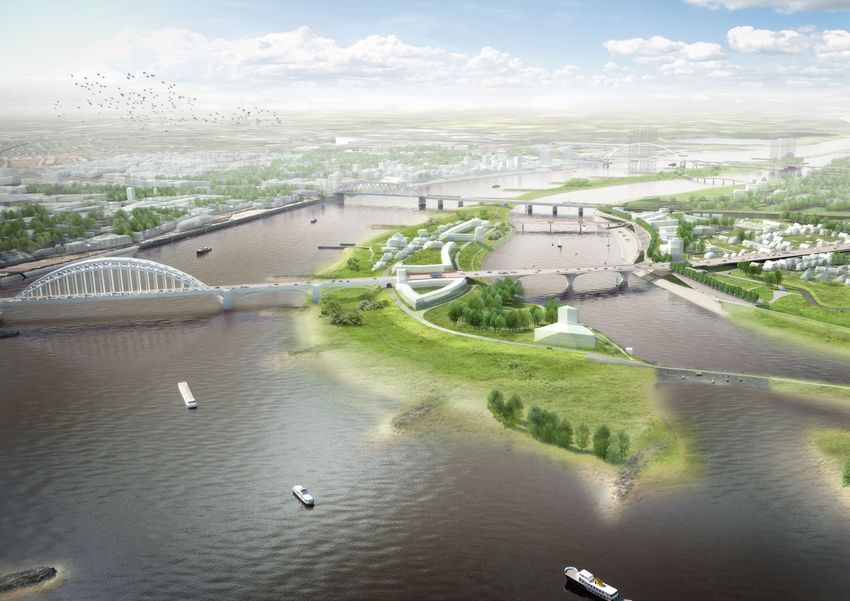
engineering solutions. The resulting large-scale        the River approach can be seen as one of the earlier      is part of the approach developed within the Delta
infrastructural works (like the Haarlemmermeer          examples of green adaptation approaches. The idea of      programme called Adaptive Delta Management.
polder, Zuiderzee works and Delta works) boosted        making better use of the services provided by nature,     Also in the organisation of the water management,
innovations and drew attention from all over the        instead of constraining them, was also taken further in   its institutions and how they interact with society,
world. During the execution of the Delta works, more    the coastal protection programme in the Netherlands       major developments were made. The more large
integrated measures for flood protection gained         with the ‘Sand Engine’ as a principle example.            scale and complex the challenges for water
ground, also taking into account water quality and                                                                management became the higher were the demands
water quantity while paying more attention to the       The next step                                             for organisational capacity to execute them. The
environment. The novel storm surge barriers in          The current Delta programme aims at a country-wide        higher the stakes for other societal parties, the wider
the Oosterschelde and Nieuwe Waterweg are main          sustainable flood risk protection and fresh water         the scope of programmes became and the more
examples of this.                                       supply under future scenarios up until 2100. It can       participation was required. That is why already a
With the Room for the River Programme a real shift in   be seen as a next step in the evolution of Dutch          long time ago, when the first polders were made, the
thinking was made. Instead of fighting the water and    water management. Not wanting to wait for (near)          Dutch developed a culture of multi-party negotiation
building higher defences, the Dutch chose to give the   disasters, this time, a proactive approach is followed.   (‘polderen’). This was also institutionalised in the
rivers more space to exercise their natural behaviour   Taking into account long-term uncertain climatic and      way the water management itself and its policy
and improve the quality of the landscape at the         societal changes also is a new element compared to        programmes were organised. To illustrate this
same time. Right from the start this programme was      previous programmes. To be flexible in coping with        organisational complexity: in the Delta programme,
multipurpose. The idea of improving spatial quality     this uncertainty, solutions are not presented as single   three ministries, the national water management
appealed to the regional stakeholders and planners,     step measures cast in concrete but rather as possible     authority Rijkswaterstaat, almost all water boards,
inspiring them to come up with better alternatives,     pathways, in which short-term measures may be             multiple municipalities, provinces and the port of
serving the regional economy better. The Room for       followed by multiple options. Seeking this flexibility    Rotterdam worked together in six regional and three

                                                                                                                                                                  8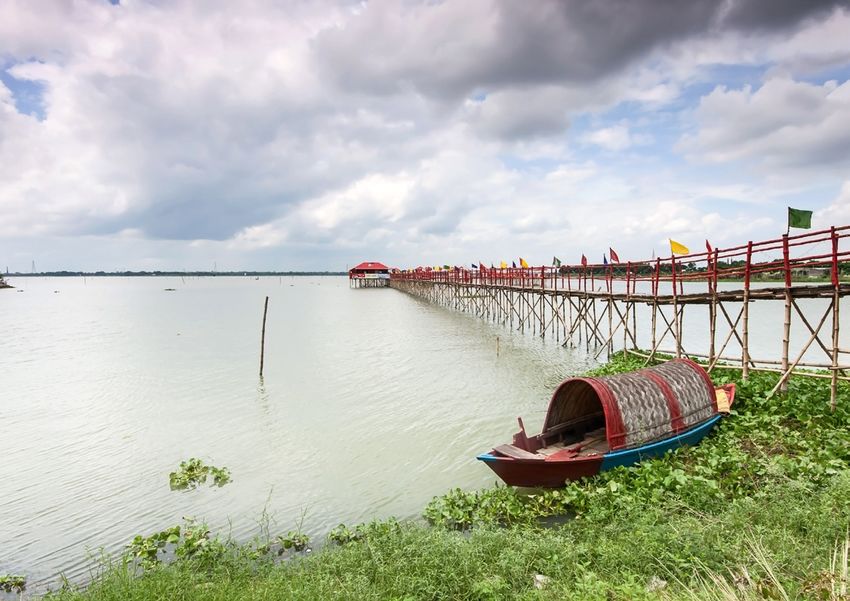
national subprogrammes under direction of the Delta            base which supports quantitative risk-based decision    Used Sources:
Commissioner. In addition, many societal organisations         making, which practically supports and is targeted      • Delta programme:
participated in the programme and multiple universities,       towards the decision making process and provides           http://www.deltacommissaris.nl/english/
knowledge institutes and consultants provided the              knowledge tools allowing for joint fact finding.        • Lenselink, G. and K. Meijer (2013). Handvaten voor inzet
programme with the necessary data, calculations and          As sketched above deltas are complex dynamic                 Deltaprogramma voor toepassing in het buitenland,
knowledge. The main characteristics of the current Dutch     systems, evolving over time through interaction              Presentatie 23 augustus 2013.
Delta Approach                                               between the physical environment (which has               • Marchand, M., T. Bucx, B. Makaske, C. van de Guchte
So the Dutch Delta Approach (DDA) has evolved over           been shaped over thousands of years) and human               & W. van Driel (2012). Enabling Delta Life – What
time, while struggling with the typical pressures that       interventions (at much shorter timeframes), often            makes managing land and water in deltas different?
deltas face and learning from the mistakes made along        aimed at better controlling natural climatic and             Discussion paper. Delta Alliance and GWP.
the way. It is also clear that the approach contains         hydrological variability and exploiting the available        www.gwp.org / www.delta-alliance.org
multiple building blocks, mixing old and new ideas, and      natural resources. Not all world deltas are in the        • Renaud F.G., et al.: Tipping from the Holocene to
building upon tradition.                                     same stage of this evolution and in the same state           the Anthropocene: How threatened are major world
It feels like the richness of the DDA is done short if we    of anthropogenic modifications. The Dutch Delta              deltas?, Curr Opin Environ Sustain (2013),
reduce it to a few concrete building blocks. That is why     is one of the deltas with a longer human history of          http://dx.doi.org/ 10.1016/j.cosust.2013.11.007
we explain them all on the next page. Overall you can        modifications. Worrying is that currently a number of
say that the Dutch Delta Approach:                           deltas, in rapidly developing areas, are being modified
>P  rovides a broad range of solutions to Delta             at a high pace, often uncontrolled, irreversibly and
   Challenges, proven in practice, rooted in a strong        unsustainable. The Dutch Delta Approach, not as a
   engineering tradition and complemented with               blueprint but applied to the specific circumstances,
   innovations such as building with nature and water        could be beneficially in these deltas as well.
   robust city design and building.
> Is an integrated approach. Water challenges in crowded
   deltas are always connected to challenges in spatial
   planning, biodiversity and economic development. DDA
   provides methods for balanced assessment of effects
   and stimulates integrated solutions.
>S  upports multi-level governance. Water management
   in the Netherlands is well organised across scales
   and water dependent sectors. With institutions
   that know how to find and deal with each other at
   their boundaries. Participation of societal groups is
   encouraged to enhance legitimacy and feasibility.
   In this setting the potential is increased that Delta
   challenges can be dealt with at the right scale and
   level and with the necessary support.
> Is an adaptive planning approach which is called
   Adaptive Delta Management. It encourages flexible
   and robust decision making and design under a range
   of future scenarios while seizing opportunities arising
   from investment agendas outside the water domain.
>B  uilds upon a strong knowledge and experience

                                                                                                                                                                           9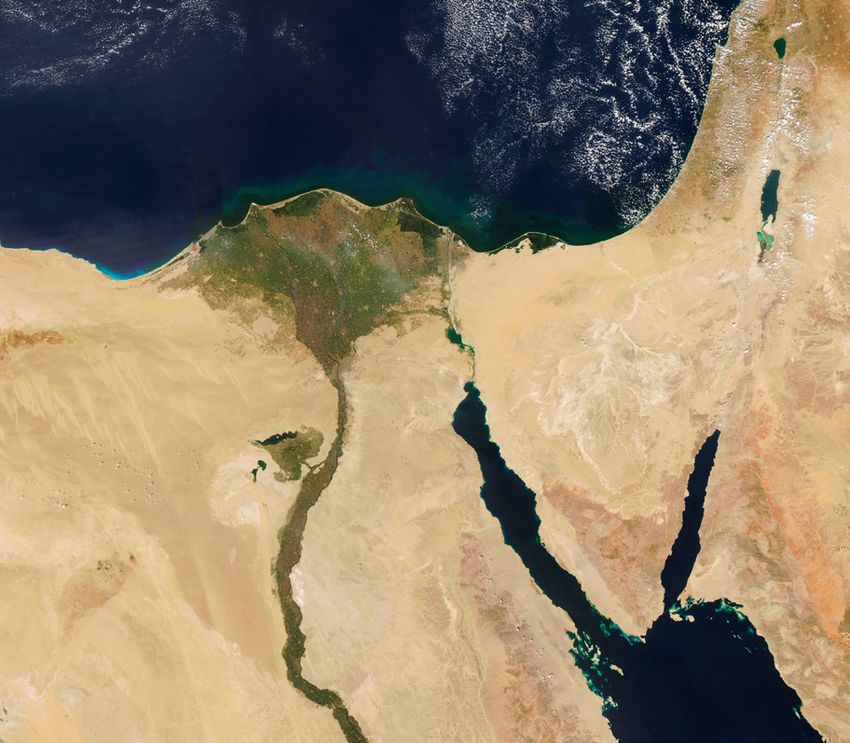
Introducing twelve building blocks
for a delta approach
Urban deltas worldwide are facing the same
challenges; population growth, flood risk, spatial                                The
                                                                                  1.
                                                                      Netherlands
planning, scarce natural resources. While the
solutions for each delta may be different, the
preconditions for a sustainable delta approach are
the same. In close cooperation with urban deltas
worldwide, the Netherlands developed the ‘twelve
                                                                      2.Bangladesh
building blocks for a delta approach’. In short: the
‘must haves’ for sustainable delta management.                          3. Indonesia
                                                                             4. Egypt
                                                                              5
                                                                                       1   8

The delta approach is a strategic planning process for delta
development that integrates sustainability, institutional, physical             5. USA         4       2
                                                                                                           6

and social economic aspects. It is an integrated water management

                                                                         6. Myanmar
                                                                                                               9
planning approach that has proven to be very successful in the
                                                                         10
Dutch Delta programme, and has been tested and developed with                                                  3
international partners. The 12 building blocks are essential for a

                                                                      7. Mozambique
                                                                                                   7
delta approach and can also be applied in other delta countries/
regions/cities to further delta planning processes.

                                                                            8.Poland
The Building Blocks in ten deltas
This publication highlights the delta approach in ten countries in
different stages of the planning process. Some rural, some urban,

                                                                           9.vietnam
varying in size, investment and impact. While Egypt and Myanmar
are now undertaking the first impact studies, the Dutch ‘Room
for the River’ programme has almost been completed. Each case

                                                                         10. Colombia
serves as an example of the use of different building blocks. The
ten countries are also examples of the long term water partnerships
between the Netherlands and deltas worldwide.

                                                                                                                   10
the ‘twelve building blocks for a delta approach’
Sustainability, Finance and
flexibility, solidarity implementation
Integrated approach Anchoring in legislation Financing the
A delta approach’s main focus is The basic principles that and depolitization
guide the delta planning implementation of the
water protection and availability, A legal basis for delta planning and delta plan should be
however it should also encompass process are sustainability, guidance of the process by a non-
flexibility and solidarity. an upfront concern.
nature, ecology, economy, recrea- political commissioner depoliticizes Vulnerabilities to political
tion and spatial planning. To make The right solutions meet the process, clearly sets the
these three preconditions. short-term thinking
a truly integrated delta plan it responsibilities and makes it less must be avoided.
should address content as well as The chosen solution should vulnerable to political mood swings.
work and continue to do so Private financing can be
organisation, finance, process and explored as an interesting
planning in the future, despite other
developments and should opportunity.
not harm the environment or
society.
Long term approach Cooperation with other Focus on key
vs. short term government levels and decisions and clear Supported analysis
measures stakeholders deadlines instruments
By taking the long term into National government, regional By setting clear deadlines Since many actors are needed
account in the short term governments and other in the decision making for integrated delta planning,
measures that are taken a stakeholders should cooperate to process, progress is supported analysis instruments
robust, flexible, future proof develop a full-fledged integrated guaranteed and delays in are indispensable to come to
delta plan is developed. delta plan that taps into local the process are prevented agreed upon facts and solutions.
developments.
Quality label
Dealing with Incorporating the building
Dealing with uncertainties uncertainties in Innovation blocks is a foundation
and decision making A sustainable approach is fit for sustainable delta
using scenarios Uncertainties in for the future and therefore a management. A tool that
To deal with uncertainties about developments often lead driver for innovation and new enables professionals,
future developments scenarios can to uncertainties in decision technologies. governments and investors
be used to integrate long term into making. Adaptive decision to assess whether an
short term ‘no-regret’ measures making, that describes approach follows the same
which decision should be criteria as the renowned
made when on the basis Dutch Delta Approach, or
of which data, is therefore achieves the same quality
indispensable. level by incorporating
Dutch Expertise.
11The Netherlands
Room for the river
51° 55’ 0” N 5° 34’ 0”E
Name: Dutch River Region to protect areas against river
Population: 4 million flooding. Giving the river more room
Urban or rural: Rural not only protects the river regions
Above or below sealevel: from floods but also improves the
Just above overall quality of the area, with
Total investment: EUR 2.3 new nature and recreational areas
billion as an added bonus. In short, an
integrated approach improves
Extremely high water levels. That both safety and spatial quality.
is the greatest challenge the river Multiple Dutch partners including
region in the Netherlands faces central government, and local
today. In 1993 and 1995, water provinces, municipalities and water
levels in the Netherlands reached boards, companies and NGOs
a critical level, weakening the are implementing the Room for
dikes to the point of collapse. A the River Programme. This close
quarter of a million inhabitants cooperation between national and
had to be evacuated, along with regional governments ensures
one million cattle. As heavy rainfall support and reduces the risk
is becoming more common – and of delays.
will become even more so in the
future – the Dutch government is Room for the River is a pilot
continually working on ensuring programme for the Dutch Delta
the safety of the river regions Programme, which is designed to
through programmes such as Room prepare the Netherlands for extreme
for the River. natural events. The main objective
of this programme is to make water
Reinforcing dikes is not an adequate safety and freshwater supplies
solution. In order to drain excess sustainable and predictable by 2050.
water into the sea, measures must The Dutch Delta approach is based
also include widening and deepening on five Ds: Delta Act, Delta Fund,
rivers. At more than 30 locations, Delta Commissioner, Delta Decisions
the Room for the River Programme and Delta Programme. The so-called
allows rivers more space, for Delta Decisions, for example guide
example by moving dikes, digging the concrete approach to the Rhine-
secondary channels and deepening Meuse delta with regard to water
Integrated approach flood plains. storage and drainage, and the need
for new dams or dikes.
Governance and cooperation The Room for the River Programme
with stakeholders uses a globally innovative approach www.ruimtevoorderivier.nl/english
12Bangladesh
Integrated delta planning
23° 00’ 00” N 89° 00’ 00” E
Name: Bangladesh Delta in the Bangladesh Delta, which
Population: 155 million all need to be addressed in
Urban or rural: Rural, order to support sustainable
with several rapidly living conditions and continued
urbanising cities economic growth.
Above or under sea level:
Just above The Bangladesh Delta Plan
Total investment: EUR aims to deliver an umbrella
7.65 million development vision, strategy
and implementation plan
Bangladesh, encompassing that can act as a frame
the Ganges-Brahmaputra- of reference for new
Meghna river systems, governmental policy, thereby
can in many respects be supporting the integration of
considered one of the existing sectoral development
most dynamic deltas in plans. At the same time it
the world. Huge amounts aims to provide anchorage
of water and sediment for numerous on-going
often exceed the carrying projects and no-regret
capacity of Bangladesh’ measures to delta challenges
rivers. Cyclones and coastal in the short term.
floods, intensified by climate
change effects, and a range A range of stakeholders is
of socio-economic trends, involved in an interactive
pose additional challenges. manner, ensuring the
The Bangladesh Delta Plan necessary institutional
2100 (BDP2100) attempts support for the development
to address these issues and implementation of the
by developing a long term, programme. BDP2100 links
holistic delta vision and with the Five Year investment
adaptive strategy. plans, which are coordinated
long-term approach vs. by the Government of
short-term measures Amongst socio-economic Bangladesh. Importantly, the
trends are a rapidly increasing Bangladesh Delta Plan will
cooperation with other population and a growing build on insights from the
government levels and demand for food. The already Dutch Delta Programme and
stakeholders high pressure on available the Mekong Delta Plan.
land adds to the complexity of
integrated approach water-related problems www.bandudeltas.org
13indonesia
Turning threats into benefits
Name: Greater Jakarta quality of channels and rivers and
6° 10’ 31” S, 106° 49’ 37” E
metropolitan area providing new socio-economic
Population: < 4 million opportunities in the coastal area.
Urban or rural: Urban The integrated approach draws on
Above or below sea level: – 3 m experience the Dutch have gained in
to + 1 m polder creation and water management.
An important first step is to slow
Indonesia is booming and its capital down the subsidence process which is
Jakarta is growing right along with causing even greater problems with
it. The greater Jakarta metropolitan water drainage, demanding increasingly
area is urbanising rapidly. While higher dikes of up to 7 metres. The
immigrants from other parts of water sanitation programme must be
Indonesia are sprawling the city accelerated as large water retention
and squatting uncontrollably, office reservoirs will have to be constructed
buildings, shopping centres and to store the urban drainage water.
housing for higher and middle- Given the current water quality,
income households are being these reservoirs are bound to change
developed in a well-organised fashion. into open septic tanks. The existing
Jakarta’s urbanisation is putting coastal protection structures and
the infrastructure under enormous river embankments will also need to
pressure and causing environmental be reinforced to limit the expected
problems such as pollution. overtopping in one or two years.
Meanwhile, Jakarta is sinking into the
sea due to subsidence and a rising The current strategy of onshore sea
sea level. defence will only last 10 to 15 years.
After this period, an offshore protection
The overexploitation of groundwater and water storage system is required.
resources is causing Jakarta to sink Revenues from land reclamations
slowly below sea level at an alarming and toll roads can largely finance this
rate of 7.5 centimetres a year. As a flood protection system. The land
Integrated approach result, the metropolis must constantly reclamations are fully integrated
be protected against flooding from the with the Outer Sea Wall and the
finance and implementation sea and the 13 rivers that run through it. reclamations will be made in the shape
of the so-called Great Garuda. This
Long-term approach The National Capital Integrated Coastal iconic design with a mix of housing,
vs short-term measures Development (NCICD) programme is retail and offices and recreational areas
designed to turn the tide and protect will attract both investors and residents.
dealing with uncertainties Jakarta from floods while revitalising
using scenarios its coastline, improving the water en.ncicd.com
14egypt
Nile Delta needs a shoreline master
Name: Nile Delta The Egyptian-Dutch High Level
30° 54’ 0” N, 31° 7’ 0” E
Population: 10 million Water Panel, established 38
Urban or rural: Urban years ago, addresses these very
and rural urgent coastal zone challenges.
Sea level: Just above Dialogues, knowledge exchange
Total investment: EUR 2.4 sessions and preparatory studies
million led to a public procurement for
the development of an Integrated
The Nile delta is heavily Coastal Zone Management
populated, with up to 1,600 strategy (ICZM) and a shoreline
inhabitants per square kilometre. management plan for the
The Nile delta coastal zone Egyptian Mediterranean Coast
encompasses more than 40% from the Libyan border to the
of Egypt’s industries and hosts Gaza border. It should recognise,
vital centres for tourism, incorporate and address the
agriculture and fish farms. By concerns of all stakeholders
the year 2075, a coastal area of through a well-defined and
about 500 km2 will be vulnerable structured participatory
to flooding. The sandy barrier, approach.
separating the inland lakes from
the sea, is very narrow and low Next to the tremendous natural
lying, presently subject to strong challenges there are also a
erosion. number of institutional and legal
challenges. The institutional
A UNDP report on climate change framework for addressing
impacts estimates that hundreds responsibilities in Egypt is
of billions of Egyptian pounds, complex and sometimes unclear.
about 2 to 6% of future gross Cooperation among agencies is
domestic product, could be lost limited. The ICZM strategy must
from effects of climate change incorporate all required legislative
Finance and implementation on water resources, agriculture, and institutional changes that
coastal resources and tourism. would facilitate the adoption, buy-
Integrated approach Thousands could die from air in, and seamless development and
pollution and heat stress. Millions implementation. The project, with
Legislation and could lose jobs in agriculture as a total budget of EUR 2.4 million,
depolitisation the result of climate change. In a will be funded by Europeaid and
middle scenario of sea-level rise, should start by the end of 2014
Governance and cooperation about 40 km2 of agricultural land and be finished within 30 months.
with stakeholders will be lost by the year 2060.
15New York (USA)
Rebuild by design after Hurricane Sandy
Name of delta: North East and social vulnerabilities, RBD
43° 0’ 0” N, 75° 0’ 0” W
region USA assembled 10 teams (out of 148) of
Population: NYC 9.5 million, architects, engineers, planners and
New Jersey 8.8 million environmental scientists to undertake
Urban or rural: Urban a regional research-intensive design
Above or under sea level: +2.5 process, identifying environmental
metres (lowest point NYC) concerns and developing strategies
Total investment: USD 930 that will have a significant impact on
million the region and its communities. RBD
is positioned not just to rebuild after
Hurricane Sandy painfully clarified the storm, but also to design a more
the implications of climate change sustainable and resilient region over
for the north-eastern region of the long term.
the United States, exposing the
vulnerabilities of the area. Since The designs combine innovation
then the affected region has not and regional strategy with location-
just been rebuilt, but solutions are specific, customised solutions. Each
being sought that are in line with design team is made up of a coalition
the natural and socio-economic of local stakeholders including
characteristics of the region. Not government officials, entrepreneurs,
a plan, but a culture change. residents, researchers, NGOs and
other organisations. This level of
In the autumn of 2012, 650,000 cooperation is unprecedented and has
homes and hundreds of thousands of a strong Dutch flavour.
companies in the largest metropolis
of the nation were damaged or The same is true for the innovative
destroyed. In response, President designs – with members in six out
Obama appointed the Hurricane Sandy of 10 teams, the Dutch are well
Rebuilding Task Force in order to represented here, too. The winning
deliver aid, help and respond effectively Rebuild by Design projects were
and coordinate the rebuilding of the announced in June 2014. The city of
Integrated approach New York – New Jersey region. To New York and the states of New York
become more resilient to climate and New Jersey are responsible for
Innovation change the Sandy Task Force, together implementation of the projects. An
with philanthropy, set up an ambitious initial billion dollars of federal funding
Finance and implementation project: Rebuild By Design (RBD). has been received for the realisation
of the six projects.
Supported analysis After Hurricane Sandy revealed
alarming infrastructural, environmental www.rebuildbydesign.org
16Myanmar
Making use of the resilience of
the delta
Name of delta: Ayeyarwady the rest of the country to cope
15° 50’ 0” N, 95° 6’ 0” E
Delta with Myanmar’s expected huge
Population: 6.6 million economic growth and increasing
Above or below sea level: +3 m pressure on water resources as
Urban or rural: Rural a result of this. Delta Alliance
Partners Deltares and Alterra
The Ayeyarwady Delta in are conducting a Vulnerability
Myanmar is extremely fertile. and Resilience Assessment
The area, which is plagued by Ayeyarwady Delta study, which
floods, salinity and erosion, is financed by the Global Water
can play an important role in Partnership (GWP) and Bay of
the economic development of Bengal Large Marine Ecosystem
this Southeast Asian country. (BOBLME).
The first step is to assess the
vulnerabilities and, in particular, The Ayeyarwady Delta is
the resilience of the delta. currently still, for the most part,
underdeveloped. Uncoordinated
At about three metres above sea exploitation of its resources in
level, the some areas may pose serious
delta’s sediment plays a dominant threats to the health of the
role in the large-scale cultivation delta. Effective, cross-sectoral
of rice. The delta region is densely management of the water system,
populated and is dotted with in which local stakeholders are
fishing communities in villages involved, will lead to sustainable
and market towns, solutions in the long term. The
mostly located along the rivers list of problems may seem long:
and streams. Mangroves are cut down for fuel,
That is why the destruction there is overfishing, river bank
caused by Cyclone Nargis in May erosion and deterioration of water
2008 was so catastrophic, causing quality as a result of salinisation.
nearly 140 thousand casualties However, by applying Integrated
and severe economic damage. Water Resources Management
integrated approach (IWRM), the delta can be used
Myanmar has asked the by the local people without
sustainability, flexibility, Netherlands to take the lead compromising the integrity of
solidarity in drawing up an adaptive, these systems or overexploiting
integrated water management their natural resources.
supported analysis plan for both the delta and
17Mozambique
A master plan for Beira
Name: Beira both land development
19° 49’ 57”S, 34° 51’ 26”E
Population: 0.6 million and economic growth.
Urban or rural: Urban One important insight
Sea level: Just above and result gained during
Total investment: the development process
Approx. EUR 2 million of the Beira Master Plan
is the need for a public-
Beira and Rotterdam: two private Land Development
low-lying cities in densely Company (LDC).
populated deltas with A company responsible for
ports serving a massive site preparation and for
hinterland. People keep allocating suitable parcels
flocking to Mozambique’s of land for housing and
seaport and settling in business purposes. The
low-lying areas that are Beira Municipality drew
not fit for habitation. up the master plan in
Waterborne diseases, association with a Dutch
especially malaria, are consortium, aided by
rampant and the city’s funding from the Dutch
infant mortality rate is Global Water programme.
dramatically high. What The establishment of
can Beira learn from its the LDC, again with help
Dutch counterpart? from the Netherlands, is
currently underway.
Focusing solely on water
safety and water supply The next step is preparing
in these neighbourhoods land development
means you are only business cases aimed
addressing part of the at generating concrete
problem. In addition investment projects.
to water safety, the At the request of the
integrated approach of Beira Municipality, Dutch
Integrated approach, the Beira Master Plan experts will remain
2035, which has been actively involved. Detailed
finance and implementation commissioned by the financial engineering and
Beira Municipality and the inclusion of crucial
cooperation with other drawn up in consultation development partners
government levels and with all stakeholders in will be the next step
stakeholders the city, aims to stimulate after that.
18Poland
Water knowledge has
economic potential
Name: Vistula and Oder in 2010 alone. In addition, cities
52° 8’ 49” N, 19° 22’ 41” E
Delta such as Warsaw and Cracow
Population: 2 million are unable to exploit the social,
Urban or rural: Urban economic and ecological
and rural potential of their rivers to
Above or below sea level: the full.
-1.8 m to +2.5 m
Awareness that things can
Poland is a country of water, and must change is gaining
although it does not have a ground in Poland, which is
reputation as such. Almost also being affected by climate
all major Polish cities are change. Economically, the
located by the sea or a river Central European country is
and are directly influenced doing well. Poland is reaping
by water. Sometimes, as is the fruits of EU membership,
the case with the Vistula and also in terms of knowledge
Oder Rivers, which run from exchange. There are valuable
the mountains in the south lessons to be learned from the
to the Baltic Sea and the low- Netherlands and the Dutch
lying, flat deltas in the north, Delta Programme in terms of
the influence of water is too its holistic, integrated approach
great. The one-dimensional to spatial planning and water
river system set up in the management.
past is highly susceptible to
flooding. In the coming years, aided
by Dutch knowledge and
In the last century, innovation and European
various Polish rivers were funding, efforts will focus
canalised and subsequently on ensuring water safety in
poorly maintained. Water the form of infrastructure,
management was considered retention and limiting building
Integrated approach an architectural problem, in areas susceptible to flooding.
with concrete as the solution. This alternative approach will
cooperation with other Little attention was paid to the make room for nature while
government levels and natural behaviour of rivers, creating opportunities for
stakeholders resulting today in flooding tourism, recreation and nature
problems causing annual flood development, both in flood
finance and implementation damages of up to EUR 3 billion plains and on city shores.
19vietnam
Mekong Delta Plan: Long-term
vision and strategy
Name: Mekong Delta the agricultural producers enables
15° 6’ 19.9” N, 105° 48’ 49.5” E
Population: 17 million a better position to reduce
(expected shrink to 15 or transaction costs, platforms
growth to 30 million) for more sustainable land and
Urban or rural: water resources management,
Urbanisation 28% improvement of product quality
Above or under sea level: and competitiveness.
Greater parts + 1.5 m
Diversification over the provinces
In the past decades, the Mekong is necessary to adapt as much
Delta, with its rich land and as possible to available land
water resources, successfully and water resources. Important
developed into the granary of examples are a saline coastal
the country and turned Vietnam zone with room for aquaculture
into one of the leading rice integrated with mangrove
exporters globally. On the other restoration and in the upper delta
hand, the economic development controlled flooding with water
of the delta lags behind other retention and fish farming in the
regions in the country. In its flood season instead of a third rice
present state, the Mekong crop. Still, large-scale measures
Delta is very vulnerable. Floods, to guarantee flood protection
droughts and salinity are and fresh water availability may
dominant problems, hampering be required when climate change
a prosperous and sustained causes persisting sea level rise
economic development. and droughts.
Inspired by the experiences in the The plan offers an assessment
Netherlands, the Government of framework for government,
Integrated approach Vietnam expressed the strong donors and international financial
intention to work towards a institutions for moving from
Sustainability, flexibility, Mekong Delta Plan for a safe, planning to implementation. The
solidarity prosperous and both economically plan enjoys broad support –
and environmentally sustainable from the World Bank, the Asian
Supported analysis development of the delta. It Development Bank, the United
presents a vision to use the Nations and countries such as
Cooperation with other comparative advantages of the Australia and Germany.
government levels and delta and focus on agro-business
stakeholders industrialisation. Organisation of
20colombia
Balancing interests around
the Cauca River
Name: Upper valley of the Cauca vital that all stakeholders participate
3° 27 26 N, 76° 31 42 W
River in the development and implemen-
Population: 4,5 million tation of a flood risk management
Urban or rural: Rural and urban plan.
Sea level: +1,000 to +1,200 m
Total investment: Approx. EUR The Regional Autonomous Corpora-
2.5 million tion of the Cauca Valley (CVC) plays
a central role in this initiative. With
Inundation in the Cauca Valley support from a Dutch consortium,
has caused major socio- CVC experts analyse present water
economic damage. As the valley safety levels and assess the effects
is an important agricultural of potential measures.
region representing the heart of They draw up a master plan using
Colombia’s sugarcane industry, the experience from the Dutch
flooding also affects Colombia’s Room for the River Programme.
national economy. The challenge This includes an active participation
is to limit the risk of flooding from of stakeholders and an integrated
the river and tackle the problem approach.
of insufficient drainage while
paying sufficient attention to river Dutch experience has shown that
ecology recovery. This requires stakeholders need to be involved
balancing the interests of a large in an active and timely manner. It
number of stakeholders. is important to provide the right
level of detail during the develop-
Due to the flat nature of the Cauca ment process, moving from general
Valley, the area suffers from fre- concepts to concrete actions. Ulti-
quent flooding, the last of which mately, the individual landowners
occurred in 2011. The ministry, the and local councils are responsible
local councils and the farmers own- for the implementation of structural
Integrated approach ing land adjacent to the river are all or physical measures. The CVC can
responsible for flood safety, which assist in the implementation of non-
Cooperation with other makes the process of reaching structural measures such as subsidy
government levels and agreements far from easy. programmes, training programmes,
stakeholders The economic interests of regulation and enforcement. The
the sugarcane farmers are great. To project also includes searching
Finance and implementation strike the right balance between the for funding from external sources,
desired level of safety and such as the World Bank or the Inter-
Supported analysis a healthy river ecosystem it is American Development Bank.
21The Delta Approach: contacts
Several organisations offer expertise on the (Dutch) Delta approach and/or the Dutch Water Sector.
The Delta alliance and advice is foremost. Knowledge is their core business. The Netherlands Water Partnership
Delta Alliance is an international knowledge-driven All contracts and projects, whether financed privately The Netherlands Water Partnership (NWP) is a
network organisation with the mission of improving or from strategic research budgets, contribute to the comprehensive network that unites Dutch water
the resilience of the world’s deltas. With increasing consolidation of their knowledge base. Furthermore, they expertise. The partnership, consisting of 200 members
pressure from population growth, industrialization and believe in openness and transparency, as is evident from from private companies, government, knowledge
a changing climate, it is more important than ever that the free availability of their software and models. Open institutes and NGOs, acts as a centre of information
these valuable and vulnerable locations increase their source works, is their firm conviction. Deltares employs on water expertise, policy developments and
resilience to changing conditions. Delta Alliance brings over 800 people and is based in Delft and Utrecht. market opportunities. The NWP bureau coordinates
people together who live and work in deltas. www.deltares.com international representation of the Dutch Water Sector
Delta Alliance has ten network wings where activities on events, trade missions and facilitates incoming
are focused: California Bay (USA), Ciliwung and The Dutch Government visits of professionals, press and politicians and is
Mahakam (Indonesia), Mekong (Vietnam), Rhine-Meuse The Dutch Government is an active player in water your gateway to the Dutch Water Sector.
(the Netherlands), Nile (Egypt), Pantanal (Brazil), management, both in terms of policy and in execution www.nwp.nl
Ganges-Brahmaputra (Bangladesh), Mississippi (USA), and maintenance. With the global water programme,
Yangtze (China) and Parana (Argentina). Additional the government aims to build long term partnerships www.dutchwatersector.com
network wings will soon be included in Delta Alliance with several deltas. Topsector Water is a collective International website of the Dutch Water Sector,
to further benefit from the wealth of information project of the Dutch Government, corporations and featuring daily news on worldwide water events,
available in these deltas. research institutes to promote and support the projects, best practices and expertise.
www.delta-alliance.org national and international watersector. www.dutchwatersector.com
www.topsectorwater.nl For more information on the ‘Building Blocks
Deltares The Delta Programme is in place to protect the for a Delta Approach’
Deltares is an independent institute for applied research Netherlands from flooding and to ensure a sufficient www.dutchwatersector.com/delta
in the field of water, subsurface and infrastructure. supply of fresh water. The Delta Commissioner, a
Throughout the world, they work on smart solutions, special government commissioner, is in charge of the
innovations and applications for people, environment Delta Programme.
and society. Their main focus is on deltas, coastal regions www.deltacommissaris.nl/english
and river basins. Managing these densely populated and Governments often call upon the Netherlands for
vulnerable areas is complex, which is why they work waterexpertise to tackle urgent water issues. To
closely with governments, businesses, other research meet these demands with a swift response, the Dutch
institutes and universities at home and abroad. Their Government has initiated the Dutch Risk Reduction
motto is Enabling Delta Life. As an applied research Team, in close cooperation with the Dutch Water
institute, the success of Deltares can be measured in the Sector. More information:
extent to which their expert knowledge can be used in www.dutchwatersector.com/drr
and for society. For Deltares the quality of their expertise
22Colophon
Partners
The Delta Approach is a publication of the
Dutch Government in the context of the Water
Mondiaal programme (Partners for Water) and
the Netherlands Water Partnership (NWP).
Many organisations are involved in the Delta projects featured in this The magazine exemplifies the Delta Approach
publication, both Dutch and international, public and private. Where available, and its preconditions for sustainable delta
management all over the world.
a link to more information about the project and all partners has been added.
Content & Editing Christina Boomsma (NWP),
Bianca Dijkshoorn (NWP), Peter van den Horn
We would like to thank these organisations for their cooperation: (NWP), Ad Jeuken (Deltares), Martijn van
Staveren (Bangladesh), Henk Ovink (USA),
75B One Architecture Edyta Wisniewska (Poland), Ben Lamoree
Alterra Partners for Water Programme (Mozambique), Klaas de Groot (Colombia),
Arcadis Rebuild by Design Tjitte Nauta (Myanmar), Gerardo van Halsema
Bosch Slabbers Rebel Group (Vietnam), Michel Tonneijck (Vietnam), Job
Daphnia Room for the River Programme Dronkers (Egypt), Victor Coenen (Indonesia),
D.EFAC.TO Royal HaskoningDHV Jade Wissink (Netherlands)
Delft University of Technology Twynstra Gudde
Delta Alliance Tygron Concept and realisation Kris Kras context,
Delta Programme UNESCO-IHE content and design
Deltares Urbanisten
Dienst Landelijk Gebied Van den Broek Consulting Photo credits Kuijper Compagnons, Deltares,
Ecorys Volker Infra Design CVC Corporación Autónoma Regional Del
Euroconsult Mott MacDonald Wageningen University Valle Del Cauca, Ruimte voor de Rivier,
Grontmij Waterboard de Dommel NASA Earth Observatory, Wissing, Rebuild
H+N+S Wissing by Design: BIG TEAM, dollarphotoclub.com,
Kuiper Compagnons Witteveen+Bos istockphoto.com, Hollandse Hoogte, ANP
Ministry of Infrastructure and the Environment Zus Photo
For more information please contact:
Netherlands Water Partnership (NWP)
Communications Department
P.O. Box 82327
2508 EH The Hague
The Netherlands
T + 31 (0)70 3043700
E info@nwp.nl
Nothing in this publication may be reproduced
without prior permission of NWP.
23You can also read


