The FTEM NSW Participant and Athlete Development Framework - System level Guidelines and Considerations: The Elite and Mastery Levels
←
→
Page content transcription
If your browser does not render page correctly, please read the page content below
OFFICE OF SPORT

The FTEM NSW Participant and Athlete
Development Framework - System level Guidelines
and Considerations: The Elite and Mastery Levels

A systems and best practice approach for empowering and supporting NSW citizens
through life-long active living, recreation and sport.

                                              COPYRIGHT NOTICE
                                              All information contained within this document is copyright of the NSW Office of
                                              Sport. Formal permission is required from the NSW Office of Sport to reproduce
                                              any of this information. Formal permission should be directed to the Office of
                                              Sport, 6B Figtree Drive, Sydney Olympic Park. You are required to acknowledge
                                              that the material is provided by this document or the owner of the copyright. ©
                                              State of NSW 2020
Acknowledgment of
Country
The NSW Office of Sport acknowledges that we are living and
working on Aboriginal land and recognises the strength,
resilience and capacity of Aboriginal people on this land.

We would like to acknowledge all of the Traditional Custodians
of the land and pay respect to Aboriginal Elders past and
present.

                                                                 FTEM NSW Participant & Athlete Development Framework | 2
Acknowledgements
Dr Juanita Weissensteiner, Pathways Advisor at the NSW Office of Sport who was an original co-author of the original
FTEM Athlete Framework developed by the Australian Institute of Sport, led the development of the FTEM NSW
Participant and Athlete Framework and was the author of this accompanying resource.
FTEM NSW was informed by the original FTEM framework developed in and around 2011/12 by the Athlete and
Pathways Development team at the Australian Institute of Sport comprising of Dr Jason Gulbin, Morag Croser, Elissa
Morley, Dr Juanita Weissensteiner and Alicia Mathews. FTEM is recognised within the International Olympic
Committee's consensus statement on youth athletic development released in 2015 within the British Journal of Sports
Medicine (See Bergeron et al., 2015).
Special mention must go to the following people who have assisted Juanita more recently with FTEM NSW –

Andrew Putt – Director, Sector Performance, NSW Office of Sport.   Donna Coady, Project Officer, Indigenous S&R, Northern
                                                                   Cluster, NSW Office of Sport.
Celia Murphy - Executive Director, Policy and Planning, NSW
Office of Sport.                                                   Gerald Bradshaw, Development Officer, Northern Cluster,
Mia Jenkins – Principal Advisor, Integrity, Sector Performance,    NSW Office of Sport.
NSW Office of Sport.                                               Jeffrey Slatter - Project Officer, Sector Performance, NSW
                                                                   Office of Sport.
Nadia Briganti – Graphic Designer – Communications and
Marketing, NSW Office of Sport.                                    Margot Zaska – Project Officer, Sector Performance, NSW
                                                                   Office of Sport.
Rebecca Neale – Project Officer, Athlete Pathways, Sector
                                                                   Peter McCue - Principal Policy Officer, NSW Office of Sport
Performance, NSW Office of Sport.

Pam Ireland - Administration Officer, South East Sports Academy,   Dr Phil Hamdorf – FMR Executive Director, NSW Office of
NSW Office of Sport.                                               Sport.
                                                                   Anne Gripper- FMR Executive Director, NSW Office of
Simon Woinarski – Project Officer, Coaching and Officiating,       Sport.
Sector Performance, NSW Office of Sport.                           Dr Kevin Thompson - CEO, NSWIS.
Kerry Fielding – Senior Project Officer, Sector Performance, NSW   Claire Prideaux - FMR CEO, NSWIS.
Office of Sport.
                                                                   Anna Longman – FMR Project Officer, Policy and Planning,
Deborah Howard, Principal Policy Officer, NSW Office of Sport.     NSW Office of Sport.

Shannon Dixon – Project Officer, Integrity, Sector Performance,    Chris Yeomans – Senior Coordinator, Talent Program, NSWIS.
NSW Office of Sport.
                                                                   Madison de Rozario & Ben Tudhope, Paralympians.

Kerry Turner - Manager, Partnerships and Participation, NSW        Jessica Fox & Lauren Burns, Olympians.
Office of Sport.
                                                                   Dr Clare MacMahon, La Trobe University, Melbourne.
Chris Elasi - Manager, Sector Capability, NSW Office of Sport.

                      Suggested citation:
                      Weissensteiner, J.R. The FTEM NSW Participant and Athlete Framework: System Guidelines and
                      Considerations - The Elite and Mastery Levels. Sector Performance, Policy and Planning, NSW                FTEM NSW Participant & Athlete Development Framework | 3
                      Office of Sport. 2021. https://www.sport.nsw.gov.au/pathways-and-development/FTEM-NSW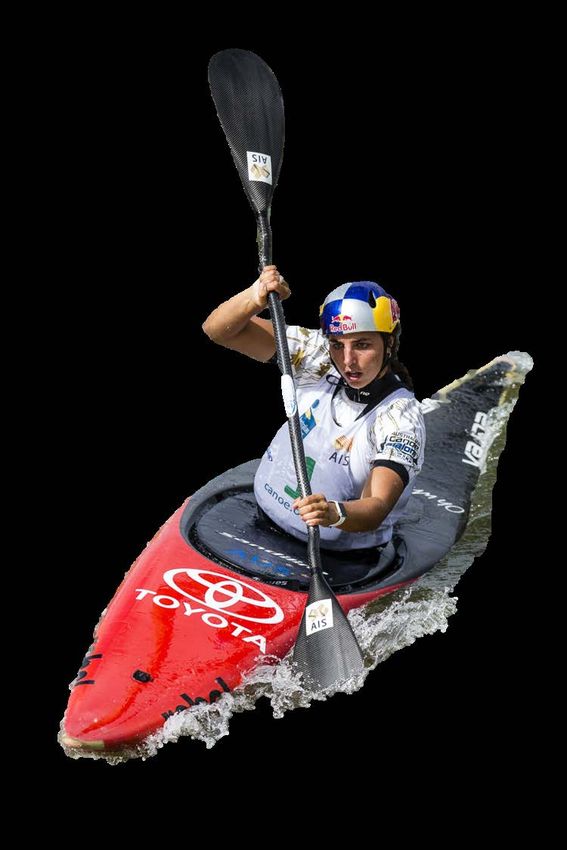
Contents
Introduction and Background                                      5

Unpacking the ELITE and MASTERY levels of FTEM NSW               7
Why are the Elite and Mastery levels so important?               8
Key features of the Elite and Mastery levels                     9

Personifying and operationalising the Elite and Mastery levels   10
Elite 1                                                          11
Elite 2                                                          14
Mastery                                                          17

FTEM Related Resources                                           20

                                                                      FTEM NSW Participant & Athlete Development Framework | 4
Background
                                                                                                                                           Introduction &
Future Champions
Strategy
The NSW Office of Sport’s Future Champions strategy was launched in
December 2019. Its primary focus is to ensure that the participants and
emerging athletes of NSW, have the right fit of sporting engagement,
knowledge and support to fulfill their sporting ambitions and success on
and off the sporting field. To achieve this and utilising a consolidated best
practice approach, the strategy provides clear recommendations for the
NSW sports sector to review and refine their operational strategies and
related education, networking and support systems.

Directly informed and aligned with the FTEM NSW Participant and Athlete
Framework, the strategy comprises 16 recommended actions across 6 key
strategic drivers - Pathway Leadership, Coaching, Empowered Participants
and Athletes, Pathway Intelligence, Competition and Development and
Performance Environments.

The Future Champions strategy has a deliberate focus on building the
foundations of the NSW pathways system through effective and agile
leadership, strategy, knowledge sharing, networking and building the
evidence-base. Informed by the best practice principles of the FTEM NSW
Participant and Athlete Framework, guidance provided to NSW Sporting
Organisations and their network partners will not only cover their Talent
strategies, but also importantly their underpinning Foundational strategies
and fit of programs and delivery.

Attending to a key action of the Future Champions strategy, this
interactive resource was developed specifically to support our
stakeholders and sector within NSW, in their understanding and
application of the FTEM NSW Framework.

For more information on the NSW Office of Sport’s Future Champions
strategy please visit https://sport.nsw.gov.au

                                                                                FTEM NSW Participant & Athlete Development Framework | 5
Background
                                                                                                                                                                         Introduction &
Some information about this resource
What is the purpose of this resource?                   Importantly, the recommendations tabled are not
                                                        intended to be exhaustive but provide a 'checklist'
The following resource provides detailed information    of considerations for progressing current strategy
and best-practice guidance on the Elite and Mastery     and practice. It is envisaged that this information
levels of the FTEM NSW Participant and Athlete          will be of value to facilitate -
Development Framework (E1 to M). Substantial
expertise and practical learnings sourced from within   • the review and refinement of current strategy
the NSW sector, contributed to the development of         and practice within a sport's High Performance
this resource and its practical recommendations.          levels
                                                        • clarity in mapping, aligning and communicating
Who is it for?                                            a sport's High performance strategies and
All stakeholders and organisations and their              operations
personnel who oversee or assist High Performance        • the ongoing engagement, education and
sport within NSW.                                         support of athletes and support providers
This includes but is not limited to -                     including parents/significant others, coaches,
                                                          schools,
•       High Performance Athletes                         clubs etc.
•       Parents, Guardians, Carers and Significant
                                                        Where do I find more information?
        others
•       Coaches, Managers and Clubs                     For detail specific to the background and
•       Teachers and Schools                            features of the FTEM NSW Participant and
•       Lecturers, scholars and Universities            Athlete Development Framework please visit our
•       Practitioners                                   website https://sport.nsw.gov.au.
•       State and National Sporting Organisations
•       International Sporting Organisations            To view detailed 'whole of sport' information
•       State and National Government Agencies          incorporating also the FTEM NSW Talent and
                                                        Elite and Mastery levels please access FTEM
How do I use this resource?                             NSW Participant and Athlete Framework:
This resource can be viewed either in its entirety or   System Level Guidelines: All levels or access
you can access specific information for each Elite or   the separate Foundational and Talent versions.
Mastery level by clicking on the interactive tabs on
the right hand side of page 10 onwards.                 FTEM NSW resources specific to Coaches and
How will it assist me in my role?                       Instructors has also been developed to
                                                        complement this resource. Please visit https://
The advice and recommendations presented within         sport.nsw.gov.au to access the set of FTEM
this resource and accompanying versions are             NSW Best Practice Tips for Coaches and
centred around the participant or athlete at that       Instructors resources.
level, have been directly informed by contemporary
global evidence and best practice and importantly       For more information and advice for parents,
are a fit to the sporting sector within NSW.            schools, clubs and sporting organisations please
                                                        visit our website https://sport.nsw.gov.au.

                                                                                                              FTEM NSW Participant & Athlete Development Framework | 6
Unpacking the Elite and Mastery levels of
of FTEM NSW

 Elite 1                                                            Elite 2                               Mastery
 Elite                                                              Elite                                 Sustained
 Representation                                                     Success                               Elite
                                                                                                          Success

           All information contained within this document is copyright of NSW Office of Sport. Formal
           permission from the NSW Office of Sport is required to reproduce any of this information.    FTEM NSW Participant & Athlete Development Framework | 7
Why are the Elite and Mastery
levels so important?
Despite substantial and continued financial
investment into the ‘pinnacle’ of the athlete           •   and importantly, a lack of true engagement
pathway - the elite/mastery levels of elite sport           and practical integration of the elite athlete’s
- several constraints remain that limit                     voice – their developmental journey and
sustainable high-performance success. These                 experiences, perspectives and advocated
include –                                                   strategies.
 • limited conversion rates of national level           The best-practice recommendations showcased
    representatives within Olympic and Paralympic       within the Elite and Mastery levels of FTEM NSW
    sports to podium                                    provide a logical and progressive framework
                                                        for all stakeholders to better support the elite
•   inability of elite athletes to sustain their
                                                        athletes of NSW and contribute to sustainable
    performance on the world stage over
                                                        high-performance outcomes for NSW and
    consecutive high-performance cycles
                                                        Australia.
•   lack of retention of elite athlete and coaching
                                                        Drawing on ‘world’s best practice’ and further
    talent
                                                        informed by ‘triangulated’ evidence emanating
•   elite level athlete’s commonly reporting that       from a system, sport and athlete perspective
    they were under prepared and overwhelmed            (Weissensteiner et al., 2015), a complement of
    for their first experiences at benchmark level      integrated athlete, environmental and system
    competitions and events                             level factors are considered integral to converting
                                                        senior elite representatives into perennial podium
•   limits to the coordination and continuity of
                                                        winners on the world stage.
    the individualised case management of elite
    athletes                                            Importantly, the collective voice of current and
                                                        past elite and mastery athletes, is utilised to
•   a high incidence of reported stressors and
                                                        inform the underpinning foundational and talent
    reported inability of athletes to negotiate and
                                                        level strategies of sports and their respective fit
    manage them effectively
                                                        of programs, support, education and research.
•   high performance demands impacting greatly
    on athlete’s ability to maintain a healthy sport–
    life balance and positive well-being
•   a lack of preparation for life after sport

                                                                                                               FTEM NSW Participant & Athlete Development Framework | 8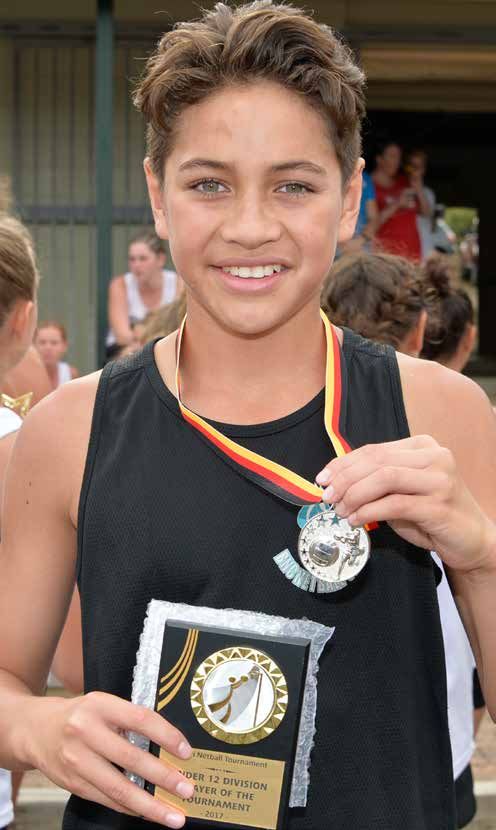
Key features of the Elite
and Mastery levels ACTIVE CASUAL /
FACILITATING PHYSICAL LITERACY AND PARTICIPATION ACROSS THE LIFESPAN
MODIFIED TRADITIONAL
LIFESTYLE SOCIAL
AND SPORT
SPORT SPORT SPORT EXCELLENCE
FORMATS FORMATS
RECREATION FORMATS
Commonly the pinnacle or ‘ceiling’ of other athlete
frameworks and models is National representation and M MASTERY
HIGH PERFORMANCE
1
Sustained elite success
competitive performance at an International level within
Olympic and Paralympic sports. As a result, they do not
integrate and incorporate learnings from athletes and
E 2
ELITE
Elite Success
their coaches that have succeeded at the highest levels ELITE
in their sport and have achieved this consistently over E 1
Elite Representation
multiple high-performance cycles – achievement of the TALENT
holy grail in elite sport, sustainable podium success. T 4 Breakthrough and reward and preparation
for senior elite transition (E1)
Considerate of this fact and the reported limited
TALENT PATHWAY
conversion of elite level athletes to podium and beyond, T 3
TALENT
Practicing and achieving as a
FTEM features a progression of three elite and mastery recognised emerging NSW athlete
levels – E1, E2 and M. T 2
TALENT
Confirmation of an emerging athlete's
By having greater insight specific to what athlete, talent potential
environmental and system factors must be integrated to T 1
TALENT
Initial demonstration of an emerging
ensure continued performance success and continuity athlete's talent potential
and longevity at the highest levels of sport, this FOUNDATION
critical information can in turn, inform underpinning F 3 Consolidation of physical literacy through the life-stages facilitated through
foundational, talent and elite level strategies. ongoing participation within a complement of sporting and active recreational
pursuits and an active and healthy lifestyle.
A key feature of the profile of successful podium FOUNDATION
Extension and application of Fundamental Movement Skills and physical
athletes is their balance of elite sport with an active and F 2 literacy within active play and developmentally appropriate introductory
healthy lifestyle and recreational pursuits. The inherent formats of sport and active recreation.
flexibility of FTEM NSW through its representation of all FOUNDATION
Learning or re-learning (i.e., following an acquired disability) a broad range of Fundamental Movement Skills
outcomes of sport and active recreation, visualises and F 1 (FMS) and development of early physical literacy through a complement of active play and FMS focused
integrates this critical aspect of an elite level athlete’s opportunities, guidance and support.
profile and importantly, their sport-life balance. PRE-FOUNDATION
FTEM NSW is proud to feature at its pinnacle our NSW F 0 Achievement of early developmental milestones through a complement of guided
instruction and self discovery within early play.
high performance sporting ambassadors Olympian
Jessica Fox and Paralympian Madison de Rozario.
FTEM NSW Participant & Athlete Development Framework | 9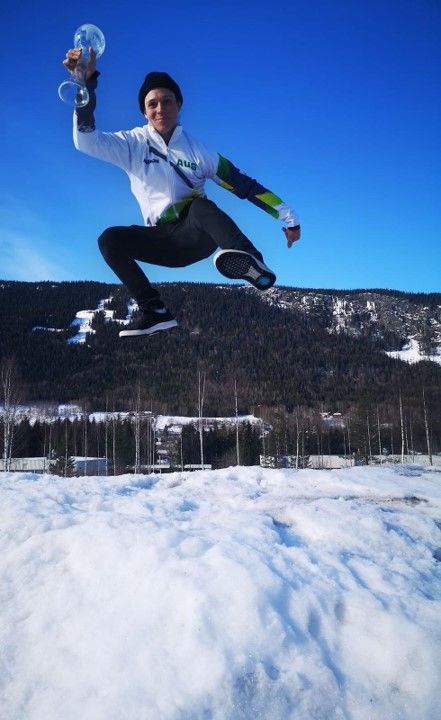
Personifying and operationalising

                                                                                                                                                                        Elite Level 1
the Elite and Mastery levels
Over the next few pages, we will unpack each of the Elite and Mastery levels of the FTEM NSW
Framework.

Integrating a holistic and ecological approach to athlete development, performance and support
inspired by the 3D-AD* (Three Dimensional Athlete Development) model, three progressive
layers of information and advice centred around the high-performance athlete, will be provided

                                                                                                                                                                        Elite level 2
specific to each level and as depicted in the graphic below.

Please use the interactive tabs on the right of each page to access information and advice
specific to each level.

 Layer 1:                                            •   Focus
 Description of Level                                •   Desired competencies & knowledge
                                                     •   Support Providers
                                                     •   Approximate age range
                                                     •   Physical Literacy Level

                                                                                                                                                                      Mastery level
 Layer 2:                                            •   Strategy, Engagement & Planning
 In ACTION:                                          •   Stakeholder Engagement
 Key Considerations for                              •   Program fit and delivery
 Best Practice                                       •   Coaching
                                                     •   Insights

 Layer 3:
 In ACTION :                                         •   Governance
                                                     •   Delivery and Support Partners
 Key Considerations for
 Environmental and System
 Support

                    * For more information on the 3DAD model, please refer to the following documents -
                       • FTEM NSW Participant and Athlete Development Framework: A Systems Overview -
                          Complete Version
                       • FTEM NSW Participant and Athlete Development Framework: A Systems Overview -
                          An Introduction and Background to FTEM NSW                                      FTEM NSW Participant & Athlete Development Framework | 10
Elite level 1
Elite Level 1
Description of level
Focus: Elite Representation Approximate age range
As competition and performance Superior
Context for the Elite Athlete
at this level is at a Senior or Open Psychological Favourable
Achievement of an elite athlete status Age level, athletes supported Skills and Development
Elite level 2
through selection and representation at within this level are predominately Strategies Background
the highest level of senior international aged 18 years and over
competition or professional sport.
Examples include -
Physical
• An Australian representative Literacy Phase
competing at the highest level of
Olympic and Paralympic sport Consolidation & Mastery /
Transfer & Empowerment Strong
(e.g., Senior World Championships, Wellbeing,
Olympics, Paralympic or Relevant
Engagement,
Commonwealth Games etc.) and Robust
Knowledge &
Physically
Sport-Life
Mastery level
• A member of a team/squad that
Balance
competes at the highest level of
Professional sport domestically and/or
internationally (e.g., team member of
an AFL, NRL team etc.)
Receives ongoing, individualised and Expert
coordinated support coordinated through and Robust
Relevant
effective deliberate programming. Sporting Skills
and Robust
(Perceptual,
Physiology
Cognitive,
Technical)
Elite Athlete Profile
FTEM NSW Participant & Athlete Development Framework | 11In Action - Key considerations for
best practice
Elite Level 1
Effective strategy, planning and management inclusive of : Ongoing engagement and
• Individual Athlete Performance Plans that are education of athletes, their coaches,
periodically reviewed and updated. support staff, significant others and
managers etc.
• ongoing monitoring and review informing the mastery
athlete's individualised case management and Excellent knowledge and
coordinated and tailored inter-disciplinary support application of the athlete covering Superior
Psychological Favourable
Elite level 2
domestically and internationally. all areas of preparation and Development
Skills and
• direct funding assistance performance, psychological skills and Strategies Background
strategies including effective self-
• match of coaching expertise and support management and self regulation to
• interdisciplinary best-practice and innovation, ongoing facilitate autonomy, continual
data and performance intelligence and insights learning and improvement and
including international benchmarking performance gains.
Strong
Effective individualised case management inclusive of: Education, opportunity and
Wellbeing,
support specific to Engagement,
Relevant
• ready access to best practice DTEs and training effectively engaging with and Robust
partners and supported by best practice coaching Knowledge &
community as an athlete Physically
Mastery level
Sport-Life
• consistent access to high quality interdisciplinary ambassador. Balance
support domestically and internationally
Education and ongoing
• extensive competitive opportunities and exposure at guidance specific to
key National and International Benchmark events interacting with the media
• dedicated and ongoing Athlete Career and and financial literacy. Expert
Education support including flexible educational and Robust
Relevant
delivery and flexible working arrangements Sporting Skills
and Robust
(Perceptual,
Physiology
• effective monitoring and management of training Cognitive,
and competition load, injury etc. Technical)
• psychological and physical wellbeing and
maintenance of effective sport-life balance and
lifestyle
• effective support networks in and out of sport
including access to mentors
• preparation for life after competitive sport.
FTEM NSW Participant & Athlete Development Framework | 12Elite level 1 - Required environmental and
Elite Level 1
system support
Governance : Delivery/Support Providers :
• National Sporting Organisations • NSO High-Performance Managers Superior
Psychological Favourable
Sporting Organisations for People
• NSWIS Managers & Service Skills and Development
with Disabilities
Elite level 2
Providers Strategies Background
• NSWIS (Categorised athletes within
• NSO Coaching Coordinators &
Olympic and Paralympic prioritised
Service providers
sports)
• NSO High-Performance
• National Professional sport
Coaches
Organisations
• Professional Club High- Strong
• Professional Clubs
Performance Managers, Wellbeing,
• Australian Institute of Sport Coaches & Service Relevant
Engagement,
Providers and Robust
Knowledge &
• Paralympics Australia Physically
Sport-Life
Mastery level
• Wellbeing & Engagement
• Australian Olympic Committee Balance
Providers
• Commonwealth Games Australia
• University and Vocational
• International Sporting Providers
Organisations
• Significant others
• International Olympic Committee Expert
and Robust
Relevant
Sporting Skills
and Robust
(Perceptual,
Physiology
Cognitive,
Technical)
Elite Athlete Profile
FTEM NSW Participant & Athlete Development Framework | 13Elite level 2
Elite Level 1
Description of level
Focus: Elite Success. Approximate Age Range
As competition and performance at this
Context for the Elite athlete level is at a Senior or Open Age level,
Superior
Psychological Favourable
Achievement of a medal winning athletes supported within this level Development
Skills and
Elite level 2
performance within peak competition are predominately aged 18 years Strategies Background
at a senior elite level such as - and over
• the World Championships, Olympics or Physical
Paralympics Literacy Phase
Consolidation & Mastery /
• a Professional league or championships
Transfer & Empowerment
• and/or individual recognition and
Strong
accolades at the highest level of sport Wellbeing,
(e.g., Brownlow (AFL) or Churchill Superior
Engagement,
medallist (NRL)). and Robust
Knowledge &
Physically
Receives ongoing, individualised and Sport-Life
Mastery level
coordinated support coordinated through Balance
effective deliberate programming.
A critically valuable voice and
ambassador to support aligned
advocacy/policy, strategy, research,
practice and education. Expert Level
Sporting Skills Superior
that are Consistent and Robust
Robust and Physiology
Adaptable
Podium Athlete Profile
FTEM NSW Participant & Athlete Development Framework | 14In Action - Key considerations for
best practice
Elite Level 1
Effective strategy, planning and management inclusive Excellent knowledge and
of : consistent application of all
• Individual Athlete Performance Plan that is
aspects of being a podium level
periodically reviewed and updated.
athlete including superior self-
• ongoing monitoring and review informing the regulation to directly inform
mastery athlete's individualised case management ongoing preparation, performance,
and coordinated and tailored inter-disciplinary Superior
sport-life balance and effective Favourable
support domestically and internationally. Psychological
engagement and integration of Development
Elite level 2
Skills and
• direct funding assistance support providers and support Strategies Background
network in and out of sport.
• match of coaching expertise and support
Implementation of a proven
• interdisciplinary best-practice and innovation,
complement of evidence-based
ongoing data and performance intelligence and
strategies for performance
insights including international benchmarking
progression and maintenance.
Effective individualised case management inclusive of: Strong
Wellbeing,
• ready access to best practice DTEs and training Preparation for life after sport Superior
Engagement,
partners and supported by best practice coaching and Robust
including formalised and supported Knowledge &
Physically
roles within sport e.g., mentoring, Sport-Life
Mastery level
• consistent access to high quality interdisciplinary Balance
coaching, management etc.
support domestically and internationally
Engaged formally to share
• extensive competitive opportunities and exposure at
key National and International Benchmark events experiences, perspectives and
recommended strategies to inform
• dedicated and ongoing Athlete Career and Education underpinning sport and system level
support including flexible educational delivery and strategy and practice. Expert Level
flexible working arrangements Sporting Skills Superior
Effective engagement with that are Consistent and Robust
• effective monitoring and management of training and Robust and Physiology
competition load, injury etc. community as an ambassador and Adaptable
mentor of other athletes.
• physical maintenance
Effective skills interacting with the
• psychological and physical wellbeing and maintenance media and financial literacy.
of effective sport-life balance and lifestyle
• effective support networks in and out of sport including
access to mentors
• preparation for life after competitive sport.
FTEM NSW Participant & Athlete Development Framework | 15Elite level 2 - Required environmental and
Elite Level 1
system support
Governance : Delivery/Support Providers : Superior
Psychological Favourable
• National Sporting Organisations • NSO High-Performance Managers Development
Skills and
and Sporting Organisations for Strategies Background
• NSWIS Managers & Service
People with Disabilities
Elite level 2
Providers
• NSWIS (Categorised athletes within
• NSO Coaching Coordinators &
Olympic and Paralympic prioritised
Service providers
sports)
• NSO High-Performance
• National Professional sport
Coaches Strong
Organisations
• Professional Club High- Wellbeing,
• Professional Clubs Superior
Performance Managers, Engagement,
and Robust
• Australian Institute of Sport Coaches & Service Knowledge &
Physically
Providers Sport-Life
• Paralympics Australia Balance
Mastery level
• Wellbeing & Engagement
• Australian Olympic Committee
Providers
• Commonwealth Games Australia
• University and Vocational
• International Sporting Providers
Organisations
• Significant others Expert Level
• International Olympic Committee Sporting Skills Superior
that are Consistent and Robust
Robust and Physiology
Adaptable
Podium Athlete Profile
FTEM NSW Participant & Athlete Development Framework | 16Mastery
Elite Level 1
Description of level
Focus: Sustained Elite Success. Approximate age range
As competition and performance at Superior
Context for the Elite Athlete Psychological Favourable
this level is at a Senior or Open Age
Skills and Development
Sustained success over multiple High- level, athletes supported within this
Elite level 2
Strategies Background
Performance cycles at the highest level of level are predominately aged 18
International or Professional sport. years and over.
Receives ongoing, individualised and
coordinated support coordinated through Physical
effective deliberate programming as E1 Literacy Phase
and E2 level and also potential for re- Consolidation & Mastery /
invention and innovation within main Strong
Transfer & Empowerment
sport. Wellbeing,
Superior
Engagement,
A critically valuable voice and and Robust
Knowledge &
ambassador to support aligned Physically
Sport-Life
Mastery level
advocacy/policy, strategy, research, Balance
practice and education.
Expert Level
Sporting Skills Superior
that are and Robust
Consistent Physiology
Robust and
Adaptable
Podium Athlete Profile
FTEM NSW Participant & Athlete Development Framework | 17In Action - Key considerations for
best practice
Elite Level 1
Effective strategy, planning and management inclusive of : Excellent knowledge and consistent
application of all aspects of being a
• Individual Athlete Performance Plan that is periodically
podium level athlete including
reviewed and updated.
superior self-regulation to directly
• ongoing monitoring and review informing the mastery inform ongoing preparation,
athlete's individualised case management and performance, sport-life balance and
coordinated and tailored inter-disciplinary support effective engagement and integration Superior
domestically and internationally. of support providers and support Psychological Favourable
Elite level 2
Development
• direct funding assistance network in and out of sport. Skills and
Strategies Background
• match of coaching expertise and Implementation of a proven
support complement of evidence-based
strategies for performance
• interdisciplinary best practice and innovation, ongoing
progression and maintenance.
data and performance intelligence and insights including
international benchmarking Explore potential for re-invention
and innovation within same sport. Strong
Effective individualised case management inclusive of: Wellbeing,
Preparation for life after sport Engagement,
Superior
• ready access to best practice DTEs and training partners including formalised and supported and Robust
Knowledge &
and supported by best practice coaching roles within sport e.g., mentoring, Physically
Sport-Life
Mastery level
coaching, management etc. Balance
• consistent access to high quality interdisciplinary support
domestically and internationally Engaged formally to share
• extensive competitive opportunities and exposure at key experiences, perspectives and
National and International Benchmark events recommended strategies to inform
underpinning sport and system level
• dedicated and ongoing Athlete Career and Education strategy and practice. Expert Level
support including flexible educational delivery and flexible Sporting Skills Superior
working arrangements Effective engagement with community that are Consistent and Robust
Robust and Physiology
• effective monitoring and management of training and as an ambassador and mentor of other Adaptable
competition load, injury etc. athletes.
• physical maintenance Effective skills interacting with the
media and financial literacy.
• psychological and physical wellbeing and maintenance of
effective sport-life balance and lifestyle
• effective support networks in and out of sport including
access to mentors
• preparation for life after competitive sport.
FTEM NSW Participant & Athlete Development Framework | 18Mastery - Required environmental and
Elite Level 1
system support
Governance : Delivery/Support Providers :
Superior
• National Sporting Organisations • NSO High-Performance Managers Favourable
Psychological
Sporting Organisations for People Development
• NSWIS Managers & Service Skills and
Elite level 2
with Disabilities Strategies Background
Providers
• NSWIS (Categorised athletes within
• NSO Coaching Coordinators &
Olympic and Paralympic prioritised
Service providers
sports)
• NSO High-Performance
• National Professional sport
Coaches
Organisations
• Professional Club High- Strong
• Professional Clubs Wellbeing,
Performance Managers, Superior
• Australian Institute of Sport Coaches & Service Engagement,
and Robust
Providers Knowledge &
• Paralympics Australia Physically
Sport-Life
Mastery level
• Wellbeing & Engagement Balance
• Australian Olympic Committee
Providers
• Commonwealth Games Australia
• University and Vocational
• International Sporting Providers
Organisations
• Significant others
• International Olympic Committee Expert Level
Sporting Skills Superior
that are Consistent and Robust
Robust and Physiology
Adaptable
Podium Athlete Profile
FTEM NSW Participant & Athlete Development Framework | 19FTEM related references
• Bergeron, M. F., Mountjoy, M., Armstrong, N., • Gulbin, J. P., Croser, M. J., Morley, E., & • Weissensteiner, J.R. (2017 b). How
Chia, M., Côté, J., Emery, C. A., Faigenbaum, A., Weissensteiner, J. R. (2013). An integrated contemporary international perspectives
...Engebretsen, L. (2015). International Olympic framework for the optimisation of sport and have consolidated a best-practice approach
Committee consensus statement on youth athlete development: A practitioner approach. for identifying and developing sporting
athletic development. British Journal of Sports Journal of Sports Sciences, 31, pp. 1319–31. talent. In J. Baker, S. Cobley, J. Schorer & N.
Medicine, 49, pp. 843–851. Wattie (Eds.), Routledge handbook of talent
• Gulbin, J. P., Weissensteiner, J. R., Oldenziel, K., identification and development in sport
• DiFiori, J.P., Güllich, A., Brenner, J.S., Côté, J., & Gagné, F. (2013). Patterns of performance Routledge handbook of talent identification
Hainline, B., Ryan, E. & Malina, R.M. (2018). The development in elite athletes. European and development in sport: Milton Park:
NBA and Youth Basketball: Recommendations Journal of Sport Science, 13, 6, pp. 605–614. Routledge, pp. 51–68.
for Promoting a Healthy and Positive
Experience. Sports Medicine, 48, pp. 2053– • Weissensteiner, J.R. (2017 a). Method in
2065. the madness - working towards a viable
’paradigm’ for better understanding and
• Gulbin, J. P., & Weissensteiner, J. R. (2013). supporting the athlete pathway. In J. Baker,
Functional sport expertise systems. In D. S. Cobley, J. Schorer, & N. Wattie (Eds.),
Farrow, J. Baker & C. MacMahon (eds), Routledge handbook of talent identification
Developing sport expertise: Researchers and and development in sport Routledge
coaches put theory into practice (2nd ed., pp. handbook of talent identification and
45–67). London: Routledge. development in sport: Milton Park: Routledge,
pp. 133-149.
Resources
FTEM Related
FTEM NSW Participant & Athlete Development Framework | 20The FTEM NSW Participant and Athlete
Development Framework - System level
Guidelines and Considerations: The Elite and
Mastery Levels
For more information and advice on FTEM NSW please email: futurechampions@sport.nsw.gov.au
DISCLAIMER
While every reasonable effort has been made to ensure that the facts contained within this document are correct at
time of printing, the state of NSW, its agents and employees, disclaim any and all liability to any person in respect
of anything or the consequences of anything done or omitted to be done in reliance or upon the whole or any part
of this document.
COPYRIGHT NOTICE
All information contained within this document is copyright of the NSW Office of Sport. Formal permission is
required from the NSW Office of Sport to reproduce any of this information.
Formal permission should be directed to the Office of Sport, 6B Figtree Drive, Sydney Olympic Park. You are OFFICE OF SPORT
required to acknowledge that the material is provided by this document or the owner of the copyright. © State of
NSW 2020You can also read


