The NEW Experience Economy: The Intersection of Arts, Culture, Sports & Recreation in a Pandemic and Post-Pandemic Environment - Stone Olafson
←
→
Page content transcription
If your browser does not render page correctly, please read the page content below
The NEW Experience Economy:
The Intersection of Arts, Culture, Sports & Recreation in a
Pandemic and Post-Pandemic Environment

Phase 4 Results
January 2021

                                                              1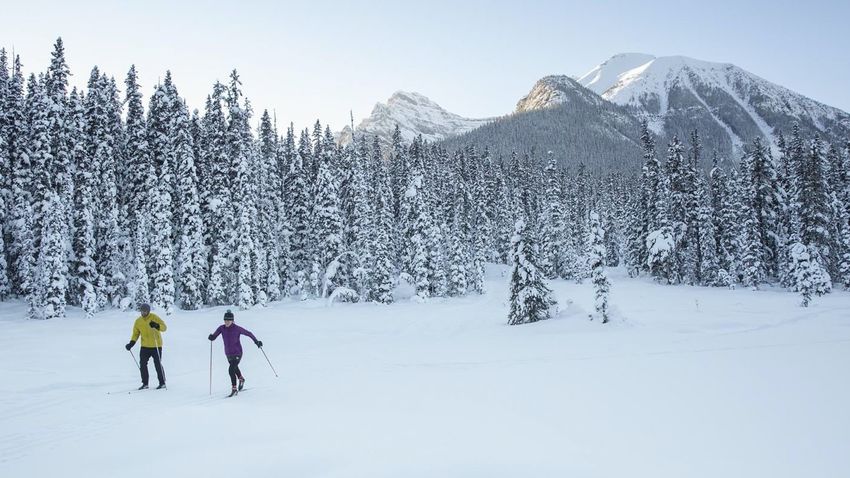
Table of contents
4    Background & Purpose
5    Overview of Research Process
 7   COVID Contexts: Progression & By the Numbers
9    Phase 4 Outcomes: Findings and Implications for Alberta Organizations
16 Comfort Levels, Risk Tolerance, and Consumer Mindset
23 Impact of Protocols and Restrictions
30 Assessing Activities and Engagement
40 How to Reach Audiences?
44 Respondent Profile

                                                                             2
Meet the supporters behind the work.
This initiative is being funded by leaders who see an opportunity to support organizations which bring
remarkable experiences to life in communities across Alberta. We thank them for their generous support.

                                                                                                          3
Background & Purpose
The overarching purpose of this work is to give leaders of community sports, recreation, arts & culture, professional
sports, active living, heritage, tourism or hospitality sectors relevant facts about where we are right now and to continue
building recovery solutions that enable organizations in these important sectors to adapt and thrive.

With caseloads increasing across the province, additional protocols and restrictions were put in place. Attitudes and
behaviours of Albertans have the potential to shift alongside these changes. The fourth round of research focuses on
the following:

             Monitoring key attitudes, consumer mindset, measures of comfort and risk;

             Capture impressions and impact of restrictions and protocols; and,

             Build on understanding of how Albertans are spending their time and what they want to see from
             experience organizations.

                                                                                                                              4
Overview of Research Process:
The research process is designed to run in regular intervals over the course of one year (a total of
six phases) to assist organizations in planning effectively over the long term.
Results presented represent the findings from Phase 4. All phases follow the same methodology.
• Online (longitudinal) survey with Alberta residents, aged 18 years and older.
• Respondents were recruited through a partnership with Angus Reid Forum.
• Regional quotas were applied to ensure the sampling was representative of Alberta’s population.
                                                                                                       Northern AB
• Supplemental surveys were conducted with residents of Calgary and Edmonton.                          n=100         Edmonton
• A total of 1,352 Albertans participated in this third phase of research. Responses include 1,015                     n=502
  regionally balanced core sample, plus supplemental (booster) responses for Calgary and
  Edmonton.
• The longitudinal survey includes 83% of respondents retained from phase 3 (17% of respondents
  new for phase 4).                                                                                    Central AB
                                                                                                       n=126              Calgary
• Data collection occurred between December 8 and December 20, 2020.
                                                                                                                          n=505
• Statistical weighting was used to further ensure the integrity of the final data set. Results were
  weighted (based on the most recent census data) to more accurately reflect the age and gender
                                                                                                       Southern AB
  distributions of each region.                                                                        n=120

                                                                                                                                    5
Additional Notes on Reading the Report

Numbers presented have been rounded and sums may not correspond exactly to numbers in
the detailed data tables made available.

Throughout the report, arrows are used to indicate a statistically significant results (up or
down).

Due to the inclusion of online, non-random sampling, a standard margin of error is not
calculated for the results. However, an approximate rate of reliability typically associated with
an overall sample of this size would be +/- 2.7%, 19 times out of 20.

                                                                                                        6
                                                                                                    6
Mapping the progression of COVID-19 in Alberta

                                                                                                                      Early January
                                                                                    December 8
                                                                                                                  Government employees
                                             November 2                      Further provincial protocols
                                                                                                                   holiday travel in the
Thanksgiving                            New rapid COVID-19                   and restrictions announced
                                                                                                                    media controversy
                                       testing pilot program for
        Asymptomatic testing              international travel                                    December 14 – January 21
         no longer available                                                                       Enhanced public health
                                                   November 3                                         measures in place
                                               US presidential election
                                                                                                                                January 7
                                                      November 24                                                    Kids will return to school, but
                   October 26                      Provincial restrictions                                      restrictions and protocols are extended
               A 15-person limit for                and protocols put in
               social gatherings in                        place                                                                        January 14
                major city centres.
                                                                                                                             Lifting of restrictions: Personal
                                                                                                                             services and outdoor gatherings

        October                              November                                December                                   January
   October 5 – 16                                                                     December 8 – 20
Phase 3 survey in field                                                             Phase 4 survey in field                                                  7
COVID Contexts: By the Numbers

                                                            Phase 3 survey in field            Phase 4 survey in field

                              10000

                                                                                                                                  Calgary
               Active Cases

                                                                                                                                  Central
                               5000                                                                                               Edmonton
                                                                                                                                  North
                                                                                                                                  South

                                   0
                                         01-Aug   01-Sep   01-Oct                 01-Nov      01-Dec                 01-Jan
      Total Active Cases Alberta         1,379    1,400     1,557                     5,153   17,044                     14,510
                              % Change   +155%     +2%      +11%                      +231%    +231%                     -15%
                   (previous month)

              Hospitalizations            86       50        64                       140      504                        921

Source: https://www.chi-csm.ca/                                                                                                              8
Phase 4 Outcomes:
Findings and Implications for Alberta Organizations

                                                      9
1.
Perceptions reflect the low tide of the pandemic to this point.

Since the very start of the pandemic public health officials have warned of different 'waves' to this
crisis. Progress was made in reducing case loads last summer, but the situation has worsened
drastically this fall/early winter; causing new restrictions to be put in place across the province. So
it is not altogether surprising that the emotional state of the market is steadily more negative –
higher proportions are frustrated (62%), annoyed (52%), stressed (43%), worried (41%) and
exhausted (41%). These are more prevalent emotional reactions than previously recorded. At the
same time audiences are now even less comfortable with large groups. More and more Albertans
do not think the pandemic has been blown out of proportion.
While numbers have started to improve, it is unlikely that this will be the last 'wave' we will
experience. Ultimately, outcomes provide a valuable snapshot of how audiences feel coming out
of this challenging situation.

Why this matters: When conditions permit, recognize you will be reconnecting with a
weary population who are more anxious than before. Messages and offers will need to
further adjust.

                                                                                                          10
2.
Adapting to and following the rules
Albertans are generally accepting of restrictions – as we established last wave, most see it as doing their part to protect each
other. Despite increased frustrations, the vast majority of Albertans are fine with protocols and shifts in restrictions. In fact,
two-in-three Albertans wished the current restrictions were put in place earlier so that we can get back to normal sooner.
(This is by no means universal as the ‘Risk Taker’ segment is not aligned on these restrictions.) Confidence in the measures is
certainly mixed as just less than half of Albertans are confident the enhanced restrictions put in place in December will have
a positive impact. Ultimately, however, they seem to recognize the importance of them as this is much more confidence
than what they had for the previous level of restrictions (22%).
As they accept and get used to the restrictions, they expect others to follow them too. Large proportions (69%) indicate
others not following protocols will dissuade them from attending events/participating in activities. The same applies for not
seeing sufficient safeguards in place.
Rule following doesn’t mean they don’t want to engage, we know they have the desire, but anything they consider must
closely follow health and safety protocols. Basic acceptance of the restrictions and ongoing protocols, are likely working in
concert with case numbers to influence comfort.
Why this matters: Albertans have high expectations for organizations to follow protocols and
getting the audience to do the same is now table stakes. Looking ahead, this may be an indicator of
the potential for addressing comfort in a post-pandemic environment.
113.
Change in habits during the pandemic appears to be additive, not alternative
Across the province the vast majority are eager to get back to their usual activities or rediscover past experiences once the
pandemic is behind us. But, as seen in previous waves, many are adding new experiences to what they do – likely out of
necessity. (Remember – it is unlikely their social and experiential motivations that drove previous engagement has
disappeared – only 7% strongly agree their interests have changed). For example, the absence of directed experiences are
being substituted by self-directed activities.
As restrictions start to lift, Albertans are likely to start figuring out how to balance a new set of activities they enjoy with
their usual activities they want to get back to. And for organizations, that means breaking through a larger competitive set
to capture the attention of their audiences. For those that offer registered or directed experiences this may be an even
bigger challenge now that people are also adding in more self-directed experiences.
The additive element extends to messages audiences need to hear to be persuaded to engage. While pre-pandemic
motivations to attend/participate centered on social, experiential and health motivations, those are now supplemented
with desires to escape, be uplifted, and relieve stress.
Why this matters: The consumer mindset is simply getting cloudier in these darker periods. Their
initial motivations and behaviours won’t simply disappear. At the same time, the current contexts
must be accounted for. This means your engagement efforts need to reflect their innate
motivations, show how you can meet current state and still communicate safety.
124.
Contexts framing marketing in this environment
Not surprisingly, approaches to marketing will be affected by the current contexts. Messages
need to be shifted, media strategies evaluated, and some types of voices changed.
- Marketers need to remember we have a market that is much more wary of ‘others’, concerned
about safety, generally tired and frustrated, and looking for options to escape/stress relief. All
the while, they need to know their options if restrictions shift. This means messages should
take this into account.
- The nature of the restrictions also mean they need to get ‘approval’ to participate. Overall,
medical authorities (their doctor, Dr. Hinshaw, AHS) are most trusted when it comes to
knowing when to re-engage.
- Finally, they are most likely only to consider new activities if they hear from trusted sources –
mainly in their cohort, but also from influencers in social media
Why this matters: Organizations are likely going to need a multi-layered media strategy
that can reach influencers who can help propel the message. To be clear, an influencer
strategy doesn’t mean social media a pure social media strategy. It it means a strategy of
messages and media that are repeatable to others.
135.
Engagement on hold.
While the immediate consequences of the current restrictions are obvious, there is an
interesting sentiment among many (74%) that ‘life’ is on pause right now. This is likely a
reflection of the pandemic as a whole and not merely the current restrictions. Similarly, larger
proportions are likely to go back to the things they used to do and many who can’t wait to
rediscover the experiences in their community. Ultimately, they are all signs of pent-up demand.
In the meantime, they are adding to their repertoire of activities. At least 39% are exploring
other things to do right now – most are heading outdoors (66%), going online (50%) or exploring
new hobbies/learning altogether (58%)
Why this matters: Organizations have to be prepared to re-engage in stages. When current
restrictions lift there will be some appetite to explore and potentially opportunities to meet them
online or outdoors. In a post-pandemic environment, audiences are very likely to get active again.
146.
Travel within the province is an option
With the current restrictions in place travel behaviours are clearly curtailed – only 34% say they
are currently planning to travel within the province. But this shouldn’t mean they won’t consider
it. In fact, this is an option for 74% of the market. To drive this behaviour audiences need to see it
as an opportunity to escape or get away from everyday life. Social motivations (seeing friends or
family) are also a well known motivator.
• Interestingly outdoor activities like skiing, skating, snowmobiling and even dog-sledding all
figure prominently.
• The most important variables for finalizing a decision (beyond the current restrictions lifting)
are flexibility (flexibility in booking dates and assurances about cancellation fees that give
flexibility) and safety.
Why this matters: Focusing on broad messages that reflect a drive to escape everyday stresses
and deliver on social motivations will work well to help motivate intra-provincial travel.
Reinforcing these main messages with reassurances about flexibility in booking and safety will
also be helpful to finalize a decision.
15Comfort levels, risk tolerance,
and consumer mindset
16Comfort levels shift significantly as the number of cases rise and restrictions
are enacted
Albertans who are comfortable in large groups remain steady in that mindset, but the middle group has even become wary of small groups and shifted to
only family interactions (in accordance with restrictions) .
% Comfort level – Interacting with Others
17%17%16%
15% 14% 14% 14% 15% 14% 14%
13% 14%
12%12% 11% 11% 10%11%
10%
10% 9% 11% 11% 11%
Phase 4 8% 9%9%
8% 7%
Phsae 3 6%6%6% 6% 5%6%6%4%
Phase 2 3%3%3%
Phase 1
1 2 3 4 5 6 7 8 9 10
Feel comfortable Entirely comfortable
Feel comfortable
isolating with with large groups
mainly with own
myself or immediate of people in close
social groups
family only proximity
As Albertans start to re-connect with the community, everyone has a different comfort level in terms of interacting with others. Based on how you feel today, how comfortable are you
with reintegrating or re-connecting with your community?
17
Base: Main sample (n=1015)Comfort levels are shifting in all areas of the province – but the biggest shifts
are recorded in Edmonton and Calgary.
Calgary Edmonton North Central South
Comfort Level n=505 n=502 n=100 n=126 n=120
21% 16% 29% 29% 27%
22%
High comfort – large groups 28% 26% 19% ↓ 42% ↑ 38% 30%
(8,9,10) 25% 22% 19% 33% 26% 30%
26%
25% 23% 39% ↑ 30% 30%
37% 37% 44% 36% 34%
36%
54% 55% 58% 45% 51% 54%
Medium comfort – own social groups
(4,5,6,7) 56% 58% 58% 58% 59% 55%
55%
56% 58% 42% ↓ 57% 51%
42% 47% 26% ↓ 35% 39%
43%
Low comfort – self/family groups 19% 22% 13% 11% 16%
17%
(1,2,3) 19% 21% 24% 9% 15% 15%
19%
19% 19% 19% 13% 19%
Phase 4 Phase 3 Phase 2 Phase 1
As Albertans start to re-connect with the community, everyone has a different comfort level in terms of interacting with others. Based on how you feel today, how comfortable are you
with reintegrating or re-connecting with your community? Base: Main sample (n=1015). Note: Calgary + Edmonton include supplemental sample
18Yet Albertans are approaching engagement in a similar manner despite the
rising number of cases
The majority of Albertans continue to fall into the risk reducer category –they are still willing and want to participate if the activity aligns
with their tolerance for risk and restrictions allow. Organizations should continue plans to engage audiences based on risk tolerance.
Calgary Edmonton North Central South
Risk Tolerance n=505 n=502 n=100 n=126 n=120
18% 19% 13% 23% 24% 22%
Risk taker
(8, 9, 10) 21%
20% 14% ↓ 32% ↑ 25% 25%
54% 54% 53% 53% 48%
Risk reducer 53%
(4, 5, 6, 7) 55%
58% 56% 46% 51% 52%
27% 32% 25% 24% 30%
Risk avoider 29%
(1, 2, 3) 24% 22% 30% 22% 24% 23%
Phase 4 Phase 3
AVERAGE RISK TOLERANCE: In general, how would you consider your individual level of risk tolerance in day-to-day life? How would you rate your risk of disease with respect to
COVID-19? Now thinking about the activities you participate in and value most, how would you assess their overall importance?
19
Base: Main sample (n=1015). Note: Calgary + Edmonton include supplemental sampleAcceptance of protocols and restrictions is growing. A strong sense of
community is also emerging.
Building on previous phases, Albertans continue to accept the mandated health measures in order to return to activities –they will do whatever
is deemed necessary to re-engage with desired experiences. % Agree
Phase 4 Phase 3 Phase 2 Phase 1
We all have to do our part to protect each other,
50% 31% 11% 8% 81% - - -
even it means changing our habits
I am fine with protocols (e.g. waiting in lines, distancing, wearing a
41% 36% 12% 11% 78% 67% 61% 62%
mask) if it means I can return to my regular activities*
I’ve come to terms with the protocols and
31% 39% 16% 14% 70% - - -
restrictions – they’re just part of my life now
I wish the most recent restrictions would have been implemented
earlier so I could've gotten back to my normal activities sooner**
48% 19% 14% 19% 68% - - -
The pandemic has got me re-prioritizing
what is most important to me
20% 48% 23% 8% 68% - - -
The pandemic and restrictions have
caused my interests to change
7% 33% 47% 13% 40% - - -
I think COVID-19 has been blown out of proportion 23% 15% 17% 45% 38% 43% 41% 43%
Completely agree Agree Disagree Completely disagree
*Slight wording change **Added to the survey mid-fielding on December 10th
Below are a few statements about the pandemic, please review and tell us if you agree or disagree with each one.
20
Base: Main sample (n=1015)Attitudes align with risk tolerance levels, getting used to
protocols/restrictions and caseload density: Risk taking Albertans have an individualistic
stance on the pandemic and are less willing to come to terms with protocols. City centres are more
accepting of protocols and aware of the community risk
Risk Tolerance Region
Total High Medium Low Calgary Edmonton North Central South
% Agree Alberta n=217 n=541 n=257 n=505 n=502 n=100 n=126 n=120
We all have to do our part to protect each other,
81% 40% ↓ 89% ↑ 99% ↑ 84% 85% 71% ↓ 71% ↓ 77%
even it means changing our habits
I am fine with protocols (e.g. waiting in lines, distancing, wearing a
78% 39% ↓ 86% ↑ 92% ↑ 80% 83% ↑ 67% ↓ 70% 73%
mask) if it means I can return to my regular activities*
I’ve come to terms with the protocols and
70% 23% ↓ 75% ↑ 97% ↑ 74% ↑ 76% ↑ 48% ↓ 61% 63%
restrictions – they’re just part of my life now
I wish the most recent restrictions would have been implemented
68% 29% ↓ 72% 90% ↑ 67% 73% 55% 57% 75%
earlier so I could've gotten back to my normal activities sooner**
The pandemic has got me re-prioritizing
68% 35% ↓ 70% 92% ↑ 71% 73% 58% 58% ↓ 68%
what is most important to me
The pandemic and restrictions have
40% 28% ↓ 38% 55% ↑ 39% 42% 40% 32% 36%
caused my interests to change
I think COVID-19 has been blown out of proportion 38% 92% ↑ 34% ↓ 4% ↓ 34% 32% 61% ↑ 50% ↑ 44%
*Slight wording change **Added to the survey mid-fielding on December 10th
Below are a few statements about the pandemic, please review and tell us if you agree or disagree with each one.
21
Base: Main sample (n=1015)Demographic differences also stand out: 35-54 year old males continue to be less
concerned about pandemic’s severity, opposed by younger females who show higher degrees of social
acceptance and adaptation to the situation
Female Male
Total 18-34 35-54 55+ 18-34 35-54 55+
% Agree Alberta n=153 n=180 n=167 n=146 n=191 n=169
We all have to do our part to protect each other,
81% 95% ↑ 83% 87% 79% 68% ↓ 75%
even it means changing our habits
I am fine with protocols (e.g. waiting in lines, distancing, wearing a
78% 90% ↑ 81% 81% 77% 64% ↓ 74%
mask) if it means I can return to my regular activities*
I’ve come to terms with the protocols and
70% 86% ↑ 71% 75% 66% 52% ↓ 70%
restrictions – they’re just part of my life now
I wish the most recent restrictions would have been implemented
68% 89% ↑ 69% 63% 65% 51% ↓ 64%
earlier so I could've gotten back to my normal activities sooner**
The pandemic has got me re-prioritizing
68% 84% ↑ 76% 72% 66% 52% ↓ 61%
what is most important to me
The pandemic and restrictions have
40% 44% 39% 44% 39% 34% 42%
caused my interests to change
I think COVID-19 has been blown out of proportion 38% 20% ↓ 34% 32% 38% 60% ↑ 46%
*Slight wording change **Added to the survey mid-fielding on December 10th
Below are a few statements about the pandemic, please review and tell us if you agree or disagree with each one.
22
Base: Main sample (n=1015)Impact of protocols
and restrictions
23Confidence increases with enhanced government protocols put in place to
curb the pandemic, yet it lacks intensity
Directly aligned with caseload, Albertans residing in city centres with drastically increasing cases are less confident in government protocols and
restrictions.
Confidence that government action will have a positive impact in curbing pandemic % Confident
Overall 5% 27% 26% 39% 3% 32%
Enhanced protocols announced on November 24th
(n=581)
5% 17% 28% 47% 3% 22%
Enhanced protocols announced on December 8th
(n=432)
6% 40% 24% 28% 3% 46%
Very confident Somewhat confident Not very confident Not at all confident Not sure
On [November 24th/December 8th] the Provincial government announced enhanced protocols and restrictions on social gathering to curb the pandemic. Overall, how confident are you that these kinds
of government action will have a positive impact in curbing the pandemic here in Alberta?
24
Base: Main sample (n=1015)Who do Albertans trust to tell them when to re-engage?
Those with a medical background – Dr. Hinshaw, a family doctor, or AHS – over others.
% Trust when it comes to re-engaging
[Net] Government 58%
Dr. Deena Hinshaw 44%
Premier Kenney 14%
Government Employees 5%
Other politicians (besides those listed) 13%
My doctor 44%
AHS 37%
Family/Friends 28%
[Net] Organizations 19%
Local businesses 16%
Sports & rec organizations 7%
Arts & culture organizations 5%
Media/news 13%
Other 14%
I trust no one 14%
Who do you trust when it comes to re-engaging with experiences and activities? Please select all that apply.
25
Base: Main sample (n=1015)Frustration and annoyance emerge as the dominant emotion
Emotions are stronger and more universal than earlier in the pandemic demonstrating the exasperated mindset of Albertans whichgreatly
influences motivation to re-engage. There is an added sense of escapism which organizations can utilize in messaging.
% Current state of mind
Frustrated 62%
Annoyed 52%
Stressed 43%
Risk Takers
Worried Frustrated (77%), annoyed (73%), angry
41%
(61%), impatient (51%), and stressed (36%)
Exhausted 40%
Angry 39%
Isolated 36% Risk Reducers
Sad 30% Frustrated (61%), annoyed (50%), stressed
Impatient 29% (45%), exhausted (45%), and worried (39%)
Understanding 23%
Defeated 20% Risk Avoiders
Grateful 18% Worried (61%), frustrated (54%), stressed
Optimistic 17% (46%), annoyed (37%), and isolated (37%)
Confused 14% Also more likely to be understanding and
Confident 5% grateful
Assured 2%
Something else 12%
As the pandemic progresses things change – case numbers go up and down, protocols become more strict or less. What words best describe how you are feeling right now?
Please select all that apply.
26
Base: Main sample (n=1015)Emotions align with attitudes towards government protocols: There is a
slight shift to a positive outlook, and less frustration, with confidence in enhanced protocols
Confidence in Gov’t Protocols Enhanced Protocols (Dec. 8th)
Confident Not confident Pre Post
% Current state of mind (n=325) (n=659) (n=524) (n=491)
Frustrated 62% 52% ↓ 68% ↑ 67% ↑ 58% ↓
Annoyed 52% 47% 54% 51% 52%
Stressed 43% 42% 45% 45% 42%
Worried 41% 44% 39% 41% 40%
Exhausted 40% 40% 41% 40% 40%
Angry 39% 24% ↓ 46% ↑ 40% 37%
Isolated 36% 38% 36% 34% 39%
Sad 30% 32% 29% 30% 30%
Impatient 29% 26% 31% 29% 29%
Understanding 23% 30% ↑ 21% ↓ 21% 26%
Defeated 20% 15% 22% 21% 19%
Grateful 18% 22% 16% 15% 21%
Optimistic 17% 26% ↑ 13% ↓ 13% ↓ 21% ↑
Confused 14% 12% 15% 12% 15%
Confident 5% 7% 5% 5% 6%
Assured 2% 4% 2% 2% 3%
Something else 12% 7% 15% 14% 11%
As the pandemic progresses things change – case numbers go up and down, protocols become more strict or less. What words best describe how you are feeling right now?
Please select all that apply.
27
Base: Main sample (n=1015)Health and safety protocols are top priority for Albertans to participate
The basic logistics of operating events in this environment (mask wearing, timed tickets, fewer options) now appear common placeand widely
accepted as part of the experience. What dissuades audiences are those who don’t follow the rules or an absence of protocols (either of which
may be a safety risk.)
% Negative % Positive
impact impact
Other attendees not following safety measures 51% 18% 26% 69% 6%
Insufficient health and safety protocols being implemented
(overcrowding, etc.)
51% 17% 26% 3% 68% 6%
Long lines/longer wait times due to capacity requirements 28% 35% 32% 3% 63% 5%
Not being able to participate with people
outside of your household/cohort
31% 30% 30% 4%5% 62% 8%
Fewer experiences/exhibits available than normal 23% 33% 39% 3% 56% 5%
Limited food and beverage options 19% 23% 51% 4% 42% 6%
Having to wear a mask/face covering during activity 17% 16% 40% 10% 17% 33% 27%
Having to arrive at a specific time/timed tickets 13% 18% 48% 9% 11% 31% 21%
1 - This will make me 2 3 - I'll continue these 4 5 - This will make me do
stop doing my activities activities no matter what my activities more often
Over the past few months, organizations have been navigating safety measure that can impact guest experience. What impact, if any, do the following have on your willingness to
participate in experiences (assuming restrictions allow)?
28
Base: Main sample (n=1015)Impact aligns with risk tolerance levels: Risk taking Albertans are less fussed about
insufficient protocols, rather view safety measures – timed tickets, mask wearing – as a
hinderance.
Risk Tolerance
% Negative High Medium Low
impact n=217 n=541 n=257
Other attendees not following safety measures 51% 18% 26% 69% 17% ↓ 77% ↑ 95% ↑
Insufficient health and safety protocols being 51% 17% 26% 3% 68% 21% ↓ 76% ↑ 93% ↑
implemented (overcrowding, etc.)
Long lines/longer wait times due to capacity 28% 35% 32% 3% 63% 70% 63% 59%
requirements
Not being able to participate with people 31% 30% 30% 4%5% 62% 58% 63% 63%
outside of your household/cohort
Fewer experiences/exhibits available than normal 23% 33% 39% 3% 56% 52% 57% 57%
Limited food and beverage options 19% 23% 51% 4% 42% 48% 40% 42%
Having to wear a mask/face covering during 17% 16% 40% 10% 17% 33% 61% ↑ 27% ↓ 22% ↓
activity
Having to arrive at a specific time/timed tickets 13% 18% 48% 9% 11% 31% 42% ↑ 27% ↓ 32%
1 - This will make me 2 3 - I'll continue these 4 5 - This will make me do
stop doing my activities activities no matter what my activities more often
Over the past few months, organizations have been navigating safety measure that can impact guest experience. What impact, if any, do the following have on your willingness to
participate in experiences (assuming restrictions allow)?
29
Base: Main sample (n=1015)Assessing activities
30With restrictions and higher caseloads notable proportions are adding other
activities to substitute what they cannot do.
Interestingly, risk takers are clinging to their usual routines and activities while risk avoiders have greater appetite for new/different experiences –
they are adapting their interests and looking for innovative ways to enjoy usual activities to align with the associated risk.
Risk Tolerance
High Medium Low
n=217 n=541 n=257
We’re doing and planning to do
new/different things 22% 39% 53%
39%
We’re just doing what we’ve
always done 78% 61% 47%
61%
Given the pandemic and winter approaching we’re interested in understanding different and new things than you typically do this time of year. By this we mean new activities, new
hobbies, something you used to do as a kid, etc. Thinking ahead to the next few months, are you…?
31
Base: Main sample (n=1015)With the experience economy largely on ‘pause,’ audiences are keen to
rediscover their old activities. While access to activities is paused, the drive to
pursue experiences is not and 2/3’s are finding things to do while they wait.
As audiences add new activities/experiences, the big question moving forward is the degree to which organizations will have to compete with
these new experiences.
% Agree
When this is over I know I will just go back
27% 49% 21% 3% 76%
to the things I used to do
I can’t wait to rediscover the experiences,
activities, and events in my community
23% 52% 22% 4% 75%
I feel like my life is on ‘pause’ right now 28% 46% 21% 5% 74%
I’m already changing what I do and what
15% 53% 26% 6% 68%
experiences I spend money on
I’m saving what I might have spent on activities
12% 45% 35% 7% 58%
and experiences right now for when I can
Completely agree Agree Disagree Completely disagree
Below are a few things people might say about the current situation and how they spend their time and money – please tell us if you agree or disagree
32
Base: Main sample (n=1015)Adding new experiences is greatest among those who are less risky: They
are more likely to change habits, while those who are more risky have a stronger urge to get
back to what they used to do.
Risk Tolerance Region
Total High Medium Low Calgary Edmonton North Central South
% Agree Alberta n=217 n=541 n=257 n=505 n=502 n=100 n=126 n=120
When this is over I know I will just go back
76% 89% ↑ 75% 67% ↓ 76% 72% 77% 84% 80%
to the things I used to do
I can’t wait to rediscover the experiences,
75% 73% 76% 72% 77% 76% 80% 70% 76%
activities, and events in my community
I feel like my life is on ‘pause’ right now 74% 77% 74% 72% 75% 75% 69% 68% 72%
I’m already changing what I do and what
68% 46% ↓ 69% 84% ↑ 69% 77% ↑ 59% 60% 62%
experiences I spend money on
I’m saving what I might have spent on activities
58% 45% ↓ 60% 64% 60% 59% 43% ↓ 47% ↓ 60%
and experiences right now for when I can
Below are a few things people might say about the current situation and how they spend their time and money – please tell us if you agree or disagree
33
Base: Main sample (n=1015)Younger audiences could present a challenge: They are more likely to change habits
and spend during the pandemic. (For every challenge there may be opportunity: particularly for
organizations who can reach young experience seekers who are currently sampling new things. )
Female Male
Total 18-34 35-54 55+ 18-34 35-54 55+
% Agree Alberta n=153 n=180 n=167 n=146 n=191 n=169
When this is over I know I will just go back
76% 66% ↓ 75% 79% 72% 82% 83%
to the things I used to do
I can’t wait to rediscover the experiences,
75% 81% 80% 70% 82% 71% 65% ↓
activities, and events in my community
I feel like my life is on ‘pause’ right now 74% 73% 75% 72% 73% 74% 79%
I’m already changing what I do and what
68% 80% ↑ 73% 64% 72% 59% ↓ 60%
experiences I spend money on
I’m saving what I might have spent on activities
58% 65% 57% 60% 64% 46% ↓ 59%
and experiences right now for when I can
Below are a few things people might say about the current situation and how they spend their time and money – please tell us if you agree or disagree
34
Base: Main sample (n=1015)Only a small proportion of those who are doing what they’ve always done
are limiting their experiences to nothing
% doing or planning to do
Doing about the same level of
24%
activities or even more than before
Doing less than normal but 56%
still doing some activities
Hunkering down - doing nothing at all 21%
You mentioned doing what you’ve always done. Are you…?
35
Base: Doing what they’ve always done (n=618)Continued interest for outdoor experiences, but appetite for online isn’t
diminishing – increased interest in digital experiences as risk tolerance lessens
% doing or planning to do new activities
[Net] Outdoor activities 66%
Hiking 29%
An outdoor activity/event put on by an organization 29%
Ice skating (outdoor rink) 25%
Sight seeing 20% Most of these activities are self-directed –
Snowshoeing 15% which is something to watch moving
Cross-country skiing 15% forward – particularly if your organization
Downhill skiing/snowboarding 15% usually offers directed/registered activities.
Sledded/Tubing 14%
Biking (fat biking) 7%
Hockey/ringette/shinny (outdoor rink) 6%
Snowmobiling 3%
Exploring new hobbies, crafts, music, art 58% Opportunity for experience organizations
Finding experiences online to watch/do 50% to innovate their experiences to digital
Traveling within Alberta 34%
Learning a skill/taking a class or workshop 29%
Traveling within Canada 10%
An indoor activity/event put on by an organization 7%
Something else 14%
You mention you and your family/cohort are doing or planning to do new or different activities this year. Which of the following is new or different (or perhaps something you’re doing more of)
36
Base: Doing or planning new or different activities (n=397)Albertans are willing to brave the cold in order to engage day or night
The temperature considered ‘too cold’in order to consider attending an outdoor event or activity is -13°C (provincial average for daytime and
evening).
At what temperature will Albertans avoid outdoor events?
(Reported daytime/evening averages)
Northern AB
-15.9° C
Provincial Averages: -15° C
Edmonton
Daytime: -13° C -14.1° C
-14° C
Evening: -13.2° C
Central AB Calgary
-13.6° C -12.3° C
-13.8 ° C -12° C
Southern AB
-11.7° C
-10.8° C
We know temperature has an impact on consideration to do outdoor activities or attend an outdoor event. Taking windchill, snow, etc. into consideration at what temperature is it
too cold for you to consider going to an outdoor event/activity…?
37
Base: Would consider an outdoor activity… day (n=985); night (n=962)Main motivators to explore the province focus on escapism and fulfilling
social motivations
However, travel is directly aligned with risk. Albertans with a lower risk tolerance are less likely to consider travel.
% reasons to travel within Alberta
To get away from everyday life 47%
Albertans have varying degrees of
Visit friends and relatives 39% interest in outdoor activities, but they
To go sight seeing 35% share in common the need for a break
To go snowshoeing/hiking 23% and social connection. Communications
to promoting travel in Alberta need to
To go skiing/snowboarding 22%
reinforce these motivators.
To explore heritage/historic sites 22%
For work 17%
To go skating 15%
To explore museums 13%
Attend an event/festival 12%
To go snowmobiling 7%
To go dog sledding 4%
Another reason 7%
I would not consider any travel to other places in Alberta 26%
Some Albertans are considering travel to other places in the province in the next couple months (as restrictions allow). What kind of reasons or activities/experiences would help you
make the decision to travel within Alberta?
38
Base: Main sample (n=1015)Aside from loosening of government restrictions, flexibility is top priority
when Albertans consider traveling, followed by assurance of safety
Would consider travel within Alberta Would not consider travel within Alberta
(n=749) (n=266)
Reassurance that bookings are fully
57% 11%
refundable (no cancellation fees)
Loosening of government restrictions/
46% 13%
change in government messaging
Flexibility with booking dates
43% 6%
(no penalties)
Reassurance of the safety measures
43% and protocols at the destination 20%
Reassurance that it is safe to
41% travel within Alberta 21%
Discounted travel
28% packages or passes 5%
Travel expense rebate
20% or refund 3%
A specific activity or event
20% that is happening 3%
9% Something else 9%
Nothing will change my mind –
I don’t plan to travel until this is over 62%
And what do you need to see or hear to finalize a travel decision?
You indicated you aren’t planning to travel within Alberta. What do you need to see or hear to change your mind?
39
Base: Main sample (n varies)How to reach audiences?
40Not surprisingly, each audience type needs a different message
Risk reducers are closely evaluating options and making trade offs. They need organizations to communicate not only safety, butalso flexibility,
discount options, and an unhindered experience.
Risk Tolerance
High Medium Low
% Increase willingness to participate n=192 n=520 n=253
Show me the protocols help keep me/cohort safe 45% 11% ↓ 49% ↑ 62% ↑
Show me the refund and cancellation policies 37% 37% 41% ↑ 27% ↓
Offer me promotions to make it cost less 34% 39% 39% ↑ 19% ↓
Show me that my experience may be
better with fewer people around 32% 25% 35% 33%
Show me the protocols won’t impact my experience 28% 27% 31% ↑ 19% ↓
Offer me promotions to include/share
it with my cohort 21% 21% 23% 17%
Show me I will have a unique and new experience 18% 14% 20% 16%
Show me it may be a new twist on
16% 8% ↓ 19% ↑ 16%
what I’ve always done before
Remind me that lines really won’t be that long 13% 9% 14% 12%
Something else 6% 7% 5% 6%
Nothing they say will make me want to engage
23% 34% ↑ 17% ↓ 26%
as long as these protocols are in place
Besides telling you about the experience itself, what could organizations say or do to increase your willingness to participate (assuming restrictions allow)? Please select all that apply.
41
Base: Any rating of negative impact from any safety measure (n varies)Stress relieve, escapism and connection are key benefits Albertans seek
during restrictions
% Gain from participating in experiences
Is a stress relief 49%
Is a break from the normal 44%
Helps me escape the day-to-day grind 43%
Gives me time with my family 39%
Makes me laugh 37%
Is uplifting 33%
Is something new to do 24%
Gives something back to the community 23%
Makes me feel something (happy, sad, angry – anything) 23%
Inspires me 20%
Makes me think 18%
Be awed 9%
Surprises me 9%
Gives me time away from family 9%
Be shocked 1%
Nothing – I do not plan to participate in activities until this is over 21%
We know this is a tough time for everyone right now. Organizations in your area are focused on finding new ways to engage with you and provide you with something to do
during further restrictions. Assuming an organization can assure you that they are following protocols, and everything is safe, what do you want to get out of participating in any
activity during times like these?
42
Base: Main sample (n=1015)Organizations that provide a safe and enjoyable experience will see the
return through word of mouth
Albertans are discovering new activities through their friends/family or a familiar social media account. An organization’s paid marketing efforts
will have a lesser reach than proving their experience to attendees who will in turn share with and recommend to others.
% Hear about new activities/events
Friends/family 65%
Social media – someone you follow 52%
Social media – organization’s page 40%
Social media – an ad 39%
Radio 31%
TV 27%
Email 23%
A source that informs a variety of things to do you in your area
18%
(e.g. Curiocity Calgary, Explore Edmonton)
Another way 5%
Now these organizations will have to reach you in new ways, especially if it’s an organization that’s new to you. How do you typically hear about new activities/events that you’ve
never done before?
43
Base: Main sample (n=1015)Respondent Profile
44Profile of Key Characteristics:
As time passes, more and more Albertans have a connection to COVID-19 (63% of Albertans by the end of 2020)–either directly (positive test, known contact or
quarantining) or indirectly (symptoms, school cases, etc.).
Connection to COVID
Tested positive for COVID-19 1%
Have family member/friend/acquaintance who tested First Degree
31%
positive for COVID-19 Connections
Have had to quarantine because of close contact to COVID-
9%
19/contact tracing
Tested negative for COVID-19 32%
Have a child attending school where positive case(s) reported 13%
Second Degree
Connections
Had symptoms but was not tested 6%
Have friend/family member/acquaintance living in a
community with high rate of COVID-19 25%
None of these apply to me 37%
45
Base: Main sample (n=1015)Who we heard from
Region Community Type
Northern AB Central AB Southern AB
City 42% City 30% City 56%
Town 25% Town 37% Town 28%
Northern AB
10% Rural 33% Rural 33% Rural 16%
Edmonton
32%
Edmonton Calgary
Central AB North 14% NW 26%
12% Southeast NE
10% 10%
Calgary Southwest 14% SE 17%
34% SW
West 11% 22%
Central/Inner city 16% Downtown 3%
Southern AB
12% Surrounding 35% Surrounding 22%
46
Base: Main sample (n=1015). Note: Calgary + Edmonton include supplemental sampleWho we heard from
Age Gender Employment
Employed 61%
18-34 32% Looking for work 8%
Female Male
50% 49% Consultant/contract 2%
35-54 36%
Retired 19%
55+ Homemaker/caregiver 7%
32%
Other 1%
Student 5%
Children in the Household Household Income
Yes 0-1 yrs Under $75,000
24% 26%
32% 2-5 yrs 38%
6-8 yrs 25% $75,000 to $149,999 38%
No 68% 9-12 yrs 31%
$150,000 or more 20%
13-15 yrs 22%
16-18 yrs 18% Prefer not to say 16%
47
Base: Main sample (n=1015)Understanding people. It’s what we do.
48You can also read


