The Safety Grind Guidelines For Safer Skate Parks
←
→
Page content transcription
If your browser does not render page correctly, please read the page content below
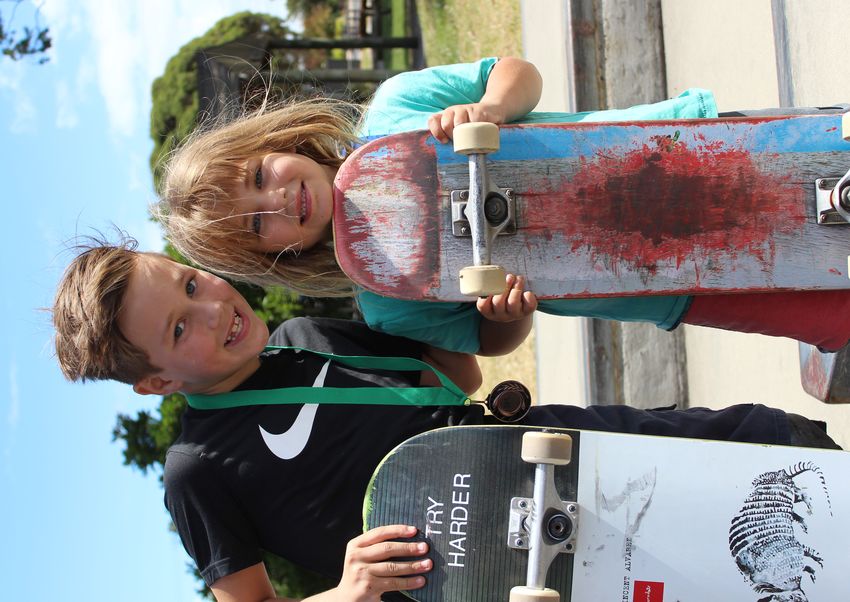
The Safety Grind
Guidelines For Safer Skate Parks

                                   1
 2019 Safety Grind Project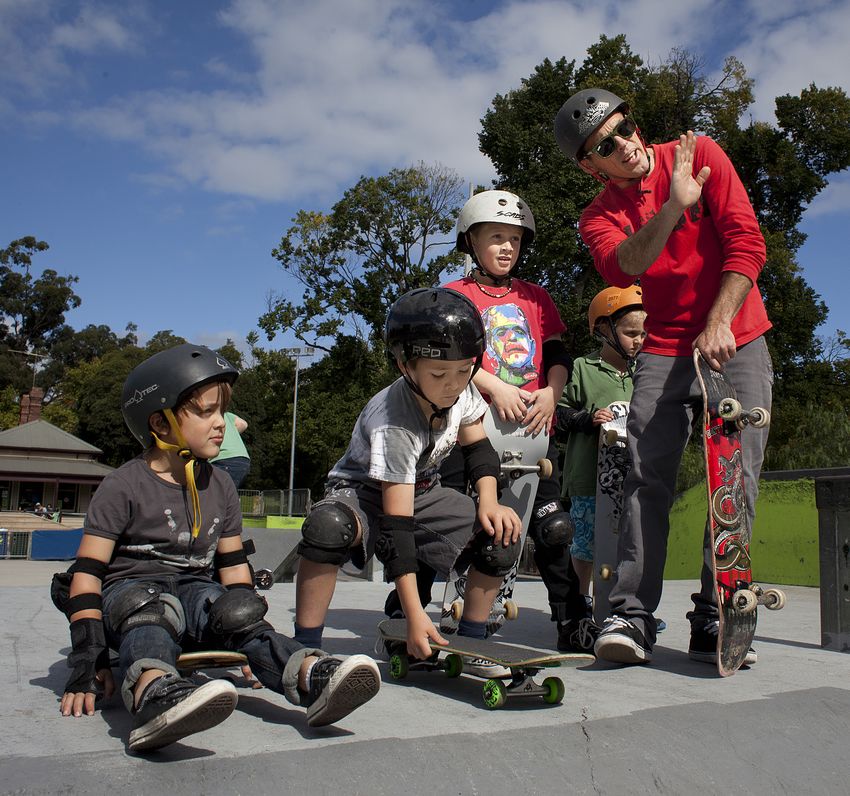
2
    City of Casey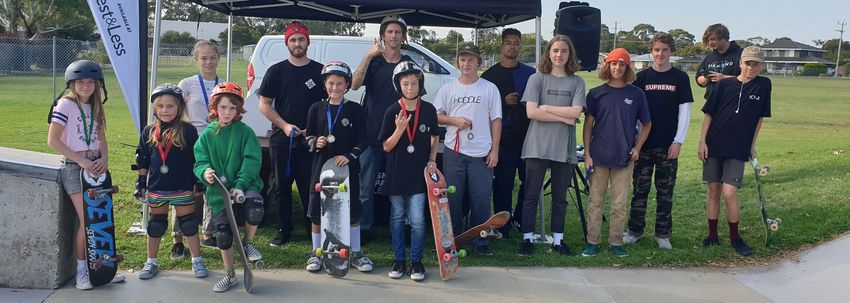
Introduction

The purpose of this project is to provide a basis for local government to create and
strengthen their overall city-wide skate strategy. The guidelines work towards an
integrated approach to skate parks by including four pillars, (1) needs assessment, (2)
design, (3) operation and (4) management for local government.

While the City of Casey has taken the lead in this project, the guidelines are aimed to
assist all Local Government Authority’s to develop their skate strategy or open space
planning.

The main aims are to engage key stakeholders in the needs assessment, planning,
implementation and management stages of skate parks. Additionally, to align guidelines with
other council, community, neighbourhood, parks, open space and child youth and family
strategies.

Research was done to arrive at the final guidelines, including; Literature review, YMCA Local
Government planner surveys, 2019 Casey Summer Skate Park Audit, user surveys and an
open forum.

     Pillar 1                Pillar 2                  Pillar 3                  Pillar 4
     Needs                     Design                  Operations              Management
   Assessment                    &                          &                       &
                              Location                 Activations             Coordination

The Safety Grind forum was held at Bunjil         City of Casey departments; City design
Place in June to present the four above pillars   and construction, City and asset planning,
and receive feedback from relevant people         Safer communities, Active communities and
from Victoria Police, YMCA, Department            Child, Youth and Family. A total of 30 people
of Justice and Community Safety, skaters,         attended and discussed the pillars in five
and representatives from the following            diverse groups.

                                                                                                  3
2019 Safety Grind Project
General Hierarchy
      Alignment of Council Plans - Indicative example

                                                      Council Plan Strategy
                               Ensure all suburbs are proactively planned, including the physical
                               infrastructure, the supporting services and community activities.

                                             Municipal Health and Wellbeing Plan
                                Design safe and inclusive public facilities and spaces to reduce
                                               intentional and accidental injury.

    Community Safety            Open Space              Leisure Facilities       Sports Development        Children, Young
       Strategy*                 Strategy*              Development Plan          & Physical Activity     People & Families*
                                                             Policy*                    Plan*
        Committed to              Introduce                   Maximise                Increase the           Provide spaces,
      working with key          programmed                opportunities for      participation of young    services, programs
       stakeholders to      activities in selected      broader community        people in sports and       and events where
    identify and respond     parks to increase            use of recreation            recreation.           children, young
       to crime, fear of     activation of these             reserves by                                   people and families
    crime and anti-social           spaces.            incorporating passive                               feel safe, welcome,
      behaviour issues.                                   leisure facilities.                                 respected and
                                                                                                          supported throughout
                                                                                                               their lifespan.

                                            Skate Strategy*
                                     Management plans and new
                                     maintenance regimes need to
                                     be developed for all facilities.

                                                     Safety Grind Project 2019

                                                 Guidelines for safer skate parks.

        * Indicative hierarchy only. Local Government Authority’s may have similar plans that target the same areas.

4
                                                                                                                City of Casey
Pillar 1 Needs Assessment
“What do we need to provide and why?”

 Considerations             Key points                                       Why it is important

                            •   Alignment to vision and policies             It is important to align the planning of the skate park to
 Overall municipal                                                           other council policies and visions. Outline how multiple
                            •   Structure for cross departmental planning    departments come together in the planning, design,
 skate park strategy                                                         operations and management of the asset.
 / Plan                     •   Framework for development, management
                                & evaluation

                            •   Population -present & future                 A high-level demographic analysis can show if the area is
 Demographic                                                                 a good use for a skatepark. It can predict if people will still
                            •   User profiles -existing & potential          be using it in 10 years. Benchmarking similar demographic
 analysis
                                                                             areas to see what has been successful is valuable.
                            •   Neighbouring council / benchmarking (sub
                                regional & regional only)

                            •   Current trends -design, users                The park should be heavily based on research and
 Research and                                                                evidence of a variety of factors; users, design trends, area
                            •   Alignment with other council polices e.g.    needs and stakeholder input. This will assist in achieving
 evidence
                                Open Space                                   the aims of linked policies.

                            •   Data observations -safety, user traffic

                            •   Community consultation and engagement        It is important for the community to be engaged and
 Community needs                                                             support the facility, this allows for their expectations
                            •   Specific needs; sport, social or             and concerns to be managed, through design, build,
                                combination                                  management and activation.

                            •   Users, non-users & other stakeholders

                            •   Active and passive                           Our aim is to ensure the facilities are for the whole
 Diversity of users                                                          community not just select or existing user groups. We can
                            •   New and existing                             build attractions and amenities that service the broader
                                                                             community and skill levels not just select user groups.
                            •   Multi-platform & multi-dimensional
                                engagement

                            •   Research & evidence                          Like any public space, people that use them should feel
 Crime Prevention                                                            safe. A good skate park is activated by CPTED principles
                            •   Assess needed features for safety (shade,
 Through                                                                     and thus need to be embedded into planning.
                                water, lighting) changes depending on park
 Environmental                  type
 Design (CPTED)
                            •   Marginalised and disability group
                                engagement (CALD communities)

                                                                                                                                               5
2019 Safety Grind Project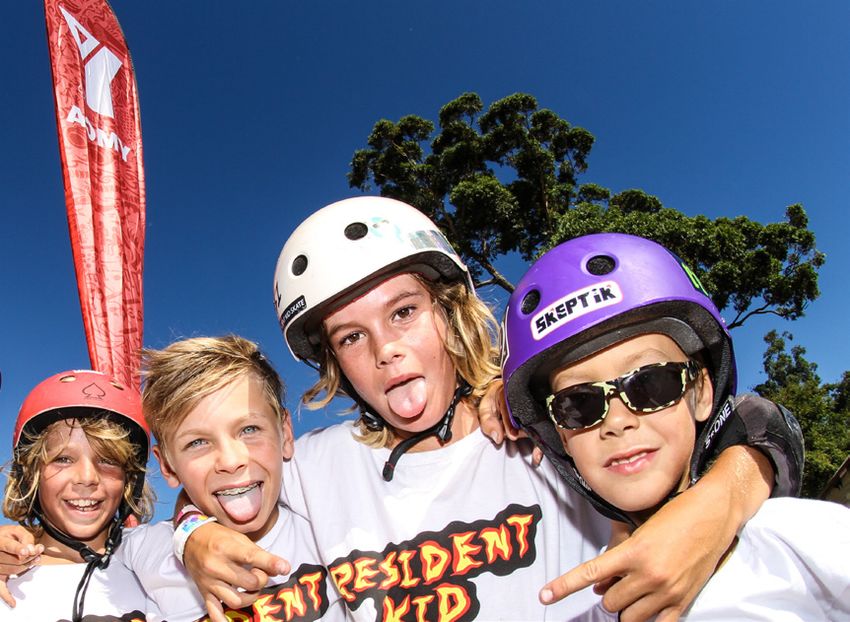
Pillar 2 Design and location
    “What to put where and for how long?”

     Considerations        Key points                                          Why it is important

     Park type             •   Needs assessment outcome                        Skate parks have thousands of different combinations of
                                                                               skate-able infrastructure and design. This means we can
                           •   Consideration of type                           ensure it is relevant and dynamic to existing user groups as
                                                                               well as every member of the community.
                           •   Budget considerations over lifecycle of asset

                           •   Co-design process                               The co-design process is vital as it can establish a sense
     Community                                                                 of ownership and respect for the space. There may be
     engagement            •   Commit to ownership                             differences in what established users want and what is
                                                                               needed to align with Council policies and goals. This may
                           •   Needs v wants and managing expectations         mean the skatepark needs to be designed with strategic
                                                                               intent more so than what existing user groups want. Balance
                                                                               is key.

                           •   Community access, egress and sight lines        We need to ensure skate parks are safe and have a
     Location
                                                                               positive relationship to other facilities and amenities. This
                           •   Relationship to nearby businesses and other     includes egress and sightlines, access to pathways, local
                               facilities (toilets, medical)                   shops and public transport. Doing this will better facilitate
                                                                               access and ensure the park is well-used for longer periods
                           •   Neighbouring council / benchmarking (sub        of time.
                               regional & regional only)

                           •   Variety of parks in municipality: users and     A skatepark with diverse features will attract all members
     Diversity
                               size                                            of the community ensuring greater usage levels. It is
                                                                               important to make the park accessible and inviting for non-
                           •   Integrated or multi-use facility                traditional users as well. In addition, all skateparks in one
                                                                               area should be diverse from each other to provide variety.
                           •   Engaging traditional non-users (females,
                               inactive people)

                           •   Consideration of type                           Access to necessary amenities will give users the ability to
     Amenities                                                                 attend the facility for longer periods of time as they do not
                           •   Essential: water, shade, bins, seating          need to leave for basic things. In turn, this increases the
                                                                               activation of the park as more users remain present.
                           •   Budget allocations

     Recreation facility   •   Street or park design focus (social or          A focus on the sports (physical activity) or cultural aspects
                               physical)                                       of community can both attract unique cross sections from
     or youth space
                                                                               within the skate community.
                           •   Civic integration or precinct use (incidental
                               skate-able infrastructure or purpose built)

                           •   Consideration of target market/group within
                               hierarchy

     Evaluation and        •   Qualitative & Quantitative measures             Have we been successful? Does the community value the
                                                                               skate park or is the council spending money maintaining an
     review                •   Clear KPI’s                                     asset that nobody uses or wants.

                           •   Process of measurement (correspondence)

     Crime Prevention      •   Design to Australian standards                  Like any public space, people that use it should feel safe. A
                                                                               good skate park is activated by CPTED principles and this
     Through               •   Location within open/commercial space:          need to be embedded into planning.
     Environmental             sight lines, lighting
     Design (CPTED)
                           •   Community stewardship

6
                                                                                                                                    City of Casey
Pillar 3 Operations and Activation
“How do we ensure it is useable and safe?”

 Considerations             Key points                                    Why it is important

 Ongoing financial          •   Establishment, depreciation and phasing   Ongoing financial commitment supports a long-term
                                costs                                     planning process and the longevity of a council asset.
 commitment                                                               Longevity is achieved through maintenance and provision
                            •   Asset management/maintenance costs        of a safe space; therefore, financial commitment makes this
                                                                          duty of care achievable.
                            •   Annual activation costs (budget)

                            •   Regular weekly schedule                   Having planned maintenance can reduce the likelihood of
 Maintenance                                                              claims, incidents and accidents. It also mitigates risk and
                            •   Graffiti, waste                           promotes community engagement with council.

                            •   Auditing and reactive maintenance

                            •   Annual activation plan e.g. events and    Annual activation encourages minority and fringe groups
 Continuous
                                programs                                  to use the space. It can promote community health and
 activation and                                                           wellbeing through recreation and social connection, while
 programs                   •   Alignment with council plans and          further building relationships with other agencies and
                                expectations                              young people

                            •   Inter-agency cooperation (businesses,
                                police, clubs)

                            •   Local leadership developed                Community connection and cohesion is important as it
 Community
                                                                          leads to a well-used and well-maintained facility by the
 ownership and              •   Accountability to activation plan         whole community.
 engagement
                            •   Responsive to community needs

                            •   Annual evaluation of plan                 Measurement is important to benchmark investments. It
 Periodic                                                                 provides data on the usage levels for the park which can
 measurement                •   Milestones and outcomes measured          inspire change to activation programs if low. Measurement
                                                                          can be used to understand the impact the skate park has
                            •   Review impact, implement changes          on the area.

                                                                                                                                        7
2019 Safety Grind Project
Pillar 4 Management and Coordination
    “Avoid the set and forget”

     Considerations       Key points                                     Why it is important

     Governance process   •   Leadership groups -community               A leadership group is important to ensure accountability
                              stakeholders regular meeting (suggested    of the plan. It establishes ownership and provides
                              quarterly)                                 accountability to change activation strategies if not
                                                                         successful.
                          •   Systems and procedures -terms of
                              reference, frequency, budget

                          •   Departmental ownership -clear lines of
                              accountability

                          •   Information sharing and networking         Information sharing and liaising is important to gain
     Other councils and                                                  information and ensure we are well informed of areas with
     sponsorship          •   Liaise with government and commercial      similar implementations. We can learn what is working and
                              sponsors                                   what is not.

                          •   Benchmarking good practice

                          •   Timetable events and promotion developed   Marketing is vital to ensure we communicate well with our
     Marketing,
                                                                         community. It allows communication with traditional and
     promotion of asset   •   Communications plan (PR and social         hard to engage user groups.
     program and              marketing)
     activities
                          •   Review and report

                          •   Systematic process to review asset and     Asset management ensures the skate park stays on
     Asset Management
                              activation                                 the agenda instead of being quickly forgotten after its
                                                                         launch. An action plan and annual assessment provides
                          •   Develop action plan for departments        accountability and an exit strategy if the skate park is not
                              (schedule)                                 deemed a good fit for location.

                          •   Annual assessment

                          •
                          •   Evaluate against overall skate strategy    Evaluation allows us to be informed about how successful
     KPI’s and goals                                                     the park is, and any problems arising. It allows us to change
                          •   Evaluate against council plans in          our approach if not successful. Finally, evaluation data
                              hierarchy                                  provides a base to share success.

                          •   Evaluate against design and location
                              goals

8
                                                                                                                               City of Casey
Conclusion
                                                   •   Heavy research can ensure the skate
                                                       park is the right fit for the area and will
                                                       align with council aims.

                                                   •   Including aspects other than skate
                                                       features can encourage a diverse range
                                                       of users to the area.

                                                   •   Community connection and cohesion is
                                                       important as it leads to a well-used and
                                                       well-maintained space.

                                                   •   Maintenance of skate parks is
                                                       expensive (mostly due to graffiti and
                                                       rubbish removal costs) and an ongoing
                                                       budget should be included in the
                                                       planning.

Recommendations
•    Include a wider range of people (professional skaters, stakeholders, and non/passive
     users), policies and research in the design process.

•    Design the park according to the target audience and their most popular mode and skill
     level.

•    Include Crime Prevention Through Environmental Design (CTED) techniques in the design.

•    Engage in continuous activation through scheduled programs, KPI’s and goals.

•    Form a skate advisory group to conduct reviews and control long term management of the
     park.

•    Create spaces for non-skaters to engage in the park, such as walking tracks and exercise
     equipment.

                                                                                                     9
2019 Safety Grind Project
10
City of CaseyYou can also read


