Missing Middle Housing Study - Phase 1 Request for Community Input: What Housing Types Should be Studied? - Arlington County
←
→
Page content transcription
If your browser does not render page correctly, please read the page content below

Missing Middle Housing Study
            Phase 1 Request for Community Input:
           What Housing Types Should be Studied?
May 2021
Contents

• MMHS Goals, Scope, and Timeline

• Background: What is Missing Middle Housing?

• Preliminary Feedback on Community Priorities and Concerns

• Request for Additional Feedback – What Housing Types Should Be Studied?

• Information on Housing Different Missing Middle Housing Types
                                                                            2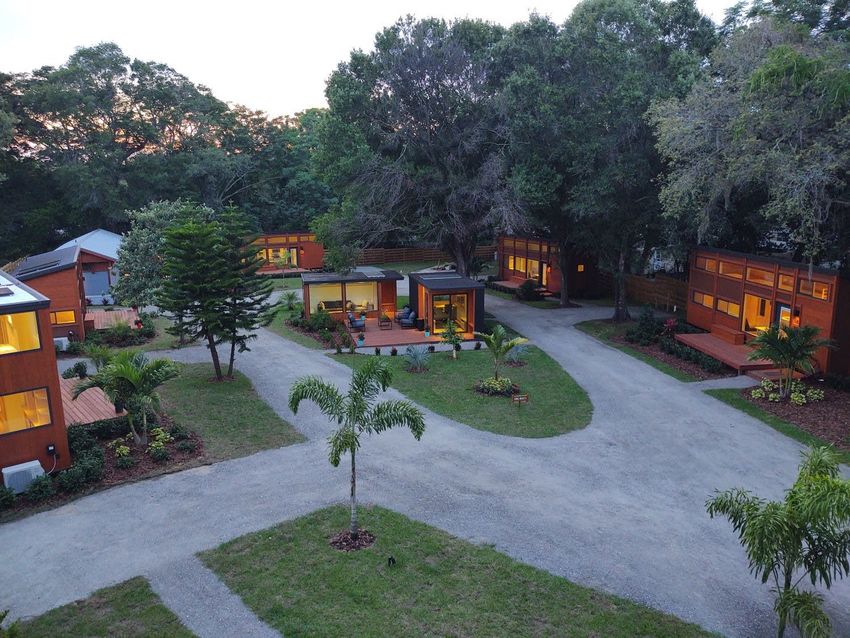
Study Goals, Scope, and Timeline

                                   3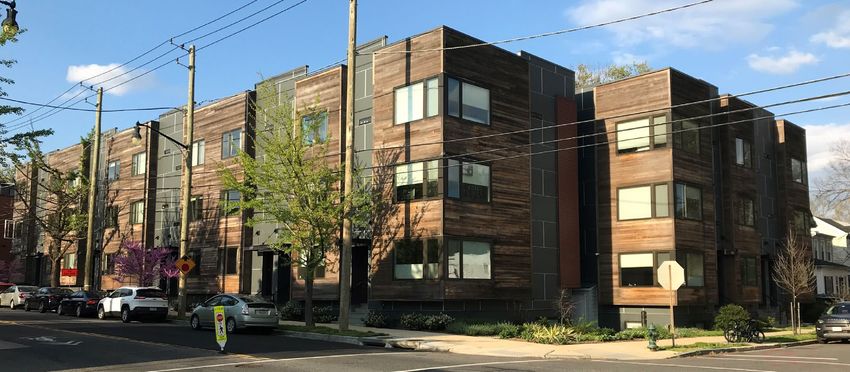
Housing Arlington

Goals:
• Increase housing supply
• Preserve and increase affordable housing

Programs and Planning Underway:
• Missing Middle Housing Study (MMHS)
• Affordable Housing Master Plan Review
• Multifamily Reinvestment Study (formerly
  HCD)

                                             4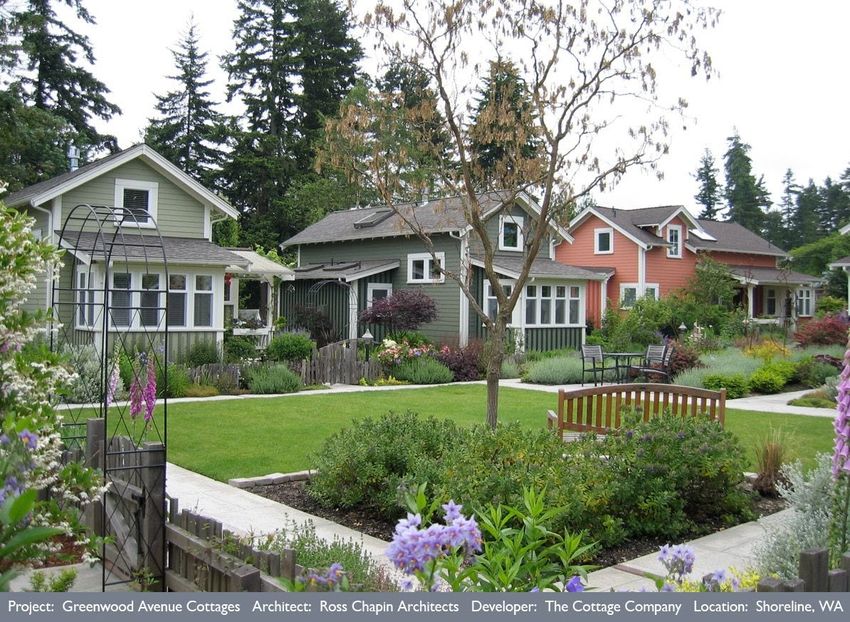
What is the Missing Middle Housing Study?
MMHS = Expanding Housing Choice

• The Missing Middle Housing Study is looking at the widening housing gap
  (rental AND ownership) between “affordable housing”* and million-dollar
  homes.

• This housing gap is creating challenges for the Arlington community.

• There are limited housing opportunities for many long-time Arlingtonians
  to remain in Arlington and for Arlington’s essential workers.

• The Missing Middle Housing Study will explore how to create more
  housing choices that may be less expensive than current new                                 Finding ways to allow the Arlington
  housing options, that fit within the Arlington context.                                     workforce. . . and those who already live
                                                                                              here. . . to stay here.
                                                                                                                                 5
   * “Affordable housing” = housing for households earning
What is the Missing Middle Housing Study?

MMHS = Pro-Actively Managing Neighborhood
Change                                                                                    Diverse
                                                                                       housing choice

• Change is already happening in Arlington's neighborhoods,          Racial Equity                            Climate action
  resulting in stormwater management issues, tree canopy loss,
  and growth in school population.
                                                                                      Priorities for Adding
                                                                                     More Housing Choice
• Needs/concerns include racial equity, affordability, on-site and
  system-based stormwater management, tree conservation
  and replacement, biophilic design, and coordination with APS.
                                                                      Biophilia                                  Mobility

• As we think about introducing more housing choice, the
  MMHS is also an opportunity to talk about how we can
  address other community needs/concerns.                                               Tree canopy

                                                                                                                        6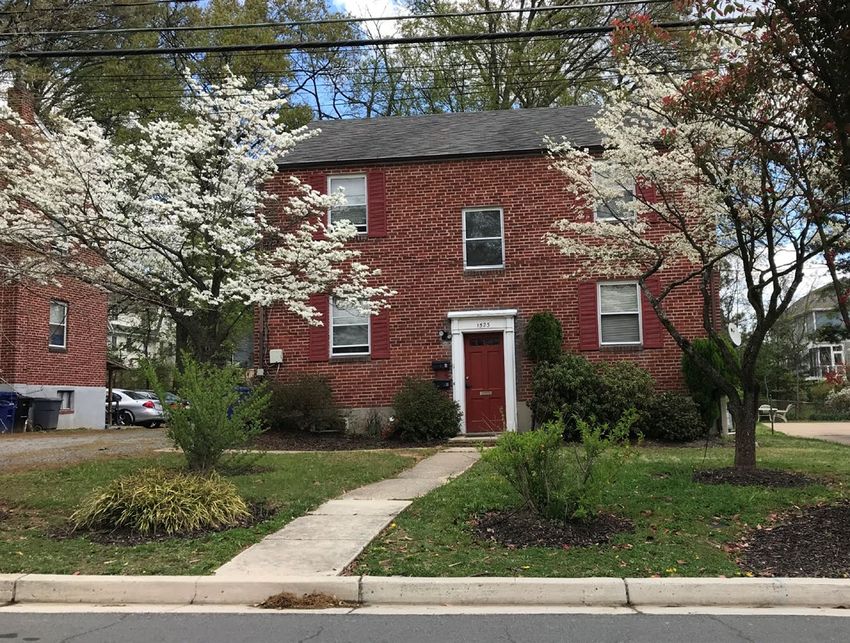
Study Goals and Outcomes

                  Goals:                                        Outcomes:
        - Increase housing supply                 - Shared understanding of the problem
     - Diversify range of housing types          - Options for County Board consideration
                                          - Policy/regulation changes to enable new housing types
                                                 - Identification of issues for further study

                                                                                                    7
Study Phases
                  2021                           2022
                                                                             2 years
We are here

    Phase 1 –
    Building a                          Phase 2 –                                    Phase 3 -
    Common                            Focused Study                               Implementation
  Understanding
               Identification of
                                                      Study of Housing
               Community                                                                      Zoning Ordinance
                                                      Types in the
               Priorities and                                                                 Amendments
                                                      Arlington Context
               Concerns

                                                      Recommendations
                Recommendations                       for Housing Types
                                                                                              Other New Policies
                for Housing Types                     to Permit in Phase 3
                                                                                              and Future Studies
                to Study in Phase 2                   (What? Where?
                                                      How?)

                                               There will be many opportunities for community input
                                                                                                                   8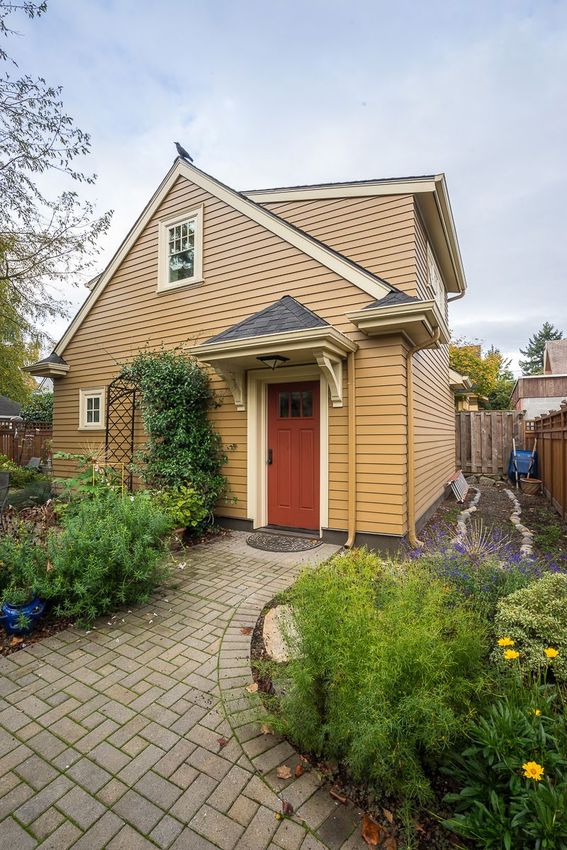
Many Questions to be Answered

    What                                               Considerations
  are community
                                                                      Potential Impacts:
   priorities and                                                          Schools
concerns in adding
new housing types?
                        Which                                            Stormwater
                                                                            Other

                     new housing types          Where
                      should we study?
                                            could new housing
                                               types fit in?                        How
                                                                                would new housing
                                                                               types be regulated?
We are here                                County and Community Goals:
                                          Sustainability / Tree Conservation
                                                   Affordability?
          2021                                           Other
                                         2022                                                 9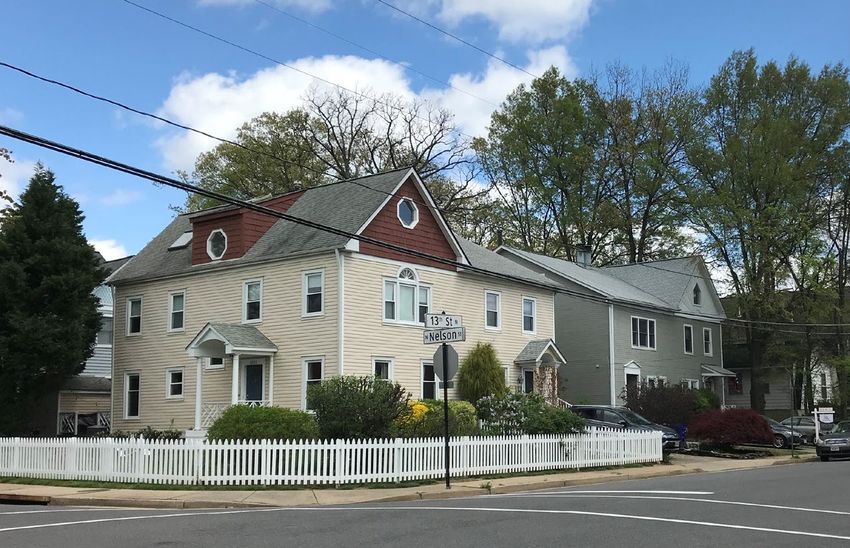
Phase 2 Issues to Study for Each Housing Type
Design                              Community Improvements               Locations
•   Bedroom count and               •   Walkability                      •   What types of locations are
    opportunities for 3-bedroom                                              best for this housing type?
                                    •   Support for retail and transit
    units
                                    •   Sense of community               Sustainability and Environment
•   Opportunities for most
    efficient design                                                     •   Tree canopy conservation
                                    Public Facilities                        Stormwater management
•   Lot size requirements                                                •
                                    •   Transportation network               Biophilia
•   Parking requirements                                                 •
                                    •   Student generation                   Energy consumption
•   Compatibility with other uses                                        •

•   Accessibility for seniors and
                                    Financial Feasibility and            Equity
    individuals with disabilities
                                    Economics                            •   Who benefits?
•   Opportunities for mixed-unit
    products, retrofits, and        •   Financial feasibility            •   Who is burdened?
    preservation                    •   Price ranges                     •   Who is left out?
                                    •   Impacts on land values           •   How do we know?
                                                                                                        10
What is Missing Middle Housing?
11Missing Middle Housing Types Spectrum
Missing Middle housing is the range of housing types IN THE MIDDLE
between single-family detached houses and mid-to-high-rise apartment
buildings.
Refers to SIZE not PRICE
12
Missing Middle Housing term created by Daniel Parolek/Image © Opticos Design, Inc./For more info visit www.missingmiddlehousing.comMissing Middle Housing Type History
Missing Middle housing has origins in the past – before
modern Zoning standards restrictions
Chicago
Richmond, VA
“House-scaled buildings in walkable setting.” – 13
Daniel ParolekMissing Middle Housing In Neighborhood Context
Pedestrian Scale
Found adjacent to single family homes, Transition between Low
duplexes, townhouses, or multifamily, and High Density
along local and arterial streets
Blend well within and along the edges of
existing Arlington neighborhoods Less Expensive Than Current Options. . .More
14
Diverse Options for More Diverse CommunityMissing Middle Housing in Arlington Duplex (side by side) Duplex (stacked) Triplex Accessory Dwelling (AD) Townhouse Fourplex Courtyard Apartments Townhouse Sixplex 15
Our Current Challenge: Limited Supply of Missing Middle Housing
   60,000
                                                                      Arlington’s Housing Inventory
   50,000

   40,000

   30,000

   20,000

   10,000

          0
                 Single Family Detached                      Duplex               Townhomes           Low-rise/Garden   Mid- and High-rise
                                                   (side-by-side and stacked)

                                                                                                                                         16
                                                                         Missing Middle Housing Types
Arlington County MMHS Research Compendium, 2020.
Our Current Challenge: Zoning Standards Don’t Support Our Goals
• Arlington allows Missing Middle housing, but only
in limited circumstances.
• Current Zoning standards produce results that
don’t always meet Arlington’s community goals.
• Ideas to explore:
• Make it easier to build more of the Missing
Middle housing already allowed
• Enable housing types not already allowed
• Change building/design standards so that new
Missing Middle housing better fits community Arlington side-by-side duplex conforming to current Zoning
standards; larger than side-by-side duplexes built in the early-
priorities (ie.housing options for all types of mid 1900s when minimum lot size requirements were smaller.
households)
17Preliminary Feedback –
Community Priorities and Concerns
18Phase 1 Community Engagement To Date
• Purpose: Build a shared understanding of the problem and inform the
MMHS Phase 1 Report (expected Summer/Fall 2021)
• What are the community’s most critical priorities and considerations for
enabling more housing choice?
• Opportunities included, kick-off event (online engagement), sharing
comments and reactions on MMHS Research Compendium (Online
Engagement) and community dialogue (Listening Tour)
• Feedback is not informing policy decisions or Zoning Ordinance
Amendments at this point
• Feedback will inform draft Phase 1 Report on key community priorities,
concerns, and housing types that could be studied in Phase 2.
19
• There will be opportunities for public input on the draft Phase 1 Report.Preliminary takeaways on community priorities and concerns
Priorities Concerns
Housing options
Reduced housing Increased housing Impacts of growth Loss of existing
that reflect
costs supply on quality of life housing stock
community needs
Sustainable land Tree canopy and Diverse and Impacts on Suitability with
use and connections to inclusive property existing
construction nature communities values/taxes neighborhoods
Housing that Walkable
Infrastructure and Displacement and
supports communities with Flooding and tree
schools keeping decreasing
community- access to loss
pace with growth diversity
building amenities
20New Feedback Request - What Housing Types
Should be Studied?
21Community Feedback on Housing Types to Study
Step 1: Review what we’ve heard already - What are your thoughts?
1. What are your top choices for housing
community priorities and concerns - and key types that could meet community
issues we plan to study in Phase 2 priorities for adding more housing choice?
Should housing types be studied?
2. In Phase 2, the study will explore each
Step 2: Watch the rest of the video on housing type within the context of
different Missing Middle housing types concerns raised, such as equity, design,
community improvements, sustainability
and the environment, financial feasibility
and economics, appropriate locations, and
Step 3: Share your thoughts on each housing public facility needs.
type. Is anything missing?
22Missing Middle Housing Types
23Missing Middle Housing Family Tree
Single Detached Duplexes
Small Lot Homes Cottage Clusters Accessory Dwellings Side-by-Side Stacked
Townhouses Small Multiplexes
Single Side-by-Side Stacked Triplexes Fourplexes
5+ Units
24Single Detached Housing Types
25Missing Middle Housing Family Tree
Single Detached Duplexes
Small Lot Homes Cottage Clusters Accessory Dwellings Side-by-Side Stacked
Townhouses Small Multiplexes
Single Side-by-Side Stacked Triplexes Fourplexes
5+ Units
26Small Lot Homes
• Building with one housing unit in each building
• Detached (not connected) with private open
space
• Each building features separate exterior access
• Typically oriented toward the street
27
Images from missingmiddlehousing.com, https://www.houseplans.pro/Other Examples – Small Lot Homes
28
Images from https://richardschulman.com/, https://www.houseplans.pro/Current Arlington Zoning Framework – Small Lot Homes
Highlights:
• Small lots are not currently permitted by the Arlington
Zoning Ordinance.
• Single detached dwellings are permitted on lots greater
than 5,000 square feet in area and 50 feet in width.
• Smaller lots are prohibited and must be assembled with
other lots.
Constraints:
• Large minimum lot size and maximum building footprint
and lot coverage standards encourage large homes.
• Too much land is currently required by the Zoning
Ordinance to support construction of small single
detached homes.
29Cottage Clusters
• Building with one housing unit in each building
• Detached (not connected) with shared open
space
• Located either on individual lots, smaller than
the current Arlington Co. 5,000 sf minimum lot
size, or clustered on one lot
• Each building features separate exterior access
• Typically oriented toward internal shared
common area and internal circulation system
30
Images from missingmiddlehousing.comOther Examples – Cottage Clusters
31
Images from Beyer Blinder Belle, https://www.flickr.com/photos/sightline_middle_housing/, www.pinterest.com, missingmiddlehousing.comCurrent Arlington Zoning Framework– Cottage Clusters
6122 Lee
Highlights: Hwy
• Cottage clusters are not permitted in the Arlington
Zoning Ordinance.
• Uniform Residential Developments and Residential
Cluster Development are allowed in R (Single-Family
Dwelling) Districts.
• Regulations include maximum density, minimum site
size, minimum setback and minimum parking
requirements.
• They are allowed by special exception only.
Constraints:
• Regulations are not conducive to smaller housing types
and smaller clusters.
• Special exception approvals are a barrier to
implementation given added cost and time.
32
4520 N Glebe RdAccessory Dwellings
• Building with one housing unit in each building
• Detached (not connected) or attached to main
dwelling, with shared open space
• Located on lot shared with another principal
building with 1+ housing units
• Each building features separate exterior access
• Principal building is typically oriented toward the
street and accessory dwelling oriented toward
principal building driveway or rear alley
33Other Examples – Accessory Dwellings
34
Images from Beyer Blinder Belle, https://www.flickr.com/photos/sightline_middle_housing/, www.missingmiddlehousing.comCurrent Regulatory (Zoning) Framework– Accessory Dwellings Highlights: (Expanded permissions approved in 2019) • Permitted in R districts on lots with 1-family dwelling • Either one detached or one attached unit per lot • For new detached buildings, setbacks of at least 5', and max. height 25 ft. or 1.5 stories • Must have its own kitchen and bath • Must be designed and/or intended for three or fewer persons • Must have a separate entrance • Must meet building code requirements for a separate unit Constraints: • Primary residential dwelling must be owner-occupied • Expensive to build as separate units • Dimensional standards limit design options • Not allowed on two-family lots or in R2-7 (Two-Family ) or RA 35 (Multi-Family) districts
Duplex Housing Types

                       36
Missing Middle Housing Family Tree
Single Detached Duplexes
Small Lot Homes Cottage Clusters Accessory Dwellings Side-by-Side Stacked
Townhouses Small Multiplexes
Single Side-by-Side Stacked Triplexes Fourplexes
5+ Units
37Duplex (Side by Side)
• Building with one housing unit in two attached
buildings
• Appearance of a two attached single-unit homes
• Located on 1 or 2 separate lots with private open
space
• Typically feature two exterior entries from the street
• Typically oriented toward the street
38
Images from www.missingmiddlehousing.comOther Examples – Duplex (Side-by-Side)
39Duplex (Stacked)
• A single building with two dwelling units, one on
the ground floor and one above
• Appearance of one single detached home
• Located on one lot with shared open space
• One or two exterior entries from the street
• Typically oriented toward the street
40
Images from missingmiddlehousing.comOther Examples – Stacked Duplex
41
Images from Beyer Blinder Belle, https://www.flickr.com/photos/sightline_middle_housing/, missingmiddlehousing.comCurrent Arlington Zoning Framework– Duplexes
Highlights:
• Side-by-side duplexes are permitted by right in the R2-7
(Two-Family) District
• There are only limited locations on the GLUP where R2-7
is considered an appropriate zoning district
("Low" Residential 11-15 units/acre).
• Stacked and side-by-side duplexes are permitted by
special exception in R-5 and R-6 (Single-Family) Districts.
Constraints:
• Existing lots are smaller than current minimum lot size and
setback standards, limiting options for reinvestment.
• Construction of duplexes permitted in only a few limited
locations per the General Land Use Plan and Zoning
Ordinance.
• In permitted zoning districts, construction of small
duplexes is discouraged due to current large minimum lot 42
size and special review requirements which add cost/time.Townhouse Housing Types
43Missing Middle Housing Family Tree
Single Detached Duplexes
Small Lot Homes Cottage Clusters Accessory Dwellings Side-by-Side Stacked
Townhouses Small Multiplexes
Single Side-by-Side Stacked Triplexes Fourplexes
5+ Units
44Townhouses (Single Side-by-Side)
• Buildings located in groups of 3+; one housing
unit/building
• Connected and share common walls
• Separate exterior access
• On individual lots with private open space or clustered on
one lot with shared open space
• Typically oriented toward internal circulation/parking
• Older rowhouses oriented toward street
• Could be ground level use in larger multifamily building
45
Images from missingmiddlehousing.comOther Examples - Townhouses (Single Side-by-Side)
46
Images from Beyer Blinder Belle, https://www.flickr.com/photos/sightline_middle_housing/, missingmiddlehousing.comOther Examples - Townhouses (Single Side-by-Side)
47
Images from Beyer Blinder Belle, https://www.flickr.com/photos/sightline_middle_housing/, missingmiddlehousing.comTownhouses (Stacked)
• Buildings located in groups of three or more with two
housing units in each building
• Connected and share common walls
• Separate exterior access
• Could have either private and/or shared open space
• Typically oriented toward internal circulation/parking
• Could be ground level use in larger multifamily building
48
Images from missingmiddlehousing.com, Biddington HomesOther Examples – Townhouses (Stacked)
49
Images from Beyer Blinder Belle, https://www.flickr.com/photos/sightline_middle_housing/, missingmiddlehousing.com, Fortis Companies, Craftmark HomesCurrent Arlington Zoning Framework– Townhouses
Highlights:
• Side-by-side townhouses are permitted in R2-7, R10-T, R15-
30T, and multifamily (RA) districts.
• They are only permitted by site plan in zoning districts
specifically intended for townhouses.
• Requirements include maximum 45 ft height, large minimum
lot area, and 2.2 - 2.5 parking spaces/unit.*
• Stacked townhouses are not permitted in R10-T or R15-30T.
Constraints:
• Townhouses are permitted only in limited areas per the
General Land Use Plan and Zoning Ordinance.
• Minimum lot size and parking requirements discourage
smaller townhouses.
• Townhouses may not be financially feasible in higher density
multifamily districts.
• Special exception requirements discourage construction * 2.5 spaces in residential clusters
given added cost and time. 50Small Multiplex Housing Types
51Missing Middle Housing Family Tree
Single Detached Duplexes
Small Lot Homes Cottage Clusters Accessory Dwellings Side-by-Side Stacked
Townhouses Small Multiplexes
Single Side-by-Side Stacked Triplexes Fourplexes
5+ Units
52Small Multiplex (Triplex)
• A single building that consists of 3 dwelling units
typically stacked on top of each other on consecutive
floors
• May also be attached units on a single level
• Appearance of a large single-unit house
• Located on one lot with shared open space
• Commonly with exterior entry from the street with
interior access to the individual housing units
• Typically oriented toward the street
53
Images from www.missingmiddlehousing.comOther Examples - Triplex
54
Images from https://www.flickr.com/photos/sightline_middle_housing/, www.missingmiddlehousing.comSmall Multiplex (Fourplex)
• A single building with four dwelling units, two on the
ground floor and two above
• Appearance of a large single-unit house
• Located on one lot with shared open space
• Commonly with shared exterior entry
• Typically oriented toward the street
• May be attached to other fourplexes
55
Images from www.missingmiddlehousing.comOther Examples - Fourplex
56
Images from https://www.flickr.com/photos/sightline_middle_housing/, missingmiddlehousing.comSmall Multiplex (5+ Units)
• A single building with 5+ dwelling units
• Appearance of a large single-unit house or small
apartment
• Located on one lot with shared open space
• Commonly with shared exterior entry
• Typically oriented toward the street
• Could be retrofit of former commercial or
institutional building
57
Images from www.missingmiddlehousing.comOther Examples - (5+ Unit) Multiplexes
58
Images from https://www.flickr.com/photos/sightline_middle_housing/, missingmiddlehousing.com , realtor.comCurrent Arlington Zoning Framework– Small Multiplex Highlights: • Small multiplexes are permitted in multifamily (RA) and commercial/mixed use (C) districts. • Most are found in RA14-26 and RA8-18 consistent with the “Low-Medium” Residential GLUP designation. • Requirements include setbacks of at least 14 feet, 1.25 parking spaces/unit, maximum density, maximum 35 ft height in RA14- 26 and 40 ft height in RA8-18 by-right Constraints: • Dimensional standards require large units in a small building “envelope”. • The building envelope may be too small to fit the number of units needed to pay for redevelopment. • More parking required than fits on the lot. • Small multiplex may not be feasible in multifamily zoning 59 districts that allow higher densities.
Missing Middle Housing Key Defining Features
                                    Accessory        Cottage        Small Lot        Duplex       Duplex        Townhouse        Townhouse         Triplex      Small Multiplex
                                     Dwelling         Home           Single         (Side-by-    (Stacked)        (Single)        (Stacked)         and           (5+ Units)
                                                     Cluster        Detached          Side)                                                       Fourplex
                                                                                Building Features
Attached or Detached                 Detached        Detached       Detached        Attached      Detached        Attached         Attached         Either           Detached
Entry                                 Interior       Exterior        Exterior       Exterior        Interior       Exterior         Interior       Interior          Interior
Accessibility Opportunities                                                                               Yes
                                                                                  Lot Features
Single (Fee Simple) or Shared         Shared           Either         Single         Either         Shared          Either          Shared         Shared            Shared
Lot
Open Space                            Shared          Either         Private        Private         Shared          Either          Shared         Shared            Shared
Internal or Street Orientation        Internal       Internal         Street          Street         Street         Either           Either         Street            Street
Onsite Stormwater                                                                                         Yes
Management Opportunities
Tree Conservation and                                                                                     Yes
Biophilia Opportunities

This presentation provides a starting point to understand each housing type. Housing types examined in Phase 2 will be studied to determine how they could be best      60
accommodated in Arlington, and designs may differ from the defining features expressed in this material.
Missing Middle Housing Key Defining Features
Fourplex More Land = Higher Housing Costs
Triplex Duplex
Small Lot Single
Small Multiplex Townhouse (Single)
Detached
Townhouse Cottage Home Single Detached +
Single Detached
(Stacked) Cluster Accessory Dwelling (Current Zoning)
(Current Zoning)
Less Land Needed For Each Home More
This presentation provides a starting point to understand each housing type. Housing types examined in Phase 2 will be studied to determine how they could be best 61
accommodated in Arlington, and designs may differ from the defining features expressed in this material.How to Get Involved and Stay Informed
• Visit housing.arlingtonva.us/missingmiddle
• Provide feedback on which housing types to study in Phase 2
• Sign-up to be a Community Partner
• Subscribe for study updates in your inbox
• Learn more about other Housing Arlington initiatives
• Contact us with questions: housingarlington@arlingtonva.us
62An Expanded Approach to an Equitable, Stable, Adaptive Community
housing.arlingtonva.us
housingarlington@arlingtonva.usYou can also read


