The Scottish Diet: It needs to change - Situation Report: foodstandards.gov.scot - Food Standards Scotland
←
→
Page content transcription
If your browser does not render page correctly, please read the page content below
foodstandards.gov.scot

Situation Report:

The Scottish Diet:
It needs to change
2018 update
1                    THE SCOTTISH DIET: IT NEEDS TO CHANGE 2018 UPDATE
Why Scotland is tipping the
scales in the wrong direction
                                                                 How our diet is           Scottish dietary goals:            What we should be
                              Overweight and obesity
                                                                  making us ill             where we are now                   eating more of
          Context
        Introduction

      What we should be       Diet is poor overall, but       Discretionary foods         Alcoholic drinks are also            Price promotions
        eating less of           inequalities exist                in the diet                 discretionary

    Eating outside the home     Appetite for change       Cutting back on discretionary       In Conclusion
                                                                foods and drinks
                                                                                                                              Food Standards
                                                                                                                                 Scotland
                                                                                              APPENDICES

2                                                                                                     THE SCOTTISH DIET: IT NEEDS TO CHANGE 2018 UPDATE
Context
As Scotland’s independent food body, Food Standards Scotland
has a remit to put the consumer first and to ensure its information is
independent and evidence-based. This 2018 update to the Situation
report on the Scottish Diet continues to highlight the scale of the
challenge and the need for change and includes a new section
exploring consumers’ appetite for change. This report is designed
for use by policy makers, stakeholders including the food industry,
health professionals and consumers.
Although 9 out of 10 of us agree that obesity
is a serious issue in Scotland, at the same time
65% of us are either overweight or obese and
most of us believe our own diets to be healthy.

We know it’s hard for people to do the right
thing and that education alone is not sufficient
to change behaviour, particularly when food
and drink high in fat, salt and sugar is cheap,
widely available, and heavily promoted. It is
clear that there is no ‘silver bullet’, which is
why FSS proposed a range of measures to             82% of people think that
transform the food environment, shift consumer      reducing levels of obesity
behaviour and improve the Scottish diet.            is a shared responsibility

THE SCOTTISH DIET: IT NEEDS TO CHANGE 2018 UPDATE                                3
Introduction: Too much of what we fancy
Like most of the western world, Scotland eats too much of the wrong
things. It is not just a case of over-indulging occasionally – many
of us are making bad choices about what and how much we eat
throughout the day, every day, encouraged by a food and drink
environment in which high fat, salt and sugar food is cheap,
widely available and heavily promoted.
Levels of type II diabetes, heart disease      fat, salt and sugar diet persists and, given
and other illnesses including many types       its impact on public finances and the scale
of cancer associated with obesity are          of the burden on individuals and families,
stubbornly high in Scotland, and they’ve       this situation continues to be unacceptable.
been that way for years. We’re failing
to eat enough nutritious, healthy foods        Food Standards Scotland monitors the
like fruit and veg, oil-rich fish, fibre and   national diet against Scottish dietary goals.
whole-grains which can help reduce risk        This report outlines how far away we
of disease. While some people have better      are from the goals we’re working towards.
diets than others, the diet is poor across     The extent of the change needed to improve
the whole population. Our high calorie,        our diet must not be underestimated.

4                                                                                              THE SCOTTISH DIET: IT NEEDS TO CHANGE 2018 UPDATE
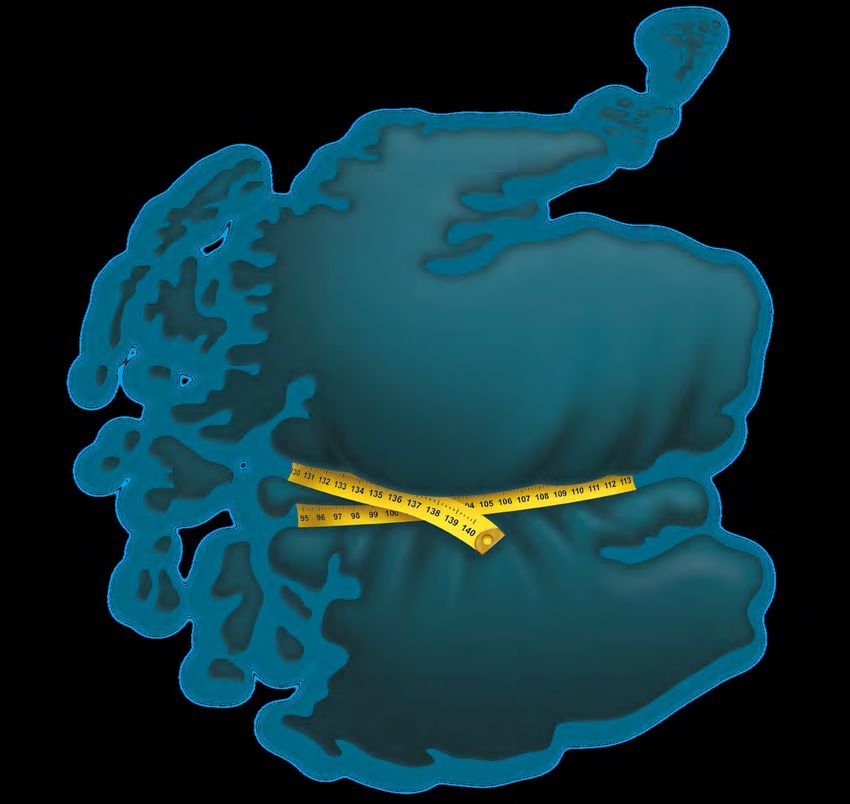
Our diet – at a glance

                                                         The Scottish diet remains too high in calories, fats, sugar and
                                                         salt, and too low in fibre, fruit and veg, and other healthy
                                                         foods like oil-rich fish.

                                                         Our poor diet is deep-rooted and hasn’t changed
                                                         significantly in the last seventeen years.

                                                         Poor diet exists across all socio-economic groups but the most
                                                         deprived tend to have the poorest diets.

                                                         Discretionary foods and drinks,1 including alcohol, are high
                                                         in calories, low in nutritional value and are not necessary for
                                                         our health. They tend to be heavily promoted and represent
                                                         an unhealthy proportion of our overall diet.

                                                         It’s essential that we reduce the consumption of discretionary
                                                         foods and drinks if we are to make significant and measurable
                                                         improvements to diet and health.

                                                         1 Discretionary foods and drinks in this report include: confectionery, cakes, biscuits, pastries,
                                                           savoury snacks and sugary drinks

THE SCOTTISH DIET: IT NEEDS TO CHANGE 2018 UPDATE                                                                                                             5
Overweight and obesity
Our poor national diet is contributing
to health problems. This puts a huge
burden on our health service, as well
as on individuals and families.                                                                                 29%
                                                                                                                of children overweight
In Scotland a key dietary concern is
the consumption of too many calories
                                                                                                                or obese
                                             2 out of 3 people
– leading to overweight and obesity
– especially from energy dense foods         are either overweight
and drinks which are high in fat and/        or obese
or sugar. Today approximately two out                                    Overweight and obesity can cause
of three adults and around three in ten
children living in Scotland are overweight
or obese. Being overweight or obese
increases the risk of type II diabetes,

                                                 87%
13 types of cancer, heart disease
and stroke.
                                                                                                 13
                                             of type-II diabetics are
                                             overweight or obese
                                                                                             types of cancer*
               Only 27% of people
               can correctly identify
                                                                                                                       Find out more
               when others are obese                                    * Data from Cancer Research UK.

6                                                                                             THE SCOTTISH DIET: IT NEEDS TO CHANGE 2018 UPDATE
How our diet is making us ill
It’s not only being overweight or obese that causes health problems.

Common diseases where diet                          Dietary risk factors:
is a contributory factor:

                 6,697                                            Fruit and vegetables     Red and processed meat
                                                                  decrease the risk of     increases the risk of bowel
                 deaths from coronary
                                                                  cardiovascular disease   cancer
                 heart disease in 2016
                                                                  and some cancers
                                                                                           Salt increases the risk
                                                                                           of high blood pressure
                 2,181                                            Fibre decreases the      and stroke
                 deaths from                                      risk of bowel cancer
                 stroke in 2016
                                                                                           Sugar increases the risk
                                                                                           of tooth decay and can
                 31%                                              Oil rich fish            contribute to weight gain
                 of primary 1 children                            decreases the risk
                 had obvious dental                               of cardiovascular        Saturated fat increases the
                 decay in 2016                                    disease                  risk of cardiovascular disease

                 29%                                                                       Sugary drinks increase
                 of the adult                                                              the risk of type 2 diabetes
                 population have
                 high blood pressure
                                                                                                       Find out more
                 in 2015

THE SCOTTISH DIET: IT NEEDS TO CHANGE 2018 UPDATE                                                                        7
Scottish dietary goals: where we are now
In Scotland, dietary goals* are used to                     Our diets are very energy dense because
benchmark the national diet and to show                     they contain too much sugar and fat, and
where we are now and where we need                          this increases our risk of eating too many
to be.                                                      calories and overweight and obesity. We        mo
                                                            need to replace sugary and fatty foods           re                          ess
In 2016 the goal for sugar was halved,                      with fruit, vegetables and wholegrains                                      l
while the goal for fibre was increased by                   to reduce the energy density of our diet.
nearly a third based on the latest scientific               We also need to cut down on salt to help
evidence. This means that the new goals                     us get the balance right. Although we
are even more challenging to meet.                          have reduced our intakes of salt, two-thirds
                                                            of adults are still eating too much.

                                                                                                             The energy density of the
                                                                                                             average diet in Scotland
                                                                                                              is 40% over the Scottish
                                                                                                                   dietary goal.
      Scotland has been consistently missing its dietary goals for over 17 years.
                                                                                                                                     Find out more
* Scottish Dietary Goals (2016): http://www.gov.scot/Resource/0049/00497558.pdf

8                                                                                                           THE SCOTTISH DIET: IT NEEDS TO CHANGE 2018 UPDATE
What we should be eating more of

Fruit & Veg goal:

                                            Goal 5 portions of fruit                                                   Intakes of vegetables
                                                 or vegetables a day                                                   are particularly poor
                                                                                                                       in Scotland

                                     Current intake 3.2 portions
                                        of fruit or vegetables a day

Fibre goal*:                                                                            Oil rich fish goal:

Goal 30g of                                                                                                                          Goal 140g of
fibre a day                                                                                                                     oil rich fish a week

Current intake 15.6g
of fibre a day                                                                                                              Current intake 34g of
                                                                                                                               oil rich fish a week

* The Scottish Dietary Goal for fibre was revised in 2016 and now recommends that intakes of AOAC fibre should be
  increased to 30g per day for adults. The previous goal was for non-starch polysaccharide fibre, and recommended
  intakes of 18g per day. Data has been converted to AOAC fibre using a conversion factor to reflect the new dietary      Find out more
  goal (1g NSP = 1.3g AOAC fibre)

THE SCOTTISH DIET: IT NEEDS TO CHANGE 2018 UPDATE                                                                                                      9
What we should be eating less of

 Total fat goal:                                                                                           Sugar goal*:
 Current intake 38.9% of food energy                                                                       Current intake 14.4% of food energy

 Goal 35%
 of food energy

                                                                                                           Goal 5% of
                                                                                                           food energy

  Saturated fat goal:                                                                                      Salt goal:
 Current intake 15.1% of food energy                                                                       Current intake 7.8g

 Goal 11% of                                                                                               Goal 6g per day
 food energy

                                                                                                                         Around 90% of people in
* The Scottish Dietary Goal for sugar was revised in 2016 and now recommends that intakes of free                       Scotland are concerned
   sugars should be no more than 5% of total energy. The previous goal was for non-milk extrinsic sugars                 with the amount of sugar,
   and recommended that intakes were no more than 11% energy. Free sugars includes all sugars added                                                          Find out more
   to foods and those present in fruit juice and honey.                                                                  fats and salt in their food

10                                                                                                                                   THE SCOTTISH DIET: IT NEEDS TO CHANGE 2018 UPDATE
Diet is poor overall, but inequalities exist
Poor diet exists across the population but the
most deprived tend to have the poorest and
most energy dense diets. For many, cost is
seen as a barrier to a healthy diet.
There are differences in the types of food
and drink consumed which mean that those
in the least deprived areas tend to consume
Least deprived have more: Most deprived have more:
more vitamins, minerals and wholegrains.
Fruit and vegetables Sugary drinks
There are also inequalities in the burden Wholemeal bread Savoury and meat pies
of diet related disease. Overweight and
obesity in adults and children increases with Wholegrain breakfast cereals Sausages and burgers
deprivation, while more people in the most Oil rich and white fish Whole milk
deprived communities die from heart disease
and stroke compared with those in the least
Butter, cream and cheese
deprived communities. More primary school
children from the most deprived2 areas suffer
from tooth decay compared with children
living in the least deprived areas. Around 32% of adults living in
the most deprived areas are obese,
compared to just 20% of those living
in the least deprived areas
2
T he Scottish Index of Multiple Deprivation identifies the level of multiple deprivation in small areas across all of Scotland in a consistent way. These areas Find out more
can then be grouped into deciles or quintiles. Quintile 1 refers to the fifth most deprived areas, and quintile 5 refers to the least deprived fifth.
THE SCOTTISH DIET: IT NEEDS TO CHANGE 2018 UPDATE 11Discretionary foods in the diet
Too much of the Scottish diet today is made up of A high proportion of our calories, fats, sugars (and in
discretionary foods. These tend to be energy dense some cases salt), comes from discretionary foods. These
foods with lots of calories and little nutritional value. are foods and drinks that we don’t really need for a
healthy diet, including confectionery, cakes, biscuits,
pastries, savoury snacks and sugary drinks. They should
20% 50% be only eaten occasionally and in small amounts.
of all calories and fat of the sugar we
we eat comes from consume comes from
discretionary products discretionary products
21%
Around half of us don’t
of sugar intake comes think we eat too many
from sugary drinks treats every day
Find out more
12 THE SCOTTISH DIET: IT NEEDS TO CHANGE 2018 UPDATEAlcoholic drinks are also discretionary
Alcoholic drinks are also discretionary,
and are high in calories. The recommended
number of calories for an average man and
woman is 2500 and 2000 calories a day. = 1,100 kcal per week
It’s estimated that men in Scotland who drink
alcohol consume around 1100 kcal a week
from alcohol, equivalent to almost 8 pints
Men in Scotland who drink get around 1100 kcal
of lager.
a week from alcohol, the same as 8 pints of lager
It’s estimated that women in Scotland who
drink alcohol consume around 810 kcal
a week from alcohol, equivalent to almost
1.4 bottles of red wine.
= 810 kcal per week
Many alcoholic drinks will
also be mixed with sugary
soft drinks, which are high Women in Scotland who drink get around 810 kcal
in calories and sugar a week from alcohol, the same as 1.4 bottles of wine
Find out more
THE SCOTTISH DIET: IT NEEDS TO CHANGE 2018 UPDATE 13Price promotions
ON
Around 36% of the calories we buy from shops and supermarkets are on promotion and we know that we tend to buy
a lot more unhealthy products on promotion than healthy products. For example, as much as 74% of confectionery was
OFFER
bought on promotion compared with as little as 20% of fruit or vegetables from some shops. Surprisingly, products on
promotion are not always the cheapest option.
60 Purchase of healthier and less healthy foods and drinks on price promotion
50
% purchased on price promotion
40
30
Crisps and savoury snacks
Ice lollies & dairy desserts
Plain starchy carbohydrates
Puddings and desserts
20
Cakes and Pastries
Diet soft drinks
Plain potatoes
Sugary drinks
Confectionery
Plain bread
Oil rich fish
10
Vegtables
Ice cream
Biscuits
Water
Fruit
0
Find out more
14 THE SCOTTISH DIET: IT NEEDS TO CHANGE 2018 UPDATEEating outside the home
The foods and drinks we buy from cafés, Top 5 foods and drinks consumed
restaurants, takeaways and other outlets out of home (% of total visits)
tend to be less healthy, including chips,
burgers, cakes, biscuits and pastries
Speciality
and sugary drinks. More regular cola
is consumed out of home than diet cola.
coffee and 11.6%
hot chocolate
When eating away from home, children
aged up to 12* tend to eat even more
of these foods and drinks more chips,
burgers and sugary drinks compared Water 10.7%
with adults and most think that children’s
menus should offer more healthy choices.
Nutrition information is often not available
when eating out, and price promotions
are commonly used to encourage purchase
Regular cola 10.1%
of confectionery and other sweet items like
biscuits, cakes and desserts.
40% of the biggest out of
Chips 9.9%
home businesses in Scotland
don’t even provide customers
with nutritional information online Cakes,
* This survey only includes data on children aged up to 12 yrs,
biscuits and 9.4% Find out more
who were accompanied by adults who filled in the survey on the child’s behalf. pastries
THE SCOTTISH DIET: IT NEEDS TO CHANGE 2018 UPDATE 15Appetite for change
Although there has been little progress towards improving diet and
obesity in Scotland, mind-sets are shifting and support for action to
improve the food environment may be growing. 91%
of people think cheap, fast food
is too readily available.
64% of people are concerned
about others having an unhealthy diet,
increasing from 50% in 2015.
66%
of people think cafes and restaurants
MENU should display calories on their menus.
91% of people think
obesity is a serious problem
in Scotland.
49%
82% of people think that ON of people would support banning
reducing levels of obesity is OFFER promotions on unhealthy products.
a shared responsibility.
Find out more
16 THE SCOTTISH DIET: IT NEEDS TO CHANGE 2018 UPDATECutting back on discretionary
foods and drinks
We all eat too much confectionery,
biscuits, cakes, pastries, savoury snacks
and sugary drinks. For example, an
average 7 year old boy in Scotland
will eat more than his bodyweight 50%
in these foods every year.
We also buy a lot more of these foods
and drinks in the run up to Christmas,
starting early as October. Our extra
purchase over this time equates to an We need to reduce our intake of discretionary foods
additional 9,000 kcal each and, if eaten, by at least half.
could cause us to gain around 2 lbs
in weight.*
A key step to improving everybody’s
diet would be to reduce the amount
of these foods we eat by at least half.
This would be a first step, as we should
actually be eating even less.
We need to minimise our intake of sugary drinks.
* http://www.foodstandards.gov.scot/publications-and-research/
monitoring-foods-and-drinks-purchased-into-the-home-in-scotland Find out more
THE SCOTTISH DIET: IT NEEDS TO CHANGE 2018 UPDATE 17In conclusion
Levels of obesity are not reducing and Scotland’s poor
diet persists. However, mind-sets are beginning to shift and
people are becoming increasingly concerned about obesity,
poor diet and its health consequences.
A key step to improving our diets is to “Consumers in Scotland are
cut down on discretionary foods and now beginning to recognise the
drinks by at least half. To achieve this, the problem and their support is
food environment must change to make essential. We all need to work
it easier for people to choose a healthier together – consumers, industry,
diet, including fewer discretionary foods Government – to provide a legacy
and more fruit, vegetables and fibre. of a healthier Scotland and that
Everyone, including the food and drink is something we must aim for.”
industry, media and government needs
to play their part. Geoff Ogle, Chief Executive Officer,
Food Standards Scotland
Over recent years, retailers and
manufacturers have gone some way in
response to government calls for change,
for example on salt reduction and front
of pack labelling. However, much more
needs to be done to tackle eating ‘out
and on the go’ which can contribute
up to 25% of our calorie intake and
is skewed towards less healthy food.
18 THE SCOTTISH DIET: IT NEEDS TO CHANGE 2018 UPDATEAppendix
Figure 1: Figure 2:
Mean energy density1 (food and milk) by year 2001 – 2015 Mean fruit and vegetable consumption by year 2001 – 2015
compared to Scottish Dietary Goal (125cal/100g)2 compared to Scottish Dietary Goal (>400g/day)3
Scottish Dietary Goal for Current intake Scottish Dietary Goals for fruit Current intake
Progress made Progress made
Energy Density (2015) and vegetables (2015)
Decrease to 125kcal/100g per day 174kcal/100g No Intake to increase to 5 portions per day 3.2 portions No
Intake (g/day)
200
178 Fruit (including fruit and vegetable juice) 124
180 171 169 172 172 171 173 171 173 175 175 175 174
168 170
Vegetables 133
160
Mean Intake (kcal/100g)
SDG >400 g/day
140 400
SDG 125 kcal/100g
Mean Consumption (g/day)
120 350
100 300 284 276 291 285 279 286
267 269 263
259 262 253 257
80 247 249
250
60
200
40
150
20
100
• Fruit
= Fruit including fruit (and vegetable) juice;
0 Vegetables = Vegetables including baked beans
2001 2002 2003 2004 2005 2006 2007 2008 2009 2010 2011 2012 2013 2014 2015
50
• 80g fruits or vegetables = 1 portion
0
1
Energy density, also known as calorie density, is the amount of calories in a specific weight of food, e.g. 2001 2002 2003 2004 2005 2006 2007 2008 2009 2010 2011 2012 2013 2014 2015
kcals per gram or per 100g. Eating an energy dense diet increases the risk of overweight and obesity.
2
Food Standards Scotland. Estimation of food and nutrient intakes from Living Costs and Food Survey 3
Food Standards Scotland. Estimation of food and nutrient intakes from Living Costs and Food Survey
data in Scotland (2001 – 2015), interim report: http://www.foodstandards.gov.scot/publications-and- data in Scotland (2001 – 2015), interim report: http://www.foodstandards.gov.scot/publications-and-
research/latest-estimation-of-food-and-nutrient-intakes-interim-report research/latest-estimation-of-food-and-nutrient-intakes-interim-report
THE SCOTTISH DIET: IT NEEDS TO CHANGE 2018 UPDATE 19Figure 3: Figure 4:
Mean fibre4 intake by year 2001 – 2015 compared Mean oil rich fish intake by year 2001 – 2015 compared
to Scottish Dietary Goal (30 g/day)5 to Scottish Dietary Goal (18 g/day)6
Scottish Dietary Goal for Current intake Scottish Dietary Goal for Current intake
Progress made Progress made
Fibre (2015) Oil rich fish (2015)
Intake to increase to 30g per day 15.6g No Consumption to increase to one portion 34g No
per person (140g) per week
20 160
18 16.9 16.9 16.9 16.9 140
SDG 140g/week
Mean Consumption (g/week)
16 15.6 15.6 15.6 15.6 15.6 15.6 15.6 15.6 15.6 15.6 15.6
120
Mean Intake (g/day)
14
100
12
10 80
8
60
6
40 39
32 34 35 34
4 29 31 30 30 28 28 28
27 26 27
20
2
0 0
2001 2002 2003 2004 2005 2006 2007 2008 2009 2010 2011 2012 2013 2014 2015 2001 2002 2003 2004 2005 2006 2007 2008 2009 2010 2011 2012 2013 2014 2015
4
The Scottish Dietary Goal for fibre was revised in 2016 and now recommends that intakes of AOAC fibre
should be increased to 30g per day for adults. The previous goal was for non-starch polysaccharide fibre,
and recommended intakes of 18g per day. Current monitoring still reports NSP fibre and therefore data
has been converted to AOAC fibre using a conversion factor (1g NSP = 1.3g AOAC fibre)
5
Food Standards Scotland. Estimation of food and nutrient intakes from Living Costs and Food Survey 6
Food Standards Scotland. Estimation of food and nutrient intakes from Living Costs and Food Survey
data in Scotland (2001 – 2015), interim report: http://www.foodstandards.gov.scot/publications-and- data in Scotland (2001 – 2015), interim report: http://www.foodstandards.gov.scot/publications-and-
research/latest-estimation-of-food-and-nutrient-intakes-interim-report research/latest-estimation-of-food-and-nutrient-intakes-interim-report
20 THE SCOTTISH DIET: IT NEEDS TO CHANGE 2018 UPDATEFigure 5: Figure 6:
Mean fat intake by year 2001 – 2015 compared Mean saturated fat intake by year 2001 – 2015 compared
to Scottish Dietary Goal (Figure 7: Figure 8:
Mean free sugars intake by year 2001 – 2015 compared Mean salt intake by year, 2006 – 2014 compared
to Scottish Dietary Goal (Figure 9: Figure 10:
Proportion of retail purchase (volume sold) on promotion Foods purchased outside of the home13
in Scotland (2016)12 Top 5 categories of food consumed (% incidence) out of the home in
Scotland in 2015
Diet soft drinks
Chips/French Fries
Water
Cakes/Biscuits/Pastries
Total Fruit
Beef Burger
Total veg and salad leaves
Meat main dish
Plain oily fish
Chinese/Asian main dish
Plain starchy carbohydrates
Plain bread
0% 2% 4% 6% 8% 10% 12% 14%
Plain and sweet potatoes
Top 5 beverage categories consumed (% incidence) out of the home in
Regular soft drinks
Scotland in 2015
Total biscuits
Speciality Coffee/Hot
Total Cakes and pastries Chocolate
Total confectionery Water (Bottled & Tap)
Savoury pies and pastries Regular Cola
Sausages Tea
Crisps and savoury snacks Diet Cola
Puddings and desserts
0% 2% 4% 6% 8% 10% 12% 14%
Ice cream
Edible ices and frozen
dairy desserts
0% 10% 20% 30% 40% 50% 60% 70%
12
Food Standards Scotland. Monitoring retail purchase and price promotion in Scotland, 2010-2016, 13
An assessment of the out of home food and drink landscape in Scotland (2015):
(2018) : http://www.foodstandards.gov.scot/publications-and-research/monitoring-retail-purchase-and- http://www.foodstandards.gov.scot/publications-and-research/an-assessment-of-the-out-of-home-food-and-
price-promotions-in-scotland-2010-2016 drink-landscape-in-scotland
THE SCOTTISH DIET: IT NEEDS TO CHANGE 2018 UPDATE 23Top 10 Food and Beverages consumed out of home by children aged 0-12 yrs in Scotland in 2015: % incidence, comparison with all ages.
Beef Burger
Regular Cola
Chips/French Fries
Juice Drinks
Regular Fizzy Flavours
Diet Cola
Cakes/Biscuits/Pastries
Water (Bottled & Tap)
Fried/Breaded Chicken
Ice Cream
All AGES
0% 1% 2% 3% 4% 5% 6% 7% 8% 9% 10% 11% 12% 13% 14% 15% 16% 17% 18% 19% 20%
0-12
24 THE SCOTTISH DIET: IT NEEDS TO CHANGE 2018 UPDATEFigure 11:
Marketing strategies and availability of online nutrition information in branded out of home businesses
Types of price promotion used by a sample of out of home businesses in Scotland (sample included 15 brands)14
Type of promotion %
Multi-buy 36
Prominent low price promotion 29
Reduced price 13
Larger size for same price/small amount more 5
Other 16
Availability of online nutrition information from a sample of out of home businesses in Scotland (sample included 86 brands)15
Nutrition information available online
Nutrition information not available online
14
Instore Marketing: Marketing strategies used within premises by out-of-home businesses (2017):
http://www.foodstandards.gov.scot/publications-and-research/marketing-strategies-used-within-premises-by-out-of-home-businesses
15
Informed Decisions? Availability of Nutritional Information for a Sample of Out of Home Food Outlets in Scotland (2017):
http://www.foodstandards.gov.scot/publications-and-research/availability-of-nutritional-information-for-a-sample-of-out-of-home-food-ou
THE SCOTTISH DIET: IT NEEDS TO CHANGE 2018 UPDATE 25Table 1:
How we measure up for obesity, heart disease, stroke, high blood pressure
and type II diabetes.
Condition(s) Statistics Dietary risk Link to other
factors16 conditions
Overweight •6
5% adults (aged 16+) either overweight or • Excess calories Increases risk of:
and obese (67% in men and 62% in women) • 13 types of cancers
obesity17 • 29% obese. • Heart disease and stroke
• 2
0% adults overweight or obese in the least • High blood pressure
deprived areas, compared with 32% in the
most deprived areas. • Type II diabetes
• 2
9% children at risk of overweight/obesity
(28% in boys and 29% in girls)
• 2
5% children at risk of overweight and
obesity in the least deprived areas,
compared with 32% in the most deprived
areas.
Coronary •8
878 deaths in 2015 (6697 deaths from • N
ot enough fruit and
heart coronary heart disease and 2181 from vegetables
disease and stroke) • N
ot enough oil rich
stroke18 •1
656 deaths from coronary heart disease fish
in the most deprived quintile (SIMD 1) in • Too much saturated fat
2016, compared to 946 deaths in the least
deprived (SIMD 5).
•8
77 deaths from cerebrovascular disease
(including stroke) in the most deprived
quintile (SIMD 1) in 2016, compared to 741
deaths in the least deprived (SIMD 5). Continued on next page
16
Scottish Dietary Goals (2016): http://www.gov.scot/Resource/0049/00497558.pdf , World Cancer Research Fund, Continuous Update Project Cancer Prevention and Survival (July 2016):
http://www.wcrf.org/sites/default/files/CUP-Summary-Report.pdf
17
Scottish Health Survey 2016: http://www.gov.scot/Publications/2017/10/2970
18
Information Sciences Division Scotland. Stroke and Heart Disease statistics updates (2017): http://www.isdscotland.org/Health-Topics/Stroke/, http://www.isdscotland.org/Health-Topics/Heart-Disease/
26 THE SCOTTISH DIET: IT NEEDS TO CHANGE 2018 UPDATETable 1: Continued
How we measure up for obesity, heart disease, stroke, high blood pressure
and type II diabetes.
Condition(s) Statistics Dietary risk Link to other
factors16 conditions
High blood • 29% of adult population • Too much salt Increases risk of:
pressure19 •B
eing overweight or • Coronary heart disease
obese • Stroke
Type II • T here were 257,728 people in 2016 with • T oo many sugary Increases risk of:
diabetes20 type II diabetes. drinks • Coronary heart disease
• M
ajority (87%) of type-II-diabetics are • B
eing overweight or
overweight or obese. 5 obese
Cancer •B
eing overweight can cause 13 types of • E
ating too much red
cancer.21 and/or processed
• In 2015 there were 33,476 cancer meat
registrations in the most deprived quintile • Eating too much salt
(SIMD 1) compared to 28,890 registrations • N
ot eating enough
in the least deprived (SIMD 5).22 fruit or vegetables
• N
ot eating enough
fibre
19
Scottish Health Survey 2015: http://www.gov.scot/Publications/2016/09/2764
20
Scottish Diabetes Survey, 2016: http://www.diabetesinscotland.org.uk/Publications/Scottish%20Diabetes%20Survey%202016.pdf
21
Cancer Research UK. How being overweight causes cancer (2016): http://www.cancerresearchuk.org/about-cancer/causes-of-cancer/obesity-weight-and-cancer/how-being-overweight-causes-cancer
22
Information Sciences Division Scotland. Cancer Mortality update (2017): http://www.isdscotland.org/Health-Topics/Cancer/
THE SCOTTISH DIET: IT NEEDS TO CHANGE 2018 UPDATE 27Table 2:
Dental decay in primary school children:23
% with obvious dental decay % with untreated dental decay
Primary 1 (2016 31 24
data)
Primary 7 (2017 23 10
data)
% with obvious dental decay in % with obvious dental decay in
most deprived quintile (SIMD 1) least deprived quintile (SIMD 5)
Primary 1 (2016 45 18
data)
Primary 7 (2017 34 13
data)
23
National Dental Inspection Programme (NDIP): http://ndip.scottishdental.org/
28 THE SCOTTISH DIET: IT NEEDS TO CHANGE 2018 UPDATETable 3:
Consumption patterns comparing the most and least deprived24
Scottish Dietary Goal Population Average Consumption by most Consumption by least
consumption deprived25 deprived
Fruit and vegetable (g) Intake to increase to 5 portions 257g 201g 323g
per day
(3.2 portions) (2.5 portions) (3.9 portions)
Oil rich fish (g/week) 1 portion (140g) of oil rich fish 34g 20g 40g
per week.
Energy density (kcal/100g) To decrease to 125kcal/100g 174kcal/100g 177 kcal/100g 167 kcal/100g
per day
Intake of total fat to decrease 38.9% FE No difference No difference
to no more than 35% food
energy
Fat (% food energy – FE)
Intake of saturated fat to 15.1% FE No difference No difference
decrease to no more than 11%
food energy
Sugar (NMES)26 Intake to decrease to no more 14.4 % FE No difference No difference
(% food energy – FE) than 5% total energy
Fibre (NSP)27 Intake to increase to 18g per 12 g 11.0g 13.0g
day
24
Food Standards Scotland. Estimation of Food and Nutrient intakes from food purchase data in Scotland 2001 to 2015
http://www.foodstandards.gov.scot/publications-and-research/latest-estimation-of-food-and-nutrient-intakes
25
The Scottish Index of Multiple Deprivation identifies the level of multiple deprivation in small areas across all of Scotland in a consistent way. These areas can then be grouped into deciles or quintiles. Quintile 1 refers to
the fifth most deprived areas, and quintile 5 refers to the least deprived fifth.
26
NMES include all the sugars naturally present in fruit juices, honey, and syrups as well as the sugars added to foods and drinks. Half of the sugars found in dried, stewed or canned fruit are also included. The sugars in
milk or integrally present in the cells of food such as fruit and vegetables are not included.
27
The term ‘non-starch polysaccharides’ refers to the fibre found within the cell walls of plants which and is not digested or absorbed in the small intestine; found in foods such as wholegrains, cereals, fruits and vegetables.
THE SCOTTISH DIET: IT NEEDS TO CHANGE 2018 UPDATE 29Table 3: Continued
Consumption patterns comparing the most and least deprived
Scottish Dietary Goal Population Average Consumption by most Consumption by least
consumption deprived deprived
Sugary soft drinks n/a 140g 263g 172g
Butter n/a 7.4g 5.6g 7.1g
Cream n/a 3.6g 1.5g 4.5g
Cheese n/a 15g 12g 17g
Savoury and meat pies n/a 9g 12g 7.9g
Sausages and burgers n/a 26g 33g 23g
Whole milk n/a 32g 88g 39g
Wholemeal bread n/a 15g 16g 24g
Wholegrain breakfast cereals n/a 12g 7.1g 15g
30 THE SCOTTISH DIET: IT NEEDS TO CHANGE 2018 UPDATETable 4:
Contribution of discretionary foods to consumption of energy, fats and sugar in Scotland28
Food category % contribution to energy % contribution to total fat % contribution to % contribution to sugar
saturated fat (NMES)29
Total confectionery and sweet 4.7 + 5.3 = 10.0 4.5 + 5.9=10.4 6.3 + 7.7=14.0 17.9 + 8.0=25.9
biscuits
Sugar containing soft drinks 2.9 Nil Nil 20.8
Crisps and savoury snacks 3.4 4.5 1.6Table 5:
Alcohol
Data from the National Diet and Nutrition Survey in Scotland (NDNS)30
58% of men aged 19 to 64 years and 49% of women aged 19 to 64 years consumed alcohol during the diet survey. The men and women
consumed on average (median) 19.3g and 14.9g alcohol/day respectively
Based on average alcohol and calorie content for standard strength lager and red wine,31 a man would have to drink 1.1 pints of lager per day
and a woman would have to drink 0.8 glasses of wine per day to achieve that daily alcohol intake.
Per week this is equivalent to almost 8 pints of standard strength lager and almost 6 glasses of wine (1.4 bottles) providing around 1100 kcals and
around 810 kcals per week, respectively.
Calculation of calories • 1 x 25ml shot of spirit (40%) = 56 kcal and 7.9g alcohol
from alcoholic drinks
• 1 x 568ml pint of standard strength lager = 136 kcal and 18.2g alcohol
have assumed the
following: • 1 x 175ml glass of red wine = 133 kcal and 18.7g alcohol
30
National diet and nutrition survey rolling programme results from years 1-4 (combined) for Scotland (2008/09-2011/12):
http://www.foodstandards.gov.scot/publications-and-research/national-diet-and-nutrition-survey-rolling-programme-results-from-years-1-4
31
Mccance and Widdowson. The composition of foods. 7th summary edition.
32 THE SCOTTISH DIET: IT NEEDS TO CHANGE 2018 UPDATETable 6:
FSS wave 4 consumer tracking survey132
FSS wave 4 consumer tracking survey W1 results W2 results W3 results W4 results
Consumer perceptions of their % who perceive their own diet as quite or very healthy 53 56 51 59
own diet
% who agree they eat too many ‘treats’ every day 41 46 50 47
Concern around diet and % concerned with the amount of sugar in food 86 89 90 91
obesity
% concerned with the amount of fat in food 87 86 87 89
% concerned with the amount of saturated fat in food 87 87 88 90
% concerned with the amount of salt in food 83 84 85 87
% concerned about people having an unhealthy diet 50 59 60 65
% who agree obesity is a serious problem in Scotland / 89 / 91
Recognition of consequences of % who know that an unhealthy diet can cause lots of health 85 85 85 86
obesity problems like cancer and heart disease
% who think it is quite or very difficult to eat healthily outside the / 45 / 45
home.
Barriers to eating a healthy diet % who think the type of food is the most convenient to buy outside / 74 / 77
the home is usually the least healthy
% concerned about food prices 70 73 74 77
Support for actions to improve % who think promotional offers on high fat, salt and sugar foods / 46 / 49
the food environment should be banned
% who think shops should not be allowed to place foods high in / 54 / 60
fat, sugar or salt next to checkouts
% who think cafes and restaurants should display calories on menus / / / 66
% who think standard portion sizes of items such as chocolate / 38 / 43
bars, savoury snacks, crisps, sweets, cakes and muffins should be
reduced
32
Food in Scotland Consumer Tracking Survey, Wave 4 (2017): http://www.foodstandards.gov.scot/publications-and-research/fss-consumer-trends-report-wave-4
THE SCOTTISH DIET: IT NEEDS TO CHANGE 2018 UPDATE 33NHSHS Social attitudes to obesity survey33 Results
Consumer recognition of obesity % who correctly identified (from a series of pictures) at what point a man or woman would be classified as obese 27
Consumer perception of % who believe that reducing levels of obesity is both an individual and collective responsibility 82
responsibility for reducing levels
of obesity
Recognition of consequences of % who think that most people who are overweight put on weight because of the type of food they eat 91
unhealthy diet and obesity
% who agree that obesity harms Scotland a great deal or quite a lot 69
% of those on the lowest incomes who think that healthy food is too expensive 50
Barriers to eating a healthy diet
% who think that cheap fast food is too easily available 91
Support for actions to improve % who support a tax on sugary drinks 62
the food environment
% who support shops not allowed to place unhealthy foods next to the checkout 66
% who support action to place limits on levels of sugar, fat and salt in foods and drinks 82
% who support reducing portion sizes of unhealthy drinks or snacks 57
1
33
NHS Health Scotland. Public attitudes to reducing levels of overweight and obesity in Scotland: http://www.healthscotland.scot/publications/public-attitudes-to-reducing-overweight-and-obesity-in-scotland
34 THE SCOTTISH DIET: IT NEEDS TO CHANGE 2018 UPDATETable 7:
Reduction in intakes of discretionary foods
Calculations for reducing intakes of discretionary foods and drinks Median weight of boys and girls aged 4 – 10 years, based on WHO
are based on current contributions of discretionary foods and drinks growth standards36
to calories34 and eatwell everyday, a published model of a healthy
balanced diet. The recommendation for no more than 5% energy Age Median weight (kg), boys and girls
from free sugars means that there are very few discretionary foods
within eatwell everyday. Therefore, the 50% reduction is a first step, 4 16.3 kg for boys, 16.0 kg for girls
as we should actually be eating much less.
5 18.6 kg for boys, 18.2 kg for girls
Calculations for 7 year old boy’s intake of discretionary foods 6 21.0 kg for boys, 21.0 kg for girls
Intakes of discretionary foods in 4 – 10 year old boys in Scotland35 7 23.0 kg for boys, 23.0 kg for girls
8 26.0 kg for boys, 26.0 kg for girls
Intake (g/day) Intake (g/year)
9 29.0 kg for boys, 29.0 kg for girls
Biscuits 15 5475
10 31.5 kg for boys, 32.0 kg for girls
Buns, cakes, pastries and fruit pies 17 6205
Sweet confectionery 11 4015
Chocolate confectionery 12 4380
Savoury snacks 11 4015
TOTAL 66 24,090
https://www.foodstandards.gov.scot/publications-and-research/publications/latest-estimation-of-food-and-
nutrient-intakes 36
Adapted from: Scientific Advisory Committee on Nutrition. Dietary Reference Values for
Energy, table 8 (2011), https://www.gov.uk/government/publications/sacn-dietary-
reference-values-for-energy
(2008/09-2011/12): http://www.foodstandards.gov.scot/publications-and-research/national-diet-and-
nutrition-survey-rolling-programme-results-from-years-1- 4
THE SCOTTISH DIET: IT NEEDS TO CHANGE 2018 UPDATE 35Food Standards Scotland
Food Standards Scotland is the food body for Scotland and is here to promote
healthier eating, to keep the food we eat safe and to make sure we know the food
we’re eating is what it says it is on the label.
Food Standards Scotland’s nutrition remit – to put the consumer first in improving
the Scottish diet – commits us to working with government, the food industry,
health professionals and the media as well as the public themselves to achieve
healthier eating in Scotland.
To read more about what we do and to keep up to date with our news, visit
www.foodstandards.gov.scot
Food Standards Scotland
4th floor
Pilgrim House
Aberdeen AB11 5RL
01224 285 100
FoodandHealth@fss.scot
foodstandards.gov.scot
36 THE SCOTTISH DIET: IT NEEDS TO CHANGE 2018 UPDATEYou can also read


