The snowbirds are coming!
←
→
Page content transcription
If your browser does not render page correctly, please read the page content below

Winter 2011 Volume 4 Issue 1

The snowbirds are coming!
Winter is a great time of year for birding and wildlife viewing in Florida. Resident bird species are joined by
snowbirds seeking refuge from the harsh Northern climate, which significantly reduces their food supplies.
Florida’s winter is not as harsh, and food supplies are therefore more plentiful. Great!
Florida’s largest birding and wildlife festival takes place every January in Titusville. This will be the Space
Coast’s 15th annual festival and visitors from all over the world will flock to Brevard County to participate.
The Great Florida Birding and Wildlife Trail will be represented there, so stop by our booth and say hello!
We will have trail guides and merchandise for you.
Andy Wraithmell became our new Information specialist in November and will be promoting our wildlife
viewing programs, managing newsletter publication and subscriptions, the Wings Over Florida program,
our loaner optics program and editing our FWC wildlife viewing and GFBWT website pages.
This edition of the newsletter features birding trail hotspots for the winter season, a species spotlight on
the Crested Caracara, a new feature called “On the trail,” trail news and event information. We will be
producing quarterly newsletters from now on. The winter and summer editions will be electronic only and
our spring and fall issues will be both electronic and printed.
We hope that you have a great winter season enjoying the many wonderful wildlife viewing opportunities
Florida has to offer.
Happy viewing!
–Great Florida Birding & Wildlife Trail and Wildlife Viewing staff

Species spotlight: Crested Caracara

                                                                                                               © Danny Bales
By Andy Wraithmell
As the sun rises over the prairie, Turkey Vultures begin
to soar over their roost, awoken by the stench of rotting
flesh drifting by on the morning breeze. They quickly find
the source of the stench – a dead hog – and plummet to
the ground to enjoy what will be a communal breakfast.
Black Vultures spot their close relatives’ descent and fly
over to join them in a dawn feast. The breakfast gathering
is anything but amicable; the vultures squabble and
bicker, disturbing the morning peace! The noise carries to
a nearby hammock and attracts the attention of a dozing
Crested Caracara perched in a cabbage palm. He stretches
his wings and takes to the air, covering the ground           Crested Caracara in flight
between his roost and the breakfast melee in no time at
all. Once on the ground, the caracara walks boldly among the vultures, scattering them in all directions.
The male caracara tears off a large chunk of flesh from the carcass and begins to dine. The
vultures mistakenly creep back toward the dead hog, but the caracara is not interested in
sharing and a fight breaks out.

                                          floridabirdingtrail.com
Kite Tales: The Great Florida Birding & Wildlife Trail Newsletter Winter 2011 Volume 4 Issue 1

The male caracara wins and the       Breeding & distribution                   Okeechobee and Osceola
disgruntled vultures are forced                                                counties). Their stronghold is
                                     In Florida, their loosely
to stand back and wait their                                                   privately held ranch land, and
                                     constructed nest is almost
turn. Eventually, his appetite                                                 biologists are working with
                                     always built in the tops of
satisfied, the caracara takes                                                  landowners to better understand
                                     cabbage palms, and the female
to the air and lands upon his                                                  the needs of this enigmatic
                                     typically lays one to four eggs.
favorite perch, an old fencepost                                               raptor.
                                     Incubation lasts for four weeks,
alongside a dusty road in
                                     and the young caracaras fledge            Where do I find them?
Osceola County.
                                     four to eight weeks later. The            Crested Caracaras can be
Identification & behavior            Florida population is estimated           found at several birding
The Crested Caracara is not a        to be as few as 400 birds. At one         trail sites. Fisheating Creek
difficult bird to identify if you    time, caracaras were common in            Wildlife Management Area,
get a good look at one. The dark     the prairies of central Florida,          Dinner Island Ranch Wildlife
cap and body contrast with a         but their numbers declined as             Management Area, Forever
pale face and neck, giving it a      favored habitat was converted             Florida, Joe Overstreet Landing,
distinctive bi-colored appearance    to housing developments, citrus           Kissimmee Prairie Preserve
when perched – even at a             groves and improved pastures.             State Park, Prairie Bird Loops,
distance. Its large hooked bill is   Today, both the Florida Fish              Ritch Grissom Memorial
two-thirds orange and one-third      and Wildlife Conservation                 Wetlands at Viera (Viera
gray for mature birds, while         Commission (FWC) and the U.S.             Wetlands) and Three Lakes
juveniles have a mostly gray         Fish and Wildlife Service list            Wildlife Management Area
bill for much of their first year.   the caracara as Threatened.               are all reliable sites to see the
In flight, caracaras exhibit five    They are most abundant in a               Crested Caracara. Scan open
distinct pale areas of plumage:      six-county area north and west            fields, look for feeding vultures
a patch on each outer wing, one      of Lake Okeechobee (DeSoto,               and scope cabbage palms and
on its head and one on both sides    Glades, Hendry, Highlands,                fence lines for best results.
of its tail. The birds hold their

                                                                                                             © Karla Brandt
wings flat when gliding, and their
wing beats are shallow and stiff.
Caracaras are aggressive; they
have to be. Unlike the Turkey
Vulture, they do not possess the
ability to smell carrion – their
preferred source of food – so
they often arrive late at a feed.
Aggressive behavior is therefore
necessary to ensure they get
an ample share of the available
food before it disappears into
the bellies of other species. Most
of their day is spent perched in
trees or on man-made structures,
such as fence posts and telephone
poles. If the need or opportunity
arises they will often hunt for
live prey: mostly easy to catch
insects such as crickets and
beetles, or reptiles, such as
snakes and lizards.                  Crested Caracara are found year-round in Osceola County

 2                                             MyFWC.com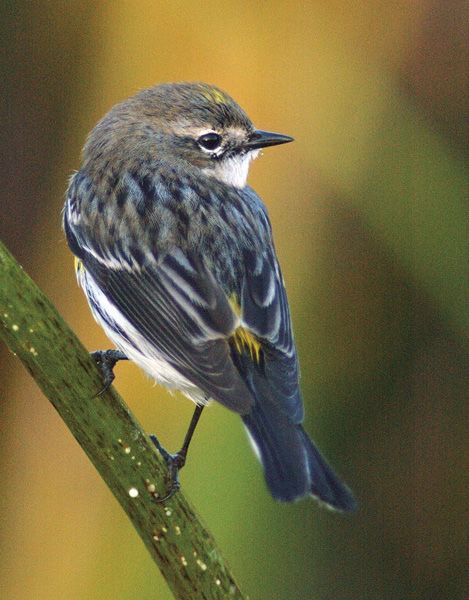
Kite Tales: The Great Florida Birding & Wildlife Trail Newsletter Winter 2011 Volume 4 Issue 1

Birding Trail                                                                                     East (#102): Joe

                                © David Moynahan
                                                                                                  Overstreet Landing
Site Highlights:
                                                                                                   As you drive down Joe
Snowbird influx                                                                                    Overstreet Road, look in the
Winter is here and the                                                                             pastures for Whooping Cranes,
snowbirds have arrived.                                                                            Sandhill Cranes and Wild
Large numbers of birds                                                                             Turkeys. The latter can often
from the North, particularly                                                                       be seen in good sized flocks
ducks and songbirds, will                                                                          of over 20 birds during mid-
now reside in Florida                                                                              morning hours, particularly
until March and April,                                                                             after a recent rain. Eastern
when the urge to migrate                                                                           Meadowlarks, Savannah
takes them back North.                                                                             Sparrows, Loggerhead Shrikes
Lakes, marshes, coastal                                                                            and Eastern Phoebes vie for
bays and rivers will play                                                                          attention as they perch on
host to over 20 species of                                                                         roadside fence posts. Crested
duck, while our hammocks,                                                                          Caracaras are seen frequently
forests, prairies, scrub and                                                                       from the road. Check areas
backyards will host phoebes,                                                                       with cabbage palms and cattle.
kinglets, warblers, catbirds,                                                                      At the end of the road there is
sparrows and finches. There                                                                        a small park-campground that
are plenty of trail sites                                                                          affords views of the eastern side
that offer excellent winter                                                                        of Lake Kissimmee. This area is
birding and we have chosen                         Fox Squirrels are regularly spotted at Three    good for Limpkins, Bald Eagles
four of them to provide you                        Rivers State Park                               and Snail Kites. In winter there
with ideas on where to go                                                                          is often a small flock of Black
over the next three months.                            has wintering Brown Creeper                 Skimmers, and ducks, such as
                                                       and Golden-crowned Kinglet,                Blue-winged Teal, are typically
Panhandle (#57): Three                                 and the steep slopes and gullies           present.
Rivers State Park                                      along Lakeside Trail and Half              Nearby trail sites: Three Lakes
Pine and hardwood uplands                              Dry Creek Trail are good for               Wildlife Management Area (#103)
with big, old live oaks and                            Winter Wren. Occasionally, both
loblolly pines characterize                            Red-breasted Nuthatch and Pine             West (#22): Big Bend
this park on the south shore                           Siskin can also be found. The              Wildlife Management
of Lake Seminole. This lake is                         park is also a great place to see          Area: Hickory Mound
actually a reservoir created at                        Fox Squirrels and White-tailed             Impoundment
the confluence of the Flint and                        Deer, so keep an eye out for them
                                                       alongside the roads.                       The long entrance road passes
Chattahoochee rivers, where
                                                                                                  through private land on an
they form the Apalachicola.                            www.floridastateparks.org/
                                                                                                  unimproved road until you reach
The opposite shoreline lies in                         threerivers/
                                                                                                  the management area, so take
Georgia. The lake itself plays                         Phone: (850) 402-9006                      your time; the wait is well worth
host to the largest wintering
                                                       Open: 8 a.m. to sunset                     it, once you reach this truly wild
population of Canvasback (up
                                                       (full facility campground)                 area. Good dike roads surround
to 500 most years) in the state.
                                                       Admission: $3                              the impoundment and offer fine
In winter, it is not unusual to
                                                                                                  vantages of the brackish marsh,
see over 15 species of duck from                       Nearby trail sites: Torreya
                                                                                                  scattered islands of palms and
the park’s shoreline, as well                          State Park (#56) & Sneads Park
                                                                                                  oaks and the many wintering
as Common Loon and Horned                              (#58)
                                                                                                  ducks and shorebirds. At high
Grebe. The picnic area often

                                                           floridabirdingtrail.com                                               3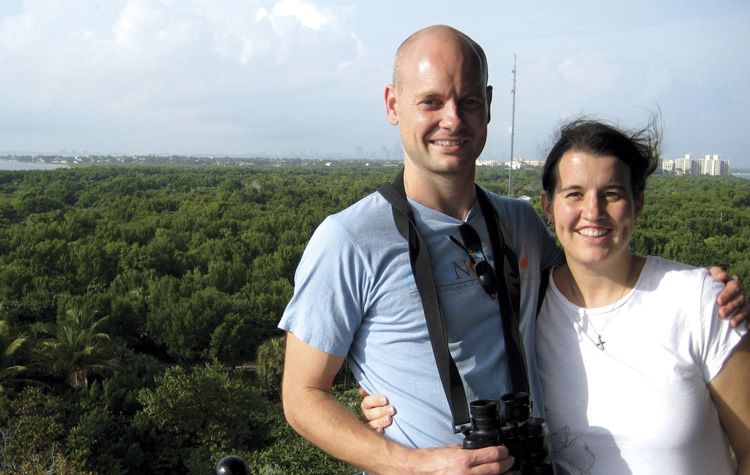
Kite Tales: The Great Florida Birding & Wildlife Trail Newsletter Winter 2011 Volume 4 Issue 1

                                                                                                        areas. Oak hammocks at the end
© Meaghan Manning

                                                                                                        of trails offer refuge for wintering
                                                                                                        songbirds, and sparrows;
                                                                                                        meadowlarks and shrikes perch
                                                                                                        in the roadside brush. Seasonal
                                                                                                        hunting does take place here.
                                                                                                        Check the site website for
                                                                                                        seasons before planning your
                                                                                                        trip.
                                                                                                        www.myfwc.com/viewing/
                                                                                                        recreation/wmas/lead/dinner-
                                                                                                        island/
                                                                                                        Phone: (863) 228-7238
                                                                                                        Open: dawn to dusk
                                                                                                        Nearby trail sites:
                                                                                                        Okaloacoochee Slough State
                                                                                                        Forest & WMA (#45)

                    Black-bellied Whsitling Ducks are regularly encountered at Dinner Island
                    Ranch WMA.

tide, ducks such as the Redhead                             South (#46): Dinner
and Lesser Scaup fly in from                                Island Ranch Wildlife
the Gulf and marshes to bathe                               Management
and preen in the impoundment

                                                                                                                                          © Meaghan Manning
                                                            Area
water. Mixed shorebird flocks
roost and feed in suitable                                  This excellent and
areas. The southernmost                                     often overlooked site
edge of the dike overlooks                                  has a little bit of
neighboring saltmarsh,                                      everything: hardwood
affording opportunities to view                             hammock, freshwater
Seaside Sparrows and Clapper                                swamp, prairie,
Rails; the northernmost edge                                and pine flatwoods.
tunnels through thick, gorgeous                             Drive or bike
coastal hardwood swamp, where                               Hilliard Grade and
songbirds, such as Blue-headed                              walk the reclaimed
Vireo, abound. Hunting at                                   cattle penning
Hickory Mounds is typically low                             lanes watching for
key. Check the site website for                             Burrowing Owls,
information on hunting seasons.                             Sandhill Cranes,
www.MyFWC.com/viewing/                                      Wild Turkey and
recreation/wmas/lead/big-bend                               Crested Caracara.
                                                            Look for Roseate
Phone: (850) 838-9016                                       Spoonbill, Black-
Open: dawn to dusk                                          bellied Whistling
Nearby Trail Sites: Aucilla                                 Ducks & Purple
WMA: Aucilla Sinks Trail (#21)                              Gallinules in wet            The Yellow-rumped Warbler is a winter resident

     4                                                                 MyFWC.com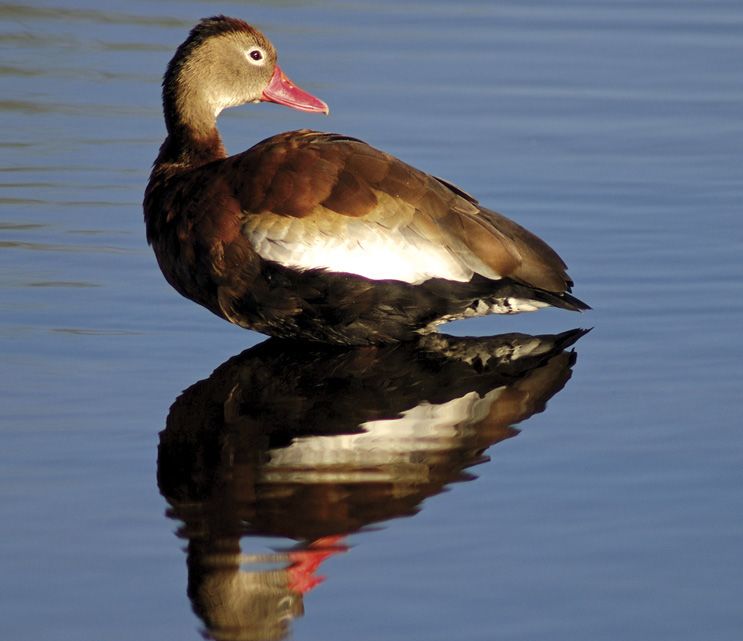
Kite Tales: The Great Florida Birding & Wildlife Trail Newsletter Winter 2011 Volume 4 Issue 1

On the Trail
By John Thomton
“Is that another Fox Squirrel?”
Cheryl asked as soon as we had
pulled off Canoe Creek Road.
Brent and I each peered to the
right.
“Sure is,” Brent replied, spotting
the rodent in question.
“Wow, I can’t get over these guys,”
I mused out loud. “I know they’re
squirrels, but because of their size
they remind me of cats!” Only
in close, comfortable company do
I let such deep insight leave my
                                       John Thomton began birding around the Chicago area in high school. He
mouth.
                                       now lives with his wife in Orlando, where they sometimes partake in
We had spent the morning               birding (his thing) and geocaching (her thing). He has a particular
exploring Three Lakes Wildlife         fondness for the crow family, his favorite being the Green Jay.
Management Area, successfully
locating Red-Cockaded                  I pulled over to scan a field of      We scanned the area for several
Woodpeckers. With at least 65          cattle that a few years earlier had   minutes, noting a Loggerhead
species on the day’s list, and         hosted a large flock of American      Shrike, butour growling stomachs
the clock approaching 1:30, we         Pipits, but the bovines grazed        sent us back to the car. When
were about ready for some lunch        unaccompanied. The Crested            we cleared the trees and entered
in nearby St. Cloud. However,          Caracara that had so handsomely       the more open pastureland, I
no birding trip to the Three           perched on the fence right next to    spotted a bird flying low. Even
Lakes area is complete without         the road on a previous visit failed   100-or-so yards away, the white
a drive down to Joe Overstreet         to show. Thankfully, there were       wing patches and distinctive
Landing on Lake Kissimmee.             several other feathered creatures     shape of the Crested Caracara
So we denied our stomachs for          to keep us entertained. We saw        were obvious. Delighted, Brent
another hour to see if we could        a few Mottled Ducks and Eastern       and Cheryl brought up their
find anything interesting or new       Meadowlarks, as well as waders        binoculars. The bird careened
for the day. I had driven Joe          around the ponds and in the           until it gracefully landed in one
Overstreet Road several times          pastures near the boat launch:        of the dead oaks. I stopped the
during the past six years, but         Wood Storks, Cattle Egrets,           car, and we all got great looks.
Brent had only been once and           White and Glossy Ibises were          Satisfied that a drive down Joe
Cheryl hadn’t even heard of it.        plentiful. We added Killdeer for      Overstreet Road is never a waste
Naturally, I sprang into “tour         the day, and also a male Northern     of time, we headed to St. Cloud
guide” mode.                           Harrier.                              for lunch and an afternoon of
                                       When we reached Lake                  more exploring.
“I usually get Common Ground-
doves somewhere along here,” I         Kissimmee, birds I had seen
informed them, “and there have         there in the past were absent
been reports on the Birdbrains         this time; wintering ducks, Snail
listserv about Burrowing Owls.”        Kite, Purple Gallinule, Limpkin,
Unfortunately neither species          Whooping Crane, Forster’s Tern,
made an appearance.                    Black Skimmer are often present.

                                          floridabirdingtrail.com                                          5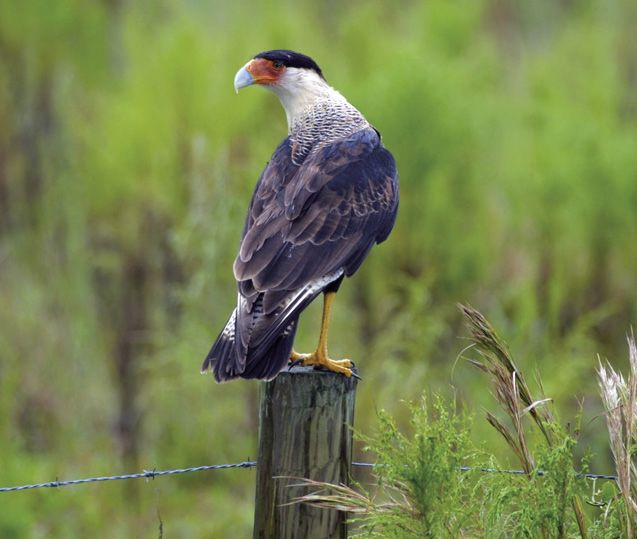
Kite Tales: The Great Florida Birding & Wildlife Trail Newsletter Winter 2011 Volume 4 Issue 1

Florida winter                    Trail News
festivals & events                The FWC’s Great Florida              We are Blogging!
                                  Birding and Wildlife Trail is        Check out our new wildlife
January 14, 2012                  pleased to announce a new Rural
Manatee Awareness Month                                                viewing blog called “On
                                  County Initiative. In an effort      the Trail”. The aim of
Manatee Springs State Park        to assist Florida’s rural counties
Phone: (352) 493-6072                                                  our blog is to share the
                                  and Rural Areas of Critical          many different aspects
January 12 – 16, 2012             Economic Concern (RACEC)             of wildlife viewing, whether
Everglades Birding Festival       with their nature-based tourism      that is watching birds,
Hollywood                         programs, nominations are being      photographing butterflies,
Phone: (954) 805-6810             accepted until February 10, 2012     snorkeling with gar in our
January 25 – 30, 2012             to add new sites to the Birding      beautiful freshwater springs
Space Coast Birding and           and Wildlife Trail network.          or watching dolphins
Wildlife Festival                 Florida has 32 rural and RACEC       play in the surf. This blog
Titusville                        counties across the state. A         will have all that and
Phone: (800) 460-2664             nomination form is available on      more. Staff and volunteer
                                  the GFBWT website. Visitors          contributors from all over
February 17 – 20, 2012            from around the world come           the state will be sharing
Great Backyard Bird Count         to Florida to see our unique         adventures, information
www.birdsource.org/gbbc/          wildlife and exceptional scenic      and photographs with you.
February 25, 2012                 places! Nominate one of your         We hope that this will help
Southwest Florida Burrowing       county’s outstanding wild places     encourage and enhance your
Owl Festival                      today!                               own wildlife adventures.
Cape Coral                        For more information contact:        Visit our new blog at
March 17, 2012                                                         www.onthetrailmyfwc.
                                  Mark Kiser
Wild Azalea Festival                                                   blogspot.com
                                  Birding and Wildlife Trail
White Springs                     Coordinator
Phone: (386) 397-4462             (850) 488-9478

                                   Contact Us:
                                   Anne Glick, section leader
                                   anne.glick@MyFWC.com
                                   850-922-0664
                                   Mark Kiser, coordinator
                                   mark.kiser@MyFWC.com
                                   850-488-9478
                                   Andy Wraithmell, information
                                   specialist
                                   andy.wraithmell@MyFWC.com
                                   850-488-9453
                                   Chantal-Marie Wright,
                                   information specialist
                                   chantal.wright@MyFWC.com
                                   850-488-8755

                                           MyFWC.com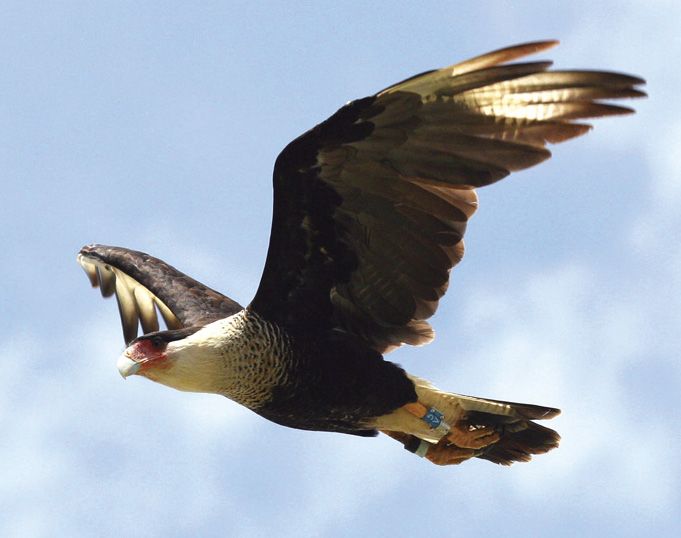
Kite Tales: The Great Florida Birding & Wildlife Trail Newsletter Winter 2011 Volume 4 Issue 1

         Visit our facebook page
         to enter your answers.

                                                                                                                                  © Danny Bales

Holiday Gift Donation
Need a gift idea for the holidays? We have two perfect solutions! Help support The Great Florida Birding
and Wildlife Trail by sending a tax-deductible gift donation on behalf of a loved one or friend AND/OR
purchase birding trail merchandise as a gift for a loved one or friend. You can send a gift donation by
printing out this page, making sure you fill out all the contact information, and then send it with your
check to the address below. Alternatively you can make your donation and/or purchase merchandise via
the online links below.
Name:___________________________________________________________________________________________
Address:________________________________________________________________________________________
Phone: (           )________________________________ Email:____________________________________________
Donation Amount:               $10           $20            $50             $100              Other_______________
   Donations and merchandise purchases can be made online.
   Donate online via WildlifeFoundationofFlorida.com/donate
   Visit our online catalog at WildlifeFoundationofFlorida.com/catalog/18

If you are sending your donation by check please mail it to:
Wildlife Foundation of Florida
GFBT Holiday Gift Donation
P.O. Box 6181
Tallahassee, FL 32314-6181
Make your check payable to Wildlife Foundation of Florida and please include “GFBWT” on the memo
line. We recommend you purchase merchandise before December 14th in order to receive your gift in
time for the holidays.
Thank you!
Florida Registration # CH8500: A COPY OF THE OFFICIAL REGISTRATION AND FINANCIAL INFORMATION MAY BE OBTAINED FROM THE DIVISION OF CONSUMER SERVICES
BY CALLING TOLL-FREE (800-435-7352) WITHIN THE STATE. REGISTRATION DOES NOT IMPLY ENDORSEMENT, APPROVAL, OR RECOMMENDATION BY THE STATE.

                                                      floridabirdingtrail.com
You can also read


