The Value of Design in Infrastructure Delivery - A report for the National Infrastructure Commission - National Infrastructure ...
←
→
Page content transcription
If your browser does not render page correctly, please read the page content below
The Value of Design
in Infrastructure
Delivery
A report for the
National Infrastructure Commission
The Value of Design in Infrastructure Delivery | A report for the National Infrastructure Commission   1
Contents

                                                               Foreword                                                                     3

                                                               1. Introduction                                                              7
                                                               1.1 Background and Objectives                                                7
© Crown copyright 2018                                         1.2 What We Mean by Design                                                   8
                                                               1.3 The Value of Design                                                      9
This report is licensed under the terms of the Open
Government Licence v3.0 except where otherwise stated.         2. Design Portfolio                                                        10
To view this licence, visit http://www.nationalarchives.gov.
                                                               2.1 Overview and Methodology                                               11
uk/doc/open-government-licence/version/3/
                                                               2.2 Selected Projects                                                      12
Where we have identified any third party copyright
information you will need to obtain permission from the        3. Emerging Themes                                                         37
copyright holders concerned.
                                                               References                                                                 41
This report was commissioned as part of the evidence
base for the National Infrastructure Assessment. It has
been produced in collaboration with the Design Task            Image Credits                                                              43
Force of the National Infrastructure Commission. The
views expressed and recommendations set out in this            Acknowledgements                                                           43
report are the authors’ own and do not necessarily reflect
the position of the National Infrastructure Commission.

This report is available at www.nic.org.uk/publications

Any enquiries regarding this publication should be sent to
enquiries@nic.gov.uk

Research and report by:
Judith Sykes, Expedition Engineering
Petra Marko, Marko&Placemakers

Steering group:
VeloCity - a multidisciplinary collaboration
of built environment and infrastructure professionals

July 2018

                                                               The Value of Design in Infrastructure Delivery | A report for the National Infrastructure Commission   3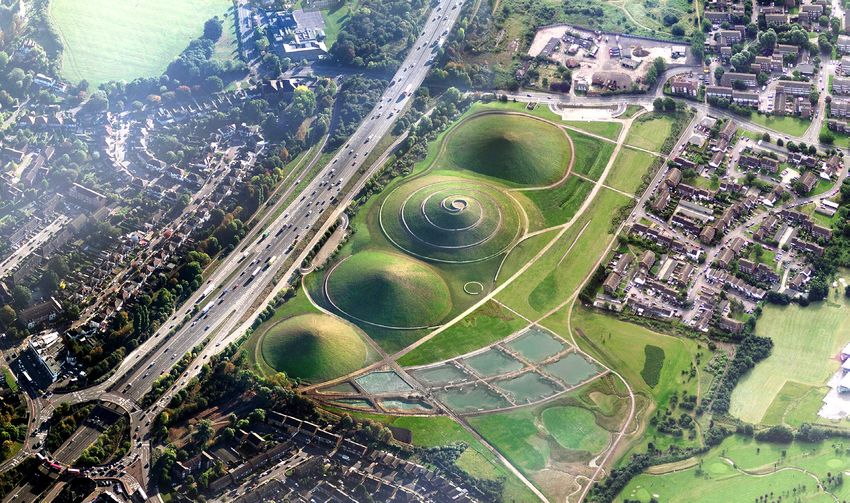
Foreword

The National Infrastructure Commission set up the Design Task
Force to advise on how best to ensure quality design in future
major infrastructure. We have reviewed experience of
infrastructure design, interrogated infrastructure professionals,
and looked at examples from the UK and beyond. Our work has
been supported by three important pieces of research,
including this portfolio of examples of projects in the UK and
abroad which have addressed some of the barriers to
integrating design.

The portfolio is compelling. It demonstrates the variety of ways
in which major infrastructure projects can deliver great
outcomes by embracing design. The themes which emerge
around leadership, integration, collaboration, early
engagement, sustainability and a user focus can be readily
transferred into the planning and delivery of the major
investment in the UK’s infrastructure over the next decade or
more. As infrastructure investment becomes a national priority
so the benefits of quality design become ever more important.

Our recommendations for improving the design of major new
infrastructure are included in the National Infrastructure
Assessment. They include establishing a small, agile,
independent National Infrastructure Design Group to act as a
design champion and prepare new national infrastructure
design principles. We are also asking for all national
infrastructure projects to include a design champion in their
senior governance and for each to be subject to review and
consideration by an independent Design Panel.

May I thank all those who have contributed to this work and the
members of the Design Task Force, Lucy Musgrave, Isabel
Dedring, Hanif Kara and our advisor Tony Burton.

Professor Sadie Morgan
Commissioner, National Infrastructure Commission

The Value of Design in Infrastructure Delivery | A report for the National Infrastructure Commission   5
1 Introduction

                                                                                                                          1.1 Background and Objectives

                                                                                                                          This short research report examines the value of design through
                                                                                                                          a portfolio of examples of infrastructure projects from the UK
                                                                                                                          and beyond.

                                                                                                                          It has been developed to support the National Infrastructure
                                                                                                                          Commission’s Design Task Force work to “put design at the
                                                                                                                          heart of the country’s future infrastructure planning” and is
                                                                                                                          published alongside the National Infrastructure Commission’s
                                                                                                                          National Infrastructure Assessment.

                                                                                                                          The National Infrastructure Commission wants to see design at
                                                                                                                          the heart of national infrastructure planning – saving money,
                                                                                                                          reducing risk, adding value and creating a legacy that looks
                                                                                                                          good and works well.

                                                                                                                          The aim of this portfolio is to understand how some major
                                                                                                                          infrastructure projects have addressed some of the perceived
                                                                                                                          barriers to quality infrastructure design identified through the
                                                                                                                          Design Task Force’s early analysis:

                                                                                                                          • A lack of champions in the way projects are governed

                                                                                                                          • A lacuna in design knowledge among those running national
                                                                                                                          infrastructure projects

                                                                                                                          • A failure to embed design in the day to day working practices
                                                                                                                          of those responsible for programme delivery

                                                                                                                          • A deep-seated perception that good design adds cost and
                                                                                                                          poses risks to delivering projects on time and on budget

                                                                                                                          It does this by examining both the design process, and the
                                                                                                                          project outcomes. We start to map out emerging themes and
                                                                                                                          practices for how design can be successfully embedded into
                                                                                                                          the planning of infrastructure projects.

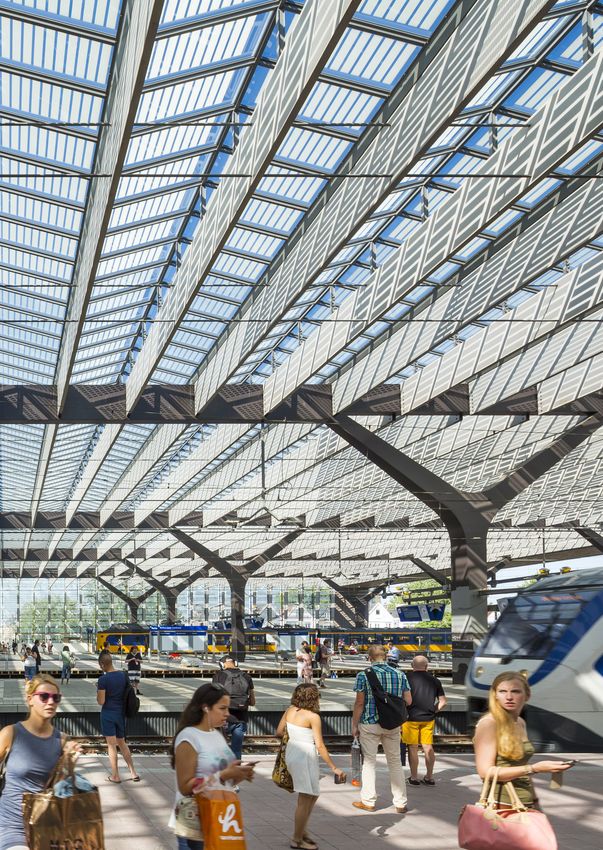
    Rotterdam Centraal, Netherlands

6                  The Value of Design in Infrastructure Delivery | A report for the National Infrastructure Commission   The Value of Design in Infrastructure Delivery | A report for the National Infrastructure Commission   7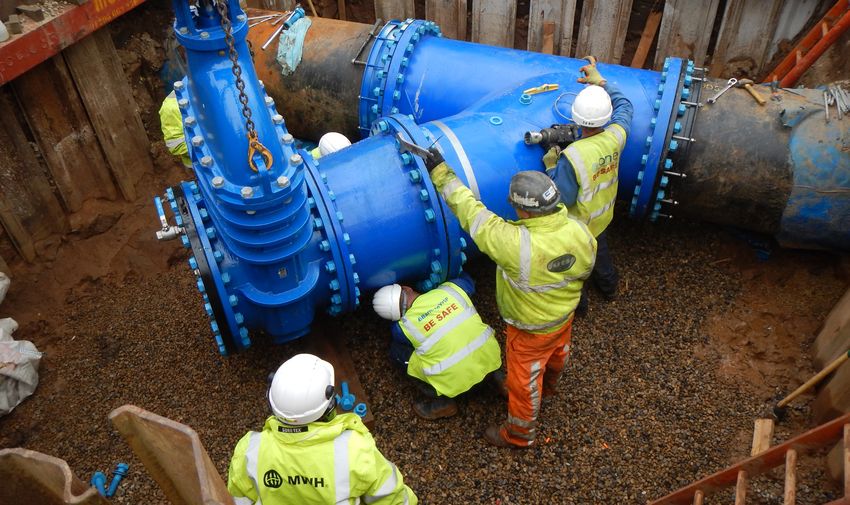
1 Introduction                                                                                                         1 Introduction

1.2 What We Mean by Design                                                                                             1.3 The Value of Design

The Design Task Force takes a broad ranging approach to design                                                         The Design Task Force has identified confusion among those
which extends beyond how it looks to include the processes                                                             delivering national infrastructure projects about the meaning of
through which infrastructure is provided and how it works.                                                             good design and, despite all the evidence to the contrary, a
                                                                                                                       deep-seated perception that good design adds cost and poses
Design is about more than aesthetics and architecture; it is about                                                     risks to delivering projects on time and on budget.
effective problem solving from the outset, making infrastructure
human-scale and user-friendly, enhancing the environment and                                                           The exemplar projects in this publication start to unpick how
improving quality of life not only for those who benefit directly                                                      design can help reduce risks, add value, deliver more projects
but also for the communities and places nearby.                                                                        on time and create infrastructure that looks good and works
                                                                                                                       well for everyone.
Design is an iterative process and occurs at different levels
throughout the project delivery process. The Design Council                                                            Each of the selected infrastructure projects demonstrates the
Double Diamond design process illustrates the importance of                                                            value of design on a number of levels, which can be categorized
design from the outset of the project, in defining the problem                                                         into the following areas:
and developing the project brief.

The selected projects in this report aim to show what we mean by
design and how design and design thinking led directly to a wide
range of benefits not only for those who commissioned them but
also for end users and local communities, including:

• Successfully integrating stakeholders of major transport
networks to create a gateway to the city and a civic hub
                                                                                                                       Customer Experience            Social value                Placemaking
• Redesign of procurement approach to enable collaborative                                                               User experience            Beyond users to             Identity of place
innovation processes                                                                                                                                wider community            and wider context

                                                                                                                               £
• Extending the function of utility buildings beyond energy
generation to act as an education hub and a new city landmark

                                                                                                                                                           £
                                                      Problem definition

                                         RE                                           RE
                          D

                                                                                D

                                           FI                                           FI
                          N

                                                                                N

                                              N                                            N
                       PA

                                                                             PA

                                                E                                            E                             Capital Cost              Whole Life Cost             Environmental
                     EX

                                                                           EX

                                                                                                                         Investment up to              Maintenance              Carbon footprint
                                                                                                                       bringing project into          and operation             and sustainability
    PROBLEM         DISCOVER            DEFINE                             DEVELOP   DELIVER        OUTCOME
                                                                                                                             operation

                     EX                                                    EX
                       PA                                                    PA
                                                E

                                                                                             E
                                              N

                                                                                           N

                          N                                                     N
                                                      Design brief
                                          FI

                                                                                       FI

                           D                                                     D
                                        RE

                                                                                     RE

8               The Value of Design in Infrastructure Delivery | A report for the National Infrastructure Commission   The Value of Design in Infrastructure Delivery | A report for the National Infrastructure Commission   9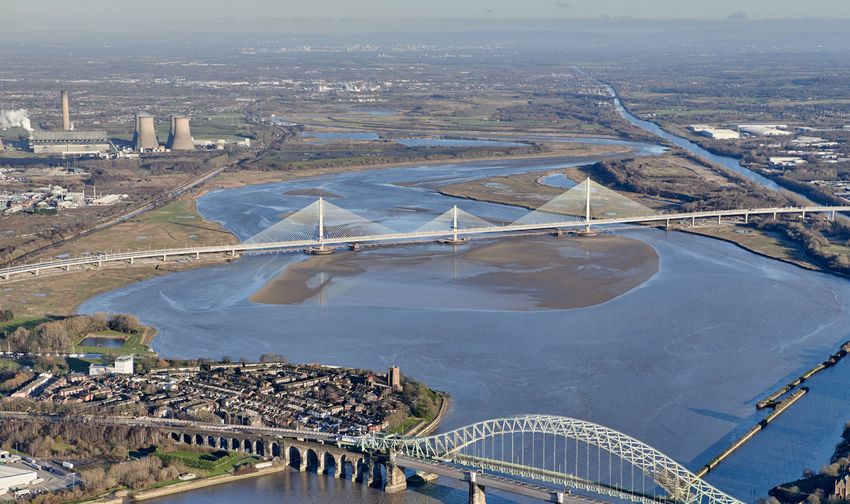
2 Design Portfolio
2.1 Overview and Methodology
The research is based on National Infrastructure Commission’s 1. Pudding Mill Sewage Station
call for exemplar projects from transport, waste, water, digital
2. Oslo Airport, Norway
and energy sectors which can illustrate the role of design, and
1. 2.
design thinking, in unlocking opportunities from a variety of 3. Wessex Water Grid
perspectives, overcoming some of the perceived barriers to
quality infrastructure design (see 1.1). 4. Millau Viaduct, France
The selected projects in this chapter have been chosen from 5. Blackburn Meadows Biomass
over 80 responses to the call, along with several key
6. One Alliance, UK
infrastructure examples universally recognised as ‘best practice’.
7. Knostrop Footbridge and Flood
Each of the projects presented in this portfolio illustrates a Alleviation
3. 4. 5. number of facets of what it takes to deliver quality
infrastructure, providing a sample of different approaches 8. Mersey Gateway Bridge
across the different infrastructure sectors. Given the very short
9. Lightrail Station, Den Haag
time frame for this publication this is by no means a
comprehensive research piece and it only starts to unravel the 10. Northala Fields Park, London
value that design can bring to delivery of good infrastructure.
11. Victoria Embankment, London
For each selected example, we have drawn out the key
12. Rotterdam Centraal
elements of the project that we believe can contribute to high
quality outcomes. The project insights draw on published data
6. 7. 8.
and where possible, interviews with clients and design team
members.
Collectively they demonstrate the value of design on multiple
levels from procurement approach, placemaking and urban
design, engineering systems, service design, customer or
community experience, environmental sustainability, through to
architecture and the delivery process.
9. 10. We hope this portfolio can serve as inspiration to clients and
delivery partners and stimulate further debate on the topic and
lead to further evidence based research to share best practice
experience.
11. 12.
10 The Value of Design in Infrastructure
National Delivery
Infrastructure Commission Role
| A report| for theofNational
Design Infrastructure
in Infrastrcuture Delivery
Commission The Value of Design in Infrastructure Delivery | A report for the National Infrastructure Commission 11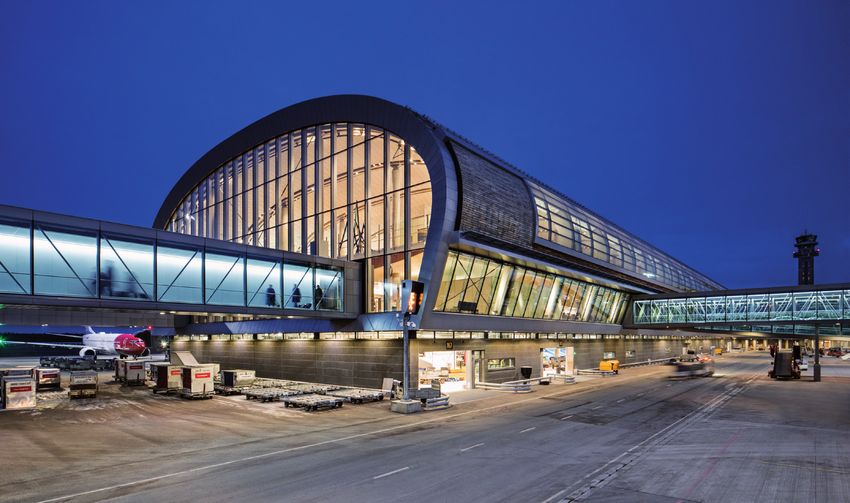
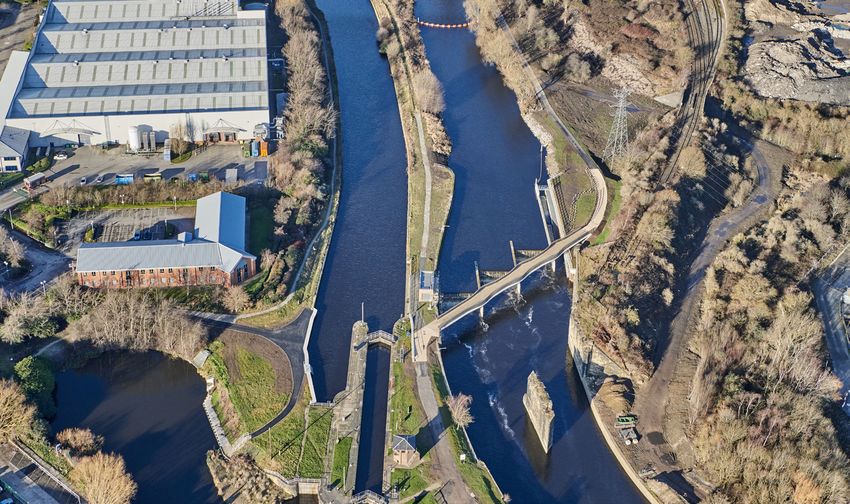
LCC appointed a multidisciplinary design team to develop the
design solution. The original S- plan scheme was redesigned as
straight line, softened with a curving soffit and varying width
across its length, creating viewing areas above the piers. The
70m long bridge uses the staggered arrangement of the new
weir walls for support, avoiding the need for separate
foundations. The bridge sits on slender piers, which cantilever
forward from the ends of the tapering weir walls.
Given the accuracy required to realise the bridge designs, it was
decided to embrace Building Information Modelling (BIM) from
the outset. The bridge Revit model enabled every element to
be accurately represented and tested to address buildability
constraints. A trial erection of the bridge was undertaken at SH
Structures’ facility, allowing many construction challenges to be
addressed prior to site installation.
This attention to detail throughout design and construction was
KEY MESSAGES critical for a successful installation. The four superstructure
Knostrop Footbridge and Flood Alleviation Integrating functions of flood
spans were ultimately lifted and installed over a two-day period,
protection and connectivity
whilst the piers were accurately installed and surveyed over the
preceding week.
Project Details: INTEGRATING INFRASTRUCTURES TO PROMOTE ACTIVE TRAVEL
Client desire to deliver an
integrated and beautiful link The design was refined through a collaborative approach to
Value: £2.5m The £50million Leeds Flood Alleviation Scheme (FAS) is one of bridge architecture and structural engineering. The resulting design
Location: Leeds , UK the largest flood defence projects in the country. Led by Leeds
Client: Leeds City Council, celebrates the new flood defence with an attractive modern
City Council, in partnership with the Environment Agency, the Design a response to the value
Environment Agency engineering challenge
design that is of high quality and immediately identifiable with
scheme will reduce the risk of flooding to over 3,500 city centre
Delivery team: its place. The flood defence works and new footbridge facilitate
Knight Architects, Mott properties, areas which were severely impacted following the
Trial erection to mitigate Leeds City Council’s ambitions for sustainable growth, in
Macdonald, BAM Nuttall, devastating floods of 2015. One of the key components of the
construction risk particular linked to the South Bank Leeds Regeneration
SH Structures, Arup Leeds FAS is the replacement of an existing fixed Victorian weir
Framework.
at Knostrop with an innovative mechanical weir, the first of its
kind in the UK.
Project outcomes include:
A further objective of the scheme is the provision of enhanced
• Relinking of the Trans Pennine way
routes for walkers and cyclists, with the goal of encouraging
• Promoting active travel into the city of Leeds
sustainable behaviours and opening up previously isolated
• Environmental enhancement
communities and underutilised recreational areas. As part of
• Catalyst for development growth of brown field land
the wider scheme, a length of island was removed to aid water
• Savings in the cost of additional bridge foundations
movement and flood prevention, severing the much-used Trans
Pennine Trail.
The natural solution was to combine flood defence function
with a new bridge to the city. Leeds City Council recognised the
wider value for a design of high quality that will attract users to
the bridge and promote active commuting into the city.
12 The Value of Design in Infrastructure Delivery | A report for the National Infrastructure Commission The Value of Design in Infrastructure Delivery | A report for the National Infrastructure Commission 13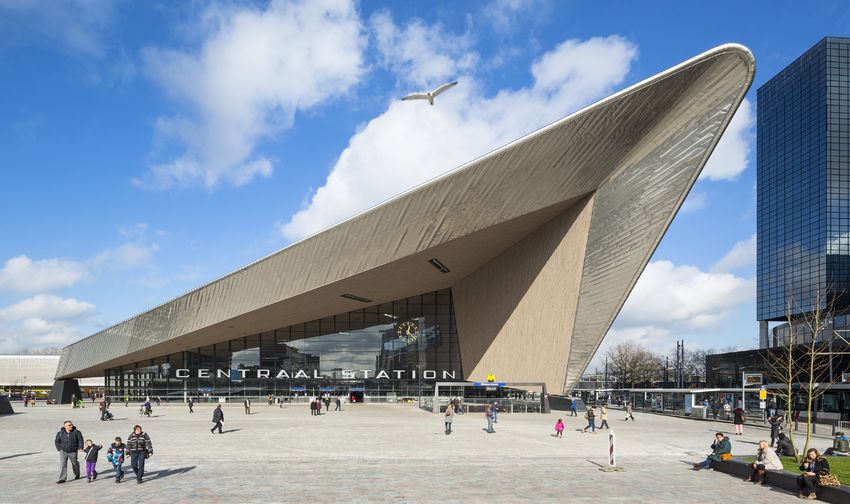
“ The distinct design
provides a striking
The construction was procured in packages managed directly
by the client, providing them with the greatest degree of
control in ensuring the project ran on time and budget and
landmark and has achieved high quality outcomes.
helped generate a
lot of interest from Over 3,400 people were involved in the construction process,
local organisations including local contractors, helping to bring new jobs and
investment to the area. Many of the 30 full time jobs created for
and businesses.
”
the operation of the plant have been provided to local people
who enjoy working in this attractive environment. The distinct
Luke Ellis
Blackburn Meadows design of the plant became a showcase for prospective E.ON
Plant Manager, E.ON clients, generating new business for the energy operator, with
the visitor centre providing an additional educational function.
Working within the constraints of a defined plant configuration,
the design extends the industrial aesthetic and expression of
function to reveal the heart of the energy making process
externally. The boiler house is highlighted as a landmark
feature, using orange polycarbonate that is relatively
Blackburn Meadows Biomass inexpensive and highly contrasting with the rest of the scheme.
This glowing volume crowns the power plant, creating a
dramatic landmark satisfying both the client’s budgetary
UTILITY AS A DISTINCT LANDMARK COMBINING
constraints and the local planning authority’s aspirations.
Project Details:
RELIABILITY AND EFFICIENCY WITH VALUE FOR MONEY
Project outcomes include:
Value: £120m Located in Tinsley, on the site of the former cooling towers,
Location: Sheffield, UK Blackburn Meadows provides a clean and sustainable source of
Client: E.ON • A new landmark for Sheffield
energy whilst creating local employment and a new landmark KEY MESSAGES
Delivery team: • Educational function and showcase of sustainability
structure for the area. It generates 30MW of energy by
Architect – BDP Investment in more than a • Local employment - over 3,400 people involved
Lighting Consultant – BDP
converting locally sourced recycled waste wood into electricity,
utility building leading to new in construction, 30 full time jobs
Landscape Architect – BDP powering around 40,000 homes and displacing the emissions of business for Client while • Attractive environment where people really enjoy working
around 80,000 tonnes of CO2 per year. benefitting wider community • Displacing emissions of around 80,000 tonnes of CO2 per year
“
• Powering 40,000 homes
The site selection was based on a number of factors, including Working closely with local
Blackburn Meadows fuel availability, electrical connection and transport links which, authority to realise a joint
vision with multiple objectives
has been described combined with the site’s history of power generation,
as a ‘beautiful contributed to fitness for purpose. E.ON’s £120m investment in Client managing construction
Blackburn Meadows includes a community benefits fund worth
machine’ combining directly through packages
up to £25,000 a year, set up to support local projects throughout enabled tapping into local
efficiency with value the lifetime of the plant. supply chain, and better cost
”
for money. and quality control
Working closely with the Council from the outset has enabled
Mihalis Walsh the client and design team to develop a design that meets
Architect Associate, BDP
multiple objectives, from performance in terms of reliability and
efficiency, through to providing value for money, whilst creating
the character of architecture which was sought by the planning
authority.
14 The Value of Design in Infrastructure Delivery | A report for the National Infrastructure Commission The Value of Design in Infrastructure Delivery | A report for the National Infrastructure Commission 15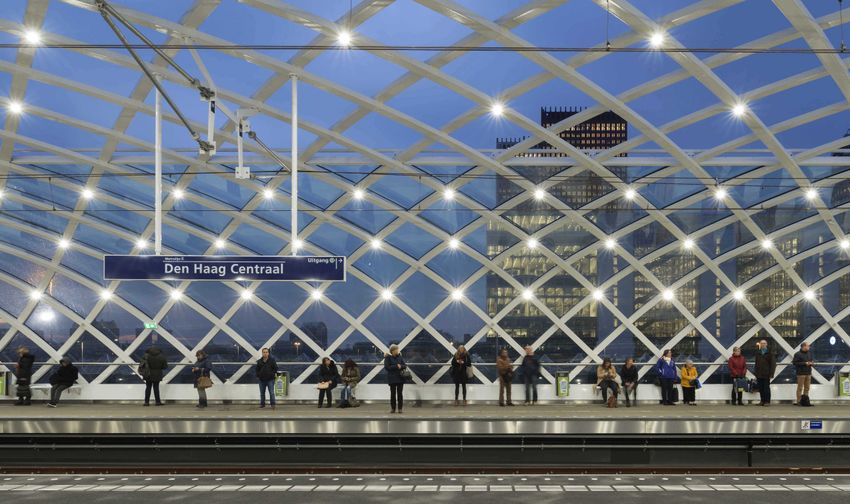
“
The business case
for design is clear.
Natural materials have been used throughout the building
including a curved roof clad in timber sourced from
Scandinavian forests, a glulam structure and concrete
We are very proud incorporating volcanic ash. Coupled with the use of recycled
of our beautiful and steel, this has reduced embodied carbon by 35% against a
functional building.
”
conventional steel and concrete building. The selection of
materials was carefully monitored throughout the project
Liv Karin Sundsvold
delivery to ensure compliance with quality and sustainability
Avinor Oslo Lufthavn
criteria.
The tubular cross section of the pier minimises the amount of
façade for the internal floor area provided, reducing both
KEY MESSAGES
embodied and in use energy. Enhanced insulation, renewable
Client driver for sustainability energy and storage of snow for use as a coolant in summer
and wellbeing of passengers mean that energy consumption in the new expansion has been
cut by more than 50% compared to the existing terminal.
Design reflects local
environment and provides a
The sustainability outcomes for the project not only included
sense of place
value from a whole life cost and passenger experience
Oslo Airport Sense of place and passenger perspective, they also eased routes for fundraising. Institutional
experience important driver of investors were looking for projects which enhance their own
value brand through investment in sustainable buildings that are
SCANDINAVIAN DESIGN SETS NEW STANDARDS
designed for the long term.
Project Details:
FOR SUSTAINABILITY AND PASSENGER WELLBEING Collocated design and client
team to enable collaboration
To deliver the project, the design and delivery team were
Value: £4.5bn per AMP Cycle Oslo Airport needed to increase capacity to accommodate 35
Monitoring of quality through collocated on site. This facilitated collaboration and quick
Location: Gardermoen, Norway million passengers per year. The project involved expanding the
out the contract resolution of issues as they arose. In particular, it enabled the
Client: Avinor Oslo Lufthavn existing terminal building, a new train station at the heart of the
Delivery team: design team to work with airport operations to ensure the
airport and a new 300 metre long new pier. Avinor Oslo Focus on whole life value
Nordic Office of Architecture functional performance of the building design.
(assisted by NSW Architects),
Lufthavn set a high ambition from the outset to minimise the
Cowi, Norconsult, Aas-Jakobsen environmental footprint and enhance passenger wellbeing.
In the face of competition from northern European airports,
og Per Rasmussen They appointed a multidisciplinary team to develop designs for
Oslo provides a distinctive passenger experience. As soon as
“
the airport and the result is a highly sustainable airport building
you arrive, you know you are in Norway and this is a key brand
extremely well connected to the heart of Norway’s capital city.
Creating a sense of differentiator.
place is fundamental The compact layout, with domestic and international gates
Project outcomes include:
to the airport stacked on top of one another, enables the airport to handle up
branding, particularly to 30 million passengers per year whilst keeping maximum
• First BREEAM Excellent airport building
in a long haul walking distances to just 450m, much shorter than most airports.
• Enhanced passenger experience
Clear lines of site, use of natural light, great views into the
context. Passengers surrounding forests and provision of open spaces, enhances
• Compact building, passenger paths only 450m
know they are in both passenger wellbeing and visual legibility, providing
• 35% reduction in embodied CO2 emissions
”
• 74% travel by public transport
Norway. reassurance for travellers and improving passenger flow. This
enables passengers to enjoy the services provided by the
Christian Henriksen
Partner, Nordic Office of airport, with direct benefits to airport revenues. This enables
Architecture passengers to enjoy the services provided by the airport, and
staff and goods to move swiftly around the building, with direct
benefits to airport revenues.
16 The Value of Design in Infrastructure Delivery | A report for the National Infrastructure Commission The Value of Design in Infrastructure Delivery | A report for the National Infrastructure Commission 17
controls, surrounded by imposing fences. From the outset, the
design for this new sewage pumping station was driven by the
desire to make a building that not only reflects its functional
use, but also celebrates the achievement of London’s sewer
networks, old and new.
The first innovation was a result of a challenge to the traditional
engineering approach. The architect worked in collaboration to
reengineer the above ground building from a square to a
circular structure which could sit on the shaft of the pump well,
avoiding the need for a separate foundation system. The above
ground plant room was then re-planned to sit in a more
compact form. In this way, the circular building reflects the
functional engineering aspects of the pumping station.
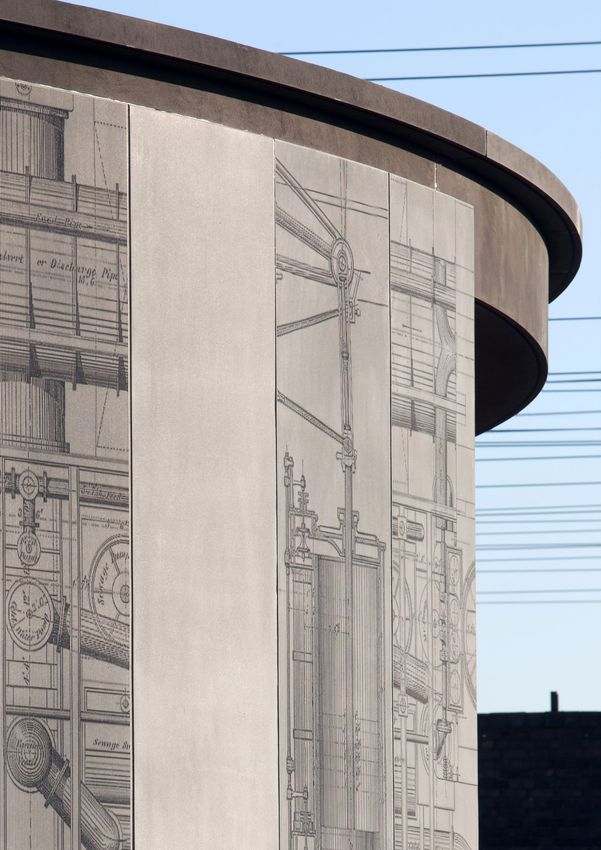
The external façades were created from concrete panels,
selected for the need to have a robust finish. The panels were
cast with a delicate relief pattern inspired by engineering
drawings from nearby Abbey Mills Pumping Station, designed
Pudding Mill Sewage Pump Station by the great Victorian engineer Joseph Bazalgette. The two
distinctive pink tanks, christened ‘Pinky and Perky’ by the
contractors, control odour from the pumping station. The
CELEBRATING ENGINEERING FUNCTION
building also incorporates a biodiverse green roof and bird and
Project Details:
IN THE ARCHITECTURE OF UTILITY BUILDINGS
bat boxes integrated within the inner concrete ring.
Value: £1m The ODA was committed to using the 2012 Games to deliver
The ODA had a strong client side design team who fostered
Location: Queen Elizabeth Park, regeneration to east London. Unprecedented standards were
London and oversaw the integration of the projects. To support the
set to deliver the greenest Games ever, design excellence in the
Client: The Olympic Delivery programme delivery team, the ODA employed design
masterplan and set the foundations for the long-term
Authority (ODA), Thames Water managers, and a network of experts that they could draw on.
ODA design champion - Kay
regeneration of the Lower Lea Valley. New power, water and gas
The ODA design team developed a hands-on collaborative
Hughes networks were a key component of growing and supporting the
design process where the design was monitored and signed off
Delivery team: development of sustainable communities.
KEY MESSAGES at all stages by the client. This was not seen as an end in itself,
Architect - Lyall Bills & Young
Main contractor and Structural but as an essential tool to meet its design quality aspirations.
It was important that new utility buildings sat comfortably In house design leadership to
Engineers - Barhale Architects responsible for utility buildings on the Queen
alongside iconic sporting facilities in a beautiful park and so oversee the project design and
Elizabeth Park have gone on to develop designs for other water
that future land values were not diminished by unsightly integration
and energy infrastructure buildings.
utilitarian appearance. An integrated design approach to
architecture, landscape, infrastructure, streetscape and art was Design standards embedded
into the delivery process Project outcomes include:
required and is reflected in the design of all utility buildings,
including the Pudding Mill Pumping Station. Requirement for a high-quality • Avoiding additional foundation costs
designer
• Integrated biodiversity features
The building is an important new primary foul pumping station,
• Strong integration with the public realm
connecting the sewer system built for the Olympic Park to the Embedding requirements for a
existing Northern Outfall Sewer. Pumping stations typically design review approval
process in the procurement
comprise a circular shaft for the pumps and storage of
documentation
wastewater with a grey box above ground to house various
18 The Value of Design in Infrastructure Delivery | A report for the National Infrastructure Commission The Value of Design in Infrastructure Delivery | A report for the National Infrastructure Commission 19project. These included the city, state government, the rail
KEY MESSAGES
operating companies, and the rail infrastructure owner, all
City investment in station looking to realise the value of their investment. The city played
redevelopment ensured wider an important role in ensuring that the development brief was
urban renewal more than just a new station, making Rotterdam Centraal part
of a much larger urban renewal project.
Concept design team retained
through delivery
Early on in the process, stakeholders developed and signed a
Building trust amongst memorandum of understanding that identified the shared goals
stakeholders and developing for the station. This facilitated a mutual understanding of how
good working relationships decisions about one project influenced the other projects at the
station. A key strength of the design, and the design process, is
A memorandum established to
the way that different stakeholder requirements were balanced,
agree value drivers from the
outset and conflicts were managed. This approach is also reflected in
the way the building is constructed, a series of structures
Proactive client group really responding to individual needs but seamlessly integrated so
involved in the design process that they appear as one building.
Another design challenge was the reconfiguration of the station
“
Rotterdam Centraal without changing the footprint of the track or platforms. The
rail service schedule had to be redesigned to accommodate
Good design can more trains and new high-speed services with the same
AN EXEMPLAR OF INTEGRATED TRANSPORT HUB
bring a project platform and track footprint. To enable the station to be
WITH WIDER URBAN RENEWAL
”
Project Details:
to reality. developed whilst maintaining an operational service required
the construction of a temporary station, complete with pop up
Location: Rotterdam, Netherlands A threefold increase in passenger numbers was the impetus for
Jan Bentham shops, temporary bike racks and a cinema.
Client: Municipality Rotterdam, the reconfiguration of Rotterdam’s Central Station, driven in BCA
ProRail part by the plan to make the city one of 6 stops on a new high
Delivery team: The resulting station is widely cited as an exemplar in
speed link.
Team CS - a cooperation between integrated urban design around a transport infrastructure hub.
Benthem Crouwel Architects, Tramlines were relocated to create better links to the rail
MVSA Meyer en Van Schooten The historic station arrangements were challenging. The
network, creating a new area of public realm in front of the
Architecten and West 8 existing building was difficult to navigate and faced away from
station. Natural light cascades into the building with clear lines
new city expansions. The main square in front of the station was
of sight to the platforms enabling navigation around the station.
cut off by the tramlines circulating in front of the building and
Retail spaces are integrated in a delicate and unobtrusive way.
adjacent neighbourhoods were severed from the city centre by
The tall glass and timber structure clearly marks the way in to
the rail tracks, linked by a single unsafe passageway.
the new building. It is a grand entrance without being
overdone.
Opened in 2014, the station redesign creates a more integrated
multi modal hub enhancing passenger experience and knits the
Project outcomes include:
transport infrastructure hub into the neighbouring communities.
The station allows passengers to connect between the bus,
• A grand entrance within project budget
metro, tram, taxi and cycling and walking infrastructure in
• Integration with the urban realm
addition to the four principal train lines.
• Easy transfer between different transport modes
• A destination station and square
The complexity of the project included dealing with the
multitude of stakeholders, each with an investment into the
20 The Value of Design in Infrastructure Delivery | A report for the National Infrastructure Commission The Value of Design in Infrastructure Delivery | A report for the National Infrastructure Commission 21“ Success came
from the quality of
permission through the Transport & Works Act process, the
project returned to planning with the detailed design removed
and replaced with a quality guide in the form of a Design &
specialist expertise Access Statement. The market was provided increased freedom
that shared HBC’s to submit tender designs which suited their preferred method
key aspirations for of construction, thereby encouraging genuine innovation and
the project.
”
improving viability, without falling below a quality standard set
by the first planning consent which had, in effect, been
Mike Bennett ‘promised’ to the public.
Managing Director, Mersey
Gateway Crossings Board Ltd
Tender designs were progressed through a period of
Competitive Dialogue to ensure they met project requirements
before award was made to the most attractive economic offer.
Design quality was secured by embedding adherence to the
planning conditions into construction contract.
Mersey Gateway is a rare example of empowering the planning
process to demand and secure high quality design, through a
contractual obligation to satisfy planning conditions. Even
Mersey Gateway KEY MESSAGES
though the bridge is only in its first year of operation, the
benefits to the travelling public and businesses of drastically
Design quality championed by decreased journey times and increased reliability are already
STRATEGIC INFRASTRUCTURE LINK DELIVERED
the client obvious.
Project Details:
BY 5TH SMALLEST UNITARY AUTHORITY
Design quality part of planning Project outcomes include:
Value: £600m A second road crossing over the Mersey was a long-held consent and a requirement of
Location: Widnes-Runcorn, UK aspiration of Halton Borough Council and its neighbouring local the contract
Client: Mersey Gateway Crossings • Complex project delivered within agreed budget
authorities, to relieve congestion on the ageing Silver Jubilee
Board for Halton Borough Council Concept design team retained • Improved regional connectivity
Bridge. Opened in October 2017, the new link between Widnes
Delivery team: as client side design advisor • Sensitive integration within the Mersey Estuary
CH2M, DLA Piper, Knight
and Runcorn was an important investment to improve regional
Architects, KPMG, Ramboll connectivity and ensure prominent local employers remain in Adaptive model of design
Merseylink JV (FCC Construcción, the area. The distinctive design comprises three singular pylons delivery to assure best
Kier Infrastructure & Overseas which vary in height, the configuration a result of height economic price for given quality
Limited (England), Samsung C&T restrictions prescribed by the nearby John Lennon Airport and
Corporation) Importance of collective
limited locations where supports could be placed in the
specialist expertise
sensitive tidal estuary environment.
Cross boundary collaboration to
The 5th smallest unitary authority in the UK, Halton Borough deliver infrastructure at scale
Council wanted to ensure that the bridge design would deliver
economic development while protecting and enhancing the
environment. They recognised the importance of good design
quality in supporting this aspiration from an early stage in the
project.
The sudden cooling of the economic climate in 2008 threatened
the viability of the project. As a result, Mersey Gateway followed
an adaptive model of design delivery. Having achieved
22 The Value of Design in Infrastructure Delivery | A report for the National Infrastructure Commission The Value of Design in Infrastructure Delivery | A report for the National Infrastructure Commission 23“ The council was
prepared to try
included the idea for how the park could be funded through
recycling waste material from near-by infrastructure projects.
something innovative, The importation of fill was managed by the contractor and a
the design team recycling plant was set up on site to process waste materials.
engaged with the Developers of near-by sites including Heathrow Terminal 5, White
community openly, City and Wembley Stadium paid for each lorryload of rubble
deposited at Northala Fields, while saving considerable costs of
and the contractor transporting their waste to remote landfill sites. This meant the
truly embraced the 65,000 lorry loads of waste material used to create Northala Fields
concept of also made a dramatic contribution to shrinking the ecological
a partnership footprint of west London construction projects.
”
contract.
An innovative target price construction contract was used, with
Rob Cairns 50/50 contractor/client share of any income generated over or
Client Agent for Northala Fields, under target and 50/50 share of cost over or under target, which
Ealing Council meant that all parties had incentives to work collaboratively to
achieve best possible outcomes.
Northala Fields Park Creating the park involved a very engaged public consultation
process, through which local residents became the park’s biggest
supporters. Since its opening to the public, locals are actively
LANDMARK PARK FINANCED THROUGH USE OF RECYCLED
engaged in organising activities and programmes in the park, which
Project Details:
WASTE FROM LOCAL INFRASTRUCTURE PROJECTS
has become a vital resource for the whole area.
Value: £6m Northala Fields is an exemplary new park made from recycled
KEY MESSAGES Project outcomes include:
Location: London, UK construction waste, proving that creative design can be economic
Client: London Borough of Ealing while delivering a range of social and environmental benefits far
Delivery team: Interdisciplinary design • £6 million income generated through use of inert waste
beyond its immediate site boundary. Since its completion in 2008, it approach
Concept and Lead Designer - • New landmark park and a vital community asset
Peter Fink (Studio Fink),
has become a case study in how to use land fill to create new
• Reduced noise and visual pollution from adjacent road
Igor Marko (Marko&Placemakers), landscape typologies worldwide. Open competition to obtain
most innovative design ideas • Reduced carbon emissions associated with 65,000 lorry journeys
Design Team - Peter Neal, LDA
to local site instead of remote landfill sites
Design, Aecom (EDAW UK) The most significant feature of the Northala Fields design is
Contractor - C J Pryor Reuse of existing materials in • Enhanced biodiversity
construction of a new monumental land form utilizing imported large scale to fund the project
construction rubble from a pool of local development projects. The
“
controlled deposition of 600,000 cubic meters of clean construction Lateral design thinking beyond
spoil, which was recycled and sorted on site, has generated £6 site boundary leading to
Coming up with million of income, effectively delivering the park at no cost to the innovative solutions
the idea how to fund tax payer. The project was commissioned by London Borough of
Use of innovative contract to
the park delivery Ealing through an open competition for a wasteland site seeking share risk between client and
art-led landscape proposals that would open a discussion about
persuaded the client contractor leading to better cost
possible future scenarios and use of this underutilised land adjacent control and quality outcome
to proceed with this to the A40.
bold design vision.
”
The winning design team came up with a land-art concept which
Igor Marko
Director, Marko&Placemakers would become a new gateway for West London and reduce visual
and noise pollution from the adjacent road. The initial concept
24 The Value of Design in Infrastructure Delivery | A report for the National Infrastructure Commission The Value of Design in Infrastructure Delivery | A report for the National Infrastructure Commission 25“ Investing in detailed
design and mock-ups
The tracks arrive at the station via a long viaduct that carries the
Light Rail Vehicles to the station at more than twelve meters
above ground level. The slender design of the viaduct worked
helped contractor within the parameters of the challenging site, minimizing the
build it first time impact of the track on its surroundings. The 35m clear span
around on a very structure has been designed to be as lightweight as possible,
challenging site. generating significant cost savings on materials while reducing
”
visual impact and improving wayfinding. Investment into a
Edward Ruiter durable high-quality coating applied to the steel structure
Project Manager, ProRail prevents corrosion, reducing maintenance costs over the life of the
project. Since its opening in 2016, the passenger numbers have
increased by 15% encouraging more people to use public transport
by creating a pleasant passenger experience.
KEY MESSAGES Collaborative working between client, contractor and design team
with investment into design up front led to reduced risk and more
Investing in design up front cost certainty. Control on aesthetic quality during execution design
reduces risk and provides more and realization was achieved by novating the architects under a
cost certainty
Design and Build contract, with the architect directly responsible for
Lightrail Station, The Hague Integrated and collaborative
detailed design. Mock-ups were built to test and de-risk the design
working between client, design prior to construction, enabling the construction to run smoothly and
team and contractor to budget, while achieving high quality standards. The architects
DESIGN HELPS OVERCOME PRACTICAL CHALLENGES ON A
were also intensively involved in scenario analysis with emergency
Project Details:
NARROW URBAN SITE CREATING A GATEWAY TO THE CITY Client’s ambition translated services and customer and stakeholder management.
into a design vision, driving
Value: €45m The new lightrail station has transformed the formerly gloomy delivery
Project outcomes include:
Location: The Hague, Netherlands rear of The Hague Central Station into a striking and
Client: Municipality The Hague, recognizable entrance that welcomes travellers to the city.
Using prefabrication to unlock
ProRail challenging urban site • Recognizable gateway to the city
Connecting the cities of The Hague, Nootdorp, Pijnacker and
Delivery team: • Great user experience
Architect – ZJA Zwarts & Jansma
Rotterdam, a sculptural fully transparent roof canopy shelters the Computational design to • 15% increase in passenger numbers
Architects column-free light rail station, bringing daylight onto the station reduce waste and cost,
• Minimal maintenance costs
Structural engineers – BAM platforms while improving the surrounding public realm. optimizing buildability
• High quality design within set budget and programme
Infraconsult, Knippers Helbig
Advanced Engineering, Royal The process started with the local municipality’s ambition to
HaskoningDHV, Ney & Partners,
deliver a new station that will not only increase capacity and
Movares
Contractor - BAM Infra NL
create more space for train traffic, but act as a signifying gateway
to The Hague and increase its competitiveness amongst
“
neighbouring cities with high quality infrastructure.
We translated
The design team developed a computational model to optimise
the municipality’s
the form of the roof geometry. This enabled simplication of the
ambition into an roof panels to a single-curvature and reduced the number of
architectural vision panel types. The prefabricated diamond shaped glass panels are
and design.
”
based on 3 curves, reducing material waste while contributing to
cost-efficiency of the structure. Prefabrication further helped with
Ralph Kieft
Architect Associate, ZJA construction on this narrow urban site.
26 The Value of Design in Infrastructure Delivery | A report for the National Infrastructure Commission The Value of Design in Infrastructure Delivery | A report for the National Infrastructure Commission 27“ You have to make
a bridge that is
respect a fully defined 3D geometric form. This external design
form had been jointly developed by the architect/engineer
team to remove any major uncertainty with regard to its
fitted to the need feasibility having already been overcome. A retained design
and the site of the guardian role on behalf of the French state was important for
”
landscape. ensuring that the detailed construction design of the bridge
respected the design intent.
Michel Virlogeux
Engineer
A key design intervention as a result of the collaboration
between engineer and architects was the refinement of the
piers. An elegant gap was created by removing elements of
structure that were not working efficiently, and hence also
reduced the amount of material used.
Following its completion, the Millau Viaduct has been widely
cited as an exemplar in infrastructure design. Its successful
integration into the landscape has also led to the Viaduct
becoming a major tourist attraction in its own right with the
town of Millau experiencing a significant economic boost. The
KEY MESSAGES
Millau Viaduct small premium on design, cited as a few percent, has been
Client commitment to design
more than offset through greater returns from the concession
quality agreement and wider economic benefits.
FULL STATE COMMITMENT TO INFRASTRUCTURE
Project Details:
DESIGN QUALITY FROM CONCEPT TO CONSTRUCTION Trust collaboration between Project outcomes include:
engineer and architect
Value: €350m The Millau Viaduct was built to allow the A75 highway from
• Local boost to the economy of Millau
Location: Millau, Aveyron, France Paris to Beziers (and onwards to Barcelona) to cross the Tarn Clear definition of design
Client: French Ministry of Public quality through developed
• Tourist attraction in its own right with 1 million visitors each year
Gorge close to the town of Millau in South West France. Being
Works (Highways) reference design • Concession returns above predicted levels
located within an area designated as a National Park, the site
Delivery team:
Design Team - Foster + Partners
for the proposed new bridge meant that the design of the new Design standards embedded
(Architect) with Michel Virlogeux bridge had to be very sensitive to its setting. In order to address into the delivery process
(Engineer) the new bridge’s design sensitivity, the French state held a
Construction - Compagnie Eiffage design competition for the new bridge with each team being Pre-proving the technical
de Millau comprised as a collaboration between an architect and an feasibility of the design intent
by suitable engineering studies.
engineer. The design that was produced by the winning design
team was used as the clear basis for the bridge’s construction Inclusion of landscape design
contract. insertion as an integral part of
“
the project.
Given its setting in an area of natural beauty, the proposal to
We can design build a major bridge across the Tarn Gorge close to the town of Role of concept guardian
through the delivery process
elegant bridges Millau was highly contentious with a significant proportion of
with reasonable the local population being opposed to the project. The French
”
state’s commitment to ensuring that the new bridge should
costs.
have the highest quality design was crucial to the project’s
Michel Virlogeux success. Importantly, the company that was awarded the
Engineer contract to build the new bridge was contractually required to
28 The Value of Design in Infrastructure Delivery | A report for the National Infrastructure Commission The Value of Design in Infrastructure Delivery | A report for the National Infrastructure Commission 29“ In series
procurement
A shift towards a product based focus and a reframing of the
brief at the programme level has led to several design
innovations targeted at components which are used in large
is out of date. quantities across the network. A typical example of this product
Innovation based approach is the sampling kiosks used for checking the
comes from the water quality at reservoirs. Traditionally each kiosk was developed
connections you as part of a unique solution on individual projects, leading to a
”
wide variety of different layouts and materials installed with large
create.
on-site concrete bases, all requiring long lead times. Faced with a
Dale Evans demand for up to 50 kiosks across the AMP programme, the
Director, @one Alliance Alliance developed a space-optimized solar-powered kiosk
manufactured off-site. Demand for the sampling kiosks is
aggregated enabling optimal manufacturing efficiencies and
then stored at Anglian Water sites. The units can be called off
and installed at short notice on integral metal bases without the
need for any on-site trades. The sampling kiosks are today
produced and installed at a cost of just 70% of the 2005 cost,
embodied carbon has been reduced by over 30% and
operational carbon is now zero, thanks to the use of solar power.
One Alliance Collaboration Model
Another innovation that has come out of this approach is the
development of a digital platform to provide a catalogue of
FROM PROJECT TO PRODUCT PROCUREMENT
standard products. This product catalogue allows information-
Project Details:
THROUGH COLLABORATIVE WORKING
rich products to be dragged and dropped into proposed
solutions. The products include all of the data and information
Value: £4.5bn per AMP Cycle Anglian Water provides water services to an area stretching from Solar-powered booth
@one Alliance required to manage the product across it’s lifecycle. This has
Location: City, Country the Thames Estuary to the Humber, providing 1.2 billion litres of
Client: Client Organisation become a best practice example of digital product lifecycle
water a day, to six million customers. Like all UK water companies,
Delivery team: management.
Anglian Water maintains its assets through five year Asset
@one Alliance* KEY MESSAGES
*Balfour Beatty, Barhale, MMB
Management Periods (AMPs), typically investing £4.5 bn in each
This product based approach has been enabled by delivery
(Mott MacDonald Bentley), cycle. Shift from project to product
through a much more collaborative and integrated delivery
Grontmij (Sweco), MWH and based design
vehicle - the @one alliance. It has also required a shift from
Skanska – and the wider supply Historically, and in line with infrastructure generally, projects were
chain through framework Collaborative working with the technical engineering specifications, historically perceived to
delivered in a largely transactional tendering process, selecting
agreements. supply chain provide greater certainty, to performance requirements and asset
the most economically advantageous proposal. AMP 3, whilst
standards. More broadly, the organisation has fostered a cultural
successfully having delivered the required outputs through a Traditional engineering change to embrace a new mindset of products based delivery,
“
partnering approach, was felt to be less effective than it could specifications create lock in
production amazement and continuous improvement.
have been. Anglian Water decided to shift to a different delivery and prohibit innovation
Infrastructure model. A review of best practice across different sectors led to
Project outcomes include:
clients get hung Anglian adopting a strategy based on a more integrated and Create a continuous
improvement organization,
up on the cost of collaborative working approach, @One Alliance. Members of the
much more closely resembling • Increased supply to customers by 20ML/day
design rather than alliance are not rewarded on the basis of delivering a project, but a manufacturing company. • Annual savings of 2 to 3% while increasing quality of service
the value. a programme of work under the AMP cycle, and incentivised
”
delivery to its customers
through a performance share. Performance is clearly defined Investments in upfront design
• Accident frequency rate decreased from one every 300,000 to
against the delivery of efficiency and an improved customer have delivered whole life
Dale Evans savings a million hours worked
Director, @one Alliance
service.
• Carbon emissions associated with construction reduced by 54%
from 2010–2015,
• Operational carbon reduced by 41%, against a 20% target
30 The Value of Design in Infrastructure Delivery | A report for the National Infrastructure Commission The Value of Design in Infrastructure Delivery | A report for the National Infrastructure Commission 31Wessex Water had to justify the business case for a programme
of investment that would take them beyond the 5 year AMP,
without the guarantee of further investment over the 8 years
required to deliver the infrastructure improvements. To do this
they developed a business case. This included asking their
customers how much they would value greater resilience and
the broader environmental benefits of investment. They also
developed concept designs of the best of the alternative
solutions to enable cost comparison with the Water Grid option.
Wessex Water Control Room
The alternative was to develop new water resources and
provide lots of individual reinforcements which would not have
provided the long-term flexibility and adaptability and would be
more complex and costly to deliver.
Wessex Water’s philosophy is to develop concept design
solutions in house and manage the risk of project delivery
themselves. These two aspects go hand in hand. By taking
ownership of the design, they were able to provide a greater
level of certainty in the delivery process both from a cost and
Wessex Water Supply Grid whole life performance perspective.
KEY MESSAGES That’s not to say Wessex Water don’t engage with delivery
Project Details: SMART GRID INNOVATION TO DELIVER MULTIPLE OUTCOMES
partners to help them to create solutions. One of the key
Design concept driven by
in-house design team,
innovations on the Water Grid is the overall flow control system
Value: £250m Wessex Water operates in a heavily regulated sector, supplying
Location: Dorset, Wiltshire and partnering with the supply chain which came out of collaboration with the supply chain. Wessex
drinking water to some 1.3 million customers in the southwest
Somerset Water worked in partnership with Servelec to develop the
of the UK. They plan the maintenance and investment of assets Risk managed by the client
Client: Wessex Water functional design specification for the ‘optimiser’ which is one
Delivery team:
within the 5 year Asset Management Plan cycle, which can make organisation of the UK’s first real time closed loop optimisation systems. It
Wessex Engineering and long term investment decisions more challenging.
controls and monitors bulk transfers around the grid in the most
Construction Services Developed design to de-risk the
project prior to construction
efficient way. Links have been designed to be bidirectional,
A traditional approach could be described as responding to
enabling greater flexibility, and energy recovery turbines have
immediate problems with single solutions. Faced with a number
Strategic options developed to also been installed.
“
of pressing challenges, Wessex Water saw the value of taking a demonstrate business case
more integrated long-term approach. They especially needed
To mitigate the risk of adopting new technology, the novel
We work really hard to address: Shift from single problem
control system was first installed on an existing infrastructure
solutions to design concepts
to develop designs that achieve multiple objectives
system. Wessex Water were also able to drive down
• reducing the level of water abstraction from the River Avon to
in-house to reduce improve flows and protect ecology
construction costs from £330m to £250m (2017/18 prices)
risks in operational • deteriorating quality of some groundwater sources
through a number of additional design interventions.
performance • resilience of supply to catastrophic failure - a number of towns
Project outcomes include:
and construction had only a single connection to the network; and
”
delivery. • the balance of supply and demand for water for the area over
• Security of supply to customers
the next 25 years.
• Reduction in construction costs by £80m
Julian Welbank • Reduction in abstraction leading to ecological improvements
Wessex Water The solution was to create a smart water network, connecting
• Impact on charges to customers minimised
up existing water mains with new pipelines, providing additional
storage and pumping stations.
32 The Value of Design in Infrastructure Delivery | A report for the National Infrastructure Commission The Value of Design in Infrastructure Delivery | A report for the National Infrastructure Commission 33than they would be had the separate infrastructure components
developed as individual projects. The forward thinking nature of
the design means that the Victoria Embankment represents a
vital piece of urban infrastructure within modern London.
The construction of the Victoria Embankment had to overcome
difficulties encountered due to the sheer scale of the project at
the heart of a busy metropolis. The project had to contend with
pressure from the UK parliament to complete construction
within a limited period of three years.
This ambitious target proved not to be achievable partly due to
the shortage of suitable labour. The project also had difficulties
in acquiring the land assets needed to construct the project.
There were the technical challenges in having to maintain access to river
piers at Westminster and overcoming teething problems with new
KEY MESSAGES
types of construction technologies such as cofferdams. Ultimately the
Multi-purpose infrastructure single client body meant that a co-ordinated and determined approach
assets integrated into one to realizing the project lead to its ultimate successful delivery.
project
Victoria Embankment
The new Thames Tideway tunnel is currently under construction
A single client body to
and will increase the capacity of the Victorian sewers by
Project Details: INTEGRATED MULTI-PURPOSE URBAN INFRASTRUCTURE overlook the planning, design
and construction of the project
intercepting overflows and thereby improving water quality. The
approach to public realm integration seeks to build on
Value: £4m Constructed between 1865 and 1870, the Victoria Embankment
Location: Central London, UK Design attention paid to the Bazalgette’s original vision. At Victorian Embankment a new
project was a visionary and transformational infrastructure project visual parts of the project
Client: Metropolitan Board pumping station will be deep below an event space reaching
that combined several types of infrastructure into one integrated
of Works out into the River Thames.
Delivery team:
project to address multiple needs at the heart of a fast growing
Design - Sir Joseph Bazalgette, metropolis. Whilst the main impetus for the embankment was to
Project outcomes include:
Chief Engineer provide a modern sewerage system, heightened by the big stink
Construction - Thomas Brassey of 1858, the opportunity was also taken to develop an approach
Contractor
• Enhanced public realm
which would help to relieve congestion around the Strand and
• Designing infrastructure to last for future generations
Fleet Street and prevent flooding. Hence the project
• Space saving nature of integrated design
incorporates multiple infrastructure components including:
• Interceptor Sewer
• River Wall flood defence
• Underground railway
Above
• Public Utilities
Victoria Embankment Today
• Public Highway
• Public Green Space Top left:
Section of the Thames
The multi-purpose aspects of the project developed by a single Embankment, 1867
client body serves as an example of what can be achieved if
Right:
separate infrastructure sectors are brought together into one
Proposed public realm
project. The integrated nature of the design means that both
on Thames Tideway
the total physical space taken, and construction costs, are less
34 The Value of Design in Infrastructure Delivery | A report for the National Infrastructure Commission The Value of Design in Infrastructure Delivery | A report for the National Infrastructure Commission 35You can also read


