The Work Ahead in Retail: Redefining Shopping for a Post-Pandemic World - Cognizant
←
→
Page content transcription
If your browser does not render page correctly, please read the page content below
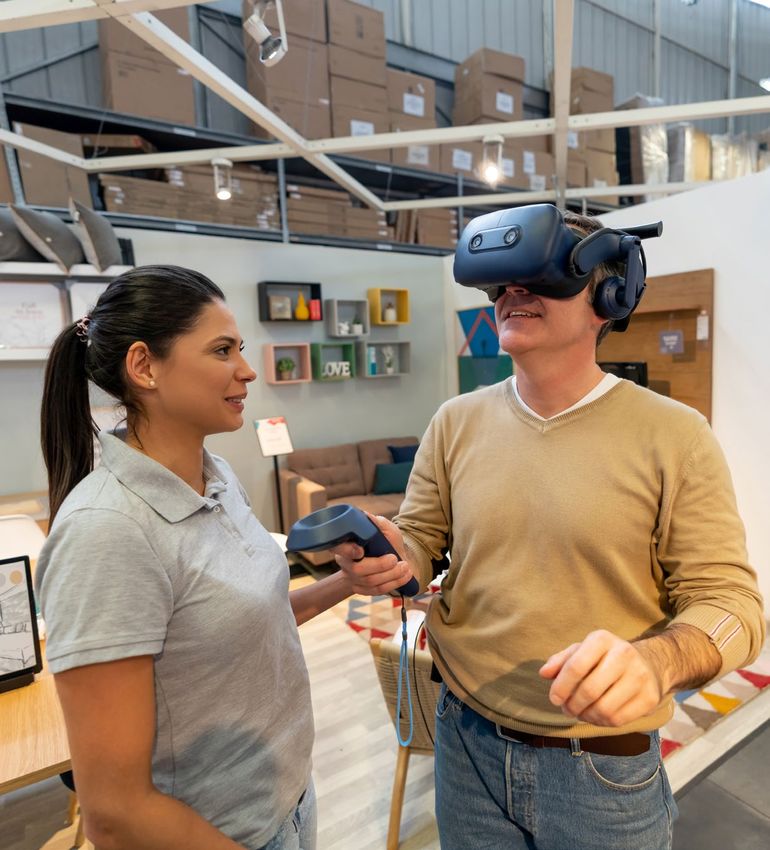
The Work Ahead
in Retail: Redefining
Shopping for a Post-
Pandemic World
In the last few years, traditional retailers have struggled to effectively adjust to a
world of e-commerce. Now, with the pandemic as a further existential challenge,
there’s no turning back. In our study, retailers show a renewed focus on combining
the best of physical and online shopping to reignite sustained growth in the
decades to come.
The Work Ahead

Executive Summary

          Retailers are prioritizing analytics, artificial intelligence
          and Internet of Things to create experiences that bring
          the best of the physical to the virtual, and vice-versa.
          New models of retail will result that seamlessly blend the
          two worlds.

                              The Work Ahead in Retail: Redefining Shopping for a Post-Pandemic World   2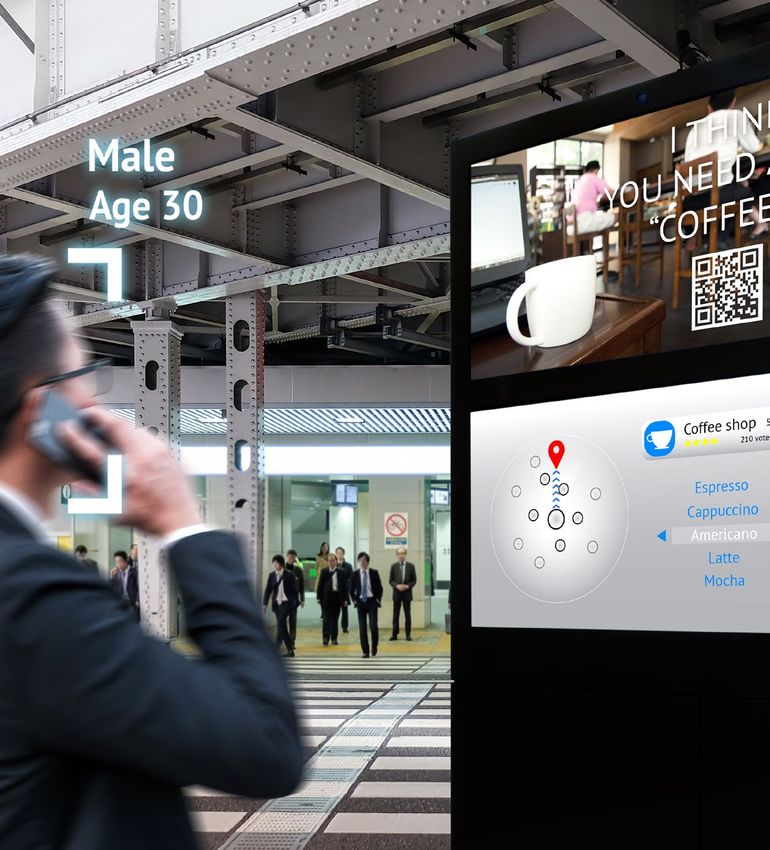
The Work Ahead

A walk down a Main Street, a High Street or any other commerce center around the world right
now tells a sorry story — a story of the pandemic and of a retail industry utterly changed by
forces beyond its control.

Even as some stores cautiously re-open for business,        But even as many of these shopping behaviors
others have shuttered for good, leaving gaping holes        continue, and buy online/pickup in-store and
in their wake — including some beloved shops that           contactless delivery go mainstream, the balance of
for years served as landmarks of the urban landscape.       physical and virtual still has a ways to go before a new
Their absence now raises big questions about how to         equilibrium is found. Retail has always meant more
redefine what is left behind.                               to consumers than product acquisition; from the
                                                            local hardware store to the fast-fashion emporium,
Meanwhile, the wheels of commerce continue to spin —        it’s offered a sense of community, the excitement of
both invisibly, from our phones, tablets and laptops,       discovery and a spirit of aspiration for something that
and visibly, from the constant stream of delivery trucks    seems just within reach. As we enter an era where
down our streets, the acres of land covered in new          much of that experience is delivered virtually, what’s
Amazon fulfillment centers, and the curbsides and           left, physically, is not exactly inspiring. Recalibration is
parking spaces dedicated to non-contact pickup.             needed — and in sight.

While physical stores have increasingly bent the            To understand the changing nature of work in a world
knee to their more digitally adept and born-virtual         dominated by digital and disrupted by COVID-19, we
counterparts for two-plus decades, that’s nothing           surveyed 4,000 global executives globally and across
compared with the past 12-plus months. In droves,           industries, 287 of whom were from the retail industry.
consumers turned to online shopping to protect both         We found an executive class still reeling from the “retail
their health (with groceries and necessities) and their     apocalypse” that has seen the shuttering of age-old
sanity (with the not-so-necessaries).                       brands even amid consistently growing retail sales for
                                                            the industry overall. Retailers appear ready to turn the
                                                            corner with renewed focus on meeting customer needs
                                                            through innovation and the use of digital technologies.

                                                      The Work Ahead in Retail: Redefining Shopping for a Post-Pandemic World   3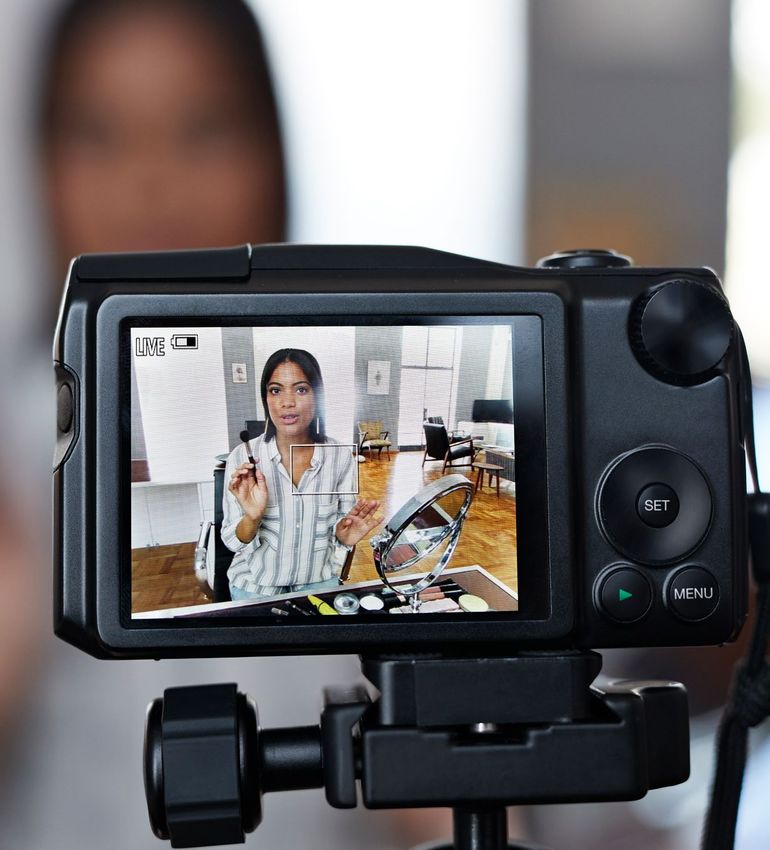
The Work Ahead

Key themes that emerged from our analysis include:
                                                                4 The shift from commuting to “cocooning” will
                                                                  continue to reshape retail. The widespread

1   Boosting technology budgets equates to
    better digital leadership. Retail respondents
                                                                     movement toward finding new purpose for our
                                                                     homes, including working remotely, isn’t just a
    plan to hike their investment in technology by                   COVID-19 fad — it’s here to stay. As consumers
    50% between now and 2023 (from 6% to 9% of                       continue to equip their spaces with equipment for
    revenues). To close the gap with the digital elite,              work, exercise and entertainment, and continue
    traditional retailers will need to make the funding              engaging in online shopping behaviors, retailers
    of technology initiatives a sustained priority over              will need to respond. More than half of retail
    the next few years.                                              respondents said they’ll rely more on digital
                                                                     channels for customer interactions, as well as

2 Technology implementations mirror the
  convergence of virtual-physical retail. At least
                                                                     digital working practices for themselves.

    40% of retailers have gone beyond the pilot stage
    of implementing analytics, artificial intelligence (AI)
                                                                5 Digitization  presents new dangers. The
                                                                  increased reliance on digital tools and ever
    and Internet of Things (IoT) technologies to create              growing sophistication of hackers put businesses
    experiences that bring the best of the physical to               at ever greater risk of operational disruption.
    the virtual, and vice-versa. New models of retail will           Retailers have taken note, with 63% of respondents
    result that seamlessly blend the two worlds.                     listing digital terrorism as a concern.

3 Digital ambitions are high. The percent of
  revenues retailers expect from digital channels is
                                                                6 Retail must reskill for the future of work. An
                                                                  overwhelming 86% of retailers anticipate a global
    above the cross-industry average but still far below             talent shortage for workers. While automation and
    the segment of respondents deemed “digital-first,”               robotics will fill a portion of that gap, the race is on
    based on their percent of online sales and growth                for organizations to cultivate deep talent pools for
    rate. Retailers need to keep aiming high to meet                 the work ahead.
    their stated digital ambitions and those set by
    the pandemic.

            50%
                                                                 Retail respondents plan to hike their
                                                                 investments in technology from
                                                                 6% to 9% of revenues over the next
        growth in tech investments
                 by 2023                                         two years.

                                                          The Work Ahead in Retail: Redefining Shopping for a Post-Pandemic World   4
The Work Ahead

Retailers adjust to COVID’s lasting impact

            The accelerated shift in respondents’ digital ambitions
            is reflected in their expected digital revenues. Retail
            respondents expect their digital sales to grow from 15%
            of revenues today to 22% by 2023, which is higher than
            the cross-industry average.

                              The Work Ahead in Retail: Redefining Shopping for a Post-Pandemic World   5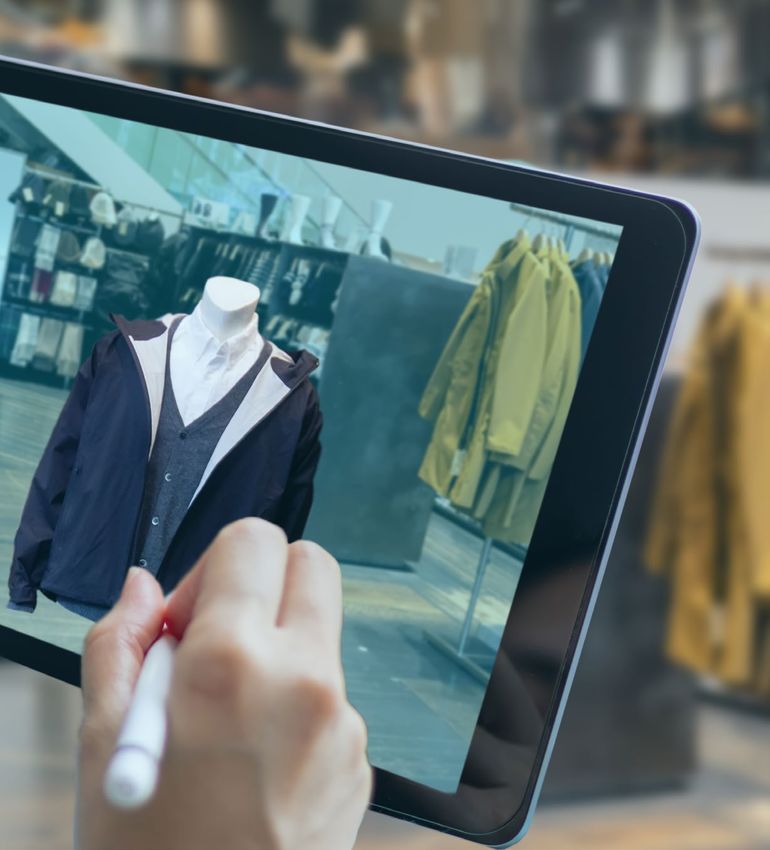
The Work Ahead

The most notable impact of the COVID-19 pandemic has been to intensify not just how much time we spend
at home but also the number of activities we engage in there, from working to exercising to socializing.

This development has changed not just the product mix                    number of frontline workers employed in the retail sector. While
that consumers demand but also how they want to procure                  the pandemic led to virtual work experimentation, the future
them. In the U.S. and UK, e-commerce saw three years of                  calls for specific protocols and regulations to fully optimize
growth in three quarters in 2020, according to independent               and support remote working arrangements. Retail leaders
tech analyst Benedict Evans, shooting to 25% of all non-grocery          recognize this, as 46% say they’ll need to introduce new HR
retail in the U.S. and 40% in the UK.¹ According to McKinsey             policies in light of remote working.
& Co., online shopping behaviors will continue post-pandemic,
with 15% to 30% growth in online purchasing across a wide                Even as regions reopen, and consumers rush to experience live
variety of retail categories.² As a result, retailers have needed to     events, in-person social interactions and travel, the continued
expand their omnichannel shopping options and renew their                prevalence of remote work will likely keep consumers focused
focus on e-commerce order fulfillment and contactless                    on making the most of their homes. This will lead to more
pickup or delivery.                                                      demand for products related to home-based activities and
                                                                         retail processes that offer greater convenience. Robust
In our study, more than half of retail respondents said the              omnichannel options, low-cost and speedy delivery services
pandemic accelerated their own adoption of digital working               and expedient curbside service are set to become table stakes
practices and will result in heightened reliance on digital              in the future of retail. And powering it all will be the data and
channels to serve customers (see Figure 1). Nearly one-quarter           analytics prowess to better understand what customers need
expect their own employees to work from home more as                     and how to respond effectively.
a result of the pandemic — a surprising number given the

COVID accelerates digital retail
Respondents were asked how work would change as a result of the pandemic.
(Percent of respondents who agree or strongly agree)

           62%
                                        55%
                                                                       51%
                                                                                                46%

                                                                                                                             22%

      We will have to              The pandemic               We will rely on               We will have to             Our workforce
  redesign the workplace         has accelerated the       more digital channels         introduce new HR               will spend more
     to accommodate            adoption of new, digital      to deliver goods         policies to adapt to more          time working
      safe distancing             working practices            to customers                remote working                 from home

Response base: 287 senior retail leaders
Source: Cognizant Center for the Future of Work
Figure 1

                                                                  The Work Ahead in Retail: Redefining Shopping for a Post-Pandemic World   6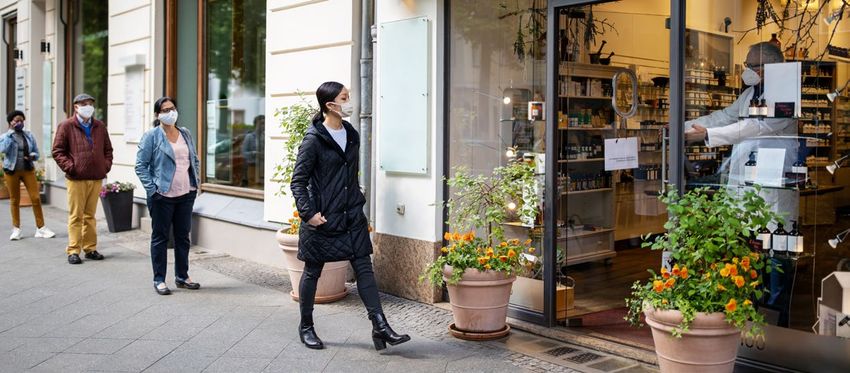
The Work Ahead

A digital revenues disconnect
Respondents were asked the percent of revenues earned through digital channels, now and in 2023.
(Percent of revenues)

    Today              By 2023

                                                52%
                                      45%

                                                                                22%
                                                                      15%                                   15%
                                                                                                    9%
                                        Digital-first                    All other                 Cross-industry
                                         retailers                       retailers                    average

Response base: 38 “digital-first” respondents; 249 “all others,” 4,000 from across industries
Source: Cognizant Center for the Future of Work
Figure 2

The accelerated shift in respondents’ digital ambitions is                      On the plus side, the second group of respondents plan to
reflected in their expected digital revenues. To gain a clear                   boost their investment in technology by 50% between now and
view of these expectations, we divided retailers into two camps:                2023, from 6% to 9% of revenues. This is lower than the digital-
“digital-first” (those with very high online sales of 20% of                    first group of respondents, whose technology investments will
revenues or more and are also seeing faster growth — 46% vs.                    grow from 12% of revenues today to 17% in 2023. Time will tell
16%) and “all others” (those with online sales that are less than               if these investments are sufficient. Consider that luxury retailer
20%). The second group expects to grow digital sales from                       Saks Fifth Avenue, valued at $2 billion, recently established a
15% of revenues today to 22% by 2023, which is higher than the                  separate e-commerce company (dubbed Saks) through an
cross-industry average but far below those of their digital-first               investment of $500 million in venture capital.³
counterparts (see Figure 2). Pandemic-induced online buying
trends indicate retailers should keep their sights set high to
meet the evolving needs of increasingly digitally expectant
customers.                                                                       Pandemic-induced online
This is particularly evident when you consider that the percent                  buying trends indicate retailers
of retailers considering themselves to be ahead or far ahead of
the competition grows from 32% today to 64% by 2023. While it                    should keep their sights set high
will be mathematically impossible for more than half of retailers
to be above average, achieving leadership status over the next                   to meet the evolving needs of
few years will require a revenue profile increasingly aligned with
the digital elite.
                                                                                 increasingly digitally expectant
                                                                                 customers.

                                                                         The Work Ahead in Retail: Redefining Shopping for a Post-Pandemic World   7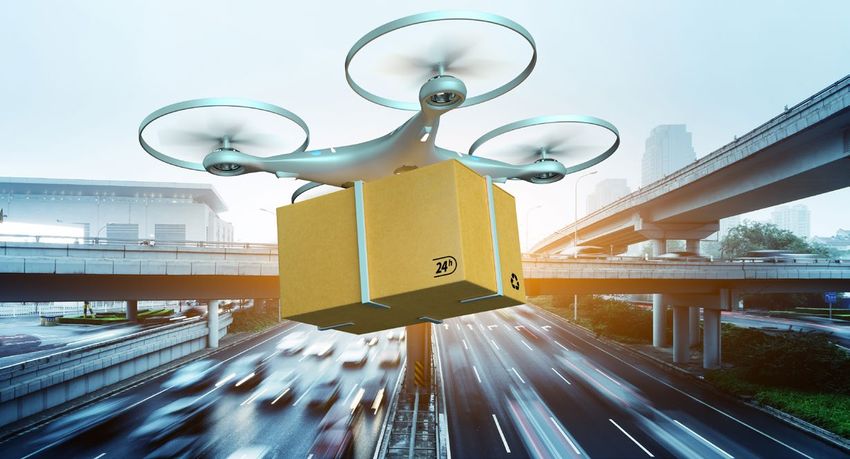
The Work Ahead

Blurred boundaries between virtual and physical

           A new crop of retailers has emerged throughout the
           U.S. to inject new life into the old model of the
           department store by physically replicating the virtual
           experiences of community, discovery and the “cool”
           factor of online brands.

                              The Work Ahead in Retail: Redefining Shopping for a Post-Pandemic World   8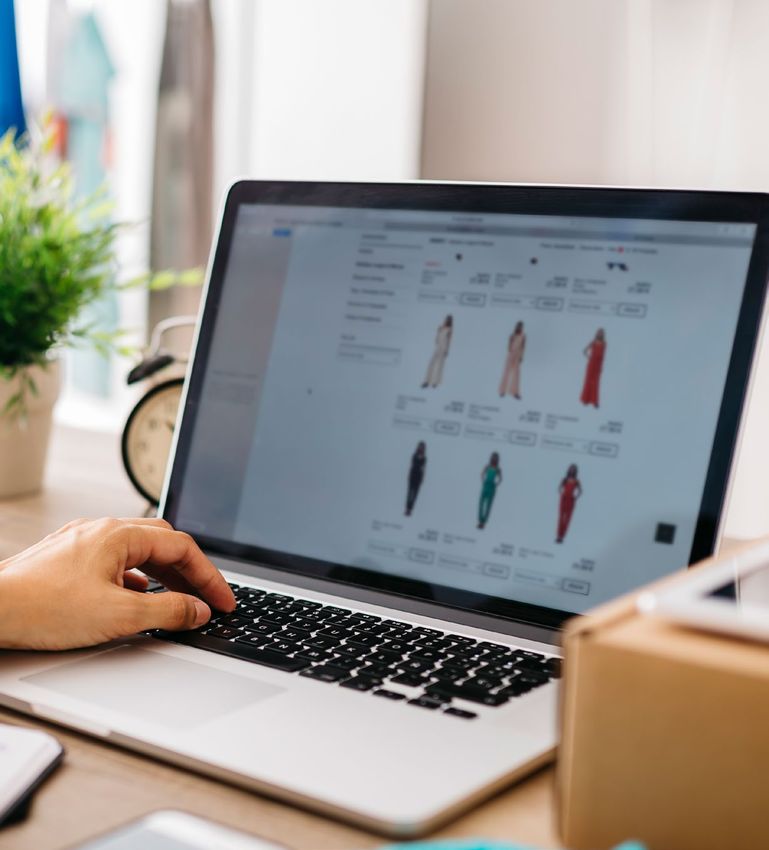
The Work Ahead

The idea of hybrid physical-virtual retail models has been accelerating — so much so, that even some
previously physical-only experiences, like social shopping, are now accommodated in the virtual world
(see Quick Take, page 10).

This isn’t to say consumers won’t enthusiastically return to          Meanwhile, a new crop of retailers, including Showfields in
physical stores as the pandemic wanes, where they can enjoy           New York City and Miami,6 Re:store in San Francisco7 and
the experiences the virtual world can’t offer — a sense of            Neighborhood Goods in Austin and Plano (Texas) and New
“place,” a community vibe, compelling displays of products            York City,8 have emerged to inject new life into the old model
that can be touched and felt, the ability to return home with         of the department store by physically replicating the virtual
a purchase in-hand, shopping as family entertainment, retail          experiences of community, discovery and the “cool” factor of
as “therapy.” Ironically, though, they might yearn for what the       online brands. These retailers offer large, experiential, multi-
physical experience can’t offer but the online can: vast selection,   storied physical “places” in which shoppers can browse online
personalized curation, influencer-driven brands, immediate            brands that they’d otherwise only experience through their
access to product information and reviews.                            screens. All the while, they can interact with not just brand
                                                                      owners but also each other.
The job for retailers is to become expert at combining the best
of both worlds. At Lush Cosmetics’ experimental store Lush            Rather than purchasing inventory and selling it at a margin,
Labs in Harajuku, Japan, for instance, displays are designed          these retailers charge brand owners a fee for a presence in the
to maximize the olfactory and visual appeal for customers             store, as well as services like personnel, merchandising and a
eager to share the experience online. This includes its “Naked”       communal space. Using tracking technologies, the stores also
line, which is devoid of packaging and labels for sustainability      collect information on customer behaviors and demographics,
reasons. So, in addition to the Instagram-worthy displays, the        which they can both use themselves and provide back to
company has enabled shoppers to access information on                 the brand owners to optimize displays, brand selection and
product use and ingredients by combining machine learning             engagement.
with an open-source platform that incorporates hundreds of
thousands of product images. When shoppers scan products              Freed from inventory costs, the retailers can instead focus on
with the Lush Lens AR app, it accesses the database, identifies       offering a community-focused space, with live performances,
the product and delivers not just product information but also        places to eat and drink, art exhibits and even tattoo parlors.
videos of the signature bath bombs in use. Another benefit            Shoppers get an immersive experience, with both digital
of this approach is that shoppers can peruse products in a            touchpoints throughout the store and the chance to rub
contactless way — important during the pandemic.⁴                     shoulders with influencers and even become part of the
                                                                      influencing community — but in a face-to-face way vs. virtually.
The direction of virtual-to-physical can also move in reverse.        In effect, these new types of stores are trying to create a place
Take Macy’s, which now provides online shoppers with the              where you can actually “go” to get that anticipatory sense of
instant gratification of same-day delivery through a partnership      being involved with something that’s burbling underneath the
with DoorDash, and Kohls, which has partnered with Snapchat           surface and about to go viral.
to create virtual fitting rooms that allow customers to “try on”
items without leaving their homes.5

                                                                The Work Ahead in Retail: Redefining Shopping for a Post-Pandemic World   9
The Work Ahead

Quick Take Social Shopping Apps

           E-commerce has successfully matched, and in some ways exceeded, the convenience of the
           shopping mall. All your favorite stores are available in the same general vicinity (your digital
           device), and checkout is relatively straightforward. However, the social aspect has lagged
           behind. That looks to change, however, with the rise of new apps.

           Live social shopping enables people to maintain the communal elements of physical
           shopping while maintaining the convenience or safety of the virtual world. Customers log
           on to a platform with friends where they can chat via video or text and see what others
           have placed in shopping bags. Startups all over the world are driving this trend forward by
           creating social shopping platforms that encourage discovery and discourse around the
           retail experience.

           For example, China’s Pinduoduo app rewards customers by offering discounts based
           on the size of their shopping groups. Integration with WeChat and other messaging
           apps encourages a more social approach and cultivates a sense of togetherness among
           shoppers. The app even includes a cooperative game to keep customers engaged when
           they’re not actively shopping.9

           In Israel, the eNvite app allows shoppers to show products to their friends via chat and elicit
           real-time feedback on potential purchases.10 U.S. social ecommerce platform Verishop
           brings shoppers together via its Shop Party feature.11 Users can invite up to five friends to
           an online shopping event at a dedicated time. They can view items in each others’ carts and
           exchange messages via video and text.

           Thus, the future of shopping is a lot like the past: meeting up with friends, getting their take
           on potential purchases, and checking out all the stores in your favorite shopping center.
           Except now, all that can be done from the comfort of home.

                                          The Work Ahead in Retail: Redefining Shopping for a Post-Pandemic World   10
The Work Ahead
Technology tells the tale
In our 2016 Work Ahead study, business leaders had
predicted that AI and advanced analytics would be
among the most impactful technologies in retail, and
this prediction has held up in our current study. Both
of these technologies, in addition to IoT, have been
implemented beyond the pilot stage by nearly 40% of
retail respondents.
The Work Ahead in Retail: Redefining Shopping for a Post-Pandemic World 11The Work Ahead
The uptake of these trends becomes clear through a look at the top technologies being deployed by retail
respondents in our study.
Note that in our 2016 Work Ahead study, business leaders While grocers benefited from a huge increase in online
had predicted that AI and advanced analytics would be among shopping during the pandemic, they missed the revenues
the most impactful technologies in retail, and this prediction gained by unplanned purchases, which account for 20% of
has held up in our current study. Both of these technologies, in in-store purchases.12 These platforms combine cognitive
addition to IoT, have been implemented beyond the pilot stage search, data modernization and e-commerce to make
by nearly 40% of retail respondents (see Figure 3). highly contextualized product recommendations based on the
shopper’s habits or dietary needs.13
All of these technologies point to the growing primacy of data
and intelligence in the retail domain, from strengthening the AI and analytics are also being used to personalize the shopper
customer experience, to cutting costs and boosting efficiency, experience. In partnership with digital retailer Farfetch, for
to ensuring product quality, to optimizing product mix and example, Chanel has created the Boutique of Tomorrow at
placement, to providing product information or offers that its flagship Paris location. Through an app, customers get
influence a sale, whether online or in the physical store. a customized shopping experience based on their stated
preferences and digital wish lists. Smart mirrors in the changing
Grocers, for instance, are incorporating product, consumer rooms provide recommendations for complementary purchases,
and personal data onto intelligent search platforms that help and digital devices throughout the store help employees
them replicate the in-store experience of impulse purchasing. provide even more information or content to shoppers.
Top technologies of today
Respondents were asked about the progress they’d made implementing a variety of technologies.
(Percent of respondents)
Some pilots underway
Some implemented projects
Widespread implementation
39%
30%
23% 31%
35% 31% 26%
21%
14%
4% 8% 10%
Analytics AI IoT Software bots for
process automation
Response base: 287 senior retail executives
Source: Cognizant Center for the Future of Work
Figure 3
The Work Ahead in Retail: Redefining Shopping for a Post-Pandemic World 12The Work Ahead
Technologies over the horizon
Respondents were asked about the progress they’d made implementing a variety of technologies.
(Percent of respondents)
Exploring
Piloting
25%
22%
22% 21%
11%
5%
Chatbots & Augmented reality & Autonomous
intelligent agents virtual reality vehicles & drones
Response base: 287 executives
Source: Cognizant Center for the Future of Work
Figure 4
These technologies are also enhancing store operations and BingoBox chain has already opened 500 locations across Asia.18
providing insights that lower costs and improve profitability. The retailer grants access to customers via QR code scanning.
At Sam’s Club, a partnership with AI software provider Brain Then a suite of AI, facial recognition and product scanner
Corp. has resulted in autonomous robots not just doing routine technology allows shoppers to conveniently pay for their items
cleaning of its stores but also scanning and analyzing shelves and exit without the need for interacting with employees.
for adherence to floor plans and proper stock levels.15 Service
providers like Trax are combining connected sensors to track
foot traffic in stores and AI-powered cameras that offer real- Emerging shopping experiences
time insights on stock levels. Organizations then use that data
to better allocate stock across multiple stores and increase Our data also points to future technologies that are not, as yet,
shipping efficiency.16 seeing high levels of implementation but are being widely
explored. This next round of technology adoption will likely
During the pandemic, an international convenience store include intelligent agents, augmented and virtual reality
chain used agile analytics to assess how the crisis had changed technologies (AR/VR), and autonomous vehicles (see Figure 4).
its list of top-selling items. The analytics revealed that customers The technologies set to transform the next few years of retail will
had begun seeking more grocery basics at convenience stores focus on customer experience with engaging and innovative
due to the anxiety associated with making long trips to large approaches to delivering products and services.
grocery stores. By using these insights to ensure adequate stock
of in-demand items and placing them near the door, the retailer ❙ Chatbots and intelligent agents. While chatbots might
claims to have boosted average per-customer purchases not at first seem like the most cutting-edge technology in
by 25%.17 retail, they are growing increasingly sophisticated. Through
the use of natural language processing technology and
When combined in innovative ways, these technologies result in sentiment analysis, chatbots have expanded their capabilities
a whole new customer experience. While Amazon Go continues for interpreting customer inputs and broadening the nuance
to garner the most headlines for cashierless shopping, China’s with which they respond.
The Work Ahead in Retail: Redefining Shopping for a Post-Pandemic World 13The Work Ahead
Of particular note is the transition from text-based interfaces Forward-thinking retailers will use this time to develop more
to voice-activated experiences. For example, men’s skincare robust platforms that use the technology to provide greater
brand Mallama uses voice assistants to guide customers convenience and engagement with customers outside of
through the shopping experience on its e-commerce channel.19 more traditional sales channels.
The scope and scale of voice-driven business applications
will only accelerate as consumers become accustomed to ❙ Autonomous vehicles and drones. The growth of
the contactless shopping options popularized during the e-commerce had been steady for the past decade, but the
COVID-19 pandemic. surge in 2020 revealed the continued challenges in last-mile
fulfillment. The holiday season saw delays of several weeks or
❙ Augmented and virtual reality. Digital leaders in retail more for parcels that would normally reach their destinations
had already launched programs in the AR/VR space, but the within days. In response to this bottleneck, retailers are
pandemic promises to fast-track adoption by businesses and exploring alternatives for order deliveries.
consumers. IDC, for example, predicts spending on AR/VR
to jump from $12 billion in 2020 to over $72 billion in 2024.20 Drone deliveries offer lightweight, agile options for retailers
located within close proximity of their customers. Logistics
Using AR filters, makeup brands like Sephora enables leaders must work through issues related to battery power
consumers to try digital product samples in a touchless way.21 and slow-developing legislation about when and where such
Home improvement retailer Lowe’s launched its “Holoroom” devices can be used.
in 2017 to help customers visualize potential renovation
projects in-store. The program has since grown to include Alternatively, autonomous vehicles offer a complete reimagining
in-store navigation and at-home showrooming.22 of the supply chain. Stores have already begun testing out
cross-country deliveries of goods via self-driving cargo
In-store AR applications are also taking hold. With its AR app, trucks. And retailers are reimagining shopping altogether
Zara has brought the excitement of the runway to its store with new partnerships. Kroger and Nuro, WalMart and
displays. Customers can point their phones at shop windows Waymo, and Ahold and Robomart have all worked together
to view models in the latest collection of clothes. The content on autonomous vehicles that bring fresh produce and other
from the app can be shared via social media, or customers kitchen staples right into their customers’ neighborhoods.24
can use it to make purchases.23 While autonomous deliveries remain in the pilot phase for
a select few innovators, the technology has the potential to
completely upend the way we shop and every link of the retail
supply chain.
The Work Ahead in Retail: Redefining Shopping for a Post-Pandemic World 14The Work Ahead
Addressing digital downfalls
As digital marketing campaigns amass greater
amounts of detailed data from customers, 61% of retail
respondents expressed concern that customers’ personal
information will be disclosed or over-shared.
The Work Ahead in Retail: Redefining Shopping for a Post-Pandemic World 15The Work Ahead
While new technologies present exciting opportunities for growth and novel customer experiences,
increased use of digital technologies and approaches in the retail industry also presents pitfalls.
Among retail respondents, 63% were moderately to significantly As the challenge evolves from individual bad actors to
worried about digital terrorism, and another 63% shared coordinated and well-funded attacks, partnerships between
concerns about their customers being exposed to fraud or theft the private and public sector must strengthen. Relatedly, retail
(see Figure 5). The increasing capability and tenacity of state- executives acknowledge the dangers of their own business
funded hacking groups only further validate this concern. practices. As digital marketing campaigns amass greater
Such attacks have become a common occurrence across the amounts of detailed data from customers, 61% of retail
entire business landscape. Macy’s, the now closed Lord & Taylor, respondents expressed concern that customers’ personal
Poshmark and many more retailers have all been targeted by information will be disclosed or over-shared. Enacting strategies
hackers in recent years.25 that mitigate risk to the private information they collect from
customers is mission-critical work ahead.
The boost in online sales from the pandemic makes retailers
an even more attractive target to hackers. British retailers Also of notable concern for retail executives (57%) was the
partnered with the National Cyber Security Centre to create the threat of job loss due to AI and robotics. While we anticipate an
Cyber Resilience Toolkit for Retailers.26 The toolkit suggests best equal number of new jobs to replace those lost to automation,
practices like embedding cybersecurity into business objectives the losses will have an outsized impact on roles like retail
and organizational culture; establishing the key components of clerks and warehousing specialists. Retailers may save on
the business that need the most protection; and understanding payroll in such instances, but lose out on the institutional
the threat profile specific to the organization. In addition to knowledge of the workforce they replace. Such threats looming
vigilant and cutting-edge cybersecurity programs, brands over employees can also lead to disengagement and reduced
must practice foresight in how they will handle the fallout of morale. Those that succeed in the future of retail will find
such an attack. Doing so helps prepare thoughtful customer innovative and efficient ways to re-skill their frontline workers for
reassurances, and a decisive plan of action to mitigate further new, more digital types of work.
damage once detected.
Along with benefits come concerns
Respondents were asked about the top concerns they had regarding the increased use of digital technologies in their industry.
(Percent of respondents citing high or moderate concern)
61% 63% 63%
57%
Worried about Concerned that Concerned about Worried about
job loss due customers’ personal customers being digital terrorism
to automation information will exposed to
and robots be exposed fraud or theft
Response base: 287 executives
Source: Cognizant Center for the Future of Work
Figure 5
The Work Ahead in Retail: Redefining Shopping for a Post-Pandemic World 16The Work Ahead
Skills of the future in retail
Respondents were asked which skills would grow in importance between now and 2023.
(Percent of respondents)
74%
62% 61%
Selling Decision Customer
making care
Response base: 287 executives
Source: Cognizant Center for the Future of Work
Figure 6
New skills needed While sales has always been the foundational skill for retail, the
digital transformation of the industry calls for new techniques as
Any discussion about the future of work calls for an assessment emerging sales platforms like social media and AR/VR continue
of the skills required for that work. Like all industries, the work to develop. Without the immediate feedback of face-to-face
ahead in retail requires an ever evolving reskilling plan to meet engagements, these new platforms require alternative methods
the demands of increasingly dynamic work environments. for understanding customer pain points and reacting to their
As it stands, 86% of retail leaders anticipate a global talent inputs in real time.
shortage in their industry. The vast majority of decision makers
(92%) believe this shortfall will be caused by a greater need for This dynamic again emphasizes the importance of data-
technical expertise. More specifically, they expect an emphasis gathering and analysis skills. An example is Neiman Marcus,
on analytical skills as access to and importance of data which in addition to announcing layoffs in late 2020 and
continues to grow. making clear that its future strategy would be heavily digital also
confirmed it would be hiring in several new position categories,
Retail organizations preparing for the future of work will also including service ambassadors, digital client advisors and
find themselves using familiar skills, but deploying them in new personal stylists.27
ways to make the most of emerging opportunities. When asked
which skills will grow in importance between now and 2023, What e-commerce lacks in interpersonal engagement, it makes
retail respondents indicated selling (74%), decision-making up for with more quantifiable processes that retailers can
(62%) and customer care (61%) as their top priorities (see study to maximize efficacy and customer experience. And as
Figure 6). retailers improve the hybrid shopping model, they can combine
both quantitative and qualitative insights to provide more
customized shopping experiences.
The Work Ahead in Retail: Redefining Shopping for a Post-Pandemic World 17The Work Ahead
Quick Take Shopatainment
Teleshopping began in the 1980s with loquacious hosts selling products via live
demonstrations on free-to-air television channels. New platforms, new technologies and
new cultural norms are combining to spur the latest iteration of this retail channel. It’s called
“shopatainment.” Coined by tech investor Connie Chan, the term refers to sellers producing
entertaining content that leverage their online followings to sell more products.28 These
sellers can be brands or individual celebrities and influencers.
While the trend is still gaining traction throughout most of the globe, shopatainment has
found a receptive audience in China. In 2019, the livestream shopping market in China was
worth $66 billion, and the COVID-19 pandemic has been forecast to more than double
that figure.29 There, the trend quickly evolved from lo-fi home videos to studio-quality
productions on platforms like TaoBao.
Major retailers and tech companies in the U.S. now look to mimic that success. Among
the most notable has been the collaboration between Walmart and TikTok, in which the
social network hosts a shoppable livestream feature enabling users to purchase apparel
from Walmart via the app. 30 This leverages the entertainment value of TikTok influencers to
promote Walmart products and drive e-commerce sales.
Several of the most prominent tech companies are also developing their strategies in the
emerging shopatainment space, including Google’s Shoploop, Amazon Live and Instagram
Live Shopping. This trend also broadens the scope of what is considered a retail company.
Companies traditionally positioned as content creators can monetize their audiences with
targeted product offerings. Brands like Bleacher Report, the sports video service, could
emerge as potential competitors to more established retail brands. The company has
leveraged its library of content to convert viewers into customers for its sports-themed
apparel offerings. 31
The development of the shopatainment trend indicates a future of retail in which companies
base their efforts around cultivating a fervent audience rather than breakthrough products.
The Work Ahead in Retail: Redefining Shopping for a Post-Pandemic World 18The Work Ahead
Preparing for the future of retail
In the aftermath of the post-pandemic rush to online
shopping, the onus is on retailers to find new ways,
physically and virtually, of providing a communal space
that fulfills consumers’ desire for engagement, discovery
and aspiration for something “more.”
The Work Ahead in Retail: Redefining Shopping for a Post-Pandemic World 19The Work Ahead
Retailers tend to approach the future with much trepidation and only after proven success from others.
The work ahead calls for active experimentation and long-term focus to meet customers where they will be
in five-, seven- or even 10-year time horizons.
The following recommendations provide a path forward for ❙ Turn crisis to catalyst. Use this experience as an inflection
brands to navigate the ever-evolving future of retail: point to review outdated processes, ideologies or product
offerings. It’s a brave new world, which means the current
❙ Invest in immersion. Digitizing your sales catalog is no climate is a forgiving environment to experiment with new
longer adequate for digital retail experiences. Digitally ways of doing business.
native consumers expect entirely new experiences outside
of physical storefronts. Identify the right mix of physical/
digital experiences to best tell your brand story across Shop ‘til you drop
AR/VR, streaming video services and customized in-
From fishmongers to farmer’s markets, retail has served as
person activations that immerse customers in engaging
more than a way to consume goods — it’s also been a bedrock
experiences. Approach your business as if it were a digital-
of community. In the aftermath of the post-pandemic rush
first entity to break free of status quo approaches that can
to online shopping, the onus is on retailers to find new ways,
plague more traditional, physical-first retailers.
physically and virtually, of providing a communal space that
❙ Use community to facilitate commerce. Customers aren’t fulfills consumers’ desire for engagement, discovery and
just buying a product; they’re buying a persona. Retail has aspiration for something “more.”
always provided consumers with a place to gather, see and
be seen, and even as physical shops close, consumers will Clearly, digital technologies and mindsets will play a key role,
continue looking for new sources of rituals and community. as will new and innovative models of retail. Those that invested
Look to the digitally native/vertically integrated brands for in innovation before the pandemic have weathered the storm
acquisition and partnership opportunities or invest internally the best. That dynamic will continue well into the next crisis that
in trendsetting and anthropology resources to aid in confronts the industry, whatever that may be.
community building efforts.
One thing is for sure: The best of the retail experience is and
❙ Eye the enablers. The players to watch aren’t retailers will remain the relationship between consumers and the store,
at all but those augmenting it like Instacart, Shopify, Square, wherever that may be. As retailers continue recalibrating their
Stripe, MailChimp, MikMak, Starship, Fetch and more. These place in both the physical and virtual landscape, consumers will
brands are the utility services for the digital economy. eagerly await what’s next on the Main Streets, High Streets and
Their experimentations and product launches provide online channels of the world.
indications of where commerce is headed before trends
become readily apparent.
❙ Home is where the cart is. E-commerce isn’t new, but
consumers’ level of attachment to it is newly intensified.
Develop strategies that enable a more pleasant home life
and tap into increasing desires for convenience (subscriptions,
omnichannel, etc.). Conversely, challenger brands can push
for experiences to get consumers out of the home, offering
solutions to the inevitable cabin fever of more home-based
working arrangements.
The Work Ahead in Retail: Redefining Shopping for a Post-Pandemic World 20The Work Ahead
Methodology
Cognizant commissioned Oxford Economics to design and from organizations with between $250 million and $499 million
conduct a study of 4,000 C-suite and senior executives, in revenue, one-third from organizations with between $500
including 287 from the retail industry. The survey was conducted million and $999 million in revenue, and one-third with $1 billion
between June 2020 and August 2020 via computer-assisted or more in revenue.
telephone interviewing (CATI). Approximately one-third of the
questions were identical to those included in the 2016 Work In addition to the quantitative survey, Oxford Economics
Ahead study, allowing us to compare responses and track conducted 30 in-depth interviews with executives across the
shifting attitudes toward technology and the future of work. countries and industries surveyed. Interviewees who responded
to the survey have a track record of using emerging technology
Respondents were from the U.S., Canada, UK, Ireland, to augment business processes. The conversations covered
France, Germany, Switzerland, Benelux (Belgium, Luxemburg, the major themes in this report, providing real-life case studies
Netherlands), Nordics (Denmark, Finland, Norway, Sweden), on the challenges faced by businesses and the actions they
Singapore, Australia, Malaysia, Japan, China, Hong Kong, India, are taking, at a time when the coronavirus pandemic was
Saudi Arabia and UAE. They represent 14 industries, evenly spreading around the world and companies were formulating
distributed across banking, consumer goods, education, their strategic responses. The resulting insights offer a variety of
healthcare (including both payers and providers), information perspectives on the changing future of work.
services, insurance, life sciences, manufacturing, media and
entertainment, oil and gas, retail, transportation and logistics, The following figures represent the demographics of the 4,000
travel and hospitality, and utilities. All respondents come from respondents from the full global study.
organizations with over $250 million in revenue; one-third are
Respondents by geography Respondents by role
13% Vice President
Switzerland 1% 1% Ireland
Canada 3% 13% Chief Operating Officer
Saudi Arabia 3%
13% Director reporting to
Malaysia 3%
senior executive
UAE 3%
13% Senior Vice President
Hong Kong 3%
33% U.S. 12% President
Singapore 3% 12% Chief Executive Officer
Australia 3% 12% Chief Financial Officer
12% Other C-suite Officer
China 4%
India 4%
Japan 4%
UK 5% 8% Benelux
(Belgium, Luxemburg, Netherlands)
Germany 6%
7% Nordics
France 6% (Denmark, Finland, Norway, Sweden)
(Percentages may not equal 100% due to rounding)
The Work Ahead in Retail: Redefining Shopping for a Post-Pandemic World 21The Work Ahead
About the authors
Robert H. Brown
Vice President, Cognizant’s Center for the Future of Work
Robert Hoyle Brown is a Vice President in Cognizant’s Center for the Future of Work. Since joining
Cognizant in 2014, he has specialized on the topics of robotics, automation and augmented reality
and their impact on business processes. He has worked extensively with Cognizant Digital Business
Operations as head of market strategy, and also with Cognizant’s Accelerator leadership to drive the
development of its intelligent automation strategy, messaging and go-to-market outreach.
Robert is a fellow at the Fisher Center for Business Analytics at the Haas School of Business at the
University of California at Berkeley. Through Berkeley, he is a member of the advisory board for the
Alliance for Inclusion in AI, to support the advancement of more women and underrepresented
minorities in the fields of analytics and AI. Robert is also a member of the World Economic Forum’s
Global Future Council on the New Agenda for Work, Wages and Job Creation.
Prior to joining Cognizant, he was Managing Vice President of the Business and Applications Services
team at Gartner, and as a research analyst, he was a recognized subject matter expert in BPO. He also
held roles at Hewlett-Packard and G2 Research, a boutique outsourcing research firm in Silicon Valley.
Robert is a member of the Bay Area Council, and in 2018 was an Action Forum participant at the Aspen
Institute. His work has been featured in The Harvard Business Review, Axios, The London Times, Forbes,
Huffington Post, and The Daily Telegraph. He holds a bachelor’s degree from the University of California
at Berkeley and, prior to his graduation, attended the London School of Economics as a Hansard Scholar.
Robert can be reached at Robert.H.Brown@cognizant.com
LinkedIn: linkedin.com/in/robthbrown/
Twitter: @robthbrown
Girish Dhaneshwar
Consulting Leader, Cognizant’s Retail, Consumer Goods, Travel & Hospitality Practices
Girish Dhaneshwar leads Cognizant’s consulting practice for the retail, consumer goods and travel &
hospitality industries in North America. In a career spanning over 25 years, he has handled key leadership
roles in the retail/CPG industry and as a consultant across North America, Middle East and Asia.
After joining Cognizant in 2008, Girish led large transformational programs for some of the world’s
largest companies. Prior to Cognizant, he worked with leading multinational businesses such as
PepsiCo, Marico and Manhattan Associates. In recent years, he has built a strong retail transformation
practice, helping customers adapt to the rapid changes driven by the new digital economy. He has been
working with customers on transformational programs in the area of omnichannel commerce and also
spearheaded Cognizant’s efforts in the area of consumer transparency and helping customers realize
the associated benefits across the value chain.
Girish completed his post-graduate program in manufacturing management from the SP Jain Institute
of Management and Research, Mumbai, and earned his bachelor’s in metallurgical engineering from the
University of Pune, India.
Girish can be reached at Girish.Dhaneshwar@cognizant.com
The Work Ahead in Retail: Redefining Shopping for a Post-Pandemic World 22The Work Ahead
Endnotes
1 “Lockdown Takes Ecommerce to 40%,” Benedict Evans, Nov. 22, 2020, www.ben-evans.com/
benedictevans/2020/11/22/finding-a-new-level-for-ecommerce.
2 “The Great Consumer Shift: Ten Charts that Show How U.S. Shopping Behavior Is Changing,” McKinsey & Co., Aug. 4,
2020, www.mckinsey.com/business-functions/marketing-and-sales/our-insights/the-great-consumer-shift-ten-
charts-that-show-how-us-shopping-behavior-is-changing.
3 “Private Equity Pours $500M into Saks Fifth Avenue’s E-Commerce Spinoff,” Retail Dive, March 5, 2021, www.retaildive.
com/news/private-equity-pours-500m-into-saks-fifth-avenues-e-commerce-spinoff/596205/.
4 Caroline Baldwin, “Lush’s 25-Year Journey to Digital Excellence,” ComputerWeekly.com, Nov. 19, 2020,
www.computerweekly.com/feature/Lushs-25-year-journey-to-digital-excellence#:~:text=Lush%20Pay%20
and%20ethical%20hardware&text=Lush%20used%20open%20source%20technology,collect%20service%20
in%20the%20future.
5 Madeline Stone, “Macy’s Is Teaming with DoorDash to Offer Same-Day and Next-Day Delivery,” Business Insider, Oct.
6, 2020, www.businessinsider.com/macys-same-day-next-day-delivery-available-with-doordash-2020-10;
“Reimagining the Digital Shopping Experience with Snapchat,” Kohls, Aug. 13, 2020, https://corporate.kohls.com/
news/archive-/2020/august/reimagining-the-digital-shopping-experience-with-snapchat.
6 Keith Larsen, “Showfields to Bring New Retail Concept to Lincoln Road,” The Real Deal, Feb. 14, 2020, https://
therealdeal.com/miami/2020/02/14/showfields-to-bring-new-retail-concept-to-lincoln-road/.
7 Dhani Mau, “A Physical Space for Instagram Brands: Is This the Future of Retail?” Fashionista, Aug. 8, 2019, https://
fashionista.com/2019/08/restore-retailer-brands.
8 Pamela Danziger, “Neighborhood Goods Proves Its New Department Store Model Works, as Macy’s and JC Penney
Flounder,” Forbes, July 5, 2020, www.forbes.com/sites/pamdanziger/2020/07/05/neighborhood-goods-proves-its-
new-department-store-model-works-as-macys-and-jcpenney-flounder/?sh=71191b877976.
9 Anu Hariharan and Nic Dardenne, “Pinduoduo and the Rise of Social E-Commerce,” Y Combinator, www.ycombinator.
com/library/2z-pinduoduo-and-the-rise-of-social-e-commerce.
10 Hal Koss, “Social Commerce Is Replacing the Shopping Mall,” Builtin, Aug. 14, 2020, https://builtin.com/marketing/
social-commerce.
11 “Verishop Launches ‘Shop Party’ Feature for Online Video Shopping with Friends,” BusinessWire, Dec. 15, 2020,
www.businesswire.com/news/home/20201215005864/en/Verishop-Launches-Shop-Party-Feature-for-Online-
Video-Shopping-with-Friends.
12 “Impulse Buying Statistics Every Retailer Should Know,” Handy Store Fixtures, May 13, 2019, www.handystorefixtures.
com/blog/impulse-buying-statistics-every-retailer-should-know.
13 “Online Impulse Buys: The Newest Item on the Grocery Industry’s List,” Cognizant, Dec. 8, 2020, www.cognizant.com/
perspectives/online-impulse-buys-the-newest-item-on-the-grocery-industry-s-list.
14 Joelle Diderich, “Chanel and Farfetch Unveil ‘Boutique of Tomorrow,’” WWD, Dec. 16, 2019, https://wwd.com/business-
news/retail/chanel-and-farfetch-unveil-boutique-of-tomorrow-1203399375/.
15 “Brain Corp. Expands Commercial Relationship with Sam’s Club to Power In-Club Autonomous Robots and Connected
Data Services,” Brain Corp., Oct. 21, 2020, www.braincorp.com/newsroom/brain-corp-expands-commercial-
relationship-with-sams-club-to-power-in-club-autonomous-robots-and-connected-data-services/.
16 Trax website: https://traxretail.com/.
The Work Ahead in Retail: Redefining Shopping for a Post-Pandemic World 23The Work Ahead
17 “Four Lessons Learned on Using Agile Analytics to Thrive in Crisis,” Digitally Cognizant, May 21, 2020, https://digitally.
cognizant.com/four-lessons-learned-on-using-agile-analytics-to-thrive-in-crisis-codex5658/.
18 “BingoBox Leads the Space Race in Cashierless Convenience Retail,” Retail Insight Network, March 1, 2019,
www.retail-insight-network.com/comment/bingobox-cashierless-stores/.
19 Alicia Esposito, “Voice Commerce: Stress Customer Value Both In-Store and At Home,” Retail Touchpoints, June 23,
2020, https://retailtouchpoints.com/topics/digital-commerce/voice-commerce-stress-customer-value-both-in-
store-and-at-home.
20 “Worldwide Spending on AR/VR Forecast to Deliver Strong Growth through 2024,” IDC, Nov. 17, 2020, www.idc.com/
getdoc.jsp?containerId=prUS47012020.
21 Cristina Balcazar, “How AR Lets Sephora ‘Try On’ Something Different,” Medium, Nov. 28, 2020, https://medium.com/
marketing-in-the-age-of-digital/how-augmented-reality-lets-sephora-try-on-something-different-23b4446fd5c1.
22 Dan O’Shea, “Lowe’s Testing Holoroom How-To Virtual Reality Helper for DIY Projects,” Retail Dive, March 7, 2017,
www.retaildive.com/news/lowes-testing-holoroom-how-to-virtual-reality-helper-for-diy-projects/437610/.
23 Sonja Kollinger, “Zara Is Changing How We Shop Through Augmented Reality,” Refinery29, April 13, 2019,
www.refinery29.com/en-us/2018/04/196382/zara-augmented-reality-app.
24 Dan Ochwat, “Autonomous Delivery Vehicles,” Path to Purchase IQ, Sept. 1, 2019, https://pathtopurchaseiq.com/
autonomous-delivery-vehicles.
25 Dennis Green, Mary Hanbury and Aine Cain, “If You Bought Anything from These 19 Companies Recently, Your Data May
Have Been Stolen,” Business Insider, Nov. 19, 2019, www.businessinsider.com/data-breaches-retailers-consumer-
companies-2019-1#panera-bread-20.
26 “Cyber Resilience Toolkit for Retail,” BRC, https://brc.org.uk/media/676128/cyber-resilience-toolkit-for-retail.pdf.
27 “Nieman Marcus to Shut Stores; Plans to Hire Staff E-Commerce Operations,” Apparel Resources, Sept. 25, 2020,
http://apparelresources.com/business-news/retail/neiman-marcus-shut-stores-plans-hire-staff-e-commerce-
operations/
28 Connie Chan, “Shopatainment: Video Shopping as Entertainment,” Andreessen Horowitz, https://a16z.com/
2020/12/14/shopatainment/.
29 Michelle Toh and Serenitie Wang, “A Multibillion Shopping Obsession Goes Mainstream in China,” CNN Business, Sept. 7,
2020, www.cnn.com/2020/09/06/business/china-livestream-shopping-spc-intl-hnk/index.html
30 Sarah Perez, “Walmart to Host a New Livestream Shopping Event on TikTok, Following Successful Pilot,” Tech Crunch,
March 9, 2021, https://techcrunch.com/2021/03/09/walmart-to-host-a-new-live-stream-shopping-event-on-
tiktok-following-successful-pilot/.
31 Kayleigh Barber, “Bleacher Report Is Drafting a Commerce Strategy That’s Growth Plan Hinges on Fan Fervor for
Exlusive Merchandise,” Digiday, Nov. 19, 2020, https://digiday.com/media/bleacher-report-is-drafting-a-commerce-
strategy-thats-growth-plan-hinges-on-fan-fervor-for-exclusive-merchandise/.
The Work Ahead in Retail: Redefining Shopping for a Post-Pandemic World 24See the full Work Ahead study series: www.cognizant.com/theworkahead
About the Center for the Future of Work
Cognizant’s Center for the Future of Work™ is chartered to examine how work is changing, and will change, in response to the emergence of new
technologies, new business practices and new workers. The Center provides original research and analysis of work trends and dynamics, and collaborates
with a wide range of business, technology and academic thinkers about what the future of work will look like as technology changes so many aspects of
our working lives. For more information, visit Cognizant.com/futureofwork, or contact Ben Pring, Cognizant VP and Director of the Center for the Future
of Work, at Benjamin.Pring@cognizant.com.
About Cognizant
Cognizant (Nasdaq-100: CTSH) is one of the world’s leading professional services companies, transforming clients’ business, operating and technology
models for the digital era. Our unique industry-based, consultative approach helps clients envision, build and run more innovative and efficient businesses.
Headquartered in the U.S., Cognizant is ranked 194 on the Fortune 500 and is consistently listed among the most admired companies in the world. Learn
how Cognizant helps clients lead with digital at www.cognizant.com or follow us @Cognizant.
World Headquarters European Headquarters India Operations Headquarters APAC Headquarters
300 Frank W. Burr Blvd., Suite 600 1 Kingdom Street #5/535 Old Mahabalipuram Road 1 Changi Business Park Crescent,
Teaneck, NJ 07666 USA Paddington Central Okkiyam Pettai, Thoraipakkam Plaza 8@CBP # 07-04/05/06,
Phone: +1 201 801 0233 London W2 6BD England Chennai, 600 096 India Tower A, Singapore 486025
Fax: +1 201 801 0243 Phone: +44 (0) 20 7297 7600 Phone: +91 (0) 44 4209 6000 Phone: + 65 6812 4051
Toll Free: +1 888 937 3277 Fax: +44 (0) 20 7121 0102 Fax: +91 (0) 44 4209 6060 Fax: + 65 6324 4051
© Copyright 2021, Cognizant. All rights reserved. No part of this document may be reproduced, stored in a retrieval system, transmitted in any form or by any means, electronic, mechanical,
photocopying, recording, or otherwise, without the express written permission from Cognizant. The information contained herein is subject to change without notice. All other trademarks mentioned
herein are the property of their respective owners.
Codex 6519You can also read


