THE WORLD'S FORGOTTEN FISHES
←
→
Page content transcription
If your browser does not render page correctly, please read the page content below
THE WORLD’S
FORGOTTEN FISHES
CONTENTS
                                                        FOREWORD                                                                 4

                                                        1. INTRODUCTION                                                          6
                                                        2. DAZZLING DIVERSITY                                                   10
                                                        3. HEALTHY FRESHWATER FISHERIES =                                       16
                                                           HEALTHY RIVERS, LAKES & WETLANDS
                                                        4. WILD FRESHWATER FISHERIES ARE PRICELESS                              18
                                                        5. FISHING FOR FUN… IS BIG BUSINESS                                     26
                                                        6. THE WORLD’S MOST POPULAR PETS                                        30
                                                        7. HUMANITY’S FRESHWATER HERITAGE                                       34
                                                        8. FRESHWATER FISH IN FREEFALL                                          36
                                                        9. 80 SPECIES EXTINCT                                                   40
                Lead Author: Kathy Hughes               10. A BRIGHTER FUTURE FOR FRESHWATER FISHES 42
                WWF wish to thank collaborators
                Ian Harrison, Will Darwall,
                Richard Lee, Dean Muruven,
                Carmen Revenga, Julie Claussen,
                Abby Lynch, Adrian Pinder,
                Robin Abell, Paula Martinelli,
                Mike Baltzer, Michele Thieme,
                Sonja Jähnig, Jeff Opperman,
                Herman Wanningen, Jeremy
                Monroe and Harmony Patricio for
                their support in writing this report.
                Furthermore, we wish to thank
                experts Richard van der Laan,
                Tim Lyons, Paul Van Damme,
                Mark Owen, Hannah Rudd,
                Joao Campos-Silva, Leandro
                Castello, Vidyadhar Atkore,
                Thadoe Wai, Simon Funge-Smith,
                John Jorgensen, Naren Sreenivisan,
                Mark Lloyd, Arlin Rickard
                and Matt Gollock
                for their support with
                individual case studies.

                About this report and
                its collaborators

                Promoting thriving populations
                of freshwater fishes and the
                ecosystems within which they
                thrive is a priority for WWF
                                                        Publishing office: WWF International
                and the 15 organisations
                and alliances that                      Cover photography © Karine Aigner / WWF-US
                produced this report.                   Design by Lou Clements
                                                        © 1986 Panda symbol WWF – World Wide Fund For Nature (Formerly World
                                                        Wildlife Fund) ® “WWF” is a WWF Registered Trademark. WWF International,
© Shane Kalyn

                                                        Rue Mauverney 28, 1196 Gland, Switzerland. Tel +41 22 364 9111. Fax +41 22 364 0332.

                                                        For contact details and further information, please visit our international
                                                        website at www.panda.org                          The World’s Forgotten Fishes page 3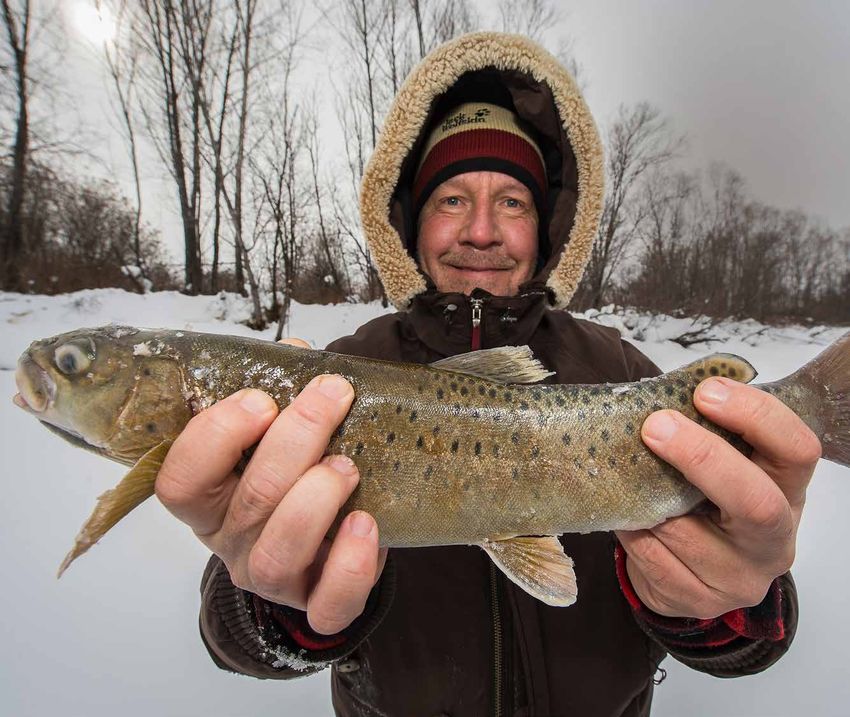
FOREWORD
World ignores freshwater fish at their peril – and ours
We’re entering a critical time During the same period, populations of
for the future of the planet, and larger species – the so-called ‘megafish’ –
the nations of the world finally have crashed by a staggering 94 per cent.
seem to be getting the message. Nearly a third of all freshwater fish species are
Governments are working to threatened by extinction – and for 80 extinct
ramp up their climate change species it’s already too late.
commitments under the Paris
There’s no mystery about why freshwater
Agreement and will be meeting in 2021 to
fish numbers are falling so precipitously:
agree new targets to protect and restore nature
habitat degradation, poorly planned
under the Convention on Biological Diversity.
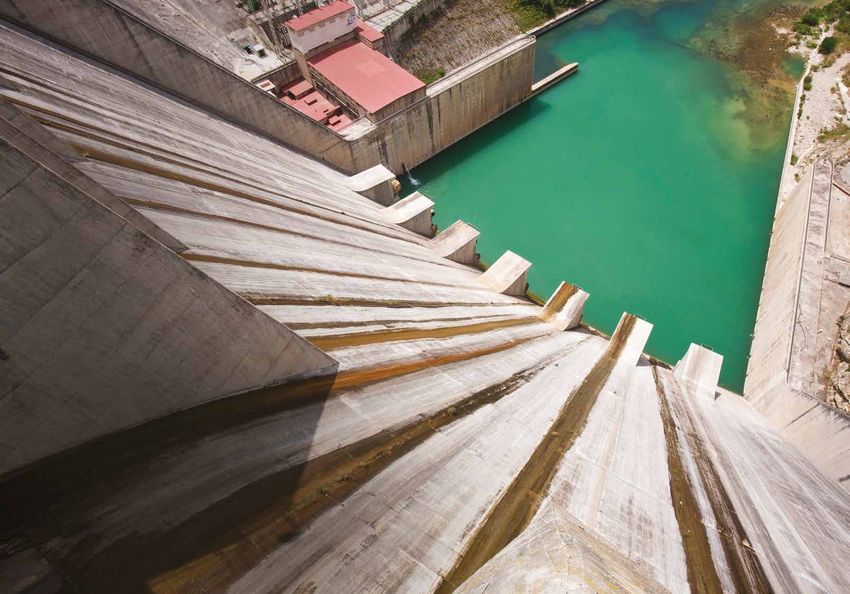
hydropower, pollution, over-abstraction
There’s consensus on the urgent need to stop
of water, unsustainable sand mining, the
deforestation, wetland degradation, ocean
introduction of invasive non-native species,
pollution and the decline in species populations,
wildlife crime and, of course, climate
and a growing wave of support for conserving
change are among the factors pushing fish
30 per cent of our planet by 2030. Meanwhile,
populations to the brink.
environmental issues like the impact of our
food systems, unsustainable production and Clearly this can’t continue: we must act, and
consumption, and microplastics are becoming we must do it urgently because if we leave it
mainstream concerns. much longer it’ll be too late. That’s why WWF
and the 15 NGOs and alliances signed up to
In short, there’s never been more awareness
this report are championing an Emergency
of – or efforts made to solve – the pressing
Recovery Plan for freshwater biodiversity and
environmental challenges we face. But there’s
taking action to reverse decades of decline.
one glaring exception that seems to have
slipped under the decision-making radar: our The six-pillared plan is based on sound
overlooked and undervalued freshwater fishes. science and real experience: we know the
Not many people realize how important these measures it contains can work. By protecting
species are and even fewer realize quite how and restoring natural flows, water quality
seriously they’re threatened. and critical habitats while working to undo
the harm caused by overfishing, sand
Let’s take their importance first. Did you know
mining and invasive species, we can make a
there are more fish species living in fresh
decisive difference.
water than in all our seas and oceans? Or that
hundreds of millions of people around the world We can and we must act now. Freshwater
rely on them for their food and livelihoods, fishes, in all their dazzling diversity, have
particularly in vulnerable communities and been forgotten for too long. I hope that
among indigenous peoples? Freshwater fishes when you read this report you’ll agree,
are also critical for the health of all kinds of and that together we can pull them back
ecosystems, and support food webs that extend from the brink.
from birds to bears, and from mountains to
mangroves. Beyond that they drive multibillion-
dollar industries for anglers and aquarium-
lovers alike, while historically they’ve been
entwined in cultures on every continent.
© Camilo Díaz / WWF Colombia
Nevertheless, our freshwater fishes are in Dr Jon Hutton,
terrible trouble. Migratory populations have WWF Executive Director
fallen by three-quarters in the last 50 years. Global Conservation Impact
The World’s Forgotten Fishes page 4 The World’s Forgotten Fishes page 5
CHAPTER ONE

                                    INTRODUCTION
                       This report is a celebration of freshwater fishes – and it’s a call to action too.

                                                   Rivers, lakes and wetlands are among the most biodiverse places on
                                                   earth. They cover less than 1 per cent of the planet’s total surface, yet
                                                   they’re home to almost a quarter of all vertebrate species – including
                                                   over half of all the world’s fish species. It’s an extraordinary fact:
                                                   of 35,768 known species of fish, 18,075 – or 51 per cent – live in
                                                   freshwater1. And more are being discovered all the time.

                                                   But few people have any idea of the unimaginable diversity that
                                                   swims below the surface of the world’s freshwater ecosystems or how
                                                   critical these undervalued and overlooked freshwater fishes are to
                                                   the health of people and nature around the world.
© M.Roggo / Roggo.ch

                                                                                               The World’s Forgotten Fishes page 7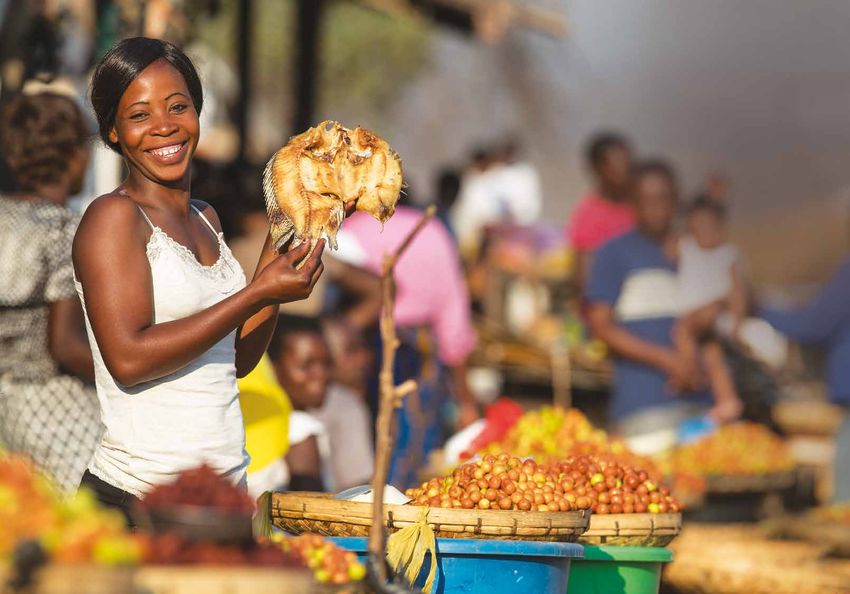
INTRODUCTION
1% 51%
OF AQUATIC OF KNOWN FISH
HABITAT IS SPECIES ARE FOUND
FRESHWATER IN FRESHWATER
Figure 1: Approximately 1% of the earth’s of the canary in the coalmine for the
surface area is freshwater and 71% is marine, world’s rivers, lakes and wetlands. If our
yet over half of known fish species are
freshwater ecosystems deteriorate to the
found in freshwater.
point where they can’t support a healthy
population of fish, we can be sure they
Freshwater fishes are amazing for so won’t be fit for humans either.
many reasons. From the spectacular
Yet, in many senses, these are the
ornamental species like the angelfish*
world’s forgotten fishes. Today, nearly
that are amongst the world’s most
a third of freshwater fish species are
popular pets to the beluga sturgeon that
threatened with extinction due to a
historically grew as large as a great white
devastating combination of threats from
shark 2, and the gilded catfish that migrate
damming rivers to draining wetlands,
over 10,000km3, freshwater fishes have
© Martin Harvey / WWF
abstracting too much water for irrigation
adapted to life in a dizzying variety of
to releasing too much untreated waste,
ways. They have evolved to fill every
from unsustainable and damaging fishing
available niche in almost every freshwater
practises to introductions of invasive
ecosystem from clear alpine streams
non-native species – and, of course, the
to sediment rich tropical rivers, from
escalating impacts of climate change.
shallow ponds to the world’s great lakes,
Since the 1970s, migratory freshwater
from flooded forests to waters flowing This can’t continue. Humanity can’t 5. Prevent and control invasions by
fish populations have declined by an
through underground caves. And many afford to lose any more of the world’s non-native species; and Figure 2 - Emergency Recovery Plan for
estimated 76 per cent on average4, while
migrate between ecosystems – and even forgotten fishes or the freshwater 6. Protect free-flowing rivers and remove freshwater biodiversity. Implementing
populations of freshwater mega-fishes the six pillars detailed in the text will
thousands of kilometres out to sea. ecosystems they inhabit. Rivers, lakes obsolete dams.
(fish heavier than 30kg) have declined by bend the curve of biodiversity loss.
and wetlands are our life support systems
They have swum through our societies an even more catastrophic 94 per cent5. Only by implementing this plan, which
and the extraordinary diversity of fishes
Global freshwater biodiversity
since the beginning of human history. But very few people have any inkling of is echoed in the Convention on Biological
within them are essential to their health
They have fed us for millennia and are the speed at which freshwater fishes are Diversity 5th Global Biodiversity Outlook,
Global freshwater biodiversity
and ours. To secure our own future, we
critical for the food and nutrition security, being lost – or what the consequences can we hope to restore the world’s
must act now.
livelihoods and cultures of hundreds will be if we don’t reverse this disastrous freshwater ecosystems and reverse
of millions of people across the globe. trend. The good news is that we know what decades of decline in freshwater fish
Meanwhile, the challenge of catching needs to be done: the world must populations. By committing to this plan,
Despite their importance and the
iconic or even common species – from implement an Emergency Recovery Plan countries can enhance the health of their
magnitude of the threats they face,
salmon to mahseer, tigerfish to carp – for freshwater biodiversity6. Developed rivers, lakes and wetlands – and secure
freshwater fishes, and freshwater
inspires millions of anglers to spend by scientists and freshwater experts from the future of their fish and fisheries.
biodiversity in general, remain an
billions of dollars each year on the vast across the world, this practical, science-
afterthought for policymakers and the There are indications that some
recreational fishing industry. And when based plan incorporates six pillars –
public at large. Rivers continue to be are finally starting to take the fate 1970 2021
it comes to both angling and keeping each of which has been implemented in
valued primarily as water pipes for cities, of freshwater fishes into account.
aquariums, just being around fishes is different parts of the world:
industry, agriculture and power, ignoring Cambodia’s widely praised decision
good for our health by reducing stress and
their many ‘hidden’ benefits, such as the 1. Let rivers flow more naturally; to impose a 10-year moratorium on river’s hugely productive fisheries – We’ll look at the Emergency Recovery
lowering our blood pressure.
freshwater fisheries they sustain. Very 2. Improve water quality in freshwater hydropower dams on the mainstem of fisheries that feed millions of people in Plan in more detail in the concluding
Freshwater fishes play important rarely, for example, are the full values ecosystems; the Mekong river seems to have been Cambodia and Vietnam. But factoring section on solutions, but first let’s find out
roles within our ecosystems and serve of freshwater fisheries factored into 3. Protect and restore critical habitats; partly based on the devastating impact freshwater fishes into development more about the amazing diversity of the
as indicators of the health of those decisions about hydropower dams or 4. End overfishing and unsustainable that the proposed Sambor and Stung decisions is still very much the world’s forgotten fishes…
ecosystems. They are an aquatic version dredging for navigation or sand mining. sand mining in rivers and lakes; Treng dams would have had on the exception: it needs to be the rule.
The World’s Forgotten Fishes page 8 * Scientific names for all species in the text are on page 47 The World’s Forgotten Fishes page 9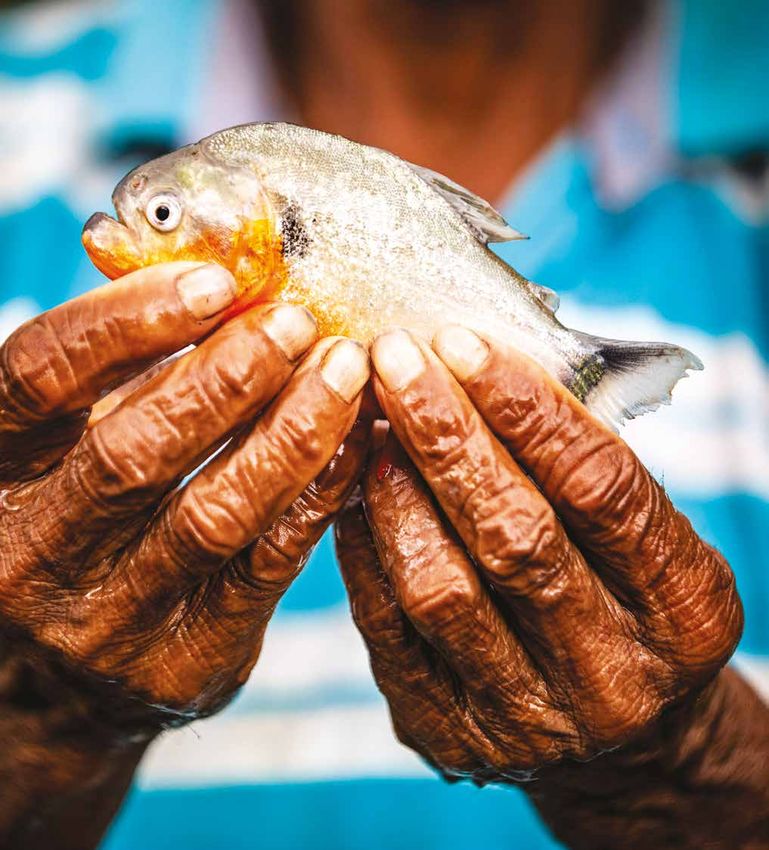
Main © Freshwaters Illustrated, insets p47

                                                                                                                                         CHAPTER TWO

                                                  DAZZLING DIVERSITY
                                                                  Freshwater habitats are extremely diverse
                                                                   – and so are the fishes that live in them

                                             The World’s Forgotten Fishes page 10                              The World’s Forgotten Fishes page 11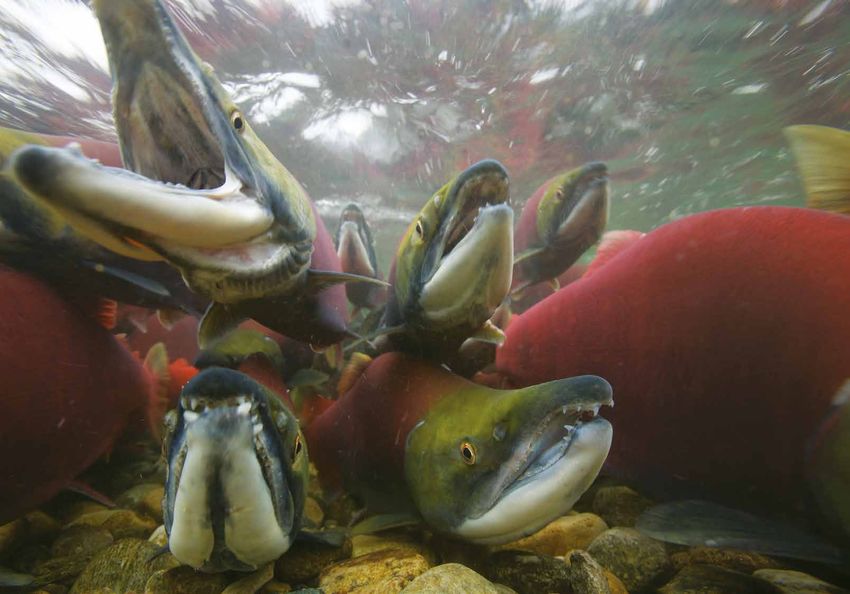
2. DAZZLING DIVERSITY
© Jeremy Shelton
© WWF / Will White CSIRO Marine & Atmospheric Research
Wonders of the wild:
Snorkelling near Cape SHARKS PATROL THESE (FRESH)WATERS!
Town, South Africa
“We have very little idea of the geographic distribution of these
sharks, much less their general biology. They show up like ghosts,
HR & credit needed
few and far between, in a handful of scattered localities.
Finding one is cause for celebration.”
Leonard Compagno, IUCN shark expert
Of all the freshwater fishes that we know next to nothing about, the five river
sharks of the Glyphis genus are among the most mysterious. IUCN estimates that
only 2,500 speartooth sharks remain in the mangrove-lined rivers of Australia
and New Guinea. Even less is known about the other species. Our knowledge
of the Irrawaddy river shark goes back to a single 19th century specimen from
Myanmar, and we don’t have much more to go on when it comes to the Borneo
river shark. The New Guinea river shark and India’s Ganges river shark make up
the vanishingly rare quintet; all those assessed by IUCN are categorised as
Endangered or Critically
Endangered.
New species of river shark, Glyphis garricki,
discovered in 2008 in Port Romilly,
Gulf District, Papua New Guinea
Buffalo fish migrating in Tennessee, USA
There are millions of rivers, lakes Did you know that freshwater for around a year – one third of their America, which protect their
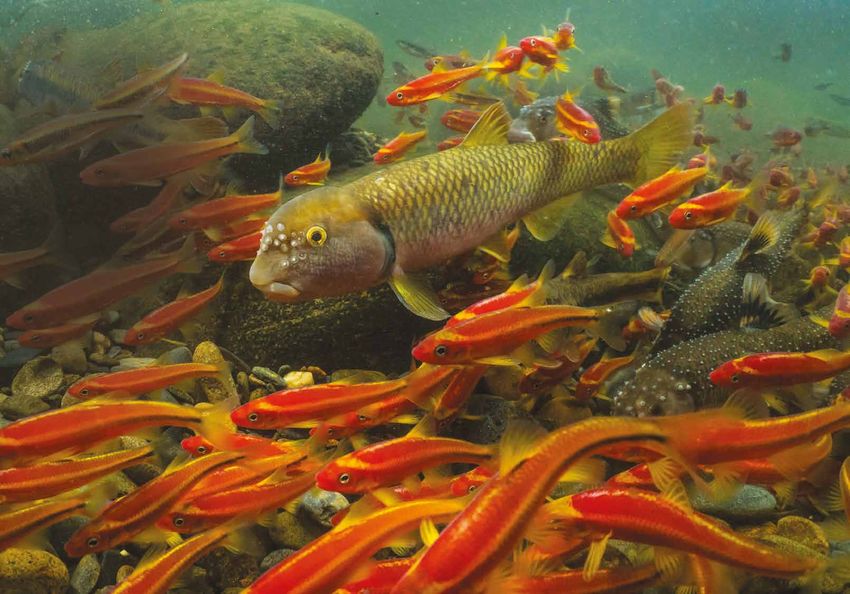
and wetlands across the world, fishes include some of the smallest lives 8 . While archerfish treat water eggs and fry in their mouths.
and they boast their own distinct vertebrates on earth, such as a minnow as a hunting tool, spitting it like a Meanwhile, some daffodil cichlids
and dynamic conditions. Many are that lives in peat swamps in Indonesia projectile to knock unsuspecting prey forgo the opportunity to breed
also completely isolated from each and is just 8mm long and weighs in at into the water. Africa’s elephantfishes and choose instead to help parent
other. Isolation and the complex web 0.004g? Or that the mammoth fish of use weak electrical pulses to the offspring of relatives9. Less
of ecological niches in freshwater the Mekong – the giant catfish, giant communicate with others about admirable behaviour is seen in
ecosystems has led to the evolution freshwater stingray, giant barb, and the sex, size, predators and prey. South another Lake Tanganyika species –
of a disproportionate number of wonderfully named dog-eating catfish American leaffishes – as their name the cuckoo catfish. Like its famous
fish species relative to the total – can all grow over 3m and tip the suggests – mimic dead and decaying avian namesake this fish tricks
area they inhabit7. scales at more than 300kg? leaves to catch their prey unawares. another species into caring for its
This all adds up to perhaps the most And while many are simply silver, And Siamese fighting fish build a offspring. It does this by creating
staggering – but little known – others have made breathtaking use nest of bubbles for their eggs. chaos at spawning time, and confusing
fact about freshwater fishes: there unsuspecting female cichlids into
of the world’s colour palette. Like the While we’re on the subject of parental
are more freshwater species than scooping up the spawn of the cuckoo
bright red and blue of the cardinal care: the female spraying characin
saltwater ones. As surprising as it catfish, which they subsequently
tetra or the vivid red stripe along the in the Amazon lays her eggs on
may seem, freshwater fishes account brood in their mouths.
side of the denison barb or the red overhanging leaves and the male
for more than half of all known fish
spot of Australia’s crimson spotted
is then tasked with keeping them And we haven’t even delved into
© Freshwaters Illustrated
species – around 51 per cent. The
rainbowfish.
current total is 18,075, which also moist until they hatch by constantly the 11,000 species that migrate at
amounts to around a quarter of all Speaking of the crimson spotted squirting them with water. Equally some point in their lives (see boxes
the world’s vertebrate species. rainbowfish: science has shown that fascinating are the mouthbrooding on gilded catfish, European eels
And they are extraordinary. they can actually remember things cichlids found in Africa and South and sturgeon).
The World’s Forgotten Fishes page 12 The World’s Forgotten Fishes page 13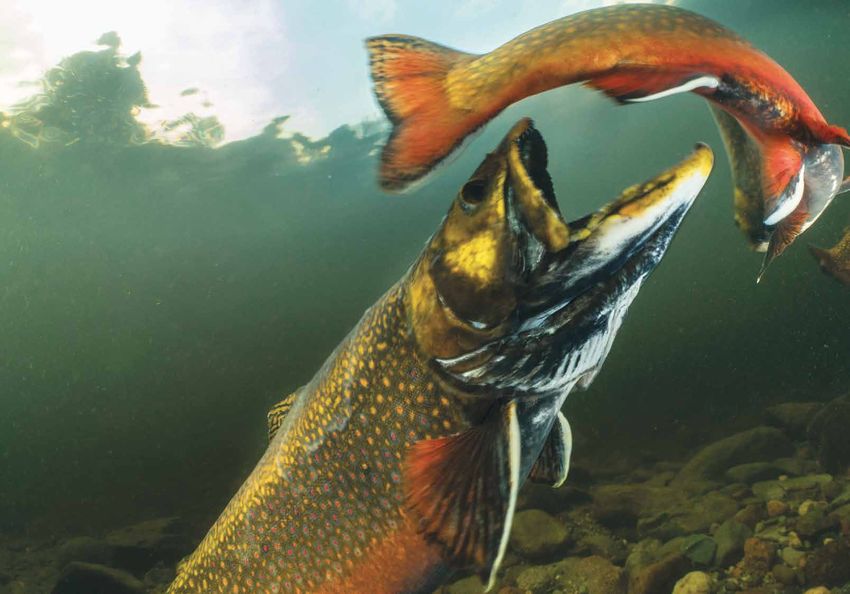
2. DAZZLING DIVERSITY
© Camilo Diaz / WWF Colombia
Freshwaters are also home to living
© Tim Watts
Elvers
lineages of truly ancient animals,
such as lampreys, which along with
hagfishes, are the only surviving
species of jawless fishes – the very
first type of fish to appear on Earth
around 530 million years ago. Around
400 million years ago, fish gave
rise to tetrapods, a group of related
four-limbed animals that includes
today’s amphibians, reptiles, birds
and mammals. Today the birchir is
the only living relative of this ancient
type of fish. Lungfishes are another
THE EUROPEAN EEL: ancient group that evolved around
MYSTERIOUS MIGRATORY 380 million years ago. Contemporary
to the dinosaurs are the gar, sturgeon,
MARVELS paddlefish and bowfin, which all
There’s a lot that we still don’t know evolved around 120-130 million years
about European eels, Anguilla anguilla ago. Meanwhile, in 2020, a ‘new’
(and its 15 anguillid sister-species species of freshwater fish belonging to
around the world, for that matter). a new family – the dragon snakeheads
Nobody really understands how or – was discovered10 in India with
why after 10 years or more of quiet Gonwanan lineage dating back 120
freshwater living, European eels million years.
suddenly swim as far as 8,000km to
Salmonids This extraordinary diversity
spawn in the north Atlantic’s remote
churns out a myriad of weird and
Sargasso Sea - and their early life
wonderful names. So along with the
history is equally mysterious. But we
do know that eel larvae drift towards
leaffishes and lungfishes, there are
Europe in enormous numbers and
ricefishes, rainbowfishes, sunfishes,
the tiny ‘glass eels’, which eventually mosquitofishes, toadfishes, half-
beaks, galaxiids, noodlefishes and
© Ad Konigs / Cichlid Press
arrive to make their homes in our Figure 3: Almost 90% of freshwater fish species know exactly how many there are:
coasts, estuaries, rivers and lakes, mooneyes. And many more.
are found in eight orders: carps, minnows and astonishingly, there are still hundreds,
have historically thrived across the The greatest diversity of freshwater loaches (Cypriniformes), catfishes (Siluriformes), possibly thousands, of freshwater
continent. In the 19th century, eels characins and tetras (Characiformes), cichlids
fishes is found in the tropics, with fishes to discover. In South America
(Cichliformes), toothcarps and killifishes
made up about a third of the total the Amazon leading the way with alone, more than 104 new species of
(Cyprinodontiformes), gobies (Gobiiformes),
European freshwater catch by value. over 2400 known species11. But freshwater fish have been identified
perch-like fishes (Perciformes), and bettas and
Today, though, they’re listed as there is a long way to go until we gouramis (Anabantiformes). every year for the past decade – an
Critically Endangered by IUCN. In average of two new species a week12 .
1980, their numbers began to fall by Even where species are described,
Perch-like fishes 574 data deficiency remains a huge
about 15 per cent each year, until by
2010 glass eels were arriving in Europe barrier: at the time of writing 2,164
270 Bettas & Gouramis
in just 1 per cent of their historical freshwater fishes assessed by IUCN
numbers. While overfishing played are classed as Data Deficient.
Since many freshwater fishes are
a part in the decline of European
eels, they face a range of threats
Gobies 954
endemic with small geographical THE AMAZING RADIATIONS OF CICHLIDS
today, including river barriers that ranges, such knowledge gaps can Cichlids (Cichlidae) are one of the most diverse families of freshwater fish on earth,
block their migration, hydropower
4701 Carps, prove particularly problematic with almost 2000 known species. Most are found within South America and Africa.
Minnows & Loaches
dams whose turbines slice and dice for conservation. There are at least 1600 species of cichlids in Africa’s Great Lakes, including Victoria,
Toothcarps & Killfishes 1417
them, poaching for the illegal wildlife There’s so much we still don’t know Tanganyika and Malawi, with hundreds of species yet to be described13. Within these
trade (eels constitutes the largest about these incredibly diverse lakes, cichlids have adapted to occupy almost every niche and position in the food chain,
illegal wildlife trade out of Europe), freshwater creatures. Two things we including carnivore, herbivore and detritivore. Some are generalists, others specialists,
pollution, diseases and parasites, and definitely do know, though, are that and they have developed an array of morphological and behavioural adaptations to
Cichlids 1731
climate change, which may already be healthy freshwater fish populations their particular niche. The diversity of Africa’s Great Lake cichlids is one of the most
impacting their journey to and from are critically important for people and spectacular examples of speciation in the world and provides scientists with a
their spawning grounds. 3822 Catfishes nature, and that freshwater fishes are unique opportunity to better understand the drivers of species evolution.
Characins &Tetras 2290
facing an unprecedented crisis.
The World’s Forgotten Fishes page 14 The World’s Forgotten Fishes page 15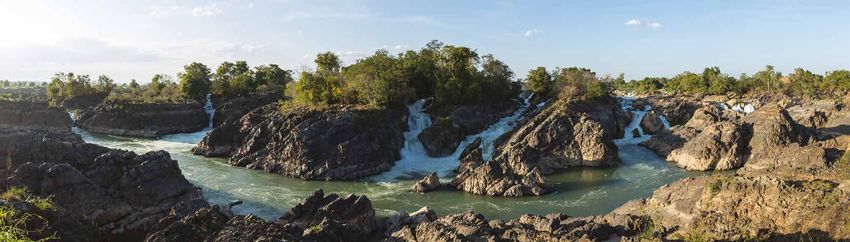
Main © A.Cambone, R.Isotti / Homo ambiens, insets p47
CHAPTER THREE
Healthy freshwater ecosystems are
essential to sustain thriving populations
of freshwater fishes. But widespread
ignorance of the wealth of freshwater
fishes has blinded us to just how critical
they are to the health of the world’s rivers,
lakes and wetlands.
Fishes are the dominant organisms in most
freshwater ecosystems in terms of biomass
and feeding ecology14. With their vital role
as scavengers, predators and prey, they
play a regulatory and foundational function
HEALTHY
within an ecosystem and are central to
the natural balance. Take for example, the
importance of Alaska’s salmon runs in
fattening up bears ahead of hibernation and
transporting essential nutrients from the
FRESHWATER
sea to nourish riparian woodlands. Or the
major role fishes play in dispersing the seeds
of tropical floodplain trees in the Amazon15.
Or migratory fishes of the Mekong whose
seasonal journeys provide an impetus for
FISHERIES
movements of the river’s top predator –
the Irrawaddy river dolphin.
When we tip the scales by drastically
reducing freshwater fish populations
= HEALTHY
and speeding a third of species towards
extinction, we undermine the functioning of
many of the world’s freshwater ecosystems
– our very life support systems. Two billion
RIVERS,
people currently source their drinking water
directly from rivers, which also irrigate
190 million hectares, accounting for about
a quarter of total global food production16.
Healthy freshwater ecosystems are also
LAKES &
critical to the fight against climate change.
Peatlands, for example, store twice as
much carbon as the world’s forests, while
functioning floodplains reduce the impact
of extreme floods.
WETLANDS
But the diverse benefits of healthy
freshwater ecosystems continue to be
undervalued and overlooked – until they are
gone. Unfortunately, they’re disappearing at
a shocking rate. We’ve lost 35 per cent of the
world’s remaining wetlands in the past 50
years17. Only a third of rivers over 1000km
Critical indicators of still flow freely from source to sea18. Just
the resilience of our life 40 per cent of Europe’s waters are classified
as in good ecological health19.
support systems The decline in freshwater fish populations
is the clearest indicator of the damage we
have done – and are still doing – to our
rivers, lakes and wetlands. And that collapse
only exacerbates the crisis. Freshwater
fishes need healthy freshwater ecosystems.
And so do people. But we’re losing them
both far too fast.
The World’s Forgotten Fishes page 16 The World’s Forgotten Fishes page 17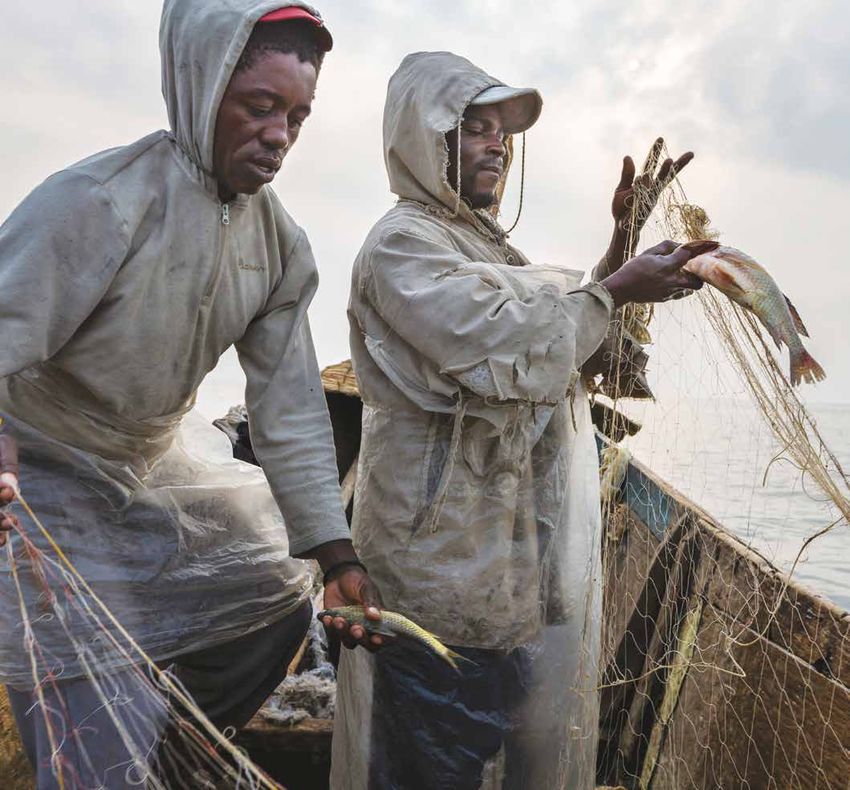
Main © James Suter / Black Bean Productions / WWF-US, insets p47

                                                                                                                                                  CHAPTER FOUR

                                                                                                                 WILD
                                                                                                         FRESHWATER
                                                                                                            FISHERIES
                                                                                                        ARE PRICELESS
                                                                                                           Under-reported, undervalued
                                                                                                                    and under pressure

                                                                   The
                                                                   TheWorld’s
                                                                       World’sForgotten
                                                                              ForgottenFishes
                                                                                        Fishespage
                                                                                              page18
                                                                                                   18                   The World’s Forgotten Fishes page 19
4. WILD FRESHWATER FISHES ARE PRICELESS
AT LEAST 85% OF Read almost anything about the global them. Freshwater fisheries provide the While overall catch size is lower, it’s worth
© Daniël Nelson
fish catch and you’ll be left with the primary source of animal protein as noting that at 2.56kg, Africa’s annual Baka villager with
TANZANIA’S FISH distinct impression that people only well as essential nutrients, like lysine catch per capita is significantly higher the day’s catch from
their local stream.
PRODUCTION COMES
catch fish in the ocean – that the only and calcium22, for at least 200 million than Asia’s 1.99kg. This underlines the
Freshwater fishes
fish species that matter for societies and people globally, particularly in vulnerable particular importance of wild freshwater are critical for many
FROM FRESHWATER
economies are the ones that inhabit our communities in Asia and Africa. In fisheries in Africa, especially in land- indigenous people.
coastal waters or deep seas. Yet, wild- developing countries, small-scale locked and low-income countries. The
FISHERIES23; 65% IN caught freshwater fisheries provide food
security and livelihoods for hundreds of
fisheries produce more than half the
fish catch, and around 90 per cent of
African Great Lakes fisheries (which
understandably have more reporting
BANGLADESH AND 44% millions of people across the world. this is consumed locally in rural settings than the thousands of smaller freshwater
IN MYANMAR24
where poverty rates are high and good- fisheries in rivers, streams, ponds and
Invariably overlooked, wild capture
quality nutrition is sorely needed. rice-paddies) alone produce more than a
freshwater fish officially make up
million tonnes of fish each year, roughly
around 13 per cent of the world’s
Wild freshwater fisheries capture double the size of the next largest fishery
AT LEAST 43% OF
annual catch, totalling 12 million tonnes
is more concentrated than marine on the continent’s west coast.
each year20. This is, without a doubt, a
capture and in 2018 just 16 countries
WILD FRESHWATER
massive underestimate because global Freshwater fisheries also provide jobs
produced 80 per cent of the world’s
statistics only show country level for around 60 million people across
reported wild freshwater catch. Asia
FISH HARVEST COMES documented catches, but freshwater
fish are hauled in by artisanal and
accounted for 2/3rd of the global
the world – more than half of whom
are women. In total, jobs in freshwater
FROM 50 LOW-INCOME
catch with China, India, Bangladesh,
subsistence fishers in Asia, Africa fisheries account for between 2.5-6 per
Myanmar, Cambodia and Indonesia
FOOD DEFICIENT
and Latin America and are rarely cent of the global agricultural workforce.
reporting the largest hauls. Africa
documented. In fact, recent research What’s more: rivers, lakes and floodplains
accounted for 25 per cent with
COUNTRIES25
in local markets suggests the actual support even more fishers, processors
Uganda, Nigeria, Tanzania, Egypt,
freshwater catch is likely to be around and traders than marine sectors.
DR Congo and Malawi leading the
65 per cent higher than reported 21.
way. Meanwhile, a team from Hull But these statistics do not tell the whole
Including these unaccounted for ‘hidden International Fisheries Institute story because freshwater fisheries are
harvests’, freshwater fisheries are and FAO found that 50 per cent of extremely difficult to replace. Or rather,
estimated to be worth over US$38 billion global freshwater fish catch can be being forced to replace wild fisheries
per year. However, they are worth far attributed to just 7 river basins – the that have been destroyed or depleted
more than this to the local communities Mekong, Nile, Irrawaddy, Yangtze, by short-sighted decisions will result in
and indigenous people who rely on Brahmaputra, Amazon and Ganges26. considerable long-term costs – such as
increased deforestation to free up more
land for crops or livestock, which are
needed to replace lost sources of protein
and micronutrients. Losing freshwater
fisheries will also wreak havoc on
communities whose cultures have always
been deeply intertwined with them.
Need access to Google docs
Just take Cambodia as an example.
Cambodians currently get around 16
per cent of their animal protein and 28
per cent of their lysine from freshwater
fish, particularly from the astonishingly
abundant, but increasingly threatened,
fishery of the Mekong river basin – one
of the world’s most productive freshwater
fisheries. If Cambodia’s freshwater
fishery failed (and dams and droughts
have led to historically low levels on
the Mekong in recent years), one study
found the nation would need to increase
its pasture lands by as much as 155 per
cent and its crop lands by 59 per cent to
continue to meet its nutritional needs28.
Figure 4. Concentration of inland fish catch by major basins Change on such a monumental scale –
and countries, expressed as percentage of total global catch in 2015. if it were possible at all – would
Taken from Ainsworth, Cowx & Funge-Smith, 202127. have massive social, economic and
environmental impacts.
The World’s Forgotten Fishes page 20 The World’s Forgotten Fishes page 214. WILD FRESHWATER FISHES ARE PRICELESS
90% OF GLOBAL ecosystems. Pollution, excessive Unsustainable fishing pressures
© Hkun Lat / WWF-Myanmar
water abstraction, dams and other – High intensity fishing, destructive
DOES RESTOCKING WITH
FRESHWATER FISH
Fish market in
infrastructure, sand mining, and land fishing practices (e.g., mosquito nets Kachin state,
HATCHERY FISH HELP OR HARM
CATCH COMES FROM
use change (e.g., loss of floodplains) are and dynamite fishing), targeting Myanmar
undermining the ecological viability threatened species, and the stocking DECLINING WILD FISHERIES
RIVER BASINS WITH
of critical fishery habitats. Take India’s of invasive non-native species threaten
Ganges river basin where over half the the future of many freshwater When wild freshwater fisheries
ABOVE-AVERAGE human population is below the poverty
line and where many people rely on
fisheries. And overfishing can have
devastatingly swift consequences.
decline, fisheries managers often
aim to enhance populations through
STRESS LEVELS31 freshwater fish as their primary source of
protein. Multiple environmental threats
After a bumper harvest of 64,000
tonnes of salmon in Russia’s Amur
the stocking of hatchery-reared fish.
Stocking is a widely used fisheries
have contributed to a huge decline in the river in 2016, excessively high quotas management tool within freshwater
Ganges fishery over the last 70 years. led to a catastrophic drop in the ecosystems, especially in Asia and
Perhaps the biggest decline has been country’s largest salmon run. Africa. While no global evaluations
But the reality is that like the freshwater
observed in the hilsa fishery, which made In the autumn of 2018, WWF have been conducted on whether
ecosystems on which they depend, the
up the majority of catch in the Lower researchers counted an average of stocking has increased or maintained
world’s wild freshwater fisheries are
Ganges. For example, the hilsa fishery 1 chum salmon per 10,000 square any fisheries, there is scientific evidence
under increasing pressure from two
upstream of Farakka crashed from 19 feet of river at their spawning grounds, that releasing live fishes into the wild
main threats.
tonnes per year to just 1 tonne per year compared to the norm of around can have significant negative impacts
Environmental factors – The after the construction of the Farakka 500 fish. In the summer of 2019, on wild fish populations by reducing the
primary drivers of freshwater fisheries barrage in the 1970s, strongly indicating the average was 0. This collapse genetic health of wild fishes that breed
health are environmental: sustainable that the barrage had prevented the fish will have far reaching impacts on with hatchery-produced fish. Stocking
fisheries need resilient and healthy from reaching their spawning grounds29. local communities and the ecosystem also risks ecological health as it may
as a whole. introduce competition, predation and
disease to native fishes, as well as result
For many of the world, though, in the establishment of invasive non-
freshwater fisheries’ relative native fishes. To overcome the impacts
invisibility means they have been on wild fish populations, countries
easy to ignore. It’s hard to believe, should develop responsible stocking and
but they aren’t mentioned specifically hatchery guidelines and policies as well
in any of the 169 indicators of the as review their current programmes to
UN Sustainable Development Goals safeguard against unintentional harm
(SDGs) despite the essential role they to freshwater biodiversity.
play in alleviating hunger and poverty
for some of the world’s poorest
people32 . Theoretically, freshwater
fisheries are included in marine
fisheries under SDG 14 (Life under
Water) but when it comes to reporting
and assessing them, they fall off the
map. There is a growing realisation of
the essential contribution freshwater
fisheries make towards both
nutritional and economic security
for hundreds of millions of people,
but it is far too limited and far too
slow. Recognising these gaps, six Threat score
FRESHWATER AQUACULTURE RELIES ON HEALTHY WILD POPULATIONS global organisations formed the
Lake River Basin 10
High threat
High 10 Threat 9
Inland Fisheries Alliance in 2021 to
OF FRESHWATER FISHES Threat 9 Score 8
Low threat 1
raise the profile of freshwater fisheries Score 8 2 7
7
Aquaculture constitutes 46 per cent of world fish production – 63 per cent (51 million and catalyse efforts to improve their Low threat 1
6
3 6
2 4
tonnes)33 of which is freshwater aquaculture34. With the global population expected health and management. 5 5
5
3 6 4
4
to reach 9.8 billion by 2050, humanity’s reliance on aquaculture for food security is The question now is will decision 4 7 3
3
5 2 8
expected to grow. But aquaculture is not a substitute for wild fisheries. Sustainable fish makers finally start factoring 9
2
High6threat
production from aquaculture relies on healthy and genetically varied brood stock, 10 Basin River Lake
© Michel Gunther / WWF
Low threat 1
freshwater fisheries – and the hundreds Low 1
7
Basin
Score
River Lake
which is collected from the wild 35. Furthermore, millions of people rely on wild of millions of human mouths they 8 Threat
populations for subsistence fishing, while for poor families, aquaculture fish are less feed – into their equations? And if so, 9
affordable than wild caught. High threat Figure
10 5. Threat
Basin scores for river
River basins that support (indicative) freshwater fisheries. Out of the 87 basins assessed,
Lake
will they do it fast enough to stave 15 are considered at ‘high’ threat, and 33 at ‘moderate’ threat due to pressures from pollution, water use (abstraction),
off disaster? climate variability, land use, loss of riverine connectivity and population density. Taken from FAO, 202030.
The World’s Forgotten Fishes page 22 The World’s Forgotten Fishes page 234. WILD FRESHWATER FISHES ARE PRICELESS
Main © Brent Stirton / Reportage for Getty Images / WWF, inset © Roshni Lodhia / Nature Conservancy
COMMUNITY MANAGEMENT BENEFITS FISH AND PEOPLE:
CASE STUDIES FROM ASIA, AFRICA AND THE AMAZON
Evidence of the positive impact from community conservation exists across
the world. In Laos, Community Fisheries Conservation Zones boosted the diversity
of fishes caught in 32 villages36 . One of the keys to their success was that the approach
was decided through consensus building with local communities and fishers. This
approach was echoed in the Salween River basin in Thailand, where a network of fish African Fish Eagle
sanctuaries across 23 communities resulted in increased fish diversity, density and Haliaeetus vocifer Swooping
biomass37. Community conservation has also resulted in positive impacts in Tanzania, in to catch fish Okavango
Delta, Botswana Sub-saharan
where the dagaa fishery in Lake Tanganyika is critically important to the Tongwe/
Africa
Bende people. Working with The Nature Conservancy, the local community set up
nine community Beach Management Units to protect fish breeding and nursery zones,
and prevent the use of destructive beach seine nets and other nets with under-sized
meshes. “In my heart, I feel hopeful because I have already seen changes,” said
Richard Nkayamba, Buhingu Beach Management Unit leader. “In this zone, beach
seines are almost completely gone and the high dagaa catch we have seen this season
is probably due to the reduced use of beach seines.” SMALL FISH PLAY A GIANT ROLE
Meanwhile, community management along Brazil’s Juruá River has transformed IN THE HEALTH OF COMMUNITIES
IN SUB-SAHARAN AFRICA
the arapaima fishery. As an obligate air-breather, the Amazon’s giant arapaima
must return to the surface every 20 minutes or so – making them easy to catch.
Known as the ‘cod of the Amazon’ overfishing contributed to a severe decline in Small pelagic (open water)
their numbers, posing a risk to the species and the people who rely upon them. freshwater fishes play a major
To address this, Juruá River communities embarked on a resource management role in food security and nutrition
plan, which resulted in an increase in both the arapaima population and the across sub-Saharan Africa. Yet,
annual catch – boosting household incomes by US$1,000 per year and village these small silver fishes – such
incomes by a whopping US$10,000, and proving how critical it is to involve local as dagaa, kapenta, salanga and
communities in sustainable fisheries management 38 . Seeing the impact, the usipa – receive much less attention
number of communities pursuing this approach has increased from 4 in 1999 than larger and more economically
to over 2000 now across Brazil, Peru and Guyana. valuable species. Sometimes called
‘poor man’s fish’ or ‘vitamin fish’,
Fishers in a community conservancy in Laos these species are hugely important
to many communities. Due to the
high reproductive turnover rate
of small pelagic fishes, they may
be able to reproduce their own
biomass five times or more a year39.
As species lower on the food chain,
daaga might present an example
of a ‘balanced harvest’. This is
where each level within the food
chain is fished proportional to its
abundance rather than focusing
on large fishes. Alternatively, an
unbalanced harvest leads to fishing
down the food chain and results in
fish catches that gradually consist
of smaller and smaller species.
Support for what is known as a
‘balanced harvest’ is growing and
may be a more sustainable option
for humanity.
Fishing on Lake
Edward, Democratic
© WWF-Laos
Republic of Congo
The World’s Forgotten Fishes page 24 The World’s Forgotten Fishes page 25CHAPTER FIVE
FISHING
Whether the motivation is adventure,
challenge or simply rest and relaxation,
recreational fishing is often the closest
connection many people around the
FOR FUN…
world have with their environment and
wild freshwater fishes. Indeed, hundreds
of millions of people (including around
90 million anglers in China, 39 million
in USA and almost 26 million in
IS BIG
Europe) do it every year, casting bait and
flies into rivers and lakes in an attempt
to lure unsuspecting fish onto their
hooks. And they spend vast amounts of
money in the process.
BUSINESS
Globally, recreational fishing generates
over US$100 billion each year40 pumping
much-needed cash into local and national
economies, and boosting employment.
In Europe, recreational fishing supports
hundreds of thousands of jobs41, including
37,000 in England and Wales, providing
Angling is one of the world’s over US$1.3 billion to the economy42, and
favourite pastimes 4300 jobs in Scotland, where salmon
anglers spend around US$6,400 per
person on average every year43. In the
USA, 13 per cent of the population
identify as inland recreational anglers44,
and together they generate around US$83
billion in economic activity each year
and support over 500,000 jobs45.
Some of the world’s freshwater fishes
hold almost mythical status among
anglers – such as the African tigerfish
or legendary hump-backed mahseer.
Some anglers are prepared to travel
far and wide to catch these prize fishes
contributing to local economies as they
do so. For example, the African tigerfish –
its mouth bristling with razor-sharp teeth
Main © Ola Jennersten / WWF-Sweden, insets p47
– is the number one target for anglers on
the Zambezi River system. In northeast
Namibia, it is estimated that up to
70 per cent of tourist lodge revenue comes
from anglers hoping to hook a ‘tiger’ –
revenue that is a major source of income
for local communities46. Maintaining
healthy freshwater ecosystems and
healthy tigerfish populations directly
benefits communities, who rely on this
fearsome fish not only for funds but
also for food security.
Meanwhile, the hump-backed mahseer –
the largest of the iconic mahseer species
– has been luring anglers to India’s River
Cauvery since the 1970s. The income
generated from international anglers
has supported the transformation of
former poachers into angling guides and
The World’s Forgotten Fishes page 26 The World’s Forgotten Fishes page 275. FISHING FOR FUN… IS BIG BUSINESS
“EARLIER OUR GOAL WAS TO KILL THE FISH.
BUT AFTER WORKING IN THE ANGLING CAMPS, WE
REALISE IT IS BETTER FOR THE COMMUNITY TO
KEEP THEM ALIVE. WE SAW THE BENEFIT.”
CHEMBA, ANGLING GUIDE ON INDIA’S CAUVERY RIVER
Bull trout in Roaring River, USA rare to find one longer than 2m – but that’s
still huge enough to make it an irresistible
draw for freshwater anglers. And their fees
help to sustain communities, protect their
heritage, and strengthen the governance,
management and conservation of their
traditional territories. It is certainly a more
sustainable alternative than mercury-laced
gold mining or commercial logging49.
The angling industry relies on healthy
freshwater ecosystems to support thriving
populations of fish, from South Africa’s
yellowfish to Australia’s Murray cod and
©Freshwaters Illustrated
Europe’s barbel. Healthy freshwater
environments also offer a greater and more
diverse fishing challenge – and a relaxing
place to fish.
Indeed, a less appreciated benefit of angling
river guardians, incentivised to protect Or take Japan’s highly prized miyabe is the impact it has on human wellbeing.
the mahseer and their lucrative new charr, a subspecies endemic to Lake Just being out in nature, listening to the
income stream. But the role of anglers in Shikaribetsu. Back in the 1970s, too many soothing sounds of water and watching
conserving the hump-backed mahseer anglers and too little management led to your fishing line bob up and down has
goes beyond economics. In 2015, a team a collapse in numbers. Fortunately, this
spurred concerted action and numbers of
been found to alleviate stress. In the
USA, angling is used as a rehabilitation
AS ANGLERS KNOW, FISHING IS BOTH EXHILARATING AND RELAXING, AND IS GREAT FOR
of international scientists analysed the
detailed catch-log books kept by angling miyabe charr are now healthy again, with therapy by psychologists, counsellors, and THE MIND AND SOUL. ANGLING ALSO BRINGS RESPONSIBILITY AS ANGLERS ARE THE EYES AND
camps, which revealed that the endemic anglers flooding in from all over Japan to physical therapists. The US Veterans Health EARS OF THE RIVER, AND THE VOICES OF FISHES THEMSELVES. ANGLERS CAN PLAY A FUNDAMENTAL
mahseer population was in perilous decline fish the lake, boosting the local economy
and providing a long-term lifeline for the
Administration has adopted fly fishing as
a recreational therapy for injured military
ROLE IN THE CONSERVATION OF FISHES BY IMPLEMENTING BEST PRACTICE: NOT LEAVING GHOST
– evidence that supported the formal
recognition of the hump-backed mahseer species48. veterans because it is a calming, repetitive GEAR OR NETS; ENSURING FISH WELFARE IS PRIMARY; USING NON-DESTRUCTIVE BAITS; PRACTISING
as a separate species and its subsequent Meanwhile, some communities, like
and low-impact way to help them regain CATCH AND RELEASE IN THE BEST POSSIBLE WAY; NOT ANGLING FOR CERTAIN SPECIES DURING
classification as Critically Endangered the Rewa community in the Amazon in
strength. In England, angling has been used
as an ‘added value’ social, environmental
CLOSED SEASONS; AND NOT CAUSING HARM TO OTHER WILDLIFE. AND BY SUPPORTING FISH
on the IUCN Red List. If it had not been
for anglers, this freshwater mega-fish
Guyana, have been capitalising on the
and therapeutic activity to help to overcome CONSERVATION PROJECTS ACROSS THE WORLD.
presence of the arapaima, the world’s
social problems and aid development of
may have gone extinct without ever being largest scaled freshwater fish, to attract MARINA GIBSON – ANGLING AMBASSADOR
disadvantaged young people.
recognised as a valid species. Thankfully, tourist dollars by investing in recreational
there is now an international multi- fishing operations. While the jungle This is not to say that the practice
stakeholder effort to bring the species back giant can grow up to 3m, overfishing and of recreational fishing is all smooth
from the brink of extinction47. habitat destruction mean that it’s now sailing: there are potential risks as well as benefits. In some places, such as the hooks and lines that are a threat to all Trout Unlimited, are powerful voices for
UK, catch is usually released, whereas wildlife. By following best practices, the conservation. However, anglers as a whole
elsewhere, like Eastern Europe, Central angling community can reduce these risks still punch way below their collective
“From the point of view of a biologist and angler, seeing large predatory fish is a sign that
Asia or China, recreational catch is usually and contribute to freshwater conservation. weight when it comes to advocating for the
this lake, this river, is healthy. If they’re not there, the water is in trouble, and if the water’s in
taken to consume. Problems arise when a Indeed, anglers are often the first to future of freshwater fish. Imagine if all the
trouble, well, I tell you that we are also in big trouble. I’ve been fishing for over 50 years now…
recreational fishery is poorly managed and notice problems in their local rivers and world’s anglers – tens of millions of them
and what has shocked me really is that even in remote places it’s very hard to find those fish.
can include the introduction of invasive lakes – and are among the most proactive – cast their voices in support of efforts
The decline of big fish is happening right in front of us, and this is often because of
non-native fishes and hatchery fish, poor when it comes to doing something about to reverse the collapse in freshwater fish.
uncontrolled removal of fish, which has a very rapid effect on a healthy river.
fish handling and damaging hooks, and it. Many anglers, such as musician Fergal They would certainly hook the attention of
Jeremy Wade, Angler, biologist and TV presenter litter, in particular discarded fishing nets, Sharkey, and angling groups, such as some key decision makers.
The World’s Forgotten Fishes page 28 The World’s Forgotten Fishes page 29CHAPTER SIX
THE WORLD’S
MOST POPULAR PETS
Not dogs or cats but freshwater fishes
It’s the same picture from the United States to the United
Kingdom and beyond: freshwater fish consistently top the polls
when it comes to pet numbers. Keeping a home aquarium is a
truly global hobby – and one that is also good for our health.
Main © Meridith Kohut / WWF-US, insets p47
Having a fish tank (or visiting an aquarium) has been found
to reduce stress, anxiety and blood pressure, and even help
us to sleep50. Another study found that reduced heart rate and
increased feelings of wellbeing correlated with greater fish
diversity in aquaria51. It’s certainly not a coincidence that many
doctors’ and dentists’ waiting rooms have an aquarium!
The World’s Forgotten Fishes page 30 The World’s Forgotten Fishes page 316. THE WORLD’S MOST POPULAR PETS
Needless to say, a major industry has
© Meridith Kohu t/ WWF-US
grown up on the back of our passion for
pet fish. Today, some 5,300 species of
ornamental fish – 90 per cent of which
are tropical freshwater species – are
traded every year in 125 countries, at
a retail value of US$15-30 billion52.
Around 30 species dominate the
market, the most common are the
guppy, neon tetra and molly. Around
90 per cent of traded fish now originate
from ones bred in captivity but certain
species continue to be harvested from
the wild, while captive stocks must
be bolstered by wild stocks from time
to time to maintain genetic health.
Like inland fisheries and angling, this
is an industry that needs thriving
Pic on right, large as before, from
populations of freshwater fishes in of surviving in the wild. The species is the cardinal tetra trade on the Rio Negro Richard
healthy freshwater ecosystems. now bred in large quantities in high has become a model of sustainability
tech facilities in Asia, but the remaining with the local communities catching
However, there are concerns about
wild populations are still threatened the fish from the shaded rainforest
the impacts of the industry, which can
by poaching and plans to build pools where they gather during the dry
be a pathway for the introduction of
hydropower dams in the Amazon55. season, and spending the rest of the year
invasive non-native species (through
Without urgent action, the only living acting as forest stewards, conserving the
poorly managed breeding facilities and
specimens of this catfish will be the ecosystem that sustains the tetras –
pet keepers releasing fish that grow too
ones born and raised in aquaria. and their communities and culture.
large for their tanks). The guppy, for
example, a diminutive fish originally On the other hand, while data are hard Another aquarium favourite lives
native to the Lesser Antilles, is now to come by, sustainably managed wild on the other side of the world – the
established in at least 69 countries on fisheries supplying the aquarium trade liquorice gouramis. These tiny jewels
every continent except Antarctica53. can provide much-needed incomes in of South East Asia’s peatswamp forests
Problems also arise from over- poor communities and an incentive are only beginning to be discovered
harvesting and destructive harvest to conserve specific species and their and understood by science. But their
techniques in the wild, and high levels freshwater habitats. Take cardinal habitat has already shrunk dramatically,
of mortality can occur from poor tetras. The vivid reds and blues of these primarily due to forest clearance for oil
handling and long quarantines54. gloriously beautiful fish flash through palm expansion, and all of them are now
Take Brazil’s strikingly attractive, many a home aquarium. Native to the threatened. Thankfully, a collection of
black-and-white striped zebra catfish. upper Orinoco and Rio Negro in South aquarists has banded together to launch
Endemic to a small portion of the America, these tiny fish account for the Parosphromenus Project, which aims
Xingu river, it was caught and sold at an impressive 70 per cent of Brazil’s to conserve the genus by maintaining a
such an unsustainable rate that it was ornamental fish exports – supporting strong ex-situ population of each species.
added to Brazil’s list of threatened 10,000 jobs and 80 per cent of the Similar aquarist initiatives are run by
species in 2004 and the government economy around the city of Barcelos. the American Killifish Association and
banned its export to give it a chance Through the Project Piaba initiative56, the CARES Preservation Program. Sadly,
some freshwater fishes now can only be
found in captivity. The Mexican Fish Ark
THE UNITED STATES OF AQUARIA in the Hause des Meeres in Vienna, for
example, houses the only living examples
The US National Pet Owners Survey puts freshwater fish far out in front: of Mexico’s Extinct in the Wild fishes.
142 88.3 74.8 16 13.4
In 2019, a new global initiative, Shoal,
was launched to address the freshwater
species crisis and halt the extinction of
MILLION MILLION MILLION MILLION MILLION
FRESHWATER CATS DOGS BIRDS REPTILES freshwater fishes. As part of its efforts,
FISH Shoal provides a platform for millions of
freshwater fish enthusiasts to direct their
© Alan64 / iStock
passion towards helping to conserve the
wild freshwater origins of their pets.
The sooner they all join in, the better.
The World’s Forgotten Fishes page 32 The World’s Forgotten Fishes page 33CHAPTER SEVEN
HUMANITY’S FRESHWATER HERITAGE
The history of humanity is tied to tradition, they are the most important
waterways – and freshwater fish. In freshwater fish of all. Still a customary
what is now France, Paleolithic people food source for Maori people57, the eels
carved a spectacular relief sculpture also make up a commercially significant
of a salmon on a cave wall – 25,000 freshwater fishery in New Zealand, with
years ago! Long after that, our annual landings of around 700 tonnes58.
civilisations developed beside rivers Meanwhile, a large mythical eel called
and lakes; our cities, towns and villages Abaia is said to protect the other creatures
relying on them for water, food, power, in freshwater lakes across Polynesia. In
navigation and sanitation. People’s Cambodia, the national Water Festival
lives have long been shaped by the life marks the annual reversal of the flow
cycles of fishes and the pulsing flows of of the Tonle sap river and the flooding
the rivers they live in, from traditional of Tonle Sap lake, which transports
fishers on Lake Oguemoué in Gabon to essential nutrients to the lake and fuels
those on the Tonlé Sap in Cambodia, the productivity of its fishery. Dating
whose lives, livelihoods and cultures back to the 12th century, the festival is
are adapted to the seasonality of intimately bound up with the year’s fish of the North Pacific winter, providing vital
sustenance to keep indigenous peoples in IN WHAT IS NOW FRANCE,
PALEOLITHIC PEOPLE CARVED A
freshwater fish abundance. and rice harvests.
that part of Canada and USA from starvation.
An indelible part of our collective But freshwater fishes permeate our
SPECTACULAR RELIEF SCULPTURE OF
It also had an additional use: the fish was so
inheritance, freshwaters and the fishes societies far deeper than festivals, foods oily that it could literally be used as a candle.
A SALMON ON A CAVE WALL –-
that live in them still remain culturally or place names. In some cultures, they Its oil was also traded – creating the ‘grease
important to this day. Like mohinga, are sacred. As long ago as the 3rd century, trails’ of British Columbia and southeast
the fish and noodle soup that is eaten
widely across Myanmar. Or carp which
the Indian Emperor Ashoka decreed that
fishes, including freshwater sharks and
Alaska 59. Nowadays, the salvation fish is
threatened by habitat degradation, over-
25,000 YEARS AGO!
are eaten for Christmas in eastern eels, should be protected. The first temple exploitation and pollution – and
Europe. Or the long list of beers that sanctuary for fish in India was established are in need of salvation themselves.
are named after freshwater fishes, such nearly 1,200 years ago. Today, the
as Steelhead Extra Pale Ale, Mahseer Endangered Himalayan golden mahseer In addition to food and candles, some
IPA and Sturgeon beer! Or place names, is still revered by local communities in communities use freshwater fishes as
such as Hilsa (India), Ely (England), India and Bhutan and protected around medicine. This includes freshwater rays and
Pikesville and Bullhead (United States) temples along several stretches of the various cichlids in the Amazon basin, where
and the Nga Phe Monastery (Myanmar). Ganges, where devotees come to feed the fat of the trahira is used to treat earaches60.
the fish with puffed rice. Fishing is not There is no way to do justice to the full
In some parts of the world entire
allowed in these locations, and pilgrims, cultural importance of freshwater fish in this
festivals are held in honour of
temple authorities and local communities report. We’ve showcased just a handful of the
freshwater fishes. Take England’s Ely
protect these fishes. In 2008, the Mahseer countless stories that could be told. Sadly, we
Eel Festival, which commemorates the
Trust was established to raise awareness are continuing to degrade our rivers, lakes and
town’s historic relationship with the
of the mahseers as flagships for river wetlands and allow both iconic and humble
European eel from days when eel fishing
conservation throughout South and freshwater fishes to slip silently away.
was the town’s main industry. On the
Southeast Asia. Despite these efforts Their loss is a loss for all humanity,
other side of the world anguillid eels
all mahseer species are highly which will have far reaching
are also celebrated. In New Zealand,
threatened by human impacts. consequences for communities
they were long a source of food and
income – and also reverence – for Maori Some freshwater fish even brought and cultures.
communities. They’re represented in salvation – the other common name for
gatherings, funerals, proverbs, songs, the candlefish. This little migratory fish
artwork and mythology: by tribal returned to rivers to spawn at the end
Images © Dao Van Hoang
Freshwater fishes have swum through our cultures for centuries
The World’s Forgotten Fishes page 34 The
The
World’s
World’s
Forgotten
Forgotten
Fishes
Fishes
page
page
3535You can also read


