TOKYO 2020 SPECIAL - EXPERIENCING & DISCOVERING THE OLYMPIC GAMES - Olympics
←
→
Page content transcription
If your browser does not render page correctly, please read the page content below
EXPERIENCING
Educational    & DISCOVERING
kit            THE OLYMPIC GAMES

          SPECIAL
     TOKYO 2020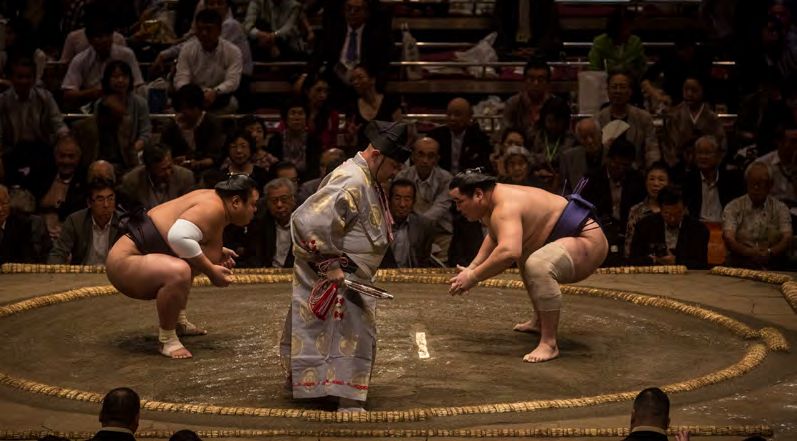
CONTENTS

              / INTRODUCTION & PRESENTATION OF THE DOCUMENT / 3 - 4

              / THE OLYMPIC GAMES TOKYO 2020 /                          5 - 15
              / HISTORY AND CULTURE OF THE HOST COUNTRY, JAPAN / 16 - 26

              / ACTIVITIES TO TRY IN CLASS /                            27 - 46

PUBLISHER
© IOC, The Olympic Museum, Lausanne
1st edition, 2021

AUTHOR
Eva Bensard

ENGLISH TRANSLATION
IOC

GRAPHIC DESIGN
Yona Lee SA

IMAGE COPYRIGHT
© Specified under each image

This document is available in French, English and German.
Available to download from: www.olympic.org/pedagogie

Experiencing & discovering the Olympic Games : Special Tokyo 2020   2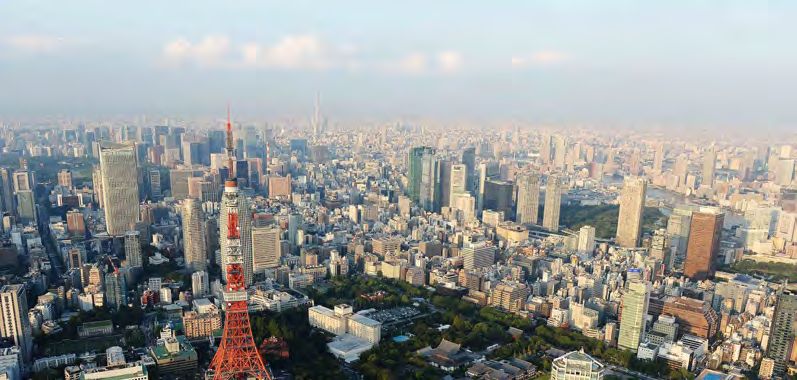
The Olympic Games

                                               TOKYO
                                                 SPÉCIAL2020

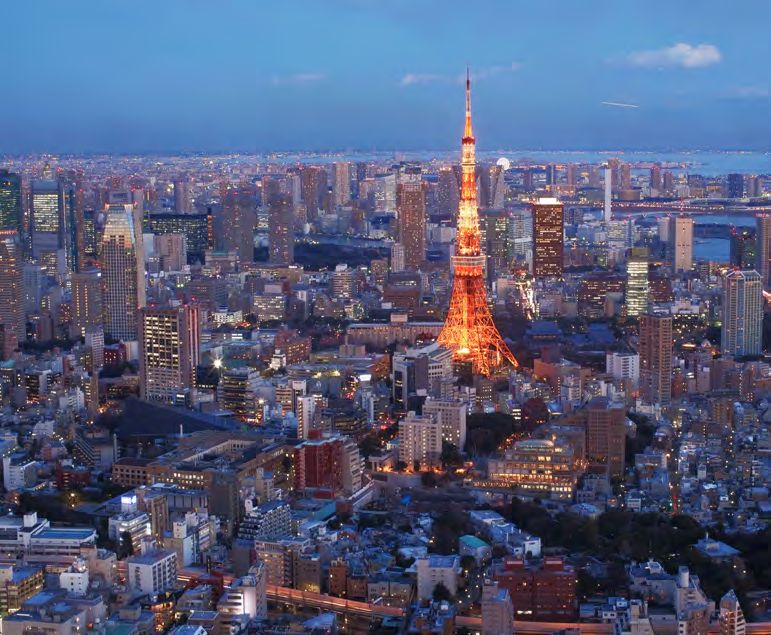
                              From 23 July to 8 August 2021, the greatest sports event
                            in the world is taking place in Tokyo, Japan. Thousands of
                           athletes from across the world will compete in the events.
                             It will have been over half a century since the Japanese
                             capital hosted the Olympic Summer Games. The event is
                            highly anticipated, and especially this edition, which was
                           postponed for a year because of the worldwide COVID-19
                              pandemic. It is the first time in history that the Games
                           have been postponed. They are also being staged 10 years
                           after the earthquake that devastated Japan. These Games
                              are synonymous with hope and rebirth for the country,
                            but are also a symbol of resilience and demonstrate that
                                 humankind is stronger when it stands in solidarity.

 The Experiencing & discovering the                                  THE GOALS
 Olympic Games: Special Tokyo 2020                                   OF THIS KIT:
 kit produced by The Olympic Museum
 offers teachers:
                                                                       To provide information on
                                                                       the sports on this edition of
 •   Essential information on the                                      the Games and the originality
     Games of the XXXII Olympiad;                                      of the Tokyo 2020 programme;

                                                                       To illustrate how Japanese
 •   A presentation on Japanese culture                                culture comes through in this
     in relation to the Games;                                         edition of the Olympic Games.

 •   Classroom activities for pupils
     aged 6 to 8, 9 to 11 and from 12 to 15.

Experiencing & discovering the Olympic Games : Special Tokyo 2020             3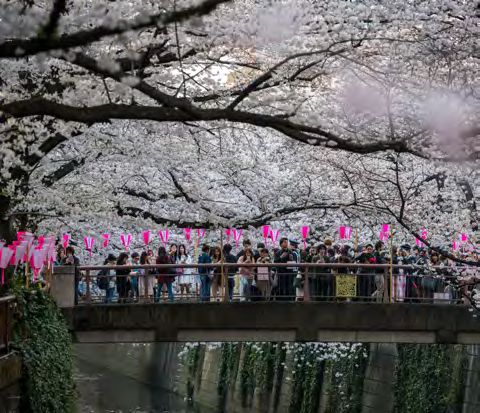
JAPAN
         FACTSHEET
                                                                    RUSSIA

                                         NORTH KOREA

                 CHINA

                                              SOUTH KOREA
                                                                                          TOKYO

 NAME:                                                                       LANGUAGE:
 Japan                                                                       Japanese

 CAPITAL:                                                                    CURRENCY:
 Tokyo                                                                       Yen (JPY)

 SURFACE AREA:                                                               FLAG:
 377,973km2                                                                  A red disc – a symbol of the sun –
 (i.e. 10 times larger than Switzerland)                                     on a white background

 GEOGRAPHICAL LOCATION:                                                      HIGHEST POINT:
 Japan is an archipelago (group of islands)                                  Mount Fuji, at 3,776 metres
 located off the Asian coast
                                                                             LIFE EXPECTANCY:
 POLITICAL SYSTEM:                                                           one of the longest in the world:
 Constitutional monarchy.                                                    87 for women and 83 for men
 The Emperor has a symbolic role.
 Power is exercised by the Prime Minister                                    TIME ZONE:
 and Parliament (parliamentary system).                                      UTC + 9
                                                                             (7 hours ahead of Switzerland)
 POPULATION:
 127 million citizens. It is one of the most                                 NATIONAL FLOWER:
 populous countries in the world!                                            Sakura, the cherry blossom

 POPULATION DENSITY:
 337 habitant/km2

 TOKYO
 SURFACE AREA: 2,188km2
 POPULATION: 13 millions

 If we take into account Tokyo and its surroundings (“Greater Tokyo”),
 the city covers 7,800km2 and comprises 38 million inhabitants.
 It’s the most populous megapolis in the world!

Experiencing & discovering the Olympic Games : Special Tokyo 2020                         4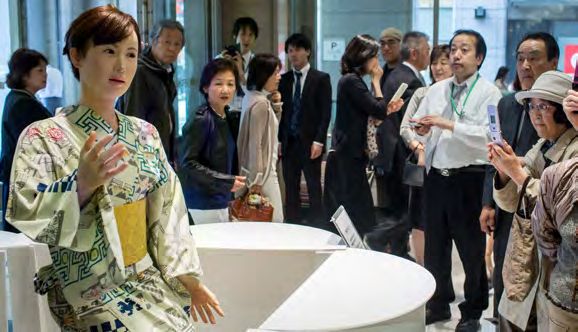
© Getty Images

  PART 1

 The Olympic Games

TOKYO 2020
PART 1              THE OLYMPIC GAMES TOKYO 2020                                                                                           © Getty Images

TOKYO 2020
COVERED IN ONLY
5 QUESTIONS

    HERE ARE THE KEY POINTS YOU NEED TO KNOW,
    THROUGH FIVE SIMPLE QUICKFIRE QUESTIONS.

    WHEN?                                                                      WHAT/ WHO?
    • from Friday 23 Julytt to Sunday 8 August;                                These Games will bring together athletes from
    • the Paralympic Games take place                                          206 nations on the five continents. The programme
         shortly after, from Tuesday 24 August to                              features 33 sports – 339 events!
         Sunday 5 September 2020.
                                                                               The Paralympic Games bring together athletes
    • Before Tokyo? They were in 2016,
                                                                               with an impairment, also from many countries.
         in Rio, Brazil.
                                                                               There will be 4,400 athletes competing in
    • After Tokyo?
                                                                               22 different sports, with 539 events.
         They will be in 2024,
                                                             0
         in Paris, France.                           55             5
                                                50                       10

                                              45                          15

                                                40                       20
                                                      35            25
                                                                                   HOW?
                                                            30                     Numerous venues built for Tokyo 1964 have
   WHERE?                                                                          been adapted and renovated. Many are historic
   In the city of Tokyo and its surrounding area.                                  monuments that are dear to Tokyo’s residents, such
   Two main zones will host the events:                                            as the Yoyogi National Gymnasium and its incredible
   • the “Heritage Zone”, in the heart of the city centre,                         suspended roof, the work of architect TANGE Kenzo.
     continuing the historical legacy of the Tokyo 1964
     Games. This is where the new Olympic Stadium is                               For Tokyo 2020, new facilities have also been built.
     located (read the Focus item on page 7) as well                               Some will be in place only for the Games, but several
     as the martial arts arena (Nippon Budokan);                                   of them will be kept and used for sports events and
   • the “Tokyo Bay Zone”, which faces the sea                                     concerts. This is what happened for many buildings
     and symbolises the future, with its new and                                   erected in 1964. Rock group Queen, for example,
     ultra-modern construction;                                                    gave their last concert in Japan (in 1985) in
                                                                                   the Yoyogi National Gymnasium!
   • together, these two zones form a sideways “8”,
     or the mathematical symbol for infinity. This evokes
     the limitless passion of Olympic athletes;
   • some Olympic disciplines will be staged outside Tokyo,
     e.g. in Sapporo (football, marathon) and Fukushima
     (baseball/softball).

    Experiencing & discovering the Olympic Games : Special Tokyo 2020                         6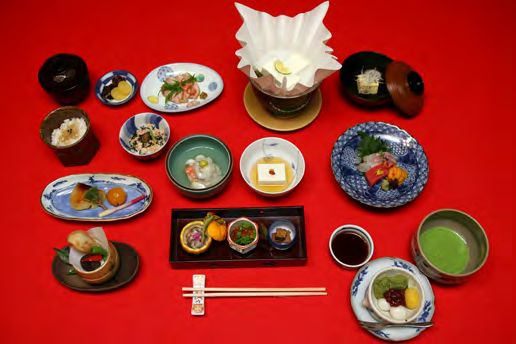
PART 1             THE OLYMPIC GAMES TOKYO 2020

TOKYO 2020
COVERED IN ONLY
5 QUESTIONS

    WHY?
    Tokyo was elected host city of the Games                            It has boosted the morale of the Japanese people.
    of the XXXII Olympiad on 7 September 2013.                          The organisers are hoping that the Games will bring
    Its substantial (sporting and tourist) infrastructure,              joy and comfort to the citizens of the areas affected.
    its first-rate transport network and its cultural                   These regions will host the football matches and
    influence won over the International Olympic                        baseball/softball games. Giant screens will be set up
    Committee (IOC). The good news came sometime                        for people to follow the events live, and activities
    after the terrible earthquake that hit northern                     are planned for families by young athletes. The aim
    Japan and caused the explosion at the Fukushima                     is to bring back life and hope through the power
    nuclear power plant (2011).                                         of sport!

    FOCUS ON:
    BEAUTIFUL AND ECO-FRIENDLY: THE NEW NATIONAL STADIUM
    Nothing has been lost, everything has been transformed… The main stadium built for the Games in 1964
    (50,400 seats) has made way for a new, larger (80,000 seats) and more beautiful stadium, designed by
    Kengo Kuma and Associates, Taisei Corporation et Azusa Sekkei Co. Their motto for the stadium:
    bring back nature into the cities. They prefer natural and local materials to concrete, a principle that he has
    applied to the stadium, which is very much inspired by traditional Japanese architecture. The outer walls are
    made of Japanese cedarwood and the wooden lattice is made of larch from local forests. The architects also
    added greenery in the eaves behind the stands. As a final touch, the building is located in a wooded park.
    “It’s a stadium featuring trees and greenery, designed to co-exist with its environment,” said Kuma.
    As an aside, it was upon seeing the buildings
    designed by his fellow-countryman,
    TANGE Kenzo, for the Tokyo 1964 Games
    (particularly the Yoyogi Gymnasium) as a
    child that little Kengo decided to become
    an architect! The stadium is the flagship
    construction of these Games. It is here that
    the Opening and Closing Ceremonies of the
    Olympic and Paralympic Games will be held,
    as well as the athletics and football events.

                        The new National Stadium in Tokyo,
                        an Olympic venue © 2016 IOC

    Experiencing & discovering the Olympic Games : Special Tokyo 2020                 7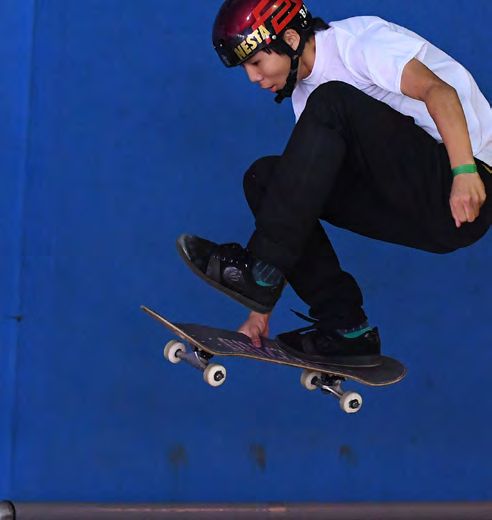
PART 1             THE OLYMPIC GAMES TOKYO 2020

TOKYO 2020
COVERED IN ONLY
5 QUESTIONS

    FOCUS ON:
    1964, A HISTORIC GAMES EDITION
    Tokyo has already hosted the Olympic Summer
    Games in 1964. For the first time, an Asian country
    was chosen for this worldwide sports event. At the
    time, the archipelago was gradually recovering
    from the Second World War and was undergoing
    reconstruction. The Games restored a feeling
    of national pride and accelerated the country’s
    transformation: the construction of buildings and
    infrastructure, the inauguration in Tokyo of the world’s
    first high-speed train, the Shinkansen, etc.
    Quirky pictograms were also designed for these
    Games (see page 13). Lastly, for the first time, the
    Games were broadcast live on TV – something never
    seen before at the time!

                                                                                                                                                  torch   alongside
                                                                                                                                bearer, holds the
                                                                                                             final Olympic torch
                                                                                        Yoshinori Sakai, the                 che Presse Agen tur
                                                                                                           ron © 1964 Deuts
                                                                                        the Olympic cauld

                                                               A giant daruma in the city of Tokyo during the Games in 1964
                                                               © 1964 IOC

    Experiencing & discovering the Olympic Games : Special Tokyo 2020                                8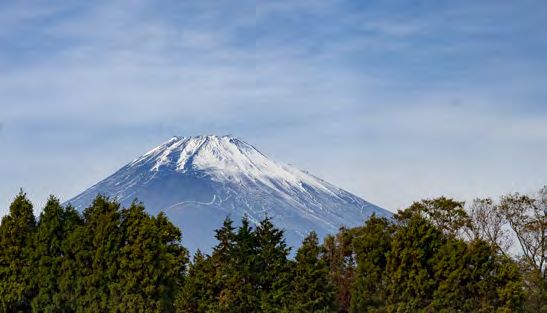
PART 1                  THE OLYMPIC GAMES TOKYO 2020

TOKYO 2020
COVERED IN ONLY
5 QUESTIONS

         ZOOM:
         HE POSTPONEMENT OF THE GAMES
         A few months before the Olympic Games,
         as the preparations were well under way, the
         COVID-19 virus spread across the world.
                                                                                 A Tokyo citizen passes a Tokyo 2020 Games sign.
                                                                                 © Getty Images
         On 24 March 2020, the President of the
         International Olympic Committee and the
         Japanese Prime Minister discussed the
         evolution of the pandemic. Following the
                                                                             AN OLYMPIC FIRST?
         recommendation of experts, they decided to
                                                                             In the history of the modern Olympic Games, no
         reschedule the Games of the XXXII Olympiad
                                                                             Games edition has ever been postponed. In the 20th
         in Tokyo to the following year, in order
                                                                             century, only the two World Wars prevented the event
         to protect the health of the athletes, the
                                                                             from taking place – in 1916, 1940 and 1944.
         organisers and everyone else involved.

                                                                             But in ancient times, the Games in Olympia were
         It was agreed that the name of the Games
                                                                             actually once brought forward. The Roman Emperor,
         would not be changed. That is why we still talk
                                                                             Nero, a great fan of the event, desperately wanted to
         about the Olympic and Paralympic Games
                                                                             take part, and ordered them to be held during his stay
         Tokyo 2020, even though they are being held
                                                                             in Greece. The Games scheduled for 69 AD therefore
         in 2021.
                                                                             took place in 67 AD.

                                                                             #STRONGERTOGETHER
                                                                             For months, athletes have not only been deprived of
                                                                             competitions; they have also not been able to train.
                                                                             Demonstrating perseverance and great resilience, they
                                                                             have found original ways to continue their physical and
                                                                             mental training. Through the internet and social media,
                                                                             many of them have remained connected and organised
                                                                             group training sessions!

US Olympic fencer Katharine Holmes trains at home during lockdown.
© Getty Images 2020

         Experiencing & discovering the Olympic Games : Special Tokyo 2020                    9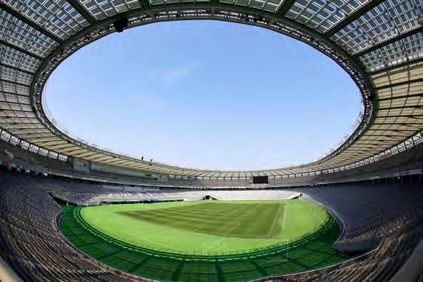
PART 1             THE OLYMPIC GAMES TOKYO 2020

THE PROGRAMME
IS AVAILABLE!

         A FEW FIGURES:
         33 sports | 50disciplines |
         339events |11’090athletes
         What is the difference between a “sport” and a “discipline”?
         A sport can comprise several Olympic disciplines.
         E.g. gymnastics comprises artistic gymnastics,
         rhythmic gymnastics and trampoline.

         THE NEWCOMERS
         5 new sports will make an appearance:                                                                 A byword for freedom, skateboarding is
                                                                                                               one of the additional sports at Tokyo 2020
                                                                                                               © 2014 IOC / Ubald Rutar
                          BASEBALL-SOFTBALL

                          KARATE

                          SKATEBOARD

                          SPORT CLIMBING

                          AND SURFING!
                                                                                        An athlete during the climbing spee
                                                                                                                           d event,
                                                                                        YOG Buenos Aires 201
                                                                                        © 2018 IOC / Nelson Chaves

                                                                   Buenos Aires 2018
                                 The -59kg karate event at the YOG
                                 © IOC / Ubald  Rutar

    Experiencing & discovering the Olympic Games : Special Tokyo 2020                  10
PART 1 THE OLYMPIC GAMES TOKYO 2020
THE PROGRAMME
IS AVAILABLE!
FOCUS ON:
JUDO AND KARATE– -
THE SAME TYPE OF FIGHTING?
Judo, which means “gentle way”, is a 100-per-cent
Japanese self-defence sport. The secret to judo is
mastering numerous throws and the art of using
one’s opponent’s strength to one’s advantage.
Taught worldwide, judo became an Olympic sport
at Tokyo 1964. The Games in 2020 will feature
karate, a full body combat sport, originally from
China. Karatekas wear no protection and their
only weapon is their hands and feet – but what
weapons! They focus all their energy on their body
and can smash a brick with just one knife-hand
strike, like in the film “Karate Kid”. This martial art
requires great discipline and helps to develop both
physical and mental strength.
UNITED BY EMOTION
The Games Motto encapsulates the Games vision capturing the essence of the ideas and concepts that
the host city wishes to share with the world. “United by Emotion” expresses the hope that as spectators,
volunteers, and athletes from over 200 National Olympic Committees and the Refugee Olympic Team
gathering in Tokyo this summer, as well as the billions watching on television and online across the globe,
will come together and understand that there is more that unites than divides them.
Sport gives people the opportunity to experience a variety of emotions and passions, and this is precisely
the power of sport - its ability to connect people through their emotions and it’s what Tokyo 2020 intends
to depict with the Motto.
Experiencing & discovering the Olympic Games : Special Tokyo 2020 11PART 1 THE OLYMPIC GAMES TOKYO 2020
THE GAMES
ICONS
IT IS A JOY TO DECIPHER THE EMBLEM, MASCOTS, MEDALS AND PICTOGRAMS.
THEY REVEAL MANY OTHER THINGS ABOUT JAPANESE CULTURE AND THE GOALS
OF THIS EDITION OF THE GAMES.
THE EMBLEM
An emblem is a meaningful design, in which many messages
are hidden. Here is how to decipher the Tokyo 2020 emblem:
the harmonised chequered circle.
• Chequered patterns: are a universal design, popular in all cultures;
• “Indigo blue” : or “Japanese blue” is a colour that is omnipresent in
Japanese life, in tableware, clothing, traditional prints, etc. –
all refined items that exemplify Japanese elegance;
• The rectangles of different sizes represent different people,
from across the world, participating in the Games. The rectangles
come together to form the chequered pattern. The message is clear:
we are all different but remain united, in solidarity (Unity in Diversity);
• The two emblems – Olympic and Paralympic – have the same number
of rectangles: 45. This is a way of saying that we are all equal.
Even though the Games have been postponed to 2021, it was decided
that the original name and emblem would be kept.
FOCUS ON:
“LIFE IN BLUE”
Indigo blue is obtained from a plant: the indigofera tinctoria. For centuries, Japanese dyers have collected
the leaves and dried them to obtain this famous blue, which can give shades ranging from light to dark blue.
This tradition is still alive today, particularly in martial arts. Clothing is coloured with indigo blue, as this natural
colour, as well as being beautiful, does not irritate the skin. At the Games, indigo will be widely on show,
in the emblem, mascot, medal boxes, etc. It is a chance for the athletes and spectators to “see life in blue”.
Experiencing & discovering the Olympic Games : Special Tokyo 2020 12PART 1 THE OLYMPIC GAMES TOKYO 2020
TOP-CHRONO
THE GAMES
TOKYO 2020 EN 5 QUESTIONS .
ICONS
THE PICTOGRAMS
The word pictogram is formed from “picto”, which “I have tried to express the dynamic beauty of the
means “picture/drawing” (in Latin), and “gramma”, athletes through these pictograms, while respecting
which means “letter” or written “sign” (in Greek). Simply the legacy bequeathed by the pioneers of the Japanese
put, a pictogram is a picture sign, a drawing that speaks design industry in their designs for the Tokyo 1964
and delivers a message. By way of example, here is the Games,” he explained. His designs are similar to those
pictogram that was used to symbolise the cycling events of 1964, but have a more modern and dynamic touch.
at the Tokyo 1964 Games. They highlight the energy of the athletes, the beauty
of each sport’s moves. The colour has also changed.
It was for the 1964 Games in Tokyo that this picture They are no longer black, but… indigo blue, of course!
language was developed. The Games programme and
practical information had to be made understandable
for overseas visitors. What better way to communicate
with everyone, whatever their language, than a small
picture to replace a word! The Tokyo 1964 Games played
a major role in in disseminating these “picture signs”,
which have become omnipresent in our lives.
Since then, for each edition of the Games, new
pictograms have been produced. These are designed
by real professionals, trained in communications and
graphic design. The Tokyo 2020 set were created by
The Tokyo 1964 pictogram The Tokyo 2020 pictogram
Japanese designer HIROMURA Masaaki.
The Tokyo 2020 pictograms
Experiencing & discovering the Olympic Games : Special Tokyo 2020 13PART 1 THE OLYMPIC GAMES TOKYO 2020
TOP-CHRONO
THE GAMES
TOKYO 2020 EN 5 QUESTIONS .
ICONS
THE MASCOTS
Since Munich 1972, each Games edition has
had a mascot, and Tokyo 2020 is no exception!
But, for the first time in Games history,
the mascots (for the Olympic and the
Paralympic Games) have been chosen by MIRAITOWA SOMEITY
(pronounced mee-rai-toh-wa), (pronounced soh-may-tee)
children – primary school pupils. Over 16,700 the Games mascot. the Paralympic Games mascot.
Japanese schools took part in the vote – that’s
Its name is formed of the words “mirai” Its name comes from “someiyoshino”,
205,755 classes! These are the two characters (future) et “towa” (eternity), and a variety of cherry blossom that is very
promotes a future full of eternal hope in popular in Japan. It sounds like “so
that won the most votes. They were designed by
the hearts of people all over the world. mighty” in English. The mascot is a
Japan’s TANIGUCHI Ryo, who took considerable tribute to the strength and courage of
COLOUR: Paralympic athletes, who give their all,
inspiration from Japanese manga. You can see indigo blue despite their impairments.
them on posters, banners, T-shirts and other DESIGN:
chequerboard pattern, the Games COLOUR:
Tokyo 2020 merchandise. They are true stars! emblem. cherry blossom pink
DESIGN:
Japanese cherry blossom petals
FOCUS ON:
CHERRY BLOSSOMS, CHAMPION BLOOMS
If Japan were a tree, it would be a cherry blossom!
The blossoming of this fruit tree in the spring is
celebrated like a festival throughout the land.
The countryside is breathtakingly beautiful, and family
nd friends come together to have picnics beneath
the boughs full of flowers, which can be white as snow
or bright pink. Many artists, including Dutch painter
Vincent Van Gogh, have sought to depict the beauty
of these flowers, called “sakura” in Japanese. Today,
the Games designers have also been inspired by the
blooms: its petals are reflected in the head of mascot
Someity and also in the shape of the Olympic torch.
There are more than 600 varieties of cherry blossom tree in Japan.
They differ in the size, number and colour of their flowers, as well as blooming seasons
© Getty Images
Experiencing & discovering the Olympic Games : Special Tokyo 2020 14PART 1 THE OLYMPIC GAMES TOKYO 2020
TOP-CHRONO
THE GAMES
TOKYO 2020 EN 5 QUESTIONS .
ICONS
The Tokyo 2020 torch is a nod to the sakura, a real symbol in Japan
© 2019 IOC
For the Tokyo 2020 Games, the Torch Relay also shows
that “Hope Lights the Way”. Lit in Olympia on 12 March
2020, the flame arrived in Japan and has been kept
there for a year.
On 25 March 2021, the Olympic flame will leave the
J-Village national training centre in Fukushima, and
THE OLYMPIC FLAME AND TORCH travel to 859 municipalities in the 47 prefectures over 121
days, before arriving at the Tokyo Olympic Stadium for
The Olympic flame is linked to the Olympic Games the Opening Ceremony on 23 July.
the world over. It is lit in Greece, at Olympia, the
sacred site where the Games were born around Each Games edition provides an opportunity to come
3,000 years ago. The torch is then transported by up with a new torch design. What does the Tokyo 2020
plane to the country hosting the Games. torch look like? Clue: sakura. Japan’s favourite flower
(the cherry blossom) was picked by designer YOSHIOKA
There, another journey awaits it. The flame embarks Tokujin, who saw it as a symbol of renewal. Like the tree,
on a huge marathon until its final destination: which flowers again each spring, hope can be reborn.
the stadium hosting the Opening Ceremony. The cherry blossoms “symbolise a scene where people
It covers all of these kilometres thanks to hundreds are overcoming and restarting from the disaster”,
of torchbearers, who carry the torch for short he explained. The symbolism is also incorporated into
distances and pass on the flame. This is a wonderful the material used. Part of the torch’s aluminium comes
symbol of peace, fraternity and solidarity. from the huts that housed people who were victims of
the earthquake in 2011.
Experiencing & discovering the Olympic Games : Special Tokyo 2020 15PART 1 THE OLYMPIC GAMES TOKYO 2020
TOP-CHRONO
THE GAMES
TOKYO 2020 EN 5 QUESTIONS .
ICONS
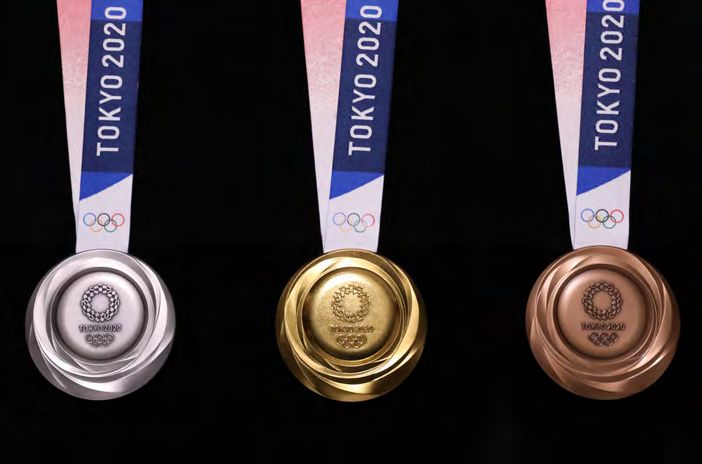
THE MEDALS
What if your old mobile phone could become an waste, and the medals from recycled metals
Olympic medal? collected from old cameras, phones and computers.
Wanting to engage more residents in the Games and The Japanese got on board with this initiative,
be respectful of the environment, the organisers had depositing many of their used devices in collection
an original idea that captured the spirit of the times: containers. In total, 5,000 medals, featuring the
reduce the environmental impact of the Games by famous chequered design, have been produced.
making use of recycled materials. Athletes’ clothing has
been made from used clothes, the podiums from plastic
Over 6 million smartphones have been recycled to create the Olympic medals for Tokyo
© IOC
Experiencing & discovering the Olympic Games : Special Tokyo 2020 16PART 2
© Getty Images
HISTORY AND CULTURE
OF THE HOST COUNTRY,
JAPANPART 2 THE HISTORY AND CULTURE OF JAPAN,
THE HOST NATION © Getty Images
A LITTLE
GEOGRAPHY
AN ISLAND COUNTRY
Something that may sound obvious, but is nonetheless
fundamental for understanding this country, is that
Japan is an island. Or rather an archipelago, made up MOUNTAINS AND MEGACITIES
of four large islands (Hokkaidō, Honshū, Shikoku and
Kyūshū) and thousands of small ones. Its shape looks Three-quarters of the country is made up of mountains
a little like a dragon, the head of which would be Hok- and is therefore barely habitable. Hence there is a strong
kaidō – a sea dragon, surrounded by the Sea of Japan concentration of people along the coast, where gigantic
to the west and the Pacific Ocean to the east. cites have sprung up. The Taiheiyō (“Pacific Belt”),
It is therefore not surprising that the Japanese speak which stretches over 1,200 kilometres from Tokyo to
about their country as a “shimaguni” or island country. Fukuoka in the South, has over 100 million residents.
Like many island communities, they feel very much Nearly 38 million of them live in Tokyo and its suburbs.
apart. It is a feeling accentuated by the fact that their Geneva, in comparison, looks like a small village with
country, completely surrounded by sea, has been cut its 500,000 inhabitants.
off from the world for a long time.
However, alongside these ultra-built-up areas, there is
beautiful countryside, which seems to have remained
CLIMATE untouched for centuries: rice fields (paddies), picturesque
bays, lakes and small mountain villages, hot springs, etc.
The Japanese territory extends across nearly
3,000km from north to south, so temperatures vary
considerably across the country. In the north, the
winter is very harsh, and the summer is hot, while
in the south, the winter is mild and the summer hot
and humid.
© Getty Images
Experiencing & discovering the Olympic Games : Special Tokyo 2020 18PART 2 THE HISTORY AND CULTURE OF JAPAN,
THE HOST NATION
A LITTLE
GEOGRAPHY
VOLCANOES AND EARTHQUAKES
In Japan, nature is volcanic! Many of its mountains
FOCUS ON:
are actually volcanoes. The most famous is Mount
Fuji (Fujiyama), a sacred mountain and the highest
point in Japan. Fortunately, it has remained dormant
for many years, and there is no danger in scaling its
summit – standing at 3,776 metres high – something THE GREAT WAVE BREAKS OVER ART
many Japanese have done. But other volcanoes are From Hokusai to Miyazaki, Japanese artists have shown
still active – and there are over 100 of them! the overwhelming power of nature in their work. In The
Great Wave off Kanagawa (around 1830), his most famous
Another danger is earthquakes. The archipelago is print, illustrator and engraver Hokusai depicted fishing
situated in a highly seismic area, at the juncture of four boats about to be engulfed by a giant wave, with the foam
large tectonic plates. The movement causes shaking, in the shape of claws. Mount Fuji, the highest mountain in
mostly miniscule, but sometimes very violent. And when the country, seems minuscule compared to this raging sea.
the ocean floor shakes, watch out for tsunamis! To fight
these phenomena, Japan is equipped with protective Almost 180 years later, animated-film maker MIYAZAKI
systems: earthquake-proof buildings, high seawalls Hayao showed he was also fascinated by this indomitable
to protect coastal cities, etc. The prevention policy is spirit. The sea is a character in its own right in “Ponyo on
also important. For example, every schoolchild stores a the Cliff by the Sea” (2008). The film revisits the tale of the
helmet in their locker. little mermaid in contemporary Japan and portrays the
complicated life of a family living on the coast when the
sea is raging...
A symbol of Japan,
Mount Fuji has inspired
many artists, including
Hokusai with his
“Thirty-six views
of Mount Fuji”
© 2018 IOC / Greg Martin
Experiencing & discovering the Olympic Games : Special Tokyo 2020 19PART 2 THE HISTORY AND CULTURE OF JAPAN,
THE HOST NATION © Getty Images
JAPAN &
SPORT
ANCIENT MARTIAL ARTS, INCLUDING THE FAMOUS SUMO
WRESTLING, AND MODERN SPORTS COEXIST IN JAPAN AND
ARE BOTH APPRECIATED BY THE PUBLIC.
Sumo, a real national sport in Japan,
is one of the oldest martial arts in the world
© Getty Images
MARTIAL ARTS –
A LONG TRADITION
When we talk about “Japanese sports”, the first things sword), karate and of course sumo, a national sport in
we think of is martial arts (“budo”). For many years Japan. Its larger-than-life athletes (who weigh between
the reserve of warriors (the famous samurai), these 100 and 200 kilos), dressed only in a large belt and with
traditional fighting techniques transformed in the 20th their hair in a topknot, are famous the world over. Its
century into true sports disciplines. Today, judo is the professional wrestlers are trained from a very young age
most popular Japanese sport in the world. And there are to keep their cool, and develop their strength and agility.
many other Japanese martial arts, such as aikido (which At tournaments, they must push their opponent outside
mixes unarmed fighting with weapons), kendo (a form of a circular ring (made of sand) or make them touch the
fencing practised with a bamboo sword), karate and of ground with a body part that is not the sole of the foot.
course sumo, a national sport in Japan. In the past a religious rite to honour the gods and thank
Its larger-than-life athletes (who weigh between 100 and them for a good harvest, for example, sumo has become
200 kilos), dressed only in a large belt and with their hair a sport, but retained certain rituals. For instance, before
in a topknot, are famous the world over. the fight, wrestlers ward off evil spirits by stamping on
And there are many other Japanese martial arts, such the ground, and purify the ground by throwing a pinch
as aikido (which mixes unarmed fighting with weapons), of salt into the ring.
kendo (a form of fencing practised with a bamboo
Experiencing & discovering the Olympic Games : Special Tokyo 2020 20PART 2 THE HISTORY AND CULTURE OF JAPAN,
THE HOST NATION
JAPAN &
SPORT
MADE IN AMERICA
For a long time, “modern” sports were unknown in
Japan. That changed at the end of the 19th century with
the Meiji Era (1868-1912), a period in which Japan came
out of isolation and opened up to the world. Sports were
imported from the US, becoming very popular in school
clubs, such as:
1.
• baseball, still one of the most popular sports in
Japan. A national tournament brings together college
teams (All Japan High School Baseball Championship
Tournament), attracting millions of TV viewers;
• volleyball. Introduced in the 1910s, it became a major
sport, especially after the women’s team’s victory
at Tokyo 1964;
• football. Called “soccer” (like in the US),
football became popular in the 1980s thanks to
the “Captain Tsubasa” manga (see the FOCUS ON
on page 25 ), then in the 1990s with the national
team’s participation in the 1998 World Cup. Today,
the national team’s matches continue to beat TV
audience records.s
New leisure pursuits have also appeared in
2.
the mountainous regions of northern Japan:
skiing, ice skating, snowboarding, etc.
Little by little, they are becoming real sports, practised
by professional athletes. The proof is ITO Midori, the first
Japanese ice skater to win a silver medal at the Olympic
Winter Games, in 1992, and skating prodigy HANYU
Yuzuru, the current Olympic figure skating champion.
3.
1. 2. 3.
Baseball, one of the most popular sports The Japanese women’s volleyball team HANYU Yuzuru won two consecutive gold medals
in Japan at Tokyo 1964 at the Games in Sochi and PyeongChang
© 1992 / IOPP / Gabriel Bouys © 1964 / Japanese Olympic Committee © 2018 IOC / John Huet
Experiencing & discovering the Olympic Games : Special Tokyo 2020 21PART 2 THE HISTORY AND CULTURE OF JAPAN,
THE HOST NATION
JAPAN &
SPORT
JAPAN AND THE OLYMPIC GAMES JAPAN HAS HOSTED THE GAMES THREE
TIMES BEFORE 2020:
Japan has very strong links with the Games, which have
allowed its athletes to shine on the international stage. In 1964: Summer Games in Tokyo. With 16 gold medals,
Some have become real national heroes! 5 silver and 8 bronze, the Japanese delegation put on
its best performance in its history, ranking third for the
The country’s first Olympic medallist was tennis player number of medals won.
KUMAGAI Ichiya. It was in 1920 during the Antwerp
Olympic Games. In 1972: Winter Games in Sapporo. Japan won its first
gold medal at the Winter Games, in ski jumping (KASAYA
Since then, there have been many other victories, Yukio). In the same discipline, the country won silver and
particularly in judo, artistic gymnastics, swimming, bronze, making it a 100 per cent Japanese podium!
athletics, ball games and wrestling – all of in which the
Japanese excel in. Wrestler ICHO Kaori was wrestling In 1998: Winter Games in Nagano. FUNAKI Kazuyoshi
champion 10 times. At the last four Games, he won four won two gold medals and one silver in ski jumping; plus
consecutive gold medals – a remarkable record! there was a first women’s gold medal, thanks to SATOYA
Tae (freestyle skiing).
At the Winter Games, Japan’s athletes have excelled in
ski jumping, speed skating and women’s figure skating.
FUNAKI Kazuyoshi, triple ski jumping medallist, at the Nagano Winter Games
© 1998 / Allsport / Gary M. Prior
ICHO Kaori won gold in freestyle wrestling (58kg) in Rio
© 2016 IOC / Jason Evans
Experiencing & discovering the Olympic Games : Special Tokyo 2020 22PART 2 THE HISTORY AND CULTURE OF JAPAN,
THE HOST NATION © Getty Images
BETWEEN TRADITION
AND INNOVATION
JAPAN PAST AND PRESENT
JAPANESE SOCIETY IS VERY MUCH ATTACHED TO BOTH ITS TRADITIONS AND CUTTING-EDGE
INNOVATION. THE CONTRASTS ARE CLEAR IN TOKYO, WHERE SMALL WOODEN HOUSES STAND
ALONGSIDE TOURING SKYSCRAPERS… LET’S TRY TO DEFINE THIS SURPRISING COUNTRY!
JAPANESE REFINEMENT
The Japanese are the heirs to a centuries-old culture, With these Games, the whole nation aims to show
in the fields of theatre (Noh and Kabuki), music, its sense of omotenashi to overseas visitors. For this,
calligraphy, gastronomy, etc. And of course, art and the Games organisers have thought of everything:
handicrafts! The country’s artists have produced refined panels with signs in the Latin alphabet, producing a
masterpieces that have continued to fascinate people: manual to welcome tourists and a tourist-guide robot
prints, ceramics, lacquered items, costumes, etc. (see page 24).
Handicrafts are still popular, and in Japan you can If you really want to be accepted in the Land of
find magnificent silk kimonos, fans, wooden kokeshi the Rising Sun, here are some rules of etiquette you
dolls, etc. should know:
Other refined traditions still remain anchored in • Remove your shoes when entering a temple or certain
the daily life of the Japanese. This is the case for: homes;
• Take a small gift when you are invited to someone’s
home;
Tea ceremonies:
• Before eating, say Itadakimasu (“I humbly receive”),
this long ceremony centred on the preparation
then after the meal, Gochisousama deshita
of green tea is still practised in traditional families,
(“that was delicious”);
when a guest arrives or in “tea houses”. It comprises
• Never plant your chopsticks in rice, as this brings
various highly codified stages, with rituals that are
bad luck, or blow your nose in public which is the
passed on from generation to generation and specific
height of bad manners!
utensils. It is a moment of serenity and beauty,
that invites you to meditate on the meaning of life.
Ikebana, the 700-year-old art of flower arranging,
also has a spiritual dimension. It is not only about
making pretty bouquets. Each element is carefully
considered: the choice of flowers and vase, and how
to place each sprig and flower in harmony with the
container and surrounding space.
Another very important tradition is omotenashi or
“hospitality”, based on respect and looking after guests.
This type of tea ceremony is called chanoyu in Japanese
© Getty Images
Experiencing & discovering the Olympic Games : Special Tokyo 2020 23PART 2 THE HISTORY AND CULTURE OF JAPAN,
THE HOST NATION
BETWEEN TRADITION
AND INNOVATION
JAPAN PAST AND PRESENT
FOCUS ON:
JAPAN AN INTERNATIONAL SUPERSTAR
The art of Japanese living is highly popular even outside the country.
Across Asia, the USA and Europe, people enjoy:
• Japanese food: there are so many restaurants around the world that offer raw
fish dishes (such as sushi, small slices of raw fish on an oblong of rice with vinegar),
skewers (yakitori), prawn or vegetable fritters (tempura) and bento dishes, named
after the lunchboxes taken to school or work. These compartmentalised boxes
contain a starter, main course and dessert. A very varied and balanced meal!
• Japan’s leisure pursuits: karaoke (singing the songs of our favourite artists into
a mic), origami (the art of paper folding), haikus (mini-poems that celebrate
the present moment);
• and, of course, manga and animated films (read more on page 25).
A whole art, the Kaiseki
ryôri mixes gastronomy
and composition of forms,
textures and colors.
© Getty Images
Experiencing & discovering the Olympic Games : Special Tokyo 2020 24PART 2 THE HISTORY AND CULTURE OF JAPAN,
THE HOST NATION
BETWEEN TRADITION
AND INNOVATION
JAPAN PAST AND PRESENT
Humanoid robots
welcome, guide and
provide information
to people in hotels,
companies and large
retailers in the capital
© Getty Images
STATE-OF-THE-ART TECHNOLOGIES
Japan is THE nation of contrasts, which is what gives Upon their arrival at the airport, tourists can hire a
it its charm: historic temples standing next to enormous little tourist-guide robot named RoBoHon to give them
modern buildings, “zen” gardens, hectic megacities, information in three languages on around 30 places to
traditional arts, global state-of-the-art technology visit. He can walk and even dance! He will be used for
industries (automobile, electronics), and more. the Games in 2020. Many types of robot have also
appeared in people’s homes: robots for doing housework,
Among the most advanced countries in the world in toy robots controlled by smartphone that are proficient
terms of electronics (Sony, Canon, Fujifilm, Nintendo, in martial arts, and voice-controlled robot pets.
Panasonic, Toshiba) and robotics, Japan is a haven of
artificial intelligence. In Tokyo, humanoid (with a human In Japan, the future is now!
appearance) and android robots provide information to
customers in hotels, shops, etc.
LANGUAGE AND WRITING
Japanese is a very complicated language, which can be written in different ways.
There are three types of character:
• kanji, characters of Chinese origin. One kanji has several meanings;
• hiragana: each character represents a syllable;
• katakana: which is used to write foreign words.
Calligraphy - shodō in Japanese, meaning way of writing –
is considered as a form of meditation
© Getty Images
Experiencing & discovering the Olympic Games : Special Tokyo 2020 25PART 2 THE HISTORY AND CULTURE OF JAPAN,
THE HOST NATION © Getty Images
ALL ABOUT
J-POP
J-POP IS JAPANESE POP CULTURE. MANGA, ANIMATED FILMS, KAWAII FASHION, ETC. HERE IS A QUICK
OVERVIEW OF WHAT IS POPULAR AMONG YOUNGSTERS IN JAPAN, SPREADING TO THE USA AND EUROPE!
MANGA
Be careful not to confuse manga (comics) and anime In short, there is a manga for everyone (whatever
(animated cartoons and films), even if the two are their age, sex and job)!
very similar and strongly influenced by each other.
The difference between a manga and a Western comic:
The first albums of images, the forerunners of manga, • the majority of drawings are in black and white;
were created by designer Hokusai, around 1814
• large number of pages (and many volumes in
(see also page 18). But it was really after the Second
one series);
World War, with author-illustrator TEZUKA Osamu,
• opposite reading direction: you begin at the end of
that modern manga appeared: comics published first
the book, then read from right to left;
in youth magazines, whose black-and-white pictures
were very much inspired by film. Manga became a • dynamic drawing, with action (like in film);
resounding success. • very precise graphic codes: faces with big eyes, very
marked expressions (of anger, joy, jealousy, etc.).
Initially aimed at young readers, they began to offer
increasingly varied and specialised content. Today there
are manga for young boys and girls, teens, college-goers,
students, adults, office workers, athletes, etc...
FOCUS ON:
MANGA SPORTS The Tokyo 2020 mascots, inspired by manga
© 2018 IOC
As of Tokyo 1964, the athlete, ready to give their As a sport that was practically unknown in Japan,
all for victory, became a favourite hero in manga. basketball took off thanks to “Slam Dunk”, the biggest
Sport benefited in return! School clubs saw the number selling sports manga in history!
of people trying disciplines such as volleyball, boxing,
martial arts and baseball skyrocket. The success of these two manga was such that
the first Japanese professional football league was
Aware of this virtuous circle, publishers began created in 1993 and the first professional basketball
commissioning more and more series. Football became league in 1996. During the 2000s, sports manga
a phenomenal success thanks to “Captain Tsubasa”, diversified and became specialised, to the point that
which told the story of a young football prodigy, from there are no sports or disciplines that have not been
his college days to his career at the top. featured in their own series.
Experiencing & discovering the Olympic Games : Special Tokyo 2020 26PART 2 THE HISTORY AND CULTURE OF JAPAN,
THE HOST NATION
ALL ABOUT
J-POP
JAPANIMATION KAWAII FASHION
Animated film is an established industry in Japan, Kawaii means “cute” in Japanese. More than a simple
and its studios are among the best in the world. The word, it is a true phenomenon that influences everything
centre of this is in the district of Suginami, in Tokyo. and everyone in Japan, beginning with young people.
The first wave of Japanese “anime” arrived in Europe in Kawaii girls collect manga-inspired kawaii dolls that are
the 1980s, with Captain Harlock, Dragon Ball, Fist of miniature versions of themselves. They cultivate a kawaii
the North Star and Grendizer. look, adding cute accessories (jewellery, lucky charms,
ribbons, hair clips, nail adornments) in bright colours in a
During the same period, animation became an art, “pop” style. Boys also have their own style. Some adopt
thanks to film-makers such as MIYAZAKI Hayao (Studio the androgynous look of singers of J-pop, Japanese pop
Ghibli), the creator of “Spirited Away”, “Princess music, while others go for a “big brother” (onii-kei) style,
Mononoke” and “My Neighbour Totoro”, humanist tales with their jeans and military boots.
that celebrated the beauty of nature. The success of
these films has been huge, and people now talk about Kawaii fashion has spilled over into Japanese life:
“Japanimation” when referring to Japanese anime. clothes, mascots (each shop, brand and company has
its own), decoration, cooking (sushi or vegetables in cute
animal shapes), etc. And it travels well, as evidenced by
the global success of “Hello Kitty”, a little cat who has
become the ultimate kawaii icon.par excellence.
AKB48 are a female J-pop group split into several teams
© Getty Images
FOCUS ON: Hello Kitty is a fictional character designed in a kawaii style
© Getty Images
THE MOST KAWAII FESTIVALS
3 March: Doll festival (hina matsuri). Little girls show off their dolls on stage.
29 April: Start of Golden Week, a week of holiday across the country. The Japanese use this week to relax and travel.
5 May: Children’s festival, celebrated across the country by flying tissue-paper carps, which flutter in the wind (koinobori).
7 July: Star festival (tanabata matsuri). People write down their dreams on bits of coloured paper and hang them
to bamboo trees, in the hope the stars will make them come true.
Experiencing & discovering the Olympic Games : Special Tokyo 2020 27PART 3 © Getty Images CLASSROOM ACTIVITIES
PART 3               CLASSROOM ACTIVITIES

  6-8-                                                                               ORT S
FOR
YEAR-OLDS                                                                 SHARED S P

      AMONG ALL THOSE ON THE PROGRAMME OF THE OLYMPIC GAMES TOKYO 2020, WHICH
      IS YOUR FAVOURITE SPORT?

      ………………………………………………………………………………………………………………………………………………………
      Talk to your classmates about your reasons and become a spokesperson for your favourite sport.

      Experiencing & discovering the Olympic Games : Special Tokyo 2020     28
PART 3 CLASSROOM ACTIVITIES
6-8-
A MA SCOT
FOR
YEAR-OLDS
U R CL A S S
FOR YO
DESIGN A MASCOT FOR YOUR CLASS BASED ON THOSE CREATED FOR
THE GAMES IN TOKYO.
USE THE FOLLOWING STEPS TO HELP YOU CREATE IT:
1. Its main quality is….
2. It makes me think of:
An animal? A plant? An object? A colour? Something else?
3. Have you thought of your character?
If so, draw it.
4. What is its name?
5. Present your mascot to your classmates
and explain your choices.
Experiencing & discovering the Olympic Games : Special Tokyo 2020 29PART 3 CLASSROOM ACTIVITIES
6-8-
LET THE
FOR
YEAR-OLDS
S H OW BEG I N
THE OLYMPIC GAMES IN TOKYO WILL BEGIN WITH
A BIG CELEBRATION IN THE NATIONAL STADIUM.
WHAT WILL THIS LOOK LIKE?
Imagine the show and then draw the costumes, lighting and all the rest on a sheet of paper
For any of the details, don’t be afraid to ask a teacher.
MY IDEAS
•...................................................................................................
•...................................................................................................
•...................................................................................................
•...................................................................................................
•...................................................................................................
•...................................................................................................
•...................................................................................................
•...................................................................................................
•...................................................................................................
•...................................................................................................
Experiencing & discovering the Olympic Games : Special Tokyo 2020 30PART 3 CLASSROOM ACTIVITIES
6-8- CH :
FOR
YEAR-OLDS WORD S E AR
IN THE GRID BELOW, SEVEN WORDS ARE HIDDEN.
FIND THEM AND DRAW A BLUE LINE AROUND THEM.
THEY ARE WRITTEN HORIZONTALLY AND VERTICALLY.
M A S C O T T E Z R K
F E P E T U G A M E S
L W O Z I R A A S O P
A R R N L T O P J U N
G N T T O K Y O A I W
E U W Q A S E N P K A
A T E D S W Y O A U B
U Z A M E D A L N L E
Experiencing & discovering the Olympic Games : Special Tokyo 2020 31PART 3 CLASSROOM ACTIVITIES
9-11 S ’
FOR
YEAR-OLDS CH AM P ION
QUIZ
ARE YOU READY FOR TOKYO 2020?
FIND OUT BY TAKING THE QUIZ BELOW!
1. When did Tokyo last host the Olympic Games?
10 years ago
More than 50 years ago
At least 100 years ago
2. How many sports are there on the Tokyo 2020 programme?
23
33
43
3. In the list below, circle the sports which are on the programme:
Sailing/Wrestling/Figure skating/Aquatics/Football/Dodgeball/Luge/Scooter slalom/
Ski jumping/Gymnastics
What are the new sports at these Games?
Circle the correct answers:
Judo/Karate/Surfing/Golf/E-games/Skateboarding/Roller skating/Breakdancing
4. What is the dominant colour of these Olympic Games?
Light blue
Indigo blue
Bubble gum pink
Bright red
Experiencing & discovering the Olympic Games : Special Tokyo 2020 32PART 3 CLASSROOM ACTIVITIES
9-11
QUIZ FÜR
FOR
YEAR-OLDS
CH AM P ION S
5. What is the Japanese name
for cherry blossom?
sushi
bonsaï
sakura
6. You can see cherry flowers,
a symbol of Japan:
On the athletes’ T-shirts
In the design of the Paralympic mascot
In the design of the Olympic torch
7. Fujiyama is:
A camera brand
A volcano
The highest mountain in Japan
8. The Japanese word kawaii means:
An evil spirit
A Japanese athlete
A special football move in Japanese manga
Something cute
A fashion covering clothes, decorations and accessories
9. Sumo is:
A form of wrestling
A lunchbox
Japan’s national sport
Experiencing & discovering the Olympic Games : Special Tokyo 2020 33PART 3 CLASSROOM ACTIVITIES
9-11 M
FOR
YEAR-OLDS P IC TOG R A
MIX
EACH EDITION OF THE GAMES HAS ITS OWN PICTOGRAMS!
1. FIND THE TOKYO 2020 PICTOGRAMS IN THE SELECTION BELOW
AND DRAW A BLUE CIRCLE AROUND THEM.
THEN CIRCLE IN RED THE TWO PICTOGRAMS FROM THE 1964 GAMES IN TOKYO.
HERE’S A CLUE: THEY ARE VERY SIMILAR TO THE ONES FOR 2020...
Experiencing & discovering the Olympic Games : Special Tokyo 2020 34PART 3 CLASSROOM ACTIVITIES
9-11 M
FOR
YEAR-OLDS P IC TOG R A
MIX
2. OVER TO YOU NOW.
CHOOSE YOUR THREE FAVOURITE SPORTS AND DESIGN A PICTOGRAM FOR THEM!
Don’t forget that pictograms are simplified drawings,
so stick to the basics.
Experiencing & discovering the Olympic Games : Special Tokyo 2020 35PART 3 CLASSROOM ACTIVITIES
9-11 RD
W O
FOR
YEAR-OLDS CRO S S
DON’T SPEAK ANY JAPANESE? COMPLETE THE CROSSWORD BELOW
AND YOU’LL SEE THAT YOU KNOW MORE THAN YOU THINK.
1. enormous, sudden and destructive tidal wave
2. miniature tree grown in a pot
3. Japanese paper-folding
4. Japanese cartoon 5
5. Rice ball topped with raw fish
Here’s a clue:
the bonsai might be small,
but it’s just as beautiful as
its larger cousins!
4
1
2
3
Experiencing & discovering the Olympic Games : Special Tokyo 2020 36PART 3 CLASSROOM ACTIVITIES
9-11
KAWAII
FOR
YEAR-OLDS ORGANISE A
OR M A N G A FESTIVAL
During the star festival (tanabata), which starts on 7 July, the Japanese write
their wishes on strips of coloured paper then attach these to bamboo plants,
hoping that the stars will grant them their wishes.
ORGANISE A STAR FESTIVAL IN CLASS!
1. Cut three strips of paper and write a different wish on each, but not your name.
2. Decorate these strips in Kawaii or manga style (bright colours, glitter, manga or
Hello Kitty-style drawings, pearls, feathers, etc.). The strips should look like African charms!
3. With your classmates, hang these paper strips somewhere in your school.
You can do this in a classroom, but also in the canteen or playground
(especially if there are trees).
4. An idea for a ceremony to help make these wishes come true:
create a shower of stars, glitter or confetti on the paper strips.
Experiencing & discovering the Olympic Games : Special Tokyo 2020 37PART 3 CLASSROOM ACTIVITIES
12-15-
FOR
LY)
YEAR-OLDS BECOME AN TECT!
(ECO-FRIEND
CHI
OLYMPIC AR
SCENARIO:
YOUR SCHOOL PLAYGROUND HAS BEEN CHOSEN
TO HOST A BIG SPORTS EVENT.
YOUR MISSION:
EXTEND AND TRANSFORM THE PLAYGROUND SO THAT IT
CAN HOST THIS COMPETITION AND LOTS OF SPECTATORS.
YOUR JOB:
PROPOSE A “GREEN” PROJECT WHICH WILL IMPROVE THE SCHOOL
ENVIRONMENT FOR YOUR FELLOW PUPILS AND BE ECO-FRIENDLY.
IN OTHER WORDS, “SUSTAINABLE” ARCHITECTURE.
1. Think about your project, on your own or as part of a team.
Which sports events will be held (you choose)?
What work will be needed? E.g. increasing the size of the playground, building stands
for the spectators, creating an underground area, etc.
2. How can you make this construction work environmentally friendly?
Base your ideas on the eco-friendly solutions KUMA Kengo used for the National Stadium
in Tokyo: non-polluting materials, preferably natural and local, use of renewable energy sources,
use of recycled materials, reintroduction of nature within the school and surrounding area,
green walls, etc. Dare to dream!
Make a list of what you need for your project (builders, machines, materials, types of plants, etc.).
Draw your project plan on a large sheet of paper. All the projects will then be displayed in your
classroom. A vote will then be held to select the winning architect and the best proposal.
Experiencing & discovering the Olympic Games : Special Tokyo 2020 38PART 3 ACTIVITÉS À FAIRE
CLASSROOM ACTIVITIES
EN CLASSE
12-15-
DESIGN
FOR
YEAR-OLDS
SCHOOL
Now that you’re an expert in architecture,
it’s time to try a new discipline: design.
HERE ARE THE PICTOGRAMS CREATED BY DESIGNER TANIGUCHI RYO
FOR THE TOKYO 2020 GAMES. SEE IF YOU CAN IDENTIFY WHICH DISCIPLINE
CORRESPONDS TO WHICH PICTOGRAM.
Now look at the six pictograms below. They all represent fencing, but each has a different style.
London 2012 Atlanta 1996 Mexiko 1968 Sydney 2000 Tokio 1964 Athen 2004
Experiencing & discovering the Olympic Games : Special Tokyo 2020 39PART 3 ACTIVITÉS À FAIRE
CLASSROOM ACTIVITIES
EN CLASSE
12-15-
DESIGN
FOR
YEAR-OLDS
SCHOOL
NOW IT’S YOUR TURN TO COME UP WITH A DESIGN.
DESIGN A PICTOGRAM FOR A SPORT WHICH ISN’T ON THE TOKYO 2020 PROGRAMME
AND USE THE STYLE FOR THIS EDITION OF THE GAMES TO CREATE IT.
Here are three tips to help you create
a really cool pictogram:
1. Keep the athlete’s body as simple as possible,
leaving out any unnecessary details.
2. Show the athlete in motion, with a dynamic
pose, for example the shape of a ballet dancer
performing a pirouette.
3. Don’t forget your athlete’s sports equipment.
Experiencing & discovering the Olympic Games : Special Tokyo 2020 40PART 3 CLASSROOM ACTIVITIES
12-15- A S I ER
FOR
E I S E
YEAR-OLDS JAPANES N K !
O U T H I
THAN Y
FIND 15 JAPANESE WORDS IN THE GRID BELOW.
THEY ARE WRITTEN HORIZONTALLY, VERTICALLY AND DIAGONALLY.
CIRCLE THE ONES YOU FIND.
t r o l y m p i q u e l s a
s u t r o k a n j i k h e i
u g s k i e u r l u a t e k
n b m a n g a t a s r a i i
a y l i z r a e a a a a k d
m t a t a m i m a m t r e o
i e t a o k e k i u e o b a
i s a d o e d a m r x o a i
s u m o s n e w l a j i n j
i s e n e d s a s i u t a i
a h a r u o s i o x d o d o
k i m o n o h i r m o n i e
On the line below, write the words related to martial arts:
------------------------------------------------------------------------
Look in a dictionary or online for the words you are not familiar with and write their definition below:
----------------------------------------------------------------------------------------------------------------------
----------------------------------------------------------------------------------------------------------------------
----------------------------------------------------------------------------------------------------------------------
Experiencing & discovering the Olympic Games : Special Tokyo 2020 41PART 3 CLASSROOM ACTIVITIES
12-15-
FOR
YEAR-OLDS BECOME A
M A N G A K A
CREATE YOUR OWN MANGA-STYLE PORTRAIT IN JUST FOUR STEPS:
1. Start by drawing the lower part of the face.
2. Draw big eyes, slightly above the ears.
3. Add the nose (a small triangle).
There are several possibilities for the mouth:
round to show astonishment
• with the edges turning up to express happiness
• with the edges turning down to express sadness
4. Finish with the hair.
Experiencing & discovering the Olympic Games : Special Tokyo 2020 42PART 3 CLASSROOM ACTIVITIES
12-15- VAL
J-POP CHOOL
E ST I
FOR
YEAR-OLDS F
AT S
Work in pairs or small groups in one or more sessions.
YOU ARE GOING TO ORGANISE AN END-OF-YEAR CELEBRATION
WITH A JAPAN AND J-POP THEME.
But there is a big constraint: your budget is limited. You use this as an opportunity to
propose ingenious solutions, which are both environmentally friendly and cheap (salvage,
recycling, collecting, etc.)
FOR EACH PART OF THE FESTIVAL:
• Stands (e.g.: manga, traditional kimonos, video games, kokeshi dolls, etc.)
• Workshops (e.g.: learn how to make a bento, a really kawaii lunchbox)
• Activities (karaoke/kendo, judo and aikido demonstrations/kawaii fashion show)
• Eco-friendly buffet (list the different foods)
• Music (J-music)
• Dress code (kawaii look)
• Decoration
• Poster (create the festival poster) and mascot (choose a mascot)
1. Write your ideas down on cards: one card per idea.
2. Present your project on a large board. You can combine text
with drawings, collages, etc. and customise your board with kawaii
accessories created from recycled materials.
ALL THE PROJECTS WILL THEN BE DISPLAYED IN YOUR CLASSROOM.
Experiencing & discovering the Olympic Games : Special Tokyo 2020 43BASIC
FOR
V I VAL G U IDE
ALL AGES
SUR
Hello: Konnichiwa / こんにちは
Goodbye: Sayonara / さようなら
Excuse me: Sumimasen / すみません
Thank you: Arigato / ありがとう
Hello: Mochi mochi / もしもし
Experiencing & discovering the Olympic Games : Special Tokyo 2020 446-8-
FOR
YEAR-OLDS
9-11-
FOR
YEAR-OLDS AN SWER S
WORD SEARCH:
M A S C O T T E Z R K
F E P E T U G A M E S
L W O Z I R A A S O P
A R R N L T O P J U N
G N T T O K Y O A I W
E U W Q A S E N P K A
A T E D S W Y O A U B
U Z A M E D A L N L E
CHAMPIONS’ QUIZ
1. For more than 50 years / 2. 33 / 3. The sports on the programme: sailing, wrestling, aquatics,
football and gymnastics – the new sports: karate, surfing and skateboarding / 4. Indigo blue
/ 5. Sakura / 6. In the design of the Paralympic mascot and the Olympic torch / 7. A volcano and
the highest mountain in Japan / 8. Something cute and a fashion covering clothes, decorations and
accessories / 9. A type of wrestling and Japan’s national sport
PICTOGRAM MIX
The Tokyo 2020 pictograms.
Those from 1964
Experiencing & discovering the Olympic Games : Special Tokyo 2020 45You can also read


