Transferring Materials and Information with - Material Transfer Agreements (MTAs) November 4, 2014
←
→
Page content transcription
If your browser does not render page correctly, please read the page content below

Transferring
     Materials and Information
                with
Material Transfer Agreements (MTAs)

November 4, 2014                      1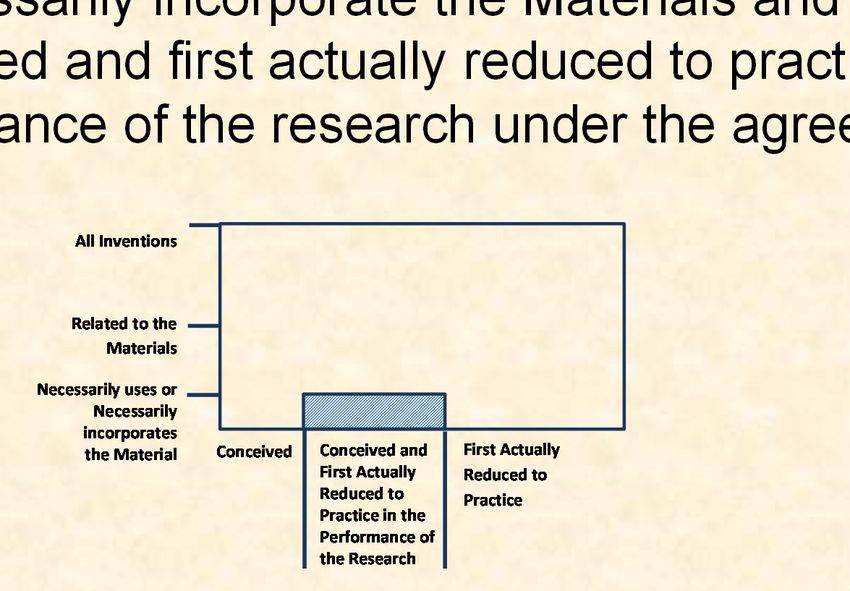
What is a
     Material Transfer Agreement (MTA)?

November 4, 2014                          2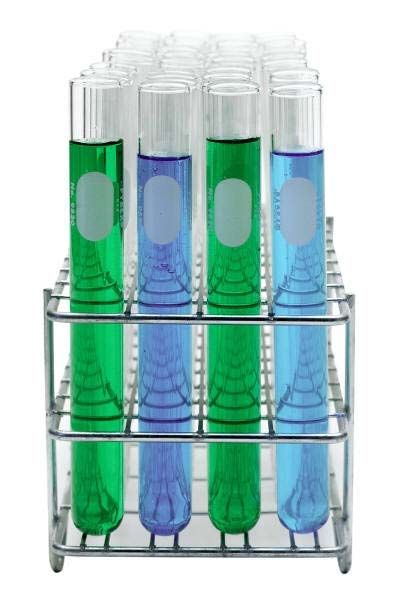
What is an MTA? An MTA is a written agreement that governs the terms and conditions in which one party provides (or transfers) physical materials, information or data to another party for evaluation, experimentation, or research. November 4, 2014 3
What are the Materials?

The Materials may include:
• biological materials (DNA, cultures, cell
  lines, plasmids, nucleotides, proteins,
  transgenic animals, cDNA libraries, seeds,
  live plants/rootstocks)
• chemical compounds (drugs, chemicals or
  nanoparticles)
• devices (medical devices or apparatuses)
November 4, 2014                             4

What are Information and/or Data?

The Information and/or Data may include
confidential or proprietary:
• information or documents related to the
  Materials, such as DNA sequences or
  performance characteristics
• Data or data files about people, such as
  income, health, education or other data

November 4, 2014                             5
MTAs may sometimes be called:
Bailment Agreements
Collaboration Agreements
Confidentiality Agreements such as
Confidential Disclosure Agreements (CDAs)
Non Disclosure Agreements (NDAs)
Data Transfer Agreements
License Agreements
November 4, 2014 6 MTAs may sometimes be
associated with other agreements:
Confidentiality Agreements
Sponsored Research Agreements
Clinical Trial Agreements
MTAs are generally categorized as:
Incoming MTAs
Outgoing MTAs
November 4, 2014 7Characteristics of an Incoming MTA: Your Principal Investigator (P.I.) requests to RECEIVE materials from an outside organization (Example – a local seed company) The outside organization will almost always require your organization to use their MTA Your organization will probably have to negotiate changes to the terms and conditions of the outside organization’s MTA November 4, 2014 8
Complexity of MTAs:
Many are very easy, but many are very difficult
1 to 25 pages or more
A few 100 to several 1,000 words
Sometimes “signed” on line; PDF of signed MTA; or
originals signed in duplicate or triplicate
May take 1 day to 1 year or more to draft, negotiate
and sign
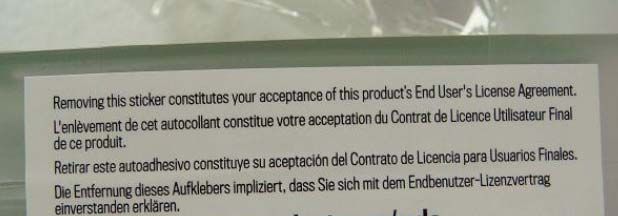
November 4, 2014 9Example of envelope “sticker”
agreementExample of online “click”
agreementsImportant Terms in an MTA
1. Definitions of Material, Modifications, Research,
Confidential, Information, etc.
2. Use of the Material
3. Confidentiality Obligations
4. Inventions and Intellectual Property Rights
5. Warranties
6. Liability and Indemnification
7. Publications and Reports
8. Governing Law and Jurisdiction
9. Termination
10. Legal Parties
November 4, 2014 12Definitions (1.):
1. Definitions
A. ORIGINAL TRANSFERRED MATERIAL
B. MATERIAL
C. PROGENY
D. UNMODIFIED DERIVATIVES
E. MODIFICATIONS
F. RESEARCH USE
G. RECIPIENT INVESTIGATOR
H. CONFIDENTIAL INFORMATION
November 4, 2014 13Definition of “Material”
Most MTAs use a carefully defined term (e.g., “Material”)
to describe the material being transferred.
Elsewhere in the MTA, the provider will:
1. assert ownership of the Material,
2. restrict use of the Material,
3. restrict the transfer of the Material, and
4. ask that the Material be returned or destroyed
upon completion of the research.
These provisions are generally acceptable when the
definition of Material is limited to a precise description of
the Material that is actually being transferred.
November 4, 2014 14Acceptable Definitions
of Material:
Original Transferred Material - The physical
material actually transferred to the Recipient by
the Provider.
Progeny -unmodified descendants of the
Material.
Unmodified Derivatives - unmodified sub-unit or
product expressed by Original Material - e.g.
protein expressed by DNA/RNA.
November 4, 2014 15Unacceptable Definitions
of Material:
Derivatives - very broad, can mean anything
derived from use of the Original Transferred
Material
Modifications - substances created by modifying
the Original Transferred Material -e.g. plasmid
inserted in cell
Improvements
Information
Data
November 4, 2014 16Acceptable Uses of the Material (2.A): Research Use defined or described in the MTA In compliance with applicable rules and regulations In noncommercial research, even if sponsored by companies November 4, 2014 17
Unacceptable Uses of the Material (2.A): Commercial purposes In humans Outside the defined research use Transfers to third parties November 4, 2014 18
Confidentiality Obligations (2.C): If Confidential Information (C.I.) will also be transferred, C.I. should be defined C.I. may be reduced to writing and marked “confidential” when disclosed orally or visually C.I. should not include non-confidential information such as UC’s 5 exclusions C.I. should not include research results Confidentiality obligations should be limited at most to 5 years November 4, 2014 19
Rights to Inventions, Intellectual Property
(IP) and Research Results (2.E):
Recipient owns its inventions, IP and research results
Recipient should not assign title to the inventions, IP or research
results to the Provider
Recipient can grant to the Provider a Non Exclusive Royalty-Free
(NERF) License to inventions:
for research purposes only
for commercial purposes in rare circumstances - devalues the
invention
Recipient may grant an option to a Commercial License to
inventions, but:
It must be Time Limited – 6 months or less unless the Provider
pays patent prosecution costs
It must not have a Most Favorite Nations or Right of First
Refusal Clauses – No other party will want to negotiate a license
Must not use the MTA to “hereby” grant a license to future
inventions that have not been invented yet
November 4, 2014 20Rights to Inventions, IP and Research
Results:
• Limit the scope of the inventions that the Provider will get
free rights to: “patentable inventions that necessarily use
or necessarily incorporate the Materials and are
conceived and first actually reduced to practice in the
performance of the research under the agreement.”
November 4, 2014 21Warranties (2.F):
A warranty is a promise by one party that a particular
fact is true (i.e., “UC ANR can warrant that its legal
name is ‘The Regents of the University of California’”)
As a practice, because of the consequences attached
to warranties, Providers do not agree to make any
warranties in MTAs
Warranties can amount to a promise to indemnify the
other party for any damages if the underlying fact(s)
prove to be untrue
If the underlying facts prove to be untrue or
misleading, the Recipient may be able to sue the
Provider for the breach of the warranty
November 4, 2014 22Liability and/or Indemnification (2.G): The Recipient can assume liability and indemnify the Provider for the Recipient’s use, storage or disposal of the Material The Recipient should not assume liability or indemnify the Provider for the actions of other parties with regards to the Material Beware of indemnification arising out of Provider’s actions (i.e., related to, or in connection with, our use of the material) November 4, 2014 23
Publications (2.H.):
Delays
None, if preferable
30 days for review by Provider
30 more days for patent issues
Restrictions on Contents
None, other than not publishing
Provider’s Confidential
Information
November 4, 2014 24Reports to Providers: The Recipient can submit reports to the Provider such as a: Summary Annual Report Summary Final Report at the end of the study Reports should be for the Provider’s internal research purposes until the P.I. publishes November 4, 2014 25
Termination (2.I):
Include termination terms unless you want the
MTA to last forever
Agree to a specific number of years after the
effective date of the MTA or when the
research is completed
Can agree that either party can terminate the
MTA with advanced written notice – for
example 30 to 60 days
November 4, 2014 26Governing Law and Jurisdiction (2.J):
Ideally, the MTA should be governed by the
law where the research is being done where
the Recipient is located - for example, UC
ANR prefers California law when UC ANR
receives materials
The Recipient generally should not accept
governing law and/or, jurisdiction outside of
its state or country
Many MTAs are silent on governing law
November 4, 2014 27Legal Parties (3) MTAs should only be signed by officials who can legally bind the Recipient and the Provider The P.I. or other researchers should not sign as legal parties to the MTA – they put themselves at risk of being sued The P.I. can sign as having acknowledged, read and/or understood the MTA November 4, 2014 28
Other Terms in MTAs: (Other laws, regulations, requirements, policies, etc.) Assignability of the MTA to Third Parties Export Controls when U.S. Institutions send materials outside of the U.S. Fees and Reimbursements Human Subjects (IRB) Health Insurance Portability and Accountability Act (HIPAA) Institutional Animal Care and Use Committee (IACUC) November 4, 2014 29
1. The MTA Process at UC ANR:
UC ANR submits “ASK” request on OCG
website, enters it into GTS
Principal or emails: ocg@ucanr.edu
Investigator
Inquiry or MTA
agreement from
sponsor
PI enters it into GTS and uploads the MTA
agreement and submits it to OCG who:
Reviews the Material Transfer Agreement
Or contacts Provider and sends a copy of our own MTA
November 4, 2014 302. The MTA Process at UC ANR
OCG Conducts Review:
1. Reviews GTS file entry
2. Reviews material transfer documents for applicability
3. Works with PI to confirm intent/resources
4. If there is a component of funding, then analyst
determines whether it should be a standalone MTA or
combined with a research agreement/service agreement
November 4, 2014 312. The MTA Process at UC ANR
OCG Officer or Analyst Negotiates the terms
of the MTA
Challenging MTAs:
Consult with Director and or/Office of General
Counsel (OGC) at UCOP
Ask Innovationaccess for Expections to Policy
Have Principal Investigator and/or County Director
sign Informed Participation letter
November 4, 2014 322. The MTA Process at UC ANR 1. The "Bayh-Dole Act of 1980" http://www.ucop.edu/ott/faculty/bayh.html The Bayh-Dole Act (and subsequent amendments) are the basis for technology transfer practices in U.S. universities The Bayh-Dole Act created incentives for universities, industry and the federal government to work together to commercialize new technologies for the public benefit. November 4, 2014 33
2. The MTA Process at UC ANR
3. The "Tax Reform Act of 1986"
http://patron.ucop.edu/ottmemos/docs/ott00-01.html
4. INCOMING MATERIAL TRANSFER AGREEMENTS:
Guideline for University of California MTA Negotiators
http://www.ucop.edu/research-policy-analysis-coordination/resources-tools/contracts-and-
grants-manual/chap11.html
5. Other laws, regulations, policies and guidelines -
Health Insurance Portability and Accountability Act
(HIPAA)
Institutional Animal Care and Use Committee (IACUC)
USDA
CA Department of Food and Agricultural permits
November 4, 2014 343. The MTA Process at UC ANR
UC ANR and the other Party agree on every
term in the MTA
Who signs the MTA?
OCG Director/Officer are officials who have the authority to sign the
MTA for UC ANR
The Providing Party’s authorized official signs the MTA
Principal Investigator(s) – not as legal parties, but as having read and
understood the agreement
The Providing Party sends the material, information and/or data to the
Receiving Party
November 4, 2014 35Office of Contracts and Grants Contact Information
• Kathleen Nolan
Director 530-750-1306
• Wendy Ernst
Officer 530-750-1305
ocg@ucanr.edu
November 4, 2014 36You can also read


