UK Prosperity Fund: Future Cities Programme, eThekwini Municipality Enhanced institutional governance coordination for supporting alignment of ...
←
→
Page content transcription
If your browser does not render page correctly, please read the page content below
UK Prosperity Fund: Future Cities Programme, eThekwini Municipality
Enhanced institutional governance coordination for supporting alignment of Stakeholder plans
                         working on Transit-Oriented Development.
               eThekwini Transit Oriented Development (eTOD) Work-stream
                             City to City Knowledge Exchange
                                    02 September 2021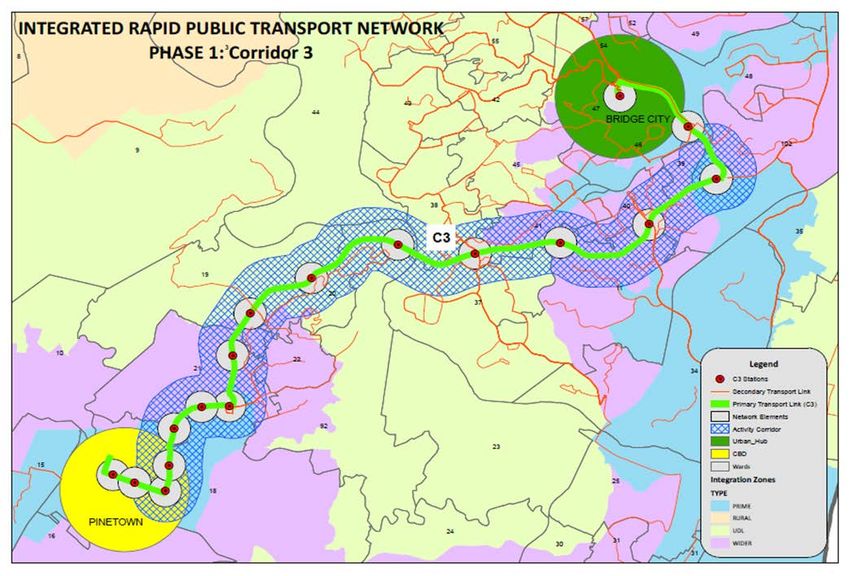
Table of Contents

•   Setting the scene

•   Project Background and objectives

•   Desired outcomes and impacts

•   Project Scope and current status

•   Challenges and opportunities

•   Lessons learned and key risks
Setting the Scene: eThekwini Municipal Area

                                                     Salient Facts
                                  •   Population: 3.8 million
                                  •   Area: 2297 km2
                                  •   Overall Density range : 4du/ha to 40 du/ha
                                  •   Households: 974 600
                                  •   Topography: flat coastal plains to steep
                                      escarpments in the west (>700m)
                                  •   Road Network: 9462 km
                                  •   Car ownership; 239/1000 population
                                  •   Average Income per capita: R4000 p.m. (40% spent
                                      on transport)
                                  •   Average PT trip: 20km (43min)
                                  •   Modal Split: Car (54%): PT (46%)
                                  •   PT Mode share : Minibus Taxi (69%); Bus (17%);
                                      Rail (14%)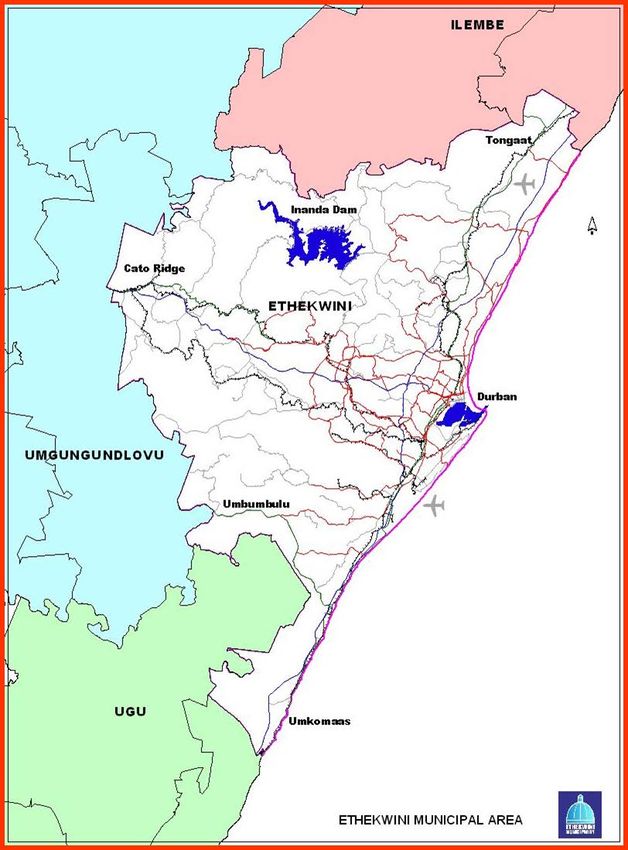
Setting the Scene - Historical Background and Spatial Inequality

                                                                             Legacy
Demarcation

                                             •   Former Durban City
                                                 boundary transformed
                                             •   Political changes since
                                                 1994
                                             •   Consolidation of 25
                                                 smaller local authorities
                                                 and KwaZulu
                                                 Government Areas into
                                                 Metro
                                             •   Legacy of spatial
                                                 inequality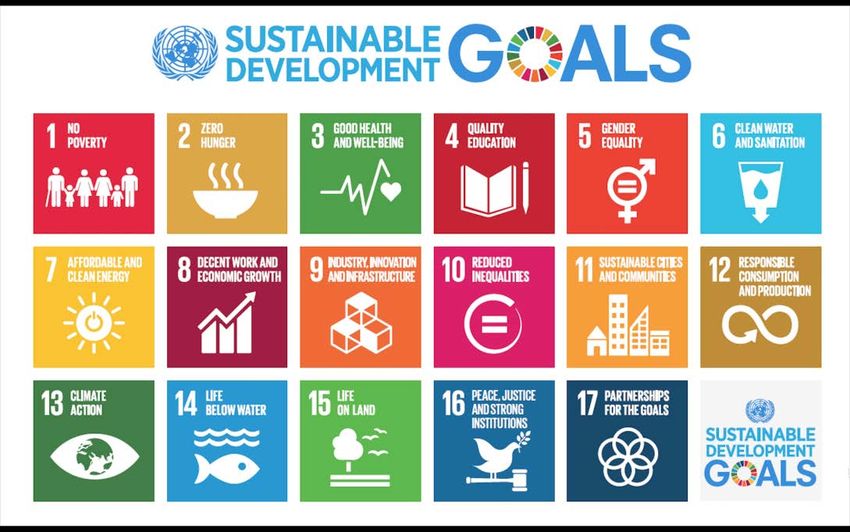
Setting the Scene – Public Transport Restructuring

                 National Public
                    Transport
                 Strategy (2007)

                 Integrated Public
                Transport Network
                       (IPTN)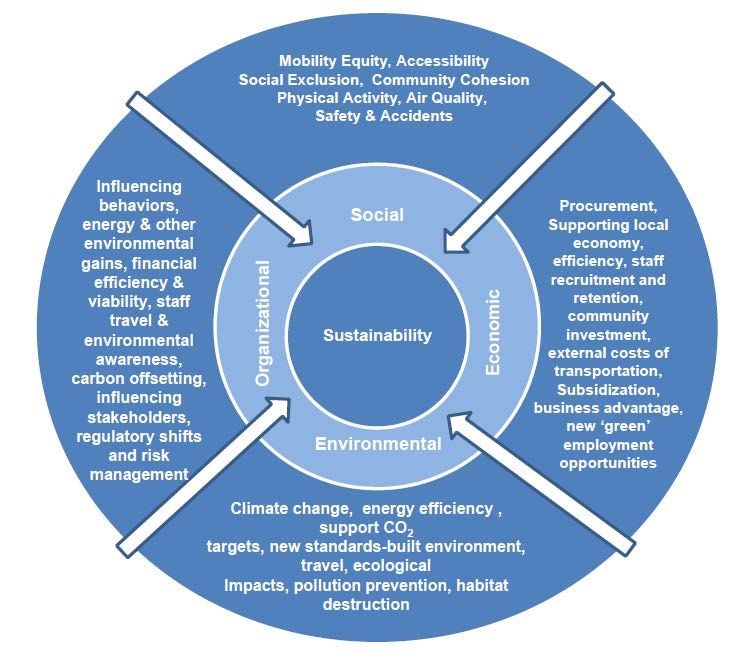
Project Background - Global Initiatives
● Population increase
● Rapid Urbanisation of cities
Motorisation
Energy Consumption
Pollution
Climate Change
Road safety
Accessibility and Affordability
Pressure on services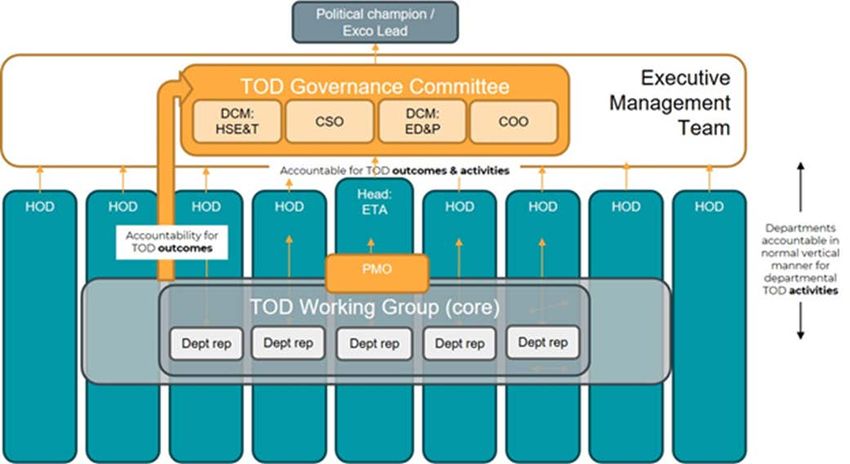
Project Background - Sustainability Strategy for Transport

                                 To take advantage of this approach, the eThekwini
                                 Transport Authority (ETA) is formulating business
                                 strategies that drive long-term organisational growth
                                 by mandating the inclusion of environmental, social
                                 and economic facets of sustainability into its
                                 business model.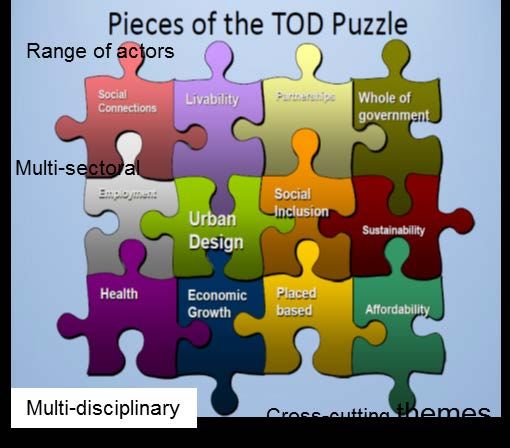
Project Background - Alignment with National & Local Objectives

                                           •   The NDP 2030 Vision, its spatial component the IUDF - emphasises the importance
                                               of spatial transformation;
                                               •     recommends spatially-focused approach;
                                               •     that encourages integrated investment;
                                               •     emphasis on the location of infrastructure and human settlements;
                                               •     resulting spatial form of cities.

                                           •   The UNS is a Transit-Oriented Development (TOD) investment planning, development
                                               and management approach.
                                           •     Key is spatial targeting.
                                               •       Approach to leverage private sector investment
                                               •       Spatially targeted interventions
                                               •       Application of financial, non-financial and regulatory instruments

              ECONOMIC
             OBJECTIVES
                                                                                       •   Positive impact on spatial transformation
                                                                                       •   Accessible to all communities via efficient PT
                                                                                       •   Spatially efficient and inclusive
                                                                                       •   Well located land for human settlements
                                                                                       •   Reduce cost of living
             Transformation
                                                                                       •   Cost of doing business
  SOCIAL
OBJECTIVES
                               SPATIAL
                              OBJECTIVES
                                                                                       •   Unlocking investment
                                                                                       •   Boost economy and job creation
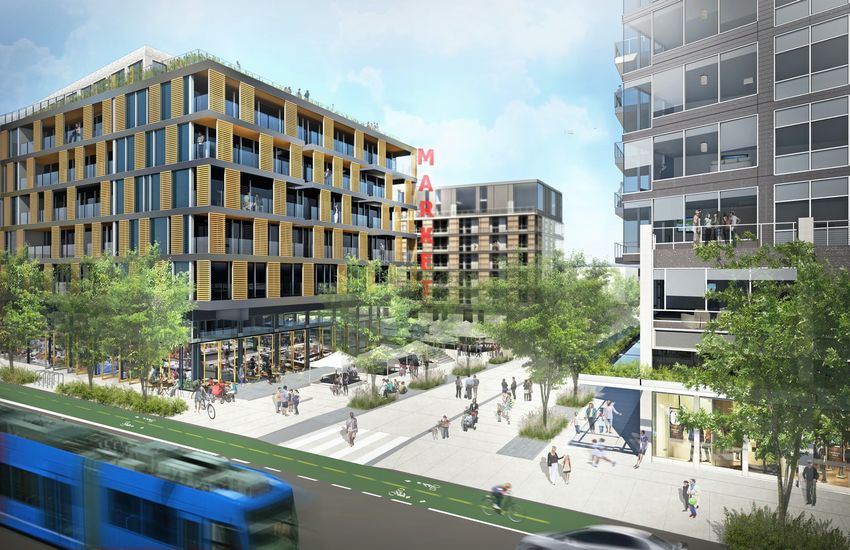
Project Background - TOD Concept

                     Transit-oriented development, or
                               TOD, is a type
                      of community development that
                                 includes a
                      mixture of housing, office, retail
                                and/or other
                    amenities integrated into a walkable
                    neighbourhood and located within a
                                 half-km of
                       quality public transportation.
Primary Objective

●   The primary objective of ETOD is to help design institutional, financial and economic models which the City can use to operationalise its
    pipeline of projects along corridors and nodes of its public transport network to realise spatial transformation, achieving financial
    sustainability of the network infrastructure.

●   The project will create an enabling environment for the Implementation of Transit Oriented Development. The land-transport-housing
    platform should encourage and enable intensification of development along and around the new Integrated Public Transport Network.

           Spatial and PT Restructuring
Objectives
• To develop a multi-sectoral institutional
model that acts as a co-ordinating tool for the • To provide seamless interconnectivity for
planning, implementation and all through an integrated, intermodal
operationalisation of the TOD; transport system. economic development
imperatives; regulatory instruments, such
• To formulate a change management process as development incentives and tax rebates
to foster the alignment of stakeholder plans for developers and investors
(both public – internal to the city and
intergovernmental and private sector); • to develop an organizational structure and
operational polices and supportive
• To develop a mainstreaming approach for professional policies and standards by
urban regeneration, densification and identifying sector/stakeholder roles and
transport corridor development in line with responsibilities in planning, implementing
the urban network strategy elements; and managing TOD within the municipality,
and the lead and coordinating function for
• To enhance spatial targeting of public alignment of inter-governmental and
investment, to maximize current spend in private sector initiatives;
fixed line public transport and to harness
private investment; • To identify overarching strategy and policy
statements for TOD for Phase 1 of the
• To accelerate spatial integration and service GO!Durban IPTN (C1, C2, C3 and C9)
delivery along the corridors and nodes, in corridors.
particular township nodes and CBDs;D esired ou t com e of TOD : sp at ial t ran sf orm at ion
Pu b lic
Privat e d evelop m en t
d evelop m en t
Bu lk
in frast ru ct u re Pu b lic sp ace
Urb an
m an ag em en t Lan d
Tran sit Co o rd in at ed an d co n cen t rat ed in sp ecif ic lo cat io n s
FUTURE CITIES SOUTH AFRICA | Slid e 12D esired ou t com e an d Im p act s - Th eory of Ch an g e
The stated impact of the programme is:
Safe, affordable, sustainable transport systems: Increased mobility through greater access to safe, affordable, sustainable transport systems for all,
especially the elderly, poor men and women, disabled persons and other vulnerable groups, in accordance with SDGs 1, 5, 9,10 and 11, South Africa's
National Development Plan (NDP) chapter 8 and the Integrated Urban Development Framework (IUDF)
Integrated urban planning: Well-governed, spatially efficient, technologically innovative, inclusive and integrated urban development and management that
results in more equitable economic opportunities for citizens, in accordance with SDGs 1, 5, 9,10 and 11, South Africa's National Development Plan (NDP)
chapter 8 and the Integrated Urban Development Framework (IUDF)
• Theory of change describes the results chain of how the project interventions contribute to the intended programme impact.
• The logframe, it sets out the contextual factors that influence the change, the relevant stakeholders that benefit or contribute to the change, and the time
taken to deliver the benefits, based on a set of clearly defined assumptions.
• These then contribute to the programme’s outcome indicators of an improved regulatory and policy environment, increased investment and a pipeline of
projects.
• The impact statement aligns directly to the two pillars of the Global Future Cities programme that the programme is working to, which are:
• “Pillar 1: Safe, affordable, sustainable transport systems” and “Pillar 2: Integrated urban planning”.
• The impact statement also aligns to important national development strategies of South Africa, specifically the National Development Plan (NDP) and
the Integrated Urban Development Framework (IUDF) and the SDGs 1, 5, 9, 10 and 11.
• The programme also contributes to an overall long-term impact of “inclusive economic growth, poverty reduction, reduced gender and social
inequality, and international investment
• This resonates with the ambitions of national urban development strategies in South Africa and the primary benefit of the FCO Global Future Cities
programme.
13Desired Outcome and Impacts - Project Impacts
A. Impact statement B. Outcomes C. Intermediate outcomes D. Outputs
(Beneficiary improvements) (City initiatives) (FCSA Team)
Investor friendly enablers and
approvals processes and
Community access to functions in place to perform TOD
opportunities and amenities, friendly regulatory and statutory TOD vision, intervention area
including an appropriate housing regulation and controls. identification prioritization and pilot
mix, a range of job opportunities, Integrated cross departmental project selection
TOD delivery facilitation
framework (e.g. dedicated TOD
Sustainability and resilience,
desk) combined with behaviour TOD SPV framework, including
including financial, social stability,
change in government to work Governance, institutional, and G&SI
climate change, resilience, natural
together structure allowing collaboration
Achieving inclusive resources, air quality, urban
economic development footprint across departments. Project
and social justice Mechanisms in place to ensure a champions identified
secure source of infrastructure
Improved quality of life, including investment funding generated
travel time savings, reduced travel through, e.g. through land value Zoning scheme framework for TOD
cost, improved mobility, safer sharing and service delivery based on a coherent Transport – LU
environment, spatial planning principles and TOD Vision
transformation Government sponsored incorporating cross-cutting issues
infrastructure rollout pipeline for
Private sector and rest of designated TODs, e.g. housing, Transport and supporting
government investment in education, health care facilities. infrastructure project delivery
designated TOD built environment pipeline programme required for
through productivity increase and City’s actions and activities to successful TOD intervention
good return on investment promoting private sector
opportunities participation through e.g. investor
conferences, development
forums, promotional agencies.Desired Outcome and Impacts - Project Outcomes
B. Outcomes C. Intermediate outcomes D. Outputs (as per proposal)
Economic value
A. Impacts Governance and Project champions 1. Baseline development
added
structures
institutional structure identified
Enabling
Jobs created Plans, policies and
Collaboration plan Economic models
Inclusive economic legal frameworks
TOD SPV framework
development across departments
Equity International good
practice
Economic
Private Sector
participation Gov investment
Investment
Housing delivery
enablers
commitments 2. Stakeholder engagement and institutional arrangements
Private sector
City budget Stakeholder map with Governance and
investor ROI
M&E framework institutional needs
Financial security Investor interest
Transport delivery Land value sharing
Government
investment
Affordability programme model
3. Financial and socio-economic modalities
Infrastructure Financial & economic
delivery Programme frameworks
Climate change
Ecology Pilot project
TOD delivery
Ensure critical mass 4. Change management framework
Sustainability and identification
Natural resources
resilience Identify work
Updated TOD Vision Change framework
Air quality packages
SPV capacity
Urban footprint Org design
development
Appropriate housing Project delivery plan
Lower travel cost
Community
and amenities mix Implementation plan
and budgeting
benefits
Gender and social
inclusion Reduced travel time Job opportunities
Safety 5. TOD strategy and policy statements
Improved quality of Spatial Demonstrated use of
life Coherent Transport –
Transport and
transformation TOD institutional,
integration
LU planning
land-use
financial and socio-
Access to
economic modalities
opportunities
TOD Zoning scheme
MobilityProject Scope: 3 year work plan
Year 3:
focus on refining the TOD
Year 2: strategy and policy statements
based on the lessons learned
application and rollout on 2 pilot
Year 1: stations • Mainstreaming of the TOD
development and testing of a TOD strategy and policy
framework • Implementing the TOD
framework developed for the * implementing the
• Setting up the TOD framework pilot station precincts appropriate institutional
and applying these at a high arrangements and SPV
level in the selection and • Testing the interim transversal structures
modelling of the pilot stations, institutional arrangement
• Undertaking a
• Set up modelling systems; * develop a TOD implementation comprehensive risk
plan and pipeline of focussed analysis
• Testing against principles, interventions for Phase 1 of
learning from the pilots the IPTN • Developing a
communications and
• Apply these at a high level in * to undertake financial and marketing strategy
the selection of the pilot socio-economic modelling
stations; and then • Agreeing on long term
• Developing and applying a investment targets
• Model in more detail for the comprehensive change
selected pilots. management framework • Evaluating the early
implementation success of
the pilot interventions
* monitoring and evaluating
the implementationCurrent Status
Deliverable Milestone
Governance structures and The Transit Oriented Development Advisory (TODAY) Reference Group has been established for the ETOD Project. The role of the
Transversal Management to TODAY group is to provide support and input on the ETOD Project activities and input on the project deliverables. The TODAY Group has
support ETOD Project been engaged regularly in order to secure input and feedback on the project activities. An ETOD Oversight Committee has also been
established to provide approval and final sign off on all project related deliverables and activities.
Developing a TOD Vision A draft TOD Vision has been developed. Further consultation is still required in order to adopt and endorse the TOD Vision.
Baseline development and Data and information is needed to inform decision making in relation to planning and implementation priorities in the TOD corridors, and
forecasting also to monitor the longer-term impact of TOD interventions. Baseline data for the transport corridors and precincts has been identified,
collected and used in initial modelling and forecasting work.
Pilot station precinct selection Through a consultation process, three Pilot Station Precincts have been selected to pilot the implementation of TOD principles. These
include Bridge City, Pinetown Central cluster (includes: Moodie, Civic and Beviss Station) and Queen Nandi as a greenfield station precinct.
Pilot station planning, design The economic and financial modelling framework, and landuse model have been prepared for testing in the pilot station precincts. These
and testing: tools are being used to assess the development options in station precincts and the potential outcomes in relation to socio-economic and
environmental objectives. This includes considering the potential contribution of land value capture to ensure financial sustainability of land
development, transport network and precinct management.
Interim transversal Through a consultative process, an interim transversal management arrangement to implement TOD has been proposed. Further
management arrangement consultation is currently underway to secure support for the proposed interim transversal arrangement
Stakeholder engagement Stakeholder engagement has been undertaken with the TODAY group and Oversight Committee in order to endorse the key deliverables
outlined above. However, further engagement with the private sector and communities is still needed once the work focuses at a precinct
level.
Funding and Financing : Options are being explored on financing TOD and the recommended institutional model to implement TOD in the city.Cross cutting issues
Gender and Social Inclusion
• Mainstream G&SI into TOD project through stakeholder participation, technical work streams and change management
activities
• Ensuring appropriate gender representation in stakeholder identification, and throughout the engagement process
• Reviewing policies and processes through a G&SI lens
• Developing decision support tools that are structured to include G&SI objectives
Sustainable Development Goals
• As part of the collaboration within the GFPC, UN Habitat are facilitating the customisation and implementation of the Sustainable
Development Goals (SDG) Project Assessment Tool during the course of project implementation.
• Customisation of the SDG Project Assessment Tool for the project, UN Habitat led participatory workshop with representatives
from the Project Sponsor, Delivery Partner and City to select a range of principles from the Tool which are being used to assess
the project.Current Status – Unpacking The Governance and Institutional Arrangements
Enhanced institutional and governance coordination for supporting alignments of
stakeholder plans working on Transit-Oriented Development (TOD).
Short Title: eThekwini Transit Oriented Development (eTOD Project)Current Status – Managing the FCSA Team
EThekwini Municipality City Leadership (Co-leads) Role:
Strategic oversight of the Programme
In Project Governance
EThekwini Municipality Programme Coordination)-
Structure Coordination Team – City & UKPF Funded Programme
Management Support
Role: Programme Coordination and oversight
Core Team : Resilience Team & ETA
Role: managing the day-to-day activities
Oversight Committee: Final decision-making group
Comprises of Departmental Heads.
Role: Final technical sign off on deliverables and activities
TOD Advisory (TODAY) REFERENCE GROUP:
Municipal & External (Technical and Leadership)
Role: participation in and contribution to activities and
deliverablesCurrent Status - Institutional framework
Slide
21Current Status - Institutional progression
INTERIM TRANSVERSAL ARRANGEM ENTS FINAL ARRANGEM ENTS
Year 1 Year 2 Year 3
D evelop m en t of Pilot t est in g an d Ch an g e
p rin cip les an d exp erim en t in g m an ag em en t
m od els
Co Le a d s TO D Go ve rn a n c e Co m m it t e e
(D CM: HS, E&T; (D CM: HS, E&T; CSO ; D CM: ED &P ; CO O )
CSO )
ETO D O ve rsig h t Tra n s ve rs a l W o rkin g Te a m s
Co m m it t e e Selection
(D e c isio n - W o rks t re a m 1
m a k in g ) W o rks t re a m 2
Tra n s ve rs a l W o rkin g
W o rks t re a m 3 Gro u p
TO D Ad viso ry
(Re fe re n c e …
Gro u p )
ET
TO D
Co re Te a m
A P MO
FCSA FCSACurrent Status – Institutional alignment
Align TOD with strategic goals Corridor modelling & analysis Precinct planning & Project design & Precinct
& objectives - Status quo - data design implementation management
- IDP - Transport modelling - Land use mix & density - Site layout - Security
- SDF - Economic modelling - Open space & Urban - Green tech - Cleansing
- Climate Action Plan - Land use density & mix design - Project finance - Data collection
- SDG Goals - Financial modelling (cross- - NMT & parking plan - Building /site approval - LED
- CSP KPIs subsidising) - Services - Events
- Budget alignment & prioritisation - Bulk infrastructure plan &
implement (incl. BRT) Security
Invest Durban Management
LUM
ETA Roads
Environment & Cleansing &SW
Climate LUM Architecture
Real Estate ABM
Spatial Planning Business support
Business support
Electricity
Urban design
Finance Roads LED interventions
Catalytic projects
Human Settlements W&S Parks, Rec &
Culture
CIC Finance
CSO
Interim Manager TOD
Lead: Precinct
Lead: Data, Tech & Lead: Corridor design Lead: Precinct
implementation &
Project Management & planning planning & design
managementCurrent Status - Project Delivery Framework
Transversal TOD Working Groups Precinct stakeholders
(as per Interim Institutional Structure) (External stakeholder
Process engagement)
Implementation and
Monitoring
Existing Plans and Land use Development Community Precinct Vision
Processes Parameters and Issues
Process Adjustments
Detailed Precinct
Gap Analysis Modelling
Lessons Learnt for
Long Term Institutional TOD Precinct Actions for
Structure Action Allocation Success
Rollout in other corridors
TOD Framework
Funded Precinct
Long term Institutional Implementation Plan
Structure Resourcing
Pilot Precinct ImplementationProcess map We are here
TOD Vision : Set t in g t h e d irect ion an d D e s ig n t h e Co m m u n ic a t e / Ra is e
c o n t e xt in s t it u t io n a l a w a re n e s s a n d s e n s it ise
a rra n g e m e n t s w it h ro le -p la ye rs re le va n t t o
W h a t s u c c e s s fu l o u t c o m e s lo o k like c le a r g o ve rn a n c e TO D . Ho ld
a c ro s s t h e Cit y (o rg a n iza t io n ), w it h a n d a c c o u n t a b ilit y e n g a g e m e n t s , e .g .
a n d fo r re le va n t ro le -p la ye rs a n d lin e s – p e rfo rm a n c e P la n n in g c lu s t e r
s t a ke h o ld e rs m e t ric s engagem ent
Re fin e a n d s e le c t Cla rify
d e p a rt m e n t s m o s t e xp e c t a t io n s , D e fin e a n d s e t -u p
D e t e rm in e / D e fin e p e rfo rm a n c e w o rks t re a m s
fo c a l a re a (s ) o f t h e 3 re le va n t t o
a rra n g e m e n t s - a lig n e d t o t h e 6
p ilo t p re c in c t s im p le m e n t in g TO D ro le s , e le m e n t s o f t h e
a t e a c h p ilo t re s p o n s ib ilit ie s , TO D fra m e w o rk
p re c in c t - TW Ts t im e lin e s , e t c
O n g o in g ro b u s t
p e rfo rm a n c e Tra c k p e rfo rm a n c e
d ia lo g u e s e ffe c t ive ly
Slide
25Challenges to implementing TOD • Lack of appropriate transversal coordination • Lack of political will to support spatial targeting of investment • Inability to convert transit accessibility into land value increase • Difficulty in demonstrating value of transit orientation without an operational transit system • Poor relationship and understanding between developers and the Municipality • Tension between the need to subsidise transport operations and spatial transformation objectives • Structural constraints in the national housing programme • Constraints to implementing innovative financing instruments • Suppressed economic growth
Ben ef it s o f Tran sversal M an ag em en t o f TOD

●   TOD involves the coordinated and concentrated delivery of transit, land, bulk infrastructure, public and
    private development and urban management in specific locations
●    These are the functions of many (if not most) different departments in the municipality.
●   Alignment of the activities necessary for TOD cannot happen unless the correct incentives, systems,
    structures and lines of accountability are put in place.
●   Transversal management can achieve this, without the institutional disruption of a separate entity that
    duplicates these functions.
Lesso n s learn t an d k ey risk s
● Evidence from case studies and the literature
● Clear, unambiguous and sustained political support
● An appropriate institutional structure with strong transversal coordination across all functions related to
TOD and executive powers to implement decisions.
● Evidence to prove the value created by the operational, high-quality IPTN
● Buy in to the vision from all stakeholders
● Strong spatial regulation, free from political influence
● Formal partnerships and forums for engagement between all stakeholders around TOD
● Adequate and appropriate financing for the required investmentsTh an k Yo u
You can also read


