5% ULTIM@T% C@R1RS GUID%: LONDON 2020 - london.ac.uk/the-careers-group Tips to help you explore your options Advice on planning and deciding what ...
←
→
Page content transcription
If your browser does not render page correctly, please read the page content below

5% ULTIM@T%
C@R1RS GUID%:
LONDON 2020

 Tips to help you explore your options
 Advice on planning and deciding what action to take
 Support on applying for jobs and attending interviews
 Internships and vacancies

london.ac.uk/the-careers-group


Contact us                                                   Welcome
     City University of London
     T: 020 7040 8093
     www.city.ac.uk/careers
                                                             HOW YOUR CAREERS SERVICE
     Goldsmiths,
     University of London
                                                             CAN SUPPORT YOU.
     T: 020 7919 7137

                                                            E
     www.gold.ac.uk/careers                                           very year at enrolment we ask you a series of questions about
                                                                      what stage you’re at with your career planning. It’s important to
     King’s College London
     T: 020 7848 7134                                                 remember that throughout your time as a student you may move
     www.kcl.ac.uk/careers                                            between being certain of your next steps and needing help to re-
                                                            evaluate and be pointed in the right direction. This guide is set out in
     Queen Mary,                                            helpful sections to support you whatever stage you are at; exploring your
     University of London
     T: 020 7882 8533                                       options, planning and deciding on what action to take, or applying for
     www.careers.qmul.ac.uk                                 jobs and attending interviews.
                                                               A wide range of support is also on offer at your careers service. Our
     Royal Holloway,                                        staff visit employers regularly and share the latest information about
     University of London                                   recruitment and industry developments. We have helped our students
     T: 01784 443073
     www.royalholloway.ac.uk                                enter many different areas of work, further study and self-employment,
                                                            from the conventional to the unusual. Our advice is professional,
     St Mary’s University                                   impartial and confidential.
     T: 020 8240 4000
     www.stmarys.ac.uk/careers                              Information and advice from year one
                                                            • Get support in finding part-time work, volunteering and work
     SOAS
     T: 020 7898 4115                                         experience opportunities.
     www.soas.ac.uk/careers                                 • Take part in careers fairs, workshops and panel discussions giving you
                                                              a chance to network and interact with employers.
     UCL                                                    • Attend workshops and talks linked to your area of study.
     T: 020 3549 5900                                       • Make the most of practice opportunities for interviews, psychometric
     www.ucl.ac.uk/careers
                                                              tests and assessment centres.
                                                            • Get advice on how to improve your applications, CVs and cover
                                                              letters whether for jobs, courses, work experience or internships.
                                                            • Receive support and guidance about job searching.
                                                            • Attend one-to-one advice sessions to help you make the next step.

                                 PProduced by               Editorial                     Advertising               Production director
                                        GTI Media Ltd       Amandine Riche,               Adam Gillespie,           Jane Anderson
                                  TThe Fountain Building    Emily Dunn                    sales product champion;   Group CEO
                                                                                          the TARGETjobs sales                               GTI Media works in association
                                   Howbery Park
                                   H                        Proofreader                                             Graham Storey            with AGCAS to provide top
                                   Benson Lane
                                   B                        Susannah Woolmer              team; the campaign                                 quality careers advice to
                                   Wallingford
                                   W                        Additional content            management team                                    university students.
                                   Oxon OX10 8BA UK
                                   O                        Sally Brown, Kirsti Burton,   Commercial director       ISSN: 1740-2506
                                   TT: +44 (0)1491 826262   Tom Davies, Sam Harris-       Jon Mallott               ISBN:978 1 912625 22 2
                                    www.groupgti.com
                                    w                       Jones, Joanie Magill,         Sales director            Printer
                                                            Rosalind Kemp, Penny          Simon Rogers              Stephens & George,
                                 E
                                 Editor Rosalind Kemp,
                                                            Longman, Donald Lush,                                   Merthyr Tydfil
                                 SSusanne Stoddart
                                                            Amy Townsend,
                                                            Mona Vadher

london.ac.uk/the-careers-group                                                                                          THE ULTIMATE CAREERS GUIDE: LONDON 2020               1
Use your TARGETjobs dashboard
                  to make your job hunt easier
                                                                                                   7

                                                                                                        8

                                                   6
 1                                                                  4

                2
 3                                                                  5
                                                                                           Personalise
                                                                                           your job search
                                                                                           Direct messages
                                                                                           You can now receive highly targeted
                                                                                           messages from employers and have
                                                                                           the opportunity to connect with them
                                                                                           directly.

                                                                                           Employers write and send messages to the
 1   Your profile                             5   Recently viewed                          sspecific members they would like to talk to.
Keep your profile up to date. This is your   Jump straight back into advice, videos,        TThis could be about a job opportunity you
career passport so it’s in your best         internships, jobs and events you were           are a good match for or an event they
interests to complete it in as much depth    recently exploring.                             would like you to attend.
as possible. We can then send you the
most relevant careers advice and jobs         6                                            We send you an alert to let you know there
                                                                                           W
                                                  Shortlisted jobs                         iis a message waiting for you within your
information possible.
                                             Save all the jobs you are interested in and    ddashboard.
                                             get reminders when their closing dates
 2   Shortlisted courses                     are approaching.                              Once you’ve read the message, you decide
                                                                                           O
Interested in postgraduate options? Save                                                   whether or not you would like to continue
                                                                                           w
the courses you are interested in and                                                      tto talk directly to the employer about the
                                              7 The Graduate Benchmark                      content of the message, ie to find out more
revisit them at a later date.
                                             Test yourself with the three most              about the company or role, or to attend the
                                             commonly used aptitude tests, discover         event.
 3   Favourite content
                                             your strengths and compare your scores!
Found an article or video useful? Save it                                                  If you would like to continue the
here. We recommend saving useful                                                           cconversation, we will send the employer
content throughout your career journey –
                                              8 Recommendations                             yyour TARGETjobs profile, including contact
from choosing a career to the day you get                                                    details but excluding sensitive data, so
                                             Careers advice, internships, jobs and
                                                                                             they can contact you directly.
hired by your favourite employer.            events just for you.
                                                                                           Direct messages within TARGETjobs are the
 4   Your CV                                                                               best way to build your network and land
Make your applications easy: save your CV                                                  yyour perfect graduate job!
to your dashboard.

                                                                                                               Built by
WELCOME

INSIDE
THIS GUIDE
london.ac.uk/the-careers-group
    Welcome                                       Applications and interviews
1    How your careers service can support you   25 Demonstrating your skills
                                                28 Commercial awareness
                                                30 Your CV
    The essentials
                                                32 Effective cover letters
4    Steps to success                           34 Common application errors and
7    Here for a year – are you a taught            how to avoid them
     postgraduate?                              35 Make the first move with speculative
8    Career planning for PhDs                      applications

9    International students                     36 Impress at interview                                                        At your Careers website
10 Experience matters                           40 Assessment centres at a glance
                                                                                                                               • Jobs, employer profiles,
11 10 more ways to create your                  42 Psychometric success                                                          temp work and internships
                                                43 Handling job offers                                                         • Career advice: career options,
   own experience
                                                                                                                                 tips on getting hired, advice on
                                                                                                                                 specialist industries
                                                                                                                               • The latest workshops, networking
                                                  Jobs and course providers                                                      events and fairs.

                                                45 Leading employers and course providers
                                                   who want to hear from you
                                                Employers
                                                Alfa ..........................................................46, (IFC)
                                                Compass lexecon..............................................46
                                                Dixon Wilson ..................................................(46)
                                                DLA Piper LLP ....................................................47
    Choosing your options                       The Frontline Organisation ..........................(48)
                                                FTI Consulting ................................................(47)
12 Unsure about what to do about next?
                                                HSBC Bank Plc ..................................................47
15 Doing it your way: business and
   social enterprises                           Integration Consulting......................................48
16 Further study FAQs                           J A Kemp ............................................................48
                                                Johnson Matthey ..............................................50
18 To PhD or not to PhD? That is the question
                                                Kerry ..................................................................50
                                                Lighthouse Systems Ltd ..................................50
    Taking action                               Mars & Co Consulting Limited ........................51
                                                Metaswitch ....................................................(IBC)
19 Job-hunting tactics                          NERA ECONOMIC CONSULTING ..........................51                          And don’t forget
20 Why events are essential                     Newton ..............................................................51        Go to targetjobs.co.uk to find your
21 Making connections                                                                                                          ideal graduate job, work placement,
                                                Ocado Group ......................................................51
                                                                                                                               internship or part-time job. You can
22 Master social media                          RBB Economics LLP..........................................52                  search thousands of vacancies by
23 Getting LinkedIn with employers              Roland Berger ..................................................52             sector and location, as well as access
                                                Sidley Austin LLP ..............................................53             top-notch careers advice.
                                                Sky ..................................................................(52)     And go to targetpostgrad.com if you’re
                                                                                                                               considering postgraduate study. Find
                                                Teach First ........................................................44
                                                                                                                               the right course for you, as well as
                                                TPP..........................................................53, (OBC)         advice on funding and how your
                                                Thoughtworks ................................................(53)              postgraduate study options affect your
                                                                                                                               career prospects.
                                                IFC = inside front cover
                                                OBC = outside back cover
                                                IBC = inside back cover
                                                ( ) = Display advertising
                                                                                                                             THE ULTIMATE CAREERS GUIDE: LONDON 2020      3
WARWICK
    THE ESSENTIALS
            AND YOUR CAREER

                              STEPS TO SUCCESS
              THERE ARE MANY THINGS YOU CAN DO TO MAXIMISE YOUR CAREER OPPORTUNITIES
                       DURING THE FIRST YEAR OF YOUR UNDERGRADUATE DEGREE.

                                    EXPLORE                    PLAN                       APPLY

               The more networking and work experience you do, the
              more you will find out about different jobs and employers.
                This could lead you to change direction and re-start                              First-year timeline
                             the cycle by exploring again.

                                                                                                         Join clubs and societies
                                                                                              Sep        and get involved in
                                                                                                         university life

       TYPICALLY, DURING                                                                      Oct        Attend careers workshops
                                                                                                         and events
       YOUR FIRST YEAR
       Get involved in university life
                                                                                              Nov
       Join activities, clubs, societies, make   Definitions                                             Deadlines for spring
       friends, build your confidence,
                                                                                                         insights (primarily banking
       broaden your horizons, learn new          Employability                                           and finance sectors)
       skills. For example you might develop     Quite simply, how ready you are for a        Dec
       your teamworking skills, learn to build   job.
       and maintain a website, or manage
       your society’s accounts.                  Graduate scheme
                                                 Structured programme, usually with           Jan        Look for volunteering
       Find out about different possible         one of the bigger employers, with                       opportunities or part-
       careers                                   lots of training and leadership                         time work if you haven’t
       Attend events, read up on different                                                               found something
                                                 development opportunities. Graduate                     already
       sectors, visit company and careers        schemes are usually the most highly          Feb
       advice websites. Learn as much as                                                                 Good time to look
                                                 promoted and visible opportunities                      for summer work/
       you can about the variety of              but actually represent only a small                     work experience
       opportunities that exist.                 proportion of graduate jobs. They
                                                 also tend to be the most competitive         Mar
       Volunteer
                                                 to get into.
       Whether for one-off events or long
       term. Not just for those who want to      SME
       work in the charity sector –              Small-to-medium-sized enterprise             Apr        Spring insights
       volunteering can give you valuable        (fewer than 250 employees). Many
       experience of organising things,          graduate opportunities are with
       getting on with people, managing          SMEs but they may not be household
       your time and much more. Choose           names so be ready to do your
                                                                                              May
       something you care about and get          research to find out about them.                        Exams/assignment
       involved. It could be life-changing for                                                           deadlines
       you as well as helping others.            Graduate job
                                                 Individual job that requires a degree,
                                                                                              Jun
       Gain experience of a work place           but is not a position on one of the
       This could be through a part-time job     structured graduate schemes. Many
       (but avoid committing too many hours),    jobs within SMEs will be graduate            Jul
       summer work, work experience,                                                                     Work/travel/enjoy
                                                 jobs rather than part of a graduate
       internship (usually in the summer         scheme. They can be excellent
       before your final year), or placement     opportunities to take on a diverse
       as part of your degree.                   range of responsibilities.                   Aug

4   THE ULTIMATE CAREERS GUIDE: LONDON 2020                                                              london.ac.uk/the-careers-group
THE ESSENTIALS

                                  EXPLORE                      PLAN                         APPLY

                            TYPICALLY, YOU WILL BE AT THIS STAGE DURING THE SECOND YEAR
                                         OF YOUR UNDERGRADUATE DEGREE.
                                      You may find yourself returning to the explore stage
                                       as you change plans or think of new possibilities.

   TYPICALLY, DURING                                                                               Second-year
   YOUR SECOND YEAR                                                                                timeline
   Start attending careers workshops
   To find out about job-hunting, CV
   writing, applications and interviews.
   These may be run as part of your                                                               Sep
   course or by the careers service.
   Continue to explore job sectors
   Look beyond the obvious to make
   sure you don’t overlook the very                                                                Oct
   career that might be a perfect fit.          Definitions
   Get your CV checked                          Competencies, skills and strengths
   But remember it will need to be                                                                Nov        Attend careers
                                                Recruiters often select according to
   adapted to tailor it to each position        ‘competencies’ or ‘strengths’. A                             workshops – CV writing,
   you apply for.                                                                                            applications, job-hunting,
                                                competency is a skill you can                                career choice
   Apply for summer internships                 demonstrate and you may be asked                  Dec
   opportunities                                to give an example on an application
                                                form (or at interview). A strength                           Attend employer fairs,
   If your course has a placement year,                                                                      workshops, events
   apply for placements.                        highlights a natural affinity for a
                                                specific activity, and will often reflect         Jan
   Attend careers fairs and other               what you enjoy doing.                                        Prepare for assessment
   employer events                                                                                           centres and
   Workshops, mock assessment                   Transferable skills                                          psychometric tests
   centres, presentations will really help      Simply skills you have gained in one              Feb
   you understand how employers                 situation which can be applied in
   select candidates as well as giving an       another. For example, teamwork                               Deadlines for
   insight into different jobs and sectors.     skills gained from being on the                              summer
                                                committee of a student society will               Mar        internships
   Keep on volunteering and taking              be useful in almost any workplace.
   part in extra-curricular activities
   This could be university-based or
   elsewhere.                                                                                      Apr
   Consider your priorities
   and your skills
   An appointment with a careers                                                                  May
   consultant could be helpful at this
   stage – you do not need to have
   worked out a career plan before
   booking an appointment.                                                                        Jun        Continue applying
                                                                                                             for summer
   Build (or update) a LinkedIn profile                                                                      internships/work
   Use LinkedIn to research and follow                                                                       experience/jobs
   organisations, join groups and make                                                             Jul
   connections with people in industries
   which interest you (always add a
   note to personalise a request to
                                                                                                  Aug

london.ac.uk/the-careers-group                                                               THE ULTIMATE CAREERS GUIDE: LONDON 2020      5
WARWICK
    THE ESSENTIALS
            AND YOUR CAREER

                                    EXPLORE                  PLAN                      APPLY

                            TYPICALLY YOU WILL BE AT THIS STAGE DURING THE FINAL YEAR
                                        OF YOUR UNDERGRADUATE DEGREE.

                                                                                          Final-year timeline
                                                                                          Relevant for final-year undergraduates
                                                                                          and for students on one-year
                                                                                          postgraduate programmes

                                                                                                     Check deadlines for
       TYPICALLY, DURING                                                                   Sep       graduate schemes
       YOUR FINAL YEAR
                                                                                                     Consider applying
       Attend careers fairs to talk to                                                               for a masters course
       employers                                                                           Oct       Deadlines for graduate
       These mainly take place in the                                                                schemes begin
       autumn term. Find out what they are
       looking for in applicants and what                                                            Deadlines for PhD
       their selection processes involve.                                                  Nov       applications begin
       Attend careers workshops
       To hone your job-hunting, CV writing,   Definitions
       application and interview skills.                                                             Earliest PhD funding
                                               Assessment centre                           Dec       deadlines
       Practise for online tests and for       A common part of the selection
       assessment centre tasks                 process for graduate schemes and
       Using online practice materials         many graduate jobs. Typically a day
       and/or attending workshops run by       or half-day of exercises, which may         Jan       Further deadlines for
       your careers service.                   include giving a presentation, taking                 graduate schemes
                                               part in a group exercise and
       Work hard on your degree!                                                                     Interview processes for
                                               individual tasks such as an e-tray                    graduate schemes
       Employers’ emphasis on a 2:1 or         exercise.
       above is decreasing but strong                                                      Feb
       results still help.                     Video interview                                       Applications and
                                               You are required to record your                       interviews for
       Think about your skills and                                                                   graduate jobs begin
       priorities for your next step.          answers (within a set time)
                                               speaking to a computer screen.              Mar
       You may find yourself returning to
       the ‘explore’ stage as your ideas may   Psychometric tests
       shift and develop. This might be as a   Test different aptitudes (such as
       result of reflecting on a work          numerical and verbal reasoning),
       placement or internship. A placement    usually online. May include tests to        Apr
       which makes you realise you do not      assess your personality type and/or
       want to pursue that particular career   situational judgement questions.
       is just as useful as one which
       confirms your original idea. Be open                                                May       Exams/deadlines
       to exploring next steps you may not
       have thought about before – it is not
       too late.
                                                                                                     Continue to access
       Build networks                                                                      Jun       careers services and apply
       Maximise your contact with                                                                    for jobs
       employers through attending
       employer-led events, workshops
       and presentations.
                                                                                           Jul

                                                                                           Aug
6   THE ULTIMATE CAREERS GUIDE: LONDON 2020                                                            london.ac.uk/the-careers-group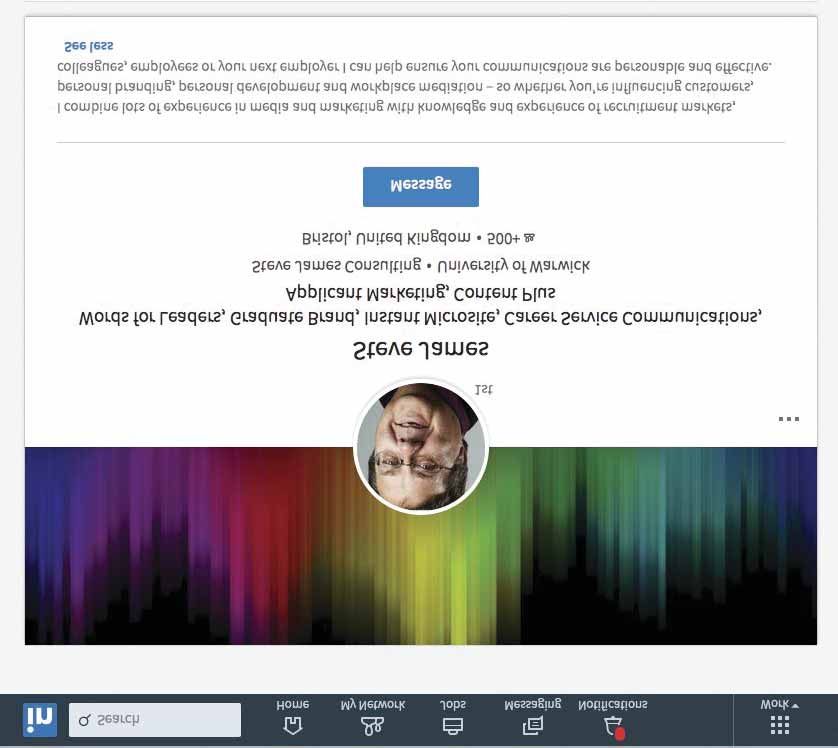
THE ESSENTIALS

                                  EXPLORE                         PLAN                        APPLY

      HERE FOR A YEAR – ARE YOU
      A TAUGHT POSTGRADUATE?
                                   WHAT TO DO AND WHEN, FOR MASTERS STUDENTS.

   What to expect                                 3. Book a guidance appointment with         The process
   The workload on a one-year taught                 a careers consultant fairly early on.    For a masters student the process of
   masters course can be quite intense, and          An initial appointment is likely to be   exploring your career options,
   when you first arrive and start settling in       part of a process rather than            planning them and applying for work
   to your course visiting the careers               resolving every query in one go.         (outlined in our steps to success
   service may not be top of your ‘to do’ list.      Starting this process early allows       article on page 4) obviously has to be
   However, it is worth checking out the             time for subsequent appointments         speeded up to fit in a year rather than
   careers support sooner rather than later,         as your ideas develop.                   being spread across an
   and here are some reasons why:                                                             undergraduate degree. Although you
                                                  4. Keep ahead of deadlines – some           may previously have covered the
   1. Many employer events take place in             graduate schemes close as early          earlier stages and be at the ‘apply’
        the autumn term. Your university             as October.                              stage, you may equally still be
        may hold one big annual careers fair                                                  exploring. Alternatively, your masters
        for a particular sector as early as the   5. If you are thinking of the masters       course may take you in a new
        beginning of October.                        course as a potential stepping           direction so you may find you need to
                                                     stone towards a PhD it is important      revisit the ‘explore’ stage. The
   2. Most careers services run workshops            to be aware of deadlines for PhDs,       timeline on page 6 indicates some
        to help you with job hunting, CV             some of which are as early as            key deadlines to be aware of – but
        writing, applications and interviews,        November.                                the important thing is to make full
        and these are likely to take place                                                    use of the support available during
        mainly in the autumn and spring                                                       the year to clarify what you want your
        terms. It is worth getting involved                                                   next step to be and to work towards
        with them early in your academic                                                      that goal.
        year.

london.ac.uk/the-careers-group                                                                   THE ULTIMATE CAREERS GUIDE: LONDON 2020   7
THE ESSENTIALS

    CAREER PLANNING FOR PHDS
    GETTING THE WORK YOU WANT IF YOU HAVE A DOCTORATE.

    Before applying for a PhD
    •    Reflect on your motivations and ambitions – which career doors does a PhD need to open for you?
    •    Speak to people who are already on a PhD programme.
    •    Speak to potential supervisors.
    •    Research possible next steps beyond the PhD via job adverts, LinkedIn and Prospects (prospects.ac.uk).

        See ‘To PhD or not to PhD? That is the question’ PAGE 18

                        YEAR                                         YEAR                                     YEAR

                        1                                            2                                        3
         • Start to build networks with team          • Identify jobs and sectors you are      • Identify specific job roles you are
           members, colleagues and people               interested in. Your careers service      interested in.
           in fields of work that interest you.         website will have resources for        • Build regular time for job
           Set up your LinkedIn page and                this. Read the Vitae ‘What do            searching and applications into
           profile.                                     researchers do?’ publications            your diary.
         • Familiarise yourself with the                (on vitae.ac.uk).                      • Identify potential employers in
           training opportunities provided by         • Seek guidance from a careers             your chosen sectors and research
           your institution.                            consultant to help clarify your          them thoroughly. Try to speak to
         • Start to investigate career options.         career selection and your key            someone who already works
           What type of work attracts you?              selling points.                          there.
           What are your strengths? What              • Expand your networks and use           • Work out your job-seeking
           matters to you in a career?                  these to build contacts and help         strategies and find out where,
         • Build your skills through work               you develop your career ideas.           when and how vacancies are
           experience, public engagement                Talk to people already doing the         advertised. A careers consultant
           and personal interests. Reflect on           jobs you are interested in.              can help with this.
           your development.                          • Identify work shadowing                • Seek advice on interview
         • Discuss career options with your             opportunities.                           preparation from your careers
           supervisor and a careers                   • Start getting your CV in order –         service.
           consultant. Many institutions have           this will help you think clearly       • Apply for some jobs to gain
           specialist advisers and coaches              about your skills and attributes.        experience and build confidence.
           who are dedicated to supporting            • Consider how to communicate            • Get feedback on CVs and
           PhD students. You don’t need                 your research skills effectively for     applications from careers
           specific ideas in mind when you              your target sectors and employers.       advisers.
           do this.                                   • Continue to build your transferable    • Continue to check out careers
                                                        skills through research, teaching        fairs and employer presentations.
                                                        and other activities.                  • Reflect on possible next steps
                                                      • Make use of the PhD-specific             beyond the roles you have been
                                                        training and development                 applying for.
                                                        provided at your institution.
                                                      • Attend careers fairs and employer
                                                        presentations. Often events aimed
                                                        at undergraduates are attended
                                                        by employers who are also
                                                        interested in PhD graduates.
                                                      • Attend conferences to expand your
                                                        network, become comfortable
                                                        talking about your research and
                                                        promote your research.
                                                      • Form an academic career plan for
                                                        publications and get some
                                                        teaching experience. Consider how
                                                        you will promote your research
                                                        and publications.

8   THE ULTIMATE CAREERS GUIDE: LONDON 2020                                                                     london.ac.uk/the-careers-group
THE ESSENTIALS
INTERNATIONAL STUDENTS
BEING AN INTERNATIONAL STUDENT STUDYING ABROAD GIVES YOU A GLOBAL
PERSPECTIVE THAT IS VALUABLE TO EMPLOYERS.
F
inding work in the UK after graduation can be Keep your options open
a challenge, and requires a lot of determination Although you might have your heart set on a certain
and patience. If you’re hoping to stay in the UK type of work in a particular country, keeping an open
then starting the job-hunting process as early as mind will increase the options available to you.
possible is key, as it’s likely to stretch over a long Perhaps you could consider working in a different
period of time. Below are steps you can take to sector, moving to another country, or even returning to
improve your chances. your home country.
Identify your competitive advantage Tips for success
Think about what you have to offer that other • London is an exciting place to live, with lots of events
candidates might not possess. This could be language you can attend to find out more about a sector, new
ability or knowledge of a particular country’s organisations to discover and useful contacts to make
business culture for example. Use this as a basis to who may be able to help you in the future.
identify employers you could contact who would • Use your spare time to build your work experience.
value these skills. Are there companies from your This will allow you to develop skills employers look
home country or who have clients or suppliers in for, such as communication and teamwork, within a
your home country for example, where your skills professional work environment. It is also an
would be needed? opportunity to network, gain UK-based references
and increase your understanding of different jobs
Know the law and UK working culture. It will be a valuable
Visa and working regulations can be complicated. addition to your CV and will improve your chances
Knowing as much as you can about your visa options of gaining future work opportunities.
and what the hiring process entails is strongly • Improve your English. Employers will expect a high
recommended early on, so you can start planning level of English from applicants. Practise by joining
your next steps sooner rather than later. Make use of clubs and societies, and undertaking volunteering
your college’s international student support office for roles or a part-time job.
advice and answers to any questions you might have. • Look out for alumni events. You could get some job-
See gov.uk/visas-immigration and ukcisa.org.uk. hunting tips and advice on how to market yourself.
EU students should keep up to date with Brexit news. As well as your university’s alumni network, the
Familiarise yourself with UK recruitment British Council also run events.
• Consider your contacts from home. If you have
Get help from your careers service with CVs and
worked in your home country, do they have offices
interviews, so you make the best impression when you
or clients based in the UK whom you could contact
apply for roles. They can also help you understand
regarding potential work experience?
recruitment methods and timelines for the sector you
• Be determined. Persistence is important as not all
are interested in, so you can plan your approach and
companies will provide work permits. However be
make the most effective use of your time.
positive and stay motivated.
Be aware that CV styles vary from country to
country so it is important to make sure your CV is
tailored to the UK job market. See our article about ‘Making connections’ PAGE 21
london.ac.uk/the-careers-group THE ULTIMATE CAREERS GUIDE: LONDON 2020 9THE ESSENTIALS
EXPERIENCE MATTERS
STAND OUT IN A COMPETITIVE JOB MARKET.
Why it’s important Things to think about
Work experience is essential. It is an important step in • Why do I want to work for this company or
becoming work ready and will help you to develop the organisation?
skills you need to enter the workplace. Employers want • What value can I offer?
evidence of how you have used your skills effectively to • What are they looking for and how do my skills and
convince them of your ability to do the job you are experience match the role?
applying for.
As well as helping you make the transition to the Finally
world of work, work experience can help you to make Before you send your application, visit your careers
informed decisions about your career direction. Use it service to make sure you are presenting your experience
to explore different job roles and experience various in the best way possible. Book an appointment for a
companies or organisations before making a practice interview so that you are prepared for the
commitment. It can also help you to put the theoretical kinds of questions you might be asked.
aspects of what you are studying on your degree
programme into practice and gain work experience See ‘Job-hunting tactics’ PAGE 19 and
relevant to the sector you might want to work in when ‘Demonstrating your skills’ PAGE 25
you graduate. Such experience shows dedication and
commitment to the career area. Some internships may
even lead to a job offer; so finding relevant work
experience can have longer term benefits. How my experiences helped to secure my
placement at Deloitte
Finding opportunities
‘Having experiences from group coursework and
From job boards, internships within your university, to
work experience abroad schemes or volunteering in the society activities meant that I was able to talk about
community, there are many opportunities and my teamwork, communication and leadership skills,
resources to help you find what you are looking for. as well as my interests outside of academia, all of
which helped me to differentiate myself.’
Making an application
Vikesh Parekh, BSc Management,
Think about the skills and experience you might have
already gained at university. Did you have a City, University of London
leadership role in a Students’ Union club or society? What to think about when applying
Were you a Student Ambassador? Activities you do
because you enjoy them are a great way to develop
for a technology role
important transferable skills such as teamwork, ‘Students should think about why they want the job
communication and time management. What skills they are applying for. What skills make them the
and experience have you already gained that can be best candidate?’ Technology recruiter
transferred to the work experience position you are
applying for?
10 THE ULTIMATE CAREERS GUIDE: LONDON 2020 london.ac.uk/the-careers-groupTHE ESSENTIALS
10 MORE WAYS TO CREATE
YOUR OWN EXPERIENCE
FURTHER DEVELOP YOUR SKILLS AND MAKE SURE YOUR CV HAS IMPACT.
1 Get writing
2 Organise events
3 Get involved
Start a blog, write articles for the Put on a play, performance, fashion Join a club or society, become a
Student Union magazine, create a show or exhibition to get experience class rep or get involved in your
department or society newsletter or of running and marketing events. Student Union. Taking on a position
a Twitter feed. Being able to write Liaising with suppliers and venues or of responsibility such as treasurer of
clearly and concisely in a way that is seeking sponsorship will allow you a society or captain of a sports team
suitable for the reader is important to develop negotiation and planning can be a great way to develop skills
in every sector. skills, for example, as well as in leadership, communication and
commercial awareness. organisation.
4 Go travel
5 Start volunteering
6 Be entrepreneurial
Independent travel can demonstrate From building a database or website Start a business! This could be
practical problem-solving, for a charity, to developing a selling products on eBay or Etsy,
organisation and planning skills, as marketing campaign or coordinating tutoring, or perhaps running a
well as cultural sensitivity and global a research project, there are endless market stall. These are all ways to
understanding. opportunities to get involved in get exposure to the fundamentals
exciting projects that offer of practical business skills and will
substantial experience and enhance your commercial
opportunity for skills development. awareness.
7 Raise money
8 Work part time
9 Use your contacts
Run a fundraising or PR campaign The value of part-time work should The people that you meet at careers
about an issue you care about to not be underestimated. It can allow events or during work experience
give you experience of campaign you to understand how to deal might be able to help you find out
management. Here you can develop effectively with customers, work in a about future work related
your creative, persuasive and team, meet targets, manage your opportunities. Networking online can
influencing skills. time and prove your ability to work also uncover potential roles that are
under pressure. not formally advertised.
Having gained your experience, it is
10 Learn new skills
essential to be able to articulate the
skills and knowledge you have gained
in future applications and interviews,
Take a short course or study online to learn a new skill. Whether you would like to selling the experience in a way that is
learn a foreign language, get to grips with a piece of software used in the sector attractive to the employer.
you are looking to get into, or take an introduction to accountancy or business
course, take the initiative to get the know-how recruiters require. See ‘Demonstrating your skills’ PAGE 25
and ‘Impress at interview’ PAGE 36
london.ac.uk/the-careers-group THE ULTIMATE CAREERS GUIDE: LONDON 2020 11WARWICK AND
CHOOSING YOURYOUR
OPTIONS
CAREER
UNSURE ABOUT
WHAT TO DO NEXT?
KEEP IN MIND THERE ISN’T ONE PERFECT CAREER OPTION OUT THERE FOR YOU.
HERE ARE FIVE WAYS TO GET STARTED EXPLORING YOUR OPTIONS.
M
aking decisions about what to do next can Think of a job that would be your worst nightmare.
seem so overwhelming. It is often difficult
to know where and how to start. The
reality is there is no magic quiz or
1 Nightmare job
computer programme that will find the answer for
you – rather it’s about investigating, narrowing down
your options, trying them out and then investigating
further.
There are probably many different jobs that could
suit you and it is likely we’ll have many different
careers during our working lives, so don’t feel that
you will be tied to any decisions you make now.
Don’t miss out on opportunities by being fixated on
one option. Being flexible and having alternative Now think of the reasons why the
options and a back-up plan are useful if your role would be so unsuitable.
situation or career ideas change.
1. What don’t you want? 2 Reasons
Working out what you don’t want to do is often easier
than deciding what you do want to do. Although it
might sound negative, it’s a great way of narrowing
down the options available to you. Thinking about
why these jobs don’t appeal can be a step towards
identifying those that do.
Having identified what you don’t want from a job,
can this help you work out what you do want? For
example, if you don’t want a 9–5 office job maybe
you want flexibility and variety in your work life.
Can you think of any desirable jobs that encompass
your new criteria? Don’t forget, you can make an
appointment with your careers service to help you
review your options.
3 Desirable job
12 THE ULTIMATE CAREERS GUIDE: LONDON 2020 london.ac.uk/the-careers-groupCHOOSING YOUR OPTIONS
2. What are your skills? 3. Turn your hobbies or interests into career ideas
Work that uses your strengths often provides a sense of Thinking about what you are interested in is another
achievement and is likely to be more enjoyable and way to start brainstorming different sectors and roles
fulfilling. you can explore.
Think of activities you have been involved with over Write down one or two of your interests and then
the past year or two where you have been pleased with brainstorm different types of potential employers that
your contribution and list the skills you used. are linked to the topic. For example, if you are interested
in music which organisations could you potentially
Activity Skills work for that are linked with music in some way? »
Our examples
Part-time • Customer focus (received employee
retail job of the month award for excellent
customer service)
• Sales skills (attended one-day course
through work to learn about sales a charity that runs music
techniques) music
workshops for those with retailer
mental health issues music
Group research • Team work (communicated regularly
project to keep track of progress and school
motivate each other)
• Organisation (broke project down into
tasks which were shared and given
deadlines; arranged status update music music
meetings) marketing venue
agency
Your examples
MUSIC freelance
music
blogger
and writer
programme
engineer
festival
or concert
music organiser music
equipment magazine
Browse job profiles to find out which skills are
required in different jobs. promoter
• targetjobs.co.uk/careers-advice/job-descriptions
• prospects.ac.uk/job-profiles
During work experience opportunities and when
talking to people about what they do, find out what
skills are involved in their jobs.
See ‘Experience matters’ article PAGE 10
london.ac.uk/the-careers-group THE ULTIMATE CAREERS GUIDE: LONDON 2020 13WARWICK AND
CHOOSING YOURYOUR
OPTIONS
CAREER
4. Sector matters 5. Know what is out there!
Another way of thinking about your next steps is to Making decisions is difficult if you are not entirely sure
start with the sectors or types of workplace you are what your options are. It is likely that there are a huge
interested in, and then explore the range of roles that number of job roles available to you that you have
are available within these. If you are keen to work for never heard of. You may also have made some initial
a charity, look at charity websites to find the range of decisions based on assumptions that aren’t entirely
jobs they have available. Perhaps you have identified accurate. For example, you might think that forensic
sectors that appeal to you, for example education, but lab work is incredibly dynamic and varied, but you
don’t want to teach. Again, look at the range of non- might find that for junior roles it can be very repetitive.
teaching roles in schools, colleges and universities. You might think that accountants only work with
A quick internet search for jobs at a nearby hospital numbers in front of a computer, but might find that
found roles as varied as project manager, marketing some accountancy roles provide clients with advice and
consultant, finance and risk audit administrator, digital so need strong communication skills.
consultant, test analyst. The job profile links listed at
the end of exercise 2 of this article can also be searched Get ideas by looking at online job boards and talking
by sector, which you can use to explore potential to people you know about their jobs.
job roles.
Look at the job profiles online in the advice sections of
Create a list of employers that you think may have TARGETjobs or Prospects, and find three job profiles
opportunities you would like to pursue. Find out more that sound interesting to you. Then click through the
about them. What do they do and who are their ‘related job descriptions’ at the end of each to browse
clients? Could this provide another avenue to explore similar roles.
when looking for work experience? See our articles on Ask three people you know (eg friends, family,
making connections and speculative applications for contacts from extracurricular activities) what they like
further details – on pages 21 and 35 respectively. and dislike most about their jobs and how they got
into that type of work.
4 List of employers
Finally: test your ideas
The more work experience you have – whether that’s
part-time work, volunteering or internships – the more
informed you will be about different types of
opportunities and what might suit you. Reading job
profiles and speaking to people in the sector will
certainly give you an idea about what a job is like, but
getting some experience in the role is the best way to test
out the reality of a job. The people you meet and the
experience you have will help to further shape your plans
for the future and could introduce you to opportunities
you didn’t even know existed. Make the most of your
time whilst studying to explore and test your options.
See our articles ‘Experience matters’ PAGE 10
and ‘Job-hunting tactics’ PAGE 19
14 THE ULTIMATE CAREERS GUIDE: LONDON 2020 london.ac.uk/the-careers-groupCHOOSING YOUR OPTIONS
DOING IT YOUR WAY: BUSINESS
AND SOCIAL ENTERPRISES
ARE YOU AN ENTREPRENEUR? GOT A BUSINESS IDEA? SETTING UP MIGHT BE EASIER THAN YOU THINK.
R
unning a business enhances your innovative You’ve got the entrepreneurial flair... what now?
thinking, develops your problem-solving skills There are a growing number of resources around to
and prepares you to deal with the unexpected help you start up, plus many business competitions
– all of which are invaluable to future and challenges that you can enter to potentially
employers as well as your own future business secure funding. You can also look at programmes
ventures. It is also a practical way of developing such as Student Upstarts, Startup Loans and The
commercial awareness and business acumen. Even a Prince’s Trust. Many large companies also run their
failed first business looks great on a CV, as employers own competitions targeted at students, that allow
will value the skills gained through this experience. In you to enter alone or as part of a team. Your
fact, along with leadership and team working, university may run its own competition or
employers increasingly look for an entrepreneurial challenge too. Your careers service can give you
skillset and innovative flair. more information.
Most universities support budding entrepreneurs and If you want to find out more about start-ups there
there are local and national sources of funding available. are a huge number of networking events. In London,
If your business is successful it can be a good way to why not visit Campus, powered by Google, who
raise money to support your studies and living costs, so regularly host mentoring programmes, speaker series
could act as an alternative to sourcing a part-time job. If and networking events. General Assembly is a great
you’re interested in working for an NGO or charity hub and has a wealth of education programmes and
after you graduate, you might want to think about networking events and StartUp Britain is a national
setting up, or getting involved in a social enterprise. campaign by entrepreneurs for entrepreneurs. You
can also join your university’s Entrepreneurship or
Setting up a social enterprise Enactus society.
These are businesses that operate primarily to address
a social problem, improving the environment or Our top tips to starting out
society. They exist in many different sectors and make • Develop an idea
headway in bringing about sustainable social change. • Test the plausibility
They differ from charities, as they generate profit but • Write a business plan
re-invest them back into the business, and sometimes a • Identify your market and stay ahead of the curve
percentage of profit is donated to charity. According to • Determine the costs and establish a budget
government data, approximately 70,000 social • Find the right investors
enterprises in the UK employ almost a million people • Network and surround yourself with the
and contribute £18.5 billion to the UK economy. right people.
Information and ideas
Great Business (government enterprise website) NESTA: nesta.org.uk/resources
greatbusiness.gov.uk • Excellent resources including guides on market research
• Searchable finance finder database. and idea evaluation, refining your product or service, and
• Information on business support schemes. successful sales and marketing.
• Access to a mentor, events, workshops and seminars in your
area. NACUE: The National Association of College and University
Entrepreneurs nacue.com
• Case studies and blog for updates.
• Supports university enterprise societies. Organises regular
Shell Livewire: shell-livewire.org events and offers funding.
• Advice, funding, a discussion forum and events focused on
NET LAWMAN: netlawman.co.uk
the 16 to 30 age group.
• A video lounge for information and inspiration, including • Excellent resource for legal templates and legal information.
elevator pitches, case studies and ‘how to’ guides. SEUK: Social Enterprise UK, the national body for social
HMRC: (Her Majesty’s Revenue & Customs, the UK tax enterprise socialenterprise.org.uk
authority) hmrc.gov.uk/startingup • Runs several programmes which recognises social
• Everything you need to know about finance, VAT, National enterprise in the UK.
Insurance and tax. Enternships: enternships.com
• Additional support available through webinars, YouTube • For those just starting out this is a great place to explore
videos and workshops. getting experience in a start-up.
london.ac.uk/the-careers-group THE ULTIMATE CAREERS GUIDE: LONDON 2020 15WARWICK AND
CHOOSING YOURYOUR
OPTIONS
CAREER
FURTHER STUDY FAQs
POSTGRADUATE STUDY IS A BIG COMMITMENT. MAKE SURE YOU PICK THE RIGHT COURSE
FOR THE RIGHT REASONS, AND THAT YOU’RE AWARE OF FUNDING OPPORTUNITIES.
What types of postgraduate study are there? If I don’t go onto further study immediately
Masters: MA (Master of Arts) and MSc after graduation, can I come back to it
(Master of Science) courses are taught later?
programmes usually lasting 9–12 months (although in Absolutely. While many graduates go straight
many European countries masters can be two years in into further study, it is also common to do something
length). They generally combine lectures, seminars and else for a year or longer, and then return to study.
tutorials with an in-depth research project or Taking time out before embarking on postgraduate
dissertation. Masters programmes are often undertaken study can help you to focus your decision-making. For
as a precursor to a PhD. example, doing some fieldwork in international
PhD: otherwise known as a doctorate, the PhD is a development before starting a masters could give
research degree. It consists of a research project and a direction to your research project, and you may have a
substantial thesis, outlining the research methodology, greater understanding of the practical applications.
results and analysis. Typically a PhD will take at least
three years, including up to a year for writing up.
If I do a PhD, does that mean
See ‘To PhD or not to PhD?
I’ll go on to an academic career?
That is the question’ PAGE 18 Not necessarily. A PhD is generally a
requirement for becoming an academic researcher or
lecturer, but this is an extremely competitive route so
Postgraduate diploma: sometimes these courses have
doing a PhD will not automatically qualify you to
very similar content to that of a masters, but without a
become an academic. Conversely, doing a PhD doesn’t
dissertation. Postgraduate diplomas can also allow
mean that the academic route is the only option. In
entry into vocational or professional work, for
fact, many people go into other sectors after
example the Graduate Diploma in Law, which must be
completing a doctorate, for example curating in a
undertaken by graduates without a law degree if they
museum or researching for a pharmaceutical company.
wish to then train as a solicitor or barrister.
Professional qualifications: many professions have
an examination and accreditation system to ensure that I didn’t get a very good undergraduate
its practitioners have the right knowledge and skills to mark. Will a masters help?
perform their work effectively. For example, a There is no evidence to suggest that a good
certificate in journalism from the National Council for masters result will counterbalance a disappointing
the Training of Journalists, or a Chartered Institute of undergraduate degree result. However, while doing a
Personnel and Development qualification for a career masters you may be able to develop additional skills
in HR. Professional qualifications can sometimes be and experience that will make you more employable
useful for entering a profession, alongside practical overall. It’s important to consider whether further
experience, or they can be studied while the graduate is study is the best way of doing this; would it be better
working and be paid for by the employer. to gain more practical experience in your chosen
sector? The bottom line is – don’t do a masters purely
to improve your academic record.
Will further study improve my career
prospects?
No postgraduate course will guarantee you a What can I do with my career?
job on graduation. Some jobs might require a Can’t I delay making a decision by doing
postgraduate qualification, and many will call for the some postgraduate study?
kinds of skills that you might be able to develop as a It’s very easy for employers to spot a
postgraduate student. But a further degree will never candidate at interview who completed a postgraduate
speak for itself on your CV. Instead, you’ll need to course purely as a delaying tactic. What does this say
communicate to prospective employers why you chose about your motivation and planning? It’s fine if you
your course and how it has made you a better don’t know exactly what you want to do but another
candidate for the role. Some careers may even value course won’t necessarily help you figure it out. So if
practical experience over further study – would you be this is your only reason, think very carefully and speak
better off spending a year working in the sector rather to a careers consultant for guidance.
than gaining a masters? Asking these questions now
will help you later to articulate confidently to
employers why you chose to do a particular course.
16 THE ULTIMATE CAREERS GUIDE: LONDON 2020 london.ac.uk/the-careers-groupCHOOSING YOUR OPTIONS
When do I need to apply? I just really love my subject.
Most applications are made directly to the Is that a good enough reason?
institutions, and enquiries for doctoral Yes! Continuing to study a subject you are
research are best started around December. For most really passionate about can be a very rewarding route,
masters courses there isn’t a specific deadline and you as long as you have considered all the practical
can apply throughout the academic year. However, implications such as applying and finding funding. If
popular courses tend to fill up quickly, so it’s a good you are thinking about a research career, check
idea to try to complete your application in the autumn whether you need to do a masters first, as you may be
term. Some vocational courses have their applications able to go straight on to a PhD.
dealt with via clearing-house systems with immovable
application deadlines.
Can I study abroad?
Studying abroad can certainly be an excellent
Where can I find funding? option, giving you the chance to experience
There are a variety of funding sources new cultures and develop your skills in an
available, but it pays to start as early as international context. However, the wealth of
possible. It can take a long time to make funding countries, institutions and courses on offer make the
applications, and some sources such as research decision an even more complex one. You may also be
councils have strict closing dates. However, there may far away from your support network. So do your
also be last-minute funding opportunities so keep your research thoroughly – this checklist might be useful in
eyes open nearer to the start date. See the box below helping you to determine whether international study is
for more information on funding. the right choice for you: prospects.ac.uk/postgraduate-
study/study-abroad/study-abroad-checklist.
Funding sources
Funding may involve some lengthy applications, so always remember to apply well in advance and check the deadline.
Postgraduate loans Charities and trusts Research Council grants
As of September 2016, loans of up to They will not fund all of your studies but There are seven government Research
£10,000 have been available to UK can contribute up to a few hundred Councils which fund both masters and
and EU students for all masters pounds for specific items such as books PhD study. Universities are responsible
degrees at all UK universities. For full or transport. See the Directory of Grant for distributing Research Council grants.
details and eligibility requirements Making Trusts or the Grants Register for Check with the department you’re
see gov.uk/masters-loan more details. You should be able to find applying to so you can find out if they
copies of these in your careers centre or have Research Council funding for your
College bursaries
your university library. course and, if so, how you can apply for
Most colleges and some departments it. Grants from Research Councils can
have their own awards. Check with the Graduate teaching and research
assistantships be very competitive. Make sure to get
department, university website or as much help and advice on the
Postgraduate Admissions Office to see Working as a research or teaching application as you can.
what you might be eligible for. assistant within the department may
entitle you to a bursary and/or a waiver International students
Career development loans of your fee. Look in the Times Higher There are a number of organisations
These are available for a variety of Education, Guardian and on jobs.ac.uk that offer funding for international
courses. An information pack is available for these posts. students. Check prospects.ac.uk for a
by calling 0800 100 900 or from list of these.
gov.uk/career-development-loans. Employer sponsorship
This is rare unless you are already
working for the employer, in which case
you may get funding to study for a
vocational qualification.
london.ac.uk/the-careers-group THE ULTIMATE CAREERS GUIDE: LONDON 2020 17WARWICK AND
CHOOSING YOURYOUR
OPTIONS
CAREER
TO PHD OR NOT TO PHD?
THAT IS THE QUESTION
CONSIDER WHETHER TO TAKE YOUR RESEARCH FURTHER.
A
PhD is a brilliant opportunity to carry out look for work during your PhD, which isn’t
detailed research and specialise in an area uncommon, it’s also worth considering how close you
you’re passionate about. It allows you the are to potential employers.
freedom to organise and manage your own
time while making a contribution to your field of Develop a broad range of skills
study. You will have the chance to present your work Evaluate the skills you’ll pick up while doing a PhD,
at conferences, publish your findings and develop your including the ones you might be missing, in order to
skills and knowledge to a very high standard. pursue your chosen career path and think about how
So far, so good. However embarking on a PhD is a you could develop these. For example, to develop
huge commitment and is often a lonely affair, involving leadership and team-working skills, you could get
working over a period of three to five years. There is involved with the organisation of a conference.
also the question of funding, which can be difficult to Finding the right supervisor
obtain.
Your supervisor will have a massive impact on your
Consider your ultimate career goal PhD, progress and the skills you learn. Try to find out
Many students who undertake a PhD do so with the as much as possible about potential supervisors and
intention of becoming an academic; but the reality is their areas of specialism before applying for a PhD.
that there are not enough jobs in academia for all who University department websites normally have
want them. So it’s worth thinking about the other skills information on staff, their research and published
you’d gain from PhD study and how these could be in works. Think about what’s likely to be important to
demand for other careers. For example, analytical, you in your relationship with your supervisor. This
technical and research skills could be used working for will allow you to prepare questions for when you meet
a think tank, NGO or as a consultant. them and others they’ve supervised.
Entry requirements The importance of self-motivation
These will differ between institutions and departments. It’s inevitable you’ll need to spend large amounts of
With the exception of some scientific subjects where time working on your own over the course of a PhD,
you may be able to progress straight onto a PhD, or if particularly if you’re doing an arts, humanities or
you’re an experienced graduate, you will generally social sciences PhD. This might appeal to you, and
need a masters or equivalent and a minimum of a 2:1 will develop your drive and motivation skills; but
at undergraduate level to be considered for a PhD. think about whether this is a style of working that
suits you and what strategies you might be able to
Where to study? adopt to make it work if not.
Depending on your area of research, some facilities or
resources housed at different institutions may be Money, money, money
more important than others. If you’re planning to Studying for a PhD is expensive and finding funding
is not always easy, so you’ll need to be very proactive
in searching for it. Work out realistically how much
Find out more you need to live on, and then find out if the
• Ask past and present PhD students for their opinions and university or departments you’re applying to have
speak to potential supervisors or academic mentors. any funding from Research Councils, studentships or
• Speak to people in your department about your suitability other large research charities, which may cover most,
for a PhD. if not all, your costs. You could also apply to a
• Make an appointment with a careers consultant to sponsor and some support is available from a variety
discuss your thoughts. of charities and trusts, generally in the form of
• Take a look at these resources: smaller awards. Depending on your area of study,
– vitae.ac.uk
– findaphd.com there may be companies looking to fund research
– targetjobs.co.uk/postgrad that can enhance their area of business. Finally, if
– prospects.ac.uk/postgraduate-study/phd-study you’re already working and can put together a good
postgraduate_qualifications_doctorates.htm case for how it would increase your performance,
– Explore the many blogs written by PhD students, you might be able to apply for funding as a form of
and Twitter feeds eg #phdchat staff development.
18 THE ULTIMATE CAREERS GUIDE: LONDON 2020 london.ac.uk/the-careers-groupYou can also read


