UNHCR'S STRATEGIC DIRECTIONS 2017-2021
←
→
Page content transcription
If your browser does not render page correctly, please read the page content below
UNHCR’S
 STRATEGIC
DIRECTIONS
   2017–2021
UNHCR’S
                                                                                                                                                                                           STRATEGIC DIRECTIONS
                                                                                                                                                                                                 2017–2021

                                                                                                                                                                                                                                            UNHCR, 16 January 2017

    Front cover: Internally displaced Iraqi people at an aid distribution in Mosul, December 2016
    © UNHCR/IVOR PRICKE TT

2                                                                                  UNHCR >      U N H C R ’ S S T R AT E G I C D I R E C T I O N S 2 0 1 7 – 2 0 2 1   U N H C R > U N H C R ’ S S T R AT E G I C D I R E C T I O N S 2 0 1 7 – 2 0 2 1              3
Introduction                                                                                                       Contents
    This document describes the challenges and
    opportunities that characterize forced displacement in                                                                              A world in disarray                                                      6
    today’s complex global environment, and sets out the                                                                                Rising to the challenge – our approach                                  12
    strategic directions that UNHCR will pursue in the coming
    five years.                                                                                                                         What we will do: five core directions                                   15

    It describes the approach that will shape UNHCR’s work,                                                                              1. Protect                                                             16
    including its commitment to put people first, to                                                                                     2. Respond                                                             19
    strengthen and diversify partnerships, to work across the
    entire spectrum of forced displacement, and to provide                                                                               3. Include                                                            22
    practical, concrete support to States to secure protection
                                                                                                                                         4. Empower                                                            24
    and solutions for refugees, the internally displaced and
    stateless people.                                                                                                                    5. Solve                                                              26

    It elaborates five core directions on which UNHCR will                                                                              Making it work                                                         28
    focus – protection; responding in emergencies and
    beyond; promoting inclusion and self-reliance, including
    through the engagement of development actors; the
    empowerment of the people UNHCR serves; and the
    pursuit of solutions.

    The document also describes the institutional changes
    UNHCR will undertake in order to pursue these
    directions, and to optimize its responsiveness,
    effectiveness and institutional accountability.

    Given the diversity of UNHCR’s operations worldwide,
    the elements set out in this document are not a
    prescriptive list of priorities to be applied across all
    operations. Their purpose is, rather, to chart an overall
    course in relation to major global challenges over the
    next five years.

                                                                                                                                                               Hasansham IDP camp Iraq, November 2016. ©   UNHCR/JORDI MATAS

4                                                      UNHCR >   U N H C R ’ S S T R AT E G I C D I R E C T I O N S 2 0 1 7 – 2 0 2 1                                                                                     5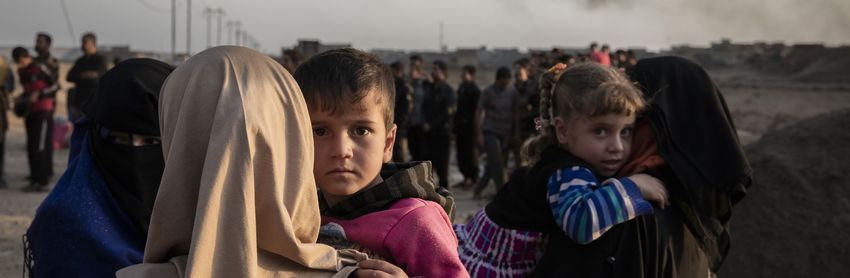
A WORLD IN DISARRAY A WORLD IN DISARRAY
A WORLD
IN DISARRAY
Families displaced by fighting in the village of Shora, 25 kilometres south of Mosul, gather at
an army checkpoint on the outskirts of Qayyarah. November 2016. © UNHCR/IVOR PRICKETT
is commonplace. Other gross and systematic The consequences of the failure to find solutions
Causes and consequences of forced displacement violations of human rights and international for so many forcibly displaced people, or to
humanitarian law are also widespread, including, provide them with opportunities to lead
By the end of 2015, over 65 million people violence, insecurity and human rights abuses.
in the context of humanitarian action, through the productive and meaningful lives in the meantime,
worldwide were displaced from their homes by Major conflicts have grown in intensity and are
obstruction of humanitarian access or the are not only borne by the people themselves but
conflict and persecution - up from 37 million ten causing many more fatalities, particularly amongst
deliberate targeting of humanitarian workers. also entail serious costs and risks for hosting
years ago, and the highest number seen in civilians, than even five years ago. Continuing
communities and States.
decades. The tally for the year included 40.8 conflicts around the world – some lasting for
Against this background of protracted and
million people internally displaced by conflict, decades, some intensifying and very much in the
escalating conflicts, the number of refugees If conflict is the primary driver of forced
violence and human rights violations, over 21 public eye, others virtually forgotten – have forced
returning home has been at a historical low. In displacement today, it is not the only cause. Large
million refugees,1 and more than three million millions of civilians to flee their homes, often
2014, fewer than 127,000 returned to their numbers of people have also continued to flee
asylum-seekers. In 2015 alone, an estimated 12.4 several times, with no clear-cut solutions in sight.
countries, and only 200,000 in 2015 - the lowest their countries because of serious human rights
million people were newly displaced, including 8.6
numbers in many years. While numbers increased abuses, including severe discrimination, weak rule
million inside their own countries and 1.8 million The causes and characteristics of conflict are
somewhat in 2016, this does not represent a of law and other aspects of bad and non-inclusive
refugees, and 500,000 new refugees also fled in variable and complex. Some of the most deadly
general trend, and returns often took place in less governance. Others are on the move because of
the first half of 2016. Numbers are likely to and intractable recent conflicts have been
than ideal circumstances and against a complex acute poverty, the collapse of traditional
continue to increase in 2017 and beyond if the complicated by forms of violent extremism.
backdrop of ongoing protection challenges and livelihoods in a context of globalization and rapid
circumstances driving displacement persist, or as Criminality is also - increasingly - a cause or a
limited prospects in countries of asylum. Solutions urbanization, the effects of climate change, natural
communities currently trapped in enclaves or result of conflict or violence, subverting
for large numbers of internally displaced people disasters, and environmental degradation which
besieged as a deliberate tactic by parties to institutions of governance that may already be
have been similarly elusive; in many countries, often exacerbate competition over scarce
conflicts become able to move in search of safety. non-inclusive, perceived as illegitimate, or simply
they have been displaced not just once, but resources. Often these various factors overlap or
weak. Most violent conflicts today are
multiple times, because of their inability to find reinforce others. The fact that ten million stateless
The immediate causes of refugee flows and characterized by an utter disregard for civilian life,
safety or a sustainable means for survival. Often, people lack the fundamental rights associated
internal displacement today are armed conflict, and the deliberate targeting of civilian populations
they remain disconnected from the rest of the with citizenship is a further source of instability
population and find it hard to restart their lives. and displacement.
1 This figure includes 5.2 million Palestinian refugees who fall within the competence of UNRWA.
6 UNHCR > U N H C R ’ S S T R AT E G I C D I R E C T I O N S 2 0 1 7 – 2 0 2 1 U N H C R > U N H C R ’ S S T R AT E G I C D I R E C T I O N S 2 0 1 7 – 2 0 2 1 7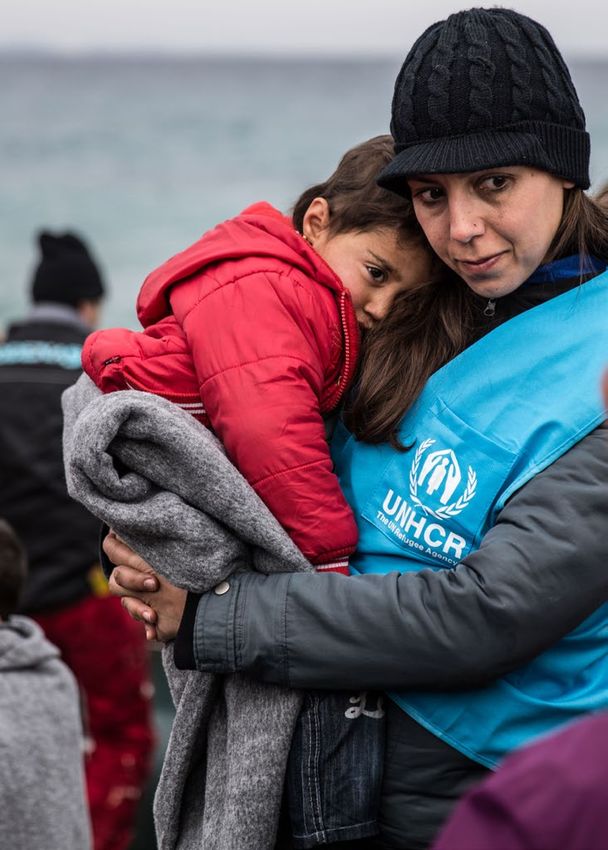
A WORLD IN DISARRAY A WORLD IN DISARRAY
Protection in times of crisis urban settings has grown, further exacerbating In this context, some countries have taken
problems of urban poverty and exclusion. Today, measures to restrict access to their territories,
The impact of forced displacement today is highly their rights is often critical to laying the six out of every 10 refugees falling under UNHCR’s reduce the level of rights they provide to refugees,
asymmetrical. Almost two thirds of those foundations for greater stability and solutions for mandate live in urban areas. and even prevent them from reaching safety.
compelled to move by conflict, violence or both IDPs and refugees. Some have set up barriers to entry, including
persecution remain within the borders of their own All of this contributes to the complex mix of factors arrangements to transfer asylum-seekers and
countries, often amidst ongoing conflict in a In 2015, eighty-six per cent of all refugees of that leads increasing numbers of forcibly displaced refugees to other countries where many of their
broader context of state fragility, directly exposed concern to UNHCR were in low and middle income people, including unaccompanied and separated rights cannot be properly assured. Others have
to gross violations of international humanitarian countries close to situations of conflict. Often the children, to move onwards within and beyond their introduced quotas on the number of applicants
law, and with limited access to protection and level of international support these countries own regions, in search of protection, livelihoods admitted to asylum procedures, or resorted to
support. Addressing the complex protection receive does not correspond to the scale of the and the prospect of a future. With few legal measures such as the unwarranted detention of
needs of the internally displaced and restoring responsibilities they shoulder or to the needs of opportunities available, many find themselves asylum-seekers, confiscation of assets, increased
the people they admit. Many continue to open using the same dangerous land and sea routes as visa requirements, and interdiction practices.
their borders and to provide asylum and various irregular migrants and encounter the same Restrictions of this kind have at times had the
forms of support to large numbers of refugees, exploitation and life-threatening risks at the hands effect of driving refugees underground into
often in circumstances in which they themselves of smuggling and trafficking networks. smuggling or other exploitative networks, or
lack the resources to cope or even to meet fully simply diverting them towards other countries.
the needs of their own nationals. Despite all the These onward movements, although smaller in
challenges, it is evident that the overall scale than the displacement impacting States in Current challenges are likely to persist over the
commitment to providing refugee protection regions of origin, have had major political and next five years and beyond. Instability, conflict and
strongly resonates in today’s world and is deeply social repercussions in the countries affected by large scale displacement appear set to continue in
embedded in all cultures and religions. them, and the commitment of States to provide a number of regions in the absence of effective
asylum and uphold the rights of refugees has, in measures to address underlying causes. At the
Nevertheless, generous though the asylum many cases, been weakened. Mixed flows of same time, the dynamic and evolving nature of
practices of many front-line States have been, refugees and irregular migrants, with few options today’s major crises, including shifts in territorial
large numbers of refugees remain without for migration through regular channels, have put control and the emergence of new actors and
solutions, without prospects, without the freedom pressure on asylum procedures, fuelling drivers of conflict, means that displacement flows
and resources to rebuild their lives and take perceptions that asylum is being abused. are constantly changing, and even where there is
charge of their future. They include a growing Meanwhile, economic uncertainty has given rise to no definitive end to conflict, spontaneous returns
number of refugee children, who today make up 51 negative attitudes towards immigrants more and possibilities for other solutions may open up
percent of the world’s refugees, some without generally, amidst concerns over competition for in certain locations even as new displacement
family members, many without access to proper jobs and social services, while acts of international takes place elsewhere. Progress towards a
education and all without the anchor of a home, terrorism have heightened anxiety about national political settlement in any one of today’s major
and large numbers of refugee women and girls security. In an increasing number of instances, conflicts could have a dramatic impact on the
who face multiple dangers in exile, including shared social values and traditions are perceived prospects for millions of refugees and internally
sexual exploitation and abuse. to be under threat, levels of xenophobia are on the displaced people. Meanwhile, in many mature
rise, and there is a growing politicization of economies, economic uncertainty and the
Moreover, patterns of displacement are also migration and refugee issues. perceived negative impact of globalization are
changing in a rapidly urbanizing world. While likely continue to fuel a nationalistic reflex and a
significant numbers of refugees and internally range of social and political concerns that will also
displaced people are still confined to camps or live influence migration and asylum policies.
A UNHCR staff member assists newly-arrived talks to refugees in Lesvos,
Greece, January 2016. © UNHCR/HEREWARD HOLLAND scattered in rural areas, the number fleeing into
8 UNHCR > U N H C R ’ S S T R AT E G I C D I R E C T I O N S 2 0 1 7 – 2 0 2 1 U N H C R > U N H C R ’ S S T R AT E G I C D I R E C T I O N S 2 0 1 7 – 2 0 2 1 9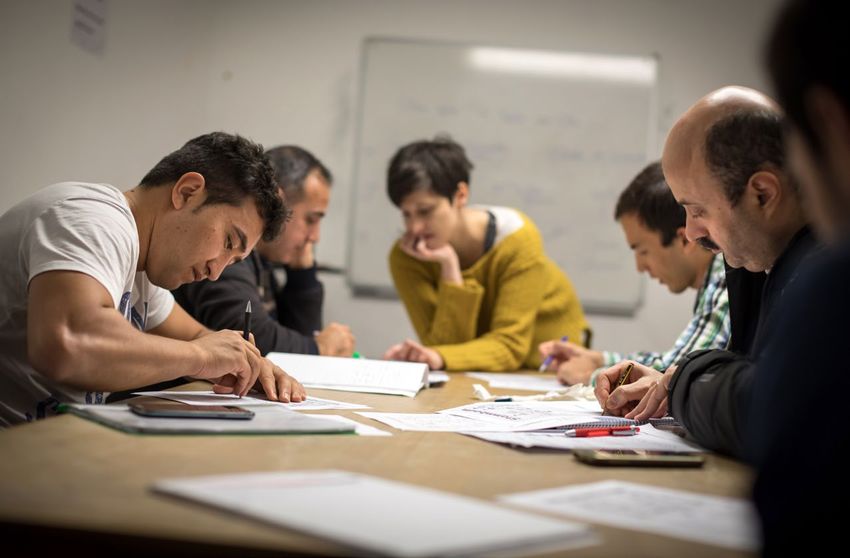
A WORLD IN DISARRAY                                                                                                                                                                                                                                                A WORLD IN DISARRAY

     New and emerging opportunities                                                                                                                      the United States, the UN Secretary General and                                UNHCR has been tasked with further developing
                                                                                                                                                         other Member States the day after the Declaration                              this Framework as the basis for the adoption of a
     Yet crisis has also given impetus to positive          international solidarity provide grounds for                                                 was adopted, a number of countries announced                                   Global Compact on Refugees in 2018. This task,
     developments. People uprooted and in search of         hope that more positive and comprehensive                                                    important policy, financial and solutions-oriented                             and the subsequent implementation of the Global
     safety have continued to be admitted to safety         approaches to the tragedy of forced displacement                                             commitments.                                                                   Compact, will be central to our strategic directions
     and to encounter a remarkable level of solidarity      may yet be within reach.                                                                                                                                                    in the next few years. A substantive dialogue with
     among host communities in many parts of the                                                                                                         Central to the approach set out in the New York                                and among States and other key partners will be a
     world. The already strong involvement of non-          The 2030 Agenda for Sustainable Development,                                                 Declaration is a Comprehensive Refugee                                         priority in the effort to achieve the ambitions of the
     governmental organizations in support of refugees      adopted by world leaders at the UN General                                                   Response Framework (CRRF) which aims to secure                                 New York Declaration, notably the CRRF, and to
     and displaced people has gained additional             Assembly in September 2015, and its commitment                                               the engagement of a much broader coalition of                                  steer the follow-up to the Global Compact once
     impetus and has been strengthened and                  to ‘leave no-one behind’ provide a powerful basis                                            actors, including development actors and the                                   adopted.
     diversified by the emergence of new local actors.      for the inclusion of refugees, the internally                                                private sector, in addressing both immediate and
     In many cases, there has been stronger                 displaced and stateless people in economic                                                   longer-term needs of refugees and host
     involvement of specialized government agencies         development planning, as well as in all other                                                communities, and in supporting them to become
     and of local authorities. There has been an            measures taken by States to achieve the                                                      resilient and self-reliant. Equally important is the
     upsurge in volunteerism and a broadening of civil      Sustainable Development Goals (SDGs).                                                        call on States to expand opportunities for
     society engagement on refugee issues in various                                                                                                     solutions.
     regions, with many people opening their homes to       At the World Humanitarian Summit held in May
     refugees, becoming engaged in community                2016, far-reaching commitments were made,
     projects and providing direct support.                 including through the Grand Bargain, to promote
                                                            greater coherence, efficiencies, transparency and
     At the same time, there has been increased             accountability on the part of key humanitarian aid
     recognition that refugees and internally displaced     organizations and donor countries, as well as
     people can contribute to host communities and to       flexible funding arrangements.
     local economies, if entry to the labour market and
     other forms of livelihoods are facilitated and         And just months later, at the first ever UN Summit
     barriers to inclusion removed. Many cities and         on Addressing Large Movements of Refugees and
     municipalities have developed creative and             Migrants, the General Assembly unanimously
     innovative social cohesion and integration             adopted a historic Declaration which reaffirms,
     schemes. Very significantly, international financial   with unprecedented force, the obligations of
     institutions are developing new financial              States to fully respect the rights of refugees and
     instruments for engagement in displacement             migrants. Acknowledging the burden that large
     situations, including in middle-income countries.      movements of refugees impose on national
                                                            resources, especially in the case of developing
     At the global level, there has been an appetite for    countries, the New York Declaration also makes
     new approaches that go beyond traditional              ground-breaking commitments in terms of
     humanitarian action, and a realization that forced     international solidarity, burden and responsibility-
     displacement is not just a humanitarian but also a     sharing and calls for a paradigm shift in the
     political and a development challenge. Several         response to large-scale refugee situations. At the
     recent high-level initiatives to promote               Leaders’ Summit co-chaired by the President of

                                                                                                                                                   German language class for asylum seekers in Austria, December 2016. ©            UNHCR/GORDON WELTERS

10                                                              UNHCR >   U N H C R ’ S S T R AT E G I C D I R E C T I O N S 2 0 1 7 – 2 0 2 1   U N H C R > U N H C R ’ S S T R AT E G I C D I R E C T I O N S 2 0 1 7 – 2 0 2 1                                                                11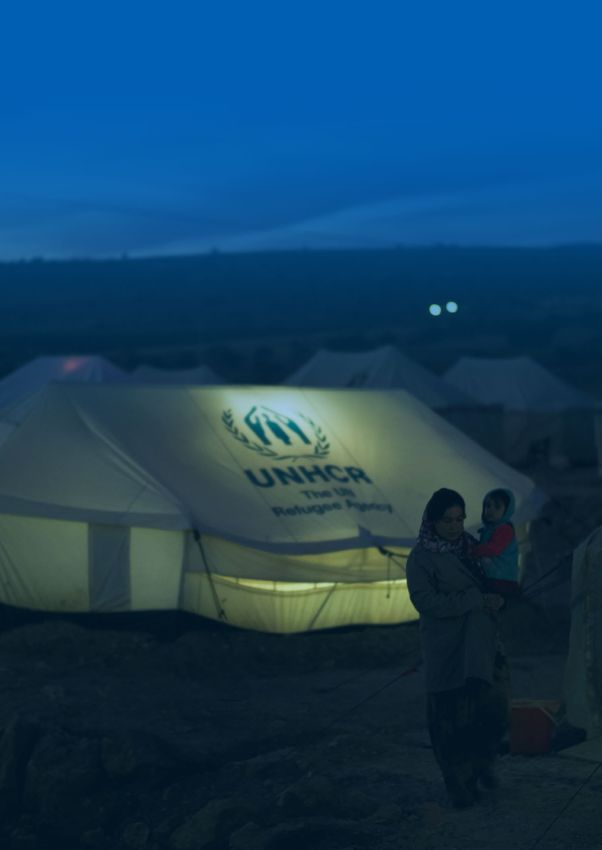
RISING TO THE CHALLENGE – OUR APPROACH RISING TO THE CHALLENGE – OUR APPROACH
RISING TO THE Strengthening and diversifying
Today, the scale and complexity of situations of
forced displacement, the lack of commensurate
solutions, and the rapidly changing global partnerships
CHALLENGE –
environment in which displacement is occurring
give rise to unprecedented demands to which we There is a growing recognition that the
must adapt and respond. The following key engagement of a broad range of actors - including
OUR APPROACH considerations will guide our approach over the those beyond the traditional humanitarian sphere
next five years. - is critical to mobilising an effective response and
pursuing solutions to forced displacement and
statelessness today. We will step up our efforts in
Putting people first this regard, developing operational and advocacy
partnerships with regional, national and local
Refugees, the internally displaced, and stateless actors, as well as forging strategic alliances in key
people are of concern to UNHCR wherever and areas.
whoever they are. Their rights, needs, dignity and
perspectives will continue to define and shape our The CRRF annexed to the New York Declaration
work. With a firm commitment to putting people provides an important platform for developing
first, our priority will be to bring about concrete partnership-based responses to large-scale
improvements in the lives of all those we work for. refugee situations and for engaging with both
In simple terms, this means finding ways to ensure States and a wide range of existing and new
that people uprooted from their homes by conflict, partners, including development actors and
violence and persecution, or who are stateless or financial institutions. Individuals and companies in
at risk of losing their nationality, can find the private sector are also increasingly prominent
protection from harm; live peacefully; learn, work and visible partners, contributing with funding,
and flourish as contributing members of the technical expertise, creativity, and innovation.
communities where they live; and find longer term They are also often well positioned to drive policy
solutions that enable them to build a secure future. change and influence public opinion, and will play
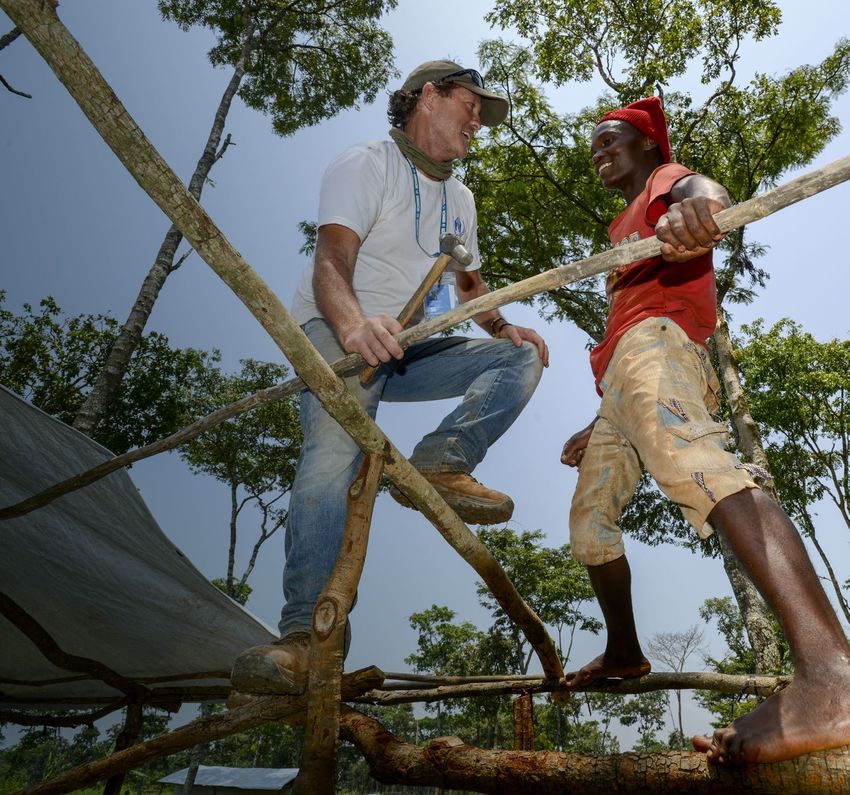
A UNHCR staff member helps Burundian refugees build a shelter in Nduta refugee camp, Tanzania, February 2016. © UNHCR/SEBASTIAN RICH
an important role in the application of the CRRF.
In playing our role, we will seek to be as close as As work on the development of the CRRF is taken
possible to the people we serve. We will maintain forward, it will potentially have a transformative
our direct and unique knowledge of their
UNHCR is the world’s leading organization charged with protecting perspectives, aspirations and circumstances
effect across the entire spectrum of our work and
the partnerships that support it.
refugees and other forcibly displaced people and with helping to resolve through our extensive field presence, which
problems of statelessness. In the course of our 65-year history, the massive currently comprises 450 offices in 128 countries, More broadly, we will give strong priority to
challenges of forced displacement have led us to move beyond our primary including in the world’s most unstable and extending and strengthening partnerships in ways
role in protecting and assisting refugees and helping to solve refugee insecure areas. We will draw on the rich range of that make the most effective use of available
experiences, capacities and aspirations of
problems, into a broader engagement with people forcibly displaced inside displaced and stateless men, women, girls and
resources and expertise - taking full advantage of
the diverse funding pools available to different
their own countries. Our work extends as well to important areas of boys, and their diverse ethnic, gender and other actors and drawing on complementarities, while
prevention and stabilization, including efforts to address the situation of the identities. We will be answerable to the people we focussing our own funding and activities on areas
world’s estimated 10 million stateless people. serve and strive to ensure that their voices, where we best add value. We already maintain
perspectives and priorities are heard and acted on relationships with more than 900 partners,
– not just by us, but by all those whose decisions including NGOs, governmental institutions and UN
have an impact on their lives.
12 UNHCR > U N H C R ’ S S T R AT E G I C D I R E C T I O N S 2 0 1 7 – 2 0 2 1 U N H C R > U N H C R ’ S S T R AT E G I C D I R E C T I O N S 2 0 1 7 – 2 0 2 1 13RISING TO THE CHALLENGE – OUR APPROACH WHAT WE WILL DO: FIVE CORE DIRECTIONS
Working across the entire
WHAT WE WILL DO:
agencies. We channel some 40 per cent of our
annual expenditure through partners, and work
with many who bring their own resources and spectrum of forced
FIVE CORE DIRECTIONS
expertise to operations. We will make particular displacement
investments in strengthening our collaboration
with national and local partners, working to We will engage across the entire spectrum of
complement and reinforce national capacities, forced displacement, with refugees, internally
with an emphasis on sustainability. displaced, and stateless people, endeavouring to
ensure access to protection, address factors that
Over the next five years we will place particular emphasis on the following
Supporting States to address may contribute to further displacement or onward
movement, and give a stronger impetus to both five core directions which, taken together, will advance protection and
protection challenges solutions and prevention. In particular, we will solutions for refugees, internally displaced and stateless people.
ensure a more decisive and predictable
As a multilateral institution, we work closely with engagement with internally displaced people, in Efforts in these areas will be pursued in a mutually to large scale refugee situations called for by the
States, who are the principal actors in providing collaboration with our partners, and guided by the reinforcing and integrated way. While being itself a New York Declaration.
protection and in enabling solutions to problems policy, coordination and operational arrangements set of specific activities to safeguard rights and
of forced displacement and statelessness. We will established by the Inter-Agency Standing address needs, protection will also drive and In pursuing these objectives, we will exercise
carry out our work with States in principled ways Committee. We will do this in a manner that takes underpin all areas of activity. At the level of leadership wherever expected and appropriate,
that are at the same time responsive to the into account our different responsibilities for delivery, work in the different areas will feed into but will also rely extensively on a range of robust
political, economic and security problems that different categories of forcibly displaced people. our planning and operations. It will also inform our and dynamic partnerships in support of shared
they encounter in the face of large-scale
efforts to develop the comprehensive approaches goals across all areas of our work.
displacement. Our aim will be to secure adherence
to protection standards by offering practical
support and solutions. While maintaining a strong
continuity of purpose and tools tried and tested
over many years, we will adapt creatively, seeking
problem-solving approaches, including through We commit ourselves to:
the work we do to develop comprehensive
responses to refugee situations under the CRRF.
Protect Respond Include Empower Solve
Displaced Iraqis prepare for dinner next to UNHCR tents, a month ahead of winter’s arrival, November 2014. © UNHCR/DOMINIC NAHR
14 UNHCR > U N H C R ’ S S T R AT E G I C D I R E C T I O N S 2 0 1 7 – 2 0 2 1 U N H C R > U N H C R ’ S S T R AT E G I C D I R E C T I O N S 2 0 1 7 – 2 0 2 1 15WHAT WE WILL DO: FIVE CORE DIRECTIONS WHAT WE WILL DO: FIVE CORE DIRECTIONS
1. Protect We will:
• act as a strong, principled and • pursue creative, principled and
persuasive advocate for the rights pragmatic approaches to the
and needs of forcibly displaced challenges of forced displacement and
statelessness, that are based on a dynamic
people and of stateless persons,
interpretation and the progressive
working to ensure that refugees and the
development of law and practice, are
internally displaced have access to safety, are
responsive to current trends, focused on
protected from return into situations of harm,
solutions, and supported by research, analysis
and that all have access to the enjoyment of
and a strong evidence base;
their rights and to appropriate standards of
treatment;
• promote responsibility-sharing
• strengthen protection across the arrangements amongst States,
which expand support to countries and regions
whole spectrum of forced
receiving large numbers of refugees,
displacement, ensuring that a protection strengthen protection, help stabilize
perspective is central to all aspects of our work
displacement situations, and improve access to
with the people we serve - be they asylum-
solutions - applying and adapting the CRRF
seekers, refugees, internally displaced or
approach to specific contexts;
stateless people - and guides broader
humanitarian action and engagement by
others; • further strengthen our operational
capacity for the delivery of
• engage more decisively and protection, prioritizing registration and
documentation of refugees, the protection of
predictably in situations of internal
unaccompanied or separated children and
displacement, undertaking concerted measures to protect and empower displaced
A UNHCR staff member talks to a displaced family at the Chami Ruru settlement, Colombia. December 2013. © UNHCR/SEBASTIAN RICH operational, advocacy and strategic efforts to
women and girls;
achieve better protection for internally
displaced people;
At a time when the fundamental principles of protection, asylum and access • strengthen regional and national
protection frameworks and
to safety are being severely tested, we will work to secure and defend the
capacities, working closely with States and
rights of forcibly displaced and stateless people and to ensure that they are other relevant institutions and actors
protected from harm. Taking a holistic approach that encompasses the entire
continuum of forced displacement, we will seek to embed the need for
protection and solutions at the centre of our response. In doing this, we will
work in strong partnership with the people we serve, as well as with States,
helping the latter to develop, both individually and collectively, principled,
practical and problem-solving approaches to protection challenges.
16 UNHCR > U N H C R ’ S S T R AT E G I C D I R E C T I O N S 2 0 1 7 – 2 0 2 1 U N H C R > U N H C R ’ S S T R AT E G I C D I R E C T I O N S 2 0 1 7 – 2 0 2 1 17WHAT WE WILL DO: FIVE CORE DIRECTIONS WHAT WE WILL DO: FIVE CORE DIRECTIONS
• •
engage with Governments and
strategic partners on how to
respond to mixed flows of asylum-
reinforce our contribution on
protection matters within UN/
Humanitarian Country Teams,
2. Respond
seekers and migrants in ways that providing protection expertise and analysis of
address the concerns of States, including protection risks and needs affecting entire
national security considerations, while ensuring crisis-affected populations, and driving and
that rights are respected and that refugees supporting the development of related
have access to protection and solutions; protection and solutions strategies; and
• undertake strategic, evidence- • contribute to advancing legal,
based advocacy and outreach to policy and practical solutions for
mobilize support for the rights and dignity of the protection of people displaced
forcibly displaced and stateless people, by the effects of climate change
including through constructive engagement
and natural disasters, in recognition of
with people who may feel disenfranchised and
the acute humanitarian needs associated with
marginalized in their own societies, to build a
displacement of this kind, and its relationship to
climate of confidence and promote tolerance;
conflict and instability.
• mobilize States, development actors, civil
society and the UN family to ensure
that
global support for the Campaign
Burundian refugees are transferred from the shore of Lake Tanganyika, on Kagunga Peninsula in Tanzania, to the MV Liemba, May 2015.
to End Statelessness by 2024 © UNHCR/BENJAMIN LOYSEAU
yields concrete results in terms of the
resolution of protracted statelessness
situations and the prevention of statelessness
in line with the solutions-oriented targets More than ever, we will give priority to maintaining and building our
contained in the Global Action Plan to End capacity to mobilize rapidly, reliably and effectively in response to
Statelessness. emergencies, and to strengthening emergency preparedness. Both in
emergencies and beyond, our focus will be on ensuring that protection is
secured and human needs are met.
We will leverage the opportunities created by the At the same time we will maintain an operational
New York Declaration and the CRRF to mobilise engagement sufficient to ensure protection, as
operational partnerships and coalitions of actors, well as the expertise, capability and readiness to
and progressively diversify sources of support and deliver in line with our mandated accountabilities.
funding, focusing our own activities on leadership We will aim for a response that responds to the
and coordination where direct assistance is priorities and needs of those uprooted and
available from other actors, or where other displaced, protects them from harm, draws on and
investments can offer better solutions to refugees supports local capacities, and promotes longer-
and internally displaced people. term inclusion and self-reliance.
18 UNHCR > U N H C R ’ S S T R AT E G I C D I R E C T I O N S 2 0 1 7 – 2 0 2 1 U N H C R > U N H C R ’ S S T R AT E G I C D I R E C T I O N S 2 0 1 7 – 2 0 2 1 19WHAT WE WILL DO: FIVE CORE DIRECTIONS WHAT WE WILL DO: FIVE CORE DIRECTIONS
We will:
• maintain and reinforce our • lead and coordinate responses to • as part of a broader inter-agency response, • contribute to any inter-agency
capacity to respond to refugee emergencies in close engage in a more consistent, response to emergencies
emergencies in a rapid and collaboration with national predictable and in a sustainable resulting from natural disasters,
effective way in order to ensure that lives authorities, working to optimize coherence way in situations of internal with a particular focus on providing protection
are not lost, that harm does not befall people of within the United Nations system and engaging displacement, assuming both a leadership, where the three criteria of field
presence, a government request and inter-
concern to us, and that protection is assured; a broad range of actors in the context of the coordination and an operational
CRRF; agency agreement are met; and;
delivery role in the areas of protection,
• ensure effective preparedness for camp coordination and camp management,
displacement emergencies, working • maintain the technical capacity to and emergency shelter, and making every • formulate all assistance
collaboratively with partners, including national set policies and standards in key effort to ensure that key needs are met, interventions with a protection
and local governments and organizations, and assistance sectors such as education, focusing on the most vulnerable. and solutions orientation in mind
the Red Cross and Red Crescent Movement; health, shelter, and livelihoods, as well as to which addresses risks and ensures access to
develop tools, ensure technical integrity, safety and support, builds bridges to local
• invest in building the engage effectively in partnerships, and communities and capacities, and maximizes
opportunities for inclusion in local services and
preparedness and response coordinate responses;
self-reliance;
capacity of national actors, in
recognition of their role as first, local-level • maintain the expertise and
responders, and support their participation as capability to deliver assistance in
equal partners in coordination mechanisms; emergencies and beyond,
prioritizing the most vulnerable,
• strengthen an early focus on wherever the capacity of local and national
solutions in the context of the CRRF, by partners is weak, where assistance is not
engaging a broader range of actors, including available from other sources, or when the
development organizations, from the delivery of assistance yields important
emergency preparedness phase, helping them protection dividends;
develop the reflexes and mechanisms required
for participation in emergency response;
Burundian refugees seek refuge in the Democratic Republic of Congo, October 2016. © UNHCR/EDUARDO SOTERAS JALIL
20 UNHCR > U N H C R ’ S S T R AT E G I C D I R E C T I O N S 2 0 1 7 – 2 0 2 1 U N H C R > U N H C R ’ S S T R AT E G I C D I R E C T I O N S 2 0 1 7 – 2 0 2 1 21WHAT WE WILL DO: FIVE CORE DIRECTIONS WHAT WE WILL DO: FIVE CORE DIRECTIONS
3. Include We will:
• build on the commitment of the 2030 Agenda • work closely with States to discourage
for Sustainable Development to leave no-one
approaches which locate people
behind, and on the Sustainable Development
in camps or separate settlements
Goals to promotethe inclusion of or contribute to exclusion in other ways;
refugees, the internally displaced
and stateless people in National • place increased
emphasis on cash-
Development Frameworks; based forms of assistance which
promote and support the inclusion of displaced
• engage strongly with States, host communities, people and benefit local communities and
civil society, and key national service providers economies, with the aim of significantly
to promote the inclusion of increasing funds programmed for cash-based
refugees, internally displaced and interventions; and
stateless people in mainstream
national systems, including health and • present an evidence-based case
education, pending durable solutions to their for enabling displaced and
displacement; stateless people to contribute to
the communities in which they live
• engage with international development actors and secure their own futures, including through
and financial institutions to secure
the freedom of movement, education (including
The Iranian government, supported by UNHCR, has encouraged Afghan children living in the country to enter the state school system.
inclusion of refugees, internally tertiary education) and access to employment
and other economic opportunities.
Seven-year-old Mahdieh attended summer school before the official opening of the school year, September 2015. © UNHCR/SEBASTIAN RICH displaced, and stateless people in
the strategies, planning and
financing instruments of
At a time when increasing numbers of displaced people live in a situation of development programmes, with a
long-term marginalization, we will place stronger emphasis on encouraging view to strengthening the capacity of national
their inclusion in national services and economies, and mobilizing services and systems to respond to their
needs;
development interventions to support these efforts. We will make a priority
of helping to connect refugees, internally displaced and stateless people to
local systems and communities, reducing their dependency on aid,
enabling the progressive realization of their rights and better preparing
them for eventual solutions. To help bear the main cost of such inclusion,
and in the spirit of the New York Declaration, we will multiply efforts -
including through the development of the CRRF - to mobilize support to
States and communities hosting refugees and internally displaced people.
22 UNHCR > U N H C R ’ S S T R AT E G I C D I R E C T I O N S 2 0 1 7 – 2 0 2 1 U N H C R > U N H C R ’ S S T R AT E G I C D I R E C T I O N S 2 0 1 7 – 2 0 2 1 23WHAT WE WILL DO: FIVE CORE DIRECTIONS WHAT WE WILL DO: FIVE CORE DIRECTIONS
We will:
• hold ourselves accountable to the • ensure that refugees, internally
people we serve in all aspects of displaced and stateless people
our work by involving them, including have access to reliable
women and youth, in identifying and analysing information as a basis for taking decisions
4. Empower their needs and the risks they face, and in
designing, implementing and evaluating our
operations;
about their lives, making full use of the
information channels that they themselves
increasingly use, notably electronic and social
media; and
• ensure that confidential feedback
mechanisms are in place for people • actively pursue innovative
ways to
who are unable or prefer not to air their amplify the voices of the people
concerns and grievances openly, or who wish
we work for, and take advantage of new
to report abuse;
technologies to enhance our ongoing dialogue
with them and their connectivity with the global
• ensure that our programmes and community.
activities take account of diverse
ethnic, gender and other
identities;
• recognize, utilize, and build on the
education, skills, and capacities of
forcibly displaced people; ensure that
they are equipped with relevant skills and
South Sudanese refugee women winnow rice harvested from a farm in Mirieyi village in Adjumani in Northern Uganda, January 2017. © UNHCR/MICHELE SIBILONI capacities in locations of displacement, and
promote access to education and livelihoods to
improve self-reliance and support solutions;
At a time when a larger than ever number of forcibly displaced people are
left in a state of dependency, we will take all possible steps to ensure that
people of concern can participate in decisions that affect them and thereby
gain better control over their own destinies. We will build on the resilience,
knowledge and skills of displaced and stateless people, recognizing them
as agents with the potential to determine and build their own future and
contribute to the development of the communities where they live.
24 UNHCR > U N H C R ’ S S T R AT E G I C D I R E C T I O N S 2 0 1 7 – 2 0 2 1 U N H C R > U N H C R ’ S S T R AT E G I C D I R E C T I O N S 2 0 1 7 – 2 0 2 1 25WHAT WE WILL DO: FIVE CORE DIRECTIONS WHAT WE WILL DO: FIVE CORE DIRECTIONS
5. Solve We will:
• give strong new impetus to our • actively support the reintegration
engagement with development of returnees (both in the case of refugees
actors and processes, national and internally displaced people), helping
regional and multi-lateral, in addressing the Governments, wherever required, to fulfil their
causes of forced displacement and primary responsibility vis-à-vis returning
statelessness, and impediments to solutions; nationals, and engaging development actors
leveraging the CRRF and working towards a and relevant international and local partners;
Global Compact on Refugees as important
opportunities to pursue this objective; • vigorously pursue an expansion of
third country solutions for
• strengthen also our partnerships refugees, including resettlement
with political, security and human opportunities and complementary pathways for
rights actors, fostering approaches to admission of refugees such as medical
solutions based on a comprehensive analysis evacuation and humanitarian admission
of obstacles to voluntary and safe return home programmes, family reunification, and
for both refugees and internally displaced opportunities for skilled migration, labour
people; mobility and education;
• actively engage with national and • identify and leverage
regional peace processes, whenever opportunities for the local
relevant, to ensure that the causes of integration or local settlement of
displacement and opportunities for sustainable refugees wherever appropriate and feasible;
A group of private sponsors provide support to a family of Syrian refugees in Whitehorse, Canada, October 2016. © UNHCR/ANNIE SAKKAB
solutions are factored into political agreements;
• mobilize States, civil society and the UN family
• proactively support peacebuilding to help ensure that global support
At a time when so many people are trapped in situations of extended initiatives that seek to address, or prevent for the Campaign to End
displacement by protracted and recurrent conflict situations, and when the aggravation of conditions leading to Statelessness by 2024 gives
others are in danger of being displaced, there is a need to reinforce displacement;
impetus to the protection of
ongoing efforts to move beyond conventional, short-term responses to stateless people, and yields concrete
crises, which often limit planning for solutions. In line with the New York • pursue voluntary repatriation for
results in terms of the prevention and
refugees, and in-country solutions
Declaration, we will sharpen our ‘solutions reflex’ and partner with a reduction of statelessness;
for internally displaced people,
broader range of actors - through the development of the CRRF and upholding the right to return and actively
otherwise - in a drive to expand and diversify solutions opportunities for pursuing opportunities that emerge, including • promote family reunification as a key
refugees and internally displaced people, to address the underlying causes element of all other forms of solution.
for localized solutions, with action that
of displacement, and to prevent and solve problems of statelessness. promotes the conditions for safe, dignified, and
sustainable return;
26 UNHCR > U N H C R ’ S S T R AT E G I C D I R E C T I O N S 2 0 1 7 – 2 0 2 1 U N H C R > U N H C R ’ S S T R AT E G I C D I R E C T I O N S 2 0 1 7 – 2 0 2 1 27MAKING IT WORK MAKING IT WORK
MAKING IT
WORK
A UNHCR staff member talks to Afghan refugees at Vinojug reception centre, in the Former Yugoslav Republic of Macedonia, near the border with Greece,
October 2015. © UNHCR/MARK HENLEY
Taking forward this vision requires changes in systems, staffing, culture and This will increase our ability to:
ways of working in order to ensure that UNHCR is the responsive, nimble,
technologically able, and results-oriented organization that it aspires to be. • engage with States on protection and • respond to new patterns of displacement and
solutions; manage new ways of delivering assistance,
In recognition of this, we will: including through greater emphasis on cash
• work with development actors in addressing based interventions;
Build information systems and be data adept the causes and consequences of displacement,
in enabling solutions, and in connecting • provide the people we have a responsibility for
We will continuously adapt and improve our We will strengthen our capacity, both directly and displaced populations to national and local with the information they need to take informed
information systems to ensure maximum efficiency, through partnerships, to gather, access and services and communities; decisions about their lives and futures; and
embracing and investing in new technologies manage information on forcibly displaced and
wherever they support our goals, including in stateless people, becoming more adept in • prevent new displacement by identifying • maintain and further strengthen the trust of
biometrics and in big data analysis to strengthen analysing and presenting data in the form of emerging protection risks and drivers of donors, other States, partners and the public
decision-making, communications and evidence. conflict and persecution, and mobilising early through evidence-based reporting.
accountability. action to address them;
28 UNHCR > U N H C R ’ S S T R AT E G I C D I R E C T I O N S 2 0 1 7 – 2 0 2 1 U N H C R > U N H C R ’ S S T R AT E G I C D I R E C T I O N S 2 0 1 7 – 2 0 2 1 29MAKING IT WORK MAKING IT WORK
Be effective, efficient, agile and accountable
We will build a multi-year perspective in our We will introduce a more rigorous, focused and
planning and budgetary processes; this is prioritized policy development process with a view
indispensable to support planning for inclusion to improving institutional coherence –
and solutions and our ability to work with consolidating disparate policies, strategies and
development actors. initiatives, and eliminating overlaps and
inconsistencies. We will ensure that new policies
We will review our budget structure and resource or guidelines are concise and clearly linked to
allocation processes to ensure that they enable these Strategic Directions.
UNHCR to be engaged reliably and consistently in
Refugee children from the Central African Republic play with their “phones” in remote Gbiti, Cameroon, October 2009. © UNHCR/FREDERIC NOY
situations of internal displacement, and that they We will continue efforts to optimize our oversight
incentivize investment in solutions. services and the interfaces between them,
strongly promoting a culture of accountability. We
Strengthen our ability to Innovate We will overhaul our results-based management will maintain a zero-tolerance policy on sexual
analyse and learn (RBM) system to better reflect our overall goals exploitation and abuse and all forms of fraud and
We will embrace innovation and change to pursue
and enable better measurement of progress in key corruption, taking all possible steps to raise
these Strategic Directions by leveraging creative
We will upgrade our capacity for research and areas such as solutions and livelihoods. awareness and to improve detection and
ideas, brokering key partnerships and developing
knowledge management in order to strengthen response.
services, platforms and products to drive the
the basis for the policies we develop, the We will undertake a Headquarters review, aimed
institutional change we need - with the ultimate
proposals we put forward, and the advocacy that at redefining and validating the structure and mix
aim of ensuring that the people we are trying to
we undertake. of functions provided at Headquarters, to make
help have more control over their lives. We will aim
sure these are connected to our priorities and are
to design and develop scaled solutions, working
We will increase our investment in monitoring, geared to support our field operations. Where
towards a world in which refugees can access and
reporting, and evaluation to generate evidence- appropriate, we will rebalance our structures and
manage their own digital identity, gain accredited
based assessments of our performance, to inform adjust our processes to locate decision-making
online education, support their families, and
policy and programming decisions, and to and resources closer to the point of delivery.
communicate effectively through improved
demonstrate transparency and accountability.
connectivity.
We will carry out an urgently needed simplification
We will prioritize knowledge management, and streamlining of procedures, processes and
promoting the exchange of lessons across tools, including in key areas of programme,
operations and regions and cross-fertilization of procurement, supply, and administration and
ideas and experiences, and will strive to be a finance, to ensure that these function as efficiently
learning organization, refining and adjusting our as possible as tools for enabling field delivery.
approaches based on analysis, evaluation and
peer reviews. We will also actively engage in
learning from partners, promoting dialogue and
exchange and seeking to identify and build on
best practices.
Baw Meh is an elderly Karenni refugee living in the Ban Mai Nai Soi camp in
Northern Thailand. She still wears all her traditional clothing and jewelry that
she brought with her from her homeland of Myanmar.. © UNHCR / SEBASTIAN RICH
30 UNHCR > U N H C R ’ S S T R AT E G I C D I R E C T I O N S 2 0 1 7 – 2 0 2 1 U N H C R > U N H C R ’ S S T R AT E G I C D I R E C T I O N S 2 0 1 7 – 2 0 2 1 31MAKING IT WORK MAKING IT WORK
Adapt and support our workforce Stay and deliver Tell the story
We will give strong priority to maintaining a We will improve our outreach for new talent, Together with our UN and NGO partners, we will We will give emphasis to strategic, evidence-
committed and healthy workforce, recognizing streamline our assignment system, and introduce ensure a proactive approach to security based communications and advocacy that
that our greatest asset is our dedicated, measures to better address critical gaps in management to ensure that we can remain demonstrate our knowledge of the people we are
competent and diverse staff, many serving in emergency and non-emergency situations present and deliver for those in need, even when working for, how global and local developments
remote locations. including through enhanced workforce planning faced with complex security challenges. are impacting on their lives, and how we can and
and the nurturing of talent pools. We will actively are making a difference, with a view to maintaining
We will continue to adapt our staffing profile, support career growth and development, and We will take steps to ensure that security threats the confidence of States, the public, partners, and
building on existing core functions, to reflect a undertake leadership and succession planning, are comprehensively evaluated and understood the private sector, and mobilizing moral and
greater emphasis on advocacy, strategic building talent pools of people ready to take over and to integrate this understanding into financial support.
communications, community outreach, and inspire excellence. operational planning, through thoughtfully
development expertise, innovation, data collection adapted measures and appropriate investments. Through targeted messages, strategies and
and analysis, and information management. At the We will step up efforts to foster an inclusive Where risks are great, a decision to continue campaigns, we will make increased and
same time, we will maintain a robust and flexible working environment and a respectful workplace delivering programmes will be weighed carefully, determined efforts to reach and engage with
capacity for rapid and effective operational where innovative thought is encouraged and bearing in mind the extent to which they are elements of society that may feel threatened by
delivery, through staff and affiliate workforce, diversity is valued as a strong asset. We will critical for the people we are serving. We will the presence of asylum-seekers and refugees; we
including standby arrangements with partners. We commit ourselves, moreover, to further ensure that the situation of national staff is given will seek to build empathy, dispel misinformation,
will also strengthen our own expertise and that of diversifying our workforce from entry to middle heightened attention in security planning and and promote understanding and tolerance,
our partners by pursuing strategic reciprocal and senior management levels. management. leveraging wherever possible the participation
secondments. and expertise of local partners.
We will continuously strive to improve working and We will ensure that our staff are aware of their
living conditions for our workforce, invest in their environment and have the training and skills to
health and safety, protect their physical and manage security threats and continue to deliver
mental well-being, support staff and their families effectively while operating in complex security
in managing their mobility, and enhance contexts.
opportunities for our national staff and affiliate
workforce.
Refugees from the Central African Republic in Dossey refugee site, Southern Chad, February 2015. © UNHCR/OLIVIER LABAN-MATTEI
32 UNHCR > U N H C R ’ S S T R AT E G I C D I R E C T I O N S 2 0 1 7 – 2 0 2 1 U N H C R > U N H C R ’ S S T R AT E G I C D I R E C T I O N S 2 0 1 7 – 2 0 2 1 33MAKING IT WORK MAKING IT WORK
Mobilize resources and diversify support
We will pursue creative approaches to resource We will advocate and make the case for enhanced
mobilization, matching wherever possible financial support to and other forms of investment
identified needs with donor interest or expertise. in major refugee-hosting States and communities
Notably, we will draw attention to opportunities to based on the principle of responsibility-sharing, in
invest in solutions for particular groups of line with the New York Declaration.
internally displaced people, refugees and
stateless people. We will ensure that our use of resources is as
efficient as possible, recognizing that sound
We will continue efforts to maintain and further financial management, robust accountability and
increase levels of funding, especially flexible transparency support a climate of confidence
funding which allows us to allocate resources amongst donors and key stakeholders, whose
across programmes in accordance with needs. We trust is essential as we take these Strategic
will use targeted, evidence-based advocacy to Directions forward.
communicate the importance of such flexibility,
and provide additional visibility to donors who do
not earmark or earmark broadly.
We will actively pursue new sources of funding,
including through strongly articulated
representations to those G20 governments that
do not yet contribute substantially to UNHCR, as
well as through private sector partnerships. We
will also seek to diversify sources of support to
operations by embracing operational partnerships
that tap into alternative sources of funding.
Internally displaced youths jump rope at Qaymawa camp (formerly known as Zelikan camp), Iraq November 2016. © UNHCR/RASHEED HUSSEIN RASHEED
34 UNHCR > U N H C R ’ S S T R AT E G I C D I R E C T I O N S 2 0 1 7 – 2 0 2 1 U N H C R > U N H C R ’ S S T R AT E G I C D I R E C T I O N S 2 0 1 7 – 2 0 2 1 35unhcr.org For more information and enquiries, please contact: UNHCR P.O. Box 2500 1211 Geneva 2 Switzerland
You can also read


