Foster Carer's Training & Development Programme 2021 - January 2021
←
→
Page content transcription
If your browser does not render page correctly, please read the page content below

January 2021

               Foster Carer’s Training
       & Development Programme
                       2021
WELCOME to the Herefordshire Council Foster Carer’s 2021 Training Programme.
We have developed a comprehensive training package again this year, which we are reviewing regularly
as guidance on Covid 19 evolves. A wide range of courses are available, from introductory level to in
depth courses on specialist topics, through our online training provider, The Training Hub, and in Virtual
Training Events facilitated by experts in their fields. We continue to ensure high quality training that
supports Foster Carers to provide the very best care possible, and very much hope to resume face to face
training again as soon at safely possible.
**E-Learning & VIRTUAL TRAINING EVENTS **
Mandatory E-Learning is currently allocated to foster carers via the Training Hub.
VIRTUAL TRAINING EVENTS are scheduled regularly and the information is emailed
out a to all foster carers. Join us on the day by clicking the ‘Join Meeting’ link on the
email you receive. You can also book as usual using cpd online, or by emailing your
event requests to me, so you don’t miss out on topics that you want to do.
Cath Warren Email: catherine.warren@herefordshire.gov.uk
Foster Carers Training Officer Text: 07792 881798 Tel: 01432 260341
PHEW! Is the new Learning management System for booking courses and Foster Carers
will need to register on this website from April 1st 2021 to book face to face training and
Virtual Events. Herefordshire CPD Online, will no longer be available from April 1st 2021.
E-LEARNING, APPS & USEFUL WEBSITES
We have identified 1000’s of online courses and resources available to
you to contribute to your continued professional development (CPD), and
which provide information and resources on specific topics that may be
relevant to the needs of your placement children and young people.
Completing these online courses will be considered elective training, and
subject to providing evidence of undertaking the course, will be accepted
as part of your foster careering training record.
If you know of any online training or websites that you have found helpful, we would love to receive your
recommendations.
Tri-X Foster Carer Handbook is available online 24/7. Visit:
http://www.fosteringhandbook.com/herefordshire/
Reflects procedures, policies and guidance which deal with day to day practicalities foster carers face
Links to Fostering National Standards and Training and Support Standards, with examples of how to
put evidence into your workbooks.
Details of our online and Virtual Training Events are regularly sent out in E-Bulletins. Please ensure you no-
tify us if your email address changes. Links to join live events are emailed out to all our carers– Please
check these regularly and save the dates on your calendars!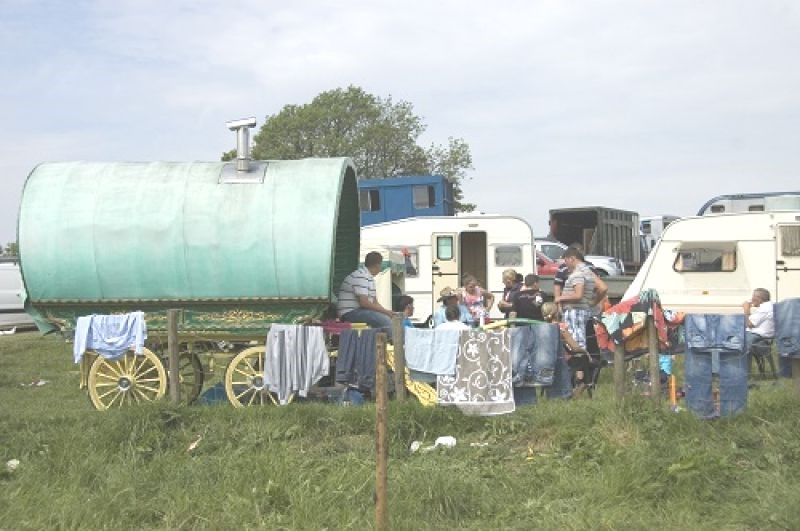
Training Programme 2021
                                                            Virtual Online Training Events
                                      Carers receive regular email bulletins with the links to join virtual training events nearer the
                                       time. The programme is continually being added to as topics and trainers are confirmed.
                                                                                                     January
                                                                                   Talking about Sex & Healthy Relationships
                                       09/11/2020            09:30-11.:00
                                                                                      with Children & Young People Part 2
                                       19/01/21              10:00-12:30                           Allegations
                                       26/01/20– to                                  Foundations for Attachment with HiPSS
                                                             10:00-12:30
                                       11/02/20                                                6 session course
2021 Training Calendar: At a Glance

                                                                                                     February
                                       10/02/21              10:00-12:00               Caring for Children with Disabilities
                                                                                                      March
                                       09/03/21              10:00-12:30           Talking to Young People about Drugs Part 1
                                                                              Talking to Young People about Drugs: Part 2: Drugs
                                       16/03/21              10:00-12:30
                                                                                 Awareness and What to do if it all goes Wrong.
                                       31/03/21              11:00-13:00                 Internet Safety with Fastershire
                                                                                                       April
                                       19/04/21              13:00-15:00                   Exploitation & Vulnerability
                                                                             Multiple Disadvantage & Adversity– Children Growing
                                       21/04/21              10:00-11:30
                                                                                                  Up at Risk
                                       28/04/21              10:00-12:00            Attunement and the Importance of Play
                                       29/04/21              10:00-12:30            Fostering Teenagers– The Future’s Bright
                                                                                                       May
                                       12/05/21              10:00-12:00             Caring for Gypsy and Traveller Children
                                                                                 Understanding Harmful & Problematic Sexual
                                       14/05/21:             10:00-12:00
                                                                                    Behaviour in Children & Adolescents
                                       19/05/21              10:00-12:00           Looking After Yourself / Secondary Trauma
                                                                                                      June
                                       08/06/20–                                     Foundations for Attachment with HiPSS
                                                             10:00-12:30
                                       13/07/20                                                6 session course
                                       09/06/21              10:00-12:00              Meeting your Child’s Sensory Needs
                                                                                                      July
                                                                                                  September
                                       16/09/21              10:00-12:00           Polyvagal Theory, Attachment and Trauma
                                                                                                    October
                                                                              An Introduction to Special Educational Needs (SEN)
                                       21/10/21              10:00-12:00
                                                                              The Code of Practice & the role of the Virtual School
                                                                                                   November
                                       12/11/21              10:00-12:00              Understanding the Teenage Brain
                                              The programme will be updated later in 2021 as more courses are confirmed.
MANDATORY TRAINING
New Foster Carer’s must complete 3 mandatory courses & 1 elective in their first year, plus, 1 x TSD Standards
workbook per fostering household. Ongoing: 4 Elective training courses per year is expected.
Mandatory Training must be renewed every 3 years by all foster carers in a household.

PREP Training for new      VIRTUAL                  This PREP Training: ‘Skills to Foster’ course provides an
foster carers                                       introduction to fostering children and young people,
                           LIVE TRAINING
                           COURSE– Delivered        providing an overview of the role of a foster carer, safe
                           monthly                  care, understanding behaviour and attachment theory.

INDUCTION SESSIONS for Delivered on a 1:1           This training covers the policies, procedures and admin
newly approved foster  basis with your              requirements of Herefordshire Council’s Foster Carers.
carers                 Fostering Social             It is essential learning for the practicalities of fostering.
                       Worker
                                                    TSD Standards 2: Understand your role as Foster Carer; 2.1
                                                    Fostering role & 2.2 Legislation, policies & procedures

Paediatric First Aid       Currently available as   Foster Carers will gain the knowledge and practical
                           an online E-Learning     skills to assess, identify, diagnose treat and seek
                           course                   appropriate medical help for a variety of possible
                                                    paediatric emergencies.
                           Face to Face courses   TSD Standards 3: Understand health & Safety, and Health Care:
                           will resume as soon as 3.3 Healthy Care & Medication: 3.4 Personal Safety & Security. 6
                           safe to do so.         & 6.2 Keeping Children & Young People Safe From Harm

Diversity                  Currently available as
                           an online E-Learning     TSD Standards 1.2 Equality, inclusion and anti-discriminatory prac-
                           course                   tice; 2.1 Fostering role; 2.2 Legislation, policies & procedures.

Safeguarding               Currently available as   The course explores different types of abuse, recognis-
                           an online E-Learning     ing the signs of abuse, the effects of abuse, our duty of
Children                   course                   care to children and young people and how to deal with
                                                    safeguarding disclosures.
                                                    TSD Standards: 3.4 Personal safety & security; 4.5 Principles of
                                                    keeping good records; 6: Keeping children & young people safe
                                                    from harm; 6.1 Legislation, policies and processes; 6.2 Keeping
                                                    children safe; 6.3 Recognising and responding to abuse

  Due to COVID19 guidelines, mandatory training is available online in 2021. Face to face training will resume
              when guidance allows and it is safe to do so. Thank you for your understanding.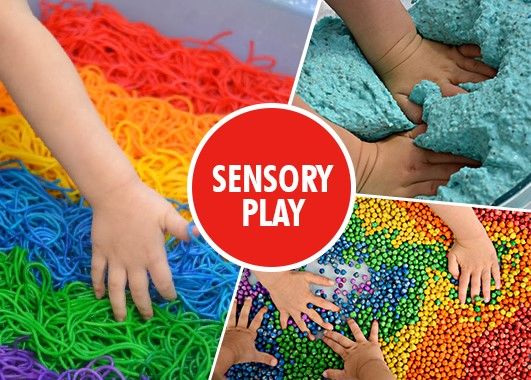
HPL 20/095. TALKING SEX AND RELATIONSHIPS WITH YOUNG PEOPLE
Part 2 :
Following on from last November’s event, Sarah Melia from West Mercia Rape
and Sexual Abuse Support Centre will deliver part 2 of an informative awareness
raising session outlining the services they provide to Children and Young People
in Herefordshire.
Information Session about the range of support services WMRSASC offer across Herefordshire.
Friday January 8th, 09:30-11:00 VIRTUAL EVENT
Ref: TSD Workbooks: 1.3 Person centred approaches 5.2 Resilience, 5.3 Transitions 5.7 Promoting positive health
and sexuality, 6.2 Keeping children safe 6.4 Working with other agencies
ALLEGATIONS TRAINING
This course considers the complexities associated with allegations and
complaints against Foster Carers, and explores the knowledge and skills
required to balance support for Foster Families with the questioning and
analysis required of an investigation.
Tuesday 19th January 10:00-12:30, VIRTUAL EVENT
Ref: TSD Workbooks: Standard 2.2 Legislation, policies & procedures; 2.6 Complaints and
compliments; 4.5 Principles of keeping good records; 7.3 Using support & supervision to develop your role.
SCB FOUNDATIONS FOR ATTACHMENT PROGRAMME – (6 x SESSION COURSE)
Counts as 2 x courses on Foster Carer’s training profiles.
Facilitated by the team from HIPSS
Herefordshire Intensive Placement Support Service, Action for Children
The Foundations for Attachment Programme is a course for those parenting
middle years children and teenagers who have relationship difficulties,
especially children and young people who have experienced attachment problems, trauma, loss and/or
separation early in their life. This is a Dyadic Developmental Psychology (DDP)-informed programme
based on the model developed by Dan Hughes.
It is structured around three modules:
Understanding challenges of parenting
DDP Informed therapeutic parenting
Looking after self
Ref TSD Standards: 5: Understanding the development of children and young people. 5.1: Attachment
and stages of development. 5.2: Resilience. 5.4: Supporting play, activities and learning. 5.5: Supporting
educational potential. 7: Develop yourself 7.3: Using support & supervision to develop your role.
This course is running in January and June 2021
Book your place via a referral via your Fostering Social worker
FOSTERING CHILDREN WITH DISABILITIES with Melanie Kay and Elaine Nation
10th February , 10:00-12:00. VIRTUAL EVENT
The course will cover:
What ‘disability’ means
Our legal responsibilities
Barriers faced by disabled children
Safeguarding children with disabilities
Skills required by Foster Carers
Support available
Ref: TSD Workbooks: Standard 1.2 Equality, inclusion and anti-discriminatory practice
FOSTER CARE WITH GYPSIES & TRAVELLER CHILDREN. VIRTUAL TRAINNG EVENT
This course can be taken as a refresher if mandatory diversity training has been attended previously.
We discuss Traveller family history within Herefordshire and why it is so important to the background of
any Looked After Child within your care, how you can appreciate this link, and why it matters.
This course is open to any carer so you do not need to have a
current Gypsy /Traveller placement.
Wednesday March 3rd. 09:30-12:00.
& 12th May 09:3-0-12:30
Ref: TSD Workbooks: Standard 1.2 Equality, inclusion and anti-
discriminatory practice; 1.3 Person centred approaches; 2.3 Rela-
tionships with parents and others.
VIRTUAL TRAINING EVENT
Talking to Young People about Drugs Part 1 (Sessions 1 & 2)
Tuesday 9th March 10:00-12:30
Talking to Young People about Drugs: Part 2: (Sessions 3 & 4)
Tuesday 16th March 10:00-12:30
Delivered by Rob Shaw from We Are With You.
Session One - Young people and drug/alcohol use
Session Two - Talking to young people about their drug/alcohol use
Session Three - Drugs awareness
Session Four - What if it all goes wrong?
Ref: TSD workbooks: Standard 1.3 Person centred approaches; 4.1 Encourage communication; 4.2 Know-
ing about communication; 2: Understand Your Role as a Foster Carer 2:2 Legislation, policies & procedures,
Standard 6: Keeping children and young people safe from harm 6.1 Legislation, policies & procedures, 6.2 Keeping
children safe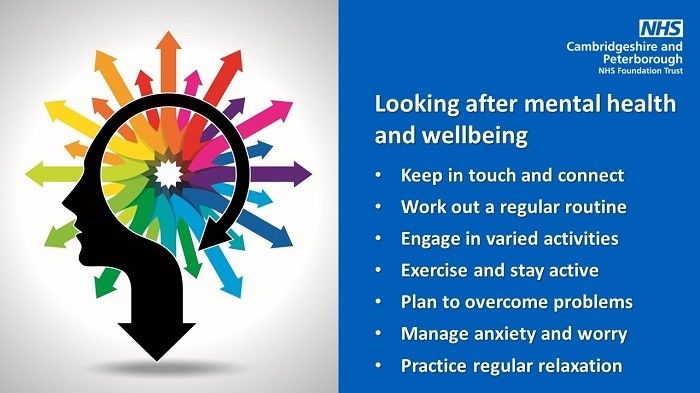
Internet Safety VIRTUAL Training Event for Foster Carers Wednesday March 31st. 11am-1pm Trainer: Darren Milward from The Skills Mill, Hereford The course will cover the following: 4 Main Internet dangers Routers - how online time can be monitored and managed Social Media - Facebook, Snapchat, Instagram etc, Age limits, privacy settings, digital sharing Gamer Danger - Breaks, monitoring, in game chat General safety ... Bullying, setting rules, the next steps if a problem arises Useful resources: Apps and web services Further support available This workshop is provided by Fastershire – the partnership between Herefordshire Council and Gloucestershire County Council to bring faster broadband to the two counties.www.fastershire.com Ref: TSD Workbooks: Standard 5.4 Supporting play, activities and learning; 6.2 Keeping children and young people safe, Recognising and responding to abuse; 7.4 Meeting learning needs as cpd. EXPLOITATION & VULNERABILITY TRAINING—VIRTUAL TRAINING EVENT MONDAY APRIL 19TH, 1-3PM Trainers: Vicki Ridgewell, and Karen Perry, Exploitation and Vulnerability Trainers, West Mercia Police This course aims to raise awareness of: Vulnerability Adverse Childhood Experiences (ACEs) Organised Crime Groups (OCGs) / Gangs Modern Day Slavery Child Sexual Exploitation (CSE)/consent Criminal Exploitation (CE) Victim Blaming language National Referral Mechanism (NRM) Pathways / Diversionary Tactics / Sharing of Intelligence Ref: TSD Workbooks: Standard 6: Keep children and young people safe from harm 6.1 Legislation, policies and procedures; 6.2 keeping children safe; 6.3 Recognising and responding to abuse; 6.4 Working with other agencies; 7.1 Your role as a foster carer; 7.4 Meeting learning needs as cpd MULTIPLE DISADVANTAGE AND ADVERSITY: Children Growing Up at Risk April 21st 10:00-12:30, VIRTUAL EVENT Delivered by Irene Kew, Advanced Practitioner & NAAS Coordinator. Herefordshire Council Children’s Diretorate The course will explore: Adversity, Vulnerability & Multiple Disadvantage Cumulative Harm Understanding Trauma & The Impact of Complex Trauma Adversity, Trauma & Court Proceedings Ref: TSD Workbooks: Standard 5.1 Attachment and stages of development 5.2 Resilience; 6: Keep children and young people safe from harm 6.1 Legislation, policies and procedures; 6.2 keeping children safe; 6.3 Recognising and responding to abuse; 6.4 Working with other agencies; 7.1 Your role as a foster carer; 7.4 Meeting learning needs as cpd

‘ATTUNEMENT AND THE IMPORTANCE OF PLAY’ VIRTUAL TRAINING EVENT WEDNESDAY 28TH APRIL, 10AM– 12 Trainer: Ursula Beck, Educational Psychologist with Herefordshire Virtual School and SEEdS Project This course will look at the importance of play and how it promotes children’s emotional and cognitive development. We will look at the principles of attuned interaction and how you can use these in play to support children in developing a sense of connection and safety. Ref: TSD Workbooks: Standard 5.1 Attachment and stages of development; 5.4 Supporting play activities and learning; 7.4 Meeting learning needs as cpd UNDERSTANDING HARMFUL & PROBLEMATIC SEXUAL BEHAVIOUR IN CHILDREN & ADOLESCENTS FRIDAY 14 MAY: 10AM-12PM To book a place please contact Loraine.Coleman@actionforchildren.org.uk This two hour webinar will introduce attendees to the topic of harmful and problematic sexual behaviour in children and adolescents. This webinar will be delivered via Zoom. Topics covered will include; Defining Harmful Sexual Behaviour and Problematic Sexual Behaviour. Why language is important? How common is it? What are some of the risk and protective factors? Does it mean the child has been sexually abused? What can I as a Social Worker or a Parent/Carer do and when to I need to refer for specialist help? Assessing risk. Some useful resources. Ref: TSD Workbooks: Standard 4.2 Knowing abut communication; 4.4 Communication with organisations; Principles of keeping good records; 5.7 Promoting positive health and sexuality; 6.2 Keeping children safe; 6.3 Recognising and responding to abuse; 6.4 Working with other agencies; 7.4 Meeting learning needs as cpd ‘LOOKING AFTER YOURSELF / SECONDARY TRAUMA’ – VIRTUAL TRAINING EVENT WEDNESDAY 19TH MAY Trainer: Amanda Cotton, Educational Psychologist with Herefordshire Virtual School and SEEdS Project This course will look at what is meant by secondary trauma, how this might affect adults caring for children and what to look out for. We will also think about ways to look after ourselves as carers and will try out some relaxation and mindfulness activities. Ref: TSD Workbooks: Standard 7.1 Your role as a foster carer; 7.3 Using support and supervision to develop your role; 7.4 Meeting learning needs as cpd
FOSTERING TEENAGERS: THE FUTURE’S BRIGHT
THURSDAY 29TH APRIL, 10AM– 12.30
Cath Warren
Everything you wanted to know about fostering teenagers but
were afraid to ask!
The course will explore:
Challenges facing adolescents and their carers
Cause and effect of low self esteem in young people
‘Risk taking’ and how to manage this safely
Achieving positive outcomes together
Support and resources for young people and their carers
Ref: TSD Workbooks: Standard ; 3.4 Personal safety and security; 4 Know how to communicate effectively 4.1, 4.2,
4.3, 4.4, 4.5; 5.1 Attachment and stages of development, 5.2 Resilience; 5.3 Transitions; 6.1 Legislation, policies
and procedures; 6.2 Keeping children safe; 7.4 Meeting learning needs as cpd
‘MEETING YOUR CHILD’S SENSORY NEEDS’ – WEDNESDAY 9TH JUNE
Ursula Beck, Educational Psychologist with Herefordshire Virtual School and SEEdS Project
This course will give an understanding of how trauma can effect children’s
sensory development and the impact this can have on their daily lives. We
will look at practical activities carers can do with children to meet their chil-
dren sensory needs.
Ref: TSD Workbooks: Standard 5.1 Attachment and stages of development;
5.4 Supporting play activities and learning; 7.4 Meeting learning needs as
cpd
‘POLYVAGAL THEORY, ATTACHMENT AND TRAUMA’ – THURSDAY 16TH SEPTEMBER
Amanda Cotton, Educational Psychologist with Herefordshire Virtual School and SEEdS Project
This course will provide an introduction to trauma and attachment theory and
how these affect children, particularly in school. We will talk about polyvagal
theory and how this links with our knowledge of attachment and trauma. We
will also look at strategies for supporting children and young people at home
who have experienced trauma and present with attachment difficulties.
Ref: TSD Workbooks: Standard 5.1 Attachment and stages of development; 5.2
resilience; 5.3 Transitions; 5.4 Supporting play and learning; 5.5 Supporting
educational potential; 7.4 Meeting learning needs as cpd
FOSTER CARERS FINANCES AND MEMBERSHIP BENEFITS WORKSHOP
Delivered by Amy Wilson from the Fostering Network
The session will cover Income Tax and National Insurance for Foster Carers, calculating
your own tax threshold, and understanding National Insurance contributions and self
assessment tax returns.
September Date t.b.c 1.00 - 2:30pm, VIRTUAL EVENT
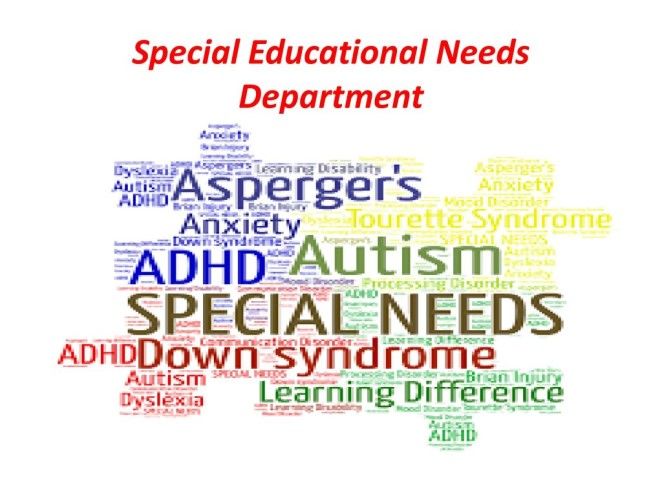
‘AN INTRODUCTION TO SPECIAL EDUACTIONAL NEEDS (SEN) INCLUDING THE
‘CODE OF PRACTICE’ & THE ROLE OF THE VIRTUAL SCHOOL
 THURSDAY 21ST OCTOBER, 10:00-12:00
Ursula Beck , Educational Psychologist & Joanna Chick, Head of the Herefordshire
Virtual School
This course will give you an understanding of how schools identify and support children who have special
educational needs. This will include an understanding the Code of Practice and the ECHP (Education Health and
Care Plan) process. We will also explain the role of the Virtual School in supporting children’s/young people’s
education.
Ref: TSD Workbooks: Standard 1.3 person centred approaches; 5.5 Supporting educational potential; 5.8 Supporting disabled
children and children with special educational needs

‘UNDERSTANDING THE TEENAGE BRAIN’– FRIDAY 12TH NOVEMBER
Trainer: Amanda Cotton,
Educational Psychologist with Herefordshire Virtual School and SEEdS Project
This course looks at the development of the teenage brain from adolescence (around age
10) to adulthood (around age 25). This course will explain the changes that happen to the
brain and why behaviours can be challenging during this time. The effect of attachment
difficulties and early trauma will be considered. Strategies for school and home will also
be discussed.
TSD Standards: 4.2 Knowing about communication 5. Understanding the development of children
& young people 5.3 Transitions

UNDERSTANDING UNIVERSAL CREDIT AND HOME POINT— Autumn 2021 t.b.c
                       Facilitated by Facilitated by Sarah Lewis, Partnership Support Manager for the Department
                       for Work and Pensions and Stuart McFarlane, Housing Solutions Officer for Herefordshire
                       Council.
                       Important for Supported Lodgings Providers, Carers & SGO carers of teenagers
                       approaching, or already 16+
                       The course will provide a thorough introduction to both topics, the application process,
                       Q & A opportunities and info about where to access further guidance & support.
                     Ref: TSD workbooks Standards: 3.2 Accommodation, 4.4 Communication with other organisations, 5.2
                     Resilience, 5.3 Transitions

WHEN A CHILD GOES MISSING Date t.b.c
Sarra Thorne will deliver a course on what to do when a looked after
child goes missing and explain the law and the policies and proce-
dures that apply. You will explore a therapeutic approach to working
with children that go missing and what to do when a child returns to
placement.
TDS Workbook Standard 6: Keep children & young people safe from harm
6.1 Legislation, policies & procedures 6.2 Keeping children safe 6.4 Working with other agencies

     Courses are confirmed and added to the programme on an ongoing basis. Please check Training
                                   e-Bulletins for the latest details.
The Training Hub Online Courses: Available by clicking on the ‘request course’ button by the course description when logged into your learner account, or email cathwarren@herefordshire.gov.uk for further assistance. Active Listening Skills Dysfunctional Sexual Abuse ADHD and Autism Advanced Level Dyslexia Adolescent Development Dysphagia Adolescent to Parent Violence and Abuse - CLA Eating Disorders Adoption and Permanence Education and Trauma Safer Caring and Risk Management Elimination Disorders Adverse Childhood Experiences Emerging Personality Disorder Advocacy Training Fostering Emotion Coaching Alcohol Awareness Emotional Abuse Anger Management Fostering Ending of Foster Placements Anti Social Behaviour and Mental Health Engaging And Building Rapport With Children Affected Anti-Bullying By Child Sexual Exploitation Anxiety and Depression Engaging People In Education Aphasia Epilepsy and Seizure Management Asthma in Young People Fabricated and Induced Illness in children. Attachment And Bonding Female Genital Mutilation Awareness Autistic Spectrum Disorder Fire Safety Babies Withdrawing from Addiction Foetal Alcohol Birth Children Food Safety And Hygiene Biting Gambling and Young People Black Lives Matter Gaming and Social Media Addiction CLA Building Body Confidence in Children Gangs And County Lines Building Positive Relationships GDPR For Foster Carers Building Resilience and Managing Risk General Data Protection Regulation Caring For & Working With Teenagers Global Development Delay Caring for Asylum-Seeking and Refugee Children Grief and Bereavement Caring for Black and Ethnic Minority Children in Foster Hate Crime Care Healing Environments Caring for Sexually Abused Children Health and Hygiene Caring for Traumatised Children Health And Safety Catfishing Health, Nutrition, And Wellbeing Celebrating Difference Healthy Relationship Child Development Helping children develop emotional intelligence and Child Sexual Exploitation empathy Child Trafficking Hidden Harm Child-Centred Approaches Honour Based Abuse and Forced Marriage Children and Parental Substance Misuse Human Rights in Social Care Children Who Experienced Domestic Abuse Human Trafficking and Modern Slavery Cognitive Behaviour Therapy Impact of Parental Substance Misuse Communicating with Children Impulsive Behaviour Complaints and Allegations Infection Control Complex Trauma PTSD Information Governance Conduct Disorders Internet Safety Consexual and Sexualised Behaviour Introduction to Positive Behaviour Support Contact and Birth Families Keeping Children Safe In Education Counselling Skills Knife Crime And Serious Youth Violence Parents & Carers Court Appearances And What To Expect Law and the Care System Fostering Cultural Awareness Learning Disabilities Cyberbullying Advanced Level Leaving Care - Expectations And Support Dealing with Bereavement and Loss Legal and Care Systems De-Escalation and Young People -Non Physical LGBT awareness Delusional Paranoid Schizophrenia Life After Abuse Depression And Suicide Life Story Work Dissociative Disorders Ligature DoLS – Deprivation of Liberty Safeguards Living with Teenagers Domestic Abuse: Children and Young People Loneliness and Isolation
Online courses continued...                                 Reflective Practice
                                                            Religion And Culture
Looking After Children with Complex Needs                   Remand Young People
Making Sense of Adolescence                                 Reporting And Recording Advanced Level
Managing Anger, Emotions And Getting Relevant Support       Responding To The Hypersexualisation And
Managing Behaviours of Manipulation in Looked After         Objectification Of Children
Children                                                    Responsible Individual
Managing Challenging Behaviour                              Restorative Justice
Manual Handling                                             Rewards And Sanctions
Mediation and Restorative Approaches                        Positive Behaviour Management
Medication                                                  Safe handling of medication
Men Who Foster                                              Safer Care And Allegations Advanced Level
Mental Health                                               Secondary Trauma
Mentalization                                               Secure Attachment and Bonding
Missing From Care                                           Self-Esteem Building In Children And Young People
Monitoring Epileptic and Absence Seizures                   Self-Harming Behaviours
Moving Forward With Delegated Authority                     Sensory Integration
Multiple Sibling Placement                                  Serious Youth Violence
Munchausen's Syndrome                                       Setting Boundaries
Neglect                                                     Sex and Relationships
New Psychoactive Substances Merging Trends and Chal-        Sexual Abuse and Recognising Grooming
lenges                                                      Sexual Development and Sexual Abuse
Online Safety                                               Sexual Health
Oppositional Defiant Disorder                               Sexual Violence and Harassment between Children and
Pathological Demand Avoidance                               Young People
PEC's Picture Exchange Communication                        Sexualised Behaviour
Personal Care                                               Sexuality and Adolescent Development
Person-Centred Approaches                                   Social Media, Sexting and Selfies
Physical and Learning Disabilities                          Social Pedagogy
Play Therapy                                                Social, Emotional, and Behavioural Difficulties
Positive Behavioural Support                                Special Educational Needs
Positive Identity and Self-Esteem                           Stealing
Positive Parenting Techniques                               Stigma around STDS
Positive Risk Taking                                        Stress Management
Post-16 Pathways                                            Substance Misuse Awareness
Preparation for Independence                                Suicide and self-harm awareness
Professionalism in Foster Care                              Supporting a Child of a Different Ethnicity
Promoting Education                                         Supporting Bilingual Children
Promoting Health and Development                            Supporting Boys And Young Men Affected By Child Sex-
Promoting Resilience                                        ual Exploitation And Abuse
Prosocial and Anti Social Behaviour                         Supporting Children Through The Criminal Justice Sys-
Protective Behaviours                                       tem After CSE
Psychoactive Substances                                     Supporting Children Whose Parents Have Addictions
Racism, Discrimination and Intolerance                      Technology and Victims of Child Sex Trafficking
Radicalisation And Extremism                                Teenage Pregnancy
Raising Awareness of Peer-on-Peer Abuse                     The Dark Web
Raising Awareness of Trafficking and Modern Slavery         The Effects of Pornography
Reablement

  When an online course is completed, you are required to complete a brief Learning Outcome Report (LOR) to
   reflect on your learning. Use this to discuss your professional development during supervision with your
                                             Fostering Social Worker.
        Our Admin is notified when you complete a course and LOR, and your central Training Record is
                                               Updated accordingly.
   If you complete other work based or online training that is relevant to your professional development as a
  Foster Carer, please let us know. If you send us a copy of your training certificate or evidence of completing a
     course, we can add it to our records. These can contribute to your requisite 4 training courses per year.
SUPPORT GROUPS FOR FOSTER CARERS
HIPSS Foster Carer Clinics
Intensive support from the specialist team for carers of children and young people with complex needs
and behaviours.
Please book through your Fostering Social Worker.
If you would like to see HIPSS more urgently then please ring and they will try and fit you in.
01432 278064
KINSHIP CARERS MONTHLY SUPPORT GROUP WORKSHOPS
Join other carers to discuss some of the common issues and struggles that kinship carers are facing. Each
session will include a focus on techniques and ideas for looking after yourselves, and strategies and
therapeutic approaches to looking after children and young people in your care.
SPECIAL GUARDIANS (SGO’S) SUPPORT GROUP
These will be 9:30am- 10:30am. Monthly Virtual sessions online using Microsoft Teams
Wednesday 6th January
Friday 5th February
Tuesday 16th March
Wednesday 21st April
Monday 10th May.
Contact Georgina.thompson@herefordshire.gov.uk
for details for Kinship and SGO Support Groups.
SUPPORTED LODGINGS SUPPORT GROUPS
An open group for approved SLP providers to meet each other and discuss matters, bring questions and
share ideas and good practice over a cuppa. (BYO biscuits/snacks!) Facilitated by Rachael Locke.
Contact Rachel.locke@herefordshire.gov.uk for 2021 times and dates for virtual catch ups and support.
FOSTER CARERS Reps & NEWSLETTER
A monthly newsletter is produced by your Foster Carers Reps featuring events, useful resources and
information for carers. The group welcome new members, and would like to receive your articles,
information and recommendations for useful resources, places, websites etc, for the newsletter.
Your 2021 Fostering Reps are:
Sarah Schramm, Virginia Tilby (SLP), Colin Barry HIPSS and Sarah Wixey
Chris Barrett can help you access the WhatsApp group
Send your info to: fosteringandadoptionbusinesssupport@herefordshire.gov.ukAs approved Foster Carers for Herefordshire Council, you have membership of
The Fostering Network.
Member benefits:
Helplines: Monday to Friday.
Members of The Fostering Network have access to member helplines for advice
and guidance on all aspects of fostering. Such as: approval assessment, income
tax and finance, practice guidance, contact visits, allegations.
Legal helpline - UK
Foster carer members of The Fostering Network can access our 24-hour legal helpline for expert advice
on allegations and help with any legal queries on the new 24-hour legal helpline number which is 01384
885734.
Stress counselling helpline - UK
A completely confidential stress counselling service on 0345 074 2799.
*Please ask to be put through to the stress helpline
Legal protection insurance
All foster carers members are automatically covered by their legal protection scheme.
Attendance by a qualified and experienced solicitor should you, or any of your household, have to
attend a police interview under caution as a result of an allegation.
Cover for up to £150,000 legal expenses if a criminal prosecution or civil proceeding is brought against
you or any of your household as a result of an allegation.
This also includes cover for staying put and supported lodgings providers (for foster carers and former
foster carers) who look after a young person up to the age of 25.
Download their guide to Legal Protection Insurance and access the legal helpline on 0345 013 5004.
Online community
Your membership will entitle you with full access to our online community which provides you with sup-
port, advice and the chance to discuss your experiences.
Events
As a member, you will be invited to annual roadshows which offer practical workshops, presentations and
information on key topics, as well as giving you an opportunity to network with others who really care
about fostering.
Discounts on publications and training
Exclusive discounts
home insurance specifically for foster carers .
specialist mortgage advice and a discounted arrangement fee of £150 for a completed mortgage.
Up to 52 per cent off days out for the family
10 per cent off holidays and short breaks - with Haven, Hoseasons and cottages.com
Magazine
Foster Care magazine 4 times a year, which is full of in depth articles on current hot topics in fostering, as
well as inspirational carer profiles, book reviews and foster family stories. You will also receive a monthly
e-newsletter with information on everything that’s happening in fostering.
Long-service recognitionE-LEARNING & Useful Websites
Mind of My Own app
Enables children and young
people to share their views with
us.
It can be used to prepare
for meetings with social worker’s,
LAC reviews, to make a
complaint, share a problem or tell
us some good news.
Young people have their
own account
Foster Carer eLearning programme, which comes in two different modules:
Module 1 – what is Mind Of My Own and how to introduce and support
with it
https://fostercarer.s3.amazonaws.com/Introduction%20to%20One%20app%
20241019%20-%20Storyline%20output/story_html5.html
Module 2 – information security and what happens to the young people’s information
https://elearningrights.s3.amazonaws.com/Childrens%20rights%20and%20privacy%20241019%20-%20Storyline%
20output/story_html5.html
*FREE online courses
For parents, grandparents, carers, foster parents,
family members and friends, and is particularly
useful for less experienced carers and young
parents or parents to be.
The courses aim to help you support a child from pregnancy
until the age of 18.
Understanding pregnancy, labour, birth and your baby
Understanding your baby
Understanding your child
All courses have been written and approved by health professionals.
To access the FREE online courses:
Visit: www.inourplace.co.uk
Register your details
Enter the Access Code: APPLEHERE
For technical support email: solihull.approach-parenting@heartofengland.nhs.uk
Or call: 0121 296 4448 (Mon – Fri 9am – 5pm)
*All courses are fully funded by Herefordshire Council and are free to Herefordshire residentshttps://www.learnmyway.com
Learn My Way is a website of free online courses for
beginners, helping you to develop digital skills to make the
most of the online world. It's also got courses and
resources to help inspire others in your community to use
the internet and help them improve their digital skills -
including a 'How to be a Digital Champion' course.
https://www.fastershire.com
Fastershire run courses in libraries throughout the County
on various aspects of using technology, including internet
beginners, using smart phones, cyber security. Visit their
website for details on courses near you.
There are a whole host of downloadable PDF training guides
for beginners, such as:
> Understanding your computer
> Using your computer
> Using your computer for photos
> Getting online and finding info online
> Staying safe online
> Protecting your computer
The Big Initiative, provides free preventative online courses for
young people aged eight and upwards on subjects such as gangs,
knife crime, self-harm, social media and bullying and life skills.
Courses are designed by experts and reviewed by young people.
They empower young people to make better choices in life, in
addition to enabling young people to pass on their new knowledge
to their inner circle.
Young people can directly register to access these free resources
https://www.thefostercaretraininghub.co.uk/young-people-sign-up
There is also free specialist training for adults that work with young people, in addition to free adult
well-being training to help look after their mental health.
The Big Initiative official website will be ready early 2020.E-LEARNING & Useful Websites
The Fostering Network has partnered with Disability Matters to put together a free online learning
resource. The Disability Matters for Foster Carers learning package comprises eight courses focused on
issues relevant to foster carers of children and young people with disabilities:
https://www.disabilitymatters.org.uk/Catalogue/TileView
https://www.disabilitymatters.org.uk/Component/Details/472364
Got a lot of questions about tax and National Insurance?
If so, this HMRC e-learning course is for you.
http://www.hmrc.gov.uk/courses/syob3/fc/index.htm
sexelearning - a Website containing an eLearning Programme for professionals new to the area of
Sexual Health Promotion. The programme is available for use by professionals across Northern Ireland,
but we welcome any interested professionals from other areas.
http://www.sexelearning.hscni.net/
https://www.futurelearn.com/courses
(Courses start at various times and are subject to change and availability)
Register for free to access online training courses on a wide range of
subjects, including:
Caring for Vulnerable Children
Develop an understanding of some of the approaches involved in caring for vulnerable children:
https://www.futurelearn.com/courses/vulnerable-children
Communicating Effectively with Vulnerable Children and Young People
Discover tools and techniques to engage effectively with vulnerable children and young people.
Reasons why a child or young person may become vulnerable
Age-appropriate activities and techniques from the pre-verbal to adolescent stages
Innovative ways of facilitating communication
Challenges and barriers to effective communication with vulnerable children and young people
Levels of vulnerability experienced by a child or young person, including areas of safeguarding
https://www.futurelearn.com/courses/communicating-with-vulnerable-children
Understanding Drugs and Addiction
How do addictions develop? How are they best treated and prevented? Explore these key questions.
https://www.futurelearn.com/courses/understanding-drugs-and-addiction
Managing Challenging Behaviour of Young People
On the course, we’ll use the latest research to investigate the causes of challenging behaviour and look
at strategies, helping you build a toolkit to modify behaviour.
https://www.futurelearn.com/courses/challenging-behaviour
Defining Mental Health: A Short Introduction
Explore how we define and diagnose mental health problems in society today, and prepare to study
mental health further.
https://www.futurelearn.com/courses/defining-mental-healthUnderstanding Diversity and Inclusion
Develop your attitudes, skills and knowledge of cultural diversity so
you're able to create inclusive environments.
Phases of diversity dexterity
Attitudes, skills, and knowledge supporting diversity
Unconscious biases
Ethnocentric and ethno-relative mindsets
https://www.futurelearn.com/courses/diversity-inclusion-awareness
Understanding Anxiety, Depression and CBT
Improve your understanding of depression and anxiety and find out more about an effective and
evidence-based treatment. This five week course will improve your understanding and knowledge
around depression and anxiety, dispel some common myths about these disorders, and introduce you
to a leading, effective treatment for both disorders, called Cognitive Behavioural Therapy (or ‘CBT’ for
short).
https://www.futurelearn.com/courses/anxiety-depression-and-cbt
Supporting Adolescent Learners: Social and Emotional Wellbeing
Learn to support adolescent learners with their social and emotional wellbeing through a variety
of approaches. On this course, you’ll investigate the social, emotional, intellectual, and physical develop-
ment of young people, explore the uses of neuroscience in education and help youths embrace lifelong
learning.
https://www.futurelearn.com/courses/supporting-adolescent-learners
Mindfulness for Wellbeing and Peak Performance
Learn mindfulness techniques to reduce stress and improve your wellbeing and work/study. Stressed by
the pace of modern life? Mindfulness might be the answer.
Understanding Autism
Understand more about autism, including diagnosis, the autistic spectrum and life with autism.
https://www.futurelearn.com/courses/autism
The University of Derby also offer a free online course:
Understanding Autism, Asperger’s and ADHD
In this course you will consider the often fine-lines between autism, Asperger’s and the subtypes of
ADHD, as well as explore your own perceptions and assumptions of autism and ADHD along with
commonly-held assumptions of classification and assessment. (6 Units, 3 hours of study per unit)
https://www.derby.ac.uk/online/mooc/understanding-autism-aspergers-adhd
The Secure Base Model
A secure base is at the heart of any successful caregiving
environment - whether within the birth family, in foster care,
residential care or adoption. A secure base is provided through a relationship with one or more
caregivers who offer a reliable base from which to explore and a safe haven for reassurance
when there are difficulties. Thus a secure base promotes security, confidence, competence and
resilience.
The Secure Base model has been developed through a range of research and practice
dissemination projects led by Professor Gillian Schofield and Dr Mary Beek in the Centre for
Research on Children and Families at the University of East Anglia, UK.
https://sites.uea.ac.uk/providingasecurebasehttps://www.e-lfh.org.uk/programmes/minded/
MindEd provide accessible and engaging e-learning on emotional and behavioural ‘first aid’ and
therapeutic skills for people involved in the mental health and well being of children and young people
aged 0-18 years.
Courses include:
Digital Media and Young People
MindEd for Families-includes school refusal support and working with schools
Bullying and what to do
Building Confidence and Resilience
OpenLearn: Free e-learning from the Open University
https://www.open.edu/openlearn/
The Open University provide over 1000 free courses, interactives and
videos on a wide range of subjects, including health, psychology,
education and development. Signing up enables you to build up a learning
profile and record of achievement.
Examples include: Young People’s Wellbeing, Attachment in the Early Years, Play, Learning and the Brain,
Understanding Depression & Anxiety, Exploring Children’s Learning, Understanding Autism.
Free Online Positive Behavioural Support Awareness Course
http://www.bild.org.uk/capbs/pbs-awareness-course/
This course forms part of the Department of Health's Positive and Safe Programme
and is about the organisational culture needed to put the Positive and Proactive Care
guidance into practice. It was developed by Prof Kathy Lowe and Dr Edwin Jones of
the Abertawe Bro Morgannwg University Health Board and was commissioned by the
Department of Health
Positive Behavioural Support: Relevant breakaway and support techniques:
• Legislation, regulations and recommendations • Posture, position and stance, moving safe-side
• Person centred planning • Safe releases from wrist and clothing grabs,
• Challenging behaviour & functions of behaviour strangulations, hair pulls, bites and kicks
• The ABC model and influencing behaviour • Guided walking
• De-escalation • Low level support holds
• Threat analysis & risk assessment
• Promotion of least restrictive practice
• Primary, secondary and reactive strategies
• InterventionsINTERNET SAFETY
Cyber crime and fraud prevention advice
Warwickshire Police and West Mercia Police have launched
the #Be Cyber Smart campaign to raise awareness of internet-related crime and to give
people the knowledge they need to stay safe online.
https://www.westmercia.police.uk/becybersmart2
Cyberbullying and online harassment, and get help
Teenage use of social media and 'sexting' activities - that is sending or sharing explicit or naked
pictures of themselves to others.
Talking to your child is one of the best ways to keep them safe online.
By understanding the risks and keeping yourself up-to-date on the
latest technology, websites and social networks you can help your child
enjoy the internet safely and securely.
https://www.thinkuknow.co.uk
is an excellent resource with age-appropriate pages for young people
and adults to learn about online safety
NSPCC Internet Matters
nspcc.org.uk internetmatters.org
Cyberbullying UK Kidscape
bullying.co.uk kidscape.org
Kooth Mumsnet
kooth.com mumsnet.com
Help protect your children online
Keep computers and games consoles in family rooms where you can monitor activity, also make sure the games your child
plays online are age appropriate.
Install parental control software or activate parental controls through your Internet to prevent access to inappropriate
content.
'friend' or 'follow' your child on social networking sites, so you can see how they are using them.
Check they are old enough to join any websites or social networks with age restrictions.
Advise your child not to post personal information or any images they wouldn't want everyone to see.
Avoid using webcams unless talking to close friends or family and consider covering it when not in use.
Monitor their usage and be watchful for any secretive behaviour.
Encourage your child to be open about what they do online and who they talk to.
Further advice is available for parents and carers of children at: https://www.gov.uk/government/uploads/system/uploads/
attachment_data/file/444865/Advice_for_parents_on_cyberbullying.pdfhttps://www.beateatingdisorders.org.uk/
Beat have an online training portal with two excellent courses about eating
disorders:
INTRODUCTION TO EATING DISORDERS
And
TRANSITIONS
This training aims to increase awareness and knowledge of the transitions experienced by young people
(people aged 12 to 25) affected by an eating disorder
https://www.talktofrank.com/
For friendly, confidential drugs advice, talk to FRANK.
The FRANK service is free, and operated by fully trained
advisers. In particular FRANK aims to give young people the skills and confidence needed to reject drugs
and offer parents the information they need to bring up the topic with their children.
Call FRANK 24 hours a day, 7 days a week. Phone 0300 123 6600
For people with hearing impairments, you can Textphone FRANK on 0300 123 1099.
Chat Text 82111
Not sure what young people are talking about? Look up Drugs AZ
> Cannabis - Crack cocaine - MDMA - Alcohol - LSD - Ketamine
Honest and useful advice for parents and guardians. Particularly help-
ful guidance on how to talk to your children and young people about drugs, warning signs to look out for
if you think your child or young person is using drugs, and where to access further help and support
locally.
https://alison.com
Alison has over 1000 high quality courses available, all absolutely free to complete.
All of their certified courses are self-paced and have been designed by subject
matter experts. Subject areas include:
Education, Sociology, Personal Development, Mental Health
YouTube is also a great source of videos with information on many of the
topics we come across when caring for children and young people.
Eg: Autism Awareness, disability, bullying, mental health.
Animated Explanation of Autism: https://www.youtube.com/
watch?v=6fy7gUIp8MsGender Identity Support & Information
Mermaids is passionate about supporting children, young
people, and their families to achieve a happier life in the
face of great adversity. They work to raise awareness about
gender nonconformity in children and young people
amongst professionals and the general public. They
campaign for the recognition of gender dysphoria in young
people and call for improvements in professional services.
Mermaids supports children and young people up to 20 years old who are transgender and/or
gender diverse, and their families, and professionals involved in their care. They have many
downloadable information sheets, useful video’s, e-learning modules and contact details for
organisations providing support in various locations.
https://mermaidsuk.org.uk
MERMAIDS HELPLINE: 0808 801 0400
Open Monday - Friday; 9am - 9pm (Bank Holiday opening times may vary)
If your call is not answered, you can either leave a message and we can call you back or you can
email us at Info@mermaidsuk.org.uk.
Child Exploitation & Grooming
Keeping Them Safe: online learning for Parents & Carers is a free package for parents and carers that
explains how to identify the signs of CSE and protect children. This course has been designed by Parents
Against Child Sexual Exploitation (PACE) and has been accessed by more than 29,000 parents and pro-
fessionals (as of March 2016). Access the course on their website at
paceuk.info/about-cse/keep-them-safe/
Although the course is aimed at parents, practitioners and volunteers will also find this 20-30 minute
online learning session a valuable source of information to:
find out more about child sexual exploitation
learn the signs and indicators of when a child might
be being exploited
understand the impact child sexual exploitation can
have on families
know what to do if you suspect a child might be at
risk of this abuse.https://www.frg.org.uk
Lots of useful information, website links, and an interactive advice and information area for Family and
Friends Carers (also known as kinship carers). Includes information on education and LAC, becoming a
kinship carer, downloadable advice and information sheets on legal aspects of kinship fostering, Children’s
Services, advocacy, etc.
Freephone: 0808 801 0366
The National Institute for Health and Care Excellence
(NICE) provides national guidance and advice to
improve health and social care.
NICE guidelines make evidence-based recommendations on a wide
range of topics, from preventing and managing specific conditions,
improving health and managing medicines in different settings, to
providing social care to adults and children, and planning broader
services and interventions to improve the health of communities. These aim to promote integrated care
where appropriate, for example, by covering transitions between children’s and adult services and
between health and social care.
NHS Apps Library https://apps.beta.nhs.uk/
The NHS suggest a number of apps– most free to download– on a range of health and lifestyle topics,
including managing stress and anxiety, healthy food choices, increasing exercise, quitting smoking, etc.
Some are particularly suitable for children and young people
First Aid
Baby and Child First Aid
The British Red Cross Baby and Child First Aid app provides simple, easy-to-
learn skills to help a baby or child in a first aid emergency.
https://www.redcross.org.uk/first-aid/first-aid-apps
BlueIce app: An app for young people who are self-harming.
BlueIce is a prescribed evidence-based app to help young people manage their emotions
and to reduce urges to self-harm. It is intended to be used alongside traditional face to
face mental health services.
It includes a mood diary, toolbox of evidence based techniques to reduce distress and
automatic routing to emergency numbers if urges to harm continue. The mood lifter
contains a personalised toolbox of techniques based on Behavioural Activation, Cognitive Behavioural
Therapy, Dialectical Behavioural Therapy and Mindfulness.
BlueIce was developed by Paul Stallard from Oxford Health NHS Foundation Trust and co–produced by young
people with lived experience of self-harm. Available for iOS and Android.NOTES
Updates and Changes to the Programme
The Training Programme is regularly updated and new courses
added as they become available. Please check the email
bulletins that are sent out regularly.
Please ensure that we have your current email address on
record, and update us if this changes.
Talk to Us
If you have ideas, suggestions , compliments, complaints, or feedback about any of your training
needs, these can be raised in supervision with your Fostering Social Workers, noted on anonymous
feedback sheets / online questionnaires after each training session, or emailed directly to:
catherine.warren@herefordshire.gov.uk
Peer to Peer Training
If you have particular expertise, skills and knowledge that you could share with other Foster Carers in a
training session or workshop, please get in touch.
Peer Support & Mentoring
We have a number of experienced Foster Carers who have kindly offered to support other Foster Carers
with particular activities or placements. These include help with creating Personal Profiles, Online Safety
for BT Hub Home 5 users, mentoring new Foster Carers and supporting Mother & Baby placements. If
you could add to this peer support network, please contact us.
Thank you for all the amazing work you do.
Cath Warren
January 2021You can also read


