UPDATE TRADING - Investec Property
←
→
Page content transcription
If your browser does not render page correctly, please read the page content below
TRADING
UPDATE

Sandton
26 March 2020

INVESTEC PROPERTY FUND LIMITED

Approved as a REIT by the JSE
(Incorporated in the Republic of South Africa)
(Registration Number 2008/011366/06)
Share code: IPF ISIN: ZAE000180915
(“Investec Property Fund” or “the Fund”)         Venlo Vida XL, Venlo, Netherlands

                                                                                1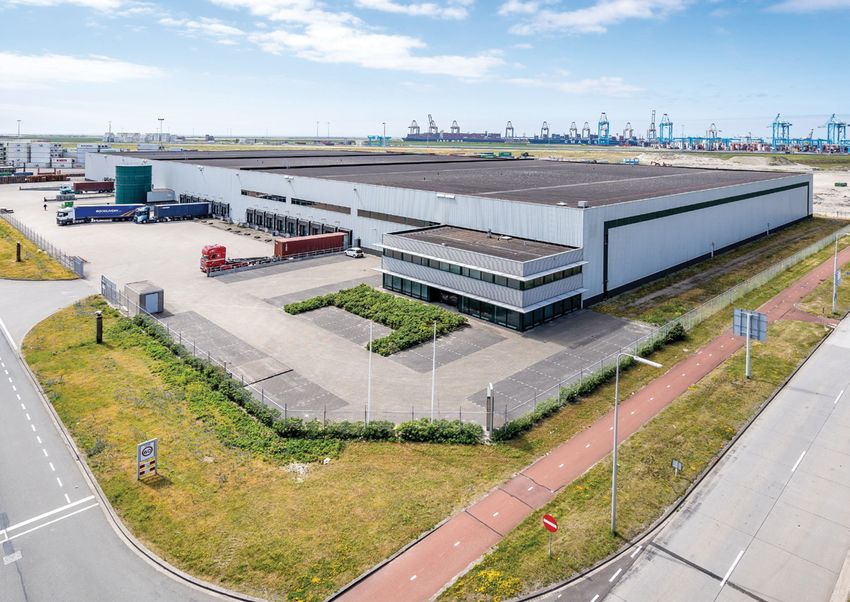
TRADING UPDATE
INVESTEC PROPERTY FUND

Summary of results for the year ended 31 March 2020
•   Significant offshore transaction activity                                      –   Further investment into UK Fund to acquire additional
    – International exposure increased to c.32%                                        properties, resulting in an increased interest to 38% from
    – Increased investment to 75% interest in Pan-European logistics                   32.5%
        (“PEL”) platform together with a 25% strategic partner                     –   Equity capital of R875m raised through an accelerated
    – Two Belgian assets acquired in December 2019 – to be                             bookbuild to fund the European logistics acquisition
        transferred into the PEL platform at acquisition cost

Balance Sheet
•   Rigorous focus on balance sheet management                                 •   Interest cover ratio (“ICR”)  of 3.3x
•   De-gearing flightpath post the PEL acquisition:                            •   90% of the interest rate risk hedged (September 2019: 94.0%)
    – COVID-19 likely to impact period to implement                            •   The Fund has c. R1.4bn of unutilized cash and / or facilities
    – Proceeds of R0.9bn from the disposal of SA properties.                       (including guarantees received on asset sales).   This does not
         Guarantees have been received and properties are awaiting                 include free cash flow to be generated by the underlying operations
         transfer                                                                  on a forward-looking basis
    – PEL refinance of European property company debt and IPF                  •   Total debt maturing over the next 12 months of R1.7bn (excluding
         acquisition bridge debt on track                                          a short-term acquisition bridge facility for €205m that will be
    – Transfer of the Belgium assets into PEL at acquisition value in              refinanced upon the refinancing of the PEL platform mentioned
         process                                                                   above, which is significantly progressed).
    – Izandla debt redemption and sell down of 10% in PEL platform                 – R1.0bn matures in December 2020 – refinancing discussions
         likely to be delayed as a result of COVID-19                                   already underway
•   LTV expected to be approximately 46% at year-end (Sep 2019:                    – Far progressed on extending the maturity of R0.7bn
    37.3%) but expected to normalise to c.34% post implementation
    of the above de-gearing flightpath

Income Statement
•   Although the European deployment is expected to be accretive to                –   Strong letting performance with c.90% of space expiring during
    earnings, it will only impact the current year’s distributable earnings            the year re-let
    for five weeks, with the full impact affecting the financial year ending       – High occupancy maintained through active asset management
    31 March 2021                                                                      initiatives – vacancy marginally improved to 3.5% (September
•   The Fund expects to deliver distributable earnings per share growth                2019: 3.9%)
    of 3% for the financial year ending 31 March 2020                          •   PEL expected to drive majority of distributable earnings growth
•   South African macro-economic conditions continue to deteriorate                – 76% of space expiring during the period and 81% of opening
    but quality underlying real estate, a robust tenant base and proactive             vacancy let at positive reversion of 9.2%
    asset management should ensure ability to weather the storm                    – Portfolio vacancy remains low at 2.1% (September 2019: 1.2%)
    – Base portfolio likely to deliver stable like-for-like net property
          income growth at c.1.0% (March 2019: 0.8%)

COVID-19
•   The COVID-19 outbreak poses an operational risk to our tenants             •   Europe and Australia
    and on 15 March 2020 the Government of South Africa declared                   – There is no exposure to the European (24.2% of IPF balance sheet)
    a National State of Disaster in response to the pandemic, followed                 or Australian (3.2% of IPF balance sheet) retail property markets
    by a National lock-down commencing on 27 March 2020.                               given that Europe is solely focused on logistics and Australia
•   South Africa:                                                                      exposed to the commercial and industrial / logistics sectors.
    – Retailers are expected to be most heavily impacted over the                  – The performance of European tenants and operations is being
        coming months                                                                  constrained by travel restrictions and the closing of national
    – National tenants constitute 82% of South African retail revenue                  borders, however there is still movement of goods and people
                                                                                       albeit at a slower pace

                                                                                                                                                      2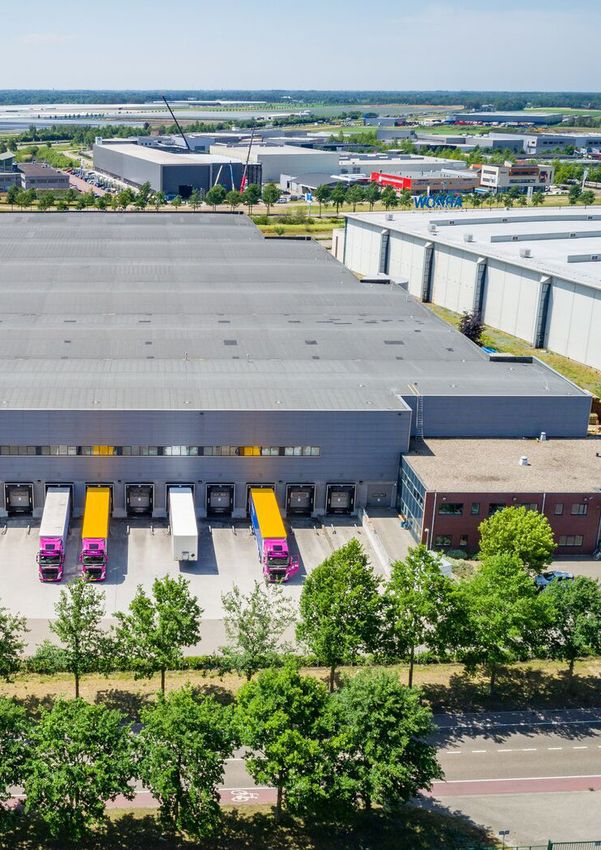
COVID-19
The Fund is actively and intensely keeping abreast of        International sectoral exposure on proportional
developments specifically in respect of the impact on the    consolidation basis
industry in which we operate and particularly in respect     (by asset value)
of our tenants who operate in the most severely affected
sectors with special attention to small enterprises. IPF’s                                  21%             26%
                                    21%          26%
management team are engaged daily with tenants
on a hands-on and one-on-one basis as required in
what is obviously a fluid and unprecedented operating
                                                                Retail
                                                                                                                            Retail
environment
                                        53%                     Industrial                       53%                        Indust
Appropriate risk mitigation measures, in consultation
with our specialist service providers, have been put in         Office                                                      Office
place in our properties as well as appropriate business
continuity plans at our head office and, where necessary,    In South Africa as in other international markets, retailers
our regional offices.                                        are expected to be most heavily impacted over the coming
                                                             months because of government regulations in response
IPF’s investment philosophy across all our local and
                                                             to COVID-19. The Fund is mindful of the difficulties faced
international jurisdictions continues to be to invest in
                                                             by all retail tenants in an already depressed economic
quality well-positioned real estate across a variety of
                                                             climate, that will soon be compounded with additional
sectors and carefully identified geographies with a high
                                                             demand side pressure as consumers curtail their
proportion of high-quality corporate tenants and national
                                                             shopping habits.
and international retail chains
                                                             The effect of the pandemic on the SA industrial and office
In addition, we have constantly focused on active,
                                                             sectors is currently unknown, albeit initially expected
hands-on property and tenant interaction as the lifeblood
                                                             to be less significant than retail. The underlying tenant
of our business ethos. To add colour to this, we have
                                                             covenants across these two sectors is strong with
focused on our retail investments to be specialist in
                                                             c.80% of tenants classified as investment grade. Short-
nature or dominant in their submarkets. More recently
                                                             term leasing activity in both sectors will likely decline as
the Fund has substantially expanded into Pan-European
                                                             prospective tenants take a wait-and-see approach.
logistics, being mindful of global consumer trends.
These strategies will, we believe, make IPF’s portfolio      The Fund’s offshore operations will be affected by
even more defensive and robust in these volatile and         the lock-down measures put in place by the various
unpredictable times.                                         governments. However, given the reduced exposure to
                                                             retail in these markets, the impact is anticipated to be
                                                             lower than in SA.
                                                             In Europe, the performance is anticipated to be constrained
                                                             by travel restrictions and the closing of national borders,
                                                             however there is still movement of goods and people,
                                                             albeit at a slower pace. As in South Africa, short-term
                                                             leasing is expected to slow as occupiers adopt a wait-
                                                             and-see approach, however, rents are expected to
                                                             remain stable because of high demand. Despite this, the
                                                             Fund has leased 19,000 m2 and is currently in advanced
                                                             negotiations to lease a further  25,000m2 of space.

                                                                                                                        3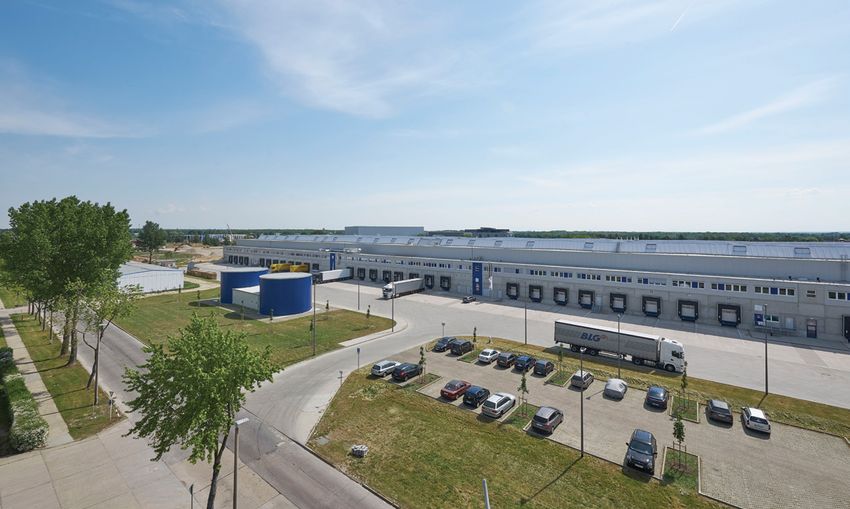
Looking forward, the impact of COVID-19 is expected to          Across both the UK and Europe, governments have
further enhance the investment case into Pan-European           released a raft of support plans for businesses and
logistics with (i) the shift to online being fast tracked and   individuals affected by the pandemic. As details of these
(ii) occupiers shifting towards holding more stock and          measures are released, IPF will be able to better assess
requiring additional warehousing space, a trend that is         and evaluate the overall impact on its offshore operations.
already seen as the crisis unfolds.
                                                                As part of our business continuity policies, IPF has
The impact on the UK portfolio is still to be determined,       implemented remote working for IPF staff. Similar
albeit small in the overall portfolio representing 4.5% of      policies have been implemented by the audit firms
total asset value.   Tesco and Sainsbury supermarkets,          and corporate services providers that are engaged by
recognised as providers of essential goods, constitute          the Fund. IPF management is liaising with all parties to
36% of the UK Fund’s income and have seen a boost in            assess whether this will result in any delays in reporting
food store sales because of panic buying.                       timelines and will keep stakeholders informed should
                                                                there be any delays envisaged.

BALANCE SHEET AND RISK MANAGEMENT
IN LIGHT OF COVID-19
Balance sheet and risk management is, and always has been, a key focus for IPF. To date, the diversified balance
sheet has allowed IPF to deliver returns throughout the cycles, benefitting from higher offshore returns when South
Africa has been under economic strain. A summary of the key metrics and activity is set out below.

• The Fund’s gearing is currently at c.46% but is               • Balance sheet encumbrance is low at c.28% and
  expected to normalise to c.34% post implementation              c.53% of debt is secured. This leaves R9.4bn of
  of a de-gearing flightpath which is already well                unencumbered properties and provides flexibility
  underway                                                        should lenders require security
• The Fund has c. R1.4bn of unutilized cash and /               • The Fund’s weighted average debt maturity is
  or facilities (including guarantees received on asset           consistent across all platforms:
  sales)
                                                                   – South Africa: 2.4 years with interest rates c.90%
• The Fund and its investment entities remain well within            hedged over 3.3 years. Current debt maturity is
  their interest cover and debt yield covenants in all               adversely impacted by short-term acquisition
  regions                                                            bridge funding (see Debt maturities section below)
                                                                     and will normalise to more than 3 years once re-
   – IPF – ICR of 3.3x (covenant level of 2.0x)
                                                                     financed
   – UK – ICR of 2.65x to 3.0x (covenant levels of 1.5x
                                                                   – Europe (logistics): 1.4 years which will extend to c.
     to 2.2x)
                                                                     5 years upon completion of the refinancing. Interest
   – Europe – debt yields of 8.7% to 11.4% (against                  rates are 100% hedged over the remaining term of
     covenants of 4.0% to 7.3%)                                      the debt, to be extended upon the refinancing
   – Australia – ICR not disclosed but LTV of only 21%             – UK: 2.5 years with a hedge maturity of 6.4 years
     (post sale of Ann Street property)
                                                                • The Fund remains well within its debt covenants in
                                                                  all regions and monitors these metrics on a continual
                                                                  basis with a focus on reducing balance sheet risk and
                                                                  managing liquidity through the economic volatility.

                                                                                                                          4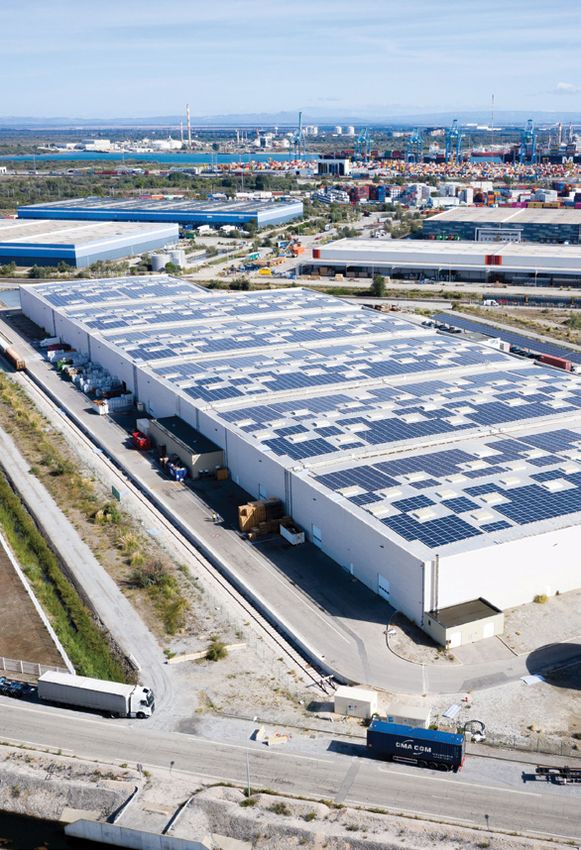
Existing balance sheet position

                                                              Europe        Europe
                                                                 (pre-        (post-
 As at 28 February 2020                 IPF Group    SA    refinance)    refinance)              UK          Australia
 Average debt margin (local currency)       1.9%    1.7%        2.1%           TBD             2.4%               3.8%

 Average fixed rate - AUD                   4.2%     n/a          n/a           n/a              n/a                n/a

 Average fixed rate - GBP                   2.2%     n/a          n/a           n/a            3.5%                 n/a

 Average swap rate                          6.1%    7.5%        0.3%            n/a            1.3%                 n/a

 Debt maturity (years)                        2.4    3.0          1.4           5.0              2.5                3.2

 Swap maturity (years)                        3.3    3.4          1.4           5.0              6.4                6.7

 Interest rate hedge percentage              90%    89%         100%          100%              85%               99%

 Gearing %                                   46%     n/a         42%           60%              54%               21%

 Encumbrance ratio (in-country)              28%    28%         100%          100%            100%               100%

 % debt secured                              53%    27%         100%          100%            100%               100%

 %CCS of AUD investment*                     56%     n/a          n/a           n/a              n/a                n/a

 %CCS of GBP investment*                     57%     n/a          n/a           n/a              n/a                n/a

 % CCS / EUR debt of EUR investment*         62%     n/a          n/a           n/a              n/a                n/a

 % Foreign debt of EUR investment            62%     n/a          n/a           n/a              n/a                n/a

* based on value of investment

                                                                                       Maasvlakte, Rotterdam, Netherlands

                                                                                                                          5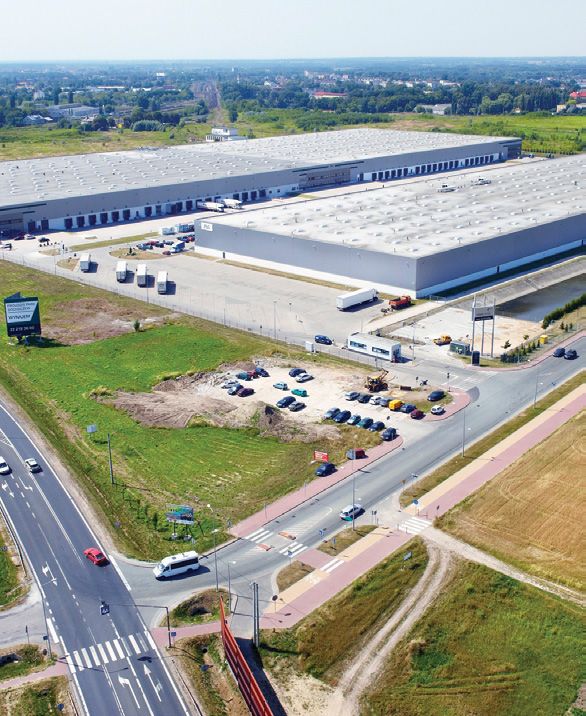
Debt maturity – next 12 months

• Debt maturing over the next 12 months amounts to c.                  • In addition, the Fund has an acquisition bridge loan
  R1.7bn                                                                 of €205m expiring in August 2020 that was utilised to
                                                                         bridge the PEL acquisition with the intention of being
   – The Fund is far progressed on extending the
                                                                         settled through the refinancing of the underlying debt
     maturity of R0.7bn
                                                                         in PEL. The Fund is at an advanced stage with both
   – R1.0bn matures in December 2020 and the Fund                        the underlying PEL refinancing and extension options
     has already engaged with several lenders on an early                of the €205m facility.
     refinancing of these facilities and corporate bonds

The below schedule illustrates the debt expiring in the next 12 months and the refinancing status thereof:

 Type            Facility type            Amount drawn        Expiry Date     Status

 SOUTH AFRICA BALANCE SHEET

 Bank            Term                                 R300m   Dec-20          Advanced negotiations with bank(s) to early refinance

 DMTN            Corporate Bond                       R590m   Dec-20          Discussions with banks on potential refinance

                                                                              Anticipate rolling CP, otherwise will utilize existing cash on
 DMTN            Commercial paper                     R165m   Apr-20
                                                                              hand
                                                                              Utilise proceeds from asset sales to settle; currently
 Bank            Belgian Bridge                        €40m   Apr-20
                                                                              agreeing extension in case of delay of transfer

 Nedbank         PEL Bridge                           €205m   Aug-20          Advanced stage of refinance with in-country PEL debt

 UK VEHICLE BALANCE SHEET

                 No debt expiring in next 12 months

 EUROPEAN VEHICLE BALANCE SHEET

                                                                              Extension option in favour of IPF to extend to November
 Europe Bank     Term                                  €85m   May-20          2020. Intention is to refinance this as part of PEL refinancing
                                                                              to 5 year term debt, the status of which is far progressed.

                                                                                                                                               6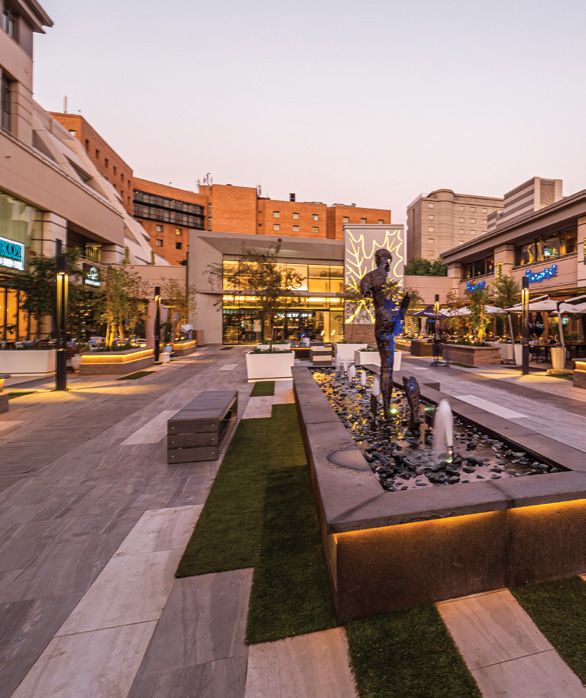
LTV

• IPF has maintained a robust balance sheet as a result                • Given the impact of COVID-19, the Fund does
  of rigorous focus by management to support offshore                    anticipate some delays in the execution of this flight
  deployment on a risk-adjusted basis. Although the                      path. Further updates will be provided to shareholders
  Fund’s gearing is currently at c.46% as a result of                    in the results to be presented in May 2020.
  the conclusion of the PEL and Belgian investments
  during H2, this is expected to normalise to c.34% post
  implementation of a de-gearing flightpath as presented
  during the equity road shows in February 2020.

 Flightpath                          Rm     Impact on LTV    Status
 Current gearing (c.)                              45.8%

 (1) SA asset disposals            (907)           (1.8%)    • Imminent – all CP’s met
                                                             • Guarantees received
 (2) PEL Refinance                (2,713)          (5.9%)    • Significantly progressed and in final stages of negotiation
                                                             • Settlement of IPF acquisition bridge funding reduces gearing at IPF level;
                                                               refinanced at PEL platform level
 (3) Transfer of Belgium to PEL    (795)           (1.8%)    • To be initiated concurrently with refinancing of debt in PEL platform
 (4) Sell 10% of PEL to new        (743)           (2.0%)    • Discussions with potential investors on hold due to macroeconomic volatility.
 co-investor                                                   Combined with (2) above will lead to the full settlement of the €205m bridge
                                                               facility
 (5) Izandla mezz refinancing      (177)           (0.3%)    • Significantly progressed - Izandla is restructuring its capital structure which
                                                               will enable IPF to realise a portion of the mezz funding provided to Izandla
 Gearing post flightpath (c.)                      34.0%

BALANCE SHEET
CONSTRUCT

                                            Rbn
                                                                                                                                Sochaczew, Poland

 SA Investment property                     16.0            66.9%

 Izandla                                     0.3             1.3%

 South African assets                       16.3        68.1%

 Investec Australia
                                             0.8             3.2%
 Property Fund

 UK Fund                                     1.1             4.5%

 Pan-European logistics*
                                             5.8            24.2%
 & light industrial

 Offshore assets                             7.7        31.9%

 Total Investments                          24.0       100.0%

* Equity accounted

                                                                                                                                                 7
OPERATIONAL REVIEW
FOR THE YEAR TO 31 MARCH 2020

SOUTH AFRICA
OVERVIEW

The Fund remains optimistic over the longer-term outlook          Despite the challenging market, the Fund has successfully
for the South African property sector, however in the             renewed c.90% of space expiring in FY20 and has
short-medium term, the full extent of the impact of the           already secured 17% of the 172,900m2 space expiring
COVID-19 virus is unknown at this stage and prospects             in FY21 (which represents 16% of total GLA). The Fund
for the domestic property sector remain uncertain.                expects the weighted average reversions for the portfolio
                                                                  to be approximately negative 14.5% (March 2019: -6.9%)
The Fund expects to deliver like-for-like NPI growth of
                                                                  due to the competitive nature of the current market and
c.1.0% for the FY20 financial year. This is a marginal
                                                                  high cost of attracting and retaining tenants. This is also
improvement from FY19 (March 2019: 0.8%) but
                                                                  a result of new lets concluded in properties that were
remains muted due to persisting vacancy in the office
                                                                  purchased at above market rentals (for which top slice
sector and longer void periods in a challenging market.
                                                                  price adjustments were made on acquisition). This is in
The longer void periods and negative rental reversions
                                                                  line with the Fund’s strategy to fill space at realistic rental
across the portfolio has seen IPF’s cost to income ratio
                                                                  levels rather than have void periods. Incentive levels are
increase marginally to 19.5% (March 2019: 18.8%)
                                                                  expected to increase marginally to c.7% but remain well
Overall vacancy is expected to close at approximately
                                                                  below market averages. In-force escalations remain at
3.5%, which has improved from the half year (September
                                                                  similar levels to those reported at March 2019.
2019: 3.9%) and remains well below industry peers.
The weighted average lease expiry (“WALE”) will remain
unchanged from September 2019 at 2.8 years.                                                         The Firs, Johannesburg, South Africa

Across the three sectors, NPI growth and cost to income
ratios have continued to be adversely impacted by:
• deteriorating rental reversions,
• longer void periods resulting in lower recovery of fixed
  costs, operating costs and municipal charges,
• higher leasing related costs,
• an increase in bad debts due to tenant liquidations
  and business failures, and
• rental concession afforded to Edcon which impacted
  NPI growth by 1.0%.
The increase in tenant failures and business rescues is
one of the most significant risks facing the Fund. There
have been several business failures in FY20 that have
resulted in litigation against clients and ultimate loss to the
Fund, however IPF management will take all reasonable
steps first to negotiate with these tenants to mitigate such
losses.

                                                                                                                                      8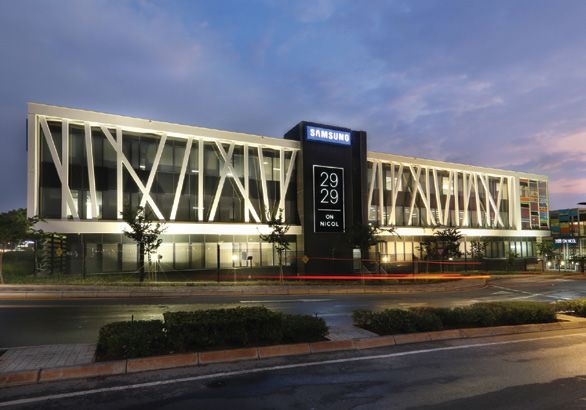
OFFICE                                                          INDUSTRIAL

The Fund expects to report marginally lower NPI growth in       The industrial sector has leased 147,000m2 (91.2%) of
this sector compared to FY19. The trend of declining rentals    expiring space in FY20 which equates to approximately
and increased incentives has continued, resulting in negative   30% of the sector’s total lettable area. Rentals at the expiry
reversions of c.19% and a marginal increase in the cost to      of long-dated leases remain under pressure resulting in
income ratio. The increase in costs include those related to    rental reversions of negative c.7%.  Economic challenges
leasing and bad debts resulting from business failures, while   experienced by the tenant base are also resulting in an
void periods are resulting in lower recoveries of operating     upward trend in arrears and bad debts, which is driving
costs and rates. Fixed costs remain well-controlled with a      up the cost to income ratio of the sector.
reduction of 1.4%.
                                                                A low retention ratio of 27% adversely impacts the cost
Despite the backdrop of the challenging environment,            of letting and voids across the sector. Net rates and
vacancies are expected to remain stable at 7.0% (September      electricity expenses have contributed to the increase
2019: 7.0%). The WALE of the sector has remained stable         in the cost base (due to void periods), while fixed cost
at 2.9 years. The sector has performed well in the current      growth has been kept below inflation.  The WALE of the
environment with regards to letting and is expected to have     sector is expected to decrease marginally from 2.8 years
let c.88% of space expiring during the year.                    (September 2019) to 2.7 years.

2929 on Nicol, Johannesburg, South Africa
The Firs, Johannesburg, South Africa                                                                 25 Imvubu, Durban, South Africa

RETAIL

The retail portfolio is set to deliver the strongest like-for-like NPI growth across the SA portfolio of c.4.0% (March 2019:
5.6%). The decline in rental income because of the rebate that was granted to Edcon was largely offset by gains in
other areas. The cost to income ratio of the sector has increased marginally due to increases in security costs and
municipal rates. Negative reversions on motor dealerships and bad debts, offset by the benefits of the solar rollout
programme at several shopping centres, marginally impacted the cost to income ratio.
The vacancy of the portfolio has marginally improved since last reported and is likely to close at approximately 1.4%
(September 2019: 1.6%), which is testament to the quality and defensiveness of the portfolio and effective asset
management.
Shopping centre turnover growth is currently at approximately 3.3%. Excluding Design Quarter (planned refurbishment)
and Balfour Mall (severely impacted by the Rea Vaya road works), year-on-year turnover growth is closer to 4.7%.
Trading density growth is currently c.4% and the average cost of occupation for clients is below 7%.
The sector is expected to have let c.98% of space expiring during the period with retention at a very strong 94%, albeit
at rental reversions of negative c.16%. This reversion was driven down by two motor dealership leases for c.14,000m2
which reverted at negative 37%.  When excluded, the average reversion across the retail portfolio is expected to be
negative 1.2%.

                                                                                                                                  9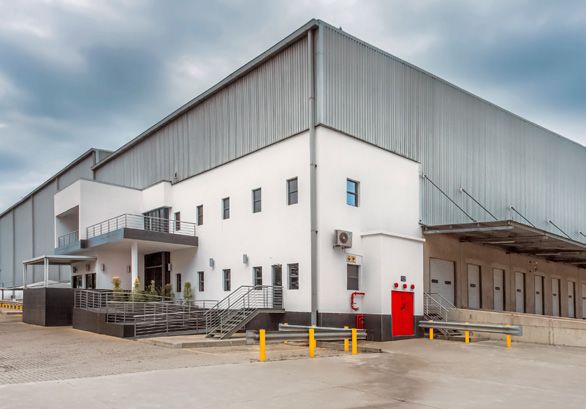
OFFSHORE
Offshore diversification has been a key strategic priority   In addition to its European assets, IPF achieves
for the Fund, particularly considering the subdued South     geographical diversification through its investments
African environment and the need to bolster weak             in Australia and the UK. The investments have been
domestic performance with solid performance derived          strategically selected based on underlying asset quality,
from growing international markets. We are pleased to        sound structural drivers and property fundamentals,
have delivered on the stated strategy of achieving at        and skilled management teams that possess market
least 20% offshore exposure following the conclusion of      knowledge and track record in the geographies in which
a transformative transaction that has seen IPF increase      they operate.
its interest in the Pan-European logistics platform to 75%
                                                             There has been noteworthy activity in the UK and Europe
and further enhance its presence across six European
                                                             in the current period, increasing the Fund’s total offshore
countries.
                                                             exposure to c.32% of assets (September 2019: 18.6%).

Hoppegarten, Berlin, Germany

                                                                                                                      10
PAN EUROPEAN LOGISTICS PAN EUROPEAN LIGHT INDUSTRIAL
(“PEL”) PLATFORM PLATFORM (“PELI”)
IPF’s initial investment of a 42% interest in the PEL platform In 1H 2020 IPF acquired an initial 25% interest in an unlisted
in May 2018 was the stepping-stone to the transformative portfolio of 24 light industrial properties located across
acquisition that was concluded during the current period. France, Germany and Netherlands, alongside funds
The Fund is pleased to have increased its interest in the managed by the Real Estate Group of Ares Management
PEL platform to 75% and acquired operational control Corporation. The initial portfolio was valued at €128m
thereof, together with its strategic partner that was and IPF’s initial equity investment was €10m. No further
introduced for the remaining 25% (“PEL Co-investor”). investment was undertaken during the current period.
The acquisition provides IPF with enhanced exposure and
The performance of this platform is tracking in line with
scale in 6 European countries, and offers its South African
the business plan:
shareholders the opportunity to gain sizeable exposure
to a focused Pan-European logistics offering. The PEL • occupancy of the portfolio remains high at 93.7%
platform will be operated on a joint control basis with the (Entry: 94%); and
PEL Co-investor. • Strong leasing activity with new leases and extensions
In parallel to the PEL investment, IPF acquired two Belgian concluded above expected rental assumptions (i.e.
properties for a purchase consideration of €70.7m. It is €7.4/m2 vs. underwritten rental of €7.1/m2) and for longer
the Fund’s intention to transfer the Belgian acquisitions into terms (8.2 years vs. investment case of 6.0 years).
the PEL platform at acquisition value in due course. c.60% of the value of the European investments are
The PEL portfolio consists of 45 logistics properties valued hedged through EUR cross currency swaps and / or
at c.€900 million, with total GLA of 1,034,952m2 across EUR denominated debt and the anticipated dividend
six European countries, a 4.9-year WALE and 3.7-year stream 100% hedged by way of FEC’s over 5 years at
weighted average lease expiry term to break. The portfolio an average rate of R19.70.
significantly exceeded initial budgeted projections for the
current period with 16% like-for-like year-on-year contractual Port-Sainte-Louis, Marseille, France
rental growth. Letting performance has been equally strong
with 76% of space expiring and 81% of opening vacancy
re-let at positive average reversions of 9.2%. Actual vacancy
remains low at 2.1% (March 2019: 3.1%). Performance
continues to be ahead of budget due to lease extensions
being concluded above ERV for longer terms and with lower
incentives. Successful tenant engagement strategies are
resulting in early leasing of expiring spaces on back-to-back
leases thus limiting void periods.
The European acquisitions have been partly funded with
new equity (R875m) raised by way of an accelerated
bookbuild as well as a combination of both EUR and ZAR
denominated debt facilities. Approximately 60% of the
value of the investment is hedged by way of either EUR
denominated debt and / or EUR cross-currency swaps.
Considering the current restrictions on travel, IPF intends
to host a video session updating investors on the PEL
platform and showcasing the logistics assets therein.
The session will provide investors with the opportunity to
understand the business, the management team and the
platform strategy going forward. Further details and timing
of this video showcase will be provided in due course. A
site visit for analysts and investors will be arranged once
restrictions relating to the Coronavirus pandemic have
been lifted and it is safe to do so.
11UK FUND
The Fund grew its investment in the UK during the current The UK portfolio is expected to deliver flat like-for-like
period to 38% and brings the total investment in the Fund growth for the year to March 2020. The UK portfolio is
to date to £53m. The UK investment now counts for 5% comprised of well-located properties and underpinned
of the total balance sheet. by a quality tenant base on long-dated leases, giving the
portfolio a WALE of 9.5 years (March 2019: 11.7 years).
During the year the UK Fund acquired 5 properties at a
In addition to the core income properties, the portfolio
blended acquisition yield of 7.1%. Of these, 34% were
includes core-plus properties that offer future value and
made directly into the light industrial / last mile logistics
upside potential through rental growth and active asset
sector. The remaining 66% were made into big box retail
management initiatives.
properties generating high, sustainable cash-on-cash
returns and underpinned by the ability to convert these 62% of the value of the UK investment is hedged by
well-located properties into last mile logistics, should the way of cross-currency swaps (“CCS”) and 100% of the
opportunity arise. anticipated dividend stream has been hedged with FEC’s
at an average rate of R22.34 over 5 years.
INVESTEC AUSTRALIA PROPERTY FUND (LISTED)
In addition to its JSE listing, IAPF established a dual listing on the ASX on 28 May 2019, raising approximately A$100m
of new equity in conjunction with the IPO. The offer was oversubscribed to the extent that IPF sold down c.10% of
its 20.9%. In addition, IAPF undertook an accelerated bookbuild in September 2019 to raise AUD84m to fund the
acquisition of three industrial properties, resulting in IPF’s interest diluting to 9%.
In December 2019, IAPF announced the disposal of its Ann Street property, the proceeds of which would be utilised
to repay debt. Post the effective date of 1 April 2020, IAPF’s gearing is anticipated to reduce to c.21% further
strengthening the Australian fund’s balance sheet. As per publicly available information, IAPF’s weighted average debt
expiry was 3.2 years with 99.2% of debt hedged for an average term of 6.7 years (prior to Ann Street sale).
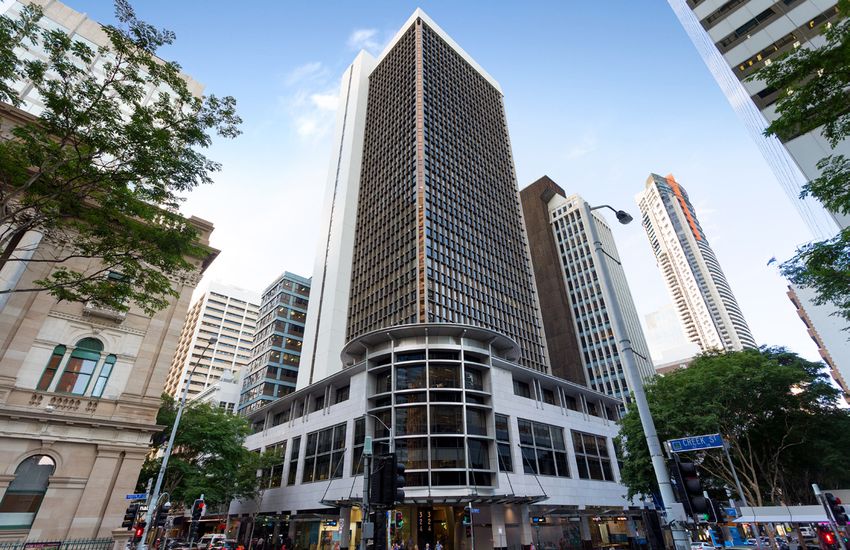
324 Queen Street Brisbane, Queensland, Australia
12GUIDANCE
Reference is made to the previous distributable earnings Furthermore, given the uncertainty around the impact of
guidance of 3% to 5% provided by the board of directors COVID-19, the board of directors will be reviewing the
in November 2019, with the upper end being achievable Fund’s dividend policy. Further clarity will be provided
through the timely deployment of capital into the offshore when the financial results are released.
platforms. Although the European deployment is
accretive to earnings, it will only impact the current year’s The information on which this Investor and Trading
distribution for five weeks with the full impact affecting the update is based has not been reviewed or reported on
financial year ending 31 March 2021. by the Fund’s auditors.
Sandton - 26 March 2020
As a result, the Fund expects to deliver distributable Sponsor: Investec Bank Limited
earnings per share growth of 3% for the financial year
ending 31 March 2020.
13You can also read


