VIOLENCE AGAINST
WOMEN AND GIRLS
SNAPSHOT REPORT
2021-22
←
→
Page content transcription
If your browser does not render page correctly, please read the page content below
VIOLENCE AGAINST WOMEN AND GIRLS SNAPSHOT REPORT 2021-22

Violence Against Women and Girls: Snapshot Report 2021-22                                               2

                                    ABOUT EVAW
                                    The End Violence Against Women Coalition (EVAW) is a leading
                                    coalition of more than 120 specialist women’s support services,
                                    researchers, activists, victims and survivors and NGOs working to
                                    end violence against women and girls in all its forms.

                                    Established in 2005, we campaign for every level of government to
                                    adopt better, more joined up approaches to ending and preventing
                                    violence against women and girls, and we challenge the wider
                                    cultural attitudes that tolerate and condone this abuse.

                                    www.evaw.org.uk

                             oors
                    oman outd
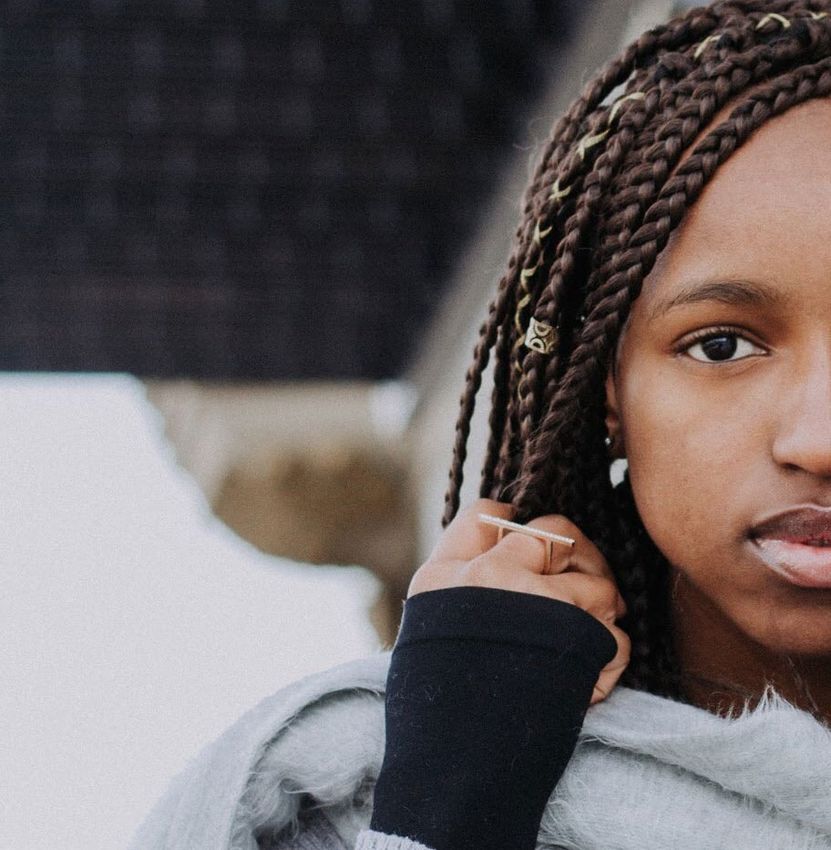
           a young w
Photo of

                                                            CONTENTS
Acknowledgements
                                                            Executive summary                  3
                                                                                               5
This report would not have been possible
without the published research, expertise,                  Introduction

                                                                                               6
knowledge and practice-based evidence of our
coalition members and others in the violence                Trends
against women and girls (VAWG) sector.

The EVAW Coalition is a company limited by
                                                            Key policy developments           16
guarantee (no. 7317881) and a registered
charity (no. 1161132).
                                                            Recommendations                   26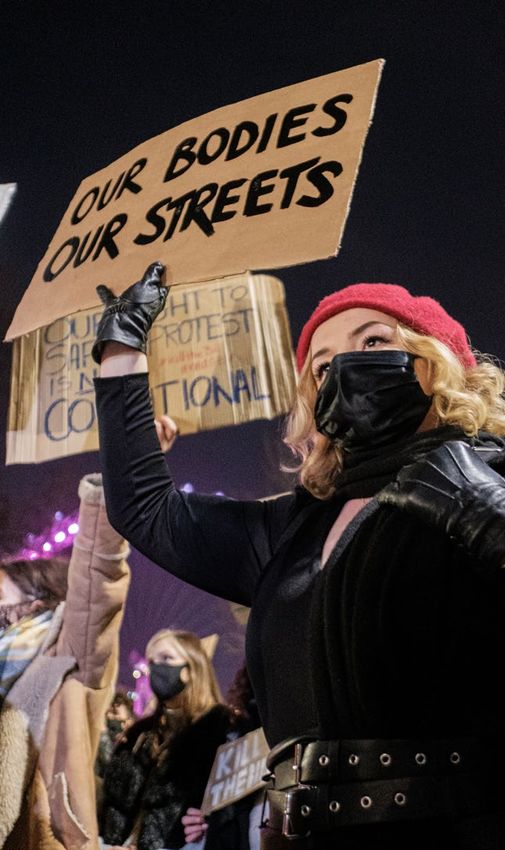
Violence Against Women and Girls: Snapshot Report 2021-22                                                        3

                                                                                           Photo of an older woman

EXECUTIVE SUMMARY
This report sets out the state of violence                  gender inequality, as these forms of abuse
against women and girls (VAWG) as of                        are committed disproportionately against
January 2022, setting out the prevalence and                women and girls, and the perpetrators are
policy landscape around this issue. We have                 overwhelmingly men. Women’s further
drawn on the latest government statistics,                  inequality as a result of structural oppression
research and insight from specialist VAWG                   and discrimination because of ethnicity,
sector organisations and researchers to                     disability, wealth and social class, sexuality,
highlight the extent of VAWG in England and                 gender identity, immigration status and age
Wales (unless otherwise stated) to bring                    makes them more likely to experience
together an overview of related key policy                  violence and less likely to access justice and
developments over the past year.                            support. VAWG is commonly experienced as
                                                            a continuum of violence1 often across
In order to properly respond to the experiences
                                                            women’s lifetimes, that cannot be properly
of women and girls we must understand
                                                            understood without acknowledging the
VAWG as a cause and consequence of
                                                            inter-connected instances and impacts.

1   Kelly, L. (1988) Surviving sexual violence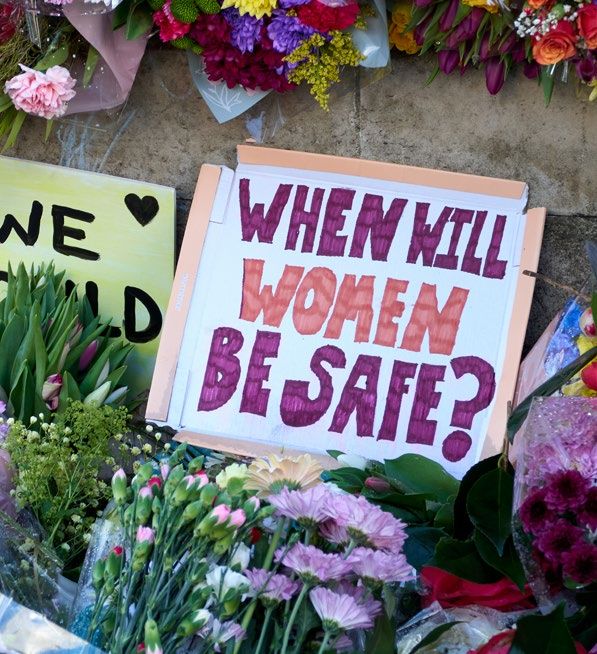
Violence Against Women and Girls: Snapshot Report 2021-22                                                 4

Our key recommendations for                                 ե An Online Safety Bill that
                                                              comprehensively tackles online VAWG
addressing this violence are:                                 The forthcoming Online Safety Bill should
                                                              name VAWG as a harm on the face of the
ե Ratification of the Istanbul Convention                     Bill, ensure there is a VAWG Code of
   10 years after signing up to the Istanbul                  Practice and designated funding for online
   Convention, the government must commit                     VAWG support services, including ring-
   to both ratifying the Convention in full, and              fenced funding for organisations led ‘by
   a timetable for swift ratification so that                 and for’ Black and minoritised women.
   this rights-based, ‘gold standard’ of
   responding to VAWG can be enshrined
   in UK law.
                                                            ե Support for schools to implement a
                                                              ‘whole school approach’
                                                              The Department for Education (DfE) must
ե Aattitudes
     multi-year, well-resourced public
             campaign to end VAWG
                                                              commit to resourcing a ‘whole school
                                                              approach’ to tackling VAWG, along with
   To deliver the profound cultural shift                     the creation of a ‘whole school approach’
   needed to end VAWG, a national public                      taskforce that has representation from
   attitudes campaign must run for many                       specialist, led ‘by and for’ VAWG
   years and have adequate investment to                      organisations.
   transform attitudes in a society that
   minimises and makes excuses for VAWG.
                                                            ե Far-ranging reform to the criminal justice
                                                              system’s approach to VAWG
ե A strategic investment to end abuse                         This includes extensive reforms to the
   In order to deliver the life-saving work that              police, CPS and courts; improved
   helps thousands of women and girls every                   leadership and accountability; wraparound
   day, the VAWG sector needs long-term,                      support and advocacy for all victims and
   sustainable funding. This includes ring-                   survivors; and ensuring access to justice
   fenced funding for specialist services led                 and equality of outcomes for all. This
   ‘by and for’ Black and minoritised women,                  includes research into the barriers to
   which are chronically under-funded.                        reporting, the impact of rape myths and
                                                              stereotypes on the system, and what rape
ե Effective protection and support for
  migrant women
                                                              victims and survivors want from the
                                                              justice system.
   The government must remove the barriers
   to support currently facing migrant
   women. This would include the
                                                            ե Adiversity
                                                                 Victims’ Bill that responds to the
                                                                         of victims and survivors’
   introduction of safe reporting mechanisms                  experiences with greater rights
   for migrant victims and survivors to report                and entitlements
   abuse without fear of their information                    This should include safeguards to guarantee
   being shared with immigration                              victims and survivors’ protections against
   enforcement, equal and effective access                    over-intrusive and excessive police
   to protection and support for all women                    requests for third-party material, such as
   regardless of their immigration status in                  medical notes, school reports and therapy
   line with the Istanbul Convention, and the                 notes, and survivors having the right to
   extension the eligibility of the Domestic                  access specialist therapeutic and
   Violence Rule (DVR) to all migrant women.                  advocacy support at any time.
Violence Against Women and Girls: Snapshot Report 2021-22                                                                                     5

INTRODUCTION
2021 is the year that saw a national                                        Concerningly, the government has introduced
conversation about the state of violence                                    a number of pieces of legislation that pose a
against women and girls (VAWG) following                                    risk to women’s rights and exacerbate the
the murders of Sarah Everard, Bibaa Henry,                                  inequalities that prevent marginalised women
Nicole Smallman, Sabina Nessa and many                                      from seeking protection and support. These
others whose names may not have made the                                    include the Police, Crime, Sentencing and
headlines. In a year when the government’s                                  Courts Bill; the Nationality and Borders Bill;
refreshed VAWG strategy was published,                                      the Judicial Review Bill; and the Human
much political and media attention has                                      Rights Act Review. We echo the widespread
focused on interventions relating to women’s                                concerns about the impact of these
personal safety rather than perpetrator                                     proposals on the lives of Black, minoritised,
behaviour and the conducive context that                                    migrant and marginalised victims and
allows it to manifest. This focus on safety                                 survivors of abuse.
has included funding for street lighting and
                                                                            We are also approaching the 10th anniversary
CCTV, as well as increased police presence
                                                                            of the UK signing the Istanbul Convention.
in communities.
                                                                            However, the government is no closer to
However, it is clear that ending VAWG                                       ratifying the Convention that is widely seen
requires a different approach. It requires                                  as the international “gold standard”2 for
investment in prevention and in addressing                                  tackling VAWG and enshrines the right to
harmful societal attitudes; significant support                             support and protection from abuse without
for the specialist VAWG sector, including                                   discrimination, including for migrant women
those organisations led ‘by and for’ Black and                              whose lack of rights under this government’s
minoritised women; transformation of the                                    ‘hostile environment’ policies remain the
criminal justice system so that it delivers for                             major impediment to ratification.
all victims and survivors; and measures that
                                                                            Yet, despite the pervasive nature of abuse,
go beyond the traditional ideas of ‘public
                                                                            we know that this violence is not inevitable.
space’ to comprehensively tackle VAWG that
                                                                            To eradicate it takes both courage and bold
takes place online. Fundamentally, an
                                                                            leadership from those in positions of power.
approach to ending VAWG that focuses on
                                                                            It requires an approach that centres the
‘safety’ can not be as successful as a
                                                                            prevention of abuse and seeks to shift
comprehensive, rights-based approach for
                                                                            cultures of misogyny and sexism within
all women.
                                                                            society and institutions, whilst also funding
                                                                            and supporting specialist women’s services
                                                                            to meet the immediate and long-term
                                                                            challenges women and girls are facing.

2   Former UN Women Deputy Executive Director Lakshmi Puri – UN Women (5 March 2013) The Istanbul Convention: strengthening the response to
    ending violence against women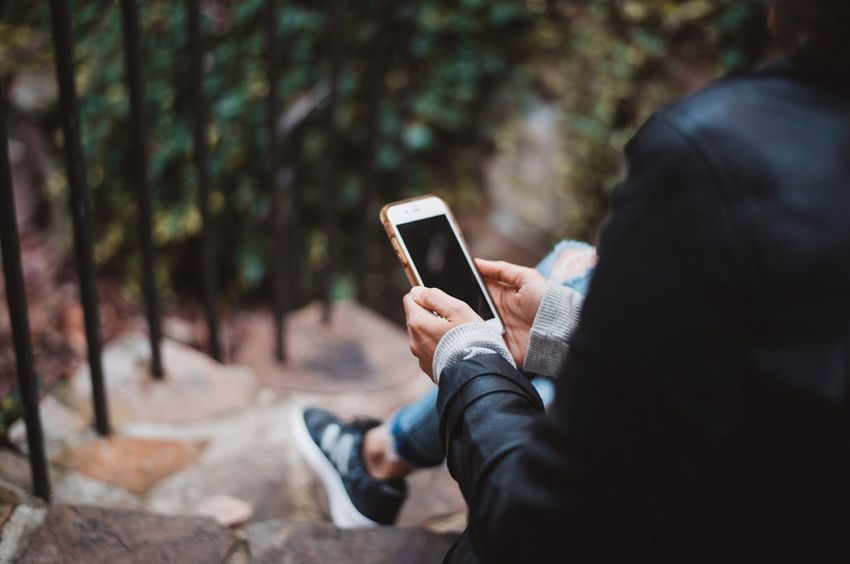
Violence Against Women and Girls: Snapshot Report 2021-22                                                                     6

TRENDS
                                                                                Domestic Homicide during
                                                                                Covid-19 2020-21
                                                                                Although the national conversations on VAWG in
                                                                                the last year have primarily focused on women’s
Femicide                                                                        safety in public spaces, we know that the
                                                                                majority of the abuse experienced by women,
The issue of femicide reached a new level of                                    such as domestic abuse and sexual violence,
public awareness in the UK due to the series                                    is most commonly perpetrated by someone
of high profile murders of women in the past                                    known to them.5 Recent domestic homicide
year. At the time of writing this report, it has                                figures from the Home Office show that the
been reported that in 2021 at least 141 UK                                      largest proportion of domestic homicide deaths
women were killed by men (or where a man is                                     were intimate partner homicide (49%).6 We also
the principal suspect);3 an increase on the                                     know that this is a highly gendered crime,
previous two years.4                                                            with intimate partner homicide victims being
                                                                                overwhelmingly female (85%) and the
                                                                                majority of perpetrators male (80%). We can
                                                                                also understand domestic homicide as part
                                                                                of the continuum of VAWG, as almost half of
                                                                                all suspects were previously known to police
                                                                                for perpetrating domestic abuse.

                                                                                Whilst the majority of domestic homicide
                                                                                victims were white (76%), the figures suggest
                                                                                that the proportion of Black and minoritised
                                                                                victims since the start of the pandemic (24%
                                                                                in total) is higher than the previous 15-year
                                                                                domestic homicides average and higher than
                                                                                the 2019-20 domestic homicides data by five
                                                                                percentage points; illustrating that Black and
                                                                                minoritised women were disproportionately
                                                                                affected.7 Furthermore, Black and minoritised
                                                                                victims were less likely to be previously
                                                                                known to the police and other agencies than
                                                                                white victims. It is evident that the barriers
                                                                                to protection and support that many Black
                                                                                and minoritised women face have deeply
                                                                                harmful consequences.

Photo of flowers and placards that read ‘when will women be safe?’

3   Karen Ingala Smith (8 February 2022) 2021
4   Karen Ingala Smith (2021) Karen Ingala Smith As I See It
5   Rape Crisis (accessed 15 February 2022) Statistics: sexual violence and abuse
6   Home Office (25 August 2021) Domestic Homicides and Suspected Victim Suicides During the Covid-19 Pandemic 2020-2021
7   Ibid.
Violence Against Women and Girls: Snapshot Report 2021-22                                                                                             7

                                                                                                                        DOMESTIC VIOLENCE

                                                                                                                           RTS                    REFER
                                                                                                                     REPO                              ALS

Domestic abuse                                                                  victim-blaming
                                                                                attitudes in
                                                                                society and
The number of police recorded domestic
                                                                                myths and
abuse-related crimes in England and Wales                                                                                       77,812
                                                                                stereotypes
rose 6% in the year ending March 2021, to
                                                                                that impact                                     54,515
845,734.8 Yet police referrals to the Crown
                                                                                how victims             854,734
Prosecution Service for a charging decision
                                                                                and survivors                        PROSECUT
have decreased by 3% to 77,812. And for the                                                                                   IONS
                                                                                are treated by
third successive year, the Crown Prosecution
                                                                                the police.
Service (CPS) charging rate for domestic
                                                                                For example,
abuse-related crimes in England and Wales
                                                                                migrant
decreased to 70% in the year ending March
                                                                                women face a
2021,9 down from 76% in the year ending
                                                                                significant
March 2018.10 And the actual volume of
                                                                                barrier to
prosecutions has decreased for the fifth time
                                                                                justice because of the risk of the police
in a row, to just 54,515.11 This means that
                                                                                sharing migrant victims and survivors’ data
while reports of abuse have increased, the
                                                                                with the Home Office for immigration
number of cases going to the CPS is
                                                                                enforcement purposes.
decreasing, with these cases less likely to
result in a charge, contributing to a 5 year                                    While there is no ethnicity data from the
decline in the number of cases being                                            Office for National Statistics (ONS) for the
prosecuted. Such statistics illustrates the                                     above domestic abuse crime statistics,
criminal justice system’s failure in how it                                     Freedom of Information (FOI) data from
treats violence against women and girls, and                                    30 police forces between 2016 and 2020
suggests that treatment of domestic abuse in                                    found that police forces were 1.6 times more
the criminal justice system is going the same                                   likely to charge when the victim or survivor
way as rape, which saw a dramatic decline in                                    was white than when they were Asian, and
the number of prosecutions since 2017.                                          1.5 times than when the victim or survivor
                                                                                was Black.13 Such disproportionate criminal
We know that criminal justice statistics are
                                                                                justice outcomes can arise from a number of
not a true reflection of prevalence as many
                                                                                factors, including pervasive myths and
women feel unable to or prefer not to report
                                                                                stereotypes around victim and survivor
to the police. This is clear from demand on
                                                                                ‘credibility’. The Law Commission’s work to
domestic abuse helplines: there was a 22%
                                                                                understand the extent to which myths and
increase in people supported by the National
                                                                                stereotypes impact justice for rape victims
Domestic Abuse Helpline in England in the
                                                                                and survivors is expected to be underway
year ending March 2021.12
                                                                                later this year, but it is clear that urgent work
Women may feel like they cannot or do not                                       needs to be done to understand the different
want to engage with the criminal justice                                        justice outcomes for minoritised and
system as a result of many factors, such as                                     marginalised women.

8    ONS (24 November 2021) Domestic abuse in England and Wales overview: November 2021
9    ONS (24 November 2021) Domestic abuse and the criminal justice system
10   Ibid.
11   Ibid.
12   ONS, op cit.
13   NationalWorld (2 November 2021) Police more likely to bring charges for rape, sexual assault and domestic abuse cases when victim is white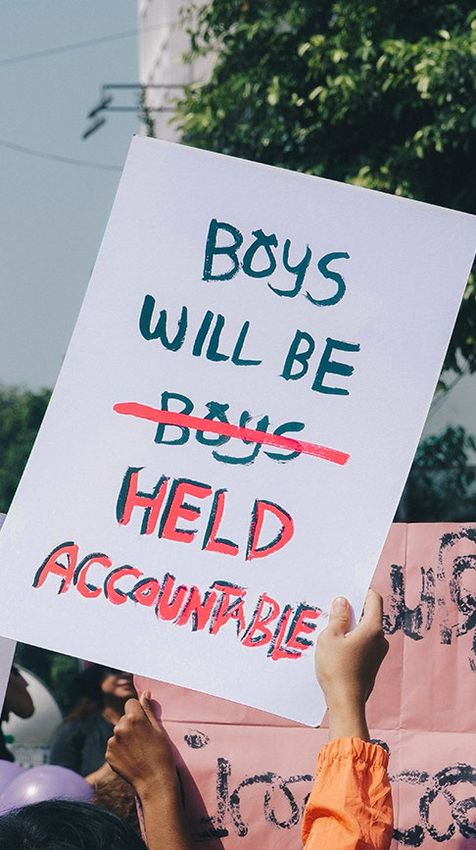
Violence Against Women and Girls: Snapshot Report 2021-22                                                                                                         8

                                                                                                  REPORTS OF RAPE
                                                                                                                                                        63,136

Sexual violence
Latest ONS crime figures for the 12-month
period ending in September 2021 show that
sexual offences recorded by the police were
the highest on record, at 170,973 offences.                                                                                                                   41% OF
                                                                                                                                                          RAPE VICTIMS
This is a 12% increase from the same period                                                                                                              AND SURVIVORS
in 2020. Rape accounted for 37% of these                                                                                                                ‘WITHDREW THEIR
                                                                                                                                                          SUPPORT FOR
offences – 63,136 offences.14                                                                                                                               ACTION’

In the same period, the latest Home Office
data shows dire outcomes for police reports
– with just 2.9% of reported sexual offences
                                                                                                                                                            1.3%  OF
and 1.3% of recorded rapes resulting in a                                                                                                             RECORDED RAPES
charge or summons. This has fallen from the                                                                                                          RESULT IN A CHARGE
                                                                                                                                                        OR SUMMONS
previous 12-month period to September
2020, in which charges or summons were
brought in 3.6% of sexual offences and 1.5%                                             = 100 WOMEN
of rapes.15

The data also shows 41% of rape victims and
survivors are ‘withdrawing their support for                                          past three years show victims and survivors
action’ during the criminal justice process.                                          in Durham, the best performing area, are ten
This illustrates that there are many barriers                                         times more likely to see their case result in a
obstructing victims and survivors’ access to                                          charge than in Wiltshire, which is the worst
justice and a system that is stacked against                                          performing. In Durham, 7.1 per cent of rapes
and failing them.16 In practice, we can                                               result in a charge, compared with 0.7 per
understand that this will disproportionately                                          cent in Wiltshire, 1.1 per cent in Kent, 1.6 per
impact LGBTQ+ and Black and minoritised                                               cent in Avon and Somerset and 1.9 per cent
victims and survivors who are most likely to                                          in Greater Manchester.19 The fact that even
be “lost at the first stage of attrition”.17 With                                     the best performing police force has a
regard to timeliness, the Ministry of Justice                                         charging rate of just 7.1% is indicative of the
data also revealed that in 2021 the median                                            transformative change needed for the system
time between offence and completion in                                                to be fit for purpose.
rape cases was 1,020 days, or over two and
                                                                                      The London Victims’ Commissioner’s 2021
a half years.18
                                                                                      London Rape Review also found that among
The picture for rape justice also varies                                              those who allege rape or sexual assault to
dramatically across England and Wales.                                                police, 65% withdrew support for the case,
Home Office data for rape charges over the                                            up 7% compared with the last survey
                                                                                      covering the capital two years ago.

14   ONS (27 January 2022) Crime in England and Wales: year ending September 2021
15   Home Office (27 January 2022) Crime outcomes in England and Wales, year to September 2021: data tables
16   Ibid.
17   Walker, S.J.L., Hester, M., McPhee, D., Patsios, D., Williams, A., Bates, L. and Rumney, P., (16 July 2019) Rape, inequality and the criminal justice response
     in England: The importance of age and gender. Criminology & Criminal Justice
18   The Guardian (31 January 2022) 1,000 days between rape offence and case completion in UK, data shows
19   The Telegraph (10 January 2022) Areas where most rape victims are denied justice to be named and shamed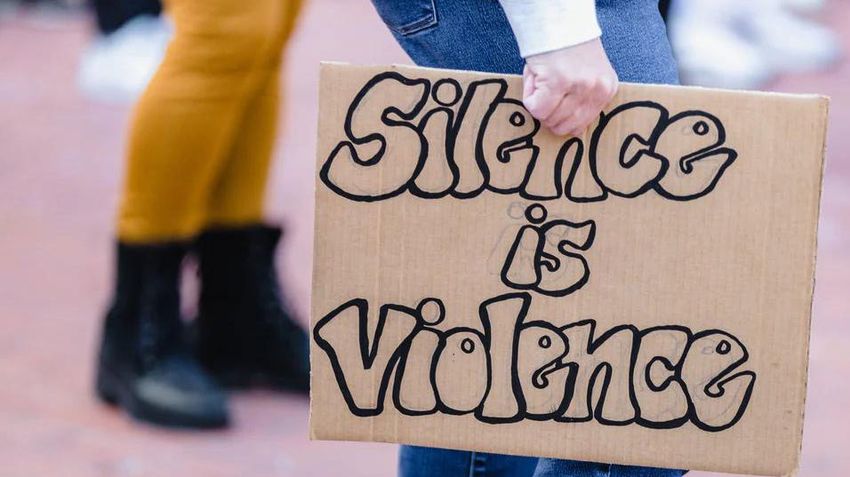
Violence Against Women and Girls: Snapshot Report 2021-22                                                  9

Nearly two-thirds of London rape
victims and survivors who drop
their complaint do so within a
month of going to police, with the

                                                                   on Unsplash
proportion of withdrawals tripling
in two years. Of those, there has
been a huge rise in complainants

                                                               na Nix Walkup
dropping out quickly: 64%
withdrew their support for an
investigation within 30 days,
                                                           Photo by Joan

up from 18% two years ago.20
The report identifies that
                                             Photo of a yo
withdrawal at such an early stage                          ung black wo
                                                                        man

suggests that early interactions
with the criminal justice system
can have an enormous impact on
attrition, as can requests for                             (5% vs 2.8%).22 We also know that the
mobile phones and searches of digital data.   21
                                                           disproportionality is not fully reflected in
                                                           official figures as sexual violence
Latest ONS data show the disproportionality
                                                           experienced by older and disabled women in
of sexual assault against minoritised and
                                                           institutions and care homes is not included.
marginalised women. Black and mixed race
adults were more likely to experience sexual               And yet, FOI data23 has found that charge
assault than white or Asian adults.                        rates for white rape victims and survivors
Mixed race adults were most likely (3.62%),                was 6.7%, for Black victims and survivors the
followed by Black adults (2.89%), compared                 charge rate was 5.5%, for mixed race victims
with white (2.03%) and Asian adults (1.38%).               4.5% and for Asian victims 3.7%. This means
Additionally disabled victims and survivors                that cases with white victims and survivors
were also more likely to experience sexual                 are 1.2 times more likely than those with
assault than those who were not disabled                       Black victims and survivors to result in a
                                                               charge, and 1.8 times more likely than
                                                               when victims are Asian (6.7% vs. 3.7%).
CHARGE RATES FOR RAPE VICTIMS                                  Most egregiously, the investigation also
                                                               found that 10 police forces did not bring a
AND SURVIVORS BASED ON ETHNICITY                                single charge over the rape of a Black
                                                                victim over the five-year period, despite
                                                                recording 148 reports between them.
                                                                These prevalence rates, analysed
     6.7%                5.5%  4.5%       3.7%                  alongside the charging data above, serves
                                                                to illustrate how structural inequalities
                                                                inform victims and survivors’ experiences
                               Mixed     Asian
    White           Black                                       of the criminal justice system.
                                race

20 The Guardian (7 December 2021) Most rape victims in London drop complaints after speaking to police
21   London.gov.uk (7 December 2021) The London Rape Review – 2021 Update
22 ONS (18 March 2021) Sexual offences victim characteristics, England and Wales: year ending March 2020
23 NationalWorld (2 November 2021) op cit.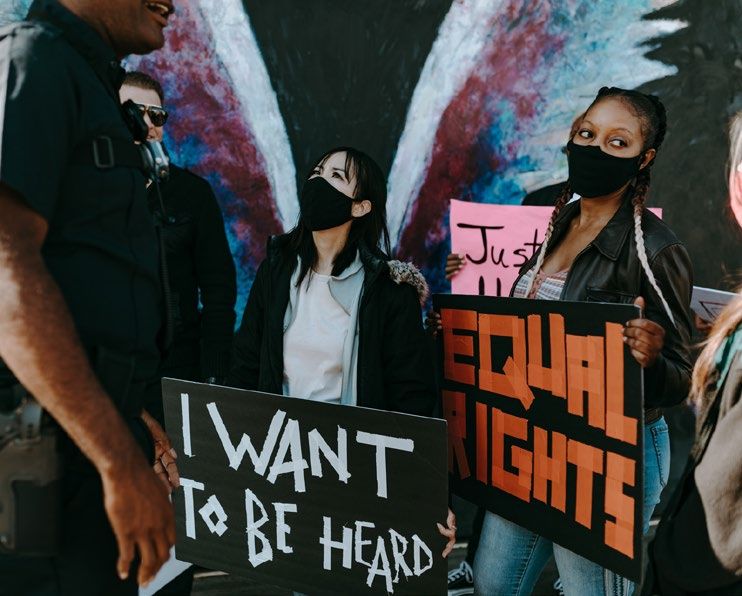
Violence Against Women and Girls: Snapshot Report 2021-22                                                                                                  10

                                                                                            Photo of wome
                                                                                                             n protesting
                                                                                            that read ‘eq                    with a mega
                                                                                                          ual rights’ an                 phone and pla
                                                                                                                         d ‘I want to be               cards
                                                                                                                                         heard’

Police abuse
The past year has shone a light on the
alarming scale of abuse perpetrated by
police officers. An Independent Office
for Police Conduct (IOPC) investigation
into police officers who abuse their
position for a sexual purpose has
shown a sharp rise in reported cases in

                                                                                                                                                                Photo by Rodnae Productions on Pexels
the past three years, with this form of
abuse now comprising the single
largest form of police corruption they
deal with.24 This report followed a
recent tide of data showing the
prevalence of abuse perpetrated by
police officers:

ե At least 15 serving or former police
  officers have killed women since 2009                           25

                                                                               The police hold a particular position of
ե    More than 750 Met police employees
     have faced sexual misconduct
                                                                               authority and power, and should be held to
                                                                               the very highest standards of conduct.
     allegations since 2010, yet only 83                                       This is of critical importance if women are
     were sacked26                                                             expected to have trust and confidence when

ե Undercover  police officers deceived
  protesters they were spying on into
                                                                               reporting abuse, particularly given the extent
                                                                               to which misogyny and sexism are rife in our
                                                                               society. Alongside this, decades of over-
     sexual relationships, with the knowledge
                                                                               policing and surveillance of Black and
     of senior officers27
                                                                               minoritised communities means that builiding
ե One woman a week reports domestic
  abuse by a police officer – a super-
                                                                               trust also requires addressing racism and
                                                                               xenophobia in the police through root and
     complaint highlighted systemic failures                                   branch reform. Two police inspectorate
     to hold such officers accountable28                                       reports in 2021 found systemic policing
                                                                               failures to safeguard women and girls from
ե Nearly 2,000 officers faced accusations
  of sexual wrongdoing since 2017.
                                                                               violence, and called for radical change and
                                                                               prioritisation of the police response to what
     Over 60% did not result in disciplinary                                   the HMICFRS (Her Majesty’s Inspectorate of
     action. Just 8% were dismissed.                                           Constabulary and Fire & Rescue Services)
     Nearly 300 officers had previously                                        called an ‘epidemic of VAWG’.30
     been reported for misconduct.29

24 Independent Office for Police Conduct (25 November 2021) There must be nowhere to hide for police who abuse their position for a sexual purpose
25 The Times (28 September 2021) At least 15 women killed by police officers in past 12 years
26 iNews (30 September 2021) More than 750 Met Police employees have faced sexual misconduct allegations since 2010 – with just 83 sacked
27   The Guardian (30 September 2021) Kate Wilson: after spy cops case the Met is beyond redemption
28 Super-complaint by Centre for Women’s Justice (9 March 2020) Failure to address police perpetrated domestic abuse
29 The Times (11 October 2021) Sex claims against 2,000 police officers
30 HMICFRS (17 September 2021) New cross-system approach needed to end epidemic of violence against women and girls
Violence Against Women and Girls: Snapshot Report 2021-22 11
40% OF MEN
47% OF WOMEN
Women’s trust and
confidence in the police has
sharply eroded over the past
year following the rape and
murder of Sarah Everard by
serving Metropolitan Police
officer Wayne Couzens, and
the disgraceful policing of HAD DECLINING
the subsequent peaceful TRUST IN THE
vigil at Clapham Common. POLICE FOLLOWING
EVAW commissioned SARAH EVERARD’S
nationwide research31 which MURDER
showed that 47% of women
and 40% of men had
declining trust in the police
following Sarah Everard’s
murder. The data also found
that 76% of women (and 71% of all adults to the police following the Sarah Everard
polled) think the culture of policing has to case.32 Evidently, if the government and our
change in order to better respond to violence criminal justice agencies expect women to
against women and girls. come forward and engage with the justice
system, then it must tackle police-
Such distrust naturally also creates a barrier perpetrated abuse head on and address an
to reporting as 1 in 10 women said that they institutional culture in which discriminatory
would be less likely to report sexual assault attitudes and abuses have been able to thrive.
71% OF
ALL ADULTS
THINK THE
CULTURE
OF POLICIN
G HAS
TO CHANG
E IN
ORDER TO
BETTER
RESPOND T
VIOLENCE O
AGAINST 1 IN 10 WOMEN SAID THEY
WOMEN AN WOULD BE LESS LIKELY TO
D GIRLS
REPORT SEXUAL ASSAULT
TO THE POLICE FOLLOWING
THE SARAH EVERARD CASE
31 EVAW (18 November 2021) Almost half of women have less trust in police following Sarah Everard murder. All figures, unless otherwise stated, are
from YouGov Plc. Total sample size was 1,699 adults. Fieldwork was undertaken between 27th – 28th October 2021. The survey was carried out online.
The figures have been weighted and are representative of all GB adults (aged 18+)
32 Ibid.Violence Against Women and Girls: Snapshot Report 2021-22 12
Public sexual harassment
ONS data33 showed that 1 in 2 women
felt unsafe walking alone after dark in a
quiet street near their home, compared
to 1 in 7 men. 1 in 2 women also felt
unsafe walking alone after dark in a busy
public place, compared to 1 in 5 men.
Alongside this, the data revealed the
extent of public sexual harassment that
women had experienced, with 2 out of 3
women aged 16 to 34 having
experienced one form of harassment in
the previous 12 months. 44% of women
aged 16 to 34 years had experienced
Photo by Ehimetalor Akhere Unuabona on Unsplash
catcalls, whistles, unwanted sexual
comments or jokes, and 29% felt like
they were being followed.
The data also highlighted that disabled
people felt less safe walking alone in all
settings than non-disabled people, and
echoed the experiences of disabled
women who talked about experiencing
inappropriate sexual touching “at least
once a month” in pre-pandemic times.34 Photo of a woman protesting holding a placard that reads ‘our bodies, our streets’
This harassment is not just limited to
public spaces, as a 2021 Trades Union
Congress (TUC) survey of more than assault against disabled women being less
1,000 disabled women found that 68% had likely to be charged or prosecuted.
experienced sexual harassment at work.35
Such abuse is exacerbated by ableist myths The ONS survey had a major data gap for
and stereotypes of desirability and Black and minoritised women, meaning that
vulnerability that suggest disabled women their experiences were missing from the
cannot be assaulted, or that they are picture. This is a glaring omission when we
unreliable witnesses that do not understand know the disproportionate extent to which
whether they have been assaulted or not.36 Black and minoritised women are affected by
As a result, disabled women are less likely to sexual harassment and abuse and how often
be believed or seen as competent it is combined with racism,38 underscoring
witnesses.37 This results in cases of sexual the need for disaggregated equalities data.
33 ONS (24 August 2021) Perceptions of personal safety and experiences of harassment, Great Britain: 2 to 27 June 2021
34 The Guardian (25 November 2021) The everyday assault of disabled women: ‘It’s inappropriate sexual touching at least once a month’
35 Trades Union Congress (21 July 2021) TUC survey: 7 in 10 disabled women say they’ve been sexually harassed at work
36 Guardian (25 November 2021) op cit.
37 Manjoo, R. (2014) ‘Report of the Special Rapporteur on violence against women, its causes and consequences’ (A/HRC/26/38)
38 EVAW (8 March 2016) Powerful new film – Black women speak out about racist sexual harassmentViolence Against Women and Girls: Snapshot Report 2021-22 13
Photo of girls and young women
walking
Sexual abuse in schools schools to to educate young people about
healthy and respectful relationships; ensuring
teachers and school leaders have the training
After the launch of the Everyone’s Invited
and resources they need to create a school
website, more than 16,000 testimonials of
culture which does not tolerate or minimise
sexual abuse in schools were shared from
this abuse; and working closely with the
girls as young as 11 years old. The
specialist VAWG sector, which is sustainably
testimonials named 10% of all the schools in
resourced to do this. Significantly, the report
England.39 Following these revelations,
recommended that all schools should assume
Ofsted launched a review that found 9 out of
sexual harrassment and online sexual abuse
10 girls had experienced sexist name calling
are hapening in their settings, whether or not
and 92% of girls had been sent unsolicited
they have any specific reports.
explicit pictures or videos.40
The extent of the disclosures and
accompanying statistics illustrate concerns
EVAW has raised for several years:41 that
sexual harassment and abuse in schools is
pervasive and needs urgent action by the
Department for Education and school
leaders, in particular regarding enabling
39 SchoolsWeek (10 June 2021) A tenth of England’s schools and colleges named on Everyone’s Invited website
40 Ofsted (10 June 2021) Review of sexual abuse in schools and colleges
41 Whitfield, L., et al. (September 2016) “All day, every day” – Legal obligations on schools to prevent and respond to sexual harassment and violence
against girlsViolence Against Women and Girls: Snapshot Report 2021-22 14
23%
of 11-16 year-old girls had experienced harassment
33%
Online VAWG of 17-21 year-old girls had experienced harassment
What the testimonials on Everyone’s
Invited highlighted was that sexual
42%
harassment and abuse is not just
of LGBQ girls and young women had experienced harassment
confined to what happens in person
behind the school gates. More and more, 24%
sexual abuse and harassment is being of straight girls and young women had experienced harassment
perpetuated online. We know that we
cannot separate our online and offline
lives – our online experiences are real life.
For this reason, online abuse must be
40%
of disabled girls and young women had experienced harassment
understood as part of the same
continuum of VAWG as offline abuse, and 25%
prevention work in schools must include of able-bodied girls and young women had experienced harassment
education about online abuse as well.
Girlguiding’s 2021 Girls’ Attitudes Survey42
showed that 71% of girls and young 19%
women aged 7-21 years old had of 11-16 year-old girls said they had been sent unwanted
sexual images online in the last year
experienced some form of harmful
content while online in the last year. 33%
49% of girls were aged 7-10 years old. of 17-21 year-old girls said they had been sent unwanted
By the time girls reached 17 years old, sexual images online in the last year
this rose to a staggering 91%.
9%
23% aged 11-16 and a third (33%) aged of girls aged 13-16 said they felt pressure to share images
of themselves that they’re not comfortable with
17-21 had experienced harassment,
such as unwanted messages or receiving From Girlguiding’s 2021 Girls’ Attitudes Survey
threats. This was higher for LGBQ girls
and young women (42% compared to
24% who are straight). Disabled girls 19% of girls aged 11-16 and 33% aged
are also more likely to be harassed 17-21 said they had been sent unwanted
online (40% compared to 25% who are sexual images online in the last year. And 9%
not disabled). of girls aged 13-16 said they felt pressure to
share images of themselves that they’re not
comfortable with.
71%
A report by Refuge43 found that 1 in 3 women
of girls and young women in the UK (36%) has experienced some form
aged 7-21 years old had experienced of online abuse on social media or another
some form of harmful content online platform. Nearly a fifth of women (17%)
had experienced image-based sexual abuse.44
42 Girlguiding (September 2021) Girls’ Attitudes Survey 2021
43 Refuge (29 October 2021) Unsocial Spaces
44 Defined by Professor Clare McGlynn and Erica Rackley here and used in this briefing: https://claremcglynn.files.wordpress.com/2021/05/
mcglynnrackley-stakeholderbriefing-5-may-2021-final-1.pdfViolence Against Women and Girls: Snapshot Report 2021-22 15
Photo of a young woman holding
her phone
Additionally, 4% had been victims and REPORTS OF ABUSE TO SOCIAL MEDIA COMPANIES
survivors of ‘deepfake’ pornography,45 a
new and emerging form of online VAWG.
1 in 6 (16%) said online abuse was from 52%
an intimate or former partner, and for of women said the platform handled their report badly.
young women this rose to 1 in 5 (22%), a
56%
stark indicator of the connection
of women experiencing abuse from a partner or former partner
between online and offline abuse. said the platform handled their report badly.
Echoing some of the findings of EVAW
and Glitch’s 2020 research into online 29%
abuse during the first lockdown of the REPORTS OF ABUSE TO SOCIAL MEDIA COMPANIES
of women said they did not receive a response to their report at all.
pandemic,46 Refuge also found that
intersecting inequalities meant 42%
52%
minoritised and marginalised women of women experiencing domestic abuse said they did not
of women
receive said the platform
a response handled
to their report their report badly.
at all.
experienced disproportionately higher
levels of abuse. 75% of LBTQ+ female 56% From Refuge’s Unsocial Spaces report
survey respondents said they had of women experiencing abuse from a partner or former partner
Parliament thishandled
said the platform year, their
offers a badly.
report once-in-a-
experienced online abuse, compared to 33%
generation opportunity to set the
of non-LBTQ+ women, and 45% of Black and
international standard for online harms
minoritised women said they had
29%legislation and ensure tech platforms are
experienced online abuse.
required
of womento take
said action
they did so that
not receive women
a response can
to their report at all.
15% of women said the abuse worsened freely express themselves online without fear
42%
when they reported the perpetrator or took of abuse. A YouGov poll commissioned by
of women experiencing domestic abuse said they did not
an action to mitigate the abuse, such as EVAW 47
receive arevealed
response tothat 74%atofall.all people think
their report
blocking the perpetrator online. Furthermore, 74% the government should do more to ensure
only 13% of women reported the abuse to the social media
of all people platforms
think the governmentaddress
should doonline
more to ensure
social media platforms address online harassment and violence
social media platform they experienced the harassment and violence against women and
against women and girls. This figure rises to 78% of all women polled.
abuse on. Of those who reported abuse to girls. This figure increases to 78% of women
the social media company, 52% said the respondents. Additionally,
YouGov poll about Online Refuge’s
Regulation commissioned research
by EVAW
platform handled their report badly. This found that 96% of all women, and 100% of
figure rose to 56% for women experiencing women experiencing domestic abuse, said
abuse from a partner or former partner. platforms should take more action to address
Almost a third of women (29%), and 42% online abuse.
of women experiencing domestic abuse,
said they did not receive a response to 74%
their report at all. of all people think the government should do more to ensure
social media platforms address online harassment and violence
The Online Safety Bill, due to re-enter against women and girls. This figure rises to 78% of all women polled.
YouGov poll about Online Regulation commissioned by EVAW
45 Defined by Professor Clare McGlynn here: https://claremcglynn.com/imagebasedsexualabuse/fake-porn-deepfakes-and-need-to-reform-criminal-
law/
46 Glitch and EVAW (September 2020) The Ripple Effect: Covid-19 and the Epidemic of Online Abuse
47 EVAW (2 December 2021) 74% think government should do more to ensure social media platforms address online abuse of women and girlsViolence Against Women and Girls: Snapshot Report 2021-22 16
Photo by Ifrah Akhter on Unsplash
Photo of a woman in a hijab looking out at the beach
KEY POLICY DEVELOPMENTS
So-called ‘honour-based’ FGM offences recorded by the police were
reported under the FGM mandatory reporting
abuse duty. However, FORWARD, an organisation
led by and for African women that have
Government figures showed that in the year experienced FGM, has highlighted concerns
ending March 2021, there was an 18% that professionals may report to the police
increase in so-called ‘honour-based’ abuse without sufficient evidence due to false
offences reported compared with the assumptions and biases.50
previous year.48 This follows a trend over the
last five years, as FOI data from the 28 out of It should be noted however that the figures
39 constabularies showed that the number of above do not include any data from Greater
so-called ‘honour-based’ abuse cases – Manchester police (GMP) which was
including offences such as rape, death excluded because of the installation of a new
threats and assault – rose from 884 in 2016 IT system. As GMP is the third largest police
to 1,599 last year, a rise of 81%.49 force and Karma Nirvana’s helpline receives
many calls from that area, this is a significant
Of the 2,725 so-called ‘honour-based’ abuse- omission.51 There is clearly a need for more
related offences recorded, there were 78 reliable and detailed government data so that
FGM (female genital mutilation) offences and a fuller analysis can be drawn.
125 forced marriage offences. 71% of the
48 Home Office (9 December 2021) Statistics on so called ‘honour-based’ abuse offences, England and Wales, 2020 to 2021
49 The Guardian (31 October 2021) ‘Honour-based’ offences soared by 81% in last five years
50 FORWARD (February 2021) ‘Do No Harm’: Experiences and Impacts of FGM Safeguarding, Bristol Study
51 The Guardian (31 October 2021) op cit.Violence Against Women and Girls: Snapshot Report 2021-22 17
Photo of a woman holding a placard that says ‘silence is violence’
The need for a human rights requires States to give migrant survivors
whose residence status is dependent on
approach to VAWG abusive partners the ability to independently
apply for residence permits. The government
2021 saw a raft of legislative measures and had previously stated its intention to ratify
reviews that are cause for serious concern the Convention with the Domestic Abuse Act,
regarding their potential impact on women’s which became law in 2021. However, a key
human rights, which underpin how VAWG amendment to the legislation called for by
should be responded to and prevented. Most EVAW, which would have secured equal
concerningly, ending VAWG has been protection and support for migrant women,
instrumentalised as a justification for what was rejected by the government despite
are fundamentally deeply damaging pieces of securing wide support in the House of Lords.
legislation, particularly for Black, minoritised
and migrant women whose communities The “vast majority”52 of submissions to the
stand to be most harmed by these measures. Independent Review of the Human Rights Act
(IHRAR) were strongly supportive of it and
We continue to be deeply disappointed in the the Review’s report does not call for
government’s failure to ratify the Istanbul sweeping reforms. Yet the government
Convention, approaching a dismal 10 year persists with plans to do away with it and
anniversary since it was signed. The biggest introduce a Bill of Rights. The Human Rights
hurdle to ratification remains the Act is a critical tool in upholding women’s
government’s failure to address the rights and challenging failures by the State in
significant gaps in protection and support for how it responds to and prevents VAWG.
migrant women that is required by the EVAW, along with Southall Black Sisters, has
Convention. Article 4(3) says that States previously detailed53 how the Human Rights
must ensure victims and survivors of VAWG Act provides legal protection that is
have access to protection and support fundamental to women’s rights, as an
without discrimination, regardless of overwhelming number of police failings relate
immigration or refugee status. Article 59 to sexual violence and domestic abuse.
52 Ministry of Justice (14 December 2021) Independent Human Rights Act Review, p. 16, paragraph 46
53 EVAW and Southall Black Sisters (October 2017) Violence against women and girls: Protecting women’s human rights and holding the state to accountViolence Against Women and Girls: Snapshot Report 2021-22 18
Rights of Women, EVAW and other VAWG
organisations have made it clear that the
Police, Crime, Sentencing and Courts Bill is
an attack on our fundamental human
rights54 including the right to protest,
which is woven into the long and rich
history of women’s rights movements.
Photo of a young woman looking into the
Proposals in the Bill such as the Serious distance
Violence Duty55 will increase police powers
to, for example, demand information be
disclosed by education authorities, clinical harnessed political attention to women’s
commissioning groups and local authorities struggle for justice, resulting in the Home and
among others. Such data-sharing threatens Justice Secretaries stating that they were
individual privacy and could place minoritised “deeply ashamed” of rape conviction rates.56
victims and survivors, particularly migrant However, the Judicial Review and Courts Bill
women, at risk by creating a significant will limit victims and survivors’ ability to
barrier to accessing vital services. challenge the State. Without this, it will be
Furthermore, the Serious Violence Reduction harder to challenge when the police, CPS or
Orders linked to the Duty risk expanding any other State institution breaches a victim
surveillance and criminalisation, which would or survivor’s human rights in their response
have a direct, devastating impact on the lives to VAWG.
of Black and minoritised women. This is at a
The Nationality and Borders Bill would
time when a police super-complaint
increase the risk of women and girls being
submitted by the Centre for Women’s Justice
wrongfully denied asylum. Many of the
found that police were failing to use
women who seek asylum in the UK are
protective measures in cases involving
victims and survivors of violence, and such
violence against women and girls.
measures would further increase their
One of the most vital tools the Human Rights vulnerability to abuse. These measures
Act provides for women challenging the include restricting the point at which people
State’s failures relating to VAWG is the judicial seeking asylum can make a claim, as well as
review procedure. Women have relied on making their eligibility for asylum dependent
judicial review to hold the police to account on their route of entry into the UK. Such
for failing to protect them from rapists like measures do not account for the impact of
John Worboys. Furthermore, EVAW’s judicial trauma which may make it difficult for victims
review against the Crown Prosecution and survivors to disclose abuse, as is
Service (CPS), despite not ultimately being currently reflected in Home Office guidance.
successful, brought huge public awareness Again, the government claims that the Bill will
to the criminal justice system’s failures help women – a claim thoroughly rejected57
regarding the treatment of rape, led to by many in the VAWG sector and by leading
changes to prosecution guidance and legal experts.
54 EVAW (14 September 2021) Women’s groups urge the House of Lords to oppose the Police, Crime, Sentencing and Courts Bill
55 Home Office (7 July 2021) Police, Crime, Sentencing and Courts Bill 2021: serious violence duty factsheet
56 BBC (18 June 2021) Priti Patel and Robert Buckland ‘deeply ashamed’ of rape conviction rates
57 Women for Refugee Women (24 November 2021) 52 Organisations unite to tell Priti Patel that the Nationality and Borders Bill will have a “cruel and
discriminatory” impact on womenViolence Against Women and Girls: Snapshot Report 2021-22 19
VAWG strategy concerns about, given the fund’s focus on
measures such as CCTV and street lighting.
2021 saw the delayed publication of the The strategy also announced a public
government’s VAWG strategy.58 The Home attitudes campaign aimed at tackling the
Office’s public call for evidence to inform its harmful behaviours and attitudes that
new strategy drew more than 180,000 contribute to the persistence and prevalence
responses, the overwhelming majority of of VAWG. EVAW’s research demonstrated
which came after the call for evidence was that, as recently as 2018, a third of men
reopened following the murder of Sarah stated that if a woman has flirted on a date it
Everard. In the Home Secretary’s foreword, generally wouldn’t count as rape, even if she
she says that she refuses to accept that hasn’t explicitly consented to sex (compared
VAWG is inevitable, which is very welcome with 21% of women).59 Since 2018, EVAW has
and echoes EVAW’s own belief that a called for a public campaign that addresses
different world is possible. Its stated ambition such harmful attitudes and it is clear that
to be a “comprehensive strategy for major such a campaign can only work if it is
societal change” was also welcome. It is only supported with significant resources, is
with vision and ambition that we can build a multi-year in scope, and has the input of the
society in which women and girls live free specialist VAWG sector, particularly led ‘by
from violence. and for’ organisations.
Some key announcements in the strategy The criminalisation of virginity testing was
included policing and safety measures such welcomed, especially by organisations such
as a new VAWG policing lead and a £5 million as Iranian and Kurdish Women’s Rights
‘Safety of Women at Night’ Fund, which Organisation (IKWRO) who have long
women’s organisations have expressed campaigned for this. However, when it comes
to the crucial issue of gender inequality and
how it intersects with other inequalities and
impacts on Black, minoritised, migrant, Deaf,
disabled and LGBT+ victims and survivors of
abuse, the VAWG strategy falls short.
It was also disappointing that the VAWG
strategy had limited resourcing attached to
it, and no measures to address the evolving
nature of public sexual harassment, tackling
online VAWG such as cyber-flashing and
image-based sexual abuse. Though not
without merit, as the government’s blueprint
for ending VAWG over the next three years,
the cross-governmental VAWG strategy does
not go far enough in tackling the underlying
causes of abuse, nor does it attempt to
address how VAWG impacts women and girls
Photo of a woman walking in the street at night
minoritised and marginalised by society.
58 Home Office (21 July 2021) Tackling violence against women and girls strategy
59 EVAW (6 December 2018) Major new YouGov survey for EVAW: Many people still unclear what rape isViolence Against Women and Girls: Snapshot Report 2021-22 20
Domestic Abuse Act
Three years after it first entered
Parliament, the Domestic Abuse Bill
became the Domestic Abuse Act in 2021.
Throughout the Act’s long journey through
Parliament, the government adopted
several necessary amendments, thanks to
the tireless campaigning of the VAWG Photo of a young woman looking out across a river
lash
sector. This includes recognising non-fatal
Photo by Marek Mucha on Unsp
strangulation as a new offence, extending
coercive control to include post- immigration enforcement should stop as it
separation abuse and recognising threats to deters women from reporting abuse, the
share sexual images as an offence, among government has instead opted to introduce a
others. However, the gaps in this legislation ‘Migrant Victim’s Protocol’.61 This will mean
mean that it cannot be transformative for that the police can continue sharing migrant
some of the most marginalised victims and victims and survivors’ data with the Home
survivors of abuse. Office, which ‘by and for’ organisations such
as Latin American Women’s Rights Service
The government resisted putting support for
and Southall Black Sisters have made clear is
migrant women on an equal footing with
inadequate and wholly inappropriate.62
other victims and survivors of domestic
abuse in the legislation, despite this being Despite the promise of further consultation,
wholeheartedly supported by a majority of the government failed to resource
the House of Lords. They opted to run a community-based support for victims and
one-year pilot project instead, which survivors to help women and children cope
specialist women’s support organisations say and recover. The government also voted
will provide only a fraction of the support against a serial domestic abuse and stalking
needed. Furthermore, the government perpetrators register. More could have been
rejected an amendment put forward by EVAW offered to address those offenders who
that would have ensured effective protection repeatedly abuse victims and survivors, and
and support to all victims and survivors of to acknowledge the abuse disabled women
domestic abuse, including migrant women, face at the hands of their carers.
by incorporating a non-discrimination clause
in line with Article 4(3) of the Istanbul The Domestic Abuse Act, although much
Convention. improved from its initial iterations, is far from
the much-needed comprehensive,
Additionally, despite a police super- intersectional framework for addressing
complaint60 outcome which was clear that violence against women and girls put forward
data-sharing between the police and by Imkaan in their Alternative Bill.63
60 Liberty (accessed 27 January 2022), Liberty and Southall Black Sisters’ Super-Complaint on data-sharing between the police and Home Office
regarding victims and witnesses to crime.
61 Home Office (December 2021) Home Office and Police data sharing arrangements on migrant victims and witnesses of crime with insecure
immigration status
62 Latin American Women’s Rights Service (15 December 2021) Press release: Home Office Review on data-sharing on migrant victims is not fit for
purpose, say women’s rights and civil liberties groups
63 Imkaan (October 2018) From the Margin to the Centre: Addressing Violence Against Women and GirlsPhoto by Michelle Ding on Unsplash
Violence Against Women and Girls: Snapshot Report 2021-22 21
Rape Review
Similarly long-awaited, the government’s Rape
Review report was finally published in June 2021,
two years after it was launched.64 There were some
encouraging measures in the Review such as the
appointment of a ministerial lead for the Rape
Review, Minister for Crime and Policing Kit Malthouse
MP. This was one of the many recommendations in
the Decriminalisation of Rape report, a landmark
report examining the treatment of rape in the criminal
justice system by EVAW, Imkaan, Rape Crisis England
and Wales and the Centre for Women’s Justice.65
The Rape Review’s commitment to developing better
understanding of the impacts of trauma on rape
victims and survivors across the criminal justice
system, and the important commitment to taking a
more ‘suspect-focused’ approach to rape
investigations, was also encouraging.
However, a number of the calls for radical change Photo of a placard at a protest that reads
that were made in the Decriminalisation of Rape ‘boys will be held accountable’
report were not addressed by the government’s Review, such as:
ե Asexual
meaningful equalities analysis – independent research into who does and doesn’t report
offences to the police and why
ե An urgent review of Crown Prosecution Service (CPS) governance to ensure accountability
for poor charging decisions
ե Aensure
radical review of a system that treats victims and survivors as suspects and measures to
that only relevant disclosure is sought from those reporting
ե A Special Commission on the role and efficacy of juries in rape trials
ե Amyths
publicly funded and specialist-led public awareness and education campaign on rape
and consent
There was also a concerning lack of urgency to four regions as part of Operation Soteria is
in the timescales put forward, as well as a promising. However, success depends on
lack of reference to how implementation of long-term funding and a willingness from the
any recommendations would be resourced. police and the CPS to fully engage with
Moving towards a new model of “suspect- academics and other VAWG experts and
centric” policing through extending the move towards a culture of transparency.
Project Bluestone pilot in Somerset and Avon
64 Ministry of Justice (June 2021) The end-to-end rape review report on findings and actions
65 EVAW, Imkaan, Rape Crisis England and Wales and Centre for Women’s Justice, op. cit.Violence Against Women and Girls: Snapshot Report 2021-22 22
Concerns regarding the lack of an equalities
analysis was sadly reflected in the first 6
month scorecard66 showing how each part of
VAWG in public spaces
the criminal justice system is performing in
prosecuting rape. This showed that there is
A great deal of the conversation around
still a blindspot in understanding justice
VAWG that emerged this year, as well as the
outcomes for rape victims and survivors who
government’s response, has centred on
are Black and minoritised, Deaf and disabled
framing VAWG as an issue of individual
or LGBT+. The fact that this information is
women’s ‘safety’ that can be addressed
still missing shows a fundamental lack of
through measures such as CCTV and street
commitment to making our justice system
lighting; measures we know do nothing to
work for everyone, and makes it impossible
address the root causes of VAWG,
to hold leaders to account.
particularly given that the majority of
This year also saw various reviews and perpetrators of VAWG are known to the
inquiries launched into police conduct and victim or survivor. Furthermore, tools such as
engagement with women and girls. However, the Streetsafe app, which allows members of
with numerous recommendations arising from the public to report places where they feel
them, how leaders in government and unsafe, can serve to exacerbate existing
criminal justice agencies will be held structural inequalities and the over-policing
accountable for failures in the justice system, and surveillance of Black, minoritised and
so that women can finally access the justice marginalised communities.68
they deserve, is still in question.
For responses to deliver the transformation
And while we agree with the HMICFRS women and girls so urgently need, we need
inspection report into police engagement to focus on women’s right to live free from
with women and girls that a whole systems abuse and the threat of it. As set out in a joint
change67 is badly needed for women who letter from the sector to the Chancellor
choose to pursue an outcome via the criminal ahead of the Autumn budget,69 ensuring all
justice system, we also agree that the best women can live their lives free from abuse
result for victims and survivors of VAWG may requires strategic investment through the
not always be one within the criminal justice adequate funding of specialist VAWG
system. For this reason, the wraparound services, including ring-fenced funding for
support provided by the specialist VAWG ‘by and for’ services. It requires significant
sector, especially organisations led ‘by and funding in prevention, including the roll-out of
for’ Black and minoritised women, is so vital, a ‘whole school approach’ in all mainstream
as it supports women to recover and rebuild schools and alternative provision. Part of this
their lives regardless of whether they decide investment in prevention should also be a
to pursue a criminal justice outcome. significant, multi-year funding commitment to
the government’s national VAWG public
attitudes campaign in order to see a tangible
change in harmful attitudes and the
prevalence of VAWG.
66 Ministry of Justice (9 December 2021) CJS scorecard – recorded adult rape offences
67 HMICFRS (17 September 2021) Police response to violence against women and girls – Final inspection report
68 EVAW (18 June 2021) VAWG Organisations write to Home Secretary about Safer Streets Funding concerns
69 EVAW (30 September 2021) VAWG specialists urge the Chancellor to prioritise spending on VAWGViolence Against Women and Girls: Snapshot Report 2021-22 23
Photo by NeONBRAND on Unsplash
Prevention
2021 saw significant media attention on
the issue of sexual harassment and abuse Photo of young people in a classroom
in schools, as a result of the testimonies
shared on the Everyone’s Invited website.
EVAW’s own research in 2010 found almost young people are most likely to be targeted
one in three (29%) 16–18-year-old girls had for sexual harassment and violence, or
experienced ‘groping’ or other unwanted explore the impact of race, disability or other
sexual touching at school and 71% of characteristics that can compound the abuse
16-18-year-olds said they heard sexual girls are subjected to online and offline.
name-calling towards girls at school daily or This includes racialised sexual harassment
a few times per week.70 Over 10 years later, experienced by Black and minoritised girls,
despite the government committing to who can be targeted by harmful gendered
introduce statutory relationships and sex and racist stereotypes – or disabled girls or
education (RSE), the picture for young with learning difficulties, which other
women and girls remains equally bleak. research finds are very disproportionately
targeted for abuse.74
Despite commitment to statutory RSE, the
government has only earmarked a paltry £6 For this reason, EVAW and several other
million for its roll-out.71 Additionally, FOI data VAWG organisations wrote to the then
shows that the government’s online training Education Secretary calling for a ‘whole
materials to help teachers deliver RSE, on school approach’ taskforce, with
topics such as consent and online representation from ‘by and for’
pornography, were downloaded a mere few organisations, to advise on next steps
thousand times – only a fraction of the following the review, and to drive the roll-out
teachers in the 20,000 schools they were of a ‘whole school approach’ that is relevant
designed to support.72 Such figures clearly to the daily experiences and reality of young
illustrate the need for the government to people’s lives.75
invest more in order to create a culture where
In Scotland, however, there does appear to
abuse is not tolerated, minimised or excused
be some movement towards rolling out a
in every school.
‘whole school approach’. Rape Crisis Scotland
We welcomed the leading recommendation launched Equally Safe at School,76 a
of the Ofsted review into sexual abuse in programme that supports secondary schools
schools and colleges,73 which stated that all to take a holistic approach to preventing
school and college leaders should put in gender-based violence, consistent with the
place a ‘whole school approach’ to tackling Scottish Government’s Equally Safe strategy
VAWG. It was, however, greatly disappointing to prevent and eradicate violence against
that the Osted review didn’t assess which women and girls.
70 EVAW (October 2010) YouGov Poll Exposes High Levels Sexual Harassment in Schools
71 SchoolsWeek (25 February 2019) Hinds unveils training plan for schools ahead of relationships and sex education rollout
72 Vice (25 November 2021) Sex Education ‘Not Being Taken Seriously’ in England
73 Ofsted (10 June 2021) Review of sexual abuse in schools and colleges
74 Stay Safe East (June 2021) Stay Safe East statement on the Ofsted review of sexual abuse in schools and colleges
75 EVAW (28 July 2021) Women’s Groups call on Secretary of State for Education to create ‘Whole Schools Approach’ taskforce
76 Rape Crisis Scotland and the University of Glasgow (2021) Equally Safe at SchoolYou can also read


