Weight Watchers Inc. Wellness that Works - Master Thesis | Private Equity Challenge - RUN
←
→
Page content transcription
If your browser does not render page correctly, please read the page content below

Weight Watchers Inc.
       Wellness that Works.

Master Thesis | Private Equity Challenge
     Investment Committee Paper

       Professors:            Students:
   – Fábio Santos       –   António Pereira
   – Luís Mota Duarte   –   João Oliva
                        –   Manuel Vassalo
                        –   Miguel Garção
                        –   Renata Gilewska
Investment Thesis

             Why is WW a good deal?                             How will value be created?                                           How will value be captured?
–   Leading position in the US and Europe: WW is –           The   company      will     be   acquired    at    an   –   Exit strategy: Given WW’s size at the time of exit, an IPO
    the market leader in the US weight-management            EV/(EBITDA-Cap. Software Exp.) multiple of                  would be a likely scenario. Alternatively, the company
    services market. Moreover, the company has a             13.5x, corresponding to an EV of $5,573mn                   could be sold to a strategic buyer such as Nestlé, Unilever
    strong presence in Continental Europe and UK         –   Equity and Debt will fund 61.2% and 38.8% of the            or Kraft Heinz, which have invested significantly in the
–   Strong recent performance explained by the               acquisition, respectively                                   Health and Wellness space
    implementation of the Transformation Plan: –             Value Creation Strategies: (I) grow the B2C             –   Returns: No multiple arbitrage is assumed, and the deal
    WW’s EBITDA margin is substantially higher               services   segment,       focusing   on    improving        yields a money multiple of 2.92x for the fund and ~5.59x
    than its peers and EBITDA has grown at a higher          retention and acquisition rates; (II) implement a           for the management team. Revenue growth is the major
    rate in the recent years. This was sustained by          B2B strategy, establishing       partnerships with          driver of value creation, being mostly explained by
    revamping its points program, improving its              corporations;    (III)      reformulate     product         Nutrisystem’s acquisition and growth in the online segment
    mobile/digital platforms and the partnership             offering, introducing faster-growing categories
    with Oprah, which allowed for increases in               like organic, naturally-healthy or free-from; and
    recruitment and retention                                (IV) acquire Nutrisytem to enter the ready
–   Robust     cash    flow    generation:     strong        meals market and solidify its position in the core
    operational performance in 2016-2018 coupled             geography, being able to generate synergies
    with the high fixed costs and low CAPEX nature           (selling WW-branded ready meals through
    of the business yielded a 135% increase in FCF           Nutrisystem’s capabilities)
–   Solid growth prospects: the global weight- –             EBITDA is forecasted to be 120% higher in 2023
    management market is forecasted to grow at a             than in 2018, primarily due to growth in the B2C
    8.3% CAGR (2018-2025), driven primarily by the           services segment (driven by high acquisition
    increase in obesity levels and the prevalence of         rates and low churn rates; and by margin
    lifestyle diseases. WW has ample opportunities           expansion, due to the shift to the higher-margin
    for growth, particularly in the high margin online       online business and to high operating leverage).
    segment, in B2B and in largely untapped                  Nutrisystem’s    acquisition     also     contributes
    demographics such as men and young women                 significantly, but is not paramount for the deal
                                                                                                                                                                                       2
Company & Market Overview
     •   Company Overview
     •   Market Overview
     •   Historic Financials
WW is a well-established US wellness company and the leading weight-management
 services provider, being present in most developed economies

                  Company Profile & History                                         Geographic Presence                           High Level Financials (2018e)

 WW (formerly Weight Watchers) is a U.S. wellness company and            –   WW operates through a network of
 the leading provider of weight management services                          company-owned and franchise operations,
                                                                                                                              –   Revenue: $1,537mn (+18% vs. ‘17)
                                                                             servicing four geographic segments: North
The company was founded          1963     The company went public,           America –US and Canada –, United                 –   EBITDA: $457mn (+43% vs. ‘17)
by Jean Nidetch, a Brooklyn               after a successful 5-year          Kingdom, Continental Europe –Germany,
homemaker                          1968   period                             Switzerland, France, Belgium, Netherlands        –   Op Income: $418mn (+56% vs. ‘17)
                                                                             and Sweden – and Other – Australia, New
WW was acquired by H. J.                                                     Zeeland and worldwide franchises                 –   Net Income: $204mn (+18% vs. ‘17)
                                 1978     WW’s fortunes began to
Heinz Company                             change when it introduced      –   North America has been the key market
                                                                                                                              –   FCF: $200 mn (+10% vs. ‘17)
                                          1-2-3 Success, the first           for WW, accounting for ~70% of sales in
Heinz sold WW’s core               1997                                      2017
                                          point-based diet plan
business to Artal                                                        –   Operations in Spain ceased in the first
International S.C.A, retaining   1999                                        quarter of 2017, whereas operations in
ownership of WW’s line of                 The company went public            Mexico ceased in the first quarter of 2018                      Description
frozen foods, desserts, and               again
                                   2001
breakfast products
                                          2015 Transformation                                                                 –   Corporate HQs: New York, US
In the early 2010s, sales                 Plan improved results, by                                                           –   Number of Workers: 18,000 (Dec.
declined steeply, driven         2012     rebranding WW, revamping
                                          its points program                                                                      2018)
by: the emergence of free
diet/ fitness apps; WW                    (introduction of                                                                    –   EOP* Meeting Subscribers (2018):
missing the broader                2015   SmartPoints), improving its
                                          mobile/digital platforms                                                                1.36mn (+8.7% vs. ‘17)
consumer shift to online;
and the fact that WW was                  and recruiting pivotal                                                              –   EOP Online Subscribers (2018):
perceived as just a diet plan             influencers, namely Oprah
                                          Winfrey                                                                                 2.71mn (+38% vs. ‘17)
company
                                                                              Revenue % per geography (2017)
                                                                              North America: 69.7% Continental
                                                                                                                                                      *EOP – End of the Period
                                                                             Europe:18.3% UK: 7.6% Other: 4.4%

Company & Market Overview           Value creation & Business Plan      Capital Structure               Valuation & Returns           Exit options & Due Diligence               4
WW’s offer relies on a point-based dieting plan which is advertised by celebrities like
Oprah and attracts mainly middle-aged women

                                                                              Business Model

                 Core Business                                                Marketing Strategies                                            Customers
WW provides weight-management programs,                               Ongoing rebranding efforts: reposition the company        Roughly 90% of WW members are
being WW Freestyle the most recent one                                as a wellness & lifestyle brand, instead of a pure        female and the distribution is skewed
(2017). WW Freestyle relies on a point-based                          weight-loss services provider (e.g.: launch of Beyond     towards Caucasian women around 50
dieting plan which encourages healthier food                          the Scale program, introduction of SmartPoints, the       years old (average online member
choices at appropriate portions, focusing more                        1st point system which no longer considered calories      skews closer to 40)
on the nutritional “value” than on calories                           as the primary deciding factor in determining the         Females aged 18-34 correspond only to
WW Freestyle redefined 200 common foods as                            point value for food, and changing company name           ~17% of subscriber base and ~33% of
'zero point' foods, making it significantly easier                    from Weight Watchers to WW with the motto                 the subscribers are international
for subscribers to adapt the WW’s points system                       “Wellness that Works”)                                    In the 2013-2017 period, growth was
to everyday eating habits                                                                                                       mainly driven by online subscriber
                                                                      Influencer Advertising spurs new customer                 acquisition
WW’s programs are commercialized through 2                            growth. WW entered into a 5-year advertising
channels: in-group meetings and online                                partnership with Oprah Winfrey in October 2015.                    EOP subscribers (mn)
subscription plans (any of them has an initiation                                                                               4
                                                                      Kate Hudson joined as a celebrity ambassador in
fee of $20). All subscribers are given access to                      2018. Furthermore, campaigns featuring male               2
WW’s app, which allows them to: scan barcodes                         brand ambassadors, such as DJ Khaled and Kevin
for their SmartPoints values, engage with other                       Smith, have slightly fomented this demographic            0
users and receive/provide support through the                         group member base                                             2013 2014 2015 2016 2017 2018
Connect feature                                                                                                                           Meeting      Online
                                                                      Focus on community support increases retention
            Secondary Businesses                                      rates as the successful integration of the “Connect”      Average subscriber retention has
                                                                      social platform into the broader WW ecosystem has         historically been ~8.4 months. In the
WW      sells  complementary       products,                                                                                    last year, retention began sharply
including bars, snacks, cookbooks, food and                           improved customer experience
                                                                                                                                rising, reaching ~9.85 months in 2Q18
restaurant guides with SmartPoints values,                                                                                      WW’s sales are seasonal, with ~40% of
magazines and certain third-party products.                           “Summer of Impact Campaign” was launched,
                                                                      through digital and TV advertising in 2018, to            new joiners entering the program
The company also licenses its trademarks in                                                                                     during 1Q, typically related to New
some consumer products categories                                     smooth seasonality. Campaign encourages people
                                                                      to be healthy year-round, not just following New          Year’s resolutions
                                                                      Year’s resolutions

Company & Market Overview            Value creation & Business Plan      Capital Structure                Valuation & Returns       Exit options & Due Diligence        5
WW has a highly qualified and experienced management team implementing a
rebranding strategy and ownership has become more diluted

                                             Management Team                                                                   Ownership Structure

 WW has a diverse and qualified team comprised by professionals with significant experience in                                                        Artal International
 industries such as retail, consumer products, apparel and lifestyle products, experts on obesity,
                                                                                                                               22.24%                 Fidelity Company
 behaviour change, and technology. The current team was assembled in recent years in order to
 reposition the brand as a wellness & lifestyle brand, which explains the short tenure at the company                46.50%                           Oprah Winfrey
                                                                                                                                         12.82%
                                                                                                                                                      The Vanguard Group
                                                                                                                                                      BlackRock

                                                                                                                                    8.13%             Others
                           88%                      58%                       25%                                         3.44% 6.87%

                                                                                                             The graph represents the Top 5 shareholders (August, 2018)
                       Older than 50                Female              Over 5 years with WW                 – As of August 16, 2018, Artal International S. C. A. , the
                                                                                                                largest shareholder, owns approximately 22.24% of
                                          Top Management Profiles*                                              outstanding common stock, having sold 6,000,000 shares
                                                                                                                of common stock (~9% of outstanding common stock) in a
 "The world doesn't need another diet. The world needs a leader in wellness and a brand that                    block trade at a price of $76.00 per share
     can bring wellness to everyone, not just a few“ – Mindy Grossman, President & CEO                       – In 2015, Ms. Winfrey received 10% of WW shares and
                  President & CEO: Mindy Grossman, 60                                                           an option to buy an incremental 5% of the stock,
                  – Took over as CEO in July 2017. Previously, Mrs. Grossman served as Chief Executive          exercisable at $6.97/share, in exchange for her
                     Officer of HSN, Inc., a multichannel retailer of fashion, household and lifestyle          cooperation with the company . Since then, Ms. Winfrey
                     products; and held various executive positions at Nike, Ralph Lauren and Tommy             has sold some shares, now owning ~8% of the stock with
                     Hilfiger                                                                                   sales related to estate planning purposes. This strategic
                  – Education: B.A. (The George Washington University)                                          alliance is a key asset for WW given not only MS.
                                                                                                                Winfrey’s marketing clout, but also her network of
                  CFO & Emerging Markets President: Nicholas P. Hotchkin, 52                                    influential senior leaders across companies in the US,
                  – Has served as WW’s CFO since 2012. Previously, Mr. Hotchkin served as a Senior              which may make it easier for WW to develop further
                     Vice-President of Finance at Staples, Inc. and held several corporate finance              strategic partners
                     positions with Delphi Corporation and General Motors Corporation                        – 82.47% of shares are held by Institutions and 9.27% by
                  – Education: B.A. in Economics and M.B.A. (Harvard Business School)                           insiders
 *For additional information, see Attachment 1

Company & Market Overview              Value creation & Business Plan           Capital Structure        Valuation & Returns            Exit options & Due Diligence        6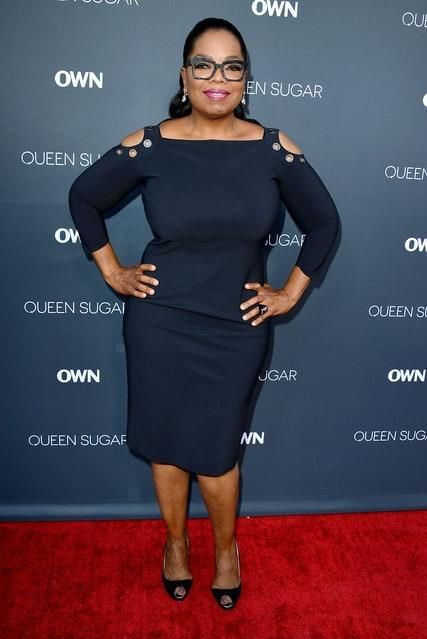
Margins will continue to expand following the shift from Meetings to Online
Subscriptions, the segment with the highest gross margin

                                                     Revenues (~$1.54bn) and Gross Margins (~57.5%) in 2018

         Revenues from Online Subscriptions                            Revenues from Meetings                              Revenues from Product Sales and Other

       Share of Revenues        Gross Margin (%)               Share of Revenues      Gross Margin (%)                    Share of Revenues         Gross Margin (%)

               37%                      82%                            47%                    43%                                 16%                      43%

 –   Having grown at a 17.8% CAGR in 2015-2018                 –    Having grown at a 6.9% CAGR in             –   Product sales and other grew at a 3.0% in 2015-2018
     period, these plans provide interactive and                    2015-2018 period, WW’s meeting                 period and comprises products sales (~35% gross margin)
     personalized resources that allow users to follow              plan ($44.95/month) encompasses                and Licensing, franchise royalties and others (~55% gross
     WW’s weight management program via web-based                   all the features of OnlinePlus,                margin)
     and mobile app products. There are 2 online                    additionally providing access to           –   WW commercializes a range of consumer products (mostly
     subscription models: the digital/OnlinePlus plan               weekly meetings (30-45 minutes),               reduced fat food), including bars, snacks, cookbooks, food
     (standard monthly fee = $19.95/month) – which                  where participants learn through               and restaurant guides with SmartPoints values and
     gives access to food & activity tracking, to the               member-driven       discussion   and           magazines. Non-members can also buy these products using
     Connect feature and to a 24/7 expert online chat –             individual goal-setting. Each meeting          WW’s e-commerce platforms
     and coaching ($54.95/ month), – which, besides                 has a “leader”, a part-time (not           –   WW licenses its trademarks and other intellectual property
     these features, offers unlimited phone sessions with           certified) WW employee who is                  in certain food, beverages and other consumer products and
     a dedicated coach and personalized plans and skills            responsible for coordinating the               services, which are helpful to weight- and health-conscious
     training. For digital/OnlinePlus, 3-month and 6-               sessions, educating members on the             consumers. It also endorses selected branded consumer
     month discounted commitment plans are offered as               program and its range of tools                 products and services. In its early years, WW used an
     an alternative payment structure                          –    Costs are associated with operating            aggressive franchising strategy to quickly establish a meeting
 –   Costs are associated with running and maintaining              meetings, including meeting room               infrastructure to pre-empt competition. Since then, WW has
     WW’s digital platforms but also Experts and                    rent and leaders’ compensation                 acquired many franchises. The remaining franchisees pay
     Coaches’ compensation                                                                                         royalties of 10% of meeting fee revenues as well as purchase
                                                                                                                   products for sale

Company & Market Overview          Value creation & Business Plan         Capital Structure                 Valuation & Returns             Exit options & Due Diligence            7
High operating leverage provides a significant incentive to grow customer base, as
marginal costs are significantly lower than marginal revenues

                                                                           Other Costs* (~$0.6bn) in 2018

                               Marketing expenses                                                            SG&A expenses                                      Interest expenses

    As a % of Revenues           Customer Acquisition           Average Customer                             As a % of Revenues                                  As a % of Revenues
                                      Cost (‘17)               Lifetime Value (‘17)

           15%                              $40          vs.           $264                                           16%                                                  9%

 Historically, WW’s marketing expenses have been concentrated in the 1st                             SG&A expenses have remained                     Interest expenses decreased during
 quarter, given consumer's propensity to start diets and resolutions at the                          virtually unchanged, despite                    the 2015-2017 period. Prior to
 beginning of the year (e.g., in FY17, 43% of marketing expenses occurred in                         changes in the number of                        refinancing its debt in November
 Q1). Despite the increasing reliance on the online segment, WW’s marketing                          subscribers.      These     costs               2017, WW was paying approximately
 mix has not been focused on the digital channel – UBS estimates that only 20%                       include,      among       others,               $27-$28 million in quarterly interest
 to 30% of its marketing expense in 2017 was digital                                                 corporate         compensation,                 payments. In 1Q18, its interest
 The average marketing expense per new subscriber – subscriber acquisition                           facility costs, depreciation and                expense was nearly $36 million, an
 cost was estimated by Morgan Stanley to be around $40 in 2017 and to                                amortization of systems in                      amount which UBS estimates to
 normalize over the following years, which makes customer base growth a                              support of the business                         remain steady throughout FY18 and
 great opportunity for the company as customer lifetime value – average                              infrastructure, and audit, legal                which is consistent with the
 revenue per customer during its retention period – was around $264                                  and litigation expenses                         company's guidance of $144 million in
                                                                                                                                                     interest expense in 2018

  WW has high operating leverage, resulting in low incremental cost to serve additional customers (e.g., in 2018, operating leverage was 3.0 as
  revenues increased by 18% but EBIT jumped 33.5%). Fixed costs include rent/overhead, meeting room supplies, base salaries, technology, product and
  content, whereas variable costs only account for commissions, product materials, customer care and other small costs

                         * One-time costs (~1% of total costs ) were not considered in this analysis; Depreciation is incorporated in Cost of Revenues and SG&A expenses

Company & Market Overview           Value creation & Business Plan               Capital Structure                   Valuation & Returns                  Exit options & Due Diligence       8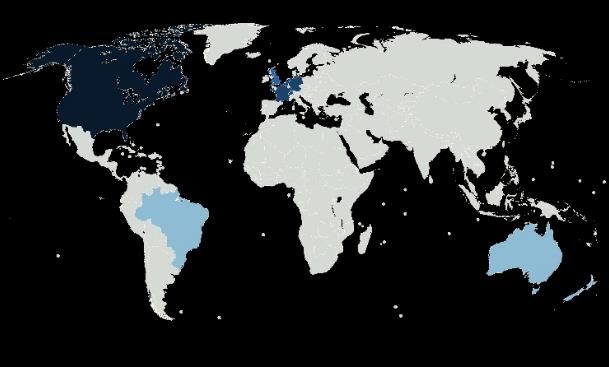
Given the nature of its high operating leverage business, after 2015 WW was able revert
disappointing profitability results, by serving more people
($ mn)                                       2013       2014        2015       2016       2017      2018
Revenues                                     1,724      1,480       1,164      1,165      1,307     1,537   –   From 2013 to 2015, revenues decreased across all segments.
 % Growth                                     -6%       -14%        -21%         0%        12%       18%        Stronger competition and difficulty from the company to adapt to
    Services                                 1,374      1,182        937        949       1,082     1,289       changes in consumer needs and the online shift drove WW to
        Meetings                              852        745         588        605        665       717        respond, implementing the Transformation Plan in 2015
           % Growth                           -9%       -13%        -21%         3%        10%        8%    –   Following this plan, subscriber recruitment and retention
        Online                                522        437         350        344        417       571        improved significantly, leading to the increase in revenues in all
           % Growth                            4%       -16%        -20%        -2%        21%       37%        segments, specially in the online segment. North America and
    Product Sales & Other                     350        298         227        216        225       248        Continental Europe were the fastest-growing regions in this period
Cost of revenues                             (723)      (677)       (590)      (579)      (614)     (653)
    Meetings                                  N/A        N/A        (388)      (386)      (402)     (409)   –   Cost of revenues decreased until 2016, when the trend reverted as
                                                                                                                revenues increased. However, cost of revenues did not vary as
      Gross Margin                            N/A        N/A         34%        36%        40%       43%
                                                                                                                much as revenues, since some of these costs are fixed
    Online                                    N/A        N/A         (89)       (83)       (84)     (103)
                                                                                                            –   In the 2013-2015 period, gross profit and gross margin declined as
      Gross Margin                            N/A        N/A         74%        76%        80%       82%
                                                                                                                costs did not decrease as much as revenues. After that, gross
    Product Sales & Other                    (165)      (142)       (112)      (111)      (128)     (141)       margin and gross profit increased as the company enjoys from
      Gross Margin                            53%        52%         50%        49%        43%       43%        relatively high operating leverage and could increase quantities,
Gross Profit                                 1,001       803         574        585        693       884        while the company was shifting from meetings to the higher-
% Growth                                      -9%       -20%        -28%         2%        18%       28%        margin online segment
Gross Margin (%)                              58%        54%         49%        50%        53%       58%
Operating Expenses                           (540)      (503)       (406)      (385)      (425)     (474)
 % of Revenues                                31%        34%         35%        33%        33%       31%    –   Marketing expenses decreased until 2016, resulting from the
    Marketing Expenses                       (296)      (262)       (201)      (194)      (201)     (236)       Oprah agreement and the integration of TV spots
      % Revenues                              17%        18%         17%        17%        15%       15%    –   WW also made efforts to adopt cost-saving initiatives in SG&A,
    SG&A                                     (245)      (241)       (205)      (190)      (211)     (238)       including rationalization of its workforce and reduction of its total
      % of Revenues                           14%        16%         18%        16%        16%       16%        payroll. After 2016, as performance improved, SG&A expenses
    Other Operating Expenses                    0          0           0          0        (13)        0        grew as a result of higher compensation and incentives
      % of Revenues                            0%         0%          0%         0%         1%        0%
EBITDA*                                       505        349         221        253        319       448    –   WW’s high operating leverage nature makes EBITDA very
% Growth                                      -8%       -31%        -37%        15%        26%       41%        dependent on revenues volume (i.e., when revenues increase by
EBITDA Margin (%)                             29%        24%         19%        22%        24%       29%        1%, EBITDA grows by more than 1% and vice-versa)
* WW includes depreciation in the cost of revenues, being added back in order to calculate EBITDA

Company & Market Overview              Value creation & Business Plan               Capital Structure           Valuation & Returns              Exit options & Due Diligence           9
Strong cash flow generation has given room for deleveraging, while the company is more
profitable than its peers and sees potential to grow faster

                                                            Robust Cash Flow generation and deleveraging

 WW has been capable of growing its Operating Cash Flow throughout the past three years due to          In 2017, WW extended the maturity of its overall debt with the
 the significant increase in net income, which, in turn, was primarily driven by EBITDA growth.         repayment of a term loan set to expire in 2020 and the issuance of a
 During the same period, Capital Expenditure increased slightly, while Capital Software Expenditure     new term loan due in 2024. Further, it replaced a $50mn revolver with
 suffered a minor decrease after a big investment to revamp the mobile app in 2014/2015. WW can         a $150mn revolver. Finally, it also issued $300mn in senior notes. By
 be characterized as a low CAPEX business but one that requires considerable investment in              the end of 2017, around 84% of the debt held by WW in 2017 ($1,865
 Marketing (as seen before) and Software Innovation. Operational performance has improved the           mn) was linked to interest rate indices (managed with interest rate
 company’s Cash Conversion Ratio                                                                        swaps) - and 7% ($123mn) was linked to a revolving credit facility.
                                                                                                        Leverage peaked at 8.3x net debt / EBITDA in 2015, but strong
 ($ mn)                 2016      2017     2018       ($ mn)                   2016 2017 2018           EBITDA (and consequently FCF) growth combined with consistent
                                                                                                        debt paydown since then has resulted in meaningful deleverage
 EBITDA                  253       319      448       Operating Cash Flow       119    222     253      through 2018. EBITDA growth is expected to remain the primary
 Depreciation &                                       [Cash conversion                                  driver for WW deleveraging
                        (53)       (51)     (39)                                47%    70%     56%
 Amortization                                         ratio*]                                            12.0x                                                              300
 Interest Expenses      (115)     (113)    (144)      CAPEX                     (6)    (14)    (18)       6.0x

                                                                                                                                                                                   ($ mn)
                                                                                                          0.0x                                                              0
 Taxes                  (17)       18       (61)      Capital. Software Exp.    (29)   (27)    (35)                 2014       2015        2016       2017       2018
 Net Income              69        173      204       FCF                       85     181     200
                                                                                                                               Net Debt / EBITDA             FCF

                                                            Strong EBITDA generation compared to peers

  WW enjoys from higher and faster-growing EBITDA margins than its peers but could                             3Y Revenue       3Y EBITDA         2018 EBITDA           3Y Avg.
  not grow Revenues as much as them, which makes revenue growth one of the biggest                                CAGR            CAGR              Margin            EV/EBITDA
  focus for the company to further improve profitability, also combined with its high
  operating leverage nature                                                                   WW                  9.7%             27.3%              29.7%               11.3x
  On the last day of 2018, WW valuation multiple EV/EBITDA was 9.0x, which makes its
  valuation look relatively cheap, compared to its peers, despite the fact that the           Average peer**     13.2%             18.9%              15.6%               13.4x
  company’s EBITDA margin is higher and has allowed higher EBITDA growth
 * Cash Conversion Ratio = OCF/EBITDA                                                                     ** Peers considered were Medifast, Nutrisystem and Herbalife Nutrition

Company & Market Overview          Value creation & Business Plan        Capital Structure                Valuation & Returns                Exit options & Due Diligence                   10
WW could potentially reach approximately 50 million subscribers, a market that is
worth $18bn
Market Size Market Overview
The Global Health & Wellness Market, a broad definition of WW’s Total Addressable
Market (TAM), is valued at $3.7tn and is expected to grow at a CAGR of 5.9% between
2018 and 20261. Narrowing the scope, it is possible to define the Global Weight
Management Market, which includes healthy meals and beverages, diet supplements,
weight management services and workout equipment, as the company’s TAM
The Global Weight Management amounted to $214.7bn2 in 2016. North America was the
largest regional market (45%), followed by Europe (23%), Asia Pacific (22%), Latin
America (7%) and MEA (3%). In the 2018-2025 period, the market is forecasted to grow
at a 8.3% value CAGR, with the Asia Pacific region accounting for the fastest growth during
the forecast period
WW’s Serviceable Addressable Market (SAM) is within the Global Weight Management
Market, being mostly focused on the US Weight Loss Market – despite ongoing rebranding
initiatives, WW is still mainly focused on weight-loss. This SAM is estimated to be worth
$18bn, addressing roughly 50mn subscribers – for additional information, see
Attachment 2
WW’s
SAM Core Market Core Market refers to
$18b 21% middle-to-older aged
Men women (35-64) in the
US who are either
6% overweight / obese or
7% Young are actively trying to
66%
control their weight
International
Company & Market Overview Value creation & Business Plan Capital Structure Valuation & Returns Exit options & Due Diligence 11WW’s core US market is expected to grow, driven primarily by the upsurge in obesity
levels and the increasing prevalence of lifestyle diseases
Growth Drivers Impact Description*
– In the 2000-2015 period, obesity prevalence increased significantly across all age demographics
Obesity levels – In 2015-16, the prevalence of obesity was higher among middle-aged adults (43%) than among younger adults (36%)
US Weight Management Market
– Overall obesity prevalence rate is estimated to reach 42% by 2030
– In recent years, cardiovascular diseases and diabetes were, respectively, the 1st and 7th top causes of death in the US
Prevalence of lifestyle
– The total number of people with diabetes is forecasted to increase from 30.3mn (9.2 % of U.S. population) to 54.9mn (13.9%
diseases
of U.S. population) in 2030
Attitude towards – Since 2000, the percentage of people who want to lose weight has remained stable (between 50% and 60%)
weight management – The percentage of people who want to maintain their current weight has also remained stable (30%-40%)
and healthier living – The share of American consumers who have changed their attitude on healthier living in the past 5 years is virtually unchanged
Real disposable – Real personal disposable income per capita has experienced a 9.7% increase in the 2013-2017 period, having risen from
income $39,763 to $42,791
– Advances in technology, logistics, payments and trust, combined with the increasing internet and mobile access, and consumer
Shift from offline to demand for convenience and flexibility have lead to shift from offline to online commerce
online – This broad trend has also affected the weight loss & management market, as evidenced by the emergence of new competitors
such as MyFitnessPal. WW is well positioned to benefit from this trend, having a strong online presence
Firm-Specific
Popularity of – In recent years, there has been an upsurge in the quantity of available subscription services, notably in media streaming (e.g.:
subscription-based Netflix and Spotify). There are other categories that support the subscription based model, including Meal Kits (e.g.: Blue
models Apron), Home Service (e.g.: Handy) and Beauty Products (e.g.: Birchbox)
– Several of the most important players in the food and beverage market, including Nestle, Unilever, Danone, General Mills and
Competition from food
even Coca-Cola have been making various investments in the health and wellness space, in an attempt to meet customer trends.
and beverage giants
This could potentially decrease the demand for WW’s consumer products
*For additional information, see Attachment 3
Company & Market Overview Value creation & Business Plan Capital Structure Valuation & Returns Exit options & Due Diligence 12Offering broader lifestyle solutions and more convenience is paramount
to gain competitive advantage over its direct competitors
Performance levels in customer perspective*
– Customers look for products or services that are as inexpensive, convenient/easy to use and effective producing results as possible (with scientific proof of
success), while allowing them to experience a broad approach to achieve a healthy lifestyle, rather than just losing weight
Price Concept broadness Convenience Efficacy
WW’s services ($20-$55/ Despite the rebranding WW has an easy to use Several studies prove
month) are substantially efforts, WW is still seen and functional app, a the efficacy of WW’s
cheaper than other as a weight loss wide meeting centres’ programs and other
weight-loss programs company, just like other network and its diets commercial programs, in
(~$300/ month), but commercial programs. On offer more flexibility for opposition to self-help
Other commercial those are mostly meal the other hand, self-help customers’ choices; materials. Long-lasting
weight-loss programs replacement plans, which materials display content however, it does not strong track record and
reduce groceries in many lifestyle areas, offer the convenience of community support help
expenses. Self-help though very few of them delivering ready meals making customers
materials are free or aggregate features at client’s homes like perceive WW’s efficacy as
Self-help materials relatively cheap most of the other slightly higher
commercial programs
– WW is mostly threatened by its direct competitors (other commercial weight-loss programs and self-help materials). In Attachment 4 it can be concluded that
WW performs equally or better than the remaining substitute products/services (fitness centres, doctors/nutritionists, surgical procedures and supplements/diet
pills/shakes) in all the major performance drivers
WW does not have a clear competitive advantage. This could be achieved by continuing the rebranding efforts (to become a lifestyle company),
offering more convenience (e.g., by also delivering ready meals at home) and reinforcing its program’s efficacy in marketing initiatives. However,
WW is still able to distinguish itself from the direct competitors since its app is considered superior, relying on an efficient point-based diet plan
which motivates subscribers and its community support and the inherent collaboration are very important assets for the company
* For additional information, see Attachment 4
Company & Market Overview Value creation & Business Plan Capital Structure Valuation & Returns Exit options & Due Diligence 13Value creation & Business Plan
• Value creation strategies
• Market Share gain
• Internationalization
• Buy-and-build
• Business Plan forecastSeveral initiatives are proposed for WW to leverage on its core business and to grow the
products segment
Leverage on services Grow B2C Improve
customer
Providing counselling, encouraging While the company will continue observing a shift from meetings to online, it attraction and
community support and engaging with should focus on acquisition and retention to improve top and bottom line results retention
subscribers in innovative ways is the core
Solidify current markets
business of the company. Due to the high Implement B2B strategy Establish
operating leverage of its core business, it is partnerships
paramount to increase revenues, which will The company is testing a pilot project in B2B, a segment with potential to with
have a positive impact on EBITDA margin generate additional revenues corporations
Expand the products segment Change current product portfolio Add fast-
growing
Current product offering is considered to be Current products are mostly reduced-fat snacks. WW has the opportunity to sell product
insufficient to cater customers trends, mainly faster-growing product categories like organic, naturally-healthy or free-from categories
in terms of product categories and
convenience. It only represents 11% of WW’s Implement strategy to offer more convenience Acquire
revenues and there is potential to capture Nutrisystem to
more value from the food consumption Ready meals and meal kits are the major options to cater to the growing number enter in ready
stage of the customer journey of customers looking for convenience and time-saving in their eating habits meals
Currently, WW is present in most developed countries. Expansion to underdeveloped
Tap new markets
markets could make sense in the business perspective, as countries like Mexico and India
show changes in attitudes towards weight management and high obesity/overweight
levels. However, following a PE rationale, entering in these markets would represent Hold back on
a significant investment (of capital and time), whereas return is unpredictable (e.g., possible
WW is struggling with its Brazilian operations and unsuccessfully tried to enter the expansion
Mexican market in the past). Therefore, as there is still value to create and solidify in plans
current markets, it is believed that WW should hold back on possible expansion plans,
leaving this opportunity to be explored by future target buyers in 5-7 years
Company & Market Overview Value creation & Business Plan Capital Structure Valuation & Returns Exit options & Due Diligence 15Focusing on services, the company should aim at improving customer acquisition and
attraction, while implementing B2B partnerships
Leverage on services Grow B2C Improve
customer
Providing counselling, encouraging While the company will continue observing a shift from meetings to online, it attraction and
community support and engaging with should focus on acquisition and retention to improve top and bottom line results retention
subscribers in innovative ways is the core
Solidify current markets
business of the company. Due to the high Implement B2B strategy Establish
operating leverage of its core business, it is partnerships
paramount to increase revenues, which will The company is testing a pilot project in B2B, a segment with potential to with
have a positive impact on EBITDA margin generate additional revenues corporations
Expand the products segment Change current product portfolio Add fast-
growing
Current product offering is considered to be Current products are mostly reduced-fat snacks. WW has the opportunity to sell product
insufficient to cater customers trends, mainly faster-growing product categories like organic, naturally-healthy or free-from categories
in terms of product categories and
convenience. It only represents 11% of WW’s Implement strategy to offer more convenience Acquire
revenues and there is potential to capture Nutrisystem to
more value from the food consumption Ready meals and meal kits are the major options to cater to the growing number enter in ready
stage of the customer journey of customers looking for convenience and time-saving in their eating habits meals
Currently, WW is present in most developed countries. Expansion to underdeveloped
Tap new markets
markets could make sense in the business perspective, as countries like Mexico and India
show changes in attitudes towards weight management and high obesity/overweight
levels. However, following a PE rationale, entering in these markets would represent Hold back on
a significant investment (of capital and time), whereas return is unpredictable (e.g., possible
WW is struggling with its Brazilian operations and unsuccessfully tried to enter the expansion
Mexican market in the past). Therefore, as there is still value to create and solidify in plans
current markets, it is believed that WW should hold back on possible expansion plans,
leaving this opportunity to be explored by future target buyers in 5-7 years
Company & Market Overview Value creation & Business Plan Capital Structure Valuation & Returns Exit options & Due Diligence 16Acquisition will primarily be driven by increased focus on non-core demographic
segments and the implementation of a referral program
Rationale* Strategy
– Results from the pilot test show that the referral program can increase recruitment
among consumers who are new to the brand (40% of incremental subscribers – Implement a referral program similar to the one piloted in
were new to the brand, up from ~33% of annual subscribers historically) Canada across all geographies where WW operates, until the
Overall target market
– Assuming that new subscribers’ retention rate is similar to WW’s retention rate (9.4 end of 2019, to take advantage of network effects and positive
Referral months), the subscriber acquisition cost associated with the initiative is less than feedback
Program 12% of revenue, which is below WW’s annual marketing expense rate of ~15.4% – The program will offer WW’s members one month of the
– Potentially increase retention for current subscribers who may be encouraged to stay program for free in exchange for convincing a friend to
on the program longer with their friend enrol in a 3-month or 6-month commitment plan
– Launch marketing campaigns featuring Ms. Winfrey and
– WW’s sales are seasonal, with ~40% of new joiners entering the program during 1Q,
other key influencers, which offer new members the
typically related to New Year’s resolutions
possibility to win prizes (e.g.: free trips, free lunches with
– Smoothing sales seasonality would help to improve the seasonality of WW’s
Marketing the celebrity featured in the campaign), at different times of
profitability – 1Q is generally the least profitable quarter given the marketing spend
Campaigns the year, particularly the ones when subscriber acquisition is
required to acquire new customers
lower
– Only ~17% of subscribers are women aged 18 to 34 – Focus on the online segment and adopt a communication
– The average online customer is 10 years younger than the average customer (40 vs. strategy centred on digital advertising, particularly influencer
Non-core demographic
50), indicating younger women engage with WW primarily through the online channel advertising
Women – Millennials are the key age demographic for e-commerce, spending more online – Refine advertising campaigns, featuring young peopleRetention will primarily be driven by improving the app, introducing a rewards program
and broadening the scope to a more holistic approach to Wellness
WW is implementing a health-based rewards program to increase member focus on logging on the app positive behaviour.
Rewards
Subscribers would track their meals, physical activity and weight on the app, being able to redeem exclusive products/services. This
Program would lead to higher program efficacy, higher app engagement and better retention rates
Included in the rebranding strategy of the company, WW could broaden the program to include new activities for members, by
Wellness
User creating partnerships with companies that incentivise healthy habits (a good example is the partnership with Headspace, a
Experience leader in meditation and mindfulness, to create customized content for WW members)
Experience
Marketing Cloud allows WW to collect individual data regarding their customers, which enables the company to send personalised
Personalized
emails to subscribers, based on their preferences, reminding them of their goals, keeping track of targets and encouraging the
marketing purchase of additional products/services
Ready-meals One of the value creation strategies is to acquire Nutrisystem, in order to cater to those WW subscribers who look for convenience in
convenience their eating habits, by allowing them to purchase WW-branded ready meals. This will improve their satisfaction with the program
Apart from SmartPoints, the company is implementing and improving the FitPoints system, where subscribers have activity goals
Fitpoints (fitness plans or workout regimens to improve energy, flexibility, strength or muscle toning) suitable to their physical characteristics.
WW’s app can also incorporate results from synced fitness devices like Fitbit
Voice WW’s app is now allowing members to ask their Alexa or Google assistant to look up for SmartPoints value on food, to track
User Integration FitPoints, and get updates on their goals and progress, which increases ease of use
Interface
New Connect The Connect feature now allows members to create groups for people with the same interests, food preferences or in the same life
Feature stage, where they can share their experiences. This allows WW to continuing incentivising community support between members
Scale WW has a partnership with Conair, a scale producer, to sell WW-branded scales, where subscribers can sync it to the app and
integration monitor body fat, body water, bone mass, muscle mass and BM, making it easier to track health progress
Subscriber average retention period is ~9.5 months but very few customers stay longer than 13/14 months. Therefore, WW could
Pricing Price discounts
apply price discounts in specific weight maintenance programs, for people who stay longer than 14 months in the program
The proposed acquisition and retention initiatives aim at sustaining high acquisition rates in both meetings and online segments, while lowering the
churn rates. However, most of these initiatives will have a larger effect on the online segment, to follow the shift in consumer preferences
Company & Market Overview Value creation & Business Plan Capital Structure Valuation & Returns Exit options & Due Diligence 18Proposed initiatives will improve acquisition and churn rates, leading to significant
subscriber and revenue growth, while online revenues should surpass meetings in 2020
Proposed initiatives will sustain high acquisition rates, lower churn rates and smooth seasonality
80% – Acquisition rates reached all-time highs in 2018,
being projected to decline in the upcoming years
Meetings quarterly acquisition rate – Subscriber growth is still generated in the future
40% Online quarterly acquisition rate as in the first quarter the acquisition rate is much
Metings and Online quarterly churn rate higher than the churn rate and compensates for the
loss in customers in the other quarters
– Due to previously discussed initiatives, acquisition
0%
1Q15 1Q16 1Q17 1Q18 1Q19 1Q20 1Q21 1Q22 1Q23
seasonality is expected to decline over time,
while churn rates decline 1p.p. per year
EOP subscribers in the online segment grow double-digit in the following years, while meetings growth rates are more moderate
6,000 40%
Meetings EOP subscribers (thousand) – As a result of the above acquisition rates, the
Online EOP subscribers (thousand) meetings and online segments are projected to
Meetings EOP subscribers annual growth (%)
register significant growth rates in the following
3,000 20%
years (online and meetings grow at 17.8% and 4.1%
Online EOP subscribers annual growth (%) CAGR from 2018 to 2021), stabilizing thereafter
Meetings susbcr. Online subscr. – Due to higher acquisition rates, the online segment
2.9% 12.1%
0 0% CAGR (’18-’23) CAGR (’18-’23) grows much faster than meetings
2015 2016 2017 2018 2019 2020 2021 2022 2023
The shift to online implies that this segment’s revenues surpass meetings in 2020 and that overall gross margin improves
1,200 100% – As previously discussed, the meetings segment has
Meetings Revenues ($ mn) Meetings rev.
2.5%
CAGR (’18-’23) lower gross margin but higher dollar contribution
Online Revenues ($ mn) per subscriber, which implies that, despite the
Online rev.
600 50% Meetings gross margin (%) 13.3%
CAGR (’18-’23) subscriber shift to online, this segment only
surpasses meetings in 2020
Online gross margin (%)
– Individual gross margins only increase marginally
Overal gross margin (%) over time, but the shift to the higher-margin
0 0%
2015 2016 2017 2018 2019 2020 2021 2022 2023 online business improves the overall margin
Company & Market Overview Value creation & Business Plan Capital Structure Valuation & Returns Exit options & Due Diligence 19Scaling B2B partnerships will allow WW to reach new customers that would not be
interested in the program without their companies’ incentive
WW is testing a B2B model that
…being these partnerships mutually beneficial for partner organizations and for WW
can be easily replicated…
– WW is testing a B2B model, having For partner organizations*:
entered into an agreement with the – WW’s scientifically-proven solutions encourage behavior change and an increase in quality of life, focused on food,
City of New York and its unions to offer fitness and mindset, which can increase productivity, create a positive environment and reduce absenteeism
an agency wide weight loss and health
improvement program, in 2016. The – Potential savings in healthcare insurance for employees/ employers could be exploited. In the US, obesity costs
model has already successfully employers $73.1bn per year and McKinsey & Company’s research strongly indicates weight-management
attracted 4,000 people to enter the programs are among the most impactful and cost-efficient ways to mitigate obesity
program as WW provides digital – This kind of non-pecuniary benefits can attract better talent for corporations
subscriptions and in-meeting plans to
For WW:
employees at a discounted price, with
NYC subsidizing 50% of the expenses. – By implementing WW’s plan in organizations, WW – Revenue growth will follow subscriber growth,
Employee Spouses, Domestic Partners, would reach customers that would not be given that each meetings’ subscriber contributes
and Dependents over the age of 18 are interested in the program without their companies’ with a higher $ revenue, but a lower gross margin
also eligible for WW at a discounted incentive; EOP subscribers will substantially grow
– Overall gross margin improves over time as the
price in the beginning years from the initial 4,000 in
online segment grows faster than meetings
– The plan would be replicate this model 4Q18, stabilizing after 2023
and to establish partnerships with
EOP subscribers (thousand) and annual growth (%) Revenues ($ mn) and gross margins (%)
corporations and municipalities. 400 600% 50 100%
WW will provide programmes – digital
plan and meetings plan –at a
400%
discounted price (33% discount for
200 25 50%
Meetings to $30/ month and 25%
discount for Online to $14/ month) 200%
and companies will subsidize part of
0 0%
the program 0 0% 2018 2019 2020 2021 2022 2023
2018 2019 2020 2021 2022 2023
Meetings Revenues Online Revenues
Meetings EOP subscribers Online EOP subscribers Meetings gross margin Online gross margin
* For additional information, see Attachment 6 Meetings growth Online growth Overal gross margin
Company & Market Overview Value creation & Business Plan Capital Structure Valuation & Returns Exit options & Due Diligence 20Fast-growing product categories will be added to the portfolio and the option chosen to
enter in the ready meals market and to offer more convenience is acquiring Nutrisystem
Leverage on services Grow B2C Improve
customer
Providing counselling, encouraging While the company will continue observing a shift from meetings to online, it attraction and
community support and engaging with should focus on acquisition and retention to improve top and bottom line results retention
subscribers in innovative ways is the core
Solidify current markets
business of the company. Due to the high Implement B2B strategy Establish
operating leverage of its core business, it is partnerships
paramount to increase revenues, which will The company is testing a pilot project in B2B, a segment with potential to with
have a positive impact on EBITDA margin generate additional revenues corporations
Expand the products segment Change current product portfolio Add fast-
growing
Current product offering is considered to be Current products are mostly reduced-fat snacks. WW has the opportunity to sell product
insufficient to cater customers trends, mainly faster-growing product categories like organic, naturally-healthy or free-from categories
in terms of product categories and
convenience. It only represents 11% of WW’s Implement strategy to offer more convenience Acquire
revenues and there is potential to capture Nutrisystem to
more value from the food consumption Ready meals and meal kits are the major options to cater to the growing number enter in ready
stage of the customer journey of customers looking for convenience and time-saving in their eating habits meals
Currently, WW is present in most developed countries. Expansion to underdeveloped
Tap new markets
markets could make sense in the business perspective, as countries like Mexico and India
show changes in attitudes towards weight management and high obesity/overweight
levels. However, following a PE rationale, entering in these markets would represent Hold back on
a significant investment (of capital and time), whereas return is unpredictable (e.g., possible
WW is struggling with its Brazilian operations and unsuccessfully tried to enter the expansion
Mexican market in the past). Therefore, as there is still value to create and solidify in plans
current markets, it is believed that WW should hold back on possible expansion plans,
leaving this opportunity to be explored by future target buyers in 5-7 years
Company & Market Overview Value creation & Business Plan Capital Structure Valuation & Returns Exit options & Due Diligence 21Entering in the ready meals market or the meal kits market could revitalize WW’s
current product offering and fast-growing product categories should be
WW’s product offering runs short on its potential, creating the WW should also consider entering in the ready meals and/or meal
need to add different product categories kits segments, to add offer convenience
– Although the overall US Health & Wellness market grew ~10.4% in the – Currently WW only captures value through providing dietary plans to
2013-2017 period, WW’s product sales fell ~40.5% between 2013 and subscribers. The company could capture some extra value arising from
2016, having shown modest signs of recovery only in 2017. This negative subscribers’ food expenses
trend corresponded to a market share decline from 0.13% in 2013 to – As customers look for portability and convenience, key areas where WW is
0.08% in 2017 lagging behind its competitors, there is room for WW to enter the ready
meals and the meal kits markets. Consumers view these alternatives as
US H&W product sales ($ mn)
WW’s product sales ($ mn)
180,000 250
ways to save meal planning, shopping and cooking time, as well as to try new
recipes while being healthy
90,000 125
Ready meals: meals that
Meal kits: packs of fresh
arrive already pre-cooked,
ingredients to cook a meal
0 0 requiring little preparation
2013 2014 2015 2016 2017
US H&W product sales WW's product sales 80,000 15,000
– WW’s product offering is mainly comprised by reduced fat and reduced
sugar products, such as snacks, bars and yogurts. Portfolio composition
appears to be correlated with sales decline – Euromonitor’s market 0 0
research indicates consumers’ preferences are shifting away from 2017 2021 2017 2022
these product categories, which rely on the artificial removal of US ready-meals market ($ mn) US meal kits market ($ mn)
ingredients (fat and sugar)
– This creates the opportunity for WW to offer a broader portfolio of – WW could consider entry options in the ready meals and meal kits
products, which could encompass both natural, healthy, organic and segments, as people are increasingly looking for this type of products and
free-from products – which are gaining traction and attracting more competitors are establishing their position in the segments
people
Company & Market Overview Value creation & Business Plan Capital Structure Valuation & Returns Exit options & Due Diligence 22In the ready meals retail channel, a licensing agreement with a leading player would be
the best option but it has a limited contribution to profits and bounds exit options
Competitive landscape
– In the US retail channel, sales of Health & Wellness ready meals amounted to $6.61bn in 2017 and are forecasted to grow Top players in US H&W ready meals
at a 7.4% CAGR in the 2019-2023, reaching $9.85bn in 2023 (retail channel)
– Leading food companies, Nestlé and Conagra Brands, have long dominated HW ready meals sales in the retail channel.
Market share 2017 Sales ($ mn)
Nevertheless, in spite of having made significant investments to meet increasing consumer demand for healthier, more
natural and more convenient food options both companies have been losing market share – Nestlé's market share dropped 14.8% 981
from 20.8% in 2013 to 14.8% in 2017, while ConAgra’s market share dropped from 10.1% in 2013 to 9.7% in 2017
– Simultaneously, Amy’s Kitchen, a manufacturer manufactures organic and non-GMO convenience and frozen foods, has been 9.7% 644
gaining traction, benefiting from the increasing demand for vegetarian meals
– Weight-management companies – Nutrisystem, MediFast, and Jenny Craig – are also present in this channel, although they 6.8% 448
correspond only to a small share of retail sales
Entry options analysis
Development of in-house production and distribution capabilities Pro & Cons from WW perspective
– Apart from the coordination and time needs, it would difficult to reach Increased market penetration – Nestlé and Conagra Brands’ geographic
meaningful scale within the holding period and incumbents benefit from scope, large production capacity and distribution network would allow WW
economies of scale and scope, which make them more cost-efficient ready meals to be available in most retail locations across the US territory
within a short time frame, something which would not be achievable
Acquisition of an incumbent player
through partnerships with regional smaller players
– The leading incumbents are larger than WW and their product offering also Little to no capital requirement
comprises categories which are not coherent with WW’s brand image. Risk mitigation – the agreement would reduce economic and financial risk
Smaller players lack scale to make WW-ready meals available across the US
Dependence on third-party – WW would have little to no control over
Partnership with a retail player, to produce and distribute WW ready meals strategy execution. Low product quality could damage WW’s brand image
and reputation
– A licensing agreement between Nestlé/Conagra Brands and WW would be Limited contribution to profits – royalties fees typically range between
mutually beneficial. Nestlé/ConAgra could leverage on WW’s reputation in 6%-10% of revenues
the weight-management market, customer base and balanced meal plans to Limited exit options – signing a licensing agreement with Nestlé or
strengthen its product portfolio and reach new consumers, ultimately ConAgra would narrow down potential strategic buyers, since other
reversing market share decline (see attachment 7 for valuation of this industry players would have lower incentives to acquire a company
strategy)
Company & Market Overview Value creation & Business Plan Capital Structure Valuation & Returns Exit options & Due Diligence 23In the ready meals home-delivery channel, the acquisition of Nutrisystem is the most
attractive option as it allows for significant synergies
Competitive landscape
Publicly-traded players in
– The home delivery channel is dominated by 3 WW’s competitors – Nutrisystem, Top public players channel
the home-delivery in US H&W ready melas (home-delivery)
MedifFast, and Jenny Craig (private company). These companies operate primarily
Company EBITDA margin
15% Market 2017 Sales
under subscription-based models, offering nutritionally balanced meal plans and
share ($ mn)
ancillary counselling services targeted at a more upscale customer segment (upper-
middle class). Despite focusing on the home-delivery channel, these companies also
N/A 697
commercialize some products through traditional retail locations -25% 25%
– Besides weight-management companies, the home-delivery channel also encompasses
several smaller players such as Freshly, a provider of direct-to-consumer (DTC) healthy -15% N/A 302
prepared meals in which Nestlé invested $77mn 3-year revenue CAGR
Entry options analysis
Development of in-house production and distribution capabilities Pros & Cons from WW perspective
Market share gain – the acquisition would strengthen WW’s position in the US market,
The timeframe necessary to reach meaningful scale is large (3-5 enabling it to become the market leader in both weight-management services and products
years) and the incumbents have the know-how to implement
Portfolio complementary & Synergies – there is a degree of complementarity between
more efficient cost structures
both companies’ portfolio, which could be explored through the launching of ready meals
based on WW dietary plans
Acquisition of a rival company, with home-delivery capabilities
Scale & Supply Chain capabilities – NS has the scale and supply chain capabilities
Among the leading players in the home-delivery channel, necessary to service all WW customers in the US, who are interested in WW ready meals,
Nutrisystem (NS) and MediFast (MF) are the only publicly-listed within 6 months after the acquisition
companies. Given MediFast’s high EV/EBITDA multiple (18.2x as of Broader exit options – contrarily to a licensing agreement with a leading food company,
31/12/2018 and averaging 16.0x in the last three years) and the acquisition would not restraint the set of exit options
Nutrisystem’s strong performance, NS is the logical acquisition
Significant capital commitment (EV of $1,199mn as of 31/12/2018)
target (11.3x by the end of 2018 and 13.8x in the last three years)
Weighting the main advantages and drawbacks of the 2 strategic options – enter the retail channel through a licensing agreement with Nestlé or Conagra Brands and enter the
home-delivery channel through the acquisition of Nutrisystem –, the 2nd option is the one which will be implemented since Nutrisystem’s acquisition (I) will reinforce
WW’s position in the US weight-management market, (II) will give rise to substancial synergies (see slide 27), and (III) will not restrit exit options. The licensing
agreement with Nestlé or Conagra can be seen as an alternative lever, in case the Nutrisystem’s acquisition fails (see attachment 7 for valuation of this alternative strategy)
Company & Market Overview Value creation & Business Plan Capital Structure Valuation & Returns Exit options & Due Diligence 24You can also read


