World Food Day 2020 Conference Plenary Speakers - Global ...
←
→
Page content transcription
If your browser does not render page correctly, please read the page content below
World Food Day 2020 Conference
Plenary Speakers

Hon. David Beasley
Executive Director, United Nations World Food Program

                                     On 29 March 2017, United Nations Secretary-
                                     General António Guterres and Food and
                                     Agriculture Organization (FAO) Director-General
                                     José Graziano da Silva announced their
                                     appointment of David Beasley of the United
                                     States as Executive Director of the World Food
                                     Programme (WFP) at the Under-Secretary-
                                     General level.

                                     Mr. Beasley was elected at the age of 21 to the
                                     South Carolina House of Representatives (1979-
                                     1992) and as Governor of South Carolina (1995-
                                     1999), one of the youngest in the state’s
                                     history. He received a Profile in Courage Award
                                     in 2003 from the John F. Kennedy Library
                                     Foundation.

A 1999 Fellow of the Institute of Politics at Harvard University’s Kennedy School of
Government, Mr. Beasley is involved in numerous civic and charitable projects,
including humanitarian efforts in Asia, Africa, North and South America, Europe and
the Middle East.

Born in 1957, he attended Clemson University and holds a Juris Doctorate from the
University of South Carolina, as well as a Bachelor of Arts in Law degree from the
University of South Carolina School of Law.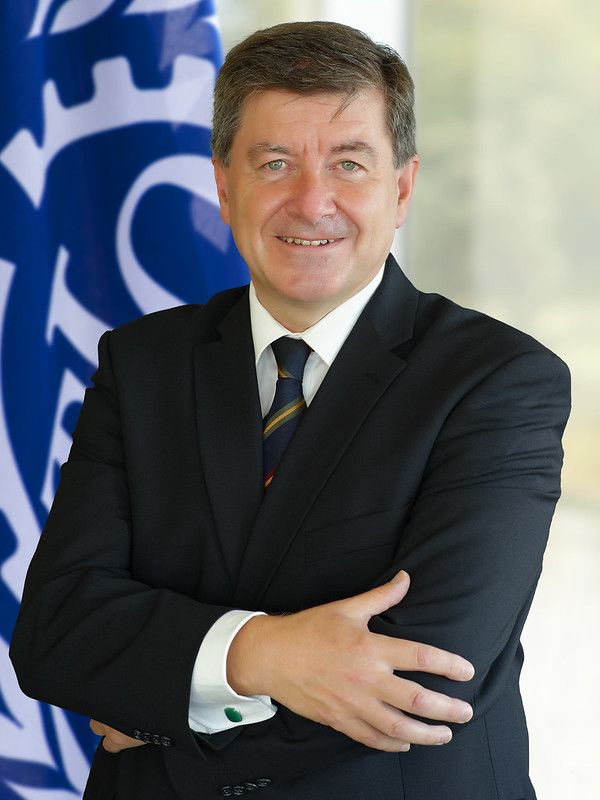
JoAnn Berkenkamp
Managing Director, MBOLD

                               JoAnne Berkenkamp is the Managing Director of the
                               MBOLD initiative. MBOLD is a CEO-driven collaboration
                               of Minnesota’s globally leading and growing base of
                               agriculture and food companies and organizations. We
                               work to accelerate solutions to the globally significant
                               challenges facing the food and agriculture sectors to drive
                               sustainability, economic growth, innovation and talent
                               attraction and retention.

                               JoAnne has two decades of experience working in the
                               food, agriculture and environmental sectors in a variety of
                               domestic and international contexts. She most recently
worked for the Natural Resources Defense Council, driving efforts to reduce the amount
of food that goes to waste, and has worked extensively in food supply chain research and
development, farm enterprise development, regional food systems and sustainable
agriculture. Berkenkamp also has a background in corporate finance and has worked in
the international development field in Asia, Africa and Latin America. She holds a
bachelor’s in finance from the University of Illinois and a master's from the John F.
Kennedy School of Government at Harvard University.

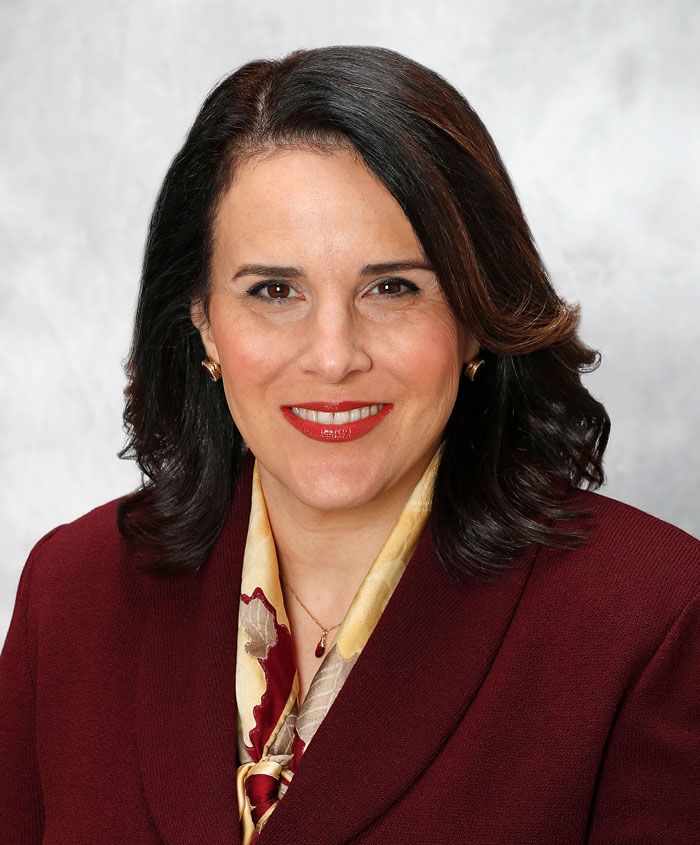
Paurvi Bhatt
President, Medtronic Foundation
                                     Paurvi Bhatt is the President of the Medtronic
                                     Foundation and Vice President of Medtronic
                                     Philanthropy where she leads a multimillion-dollar
                                     global strategic grants portfolio that empowers
                                     people affected by noncommunicable diseases,
                                     enables frontline health workers, and advances
                                     policy to increase access to care for the underserved.
                                     A seasoned global health leader with experience in
                                     business, nonprofit, and government sectors, Paurvi
                                     has spearheaded global programs at Levi Strauss
                                     and Co., Abbott, and other private companies. She
                                     has also managed global health technical portfolios
                                     at the U.S. Agency for International Development
                                     and CARE USA, and served as an international
evaluator at the U.S. General Accountability Office. Her technical expertise is in
HIV/AIDS, women’s health, and health systems and economics. Paurvi holds a master
of public health degree in health systems and economics from Yale University and a
bachelor’s degree in neuroscience from Northwestern University.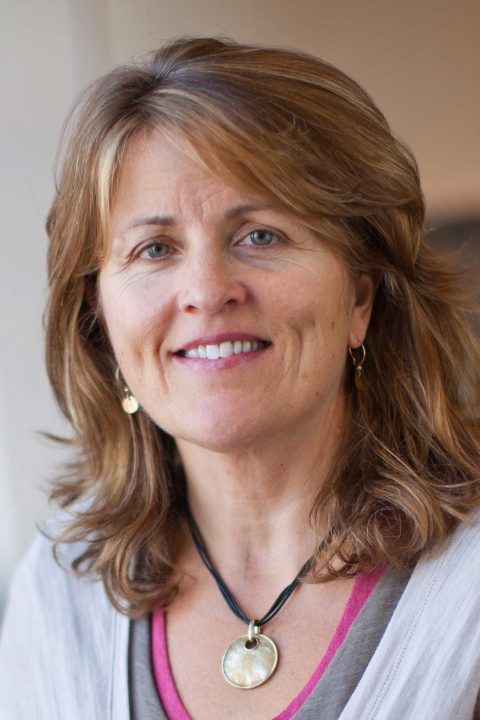
Kevin Cassidy
Director, ILO Office for the United States and Representative to Bretton Woods
and Multilateral Organizations
                             Kevin Cassidy, with over 33 years of international
                             development experience, is currently the Director and
                             Representative to the Bretton Woods and Multilateral
                             Organizations for the International Labour Organization
                             (ILO) Office for the United States.

                             Prior to this appointment, Mr. Cassidy served as the
                             Senior Communications and Economic and Social Affairs
                             Officer for 11 years in the ILO Office for the United
                             Nations with additional responsible for partnerships in
                             North America.

                            During this time, Mr. Cassidy worked with member States
                            to organize Heads of State/Government and Ministerial
                            level events highlighting decent work as well as
                            introducing policy language on key development issues
                            into the resolutions and outcomes documents of the UN
General Assembly’s Third Committee and the Commissions of the Economic and Social
Council (ECOSOC).

Before his assignment to New York, Mr. Cassidy was the Chief Technical Adviser for the
ILO’s Global Campaign on Promoting Fundamental Rights at Work. During that time he
developed numerous communication initiatives in over 40 countries such as interactive
radio and television programmes as well as training journalists on communicating
locally on decent work, child labour, forced labour, discrimination and the freedom of
association.

Prior to joining the ILO, Mr. Cassidy worked for the Aga Khan Foundation (AKF-UK) in
London as the Operations, Communications and Partnership Director. His work with
the AKF-UK focused on rural and community-based development in Central and South
Asia.

Mr. Cassidy has worked in several UN offices during his career including the
Department of Peacekeeping Operations (DPKO) on the issue of landmines, the Office
of the Coordination of Humanitarian Assistance (OCHA), the Executive Office of the
Secretary-General (Boutros Boutros-Ghali and Ban Ki-moon), the UN Department of
Public Information and the UN Non-Governmental Liaison Service (NGLS), New York.

Mr. Cassidy holds a Masters’ of Economic and Political Development from Columbia
University’s School of International and Public Affairs.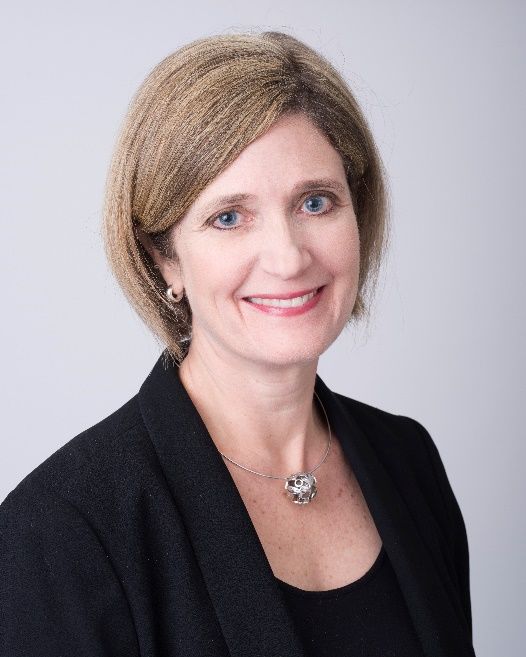
Amer Daoudi
Senior Director of Operations, United Nations World Food Programme

                        As the Director of the World Food Programme’s (WFP)
                        Logistics Division, Mr. Daoudi is responsible for the supply
                        chain operations of the world’s largest humanitarian agency.
                        On an annual basis, the division is responsible for bringing
                        assistance to more than 86 million beneficiaries by procuring
                        and delivering over 5 million metric tonnes of food.
                        Furthermore, as Chair of the Global Logistics Cluster, Mr.
                        Daoudi oversees the responsibilities of WFP to facilitate the
                        logistics response of the humanitarian community as a whole,
                        in both sudden and on-going emergencies.

                         Mr. Daoudi began his World Food Programme career in Sudan
                         in 1994 and is no stranger to the emergencies that affect the
                         world’s hungry people and the challenges that come with
reaching beneficiaries in remote and war-torn corners of the world. After serving four
years in Sudan as Head of Logistics, Mr. Daoudi was subsequently transferred to
Ethiopia in 1998 as the Regional Logistics Coordinator for both Ethiopia and Djibouti
which was the largest WFP operation at that time.

Although assigned as the Regional Logistics Officer for East, Central and Southern
Africa Bureau from 2001 to 2003, large scale emergencies pulled him to all corners of
the world to manage emergency logistics operations for the World Food Programme.
These included:

 • Establishing and managing a logistical network in war torn Afghanistan from
   2001/2002;
 • Building a multi-country logistical network to provide food to drought stricken and
   HIV/AIDS affected populations of Southern Africa Region;
 • Managing the supply chain to feed 27 million Iraqis in 2003 immediately following
   initial hostilities. Deliveries exceeded 500,000 metric tons per month or some
   27,000 truckloads per month through various corridors, often in very insecure
   conditions.

During Mr. Daoudi’s tenure at WFP, he has also led emergency operations in response
to the Tsunami, the crisis in Darfur, Hurricane Katrina, the South East Asian
Earthquake (Pakistan) as well as the conflict in Lebanon in 2006. Mr. Daoudi’s
experience has proven that better response to emergencies is driven by enhanced
logistics systems, optimal preparedness and broad partnerships. Over the last two years
Mr. Daoudi and his team have facilitated the logistics response of the humanitarian
community in sixteen sudden emergencies, and seven on-going crises. Their success
stems from a focus on building capacity through the development of new inter-agency
training programmes with the non- UN community; sharing of logistical best practices,
augmented by an enhanced network of depots strategically placed throughout the world,
on behalf of the humanitarian community. These are supported by innovative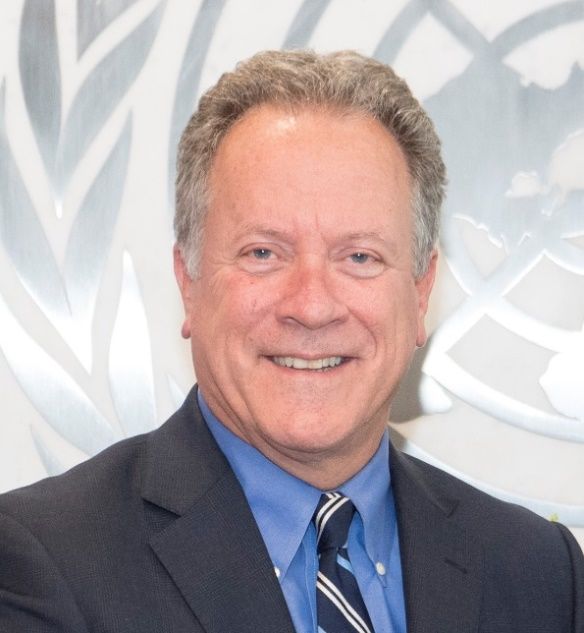
techniques for improving logistical systems in partnership with the humanitarian
community. In his current position, Mr. Daoudi oversees over 2,500 national and
international logistical staff, working both in WFP’s field operations and in its
headquarters.

Prior to joining the World Food Programme, Mr. Daoudi worked for ten years in the
commercial shipping and freight forwarding industry.

Angela Davis
Host of MPR News with Angela Davis
                                         Angela Davis is the host of MPR News with
                                         Angela Davis. Prior to launching a career in
                                         radio, she was a news anchor and reporter at
                                         WCCO-TV and KSTP-TV, the CBS and ABC
                                         affiliates in Minneapolis/St.Paul. Angela has
                                         won five regional Emmy Awards for anchoring
                                         and covering breaking news. She holds a
                                         journalism degree from the University of
                                         Maryland, College Park and is a longtime
                                         member of the National Association of Black
                                         Journalists. She’s the mother of two teenagers
                                         and serves on the board of YWCA Minneapolis.

Cathy Feingold
Director, International Department, AFL-CIO, Deputy President, International
Trade Union Confederation
                                  Cathy Feingold is a leading advocate on global
                                  workers’ rights issues. As director of the AFL-CIO’s
                                  International Department, Feingold is a committed
                                  and passionate advocate, strategic campaigner and
                                  policy expert. In 2018, Feingold was elected Deputy
                                  President of the International Trade Union
                                  Confederation, the organization representing 200
                                  million unionized workers worldwide. She brings
                                  more than 20 years of experience in trade and global
                                  economic policy, and worker, human and women's
                                  rights issues. Her work in both global and grassroots
                                  fora reflect her commitment to strengthening the
                                  voice of working people in global policy debates.

                                 Feingold previously directed the AFL-CIO Solidarity
                                 Center’s work in the Dominican Republic and Haiti,
                                 where she worked with local trade union partners to
develop innovative campaigns to improve the working conditions of domestic, migrant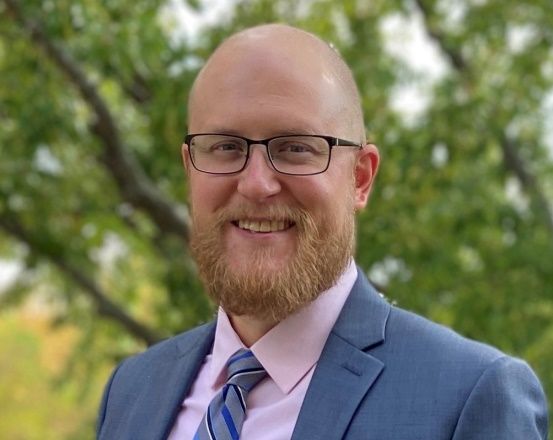
and informal economy workers. The work led to a growing movement of domestic
workers who affiliated to the Dominican labor movement. In Haiti, she developed labor
law training programs and helped publish the first Creole language excerpt of the
Haitian labor law, accessible to workers. She led the organization’s humanitarian
response to the January 2010 earthquake in Haiti.

Feingold’s professional experience includes work for the labor movement, large
international organizations, small grassroots NGOs and a foundation. She has written
about the impact of economic policies on market women in Nigeria and, as a Fulbright
scholar in Nicaragua, she researched the impact of structural adjustment policies on
women workers. She continues to be a strong advocate for gender equity and working
women issues.

Feingold holds a bachelor's degree from Pitzer College and an M.P.A. from Columbia
University.

Peter Frosch
CEO, GREATER MSP
                         Peter Frosch became chief executive officer of GREATER MSP,
                         the Minneapolis-St. Paul regional economic development
                         partnership, in March 2019. As CEO, Frosch is responsible for
                         leading the global strategy for economic development and job
                         creation for the greater Minneapolis-St. Paul region, with 3.6
                         million residents and a Gross Metropolitan Product of more
                         than $260 billion.

                         Prior to being named CEO, Frosch served as Senior Vice
                         President of Strategy & Partnerships and Chief of Staff. In this
                         capacity, he created the MSP Regional Indicators Dashboard, a
                         regional performance measurement now being replicated
                         across the United States, and Make it. MSP., the talent
retention and attraction initiative recognized by the International Economic
Development Council as a leading initiative in economic development nationwide.

Before joining GREATER MSP in January 2013, Frosch served as Legislative Director
for Congresswoman Betty McCollum in Washington, D.C., and also previously served as
Director of Environmental Policy at Environmental Initiative, a Minneapolis-based
nonprofit.

Frosch earned a bachelor’s degree in History and American Studies from Northwestern
University where he graduated Phi Beta Kappa, and earned a master’s degree in
International Relations from Dublin City University in Ireland, where he studied as a
George Mitchell Scholar. He lives in Saint Paul with his wife Anne and their two young
children.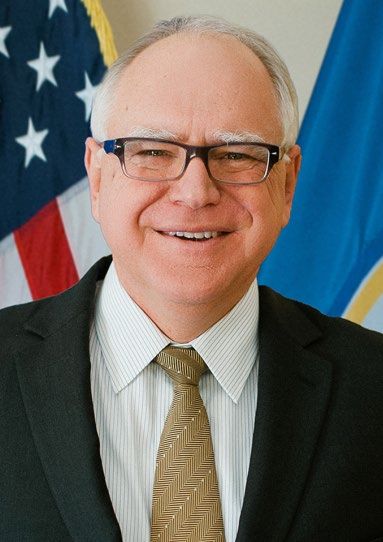
Joan Gabel
President, University of Minnesota
                                        Joan T.A. Gabel is the 17th president of the
                                        University of Minnesota. She leads the
                                        University’s mission by honoring its legacy as a
                                        place of discovery and opportunity, while
                                        emphasizing solutions inspired by Minnesotans
                                        that serve our state and change the world.

                                          Gabel most recently served as executive vice
                                          president and the provost at the University of
                                          South Carolina (UofSC), where she revitalized
                                          scholarly enterprise and launched dynamic
                                          programs, increasing enrollment and alternative
                                          revenue streams. Under her leadership, U of SC
                                          emerged as a national leader through the
                                          creation of “arenas of excellence,” which promote
                                          opportunities for students to experience
                                          interdisciplinary study, research, and pathways
                                          to career opportunities in information
technology and the health sciences. She expanded the university’s global footprint and
impact; championed experiential learning, entrepreneurialism and service learning; and
worked to incentivize and support faculty. She also expanded campus diversity and
inclusion efforts, which included the recruitment and support of underrepresented
students, faculty and staff, as well as the creation of inclusive programs and forums to
measurably improve the campus climate.

Previously, Gabel held faculty appointments at Georgia State University and served as
the DeSantis Professor and chair of the Department of Risk Management/Insurance,
Real Estate and Legal Studies at Florida State University. She also served as dean of the
University of Missouri’s Robert J. Trulaske, Sr. College of Business, where she
established nationally recognized distributed learning opportunities and was recognized
as a shining star in business school administration by the Wall Street Journal.

Gabel’s early academic interests include legal and ethical issues in business, including
governance. In recent years, she has turned her scholarly focus to the public higher
education mission, ethical governance, and women’s leadership. Gabel has also served
as editor in chief of the American Business Law Journal and the Journal of Legal
Studies in Business, and as a board member of the Association to Advance Collegiate
Schools of Business. She has been recognized with numerous research, service, and
teaching awards, including a Fulbright Scholarship.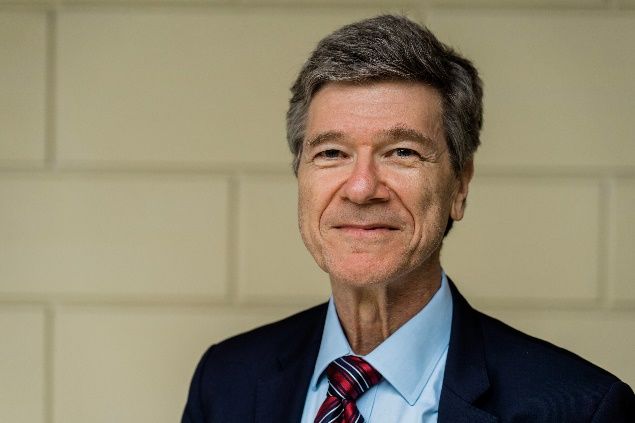
Jeff Harmening
CEO, General Mills
                                  Jeff Harmening was named chief executive officer and
                                  a member of the board of directors of General Mills on
                                  June 1, 2017. He was elected to serve as chairman of the
                                  board of directors effective January 1, 2018.

                                  Harmening joined General Mills in 1994 and has held
                                  leadership positions for the company in the United
                                  States and Europe.

                                   Harmening previously served as president and chief
                                   operating officer for General Mills, where he shaped
                                   strategies for the company’s four global operating
                                   segments and had oversight of Global Supply Chain,
and Innovation, Technology and Quality. He assumed his role as president and chief
operating officer in July of 2016.

In the U.S., he served in various marketing roles before being named vice president of
marketing for Cereal Partners Worldwide (CPW) in 2003. Headquartered in Lausanne,
Switzerland, CPW is a 50-50 joint venture between General Mills and Nestle that
manufactures and markets ready-to-eat cereal products in more than 130 countries
outside of North America.

In June 2007, Harmening returned to the U.S. and was named president of the General
Mills Big G cereal division. He was promoted to senior vice president in April 2011. In
2012, Harmening returned to Europe as CEO of Cereal Partners Worldwide and held
that role from 2012 to 2014.

Returning to the U.S. in 2014, Harmening was named executive vice president, chief
operating officer of the largest division of General Mills, the U.S. Retail segment. In this
role he had corporate oversight of the Baking Products, Big G Cereals,
Meals, Pillsbury USA, Small Planet Foods, Snacks, and Yoplait divisions.

During Harmening's leadership of the U.S. Retail business, the company greatly
expanded its position in the natural and organic segment, including the acquisition
of Annie's and EPIC Provisions. That made General Mills the fourth largest maker of
natural and organic foods in the U.S.

A graduate of DePauw University, Harmening began his career as a financial analyst at
Eli Lilly and Company from 1989 to 1992. He received his MBA from Harvard in 1994, is
a Trustee at DePauw University, and serves on the board of the Consumer Brands
Association and The Toro Company.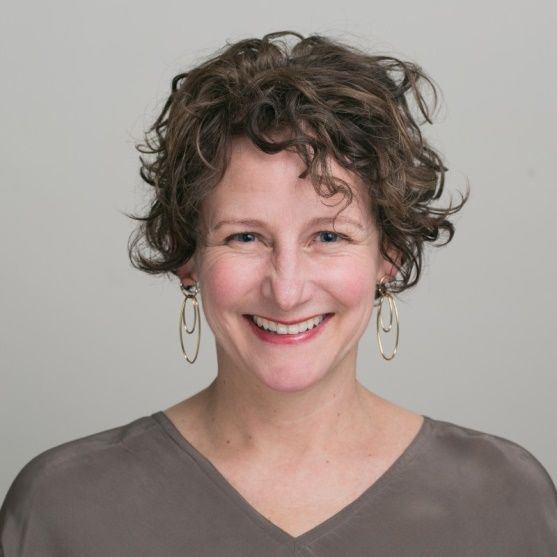
Haile Johnston
Co-founder and Chief Development Officer, The Common Market
                                   Haile is a Philadelphia native whose passion is to
                                   identify and implement entrepreneurial methods
                                   and progressive policy to build capacity in diverse
                                   communities. His creative approach to program
                                   development, community building and resource
                                   attraction has led to both the rapid growth of his
                                   nonprofit organizations and the improvement of
                                   regional communities.

                                   Haile is one of the founders of the Common Market
                                   Philadelphia and currently serves as Co-Director,
                                   supporting the organization through an incredible
                                   growth period. Before joining Common Market’s
                                   staff he served as the Pennsylvania State Director of
the Center for Progressive Leadership (CPL) where he built the capacity of individuals
and organizations within underrepresented communities.

Haile is a graduate of University of Pennsylvania’s Wharton School of Business and is
proud to serve as a 2012 Food and Community Fellow with the Institute of Agriculture
and Trade Policy.

Stephanie Lundquist
Executive Vice President and President of Food and Beverage, Target
                          Stephanie Lundquist is executive vice president and
                          president of Food and Beverage for Target, and a member of
                          its executive leadership team. She oversees the full spectrum
                          of merchandising and operations for Food and Beverage,
                          including strategy development and implementation.

                           Before taking this role, Stephanie served as Target’s chief
                           human resources officer from 2016 to 2019 and led all
                           aspects of human resource management for Target’s global
                           team of 350,000 team members. She joined the company in
                           2005 and has held various human resource leadership
                           positions, driving large scale business acceleration,
                           performance, capability building, talent, and change
                           management. She has also held large operational roles in
business integration and program management. She served as senior vice president of
human resources for all corporate functions when playing a pivotal role building
Target’s transformation, strategic and talent agenda in 2015.

In addition to her Target responsibilities, Stephanie serves on the Board for Sysco
Corporation. She is a member of the CEO Roundtable for MBOLD, MN Food & Ag and
on the Global Leadership Council board for Concordia Offutt School of Business. She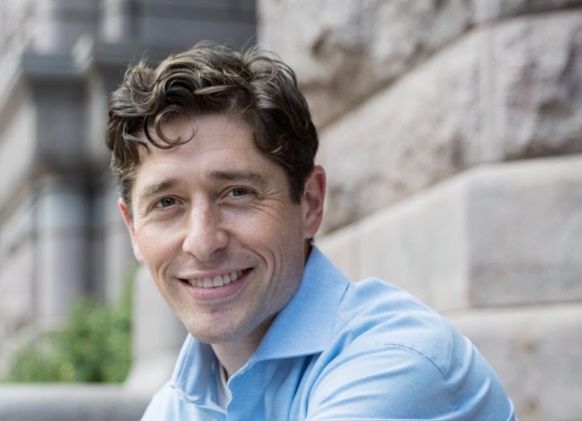
previously served on the board of the Human Resource Policy Association and CEB
CHRO Global Leadership Board. She earned her bachelor’s degree in business and
communication from Concordia College in Moorhead, Minnesota.

Martha (Muffy) MacMillan
Board Chair, Global Minnesota

                            Martha (Muffy) MacMillan serves as a director of Financial
                            Company Bank (Bogota, Colombia), has served as a
                            Director on the Board of Cargill Inc., is currently a Director
                            on the Cargill Foundation Board and is serving as a
                            Waycrosse Inc. Director. Her community involvement
                            includes serving on many local and national boards such as
                            American Federation of Arts (NY) Gala Co-Chair in 2013
                            and 2014, The Economic Club of Minnesota, Governor for
                            Opportunity International, Director on the Walker Art
                            Museum Board, Children’s Theatre Company, and Chair of
                            Abbott Northwestern Hospital Foundation Board.

Muffy has been a board member, donor, fundraiser, and/or volunteer for more than 20
organizations such as Abbott Northwestern Hospital Foundation, PACER Center,
Minnesota Children’s Museum, Opportunity International, Children’s Hospital of
Minneapolis and St Paul, Blake School, Governor for 11Who Care, Minneapolis Institute
of Arts and several others in the past 25 years. She is currently chairing a $50M
agricultural campaign for Opportunity International, traveling globally to raise money.
Her passion to philanthropically make a global difference has extended to serving and
volunteering her time on a Bank Board in Colombia. She is known for her “hands on”
approach to her involvement with organizations in which she serves. She is an active
participant who enjoys being fully engaged with the organization’s mission and brings
experience, leadership, energy and financial support to help reach their goals and
objectives.

Having a personal connection to the organizations in which she serves is a very
important part of Muffy’s philanthropic service. An example of this is her involvement
with the PACER Center. Muffy’s relationship with PACER began as she went to seek
information about the organization. She became passionate about the mission, goals
and objectives and has spent years supporting the organization at various levels. Her
support of PACER has turned into a family affair with support and volunteerism with all
five of her children.
David Miller
Principal Community Relations Consultant, Communications and Social Impact,
Blue Cross Blue Shield of Minnesota
David Miller is a Principal Community Relations
Consultant who works with Blue Cross and Blue
Shield of Minnesota and implements social impact
employee engagement initiatives including an
annual giving campaign, environmental
sustainability program, and volunteer service
activities. David believes in designing human-
centered programs that bring value to the
community. For this reason, David has successfully
created an annual report to the community, raised
$5 million dollars for local charities, and helped
reduce the carbon footprint of Blue Cross by 15%. His professional experience includes
local, regional, and international companies including business, nonprofit and
government. David holds an MA in organizational management from Concordia
University in St Paul.
Mark Muller
President, Regenerative Agriculture Foundation
Mark Muller came to RAF in March 2020 after spending
more than 20 years working on related issues including
agricultural conservation, Midwest water quality, racial
equity in the food system, and effective federal food and
agricultural policy. Most recently Mark served as director of
the Mississippi River program at the McKnight Foundation,
and prior to that he directed the Food & Community Fellows
program at the Institute for Agriculture and Trade Policy. He
also spent two years teaching high school in New York City
and 18 months volunteering in Honduras and Guatemala. He
and his spouse and three children live in south Minneapolis.Ruth Petran, Ph.D., CFS
Senior Scientist, Food Safety and Public Health, Ecolab
Dr. Ruth Petran is Senior Corporate Scientist, Food Safety
and Public Health for Ecolab Inc., the global leader in
water, hygiene and energy technologies and services that
protect people and vital resources.
In her current role, Dr. Petran provides technical
expertise and consultation to internal and external
customers on food safety and public health issues, by
identifying and tracking emerging food safety trends and
new control strategies. To be most impactful, these span
the food supply chain from farm to manufacturing
processes and to food service and retail.
Prior to joining Ecolab, Dr. Petran was a research
microbiologist and supplier quality manager at Pillsbury,
as well as specifications manager and quality regulations
operations product manager at General Mills. She focused on managing safety and
quality concerns of microbiologically sensitive products and ingredients. She has led
food safety assessments at food manufacturing facilities worldwide, focusing on the
application of HACCP systems and regulatory compliance.
Dr. Petran is a certified food scientist and has served two terms on the National
Advisory Committee for the Microbiological Criteria for Foods. She is an Executive
Board member of the International Association for Food Protection and is also a
member of the Institute of Food Technologists (IFT), where she's served on awards
committees and has been active in the IFT-Food Microbiology Division. She chairs the
Minnesota Food Safety and Defense Task Force, and has advised the Minnesota
Departments of Health and Agriculture on needed revisions to the state’s food code.
Dr. Petran has a bachelor’s degree in Consumer Food Science from Cornell University, a
master’s degree in Food Science from the University of Minnesota, and a doctorate in
Public Health from the University of Minnesota. Her thesis focused on the value of
leveraging data from health department inspections to improve food safety.Gabriella Rigg Herzog
Vice President, Corporate Responsibility and Labor Affairs, United States
Council for International Business
Gabriella Rigg Herzog is the Vice President,
Labor Affairs and Corporate Responsibility. She
will work out of the New York office and lead our
work on labor and employment policy, corporate
responsibility, business and human rights, and
corporate governance.
Prior to joining USCIB, Gabriella served as
Senior Manager for Corporate Social
Responsibility (CSR) at Hess Corporation, where
she led development and integration of key CSR
and human rights governance, employee training
and assurance processes into Hess management
systems, and provided field-level support for
implementation. This industry-leading work
reduced operational, financial and reputational risks and contributed to Hess being
named to the 100 Best Corporate Citizens and Dow Jones Sustainability Index lists.
Prior to her work with Hess, Gabriella served as a Policy Advisor at the U.S. Department
of State in the Bureau of Democracy, Human Rights and Labor, where she led the
Bureau’s global CSR policy and program practice. She also worked at the U.S.
Department of Labor developing and implementing labor cooperation programs to help
labor ministries improve enforcement capacity.
Gabriella is a Fellow with The Aspen Institute’s Business and Society Program and holds
a Certificate of International Business Management from Georgetown University, a
Master of Arts in Law and Diplomacy from The Fletcher School at Tufts University, and
a Bachelor of Arts in Political Science from Northeastern University.
Sonya Roberts
President and Group Leader, Salt Group, Cargill
Sonya Roberts leads Cargill’s salt business, which produces
and sells deicing, water softening, food, industrial and
agriculture salt products in North America and Europe.
She brings three decades of experience to her role
overseeing strategy, execution and financials across 2,000
employees and 25 locations in North America and the
Dutch Caribbean.
Most recently, Sonya established and led growth ventures
and strategic pricing for Cargill’s North America protein
business, where she developed and implemented business
strategies, entered emerging businesses in salmon and e-commerce, led the pet treats business, evaluated and executed mergers, acquisitions,
divestitures and joint ventures, and implemented strategic pricing.
Since joining Cargill in 2008, Sonya has served as the managing director of Cargill’s
value-added protein business, where she led the egg and Canadian chicken businesses
and helped generate hundreds of millions in revenue with a team of 1,600
employees. She was also the vice president of sales and marketing for Cargill Salt,
where she was responsible for all aspects of the customer experience. Sonya began her
career with Cargill in the power and natural gas business, where she developed and
oversaw the customer trading strategy.
Prior to joining Cargill, Sonya was a leader with oil and gas company ConocoPhillips for
19 years. During her time with the company, she led U.S. and global teams and held
positions in strategy, marketing, business operations and finance.
Sonya holds a bachelor’s degree in finance from the University of North Texas in
Denton, Texas. She and her husband live in Minnesota and have two daughters. Sonya is
a board member of MBOLD, Women Venture and Catallia Mexican Foods. She’s
previously served on the boards of the YWCA of Minneapolis, The BrandLab, and Big
Brothers Big Sisters of Anchorage.
A-dae Romero-Briones
Director of Programs – Native Agriculture and Food Systems, First Nations
Development Institute
A-dae became Director of Programs – Native
Agriculture and Food Systems in 2017, after first
joining First Nations as Associate Director of Research
and Policy for Native Agriculture. She formerly was
the Director of Community Development for Pūlama
Lāna‘i in Hawaii, and is also the co-founder and
former Executive Director of a nonprofit organization
in Cochiti Pueblo, New Mexico.
A-dae worked for the University of Arkansas School of
Law Indigenous Food and Agricultural Initiative while
earning her LL.M. degree in Food and Agricultural
Law. Her thesis was on the Food Safety Modernization
Act as it applied to the federal-tribal relationship. She wrote extensively about food
safety, the Produce Safety rule and tribes, and the protection of tribal traditional foods.
A U.S. Fulbright Scholar, A-dae received her Bachelor of Arts degree in Public Policy
from Princeton University, and received a Law Doctorate from Arizona State
University’s College of Law, in addition to her LL.M. degree in Food and Agricultural
Law from the University of Arkansas.Guy Ryder
Director General of the United Nations International Labor Organization (ILO)
Born in Liverpool (UK) in 1956, Guy Ryder studied
Social and Political Sciences at the University of
Cambridge and Latin American Studies at the
University of Liverpool. He speaks French and
Spanish as well as his mother tongue, English. He
started his professional career in 1981 as assistant
at the International Department of the Trade
Union Congress in London.
From 1985, he held the position of Secretary of the
Industry Trade Section of the International
Federation of Commercial, Clerical, Professional
and Technical Employees (FIET) in Geneva.
In 1988, Guy Ryder became Assistant Director and
– from 1993 - Director of the Geneva office of the
International Confederation of Free Trade Unions
(ICFTU).
Guy Ryder first joined the International Labour Organization in 1998 as Director of the
Bureau for Workers’ Activities and, from 1999, as Director of the Office of the Director-
General. It was during this time that the ILO’s Decent Work Agenda was launched and
won support from the international community.
In 2002, he was appointed General Secretary of the ICFTU, leading the process of global
unification of the democratic international trade union movement. He was elected as
first General Secretary of the International Trade Union Confederation (ITUC) when it
was created in 2006. He headed international trade union delegations to high level talks
with the UN, IMF, World Bank and WTO and to the G20 Leaders’ Summits.
In September 2010, Guy Ryder came back to the ILO in Geneva as Executive Director,
responsible for international labour standards and fundamental principles and rights at
work. Among other activities, he supervised the application of ILO Conventions and
Recommendations. He also headed several high-level ILO missions to address a range of
issues related to labour standards in countries such as Bahrain, Colombia, Fiji, Georgia,
Greece, Myanmar and Swaziland.
Guy Ryder was elected as ILO Director-General by the ILO's Governing Body in May
2012 and took office on 1 October 2012. On taking office, he pledged to position the
Organization as a determined actor translating principle into action and ensuring that it
had the capacity to make a major difference to the working lives of people on all of the
continents. To support this he launched a major reform process geared to assuring
the ILO’s authority on matters falling within its mandate.Dr. Jeffrey Sachs, Founder and Director
United Nations Sustainable Development Solutions Network
Jeffrey D. Sachs is a world-renowned
economics professor, bestselling author,
innovative educator, and global leader in
sustainable development. He is widely
recognized for bold and effective strategies to
address complex challenges including debt
crises, hyperinflations, the transition from
central planning to market economies, the
control of AIDS, malaria, and other diseases,
the escape from extreme poverty, and the battle
against human-induced climate change.
Sachs serves as the Director of the Center for Sustainable Development at Columbia
University, where he holds the rank of University Professor, the university’s highest
academic rank. Sachs held the position of Director of the Earth Institute at Columbia
University from 2002 to 2016. He is President of the UN Sustainable Development
Solutions Network, a commissioner of the UN Broadband Commission for
Development, and an SDG Advocate for UN Secretary General Antonio Guterres. From
2001-18, Sachs served as Special Advisor to UN Secretaries-General Kofi Annan (2001-
7), Ban Ki-moon (2008-16), and António Guterres (2017-18).
Sachs has authored and edited numerous books, including three New York Times
bestsellers: The End of Poverty (2005), Common Wealth: Economics for a Crowded
Planet (2008), and The Price of Civilization (2011). Other books include To Move the
World: JFK’s Quest for Peace (2013), The Age of Sustainable Development (2015),
Building the New American Economy: Smart, Fair & Sustainable (2017), A New Foreign
Policy: Beyond American Exceptionalism (2018), and most recently, The Ages of
Globalization: Geography, Technology, and Institutions (2020).
Sachs was the co-recipient of the 2015 Blue Planet Prize, the leading global prize for
environmental leadership. He was twice named among Time magazine’s 100 most
influential world leaders and has received 32 honorary doctorate degrees. The New York
Times called Sachs “probably the most important economist in the world,” and Time
magazine called Sachs “the world’s best-known economist.” A survey by The Economist
ranked Sachs as among the three most influential living economists.
Prior to joining Columbia, Sachs spent over twenty years as a professor at Harvard
University, most recently as the Galen L. Stone Professor of International Trade. A
native of Detroit, Michigan, Sachs received his B.A., M.A., and Ph.D. degrees at Harvard.Liz Schrayer
President and CEO, U.S. Global Leadership Coalition
Liz Schrayer serves as President & CEO of the U.S. Global
Leadership Coalition (USGLC), a broad based coalition of
over 500 businesses and NGOs that advocates for strong
U.S. global leadership through development and
diplomacy. Under her leadership, the USGLC has grown
to a nationwide network of advocates in all 50 states and
boasts a bipartisan Advisory Council, chaired by General
Colin Powell which includes virtually every living former
Secretary of State, and a National Security Advisory
Council consisting of nearly 200 retired three and four-
star generals and admirals.
Ms. Schrayer currently serves on the U.S. International Development Finance
Corporation’s Development Advisory Council, USAID’s Advisory Committee on
Voluntary Foreign Aid (ACFVA), as well as several advisory boards and committees for
the University of Michigan, including the Ford School of Public Policy. She is also a
member of the Council on Foreign Relations.
In addition to running the USGLC, Ms. Schrayer serves as President of Schrayer &
Associates, Inc., a nationwide consulting firm founded in 1995, which works on a wide
range of domestic and international issues.
Prior to starting her own firm, Ms. Schrayer served as the national Political Director of
AIPAC (American Israel Public Affairs Committee) for more than a decade. She worked
on Capitol Hill, founding the Congressional Human Rights Caucus and in state
government. She has traveled across the country organizing citizen advocates in every
state. Ms. Schrayer has been published in TIME, Newsweek, USA Today, and The Hill,
among other outlets. She has a Bachelor’s degree from the University of Michigan and
resides in Maryland with her husband Jeff Schwaber, an attorney who helped launch the
Washington Legal Clinic for the Homeless.
Alexandra Spieldoch
CEO, Bountifield International
Alexandra has served as CEO of Bountifield
International/CTI since 2013 and brings more than 20 years
of experience in the non-profit sector with expertise in
gender, food security, agriculture, and economic policy.
Prior to joining Bountifield, Alexandra served as director of
the Trade and Global Governance program at the Institute
for Agriculture and Trade Policy (IATP) and global
coordinator of the Network of Women Ministers and
Leaders in Agriculture (NWMLA). She has contributed to
numerous articles and books related to global governance,
gender and food security, rural livelihoods, and sustainable development. Alexandrareceived her M.A. in International Policy from the Monterey Institute of International
Studies. Her B.A. is from Washington University in St. Louis, Missouri with a major in
French literature. She has a certificate in business from the Ecole Supérieure de
Commerce de Rouen. She lived in France and Argentina and speaks both French and
Spanish.
Víctor Suárez
Deputy Secretary of Agriculture, Mexican Secretariat of Agriculture and Rural
Development
Victor Suarez Carrera is the founder and Executive Director
of the National Association of Rural Commercialization
Enterprises (ANEC) in Mexico. Since 1995, ANEC has
promoted a strategy to allow direct access to agricultural
markets for small- and medium-sized producers of basic
grains, with more than 50,000 members in 17 Mexican
states. Victor also currently promotes the Mexican national
campaign "Sin Maíz No Hay País...Y el frijol Tampoco," or
"Without Corn There is No Country... and Not without
Beans Either," a movement to protect food security for
Mexico. Victor served in the Mexican House of
Representatives from 2003-2006 as an external candidate
for the Party of the Democratic Revolution (PRD), where he
served on many committees. He has also been part of numerous political, social and
peasant movements both within Mexico and internationally.
Atul Tandon
CEO, Opportunity International
Atul Tandon is CEO of Opportunity International. His 35-
year career has been marked by building, scaling, and
turning around some of the world’s best-known for profit
and nonprofit enterprises, and his work has impacted
financial services and consumer banking, the social sector,
nonprofit management and governance, the digital economy
and marketing.
Prior to joining Opportunity International, Atul founded
and served as CEO of the Tandon Institute, which provides
strategy, solutions, and staffing to enable social sector
enterprises to rapidly accelerate their impact, revenues,
public engagement and organizational capacity.
Prior to that, Atul served as the leader of United Way Worldwide’s 41-country
International Network, helping shape and form the world’s largest network of
community-based charities. He also wore a twin hat as United Way’s Executive VicePresident of Investor Relations. In this role, he oversaw the organization’s worldwide
donor engagement and fundraising functions, including the United States.
Responding to God’s call to serve the poor in 2000, Atul joined World Vision United
Sates as Senior Vice President of Donor Engagement. He served on World Vision’s
executive team for nine years and led the organization through a period of
unprecedented expansion, tripling revenues over his tenure. In addition to his U.S.
responsibilities, he led World Vision’s global initiatives to expand its fundraising in 25
countries. He also served on the board of VisionFund International, World Vision’s
microfinance network.
Prior to his leadership roles in the non-profit sector, Atul had a successful career in the
global financial services industry. He helped launch Citibank’s consumer banking
franchise in India, introducing services such as ATMs, credit cards, mortgages,
consumer loans, and remote banking for the first time in the region. Citi brought him to
the U.S. in 1992, where he led the turnaround of its bank in California/West, then
pioneered customer-centered relationship banking, and went on to serve as Global
Branch Distribution for Citi’s worldwide operations. During his tenure, the bank grew
its global consumer networks to more than 146 million accounts with $5.3 billion in
income and a presence in 101 countries. Atul began his career in India, where he
launched a financial services start-up, introducing innovative financial leasing to Indian
capital markets.
Atul earned a master of business administration and a bachelor of commerce with
honors from the University of Delhi. He holds a certificate in governance from the John
F. Kennedy School of Government at Harvard University.
He is a board member for several organizations, including the Christian Leadership
Alliance, the largest association of faith-based organizations and churches in the U.S,
and Mission Aviation Fellowship, the largest provider of rural and remote access air
services to international NGOs. He has taught at both University of Washington's School
of Business and University of San Francisco’s McLaren School of Business. In addition,
he is recognized as a thought leader in the nonprofit industry, being frequently quoted
and published in the Chronicle of Philanthropy, Huffington Post, Non-Profit Times, and
other leading media outlets.
Governor Tim Walz
Tim Walz is Minnesota’s 41st Governor. His career has been
defined by public service, from serving our country in the
military to serving our students as a high-school teacher and
football coach to serving our state in Congress.
Born in a small town in rural Nebraska, Tim’s parents instilled
in him the values that guide his commitment to common good
and selfless service. Soon after his high school graduation, Tim
enlisted in the Army National Guard. Tim attended Chadron
State College, where he graduated with a social science degreein 1989. Harvard University offered Tim an opportunity to gain a new perspective on
global education by teaching in the People’s Republic of China from 1989-90, where he
joined of one of the first government-approved groups of American teachers to work in
Chinese high schools. Upon his return from China to Nebraska, Tim served full time in
the Army National Guard, and accepted a teaching and coaching position. More
importantly, he met his wife, Gwen Whipple, who was teaching at the same school.
Tim and Gwen Walz moved to Mankato in 1996, where they began working at Mankato
West High School. In addition to teaching social studies, Tim helped coach the Mankato
West football team that won the school’s first state championship. After 24 years in the
Army National Guard, Command Sergeant Major Walz retired from the 1-125th Field
Artillery Battalion in 2005.
Tim won his first election to the United States House of Representatives in 2006, and
was re-elected for another 5 terms serving Minnesota’s First Congressional District. In
addition to his work on the Farm Bill, the Lewis & Clark Regional Water System,
Minnesota Highway 14, and the Minnesota State Veterans Cemetery in Preston (MN),
Tim introduced the STOCK Act, a bill that sought to limit congressional insider trading.
On March 22, 2012, the STOCK Act passed with overwhelming bipartisan support in
both the House and the Senate.
After years of living in Mankato, Tim and Gwen moved to St. Paul with their two
children, Hope and Gus, and their rescue pets, Scout and Afton.
Melvin Carter
Mayor of St. Paul
Melvin Carter is the 46th, and first African-American mayor of
the City of Saint Paul, Minnesota’s Capital City.
A fourth-generation Saint Paul resident, Mayor Carter leads
with an unapologetic equity agenda. Since taking office in
2018, his accomplishments include raising the city’s minimum
wage to $15/hour; tripling free program in rec centers;
eliminating late fines in public libraries; reestablishing an
Affordable Housing Trust Fund; expanding immigrant &
refugee support resources, and launching an Office of
Financial Empowerment. One signature initiative is
CollegeBound Saint Paul, Mayor Carter’s plan to start every
child born in the city with a $50 College Savings Account,
starting January 1, 2020.
Mayor Carter has a well-established commitment to police accountability and law
enforcement reform. In the first 100 days of his administration, the Mayor worked with
Saint Paul Police Chief Todd Axtell and department leadership to revise the Saint Paul
Police Department’s use of force policy, which involved a 2-month public engagement
process. He later temporarily suspended the Police K-9 unit pending a comprehensive
audit of, and subsequent changes to, the unit’s policies and practices.In 2019, Mayor Carter convened residents and local leaders to co-create a $3 million
research-based public safety initiative centered around jobs & resources for youth,
housing & mental health supports, and a public health approach to violence prevention.
The public safety initiative also involves implementing restorative justice circles as an
alternative to criminal prosecution for non-violent offenders and embedding social
workers with police officers to co-respond to persons in crisis.
Amid the COVID-19 pandemic, Mayor Carter launched the Saint Paul Bridge Fund to
provide emergency relief to Saint Paul’s lowest-income families and small businesses
most vulnerable to the economic impact of the pandemic. The fund provided more than
$4 million of direct aid between April and June.
Passionate about helping others engage in civic processes, Mayor Carter has trained
progressive activists and candidates in over 30 states, and commonly recites his
administration’s mantra: “Building a city that works for us all means we all must do the
work.”
Prior to his election in 2017, Mayor Carter has served as a Saint Paul City Council
Member; Founding Board Chair of the Saint Paul Promise Neighborhood; Director of
the Minnesota Office of Early Learning; and Executive Director of the Minnesota
Children’s Cabinet under former Minnesota Governor Mark Dayton.
Mayor Carter is the son of retired Saint Paul Police Officer Melvin Carter, Jr. and a
former teacher, Commissioner Toni Carter, who now serves as Board Chair of the
Ramsey County Board of Commissioners. A proud graduate of the Saint Paul public
schools, Mayor Carter holds a Bachelor’s Degree in business administration from
Florida A&M University and a Master of Public Policy from the Humphrey School of
Public Affairs at the University of Minnesota. He currently resides in Saint Paul’s
historic Rondo neighborhood with his wife, Dr. Sakeena Futrell-Carter, and their
children, just a few doors down from his childhood home.
Mayor Jacob Frey
Mayor of Minneapolis
Mayor Jacob Frey grew up in northern Virginia
and went to the College of William and Mary in
Williamsburg, VA on a track scholarship. After
graduating with a degree in government, he began
running professionally while attending law school
at Villanova University in Philadelphia, PA. That’s
when he came to Minneapolis to run the Twin
Cities Marathon and when he fell in love with
Minneapolis. The day after graduating, he drove
1,200 miles west to Minneapolis, his chosen home.
As an employment, business litigation, and civil rights attorney, Jacob became an active
community organizer. In 2011, he spearheaded efforts to launch the Big Gay Race, which
raised over $250,000 to help defeat the proposed Minnesota constitutional amendment
defining marriage between a man and a woman. He also became involved in advocacy
for the homeless, helping tenants who lost their homes in North Minneapolis. In 2012,the City of Minneapolis awarded its inaugural Martin Luther King, Jr. Award to Jacob
for his civil rights work.
Jacob successfully ran to represent the Third Ward on the city council in 2013, defeating
an incumbent with a platform centered on constituent services, increasing residential
growth, growing the number and variety of small and local businesses, and fully funding
affordable housing. During his time as a Council Member, the Third Ward accounted for
more than 65 percent of all growth in Minneapolis, affordable housing was funded at
record levels, and gained a new community-based school that is winning awards.
Since his election as Mayor in 2017, Jacob has championed an agenda centered on
increasing access to affordable housing throughout the city, strengthening community-
police relations, and fueling economic growth through inclusive policies. From a record-
setting investment in the city’s efforts to expand and preserve affordable housing to
helping launch the state’s only black-owned financial institution to strengthening the
Police Department’s body-worn camera policy, Jacob is delivering results and laying a
strong foundation for Minneapolis.
Jane Maland Cady
Program Director, International, McKnight Foundation; Co-Chair, Global Alliance
for the Future of Food
Jane Maland Cady is director of the International program
for the McKnight Foundation. The Foundation’s
International Program focuses grantmaking on sustainable
livelihoods in 15 countries in Africa, Southeast Asia, and
Latin America, particularly on agroecological research for
smallholder farmers and natural resource rights for local
communities.
Prior to joining McKnight in 2008, Cady spent 15 years
managing her own consulting firm, Criando Research and
Evaluation Services. She has extensive domestic and
international experience working with community
development initiatives and sustainable agriculture systems,
through her teaching, evaluation practice, and on-the-
ground implementation. She has also worked in the private
sector across the natural and organic foods value chain, from
certification, production, retail, and most recently to expand markets in the USA for fair
trade and organic products from South America and the USA.
Maland Cady has a PhD and an MA in agricultural education from the University of
Minnesota, has lived and worked extensively in Brazil and parts of Latin America.
Having grown up on a southern Minnesota farm, she is committed to promoting
sustainability and equity in agriculture and food systems around the globe, involving
farmers in the process. She is the mother of four inspiring children.Lauren Baker
Director of Programs, Global Alliance for the Future of Food
Lauren Baker, PhD, has over 20 years of experience
working on food system issues. Her expertise ranges
from researching agricultural biodiversity in Mexico
to negotiating and developing municipal food policy
and programs. Lauren has consulted on farm to fork
initiatives and food systems policy development
across Canada, and globally. Lauren currently works
as the Director of Programs for the Global Alliance
for the Future of Food, a coalition of philanthropic
foundations committed to leveraging their resources
to help shift food and agriculture systems towards
greater sustainability, security, and equity. Past
clients include the City of London, Ontario and
Evergreen. From 2011-2016, Lauren was the Food
Policy Specialist with the Toronto Food Policy Council, leading a citizen advisory group
embedded within the City of Toronto’s Public Health Division, and from 2009-2011 she
was the Founding Director of Sustain Ontario: the Alliance for Healthy Food and
Farming.
Lauren teaches at the University of Toronto and is a research associate with Ryerson
University’s Centre for Studies in Food Security. She is the author of Corn meets Maize:
Food Movements and Markets in Mexico (2013), amongst other publications.
Michelle Grogg
Vice President of Corporate Responsibility and Executive Director of the Cargill
Foundation
Michelle Grogg joined Cargill in 1998 and
currently serves on the Corporate Affairs Global
Management Team. She leads Cargill’s Corporate
Responsibility and Sustainable Development
practice and is the executive director of the Cargill
Foundation.
Grogg is responsible for managing and directing
the company’s global corporate responsibility,
sustainable development, philanthropy, and
community engagement programs. She also
oversees the development and implementation of
global partnerships and programs with non-
governmental and international development
organizations to advance the company’s priorities
around food and nutrition security and sustainability priorities, including land
use/forest protection, climate, water, food loss and waste, and farmer livelihoods.Grogg and her team advise Cargill businesses on corporate responsibility, sustainability, stakeholder relations, reputation, and issues management. Grogg has served as the chairperson for the Conference Board Corporate Responsibility Council, member of the Executive Committee for the Center for Corporate Citizenship at Boston College, the Points of Light Foundation National Council on Workplace Volunteerism, and the Global Water Challenge steering committee. She is currently Cargill’s Liaison Delegate to the World Business Council on Sustainable Development and a member of the AchieveMpls board of directors.
You can also read


