Xcel Energy

      Substation O&M

Human Performance Initiative
←
→
Page content transcription
If your browser does not render page correctly, please read the page content below

Xcel Energy
Substation O&M
Human Performance Initiative
A Human Performance Initiative
An effective error-reduction strategy
● Less experienced employees
● Managing older assets
● Increased work volume
Organizations that have successfully established a
robust human performance culture report a safer
work environment and improved product quality,
efficiency and productivity
HPI……..is not so much a program as a distinct
way of thinking – culture change
2
Human Performance
Where were we in 2010
Where are we in 2012
Where are we headed in 2013 and beyond
3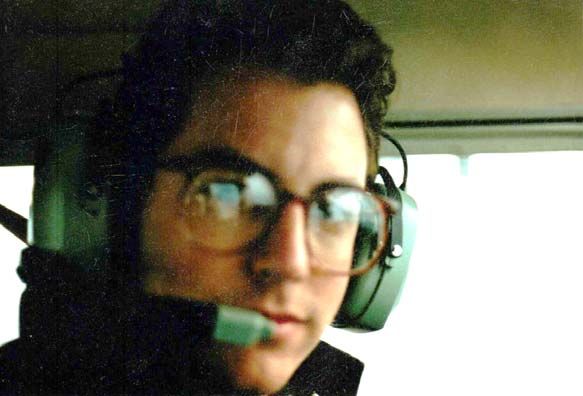
Human Performace Event Time Line
                                   Developed HPI tools      Initiated guidance          Introduced “Train         Introduced “Train           Bi-monthly review of
   Tracking HPI                      and Introduced            from outside                the Trainer”              the Trainer”            HPI’s with Leaders and
Incidents monthly                     HPIs to PSCo               consultant              program in SPS            program in NSP             employees involved.

                                                                          Hired Terry Varn                                                             Introduced
                                                                               as HPI               Introduced                  Started                     HPI
                Developed                                                    consultant.             “Train the               “Tool of the             Trans/Subs
               action plan to                                                Designated               Trainer”                  Month”                   training
               reduce HPI’s                        Introduced               internal HPI            program in                program in              group/progra
                                                   HP to NSP                  trainers                 PSCo                    all OpCo                     ms

    Jan- Mar               April          May        June       Jul-Aug          Sept        Oct        Nov          Dec         Jan         YTD        May 2012
      2011                 2011           2011       2011        2011            2011        2011       2011         2011        2012        2012

                                         SUBSTATION O&M OSHA RECORDABLE INCIDENT RATE VS.
                                                 HUM AN PERFORM ANCE INCIDENT RATE
                                                                                                                                             HPIR

                            12.00                                                                                                            ORIR
                            10.00
                    RATE

                             8.00
                             6.00
                             4.00
                             2.00                                                                                                                                     4 4
                             0.00
                                       Jan- Feb- Mar- Apr- May- Jun-        Jul- Aug- Sep- Oct- Nov- Dec- Jan- Feb- Mar- Apr-
                                        11   11   11   11   11   11          11   11   11   11   11   11   12   12   12   12
                                                                                 M ONTH/YEAR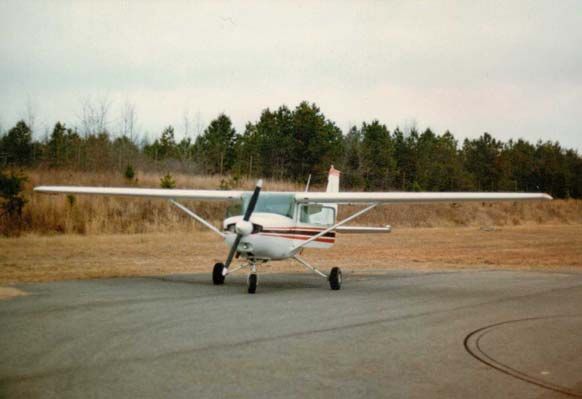
Human Performance Initiative
Where We Are in 2012
Leadership support for phase II
Expand HPI to all of the Transmission organization
and control centers by YE – FB from the field
Enlist natural field leaders to effect culture change
component
Customize HP tools to work functions and tasks
(FB from field)
Provide additional support for groups with multiple
HPIs
Continued
6
Human Performance Initiative
Where We Are in 2012
Continue to participate, engage and learn from
industry HP initiatives such as NERC seminars,
industry forums (NATF) and R&D organizations
(EPRI)
Set and clearly communicate expectations for HPI
tool use and accountability
Strengthen the HPI message and its link to safety
Clearly define for all employees what's in it for
them
Provide additional support for groups with multiple
HPIs 77
Human Performance Initiative
2013 & Beyond
Continue to engage our employees
Improve communication of HPI’s
● Improve tracking
Increase participation in industry HP initiatives
● NATF, EPRI, NERC
Practicing Perfection Institute
● Leadership training
● Mastery training
Expand the Human Performance process to
Transmission
8
● HP Summit
Human Performance Initiative
Improvement Process
        Every Day, Every Job, Every Time
                  With RIGOR

                        RISK

                     POINT
                     OF NO
                     RETUR
                       N
                       MITIGA
                         TE

                                           9
Questions?
HUMAN PERFORMANCE
 IN THE REAL WORLD
    November 15, 2012
OVERVIEW • A Fable • Experiences from Aviation • A Real-World Example • Lessons Learned
ONCE UPON A TIME
• When I was young ...
• When I had spare time ...
• When I had disposable
  income ...
• When I had HAIR ...
• I flew recreationally as a
  private pilot
• One of the most enjoyable
  experiences of my life
CHALLENGES IN AVIATION
• Pilots often find themselves in
  less-than-optimal situations
• Uncertain of Location
   • Aka “Lost”
• Lack of Necessary Supplies
   • Aka “Low on Fuel”
• Deteriorating Weather
   • Aka “Continued VFR into
     IMC”
"GET-HOME-ITIS" • A commonly-used term in flying • Refers to the pressures that pilots feel to complete a flight in conditions that are less-than-optimal • “I have a meeting tomorrow ...” • “The aircraft is due back this afternoon ...” • “I have to get there before dark ...” • Many a pilot has flown an aircraft into the ground due to the pressures of “get-home-it is”
IS “GET-HOME-IT IS” APPLICABLE TO US?
• Have you ever heard:
   • “I don’t care what you do, just get XYZ done ...”
   • “If we don’t get XYZ back up, we’re all toast ...”
   • “We’ve got to get Project XYZ back on track ...”
• All of these express valid concerns, but if not properly
  analyzed and bounded, bad things can happen
   • Cutting corners
   • Taking unnecessary and uneducated risks
   • Damage, injury or worse
A REAL-WORLD EXAMPLE
• A simple equipment upgrade
• A low-impact change
• A real no-brainer
• However ... “get-home-itis” got us
AN UNEXPECTED OUTCOME
LESSONS LEARNED
• Improper Classification of Potential Impact
• Inadequate Work Plan
• Inadequate Review of Procedures BEFORE Work Began
• Continued VFR into IMC
   • aka Continuing When Unexpected Results Occur
PROCESS IMPROVEMENTS
• Improvements to Change Management Process
   • More detailed work plans
   • Greater review of impact before work begins
   • Stricter definition of low, medium and high impact
     changes
   • Staff has freedom to declare a halt at any time
CONCLUSION • While this event had no reliability impact, a similar event on a Critical Cyber Asset could have • It is important that human performance be factored into any process • Any chain is only as strong as its weakest link • Process/Procedure • Equipment • People
QUESTIONS

Robert H. McClanahan
Vice President & Chief Information Officer
Arkansas Electric Cooperative Corporation
Robert.McClanahan@aecc.com
You can also read


