ERADICATING BOVINE TB FROM BAY OF PLENTY - OSPRI
←
→
Page content transcription
If your browser does not render page correctly, please read the page content below
ERADICATING
BOVINE TB FROM
BAY OF PLENTY
JULY 2018 | VERSION 2.0

TB MANAGEMENT
AREAS
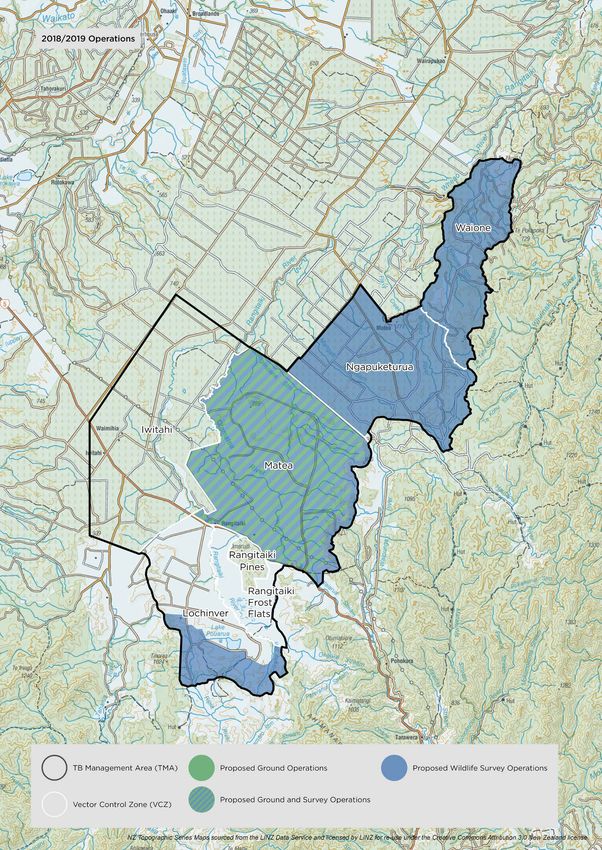
                                                TMA Boundary

The TBfree programme aims to
control and eventually eradicate
bovine tuberculosis (TB) from
New Zealand by 2055.
We use possum control, along with
regular herd testing and movement
restrictions, to achieve this objective.
Information gathered from wild animal
surveys, recent and historic findings
of TB in wild animals, herd testing
results and the operational history
of the region is used when planning
operations.
The TBfree programme is delivered
through TB management areas
(TMAs). These areas were created
based on the likely or possible
presence of TB in wildlife, similar
habitat features, known disease
patterns, geography and control
history. Each TMA has a specific
TB control plan designed to eradicate
TB as effectively as possible.
A TMA is made up of one or more
Vector Control Zones (VCZs) within
which possum control or wildlife           All operation dates provided               the Whirinaki/Te Urewera forests
survey operations may be carried           are provisional and subject                in the east. The northern most tip
out from year to year, depending           to consultation.                           includes Taupiri mountain – head
on wild animals present, habitat,                                                     waters of the Wheao, Rangitaiki and
progress toward TB eradication
and available funding.                     BAY OF PLENTY                              Waione rivers – and the southern
                                                                                      boundary is Lochniver Station. From
This notice provides an overview           The Bay of Plenty TMA is located           Lochinver, the boundary travels north
of TB control work planned for the         in the south eastern area of the           again across SH5 to include the Matea
Bay of Plenty TMA. It is not a formal      Bay of Plenty region and includes          farmland and Ngapuketurua forest.
notice of any specific operation.          the Kaingaroa forest in the west, to       There is a total of 60,773 ha.

                           TBfree is an OSPRI programme                           ospri.co.nz           0800 482 463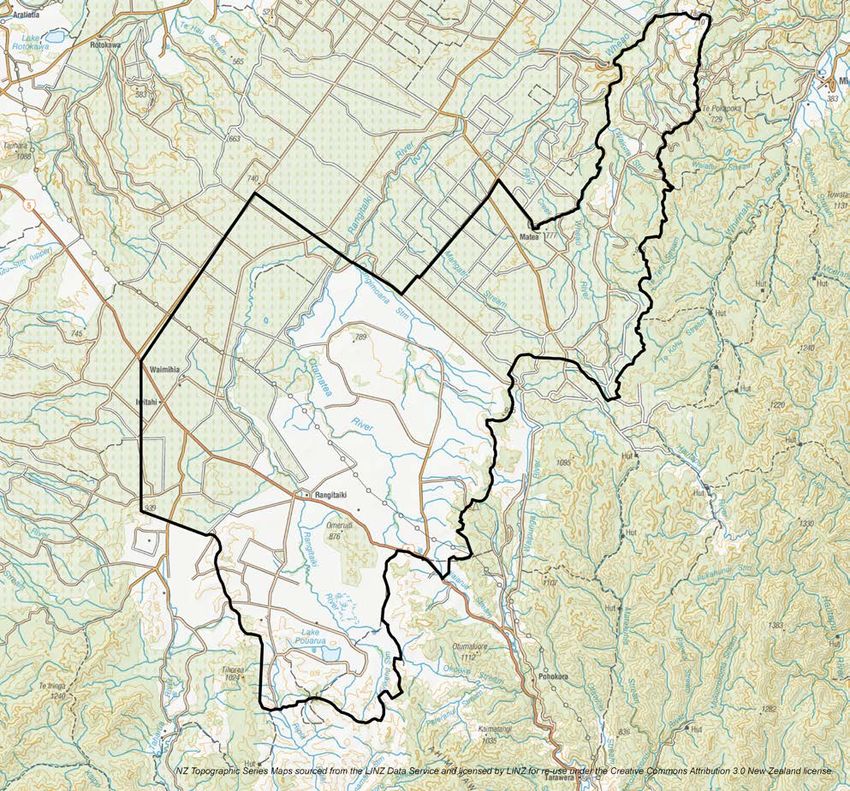
widely, so are likely to get TB from
                                                                                         eating TB-infected possum carcasses.
                                                                                         They can’t maintain TB within their
                                                                                         own population, so if they are
                                                                                         infected, it means it’s from another
                                                                                         species. Pig survey results will help
                                                                                         us to tell if TB is still in the area and
                                                                                         whether further possum control
                                                                                         work needs to be done.

                                                                                         CONSULTATION
                                                                                         OSPRI aims to ensure that
                                                                                         communities, land occupiers and
 © Matt Winter                                                                           land users are notified of planned
                                                                                         operations well in advance and have

BAY OF PLENTY                             TARGETING                                      the opportunity to submit feedback
                                                                                         about any possible risks or sensitive
TB HISTORY                                POSSUMS                                        areas that need to be managed.
Sporadic infection in domestic herds      To eradicate bovine TB from possum             OSPRI will always seek the willing
has been seen in this TMA during          populations, possum numbers need
                                                                                         cooperation of land occupiers when
the past 20 years. Infected pigs and      to be kept extremely low – around
                                                                                         TBfree programme work needs to
ferrets have also been found within       one to two animals every ten hectares.
                                                                                         be carried out on their land.
the Bay of Plenty TMA, with the most      Previous possum control and livestock
recent find being a ferret on Lochinver   disease management has dramatically            Before any operations begin, affected
Station in 2006 and a pig in 2008.        reduced the number of infected herds           landowners and occupiers will be
                                          in the Bay of Plenty region.                   contacted and visited by one of
                                                                                         our contractors. Depending on the
CONTROL HISTORY                           Further possum control will only
                                          be required in the southern Bay of             methods used and the location of the
There has been possum control             Plenty region where there has been             operations, consents may be required
undertaken in the Bay of Plenty           poor possum control history. This will         from the Department of Conservation
TMA since 2000 which has kept the         prevent reinvasion of wildlife infection       and Ministry of Health.
possum population low over the past       from the south.
10 years and prevented the migration
of TB out of the uncontrolled land
to the south. Recently, ground
                                          PIG SURVEY
control operations through Matea          Before an area can be classed as TB-
and Lochinver have been completed.        free, surveys are used to assess if TB
In 2017 aerial control was completed      is still present in wildlife. While possums
in Iwitahi, Ngapuketurua and              are the main source of infection from
                                          wildlife it can be difficult and costly
Waione, along with the neighbouring
                                          to detect TB in possum populations.
Kokomoka and Whirinaki areas.
                                          Pigs are good indicators of TB in
Early indications show these
                                          possums because they scavenge
operations were highly successful.

ERADICATION                                 OPERATIONAL TIMEFRAME
GOALS                                       Planned control and surveillance management activities
OSPRI’s main goals for TB control           are outlined in the table below.
in the Bay of Plenty area are:
                                             TYPE OF               WHEN?* HOW MANY                                    WHERE?
• Maintain TB freedom in livestock           CONTROL                      HECTARES?

• TB freedom in possums and the              Ground Control       2018/2019             16,000                           Matea
  Bay of Plenty TMA by 2019.                 Pig Survey           2018/2019             37,000            Lochinver, Matea,
                                                                                                      Ngapuketurua, Waione
These goals are ahead of the national
objectives of TB freedom in livestock        Ground Control      2019/2020                870                 Rangitaiki Pines
by 2026, and TB freedom in possums          Hectares under control are indicative only and may change after consultation.
by 2040. We aim to have eradicated          * The operational year runs from 1 July – 30 June
TB from New Zealand by 2055.

                          TBfree is an OSPRI programme                           ospri.co.nz                  0800 482 463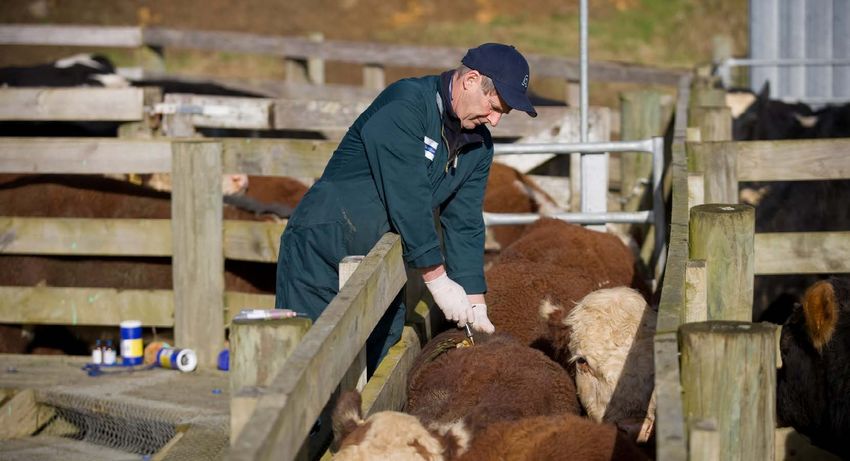
2018/19 OPERATIONS

                TBfree is an OSPRI programme   ospri.co.nz   0800 482 463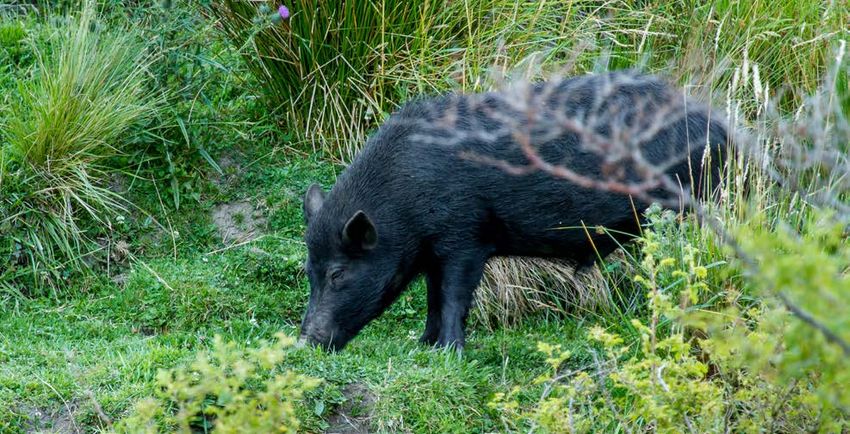
THE METHOD                                examination. In some areas, a Judas
                                          Pig operation may be used: a wild
                                                                                   depends on the herd’s location,
                                                                                   management and TB history.
GROUND CONTROL                            pig, ear-tagged with a transmitter,      To check the testing frequency
                                          will lead hunters to other pigs.         for your property visit ospri.co.nz/
Our contractors will be using toxins
                                          A selection of those pigs can be         dcamap
and traps to carry out this possum
                                          shot and checked for the presence
control operation.
                                          of TB. Another method, Sentinel
Different toxins are used depending       Pig surveillance, involves releasing     WHAT NEXT?
on the size and terrain of the            an ear-tagged, disease-free pig into     Dates and control methods for the
operational area. Toxins will either      an area to scavenge local wildlife       proposed operations are provisional
be placed in bait stations, stapled to    that may be carrying TB. The pig         and subject to consultation. OSPRI
trees in biodegradable bags or hand-      is later recovered and examined          contractors will be in contact with
laid. Contractors will consult with       to check for TB infection.               affected landowners and occupiers
landowners on which toxin will be                                                  before any work commences.
used to ensure the safety of livestock,
pets and native animals.                  POSSUM
There are many different types of
                                          POPULATION
traps, such as leg hold or kill traps.    ASSSESSMENT
In choosing the right one, we will take   Before control work is carried out an
into consideration ease of access,
set-up and maintenance time, animal
                                          assessment of the wildlife population       CONTACT
welfare factors and the potential risks
                                          may be undertaken.
                                          Following control work, the possum
                                                                                      DETAILS
to livestock, pets and native animals.
                                          population density may also be              OSPRI Hamilton office
On occasion our contractors may also      monitored to assess the operation’s         PO Box 9466
use corflute chew cards or wax tags       success. From the results, we’ll be         Waikato Mail Centre
to identify possum populations where      able to tell if further possum control      Hamilton 3240
control is required.                      work needs to be done in the area.          P 07 849 8915
PIG SURVEY                                                                            E vector.sni@ospri.co.nz

Our contractors will collect wild pigs    TESTING HERDS                               ospri.co.nz

for disease surveillance, using one       Cattle and deer herds are monitored         EPRO Limited
of three proven methods. Pigs may         for TB through a combination of herd        P 07 378 4864
be ground hunted, trapped or shot         testing and carcass inspection at           E control@epro.co.nz
from helicopters for post-mortem          slaughter. The frequency of testing

                           TBfree is an OSPRI programme                        ospri.co.nz            0800 482 463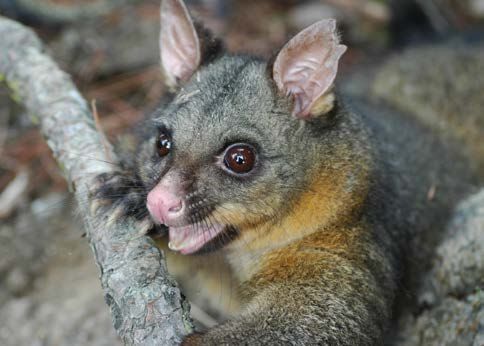
You can also read


