Year 8 Project (Term 1, Lessons 6-12) - 17th Century England - Rastrick High School
←
→
Page content transcription
If your browser does not render page correctly, please read the page content below
Year 8 Project (Term 1, Lessons 6-12) – 17th Century England
  This home-learning project will cover lessons 6-12 of the 17th Century England topic we are currently
studying in Year 8 History. This section of the 17th Century England topic will cover two major events that
  happened in the 1600s – the Great Fire of London and the English Civil War. We will explore both the
           main causes of these events as well as their consequences for 17 th Century England.
 In total, this project should take around 6 hours to complete. All work needs to be completed in
                    your History exercise books. The key topics we will cover are:
1. Why did the Great Fire destroy so much of London? (Slides 3-10)
2. What were the consequences of the Great Fire? (Slides 11-21)
3. How did Charles I demonstrate the Divine Right of Kings? (Slides 22-30)
4. Why did Charles I and Parliament disagree? (Slides 31-38)
5. Why did the English Civil War begin? (Slides 39-46)
6. Oliver Cromwell – Hero or Villain? (Slides 47-55)

  At the end of this project, there is a Check 20 Quiz (Slide 56) for you to complete, to check how much
you have learned. The correct answers are also provided (Slide 57) at the end of the slides so you can self-
                                             mark your answers.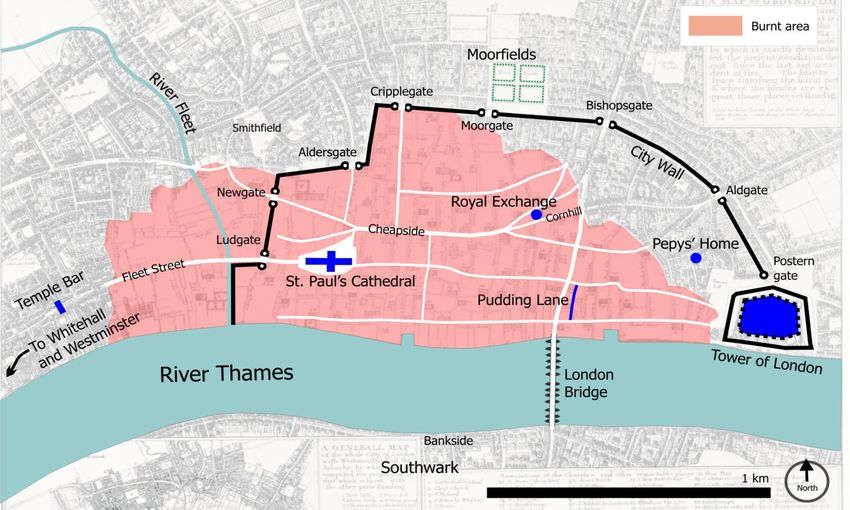
Before we start, here is a list of key words and terms and their definitions you will
                                       need to know:

                A period of 100 years, beginning in 1600 and ending in 1699. During the
Seventeenth
                seventeenth century many events took place in England which led many
  Century
                               people to describe it as “bloody and “brutal”
                    The crime of betraying your country, especially by attempting to
  Treason
                                overthrow or kill the monarch/government.
                A war between citizens of the same country. In 1642 the English Civil War
 Civil War
                              began between King Charles I and Parliament.
                  To be killed for your crime. Hundreds of women were executed in the
 Executed        seventeenth century for witchcraft. King Charles I was also executed in
                                                    1649.
                The group of people who make the laws in a country. In the seventeenth
Parliament      century Parliament and the King regularly disagreed over how to run the
                               country and a Civil War was declared in 1642.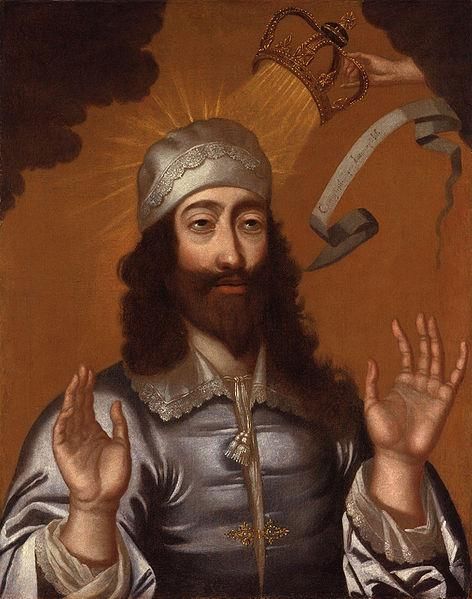
Lesson 1 - Why did the Great Fire
    destroy so much of London?

LO: To explore the causes of the Great Fire of London and
         determine which is the most important.
YOUR TASK - Watch the video and answer the following questions in your
                               book:

                          When was the fire?

                        How many people died?

                    What caused the fire to happen?

                Why did the fire cause such devastation?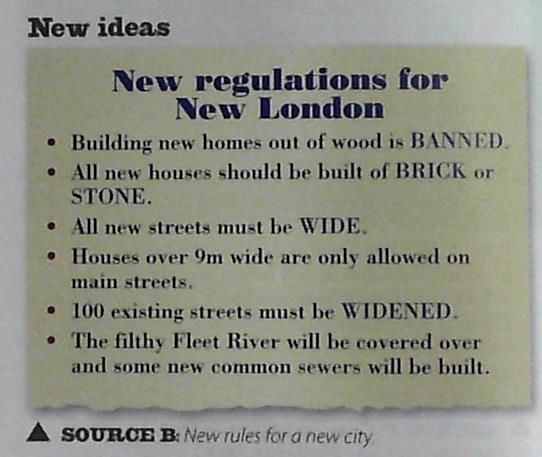
The Great Fire of London - Sunday 2nd September to
         Wednesday 5th September, 1666.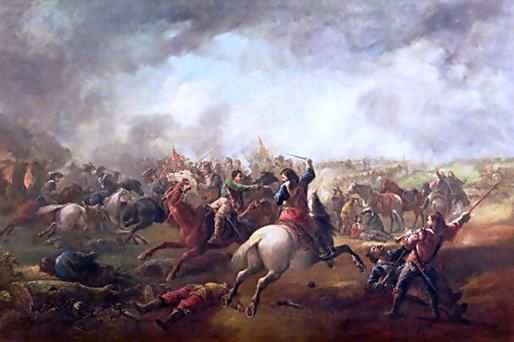
YOUR TASK - Read through the cards on the following slide. Each card
      is a reason why the fire destroyed so much of London.

  Sort the cards into 2 categories - Long-term and short-term causes.

                         Long-term = trends.
                   Short-term = Immediate triggers.

    CHALLENGE - Identify which cards could go in both categories.

                   Long-term           Short-term
Someone started a   There was a strong    Fire fighting         Water supplies were
fire in Pudding     wind blowing.         equipment was not     low in 1666.
Lane.                                     good enough to
                                          deal with the fire.

Throughout          Town officials took   Houses in London      Most houses in
London, heating     no action at the      were very close       London were made
and lighting were   start.                together.             of wood.
provided by fire.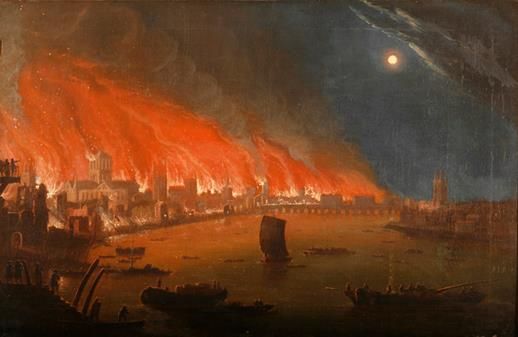
YOUR TASK – Rank the cards into their order
      of importance in your books.

 1 = the most important reason the fire
destroyed so much of London. And 8 = the
         least important reason.

  CHALLENGE - Write a paragraph in your
     books explaining your decision.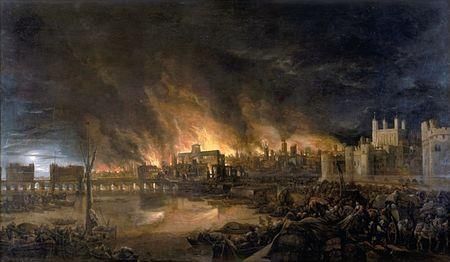
Extended Writing - Use the card sort tasks to answer the following
                    question in your books:

         Why did the Great Fire destroy so much of London?

Sentence Starter - One reason why the Great Fire destroyed so much
                          of London is…..

CHALLENGE - ‘Strong winds were the most important reason why the
  Great Fire destroyed so much of London’. How far do you agree?

  Make sure you include if your reasons are long-term or short-
                              term.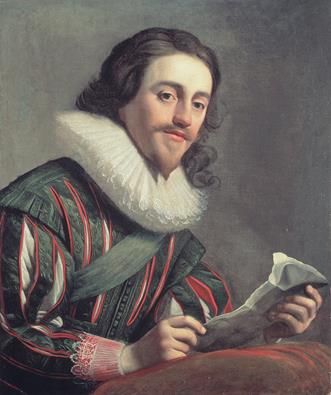
Plenary - Read Samuel Pepys’ diary entry.

Using the knowledge you have gained this lesson, create your own diary
  entry from the perspective of someone who witness the devastation
                       caused by the Great Fire.

Diary of Samuel Pepys, 2nd September, 1666

The fire leapt across Fish Street Hill and engulfed the Star Inn. The London of
1666 was a city of half-timbered, pitch-covered medieval buildings and sheds
that ignited at the touch of a spark--and a strong wind on that September
morning ensured that sparks flew everywhere. From the Inn, the fire spread into
Thames Street, where riverfront warehouses were bursting with oil, tallow, and
other combustible goods. By now the fire had grown too fierce to combat with
the crude firefighting methods of the day, which consisted of little more than
bucket brigades armed with wooden pails of water.
Lesson 2 - What were the consequences
of the Great Fire?
LO: To explore the consequences of the Great Fire of London
and determine which is the most important.RECAP – CHECK 5: 1. When was the Great Fire of London? 2. Where did it start? 3. How much of London did it destroy? 4. Give two reasons why it spread so quickly. 5. Why do we still not know how many people died during the Great Fire?
Due to a failure to create ……….. by pulling down houses and the easterly ……….,
much destruction was caused to London.

A sixth of …….…was destroyed. About 13,200 houses, 400 streets and 87 churches
were destroyed

…………lost £2 million worth of books and papers when the lead in the roof melted.

………… worth of wine, tobacco and sugar was also lost from the docks along the
Thames.

        YOUR TASK – Fill out the sentences above with the words below:

             London, Fire Breaks, Wind, St Pauls Cathedral, £1.5 million
Due to a failure to create fire breaks by pulling down houses and the easterly wind, much destruction was caused to London. A sixth of London was destroyed. About 13,200 houses, 400 streets and 87 churches were destroyed. St Pauls Cathedral lost £2 million worth of books and papers when the lead in the roof melted. £1.5 million worth of wine, tobacco and sugar was also lost from the docks along the Thames.
TASK:
      YOUR TASK – Read through the cards about the
 consequences of the fire on the next slide. Write them into
your book in two lists – positive consequences of the fire and
             negative consequences of the fire.

 Then, rank the cards in terms of their importance. 1 = the
         most important consequences of the fire.

CHALLENGE – How much was London affected by the fire?
               Explain your answer.
The rebuilding started in 1667 and lasted Robert Hubert, a Frenchman, confessed to The architect Christopher Wren produced
nearly 50 years. The last building to be starting the fire. He was hung for the plans for a beautiful new city of London
completed was St Pauls Cathedral which crime in 1666. However it was later but the urgent need for new houses and
was completed in 1710. In total 9000 discovered that he had arrived in London workplaces meant that it was mostly
houses were rebuilt. after the start of the fire. ignored.
The cost of the damage caused by the fire The rebuilding of the city provided lots ofA monument to remember the fire and
has been estimated at £10 million. job opportunities. It also led to the celebrate the rebuilding of the city was
Parliament had to increase taxes to pay creation of businesses in fire safety and built between 1671 and 1677. It was one
for the damage. fire insurance. of a number of buildings designed to
show that London was still strong and
powerful.
There are only six recorded deaths and 65,000 people were made homeless. 13,200 houses (80% of the city) was
only a few others recorded. No report Many Londoners moved away and never destroyed. There was no fire insurance so
suggests the death toll was high. returned. many people were left with nothing.
In some ways it helped get rid of the Almost as soon as the fire began, rumours The King issued new building regulations
plague because the fire destroyed areas spread that the fire was started to prevent such a fire happening again.
of unsanitary housing and killed the rats. deliberately but the French, Dutch or No timber buildings were allowed, streets
The use of brick rather than wood in the Catholics. Angry mobs roamed the streets had to be wider and there were limits of
rebuilding also helped to reduce the in search of these people and attacked how high the buildings were allowed to
number of fleas in people’s homes. anyone they suspected. be.• Sir Christopher Wren’s flame-topped Monument to the Great Fire of 1666 is the tallest isolated stone column in the world. • Completed in 1677 • The Monument stands 202ft high and is positioned 202ft from the spot in Pudding Lane on which the Great Fire is believed to have started.
St Paul’s Cathedral – Sir
Christopher Wren built St. Pauls
Cathedral after the Great Fire of
London. It took 35 years to build
and many Royal Wedding’s have
taken place here over the years.
This is your chance to rebuild London!
YOUR TASK – Create a plan to redevelop London. Explain why you
have chosen the things you have decided to do. This must be written
in your books.

Think about the following before you make your plan:
• What materials would you use for the new buildings: wood, brick or
  stone?
• Would you make the roads: narrow, wide, straight or winding?
• Would you lay out the streets on a grid pattern or put in crescents
  or other shapes?
• Would you build the new house: close together or with room
  between them?
These were the rules
 created for rebuilding
London after the Great
          Fire.

Plenary – What do you
think about these rules?

 How might they have
 improved the city of
      London?
Lesson 3 - How did Charles I demonstrate the
Divine Right of Kings?
LO: To explore the concept of the Divine Right of Kings and
determine how Charles I demonstrated it throughout his reign.YOUR TASK - Copy and complete the mind map in your
books.
What powers
does Elizabeth II
have?
CHALLENGE - Do
you think Kings
and Queens in the
Stuart period had
more or less
power?Charles I became King of England in 1625 (after James I). He believed
in something called the ‘Divine Right of Kings’. What might this
mean?
Divine Right of Kings -
A King has the right to rule
directly from the will of God.
Any opposition to the King
is therefore a sin.What powers did Charles I have as King?
YOUR TASK - Look through the 11 cards on the next slide.
Sort them into powers you think Charles I did have and
powers you think Charles I did not have.
Remember he believes he is under the influence of the
Divine Right of Kings.
CHALLENGE - Do you think it is right that he has these powers?
Explain your decision.Start a war with Sentence a person Allow only their Create any law
any country that to death for a friends to be that they want.
they wish. crime. businessmen.
Take any property Send someone to Get rid of the Tax (take money)
or house that they prison without any Government and from the people
want. evidence or rule without their and use it how
reason. advice. they want.
Allow their friends Allow their friends End wars with
to be priests in the to be members of countries without
Church of England. the Government. taking advice from
the Government or
the people.Charles I actually
had all of these
powers, because he
was under the
influence of the
Divine Right of
Kings.Now you have discovered the power Charles I had
during his reign, answer one of the following
questions in your book:
Do you think that the King having so much power was
a good or bad thing? Why?
CHALLENGE - Why do you think that the amount of
power given to the monarch has been reduced?SOURCE ANALYSIS - Look at the painting by an unknown artist of Charles I during his reign. Answer the following questions in your book: What does the source show? What does it suggest about Charles I? How does this source match your own knowledge of the Divine Right of Kings?
Plenary

    How did Charles I
demonstrate the Divine Right
         of Kings?
Lesson 4 - Why did Charles I and
Parliament disagree?
LO: To explore the reasons why Parliament and
Charles did not get along.YOUR TASK - Answer the following questions in your book:
Who rules our country - Parliament or the Queen?
What would happen if Boris Johnson and the Queen did not get on?
Why might Parliament and the Monarchy disagree?YOUR TASK - Read
Reasons why Charles I and
through your information Parliament disagreed:
sheet on the next 2 slides
and make a list in your
books of the reasons why
Charles I and Parliament
did not get on.
CHALLENGE - What
might the consequences
of this disagreement be?Relationships Ireland Money
Charles married Princess The Irish Catholics were fed Charles was in constant need of
Henrietta Maria of up of being ruled by English money because he was fighting
France which worried Protestants and revolted wars with Spain and France.
people because she was (crush) in 1641. Rumours Parliament only gave Charles an
a Catholic. spread that Charles was income for one year, hoping to
behind the rebellion in order limit his powers and stop him from
He chose The Duke of to make the whole of the ruling alone.
Buckingham a United Kingdom Catholic. Charles dismissed Parliament
‘favourite’, as his advisor An army had to be sent to anyway and ruled without them
who Parliament disliked Ireland to put down the for 11 years! He just found other
because he had a lot of rebellion, but who was to ways of getting money.
influence (control) over control the army. Both SHIP MONEY-
the King. Parliament and wanted to This was usually paid by people
control the army- who lived on the coast during war
STALEMATE!! time, Charles demanded it was to
be paid all the time, and even by
those who lived inland.Religion Scotland Parliament
Charles upset Charles demanded that the One of Charles mistakes was that
Protestants by marrying new prayer book be used in he was unable to gain the
a Catholic. He then Scottish churches- Big cooperation of his Parliament. His
began making changes mistake! The Scots were belief in the Divine Right of Kings
to The Church of more anti-Catholics than the led to him dismissing Parliament in
England with Archbishop English and many of them 1629 and ruling without them. The
(senior person in the were Puritan (an extreme fact that he did not have
church) Laud. branch of Protestantism). Parliament to grant him money a
Churches were to be There were riots against the he had to tax his people heavier
decorated again and a new services and Charles was and led to the introduction of
new prayer book was forced to raise an army. The unpleasant taxes like Ship Money.
introduced in 1637. English army was defeated It was only when Charles needed
by the Scots. Charles money to fight Scotland that he
foolishly agreed to pay was forced to call Parliament in
Scotland £850 per day until 1640. This Parliament remained for
the matter was settled. so many years it was known as the
Money he did not have! Long Parliament.SOURCE ANALYSIS - Use the source the answer one of the questions in your books:
Taken from the Petition of Right (1628)
Petition of Right said:
• Only Parliament could levy taxes
• No martial law ( laws imposed by the military over civilian life usually when there is war,
it overrides civil law) during peacetime
• Habeas corpus – prisoners could not be held without trial; they had the right to go
before a judge and hear charges
Which powers have been taken from the King?
CHALLENGE - What does the source suggest about the relationship between Charles I and
Parliament?YOUR TASK - Write a letter to Charles I advising him about how to create a better
relationship with Parliament.
CHALLENGE - Include in your letter the reasons why it is so important that Parliament and
the Monarchy have a good relationship.
Dear King Charles
My name is…….. ….I am a loyal citizen of this great Kingdom. As such I would like to offer your majesty some
advise so that you and Parliament can get along better.
Firstly one of the main problems is ……………………….
Another problem that requires your attention is ……………….
Furthermore another very pressing issue is ……………..
I have also discovered that people in the kingdom are not happy about…………………..
Overall, I think you should…………….
Yours sincerely……..Plenary – What might happen next?
Lesson 5 - Why did the English Civil War
                begin?

LO: To analyse the causes of the English Civil War and determine which was the
                                most important.
RECAP – Check 5 1. What did Charles I believe in? 2. Name 3 powers that Charles I had as King. 3. Who was the leader of the Parliamentarians? 4. Name two reasons why Charles I and Parliament disagreed. 5. When was Charles I executed?
YOUR TASK - Watch the video and answer the following
                 questions in your book:

               When did the English Civil War begin?

                 What caused the English Civil War?

To what extent was Charles I responsible for the outbreak of the war?

http://www.bbc.co.uk/bitesize/ks3/history/tudors_stuarts/charles_i_ci
                           vil_war/video/
English Civil War - 1642
Oliver Cromwell and the Parliamentarians vs. Charles I and
the RoyalistsYOUR TASK – Copy the table below. Sort the cards on the next
slide into the table. Each card is a cause of the English Civil War.
Religion Power MoneyIn 1629, Charles locked Many in England feared Charles firmly believed in Since Henry VIII there had
MPs out of Parliament for that Charles favored the the Divine Right of Kings been problems over
11 years. Catholics too much - after and that it was his right to religion and Charles could
all, he was married to a run the country as he not hope to keep
Catholic. wished. everybody happy.
In 1626, Parliament In 1640, Charles fought a There was a general belief England had money issues.
refused to raise money for war against the Scots and in the country that Charles should have set a
Charles. lost. He had to pay the Parliament should have better example for his
Scots to leave England. more say in how the people with regards to
country was run. spending.
Charles was arrogant and Charles forced his way into Charles decided to rule Charles called for all his
would not listen to the the House of Commons without Parliament when it loyal subjects to join him
opinions of others. but failed to arrest 5 would not give him the in a war against
leading MPs. taxes he wanted. Parliament’s supporters.YOUR TASK - Now label each cause with either ‘trend’ or
‘trigger’.
Trends (long-term) - things that have happened over a long
period of time.
Or Triggers (short-term) - things that happened just before the
outbreak of war.
CHALLENGE - Are there more long-term or short-
term causes? Why do you think this is the case?Plenary - Write a paragraph answering the following question:
What was the most important cause of the English Civil
War? Explain your decision.
Provide at least 3 reasons.
Was it - Religion, Power or Money?
Sentence Starters - The most important cause of the English Civil War was……….I
think this because…...
CHALLENGE - What was the least important cause of the English Civil War?
Explain your decision.Lesson 6 - Oliver Cromwell - Hero or Villain?
LO: To examine different interpretations of Cromwell and make a
judgment about whether he is hero or villain.YOUR TASK - Look at the picture and answer the following
questions in your book:
What is this?
Who might it
belong to?
What might have
happened to it?1658 - Funeral fit for a king at
Westminster Abbey.
1661 - Body dug up, hung and
beheaded. Head placed on a spike.
1685 - Blown off the spike in a storm.
Found by a soldier and stuffed up a
chimney.
1702 - Sold to a waxwork show .
1789 - Bought by a group of
businessmen. Put on display in Bond
What does the story of Street.
1814 - Bought by a Doctor who
Cromwell’s head suggest examines it.
about how people viewed 1960 - Given to Sidney Sussex College
him? for burial in a secret location!KEYWORD:
Puritan - a Protestant that wanted to further
simplify worship and church services.
This lesson we are going to look at different
opinions of Cromwell and make our own
judgement about whether he was a hero or
villain.YOUR TASK - Watch the video and answer the questions:
https://www.bbc.co.uk/bitesize/guides/z8vdmp3/video
How did Cromwell change the country?
What did Cromwell believe?
How did the English people view Cromwell?
Why do you think people had different interpretations of
Cromwell?YOUR TASK - Read through the sources on the
following slide.
Sort them into sources which portray Cromwell
as a hero and source which portray Cromwell as
a villain.
CHALLENGE - Which sources do you find the
most useful? Why?‘I tell you, we will cut off his head ‘Each of the attackers (Cromwell’s ‘The days of Oliver were
with the crown on top of it!’ men) picked up a child and used it marvellous days of prosperity,
as a shield to keep themselves freedom and peace’.
Oliver Cromwell, speaking out from being shot. After they had
about wanting to kill King killed all in the Church, they went Written by a Bristol Baptist in
Charles in 1649. into the vaults where all the 1685. Puritan priests were true
women were hidden’. supporters of Cromwell.
Written by Thomas Wood, an
eyewitness to Cromwell’s attack
on Ireland.
‘I did not call myself to be the ruler ‘Pointless enjoyment was frowned A painting of Oliver Cromwell,
of England…...I just tried to do upon. Cromwell shut many inns 1660. It shows Cromwell
right, for God and for the people’. and theatres were all closed down. working with the Devil.
Most sports were banned. Boys
Cromwell explaining why he caught playing games on Sundays
refused to be King. The title was could be whipped as a punishment
offered to him but he refused it. and Christmas was cancelled’.
Written by a modern historian.YOUR TASK - Based on the evidence we have just looked at make a
decision:
Do you think Cromwell was a hero or a villain?
Write a speech in your books either defending or attacking Cromwell.
Provide at least 3 reasons for your decision.
Be ready to convince the rest of the class!
Sentence Starter - I believe that Oliver Cromwell is a hero/villain
because………..
CHALLENGE - Include evidence from the sources in your speech.Plenary
Why do you think these different opinions of Cromwell
exist?CHECK 20 – Answer these quiz questions to check your knowledge and understanding of the Great Fire of London and the English Civil War: 1. When was the Great Fire of London? 11. What was the Divine Right of Kings? 2. How long did the fire burn for? 12. When did Charles I become King? 3. Where did the Great Fire start? 13. What was ship money? 4. What was put in place to try and stop the Great 14. What did Charles try to introduce in Fire spreading? Scotland that made people very angry? 5. How many houses did the Great Fire destroy? 15. How long did Charles close 6. What building did Sir Christopher Wren rebuild? Parliament for? 7. Who wrote a diary and his experiences of the 16. How many MPs did Charles attempt Great Fire and buried it to keep it safe? to arrest? 8. How many churches were destroyed in the Great 17. When was Charles I executed? Fire? 18. Who was Oliver Cromwell? 9. What did all new buildings have to be made out 19. What religious group did Cromwell of after the Great Fire? belong to? 10. How long did it take to rebuild the city of 20. When was Cromwell’s body dug up? London?
CHECK 20 – Answers:

1. 1666.                            14. A new prayer book.
2. 5 days.                          15. 11 years.
3. Pudding Lane.                    16. 5.
4. Fire Breaks.                     17. 1649.
5. 13,200.                          18. The leader of the Parliamentarians who
6. St Pauls Cathedral.              became Lord Protector after the execution of
7. Samuel Pepys.                    Charles I.
8. 87.                              19. Puritan.
9. Brick or Stone.                  20. 1661.
10. 50 years.
11. A King has the right to rule directly from the will of
God. Any opposition to the King is therefore a sin.
12. 1625.
13. A tax usually paid by people who lived on the coast.
You can also read


