Zoos SA - Summary organisation of a cherished
←
→
Page content transcription
If your browser does not render page correctly, please read the page content below
Zoos SA

     Executiv
     Summary  e
      For the
 vitality a     ongoing
           nd viabil
  of a che          ity
            rished an
        contempo d
                  rary
     conservat
                ion
     organisat
               ion

           2016
           2021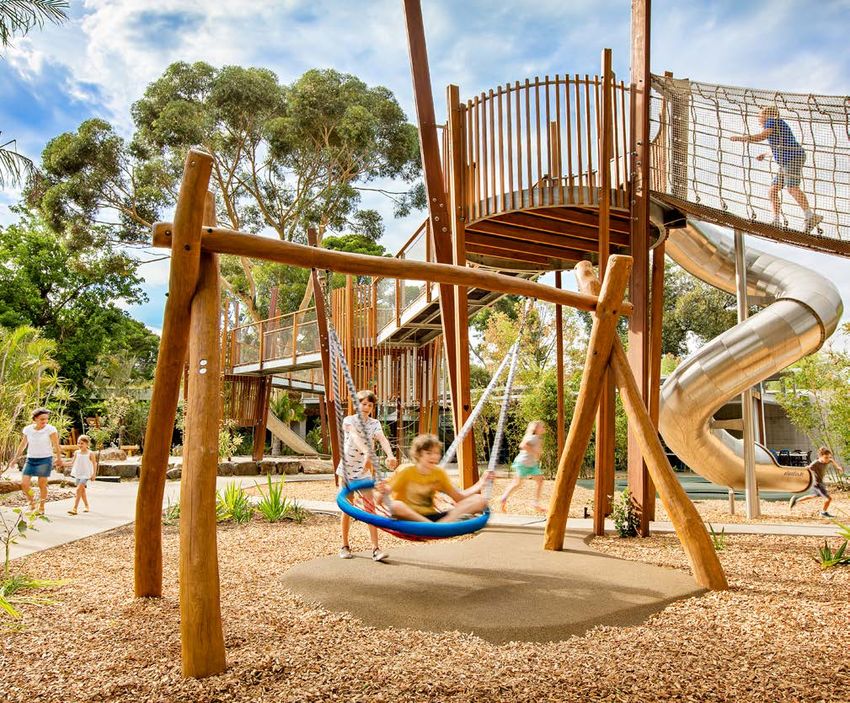
Looking
                                                              Ahead...

          In mid 2012, a Five Year Business Plan was publicly released.
             The Business Plan is reviewed annually and provides the detail that
             supports our Strategic Plan, helping to ensure that activities across all
             parts of the business are closely aligned with its directions. Quarterly
             monitoring of the status of actions against the detailed tasks is
             undertaken and results reported to the Board and State Government.

             The 2015-16 year again saw positive results with visitors and members and some wonderful
             success in breeding threatened animals. The Business Plan has again been updated to reflect
             the significant achievements already made and the areas that require our focus over the next
             12 months to ensure future success.

             Two key documents for Zoos SA support this Business Plan. The first is our Conservation
             Directions which guides our conservation work. Conservation of species is at the heart of our
             Mission and a core objective of the Strategic Plan. The Conservation Directions document
             provides us with a framework for local, regional and international conservation programs
             that we can use to help us prioritise this critical work.

             The second key document is our Master Plan, which outlines the forward infrastructure plans
             for Adelaide and Monarto Zoos and will guide their evolution over the next twenty years.

             Our core business continues to be based around public zoo visits, which have transformed
             dramatically over the past decade to become more adaptive, diverse, and interactive.

             On top of this, Zoos SA’s broader conservation purpose has grown in prominence and
             professionalism. We apply world class zoo standards and contribute to global conservation
             efforts through our integrated conservation programs.

             There is much still to be done in this challenging financial climate. With the persistent and
             growing need for active conservation efforts zoos will become increasingly important to
             support species on the edge of extinction and as interactive learning centres for the next
             generation.

             From a business perspective, we require more diversified revenue streams and the continuation
             of a sustainable financial base that supports the organisation at the right scale and shape for
             what we do uniquely and well. We share with zoos worldwide a distinct business challenge;
             zoos are expensive to run, easy to undervalue based purely on “bottom line” terms and have
             limited cost recovery options.

Zoos SA                                                                                                        Business Plan 2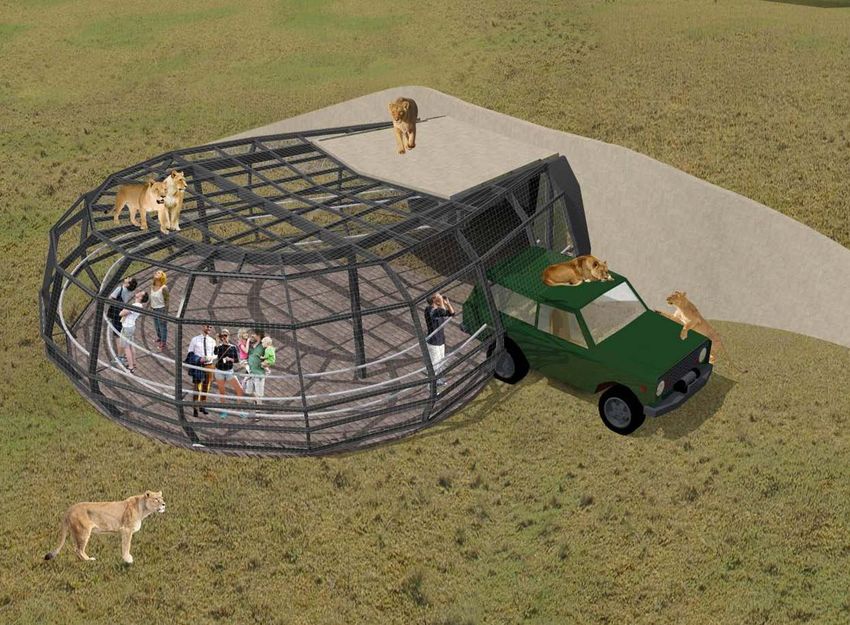
The Board and Leadership Team continue to be driven by the Vision, Mission and Goals
          of the Strategic Plan 2012-2017. In reviewing the Business Plan for 2016-17, we have
          identified a strong focus for the following six key areas:

               . Continue strong visitation and membership numbers.
               . Actively seek funding to continue the Master Plan’s implementation to deliver
                 successful and dynamic sites.

               . Deliver our conservation and education goals.
               . Strengthen partnerships and our broad support base beyond our gates.
               . Build on our gains to staff engagement, development and wellbeing.
               . Advance our financial goals by diversifying income streams and investing in
                 the future.

          We will also be undertaking a review and update of our Five-year Strategic Plan.

          Our strengthened focus on financial rigour, measurement and reporting against performance,
          and ongoing efforts to diversify and improve visitor experience at our sites continues to
          deliver positive results.

          The Board is excited by the opportunities ahead. We want to create new memories for future
          generations and look forward to working with our supporters and partners to deliver this Plan.

          David Sanders                                    Elaine Bensted
          President, RZSSA                                 Chief Executive, Zoos SA

Zoos SA                                                                                                    Business Plan 3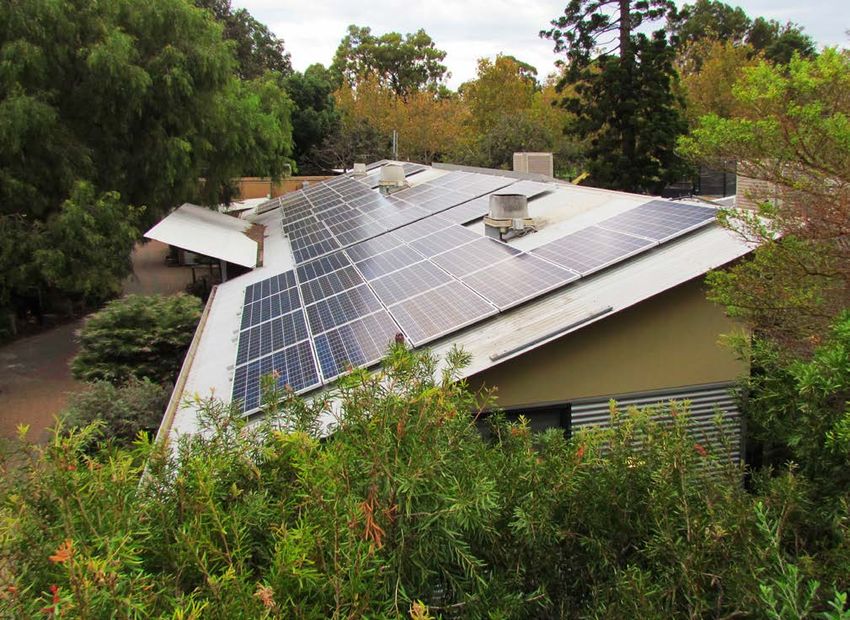
Introduction

          Zoos SA is a long-established organisation
             that is an integral part of the South Australian community and economy.
             Since Adelaide Zoo opened to the public in 1883, six generations of
             South Australians have passed through our gates.

             It is a charitable membership-based conservation society dedicated to species conservation
             and education with over 41,000 members.

                                                            Our Mission
          Zoos SA is a charitable conservation society
             that exists to save species from extinction and to connect people with
             nature.

                                                            Our 20-year
                                                            Vision
          Our vision is to lead
             and achieve long-term conservation change through our internationally
             renowned sites, programs and people.

Zoos SA                                                                                                   Business Plan 4
Our Unique
                                                               Assets

                                                                   Our Zoos
          Adelaide Zoo
          Adelaide Zoo was opened to the public on 23 May 1883, making it                   The Test of Time...
          the second oldest zoo in the nation, and since then six generations
                                                                                            The Royal Zoological Society of
          of South Australians have passed through its gates. It has retained               South Australia Inc. (RZSSA)
          many original and significant architectural, heritage1 and botanical              was established in 1878 and
          features, giving it a style and character all of its own.                         has responsibility for Adelaide
                                                                                            and Monarto Zoos, collectively
          Adelaide Zoo occupies eight hectares and is home to more than 260                 known as Zoos South Australia
          species of exotic and native mammals, birds, reptiles and fish, many              or Zoos SA.
          contributing to national or international breeding efforts.
                                                                                            Adelaide Zoo is the only major
          Situated on the fringe of Adelaide the zoo benefits from proximity to             metropolitan zoo in Australia
                                                                                            to be owned and operated by
          the city centre, important public institutions such as the Botanic Gardens
                                                                                            a not-for-profit organisation.
          and University of Adelaide and natural features including the River
          Torrens and associated Linear Park.                                               The RZSSA is governed by the
                                                                                            Royal Zoological Society of
          Adelaide Zoo has grown into a major visitor attraction for locals and             South Australia Inc Constitution
          tourists attracting over 400,000 visitors a year. With so much to see             (as last amended 26 November
          and do, all exhibited in beautiful botanic surrounds, Adelaide Zoo truly          2015) which states that:
          is a vibrant city oasis.                                                               The aim of the Society is
          Monarto Zoo                                                                            to assist the conservation
                                                                                                 of the natural diversity of
          Located 70km east of Adelaide, Monarto Zoo is a natural wildlife                       life on Earth.
          sanctuary and one of the world’s largest open range zoos. Monarto
                                                                                            The objectives of the Society,
          began in 1983 as a closed special purpose breeding and pasture area and           as set out in its Rules of
          since its opening to the public in 1993, has built on this role and is now        Association, cover:
          a recognised bio-park playing a major role nationally and internationally
          in breeding programs for threatened species.
                                                                                              . Conservation education
          Monarto Zoo covers 1,500 hectares, and is home to a collection of
                                                                                              . Animal management
          more than 40 exotic and native animal species. The site has significant             . Research
          patches of remnant native mallee vegetation containing threatened                   . Recreation
          plant species, and recent revegetation and historic plantings associated
          with the Monarto ‘satellite city’ project proposed by government in the
                                                                                              . Resource management
          1970s. It is close to both the expanding towns of Murray Bridge and                 . Encouraging membership
          Mount Barker and numerous small but important conservation reserves.
          Monarto Zoo has grown into a major tourist attraction for both the
          Murray Mallee region and the State, with more than 120,000 visitors
          a year. It offers an unparalleled display of African animals in an           1 Five structures within Adelaide Zoo
                                                                                       are now listed on the Register of State
          open-range safari setting and offers visitors wonderful views and            Heritage Items and the City of Adelaide’s
          a unique feeling of space.                                                   Register of Heritage Items.

Zoos SA                                                                                                                   Business Plan 5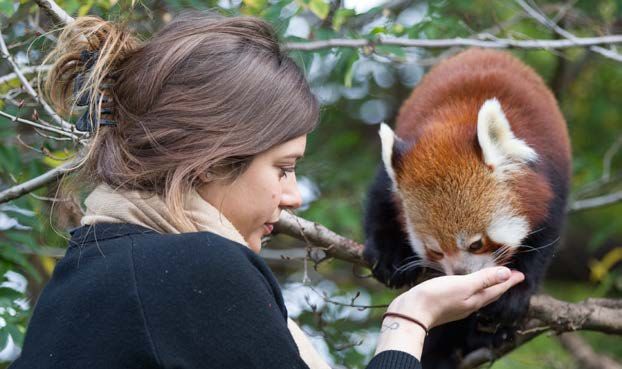
Executive
                                                             Summary

          Zoos SA is a long-established organisation
             that is an integral part of the South Australian community and
             economy. Since Adelaide Zoo opened to the public in 1883, six
             generations of South Australians have passed through our gates.
             We are a charitable membership-based conservation society dedicated
             to species conservation and education with over 41,000 members.
             Zoos SA owns and operates Adelaide and Monarto Zoos. Adelaide Zoo is the largest
             pay-to-enter tourist attraction in South Australia.

             Complementing Zoos SA’s Strategic Plan 2012-2017, this Business Plan positions the
             organisation to consolidate a stable financial base to work towards our goals. It sets out
             a responsible and effective approach for the next five years, with a particular focus on
             detailed actions for 2016-17.

             The core elements of our strategy going forward as budgeted in the plan are to:

                 . Actively seek funding for priority projects under the new Master Plan, including
                 . Continue to engage members and visitors through a well-honed calendar of
                   the Predator Experience at Monarto Zoo.

                    marketing themes, events, and on-site presentations to drive growth in admission
                    volume at Adelaide Zoo by 3.4% and 2.5% at Monarto, building on the gains

                 . Increase on-site cross selling, membership sales and retail opportunities. We have
                    made in recent years.

                 . Continue to promote Zoos SA as a conservation charity to our supporters and
                   retained a modest target to grow the average rate of spend per visitor.

                 . Consolidate growth in memberships, work hard to retain and strengthen our
                   the public.

                    relationship with members by providing value across the life-cycle model with a

                 . Review admission ticket prices annually in line with the tourism year to
                    particular focus on individual giving including bequests.

                 . Develop digital platforms to enhance public engagement including iBeacon and
                   accommodate CPI and other rising costs.

                 . Strengthen our online presence and diversify opportunities to drive online
                   eLocker projects to deliver new learning trails for schools.

                    purchases, bookings and offers.

Zoos SA                                                                                                   Business Plan 6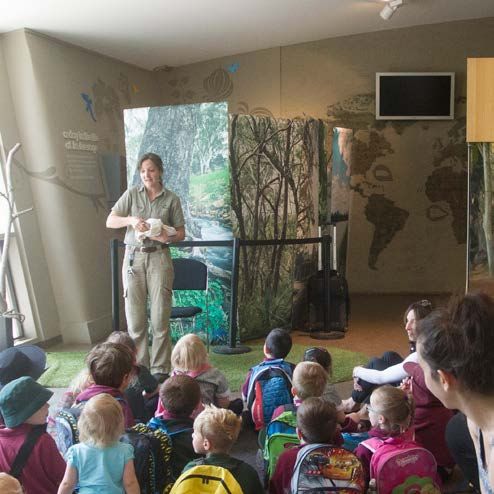
. Maintain a focus on efficiencies through improved procurement practices,
              . Leverage our effective conservation, sustainability and education activities to
                sustainability measures, and reviewing key expenditure including fleet management.

              . Maintain a strong commitment to fundraising, our bequest program, corporate
                attract grant, donor and philanthropic support.

                 sponsorship activities and our relationship with government with a particular focus

              . Invest in capital improvements with a focus on:
                 on sourcing funds to commence new capital investment identified in the Master Plan.

                     . Accreditation and legislative requirements.
                     . Maintenance of existing assets and infrastructure.
                     . Exhibit and experience upgrades identified through exhibit
                     . Investments to upgrade ICT systems and infrastructure.
                        audits and master planning.

                     . Priority sustainability initiatives aimed at cost recovery.
          The following are all elements of our approach which are not clearly identified
          in budget terms but are targets to gain business improvements over the next 12
          months:

              . Develop project specifications, drawings and proposals for priority projects
              . Showcase professional achievements through scientific publications, conference
                identified in the Master Plan.

              . Support priority conservation projects and partnerships and promote conservation
                presentations, and media exposure.

              . Foster relationships with other zoos and agencies to explore opportunities to
                messages and visitor calls to act.

              . Undertake land and pest management at Monarto to improve outcomes for native
                collaborate on conservation, breeding, tourism and education ventures.

              . Undertake annual species selection and exhibit audits to identify ways we can
                species, the collection on site, soil and pasture condition.

              . Respond to opportunities that arise through ambassador breeding events such as
                improve their value and suitability.

              . Develop an organisation-wide focus on customer service through a charter, training,
                Giant Panda and Rhinoceros.

              . Build on our gains from staff engagement, development and wellbeing through
                expanding our collaborations with caterers and feedback systems.

                a focus on performance development planning, effective internal communication

              . Review volunteer programs to ensure a safe and satisfying work environment for
                and implementing our organisational values.

              . Ensure all operational legislative and risk reviews are kept up to date.
                volunteers and meet the needs of the organisation.

Zoos SA                                                                                                Business Plan 7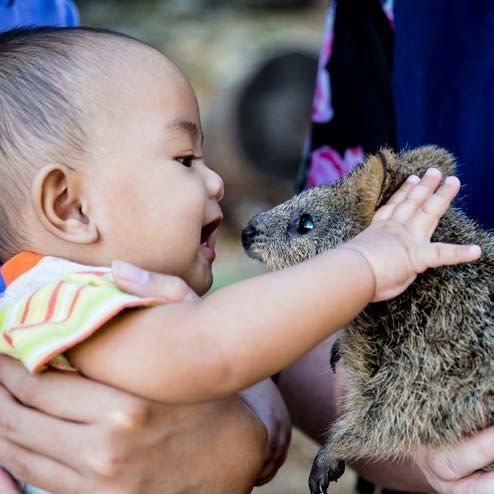
Our Business

                                                            Our Strategic Plan

          As set out in Zoos SA’s Strategic Plan 2012-2017,
              the organisation has four primary goals and a series of broad
              strategies to achieve them. This Business Plan builds on this
              framework; the relationship between the Strategic Plan and Business
              Plan is shown below:

          Strategic Plan                                         Business Plan

                                                                 5.1   Saving Species
           Goal 1   Save species from extinction

                    Connect people with nature: inform,
                                                                 5.2   Connecting People with Nature
           Goal 2   empower and inspire people to act

                    Work in an ethical and sustainable manner,
                                                                 5.3   Working Ethically and Sustainably
           Goal 3   influencing others to follow our example

                    Apply an innovative business approach to
                                                                 5.4   Advancing our Organisation
           Goal 4   grow a sound and advancing organisation

Zoos SA                                                                                            Business Plan 8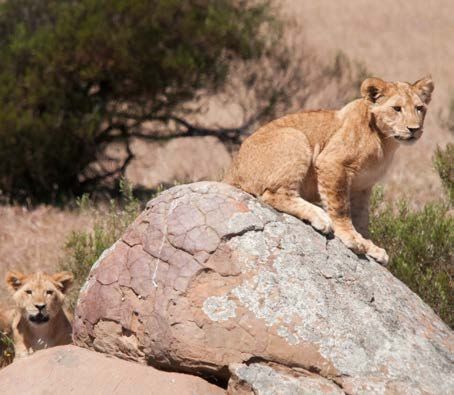
Review and
                                                               Improvement
          Zoos SA’s Business Plan
             will be reviewed annually as a rolling five year plan.

             Review will allow changing external factors, such as business climate, emerging conservation
             imperatives, opportunities and risks, to be taken into account. It will also enable Zoos SA to
             continually build on progress made over the previous year and, if necessary, adapt its approach.

             Our Values
             Zoos SA is guided by a set of values to
             which it aspires within all parts of the
             organisation and across all its business
             interactions, operations and dealings.
             These are:

             Passion
             We inspire and influence through our
             worthwhile work and recognise success.

             Effectiveness
             We focus on clearly defined shared goals
             and support people to achieve them.

             Innovation
             We seek creative ways to achieve goals
             and promote a culture of learning and
             improving.

             Integrity
             We are guided by our values and deliver
             on our promises.

             Respect
             We respect individual’s values and
             encourage a culture of collaboration,
             listening and trust.

Zoos SA                                                                                                         Business Plan 9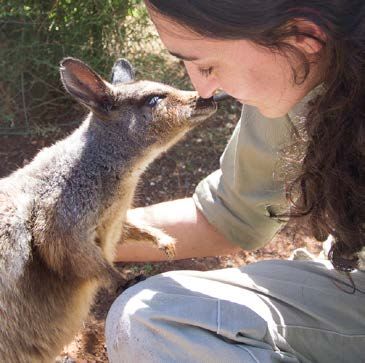
World-class Exhibits
                                                             & Master Plan

          Zoos SA’s Master Plan
             sets a vision for the transformation of both Adelaide and Monarto Zoos
             over the next 20 years.

             In the last twenty years, Adelaide and Monarto Zoos have touched the lives of many locals
             and visitors to South Australia including more than half a million in 2015. We want to
             ensure that our next twenty years are even more exciting. To achieve this we’ve developed
             a Master Plan for our two sites that will offer our visitors a fun and rich experience, help
             us lead in standards for animal wellbeing, and enhance our species conservation efforts,
             ensuring even greater impact.

             Released in February 2015, our Master Plan outlines the forward infrastructure plans for
             Adelaide and Monarto Zoos and will guide their evolution. To develop a robust plan, we
             looked at all parts of our operations and challenged ourselves to prepare for the years
             ahead.

             The agreed directions driven by the Master Plan are to:

                  . Adopt and foster a distinct theme for each site.
                  . Demonstrate our commitment to saving species at our sites.
                  . Adopt a greater focus on exhibiting native species and their habitat, and species
                  . Connect with the landscapes where our zoos are located.
                    that live in hot dry climates.

                  . Celebrate the cultural, built and natural heritage of our sites.
                  . Create zoos where animals are encouraged to move around and visit our sites.
                  . Design dynamic sites.
                  . Digitally enhance the zoo experience.
                  . Operate a zoo for all seasons.
                  . Walk and talk sustainability.
                  . Ensure the zoo is underpinned by effective hard infrastructure.
                  . Ensure our sites are accessible.
                  . Play our role in the global biosecurity response.
                  . Provide windows to our work and passion behind the scenes.
             Our plans for Adelaide Zoo reflect a vibrant city oasis that showcases life’s diversity and
             offers visitors an intimate and rich experience. Under the Master Plan, we will establish
             seven precincts on site: Nature’s Playground and Aussie Icons, Into Africa, Jewels of Asia,
             Tropical North, Jungle Journey, Bamboo Forest and Conservation Oz.

             Our plans for Monarto Zoo will reflect its tremendous feeling of space. Dedicated to
             conserving species of the plains and outback, it will immerse visitors in an open range and

Zoos SA                                                                                                     Business Plan 10
evocative experience. Under the Master Plan we will establish four precincts on site:
African Savannah, Australian Outback, Back from the Brink and safari styled Wild Africa
with several visitor attractions within each precinct.
The Master Plan identifies timelines that will guide its implementation across both sites.
These include priority projects for the next five years such as Nature’s Playground which was
completed in 2015-16 and Into Africa at Adelaide Zoo, onsite safari style accommodation
and the planned Predator Experience with our African Lions at Monarto Zoo and additional
breeding and husbandry facilities at both sites.
As we implement the Master Plan, we will maintain flexibility so we can deliver projects as
opportunities arise. All major developments will be supported by a strong business case for
investment and a clear financial model before we proceed. While some costs will be built
into our annual capital expenditure budget, to fund major developments we will work hard
to attract grant funding from local, state and federal government, corporate investment
and private donations.
Significant investment at our sites has occurred since 2008 to keep
pace with changing requirements for animal and staff wellbeing and to
engage visitor interest and interaction.
Zoos SA Business Plan 11Business Plan
Activities
Saving Species
Zoos are uniquely placed
to aid the conservation of species.
Zoos are uniquely placed to aid the conservation of species. We have the capacity to hold
and breed animals, undertake wildlife and husbandry research, protect species in the wild
through conservation programs and campaigns, educate and connect people with the
vitality of nature and their own impacts, communicate environmental messages and
fundraise to support much needed conservation activities across the globe. Zoos are visited
by millions of people worldwide every year including visitors with little or no background
in species conservation and are regarded as important and trusted sources of information
on these issues.
Nearly one quarter of the world’s mammal species, one third of the world’s amphibian
species and one-eighth of the world’s bird species are known to be threatened or extinct.
It is a familiar story in Australia and our conservation work has never been more important.
Zoos SA participates in a wide range of conservation projects both within Australia and
internationally. Our activities contribute to safeguarding species in the face of key global
threats to species including habitat loss, wildlife trade and use, invasive species, and human
disturbance such as altered fire regimes and climate change.
Our Conservation Directions document identifies three focus regions for our work:
. Our Backyard: Conserving our State’s threatened native species and ecosystems.
. Our Region: Conserving threatened species beyond South Australia in Australasia.
. Our Planet: Contributing to international conservation efforts.
The document outlines the framework we apply to prioritise, support and communicate
our conservation activities. It closely aligns our conservation work to our Strategic Plan and
identifies a series of operational criteria for selecting high outcome projects to invest in.
A list of priority species projects (backyard and regional projects) and conservation
partnerships (regional and international projects) was finalised in 2015. This list will guide
our efforts and investment until 2017 when our Strategic Plan is reviewed.
Zoos SA Business Plan 12In addition to conservation projects and partners identified within the framework Zoos SA
contributes to regional and international breeding programs for a number of native and
international threatened species. We contribute to Australasian Species and Global Species
Management Plans for 12 species and important wildlife health research.
Our conservation projects are funded through core funding, grants, project-based fundraising,
sponsorship, and Zoos SA’s Conservation Fund. The Fund is made up from donations and a
commitment of income from Behind-the-Scene Animal Experiences run on site at Monarto
and Adelaide Zoos.
2016-17 conservation projects include:
. Implementing the Land Management Plan for Monarto Zoo including habitat
and threatened flora restoration, pest management, riparian management and
. Restoring stringybark woodlands in the State’s southeast by working with landholders
conservation training.
. Working to protect and breed Tasmanian Devils as part of a national response to
to protect and restore feeding habitat for Red-tailed Black-Cockatoos.
. Continuing to breed Pygmy Blue-tongue Lizards and attempting to translocate on
Facial Tumour Disease.
. Contributing to the recovery of several macropod species (which include kangaroos
site at Monarto.
. Support for threatened species captive breeding efforts for Orange-bellied Parrot,
and wallabies) through breeding, reintroduction, and population monitoring.
. Running surveys in the State’s southeast to search for the elusive Striped Legless
Western Swamp Tortoise and various threatened mallee bird species.
. Exploring collaborations to restore large areas of South Australia through landscape
Lizard.
projects that involve the supplementation or release of small mammals back into
. Supporting Giant Panda conservation in Sichuan, Shanzi and Gansu Provinces
the wild.
. Raising funds to directly support conservation projects in Asia, Papua New Guinea,
in China.
Africa and the Solomon Islands to help threatened species such as Orangutan,
Chimpanzee, Cheetah, Tree Kangaroo species, African Wild Dogs, African
. Supporting efforts to save threatened species in Australia’s Murray Darling Basin
Rhinoceros species, and Leatherback, Green and Hawksbill Turtles.
and rainforest rescue in northern Australia, Indonesia and South America.
Zoos SA Business Plan 13Connecting People
with Nature
Zoos provide a great opportunity
for people to learn about and connect with animals and their
habitats which they may never otherwise see. In particular, zoos may
be the only chance to see some species up close - a very different
experience to watching them on television.
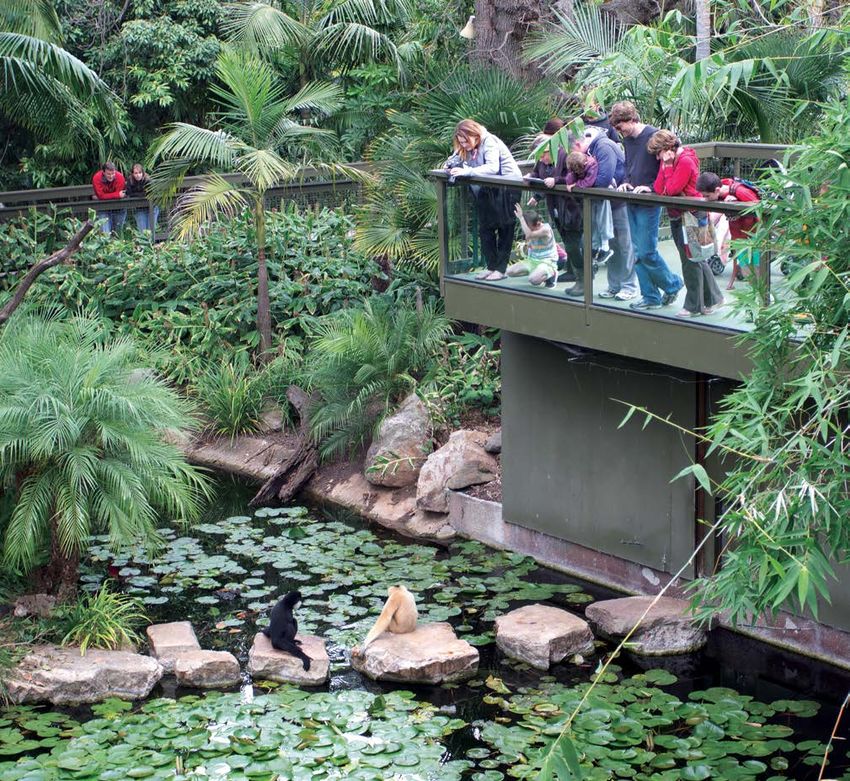
In an increasingly urbanised world, zoos can be an oasis where people can get in contact
with nature through multisensory experiences; sight, smell, sound, as well as hands-on
involvement. As electronic media and technology is becoming increasingly prevalent in
people’s everyday life, zoos provide a unique window into the natural world, advocating for
wildlife and the environment.
To reflect the importance of connecting children with nature, Zoos SA has delivered and
will continue to grow Adelaide’s Nature’s Playground as one if its first developments under
the new Master Plan. This area encourages a love of nature by giving children the chance
to really connect by providing areas for children to play with water, sand, grass, trees and
animals. This is not a traditional playground, but one where visitors can explore different
habitats, play at heights with aerial walkways and ropes to explore the tree tops and look
out over the zoo, the river and the city scape.
Zoos are places where people can experience changing seasons, witness growth, change,
births and the cycles of life. In zoos, people learn about themselves and about the impact
of individual and collective decisions on the lives of those around them. Zoos are places
where people can be inspired by animal ambassadors who provide a connection, enabling
people to learn about the challenges facing the species and information about what they
can do to help.
Zoos SA understands that the best way to rekindle this connection is to focus on what we
love about nature. To deliver our Mission Zoos SA has developed a series of conservation
messages. These messages were developed to align with our animal collection, conservation
activities, key global threats to species, and our “Love not Loss” philosophy, and are linked
to simple calls to act that people can take away and apply in their daily lives to help save
species and live more sustainably. The calls to act are complemented by simple but striking
icons that visually display taking action.
Our visitor calls to act will be implemented across all elements of the zoo including Zoo
Learning, zookeeper presentations, youth participation activities, volunteer led tours,
Nature Theatre presentations and off-site communication. Zoos SA is actively empowering
people to take action for conservation.
Taking part in a Zoo Learning experience, be it self-guided or led by a professional zoo
teacher, has been part of growing up for our State’s children for nearly half a century and
continues to be a vital part of South Australian life. The Zoos SA Education Department
Zoos SA Business Plan 14rebranded as Zoo Learning in 2014 to reflect the broadening of their role in community,
preschool and school-based learning. The change also reflects the integration of Zoo
Learning with all elements of Zoos SA business.
Through targeted conservation messages, our education, conservation and Nature Theatre
teams and volunteers will convey ways in which visitors and members can communicate,
advocate and actively participate in conservation activities. Our Zoo Learning and Nature
Theatre teams will provide exciting animal-based experiences that are strongly connected
to the Australian Curriculum. Zoo Learning will add to its action-focused (Make a
Difference – MAD) conservation campaigns by continuing to develop an Australian
Planet Keeper program, where young people can advocate for our threatened species in
their communities and may choose to raise money or awareness to make a real difference
for wildlife.
In 2015-16 investment continued to build the Nature Theatre team for Zoos SA; providing
more delightful experiences for visitors to get up close and learn more about our animals.
Achievements by this group have included:
. Regular presentation of Wild Shows and Creature Encounters in Nature’s Playground,
the Children’s Zoo and ongoing Zoomobile outreach.
. Opportunities to enjoy animals up close at functions and events. Summer holiday
activities within the Earth Guardians framework like Chalk the Walk and
Protect the Pond which are not only great fun for children but promote living
in harmony with nature.
. Assisting in animal training for Westpac Brief Animal Encounters, including Squirrel
Monkey and Coati experiences.
. Assisting Monarto keeping team members to train Kwatile our Cheetah for visitor
experiences, as well as consulting on Tasmanian Devils, Meerkat and Rhinoceros
husbandry and training.
Zoos SA Business Plan 15Working Ethically
and Sustainably
Zoos SA is a fully accredited member
of the Zoos and Aquarium Association and guided by the Association’s
code of ethics and strong stance on animal welfare.
To underpin this commitment we support the five domain model of animal welfare,
acknowledge our life-long responsibility for animals in our care, manage our programs and
knowledge systems appropriately, dedicate adequate resources and monitor and evaluate
our efforts.
With our business’s reliance on natural resources and as leaders in species conservation
and environmental education, zoos are in a unique position to showcase environmental
sustainability and inspire our visitors to take action in their own lives. This means managing
our inputs and waste to lighten our environmental footprint, linking our actions with
conservation messages and icons, and supporting ethical businesses through purchasing
and service arrangements.
Zoos SA Business Plan 16Building a
Sound Business
This goal is essential
to Zoos SA’s business and provides the critical foundation to underpin
the delivery of our other goals.
The actions under this goal underpin the well-being and productivity of our people,
partnerships, governance, assets and business model which are all recognised as critical
factors to the success of our Strategic Plan.
The Zoos SA People Plan 2014-2017 outlines a clear approach for Zoos SA to work with
our staff to develop our organisation to be the best it can be. We want to attract and
retain the right people and provide training and development opportunities to foster high
achievement in individuals and within teams. We want to have staff that share our values
and will work with us to achieve our vision. We aim for high staff satisfaction, a safe
workplace and high staff productivity and have key performance indicators set to ensure
we measure our progress in these areas.
Risk management practices have been improved and will continue to receive focus
through 2016-17. This includes detailed legislative compliance monitoring in our complex
operating environment.
Formal reporting against the Business Plan is provided to the Board, State Government
and our staff. This will continue each quarter. Key Performance Indicators have also been
prepared against the Strategic Plan and are reported against every six months.
Cooperation with
Government
While the Society is a non-government incorporated association
it has always valued its relationship with State and Federal Government.
The Society also values working with government agencies to
effectively deliver its conservation, tourism and education programs.
The Society relies on an annual State Government Grant to assist with funding its operations.
Regular reports are provided to the Government regarding our financial performance and our
progress against the Business Plan. An agreement is in place between Zoos SA and the State
Government setting out the terms for financial management. We will continue to hold
discussions and seek grant funding from Governments (local, state and commonwealth)
to assist with the implementation of our Master Plan.
Zoos SA Business Plan 17Yearly
Priorities
Yearly Priorities
Zoos SA has identified yearly priorities action areas
over the next five years to focus efforts and resources, as well
as clarify the organisation’s position both internally to staff and
volunteers, and externally to supporters and interest groups.
As Zoos SA consolidates the financial and operational gains it has already made, the
focus is on the delivery of its core goals under the Strategic Plan and the roll out of our
Master Plan.
2016-17
With the Master Plan
and associated site, project and collection plans in place, we will
actively seek funding to continue the Master Plan’s implementation
while showcasing our future plans and existing sites.
After a year of significant new development in 2015-16 we will balance our investment
between maintaining high standards at our sites and implementing projects identified in
the first five years of developments. Integrating Environmental Sustainable Design criteria
into project planning and implementation will continue to be a key focus.
Financial sustainability will remain critical, with a focus on continuing to build the revenue
gains we have made to date, grow admission numbers at both sites and build our diverse
supporter base. This will include a greater focus on individual giving including bequests.
We will continue to promote our status as a conservation charity by communicating our
conservation achievements, conservation messages and visitor calls to act. Our conservation
programs and key messages will continue to be promoted in line with our Conservation
Directions and new Conservation Messages frameworks.
Zoos SA Business Plan 18We will continue the roll out of our integrated Zoo Learning strategy which will tap in to
new digital platforms including iBeacon to deliver new offerings for schools and invest in
teacher training to maximise our reach and student experiences on site. On top of the work
done to date, we will continue to improve access opportunities, promote the philosophy
of nature play using Nature‘s Playground as the centerpiece, and strengthen links between
education, conservation and presentation activities.
Zoo membership will continue to be promoted as the preferred way for South Australians to
visit our zoos; building both our income and supporter base.
Recognising that the skills and commitment of our people underpin our success, the ongoing
development and wellbeing of our staff and volunteers will remain a priority.
The revision of our Strategic Plan will be completed.
2017-18
We will continue to focus
on growing and providing quality service to Zoos SA’s supporter
base to facilitate funds for future operations and capital projects.
The rollout of the priorities under our Conservation Directions will continue, with a goal
to increase investment in field conservation over the next three years. Opportunities for
targeted marketing and fundraising activities, linkages to new exhibits and precincts and
strengthened conservation messaging will remain a priority.
Fundraising and improving visitor facilities at both sites under the Master Plan will continue
to be a focus. Exploring innovative and efficient uses for technology to improve the way
we work and enhance visitor experience as we develop new exhibits and precincts will be
a priority.
Ongoing review of our operations will ensure the organisation is cohesive, cost effective
and outcomes focused, and its day-to-day operations are strongly aligned to our new
Strategic Plan.
2018-19
With a robust financial model, stronger fundraising and communication presence, and clear
direction provided by the Strategic Plan, Conservation Directions and Master Plan, Zoos SA
will continue to build our capacity to support conservation activities at our properties, in the
field and through international partnerships. This will include a focus on working with our
international partners to have an even greater impact for species in the field.
We will explore ways to maximise returns from each visitor, through improved retail
opportunities and better engagement, taking more visitors on the journey to become
long-term supporters. We will engage new audiences in our conservation and fundraising
campaigns both within and beyond our gates. Our Environmental Management Plan will
be reviewed and we will explore opportunities to become Carbon Neutral.
Zoos SA Business Plan 19Our current agreement to hold Giant Pandas at Adelaide Zoo expires in November 2019.
We are keen to extend this which will require negotiations with the Australian and
Chinese Governments.
2019-20 | 2020-21
With a strong foundation in place we will focus on working with stakeholders and
supporters to strengthen the organisation’s future years. We will commence project and
site planning for precincts beyond the first five years of the Master Plan.
Monarto Zoo Predator Experience
Master Plan Schematic Design
Phillips / Pilkington Architects | Wax Design
Zoos SA Business Plan 20Infrastructure
Investment
Major and Maintenance Capital
Capital expenditure is considered to be of two types; “maintenance
capital” and “new capital”. New capital is for the creation of new
infrastructure that changes the way animals are presented to the
public or creates a new facility for staff or visitors. All other capital
is considered maintenance capital.
There is a significant ongoing need to upgrade or replace infrastructure, which has been
detailed in the Master Plan. There is also an ongoing need for new capital to keep pace
with changing expectations and continually change and improve the zoo experience.
Capital expenditure is prioritised against benefits such as welfare, sustainability, visitor
experience and efficiencies. Compliance matters are ranked most highly and resolved as
soon as resources allow. Alignment with the Master Plan is also an important factor.
Funding has been allocated to improve a number of exhibits at both sites, with an emphasis
on improving the visitor experience and animal welfare. There is significant investment
to maximise benefits from changes to the booking system and Zoo Learning digital
platforms. We have identified additional facilities for breeding native threatened species
and gaining efficiencies through advanced irrigation and electricity monitoring systems.
The capital budget for 2016-17 totals $1.21 million which is a $150,000 increase compared
to the 2015-16 budget. A list of proposed projects has been prepared based on current
expectations and is available at Appendix D, however this will be continually reviewed
during the year to ensure the best outcome with funds available.
It is typical for zoos not to be able to generate sufficient funds
from operations alone to provide for all necessary infrastructure
investment; this is the case also for Zoos SA. At both properties,
grant funding, corporate and private support will be sought, as well
as Local, State and Federal Government assistance to develop
specific infrastructure or service projects of mutual interest.
Zoos SA Business Plan 21Debt Reduction
Strategy
Zoos SA has made principal repayments
against our Westpac loan and during 2016-17 we expect to pay
a further $500,000. We are comfortable that our current and future
operating position will allow us to service this debt.
In preparing our business plan for future years, we have developed a forward budget that
enables annual debt payments against our loan from within our annual operating budget.
Our current funding arrangement with Westpac comes to an end over the next financial
year and we will continue to discuss our debt repayment schedule with our bank and
State Government throughout the period addressed by this Plan.
Zoos SA Business Plan 22Zoos SA
Annual Budget
2016-17
The 2016-17 Annual Budget proposes total revenue of $25 million, with an operating
surplus before interest and depreciation of $2.9 million and surplus of $54,000 once
depreciation and interest expenses are included. The 2016-17 budget and comparisons
to the 2015-16 forecast can be seen in the following table.
Royal Zoological Society of SA Inc.
2016-17 Annual Budget
The 2015-16 financial year is forecast to make a profit of $1.19 million for the year against
a budgeted surplus of $61,000. This better than budget result is primarily due to a $750,000
bequest and a number of funding sources secured to pay for unbudgeted capital projects.
Zoos SA Business Plan 23Photographic
Credits
1 Scarlet Macaw, AZ, Zoos SA
9 Goodfellow’s Tree Kangaroo – Makaia, AZ, David Mattner
9 BEEZA Volunteer, AZ, David Mattner
9 Tammar Wallaby and keeper, MZ, David Mattner
11 Nature’s Playground, AZ, Zoos SA
13 Western Swamp Tortoise, AZ, David Mattner
13 Pygmy Blue-tongue, MZ, Phil Ainsley
13 Chimpanzee – Enzi, MZ, David Mattner
15 Hands On Wildshows, AZ, David Mattner
15 Nature Theatre Presentation, AZ, David Mattner
16 AGL Solar Panels, Animal Health Centre, AZ, Zoos SA
20 Monarto Zoo African Lions, Zoos SA Master Plan,
Phillips/Pilkington Architects and Wax Design
20 Monarto Zoo Predator Experience, Zoos SA Master Plan,
Phillips/Pilkington Architects and Wax Design
22 White-cheeked Gibbon, AZ, David Mattner
24 Coati – Boo at the Zoo, AZ, David Mattner
24 White Rhino and keeper, MZ, David Mattner
24 Emperor Tamarin, AZ, David Mattner
24 Giraffe Encounter, MZ, David Mattner
24 Red Panda and keeper, AZ, David Mattner
Zoos SA Business Plan 24You can also read


