Wildlife Enhancement Plan 2014 -2019 - www.subiaco.wa.gov.au - City of Subiaco
←
→
Page content transcription
If your browser does not render page correctly, please read the page content below
Wildlife Enhancement Plan
               2014 –2019

www.subiaco.wa.gov.au
Goal statement
The Wildlife Enhancement Plan 2014 –2019 aims to support increased biodiversity and the conservation of native fauna and
fauna habitat within the local environment.

Acknowledgements
The city would like to thank Danielle Bowler from the City of Joondalup, Tamara Kabat from Bird Life Australia, Mathew Swan from
the Department of Parks and Wildlife and Jake Tanner from the City of Fremantle for assisting with the development of this plan.

                      The City of Subiaco is committed to protecting the global
                      environment through local action. By printing this publication
                      on Australian made 100 per cent recycled paper, the city aims
                      to conserve the resources of the city. The document is available
                      via the Internet at www.subiaco.wa.gov.au
table of contents

Table of contents

 Executive summary                                                                                                      4
 Key definitions                                                                                                        5
 Introduction                                                                                                           6
 Wildlife conservation and enhancement                                                                                  7
 Parks, reserves and street trees                                                                                       7

 Wetlands                                                                                                               7

 Greenways and remnant bushland areas                                                                                   8

 Aboriginal cultural significance                                                                                       8

 Community education                                                                                                    8

 Management of identified risks                                                                                       10
 Climate change                                                                                                        10

 Feral animals                                                                                                         10

 Domestic animals                                                                                                      10

 Plant pathogens                                                                                                       10

 Resources and useful links                                                                                           11
 References                                                                                                           12
 Appendix A: Fauna list                                                                                               13
                                                                                                                                Photo courtesy of Margaret Owen

                                    C i t y o f S u b i a c o 2 014 – 2 019 W i l d l i f e e n h a n c e m e n t p l a n   |                  3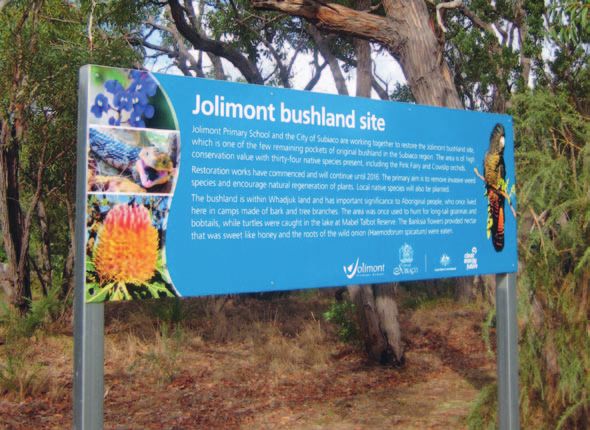
Executive summary
Executive summary
The Wildlife Enhancement Plan 2014–2019 aims to support increased biodiversity and the conservation of native fauna and fauna
habitat within the city’s local environment. The plan includes actions to enhance wildlife conservation, as well as provide education
and participation opportunities for the community.
This plan is an action required under the city’s Environment Enhancement Plan 2012–2016, and is informed by the Strategic
Community Plan and Corporate Business Plan.
The major opportunities within the city for wildlife conservation and enhancement exist within the urban forest, which includes
the city’s extensive network of street trees, parks and reserves, green corridors, private gardens, wetlands and remnant bushland.
The urban forest also provides regional linkages with more substantial habitat areas in the surrounding western suburbs, such as
Kings Park and Bold Park. The key risks to native fauna and fauna habitat in the city identified in this plan include climate change,
feral and domestic animals, and plant pathogens. Each of these risks has been described and management actions proposed to
minimise their impact.
Recommended management actions:
Ref Actions 2014–15 2015–16 2016 –17 2017–18
Develop a management process for retaining senescent habitat
1 trees in public open space. Where retention is not suitable, retain
tree hollows and logs for re-use within the city’s natural areas
Continue best practice management and enhancement of the
2
urban forest including the increase of canopy cover
Conserve existing and develop new areas of fauna habitat within
3
parks and reserves
Provide constructed habitat features such as nest boxes and insect
4
hotels and monitor use
5 Develop processes for dealing with sick or injured wildlife
Develop education programs and signage on appropriate
6
interactions with wildlife
7 Improve wildlife crossing signage at known high-risk locations
8 Manage invasive weeds and algal blooms in wetland areas
Improve the habitat quality of wetlands by at source management
9
of nutrients and pollutants, and litter removal
10 Develop and improve connectivity of regional and local greenways
Continue to implemement the JH Abrahams Bushland Management
11
Plan 2012–2016
Provide cultural interpretive wildlife signage and artwork at
12
appropriate locations
Provide information on the city’s website on issues related to local
13
wildlife, including management practices and contact organisations
Continue to partner with universities and offer student scholarships
14
for native fauna research projects
Work with local community groups, businesses, residents and
15
schools on fauna habitat enhancement projects where possible
4 | C i t y o f S u b i a c o 2 014 – 2 019 W i l d l i f e e n h a n c e m e n t p l a n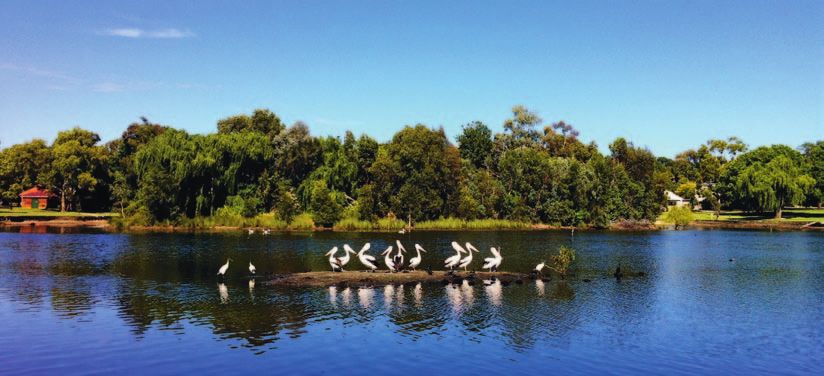
Executive summary and KEY definitions
Ref Actions 2014–15 2015–16 2016 –17 2017–18
Develop education materials and work with developers to aid in the
16 uptake of native fauna habitat features for new developments and
existing private property
Coordinate implementation of initiatives with government and non-
17 government wildlife organisations, and surrounding landholders, where
necessary to strengthen the delivery of actions outlined in this plan
Enhance available habitat through the creation of innovative areas
18 of green open space such as vertical gardens and green roof tops
where viable and practicable
Continue implementation of the city’s Local Climate Change
19
Adaptation Action Plan 2013–2017
Support the WESROC feral species management program including
20
promotion of the feral animal sighting form and associated register
Review ‘dog off leash’ classification of parks and reserves and
21
determine whether amendments are required to protect native fauna
Improve signage and management of ‘dog off leash’ areas to
22
protect native fauna
Implement the Cat Act 2011 to better manage the impact of cats
23
on the natural environment
Develop and implement the city’s Plant Pathogen Management Plan
24
to prevent further loss of fauna habitat
Key definitions
Biodiversity (biological diversity): Life and its processes, including the variety
of living organisms, genetic differences among them, and the communities and
ecosystems in which they occur.
Fauna: The animals of a region or area considered as a whole, including
domestic animals.
Feral animal: Non-native fauna that has been released into the wild or
escaped domestication and established a self-sustaining population that cannot
be easily controlled.
Habitat: The natural or constructed home or environment of an animal or plant.
Native fauna: The native animals of a region or area considered as a whole.
Plant pathogen: Organisms such as fungi, bacteria, viruses and nematodes
that cause plant diseases.
Urban forest: The trees and shrubs on all public and private land in urban
areas, including street trees, parks and reserves, green corridors, wetlands and
remnant bushland.
Wildlife: Wild animals collectively; the native fauna of a region.
Photo courtesy of Margaret Owen
C i t y o f S u b i a c o 2 014 – 2 019 W i l d l i f e e n h a n c e m e n t p l a n | 5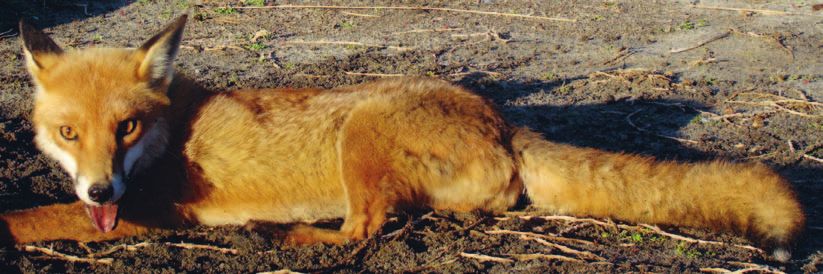
INTRODUCTION

Introduction
The City of Subiaco (they city) is home to a variety of terrestrial (land) and aquatic (water) fauna including native species that are
listed as endangered or vulnerable to extinction. Preserving a diversity of native fauna is essential to ensure healthy ecosystem
function and maintain a region’s biodiversity.
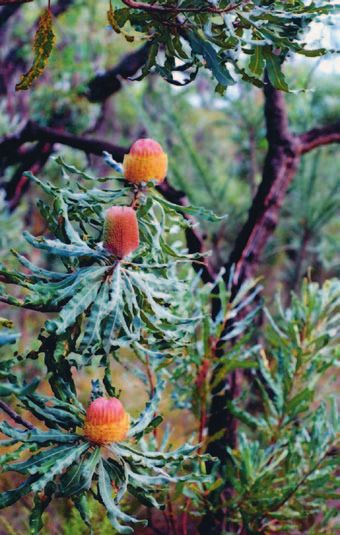
Prior to European settlement the city consisted primarily of Tuart (Eucalyptus gomphocephala) and Jarrah (Eucalyptus marginata)
forest interspersed with Banksia woodland and wetland habitats, however, today no significant natural areas remain within the city.
Fauna habitat within the city is provided by the urban forest, which includes street trees, parks, green corridors, private gardens,
two wetlands and two fragments of remnant bushland. Fauna in Subiaco is supported regionally by significant areas of bushland
in the surrounding western suburbs, including Bold Park, Kings Park and Swanbourne Bushland. The city’s Lake Mabel Talbot
and Lake Jualbup are part of a continuous chain of remaining wetland habitats in the region that include Lake Monger, Perry
Lakes, Lake Claremont and the Swan River foreshore.
The urban forest supports a diverse range of wildlife. Terrestrial fauna include the brushtail possum, as well as less common
species such as the carnaby’s cockatoo, forest red-tailed black cockatoo and micro bats. The bushland areas are also home to
feral species including foxes and rabbits which threaten native fauna and their habitat. The city’s wetlands and riverine areas
are used by migratory birds such as rainbow bee eaters and red-necked stints on a seasonal basis.
The city has a role to play to ensure that local habitat areas are closely linked, accessible and capable of supporting native
fauna associated with the region.
The Wildlife Enhancement Plan 2014–2019 aims to support increased biodiversity and the conservation of native fauna and
fauna habitat within the city. The plan outlines actions to enhance wildlife conservation, as well as provide education and
participation opportunities for the community.
Actions are supported by a number of specific projects detailed in an internal operations document and implemented through
departmental annual business plans. Progress of actions outlined in this plan will be reviewed on a six monthly basis and
reported to the city’s executive leadership team. The city’s target is to achieve 80 per cent or more of the actions scheduled in
each financial year. Highlights of achievements will be included in the City of Subiaco’s Annual Report. The plan will be reviewed
and revised as necessary at the end of the four-year implementation period.

6    |   C i t y o f S u b i a c o 2 014 – 2 019 W i l d l i f e e n h a n c e m e n t p l a n
Wildlife conservation and enhancement

Wildlife conservation and enhancement
Parks, reserves and street trees
The city manages over 78 hectares of public parks, gardens and reserves, and approximately 15,000 trees. This provides a
significant volume of habitat suitable for native fauna. Many fauna species have adapted to the urban environment and are
known to reside, feed and breed within the city.
    Action 1:    Develop a management process for retaining senescent habitat trees in public open space.
                 Where retention is not suitable, retain tree hollows and logs for re-use within the city’s natural areas
    Action 2:    Continue best practice management and enhancement of the urban forest including the increase of canopy cover
    Action 3:    Conserve existing and develop new areas of fauna habitat within parks and reserves
    Action 4:    Provide constructed habitat features such as nest boxes and insect hotels and monitor use

Wetlands
The city has two parks which contain wetlands; Mabel Talbot Park and Lake Jualbup. The wetlands and surrounding
habitat including trees and understory plants support long-necked turtles and a range of native birds, frogs, fish and
macro-invertebrates, the latter of which are considered to represent stable and functioning ecosystems.

Mabel Talbot Park, Jolimont
A total of twenty-one land-based and twenty-five aquatic bird species, three frog species and thirty-two aquatic
macro-invertebrates have been recorded in the park (WRM, 2002; Ecoscape 2003; Hanson, 2011; Lootz, 2012). The population
of long-necked turtles has been estimated to be between thirty-four and fifty-five (Bencini and Turnbull, 2012).
The natural drying cycle of the wetland assists in the control of mosquitoes, midges and algal blooms. The drying cycle also plays
a role in maintaining natural breeding and migration patterns.

Lake Jualbup, Shenton Park
Similar to Lake Mabel Talbot, this wetland supports a number of water bird species, and is of importance for water bird breeding
(Native Environmental Systems, 1999; Hanson, 2011). Water bird species diversity was considered to be high, while the overall
number of birds was similar to other wetlands on the Swan Coastal Plain (WRM, 2013).
The park provides habitat for five species of frogs which is similar, if not slightly higher, to other wetlands on the Swan Coastal
Plain (WRM, 2013).
The long-necked turtle population at Lake Jualbup was estimated to once be 621 individuals (Guyot and Kuchling, 1998).
Between 2002 and 2004 approximately 500 turtles were relocated to other permanent lakes on the Swan Coastal Plain.
In 2005 eighty-nine individuals were captured and from 2011 to 2012 a total of thirty-five individuals were caught (Tysoe, 2005;
Hamada, 2011). The population size is now likely to be larger than thirty-six (WRM, 2013).
Three species of feral fish are present in the lake, including the mosquito fish, swordtail and goldfish. Seventy-three
macro-invertebrate species have been recorded (WRM, 2013).
    Action 5:    Develop processes for dealing with sick or injured wildlife
    Action 6:    Develop education programs and signage on appropriate interactions with wildlife
    Action 7:    Improve wildlife crossing signage at known high-risk locations
    Action 8:    Manage invasive weeds and algal blooms in wetland areas
    Action 9:    Improve the habitat quality of wetlands by at source management of nutrients and pollutants, and litter removal

                                         C i t y o f S u b i a c o 2 014 – 2 019 W i l d l i f e e n h a n c e m e n t p l a n   |    7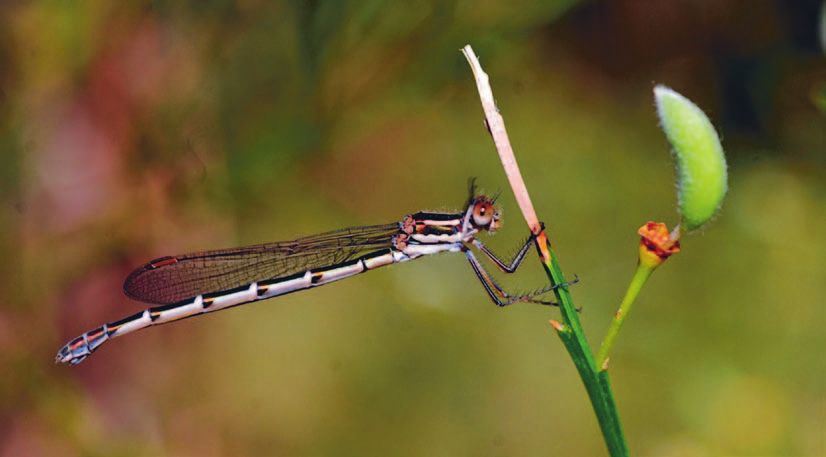
Wildlife conservation and enhancement

Greenways and remnant bushland areas
Extensive clearing of the Swan Coastal Plain has resulted in substantial biodiversity and habitat loss. The city has two small
areas of remnant bushland located at JH Abrahams Reserve (part of Pelican Point Bush Forever Site 402) and Jolimont Primary
School, and shares a two kilometre border with Kings Park. It is critical to preserve the remaining fragments of remnant habitat
cross the region, and create linkages between these areas to support the movement of wildlife across the landscape. In this way,
greenways also function as wildlife corridors (Figure 1).
    Action 10: Develop and improve connectivity of regional and local greenways
    Action 11: Continue to implement the JH Abrahams Bushland Management Plan 2012–2016

Aboriginal cultural significance
Prior to European settlement, Aboriginal land management practices ensured plentiful wildlife and plant foods throughout the
year (Gammage, 2011; Hancock, 2013). The city has Aboriginal interpretive signage at Mabel Talbot Reserve, JH Abrahams
Reserve and Jolimont bushland to recognise the importance of these sites as historical hunting grounds.
    Action 12: Provide cultural interpretive wildlife signage and artwork at appropriate locations

Community education
It is important to keep the community informed and engaged in matters relating to the conservation of native fauna and fauna
habitat within the city. Private property forms the largest area of land within the city, and the community can play an important
role in the success of actions contained within this plan. The city is unique in that the diverse range of wildlife is within its urban
area for everyone to experience and enjoy. Fostering a connection with nature is vital for individuals to develop an appreciation
of wildlife and the natural environment.
    Action 13: Provide information on the city’s website on issues related to local wildlife, including management practices
               and contact organisations
    Action 14: Continue to partner with universities and offer student scholarships for native fauna research projects
    Action 15: Work with local community groups, businesses, residents and schools on fauna habitat enhancement projects
               where possible
    Action 16: Develop education materials and work with developers to aid in the uptake of native fauna habitat features for
               new developments and existing private property
    Action 17: Coordinate implementation of initiatives with government and non-government wildlife organisations, and
               surrounding landholders

8    |   C i t y o f S u b i a c o 2 014 – 2 019 W i l d l i f e e n h a n c e m e n t p l a n
Wildlife conservation and enhancement
Figure 1: Local and regional greenways in the city are priority areas for revegetation to function as wildlife corridors.
e
Salvado Rd ay Pd
Railw
McCourt St
Greenwood Ln
Rosemary Ln
Harborne St
Henderson Mabel Coral Tree Ave Jasmine Ave
White Pl
St
Kerr St
Court Pl
e Wex
us fo rd St
Park Talbot yd
ho
Subiaco Rd
Ju
Ro
nip
er
Ha
Coghlan Rd
Park St
Mere View Way
Ba
Jolimont Tce
Station St
od
nk
yd
Hamilton St
Brigid Rd
Halesworth Rd
Mueller
Upham St
W
Ho
Subiaco
nB
y
to
un
Ce
n
Selby St
Park
Allora Ave D
Oval
Ln
nt
r
rte
ro
Bishop St
M
Selvetica Ln
r
Ca
et
Roberts Rd
Av
t
e
er
Tc n
Fremantle – Perth
e
Da
s
o
Ln
L
rb
in a
ur erv
Catherine St
Rd
Perry Ln
Landsdowne St
on
La
Peel St
in
Alvan St
rts
Hamilton St
he St
Railway Link
Rosebery St
M
Cr
Jersey St
St be
Eileen St
e
e Seddon St
Axon St
York St
s
ic Ro York St
May St
Pr
Townshend St
Tig
St Hay St St
Cardigan Tce
Hay as
Rowland St
Coghlan Rd
e
Tc
Olive St
om
n
Denis St
Rokeby Rd
so Forrest Rd Churchill Ave
e
Axon St
in Churchill Ave
Tc b
oy Ro
Th
Tr
Cu
Dakin St Barker Rd Barker Rd
Wilsmore St
Barker Rd
rri
Rowland St
Jersey St
eS
Bedford Ave
Rich
Denis St
ards
t
t on Tce
n sS
ve Park St Park St Park St
Lu
Northmore St
e Roberta St
Rd
St
tle
yA
ve
W
ay
Bagot Rd Bagot Rd
illc
Subiaco
o
St
ck
Finlayson St Chester St Robinson St
Proclamation St
Bedford Ave
lw
Douglas Ave
gh
M
Av
Rupert St
Townshend St
i
cC
Salisbury St
ou
e
Francis St
Kings Rd
all
Ra
Rokeby Rd
Theatre
ln
oo
um
ce Lawler St
W yT
Av
M
o
Tr
e
un
Hensman Rd
Gardens
sie
Federal St
Av
Hic
Hamersley Rd Hamersley Rd
e
ke
Union St
y
Browne St
Av
Salisbury St
Kershaw St
Re
e
Dr
St St
fe
Derby Rd
ire
b er
rn
ub Redfern St
Underwood Ave dli
sh
Rawson St
St
Ch Sa
by
Ada St
r
Da
St
bushland Heytesbury Rd
gham
Nic Heytesbury Rd
ho
Union St
ll S
Coleraine St
Coolgardie St
Rupert St
View St
Salisbury St
t
Glo
Cunnin
ste Gloster St Gloster St
Na r St Duke St
sh
St
Kings Park
St
as
Nicholson Rd Nicholson Rd
Lonnie St
Waverley St
Gray St
Selby St
om
William St
Henry St
Hensman Rd
Rosalie St
Arthur St
Austin St
Th
Rankin Rd
e
s Tc
bb
Shenton
Stu
Waylen Rd Keightly Rd
Park Lake
Excelsior St
Derby Rd
Herbert Rd
Waverley St
King St
Morgan St
Stanmore St
bushland Jualbup
Rd
Evans St
ay
Onslow Rd
ilw
Onslow Rd
Ra
Bowman St
James St
Commercial Rd
Hopetoun Tce
Murchison St
Herbert St
Charles St
Yilgarn St
Violet Gr
Hilda St
Lyall St Rosalie
Smyth Rd
Park Parks
Rd
Cuthbert St
John St
ey
rv
Ha
Aberdare Rd
Regional Greenways
Hospital Ave
Local Greenways
Winthrop Ave
Kings Park
Monash Ave
Green Contributions
Outside priority Greenways
Hardy Rd
External Links
Hampden Rd
Karella St Poole Ave
Kanimbla Rd
Significant Tree Avenues
Tareena St
Park Rd
City of Subiaco boundary
Bay Rd
Mounts
y
Hw River
rli ng Foreshore
Sti Link
St
Cooper
Fairway
Clark
St University of
Western Australia
St
Edward
Swan River
Broadway
Myers St
Ha
cke
Cook St
tt D
Parkway
Fairway
Caporn St
r
Everett St
Pelican Point
Princess Rd
e
Av
s
e
rk am
Th
Pa rah
Swan River River
b
Foreshore
.A
Link
J.H
C i t y o f S u b i a c o 2 014 – 2 019 W i l d l i f e e n h a n c e m e n t p l a n | 9
Management of identified risks

Management of identified risks
Climate change
The impact of climate change on the natural environment is expected to be a substantial threat to native fauna. The anticipated
increased temperatures and reduced rainfall, combined with extreme weather events, will impact the habitats and food sources
of many animals. Extreme weather is also likely to result in physical impacts such as loss of habitat trees and mortality of native
fauna through trauma.
     Action 18: Enhance available habitat through the creation of innovative areas of green open space such as vertical gardens
                and green roof tops where viable and practicable
     Action 19: Continue implementation of the city’s Local Climate Change Adaptation Action Plan 2013–2017

Feral animals
The city is home to a variety of feral species such as foxes, rabbits, rainbow lorikeets, mosquito fish and others which impact
native wildlife through habitat destruction, competition for resources and food, or predation. The city works with the Western
Suburbs Regional Organisation of Councils (WESROC) to implement a cross-boundary approach and ensure effective control of
feral species.
     Action 20: Support the WESROC feral species management program including promotion of the feral animal sighting
                form and associated register

Domestic animals
Domestic cats and dogs also threaten native fauna by causing stress through chasing, disturbing nests and predation.
     Action 21: Review ‘dog off leash’ classification of parks and reserves and determine whether amendments are required
                to protect native fauna
     Action 22: Improve signage and management of ‘dog off leash’ areas to protect native fauna
     Action 23: Implement the Cat Act 2011 to better manage the impact of cats on the natural environment

Plant pathogens
Dieback from the spread of plant disease Phytophthora in Western Australia is recognised as a disaster of national significance
due to its devastating impact on native ecosystem structure and function (DoE, 2014). Other pathogens affecting tree health
locally include Honey Fungus (Armillaria luteobubalina) and Canker disease (Quambalaria sp. and Botryosphaeria sp.) and
Sphaeropsis Blight (Sphaeropsis sapinea). Collapse of vegetation structures reduces the number and diversity of native fauna
able to be supported.
     Action 24: Develop and implement the city’s Plant Pathogen Management Plan to prevent further loss of fauna habitat

 Photo courtesy of Shane Butcher

10     |   C i t y o f S u b i a c o 2 014 – 2 019 W i l d l i f e e n h a n c e m e n t p l a n
RESOURCES AND USEFUL LINKS
Resources
Other city documents that complement this plan include, but are not limited to:
• Draft Local Planning Strategy
• Local Climate Change Adaptation Action Plan 2013–2017
• Environment Enhancement Plan 2012 –2016
• JH Abrahams Bushland Management Plan 2012 – 2016
• Water Conservation Plan 2008
• Dieback Management Plan 2007
• Western Suburbs Greening Plan 2002
• street tree management policy and guidelines
• verge development policy and guidelines
• public open space management in a drying environment policy
• significant tree register.
Useful links
For further information on topics discussed in this plan, the following links may be useful:
• Wildcare helpline (Department of Parks and Wildlife), 9474 9055
• Department of Parks and Wildlife, www.dpaw.wa.gov.au
• Bird Life Australia, www.birdlife.org.au
• The Turtle Oblonga Rescue and Rehabilitation Network, www.turtleoblonganetwork.org.au
• Western Australian Gould League, www.wagouldleague.com.au
• Western Australian Naturalists Club, www.wanaturalists.org.au
• Western Australian Museum, www.museum.wa.gov.au
• Perth Zoo, www.perthzoo.wa.gov.au
• Society for the Preservation of Raptors, www.raptor.org.au
• Karaakin Black Cockatoo Recovery Centre, www.blackcockatoorecovery.com
• Snake Identification and Removal, www.snakecatchers.com.au
C i t y o f S u b i a c o 2 014 – 2 019 W i l d l i f e e n h a n c e m e n t p l a n | 11reFERENCEs References Bencini, R and A Turnbull (2012) Monitoring of the turtle population at Lake Mabel Talbot Progress Report. University Of Western Australia, Perth Department of Environment (2014) Threat abatement plan for disease in natural ecosystems caused by Phytophthora cinnamomi. Australian Government Department of Environment, Canberra Ecoscape (2003) Mabel Talbot Reserve Management Plan. Ecoscape (Australia) Pty Ltd, North Fremantle Gammage B (2011) The Biggest Estate on Earth: How Aborigines Made Australia. Allen and Unwin, Melbourne Guyot, G And Kuchling, G (1998) Some ecological aspects of populations of oblong turtles Chelodina oblonga in the suburbs of Perth (Western Australia). SEH, pp. 173–181 Hamada S (2011) Genetic population structure of the oblong turtle. The University of Western Australia, Perth Hancock P (2013) The bird that’s as WA as beer and taxis. Accessed May 2013. www.watoday.com.au Hanson T (2011) Water bird survey of Perth wetlands. Murdoch University, Perth Lootz M (2012) Lake Mabel Talbot Wetland Health Assessment with a Major Focus on Macro invertebrate Community. TAFE Central Institute of Technology, East Perth Native Environmental Systems (1999) Report on Lake Jualbup, Shenton Park. City of Subiaco, Perth Tysoe, L (2005) The population structure, reproduction and diet of two urban populations of oblong turtle Chelodina oblonga. Unpublished Honours Thesis, Faculty of Natural and Agricultural Sciences, the University of Western Australia, Perth WRM (2002) Mabel Talbot lake aquatic fauna survey. Wetland Research & Management, Perth WRM (2013) Lake Jualbup aquatic fauna surveys: interim report. Spring 2012 and Autumn 2013 Sampling Final Report. Wetland Research & Management, Perth 12 | C i t y o f S u b i a c o 2 014 – 2 019 W i l d l i f e e n h a n c e m e n t p l a n
Appendix A: Fauna list

Appendix A: Fauna list
Please note this is not a complete list of species occurring in the Subiaco area and is updated regularly as new information
becomes available. Note that the insect fauna group is not included.

 Fauna group                                 Common name                                  Species name

 Mammals                                     Brushtail possum                             Trichosurus vulpecula
                                             White-striped freetail bat                   Tadarida australis
                                             Gould’s wattled bat                          Chalinolobus gouldii
                                             Dogs**                                       Canus lupis familiaris
                                             Cats**                                       Felus catus
                                             Rabbits*                                     Lepus curpaeums
 Birds                                       Water birds
                                             Australasian darter                          Anhinga novaehollandiae
                                             Australasian grebe                           Tachybaptus novaehollandiae
                                             Australasian shoveler                        Anas rhynchotis
                                             Australian pelican                           Pelecanus conspicillatus
                                             Australian shelduck                          Tadorna tadornoides
                                             Australian white ibis                        Threskiornis molucca
                                             Australian wood duck                         Chenonetta jubata
                                             Banded stilt                                 Cladorhynchus leucocephalus
                                             Black fronted dotterel                       Elseyornis melanops
                                             Black swan                                   Cygnus atratus
                                             Black tailed native hen                      Tribonyx ventralis
                                             Buff banded rail                             Gallirallus philippensis
                                             Chestnut teal                                Anas castanea
                                             Dusky moorhen                                Gallinula tenebrosa
                                             Eastern great egret                          Ardea modesta
                                             Eurasian coot                                Fulica atra
                                             Freckled duck                                Stictonetta naevosa
                                             Great cormorant                              Phalacrocorax carbo
                                             Grey teal                                    Anas gracilis
                                             Hoary-headed grebe                           Poliocephalus poliocephalus
                                             Hard head                                    Aythya australis
                                             Little black cormorant                       Phalacrocorax sulcirostris
                                             Little egret                                 Egretta garzetta
                                             Little pied cormorant                        Microcarbo melanoleucos
                                             Mallard duck                                 Anas platyrhynchos
                                             Muscovy duck                                 Cairina moschata
                                             Musk duck                                    Biziura lobata
                                             Nankeen night heron                          Nycticorax caledonicus
                                             Pacific black duck                           Anas superciliosa
                                             Pink eared duck                              Malacorhynchus membranaceus
                                             Purple swamphen                              Porphyrio porphyrio
                                             Red necked stint***                          Calidris ruficollis

                                       C i t y o f S u b i a c o 2 014 – 2 019 W i l d l i f e e n h a n c e m e n t p l a n   |   13
Appendix A: Fauna list
Fauna group Common name Species name
Birds Straw necked ibis Threskiornis spinicollis
White faced heron Egretta novaeholland
Yellow billed spoonbill Platalea flavipes
Other birds
Australian magpie Cracticus tibicen
Australian raven Corvus coronoides
Australian ringneck (28 parrot) Barnardius zonarius
Barn owl Tyto alba
Barking owl Ninox connivens
Black faced cuckoo shrike Coracina novaehollandiae
Carnaby's black cockatoo Calyptorhynchus latirostris
Forest red-tailed black cockatoo Calyptorhynchus banksii naso
Pink and grey galah Eolophus roseicapillus
Grey butcherbird Cracticus torquatus
Laughing kookaburra Dacelo novaeguineae
Laughing turtle-dove Streptopelia senegalensis
Little corella Cacatua sanguinea
Long-billed corella* Cacatua tenuirostris
Magpie lark Grallina cyanoleuca
New holland honey eater Phylidonyris novaehollandiae
Rainbow bee-eater*** Merops ornatus
Rainbow lorikeet* Trichoglossus haematodus
Red wattlebird Anthochaera carunculata
Silver gull Chroicocephalus novaehollandiae
Southern boobook owl Ninox novaeseelandiae
Tawny frogmouth Podargus strigoides
Welcome swallow Hirundo neoxena
White cheeked honey eater Phylidonyris niger
Willy wagtail Rhipidura leucophrys
Reptiles Long-necked or oblong turtle Chelodina oblonga
Bobtail lizard Tiliqua rugosa
Skinks Various species
Geckos Various species
Amphibians Western banjo frog Limnodynastes dorsalis
Slender tree frog Litoria adelaidensis
Motorbike frog Litoria moorei
Squelching froglet Crinia insignifera
Guenther's toadlet Pseudophryne guentheri
Fish Mosquito fish* Gambusia holbrooki
Swordtail* Xiphophorus helleri
Goldfish* Carassius auratus
14 | C i t y o f S u b i a c o 2 014 – 2 019 W i l d l i f e e n h a n c e m e n t p l a nAppendix A: Fauna list
Fauna group Common name Species name
Aquatic macro-invertebrates Round worms Nematoda species
Flat worms Tubellaria species
Aquatic segmented worms Oligochaeta species
Leeches Hirudinea species
Freshwater hydra Cridaria species
Snails and bivalves Mollusca species
Water fleas, copepods and side Crustacea species
swimmers
Water mites Acarina species
Aquatic beetles Coleoptera species
Two-winged fly lavae Diptera species
Mayfly larvae Ephemeroptera species
True bugs Hemiptera species
Moth larvae Lepidoptera species
Dragonflies and damselflies Odonata species
Caddisfly larvae Trichoptera species
* Feral animal
** Domestic animal
*** Migratory native species
Photo courtesy of Margaret Owen
C i t y o f S u b i a c o 2 014 – 2 019 W i l d l i f e e n h a n c e m e n t p l a n | 15241 Rokeby Road SUBIACO WA 6008
PO Box 270 SUBIACO WA 6904
Phone: 08 9237 9222 Fax: 08 9237 9200
Email: city@subiaco.wa.gov.au Website: www.subiaco.wa.gov.auYou can also read


