2019 ASCA Annual Conference - February 6 - 9, 2019 Jacksonville. FL - ASCA Conference 2020
←
→
Page content transcription
If your browser does not render page correctly, please read the page content below
2019 ASCA Annual Conference
        February 6 - 9, 2019
          Jacksonville. FL
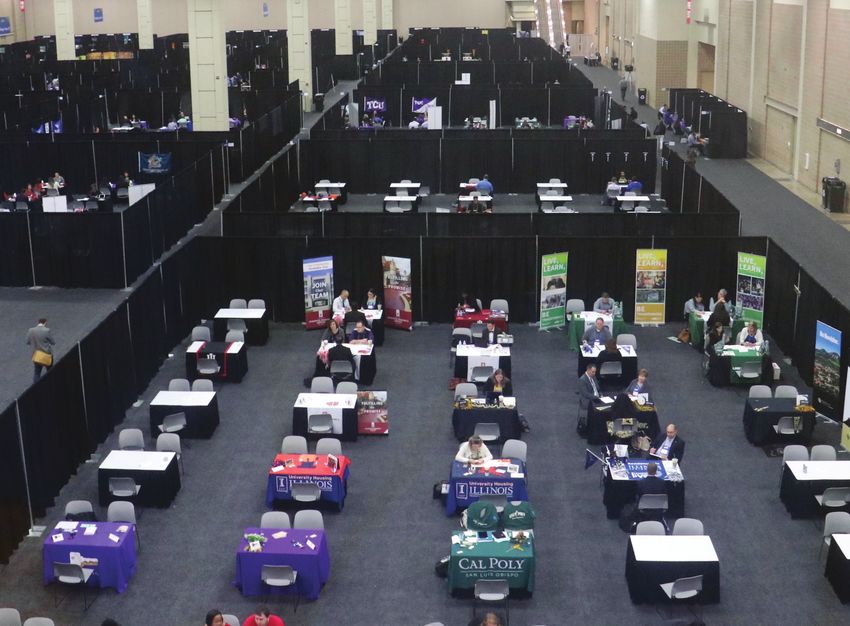
• FACE-TO-FACE PLACEMENT EVENT
                                     • YEAR-ROUND JOB POSTINGS
                                     • EDUCATIONAL RESOURCES                www.ThePlacementExchange.org

YEAR-ROUND JOB POSTINGS                            EDUCATIONAL RESOURCES             FACE-TO-FACE PLACEMENT

TPE ONSITE | SPRING
MARCH 6-9, 2019 | LOS ANGELES, CA

REGISTER ONLINE TODAY AT
www.ThePlacementExchange.org

                                                                    The Placement Exchange provides
                                                                    year-round support and education for
                                                                    student affairs professionals to plan their
                                                                    careers, recruit and retain first-rate staff, and
                                                                    accomplish their professional goals.

  PRESENTED BY:                                     OUR PARTNERS:

    Student Affairs Administrators
         in Higher Education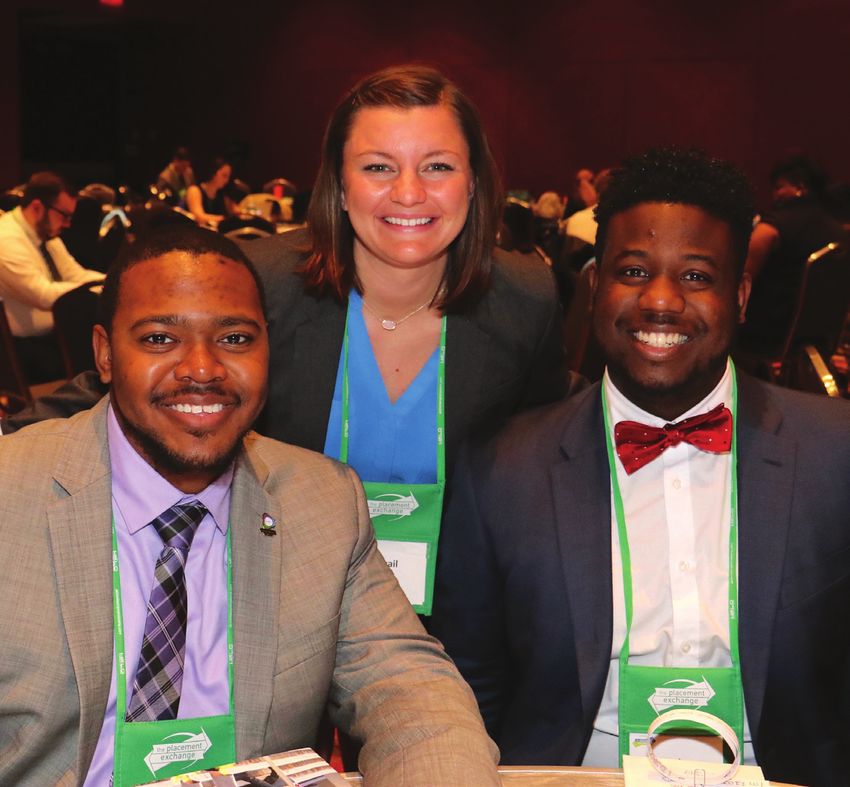
A BIG THANK YOU TO OUR BUSINESS
           PARTNERS!
GOLD PARTNERS

BRONZE PARTNERS

EXHIBITORS

                     ASCA Annual Conference | 3
Dear ASCA 2019 Conference Attendee,

We are delighted to welcome you to the 31st annual ASCA Conference!

This year’s theme of “Navigating the Journey” reminds us that our professional
field is, in many ways, fluid. Thus, we will look to reflect on the currents that we
have created, the journey we are currently on, and work to map new routes for
those who follow. We will work to adapt to the changing needs of our community
members by assuring that neither ourselves nor our processes become stagnant.

On behalf of the ASCA Board of Directors and the Annual Conference planning
committee, we are pleased to have you in attendance and are thankful for the
investments that you and your supporting employers have made to have you join
us. This year, more than 900 student conduct professionals will come together to
share in more than 150 educational sessions. The presenters and volunteers who
lend their time, talents, and expertise are the backbone of this association and
conference and we are so thankful for their contributions.

Melissa Harris-Perry, our keynote speaker, will kick off our time together on
Wednesday evening and we invite you to spend time in the ballroom foyer
mingling and catching up with colleagues afterward. Educational sessions then
take place Thursday, Friday, and Saturday with the conclusion of the conference at
the Saturday evening banquet.

Thank you for your support of ASCA and we hope you have a wonderful
conference experience.

Christine Simone                                                    Cathy Cocks
2019 Conference Chair                                   2018-2019 ASCA President

    4 | ASCA Annual Conference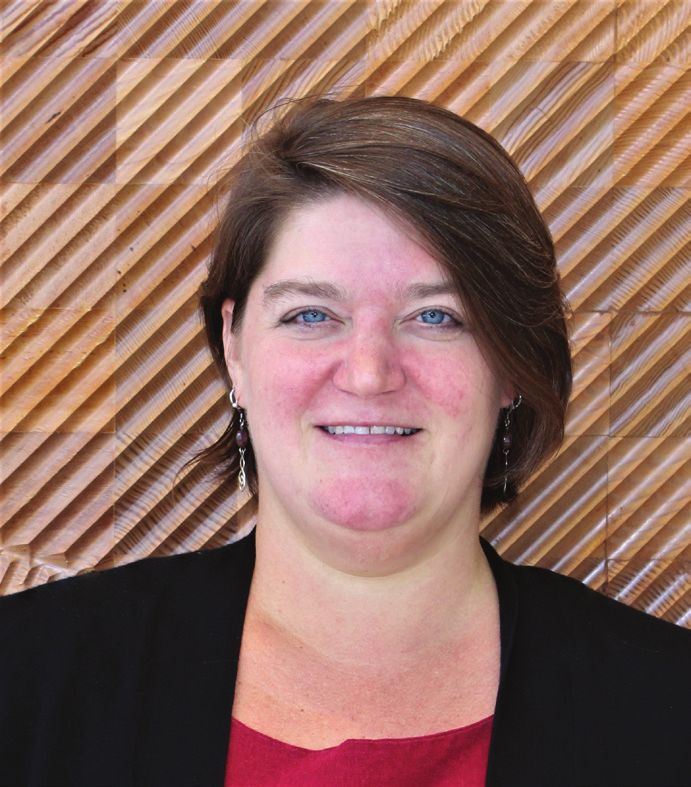
TABLE OF CONTENTS

KEYNOTE                     7        CONCURRENT SESSION 1                   10
PRE-CON HALF-DAY SESSIONS   8        CONCURRENT SESSION 2                   11
PRE-CON FULL-DAY SESSIONS   9        CONCURRENT SESSION 3                   12
                                     CONCURRENT SESSION 4                   13
                                     CONCURRENT SESSION 5                   14
                                     CONCURRENT SESSION 6                   15
                                     SUMMITS                                16

             WED 06                             THURS 07
CASE LAW FEATURED SPEAKER       10   FEATURED SPEAKER                       10
CASE LAW FEATURED SPEAKER       11   CONCURRENT SESSION 10                  11
CASE LAW FEATURED SPEAKER       12   CONCURRENT SESSION 11                  12
CONCURRENT SESSION 7            13   CONCURRENT SESSION 12                  13
CONCURRENT SESSION 8            14   CONCURRENT SESSION 13                  14
CONCURRENT SESSION 9            15   CONCURRENT SESSION 14                  15

                  FRI 08                                  SAT 09

                                               ASCA Annual Conference | 5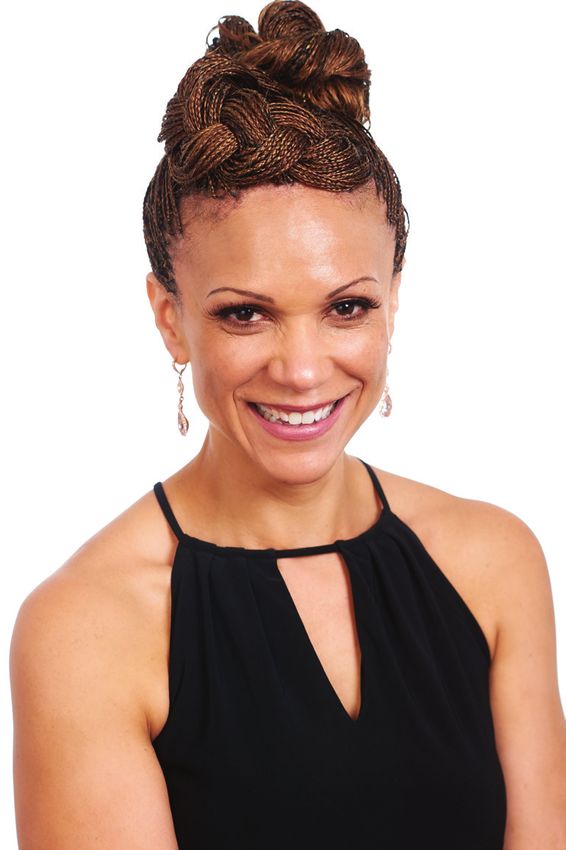
SCHEDULE AT A GLANCE
GENERAL AMENITIES: ALL DAY                                              TUESDAY
CONFERENCE HOURS                                                        FEBRUARY 5TH
All Gender Restrooms             3rd Floor Escalator Foyer              Central Office Open for Registration 4-8 pm       2nd Escalator Foyer
Lactation Room                   Client Office 3                        Conference & Presenter Check-In      4-8 pm       2nd Escalator Foyer
Prayer & Meditation Room         Boardroom 4
ASCA Living Room                 Grand Foyer

WEDNESDAY                                                               FRIDAY
FEBRUARY 6TH                                                            FEBRUARY 8TH
Conference & Presenter     7:00 am - 9:00 pm      2nd Escalator Foyer   Information Table            8:00 am - 5:00 pm  2nd Escalator Foyer
Check-In                                                                Central Office               8:00 am - 5:00 pm  Client Office 2
Conference Office          7:30 am - 9:00 pm      Registration Office   Conference Office            8:00 am - 6:00 pm  Registration Office
Central Office             7:30 am - 9:00 pm      Client Office 2       Exhibitors Open              8:00 am - 5:00 pm  Grand Foyer
Continental Breakfast      7:30 am - 8:30 am      Conference Center A   Continental Breakfast        8:00 am - 9:00 am  Grand Foyer
for Pre-Cons                                                            Continental Breakfast with   8:00 am - 9:00 am  Grand Foyer
Foundation/Silent Auction 8:00 am - 5:00 pm       2nd Floor             the Goldstone Foundation                        (Reserved Tables)
Collection Table                                                        Silent Auction Bidding       8:00 am - 5:00 pm Escalator Nook
Pre-Con Sessions          8:30 am -12:00 pm       Meeting Rooms         ASCA State of the            8:30 am - 10:00 am Grand 4-8
Pre-Con Full Day Lunch    12:00 pm - 1:30 pm      Conference Center A   Association
Pre-Con Sessions           1:30 pm - 5:00 pm      Meeting Rooms         Concurrent 5                 10:15 am - 11:15am   Meeting Rooms
Exhibitors Open           5:00 pm - 10:00 pm      Grand Foyer           Concurrent 6/Lunch           11:30am - 12:30 pm   Meeting Rooms
First Time Attendee        5:00 pm - 6:00 pm      Orlando               State Meetings/Lunch         12:45 pm - 1:15 pm   Meeting Rooms
Welcome                                                                 Concurrent 7/Lunch            1:30 pm - 2:30 pm   Meeting Rooms
Case Study Orientation &   6:00 pm - 6:30 pm      Orlando               Break                         2:30 pm - 3:00 pm   Grand Foyer
Questions                                                               Featured Speaker:             3:00 pm - 4:30 pm   Grand 4-8
ASCA Opening Keynote       6:30 pm - 8:00 pm      Grand 4-8             Legislative Updates
ASCA Opening Reception 8:00 pm - 9:30 pm          Grand Foyer           Concurrent 8                  4:45 pm - 5:45 pm   Meeting Rooms
Social Station            8:00 pm - 12:00 am      Orlando               Only in JAX Night- Shuttle   6:30 pm - 10:30 pm   Newnan St. Entrance
                                                                        Karaoke                      8:00 pm - 11:00 pm   Grand 3
THURSDAY                                                                Social Station               8:00 pm - 12:00 am   Orlando
FEBRUARY 7TH                                                            SATURDAY
Conf Check-In & Register     7:00 am - 5:00 pm    2nd Escalator Foyer   FEBRUARY 9TH
Central Office               7:30 am - 5:00 pm    Client Office 2
Conference Office            7:30 am - 6:00 pm    Registration Office   Foundation Run/Walk/Roll 7:00 am - 8:30 am Lobby
Exhibitors Open              8:00 am - 5:00 pm    Grand Foyer           Information Table           8:00 am - 3:00 pm 2nd Floor Foyer
Silent Auction Drop Off      8:00 am -5:00 pm     2nd Escalator Foyer   Central Office              8:00 am - 4:00 pm Client Office 2
Continental Breakfast        8:00 am - 9:00 am    Grand Foyer           Conference Office           8:00 am - 4:00 pm Registration Office
Continental Breakfast with   8:00 am - 9:00 am    Grand Foyer           Silent Auction Bidding     8:00 am - 12:00 pm 2nd Escalator Foyer
the Board of Directors                            (Reserved Tables)     Continental Breakfast       8:00 am - 9:00 am Grand Foyer
Women in Student             8:00 am - 9:00 am    Grand Foyer           Continental Breakfast with 8:00 am - 9:00 am Grand Foyer
Conduct CoP Breakfast                             (Reserved Tables)     Conference Committee                          (Reserved Tables)
Graduate Student             8:00 am - 9:00 am    Grand Foyer           Concurrent 9                8:30 am - 9:30 am Meeting Rooms
Breakfast                                         (Reserved Tables)     Concurrent 10              9:45 am - 10:45 am Meeting Rooms
Community College            8:00 am - 9:00 am    Grand Foyer           Concurrent 11/Lunch        11:00 am - 12:00pm Meeting Rooms
Breakfast                                         (Reserved Tables)     State Meetings/Lunch       12:15pm - 12:45 pm Meeting Rooms
Concurrent 1                 9:00 am - 10:00 am   Meeting Rooms         Concurrent 12/Lunch         1:00 pm - 2:00 pm Meeting Rooms
Concurent 2                  10:15 am - 11:15am   Meeting Rooms         Featured Speaker            2:15 pm - 3:45 pm Grand 4-8
Region Meetings              11:30 am - 12:30pm   Meeting Rooms         Concurrent 13               4:00 pm - 5:00 pm Meeting Rooms
Lunch & Learn: Clare Cady    12:30 pm - 1:45 pm   Grand 4-8             Cocktail Hour               6:00 pm - 7:00 pm Grand Foyer
Goldstone Foundation          2:00 pm - 3:00 pm   Meeting Rooms         Closing Banquet             7:00 pm - 9:00 pm Grand 4-8
Meeting                       2:00 pm - 3:00 pm   Board Room 1
Concurrent 3                  3:15 pm - 4:15 pm   Meeting Rooms
Concurrent 4                  3:15 pm - 5:30 pm   Meeting Rooms
Summits                       6:00 pm - 8:00 pm   Meet in Lobby
No Host Dinners              8:00 pm - 11:00 pm   Grand 3
Trivia/Game Night            8:00 pm - 12:00 am   Orlando
Social Station

         6 | ASCA Annual Conference
KEYNOTE SPEAKER
                                    Professor Melissa Harris-Perry is the Maya Angelou Presidential
                                    Chair at Wake Forest University. There she is founding director
                                    of the Anna Julia Cooper Center, whose mission is to advance
                                    justice through intersectional scholarship. She is also founder
                                    of the innovative bi-partisan program, Wake the Vote.
                                    Together with her husband, James Perry, she is a principal of
                                    Perry Partnership, offering both political and private consulting.
                                    Perry Partnership identifies new talent, develops civic capacity,
                                    trains political candidates, deepens democratic engagement,
                                    and expand opportunities for real people to make a difference.

                                       For more than a decade, Harris-Perry has contributed to
                                       American public life through her distinct combination of
                                       scholarly analysis and extraordinary wisdom applied to the
                                       analysis of race, gender, politics, and power. Her writing has
                                       appeared in the Wall Street Journal, New York Times, Chicago
                                       Tribune, and many other print and digital venues. She was
                                       among the initial cohort of writers for TheRoot.com and
                                       authored highly regarded columns for both Essence and The
Nation. Currently, she is editor-at- large of Elle.com and a contributing editor at The Nation.

Committed to diversifying American journalism and mentoring emerging public voices, Professor
Harris-Perry has developed and implemented innovative mentoring efforts including the Elle.com
scholars program centering the stories of women and girls of color and BLACK ON CAMPUS, a
national student journalism program in partnership with The Nation.

She is the author of the award-winning Barbershops, Bibles, and BET: Everyday Talk and Black
Political Thought, and Sister Citizen: Shame, Stereotypes, and Black Women in America. She
hosted the award winning television show “Melissa Harris-Perry” from 2012-2016 on weekend
mornings on MSNBC and in 2016, she won the Hillman
Prize for broadcast journalism.

Harris-Perry received her B.A. degree in English from Wake Forest University and her Ph.D. degree
in political science from Duke University. She also studied theology at Union Theological Seminary
in New York. Harris-Perry previously served on the faculty of the University of Chicago, Princeton
University, and Tulane University. She serves on several boards and award committees and is a
trustee of The Century Foundation.

Melissa, James, and their two daughters live in North Carolina raising free range chick- ens and
children on Anna’s Park Homestead in hopes of growing sustainable food, lives, and communities.
PRE-CON HALF-DAY | 8:30 AM - 12:00 PM
                        From Transactional To Transformative: Implementing Adaptable and Just Approached To
                        Addressing Conflict
                        Location: City 9
                        Lena Crain: Denison University
                        Ryan Holmes: University of Miami
                        Erik Wessel: University of Michigan
                        Opportunities to include peace building, social justice, and skills development in conflict resolution
                        are increasing, including dialogue coaching, restorative practices, mediation, and negotiation. In this
                        program, participants will explore how to build creative, adaptable, and transformative approaches to
                        conflict resolution, and recommendations for partnerships, policy, and practice for campuses seeking to
                        shift from the traditional, transactional conduct model to adaptable, just practices.

                        Stalking on Campus
                        Location: City 8
                        Nicholas Campau: Ferris State University
                        Kaitlin Zies: Ferris State University
                        The VAWA Amendments to Clery require annual training for stalking and how to conduct an investigation
                        and hearing process that protects the safety of victims and promotes accountability. This program is
                        designed to cover these topics as well as common misconceptions, safety planning, and other aspects of
                        the conduct process.

                        Serving Students with Autism: Challegnes in the Conduct Process
                        Location: City 10
                        Lee Williams: College Autism Network
                        Bradley Cox: College Autism Network
                        Campuses are seeing an increase in the number of students with diagnoses of Autism Spectrum Disorder/
                        Asperger’s Syndrome. These students bring with them social, behavioral and communication challenges
                        that may be disruptive or misunderstood by the community, leading to allegations of misconduct.
                        Participants will learn about these traits and the strategies that might make a difference in responding to
                        these students.

                        Implementing Academic Restorative Justice
                        Location: City 11
                        Sharon Dzik: University of Minnesota- Twin Cities
                        Erin Strange: University of Wisconsin- Madison
                        Clayton Bracht: Univesity of Minnesota- Twin Cities
                        Katie Koopmeiners: University of Minnesota- Twin Cities
Wednesday, February 6

                        Ryan Podolak: University of Wisconsin- Madison
                        Academic misconduct impacts the foundation of higher education and the broader institutional
                        community. This program will focus on a model of academic restorative justice that has been successfully
                        implemented at two universities. Participants will receive program materials, participate in a mock
                        meeting, and discuss implementation strategies.

                         8 | ASCA Annual Conference
PRE-CON HALF-DAY | 1:30 PM - 5:00 PM
Foundations for Student Housing Conduct
Location: City 9
JoCynda Hudson: University of Florida
Adam Jordanl: University of Houston
Housing staff members are the front line of many conduct processes. These interactions can be
uplifting learning opportunities for staff and communities alike. In this session, participants will review
the foundations of an educational and developmental approach to student conduct within a fair
and compliant process. Utilizing information from Conduct and Community, presenters will focus on
educational opportunities from confrontation to sanctioning. Other roles of housing professionals such as
working with Conduct Offices and Deans of Students will be explored.
Vicarious Trauma Workshop: Higher Education Professionals Engaged with Sexual Misconduct
Location: City 8
Jill Bassett: Franklin Pierce University
The purpose of this workshop is to provide higher education professionals with basic information and
skills to effectively identify and process vicarious trauma. This workshop is designed from my quantitative
dissertation research, Vicarious Trauma in Higher Education for those Engaged with Sexual Misconduct
(Title IX) Cases. The workshop will include a participant guidebook which will include learning objectives,
activities, and resources.

Charting the Course to an Equitable and Effective Student Organization Conduct Process
Location: City 4
Rachel Russell: Quinnipiac University
Katherine Pezzella: Quinnipiac University
Megan Buda: Quinnipiac University
Fraternity/sorority life, student organization advising, and student conduct staff will present their
experience overhauling the student organization conduct process for their campus, focusing on effective
collaboration and communication, equitable processes for student organizations within and outside the
fraternity/sorority community, and student learning and development. Participants will gain strategies for
implementing changes to their own student organization conduct processes.
Navigating Student Conduct Administration as a Person of Color at a Predominantly White
Institution
Location: City 11
Patience Bryant: California State University- Long Beach
Derrick D. Dixon: The University of Mississippi

                                                                                                               Wednesday, February 6
Robert Dotson: Texas A&M University- Commerce
Reyna Anaya: The University of Northern Colorado
Working in student conduct administration at Predominantly White Institutions (PWIs) presents its chal-
lenges for People of Color. This session will create the space for participants to discuss their experiences
working in a majority White field, what lessons they have learned, and what support they can offer other
People of Color who work in student conduct at PWIs.

Intersection of GLBTQ & Sexual Harassment/Assault
Location: City 10
Kristen Harrell: Texas A&M University
Mikiba Morehead: Baylor University- College of Medicine
This interactive half-day pre-con will provide an opportunity for participants to process through the
impacts of identity on sexual misconduct cases. Specific attention will be paid to LGBTQ+ identities.
Participants will be asked to reflect on their policies and procedures to determine adjustments that may
be made to make processes, training, and policies more inclusive.

                                                                                ASCA Annual Conference | 9
PRE-CON FULL-DAY | 8:30 AM - 5:00 PM
                        Navigating Training Conduct Boards
                        Location: River 2
                        Maya Burney: University of South Carolina- Columbia
                        Maureen Grewe: University of South Carolina
                        Honor boards play an integral part of universities. With institutions facing more scrutiny when it comes to
                        how offices respond to potential Conduct, Title IX, and Honor Code violations the training of Boards is a
                        critical aspect for institutions. This pre-con will showcase training best practices and participants will walk
                        away with tangible materials to bolster their training curriculum.

                        Senior Student Affairs Officers/ Senior Conduct Officers
                        Location: River 1
                        Travis Overton: Costal Carolina University
                        Available as a full day pre-conference session, specific to our senior student affairs and senior conduct
                        officer attendees. We hope you’ll join us or tell relevant professionals on your campus about this
                        opportunity. A final list of topics are still to be determined, but at this time, a possible list of topics
                        include: Campus Wide Events, Student Behavior Online: the fine line, Appeals and appellate officers,
                        Transcript notation, Recent changes with investigative models: things to consider, ADA compliance within
                        the conduct offices, Working with faculty, Organizational conduct, Title IX – on the horizon, Working
                        collaboratively on bystander education, Supervising the conduct area, and First Amendment and Social
                        Justice intersection.

                        Generation “If You See Something, Say Something” - Redefining Campus Threat Asssessment
                        Location: City 12
                        Katie L. Treadwell: Teachers College- Columbia University
                        Every member of the campus community is responsible for threat assessment. Often, threat assessment
                        is relegated to a handful of individuals but fails to consider the broader community’s insights. Through
                        well-known case studies, the presenter will highlight critical threat assessment lessons that are being lost
                        with time, as well as the impact of living in and/or serving a generation defined by threat assessment.
                        This workshop focuses on the role of behavioral intervention teams, campus-wide training, and innovative
                        approaches to assessing perceived threats. Participants will receive training materials and develop
                        strategies to involve the entire community in harm reduction.

                        Conduct Bootcamp for Community College Practitioners
                        Location: City 7
Wednesday, February 6

                        Tim Cason: Tarrant County College
                        Mary Zabriskie: St. Louis Community College
                        Examine the essential elements and best practices for effectively addressing conduct matters in the
                        community college setting. Information will include due process considerations, resolution strategies
                        and building teams within the institution. Time will be spent understanding issues of concern when it
                        comes to student behavior in multiple contexts including utilizing behavior intervention teams, Title IX
                        matters and more. Participants will explore strategies that support student success and create educational
                        experiences, while taking into consideration issues of campus safety.

                         10 | ASCA Annual Conference
CONCURRENT SESSION 1 | 8:30 AM - 9:30 AM
Title IX’s Approaching Storm: Keeping an Even Keel
Location: River 2
Amanda DaSilva: Northwestern University
Rebecca Wallace: University of Cincinnati
Higher education practitioners are facing a groundswell of due process scrutiny that can seem inherently at
odds with engaging in trauma-informed practice. This session will plumb the depths of each of these focus
areas and will issue a collective challenge to consider the ways they can complement one another for the
benefit of all parties.
Navigating the Journey: Restorative to Transformative Sanctioning
Location: River 3
Laura Bayless: Life University
Andre Clanton: Life University
In this session, participants will learn how to transition from a restorative justice model to a transformative
justice model of sanctioning. We will discuss the process, the stakeholders, and the resources needed to
sanction negative or inappropriate behaviors as well as address the underlining issues that precipitated the
behaviors.
Academic Integrity: Serving as Co-Captain with Faculty Partners
Location: Grand 1
Ana Krause: Indiana University
Recognizing academic integrity as a core institutional value is crucial to navigating the journey with faculty!
We’ll discuss engagement, buy-in, faculty roles in our process, partner outreach, seminar curriculum for
first-time violations, and consultation with departments to jointly determine an outcome for students with
prior conduct violations. We’ll share best practices for shared accountability models, trends observed, and
our response.
Gone Overboard: New Administrators After Long-Term Role Vacancy
Location: City 4
Sherrelle Findley: Florida Gulf Coast University
Beth Paris: Virginia Commonwealth University
Transitioning into a new institution can be difficult. Filling a position that had been vacant for an extended
period of time can be even tougher. This presentation will address two mid-level managers’ approaches to
filling positions with an extended vacancy, including the assessment of departmental/institutional culture,
and managing response to change.
Cross-Cultural Implications for AOD and Title IX Cases
Location: Grand 2
Christy Anthony: The George Washington University
Thursday, February 7
Leah Driscoll: Berklee College of Music
Students experience cross-cultural encounters with each other, and also with institutional systems. In this
session, a student conduct officer and a wellness educator join to discuss cross-cultural factors to consider
when working on AOD and Title IX cases. We will address communication with parties, weighing evidence,
and sanctioning, including steps for improving the cultural competence of systems and personnel.
Navigating Organizational Misconduct: Five Goals of an Effective Organizational Misconduct
Process
Location: River 1
Gentry McCreary: The NCHERM Group LLC
What are you trying to accomplish through your campus organizational misconduct process? A well-
designed process not only changes student behavior, but encourages peer and self-governance, promotes
healthier campus cultures, and builds goodwill among students and stakeholders. This session will examine
the challenges with adversarial organizational misconduct models, and present an alternative framework
designed to create positive, community-wide culture change.
ASCA Annual Conference | 11Organization Misconduct & What we Learned from 2017
Location: Orlando
Jaclyn Stelmaszczyk: Indiana University
Campus-wide suspensions, moratoriums, etc. Campus conduct processes and their ability to impact
organization behavior is an increasing focus. We’ll share lessons learned from 2017-2018 at Indiana
University, discuss organization closures, informal and formal intervention, utilizing an organization’s
conduct history, and messaging (University president to the student newspaper). We’ll discuss successful
practices and challenges experienced and offer feedback within small groups.
Navigating Assessment Using Rubrics
Location: Grand 3
James Reed: Massachusetts Institute of Technology
Tessa McLain: Massachusetts Institute of Technology
Looking to elevate your assessment efforts and find a way to evaluate student learning? This session
will explore how to establish and use rubrics in your assessment practice – from the creation and
implementation process through thinking about how to present your findings to campus stakeholders.
Presenters will also discuss how using rubrics impacted other aspects of their conduct practice.
Exploring the Seas (C’s): Conduct and Cultural Competency
Location: City 7
James Jackson: Kenyon College
Bradley Davis: North Carolina State University
As student conduct administrators, we are explicitly commissioned to uphold the standards outlined in
our institutional student handbooks. However, as student affairs professionals and educators, we are also
called to support our institution’s commitment to cultural diversity. Exploring the Seas (C’s) will discuss and
explore opportunities to advance student’s cultural competency through sanctioning when addressing
discriminatory and non-discriminatory incidents.
Admissions Prior Conduct: The University of South Florida Approach
Location: City 9
Joshua Cuthens: University of South Florida
Maddison Leffel: University of South Florida
On May 9, 2016, the Department of Education released guidance on access to institutions of higher
education for individuals with criminal records. This session will review this guidance, proposed national
legislation from it, and the four-tiered process in place at the University of South Florida to ensure the
safety and success of these applicants and the entire overall campus community.
Adding Your Voice to the Student Orientation Experience
Location: City 12
Rachel Lerner Colucci: Bergen Community College
Thursday, February 7
Sam Swingle: Advantage Design
Is it ever too soon to have The Talk with new students? No. Just think incrementally, get creative and
start before students come to campus. This session explores how a multimedia, web-based orientation
solution is also introducing Title IX to incoming students at New Jersey’s largest community college. The
presentation will offer best practices as a model for successful implementation.
CoP Meeting: LGBTQIA
Location: St. John
Committee Meeting: Public Policy & Legislative Issues
Location: Daytona
12 | ASCA Annual ConferenceCONCURRENT SESSION 2 | 9:45 AM - 10:45 AM
Sexual Victimization and Institutional Integration: A Research Study
Location: Grand 1
Ann James: Miami University
The study examined how the experience of sexual violence, social identity, as well as student perception
of campus climate with respect to attitudes about such violence, is related to institutional integration in
college students. Recommendations for practice in student conduct work will be shared.
Peer/Student Advisors for Respondents: Two Approaches
Location: Grand 2
Christina Liang: Cornell University
Even a pro-active Respondent can find a student conduct process confusing, administratively burdensome
and/or anxiety-provoking. Two institutions, SUNY Buffalo and Cornell University have addressed this
issue by providing peer advisors for Respondents. Originally intended to provide student advocacy,
peer advisors’ roles have evolved, in positive and negative ways. This presentation will explore how peer
advisors can impact student conduct processes.
Art in Student Conduct
Location: City 4
Corey Michalos: Amherst College
It all started with a free hug and an ink blot! Come learn how Dance Floor Theory and the Art of Perception
is helping our College campus navigate all parts of the student conduct process. Learn how we updated
our staff and board trainings, increased effective communication, started cultural change, and reframed our
sanctioning model using art.
Got Game?
Location: River 3
Derrick D. Dixon: University of Mississippi
Aniesha Mitchell: University of Cincinnati
Got Game? Sporting events are a great way to develop team spirit, healthy competition, comradery, and
have fun! However, when students act in a manner inconsistent with community values, it can impact the
game experience for many. This session will highlight the Game Day policy developed at the University of
Mississippi to encourage students to bring their Citizenship A Game.
Engaging in Action Planning for Fraternities Related to Incidents of Bias
Location: Grand 3
Dominick Williams: University of Kentucky
Nick Kehrwald: University of Kentucky
A fraternity has been found responsible of discrimination and now the Office of Student Conduct has to
Thursday, February 7
develop an action plan. This presentation will review a case study in working with campus partnerships,
national headquarters, and management of campus expectations to create a three-phase plan to help the
chapter learn from their behavior and change their actions.
Practical Applications of Social Justice Principles
Location: River 2
Jill Creighton: Washington State University
Kateeka Harris: Tarrant County College District
Don’t know where to start with Diversity and Inclusion on your home campus? This session will guide
participants through practical applications of diversity and inclusion exercises you can take home to your
staff. In addition, we’ll talk about ways you can interrupt oppression on the daily in your role.
ASCA Annual Conference | 13Navigating the Journey of Campus Collaboration
Location: City 7
Kyle Wilson: Wichita State University
Scott Jensen: Wichita State University
Are you wanting to create meaningful partnerships with other offices on your campus? If you are a
conduct professional join us in this session where we will discuss how to create, develop, and maintain
campus partnerships at your institution.
Pirates’s Life for Me: Turning the Boat Around Before a Major Shipwreck
Location: City 12
Leila Faranesh: East Carolina University
Jessie Ashton: East Carolina University
Have you ever wanted to start a community over? Turn the boat around and find a new crew? In fraternal
conduct, this can be impossible, but with the right compass, partners, and anchors, any rough seas can
be overcome. Attendees will learn about rebuilding relationships, processes, trust, and community, sailing
through rough winds when supporting fraternal organizations.
Residential Potential: Navigating the Journey to Housing Conduct Administration
Location: City 9
Michael Allensworth: Michigan State University
Moni Marcelo: University of Iowa
Maja Myszkowski: Michigan State University
Steve Kleuver: Florida State University
Nicole DiBartolo: Florida State University
An increasing number of institutions are taking the journey towards having specific professionals assigned
to manage residential student conduct. This session will provide examples from three public institutions
through exploration of best practices, challenges, and opportunities to help institutions navigate the
innovative establishment of this specialized field.
Navigating the Complexities of High-Level Conduct Cases
Location: River 1
Neeraja Panchapakesan: Emory University
VIctoria Chan-Frazier: Emory University
High-level cases are generally complex in nature. This session will provide strategies and tools that can
be useful when addressing high-level incidents, like physical assault, hazing, and other behavior that may
result in suspension or expulsion. We will also talk about considerations when working with international
students in these situations and provide suggestions for campus resources to engage with.
Academic Integrity & Technology: Combating New Ways to Cheat
Location: Orlando
Shawn Knight: University of North Carolina Charlotte
Thursday, February 7
This round table session will focus on the challenges that are presented by new forms of technology
related to academic integrity. These challenges may come from “study sites” such as CourseHero and
Chegg. Additionally, with the development of technology teaching tools and new hardware, such as smart
watches, maintaining academic integrity is becoming increasingly difficult.
CoP Meeting: Sexual Misconduct Institute & Title IX
Location: St. John
The Intersection of the Proposed Regulations and Clery: A Step-By-Step Application
Location: Daytona
Beth Devonshire: NAACOP
In this interactive session, participants will be provided a case scenario which will be used for a step-by-
step walk through of the adjudication process as impacted by the proposed Title IX regulations and the
Clery Act. Special consideration will be given to the intersection with the Clery Act including areas of
potential conflict and ambiguities.
14 | ASCA Annual ConferenceCONCURRENT SESSION 3 | 2:00 PM - 3:00 PM
Take Care: Navigating Professional Safety for Women in Conduct
Location: River 1
Amanda Mesirow: Moraine Valley Community College
Individuals who identify as women face different, and sometimes dangerous, challenges than do other
professionals. From mindsets to #MeToo, many women encounter daily safety concerns. Based on the
presenter’s Women in Student Conduct webinar, session will include discussion and action. The focus is
on women; however, intersectionality will be honored. All are welcome, particularly those wishing to be
advocates/allies.
Conduct and Class: Rethinking How SES Impacts the Work of Student Conduct
Location: Grand 1
Ashlei Tobin-Robertson: University of Washington
Kevin Pitt: Rutgers University
Amy Miele: Rutgers University
Student conduct administrators have yet to have substantive conversations regarding SES’s influence
on the work of campus conduct. Campuses need to re-examine how their practices may enable
privilege. This session will debate these issues and showcase the experiences of three student conduct
administrators who are responsible for student conduct administration from three campuses with
drastically different SES student profiles.
Title IX: Creating Stability When the Current is Changing
Location: River 2
Betsy Smith: The University of Tennessee, Knoxville
Ashley Blamey: The University of Tennessee, Knoxville
The Title IX world is changing. Maneuvering through constantly evolving guidelines, expectations, and
administrations can be challenging. The presenters will provide ideas to steer you to sustainable Title IX
success through consistency, compliance, and compassion.
Faculty Want Expulsion, but It’s Just ANother Tuesday: Navigating Classroom Management
Issues
Location: River 3
Cat Metcalfe: Drexel University
Tynika Williams: Drexel University
Safety on campus is one of the core issues administrators deal with on a regular basis. Being bombarded
with stories of mass shootings and students with severe mental health issues can lead to unfair labeling
and overreaction to disruptive behavior in the classroom. Conduct administrators must help manage
faculty expectations and help them establish a proactive approach to classroom misconduct.
Got Student Organization Misconduct?
Location: Grand 2
Thursday, February 7
Christina Parle: Zeta Beta Tau Fraternity
Kathleen Shupenko: The Pennsylvania State University
Lance Watson: Maxient
Have you considered reevaluating your student organization investigation process? Are you looking for
where to start in developing sound investigative practices? This presentation will explore the student
organization investigation processes from two different institutions. The presenters will discuss how they
developed their processes and the fundamental partnerships that sustain the work.
ASCA Annual Conference | 15Navigating Professional Developmment Opportunities as a Mid-Level Professional
Location: City 12
Heather Kloecker-Webster: University of North Carolina at Charlotte
Brian Glick: Northern Illinois University
This session will highlight how to recognize various professional development opportunities that mid
level professionals can take advantage of within ASCA, on campus, and in the field. This session will teach
attendees how to maximize these opportunities while balancing the expectations of work and personal
life. Attendees will leave having completed a professional development plan.
Navigating the Transition from Res Life Conduct to Student Conduct
Location: City 4
Jordan H. Brooks: Alabama State University
Marcia Louis: Texas A&M University- Commerce
Anton Ward-Zanotto: University of Washington, Seattle
Is full-time student conduct for you? Practitioners will discuss the differences from personal experience in
transitioning from roles in Residence Life Conduct to University Student Conduct. Presenters will highlight
differences in institutions size, job responsibilities, challenges, and helpful tips for career transition. Finally,
there will be a discussion of transferable competencies and what possible changes they made to their
resumes.
Follow the Data: Utilizing Analytics to Navigate Decision-Making and Educate Stakeholders
Location: City 7
Nicholas Tumolo: Villanova University
Colleen Ryan: Maxient
Michael Ginsburg: Maxient
Student conduct data is an authoritative tool; robust analysis can inform decision-making and create
opportunities to educate students and staff. This program’s learning outcomes will focus on the utilization
of Maxient’s powerful analytics and associated features, how data can influence behavior, policy, and
campus culture, and how examples of specific analytics have illustrated such at one institution.
True North Strong and Green: Legalized Cannabis on Campus (I)
Location: Daytona
Nicky Renault: Queen’s University
Melissa Dileo: Laurier University
On October 17, 2018, adult-use cannabis was legalized across Canada. This singular moment pushed
post-secondary institutions to implement changes that could forecast impacts on our communities.
Part one of this two-part series introduces participants to some of the legislative and dynamic social
frameworks which shaped a variety of post-secondary approaches to policy, procedure, and student care.
Investigating Organizatioal Hazing: Navigating the Untruths and Half-Truths Like a Pro
Location: Grand 3
Thursday, February 7
Gentry McCreary: The NCHERM Group LLC
Organizational hazing investigations are difficult. They are often filled with lies and half-truths. Cutting
through the veil of silence can be difficult, but it is not impossible. It requires knowledgeable investigators
who understand the nuances of hazing. This session will provide participants with strategies aimed at
cutting through the veil of secrecy and more effectively illuminating hazing when it occurs.
Appreciative Conduct: Infusing Concepts of Appreciative Advising into the Student Conduct Process
Location: City 9
Ryan Iocco: Florida Atlantic University
Audrey Pusey: Florida Atlantic University
Learn ways to revolutionize your student conduct meetings by infusing concepts of Appreciative Advising
into your process. Through Dr. Jennifer Bloom’s method of asking positive, open-ended questions,
participants will learn how to partner with students to assist them in balancing personal accountability with
becoming their best self. We will showcase ways to utilize Appreciative Advising within meetings with
students.
16 | ASCA Annual ConferenceFour Year Private Institutions: Navigating the Journey in the Midst of the Masses
Location: Orlando
Karen Joshua-Wathel: Kalamazoo College
Roundtable session on stragies to better support, encourage, and understand we are private, and yet
dealing with, solving, and navigating large public problems. Let’s talk about it!
CoP: Historically Under-Represented Institutions
Location: St. John
CONCURRENT SESSION 4 | 3:15 PM - 4:15 PM
A Boards Journey: Effectively Recruiting and Training Students for Student Conduct Boards
Location: River 2
Devin Parra: Florida International University
Training and recruitment for Student Conduct Boards can prove to be challenging. How do we create
effective recruitment strategies and create a training that incorporates everything board members need
to know in an engaging manner? This session discusses best practices for creating your boards, including
recruitment, training content, assessment, and evaluation. We will also provide tangible activities and
takeaways.
Conduct in Close Quarters: Navigating the Journey from Conduct to Residential Life
Location: River 3
Derrick D. Dixion: University of Mississippi
Derek Bell: Washington University in St. Louis
In recent years, colleges and universities have seen an increase in conduct practitioners whose primary
area of supervision is within the residential communities. This session will outline two practitioners journey
from managing university conduct to overseeing a residential life process. More specifically, this session
will highlight the process of establishing/revamping a residential conduct process to include conflict
resolution/restorative practices.
Academic Integrity Among International Students: Exploring Aspects of Culture, Language, and
Practice
Location: Grand 3
Jacques Zalma: University of California, Los Angeles (UCLA)
Academic misconduct among college students continues to trouble institutions of higher education
and international students are involved in a higher disproportionate rate relative to their enrollment.
This presentation will focus on findings from a sample of international students who shared how their
experiences as international students influenced their decision to avoid or participate in academic
misconduct.
Judicial Mentoring: A Clarion Model
Location: City 4
Tyler Kitzmiller: Clarion University of Pennsylvania
This session is intended for attendees to learn about the Judicial Mentoring Program at Clarion University. Thursday, February 7
Attendees will learn how to implement a similar program at their University, as well as learn how it can
affect recidivism and retention of students who may need additional support after going through their
conduct process.
Creating a Culture of Assessment: A Three-Year Implementation
Location: City 12
Jeffrey Kegolis: The University of Scranton
David Schweitzer: The University of Scranton
Making assessment the foundation of daily operations is critical. Through reflection and conversation
featuring peer-to-peer learning and feedback, participants will analyze and evaluate their assessment
framework to improve programs/initiatives, consider how to better utilize data to inform and model best
practices, and identify an assessment strategy that is practical for one’s office/institution moving forward.
ASCA Annual Conference | 17Different Identities, Different Perceptions: How Race & Gender Affect Student Disciplinary
Experiences
Location: City 7
Jim Neumeister: Loyola University Chicago
Despite growing diversity in higher education, institutions still utilize uniform processes for addressing
allegations of misconduct. Based on a study of nearly 1,500 students at 30 institutions, this program helps
participants understand how students’ perceptions of their conduct experiences -- including the fairness,
legitimacy, and educational value of systems -- can vary significantly based on their race and gender.
Student Disability Status and Student Conduct System
Location: City 9
Joe DiMaria: Massasoit Community College
This program will focus on understanding the foundations of the rights of students with disabilities in
student conduct proceedings as well as institutional obligations. Participants will learn about federal
legislation related to students with disabilities in student conduct as well as suggested action steps for
institutions to ensure compliance.
Navigating the Journey Together: A commitmeent to Collaborate
Location: St. John
Joesph Zichi: University of Michigan
Mallory Martin-Ferguson: University of Michigan
Ensuring intentional and values based conflict management can pose a challenge. In 2007, the University
of Michigan Office of Student Conflict Resolution and University Housing created a Commitment to
Collaborate to serve students and identify core values. Our partnership evolved to include a shared office,
training, and advisory board. This session will share our journey and vision for the future.
Climbing Back on Board: Setting Students Up for Success After Suspension
Location: Orlando
Larissa Marple: Miami University
Ann James: Miami University
This roundtable session is intended to allow professionals at all levels to brainstorm, idea share, and
question other schools about processes of re-enrollment for students who are suspended for conduct
related incidents.The goal of this session is to give you tangible ideas to help improve your school’s re-
enrollment process.
True North Strong & Green: Legalized Cannabis on Campus (II)
Location: Daytona
Melissa DiLeo: Wilfrid Laurier University
Nicky Renault: Queen’s University
Thursday, February 7
As cannabis legislation changes, so do the needs of post-secondary education administrators. As we
develop policy and procedures, we must consider the implication and impacts on separate campus
communities. This session provides space for small-group discussion on areas of concern such as
residence, central-conduct, policy development, student staff implications,counseling, and other areas of
the participants choosing.
Navigating Through a Campus Wide Response to Hazing at Drury University
Location: River 1
Tijuana Julian: Drury University
Mark Fisher: Drury University
Following a reported hazing incident involving members of the Drury University’s swim team, the
university president formed a campus wide committee to study current university policies and procedures
regarding hazing incidents on campus. The committee was charged to develop a comprehensive plan
for Drury’s campus, and a framework that could be utlilized by other institutions.
18 | ASCA Annual ConferenceSummits | 3:15 PM - 5:30 PM
Summit: African American Black Male
Location: Grand 1
Summit: Women of Color
Location: Grand 2
LUNCH & LEARN SPEAKER
Clare Cady is a scholar-practitioner whose
work rests in the intersection of higher
education and human services. She has
developed programs to address basic
needs insecurities among college students
including campus pantries, emergency aid
funds, housing interventions, and resource
centers. She co-founded and directs the
College and University Food Bank Alliance,
an organization focused on alleviating
student hunger, and is a public speaker,
writer, and consultant. Clare’s work has
been published in the Journal of College
and Character, ACPA’s About Campus, and
the Chronicle of Higher Education. When she is not working, Clare can be found at
least 10 miles up a trailhead in the wilderness or lifting heavy things and putting them
down again.
Thursday, February 7
ASCA Annual Conference | 19CONCURRENT SESSION 5 | 10:15 AM - 11:15 AM
Bridging Cultural Barriers to Support International Students Who Violate Academic Integrity
Codes
Location: Grand 1
Ashlei Tobin-Robertson: University of Washington
Kevin Pitt: Rutgers University
Amy Melie: Rutgers University
With the rapid influx of international students who have different understandings of academic integrity,
the already multi-layered task of adjudicating these incidents has become more challenging. How do
we bridge this cultural gap and support these students while maintaining accountability? Facilitators will
present creative strategies for crossing academic cultural boundaries and effectively adjudicating academic
integrity cases that involve international students.
The Odd Couple: Naavigating the Journey of Revamping the Roommate Mediation/Agreement
Process
Location: Grand 2
Derrick D. Dixon: University of Mississippi
Lindsay Pritchard: University of Richmond
Each year, housing departments across the nation welcome a fresh group of eager and excited residents
into their residential communities. Unfortunately, sometimes the honeymoon phase for the new
roommates soon fades. This session will highlight the journey taken at the University of Mississippi to
revamp their roommate mediation and agreement process.
The Mom Map: Plotting a Course for Professional and Personal Success
Location: Grand 3
Erin McDonald: Coastal Carolina University
Sara Peacock: Coastal Carolina University
Being a working mom is not easy; being a working mom in higher education is even more difficult. We
will explore the complexity of balancing life as a mother and professional, while also sharing strategies to
improve quality of performance in both areas. Mothers, someday-to-be-mothers, partners, supervisors and
employees of mothers are all invited to laugh and learn with us.
Prestige and Privilege: Conduct Administration at Privaate Liberal Arts Insitutions
Location: River 3
James Jackson: Kenyon College
Ralph Johnson: Calvin College
Working as a student conduct administrator at any is institution is not easy. However, working as a conduct
administrator at a “Prestigious” private institution with highly “ Privileged” students can be especially
challenging. We will discuss and explore the challenges of guiding students through a conduct process at
institutions whose tuition may be higher than your salary.
Confronting Racial Bias in Student Conduct and Concern Referrals
Friday, February 8
Location: Orlando
Joe DiMaria: Massasoit Community College
Vergerflutta Smith: Northern Essex Community College
Racial bias remains a major concern related to conduct reports and concern referrals involving students of
color. Participants will have an opportunity to process their observations and experiences in a confidential
setting, brainstorm ways to address bias on their campuses, and connect with one another to form support
networks to effectively engage in this work.
20 | ASCA Annual ConferencePartners or Enemies? Navigating Collaborative Partnerships between Student Conduct and
Fraternity/Sorority Life
Location: River 2
Jonathan Adams: The University of Alabama at Birmingham
Who has the responsibility for our Fraternity/Sorority students? Who should investigate, adjudicate,
or educate? Isn’t Fraternity/Sorority Life supposed to be advocates, pitting offices against one
another? This program will provide insight on how two offices collaborate to promote education and
accountability. Learn from partners that are making it work for the sake of both Fraternity/Sorority
students and the university community.
Navigating the Journey of a One Person Office
Location: City 12
Julie Draper Davis: Pierce College
Matthew Sullivan: Edgewood College
This interactive presentation will explore the challenges of working in a one person conduct office.
The presenters will share survey data collected about the experiences of conduct administrators in this
situation. Participants will be encouraged to discuss their own experiences in a one person conduct
office and together develop strategies for navigating the journey in this unique working environment.
Maximizing the Effectiveness of Maxient on Campus
Location: City 4
Kyle Wilson: Wichita State University
Jason Andrews: Maxient
Are you new to your Maxient system? If you are a level 5 user join us in this session to explore the ways
to set up and enhance your system, including utilization of Maxient within and outside Student Conduct
practices, HTML coding to enhance certain features, analytics, and custom reporting.
Navigating Safety on Campus: Campus Safety Month
Location: City 7
Lynsey Listau: Pensacola State College
A priority on college campuses is the safety of students, faculty, and staff. This session will look at how
the Office of Student Conduct partnered with the Office of Public Safety to create and implement a
Campus Safety Month across multiple campus locations in a cross-college collaboration to create and
sustain a culture of safety on and off campus.
Educating Educators: Navigating Educational Efforts for Faculty and Staff
Location: City 9
Molly Peirano: The Ohio State University
Timothy Cason: Tarrant County College
As higher education professionals, we often overestimate the cognitive standing of fellow faculty/
staff across campus. Using adult learning theories, this program will cover best practices for educating
faculty/staff about student conduct, academic integrity, and Title IX. The presenters will share successes
and lessons learned from their campuses and help attendees navigate the journey of educational efforts
Friday, February 8
on their own campus.
Is Your Title IX Hearing Board Lost aat Sea?
Location: River 1
Rebecca Wallace: University of Cincinnati
Aniesha Mitchell: University of Cincinnati
Catlin Wells: Quinnipiac University
In light of Doe v. Michigan many schools are moving towards the use of panels in the adjudication of
Title IX complaints. This session will provide attendees with the resources to select, train, and develop
faculty and staff panel members to serve as decision makers in equitable hearings.
ASCA Annual Conference | 21Building Bridges and Repairing Harm: Cornell university’s Mediation and Probaation Programs
Location: St. John
Vincent Ciampolillo: Cornell University
Michelle Horvath: Cornell University
This session will review the curriculum associated with each program, provide a recitation of anecdotal
and survey information learned during the first year of these programs, and will explore how the
development of the programs provide a professional development opportunity for members of the OJA.
Committee Meeting: Diversity and Inclusion
Location: City 11
CoP Meeting: Women and Student Conduct
Location: Daytona
CONCURRENT SESSION 6 | 11:30 AM - 12:30 PM
Navigating the Waters of Academic Integrity with International Students
Location: Grand 1
Bradley Davis: North Carolina State University
Many of our colleges and universities are continuing to see an increase in the number of international
students on our campuses. As international students transition from various cultures some struggle with
adjusting to policies and expectations around academic integrity. This session will explore strategies for
educating international students while addressing their perceptions of academic integrity.
Student Organization Conduct: Investigation and Adjudication Best Practices
Location: Grand 2
Chip Phillips: University of North Carolina -Wilmington
Student Organizations present unique challenges when it comes to investigating misconduct and
administering an amenable process. This presentation will breakdown several investigative and
adjudication techniques and assess the effectiveness and potential pitfalls of their use. In addition, the
influence of outside constituencies on organization conduct will be examined. Case studies will be used
to exemplify and encourage audience participation.
When Emotional Support Animals (ESAs) Attack
Location: Grand 3
Jacques Zalma: University of California, Los Angeles (UCLA)
Emotional Support and other Assistive Animals are becoming more prominent among students and the
university community. Unlike Service Animals, ESAs do not require training to provide assistance to their
owners. During this session, the presenter will discuss a case study in which an assistive animal harmed
another student in the residential community.
Friday, February 8
Building Your Compaass for On-Campus Interview Presentations
Location: City 12
James Reed: Massachusetts Institute of Technology
Presenting during an on-campus interview can be one of the most stressful parts of the job search. This
session is designed to help future candidates prepare by highlighting a basic, adjustable structure for
presentations and a framework for articulating a personal conduct philosophy. We will also highlight
common pitfalls to avoid during presentations and ways to best visually represent yourself.
22 | ASCA Annual ConferenceA Positive Spin on Student Sanctioning Location: River 2 Katie Newcomb: Syracuse University Using principles of positive psychology, this presentation explores how we developed a new educational workshop focused on helping students to use their strengths to become more successful members of the Syracuse University community. We will explore the steps taken to develop and implement this workshop, and the positive impact it has had on students after a conduct violation. Reframing Failure as a Productive Step to Success Location: City 7 Nicole Diaz: University of Maryland, College Park This session will detail the importance of reframing failure as a productive step towards success and best practices for doing so in a conduct process. It will cover factors that impact how students cope with failure, including race/ethnicity and mental health. This session will highlight research on high-achieving, second-generation Latinx immigrant students and how resilience around failure may improve retention. Get Out the Map: Applying Communication Theory to Conduct Practice Location: City 9 Nicole Allbee: Western Michigan University Andrea Mellendorf: Western Michigan University This session will help you navigate your professional journey by introducing communication theories to be used as a map for conduct practice. From this interactive session, you’ll be able to identify and apply communication theories pertinent to student conduct work as well as demonstrate communication skills that would be beneficial in a conduct setting. Navigating the Unseen Side of a Code Change Location: River 3 Pam Malyk: University of Florida Rewriting your codes should be about creating well thought out policies, right? The often unseen portion of this process is managing the relationships, buy-in, agendas, and emotions of constituents internal and external to your institution. This session covers how to navigate the politics of major policy changes, going with the flow, swimming upstream, and avoiding feeling in over your head. Charting Your Course in Partnering with Faculty Location: City 4 Rachel Champagne: The University of the South Margaret Finch: University of South Carolina Erin Kitchell: University of South Carolina For this session, the presenters will share methods used to communicate case statistics, resources, reporting guidance, and presentation options to faculty from a conduct and student support lens. We Friday, February 8 will brain storm what changes and improvements you would like to see with your faculty partnerships and discuss how to get started on different campuses (based on type, size, etc.). Personal and Organizational Well-Being for Professionals Engaging with Trauma Related Work Location: River 1 Sarah Buchanan: Davidson College Mike Neiduski: Elon University Lance Watson: Maxient Little research exists on the prevalence of Compassion Fatigue however a study by Meldrum et al. (2002) shows 35% of community mental health workers exhibit levels of psycopathology. The challenging nature of our profession calls practitioners to recognize how their work impacts their well-being. Attendees will learn personal and organizational practices to foster well-being for professionals who experience compassion fatigue. ASCA Annual Conference | 23
You can also read


