2019 MASSACHUSETTS DEPARTMENT OF CORRECTION - PRISON POPULATION TRENDS 506 - Mass.gov
←
→
Page content transcription
If your browser does not render page correctly, please read the page content below

506

MASSACHUSETTS DEPARTMENT OF CORRECTION

       PRISON POPULATION TRENDS
                 2019

           RESEARCH AND PLANNING DIVISION

                                            April 2020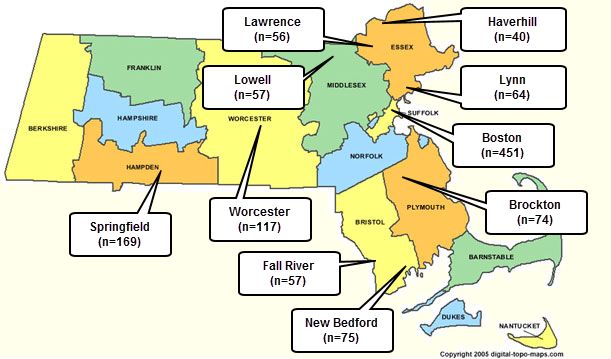
COMMONWEALTH OF MASSACHUSETTS
                                              Charles D. Baker, Governor

                                        Karyn E. Polito, Lieutenant Governor

                EXECUTIVE OFFICE OF PUBLIC SAFETY AND SECURITY
                                           Thomas A. Turco III, Secretary

                    MASSACHUSETTS DEPARTMENT OF CORRECTION
                                             Carol A. Mici, Commissioner

                   Rhiana Kohl, Ph.D., Executive Director of Strategic Planning & Research

                      AUTHOR: RESEARCH AND PLANNING DIVISION

        Nicholas Cannata                       Benjamin Desrochers                           Hollie Matthews
        Susan McDonald                            Jiqiang Rong                                    Leah Wang

                                       ACKNOWLEDGEMENTS
The publication of this report would not be possible without the assistance of the following Divisions within the
                                   Massachusetts Department of Correction:

                                               Data Analytics Unit
                              Executive Office of Technology Services and Security
                                            Health Services Division
                                        Institutional and Central Records

                    Special recognition is given to Nicholas Cannata for his role as Editor
                Special assistance provided by Copy Editors Susan McDonald and Leah Wang

            For questions regarding this report, please contact the Research and Planning Division:

                                            Research & Planning Division
                                            MCI-Concord/SFU Building
                                                    PO BOX 9125
                                                Concord, MA 01742
                                                   (978) 405-6677
                                             Research@doc.state.ma.us

This and other Massachusetts Department of Correction publications can be accessed on
           the internet at: https://www.mass.gov/inmate-and-prison-research-statistics

                               Publication No. 20-162-DOC-01 64 pgs. 100 cps. April 20, 2020
                           Authorized by Gary Lambert, Assistant Secretary for Operational Services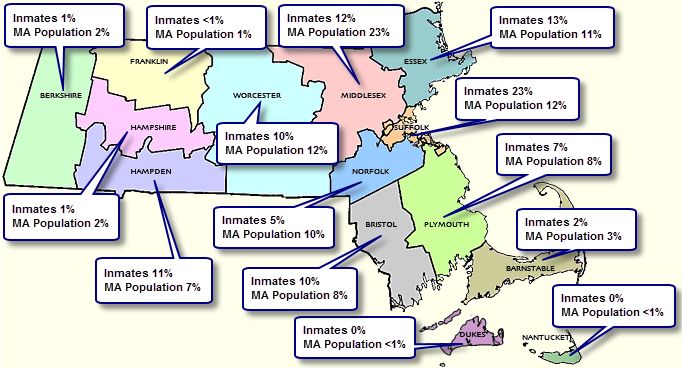
MA DOC Prison Population Trends 2019

Executive Summary
                                           The Massachusetts Department of Correction (MA DOC)
  EXECUTIVE SUMMARY                        jurisdiction prison population’s decline since 2012 (n=11,723)
                                           continued through to January 1st, 2020 (n=8,292). Overall, the
total jurisdiction AND custody MA DOC populations declined 29% since 2012, and also reflect the
lowest counts dating back to just before the year 2000.
January 1, 2020 marks the fifth year of an upward trend where the majority (66%) of criminally sentenced
females were incarcerated for a violent (versus non-violent) governing offense. There was a 10
percentage point increase in female violent governing offenses in just the last year. The population
decline has led to a higher concentration of inmates with violent offenses due to their longer sentences as
well as changes in crime reform for alternatives to incarceration among non-violent offenders.
Another notable trend is the continued aging of the population, particularly among male inmates. The
average age of 42 years old on January 1, 2020 was up from 39 years old in 2011. The percentage of
inmates 29 years old and under decreased by 4 percentage points from January 1, 2016 to January 1,
2020, while the number of inmates age 60 years old and over increased by 3 percentage points during the
same timeframe. This five year shift shows an aging inmate population which ties into the concentration
of inmates serving time for a violent offense. For example, 37% of the jurisdiction population was serving
a sentence of 20 plus years. Yet, it’s important to note approximately one-third of new court commitments
are under the age of 30 years.
The majority of inmates are leaving prison under supervision, be it they are paroled, had a probation term
to serve after “wrapping up” their sentence, or both. This report provides new data on average length of
stay, jail credits and time served. There were 1,758 criminally sentenced inmates who had their first
release in 2019. Seventy-two percent were released due to an expiration of sentence (n = 1,269), meaning
they served their sentence in its entirety. The remaining 28% were paroled to the community. Of the
1,758 releases, the majority were males (82%). On average, males released via parole served 5.1 years
before initially being released, an increase from 2018 male parolees. On the other hand, males released
via expiration of sentence served 4.5 years – this average did not change from 2018. Females represented
18% of the total releases in 2019 (n = 318). Females released via parole served for longer (approximately
25 months) than those who released via expiration of sentence (11 months). More than 75% of the female
releases had served county sentences, which tend to be shorter than state prison sentences. In 2019,
among those released to the community, 18% had parole only, 33% had a probation term to serve, 10%
had both parole & probation, and 38% had no post-release criminal justice supervision.
Significant prison reentry efforts continue to reflect positive outcomes as measured by recidivism rates.
The majority of MA DOC inmates do not recidivate. The three year post-release re-incarceration
recidivism rate among the 2015 release cohort was 33%, remaining relatively stable since 2012 and 8
percentage points lower than ten years earlier (2006). Moreover the reduction in recidivism rates can be
seen across all security levels. In 2007, for example, those inmates (males) released from maximum
security level recidivated at a rate of 62%, whereas the rate was 48% among 2015 releases.
Information regarding all MA DOC Research related reports and statistics can be found on our website at
https://www.mass.gov/inmate-and-prison-research-statistics.

Sincerely,

Rhiana Kohl, Ph.D.,
Executive Director of Strategic Planning & Research
Massachusetts Department of Correction

                                                    ii
MA DOC Prison Population Trends 2019

Report Populations

This report, Massachusetts Department of Correction Prison Population Trends 2019, covers
many different aspects of the Massachusetts Department of Correction (MA DOC) prison
population.

For the purposes of this report, populations include:

Jurisdiction Population
An individual is considered to be under MA DOC jurisdiction when the Commonwealth has
legal authority over the individual, regardless of where the inmate is being held including those
incarcerated in MA DOC facilities as well as those housed in correctional facilities outside of the
MA DOC (Massachusetts Houses of Correction, other states’ correctional facilities, and the
Federal Bureau of Prisons).

Custody Population
An individual is considered to be in MA DOC custody when he/she is being held in a MA DOC
facility.

Commitment type includes:

Criminally Sentenced or “Sentenced”:
Individuals who have been found guilty of a criminal offense by a judge or jury and have been
committed to a period of incarceration, whether directly or after a violation of probation or
parole.

Civil Commitment or “Civil”:
Individuals who have been committed by a court based on a finding that their mental health or
substance abuse issues present a danger to themselves or others.

Pre-Trial or “Detainee”:
Individuals who are held in custody in a correctional facility prior to trial.

A complete list of report definitions is located in the ‘Caveats and Definitions’ section at the end
of this report.

                                                  iii
MA DOC Prison Population Trends 2019

Table of Contents

Acknowledgements ........................................................................................................................ i

Executive Summary ...................................................................................................................... ii

Report Populations ...................................................................................................................... iii

Institution Overview ..................................................................................................................... 1

Institution Capacity ...................................................................................................................... 8

Population Trends......................................................................................................................... 9

Inmate Characteristics ............................................................................................................... 16
   Gender .................................................................................................................................................................... 17
   Race/Ethnicity and Gender .................................................................................................................................... 18
   Age and Age at Time of Incarceration .................................................................................................................. 19
   Age, Age at Time of Incarceration, and Release .................................................................................................. 20
   Offense Types ......................................................................................................................................................... 21
   Sentence Lengths ................................................................................................................................................... 22

Admissions and Releases ............................................................................................................ 24
   Releases by Release Type ....................................................................................................................................... 30
   Criminal, Civil, and Pre-Trial Admissions and Releases ..................................................................................... 31

Admissions by New Court Commitments ................................................................................. 32

Releases to the Community ........................................................................................................ 36
   Supervision Type .................................................................................................................................................... 37
   Security Level ......................................................................................................................................................... 39
   Release Address by County .................................................................................................................................... 41
   Release Address by Top Ten Cities ........................................................................................................................ 42

Average Length of Stay, Jail Credits and Time Served .......................................................... 43

Recidivism Trends ...................................................................................................................... 45

Caveats and Definitions .............................................................................................................. 52

                                                                                      iv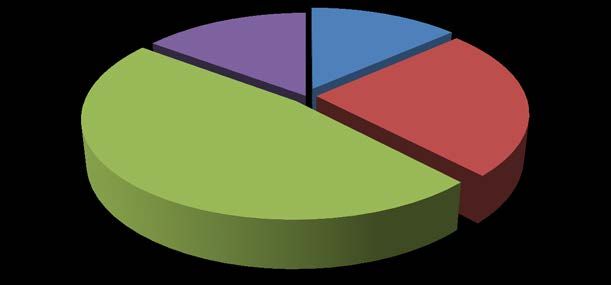
MA DOC Prison Population Trends 2019

Massachusetts DOC 2019
Institution Overview

                 1
MA DOC Prison Population Trends 2019

Institution Overview
Boston Pre-Release Center (BPRC)                                           Roslindale, MA
• Security Level: Minimum & Pre-Release               • January 1, 2020 Facility Population: 91
• Initial ACA Accreditation: 2000                     • Average Daily Population (ADP): 103
• Opened: 1972 - Renovated: 2003                      • Operational Capacity: 175
  (New Building)                                        Minimum: 60 & Pre-Release: 115
• Annual cost per inmate (FY 2019): $77,652
                       BPRC is a facility housing criminally sentenced males. It was the first pre-
                       release institution in Massachusetts and is now a structured program focused on
                       reintegration. Close public transportation increases opportunities for
                       employment, access to community support agencies and other approved
                       programming. Transitional Treatment Program (TTP), a program which
temporarily houses recently paroled inmates, was relocated to BPRC from Pondville Correctional
Center. On January 1, 2020, the majority of inmates were pre-release (n=60), with 31 minimum
security inmates, and 13 additional Transitional Treatment Program parolees not included in the active
prison population.

Bridgewater State Hospital (BSH)                                           Bridgewater, MA
• Security Level: Medium                              • January 1, 2020 Facility Population: 225
• Initial ACA Accreditation: 1998                     • Average Daily Population (ADP): 222
• Opened: 1974                                        • Operational Capacity: 294
• Annual cost per inmate (FY 2019): $288,689

                     Wellpath assumed BSH patient care in 2018. BSH is a facility housing male
                     patients in several categories: civil commitments with underlying criminal
                     sentences, civil commitments without criminal sentences, and pre-trial
                     detainees sent for competency and criminal responsibility evaluations by the
                     court. Each individual civilly admitted to this facility is subject to a court-
ordered evaluation under an applicable section of Massachusetts General Law (M.G.L.) Chapter
123. Patients may be committed to this facility following the observation period for an initial
commitment period of six months, with subsequent commitments of one year, as ordered by the
court, where the failure to hospitalize in strict security would create a likelihood of serious harm
by reason of mental illness.

Lemuel Shattuck Hospital Correctional Unit (LSH)                   Jamaica Plain, MA
• Security Level: Medium                      • January 1, 2020 Facility Population: 23
• Opened: 1974 - Expanded: 1982, 1987         • Average Daily Population (ADP): 25
• Annual cost per inmate (FY 2019): $317,924  • Operational Capacity: 29
                      The DOC, in partnership with the Department of Public Health, operates a
                      correctional unit within the Lemuel Shattuck Hospital providing secure
                      inpatient and outpatient medical care to male and female inmates from
                      both the state and counties. It is a transient facility with few long term
                      patients. On January 1, 2020, the population consisted of 11 criminally
sentenced state inmates, 1 criminally sentenced county inmate, and 11 pre-trial detainees. The
average age of inmates housed on this date was 56 years old.

                                                  2
MA DOC Prison Population Trends 2019

Institution Overview

Massachusetts Alcohol and Substance Abuse Center at Plymouth (MASPLY) Plymouth, MA
• Security Level: Minimum                      • January 1, 2020 Facility Population: 134
• Initial ACA Accreditation: 1993              • Average Daily Population (ADP): 148
• Opened: 1992 - Mission Change: 2002          • Operational Capacity: 275
• Annual cost per inmate (FY 2019): $167,392      Sentenced: 24 & Civil Commitments: 251

                       MASPLY is a facility whose institutional focus is to provide services to
                       males civilly committed by the court under M.G.L. Chapter 123, Section 35
                       for detoxification and substance abuse treatment for up to 90 days. As of
                       May 1, 2017 MASAC was relocated to the shuttered MCI-Plymouth facility.
                       MCI-Plymouth originated as a Prison Camp in the 1950s on the grounds of
the Myles Standish State Forest. On January 1, 2020, there were 111 civil commitments and 23
criminally sentenced inmates.

Massachusetts Treatment Center (MTC)                                     Bridgewater, MA
• Security Level: Medium                           • January 1, 2020 Facility Population: 571
• Initial ACA Accreditation: 1997                  • Average Daily Population (ADP): 569
• Opened: 1986 - Expanded: 1997                    • Operational Capacity: 667
• Annual cost per inmate (FY 2019): $78,727          Sentenced: 414 & Civil Commitments: 253
                        The MTC is a medium security facility separately housing criminally
                        sentenced male inmates identified as sex offenders and those who have
                        been civilly committed as sexually dangerous persons (SDPs) as defined
                        by M.G.L. Chapter 123A for a day to life commitment. The facility
                        offers a comprehensive sexual offender treatment program intended to
reduce the risks associated with reoffending. On January 1, 2020, there were 397 criminally
sentenced inmates, 132 SDPs, and 42 temporary civil commitments (provided by MTC).

MCI-Cedar Junction (MCI-CJ)                                             South Walpole, MA
• Security Level: Maximum Reception &              • January 1, 2020 Facility Population: 544
  Diagnostic Center w/ Medium Component            • Average Daily Population (ADP): 626
• Initial ACA Accreditation: 2002                    Maximum: 556 & Medium: 70
• Opened: 1956 - Expanded: 1991                    • Operational Capacity: 646
  Modular Unit, DDU                                  Maximum: 568 & Medium: 78
• Annual cost per inmate (FY 2019): $89,875
                      In 2009, the mission of MCI-CJ shifted from a maximum security
                      institution to the Department’s Reception and Diagnostic Center for male
                      inmates with a focus on the completion of assessments to determine an
                      inmate’s initial classification designation and the development of
                      individualized program plans. The Department Disciplinary Unit (DDU)
for the Department’s most serious discipline issues is also located here. On January 1, 2020,
MCI-CJ housed 504 criminally sentenced inmates and 40 federal or out of state pre-trial
detainees. There were 479 inmates housed in maximum security (88 of those in DDU) and 65 in
medium security.

                                               3
MA DOC Prison Population Trends 2019

Institution Overview

MCI-Concord (MCI-C)                                                    Concord, MA
• Security Level: Medium                          • January 1, 2020 Facility Population: 623
• Initial ACA Accreditation: 2001                 • Average Daily Population (ADP): 608
• Opened: 1878 - Renovations: 1999,               • Operational Capacity: 752
  2005 Special Management Unit
• Annual cost per inmate (FY 2019): $85,004

                      MCI-C, the former Reception and Diagnostic Center for the Department,
                      shifted to a medium security facility for male inmates when MCI-CJ took
                      over the reception role in 2009. In 2015, due to budgetary reasons, the
                      operational capacity was reduced and inmates and pre-trial detainees were
                      transferred to other facilities or returned to their county of origin.

MCI-Framingham (MCI-F)                                                 Framingham, MA
• Security Level: Medium                         • January 1, 2020 Facility Population: 226
• Initial ACA Accreditation: 1995                • Average Daily Population (ADP): 394
• Opened: 1877 - Expanded: 1965 4 Cottages &     • Operational Capacity: 572
  Health Services Unit Bldg., 1983 Modular Unit,
  1989 Modular Unit, 1991 Betty Cole Smith Bldg.
• Annual cost per inmate (FY 2019): $117,109

                    MCI-F is the Department’s Reception and Diagnostic Center for female
                    inmates, providing a comprehensive network of gender responsive,
                    trauma informed programming for women who are serving criminal
                    sentences, awaiting trial or civilly committed. It is the oldest operating
                    women’s prison in the country. On January 1, 2020, this medium security
facility housed 176 criminally sentenced inmates, 45 pre-trial detainees, and 5 civil
commitments.

MCI-Norfolk (MCI-N)                                                    Norfolk, MA
• Security Level: Medium                          • January 1, 2020 Facility Population: 1,297
• Initial ACA Accreditation: 2003                 • Average Daily Population (ADP): 1,300
• Opened: 1931                                    • Operational Capacity: 1,473
• Annual cost per inmate (FY 2019): $55,236

                       MCI-N, a facility housing male inmates, holds the distinction of being
                       the largest medium security institution in the Massachusetts DOC. It
                       was the first community-based prison in the United States, created to be
                       more spacious with a campus-like atmosphere and architecture. Inmate
                       housing consists of eighteen dormitory-style living units and two
                       modular units divided by a large central grass quadrangle.

                                              4
MA DOC Prison Population Trends 2019

Institution Overview

MCI-Shirley (MCI-S)                                                     Shirley, MA
• Security Level: Medium & Minimum                 • January 1, 2020 Facility Population: 1,332
• Initial ACA Accreditation: 1995                  • Average Daily Population (ADP): 1,398
• Opened: Minimum in 1972, Medium in 1991            Medium: 1,111 & Minimum: 287
• Annual cost per inmate (FY 2019):                • Operational Capacity: 1,455
  Medium: $55,184 & Minimum: $46,006                 Medium: 1,129 & Minimum: 326

                      MCI-S encompasses two facilities housing both medium and minimum
                      custody level inmates. The majority of inmates on January 1, 2020 were
                      in medium security housing units (n=1,063) with 269 housed in minimum
                      security. The two security levels were considered separate institutions
                      until July 2002, when they were combined to operate under one
administration. Along with a skilled nursing facility (SNF), MCI-S operates an Assisted Daily
Living Unit for medium inmates.

North Central Correctional Institution (NCCI)                      Gardner, MA
• Security Level: Medium & Minimum            • January 1, 2020 Facility Population: 899
• Initial ACA Accreditation: 1989             • Average Daily Population (ADP): 950
• Opened: 1981 - Renovations: 1982, 1993        Medium: 946 & Minimum: 21*
• Annual cost per inmate (FY 2019): $56,456   • Operational Capacity: 1,004
                                                Medium: 974 & Minimum: 30

                      NCCI is a facility housing criminally sentenced males. The institution is
                      located on the land formerly occupied by the Gardner State Hospital
                      which was open from 1902 until its doors were closed in 1976. *The
                      Minimum Security housing units stopped housing inmates in February of
                      2019.

Northeastern Correctional Center (NECC)                                 Concord, MA
• Security Level: Minimum & Pre-Release            • January 1, 2020 Facility Population: 190
• Initial ACA Accreditation:1982                   • Average Daily Population (ADP): 192
• Opened: 1932                                     • Operational Capacity: 277
• Annual cost per inmate (FY 2019): $58,514          Minimum: 208 & Pre-Release: 69

                       NECC is a facility operating under the Superintendent of MCI-Concord,
                       housing criminally sentenced males. The majority of inmates on January
                       1, 2020 were in minimum security housing units (n=129), with 61 housed
                       in pre-release. The facility was originally the supporting farm for MCI-
                       Concord. Currently, the programming is designed to enable a smooth
transition from confinement to the community. Community work crews provide cost effective
labor to surrounding communities.

                                              5
MA DOC Prison Population Trends 2019
Institution Overview
Old Colony Correctional Center (OCCC) Bridgewater, MA
• Security Level: Medium & Minimum • January 1, 2020 Facility Population: 758
• Initial ACA Accreditation: 1989 • Average Daily Population (ADP): 751
• Opened: 1987 - Expanded: 1990 Modular Unit Medium: 641 & Minimum: 110
• Annual cost per inmate (FY 2019): • Operational Capacity: 757
Medium: $91,015 & Minimum: $82,097 Medium: 597 & Minimum: 160
A mission change was facilitated in 2010 at OCCC shifting their medium
security operation to a mental health focused facility with the objective of
providing needed mental health services more efficiently while at the
same time promoting rehabilitation and re-entry. The majority of inmates
on January 1, 2020 were housed in a medium security unit (n=653), with
105 housed in minimum security.
Pondville Correctional Center (PCC) Norfolk, MA
• Security Level: Minimum & Pre-Release • January 1, 2020 Facility Population: 151
• Initial ACA Accreditation: 1994 • Average Daily Population (ADP): 146
• Opened: 1990 • Operational Capacity: 204
• Annual cost per inmate (FY 2019): $58,442 Minimum: 156 & Pre-Release: 48
PCC is a facility for criminally sentenced males housing 107 minimum
and 44 pre-release inmates on January 1, 2020. The original name of the
facility was Norfolk Pre-Release Center (NPRC). The facility was
constructed in 1975. In 1990, following significant renovations, the
facility then became known as Pondville Correctional Center housing
both minimum and pre-release inmates.
South Middlesex Correctional Center (SMCC) Framingham, MA
• Security Level: Minimum & Pre-Release • January 1, 2020 Facility Population: 64
• Initial ACA Accreditation: 1983 • Average Daily Population (ADP): 73
• Opened: 1976 • Operational Capacity: 185
• Mission Change: 2002 all Female Minimum: 140 & Pre-Release: 45
• Annual cost per inmate (FY 2019): $69,601
SMCC is a facility for criminally sentenced state and county females
housing 51 minimum and 13 pre-release inmates on January 1, 2020.
The facility began as a male facility and became a female facility on July
1, 2002 following a mission change. The community based environment
encourages ongoing utilization of skills and resources necessary for
successful re-entry into the community while ensuring public safety.
6MA DOC Prison Population Trends 2019
Institution Overview
Souza Baranowski Correctional Center (SBCC) Shirley, MA
• Security Level: Maximum • January 1, 2020 Facility Population: 795
• Initial ACA Accreditation: 2001 • Average Daily Population (ADP): 798
• Opened: 1998 • Operational Capacity: 1,410
• Annual cost per inmate (FY 2019): $89,552
SBCC is the one exclusively maximum security male facility in
Massachusetts. SBCC is currently the newest state correctional facility
in Massachusetts, having opened on September 30, 1998. At the time,
it was built with the highest degree of technological integration of any
prison in the country, including a keyless security system and one of
the largest camera matrix systems nationwide.
7MA DOC Prison Population Trends 2019
Institution Capacity
Massachusetts DOC 2019 Average Daily Custody Population vs. Capacities
8,000
7,000
6,000
5,000
4,000
3,000
2,000
1,000
0
Maximum Medium Min/Pre-Release
Operational Capacity 1,978 6,563 1,632
Avg Daily Population 1,354 5,885 1,064
Total Massachusetts Department of Correction 2019
Operational Capacity = 10,173
Average Daily Population for 2019 (Custody Population) = 8,303
Average Daily Population for 2019 (Jurisdiction Population) = 8,719
♦ Operational Capacity is the number of beds authorized for safe and efficient operation of
the facility. It does not include beds reserved for discipline, investigations, infirmary or other
temporary holds because these beds are used for temporary or special purposes.
♦ The numbers utilized in this report associated with operational capacity are from January 1,
2020.
8MA DOC Prison Population Trends 2019
Massachusetts DOC 2019
Population Trends
9MA DOC Prison Population Trends 2019
Population Trends
MA DOC Jurisdiction Population: January 1, 2011 to January 1, 2020
12,500
12,000 11,723
11,409 11,403
11,500
Number of Offenders
11,034
11,000 10,813
10,500 10,014
10,000 9,496
9,500 9,207
9,000 8,784
8,292
8,500
8,000
2011 2012 2013 2014 2015 2016 2017 2018 2019 2020
Calendar Year
Massachusetts
♦ The Massachusetts DOC jurisdiction population continued to decline for the eighth (8th)
consecutive year, a decrease of 29% since the trend’s peak on January 1, 2012 (n=11,723).
♦ Between January 1, 2019 and January 1, 2020, there was a 6% decrease in inmates, from
8,784 to 8,292.
♦ The overall trend in the MA DOC jurisdiction population shows a decrease of 27% between
January 1, 2011 (n=11,409) and January 1, 2020.
National
♦ The estimated number of persons of all commitment types held in state and federal prisons
nationally decreased to 1,489,363 at year-end 2017 1, a 1% decrease (n=18,766), from year-
end 2016 (n=1,508,129). 2
♦ After a slight increase in the sentenced state and federal jurisdiction population in 2013, there
was a decrease of 6% between year-end 2013 and year-end 2017, the largest decline in more
than 36 years. There was a 3% decrease in the federal population (n=6,134) and a 1%
decrease in the state population (n=12,632) between year-end 2016 and year-end 2017. 3
♦ The national imprisonment rate at year-end 2017 was 440 sentenced inmates per 100,000
U.S. residents of all ages, a decrease of 2% from 450 in 2016 and the lowest rate since 1997
(n=444). 4
♦ Between 2016 and 2017, twenty-nine (29) states saw decreases in their state’s total
jurisdiction population. 5
1
Year-end 2017 statistics were the most recent national statistics available at the time.
2
Bureau of Justice Statistics (April 2019). Prisoners in 2017 (NCJ 252156). Washington, D.C.: U.S. Department of
Justice.
3
BJS, 2017, pg. 3, table 3.
4
BJS, 2017, pg. 9, table 5.
5
BJS, 2017, pg. 9
10MA DOC Prison Population Trends 2019
Population Trends
Comparison of Prison Population Growth Trends 1998 - 2017
National vs. Massachusetts DOC Jurisdiction
1,800,000 18,000
Massachusetts DOC Prison Population
1,600,000 16,000
National Prison Population
1,400,000 14,000
1,200,000 12,000
1,000,000 10,000
800,000 8,000
600,000 6,000
400,000 4,000
200,000 2,000
0 0
1998
1999
2000
2001
2002
2003
2004
2005
2006
2007
2008
2009
2010
2011
2012
2013
2014
2015
2016
2017
Year
United States Massachusetts
Comparison of Prison Population Growth Trends 1998 – 2017:
National 6 vs. Massachusetts DOC Jurisdiction ♦ The Massachusetts jurisdiction prison
National Massachusetts population decreased by 22% from
Year
Jurisdiction Population Jurisdiction Population 11,807 in 1998 to 9,207 in 2017; over
Percent of Percent of the same time period, the national
Population Population
Change Change population increased by 14%, from
1998 1,307,154 5.4 11,807 0.1
1,302,019 to 1,489,363.
1999 1,363,689 4.3 11,792 -0.1
2000 1,394,231 2.2 11,377 -3.5 ♦ Between the years 2016 and 2017,
2001 1,404,032 0.7 10,919 -4.0 there was a 3% (n=289) decrease in
2002 1,440,144 2.6 10,534 -3.5 the Massachusetts jurisdiction
2003 1,468,601 2.0 10,354 -1.7 population. Since 2011, the
2004 1,497,100 1.9 10,242 -1.1 Massachusetts prison population had
2005 1,525,910 1.9 10,138 -1.0 a cumulative decrease of 22%
2006 1,568,674 2.8 10,699 5.5 (n=2,516).
2007 1,596,835 1.8 11,045 3.2
2008 1,608,282 0.7 11,364 2.9 ♦ The national prison population
2009 1,615,487 0.4 11,361 0.0 experienced an increase of 24% from
2010 1,613,803 -0.1 11,409 0.4 1998 to 2009, followed by a decrease
2011 1,598,968 -0.9 11,723 2.8 of 8% from 2010 to 2017. The 2%
2012 1,570,397 -1.8 11,403 -2.7 decrease in the national prison
2013 1,576,950 0.4 11,034 -3.2 population between 2014 and 2015
2014 1,562,319 -0.9 10,813 -2.0 was the largest yearly decline in the
2015 1,526,603 -2.3 10,014 -7.4 national prison population in the
2016 1,508,129 -1.2 9,496 -5.2 observed trend period from 1998 to
2017 1,489,363 -1.2 9,207 -3.0 2017.
6
Bureau of Justice Statistics (April 2019). Prisoners in 2017 (NCJ 252156). Washington, D.C.: U.S. Department of
Justice.
11MA DOC Prison Population Trends 2019
Population Trends
MA DOC Custody Population by Gender: January 1, 2011 to 2020
14,000
11,162 11,467
12,000 11,127 10,622
10,447
9,493
9,038 8,859
Number of Inmates
10,000
10,687
8,454
10,397
10,381
7,923
9,830
9,727
8,000
8,862
8,463
8,335
7,942
7,633
6,000
4,000
2,000 765 780 792 720
746 631 575 524 512 290
0
2011 2012 2013 2014 2015 2016 2017 2018 2019 2020
Calendar Year
Male Female Total
♦ The Massachusetts DOC custody population has shown a significant decrease in our
prison population of 29% between January 1, 2011 and January 1, 2020. Over the 10
year period there was a slight increase of 3% from 2011 to 2012. Following the slight
increase in 2012 (11,467) there has since been a steady decrease of the total custody
population with the most significant decrease over the trend period being 31% when
comparing 2012 to 2020. January 1, 2020 had the lowest total custody population of the
10 year trend with 7,923 inmates, down from 8,454 the year previous.
♦ Male inmates increased 3% between 2011 and 2012. In the past eight years however, the
male custody population dropped from a high of 10,687 in 2012 to a low of 7,633 in 2020
which drove the 31% decrease in the total custody population over that same time period.
♦ The female population experienced more fluctuations than its male counterpart during the
ten year time frame. Females saw a 4% decrease from 2012 to 2013, a 6% increase
between 2013 and 2014, and in the past seven years (2014-2020) the female custody
population has decreased drastically by 63%. This decrease was driven by several MA
Counties taking their criminally sentenced and pre-trial commitments into their custody
that they were previously not able to house due to capacity issues/ lack of housing
♦ Starting in October 2019, approximately 144 county inmates and detainees at MCI-
Framingham were transferred per an MOU that Essex, Plymouth, Norfolk, and Suffolk
County entered into, which now redirects all those under these county jurisdictions to be
housed at Southbay Correctional Center with Suffolk County Sheriff’s Department.
12MA DOC Prison Population Trends 2019
Population Trends
MA DOC Custody Population by Commitment Type: January 1, 2011 to 2020
12,000
10,000
Number of Inmates
8,000
6,000
4,000
2,000
0
2011 2012 2013 2014 2015 2016 2017 2018 2019 2020
Criminally Sentenced 9,985 10,251 9,877 9,453 9,337 8,630 8,234 8,062 7,725 7,319
Pre-Trial 557 609 690 646 573 331 282 252 254 109
Civil Commitments 620 607 560 523 537 532 522 545 475 495
Total 11,162 11,467 11,127 10,622 10,447 9,493 9,038 8,859 8,454 7,923
Calendar Year
The Massachusetts DOC has seen a considerable decrease in criminally sentenced (27%), civil
(20%) and pre-trial (80%) commitment populations between January 1, 2011 and January 1,
2020. Since 2012, the criminally sentenced population has experienced a 29% reduction. The
population that showed the largest percentage decline of the three commitment types was the
pre-trial population with an 84% decrease from 2013-2020.
MA DOC Custody Population January 1, 2011 to 2020:
Criminally Sentenced Inmates
12,000
9,985 10,251 9,877
9,453 9,337
10,000 8,630
Number of Inmates
8,234 8,062 7,725 7,319
9,691
9,403
9,387
8,000
8,944
8,832
8,192
7,836
7,709
7,399
6,000
7,079
4,000
2,000 598 560 474 509 438 398 353
505 326 240
0
2011 2012 2013 2014 2015 2016 2017 2018 2019 2020
Calendar Year
Male Female Total
♦ Criminally sentenced inmates compose 92% of the Massachusetts DOC custody
population.
♦ From 2011 through 2020, both males and females experienced a decrease, 25% and 60%
respectively. Peaking at 10,251 inmates in 2012 the total criminally sentenced population
has shown a steady decrease for almost the entire trend period.
13MA DOC Prison Population Trends 2019
Population Trends
MA DOC Custody Population January 1, 2011 to 2020:
Pre-Trial Detainees
800
690
609 646
573
Number of Inmates
600 557
400 331
433
402 257 278 282 252
397
254
368
366
207 207
160 186 172
200 167 109
182
145
45
110
85
72
64
0
2011 2012 2013 2014 2015 2016 2017 2018 2019 2020
Calendar Year
Male Female Total
♦ The total pre-trial population decreased 80% between 2011 and 2020.
♦ In 2011, males made up 71% of the pre-trial population compared to 57% in 2014 and then
was ultimately taken over by females (56%) in 2016 with males only consisting of 44% of
pre-trial commitments. This trend continued into 2019, as females made up 72% of the pre-
trial population. However, 2020 saw a shift back to the majority of males (59%) due to
several MA Counties taking their criminally sentenced and pre-trial commitments into their
own custody.
MA DOC Custody Population January 1, 2011 to 2020:
Civil Commitments
700
620 607
600 560 537 532 545
523 522 495
613
Number of Inmates
594
500 475
545
541
529
525
518
517
490
400 471
300
200
100 7 13 15 5 8 7 5 4 5
4
0
2011 2012 2013 2014 2015 2016 2017 2018 2019 2020
Calendar Year
Male Female Total
♦ The total civil commitment population consists almost entirely of male inmates (99%) on
January 1, 2020. This population has fluctuated many times over the trend period. Most
notably a 16% decrease from 2011 to 2014, a small increase of 4% from 2017 to 2018, and a
sharp decrease of 13% between 2018 and 2019. The most recent increase (4%) between 2019
and 2020 can be attributed to the new contract between the MA DOC and Hampden County
that partners with the Stonybrook Stabilization and Treatment Center to house and treat
section 35 civil commitments.
♦ Averaging 7 inmates a year over the trend period, female civil commitment inmates represent
the smallest population in the MA DOC with a low of 4 in 2018 and 2019 and a high of 15 in
2013.
14MA DOC Prison Population Trends 2019
Population Trends
Massachusetts DOC Jurisdiction Population:
Males by Type of Sentence on January 1, 2020
County State Criminal
Criminal Commitments
Commitments 88%MA DOC Prison Population Trends 2019
Massachusetts DOC 2019
Inmate Characteristics
16MA DOC Prison Population Trends 2019
Inmate Characteristics by Gender
Male Jurisdiction Population on Female Jurisdiction Population on
January 1, 2020 January 1, 2020
♦ 7,988 total males in the jurisdiction ♦ 304 total females in the jurisdiction
population: 7,348 criminally sentenced, population: 254 criminally sentenced,
64 pre-trial detainees, and 576 civil 45 pre-trial detainees, and 5 civil
commitments commitments
♦ Race/Ethnicity: White (3,310), Black ♦ Race/Ethnicity: White (192), Black (50),
(2,276), Hispanic (2,165), Asian (118), Other (30), Hispanic (27), Asian (2),
Other (73), American Indian/ Native American Indian/ Native Alaskan (2),
Alaskan (46) Native Hawaiian/ Pacific Islander (1)
♦ Average age was 42 years old (youngest ♦ Average age was 40 years old (youngest
inmate was 18 years old and oldest inmate was 19 years old and oldest
inmate was 90 years old) inmate was 75 years old)
♦ 96% were serving a sentence of more ♦ 83% were serving a sentence of more
than three years than three years
♦ 73% had a violent governing offense ♦ 66% had a violent governing offense
♦ 561 were serving a governing mandatory ♦ 15 were serving a governing mandatory
drug sentence drug sentence
♦ The 2015 three year recidivism rate was ♦ The 2015 three year recidivism rate was
33% for the total male population 32% for the total female population
♦ 36% were open mental health cases, 28% ♦ 81% were open mental health cases, 75%
had a serious mental illness (SMI), and had a serious mental illness (SMI), and
26% were on psychotropic medication for 58% were on psychotropic medication for
the Custody Population as of 12/31/2019 the Custody Population as of 12/31/2019
Note: Information provided by Health Services Division… Note: Information provided by Health Services Division…
It is important to note that the marked increase in SMI It is important to note that the marked increase in SMI
percentages in 2019 is solely due to CJRA 2018 which expanded percentages in 2019 is solely due to CJRA 2018 which expanded
the definition and list of diagnosis. the definition and list of diagnosis.
17MA DOC Prison Population Trends 2019
Inmate Characteristics by Race/Ethnicity and Gender
MA DOC Jurisdiction Population by Race/Ethnicity* and
Commitment Type on January 1, 2020
MA DOC Jurisdiction Population by Race/Ethnicity* andMA DOC Prison Population Trends 2019
Inmate Characteristics by Age and Age at Time of Incarceration
MA DOC Jurisdiction Population by Age and Commitment Type on
January 1, 2020
MA DOC Jurisdiction Population by Age and Commitment Type
on January 1, 2020
5%
100% 12% Criminally Civil Pre-
Percentage of Inmates
17% 11% 12% Age (Years)
Sentenced Commitments Trial
Total
80% 17% 17% 60 & Over 906 100 5 1,011
19% 25% 50 - 59 1,287 112 12 1,411
60% 23% 16% 23% 40 - 49 1,757 95 27 1,879
30 - 39 2,209 163 40 2,412
37%
40% 29% 28% 29% 20 - 29 1,426 108 25 1,559
19 & Under 17 3 0 20MA DOC Prison Population Trends 2019
Inmate Characteristics by Age, Age at Time of Incarceration, and Release
MA DOC Jurisdiction Population Average Age Comparison by
Gender and Inmate Type: January 1, 2020, Date of Commitment,
and Date of Release
Average Age
Gender Inmate Type
1/1/2020 Commitment Release
Female Criminal 41 37 38
Civil 29 29 33
Pre-Trial 34 34 36
Female Total 40 36 36
Criminal 42 34 40
Civil 44 40 39
Male
Pre-Trial 41 40 39
Male Total 42 34 39
Total Population 42 35 38
Civilly committed males were the oldest inmates on average on January 1, 2020 (44). At time of
commitment both civilly committed and pre-trial male inmates averaged 40 years old.
Criminally sentenced males (40) were the oldest releases on average during 2019. On January 1,
2020 inmates ranged in age from 18 through 90 years old.
MA DOC Jurisdiction Population Five Year Comparison of Specialty Age Groups
January 1, 2016 – January 1, 2020
Year
Age Range
2016 2017 2018 2019 2020
29 and Under
Number 2,269 2,069 1,933 1,705 1,579
% of Population 23% 22% 21% 19% 19%
60 and Over
Number 869 886 931 983 1,011
% of Population 9% 9% 10% 11% 12%
Total Population 10,014 9,496 9,207 8,784 8,292
The percentage of inmates 29 years old and under decreased by 4 percentage points from January
1, 2016 to January 1, 2020, while the number of inmates age 60 years old and over increased by
3 percentage points during the same timeframe.
20MA DOC Prison Population Trends 2019
Inmate Characteristics by Offense Types
MA DOC Criminally Sentenced Jurisdiction Population by Governing
Offense and Gender on January 1, 2020 MA DOC Criminally Sentenced Jurisdiction
Population by Governing Offense and Gender on
January 1, 2020
100% 6% 9% 6% Governing
8% 9% 8% Offense
Male Female Total
Percentage of Inmates
80% 13% 13%
Offenses
16%
Violent
Person 4,151 159 4,310
17% 3% 16%
Sex 1,231 8 1,239
60%
Non-Violent
Drug 927 41 968
Offenses
40% 63%
56% 57% Other 607 24 631
20% Property 432 22 454
0% Total 7,348 254 7,602
Male Female Total
Person Sex Drug Other Property
♦ The top three governing offenses for the total criminally sentenced population on January
1, 2020 were person (57%), sex (16%), and drug offenses (13%). For males, the top three
governing offenses were person (56%), sex (17%), and drug (13%).
♦ Differing slightly from their male counterparts, the top three offenses for females were
person offenses (63%), drug offenses (16%), and both property and other offenses (9%).
♦ For the fifth year, the majority of criminally sentenced female inmates (66%) were
incarcerated for a violent governing offense. Males increased slightly from the previous
year (72%) with 73% incarcerated for a violent governing offense.
MA DOC Criminally Sentenced Jurisdiction Population by Violent/Non-
Violent Offense and Gender on January 1, 2020
100%
Percentage of Inmates
80%
73% 66% 73%
60%
40%
20% 27% 34% 27%
0%
Male Female Total
Non-Violent Violent
21MA DOC Prison Population Trends 2019
Inmate Characteristics by Sentence Lengths
MA DOC Male Criminally Sentenced 2019 New Court
Commitments vs. January 1, 2020 Snapshot Population: MA DOC Male Criminally Sentenced 2019 New
Sentence Length Court Commitments vs. January 1, 2020
Snapshot Population:
2% 2% Sentence Length
100% 2% 14% Sentence
2019 New 1/1/2020
11% Length
Court Snapshot
90% Commitments Population
Percentage of Male Inmates
13%
80% < 1 Year 7 1
70% 34% 10% 1 to < 3 Years 275 269
3 to < 5 Years 492 980
60% 19%
5 to < 10 Years 512 1,973
50%
10 to < 20 Years 161 1,374
40% 32%
27% 20+ Years 28 746
30% 2nd Degree Life 27 949
20%MA DOC Prison Population Trends 2019
Inmate Characteristics by Sentence Length
In 2019, 85% of female new court commitments were serving a sentence less than three years,
whereas only 17% of females in the January 1, 2020 snapshot population were serving a sentence
less than three years. Comparatively, 84% of male new court commitments were serving a
sentence less than 10 years, while only 44% of the males in the January 1, 2019 snapshot
population were serving a sentence less than 10 years. As mentioned earlier in this report, the
MA DOC houses females who are pre-trial and those who are criminally sentenced for numerous
counties; thus, many women are serving county sentences with the MA DOC, which are shorter
terms than state sentences.
Between January 1, 2019 and January 1, 2020, the percentage of state, criminally sentenced
female inmates in the MA DOC jurisdiction increased by 20%, while the percentage of county
criminally sentenced female inmates decreased by 19%. Among the criminally sentenced
females in MA DOC jurisdiction on January 1, 2020:
♦ 85% (n=216) were state sentenced
♦ 14% (n=35) were county sentenced
♦ 1% (n=3) were out of state/federally sentenced
Naturally, sentence lengths vary by offense type. The following table reflects maximum sentence
lengths less than 3 years and equal to or greater than 3 years by governing offense type and
gender. The maximum sentence lengths are based on the total maximum number of days an
inmate can serve on their commitment, which is the sum of their consecutive sentences. Seventy-
two percent of criminally sentenced males were serving a maximum sentence length of 3 years
or more on a violent governing offense. In comparison, criminally sentenced females who were
serving a maximum sentence length of 3 years or more on a violent governing offense made up
61% of the female sentenced population, with 13% of criminally sentenced females serving a
maximum sentence length of less than 3 years on a non-violent governing offense.
MA DOC Criminally Sentenced Jurisdiction Population on January 1, 2020:
Governing Offense by Sentence Length and Gender
Governing Offense Males Females Total
< 3 Years ≥ 3 Years < 3 Years ≥ 3 Years < 3 Years ≥ 3 Years
Offenses
Violent
PERSON 104 4,047 10 149 114 4,196
SEX 12 1,219 1 7 13 1,226
Non-Violent
DRUG 75 852 9 32 84 884
Offenses
PROPERTY 40 392 10 12 50 404
OTHER 39 568 14 10 53 578
270 7,078 44 210 314 7,288
TOTALS
7,348 254 7,602
On January 1, 2020 drug offenses comprised the third largest governing offense type (n=968) for
criminally sentenced males (13%) and second largest for females (16%). A majority (60%) of
drug offenders were serving governing sentences associated with a mandatory minimum term.
There were a total of 576 inmates sentenced for a mandatory drug governing offense: 561 males
and 15 females.
23MA DOC Prison Population Trends 2019
Massachusetts DOC 2019
Admissions and Releases
24MA DOC Prison Population Trends 2019
Admissions and Releases
MA DOC Criminally Sentenced Jurisdiction Population:
Monthly Admissions and Releases 2019
400 9,000
8,058 8,043 8,068 8,022 7,924 7,978 7,912 7,820 7,847 7,786
350 7,675 7,602 8,000
7,000
300
Criminal Admissions and Releases
Criminal Jurisdiction Population
6,000
294
250 5,000
272
249
249
244
261
200 4,000
215
233
209
198
186
201
195
195
3,000
199
183
200
198
230
150
181
172
163
2,000
134
100
122
1,000
14 -3 18 -31 -124 -74 -142 -242 -210
50 -272 -387 -463 0
0 -1,000
Jan Feb Mar Apr May Jun Jul Aug Sep Oct Nov Dec
Month
Criminal Admissions Criminal Releases
Note: Monthly jurisdiction population is based on the end of the month count of the criminally sentenced
jurisdiction population and will not reflect the cumulative difference in admissions and releases.
♦ Overall, throughout 2019 the number of criminally sentenced admissions was less than
the number of criminally sentenced releases, criminal admissions averaging 188 per
month and criminal releases averaging 227.
♦ During the trend period criminal admissions ranged between 122 in December, and 233
in June. Criminal releases ranged between 163 in September, and 294 in May.
♦ The cumulative difference between admissions and releases resulted in a cumulative
decrease of 463 in the criminally sentenced population by year’s end.
♦ The criminally sentenced population at the end of 2019 was 7,602, a 5% decrease from
the population at the end of 2018, at 8,044. This rate of decrease was more than the
decrease seen when comparing years end 2018 and 2017 criminally sentenced
populations.
25MA DOC Prison Population Trends 2019
Admissions and Releases
MA DOC Criminally Sentenced Jurisdiction Population:
Admissions and Releases 2011 - 2019
5,000
4,500
Number of Inmates
4,000
3,500
3,000
2,500
2,000
1,500
1,000
500
0
2011 2012 2013 2014 2015 2016 2017 2018 2019
Admissions 3,597 3,219 3,138 3,152 2,759 2,578 2,560 2,406 2,260
Releases 3,315 3,557 3,462 3,303 3,329 3,029 2,791 2,767 2,723
Year
During the past eight years, criminal admissions and releases both exhibited negative trends,
with criminal admissions exhibiting a stronger decline than criminal releases. Admissions saw an
average annual decrease of 6% each year; criminal admissions during 2015 and 2012 had the
largest declines of 12% and 11% respectively. Releases also saw an average annual decrease of
2%, with the largest decreases experienced during 2016 and 2017, 9% and 8% respectively.
MA DOC Criminally Sentenced Jurisdiction Population:
Snapshot January 1, 2011 to 2020
11,000
10,222 10,491
10,148
10,000 9,808 9,670
9,096
Number of Inmates
9,000 8,634 8,407
8,044
8,000 7,602
7,000
6,000
5,000
2011 2012 2013 2014 2015 2016 2017 2018 2019 2020
Year
The criminally sentenced population saw a total decrease of 26% from 2011 to 2020, averaging a
3% decrease per year. However, the years since 2016 saw an average yearly decrease of nearly
5%, with 2019 seeing a decrease of over 5%, compared to the previous year.
26MA DOC Prison Population Trends 2019
Admissions and Releases
MA DOC 2019 Criminally Sentenced Jurisdiction Admissions: Admission Type by Month
Criminally Sentenced Admissions
250 230 233
200 198 201 181 195
195 199 188
200 172
206 202
134
150 167 170 163 173
153 165 122 160
145 164
100 112 104
50 25 19 19 19 22 24 22 16 23 28 20 21
15
0
Mon.
Jan Feb Mar Apr May Jun Jul Aug Sept Oct Nov Dec
Avg.
New Court Commitment 167 170 206 163 173 202 153 145 165 164 112 104 160
Parole Violation /Detainer 25 19 19 19 22 24 22 16 23 28 20 15 21
Transfer from Other Jurisdiction 4 8 4 9 3 6 5 8 5 3 2 2 5
Probation Violation 3 0 0 3 1 0 1 2 0 2 0 1 1
Re-Admit from Court Release 0 1 0 1 2 0 0 1 2 2 0 0 1
Escapee Returns 1 0 1 0 0 1 0 0 0 0 0 0 0
Total Admissions 200 198 230 195 201 233 181 172 195 199 134 122 188
Total criminal jurisdiction admissions for 2019 were driven by new court commitments to the MA
DOC, as evidenced by the parallel yearly trends. New court commitments ranged from 104 to 206
with a monthly average of 160, fourteen fewer than the monthly average in 2018. Total criminal
admissions ranged from 122 to 233 for a monthly average of 188, thirteen fewer than the 2018
monthly average of 201.
MA DOC 2019 Criminally Sentenced Jurisdiction Releases: Release Type by Month
400
350
294 272
300
Criminally Sentenced Releases
261 249
244 249
250 215 227
209 198
186 183
200 172 163
154
131 134 131
150 121 116 120
114 112
95 82 80
100 58
57 62 56 62
39 42 50 50 42 50 41 51
50
1 4 1 1 2 2 2 4 3 5 3 3 3
0
Mon.
Jan Feb Mar Apr May Jun Jul Aug Sep Oct Nov Dec
Avg.
Expiration of Sentence to Community 95 121 116 131 172 82 134 154 80 114 131 112 120
Parole to Community/ Release from Parole
39 42 50 57 62 50 58 42 50 56 62 41 51
Detainer
Parole-Expiration of Sentence to Other 34 29 30 35 42 30 37 57 14 28 33 34 34
Non-DOC* Release to Other Jurisdiction 11 16 6 18 10 16 11 10 12 51 16 3 15
Court/Crime Lab Release 6 3 6 2 6 3 7 5 4 7 4 5 5
Other 1 4 1 1 2 2 2 4 3 5 3 3 3
Total 186 215 209 244 294 183 249 272 163 261 249 198 227
*Non-DOC refers to inmates from county, federal, or another state’s jurisdiction.
Total criminal jurisdiction releases for 2019 ranged between 163 and 294 for a given month and
averaged 227; four fewer than the monthly average from 2018 of 231. Releases due to expiration of
sentence fluctuated around a flat trend line of 120 releases per month during 2019, while paroles to
the community or release from parole detainer remained fairly stable. Parole related releases to the
community resulted in 22% of the criminal jurisdiction releases in 2019; slightly higher than 2018
releases, at 21%.
27MA DOC Prison Population Trends 2019
Admissions and Releases
MA DOC 2019 Criminally Sentenced Jurisdiction Admissions:
Admission Type by Gender
Admission Type Female Male Total
Number of Percent of Number of Percent of Number of Percent of
Admissions Admissions Admissions Admissions Admissions Admissions
New Court Commitment 399 84% 1,525 86% 1,924 85%
Parole Violation - Parole Detainer 37 8% 215 12% 252 11%
Transfer from Other Jurisdiction 26 5% 33 2% 59 3%
Probation Violation 13 3% 0 0% 13 1%
Re-Admit from Court Release 1 0% 8 < 1% 9 < 1%
Escapee Return 1 0% 2 < 1% 3 < 1%
Total Admissions 477 100% 1,783 100% 2,260 100%
During 2019, 86% of male and 84% of female criminally sentenced admissions were new court
commitments. The percentage of new court commitments went down slightly from the
percentage of male and female criminally sentenced admissions during 2018, 87% for males and
87% for females.
MA DOC 2019 Criminally Sentenced Jurisdiction Releases:
Release Type by Gender
Release Type Female Male Total
Number of Percent of Number of Percent of Number of Percent of
Releases Releases Releases Releases Releases Releases
Expiration of Sentence to
256 45% 1,186 55% 1,442 53%
Community
Parole to Community / Release
118 21% 491 23% 609 22%
from Parole Detainer
Parole-Expiration of Sentence to
58 10% 345 16% 403 15%
Other
Non-DOC* Release to Other
129 23% 51 2% 180 6%
Jurisdiction
Court Release / Crime Lab 7 1% 51 2% 58** 2%
Other Release 0 0% 31 1% 31 1%
Total Releases 568 100% 2,155 100% 2,723 100%
*Non-DOC refers to inmates from county, federal, or another state’s jurisdiction.
** Two court releases received forthwith sentences and were not counted as a release to community.
♦ Releases to the community are a subset of all releases consisting of: expiration of
sentence to community, parole to community/release from parole detainer, and court
release/crime lab. Of the 2,107 criminally sentenced jurisdiction releases to the
community in 2019, approximately 68% were released via expiration of sentence to the
community, 29% were via parole to the community/release from parole detainer, and 3%
were court/crime lab releases to the community**.
♦ Females accounted for 18% of total criminally sentenced jurisdiction releases to the
community in 2019; 18% of the expirations of sentence to the community, 19% of
paroles to the community/release from parole detainer, and 12% of court/crime lab
releases to the community.
♦ There were 30 deaths in the criminal jurisdiction population during 2019: all males.
28MA DOC Prison Population Trends 2019
Admissions and Releases
MA DOC Criminally Sentenced Jurisdiction Admissions:
Admission Type by Year 2017 - 2019
Admission Type 2017 2018 2019
Number of Percent of Number of Percent of Number of Percent of
Admissions Admissions Admissions Admissions Admissions Admissions
New Court Commitment 2,226 87% 2,085 87% 1,924 85%
Parole Violation/ Parole Detainer 229 9% 223 9% 252 11%
Transfer from Other Jurisdiction 68 3% 77 3% 59 3%
Probation Violation 27 1% 17 1% 13 1%
Re-Admit from Court Release 9 < 1% 3 < 1% 9 < 1%
Escapee Return 1 < 1% 1 < 1% 3 < 1%
Total Admissions 2,560 100% 2,406 100% 2,260 100%
♦ From 2017 to 2019, the percentage of criminally sentenced admissions that were new
court commitments remained fairly steady. The number of admissions who were new
court commitments dropped from 2,226 in 2017 to 1,924 in 2019, a far more substantial
14% decrease compared with the 5% drop between 2016 and 2018.
♦ The second most common criminally sentenced admission type, parole violator/parole
detainer, decreased between 2017 and 2018 from 229 to 223. It increased to 252 in 2019,
the highest since 2013, and only below the 277 admissions seen during 2012.
♦ Total criminal admissions during the period from 2017 to 2019 saw its lowest point in
2019, down 12% from 2017.
MA DOC Criminally Sentenced Jurisdiction Releases:
Release Type by Year 2017 - 2019
Release Type 2017 2018 2019
Number of Percent of Number of Percent of Number of Percent of
Releases Releases Releases Releases Releases Releases
Expiration of Sentence to
1,601 57% 1,527 55% 1,442 53%
Community
Parole to Community / Release
514 18% 593 21% 609 22%
from Parole Detainer
Parole-Expiration of Sentence to
414 15% 389 14% 403 15%
Other
Non-DOC* Release to Other
164 6% 169 6% 180 7%
Jurisdiction
Court Release / Crime Lab 65 2% 48 2% 58 2%
Other Release 33 1% 41 1% 31 1%
Total Releases 2,791 100% 2,767 100% 2,723 100%
*Non-DOC refers to inmates from county, federal, or another state’s jurisdiction.
♦ The number of expirations of sentence to the community decreased over the past three
years, but saw its lowest point in 2019 when it was 10% lower than the height in 2017.
Total releases decreased by 1% between 2017 and 2018, followed by another 2%
decrease during 2019.
29You can also read


