48th Annual Architectural Foundation of San Francisco High School Design Competition - MUSIC PRODUCTION HUB - Architectural Foundation of San ...
←
→
Page content transcription
If your browser does not render page correctly, please read the page content below
48th Annual
Architectural Foundation of San Francisco
High School Design Competition

—
MUSIC PRODUCTION HUB
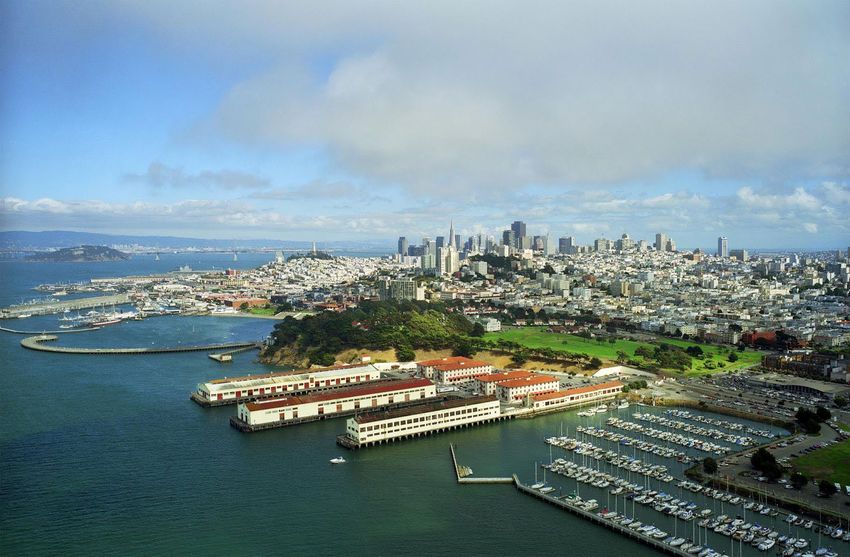
Fort Mason Center for Arts & Culture, San Francisco
ARCHITECTURAL FOUNDATION OF SAN FRANCISCO | HIGH SCHOOL DESIGN COMPETITION 2017

INTRODUCTION
Dear High School Student & Educator,

We are pleased to invite you to participate in the Architectural Foundation of San Francisco’s Forty-
Eighth annual high school design competition. This is an exciting competition where high school
students put their design skills, creativity, spatial and analytical thinking and craftsmanship to the test.
With the guidance of instructors, high school students design a building and communicate their design
solutions through drawings and models. All high school students in both public and private schools in
the greater San Francisco Bay Area are encouraged to participate. This competition provides young
thinkers with the opportunity to participate in what is a very unique learning project.

The Architectural Foundation of San Francisco is a nonprofit educational organization that involves
San Francisco students in a mentored appreciation of architecture, engineering, construction and the
design process. San Francisco reigns as one of the most architecturally significant and beautiful cities
in the world. The environment of architectural diversity is extremely important to the vitality of this great
city. Everywhere, the vibrant and complex layering of landscape, color, cultures and light produces
experiences that unexpectedly reveal themselves. Since its inception in 1990, the Architectural
Foundation of San Francisco has endeavored to reach out to the general public to establish an open
dialogue on the architectural future of this community.

To receive more information about the Architectural Foundation of San Francisco as well as to receive
competition updates, please visit the website at www.afsf.org or email Alan Sandler at alan@afsf.org.

Thank you for your interest and we look forward to seeing your designs!

Sincerely,

Alan Sandler
Executive Director, AFSF

Will Fowler
Programs Director, AFSF

Ryan Lee
Competition Chair & Author
Board Member, AFSF
Associate, Woods Bagot

                                                                                                                                   PAGE 2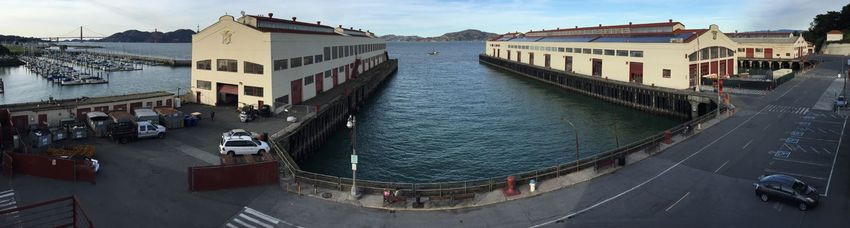
ARCHITECTURAL FOUNDATION OF SAN FRANCISCO | HIGH SCHOOL DESIGN COMPETITION 2017

COMPETITION SUMMARY
PROGRAM:			           Architectural design competition sponsored by the Architectural Foundation of San Francisco

DESIGN CHALLENGE:		   Design a Music Production Hub situated between Pier 1 and Pier 2 in Fort Mason’s Historic Landmark District

ELIGIBILITY:			       The program is distributed to all high school students throughout the greater San Francisco Bay Area but participation is
				                  both encouraged and welcomed from all high school-level students interested

EDUCATIONAL
OBJECTIVES:			        - Increase your awareness of the relationships between space, human scale and function
				                  - Gain experience in communicating your planning and designing ideas through drawings and models
				                  - Gain experience in recognizing the varied problems in planning and designing functional spaces for defined uses
				                  - Develop design skills through sketching, hand drawing and various computer-aided design platforms

COSTS: 			            No entry fee and no pre-registration is required

AWARDS:			            This is a judged competition with monetary awards

SCHEDULE:			          January 4, 2017 I competition distribution
				                  April 22 2017 I competition entries due
				                  April 23, 2017 I awards ceremony and reception

CONTACT:			           Ryan Lee I Competition Chair and Author I 415.277.3041 I ryan.lee@woodsbagot.com

                                                                                                                                             PAGE 3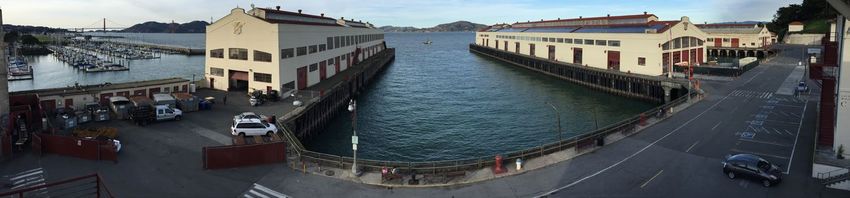
ARCHITECTURAL FOUNDATION OF SAN FRANCISCO | HIGH SCHOOL DESIGN COMPETITION 2017

DESIGN CHALLENGE
BRIEF:

This year, you are challenged to design a Music Production Hub situated between Pier 1 and Pier 2 in Fort Mason’s Historic Landmark District. The lower
portion of the revived former military base along San Francisco’s northern waterfront is currently home to the Fort Mason Center for Arts & Culture (FMCAC),
which consolidates various outlets for people to explore their creative and artistic abilities. The program for this competition endeavors to enhance the
FMCAC’s mission by creating additional space for musicians to both produce and perform their craft within a unique waterfront setting.

The Music Production Hub that you design will be a place for musically aspiring Bay Area artists to practice, hone and challenge their capabilities in a wide-
ranging environment equipped to cater to both collaborative interaction and individual experimentation. The hub will not only be a gathering place for those
to express themselves through sound but will also be a place to learn and draw from musical history. Capitalizing on the site’s public waterfront access, a
public performance space will be a key component of the project.

As you sift further through this packet, you’ll soon notice that this year’s site is quite different from the sites of previous design competitions as almost 95%
of the site is situated over open water. There are no limits to what may be created and designed by you, especially given the nature of this year’s site. You
may choose to float your design over water, to ground it on structure by expanding portions of the existing piers, to use a combination of both ideas or to
come up with an entirely alternative approach altogether. As always with this competition, you will be critiqued more on the aspirations of your “big idea”
than your ability to problem-solve every technical detail of your design’s real-life features and ramifications. However, if you do choose to elaborate on
certain technical aspects of your design, we will welcome anything and everything that intrigues you about your design.

Ultimately, have fun with it.

Guertin Boatport - Storm Bay, Canada                             Red Bull Music Studio - Berlin, Germany                                                                           School of Music in Lisbon - Lisbon, Portugal
http://architizer.com/blog/floating-architecture/media/661570/   https://www.dezeen.com/2016/01/07/red-bull-music-studio-copper-optimist-design-berlin-power-station-conversion/   http://www.archdaily.com/206489/school-of-music-in-lisbon-joao-luis-carrilho-da-graca/501768f028ba0d225a0005a2-school-
                                                                                                                                                                                   of-music-in-lisbon-joao-luis-carrilho-da-graca-photo

                                                                                                                                                                                                                                                                                           PAGE 4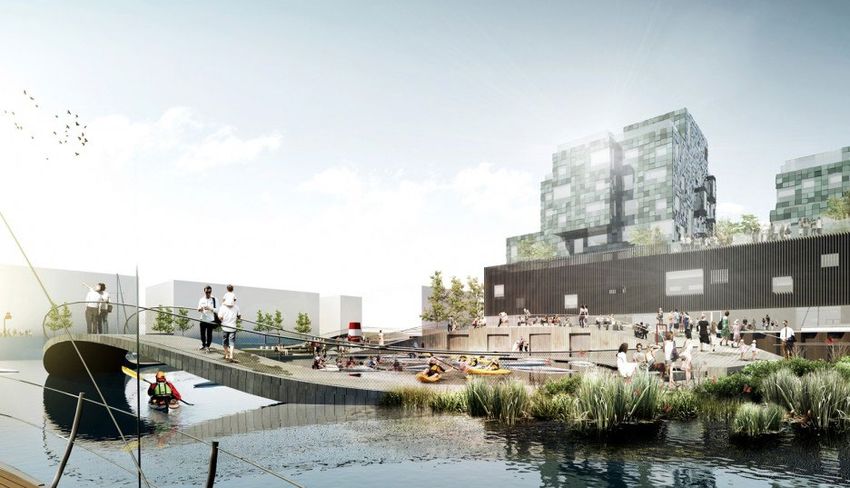
ARCHITECTURAL FOUNDATION OF SAN FRANCISCO | HIGH SCHOOL DESIGN COMPETITION 2017

DESIGN CHALLENGE
SITE:

Prompted by the Civil War, coastal lands within the Golden Gate were fortified with defense batteries, including those still found today at San Francisco’s
Fort Mason. In the late nineteenth and early twentieth centuries, seaports on both sides of the country were targeted for modernization to build up the
country’s coastal defense system. During this time, the lower portion of Fort Mason took shape, eventually transforming into one of the most trafficked
transportation hubs for American military operations in the Pacific. During World War II, Fort Mason served as the control point for all maritime shipping
facilities in the region and was then known as the US Army San Francisco Port of Embarkation. Within that time frame, a total a count of 1,647,174
passengers and 23,589,472 measured tons of cargo were processed from the port to the Pacific. The three piers, which still exist today, operated as
warehouses and connected to a larger rail network linked to the Embarcadero through a tunnel beneath the upper portion of Fort Mason - the tracks of
which can still be seen on site today. As the US Army Transportation headquarters moved to a larger operation in Oakland in 1965, shipping operations at
the Fort Mason facilities fell into disuse. 1

Currently, most of the original buildings still stand and are occupied by both the Army and the public. As mentioned previously, FMCAC is a nonprofit
that operates in the lower portion of Fort Mason where your site is located. The Center receives over 1.2 million annual visitors, many of who attend
performances, visit art installations and/or take classes in the arts. The nonprofit provides approximately $2.5 million in annual grants to local art
organizations, enabling the city to build on its culturally diverse and imaginative history.2 In 2012, the FMCAC sought “‘creative and practical’ concepts
to ‘enliven and integrate’ (its) 13-acre waterfront campus”3 Three teams submitted final proposals for how to activate the space and improve public
connection. You are highly encouraged to research the Fort Mason concept competition entries to gain a current understanding of how people envision
transforming the site into something that maximizes its potential as a public waterfront destination. Links to those proposals are in the back of this packet.

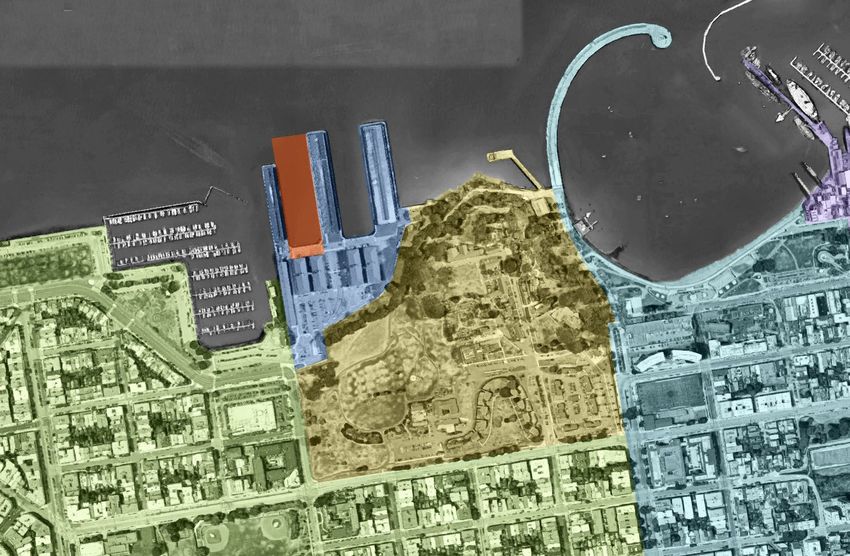
Situated along the northern edge of Fort Mason between Piers 1 and 2 is where you will find your exact site to work with. Visiting the site is great way to
envision your design strategy and encourages exploration of areas in the city that are potentially new to you. The nearest bus stop is the at Marina Blvd.
and Laguna St. for the 43. The 28 and 49 stop east of the site. A site map is referenced in this package and you may also download an Autocad .dwg of the
site from the competition Google Drive folder here. Rectangular in shape (200’ wide by 695’ long), the entire site area is a robust 139,000 ft², providing ample
space to place your building at the most logical location relative to your design intent. Note that your building footprint can be no larger than 80’ x 200’.

1       https://en.wikipedia.org/wiki/Fort_Mason
2       https://fortmason.org/about/
3       http://www.socketsite.com/archives/2012/12/the_fort_mason_design_competition_finalists_and_their_d.html
                                                                                                                                                                PAGE 5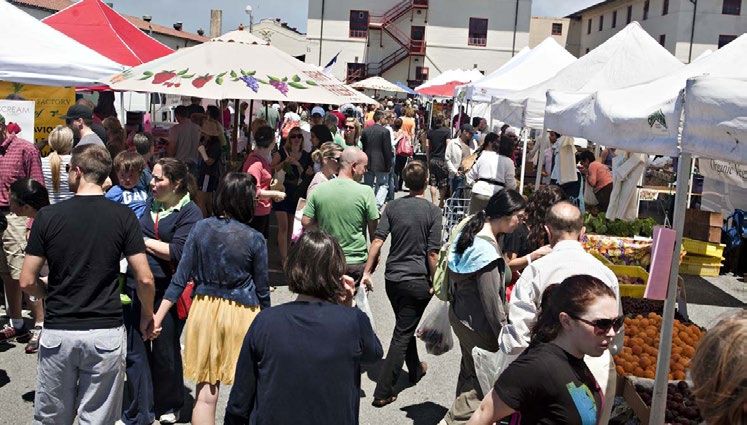
ARCHITECTURAL FOUNDATION OF SAN FRANCISCO | HIGH SCHOOL DESIGN COMPETITION 2017

DESIGN CHALLENGE

                                   SITE

                                                                                             PAGE 6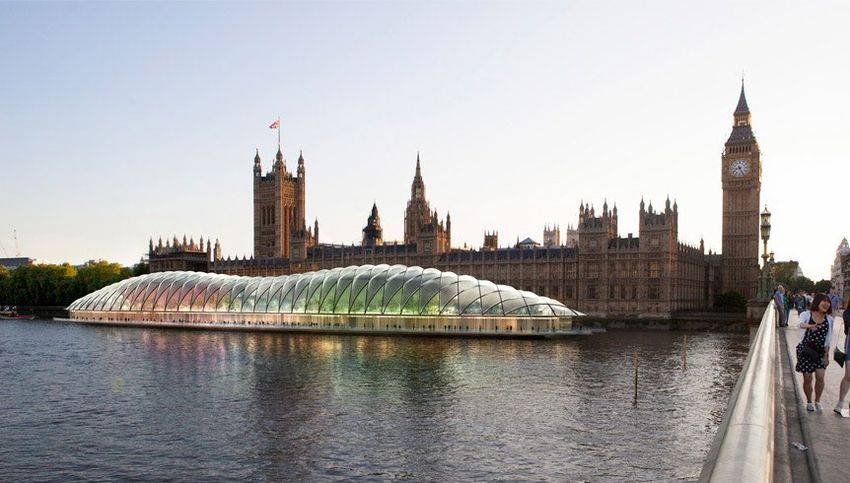
ARCHITECTURAL FOUNDATION OF SAN FRANCISCO | HIGH SCHOOL DESIGN COMPETITION 2017

DESIGN CHALLENGE
SITE: DISTRICTS & SURROUNDING CONTEXT

                                                                                                         NORTH
                                                                                                       WATERFRONT

                                         SITE
                                                                                       AQUATIC PARK
                                                                                          COVE
                 GASHOUSE COVE

                                         FORT MASON
                                          CENTER FOR
                                        ARTS & CULTURE

                                                     UPPER FORT MASON
                                                    GOLDEN GATE NATIONAL
                                                      RECREATION AREA
                                                                                                    RUSSIAN HILL

                 THE MARINA

                                                                                                                     N
                                                                                                                    PAGE 7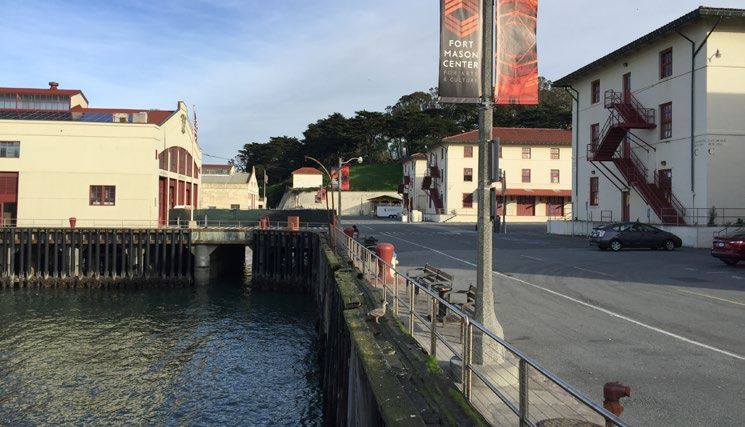
ARCHITECTURAL FOUNDATION OF SAN FRANCISCO | HIGH SCHOOL DESIGN COMPETITION 2017
DESIGN CHALLENGE
SITE: FMCAC RESIDENTS
Pier 2
Cowell Theater
Herbst Pavillion
San Francisco Art Institute
Graduate Center
Pier 3
Festival Pavillion
Pier 1
SITE
Landmark Building A
The Interval Cafe & Bar
Greens Restaurant
The Long Now Foundation D
E
SFMOMA Artists Gallery C
B
A
Landmark Building D
Flax art + design
Magic Theatre
Blue Bear School of Music
The Mexican Museum
M
AR Landmark Building B World Arts West
IN
A Bats Improv
ET BO
SO N STRE Embark Gallery Landmark Building C
JEFFER UL
EV Cooks & Company FOR-SITE Foundation
AR City College of SF Fort Mason Art Readers Bookstore
D Campus Goody Cafe
Seedling Projects Museo Italo Americano
Sartle, See Art Differently SF Children’s Art Center
Lily Cai Chinese Dance Company
ETC, Environmental Traveling
BUCHA
Companions
BEACH
STREE
T Young Performers Theatre
California Lawyers for the Arts N
WEBST
NNAN
Site base map (.dwg) available
on Google Drive folder here
FILLMO
ST
ER STR
REET
PAGE 8
R
E STRE
EET
ET
Y STRE
F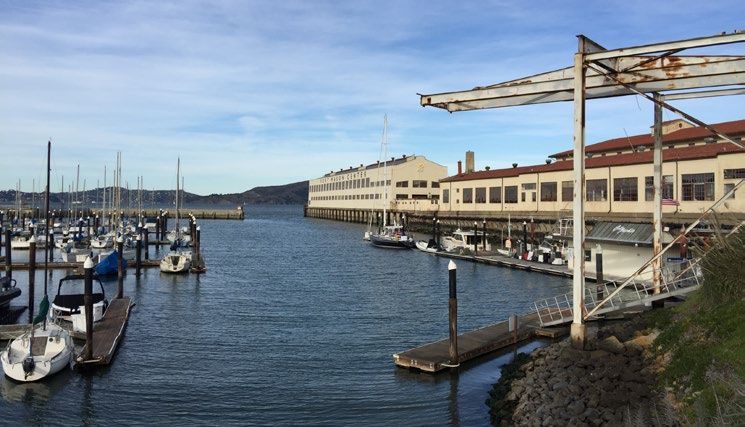
ARCHITECTURAL FOUNDATION OF SAN FRANCISCO | HIGH SCHOOL DESIGN COMPETITION 2017

           DESIGN CHALLENGE
           SITE: ACCESS

                                                                         Option to propose water
                                                                         access to site

                                                                                                   SITE

           Pedestrian/cyclist
           circulation along the Bay
           Trail                                                                                                    D
                                                                                                                         E
                                                                                                          C
                                                                                                     B

                                                                                               A

                                                 M
                                                  AR                                                                                  Stair access from
                                                     IN
                                                       A                                                                              pedestrian path above
                       TREET                               BO
                SON S
          JEFFER                                             UL
                                                                EV
                                                                  AR
                                                                    D

                                                                                                              Primary site access
                                                                                                              for both vehicles and
                                                                                                              pedestrians
                                                                        BUCHA

               BEACH
                        STREE
                               T
                                                                                                                                                                                  N
                                   WEBST

                                                                         NNAN

                                                                                                                                                        Site base map (.dwg) available
                                                                                                                                                        on Google Drive folder here
FILLMO

                                                                              ST
                                        ER STR

                                                                           REET

                                                                                                                                                                                 PAGE 9
      R
  E STRE

                                        EET

                                                                                                                                                               ET
                                                                                                                                                        Y STRE

                                                                                                                                                                           F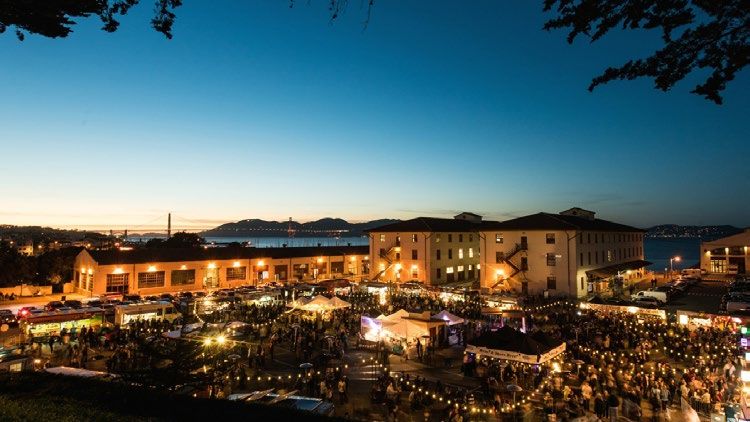
ARCHITECTURAL FOUNDATION OF SAN FRANCISCO | HIGH SCHOOL DESIGN COMPETITION 2017

DESIGN CHALLENGE
SITE: DIMENSIONS

                                                              200’

                   Black dashed lines indicate
                   some examples for how/
                   where you may choose to
                   locate your design within
                   the site. You may locate
                   your design however your
                   see fit within the 200’ x                                  695’
                   695’ yellow rectangle

                                                                                      Largest dimension your
                                                                                      design site can be:
                                                                                      80’ x 200’

                   Site boundary includes a                                                               E
                   35’ overlap with the edge                                                    D
                   of the pier as an option to
                   utilize in your design                            B
                                                                             C
                                                                                                                                         N
                                                                                                               Site base map (.dwg) available
                                                                                                               on Google Drive folder here
                                                                                                                                      PAGE 10
                                                              A
ARCHITECTURAL FOUNDATION OF SAN FRANCISCO | HIGH SCHOOL DESIGN COMPETITION 2017
SITE PHOTOS
PAGE 11ARCHITECTURAL FOUNDATION OF SAN FRANCISCO | HIGH SCHOOL DESIGN COMPETITION 2017
SITE PHOTOS
PAGE 12ARCHITECTURAL FOUNDATION OF SAN FRANCISCO | HIGH SCHOOL DESIGN COMPETITION 2017
SITE EVENTS
Off the Grid:
Since opening its first event at Fort Mason in 2010, Off the Grid (OTG) has
grown its market throughout the Bay Area to provide food vendors with
the opportunity to showcase and sell their fare. By appropriating various
underutilized outdoor spaces, OTG creates mobile destinations throughout
the Bay Area that offer a variety of international cuisine choices. OTG at Fort
Mason, held in the Center’s parking lot is still one of its largest events and
runs every Friday night between March and October. Consider how your
design can capitalize on this weekly destination to expand OTG’s musical
offerings.
Off the Grid - Friday
https://www.eventbrite.com/rally/san-francisco/5-things-to-eat-at-off-the-grid/
Farmer’s Market:
Featuring over 35 farmers and food purveyors, the Fort Mason Center
for Arts & Culture’s Farmers’ Market runs year-round every Sunday from
9:30am - 1:30pm. Like OTG, this event is also held in the Center’s parking lot.
Consider how the FMCAC site is utilized during the weekends and how you
can draw people to your design.
Farmer’s Market - Sunday
http://sfcitizen.com/blog/2010/06/07/debut-of-fort-mason-center-farmers-market-a-huge-success-popular-if-a-bit-pricey/
PAGE 13ARCHITECTURAL FOUNDATION OF SAN FRANCISCO | HIGH SCHOOL DESIGN COMPETITION 2017
PROGRAM REQUIREMENTS
The Music Production Hub should either be a one or two-story structure so as to maintain a mindful and considerate presence on the site, especially while
located on the water. Your design intervention should be complimentary of being sited on the water’s edge and should increase water access throughout.
Please limit the height of your structure to 30’ maximum - the surrounding existing architecture and views should be considered when designing the height
of your building. The building can be situated anywhere on the given site and in any orientation relative to true north. See the previous site diagram for
reference. In an effort to maintain light, air, views, open space, and to minimize the footprint, the building itself must fit within an 80’ x 200’ rectangular plot.
Given the site and the FMCAC’s desire to improve connectivity, please be mindful of how your design will interact with the public realm. The hub will include
the following spaces listed below. Additional spaces may be added at your discretion; however it must add value to the building program and be in line with
the hub’s mission.
BUILDING PROGRAM: Your building design must include spaces for the following uses:
• Main Entrance & Lobby: (300 ft²) This will serve as the gateway into the building from the exterior and must be easily visible to the public. You should
incorporate a welcoming element that showcases what the Music Production Hub is about. This can be in the form of a digital display wall, a direct
visual connection to the performance space, an area dedicated for art installations, etc. Please also designate an area for a reception desk so that users
may check-in prior to using the facility.
• Recording Studio: (1500 ft²) This space will be broken down into three rooms: a fully equipped live room to record music in (750 ft²), a control room to
produce in (400 ft²) and an adjacent lounge space (350ft²). All three spaces must flow into each other for ease of access.
• Digital Learning Lab (800 ft²) Much of what gets produced in the hub will rely on digital methods of production and will require editing software and a
place to plug-in and listen to playback. This space will serve both as a resource for individuals to work on their own music as well as a place for people
to learn programs of interest in a classroom setting. Enough space to accommodate 15 people at fully-equipped computer stations, this space should
also allocate a place for projection when teaching demonstrations occur.
• Music Library (1500 ft²) Include a space that focuses on the history of music. Digital and hard copy vinyl collections for music of all genres should be
made available to those interested. Allocate at least space for a reception desk and six individual stations to listen to vinyl records.
• Individual Rehearsal Studios (200 ft² each) Provide space for three smaller/individual rehearsal sessions to take place. Combined, the three studios
should total 600 ft².
• Dance Studio: (3000 ft²) To enable cross-disciplinary interaction, space for a dance studio will provide musicians and dancers the opportunity to work
together on collaborative efforts. Consider how this space might also double as a small performance space, with the potential to break out into a larger
combined footprint - either as an interior or exterior condition.
• Kitchen (500 ft²) A small kitchen/pantry space for food prep will be needed for potential events that occur at the hub. When events are not occurring,
the informal space can be utilized as a breakout space. At least one side of the Kitchen should be open to the rest of the hub with a counter top bar for
casual seating.
PAGE 14ARCHITECTURAL FOUNDATION OF SAN FRANCISCO | HIGH SCHOOL DESIGN COMPETITION 2017
PROGRAM REQUIREMENTS CONTINUED
• Restrooms (300 sq. ft.) Please provide one ADA compliant restroom for each gender. Each restroom will be 150 sq. ft. and will have two stalls and one
sink.
• Storage: (200 sq. ft.) This is storage for the entire building and will include janitorial supplies, office supplies and other storage.
• Circulation: (no predetermined area) The building circulation includes stairs, an elevator and an adjacent lobby and corridors. If your design is two-
stories, the elevator must have a minimum clear inside dimension of 5’-8” wide x 4’-6” deep. The stair must be at least 5’-0” wide. Your building must be
handicap accessible regardless of the number of stories so please remember to provide ramp access between levels of differing heights.
• Bicycle Storage: (100 sq. ft.): Visitors will be encouraged to bike to the facility and should have sufficient space to lock up their bicycles while utilizing
the hub. Accommodation for up to ten bicycles should be factored into the design.
• Outdoor Performance Space (no predetermined area) While the interior spaces within the hub provide musicians with the chance to craft their skill set,
the exterior space of your design should cater towards allowing musicians to perform and showcase their talent. There is no fixed area count for this
space as it gives you the opportunity to craft your own idea of public outdoor space. Is this a big performance space that is inviting to a large group of
people at the scale of a concert or is this a smaller, more intimate setting for performers to play in? Be mindful of how visitors will approach, access and
view the space, especially those who just happen to come across the hub without actually going inside. Also pay attention to how your outdoor space
flows with the interior of your building. Some but not all ways to consider how/where this space is crafted: rooftop, courtyard, isolated area away from
your building that is its own focal point, elevated stage, sunken condition, multiple small areas, etc.
• Site Amenities: Amenities that must be included on the site are seating, additional bike racks and shaded areas. Please also consider extending pedestrian
paths across the site if you so choose to incorporate them.
MoMA PS1 - Long Island City, NY Music Library + Understage - Seoul, South Korea Houston Ballet Center for Dance - Houston, Texas
https://noisey.vice.com/en_ca/article/is-art-better-with-music http://thevinylfactory.com/news/10000-record-strong-vinyl-library-opens-in-seoul/ http://www.archdaily.com/129307/houston-ballet-center-for-dance-gensler/5014b91a28ba0d5828000040-houston-ballet-center-
for-dance-gensler-image
PAGE 15ARCHITECTURAL FOUNDATION OF SAN FRANCISCO | HIGH SCHOOL DESIGN COMPETITION 2017
ARCHITECTURE ON WATER REFERENCES
IJburg Waterfront Tower - Amsterdam, Netherlands Floating Parliament - London, United Kingdom
https://www.dezeen.com/2016/11/30/big-bjarke-ingels-group-barcode-architects-terraced-block-sluishuis-ijburg-amsterdam/ https://www.dezeen.com/2016/10/07/temporary-floating-parliament-river-thames-westminster-gensler-london-architecture-news/
Floating Public Plaza - West Palm Beach, Florida Outdoor Learning Hub - Copenhagen, Denmark
https://www.dezeen.com/2016/11/01/currie-park-floating-plaza-public-space-architecture-news-carlo-ratti-associati-west-palm-beach-florida-usa/ https://www.dezeen.com/2016/03/30/cf-moller-landscape-nordhavn-islands-copenhagen-harbour-baths-international-school-classrooms/
PAGE 16ARCHITECTURAL FOUNDATION OF SAN FRANCISCO | HIGH SCHOOL DESIGN COMPETITION 2017
SUSTAINABILITY + CONSTRUCTION METHODS
A fundamental goal of this building is to embrace sustainability. In order to
reduce the overall impact of the building on the natural environment, the
Music Production Hub should consider integrating innovative green building
strategies that help increase energy and water efficiency, use renewable
energy and materials, and reduce consumption, pollution, and waste. The
building should consider careful building orientation, natural daylighting,
smart shading systems, water conservation, and photovoltaic solar collectors
among other strategies. Where possible, the building and site should
showcase green building methods used to educate the public on sustainable
architecture. Research into the US Green Building Council’s Leadership in
Energy and Environmental Design (LEED) rating system is encouraged.
National University of Singapore - Zero-Energy Design School
https://www.dezeen.com/2016/11/07/national-university-singapore-building-zero-energy-design-school/
You are also encouraged to contemplate various methods of design and
construction for this competition. You may consider but are not limited to
any of the following solutions for your hub design: modular/prefabricated,
stationary or portable architecture. Given the site’s unique constraints, you
may choose to design a single structure as a whole or a cluster of several
building components placed throughout the site that link the program in a
cohesive manner.
The Solar Orchid Project, Singapore - Mobile Architecture
http://inhabitat.com/floating-solar-powered-orchid-pods-could-bring-pop-up-restaurants-to-singapores-waterfront/spark-architects-solar-orchid-6
PAGE 17ARCHITECTURAL FOUNDATION OF SAN FRANCISCO | HIGH SCHOOL DESIGN COMPETITION 2017
SUBMISSION OPTIONS
There are three ways in which you may choose to enter the competition: as a Single Entry participant, as a Group Entry participant and as a Digital Entry
participant. Note that depending on which option you choose, you will only be eligible for certain awards. Students may choose to enter as both a Single or
Group Entry participant and as a Digital Entry participant.
SINGLE ENTRY REQUIRED DELIVERABLES:
1. DRAWINGS I Provide the following presentation drawings:
• Floor plan(s) of your building: 1/4” = 1’-0” scale -- Include furniture, room names, and north arrow.
• One elevation of your building: 1/4” = 1’-0” scale -- Elevation view that best describes your design, include at least one person for scale.
• One building section of your building: 1/4” = 1’-0” scale -- Section view that best describes your design, include at least person for scale.
• One site plan: 1/32” = 1’-0” scale -- Include the building and surrounding site. Label all site elements and include a north arrow.
Drawings must clearly communicate the design solution through selection of appropriate drawing views, clarity of line work, and thoughtful layout and
mounting of drawings onto board(s). Each drawing must be labeled with the drawing name (i.e. First Floor Plan, West Elevation) and the scale of the
drawing. Rendering materiality and casting shadows is encouraged. Providing drawings at a smaller scale of drawings is acceptable only when the full
design scheme does not fit on the boards (especially with this year’s site), please make sure to label its correct scale. This is key for those of you pursuing a
design option that stretches fully across the 200’ dimension of the site. Providing additional drawings beyond those described above is allowed. Presented
drawings must be mounted on rigid 30”x 40” boards, mounted in either direction that best describes your design solution. Drawings may be in ink, pencil or
both. Hand-generated or CADD drawings are acceptable. Use of color is NOT permissible. Drawings can only be black, white and shades of gray.
2. MODEL
Build one physical presentation architectural model of your building design at 1/4” = 1’-0” scale.
Models can be made of any materials, including foam core, museum board, card board and found objects. Models can only be black, white and shades of
gray. Use of any color is NOT permissible. The direction of North must be noted on the model. The base of the model must be a square or rectangular. The
base size must be 20” in one direction and between 20”-50” in the other direction. Longer models may be separated into (2) sections if needed. The entire
site does not need to be built in the model.
3. DESIGN DESCRIPTION I Provide the following design description:
• Design Solution Title I Give a title to your design that best describes your design solution and strategy.
• Design Narrative I Compose a thoughtful and concise description of your design solution and strategy. This may include your design inspiration and
what you are trying to achieve with your design. This is your opportunity to articulate any other ideas that you may have that aren’t as easy to read from
your drawings and models alone such as building material choices or site ideas relative to the greater master plan. Your narrative should be no more
than 500 words and should be typed or neatly hand printed and mounted on the front side of the presentation drawing board along with the drawings.
Again, focus on articulation what your “big idea” concept is for this project.
PAGE 18ARCHITECTURAL FOUNDATION OF SAN FRANCISCO | HIGH SCHOOL DESIGN COMPETITION 2017
SUBMISSION OPTIONS CONTINUED
GENERAL GUIDELINES
Entrant’s name and school must be written on the BACK of the drawings board and the BOTTOM of the model base. No names or identifying marks shall be
placed on the front face of any drawing or model. Student must ensure that their entry fits within the presentation requirements. Any deviation from these
presentation requirements including smaller or larger sized drawing or model boards or missing requirements may disqualify the entrant from that portion of
the competition. Disqualifications of non-conforming entries are at the judges’ discretion.
Please note that as a Single or Group Entry participant, you may also choose to enter as a Digital Entry participant as well. This will be judged separately as
an additional entry. Please follow the guidelines outlined below for that submission.
PRESENTATION DRAWING BOARD
NOTE: BOARD ORIENTATION IS AT THE DISCRETION OF
THE ENTRANT TO BEST DESCRIBE HIS OR HER DESIGN
MINIMUM DRAWINGS OPTIONAL BOARD(S) SOLUTION.
REQUIRED:
FLOOR PLAN(S)
(1) ELEVATION
(1) SECTION
(1) SITE PLAN
40” DESIGN DESCRIPTION 40”
20” MIN, 50” MAX
20”
30” 30”
MODEL
GROUP ENTRY REQUIRED DELIVERABLES:
As a Group Entry participant, you must submit all of the required deliverables that were mentioned above as if you were a Single Entry participant. This
includes all required drawings, a physical model, and a design description. You may, however, work in teams ranging between 2-3 people. This will be a
separately judged category.
DIGITAL ENTRY REQUIRED DELIVERABLES:
1. COMPUTER PERSPECTIVE RENDERINGS
Provide a minimum of three (3) 3D computer generated perspective renderings of your building design - you are not restricted to a maximum amount. Two
of the renderings must be exterior views and one of the renderings must be an interior view. These are the best views describing your design solution.
You may utilize any 3D modeling software at your disposal to create your images. Your submission will be in the form of high resolution images in JPG
format. Post-production image work in Photoshop is not required but is strongly encouraged. You will bring either a flash drive or a CD to the submittal
location and a competition representative will assist you in downloading your entry. This will be a separately judged category.
PAGE 19ARCHITECTURAL FOUNDATION OF SAN FRANCISCO | HIGH SCHOOL DESIGN COMPETITION 2017
AWARDS
As stated prior, please note that depending on which option you choose to enter as, you will only be eligible for certain award categories. The award
categories are broken up into the three ways in which you may choose to enter.
Those entering as Single Entry participants will be eligible for the top three awards in the Best Design Overall Superiority award category. Awards for the top
three in Group Entries and Digital Entries will also be presented. Please note that awards for Honorable Mention may be presented to any participant(s) in
any submission category at the discretion of the judges.
1. BEST DESIGN I Awards for overall superiority in design solution, model, and graphic presentation (Single Entry):
• 1st Place I $200.00 & CCA Summer Scholarship*
• 2nd Place I $150.00
• 3rd Place I $100.00
2. BEST GROUP ENTRY I Awards for best group submitted design solution:
• 1st Place I $100.00
• 2nd Place I $75.00
• 3rd Place I $50.00
3. BEST DIGITAL ENTRY I Awards for best 3D computer generated renderings describing design solution:
• 1st Place I $100.00
• 2nd Place I $75.00
• 3rd Place I $50.00
4. CERTIFICATE OF PARTICIPATION I Certificate of Participation will be presented to all entrants.
*CCA Summer Scholarship
Through the generosity of the California College of the Arts, the Best Design 1st Place prize winner will be offered a full tuition scholarship to CCA’s Summer
Pre-college Program in Architecture. CCA’s Pre-college Program is a four-week intensive studio experience offered in July, Monday through Friday, 9:00am
to 4:00pm at the Oakland campus. The student will earn 3 units of college credit. The value of the scholarship is $3,150.00 per student.
For more information on CCA’s summer program, please follow this link: https://www.cca.edu/academics/precollege
PAGE 20ARCHITECTURAL FOUNDATION OF SAN FRANCISCO | HIGH SCHOOL DESIGN COMPETITION 2017
COMPETITION SCHEDULE
START I JANUARY 4, 2017
Competition is distributed to high schools in the San Francisco Bay Area and posted to the Architectural Foundation of San Francisco’s website.
DESIGNING I JANUARY 4, 2017 – APRIL 22, 2017
Students work on their designs, drawings and models.
COMPETITION ENTRIES DUE I SATURDAY APRIL 22, 2017 I 10:00am – 12:00pm (noon)
SUBMITTAL LOCATION TO BE DETERMINED
Bring your submission (presentation drawing board(s), model, and/or CD/flash drive) to the submittal location within the 10:00am to 12:00pm window of time.
You will be asked to fill out a registration form when submitting your entry. Submittal location will be posted on the AFSF website at least (2) weeks prior to
submittal due date and your instructors will be notified. For competition updates, please send an email to Ryan Lee, ryan.lee@woodsbagot.com. Please note
that late submittals will not be accepted! No exceptions!
JUDGING I SUNDAY APRIL 23, 2017 I 9:00am – 4:00pm
LOCATION IS THE SAME PLACE AS THE SUBMITTAL LOCATION
Judges Only. A distinguished panel of judges will review every submission in private and determine the award winners.
AWARDS CEREMONY & RECEPTION I SUNDAY APRIL 23, 2017 I 4:00pm – 5:00pm
LOCATION IS THE SAME PLACE AS THE SUBMITTAL LOCATION
All are invited including entrants, their family, friends and school faculty members. Winners will be announced and awards will be presented at this time. Jurors
& the Competition Committee will be available after the awards reception to answer any questions you may have about the competition.
ENTRY PICK-UP I SUNDAY APRIL 23, 2017 I 5:00pm
All entries should be picked up following the awards presentation including the winning entries. Any entries left after the reception will be discarded.
PAGE 21ARCHITECTURAL FOUNDATION OF SAN FRANCISCO | HIGH SCHOOL DESIGN COMPETITION 2017
LINKS
Teachers, please note that this PDF includes live links to the resources listed throughout the document as well as to the email contacts listed prior so it is to
your students’ advantage to distribute a soft copy to them.
You are encouraged to both utilize the resources and references listed in this document and to further expand your knowledge on design by researching
your interests as they pertain to this year’s competition program.
• Competition Folder
Google Drive link: https://drive.google.com/drive/folders/0B7DHC_ANBKAsUkxlRFljWTVONlk?usp=sharing
This includes a .dwg file of the site. There are also some site photos for your use in the folder.
• Fort Mason Research material
Fort Mason Center for Arts & Culture: https://fortmason.org/
Socketsite: The Fort Mason Design Competition Finalists And Their Concepts:
http://www.socketsite.com/archives/2012/12/the_fort_mason_design_competition_finalists_and_their_d.html
West 8 Proposal: http://www.west8.nl/projects/all/fort_mason/
Bruner/Cott Proposal: http://www.brunercott.com/projects/fort-mason-center/
AMP Arquitectos: http://www.promateriales.com/noticia/8931/proyectos-internacionales/renovacion-fort-mason-center-san-francisco-ee.-uu.html
• Music + Architecture References
Red Bull Music Studio: https://www.dezeen.com/2016/01/07/red-bull-music-studio-copper-optimist-design-berlin-power-station-conversion/
“Music Library +Understage”: http://thevinylfactory.com/news/10000-record-strong-vinyl-library-opens-in-seoul/
PAGE 22Thank you for your participation in this year’s competition. Best of luck to all of you! — AFSF HSDC Competition Committee
You can also read


