A Guide to Address the Challenges of COVID-19 2020-2021 - Liberty Union High School ...
←
→
Page content transcription
If your browser does not render page correctly, please read the page content below

What to Expect When Schools Reopen

               2020-2021
            School Reopening
          A Guide to Address the Challenges of COVID-19
County Superintendent and County Health Officer Message

A Message from the Contra                                               Table of Contents
County Superintendent of Schools
                                                                        Page 2     A Message from the
and the County Health Officer                                                      Contra Costa County
The Contra Costa County Office of Education (CCCOE) and                            Superintendent of
Contra Costa Health Services (CCHS) have been working closely                      Schools and the
                                                                                   County Health Officer
together with local school districts in our county to address issues
associated with school closures and prepare for the reopening of        Page 3     What To Expect When
schools for 2020-2021. With the tremendous impact of COVID-19                      Schools Reopen
on our education community, schools and school districts have
come together to collaborate, share best practices, and advocate        Page 11 Reopening Resources
                                                                                for School Districts
for appropriate resources in order to reopen schools safely and
effectively in a COVID-19 environment.                                  Page 12 Contra Costa County
While there is no “one-size-fits-all,” our county-wide public                   Guidance
health orders will continue to bring consistency to approaches
among schools in our county while allowing for local authority and decision making. Each independent
school district, charter and private school will decide how it will go about reopening schools safely and in
collaboration with local public health officials and community stakeholders. This document is intended as a
guide for districts, charter schools, private schools, and CCCOE programs as they work through their plans.
The guidelines in this document align with recommendations from the California Department of Public
Health and have been approved by Contra Costa Health Services. Guidelines are based on the best available
information about COVID-19 in the county at this time and are subject to change.
Ultimately, when and how schools reopen is a local decision. Implementation should be tailored to the setting
of each district and school, including consideration of the needs of students and families. To do this, school
leaders should engage with their families, staff, and labor partners in the school community to formulate and
implement plans that consider the following:
•   Student, family, and staff population: Who will be impacted by or can serve as partners in implementing
    any of the measures in your plan?
•   Ability to implement or adhere to measures: Do staff, students, and families have the tools, information,
    resources, and ability to adhere to or implement the new measures successfully?
•   Negative/unintended consequences: Are there any negative or unintended consequences to staff, students,
    or families of implementing the measures, and how can those consequences be mitigated?
•   Assessing varied student needs: What resources are needed to support students with specific or special
    needs?
We hope this document is helpful to you in your planning efforts. Please let us know if you have questions or
need further assistance!

                    Lynn Mackey                                                        Chris Farnitano, M.D.
                    County Superintendent of Schools                                   County Health Officer

2 | Contra Costa County 2020-2021 School Year Planning
What to Expect When Schools Reopen

 What to
 Expect When
 Schools Reopen

T   he health and safety of our students, staff, and families are our highest priorities. When
    the 2020-2021 school year begins in Contra Costa County, schools, classrooms, and in-
class instruction will look much different this year due to new COVID-19 measures. Each
district and school in our county is developing plans to reopen schools based on guidance
from local and state public health officials. District plans will be updated as the situation and
county health orders evolve. It is important to note that district plans will focus on academic
instruction to enhance student performance and address learning loss. At the same time,
schools will try their best to maintain extracurricular programs, clubs, and athletics that are
important to school culture and students’ physical, mental, and social well-being.
The economic impact of COVID-19 is having a tremendous impact on the state budget, and
projections show deep cuts to California schools. These significant funding cuts for schools
will undoubtedly impact the reopening of schools, all of which will be faced with increased
costs to address safety measures connected to the pandemic.

                  When schools resume in the fall,
                       they will look different.
        Here is what you can expect: Schools have options
       to reopen with thoughtful safeguards to minimize risk.

                                Contra Costa County 2020-2021 School Year Planning | 3
What to Expect When Schools Reopen

Contra Costa Health Services (CCHS) recommends the following health and safety
guidance for the reopening of schools based on current information. This guidance
will be updated as the situation changes. Please also refer to our FAQ document on our
website at www.cocoschools.org/coronavirus

Self-Screening for Symptoms
•   Before students and staff come to school, they will need to
    conduct a self-check for signs and symptoms of COVID-19.
•   Anyone who has been exposed to someone with
    COVID-19 in the past 14 days (exposure means within 4-6
    feet for 15-minutes or longer), has COVID-19 symptoms,
    or who is not feeling well should not go to a school site.
•   Students and staff should self-check for symptoms
    throughout the day. Those who develop signs and
    symptoms of COVID-19 will be sent home.
•   Temperature screening by schools is optional.

                                                                     Anyone with a fever of
                                                                     100.4 or higher should
                                                                     not go to a school site.

Transportation
•   Physical distancing when getting on/off the bus will be required.
•   All students and staff must comply with the most up-to-date face covering order. *See page 5 for
    face covering requirements.
•   Where practicable, space students at least four to six feet apart on buses and six feet from the driver.
•   Windows may be open for better ventilation.
•   Siblings will be encouraged to sit together.

4 | Contra Costa County 2020-2021 School Year Planning
What to Expect When Schools Reopen

General Safety Precautions
•   Schools will follow disinfection guidelines developed by the California Department of Public Health
    and the Centers for Disease Control and Prevention for classrooms, workspaces, outdoor spaces,
    playgrounds, etc.
•   Classroom furniture should be arranged to promote physical distancing.
•   All students and staff will be encouraged to wash their hands regularly and thoroughly. Hand
    washing stations with soap and/or fragrance-free, 60% ethyl alcohol hand sanitizer should be
    made available in or near classrooms.
•   Schools should limit the sharing of supplies between students and disinfect between uses if sharing
    is unavoidable.

                                                                Students 12 years of
                                                                age and older are required to
                                                                wear face coverings at school.

                                                                Students ages 3-11
                                                                are strongly encouraged to
                                                                wear a cloth face covering,
                                                                particularly when indoors.

Other Safety Considerations
•   Cloth face coverings should be worn by staff, unless they have an underlying health condition or
    difficulty breathing. Teachers can use face shields, which enable younger students to see their
    teachers’ faces and to avoid potential barriers to phonological instruction.
•   Students should wear cloth face coverings unless they have an underlying health condition, are
    unable to self-remove the cloth covering, or have difficulty breathing. Cloth face coverings are
    important even when physical distancing and cohort groups are occurring. Physical distancing is
    important at all times, including during drop-off and pick-up of students.
•   Students should be frequently reminded to avoid touching their face and face covering, and to wash
    their hands often.
•   Gloves are not recommended for use by students or staff, except for those conducting duties such as
    cleaning, first aid, providing medical procedures, or food service.
•   Physical barriers should be used when physical distancing is not possible.

                                   Contra Costa County 2020-2021 School Year Planning | 5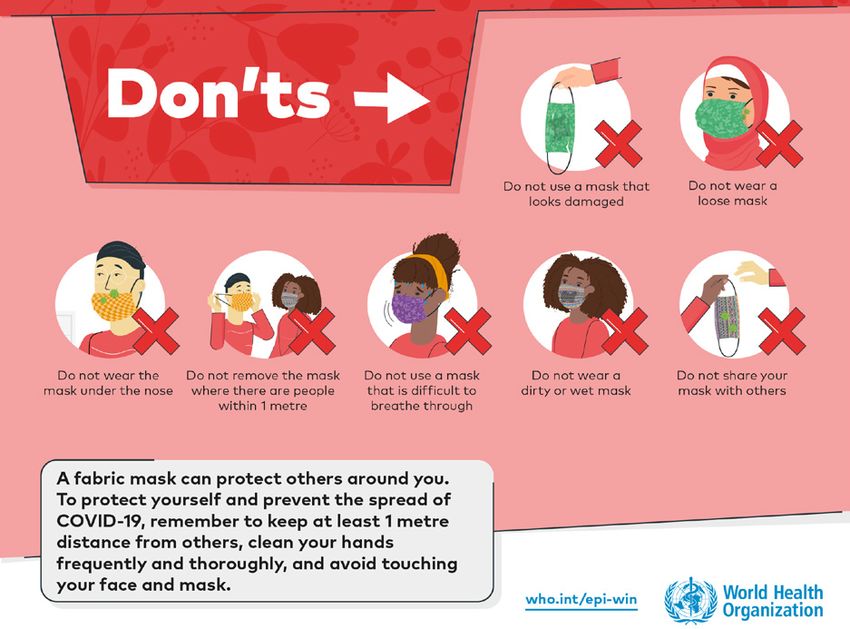
What to Expect When Schools Reopen

6 | Contra Costa County 2020-2021 School Year Planning
What to Expect When Schools Reopen

                                  On Campus and
                                  In the Classroom

Physical distancing helps limit the spread of the virus. Schools may consider the
following strategies to maintain smaller groups of students in shared spaces:
•   Limit visitors on campus
•   Keep students in smaller cohorts with minimal mixing to the greatest extent practicable
•   Stagger lunchtimes and meals in small group settings or the classroom, as practicable
•   Space student desks four (4) to six (6) feet apart or more to promote physical distancing where
    practicable
•   Serve individually plated or boxed meals
•   Stagger recesses and other transition times as needed
•   Avoid large gatherings such as assemblies and dances
•   Identify a sick room for students who are not feeling well to minimize contact with others until
    they can go home.

                          What is physical distancing?
    Social distancing, also called “physical distancing,” means keeping space
    between yourself and other people outside of your home. To practice physical
    distancing:
    • Where practicable, maintain physical distancing of six feet between adults
      and students; four to six feet distance is permissible between students within a
      classroom or instructional area
    • Do not gather in groups
    • Stay out of crowded places and avoid mass gatherings
    In addition to everyday steps to prevent COVID-19, keeping space between you
    and others and wearing face coverings are the best tools we have to avoid being
    exposed to this virus and slowing its spread locally, nationally, and globally. *See
    page 5 for face covering requirements.

7 | Contra Costa County 2020-2021 School Year Planning
What to Expect When Schools Reopen

E   ven in a COVID-19 environment, quality
    instruction and a commitment to equity for all
students are critical to the success of educational
programs. Each district will make decisions based
on available resources, local needs, and state/
county policies and health orders. To maintain
physical distancing, schools may choose to use                                    Instructional
schedules that combine distance learning and                                       Scheduling
on-campus instruction, if practicable. Some
examples include smaller class sizes where                                          Options
students attend classes for a portion of the week
and/or reduced hours per day to maintain physical
distancing requirements. Schools may modify
school schedules throughout the year to limit the
number of students on campus. Some examples of
schedules may include:

           Half-Day Schedule                                          Block Schedule
 Schools may offer double sessions where half            Middle and high schools may implement a block
 the students attend class in the morning, and the       schedule to reduce passing periods and points of
 other half attend in the afternoon. Allow time and      contact in each classroom.
 staffing for classroom cleaning between sessions.

 Smaller Cohorts/Student Groups                            Stagger and Modify Schedule
 Classes may be divided into smaller cohorts/            Schools may stagger start and end times within
 student groups (e.g., one group may come to             a day; modify recess schedules and lunch
 school on Monday and Wednesday, the other on            periods, and stagger breakfast/lunch schedules or
 Tuesday and Thursday, or any combination of two         breakfast/lunch in-classroom options.
 days per group. The fifth day could be flexible
 based on district/school site plans.)

            Traditional Schedule with Safeguards to Minimize Risk
 Students may return to school campuses five days a week according to their district’s traditional
 school schedule as long as the required physical distancing is achieved. Districts will follow California
 Department of Public Health guidance and promote healthy hygiene practices. Parents concerned about
 sending their child back to school with a traditional reopening for the 2020-2021 school year should work
 with their school district to develop distance or alternative learning plans.

Accommodations for students with disabilities, students with diverse learning needs, English learners,
and students/families with specific health needs, will be made as needed. To address childcare needs, we
encourage community partnerships to offer expanded learning programs (before school, after school, and
summer programs) to support families, especially families with preschool and elementary students. Schools
will work with students and families to ensure equity and access to quality instruction.

                                    Contra Costa County    2020-2021
                                                 (DRAFT) Contra           School
                                                                Costa County         Year
                                                                             2020-2021 SchoolPlanning
                                                                                              Year Planning|| 8
                                                                                                              8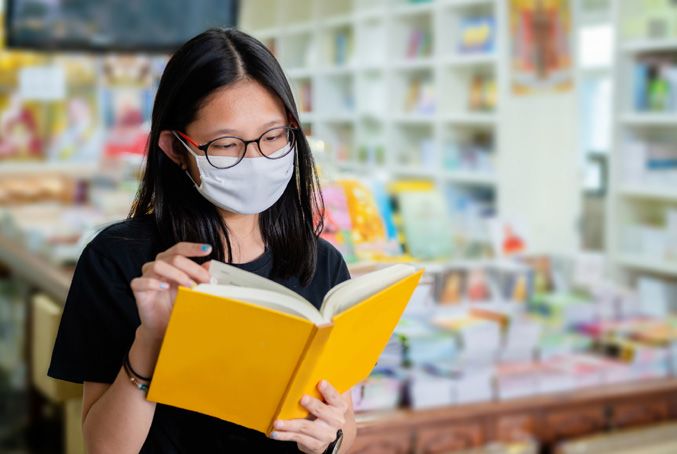
What to Expect When Schools Reopen

     Attending to the physical, mental, social, and emotional
          well-being of our students will be a top priority
                     as they return to school.

                                                                  District and school staff are committed
                                                                  to supporting students’ physical, mental,
                                                                  social, and emotional wellness and offering
                                                                  resources to ensure students transition
                                                                  back to school smoothly. Support may
                                                                  include social-emotional learning, building
                                                                  relationships, community-building
                                                                  activities, and increased access to mental
                                                                  health/wellness services. Families and
                                                                  schools will need to work together to check
                                                                  how students are feeling and assess their
                                                                  individual needs to provide the support
                                                                  students need during these challenging
                                                                  times.

      To maintain physical distancing, activities that require students to congregate
                   will be limited and modified as guidelines change.
Physical distancing is critical to limiting the spread of COVID-19. It will impact how some courses will be
taught and which sports and extracurricular activities students will be able to participate in safely.

In-Class
•   To minimize the number of students interacting, at least four to six feet of physical distancing
    between students (at least six feet between students and adults) should be maintained in all classes
    and courses as practicable.
•   Some courses may need modifications on how the course will be taught if physical distancing is not
    feasible or when there is an increased risk for spreading the virus.
•   Schools will work with students and families to ensure accommodations are made, and alternative
    options will be considered.
•   All students age 12 and above are required to wear face coverings. Students ages 3-11 are strongly
    encouraged to wear face coverings. *See page 5 for face covering requirements.

9 | Contra Costa County 2020-2021 School Year Planning
What to Expect When Schools Reopen

                                   Sports and
                             Extracurricular Activities

      Additional state guidance for schools related to sports and
  extracurricular activities will be provided at a later date, according
             to the California Department of Public Health.
            Contact sports and some performing arts activities are
                        not currently recommended.
           Additionally, field trips are not currently recommended.
                  Consider virtual field trips when possible.

Acknowledgments
The Contra Costa County Office of Education (CCCOE) 2020-2021 School Reopening: A Guide to Address
the Challenges of COVID-19 was developed in coordination with the CCCOE, Contra Costa County
school district leadership, and Contra Costa Health Services. This document is aligned with the California
Department of Public Health and the California Department of Education guidelines. It is partially adapted
from planning documents from the Sacramento, Stanislaus and San Joaquin county offices of education.
These plans will be modified as public health guidelines are updated.

                                  Contra Costa County 2020-2021 School Year Planning | 10
What to Expect When Schools Reopen
“As pediatricians, our top priority is
the health and safety of our children.
We urge those in public health and
education to work together to strike
the right balance between preventing
the spread of COVID-19 and providing
children with the education, nutrition,
physical activity, and mental health
benefits provided through the reopening
of schools.
The risk of COVID-19 transmission
among groups of children has not been
well-studied, but current research
suggests that the risk is much lower
than the adult population. The
negative effects of missing in-person
educational time as children experience
prolonged periods of isolation and
Reopening Resources for lack of instruction, however, is clear.
School Districts (Click links below) Children rely on schools for multiple
needs, including but not limited to
education, nutrition, physical activity,
Centers for Disease Control and Prevention socialization, and mental health.
Considerations for Schools Special populations of students receive
services for disabilities and other
California Department of Public Health COVID-19 conditions that are virtually impossible
Industry Guidance: Schools and School-Based to deliver online.
Programs
Prolonging a meaningful return to
in-person education would result in
Contra Costa Health Services children being at risk for worsening
academic, developmental, and health
COVID-19 Health Services Recovery Plan Resource outcomes.”
in Educational Settings (CA School Nurses
Organization) American Academy of Pediatrics,
June 2, 2020
California Department of Education Coronavirus To read the full news release, visit
Response and School Reopening Guidance https://bit.ly/PediatricsJune2020
School Reopening Final Report (ACSA)
Contra Costa County 2020-2021
(DRAFT) Contra School
Costa County Year
2020-2021 Planning
School | |11
Year Planning 11Contra Costa County Guidance
Contra Costa County
Guidance for
Reopening Schools
T he guidance provided is in accordance with current health orders and guidance
from the California Department of Public Health (CDPH), Contra Costa Health
Services (CCHS), and the California Department of Education (CDE) as of June 2020.
Districts will need to seek guidance from CCHS to address unique circumstances.
Guidance will be modified based on new guidance or directives from state and local
agencies.
The following Frequently Asked Questions are included here. CCCOE and CCHS have
also developed a longer and more detailed FAQ document. This document will change
as county guidelines and health orders change, and can be found at:
http://www.cocoschools.org/coronavirus
12 | Contra Costa County 2020-2021 School
(DRAFT) Contra YearCounty
Costa Planning
2020-2021 School Year Planning | 12Contra Costa County Guidance
Screening and Testing What supplies are needed (e.g., face coverings,
thermometers, personal protective equipment)
Will students and adults entering campuses be for each campus?
screened for symptoms?
It is recommended that face coverings be provided,
Schools may implement screening measures for if feasible. If face coverings cannot be provided,
students and adults entering campus, however, staff and students should refer to the Surgeon
doing so would likely be challenging to implement. General’s instructions on how to make face
Temperature screening by schools is optional. coverings.
It is recommended to ask families to take While temperature screening is optional, schools
temperatures each morning before coming to should have a non-contact temporal or external
school. Anyone with a fever of 100.4 or higher and/ thermometer on site to detect fever in students or
or signs of COVID-19 should not come on a school staff who become ill after arriving at school. Hand-
campus. Students and adults experiencing any washing stations with soap and/or fragrance-free,
symptoms of COVID-19 or who have been exposed 60% ethyl alcohol hand sanitizer should be made
to someone with COVID-19 in the past 14 days available in classrooms and other areas where staff /
should not come on a school campus. students are likely to be present. Any student under
the age of nine should be supervised when using
hand sanitizer.
Face Coverings and Personal
Gloves are not recommended for use by students
Protective Equipment or staff, except for those conducting duties such
Will students and adults wear face coverings? as cleaning, first aid, medical procedures, or food
According to the current health order, face service.
coverings are required for people age 12 and up,
and recommended for students under age 12.
Individuals should be frequently reminded not to
Physical Distancing and
touch the face covering and to wash their hands Limiting Contact
frequently. Information should be provided to staff, What are the physical distancing protocols
students, and students’ families on the proper use, (distance, number permitted in a group) in
removal, and washing of cloth face coverings. multiple settings: in classrooms, hallways,
common outdoor spaces?
Are transparent face shields recommended?
Depending on grade level, physical space, and
Yes, transparent face shields are fully supported
class sizes, schools should consider the following
for use by staff members depending on availability.
strategies, where possible and appropriate:
Face shields should also be cleaned and sanitized
daily. • Minimize contact at school between students,
staff, families, and the community at the
Students and staff should be frequently reminded
beginning and end of the school day.
not to touch the face covering and to wash their
hands frequently. Information should be provided to
staff, students, and students’ families on the proper
use, removal, and washing of cloth face coverings.
Contra Costa
(DRAFT) County
Contra 2020-2021
Costa County School
2020-2021 Year
School Planning
Year Planning || 13
13Contra Costa County Guidance
• Minimize the movement of students and teachers • Keep each child’s belongings separated and in
or staff as much as practicable. Students should individually labeled storage containers, cubbies,
remain in the same space and in groups as small or areas.
and consistent as practicable. • Ensure adequate supplies to minimize the
• Maximize space between seating and desks (at sharing of high-touch materials (art supplies,
least four to six feet). equipment, etc.) to the extent practicable or limit
the use of supplies and equipment to one group
• Mechanical barriers should be used when
of children at a time, and clean and disinfect
physical distancing is not possible.
between uses.
• Orient desks so students are not facing each
• Avoid sharing electronic devices, clothing, toys,
other.
books, and other games or learning aids as much
• Develop instructions to maximize spacing and as practicable.
minimize movement in both indoor and outdoor
spaces that are easy for students to understand What is the recommended number of students in
and are developmentally appropriate. a class based on student age and room size?
• Limit nonessential visitors, volunteers, and The number of students per classroom will depend
activities involving other groups. on room size and furniture configuration. Schools
will likely need to assess their physical spaces and
• Consider the use of non-classroom space for
determine capacity accordingly. Currently, at least
instruction, including regular use of outdoor
four to six feet of physical distancing between
space.
students (at least six feet between adults and
• Minimize congregate movement through students) is required.
hallways as much as practicable.
Do schools need to close or limit access to
• Serve meals in classrooms or outdoors instead common outdoor spaces?
of cafeterias or group dining rooms where
practicable. Serve individually plated or boxed Common outdoor spaces may present less risk of
meals. Avoid sharing of foods and utensils and transmission than indoor spaces; assuming students
buffet or family-style meals. and adults maintain physical distancing. Schools
may consider staggering recesses and/or outdoor
• Consider staggering lunches, recesses, and other time so that smaller groups are using shared spaces
breaks to maintain smaller groups of students in at one time.
shared spaces and/or holding recess activities in
separate areas designated by class. When using outdoor spaces, cohorts should be
maintained whenever possible. Contact sports and
• Limit communal activities where practicable. Do activities that encourage close contact should be
not host larger gatherings such as assemblies, avoided.
rallies, and dances. Contact sports are currently
not recommended.
• Implement procedures for turning in assignments
in ways that minimize contact.
14 | Contra Costa County 2020-2021 School
(DRAFT) Contra YearCounty
Costa Planning
2020-2021 School Year Planning | 14Contra Costa County Guidance
What are the recommendations on how to • Staff should model and practice hand washing.
configure the campus to include a space to isolate
• Develop routines enabling students and staff to
emergent COVID-19 cases? Are there possible
campus configurations to designate an ‘area’ or wash their hands at staggered intervals regularly.
safe place where students can wait to be picked • Consider using portable hand washing stations
up if they are showing signs of COVID-19? throughout a site and near classrooms.
When feasible, identify a “sick room” through • Teach and reinforce the proper use of cloth face
which others do not regularly pass where coverings, masks, or face shields. Cloth face
symptomatic individuals can remain until they can coverings are most essential in settings where
go home. physical distancing is not practicable.
• Students and staff should be frequently reminded
not to touch their face covering and to wash
Transportation
their hands frequently. Information should be
What safety measures will need to be in place for provided to staff, students, and students’ families
bus drivers and students? on the proper use, removal, and washing of cloth
To lower the risk of exposure, districts may face coverings.
implement the following: • Ensure adequate supplies to support healthy
• Staff should wear face coverings at all times. hygiene behaviors, including soap, tissues,
no-touch trash cans, face coverings, and hand
• See page 5 for face covering requirements.
sanitizer.
• When possible, space students out on buses with
at least four to six feet of physical distance.
• Windows may be open for better ventilation. Reporting/Health Protocols/
• Families will be encouraged to sit together.
Communication
What is the protocol for handling students or
• Physical distancing when getting on/off the bus staff exhibiting symptoms?
will be required.
Students or staff who are exhibiting COVID-19
symptoms should not come to school. If they
Healthy Hygiene Practices begin exhibiting symptoms after arriving at school,
separate the individual from others as much as
How will healthy hygiene practices be supported
possible and make arrangements for the individual
at schools?
to go home as soon as possible. When feasible,
Schools should teach and reinforce – to both identify a “sick room” through which others do not
students and staff – healthy hygiene practices such regularly pass where symptomatic individuals can
as washing hands; avoiding contact with one’s eyes, remain until they can go home. Procedures should
nose and mouth; and covering coughs and sneezes. be established to arrange for safe transport home or
Other methods to promote healthy hygiene include to a healthcare facility, as appropriate.
the following:
Contra Costa
(DRAFT) County
Contra 2020-2021
Costa County School
2020-2021 Year
School Planning
Year Planning || 15
15Contra Costa County Guidance
What are the expected reporting procedures What if someone has been diagnosed with
with Contra Costa Health Services (CCHS)? COVID-19, or is waiting for test results, or has
What are the procedures for referring, tracing, cough, fever, or shortness of breath, or other
and isolating students and staff with symptoms symptoms of COVID-19?
or diagnosis?
Stay home until it is safe to be around others. This
CCHS has procedures in place for investigating means three days with no fever (without fever-
communicable disease cases. CCHS staff will reducing medication) and symptoms improved, and
conduct contact tracing using classroom rosters and 10 days since symptoms first appeared. If you live
information obtained from school personnel through with others, stay in a specific “sick room” or area
interviews and in coordination with school officials. and away from other people or animals, including
pets. Use a separate bathroom, if available.
What are the communication guidelines when a
positive case is confirmed? Guidelines for determining when a COVID-19
infected person can return to school or work
Communication recommendations will vary
continue to evolve as we learn more about
depending on the specific circumstances of a
COVID-19. CCHS will continue to provide
case in a school community. At a minimum, the
guidance to medical providers. Staff or students
affected cohort will need to be notified. Media is
should contact their personal medical provider if
handled in coordination between the proper school
a return-to-school/work clearance note is needed
administrator and the CCHS public information
since individual health situations may vary.
officer (PIO).
If a parent is diagnosed with COVID-19, will
Will staff or students diagnosed with COVID-19 their student need to self-isolate 14 days before
need a document to return to school? returning to school? How will the schools know
Not necessarily. The CDC guidelines for when the student is okay to return?
determining when a person who was recently in
close contact with a person with COVID-19 or If a student or staff has a household member that
a person with COVID-19 can return to work or tests positive for COVID-19, the student will be
school include: ordered to quarantine at home for 14 days. CCHS
may issue an order with explicit instructions on
Recently had close contact with a person with quarantine and details on its expiration. If needed,
COVID-19: CCHS may provide clearance letters at the end of
• Stay home until 14 days after your last exposure. isolation/ quarantine.
• Check your temperature twice a day and watch
for symptoms of COVID-19.
• If possible, stay away from people who are at
higher risk of getting very sick from COVID-19.
16 | Contra Costa County 2020-2021 School
(DRAFT) Contra YearCounty
Costa Planning
2020-2021 School Year Planning | 16Contra Costa County Guidance
Facilities – Safety and What is the recommendation for heating,
ventilation, and air conditioning (HVAC)
Sanitation Considerations systems to identify optimal working conditions to
What supplies should be included in every support health and safety?
classroom and general area (e.g., office, Districts and schools should ensure that HVAC
cafeteria, bathroom) for use by students/staff?
systems function properly, maximize air exchanges
All sinks should have soap. Hand washing stations per hour, maximize outdoor air, and are maintained
with soap and/or fragrance-free 60% ethyl alcohol according to the manufacturer’s recommendations.
hand sanitizer should be made available in or
near classrooms. Face coverings should be made What are the guidelines for cleaning and
available to students and staff. sanitation?
Schools will follow disinfection guidelines for
How might the county office and districts classrooms, offices, and outdoor spaces that include
coordinate the procurement of supplies across
the following:
the county?
• Consider suspending or modifying the use of site
The state procurement of supplies is in process.
resources that necessitate sharing or touching
However, schools should establish their own
items.
contracts for procurement for the long term.
• Staff should clean and disinfect frequently high-
Where might physical barriers need to be touched surfaces within the school and on school
installed at school sites and district offices to buses at least daily and, as practicable, frequently
ensure student and safe safety? throughout the day.
Schools may want to consider installing clear • Buses should be thoroughly cleaned and
plexiglass barriers at front counters where physical disinfected daily, and after transporting any
distancing is not possible, similar to what many individual who is exhibiting symptoms of
retailers have done at check-out counters. Staff COVID-19.
workstations should be arranged so that staff can
physically distance. • Limit the use of shared playground equipment.
• Limit the sharing of objects and equipment,
What accommodations will be needed for such as toys, games, and art supplies, to the
students and staff who are vulnerable and/or
extent practicable. But where allowed, clean and
at higher risk of contracting the virus? What
disinfect between uses.
safety measures will need to be in place for
students in special education programs, who are • Establish a cleaning and disinfecting schedule.
medically fragile, and/or cannot wear masks?
• Ensure proper ventilation during cleaning and
It is important to make sure that there are adequate disinfecting.
accommodations for medically fragile students.
If physical distancing and hand hygiene are not
possible, please work with your school nurse and
your special education department.
Contra Costa
(DRAFT) County
Contra 2020-2021
Costa County School
2020-2021 Year
School Planning
Year Planning || 17
17Contra Costa County Guidance
Will extensive classroom cleaning need to be What are other measures to maintain a healthy
performed if a student or teacher is diagnosed organization?
with COVID-19? What are the guidelines for
Continued training, communication, and support
this?
can help maintain a healthy organization and
Yes. Districts/schools will follow the established community. Recommendations include the
guidelines put forward by CCHS, which are the following:
same procedures used after a norovirus outbreak.
• Monitor staff/student absenteeism.
Is the use of hand dryers in restrooms • Monitor the types of illnesses and symptoms
recommended? among your students and staff to help isolate
CCHS does not have specific concerns about hand them promptly.
dryers at this time. • Designate a staff liaison or liaisons to be
responsible for responding to COVID-19
concerns.
General Safety Concerns • Support staff and students at higher risk for
Will campuses be required to close again? severe illness or who cannot safely distance from
household contacts at higher risk by providing
Schools and districts should develop a plan for the
options such as telework, virtual learning, or
possibility of repeated closures of groups/cohorts
independent study.
of students, particular classes, or entire facilities.
Preventive measures like physical distancing
and cloth face covers will decrease the number
of contacts and the spread. This means that just
Health Education
because there is a positive case in a classroom, the What are the recommended health education
entire classroom or school will not necessarily need topics schools should provide?
to be closed. Schools should consider educating students on
the importance of healthy hygiene practices,
We should plan to expect positive cases of
understanding and monitoring for symptoms of
COVID19 just like there will be cases of influenza
COVID-19, physical distancing, and available
this flu season. Work with your school nurse and
mental health resources.
consult with CCHS when determining whether a
school/class closure is warranted, including the Will Contra Costa Health Services (CCHS)
length of time necessary. assist with the development of health education
training, guidelines, and materials for students
and families?
CCCOE and CCHS have also developed a
longer and more detailed FAQ document. CCHS, in collaboration with CCCOE, will continue
This document will change as county to provide information on several health topics
guidelines and health orders change, and before the start of each school year. We will include
can be found at: information on COVID-19 this year and can
http://www.cocoschools.org/coronavirus provide additional information as needed.
18 | Contra Costa County 2020-2021 School
(DRAFT) Contra YearCounty
Costa Planning
2020-2021 School Year Planning | 1877 Santa Barbara Road, Pleasant Hill, CA 94523
(925) 942-3388 • www.cocoschools.org
CCCOE COMM .indd • 6-22-2020You can also read


