Investor presentation - ADA 2019 - Novo Nordisk
←
→
Page content transcription
If your browser does not render page correctly, please read the page content below

Slide 1

Investor presentation
            ADA 2019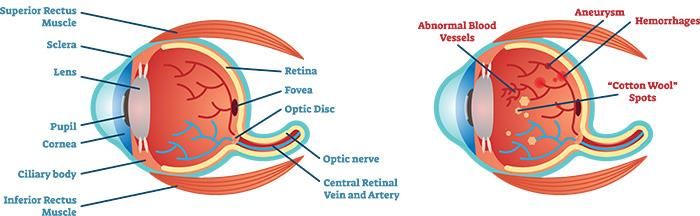
Investor presentation   ADA 2019   Slide 2

Agenda

CV aspects of GLP-1s and clinical developments with Ozempic®

PIONEER highlights

Driving innovation in insulin

Obesity and NASH pipeline

The increasing focus on Real-World Evidence

Regulatory update

Investor presentation                ADA 2019                                    Slide 3

Forward-looking statements
Novo Nordisk’s reports filed with or furnished to the US Securities and Exchange Commission (SEC), including this presentation as well as the company’s statutory Annual Report 2018 and
Form 20-F, which were both filed with the SEC in February 2019 in continuation of the publication of the Annual Report 2018, and written information released, or oral statements made, to
the public in the future by or on behalf of Novo Nordisk, may contain forward-looking statements. Words such as ‘believe’, ‘expect’, ‘may’, ‘will’, ‘plan’, ‘strategy’, ‘prospect’, ‘foresee’,
‘estimate’, ‘project’, ‘anticipate’, ‘can’, ‘intend’, ‘target’ and other words and terms of similar meaning in connection with any discussion of future operating or financial performance identify
forward-looking statements. Examples of such forward-looking statements include, but are not limited to:
• Statements of targets, plans, objectives or goals for future operations, including those related to Novo Nordisk’s products, product research, product development, product introductions
     and product approvals as well as cooperation in relation thereto,
• Statements containing projections of or targets for revenues, costs, income (or loss), earnings per share, capital expenditures, dividends, capital structure, net financials and other
     financial measures,
• Statements regarding future economic performance, future actions and outcome of contingencies such as legal proceedings, and
• Statements regarding the assumptions underlying or relating to such statements.

These statements are based on current plans, estimates and projections. By their very nature, forward-looking statements involve inherent risks and uncertainties, both general and specific.
Novo Nordisk cautions that a number of important factors, including those described in this presentation, could cause actual results to differ materially from those contemplated in any
forward-looking statements.

Factors that may affect future results include, but are not limited to, global as well as local political and economic conditions, including interest rate and currency exchange rate fluctuations,
delay or failure of projects related to research and/or development, unplanned loss of patents, interruptions of supplies and production, product recalls, unexpected contract breaches or
terminations, government-mandated or market-driven price decreases for Novo Nordisk’s products, introduction of competing products, reliance on information technology, Novo Nordisk’s
ability to successfully market current and new products, exposure to product liability and legal proceedings and investigations, changes in governmental laws and related interpretation
thereof, including on reimbursement, intellectual property protection and regulatory controls on testing, approval, manufacturing and marketing, perceived or actual failure to adhere to
ethical marketing practices, investments in and divestitures of domestic and foreign companies, unexpected growth in costs and expenses, failure to recruit and retain the right employees,
and failure to maintain a culture of compliance.

For an overview of some, but not all, of the risks that could adversely affect Novo Nordisk’s results or the accuracy of forward-looking statements in this presentation, reference is made to
the overview of risk factors in ‘Risk management enables better decision-making’ on pp 41-43 in the Annual Report 2018.

Unless required by law, Novo Nordisk is under no duty and undertakes no obligation to update or revise any forward-looking statement after the distribution of this presentation, whether as
a result of new information, future events or otherwise.

Important drug information
•   Victoza® (liraglutide 1.2 mg and 1.8 mg) is approved for the management of type 2 diabetes only
•   Saxenda® (liraglutide 3 mg) is approved in the USA and the EU for the treatment of obesity only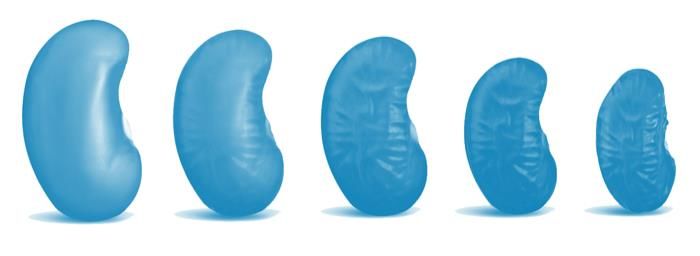
Investor presentation                  ADA 2019                                        Slide 4

Ozempic® now launched in 21 countries and continues to
gain market shares in the USA

                 USA GLP-1 NBRx market share                                                USA GLP-1 volume market share
                        NN GLP-1           Victoza®      Ozempic®   dulaglutide                                                          NN GLP-1               dulaglutide
Weekly                                                                            Monthly
NBRx share               exenatide         albiglutide                                                                                   Victoza®               exenatide
                                                                                  TRx share
                                                                                                                                         Ozempic®               albiglutide
60%                                                                               60%
                                                                      50.6%
50%                                                                               50%                                                                                  45.9%
                                                                      39.7%
40%                                                                               40%                                                                                  44.5%
                                                                       31.2%
30%                                                                               30%
                                                                                                                                                                       31.3%
20%                                                                               20%
                                                                       19.4%                                                                                           13.2%
10%                                                                               10%
                                                                        9.7%                                                                                             9.6%
  0%                                                                               0%
          Jan                                                          May                 Feb                                                                           May
         2018                                                          2019               2017                                                                           2019

Source: NBRx-IQVIA LRx Weekly, week ending 19 May 2019                             Source: IQVIA monthly xponent, Apr 2019, weekly xponent for May, week ending 19 May 2019
NBRx: New-to-brand prescriptions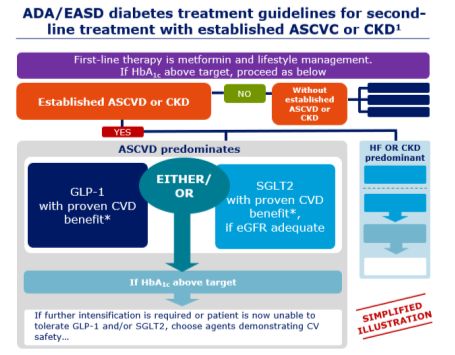
Investor presentation               ADA 2019                          Slide 5

  Progress on several projects since ADA last year
  June 2018

                                                                                                                                                            June 2019

          Bridging             PIONEER 5,     Ziylo acquisition     PIONEER 9         DUAL VIII          US filing of oral         AM833
        strategy for            8 and 10      for accelerating         and 6        completed for        semaglutide and          phase 2
        semaglutide              results           glucose            results         Xultophy®            CV label for           initiated
         CV labels                               responsive                                               Ozempic® and
                                                   insulin                                               oral semaglutide

PIONEER 2,           STEP               OG2023              SELECT            REFLECT              LAI287              EU and CA              Partnership
 3, 4 and 7         obesity             phase 1             obesity           RWE trial           phase 2            filings of oral          with Gilead
   results         phase 3              initiated         CVOT phase         completed            initiated           semaglutide               Science
                   initiated                               3 initiated      for Tresiba®                                                      announced

                                      GLP-1               Insulin           Obesity            Real-World             Regulatory
                                                                            & NASH              Evidence

Mads Krogsgaard Thomsen
Chief Science Officer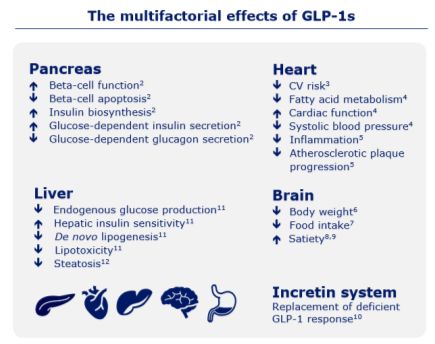
Investor presentation ADA 2019 Slide 6
GLP-1s have positive effects beyond glycaemic control and treatment
guidelines have been updated to particularly reflect the CV risk benefits
ADA/EASD diabetes treatment guidelines for second-
The multifactorial effects of GLP-1s line treatment with established ASCVC or CKD1
First-line therapy is metformin and lifestyle management.
If HbA1c above target, proceed as below
Pancreas Heart
NO Without
Beta-cell function2 CV risk3 established
Established ASCVD or CKD
Beta-cell apoptosis2 Fatty acid metabolism4 ASCVD or
CKD
Insulin biosynthesis2 Cardiac function4
YES
Glucose-dependent insulin secretion2 Systolic blood pressure4
Glucose-dependent glucagon secretion2 Inflammation5 ASCVD predominates HF OR CKD
predominant
Atherosclerotic plaque
progression5 EITHER/
SGLT-2
GLP-1 OR
Liver with proven CVD
Brain with proven CVD
benefit*,
Endogenous glucose production11 Body weight6 benefit*
if eGFR adequate
Hepatic insulin sensitivity11 Food intake7
De novo lipogenesis11 Satiety8,9
Lipotoxicity11
Steatosis12
If HbA1c above target
Incretin system
If further intensification is required or patient is now unable to SIMPLIFIED
Replacement of deficient ILLUSTRATION
GLP-1 response10 tolerate GLP-1 and/or SGLT-2, choose agents demonstrating CV
safety…
All references and notes on slide 37
Investor presentation                         ADA 2019                                             Slide 7

Key inclusion criteria defining established CVD differ between GLP-1
CVOTs but trial populations are more comparable with aligned definitions

         Key inclusion criteria defining established                                                                                               Trial population based on
       cardiovascular disease across selected CVOTs                                                                                          previous MI/stroke vs CV risk factors
                                      REWIND1                              LEADER2/SUSTAIN 63                                                                       MI/Stroke                CV risk factors
                         ≥1 prior CVD                                  ≥1 of the following:
                         • MI                                          • CVD
                         • Ischaemic stroke                            • CeVD                                                               22%1
                         • Revascularisation*                          • PVD                                                                                                        40%                                    41%
                         • Hospitalisation for                         • Chronic HF (NYHA
                            unstable angina                               class II or III)
 Established             • Myocardial ischaemia                        • Chronic kidney
     CVD                 • PCI                                            disease of stage 3 or
                                                                          higher
                         •    Age 50 to 54 years,
                              with ≥1 prior CVD                        •    LEADER: age ≥50 years                                            78%
                                                                            with ≥1 prior CVD
                                                                       •    SUSTAIN 6: age ≥50                                                                                      60%                                    59%
                                                                            years with clinical
                                                                            evidence of CVD

                        •    Age 55 to 60 years, the                   •    LEADER: age ≥60 years
                             above, or evidence of                          with ≥1 CV risk factor
   Without                   other vascular or renal                   •    SUSTAIN 6: age ≥60                                            REWIND                                 LEADER                               SUSTAIN 6
 established                 disease                                        years with subclinical                                       n=9,901                                n=9,340                                 n=3,297
     CVD                •    Age ≥60 years, the                             evidence of CVD                                           Mean follow up:                        Mean follow up:                         Mean follow up:
                             above, or 2 CV risk                                                                                        5.4 years                              3.8 years                               2.1 years
                             factors
*Coronary: carotid or peripheral; CeVD: cerebrovascular disease; CV: cardiovascular; CVD: cardiovascular disease; CVOT: cardiovascular outcomes trial; HF: heart failure; MI: myocardial infarction; NYHA: New York Heart Association; PCI:
percutaneous coronary intervention; PVD: peripheral vascular disease
1. Gerstein HC et al. Diabetes Obes Metab 2017; doi:10.1111/dom.13028; 2. Marso SP et al. N Engl J Med 2016;375:311–322; 3. Marso SP et al. N Engl J Med 2016;375:1834–1844; 5. 1. Gerstein HC et al. Diabetes Obes Metab 2017, Based on
Ischaemic stroke (5.3%) and Prior MI (16.2%);
Investor presentation ADA 2019 Slide 8
Comparison of post-hoc analyses of SUSTAIN 6, LEADER
and REWIND for prior and no prior MI/stroke subgroups
Prior No. events* Hazard ratio
Outcome Interaction
MI/stroke Sema Pbo (95% CI) p-value
SUSTAIN 6 With 66 88 0.76 (0.55 ; 1.05)
3-point MACE 0.75
Without 42 58 0.70 (0.47 ; 1.04)
Prior No. events* Hazard ratio
Outcome
MI/stroke Lira Pbo (95% CI)
LEADER
With 322 372 0.84 (0.72 ; 0.97)
3-point MACE 0.56
Without 286 322 0.89 (0.76 ; 1.05)
Prior No. events* Hazard ratio
Outcome
MI/stroke Dula Pbo (95% CI)
REWIND
With 196 236 0.79 (0.66 ; 0.96)
3-point MACE 0.18
Without 396 423 0.93 (0.81 ; 1.07)
With prior MI/stroke Without prior MI/stroke
Lira N=1,865; Sema N=673; Dula N=1,028 Lira N=2803; Sema N=975; Dula N=3,896 0.4 1.0 2.0
Pbo N=1,827; Pbo N=694; Pbo N=1,007 Pbo N=2845; Pbo N=955; Pbo N=3,920
*First events
Poulter N et al. Abstract 86477, presented at the European Society of Cardiology Congress, Barcelona, 28 August 2017
Leiter L et al. 2019. Cardiovascular Risk Reduction with only once weekly semaglutide in subjects with type 2 diabetes: a post hoc analysis of gender, age, and baseline CV risk profile in the SUSTAIN 6
trial. Cardiovasc Diabeto 18:73. https://doi.org/10.1186/s12933-019-0871-8;
Supplement appendix to: Gerstein HC, Colhoun HM, Dagenais GR, et al. Dulaglutide and cardiovascular outcomes in type 2 diabetes (REWIND): a double-blind, randomized placebo-controlled trial.
Lancet 2019; published online June 10.
CI: confidence interval; CV: cardiovascular; MI: myocardial infarction; PYO: patient-years of observation; Lira: Liraglutide; Sema: Semaglutide; Dula: dulaglutide Pbo: PlaceboInvestor presentation ADA 2019 Slide 9
The FLOW trial is the first dedicated GLP-1 renal outcomes
trial to demonstrate that semaglutide delays renal impairment
End-stage renal disease (ESRD) often results in
chronic dialysis treatment or kidney transplantation1 FLOW trial design
Semaglutide 1.0 mg
Randomised:
>3,000 patients
with type 2
diabetes
Placebo
Healthy kidney ESRD kidney
~20-25 years
Event driven
• 2 in 5 people living with type 2 diabetes will develop chronic kidney Trial objective
disease2 The FLOW trial is the first dedicated GLP-1 renal outcomes trial and is
carried out to demonstrate that semaglutide delays the progression of
• Up to 70% of people with type 2 diabetes and chronic kidney disease
renal impairment and lowers the risk of renal and cardiovascular
experience continued deterioration of the kidney function despite the
mortality in people with type 2 diabetes and chronic kidney disease
current standard of care3-5
• ~10% of the population worldwide is suffering from chronic kidney Inclusion criteria
diseases6 • Patients with type 2 diabetes
• The global dialysis market is currently estimated to be around USD 80 • HbA1c ≤10%
billion7 • Impaired kidney function measured by estimated Glomerular
Filtration Rate (eGFR)*
Afkaria et al, Kidney Disease and Increased Mortality Risk in Type 2 Diabetes, J Am Soc Nephrol, 2013; 2 IDF Diabetes Atlas,
Trial initiation: Q3 2019
1
Eighth edition 2017; 3 Lewis et al. Renoprotective effect of the ARB Irbesartan in patients with T2D and nephropathy (IDNT
trial). NEJM 2001; 4 Brenner et al. Renal trial. Effects of losartan on renal and cardiovascular outcomes. NEJM 2001; 5 Lewis et
al. The effect of ACE inhibition on diabetic nephropathy. NEJM, 1993; 6 National Kidney Foundation (US), 2015 data; 7 Global
Market Insights Inc.; Dialysis Market Global Share Analysis 2024, published November 2018
*eGFR ≤75 to ≥50* and UACR >300 toInvestor presentation ADA 2019 Slide 10
The FOCUS trial will evaluate long-term effects of
semaglutide vs placebo regarding diabetic retinopathy
Poor glucose control causes damage to blood
vessels which can lead to diabetic retinopathy FOCUS trial design
Healthy eye Diabetic eye
Antidiabetic SOC + semaglutide 0.5-1.0
Randomised: mg sc QW
~1,500 patients
with type 2
diabetes
Antidiabetic SOC + placebo
5 years
• 1 in 3 people living with type 2 diabetes have some degree of Trial objective
diabetic retinopathy1 To assess the long-term effects of semaglutide compared with
placebo, both added to standard of care, with respect to diabetic
• About 5-10% of people living with diabetes will develop a vision retinopathy development and progression
threatening form of the disease2
Inclusion criteria
• Diabetes duration >10 years
• The global market for treating diabetic retinopathy is currently
estimated to be around USD 6 billion3 • HbA1c 7-10%
• Exclusion: unstable or active eye disease
Trial initiation: Q2 2019
1 IDF Atlas, Eighth edition 2017, Tien Y. Wong, Chui Ming Gemmy Cheung, Michael Larsen, Sanjay
2
Sharma and Rafael Simó, Diabetic retinopathy, Nature Reviews, Disease Primers, VOLUME 2, 2016,
3 Grand View Research; Diabetic Retinopathy Market Analysis Report By Type, published February 2018 QW: once-weekly; sc: subcutaneous; SOC: standard of careInvestor presentation ADA 2019 Slide 11
SUSTAIN FORTE will evaluate high-dose semaglutide in type
2 diabetes and is expected to conclude by end of 2020
SUSTAIN FORTE trial design Key SUSTAIN FORTE trial inclusion criteria
Semaglutide 2.0 mg
Randomised:
964 patients
with type 2
diabetes
Semaglutide 1.0 mg
40 weeks
Trial objective
To establish the effect of semaglutide sc 2.0 mg QW vs. People with type 2 diabetes from 10 countries
semaglutide 1.0 mg QW on glycaemic control in patients with
type 2 diabetes on a background of metformin with or • HbA1c 8-10%
without SU treatment • Stable dose of metformin +/- SU
High-dose semaglutide Trial initiation: Q2 2019
• Supports individualised treatment
• Offers a simple treatment regimen for intensification
sc: subcutaneous; QW: once-weekly; SU: sulphonylureaInvestor presentation ADA 2019 Slide 12
Progress on several projects since ADA last year
June 2018
June 2019
Bridging PIONEER Ziylo acquisition PIONEER 9 DUAL VIII US filing of oral AM833
strategy for 5, 8 and 10 for accelerating and 6 completed for semaglutide and phase 2
semaglutide results glucose results Xultophy® CV label for initiated
CV labels responsive Ozempic® and
insulin oral semaglutide
PIONEER STEP OG2023 SELECT REFLECT LAI287 EU and CA Partnership
2, 3, 4 and obesity phase 1 obesity RWE trial phase 2 filings of oral with Gilead
7 results phase 3 initiated CVOT phase completed initiated semaglutide Science
initiated 3 initiated for Tresiba® announced
GLP-1 Insulin Obesity Real-World Regulatory
& NASH EvidenceInvestor presentation ADA 2019 Slide 13
An overview of the PIONEER programme
Diet and OAD Insulin users Special
exercise populations
PIONEER 1 PIONEER 2 PIONEER 8 PIONEER 5
vs SGLT-2 Renal impairment
(Met) (± Met, ± SU, or ± insulin)
vs placebo Add-on to insulin
(Diet and exercise) PIONEER 3 (Insulin ± Met) PIONEER 6
vs DPP-4 CVOT
(1–2 OADs: Met ± SU) (Standard of care)
PIONEER 4 PIONEER 9
vs GLP-1/placebo vs GLP-1/placebo, Japan
(1–2 OADs: Met ± SGLT-2) (Monotherapy)
PIONEER 7 PIONEER 10
Flexible dose adjustment vs GLP-1/placebo, Japan
vs DPP-4 with extension (1 OAD: SU, TZD,
(1–2 OADs: Met, SU,
TZD, SGLT-2)
α-GI, glinide or SGLT-2)
Note: Text in parentheses represents allowed background medications.
CVOT: cardiovascular outcomes trial; DPP-4: dipeptidyl peptidase-4 inhibitor; GLP-1: glucagon-like peptide-1 receptor agonist; Met: metformin; OAD: oral anti-diabetes drug;
PIONEER: peptide innovation for early diabetes treatment; SGLT-2: sodium glucose co-transporter-2 inhibitor; SU: sulphonylurea; TZD: thiazolidinedione; α-GI: alpha-glucosidase inhibitors;
glinide: prandial glucose regulators.Investor presentation ADA 2019 Slide 14
The PIONEER programme showed consistent statistically
significant reductions in HbA1c and body weight
Oral semaglutide lowered HbA1c by 1.0–1.8%- Oral semaglutide lowered body weight by
points by end of trial1 ~2–5 kg by end of trial1
Mean change in HbA1c (%-points) Mean change in weight (kg)
PIONEER trials PIONEER trials
1 2 3 4 5 6 7 8 9 10 1 2 3 4 5 6 7 8 9 10
0.0% 0
-1
-0.5%
-2
-1.9*
-1.0% -3
-1.0%* -2.9 * -2.8 *
-1.1%* -1.1%*
-1.2%* -4 -3.5*
-1.2%* -3.7 *
-1.3%*
-1.5% -1.4%* -4.1 * -4.2*
-1.5%* -4.3*
-1.5%* -5 -4.7 *
-5.0*
-2.0% -1.8%* -6
1Hypothetical estimand, Mixed Model for Repeated Measurement (MMRM)
*Statistically significant vs comparator (vs placebo in PIONEER 1; vs empagliflozin 25 mg in PIONEER 2; vs sitagliptin 100 mg in PIONEER 3; vs Victoza® 1.8 mg in PIONEER 4; vs placebo in PIONEER
5; vs placebo in PIONEER 6; vs sitagliptin 100 mg in PIONEER 7; vs placebo in PIONEER 8; vs Victoza ® 0.9 mg and placebo in PIONEER 9; vs 0.75 mg dulaglutide in PIONEER 10)
Note: Results shown are: PIONEER 1 and 5 for 26 weeks with 14 mg oral semaglutide, PIONEER 2, 4, 8, 9 and 10 for 52 weeks with 14 mg oral semaglutide; PIONEER 3 for 78 weeks with 14 mg oral
semaglutide; PIONEER 7 for 52 weeks with a mixed dose; PIONEER 6 following occurrence of 137 MACE with a median follow-up time of 16 months.
MACE: major adverse cardiovascular events; FDA: The US Food and Drug AdministrationInvestor presentation ADA 2019 Slide 15
The PIONEER 6 trial investigated cardiovascular safety of
oral semaglutide vs placebo
PIONEER 6 trial design PIONEER 6 headline results
Oral semaglutide 14 mg + standard • 21% non-significant reduction of
Randomised: of care primary endpoint1 for oral semaglutide-treated
3,176 patients patients compared to
with type 2 placebo-treated subjects (HR: 0.79)
diabetes • CV death – significant (HR: 0.49)
Placebo + standard of care
• Non-fatal MI – non-significant (HR: 1.18)
• Non-fatal stroke – non-significant (HR: 0.74)
137 MACE
• All-cause mortality – significant (HR: 0.51)
Trial objective
Confirm the cardiovascular safety of oral semaglutide in • Results were based on 137 MACE with median
patients with type 2 diabetes
follow-up of 16 months
Inclusion criteria
• Age ≥50 years and clinical evidence of CV disease or age PIONEER symposium on Tuesday June 11th
≥50 years and subclinical evidence of CV disease from 9.45 – 11.45 (pacific time)
• Antidiabetic drug-naïve or current treatment with one or
more oral or injectable antidiabetic agent(s) (excl. DPP-4
and GLP-1)
1 The primary endpoint of the PIONEER 6 trial was defined as the MACE composite outcome of the first occurrence of cardiovascular death, non-fatal myocardial infarction or non-fatal stroke.
CV: cardiovascular; DPP-4: dipeptidyl peptidase-4 inhibitor; GLP-1: glucagon-like peptide-1; MACE: major cardiovascular event; HR: hazard ratio; MI: myocardial infarction; PIONEER: peptide
innovation for early diabetes treatmentInvestor presentation ADA 2019 Slide 16
The SOUL trial will provide robust evidence on the cardiovascular
benefits of oral semaglutide in people with type 2 diabetes
SOUL trial design SOUL trial key inclusion criteria
Oral semaglutide 14 mg + standard
Randomised: of care
9,642 patients
with type 2
diabetes
Placebo + standard of care
Event-driven
Key endpoints
Primary: People with type 2 diabetes from 34 countries with
• Cardiovascular death, non-fatal myocardial infarction or primarily moderate Chronic Kidney Disease
non-fatal stroke (MACE)
• HbA1c ≤10%
Secondary confirmatory:
• 5-component composite CKD endpoints • Age ≥50 years
• Cardiovascular Death • At least 1 of the following: Coronary heart disease,
• A composite peripheral artery endpoint Cerebrovascular disease, Symptomatic peripheral
arterial disease, Chronic kidney disease
Trial initiation: Q2 2019
Standard of care allows all glucose lowering drugs except GLP-1s; CKD: chronic kidney diseaseInvestor presentation ADA 2019 Slide 17
Progress on several projects since ADA last year
June 2018
June 2019
Bridging PIONEER 5, Ziylo acquisition PIONEER 9 DUAL VIII US filing of oral AM833
strategy for 8 and 10 for accelerating and 6 completed for semaglutide and phase 2
semaglutide results glucose results Xultophy® CV label for initiated
CV labels responsive Ozempic® and
insulin oral semaglutide
PIONEER 2, STEP OG2023 SELECT REFLECT LAI287 EU and CA Partnership
3, 4 and 7 obesity phase 1 obesity RWE trial phase 2 filings of oral with Gilead
results phase 3 initiated CVOT phase completed initiated semaglutide Science
initiated 3 initiated for Tresiba® announced
GLP-1 Insulin Obesity Real-World Regulatory
& NASH Evidence
Martin Lange
SVP Global DevelopmentInvestor presentation ADA 2019 Slide 18
In Dual VIII, 66% of people on glargine U100 required
treatment intensification compared to 37% on Xultophy®
Trial design Dual VIII - durability Time to need for treatment intensification*
Probability of need for IDegLira glargine U100
“need for treatment intensification”
treatment intensification (%) 66.2% patients required
Duration 104 weeks 70 treatment intensification
60
IDegLira QD + OAD(s)
Randomised: 50
1,012
patients 40
Insulin glargine QD + OAD(s)
30
37.4% patients required
Continued trial drug period 20 treatment intensification
26 weeks 0-78 weeks End of trial
10
“get to “durability”
target” 0
0 12 26 38 52 64 78 90 104
Trial objective Weeks
To compare long-term glycaemic control of IDegLira vs. insulin
glargine U100 in insulin naïve subjects with type 2 diabetes
inadequately controlled on OAD(s)1
1 According to the ADA definition of HbA1c > 7%; * HbA1c ≥7% at 2 consecutive visits. Full analysis set. Treatment policy strategy. Patients discontinuing treatment contribute to analyses as
needing treatment intensification from time of discontinuation. IDegLira/Xultophy®: insulin degludec/liraglutide; Glargine U100: insulin glargine U100; n: number of patients; OAD: oral anti-
diabetes drug; QD: once-dailyInvestor presentation ADA 2019 Slide 19
In Dual VIII, mean HbA1C was comparable for Xultophy®
compared with glargine U100 but with a lower actual insulin dose
Mean change in HbA1c (%-point) Actual daily insulin dose (U)
IDegLira glargine U100 Actual daily IDegLira glargine U100
Mean change in total insulin
HbA1c (%) dose (U)
9.0 60
51 U
8.5 50
8.0 40 36 U
7.5 30
7.0 20
6.5%
6.5 10
6.4%
6.0 0
0 12 26 38 52 64 78 90 104 0 4 12 26 38 52 64 78 90 104
Weeks Weeks
At week 104, 90 patients (27.36%) had max dose of IDegLira. 75.3% were at targetInvestor presentation ADA 2019 Slide 20
In Dual VIII, mean body weight gain was 1.7 kg lower for Xultophy®
and with lower risk of hypoglycaemia compared with glargine U100
Severe or blood glucose confirmed symptomatic
Body weight – change from baseline hypoglycaemic episodes over 104 weeks
Mean change IDegLira
Number of episodes IDegLira
glargine U100 glargine U100
body weight (Kg) per patient
4.0 3.4 kg 2.0
3.0
1.5
56%
2.0 rate reduction*
1.0
1.7 kg*
1.0
0.5
0.0
-1.0 0.0
0 4 12 26 52 78 104 0 8 16 24 32 40 48 56 64 72 80 88 96 104
Weeks Weeks
Means from the MMRM model Severe or blood glucose confirmed symptomatic hypoglycaemia: An episode that is severe
* statistically significant vs. insulin glargine U100 after 104 weeks; Kg: kilograms; CI: confidence interval; according to the American Diabetes Association classification or BG confirmed by a plasma
ETD: estimated treatment difference; IDegLira/Xultophy®: insulin degludec/liraglutide; glargine U100: glucose value < 3.1 mmol/L (56 mg/L) with symptoms consistent with hypoglycaemia.
insulin glargine U100; LS: least squares; MMRM: mixed model repeated measurement CI: confidence interval; conf., confirmed; ERR: estimated rate ratio; Symp: symptomaticInvestor presentation ADA 2019 Slide 21
Innovation and convenience for patients on basal insulin with
once-weekly insulin LAI287
Rationale for a once-weekly insulin LAI287 phase 2 programme
Provide an efficacious, safe and convenient once-weekly 2019 H1 2019 H2 2020 H1
alternative to once-daily basal insulin for patients with
type 2 diabetes
T2D, insulin naïve
+ OAD vs glargine
~250 patients, 26 weeks
Fewer injections T2D, insulin naïve
Different titrations vs glargine
~200 patients, 16 weeks
T2D, + OAD
Lower treatment burden could With and without loading dose vs glargine
~150 patients, 16 weeks
lead to higher compliance
Expected phase 2 programme completion: H1 2020
T2D: type 2 diabetes; OAD: oral antidiabetes drugsInvestor presentation ADA 2019 Slide 22
Connected insulin pen resulting in improved adherence and
‘time in range’ in Swedish study
More accurate data leading to better doctor-
NovoPen® 6 with Glooko/Diasend® system patient conversations and treatment results
1. NovoPen® 6 2. Data 3. Data 4. HCP
capture storage review of data
• 43% fewer missed meal-time
insulin injections
HCP
In-clinic data box
• 28% increase in dose of meal-
time insulin
Patient
FGM/CGM blood Storage of Visualisation of
glucose data data on cloud patient data
• 2 more hours in good glucose
(insulin dosing and
glucose data) on control per person per day
same interface
using HCP platform
Anonymised data transfer to Novo Nordisk for
research and product development purposes
For more details, see ADA 2019 Late-breaking poster presentation 126-LB and Poster presentation
1076-P; HCP: healthcare professional; FGM: flash glucose monitor; CGM: continuous glucose monitorInvestor presentation ADA 2019 Slide 23
Progress on several projects since ADA last year
June 2018
June 2019
Bridging PIONEER 5, Ziylo acquisition PIONEER 9 DUAL VIII US filing of oral AM833
strategy for 8 and 10 for accelerating and 6 completed for semaglutide and phase 2
semaglutide results glucose results Xultophy® CV label for initiated
CV labels responsive Ozempic® and
insulin oral semaglutide
PIONEER 2, STEP OG2023 SELECT REFLECT LAI287 EU and CA Partnership
3, 4 and 7 obesity phase 1 obesity CVOT RWE trial phase 2 filings of oral with Gilead
results phase 3 initiated phase 3 completed initiated semaglutide Science
initiated initiated for Tresiba® announced
GLP-1 Insulin Obesity Real-World Regulatory
& NASH Evidence
Martin Lange
SVP Global DevelopmentInvestor presentation ADA 2019 Slide 24
Clinical projects in obesity and NASH
Phase 1 Phase 2 Phase 3 Marketed
PYY 1562 analogue
Develop new
GG-co-agonist biologics
combined with
Tri-agonist 1706 GLP-1 to achieve
Obesity >20% weight
PYY 1875 analogue Amylin AM833 Semaglutide obesity loss
Semaglutide NASH Enter NASH by
leveraging GLP-1
Semaglutide NASH + and other internal
Gilead Science assets as well as
in-licensing
NASH external
opportunities
PYY: peptide YY; GG: GLP-1 and glucagon; NASH: nonalcoholic steatohepatitis; GLP-1: glucagon-like peptide-1Investor presentation ADA 2019 Slide 25
The phase 3a programme STEP and the CV outcomes study
SELECT were initiated in 2018 for semaglutide in obesity
Semaglutide in obesity phase 3a programme, Cardiovascular outcomes study, SELECT,
STEP, expected to include ~4,500 patients1 initiated for semaglutide in obesity
2018 2019 2020
Semaglutide 2.4 mg sc QW
STEP 1: Weight loss ~17,500 people
1,950 patients, 68 weeks
with obesity1
STEP 2: T2D non-insulin patients Placebo
1,200 patients, 68 weeks
STEP 3: Maximising weight loss
600 patients, 68 weeks
Event-driven
STEP 4: Maintained weight loss
900 patients, 68 weeks
Expected phase 3a programme completion: 2020 Completion: Pre-defined number of events
1Inclusion criteria: Male or female, age ≥18 years, BMI: ≥30 kg/m 2 or ≥27 kg/m2 and ≥1 comorbidity 1 Inclusion criteria: Male or female > 45 years, BMI >27 kg/m 2, myocardial infarction or
Note: All treatment arms are adjunct to diet and exercise stroke >60 days, HbA1cInvestor presentation ADA 2019 Slide 26
Amylin AM833 could become the next step in getting closer
to the ambition of >20% weight loss
Phase 1b amylin and semaglutide
combination multiple dose trial Phase 2 dose finding trial
Randomised: Cohort 5 – QW sema + QW AM833 Dose E Randomised: AM833, 4.5 mg QW
4* 4-week escalation steps (fixed ratio)
80 people 700 people AM833, 2.4 mg QW
with obesity Cohort 4 – QW sema + QW AM833 Dose D with obesity
4* 4-week escalation steps (fixed ratio) AM833, 1.2 mg QW
Cohort 3 – QW sema + QW AM833 Dose C
AM833, 0.6 mg QW
4* 4-week escalation steps (fixed ratio)
Cohort 2 – QW sema + QW AM833 Dose B AM833, 0.3 mg QW
4* 4-week escalation steps (fixed ratio)
Liraglutide, 3.0 mg QD
Cohort 1 – QW sema + QW AM833 Dose A
4* 4-week escalation steps (fixed ratio) Placebo
20 weeks treatment Diet and physical activity counselling
~19 months 26 weeks + 6 weeks follow-up
Trial objective Trial rationale
To assess the safety, tolerability, and PK properties, and to explore To find optimal dose of sc. administered amylin AM833 QW for weight
PD effects of multiple subcutaneous doses of amylin AM833 initiated loss in people being overweight or with obesity (BMI 27-39.9 kg/m2)
simultaneously with semaglutide in people with overweight or Primary endpoint
obesity (BMI 27-39.9 kg/m2) Change from baseline to week 26 in body weight (%)
Trial initiation: Q1 2019
QW: once-weekly; sema: semaglutide; sc: subcutaneousInvestor presentation ADA 2019 Slide 27
Novo Nordisk is investigating opportunities within NASH
Semaglutide NASH phase 2 programme Proof of concept phase 2 combination trial design
2016 2017 2018 2019 2020 Sema 2.4 mg once weekly sc
100 NAFLD/NASH
Sema 2.4 mg + FIR 20 mg once daily oral
MRI-PDFF with ≥
Semaglutide 0.1, 0.2 and 0.4 mg QD 10% steatosis
vs placebo in patients with NASH
FibroScan with Sema 2.4 mg + CIL 30 mg once daily oral
~320 patients, 72 weeks
liver stiffness ≥ 7
kPa or historical Sema 2.4 mg + CIL 100 mg once daily oral
liver biopsy
Semaglutide 0.4 mg QD Sema 2.4 mg + FIR 20 mg + CIL 30 mg
vs placebo in patients with NASH
~70 patients, 72 weeks
24 weeks + 7 weeks follow-up
Semaglutide 2.4 mg QW
vs placebo in patients with NASH
~70 patients, 48 weeks
Trial information
• Safety and tolerability trial
• Initiation Q3 2019
• MRI-PDFF, MRE & biomarkers at least at: 0, 12, 24 weeks
Expected phase 2 programme completion: H2 2020
QD: Once-daily; QW: once-weekly; sc: subcutaneous; MRI-PDFF: magnetic resonance imaging–estimated proton density fat fraction; MRE: magnetic resonance elastography; NASH: nonalcoholic
steatohepatitis; NAFLD: Nonalcoholic fatty liver disease; kPa: kilopascals; FIR: firsocostat (ACC inhibitor); CIL: cilofexor (FXR agonist); ACC: acetyl-CoA carboxylase; FXR: Farnesoid X receptorInvestor presentation ADA 2019 Slide 28
Progress on several projects since ADA last year
June 2018
June 2019
Bridging PIONEER 5, Ziylo acquisition PIONEER 9 DUAL VIII US filing of oral AM833
strategy for 8 and 10 for accelerating and 6 completed for semaglutide and phase 2
semaglutide results glucose results Xultophy® CV label for initiated
CV labels responsive Ozempic® and
insulin oral semaglutide
PIONEER 2, STEP OG2023 SELECT REFLECT LAI287 EU and CA Partnership
3, 4 and 7 obesity phase 1 obesity RWE trial phase 2 filings of oral with Gilead
results phase 3 initiated CVOT phase completed initiated semaglutide Science
initiated 3 initiated for Tresiba® announced
GLP-1 Insulin Obesity Real-World Regulatory
& NASH Evidence
Stephen Gough
Global Chief Medical OfficerInvestor presentation ADA 2019 Slide 29
Novo Nordisk continues to invest in post-approval trials across
the portfolio to support clinical findings in real-world settings
• Semaglutide in patients with type 2 diabetes: real-world analysis in the Canadian LMC Diabetes
Registry: the SPARE study (poster presentation 995-P)
• Real-world effectiveness of semaglutide in early users from a US commercially insured and Medicare
Advantage population (poster presentation 1006-P)
• The outcomes associated with use of iDegLira in a large real-world cohort of patients with type 2
diabetes in Sweden (poster presentation 1110-P)
• The first real-world study describing change in glycated hemoglobin (HbA1c) among US patients
initiating iDegLira (publication only)
• A multicenter, prospective, observational study that evaluates the safety and effectiveness of
switching from other basal insulins to degludec, as part of routine clinical care, in patients with type
1 or type 2 diabetes: the ReFLeCT study (poster presentation 374-P)
• A prospective, non-interventional pilot study running including twelve diabetes clinics from different
parts of Sweden. Patients with type 1 diabetes using CGM were included if their treating physicians
decided to offer them a NovoPen® 6 (Late-breaking poster presentation 126-LB)
CGM: continuous glucose monitorInvestor presentation ADA 2019 Slide 30
ReFLeCT is a RWE trial investigating the safety and efficacy
profile of Tresiba® for degludec naïve patients with T1D/T2D
ReFLeCT trial design Key ReFLeCT trial inclusion criteria
N=1,267
T1D and T2D
Degludec QD + standard of care
patients
planned to
Hypo Hypo Hypo Hypo Hypo
initiate recor recor recor recor recor
degludec ding ding ding ding ding
-4 0 3 6 9 12
Weeks Months Months Months
Trial objective People with type 1 and 2 diabetes from 7 countries
To confirm the safety and effectiveness of degludec in
patients with T1D or T2D in routine clinical practice
• T1D and/or T2D adults
Primary endpoint • Male or female ≥ 18 years
Change in rate of any hypoglycaemia of patients before and • Insulin using, planned initiation with degludec
after treatment change to degludec • No previous use of degludec
RWE: real-world evidence; QD: once daily; T1D: type 1 diabetes; T2D: type 2 diabetesInvestor presentation ADA 2019 Slide 31
ReFLeCT demonstrated lower hypoglycaemia risk-profile of
Tresiba® as well as increased quality of life vs other basal insulins
Significant reduction of all types of
hypoglycaemic events Patients’ treatment satisfaction and quality of life
Observed treatment difference at 12 months
% follow-up from baseline with Tresiba®
50
T1D any hypoglycaemic episodes 0.80 [0.75;0.87]* Baseline 12 months follow-up
T2D any hypoglycaemic episodes 0.49 [0.41;0.60]*
40
DTSQ-s total score
T1D non-severe hyp. episodes 0.81 [0.75;0.87]*
29.9 30.0
T2D non-severe hyp. episodes 0.49 [0.41;0.59]* 30 26.0 25.7
T1D nocturnal hyp. episodes 0.58 [0.49;0.70]*
20
T2D nocturnal hyp. episodes 0.36 [0.21;0.61]*
T1D ADA-defined severe hyp.
episodes 0.41 [0.23;0.73]† 10
T2D ADA-defined severe hyp. NA
episodes
0
0.125 0.25 0.5 1 2 4 8 T1D T2D
Favours degludec Rate ratio Favours previous
(follow-up/baseline) basal insulin
*pInvestor presentation ADA 2019 Slide 32
Progress on several projects since ADA last year
June 2018
June 2019
Bridging PIONEER 5, Ziylo acquisition PIONEER 9 DUAL VIII US filing of oral AM833
strategy for 8 and 10 for accelerating and 6 completed for semaglutide phase 2
semaglutide results glucose results Xultophy® and CV label for initiated
CV labels responsive Ozempic® and
insulin oral
semaglutide
PIONEER 2, STEP OG2023 SELECT REFLECT LAI287 EU and CA Partnership
3, 4 and 7 obesity phase 1 obesity RWE trial phase 2 filings of oral with Gilead
results phase 3 initiated CVOT phase completed initiated semaglutide Science
initiated 3 initiated for Tresiba® announced
GLP-1 Insulin Obesity Real-World Regulatory
& NASH Evidence
Robin Evers
SVP Medical Affairs, Regulatory Affairs & SafetyInvestor presentation ADA 2019 Slide 33
Oral semaglutide filed in the USA, the EU and Canada, and
Ozempic® CV risk reduction indication filed in the USA
Expected timelines for the FDA review Oral semaglutide filed in key markets
Q1 2019 Q2 2019 Q3 2019 Q4 2019 Q1 2020 Three FDA filings:
• NDA for oral semaglutide for glycaemic control
Oral semaglutide • NDA for oral semaglutide CV indication
Expected review time: 6 months
• sNDA for Ozempic® CV indication
Oral semaglutide (CV indication) Regulatory filing in the EU for oral semaglutide for
Expected review time: 10 months type 2 diabetes treatment
Ozempic® (CV indication) Regulatory filing in Canada for oral semaglutide for
Expected review time: 10 months type 2 diabetes treatment
CV: Cardiovascular; FDA: the US Food and Drug Administration; Q: Quarter; NDA: New Drug Application; sNDA: Supplementary New Drug ApplicationInvestor presentation ADA 2019 Slide 34
R&D milestones in 2019
Clinical milestones1 Regulatory milestones1
Project Q1 2019 Q2 2019 Q3 2019 Q4 2019
Phase 3b results
Tresiba®
✓ (vs glargine U300) ✓
Ryzodeg® CN regulatory decision ✓
US submission FOCUS trial initiation (OT ) ✓ 2
FLOW trial initiation
Ozempic®
(CV label update) ✓ FORTE initiation (dose trial) (Outcomes trial3)
Anti-IL-21 Phase 2 results
LAI287 Phase 2 results
LAIsema Phase 1 initiation ✓ ✓ Phase 1 results
Oral semaglutide
US submission ✓
✓ SOUL trial initiation (CVOT) US regulatory decision
US submission (CV) ✓
√
√
EU submission ✓ Japan submission
Amylin - AM833 Phase 2 initiation ✓
Tri-agonist 1706
✓ Phase 1 results
PYY 1562 ✓ Phase 1 results
Semaglutide combination PoC phase 2 initiation
Esperoct®/N8-GP US regulatory decision ✓ CHMP recommendation ✓ Japan regulatory decision
Concizumab Phase 3 initiation
Phase 3 initiation US and EU submission Japan submission
Somapacitan
(GHD) ✓ (AGHD) (AGHD)
Diabetes Obesity NASH Haemophilia Growth disorders
1Expected to be published in the given quarter or in the subsequent quarterly company announcement; 2 Diabetic retinopathy outcome trial; 3 Diabetes kidney disease outcome trial; GG-co-agonist in obesity phase 1 decisive results are
now expected in 2020; OT: Outcomes trial; GHD: Growth hormone deficiency; AGHD: Adult growth hormone deficiency; CVOT: Cardiovascular outcomes trial; CV: Cardiovascular; PoC: proof of concept; NASH: nonalcoholic steatohepatitisInvestor presentation ADA 2019 Slide 35
Investor contact information
Share information Investor Relations contacts
Novo Nordisk’s B shares are listed on the stock exchange in Novo Nordisk A/S
Copenhagen under the symbol ‘NOVO B’. Its ADRs are listed on Investor Relations
the New York Stock Exchange under the symbol ‘NVO’. Novo Allé
DK-2880 Bagsværd
For further company information, visit Novo Nordisk on:
www.novonordisk.com
Peter Hugreffe Ankersen +45 3075 9085 phak@novonordisk.com
Upcoming events
Valdemar Borum Svarrer +45 3079 0301 jvls@novonordisk.com
09 Aug 2019 Financial statement for the first six months of 2019
Ann Søndermølle Rendbæk +45 3075 2253 arnd@novonordisk.com
01 Nov 2019 Financial statement for the first nine months of 2019
05 Feb 2020 Kristoffer Due Berg (USA) +1 609 235 2989 krdb@novonordisk.com
Financial statement for the full year of 2019Investor presentation ADA 2019 Slide 36 References and notes for slide 6 1 Management of Hyperglycemia in Type 2 Diabetes, 2018. A Consensus *Proven CVD benefit means it has label indication of reducing CVD Report by the American Diabetes Association (ADA) and the European events. For GLP-1 strongest evidence for Association for the Study of Diabetes (EASD); 2 Campbell JE, DJ Drucker. liraglutide>semaglutide>exenatide extended release. For SGLT-2 Cell Metab. 2013;17:819–837; 3 Marso SP et al. N Engl J Med. evidence modestly stronger for empagliflozin>canagliflozin. 2016;375:311–322; 4 Ryan D, Acosta A. Obesity. 2015;23:1119–1129; 5 ASCVD: atherosclerotic cardiovascular disease; CKD: chronic kidney Hogan AE et al. Diabetologia. 2014;57:781–784; 6 Baggio LL, Drucker DJ. disease; CV: cardiovascular; CVD: cardiovascular disease; CVOT: J Clin Invest. 2014;124:4223–4226; 6 Bagger JI et al. Clin Endocrinol cardiovascular outcome trial; DPP-4: dipeptidyl peptidase-4 inhibitor; Metab. 2015;100:4541–4552; 8 Flint A et al. J Clin Invest. 1998;101:515– eGFR: estimated glomerular filtration rate; GLP-1: glucagon-like peptide- 520; 9 Blundell J et al. Presented at the 76th Scientific Sessions of the 1 receptor agonist; HF: heart failure; SGLT-2: sodium glucose co- American Diabetes Association June 10–14, 2016, New Orleans, Louisiana, transporter-2 inhibitor USA: Oral Presentation 23-OR; 10 Tong J, D'Alessio D. Diabetes. 2014;63:407–409; 11 Armstrong MJ, et al. J Hepatol. 2016;64:399–408; 12 Armstrong MJ, et al. Lancet. 2016;387:679–90.
You can also read


